
The Peace Lily (Spathiphyllum) is the undisputed queen of the indoor plant world. With its glossy emerald leaves and elegant white “flowers,” it adds a touch of sophisticated tranquility to any room. But while they are often marketed as “unkillable,” truly mastering their care requires a bit of insider knowledge. Whether you are a beginner or a seasoned green thumb, these 26 secrets will transform your Peace Lily from a surviving houseplant into a thriving masterpiece.
1. Indirect Light
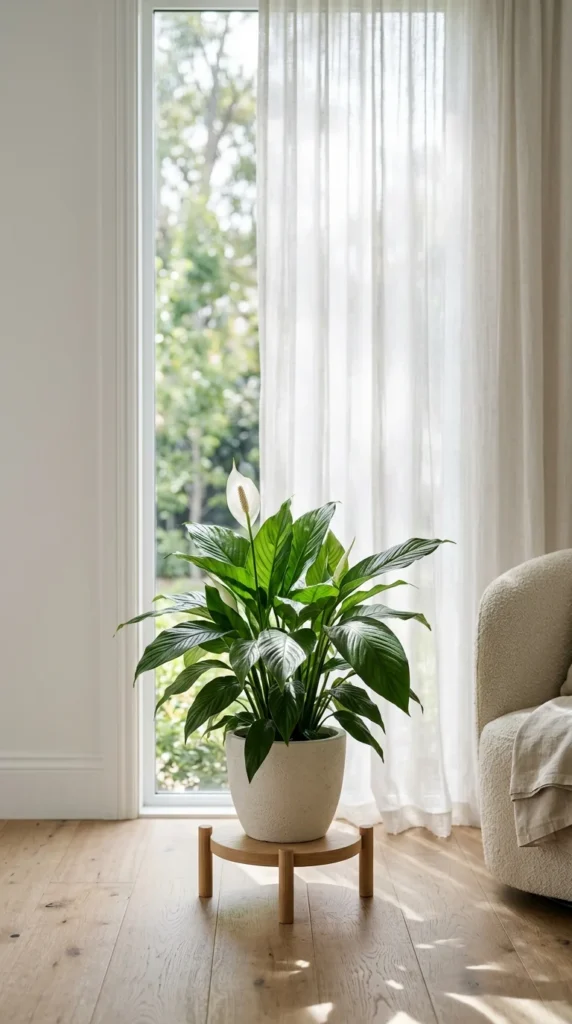
Peace Lilies are forest floor dwellers by nature. This means they are adapted to filtered sunlight. The secret to perfect foliage is bright, indirect light. While they can survive in low-light corners, they rarely bloom there. Conversely, direct afternoon sun will scorch their delicate leaves, leaving behind ugly brown patches. Aim for an east-facing window or a spot a few feet back from a south-facing one.
2. Distilled Water
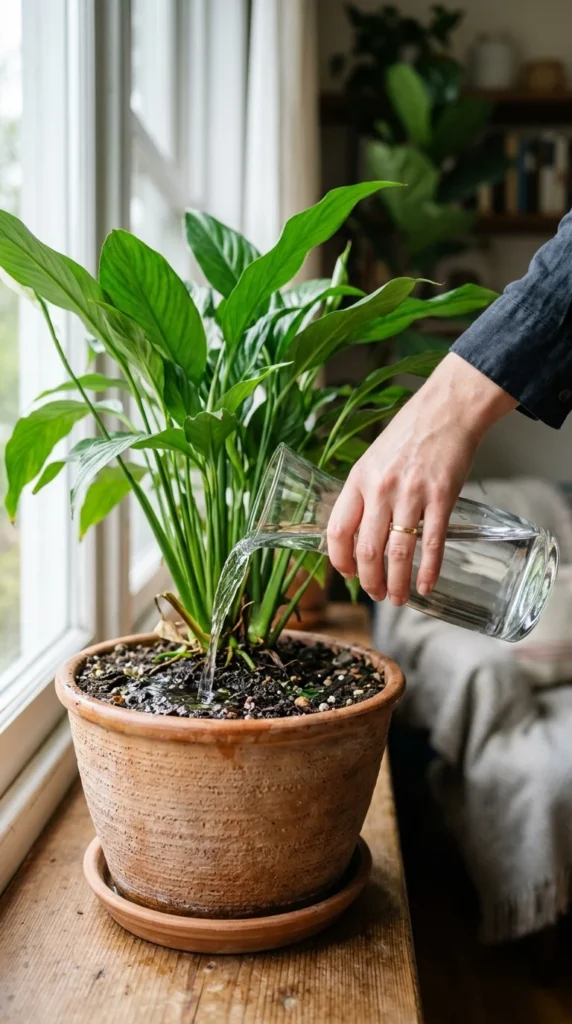
If your Peace Lily has chronic brown tips despite your best efforts, your tap water might be the culprit. These plants are incredibly sensitive to fluoride, chlorine, and salts commonly found in municipal water. The secret is to use distilled water, rainwater, or at the very least, water that has sat out for 24 hours to allow the chemicals to dissipate.
3. Soil Drainage
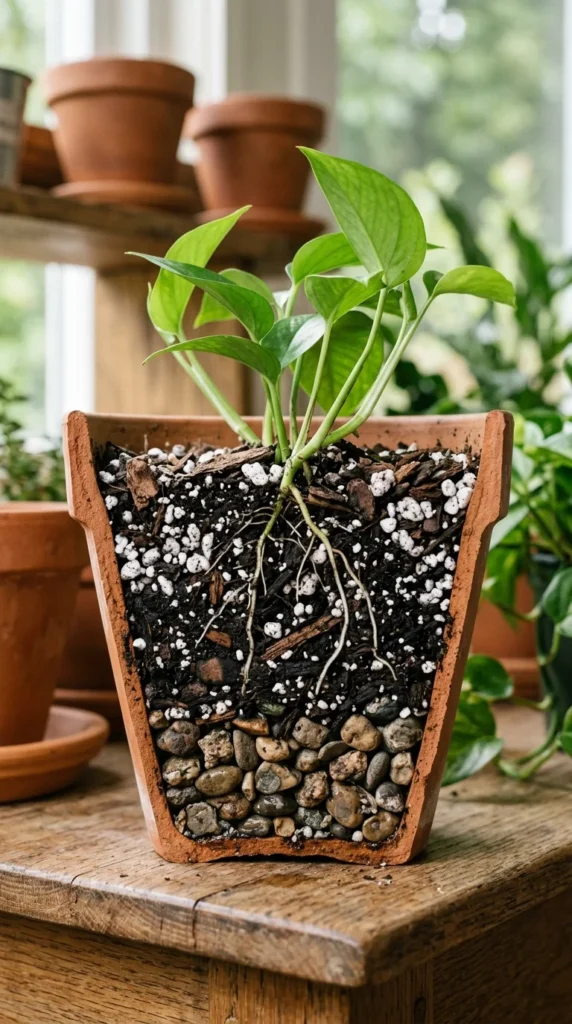
Peace Lilies love moisture, but they hate “wet feet.” The secret to a healthy root system is a well-draining potting mix. Use a high-quality peat-based mix and add a handful of perlite or orchid bark to increase aeration. This ensures that while the soil stays damp, oxygen can still reach the roots, preventing the dreaded root rot.
4. Humidity Boost
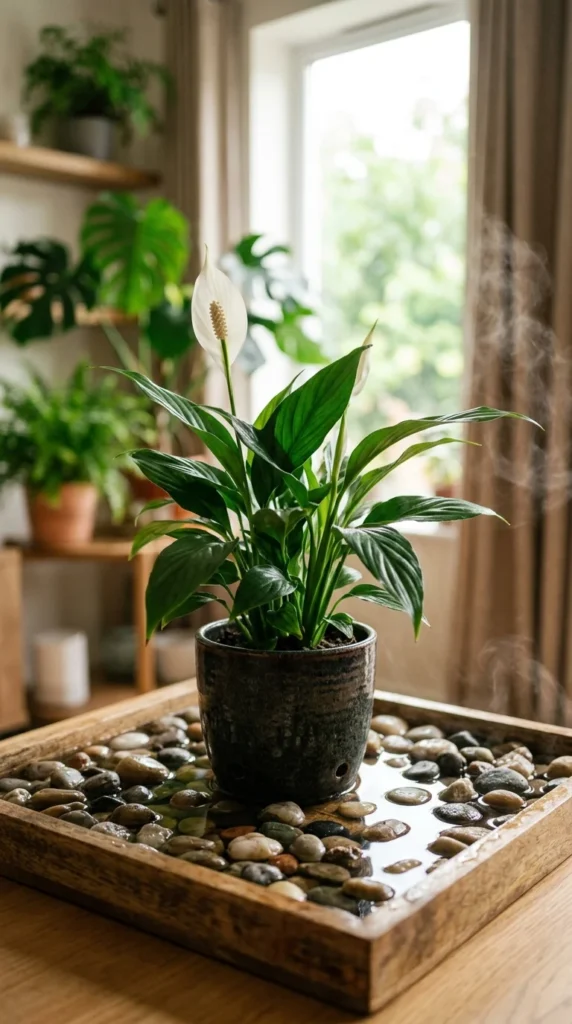
Coming from the tropical rainforests of Central and South America, Peace Lilies crave high humidity. If your home air is dry—especially during winter—the leaves will begin to crisp. The secret is to create a microclimate. Place your plant on a pebble tray filled with water or group it with other plants to increase the local moisture levels through transpiration.
5. Temperature Stability
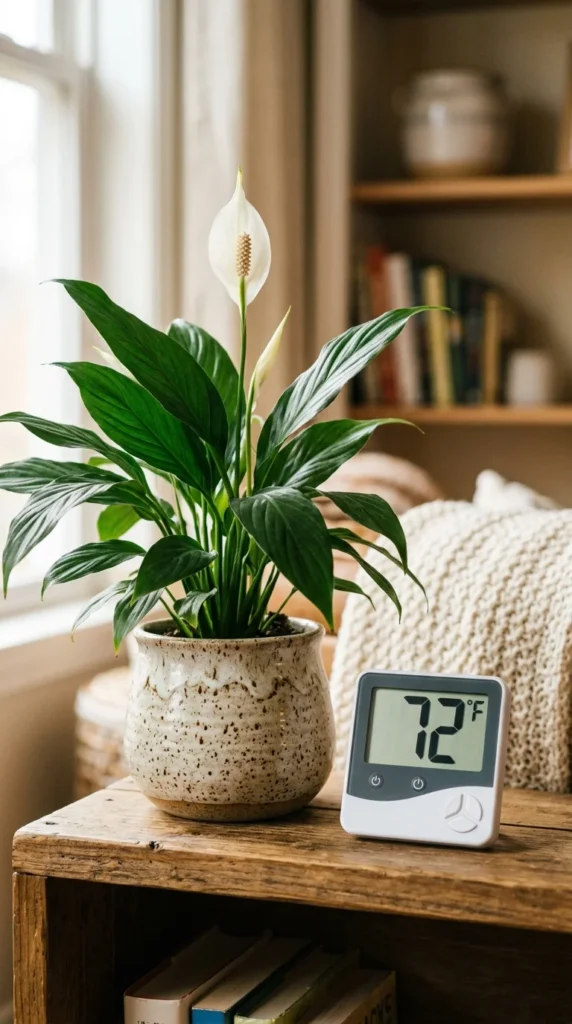
These plants are true tropicals and dislike sudden temperature swings. The secret to keeping them stress-free is maintaining a consistent temperature between 65°F and 85°F. Keep them away from air conditioning vents, drafty doors, and space heaters. If you feel a chill, your Peace Lily definitely does too.
6. Pruning Tactics
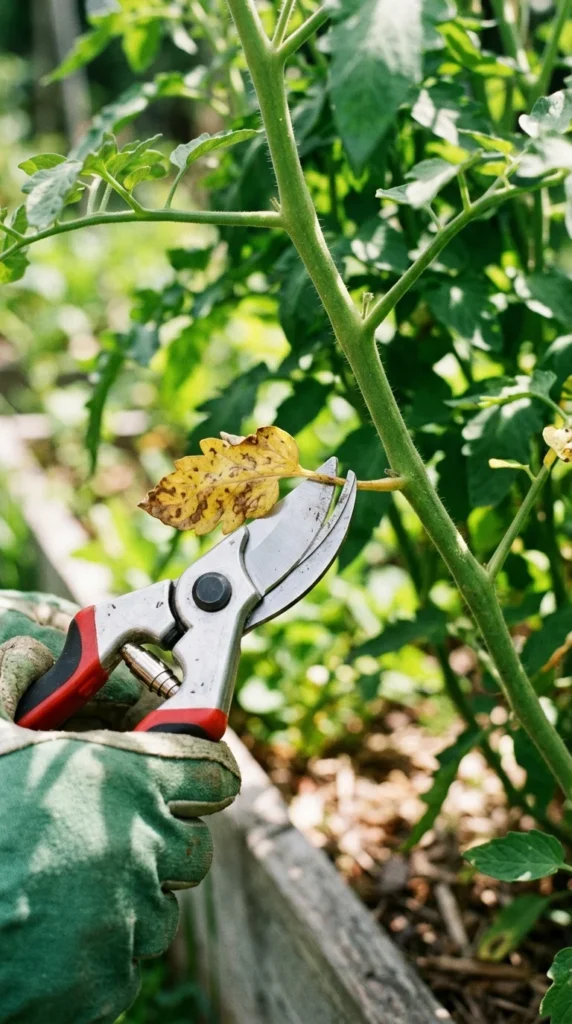
Don’t be afraid to give your plant a haircut. The secret to encouraging new growth is regular pruning. When a leaf turns yellow or a flower turns brown and shriveled, cut it off at the base of the stem. This prevents the plant from wasting energy on dying tissue and keeps it looking tidy and vibrant.
7. Pot Size
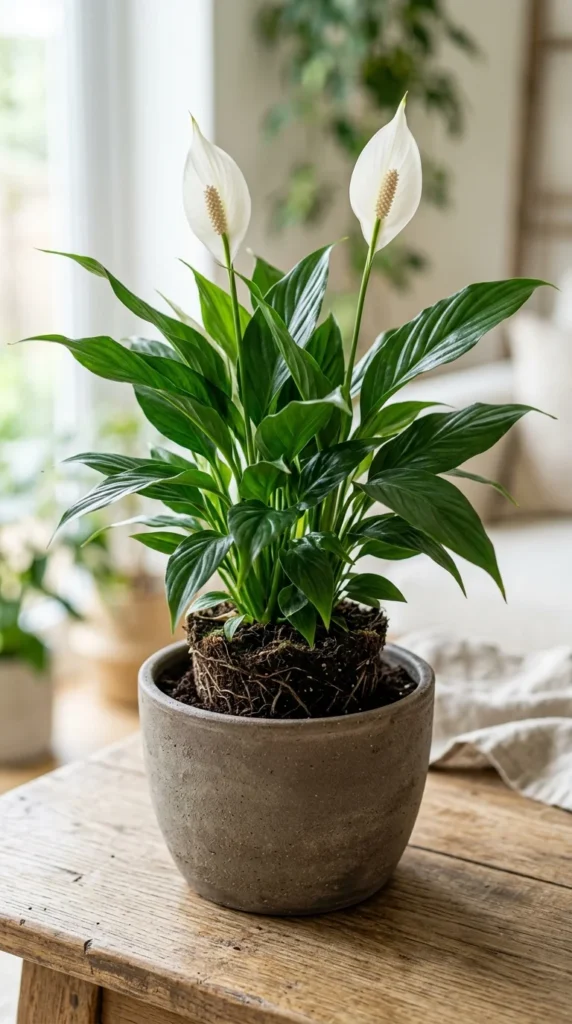
Peace Lilies actually enjoy being slightly root-bound. If you put a small plant in a massive pot, the excess soil will hold too much water, leading to rot. The secret is to only upgrade the pot size when you see roots peeking out of the drainage holes, and only go up one inch in diameter at a time.
8. Fertilizer Timing
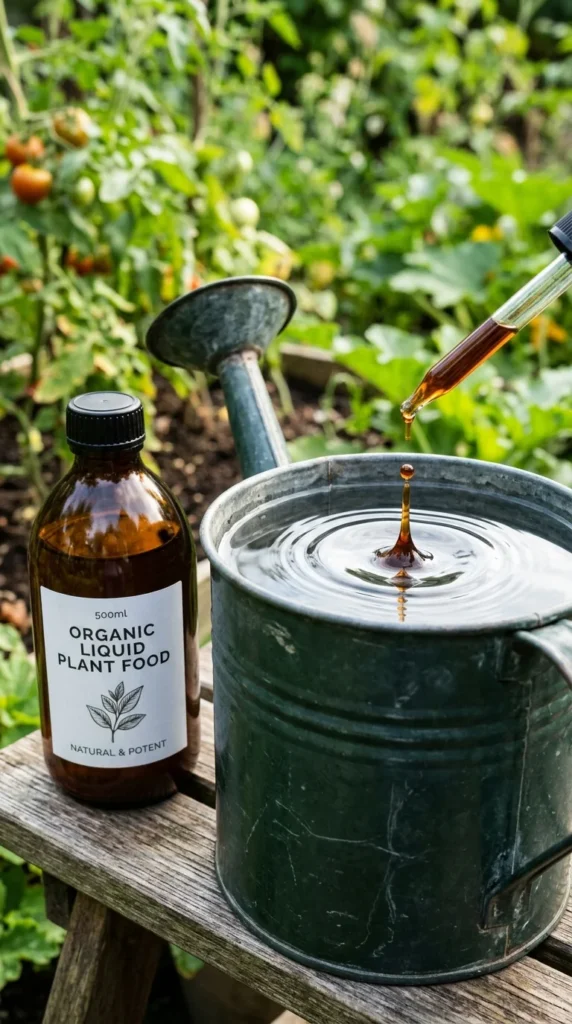
Less is more when it comes to feeding a Peace Lily. The secret is to use a balanced, water-soluble fertilizer at half-strength once every six weeks during the spring and summer. Avoid fertilizing in the winter when the plant’s growth naturally slows down, as this can lead to a buildup of salts in the soil.
9. Leaf Cleaning
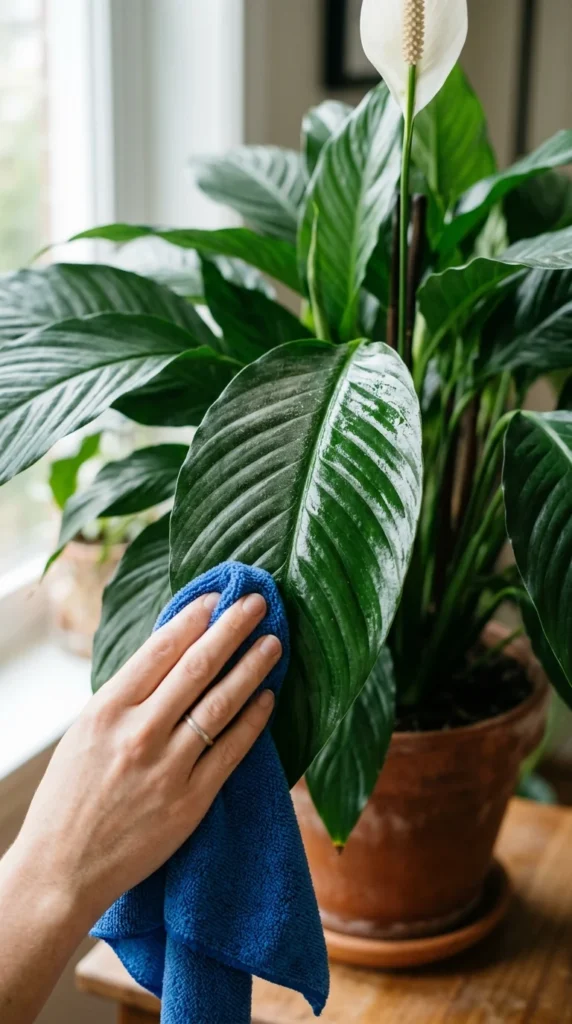
Dust buildup on leaves blocks sunlight and prevents the plant from “breathing” (photosynthesizing) efficiently. The secret to a glowing plant is a monthly leaf cleaning. Use a damp, soft cloth to gently wipe both the tops and bottoms of the leaves. This not only makes the plant look better but also helps deter pests.
10. Pests Check
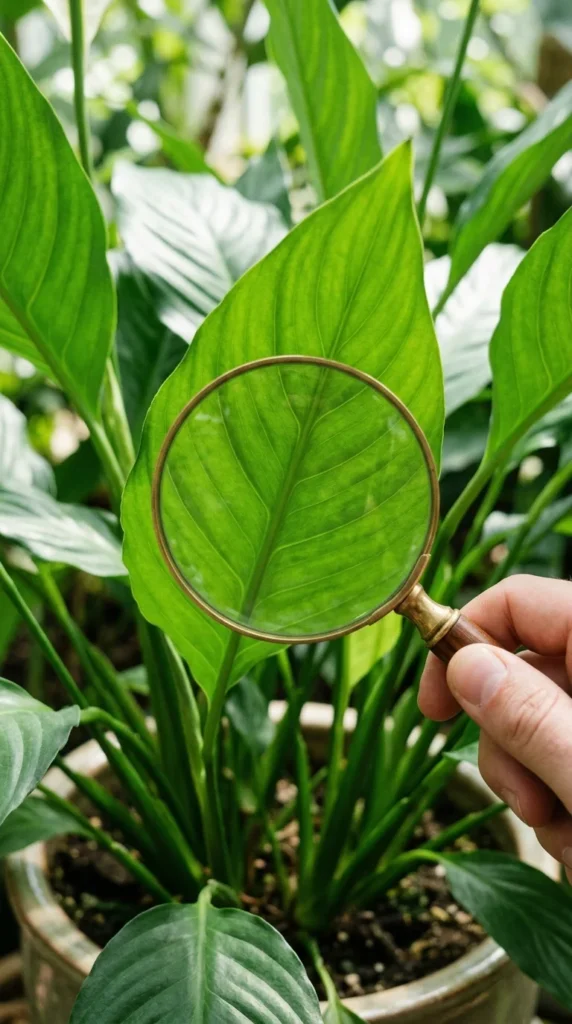
While relatively pest-resistant, Peace Lilies can occasionally attract mealybugs or spider mites. The secret is proactive monitoring. Every time you water, check the undersides of the leaves and the “nooks” where the stems meet. If you see white cottony spots or fine webbing, treat the plant immediately with neem oil or insecticidal soap.
11. Propagation Tips
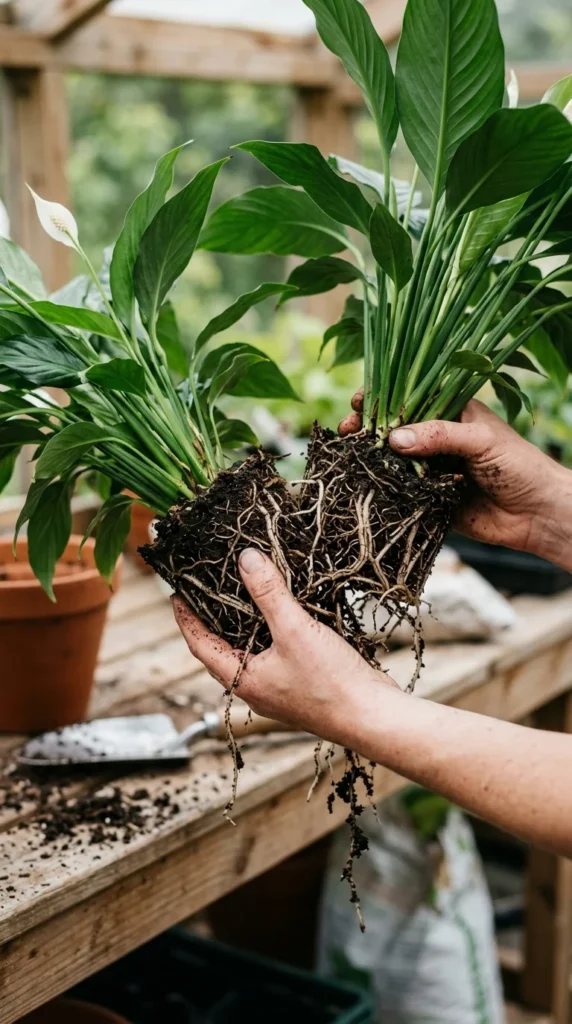
You can’t grow a Peace Lily from a leaf cutting, but you can easily multiply them through division. The secret is to wait until the plant has multiple “clumps” or crowns. During repotting, gently pull the root ball apart into two or three sections, ensuring each has plenty of roots and leaves, and pot them up individually.
12. Toxins Awareness
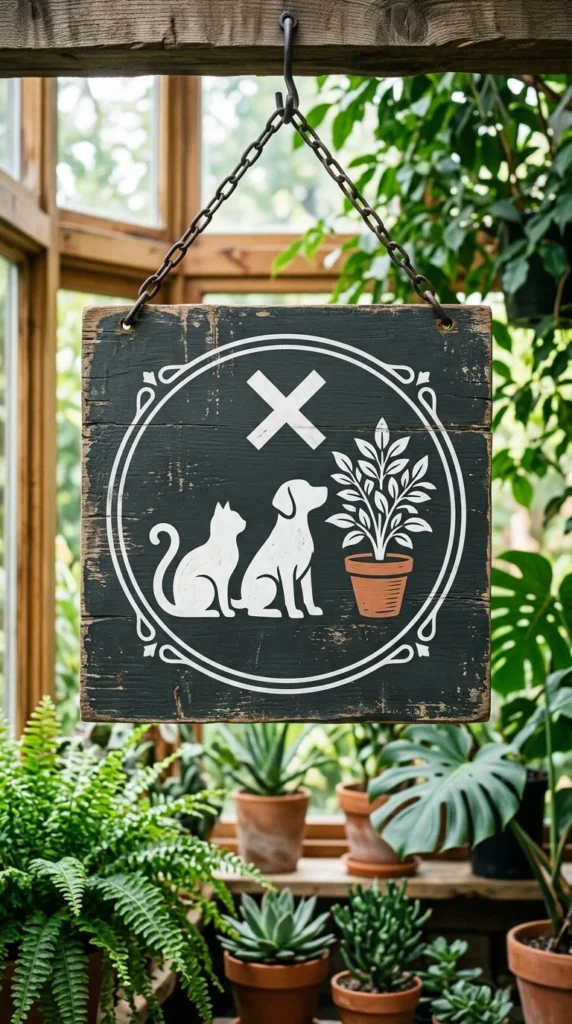
It is vital to know that Peace Lilies are toxic to cats, dogs, and humans if ingested. They contain calcium oxalate crystals which cause mouth and throat irritation. The secret to a safe home is placing your Peace Lily on high shelves or in rooms where pets and curious toddlers can’t reach them.
13. Flowering Hacks
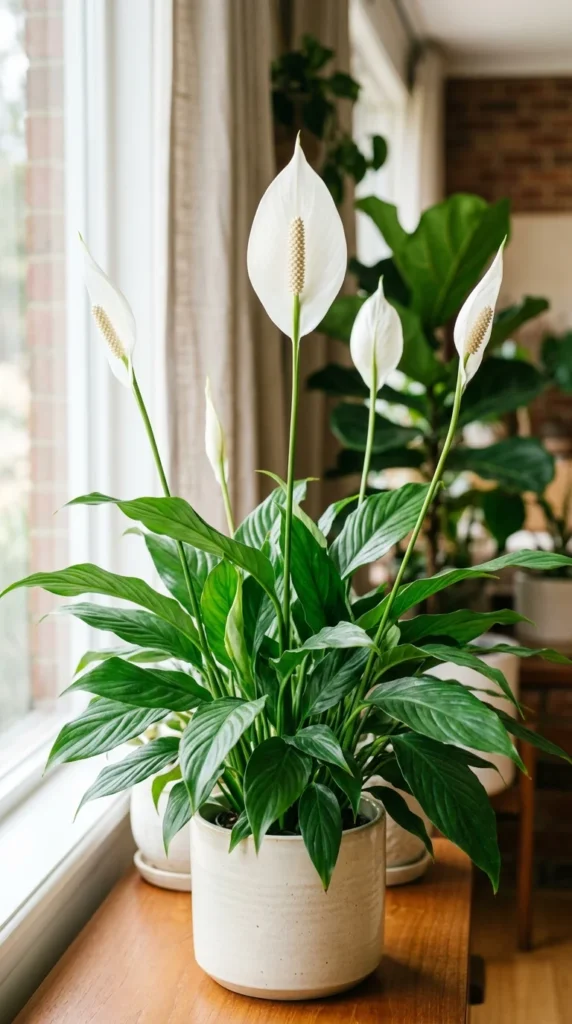
Is your plant all green and no white? The secret to getting a Peace Lily to bloom is a combination of light and age. Most plants won’t bloom if they are too young or if the light is too dim. If your plant is healthy but won’t flower, try moving it to a slightly brighter location for a few weeks to trigger the blooming cycle.
14. Brown Tips
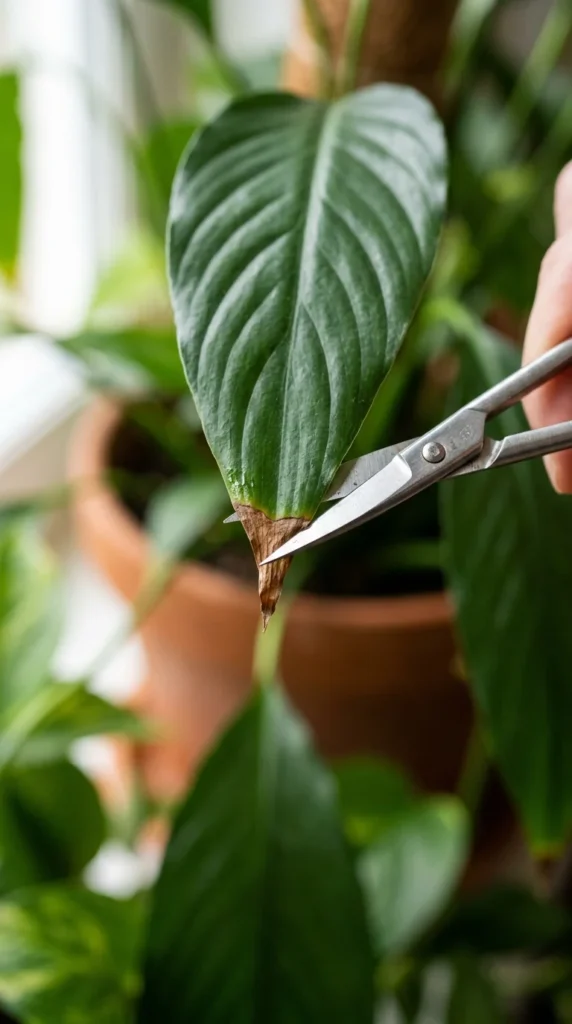
Brown tips are the most common Peace Lily complaint. Beyond water quality, the secret cause is often underwatering or low humidity. If the tips are brown and crispy, the plant is too dry. If they are brown and soft/mushy, you might be overwatering. Identifying the texture of the brown tip is the key to fixing the underlying issue.
15. Yellow Leaves
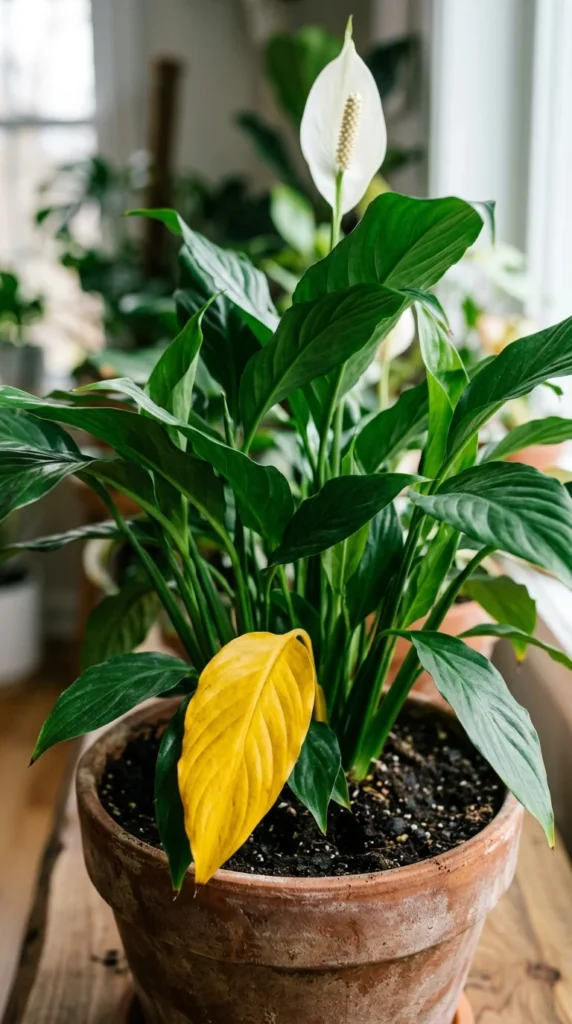
A few yellow leaves at the bottom of the plant are usually just old age—the plant is making room for new growth. However, if many leaves turn yellow at once, the secret is usually a watering issue. Check the soil; if it’s bone dry, you’ve waited too long. If it’s soaking wet, you’re watering too frequently.
16. Root Rot
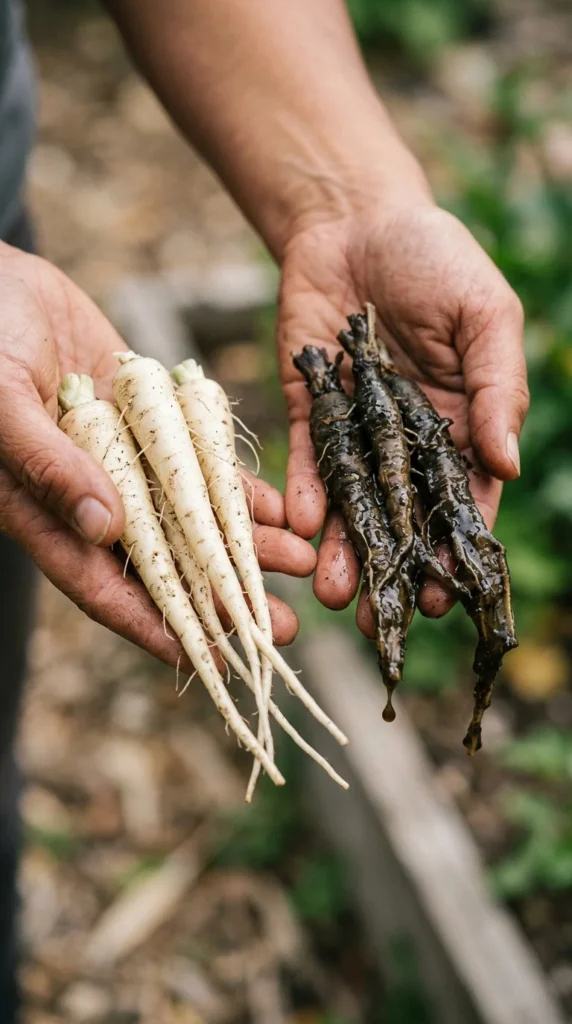
Root rot is the silent killer. The secret to saving a plant with rot is immediate action. If your plant is wilting even though the soil is wet, pull it out of the pot. Trim away any black, mushy roots, spray the remaining healthy roots with a diluted hydrogen peroxide solution, and repot in fresh, dry soil.
17. Repotting Signs
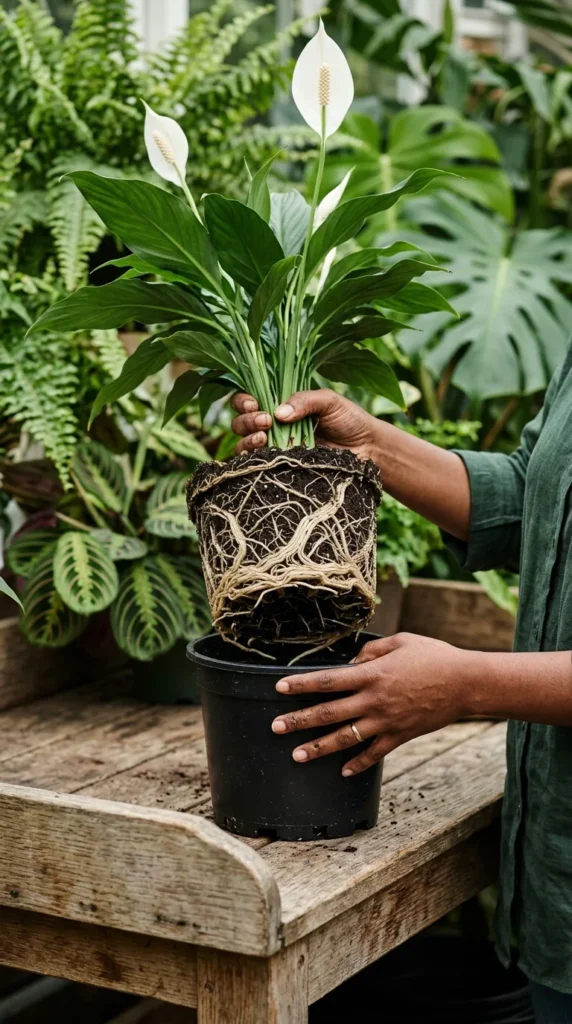
How do you know it’s time? The secret sign is when you find yourself needing to water the plant every two days just to keep it from drooping. This means the roots have replaced most of the soil and can no longer hold moisture. Spring is the best time for this transition.
18. Potting Mix
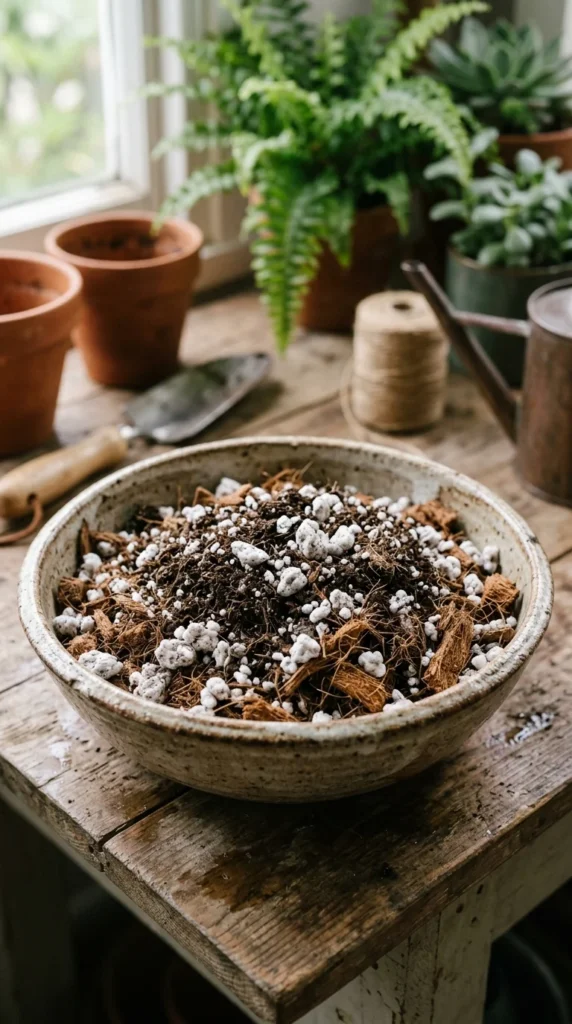
The secret ingredient for a happy Peace Lily is organic matter. They love a mix that mimics the rich, decaying matter of the rainforest floor. Adding a bit of compost or worm castings to your potting mix will provide a slow-release nutrient boost that keeps the leaves extra glossy.
19. Air Purification
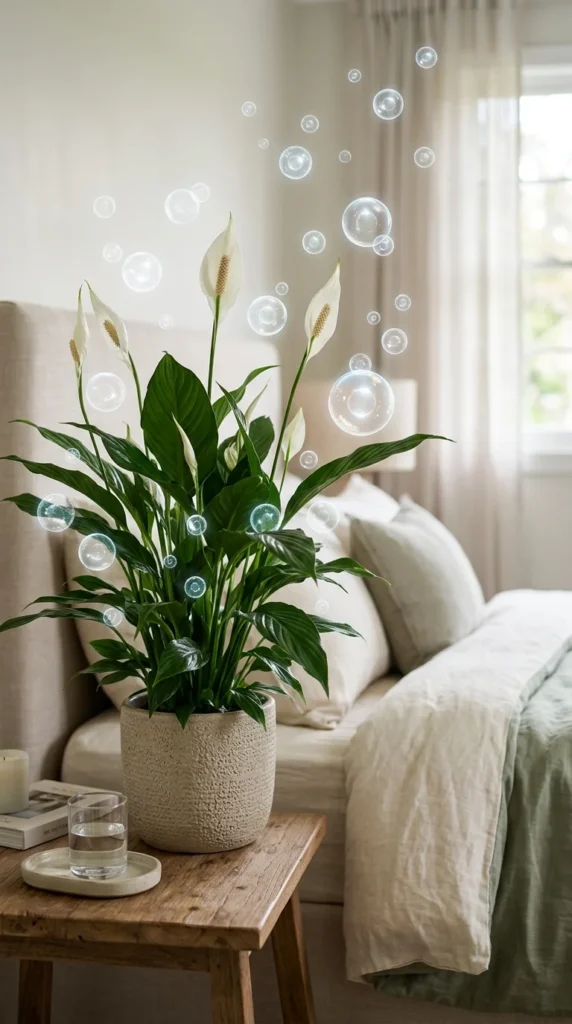
It’s an open secret that Peace Lilies are NASA-approved air purifiers. They are excellent at filtering out indoor toxins like benzene, formaldehyde, and trichloroethylene. To maximize this benefit, keep the leaves clean so the plant can “inhale” these pollutants more effectively.
20. Seasonal Changes
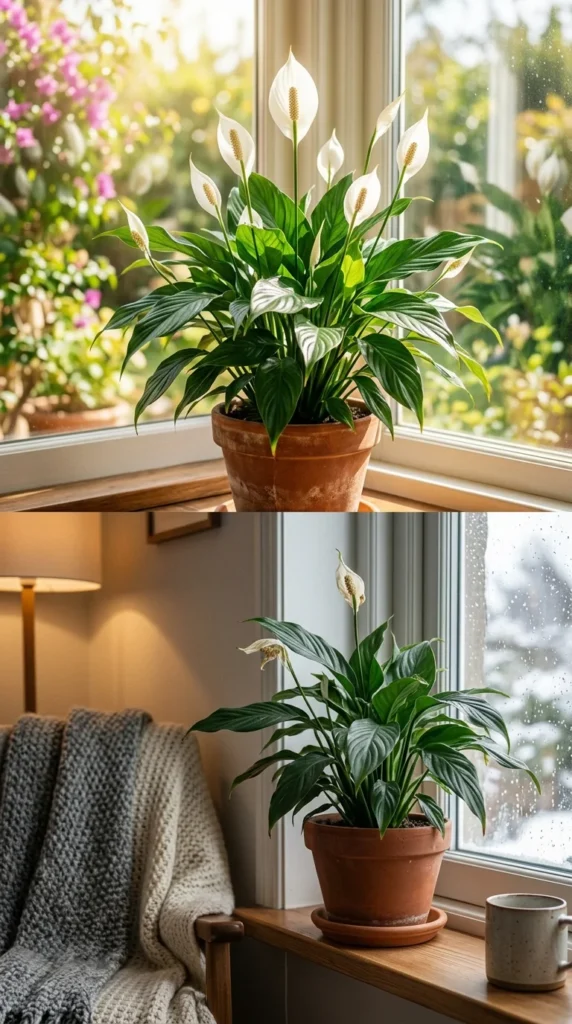
The secret to long-term success is adjusting your care with the seasons. In the winter, Peace Lilies go into a semi-dormant state. They need significantly less water and no fertilizer. Always check the soil depth with your finger before watering during the colder months to avoid accidental overwatering.
21. Watering Depth
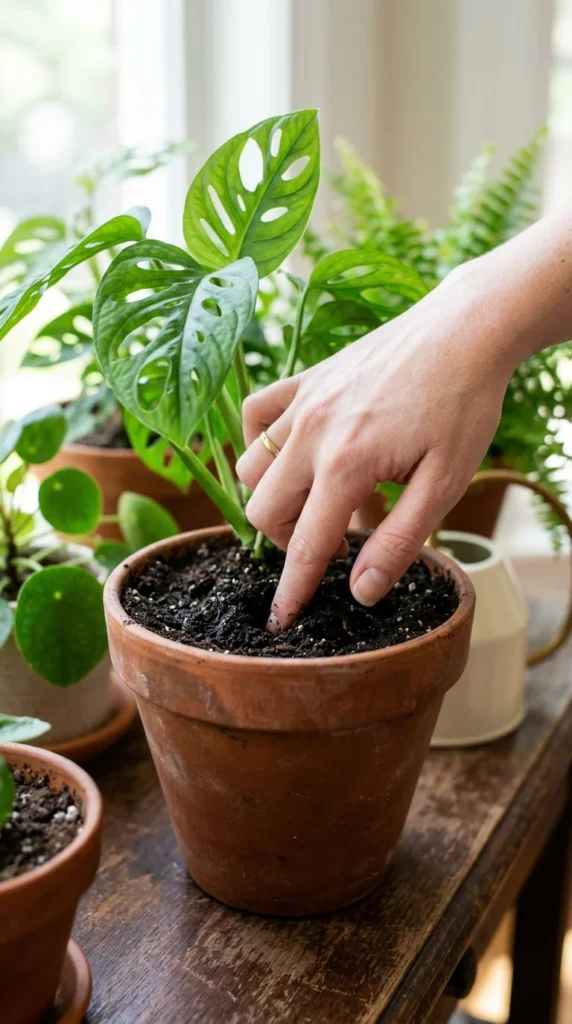
Don’t just splash water on the surface. The secret to deep root health is watering until it runs out of the drainage holes, then letting the top two inches of soil dry out before watering again. This encourages the roots to grow downward in search of moisture, making the plant more resilient.
22. Misting Rituals
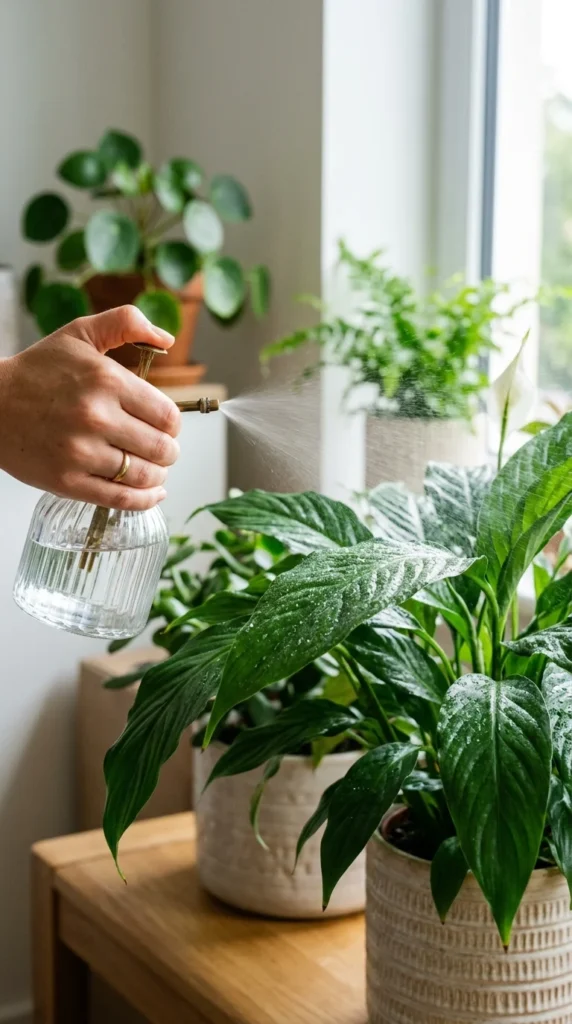
While misting doesn’t replace a humidifier, it is a great secret for keeping the leaves hydrated and clean. Mist your Peace Lily in the morning so the water has time to evaporate before the temperature drops at night. This mimics the morning dew of their natural habitat.
23. Grouping Plants
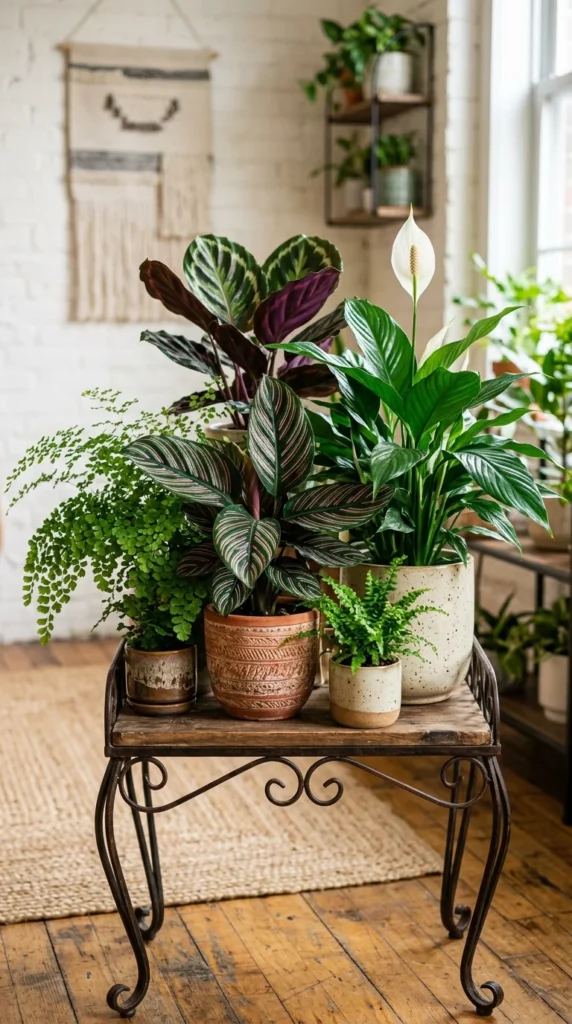
Plants “exhale” moisture through a process called transpiration. The secret to effortless humidity is grouping your Peace Lily with other moisture-loving plants. Together, they create a localized humid zone that keeps everyone’s leaves lush and green without the need for constant mechanical humidification.
24. Draft Protection
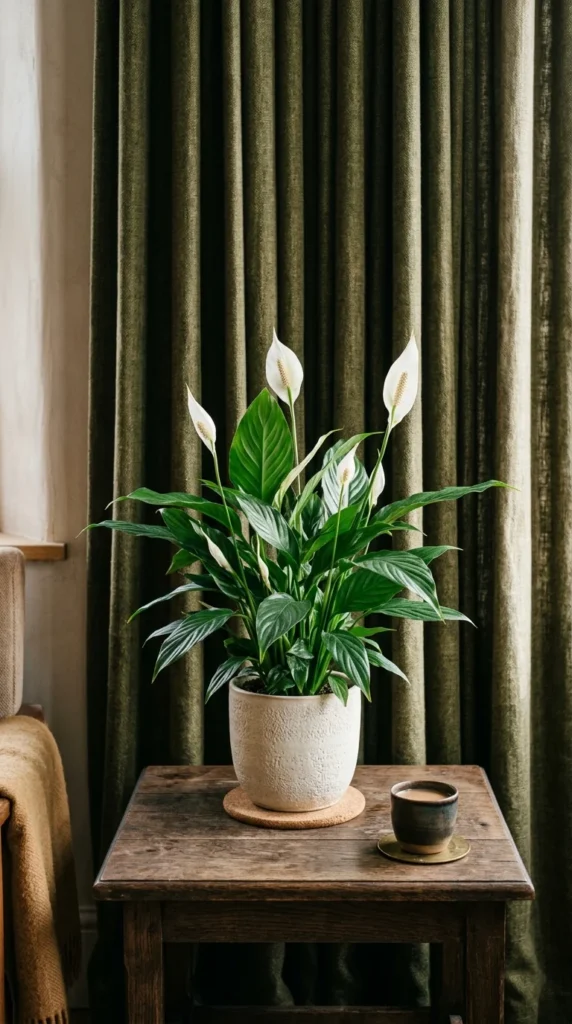
Peace Lilies are sensitive to “cold shock.” A secret mistake many make is leaving them near a window that gets opened in the winter or under a direct blast from an air conditioner. Even a few minutes of a freezing draft can cause the leaves to blacken and die. Always choose a protected, stable location.
25. Dormancy Period
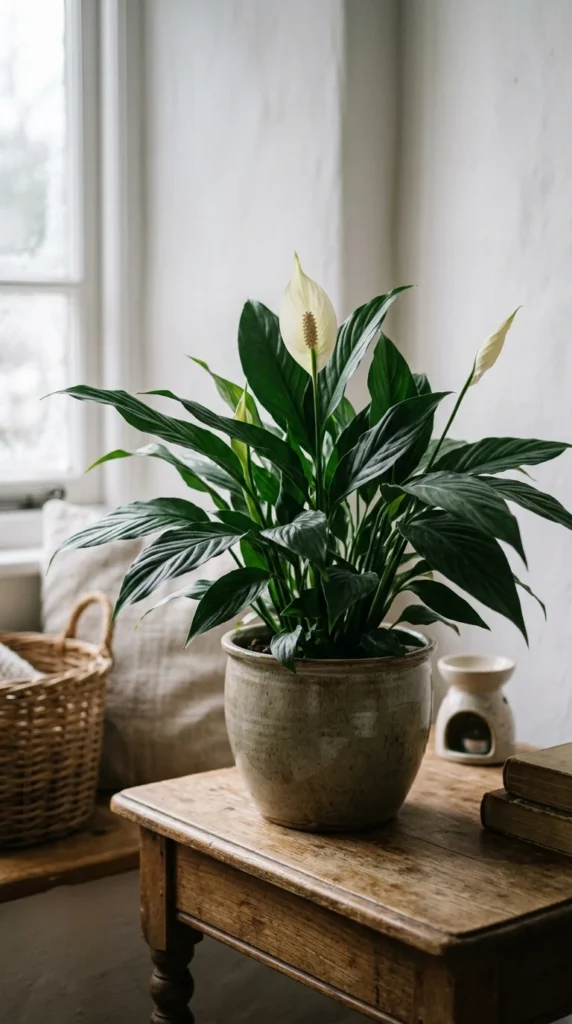
Don’t panic if your plant stops growing or blooming in the winter. The secret is accepting the natural dormancy cycle. During this time, the plant is resting and storing energy for the spring explosion. Reduce your care routine and let the plant dictate its needs.
26. Resilience Factor
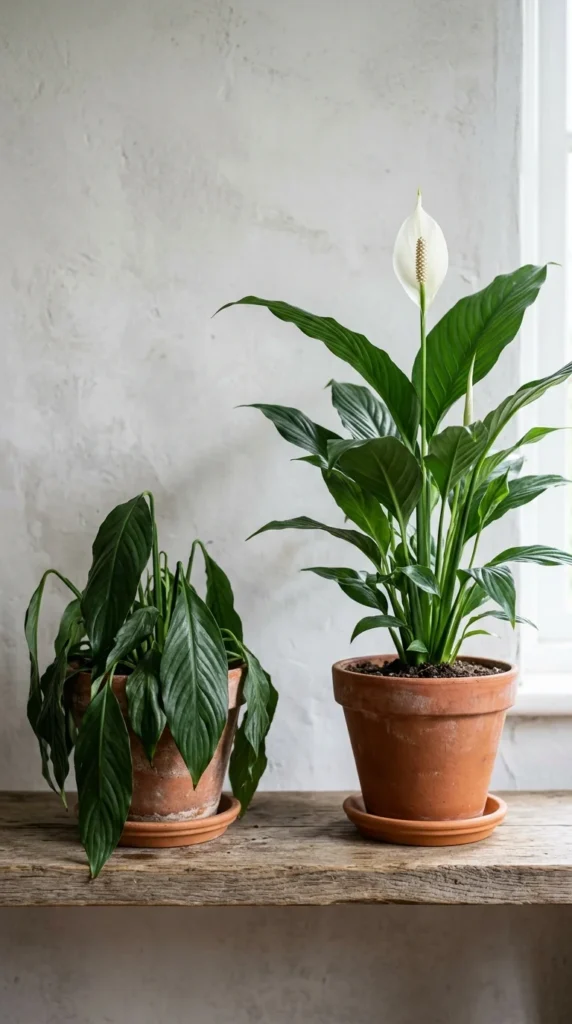
The biggest secret of the Peace Lily is its “dramatic” nature. It is one of the few plants that will tell you exactly when it’s thirsty by drooping its leaves completely. Don’t worry—if you catch it within a day or two, it will perk right back up after a deep