
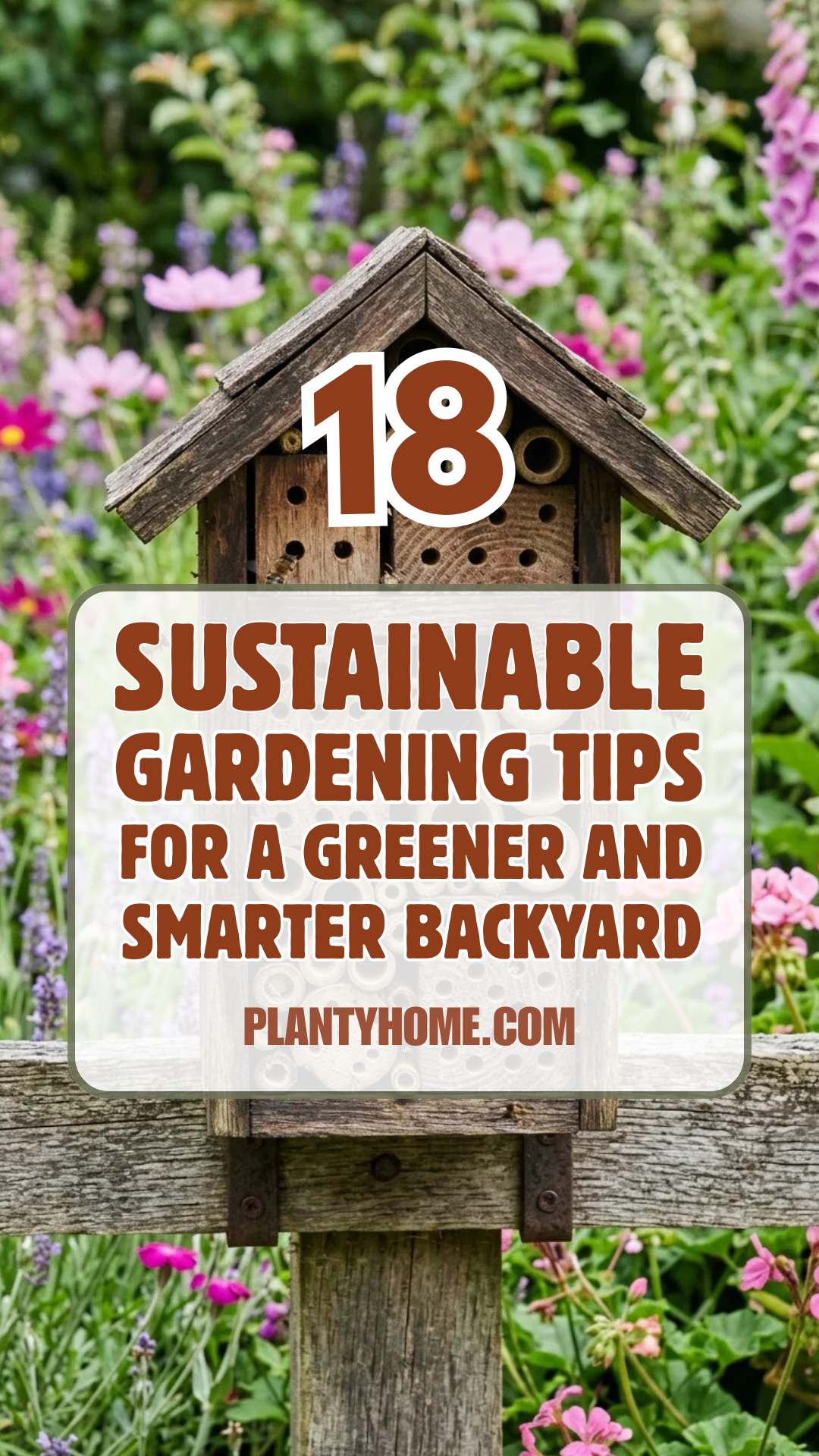
Sustainable gardening is more than just a trend; it is a holistic approach to land management that prioritizes ecological health, resource conservation, and long-term viability. By mimicking natural ecosystems, gardeners can create outdoor spaces that are not only beautiful and productive but also resilient to climate change. Transforming your backyard into a sustainable sanctuary involves a combination of ancient wisdom and modern technology.
In this comprehensive guide, we explore 18 essential strategies to help you cultivate a garden that gives back to the earth while reducing your environmental footprint.
1. Composting
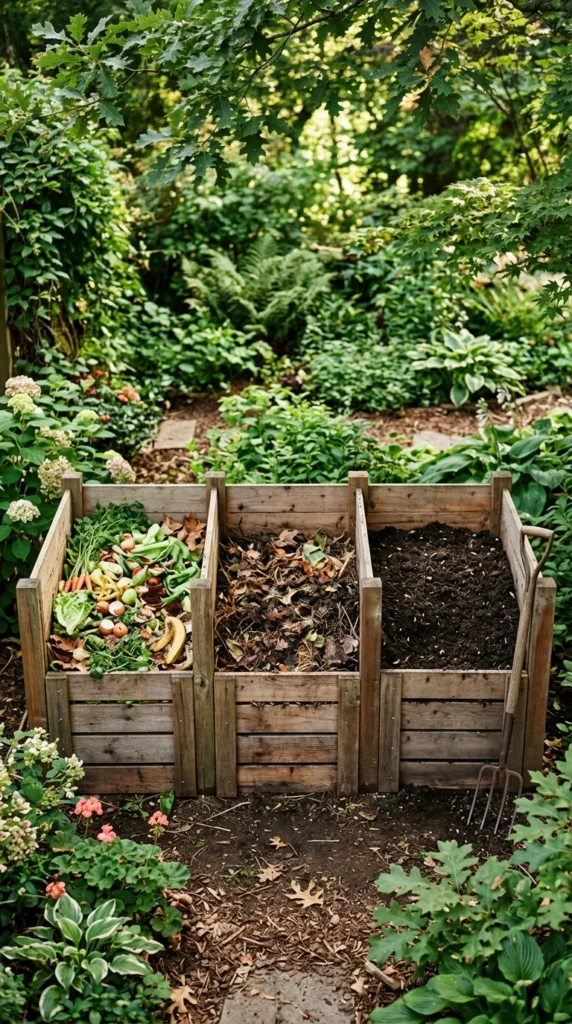
Composting is the cornerstone of any sustainable garden. By recycling kitchen scraps and yard waste, you create “black gold”—a nutrient-rich soil conditioner that improves soil structure and water retention. Composting diverts organic waste from landfills, where it would otherwise produce methane, a potent greenhouse gas. To succeed, balance “greens” (nitrogen-rich materials like vegetable peels) with “browns” (carbon-rich materials like dried leaves and cardboard).
2. Native Plants
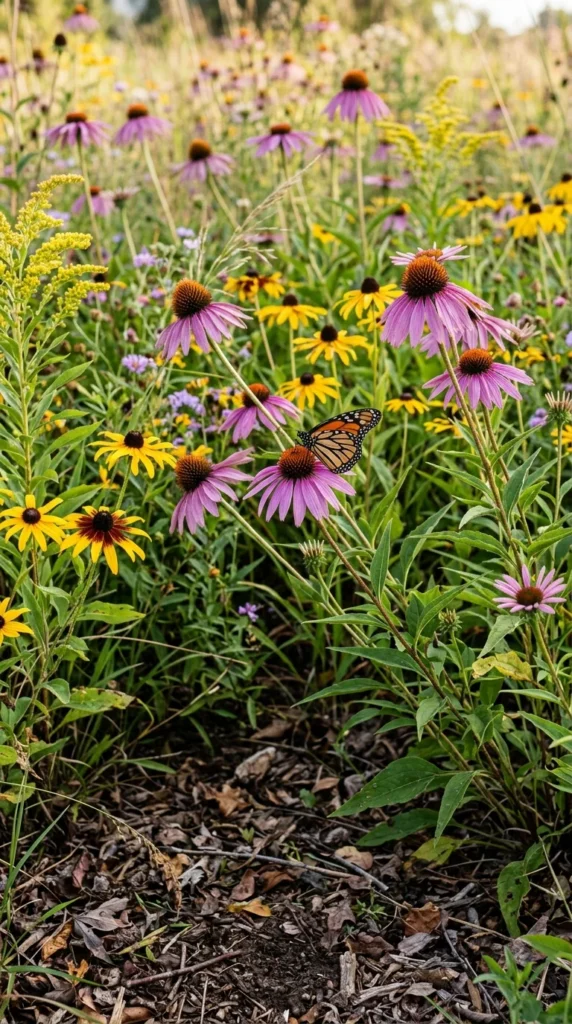
Choosing plants that are indigenous to your specific region is one of the most impactful decisions you can make. Native plants have evolved to thrive in your local climate and soil conditions, meaning they require significantly less water, fertilizer, and pesticides than non-native species. Furthermore, they provide essential food and habitat for local wildlife, supporting the regional biodiversity that keeps ecosystems functioning.
3. Rainwater Harvesting
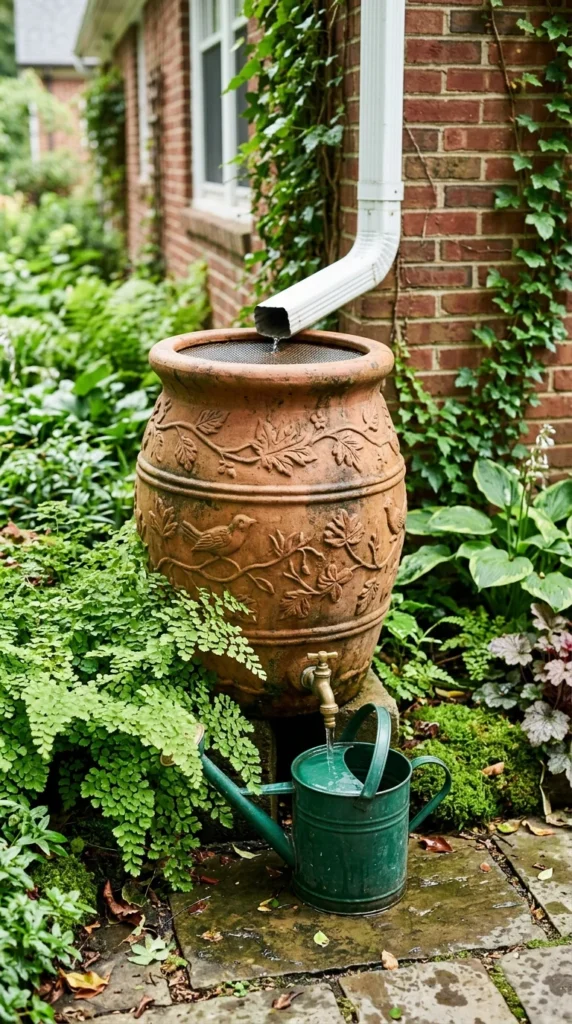
Water is a precious resource. Harvesting rainwater allows you to capture free, soft, and chlorine-free water for your plants. Installing rain barrels or a larger cistern system reduces the demand on municipal water supplies and minimizes stormwater runoff, which can carry pollutants into local waterways. During dry spells, your stored rainwater ensures your garden remains hydrated without increasing your utility bill.
4. Mulching
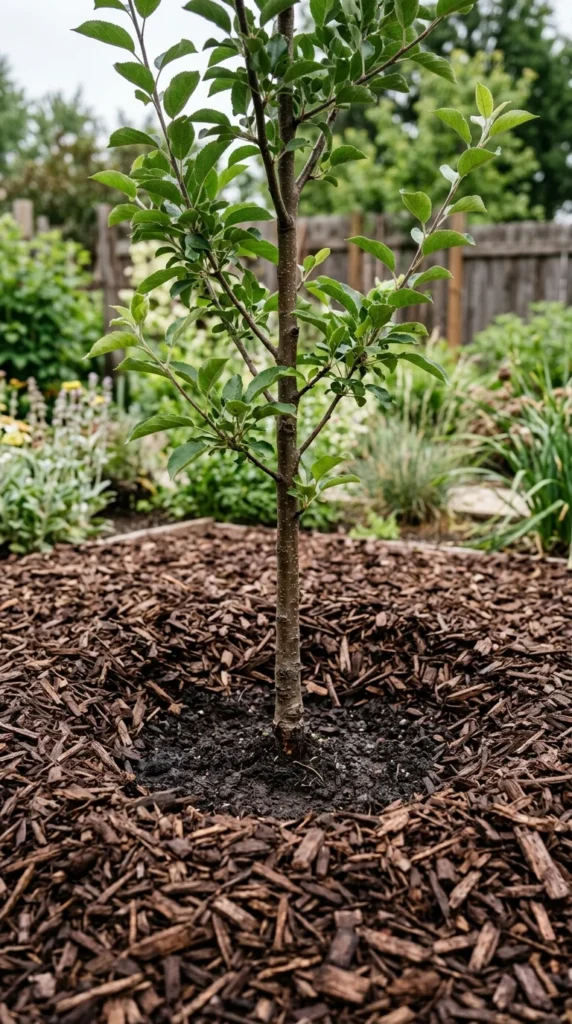
Mulching is a simple yet powerful technique for moisture conservation. A 2-to-3-inch layer of organic mulch—such as wood chips, straw, or shredded leaves—insulates the soil, keeping it cool in the summer and warm in the winter. It suppresses weed growth, prevents soil erosion, and as it breaks down, it contributes organic matter back into the earth.
5. Companion Planting
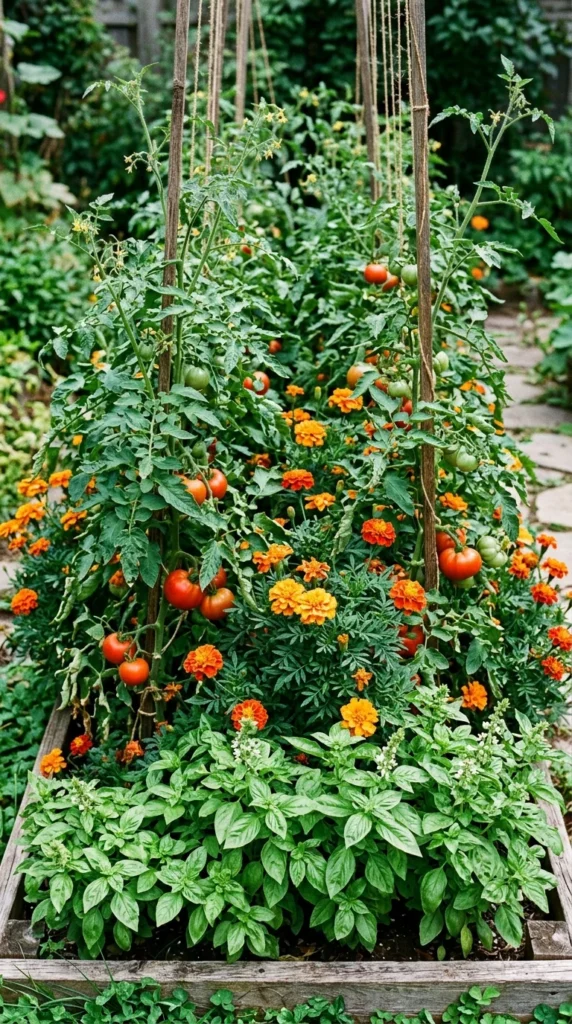
Companion planting is the practice of growing specific plants together for mutual benefit. Some combinations, like tomatoes and basil, improve flavor and growth, while others, like marigolds, act as natural deterrents for pests. This method maximizes space and reduces the need for chemical interventions by creating a balanced, self-protecting micro-ecosystem.
6. No-Till Gardening
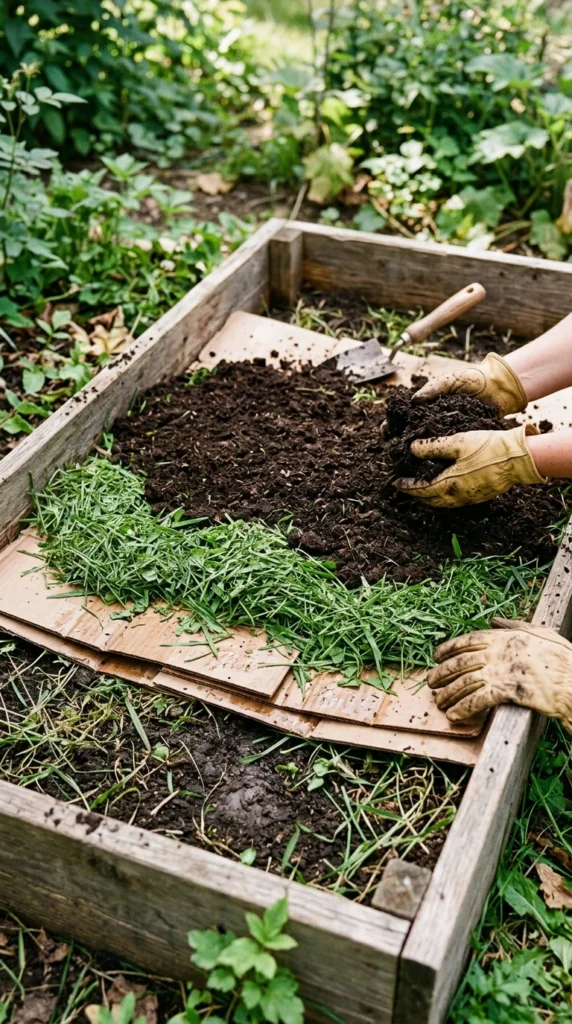
Traditional tilling disrupts the complex network of fungi, bacteria, and earthworms that maintain soil health. No-till gardening, or “no-dig,” involves adding organic matter to the surface and letting nature do the work of incorporating it. This preserves the soil structure, traps carbon in the ground, and results in fewer weed seeds being brought to the surface to germinate.
7. Xeriscaping
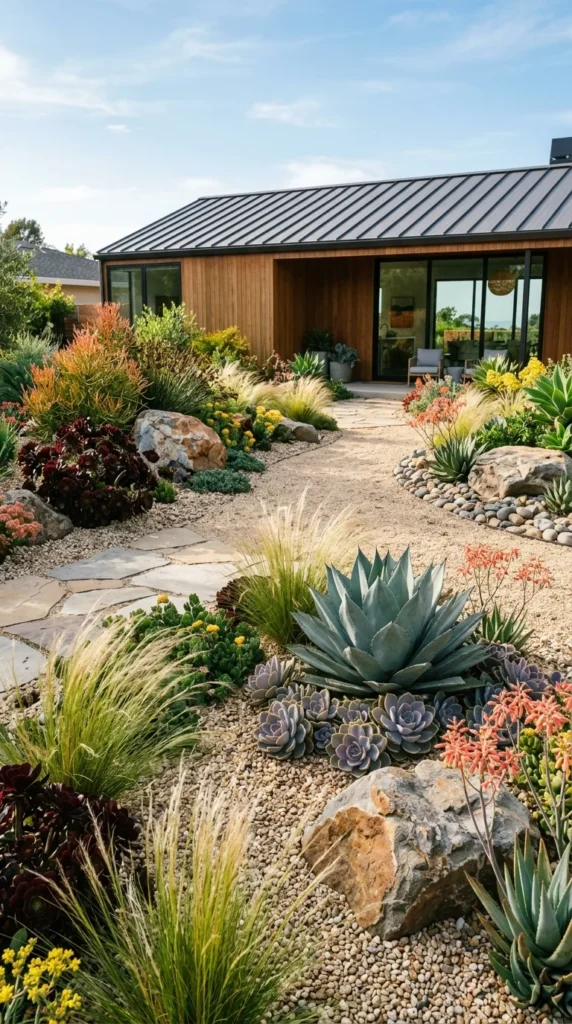
For those in arid climates, xeriscaping is a design philosophy focused on water conservation. It emphasizes the use of drought-tolerant plants and efficient irrigation. By replacing thirsty turf grass with gravel, rocks, and hardy perennials, you can reduce outdoor water use by 50% to 75% while maintaining an aesthetically pleasing and low-maintenance landscape.
8. Organic Fertilizers
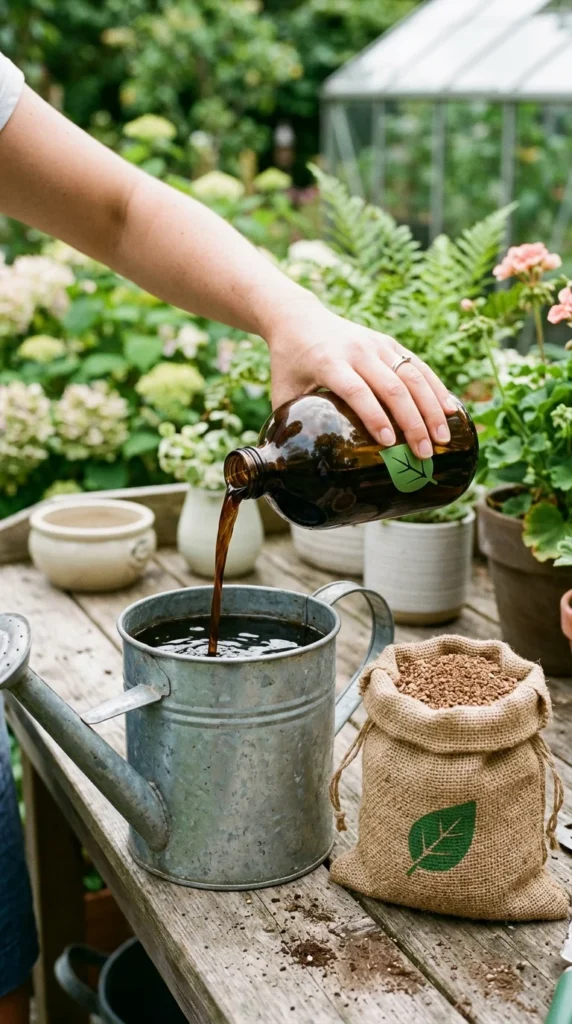
Synthetic fertilizers often contain salts that can damage soil microbes and leach into groundwater. Switching to organic alternatives—such as seaweed extract, fish emulsion, or bone meal—provides a slow-release source of nutrients. These fertilizers work in harmony with soil biology, strengthening the plant’s natural defenses and promoting long-term soil fertility rather than providing a short-term chemical spike.
9. Drip Irrigation
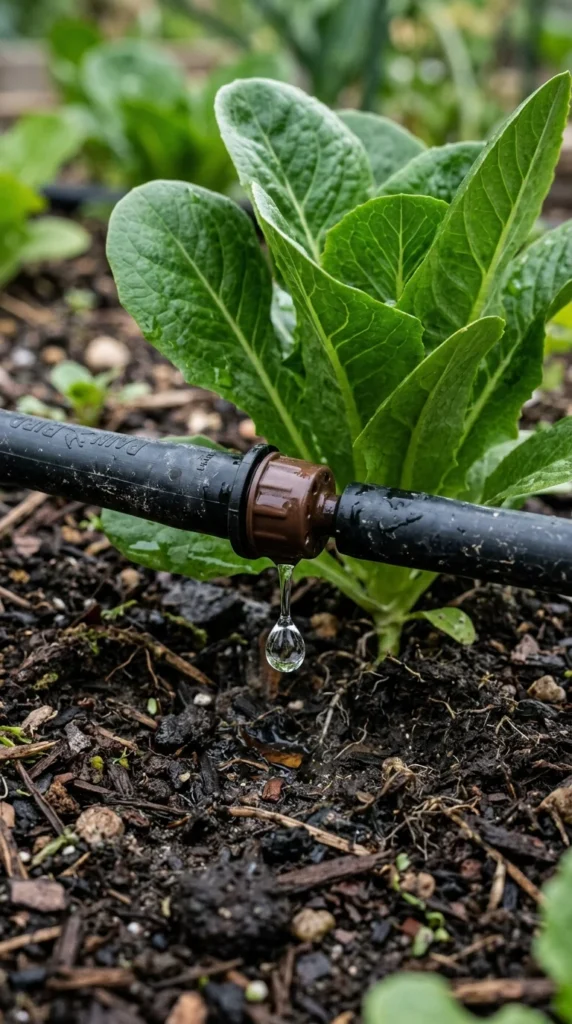
Overhead watering is inefficient, as much of the water evaporates before it reaches the roots. Drip irrigation systems deliver water directly to the soil surface at a slow, steady rate. This targeted approach minimizes waste, prevents fungal diseases caused by wet foliage, and ensures that every drop is utilized by the plants that need it most.
10. Pollinator Habitats
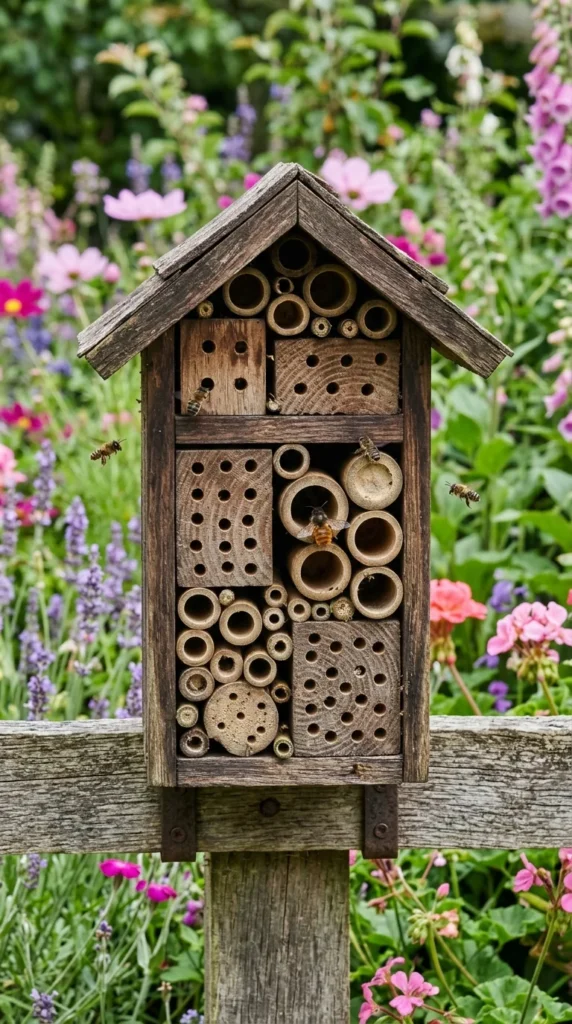
Pollinators like bees, butterflies, and bats are essential for the production of fruits and vegetables. You can support these vital creatures by providing nesting sites and a continuous bloom of nectar-rich flowers from spring through autumn. Avoid “double-flowered” varieties, which often lack accessible pollen, and opt for simple, open-faced blooms.
11. Natural Pest Control
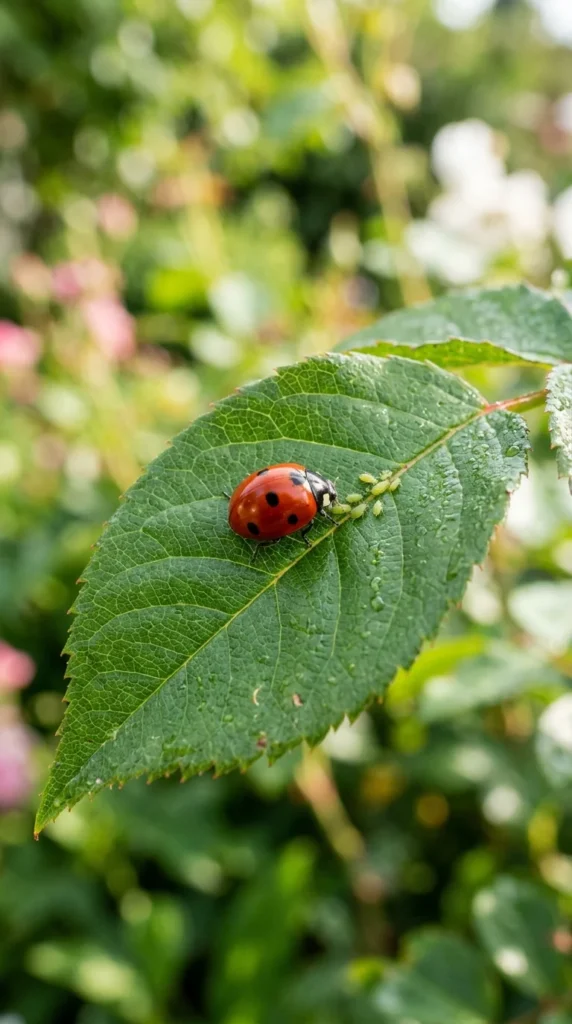
Instead of reaching for broad-spectrum insecticides that kill beneficial insects alongside pests, employ Integrated Pest Management (IPM). Encourage natural predators like ladybugs, lacewings, and birds to do the work for you. Using physical barriers like row covers or hand-picking larger pests are also effective, eco-friendly ways to protect your harvest.
12. Reused Materials
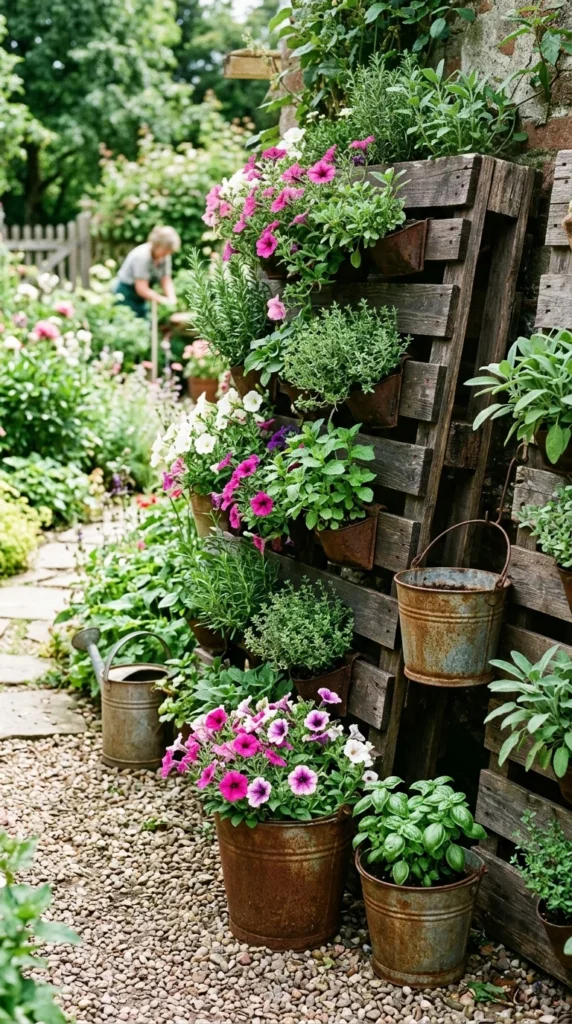
Sustainability includes the reduction of new consumption. Look for ways to upcycle materials within your garden. Old wooden pallets can become compost bins or vertical planters; cracked ceramic pots can be used for drainage at the bottom of new containers; and fallen branches can be woven into decorative “wattle” fencing. This gives your garden a unique character while keeping waste out of landfills.
13. Vertical Gardening
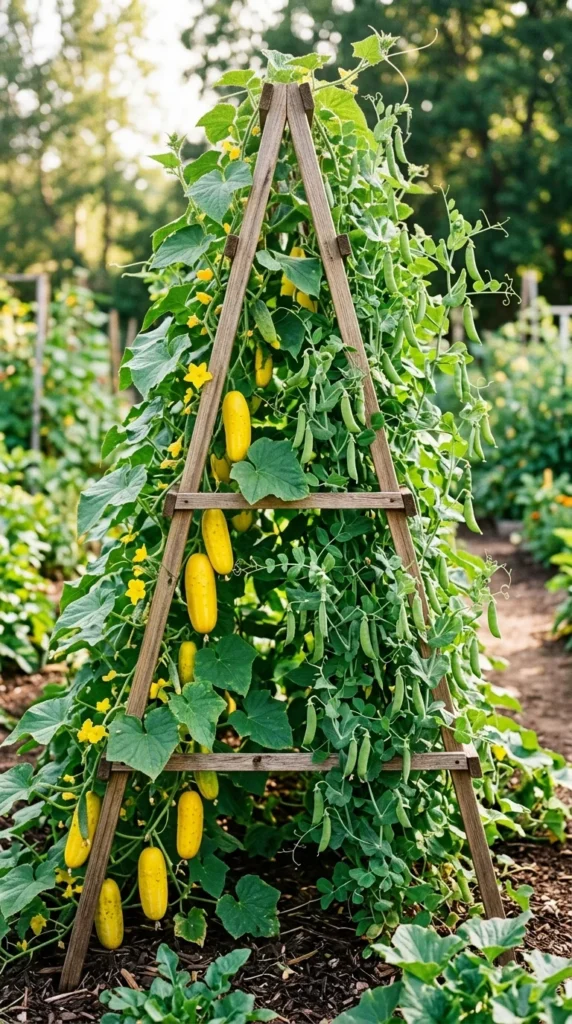
Vertical gardening is a “smarter” way to use space, especially in smaller backyards. By training plants to grow upwards on trellises, fences, or walls, you increase your yield per square foot. This also improves air circulation around the plants, which reduces the risk of disease, and makes harvesting much easier on the back.
14. Heirloom Seeds

Heirloom seeds are varieties that have been passed down through generations, often prized for their superior flavor and genetic diversity. Unlike hybrid seeds, heirlooms are open-pollinated, meaning you can save the seeds from your harvest to plant the following year. This promotes food security and helps preserve plant lineages that are adapted to specific local environments.
15. Smart Sensors
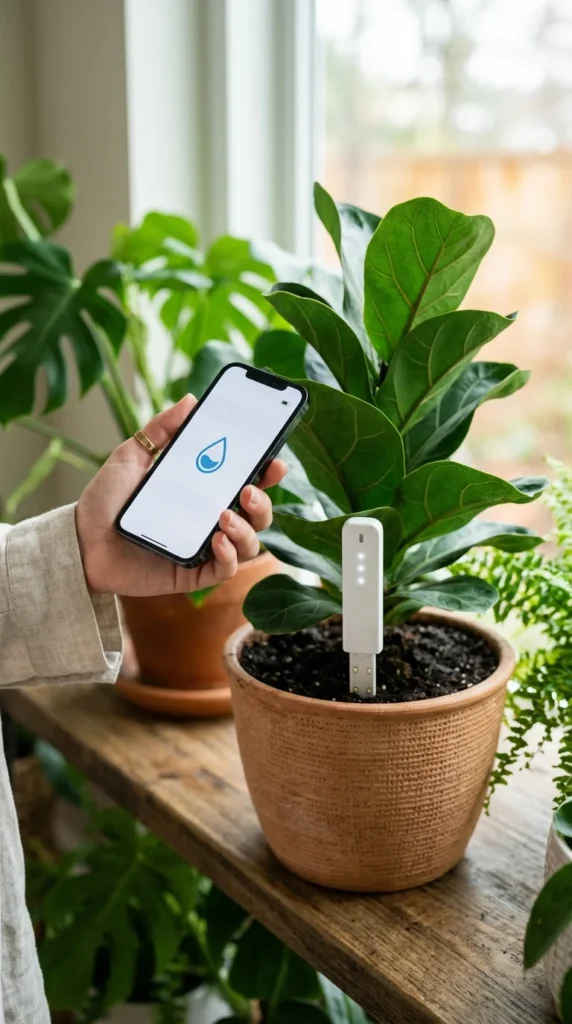
Technology can play a significant role in a sustainable garden. Smart soil moisture sensors can be linked to your smartphone or irrigation controller to provide real-time data on your garden’s needs. This prevents overwatering and ensures that your plants receive the precise amount of hydration required based on current weather conditions and soil moisture levels.
16. Permaculture Principles
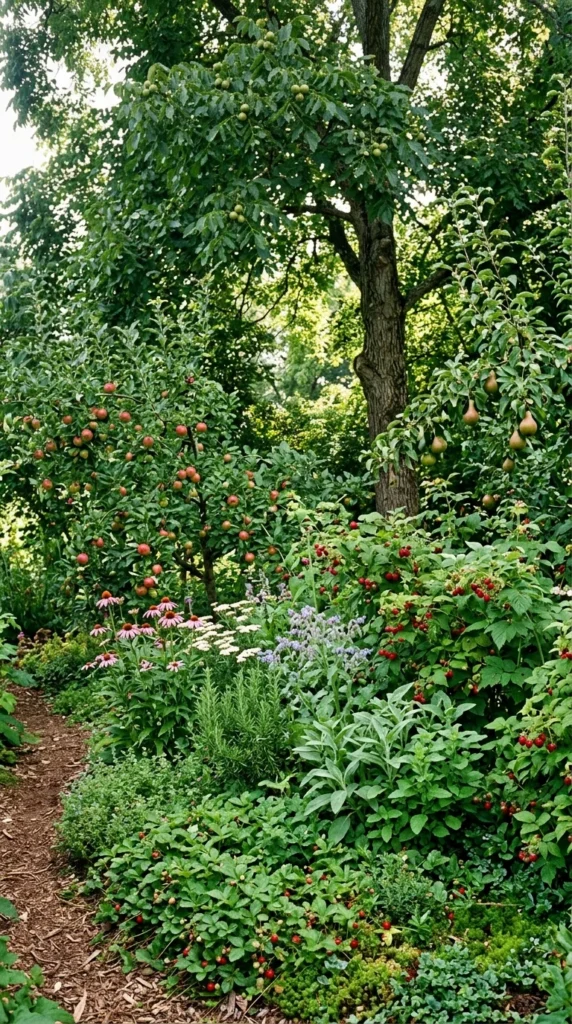
Permaculture is a design system that seeks to create self-sustaining agricultural ecosystems. By observing how nature works, you can design your garden to be self-fertilizing and self-watering. This might involve planting a “guild” of supportive plants around a fruit tree or designing the landscape to catch and store every bit of energy and water that enters the system.
17. Grass-Free Lawns
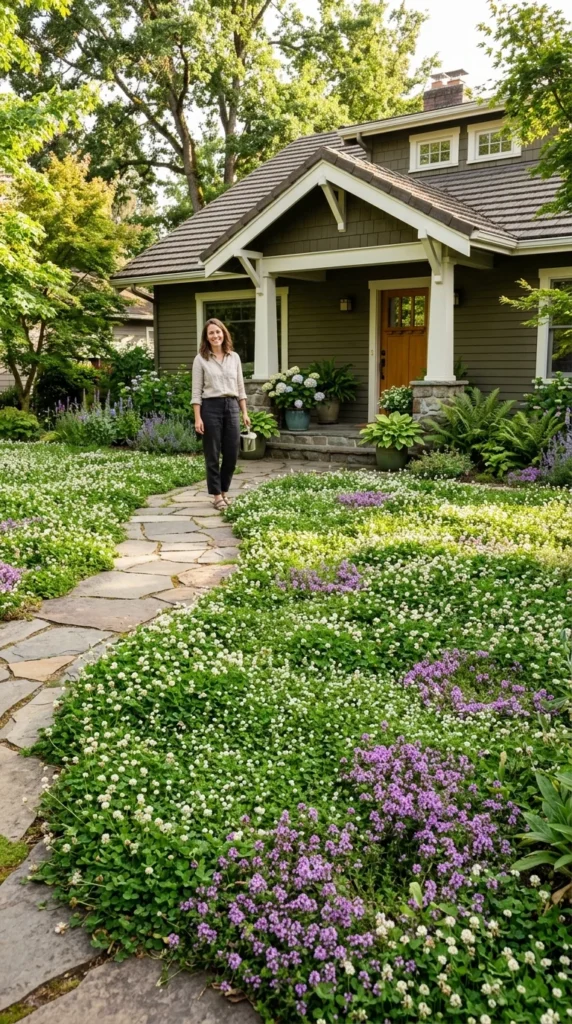
Traditional lawns are “green deserts” that require immense amounts of water, mowing, and chemicals. Replacing or reducing your lawn with eco-friendly alternatives—like clover, creeping thyme, or wildflower meadows—dramatically lowers maintenance needs. These alternatives stay green with less water, don’t require mowing as often, and provide significantly more value to local wildlife.
18. Solar Lighting
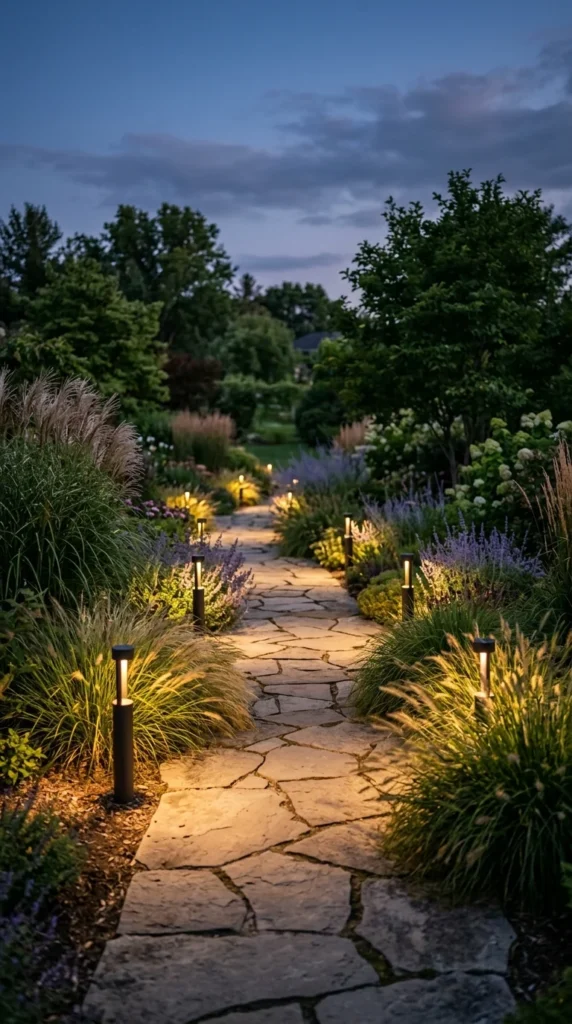
Harnessing the power of the sun to light your garden at night is a simple way to use renewable energy. Solar-powered LED lights require no wiring, are easy to install, and cost nothing to operate. They enhance the safety and ambiance of your outdoor space without contributing to your carbon footprint or increasing your electricity consumption.