
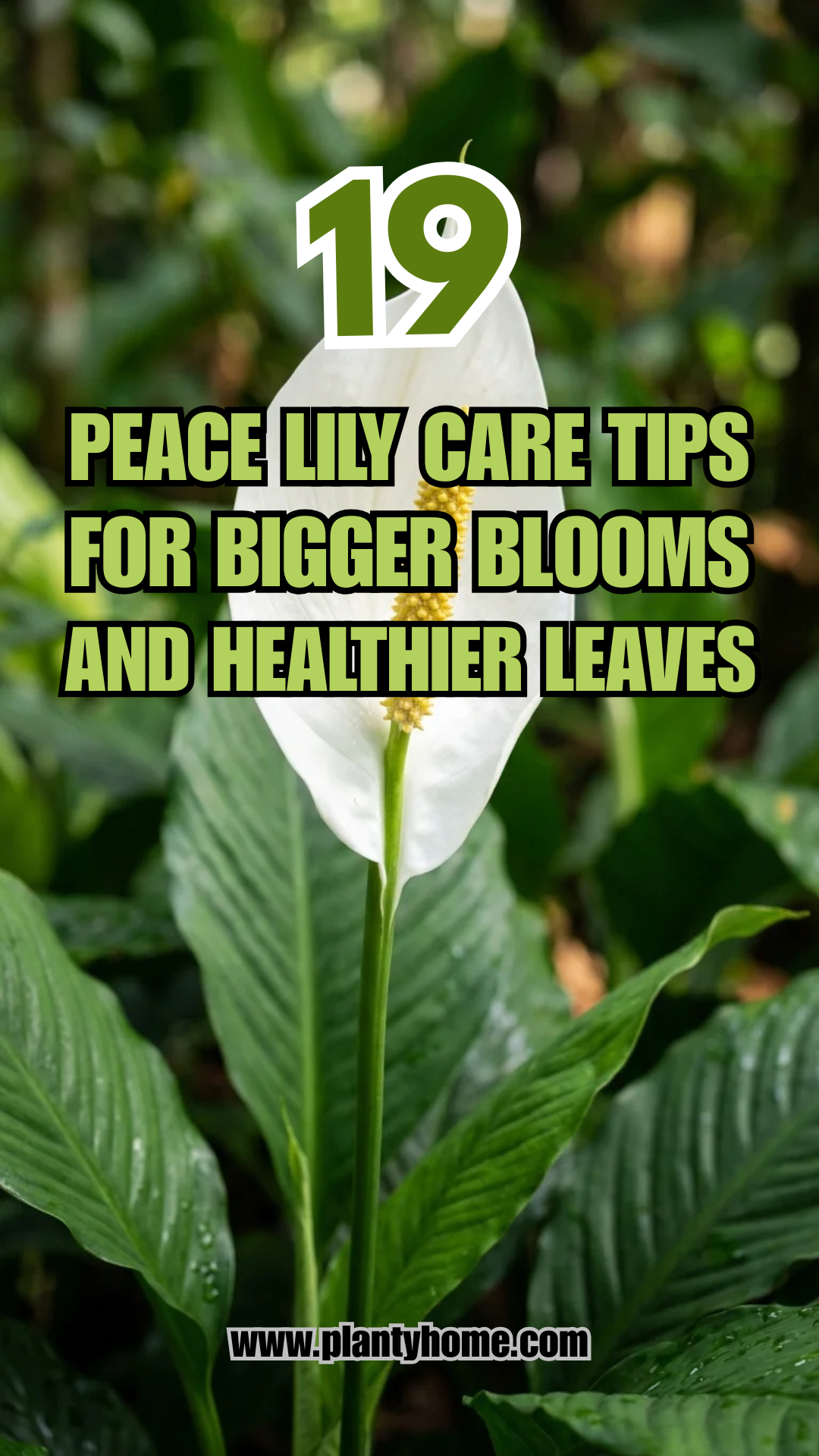
The Peace Lily (Spathiphyllum) is the undisputed queen of the indoor plant world. Known for its glossy, emerald-green foliage and striking white “flowers” (which are actually specialized leaf bracts called spathes), it is a staple in homes and offices alike. However, moving from a plant that simply survives to one that thrives with giant, frequent blooms requires a specific touch. If your Peace Lily is looking a bit lackluster or refusing to flower, these 19 expert tips will transform your plant into a botanical masterpiece.
1. Indirect Light
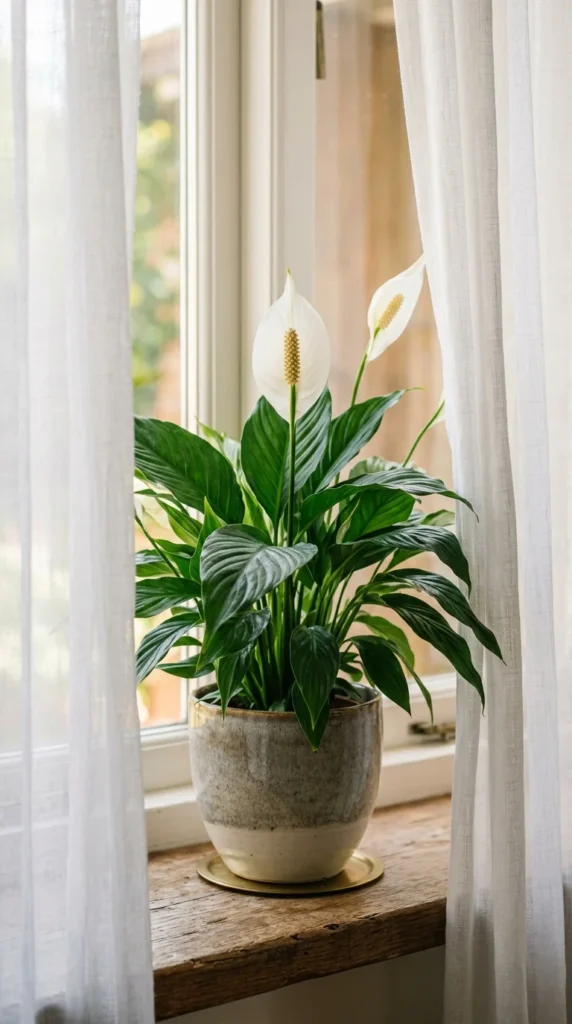
Peace Lilies are famous for their ability to tolerate low light, but there is a big difference between surviving and thriving. To encourage those iconic white blooms, you must provide bright, indirect sunlight. Direct sun will scorch the delicate leaves, turning them yellow or brown. A spot near a north or east-facing window, or a few feet back from a west-facing window, is the “Goldilocks” zone for maximum growth.
2. Proper Watering
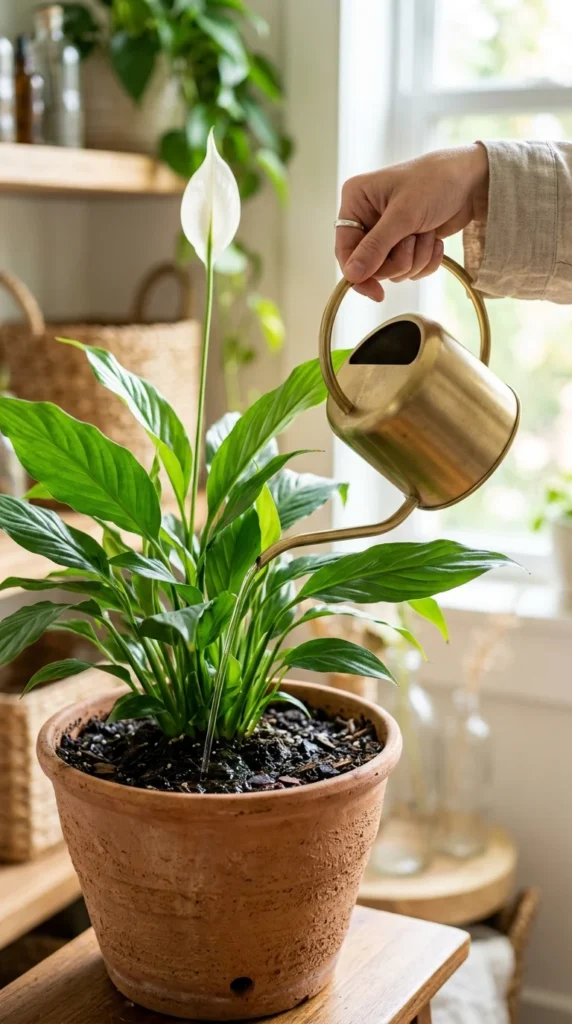
The Peace Lily is often called a “drama queen” because it wilts dramatically when it’s thirsty. While it’s helpful that the plant communicates its needs, you shouldn’t wait for a total collapse. Ideally, you should water when the top inch of soil feels dry to the touch. Consistency is key; keeping the soil evenly moist but never soggy will prevent root rot while ensuring the leaves stay turgid and upright.
3. High Humidity
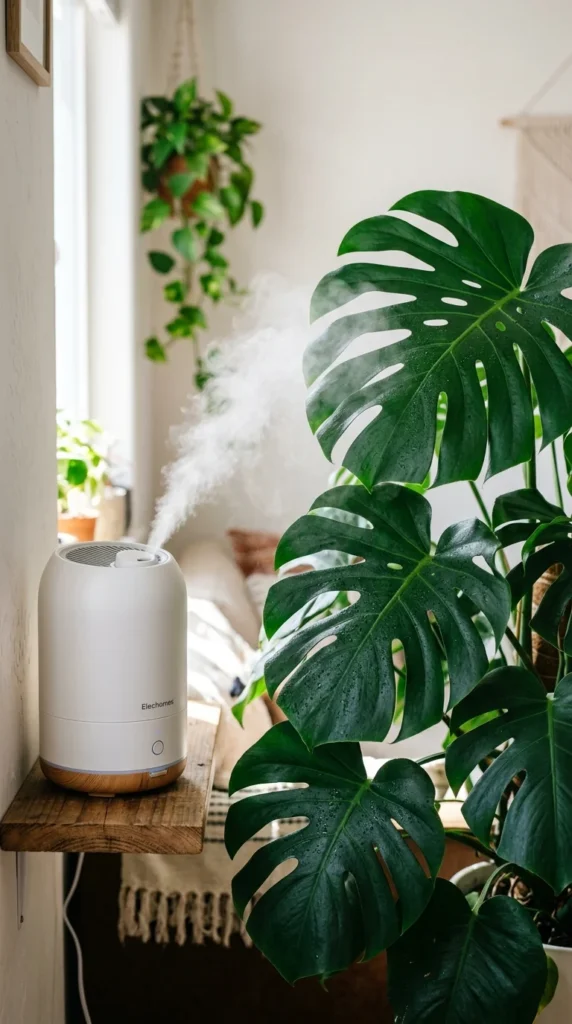
Coming from the tropical rainforests of Central and South America, Peace Lilies crave humidity. Typical indoor air, especially in winter, is often too dry, leading to crispy brown leaf tips. To fix this, place your plant on a pebble tray filled with water, group it with other plants, or use a room humidifier. Misting the leaves occasionally can also provide a temporary humidity boost.
4. Temperature Stability
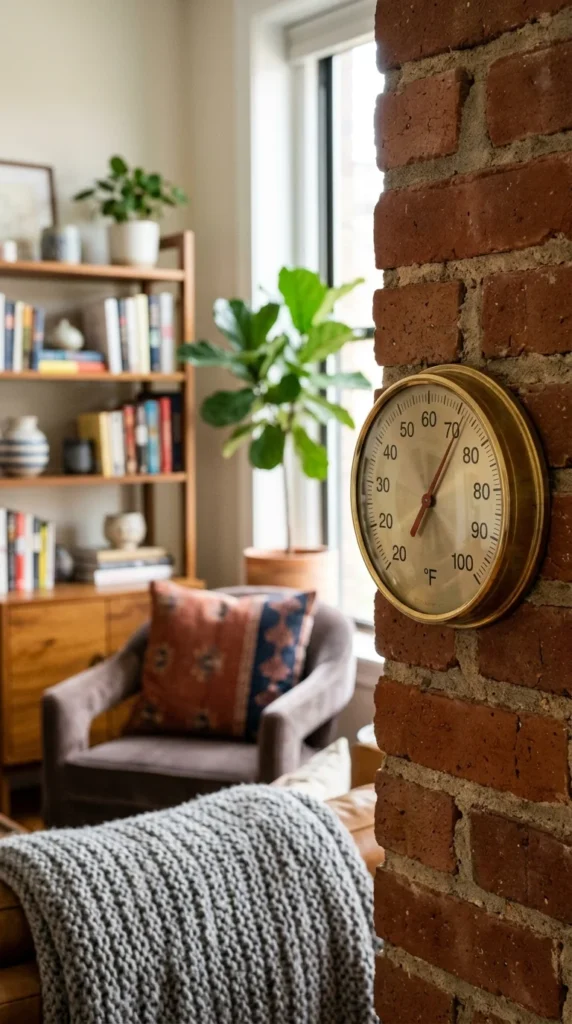
These plants hate the cold and are sensitive to sudden temperature fluctuations. They prefer temperatures between 65°F and 85°F (18°C – 30°C). Keep your Peace Lily away from drafty windows, air conditioning vents, and heating units. If the temperature drops below 55°F, the plant’s growth will stall, and it may suffer permanent damage.
5. Filtered Water
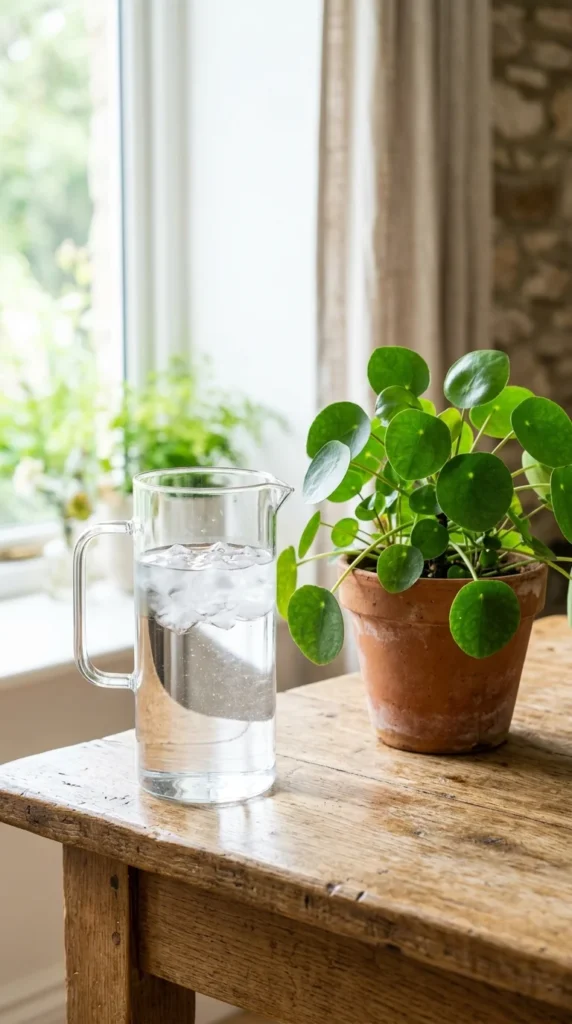
Peace Lilies are sensitive to the chemicals found in tap water, specifically fluoride and chlorine. These chemicals can build up in the soil and cause the leaf tips to turn brown. If possible, use filtered water, rainwater, or distilled water. Alternatively, let tap water sit out overnight to allow some of the chlorine to dissipate before watering.
6. Nutrient Balance
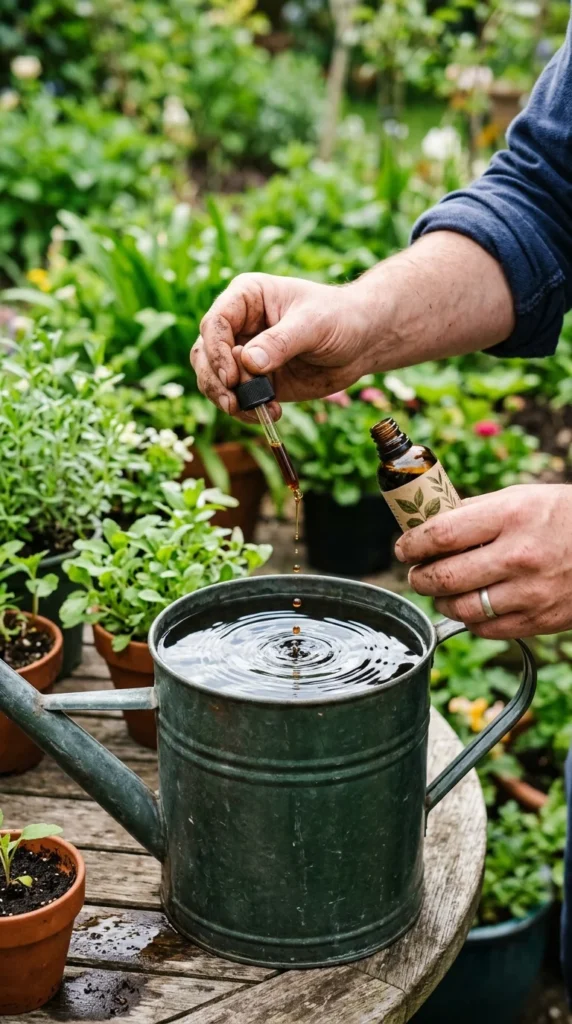
To get those big, beautiful blooms, you need to feed your plant. Use a balanced, water-soluble houseplant fertilizer (like a 20-20-20 formula) at half-strength. Fertilize every six weeks during the spring and summer growing seasons. Avoid over-fertilizing, as a buildup of salts can burn the roots and lead to lush green leaves but zero flowers.
7. Potting Mix
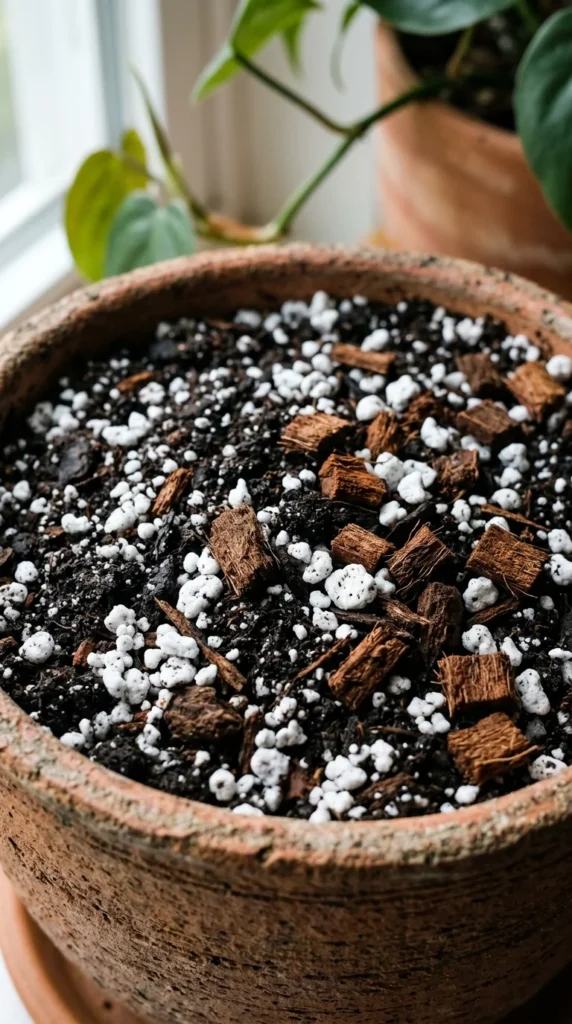
The right foundation is everything. Peace Lilies need a soil that retains moisture but drains quickly. A peat-based potting mix with plenty of perlite or orchid bark is ideal. This ensures that the roots have access to oxygen and aren’t sitting in a muddy mess, which is the primary cause of root rot.
8. Drainage Holes
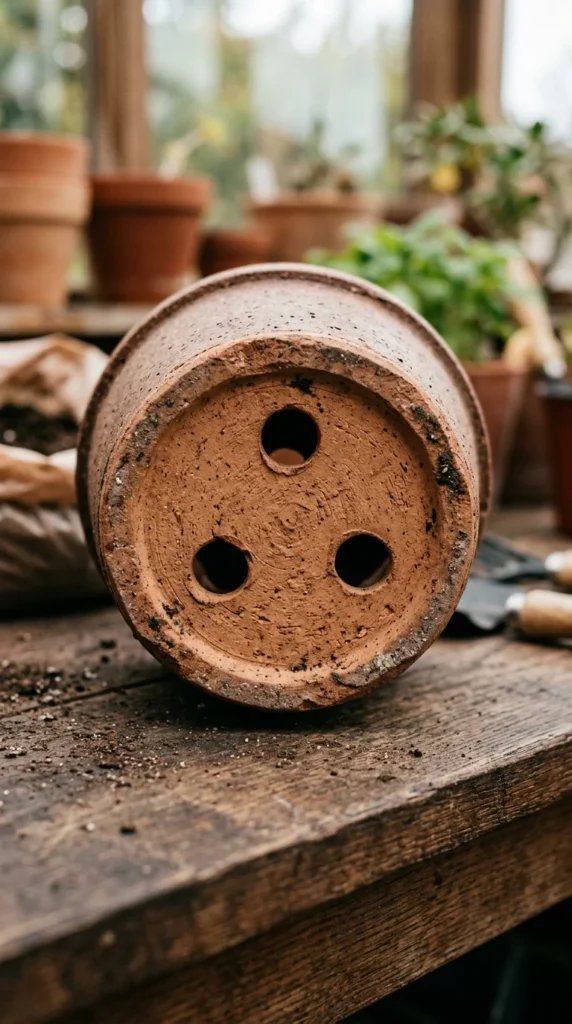
Never plant a Peace Lily in a decorative pot that lacks drainage holes. Excess water must have a way to escape. If you have a beautiful pot without holes, use it as a “cachepot”—keep the plant in a plastic nursery pot with holes and simply set that inside the decorative one.
9. Leaf Cleaning
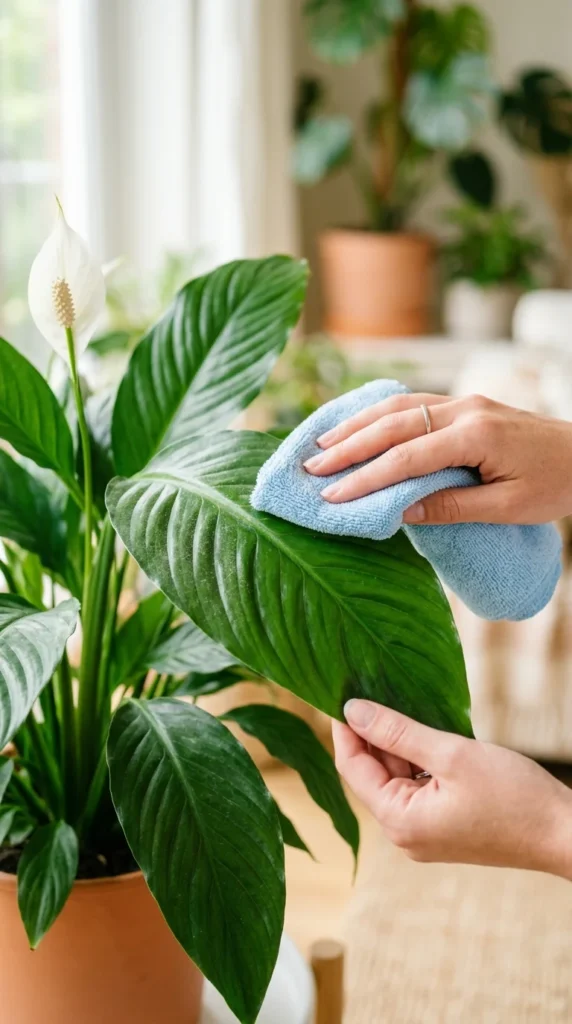
In the wild, rain washes dust off leaves; indoors, it’s up to you. Dust blocks sunlight and prevents the plant from photosynthesizing efficiently. Every few weeks, wipe the leaves down with a damp cloth. This not only keeps the plant healthy but also makes the foliage look stunningly glossy. Avoid using commercial leaf-shine products, as they can clog the plant’s pores (stomata).
10. Pruning Growth
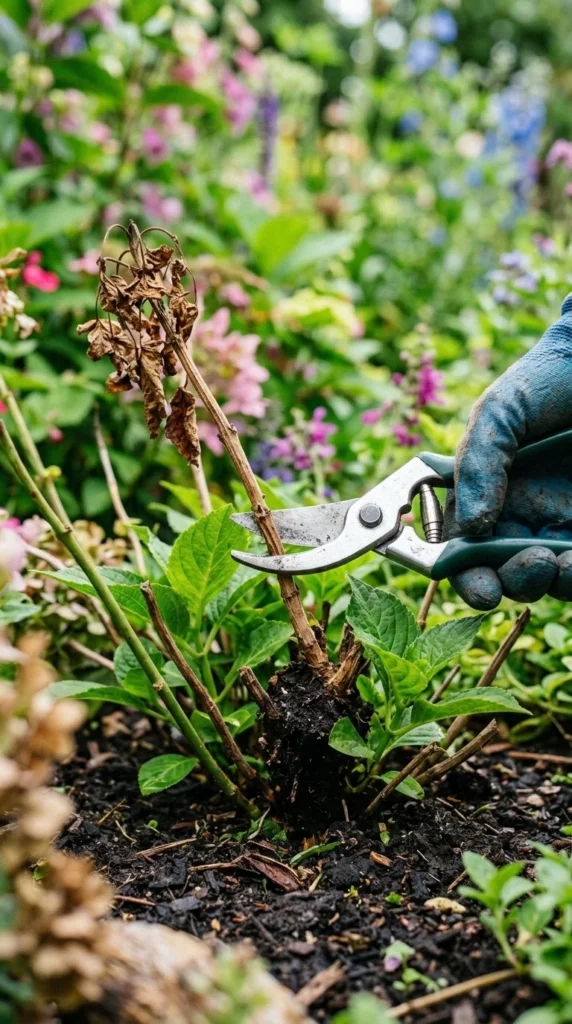
Don’t let your plant waste energy on dying parts. When a flower begins to turn green or brown, cut the stalk off as close to the base as possible. Similarly, if you see yellowing or dead leaves, prune them away. This redirects the plant’s energy toward producing new, healthy foliage and future blooms.
11. Repotting Timing
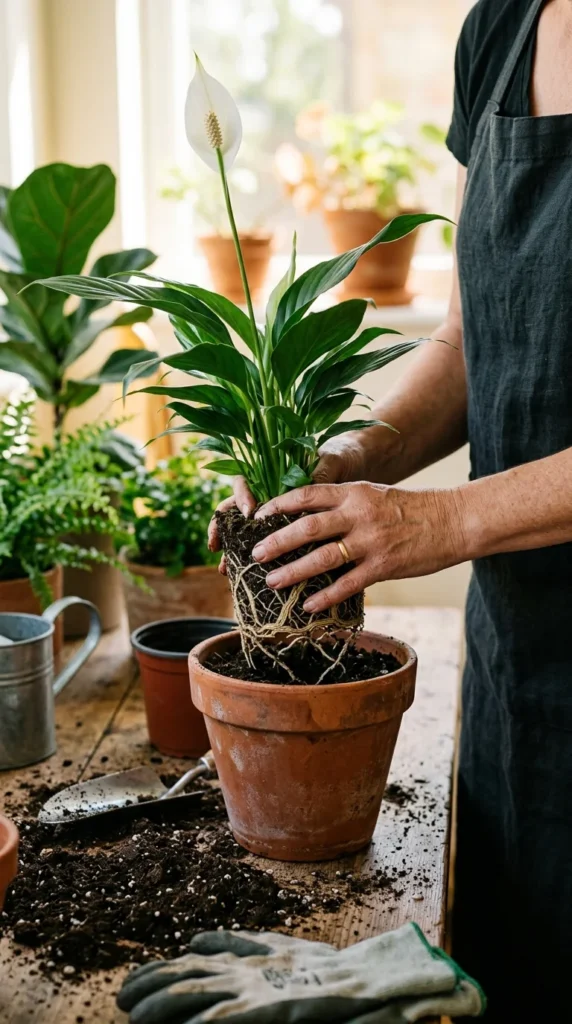
Peace Lilies actually enjoy being slightly root-bound, but there’s a limit. If you notice roots growing out of the drainage holes or if you find yourself needing to water the plant every single day, it’s time to upgrade. Choose a pot only 1-2 inches wider than the current one. Spring is the best time for this transition.
12. Pest Management
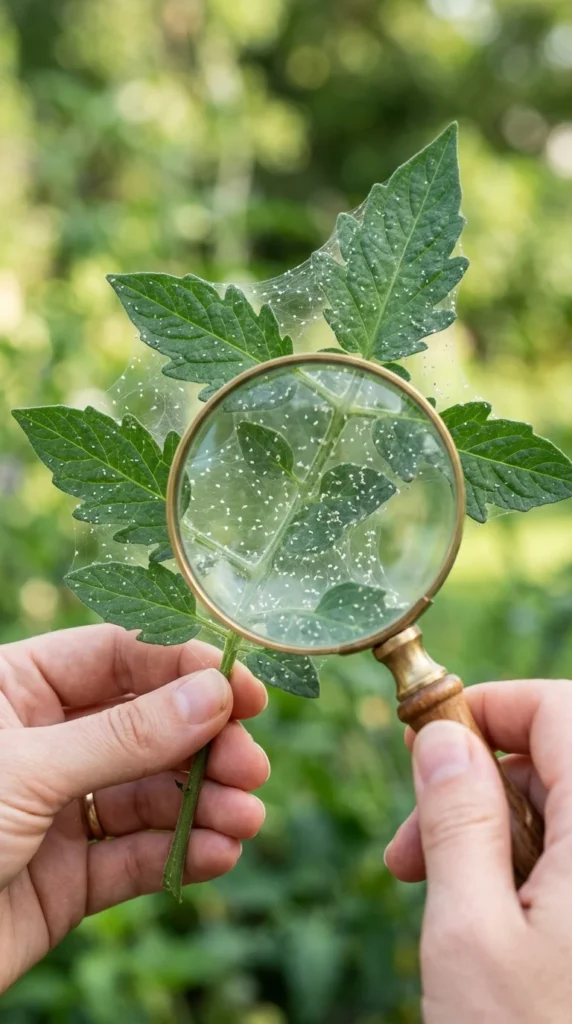
While relatively pest-resistant, Peace Lilies can occasionally attract spider mites, aphids, or mealybugs. Check the undersides of the leaves regularly. If you spot any unwanted guests, treat the plant with insecticidal soap or neem oil. Keeping the leaves clean and the humidity high is often the best defense against pests.
13. Winter Rest
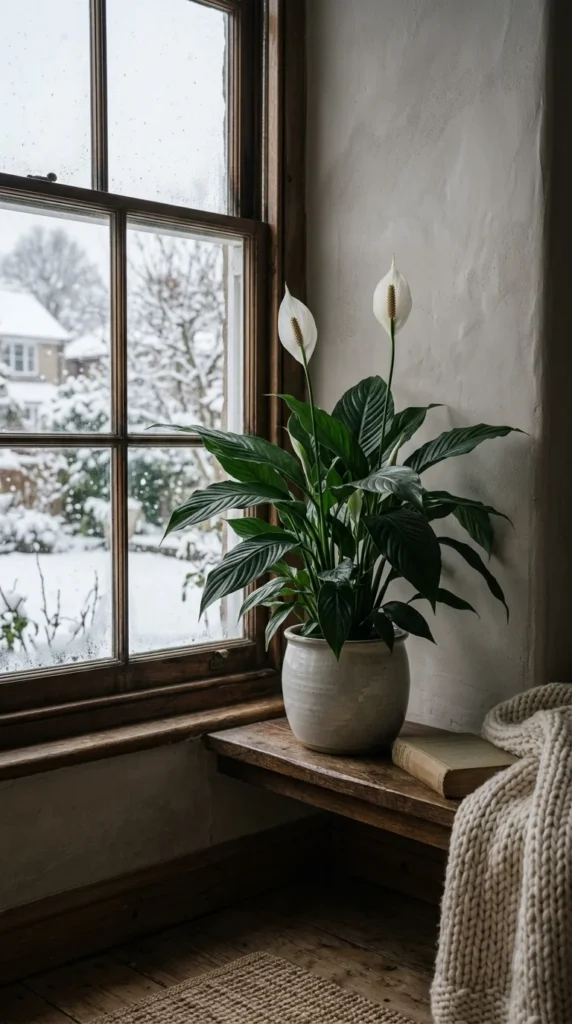
During the winter months, the Peace Lily’s growth naturally slows down. Reduce your watering frequency and stop fertilizing entirely during this period. The plant needs this “rest” phase to gather energy for a massive explosion of growth and flowers once the spring warmth returns.
14. Pot Material
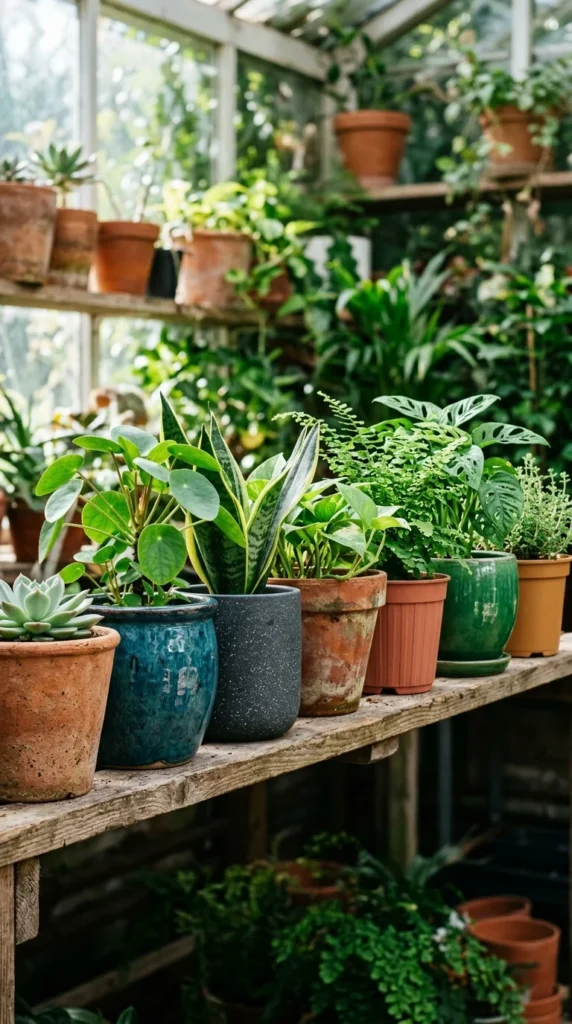
The material of your pot affects how quickly the soil dries out. Terracotta is porous and breathes, which is great for preventing rot but means you’ll need to water more often. Plastic or glazed ceramic pots hold moisture longer. Choose the material that best fits your watering habits—if you tend to overwater, go with terracotta.
15. Flower Induction
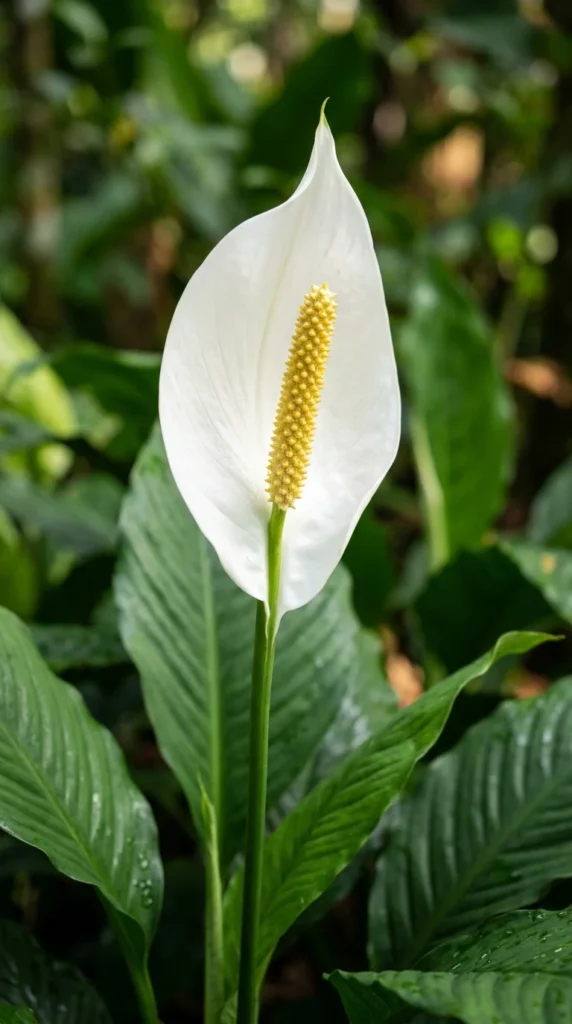
If your plant looks healthy but won’t bloom, it might need more light or a boost of phosphorus. Sometimes, moving the plant to a slightly brighter location for a few weeks is all it takes to trigger the production of spathes. Remember, the “flower” is actually a modified leaf, so the plant needs plenty of energy to produce it.
16. Air Circulation
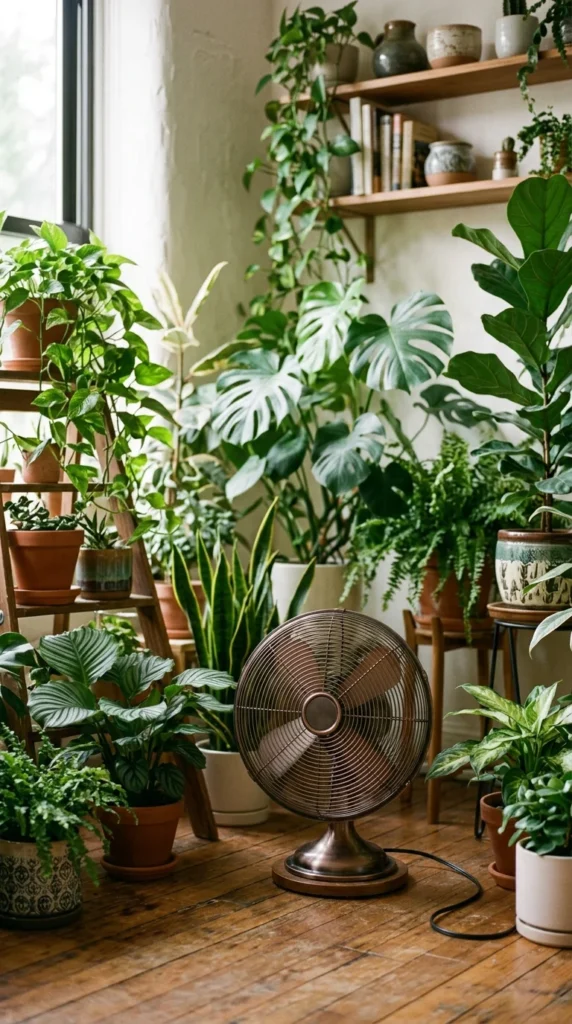
While they love humidity, stagnant air can lead to fungal issues like powdery mildew. Ensure there is a gentle movement of air in the room. This mimics their natural environment and helps the soil dry out at an even rate, preventing the growth of fungus gnats and mold on the soil surface.
17. Division Propagation
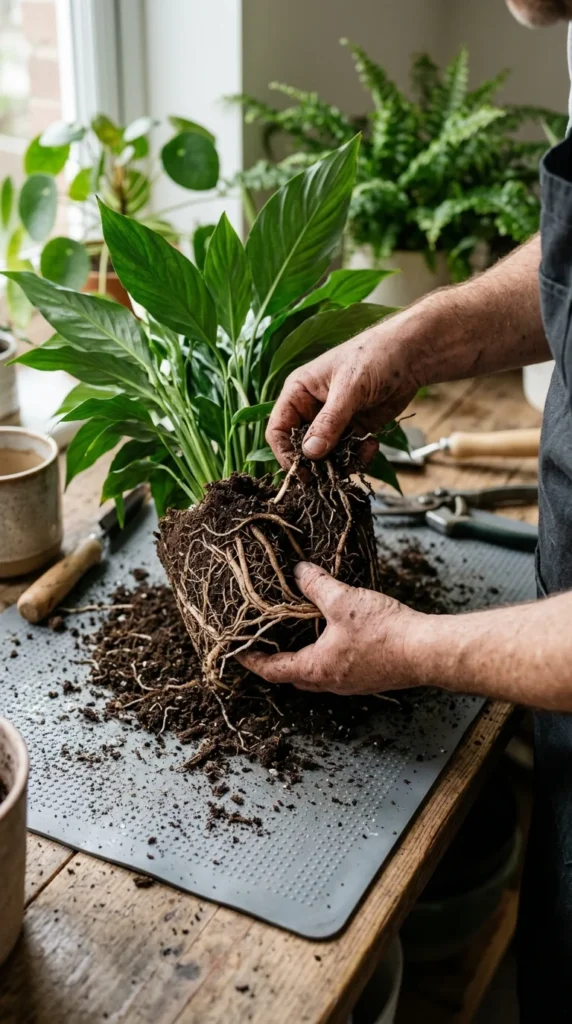
If your Peace Lily has grown too large for its space, you can create new plants through division. During repotting, gently pull the root ball apart into smaller sections, ensuring each section has several leaves and a healthy root system. Pot these into smaller containers, and you’ll have instant gifts for friends!
18. Stress Signals
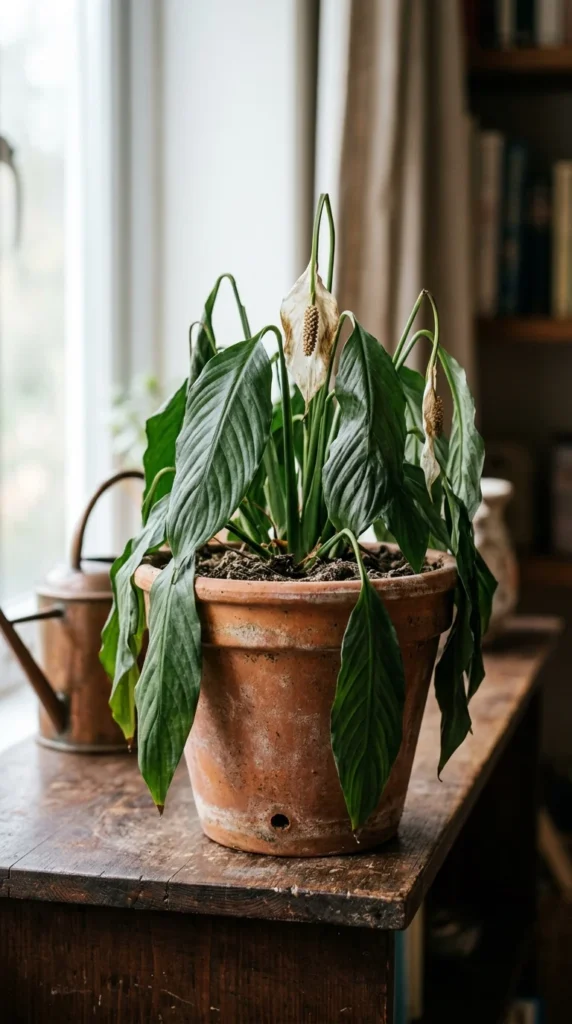
Learning to read your plant’s signals is the hallmark of a pro. Yellow leaves often mean overwatering or too much sun. Brown tips usually mean low humidity or chemical buildup from tap water. Drooping leaves almost always mean the plant is thirsty. By responding quickly to these signs, you can prevent minor issues from becoming fatal.
19. Toxic Awareness
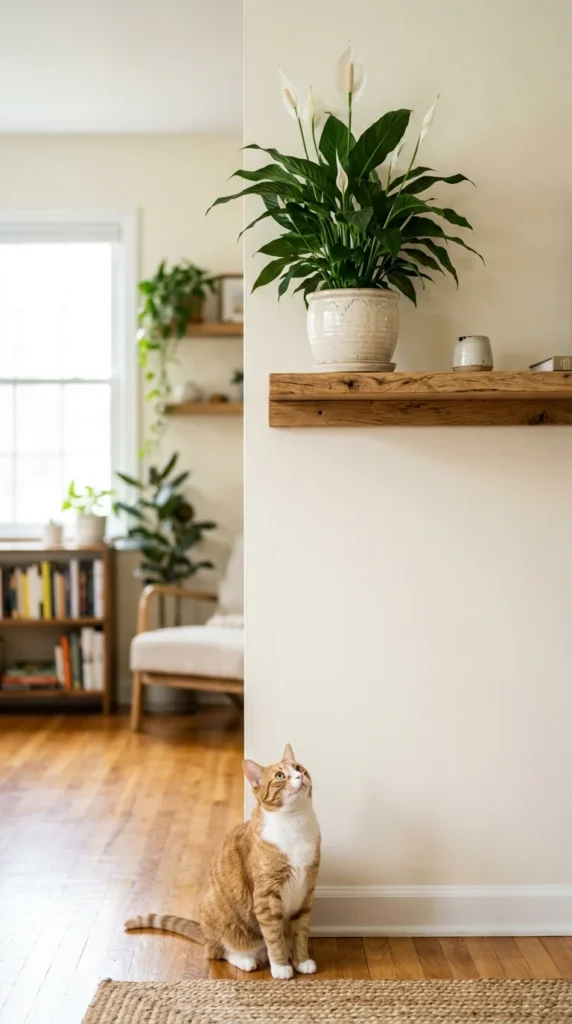
It’s important to remember that Peace Lilies contain calcium oxalate crystals, which are toxic if ingested by cats, dogs, or humans. While not usually fatal, they cause intense mouth irritation and swelling. Always keep your Peace Lily on a high shelf or in a hanging basket if you have curious pets or small children in the home.