
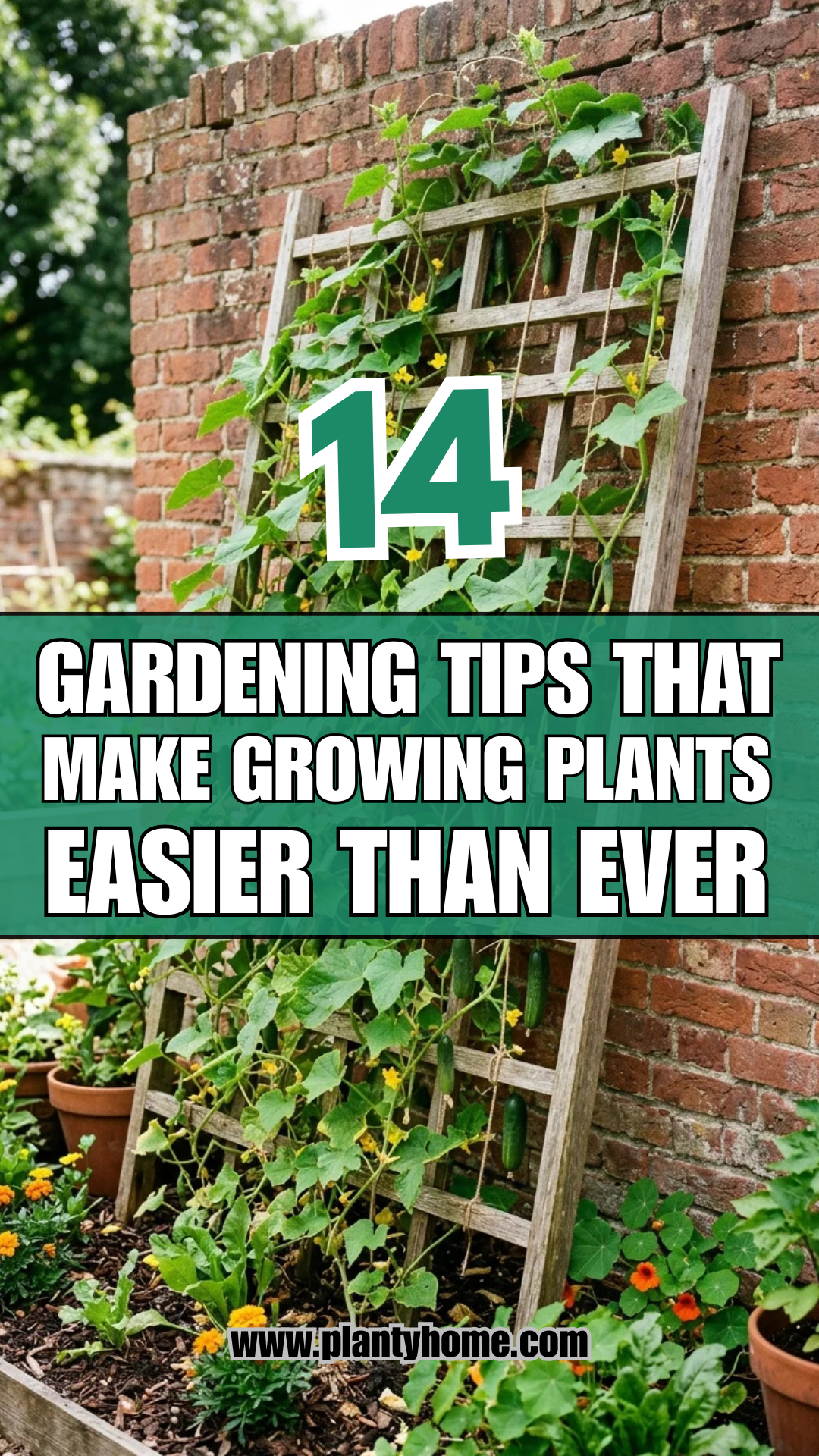
Gardening is often portrayed as a labor-intensive hobby reserved for those with “green thumbs” and endless free time. However, the secret to a thriving garden isn’t necessarily more work—it is smarter work. By understanding the biological needs of plants and utilizing strategic hacks, any gardener can reduce their workload while increasing their yield. Whether you are a novice looking to start your first vegetable patch or a seasoned horticulturalist seeking to streamline your routine, these fourteen tips will transform your gardening experience into an efficient, rewarding, and simplified process.
1. Soil Testing
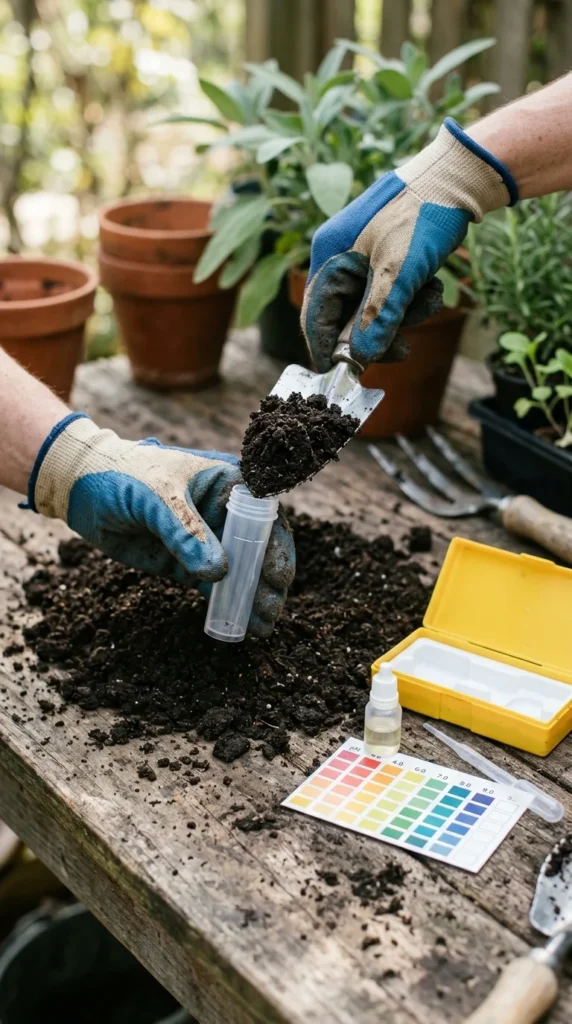
The foundation of every successful garden is the soil. Before you plant a single seed, you must understand what is happening beneath the surface. Soil testing kits, available at most garden centers, allow you to determine the pH levels and nutrient content of your dirt. Different plants require different environments; for instance, blueberries thrive in acidic soil, while lavender prefers alkaline conditions. By knowing your soil’s composition, you can amend it specifically for the plants you intend to grow, preventing the frustration of stunted growth or yellowing leaves caused by nutrient deficiencies.
2. Mulching
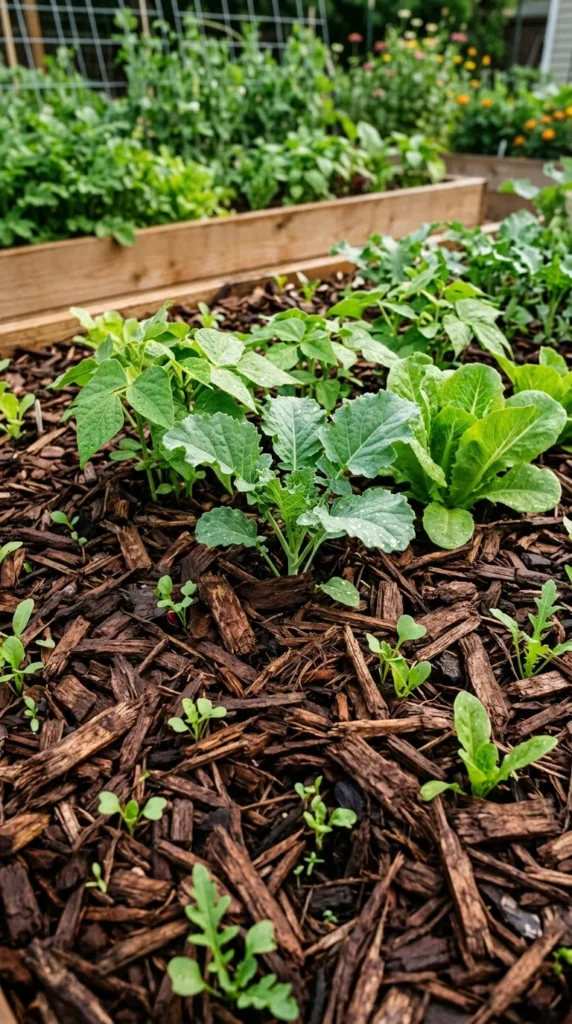
Mulching is perhaps the most effective “set it and forget it” technique in gardening. By applying a two-to-three-inch layer of organic material—such as wood chips, straw, or shredded leaves—over your garden beds, you create a protective barrier. This barrier suppresses weed growth by blocking sunlight from reaching weed seeds. Furthermore, mulch helps the soil retain moisture by reducing evaporation, meaning you spend less time with a hose in hand. As the mulch decomposes, it also slowly adds organic matter back into the soil, improving its structure over time.
3. Drip Irrigation
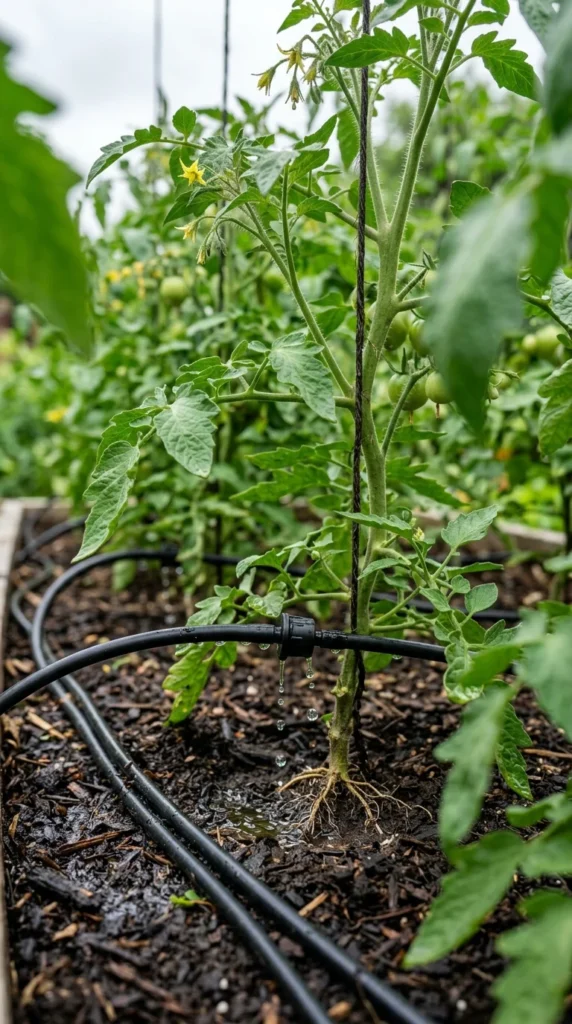
Hand-watering can be therapeutic, but it is rarely the most efficient way to hydrate a garden. Drip irrigation systems deliver water directly to the root zone of your plants, where it is needed most. This prevents water waste due to runoff or evaporation and keeps foliage dry, which significantly reduces the risk of fungal diseases like powdery mildew. Modern kits are surprisingly easy to install and can be connected to a simple battery-operated timer, ensuring your garden stays hydrated even when you are away on vacation.
4. Companion Planting
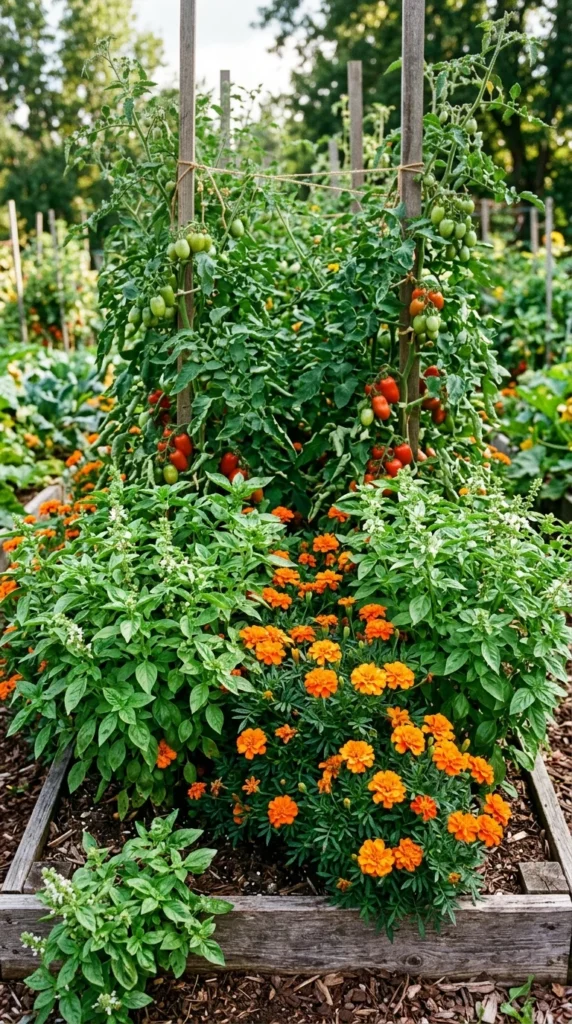
Nature rarely grows in monocultures, and your garden shouldn’t either. Companion planting is the practice of placing specific plants together because they benefit each other. For example, planting marigolds with tomatoes helps repel harmful nematodes and aphids, while the scent of basil can deter thrips. Some combinations even improve flavor or provide structural support, such as the classic “Three Sisters” method where corn provides a trellis for beans, and squash provides ground cover to keep the soil cool.
5. Self-Watering Pots
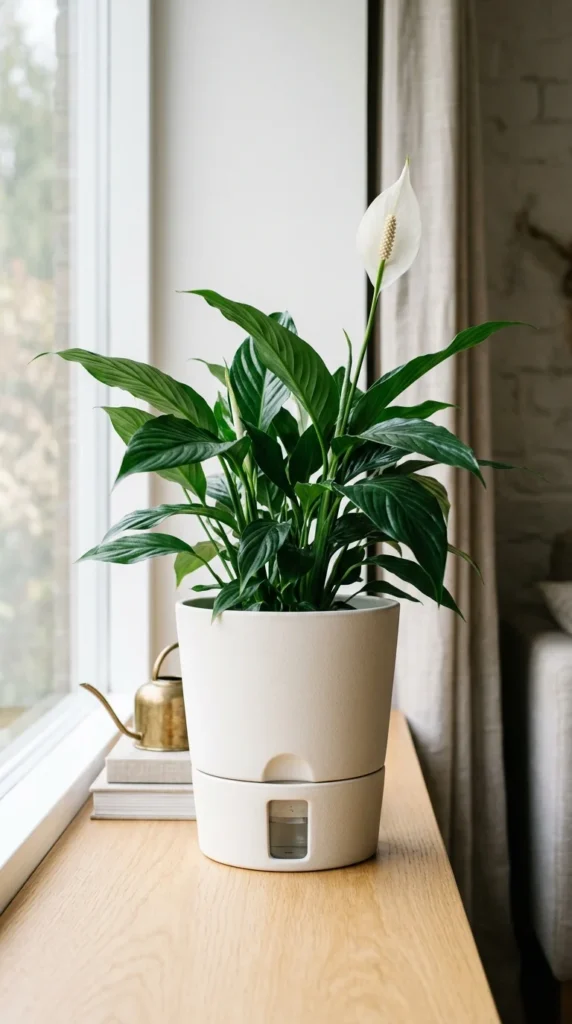
For those who struggle with consistent watering or live in high-heat climates, self-watering containers are a game-changer. These pots feature a reservoir at the bottom that holds a supply of water, which is then drawn up into the soil via capillary action. This ensures that the soil remains at a consistent moisture level, preventing the “stress-recovery” cycle that often kills container plants. It is an ideal solution for thirsty herbs like mint or moisture-loving ornamentals.
6. Native Plants
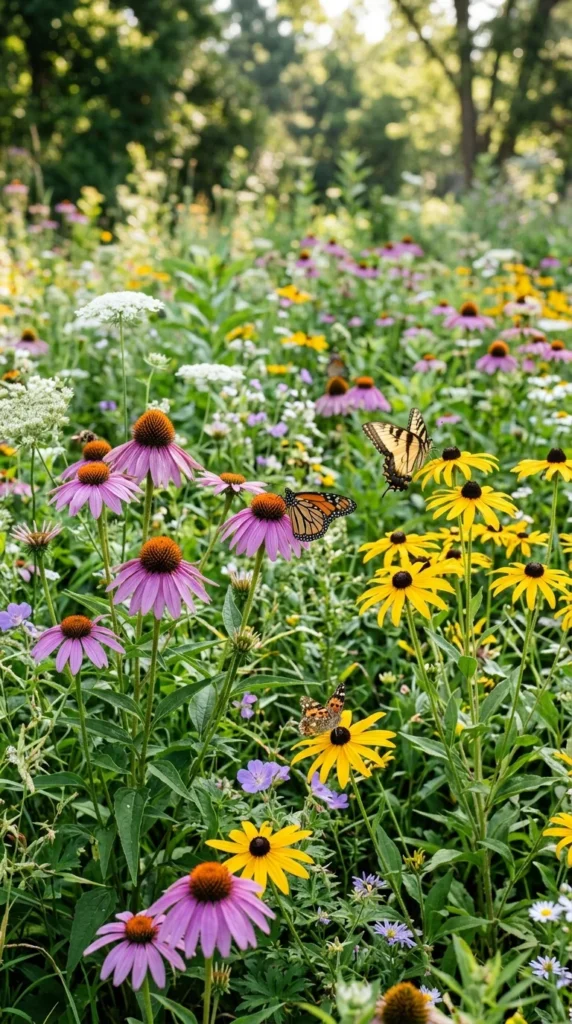
One of the easiest ways to ensure gardening success is to work with your environment rather than against it. Native plants are those that occur naturally in your region and have evolved to thrive in your specific climate and soil conditions. They typically require less water, fewer fertilizers, and are more resistant to local pests and diseases. Additionally, native plants provide essential habitats and food sources for local pollinators like bees and butterflies, turning your garden into a miniature ecological sanctuary.
7. Vertical Gardening
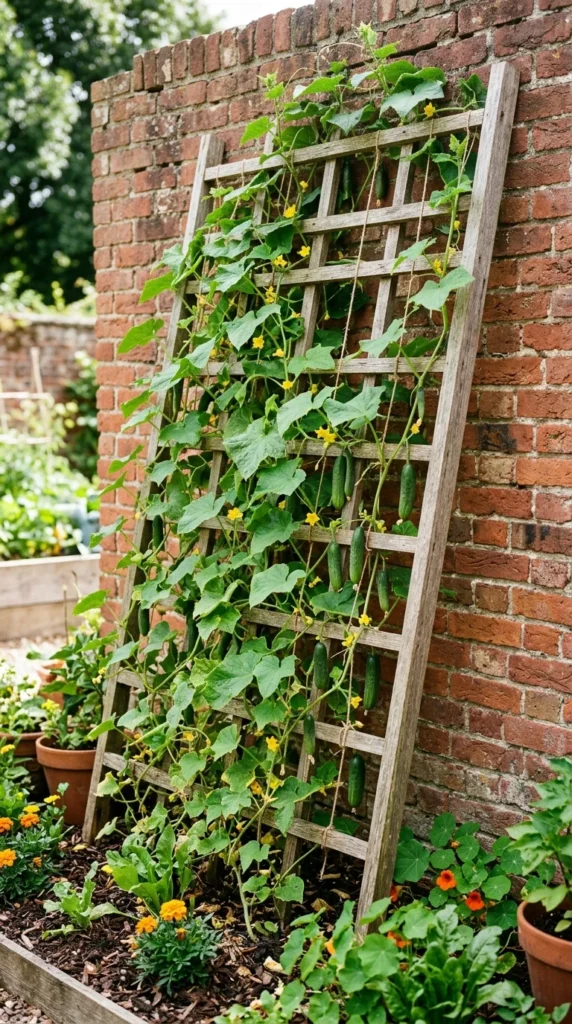
If you are limited by a small backyard or balcony, look up. Vertical gardening involves using trellises, arbors, or wall-mounted planters to grow plants upward instead of outward. This not only saves precious ground space but also improves air circulation around the plants, reducing disease risk. Climbing vegetables like peas, beans, and certain varieties of squash are perfect candidates for this method, and the vertical structure can also serve as a beautiful living privacy screen.
8. Epsom Salts
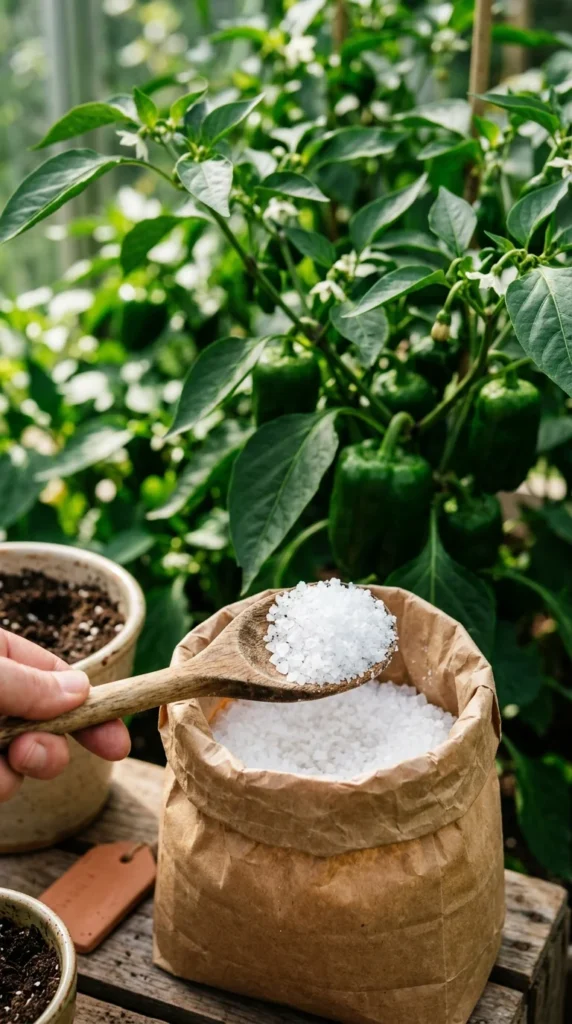
Magnesium is a critical mineral for plant growth, particularly for the production of chlorophyll and the strengthening of cell walls. Epsom salt (magnesium sulfate) is a cheap and effective supplement for plants like peppers, tomatoes, and roses. A simple solution of one tablespoon of Epsom salt per gallon of water can be applied as a foliar spray or poured at the base of the plant once a month. This boost helps plants produce more vibrant flowers and higher yields of fruit.
9. Eggshells
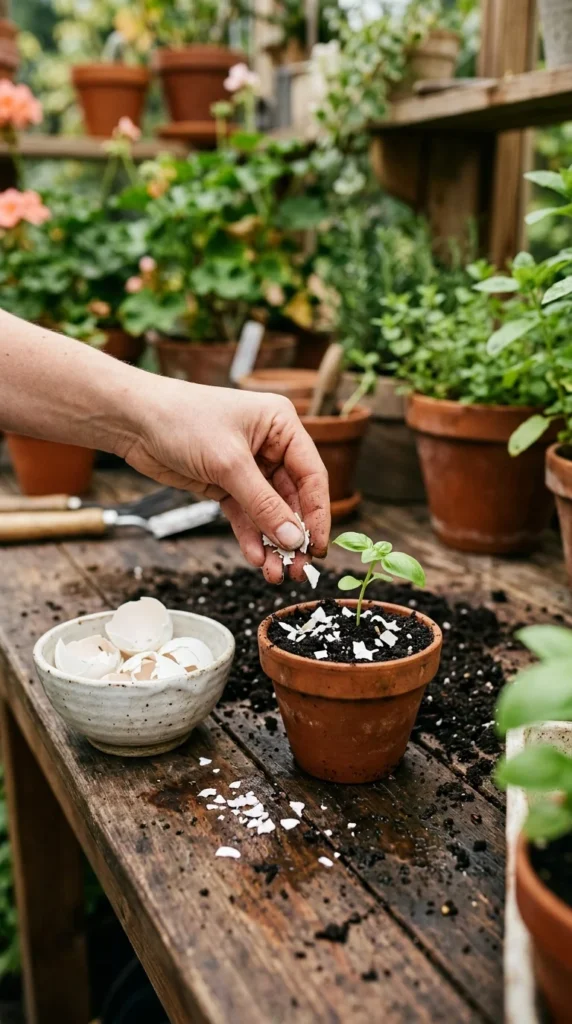
Before you toss your breakfast scraps into the trash, consider moving them to the garden. Crushed eggshells are a fantastic source of calcium carbonate, which helps prevent blossom end rot in tomatoes and peppers. Furthermore, the sharp edges of crushed shells act as a natural mechanical deterrent for soft-bodied pests like slugs and snails. Simply dry the shells, crush them into small bits, and sprinkle them around your most vulnerable plants.
10. Coffee Grounds
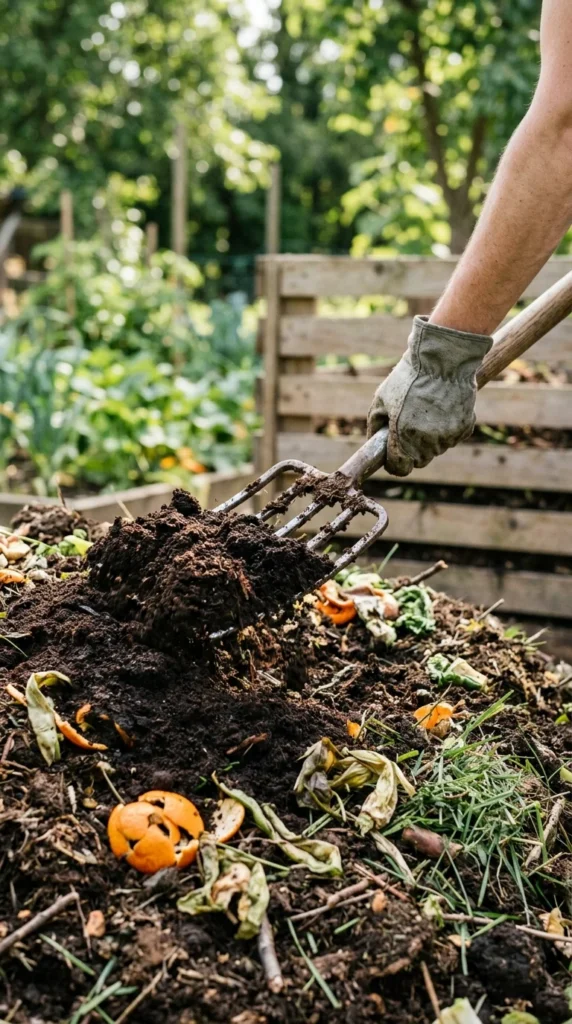
Used coffee grounds are a goldmine for gardeners. They are rich in nitrogen, which is essential for leafy growth. You can sprinkle them directly onto the soil surface around acid-loving plants like azaleas and hydrangeas, or mix them into your compost bin to act as a “green” nitrogen source that helps break down “brown” carbon materials like straw or dried leaves. As a bonus, earthworms are highly attracted to coffee grounds, and their presence helps aerate the soil.
11. Tool Maintenance
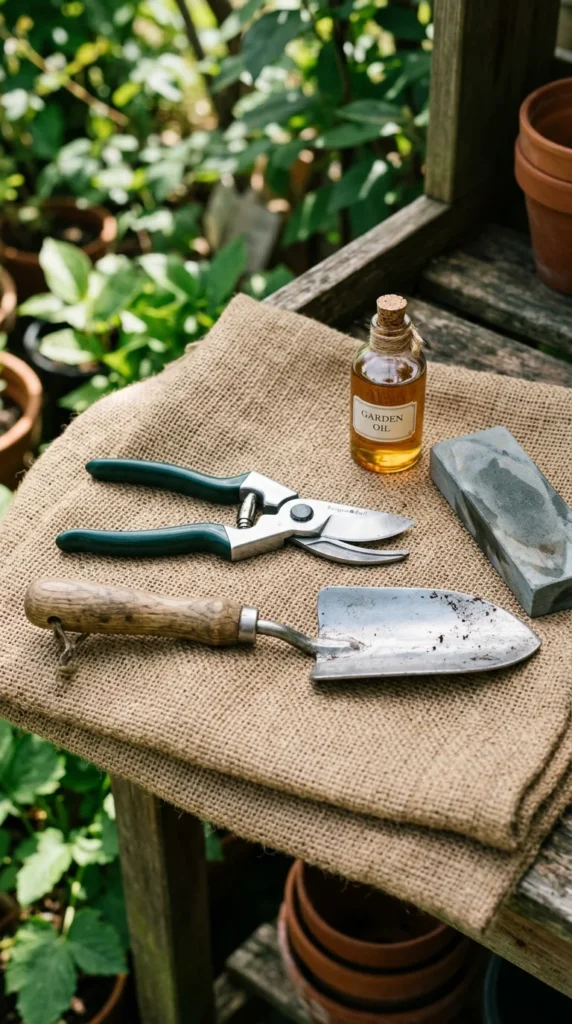
Working with dull or rusty tools makes gardening tasks twice as hard and can actually harm your plants. Jagged cuts from dull pruners take longer to heal, leaving plants susceptible to infection. Once a season, take the time to sharpen your blades with a whetstone and clean off any rust using steel wool. Wiping your tools down with a bit of linseed oil after use will prevent oxidation and ensure that your equipment lasts for decades, making every snip and dig effortless.
12. Proper Spacing
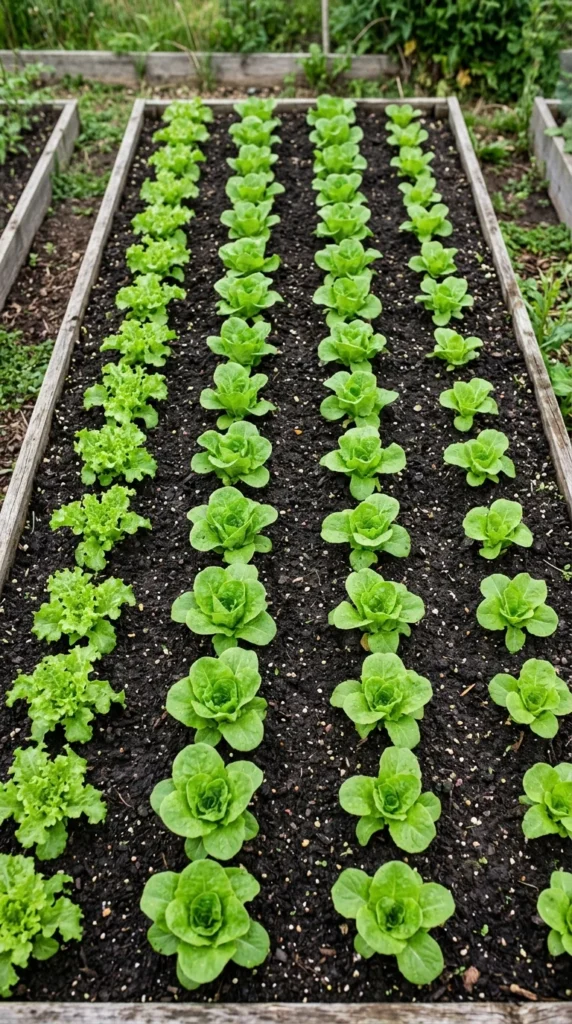
It is tempting to pack as many plants as possible into a small space to get a bigger harvest. However, overcrowding is one of the leading causes of garden failure. Plants need adequate space for their roots to expand and for air to circulate between their leaves. Without proper spacing, humidity gets trapped, leading to fungal outbreaks, and plants compete for limited nutrients. Always follow the spacing guidelines on seed packets to ensure each plant has the “elbow room” it needs to reach its full potential.
13. Deadheading
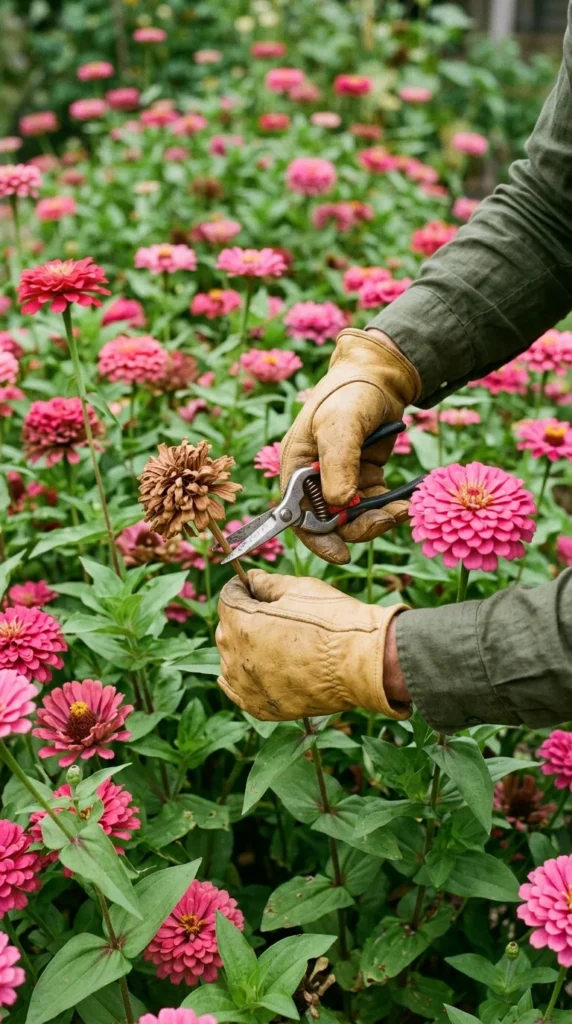
Deadheading is the process of removing faded or spent flowers from a plant. While it may seem like a purely aesthetic task, it serves a vital biological purpose. Once a flower dies, the plant shifts its energy into seed production. By cutting off the dead blooms, you “trick” the plant into thinking it hasn’t finished its reproductive cycle, prompting it to produce more flowers. This practice extends the blooming season for ornamentals and keeps your garden looking fresh and vibrant throughout the summer.
14. Garden Journaling
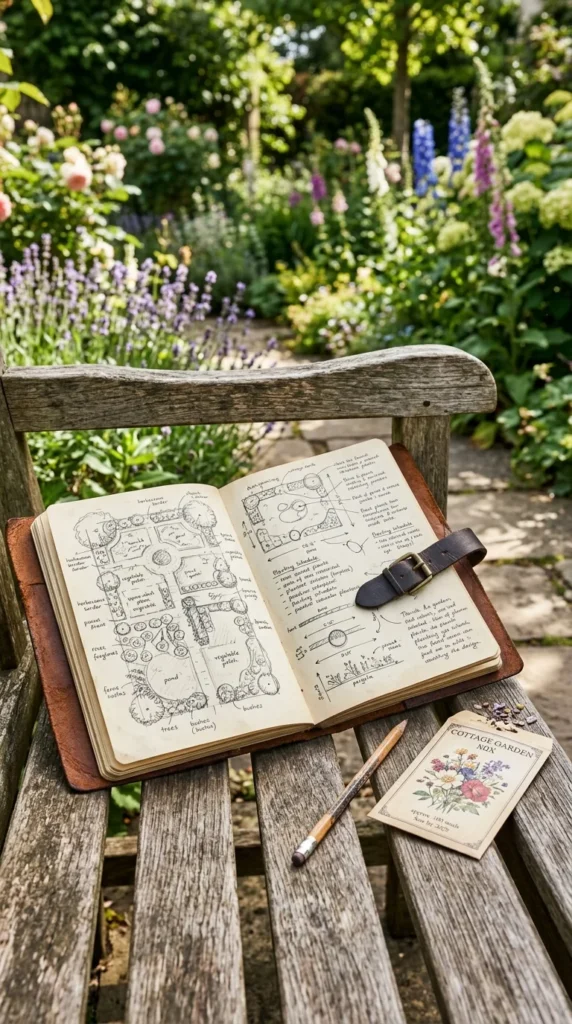
The best tool a gardener can have is a record of the past. A garden journal allows you to track what varieties you planted, when you planted them, and how they performed. Did the tomatoes get blight in July? Did the specific brand of organic fertilizer make the roses double in size? By documenting these details, you create a personalized roadmap for success. Over time, you will stop guessing and start knowing exactly what your specific plot of land needs to flourish, making every subsequent year of gardening easier than the last.