
Gardening is a continuous journey of discovery, blending the precision of science with the intuition of art. Whether you are managing a sprawling backyard estate or a modest balcony collection, the principles of horticulture remain the same: nurturing life by understanding the delicate balance of nature. As we navigate a year of shifting climates and a renewed focus on sustainable living, these nineteen essential tips offer a comprehensive roadmap to achieving a flourishing, resilient garden.
1. Soil Composition
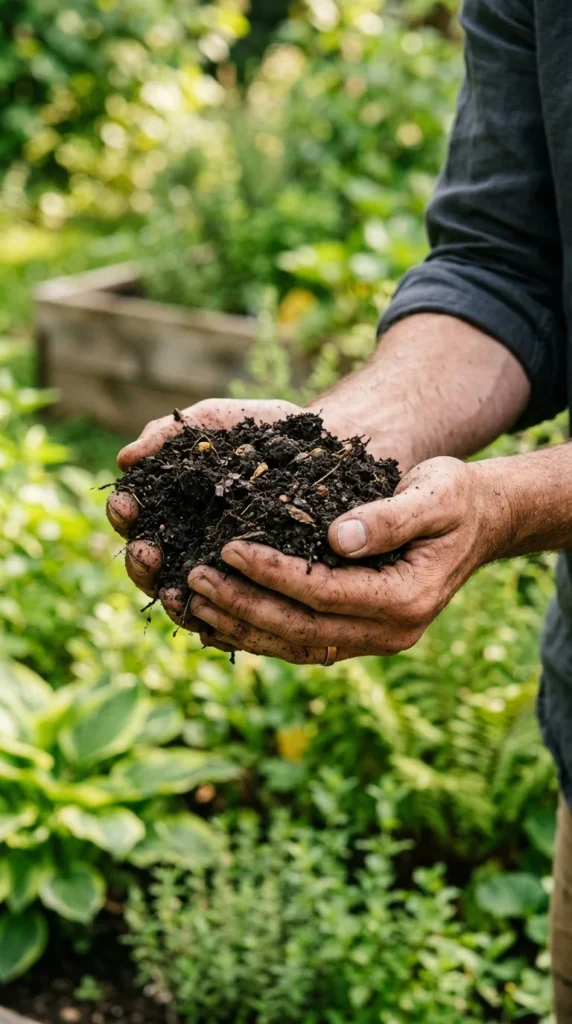
The foundation of every successful garden lies beneath the surface. Soil is not merely “dirt” but a living ecosystem. This year, prioritize a soil test to determine your pH levels and nutrient deficiencies. Ideal garden soil is usually loamy—a balanced mix of sand, silt, and clay—which provides excellent drainage while retaining enough moisture for roots to thrive. Amending your soil with high-quality organic matter like leaf mold or aged manure can transform a struggling plot into a high-yielding sanctuary.
2. Companion Planting
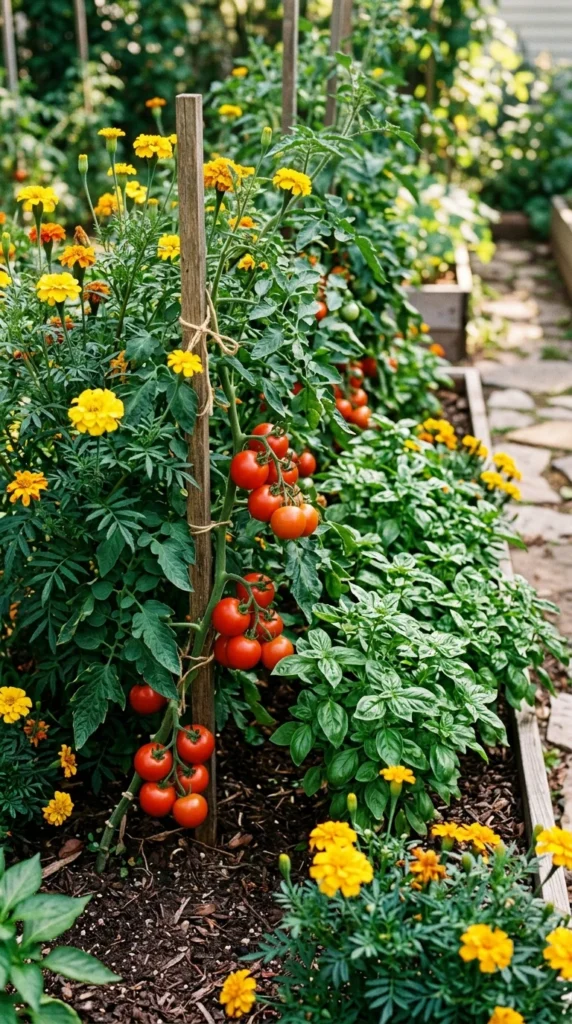
Strategic placement is the secret to a self-sustaining garden. Companion planting involves growing specific plants together to enhance growth, deter pests, and improve flavor. For instance, planting marigolds near vegetables can repel nematodes, while the “Three Sisters” method—corn, beans, and squash—utilizes structural support and nitrogen fixation to maximize space and health. Understanding these biological synergies reduces the need for chemical interventions.
3. Mulching Techniques
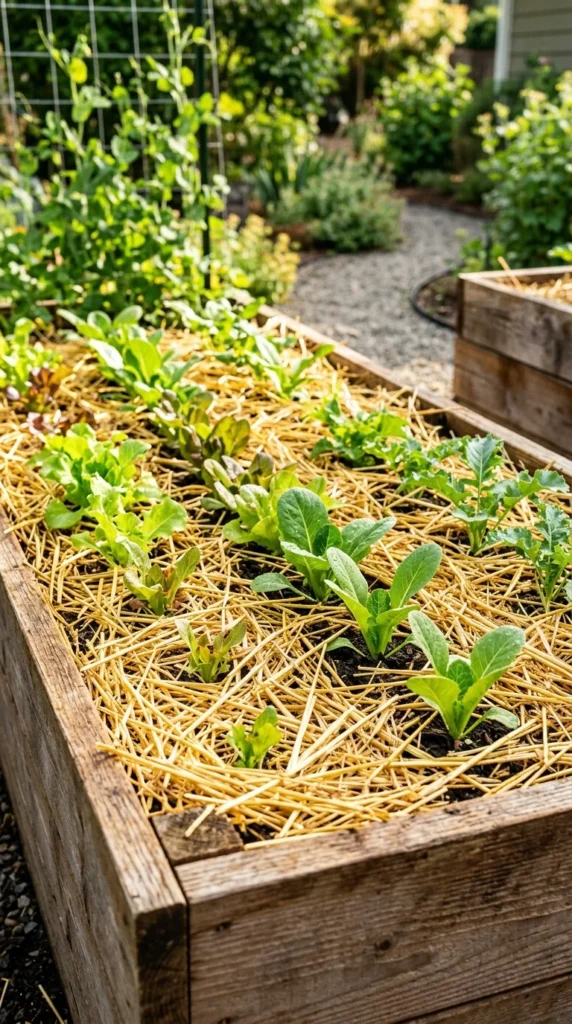
Mulching is one of the most effective ways to conserve water and suppress weeds. By applying a 2-to-3-inch layer of organic mulch, such as wood chips, straw, or shredded bark, you create a protective barrier for the soil. This barrier regulates soil temperature, keeping roots cool in the summer and insulated in the winter, while slowly breaking down to add nutrients back into the earth.
4. Watering Schedules
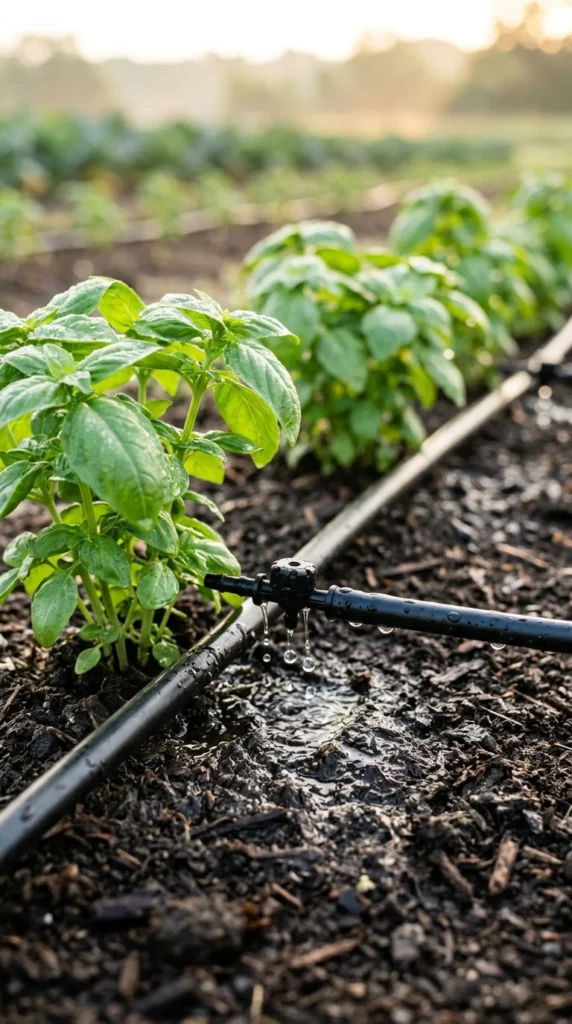
Consistency is key when it comes to hydration. Instead of light daily sprinkles, aim for deep, infrequent watering to encourage plants to grow deep root systems. The best time to water is in the early morning; this allows the foliage to dry before evening, significantly reducing the risk of fungal diseases. If possible, invest in a drip irrigation system to deliver water directly to the root zone, minimizing waste and evaporation.
5. Native Species
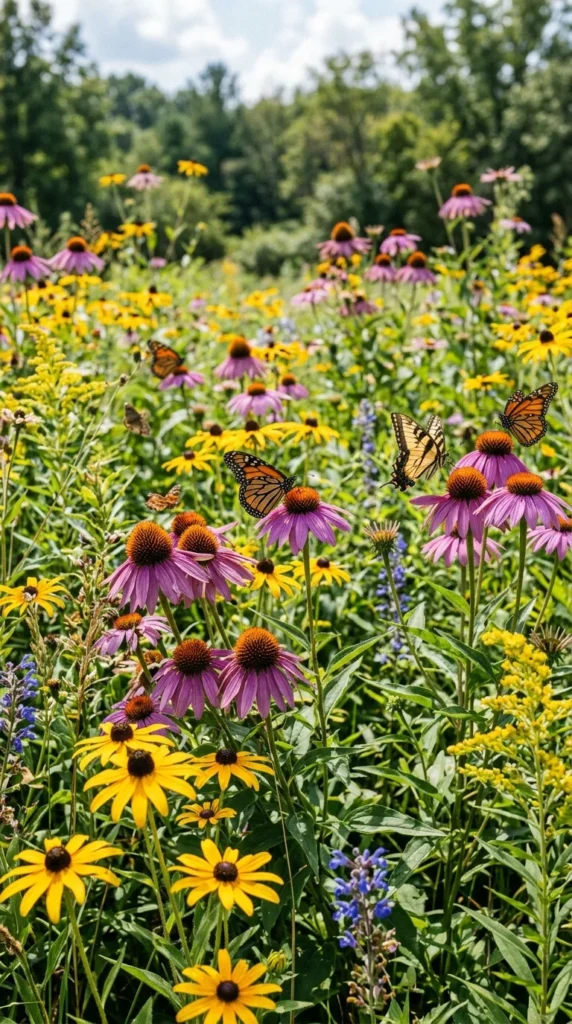
Integrating native plants into your landscape is a powerful way to support local biodiversity. Native species are naturally adapted to your region’s climate and soil conditions, meaning they require less water, fewer fertilizers, and are more resistant to local pests. Furthermore, they provide essential habitats and food sources for local pollinators, birds, and beneficial insects that keep your garden’s ecosystem in balance.
6. Vertical Space
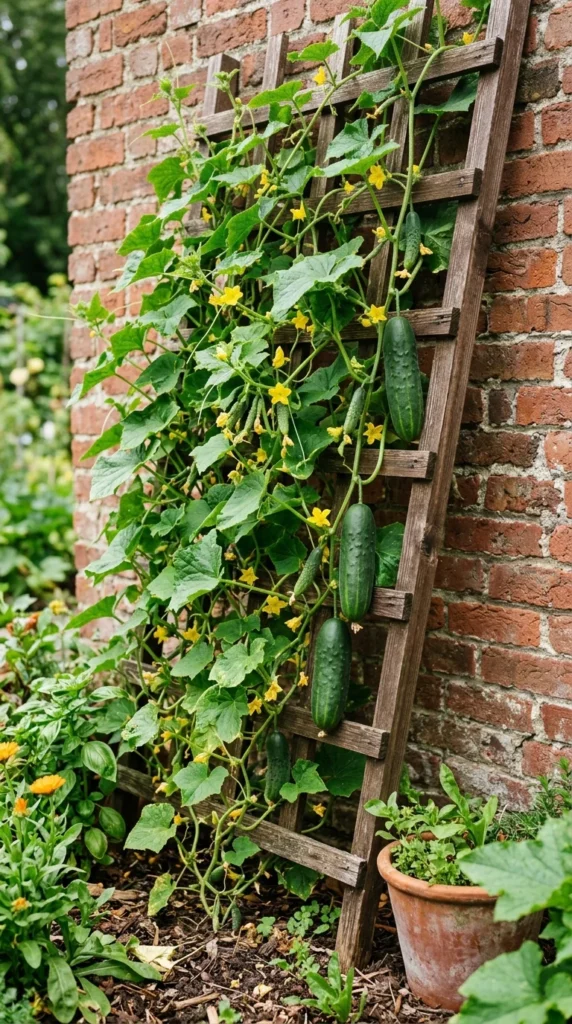
When horizontal space is limited, look upward. Vertical gardening utilizes trellises, arbors, and wall-mounted planters to grow vining vegetables like peas, beans, and cucumbers, or even ornamental climbers like clematis. This technique not only maximizes your yield per square foot but also improves air circulation around the plants, which helps prevent mildew and other moisture-related issues.
7. Pruning Precision
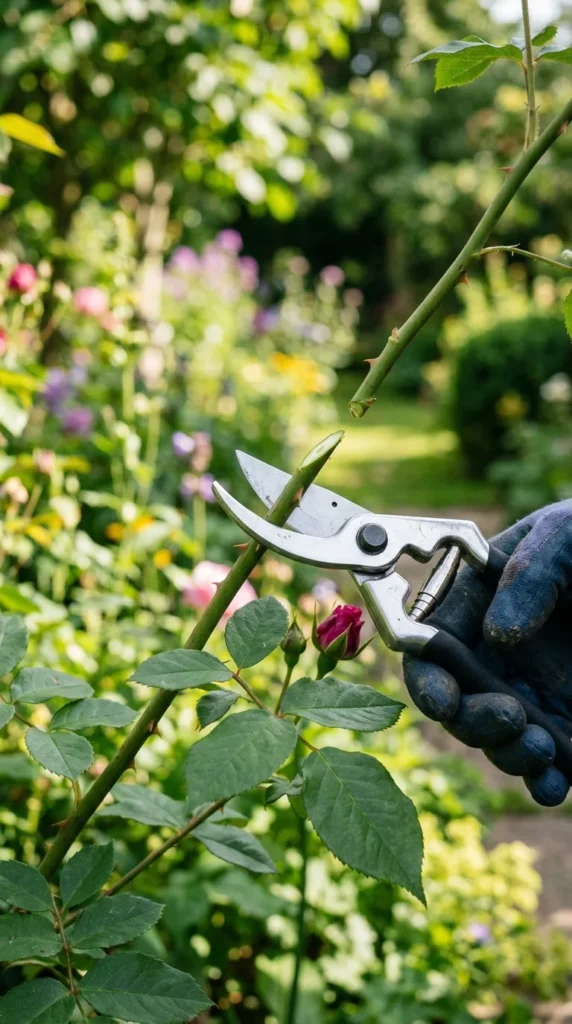
Pruning is more than just “cutting back”; it is a strategic way to direct a plant’s energy. Removing dead, damaged, or diseased wood prevents the spread of infection and allows the plant to focus its resources on new growth and fruit production. For many flowering shrubs, pruning at the right time—usually after the first bloom or during dormancy—is critical for ensuring a spectacular display in the following season.
8. Organic Pest Control
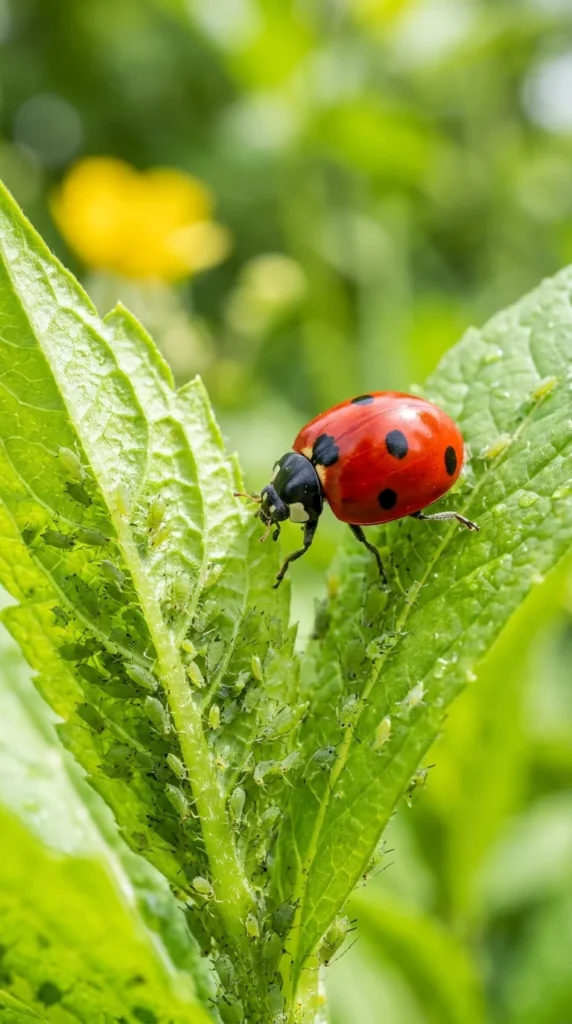
Moving away from synthetic pesticides is a vital step toward a healthier garden. Embrace Integrated Pest Management (IPM) by encouraging “beneficials” like ladybugs, lacewings, and predatory wasps. For immediate issues, consider organic solutions like neem oil, insecticidal soaps, or simple physical barriers like row covers. These methods protect your plants without harming the bees and butterflies that are essential for pollination.
9. Composting Basics
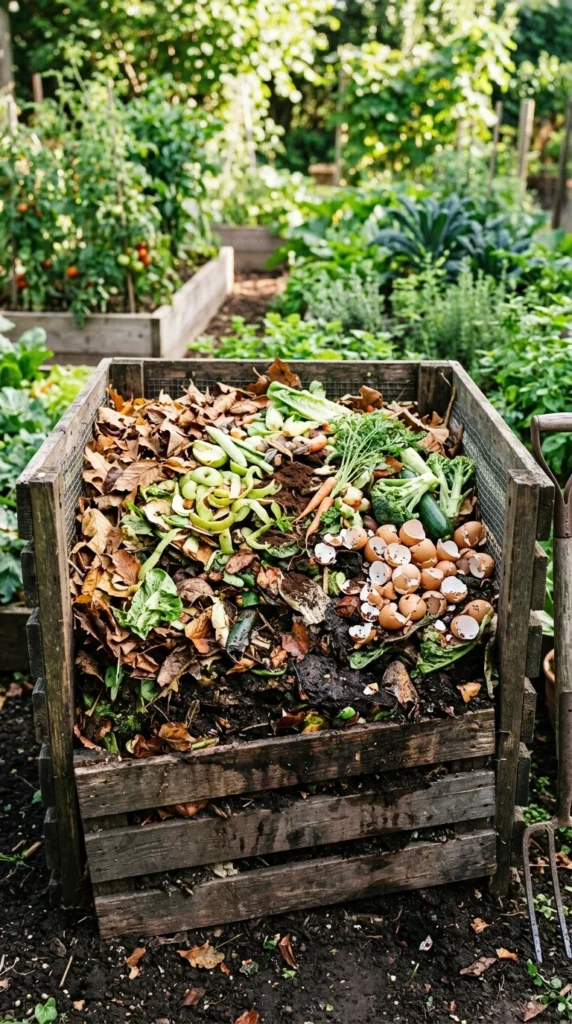
Transforming kitchen scraps and yard waste into “black gold” is the ultimate act of recycling. A healthy compost pile requires a balance of “greens” (nitrogen-rich materials like fruit peels) and “browns” (carbon-rich materials like cardboard or dried leaves). Regular aeration and maintaining the right moisture level will accelerate the decomposition process, providing you with a free, nutrient-dense amendment for your garden beds.
10. Pollinator Gardens
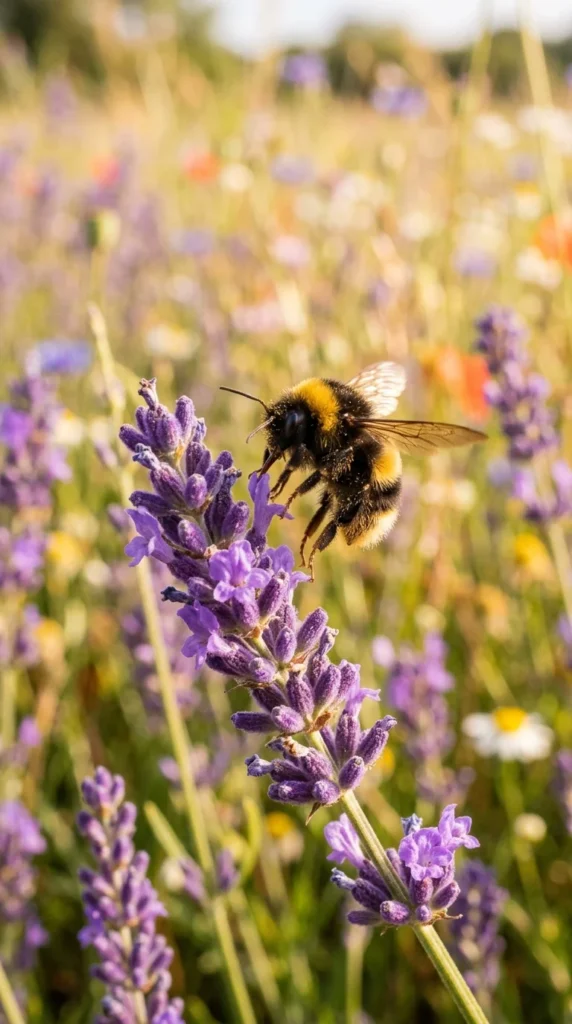
To ensure a productive harvest, you must attract the helpers. Dedicate a portion of your garden to high-nectar flowers that bloom at different times throughout the year. Plants like lavender, salvia, and sunflowers act as beacons for bees, butterflies, and hummingbirds. By providing these creatures with a reliable food source, you ensure that your fruiting crops, such as squash and apples, are successfully pollinated.
11. Tool Maintenance
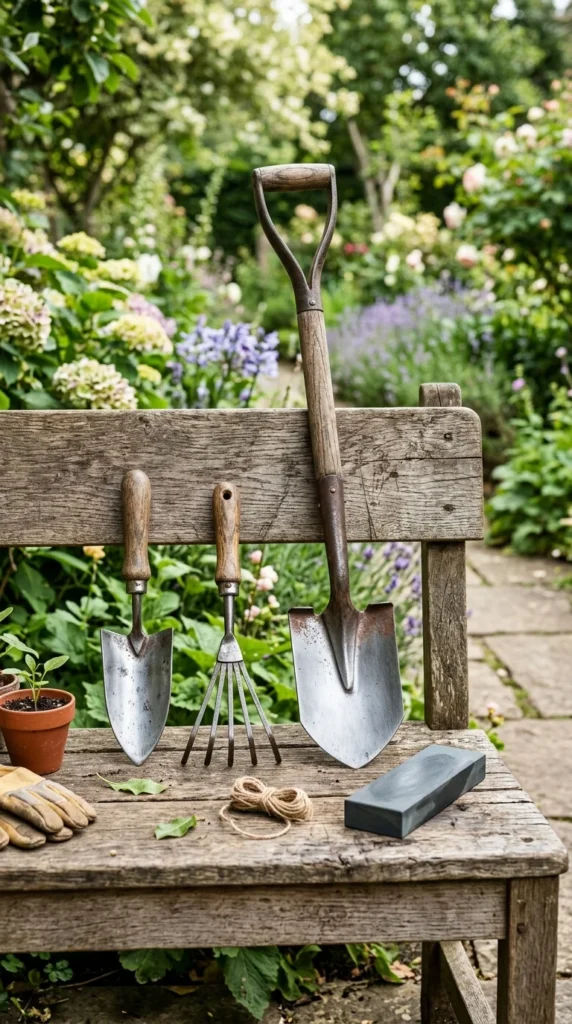
A gardener is only as good as their tools. Dull blades can tear plant tissue, leaving them vulnerable to disease, while rusty tools can harbor pathogens. Make it a habit to clean your tools after every use, removing soil and sap. Periodically sharpen your shears and spades, and oil wooden handles to prevent cracking. Proper maintenance ensures that your tools last for decades and perform their tasks with surgical precision.
12. Container Gardening
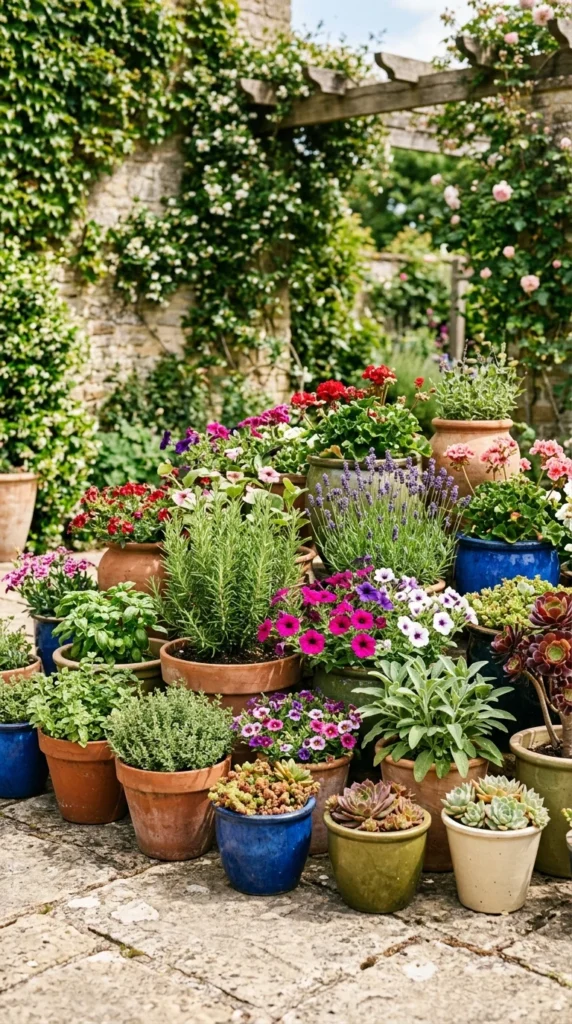
Containers offer the flexibility to garden anywhere—from a sunny windowsill to a concrete driveway. The key to container success is ensuring adequate drainage and using high-quality potting mix rather than garden soil, which can be too heavy and compact. Remember that container-grown plants dry out faster than those in the ground, so they may require more frequent watering and supplemental fertilization throughout the growing season.
13. Succession Planting
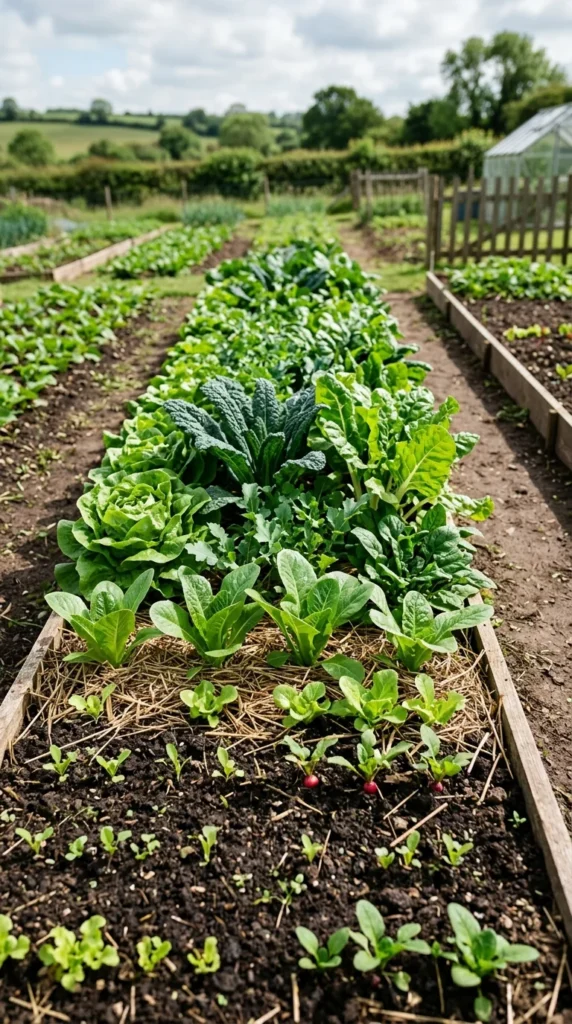
To avoid the “feast or famine” cycle, practice succession planting. Instead of planting all your seeds at once, sow them in intervals of two to three weeks. This ensures a steady, continuous harvest throughout the season rather than a single, overwhelming crop. This technique is particularly effective for leafy greens, radishes, and carrots, allowing you to enjoy fresh produce for months on end.
14. Microclimates
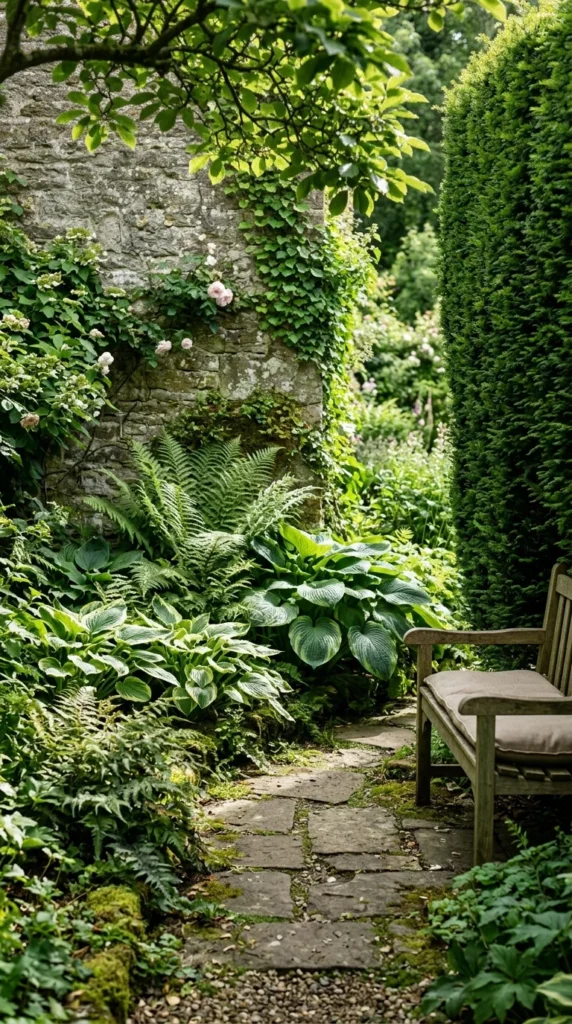
Your garden is not a uniform environment; it is a collection of microclimates. Factors like wind exposure, sun angles, and the proximity of heat-absorbing structures like stone walls create different zones of temperature and moisture. By observing your yard throughout the day, you can identify where the “hot spots” and “frost pockets” are, allowing you to place heat-loving peppers or shade-loving hostas in the locations where they will naturally thrive.
15. Seed Starting
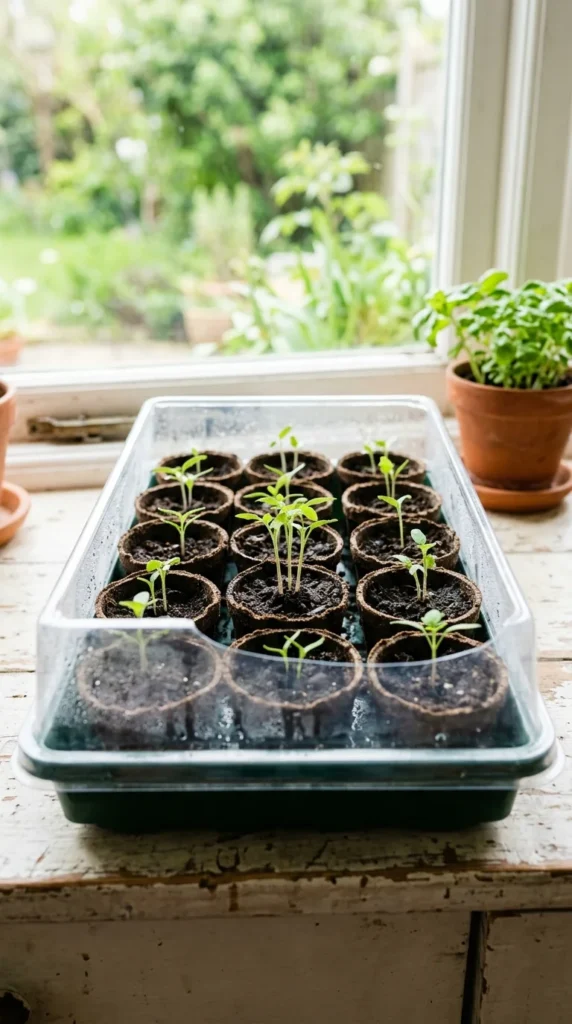
Starting your plants from seed is both economical and rewarding. It gives you access to thousands of unique varieties that are not available as transplants at local nurseries. Use a high-quality seed-starting mix and ensure your seedlings have plenty of light—either from a bright south-facing window or specialized grow lights—to prevent them from becoming “leggy” and weak.
16. Hydroponic Integration
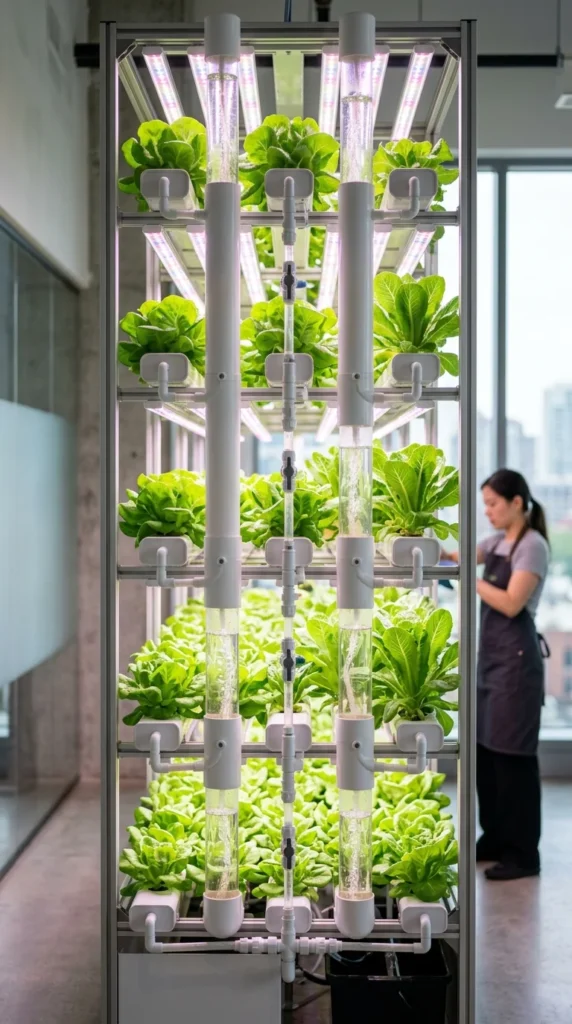
For year-round gardening, consider integrating hydroponics. This soil-less method uses nutrient-rich water solutions to grow plants, often resulting in faster growth rates and higher yields. Whether it’s a simple Kratky jar for herbs or a sophisticated vertical tower, hydroponics allows those with limited outdoor space or harsh winter climates to maintain a fresh supply of greens and herbs regardless of the season.
17. Seasonal Rotation
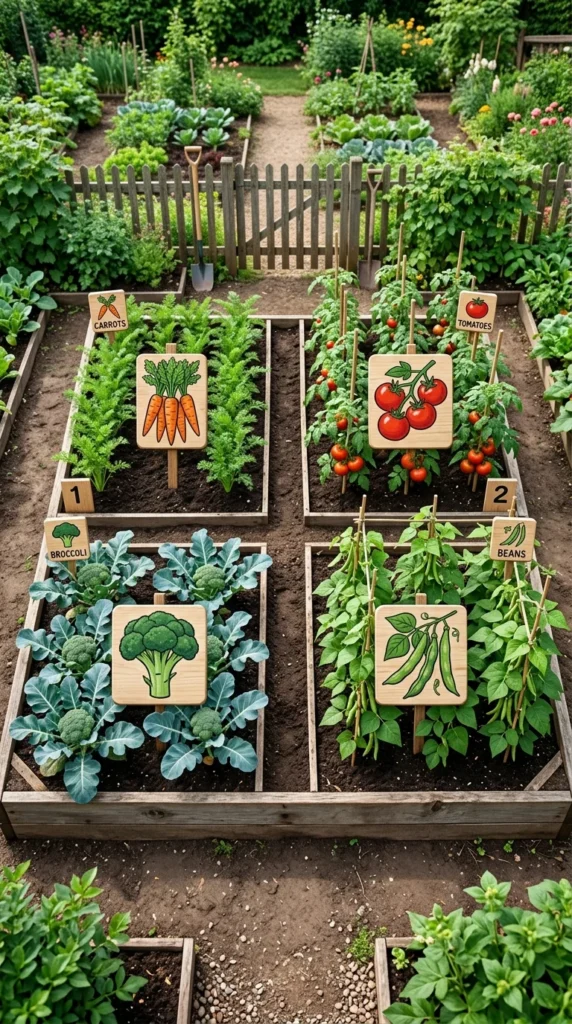
To maintain soil health and break pest cycles, never plant the same family of crops in the same spot two years in a row. Crop rotation—moving brassicas (like kale) away from where they grew last year and replacing them with legumes (like peas)—helps prevent the buildup of soil-borne diseases. It also ensures that the soil’s nutrient profile isn’t depleted by plants with the same dietary requirements.
18. Edible Landscaping
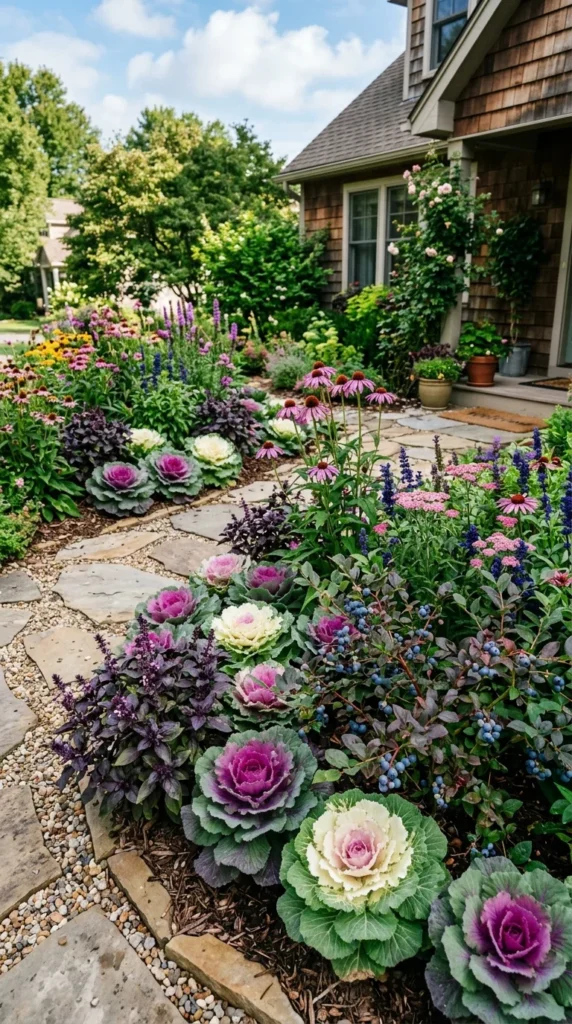
Why choose between a beautiful yard and a productive one? Edible landscaping blends aesthetics with utility. Incorporate fruit-bearing shrubs like blueberries as hedges, use colorful Swiss chard as an ornamental border, or grow scarlet runner beans over an entryway arch. This approach turns your entire property into a source of food while maintaining the “curb appeal” of a professionally designed garden.
19. Record Keeping
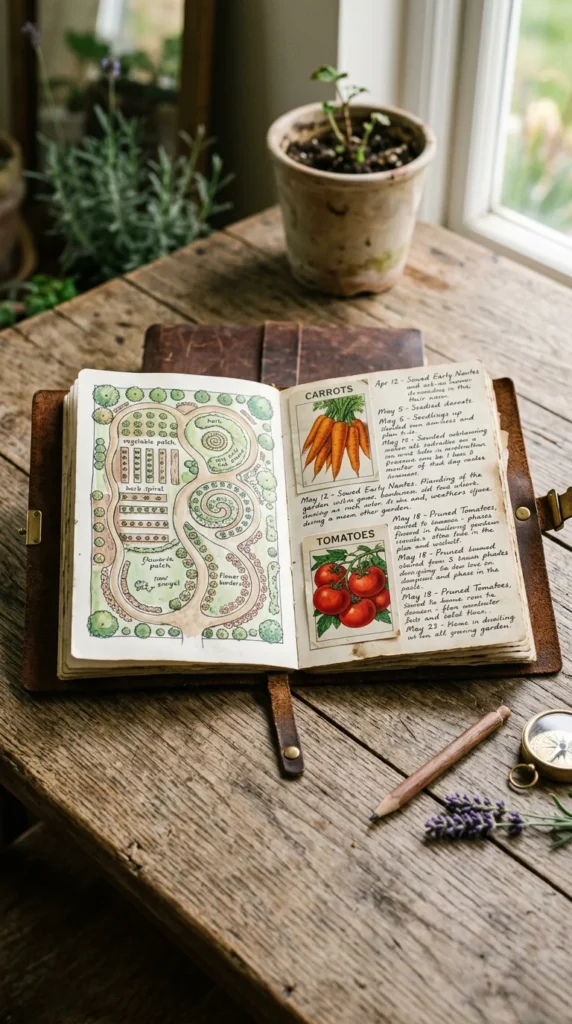
The most valuable tool in any garden is the gardener’s own experience. Keep a garden journal to track planting dates, weather patterns, pest outbreaks, and harvest yields. Over time, these records become a personalized encyclopedia for your specific piece of land. By reflecting on what worked and what didn’t, you can make informed decisions that lead to greater success with each passing year.