
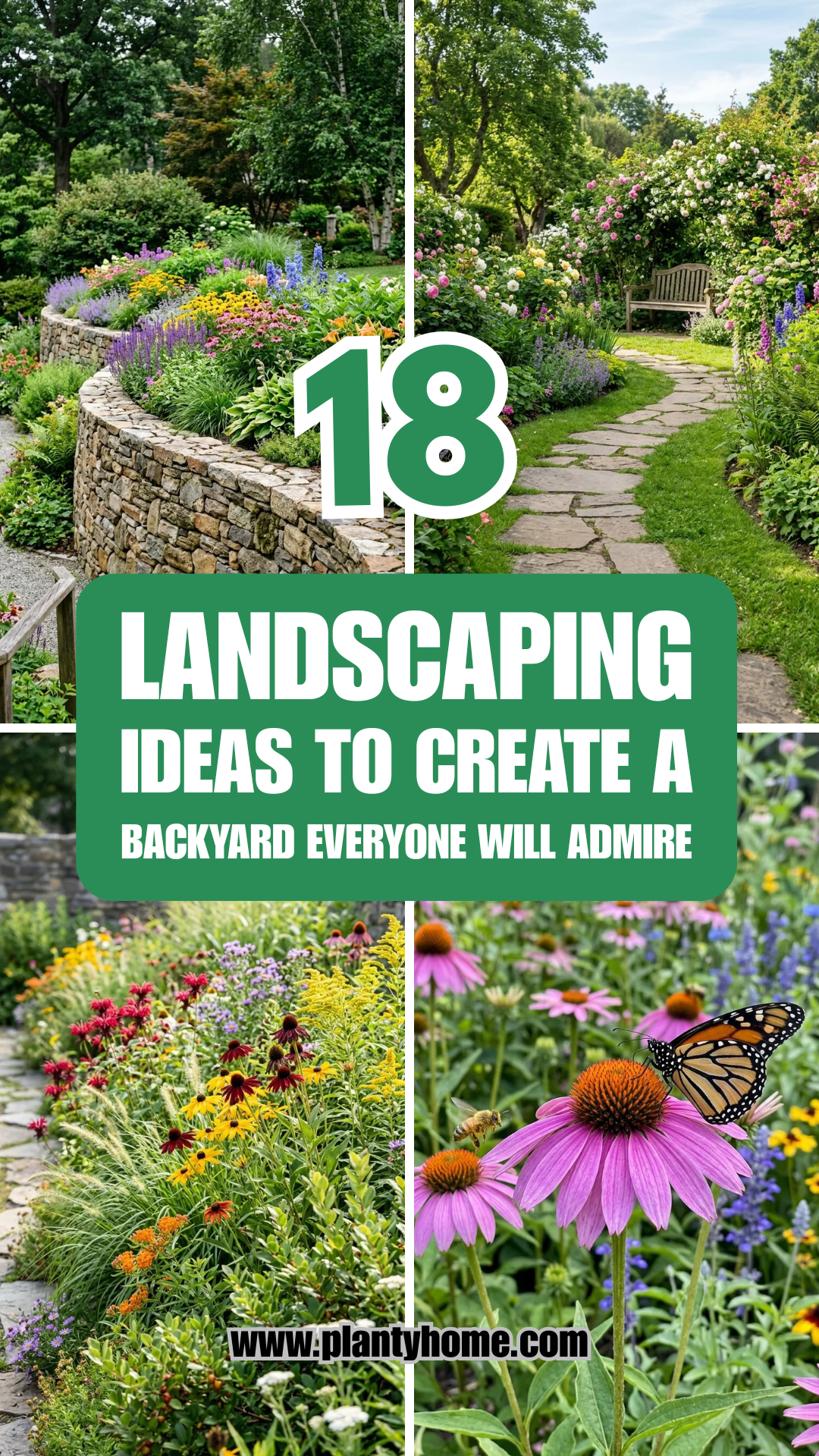
Transforming a standard backyard into an outdoor sanctuary requires a blend of artistic vision and practical engineering. Whether you are looking to increase your property value or create a personal retreat for weekend relaxation, thoughtful landscaping serves as the bridge between your home’s architecture and the natural world. A well-designed landscape does more than just look beautiful; it improves the functionality of your outdoor space, provides privacy, and creates a harmonious environment for hosting and dwelling.
From the structural elegance of hardscaping to the soft, sensory appeal of diverse flora, the following eighteen ideas provide a comprehensive roadmap for any homeowner seeking to elevate their outdoor living experience.
1. Multi-level Decking
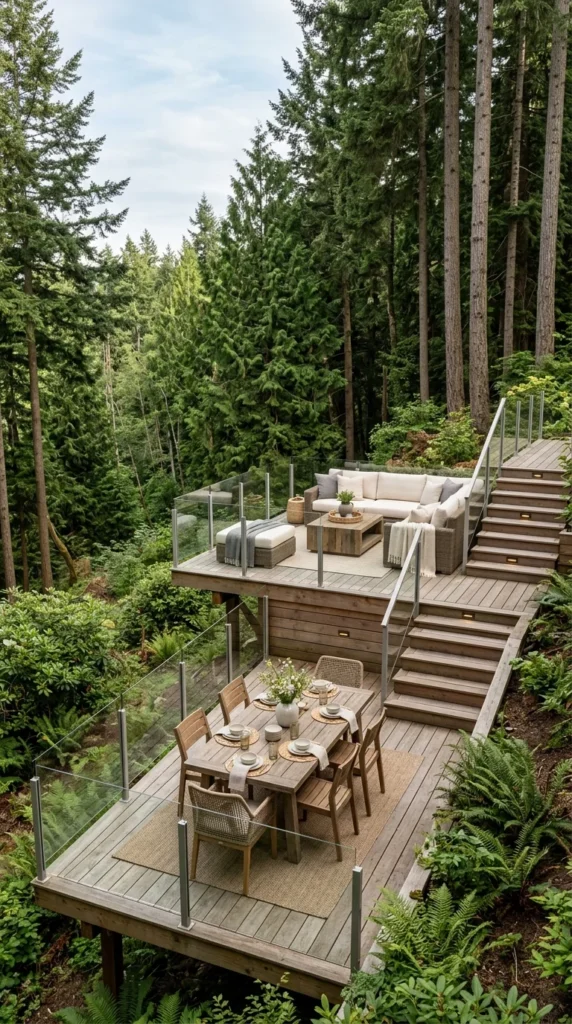
Multi-level decking is an exceptional solution for backyards with varying elevations. By creating distinct platforms, you can designate specific zones for different activities—such as a top tier for sunbathing and a lower tier for dining. This approach not only maximizes usable square footage on sloped lots but also adds a sense of architectural depth to the yard. Utilizing high-quality materials like mahogany, cedar, or modern composites ensures longevity and a premium aesthetic that neighbors will surely envy.
2. Fire Pits
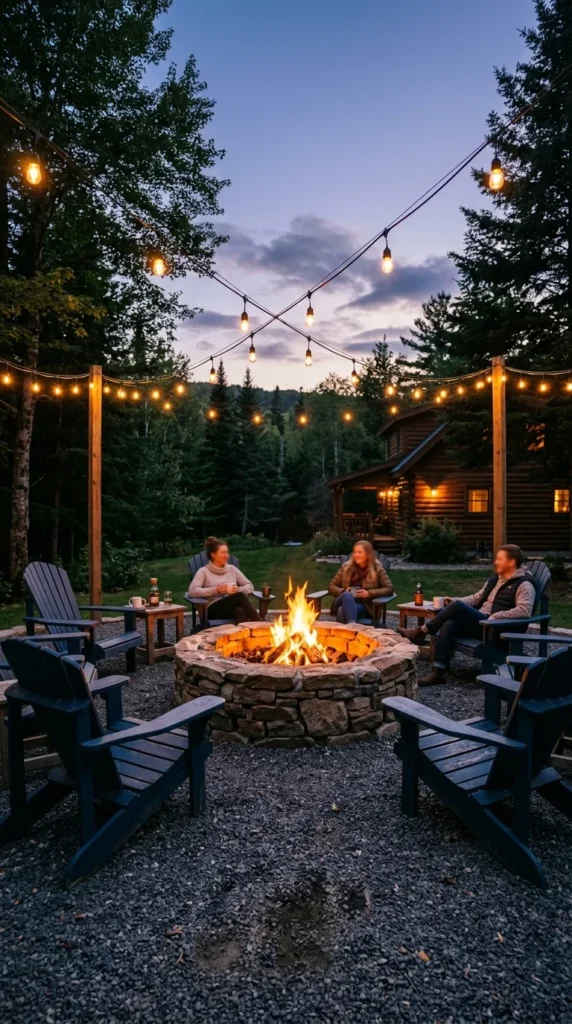
Nothing anchors an outdoor gathering quite like a fire feature. A stone or brick fire pit serves as a natural focal point, drawing guests together once the sun goes down. Whether you opt for a traditional wood-burning pit for that authentic campfire aroma or a sleek, gas-powered modern table for convenience, this addition extends the usability of your backyard into the cooler autumn and winter months.
3. Pergolas
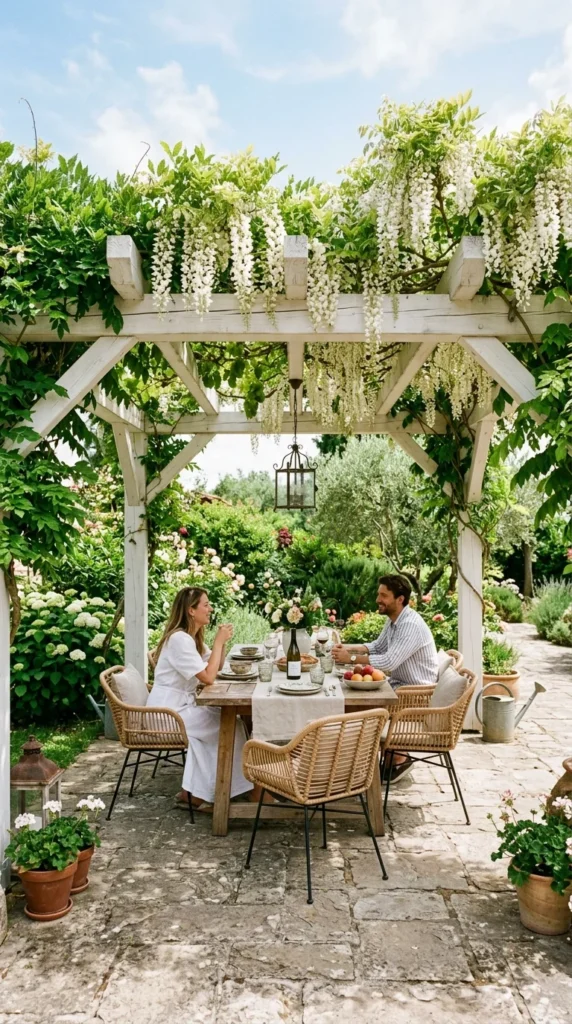
A pergola offers the perfect balance between open air and structural shade. These architectural features define an outdoor “room” without the enclosure of walls. By training climbing plants like jasmine, ivy, or grapevines to grow over the rafters, you create a living ceiling that provides natural cooling and a romantic, Mediterranean atmosphere. Pergolas are ideal for sheltering outdoor dining areas or cozy reading nooks.
4. Native Planting
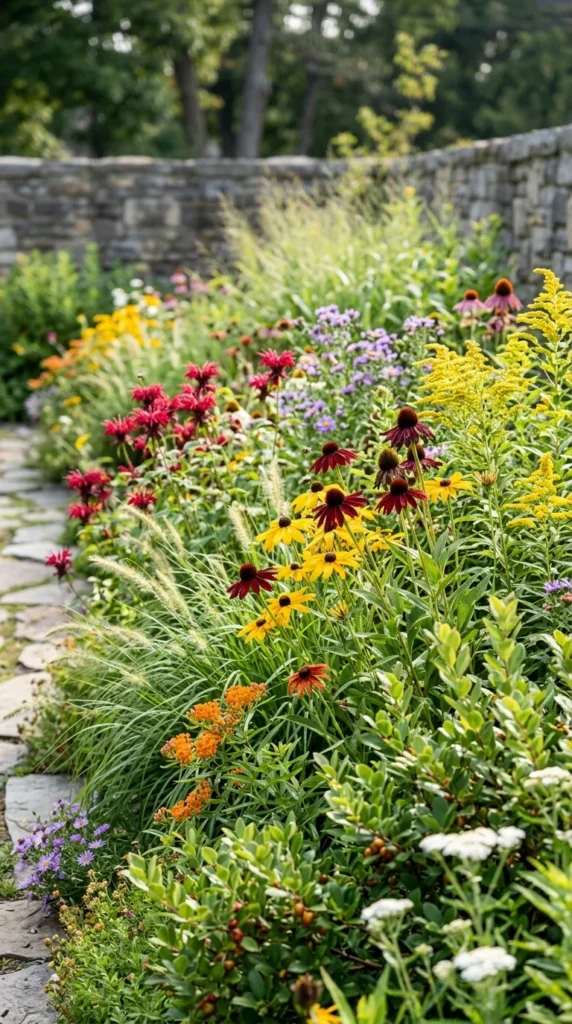
The movement toward sustainable landscaping has made native planting a top priority for modern homeowners. Choosing flora that is indigenous to your specific region ensures that your garden thrives with minimal intervention. Native plants are naturally resistant to local pests and require significantly less water and fertilizer than exotic species. This creates a resilient, low-maintenance ecosystem that supports local bird and butterfly populations.
5. Water Features
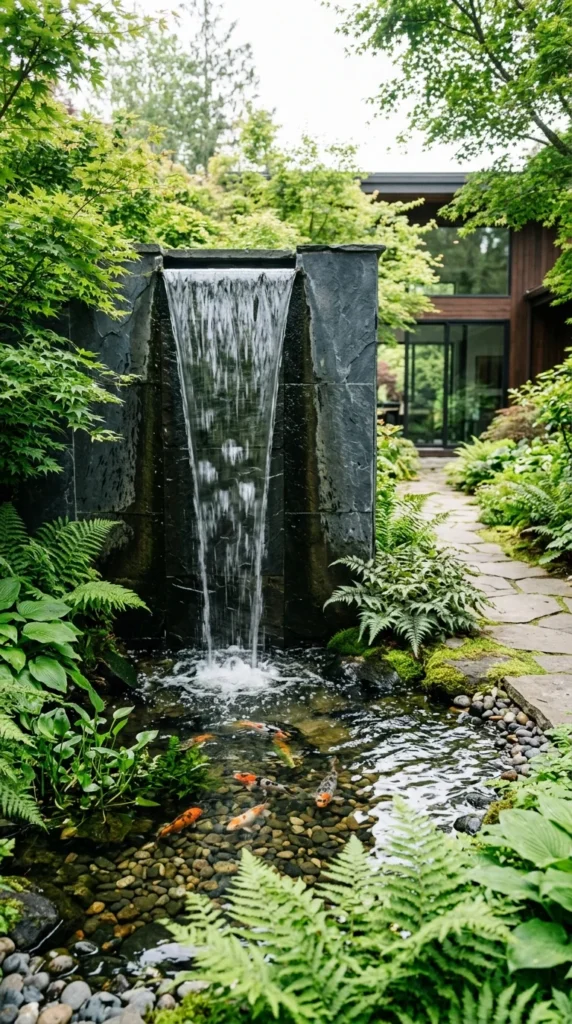
The sound of running water has a profound psychological effect, masking neighborhood noise and creating a sense of serenity. Water features can range from grand, multi-tiered waterfalls and koi ponds to simple, recirculating basalt columns. Even a small fountain on a patio can transform the ambiance of a backyard, making it feel like a high-end spa or a secluded woodland retreat.
6. Stone Pathways
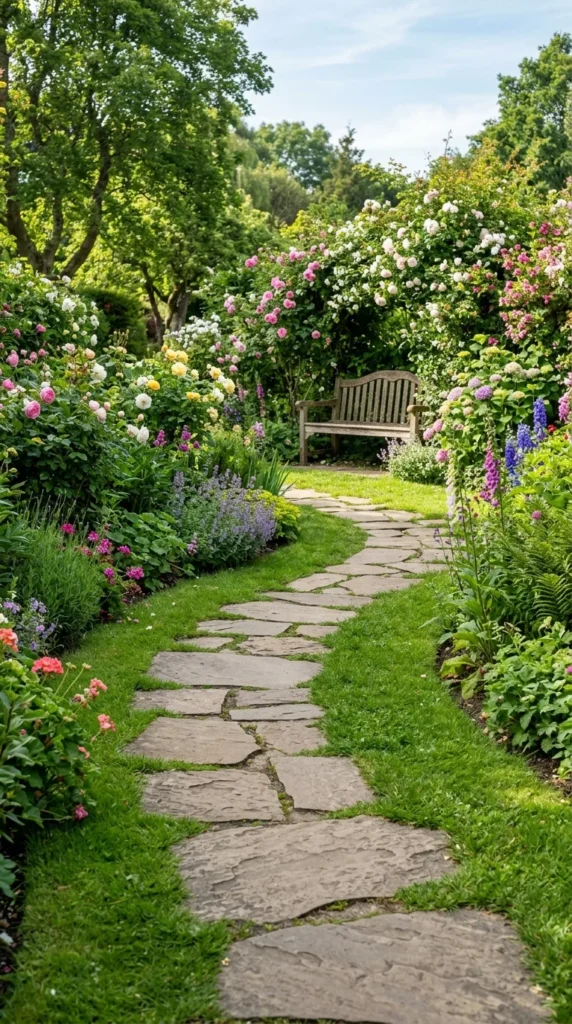
Pathways act as the “hallways” of your outdoor space, guiding visitors through the landscape and protecting your grass from heavy foot traffic. Using natural materials like flagstone, slate, or cobblestone adds an organic elegance to the yard. Curving paths create a sense of mystery and exploration, while straight, wide paths lend themselves to a more formal, classical garden design.
7. Vertical Gardens
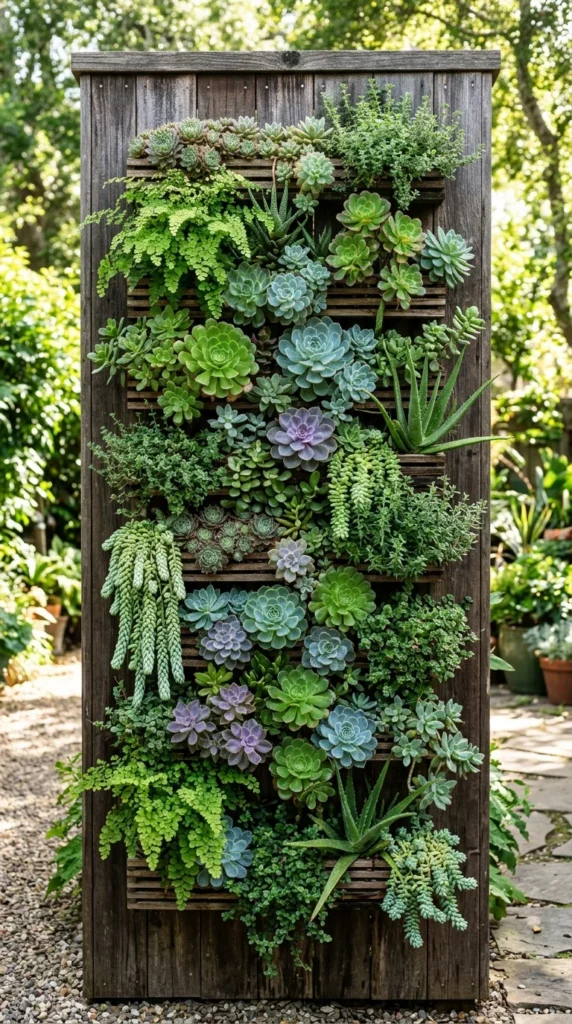
For homeowners with limited horizontal space, vertical gardens—or “living walls”—are a game-changer. By utilizing fences, exterior walls, or freestanding trellises, you can introduce greenery into areas that would otherwise be barren. Vertical gardens are perfect for growing herbs near a kitchen or creating a lush backdrop for a small balcony or patio, providing a high-impact visual statement with a small footprint.
8. Landscape Lighting
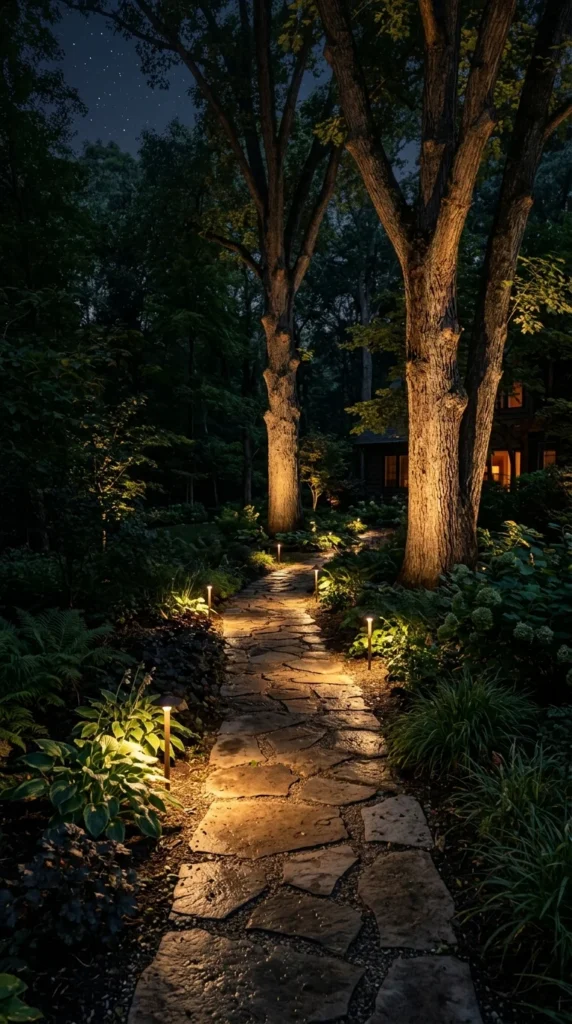
The beauty of a well-designed landscape shouldn’t disappear when the sun sets. Strategic landscape lighting enhances safety while highlighting the best features of your yard. Use “uplighting” to emphasize the texture of tree bark or the height of your home, and “moonlighting” (placing lights high in trees) to cast soft, natural shadows across the lawn. High-quality LED systems are energy-efficient and can be programmed to change the mood of the yard at the touch of a button.
9. Gravel Patios
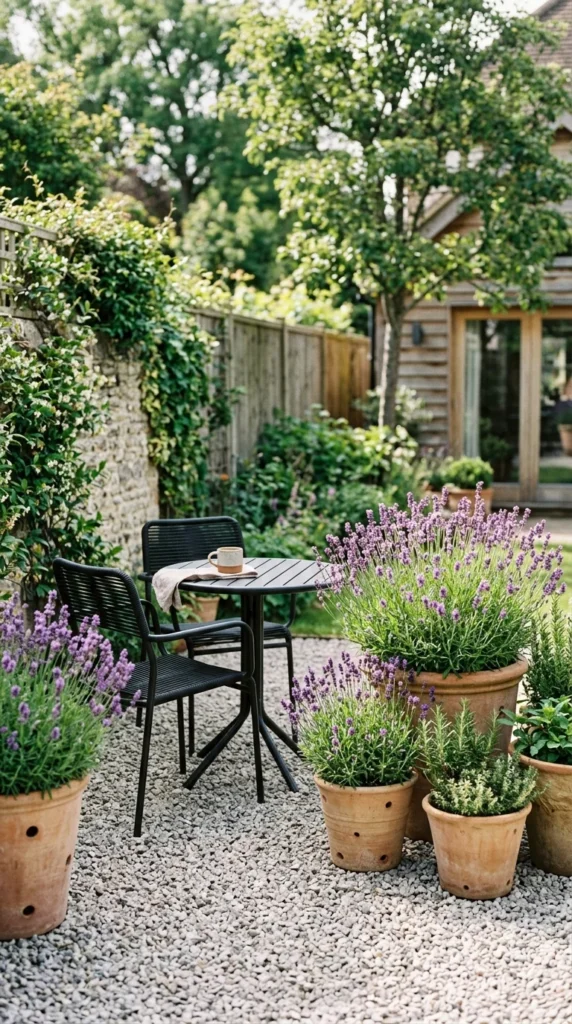
Gravel patios offer a chic, European aesthetic that is both affordable and highly permeable. Unlike solid concrete or pavers, gravel allows rainwater to soak directly into the ground, reducing runoff. It provides a satisfying crunch underfoot and creates a relaxed, informal setting for lounge chairs or a dining set. Utilizing a plastic grid underneath the gravel can help keep the stones in place and prevent ruts.
10. Vegetable Gardens
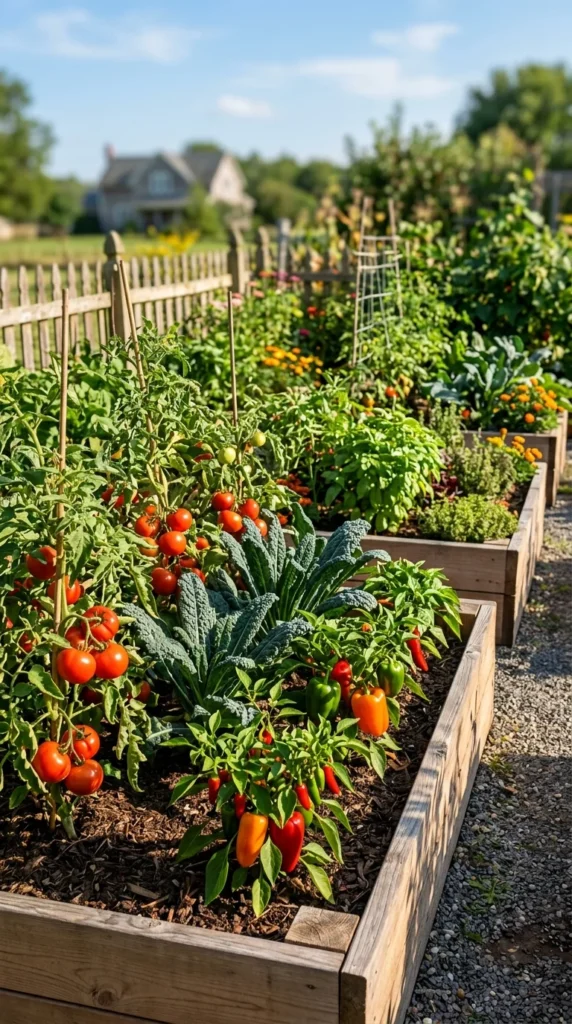
“Edible landscaping” is a trend that combines beauty with utility. Integrating a vegetable garden into your backyard design allows you to enjoy fresh, organic produce while adding lush textures to your landscape. Raised beds are particularly popular because they provide better drainage, fewer weeds, and a structured look that keeps the garden appearing tidy throughout the growing season.
11. Privacy Screening
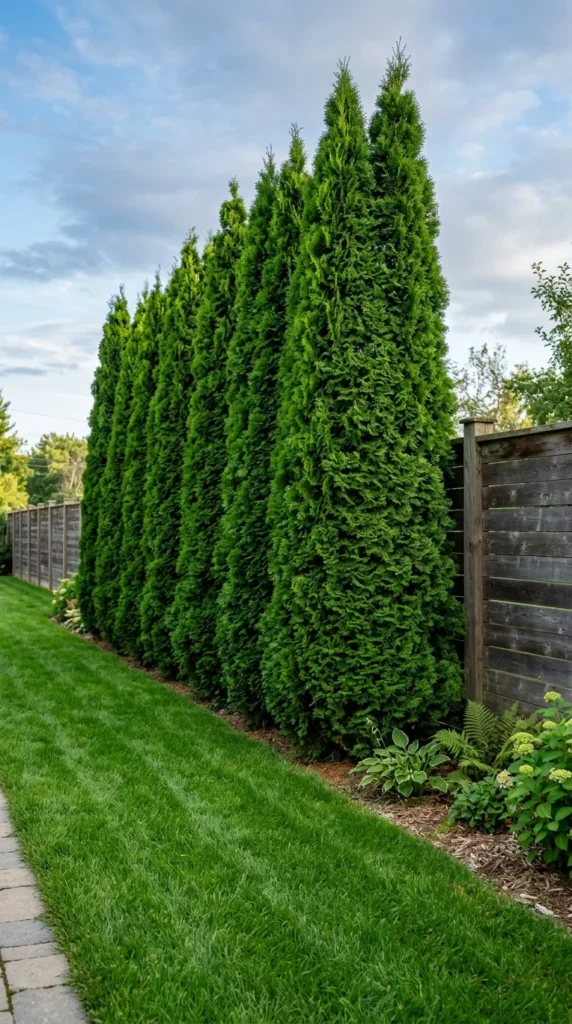
Privacy is a luxury in suburban and urban environments. Instead of relying solely on wooden fences, consider “living fences.” Tall, dense evergreens like Thuja Green Giant or bamboo (in contained planters) provide a year-round green screen that blocks the view of neighbors and dampens street noise. For a more modern look, horizontal slat fencing paired with climbing vines offers a sleek, contemporary aesthetic.
12. Synthetic Turf
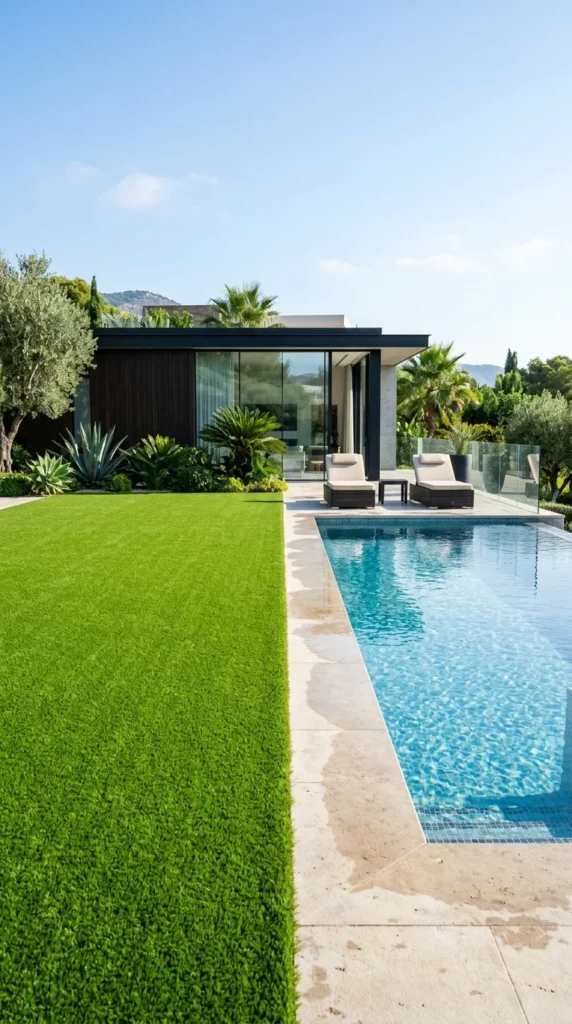
For those who desire a pristine lawn without the constant cycle of mowing, fertilizing, and watering, high-quality synthetic turf is an excellent alternative. Modern artificial grass looks and feels remarkably like the real thing. It is particularly effective in shaded areas where natural grass struggles to grow, or in high-traffic pet areas where mud becomes an issue. It provides a “perpetually green” look that remains flawless in every season.
13. Outdoor Kitchens
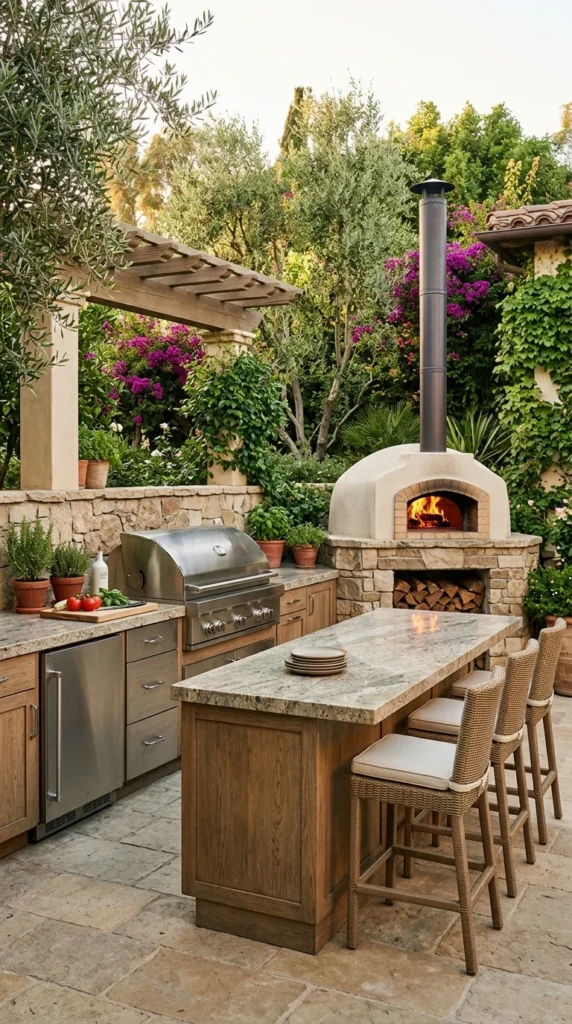
The ultimate backyard upgrade for those who love to entertain is a fully equipped outdoor kitchen. Moving the cooking process outside keeps the indoor house cool and allows the chef to remain part of the social action. Incorporating features like a built-in grill, a prep sink, and even a wood-fired pizza oven transforms your backyard into a destination for gourmet dining under the stars.
14. Rock Gardens
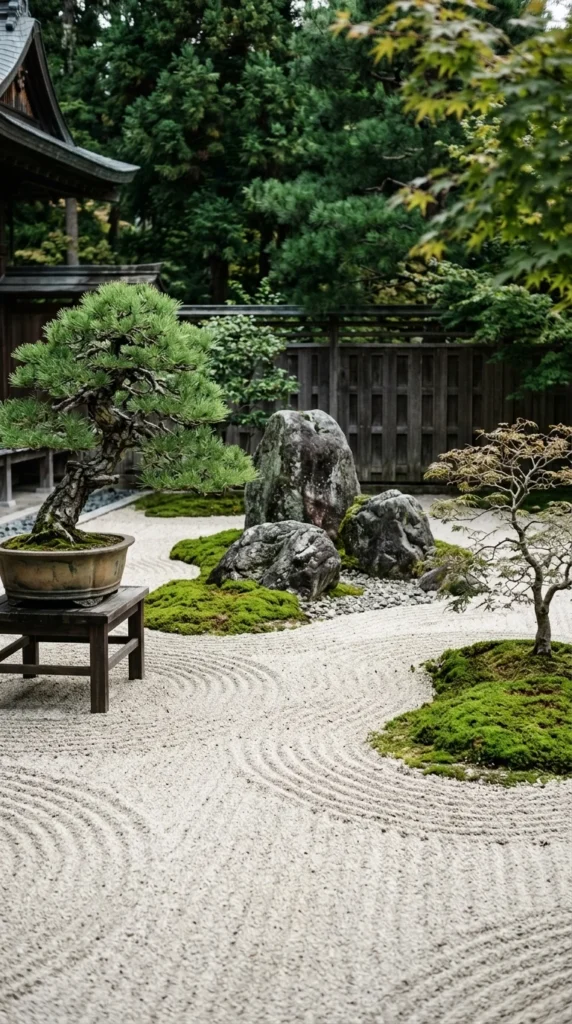
Rock gardens utilize stones of various sizes and shapes to create a low-maintenance, high-impact landscape. This style is particularly effective for xeriscaping in arid climates. By layering boulders with drought-tolerant plants like succulents, ornamental grasses, and alpine flowers, you create a rugged, naturalistic look that requires very little water or upkeep once established.
15. Pollinator Gardens
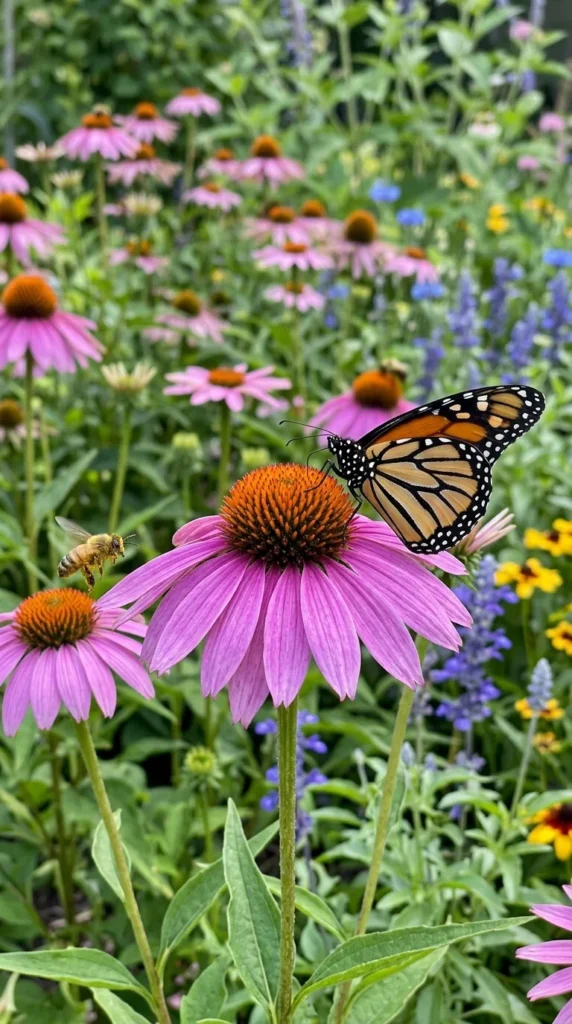
A pollinator garden is designed specifically to attract and support bees, butterflies, and hummingbirds. By planting a variety of nectar-rich flowers that bloom at different times of the year, you contribute to the health of the local ecosystem. These gardens are often full of movement and vibrant color, providing a lively and educational experience for children and adults alike.
16. Gazebos
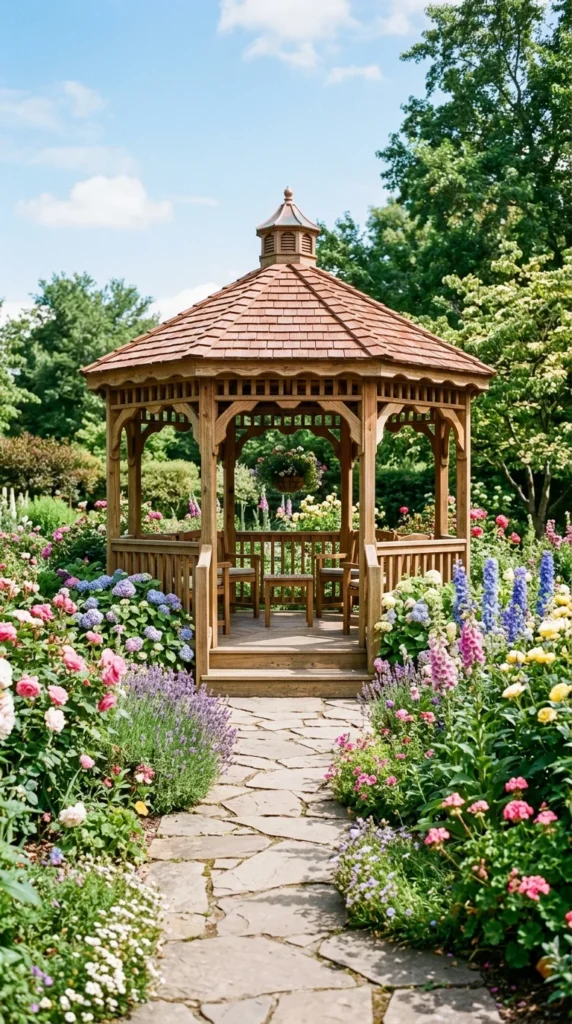
While a pergola is open, a gazebo offers a fully roofed retreat, providing total protection from rain and direct sun. This makes it an ideal spot for an outdoor office, a tea room, or a dedicated space for meditation. Placing a gazebo in a far corner of the yard creates a “destination” that encourages people to walk through the entire landscape to reach it.
17. Decorative Edging
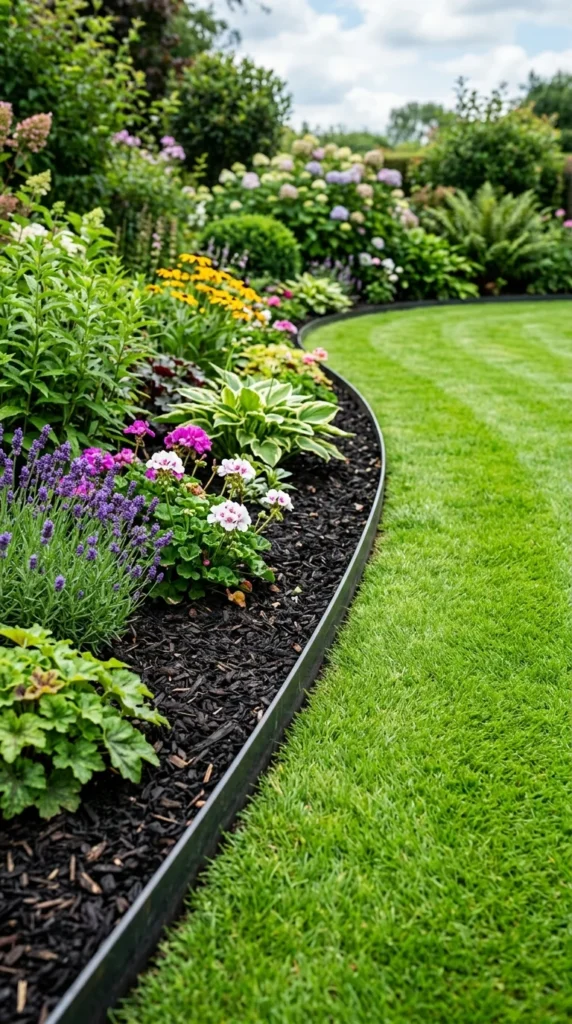
The difference between a DIY project and a professional landscape often lies in the details. Decorative edging provides a clean “snap” between different elements of the yard, such as the lawn and the flower beds. Materials like steel, brick, or tumbled stone prevent grass from encroaching on your plants and keep mulch or gravel contained, giving the entire backyard a polished, high-end finish.
18. Retaining Walls
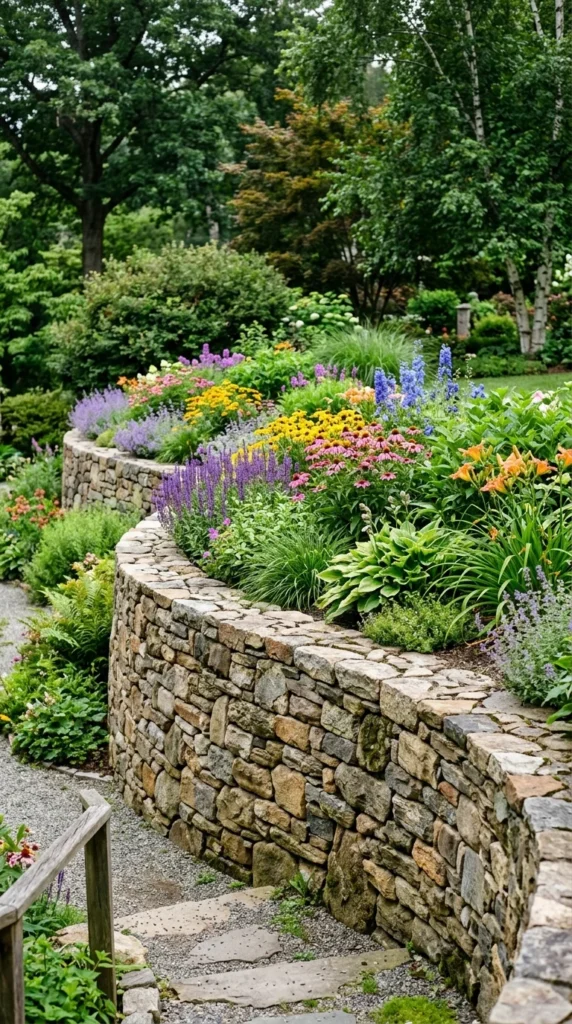
Retaining walls are essential for managing soil erosion and creating flat, usable space on hilly terrain. However, they are also powerful design elements. By using textured stone or decorative concrete blocks, a retaining wall becomes a prominent feature that adds structure and “bones” to the backyard. They can also double as extra seating when built at the correct height, making them both functional and aesthetic.