
In an era of increasing environmental consciousness, the traditional emerald-green lawn is being reimagined. Sustainable gardening—often referred to as eco-landscaping or xeriscaping—is no longer just a niche hobby for conservationists; it has become a sophisticated design movement. By prioritizing water efficiency and ecological balance, homeowners can create outdoor spaces that are not only resilient against climate fluctuations but are also breathtakingly beautiful.
Sustainable gardening focuses on working with nature rather than against it. This involves selecting plants that thrive in the local climate, managing water resources with precision, and fostering a healthy ecosystem that supports local wildlife. The following thirteen ideas offer a blueprint for transforming any backyard into a water-wise sanctuary.
1. Xeriscaping
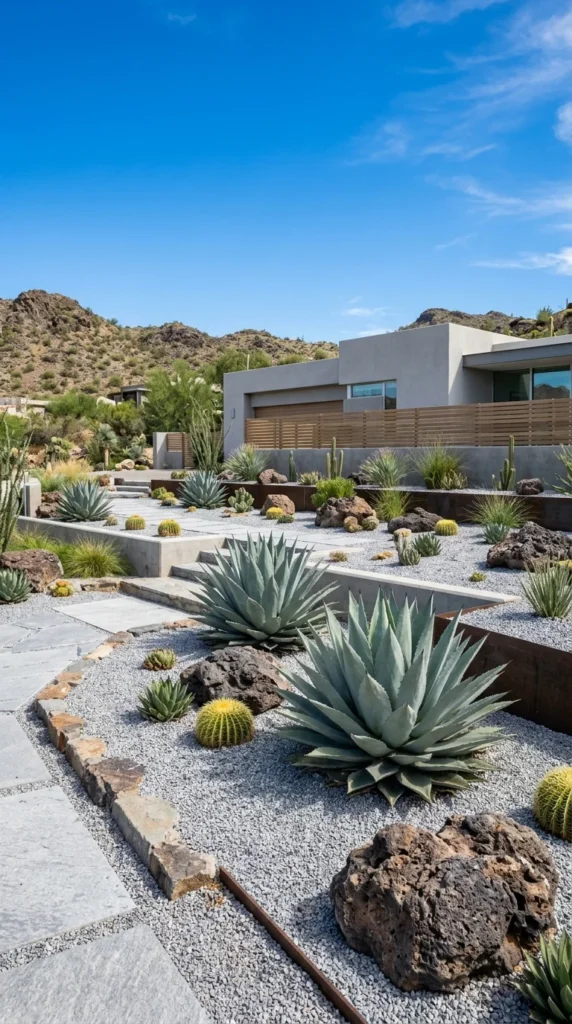
Xeriscaping is a landscaping philosophy centered on reducing or eliminating the need for supplemental water from irrigation. While often associated with desert climates, the principles of xeriscaping are applicable everywhere. It involves zoning your garden into “hydrozones,” where plants with similar water needs are grouped together.
A well-designed xeriscape utilizes a variety of textures—from the sharp, structural lines of yuccas to the soft, swaying fronds of ornamental grasses. By using inorganic mulches like pea gravel or river stones, you create a clean, contemporary aesthetic that requires almost zero maintenance while preventing soil moisture from evaporating.
2. Rain Barrels
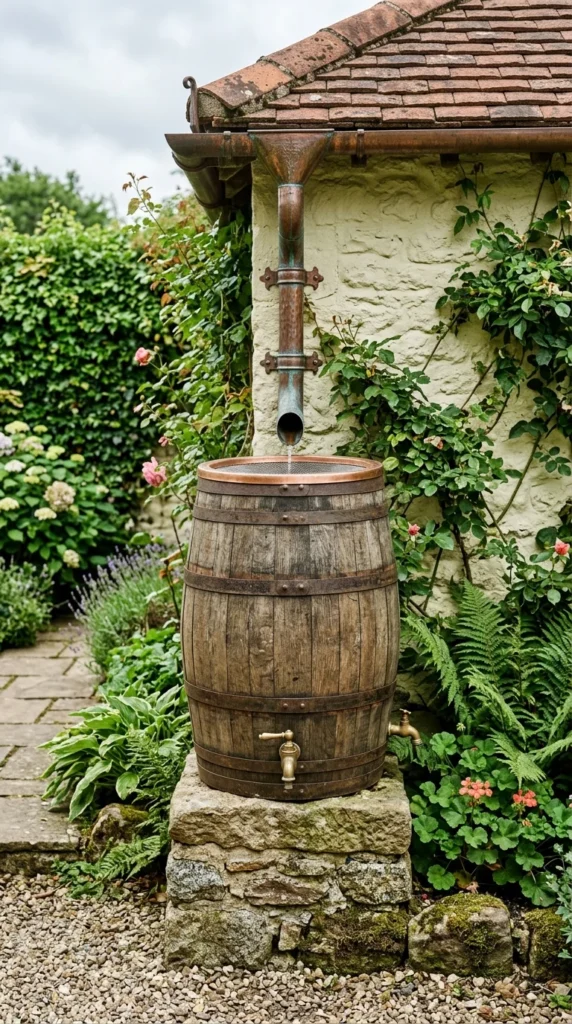
Harvesting rainwater is one of the most effective ways to reduce your reliance on municipal water systems. Rain barrels capture runoff from your roof, storing nutrient-rich, chlorine-free water that plants prefer over tap water.
Modern rain barrels are designed to be as aesthetically pleasing as they are functional. You can find models that mimic weathered oak, sleek terra cotta, or even minimalist stone. Positioning these barrels at downspouts not only serves a practical purpose but adds a vertical design element to your home’s exterior. During dry spells, this stored water becomes a vital resource for your most delicate perennials.
3. Mulching
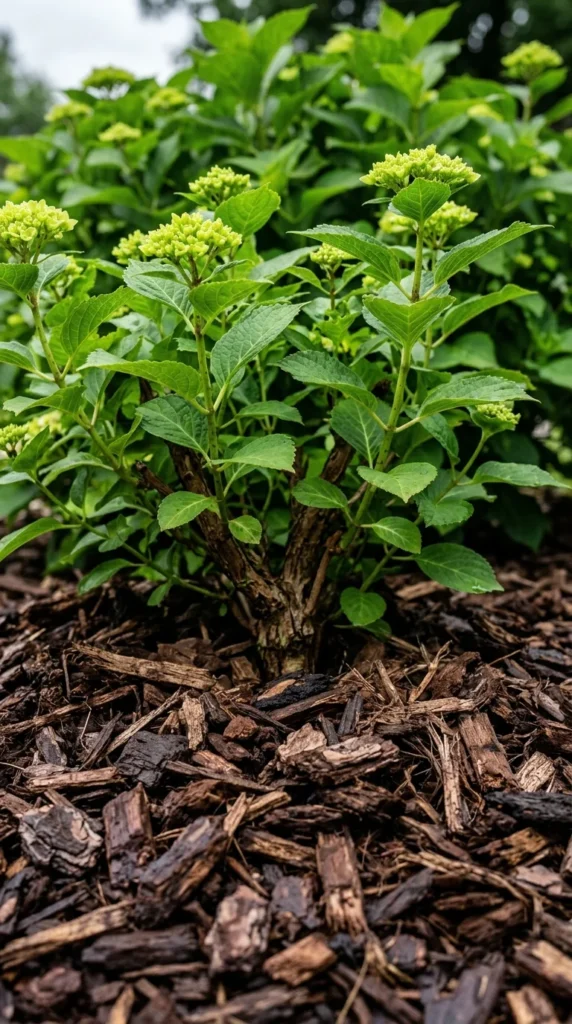
Mulching is the gardener’s secret weapon for moisture retention. A thick layer of organic mulch acts as an insulating blanket, keeping the soil cool during the heat of the day and reducing evaporation by up to 70%. As organic mulch breaks down, it also enriches the soil with essential nutrients, improving soil structure and its ability to hold water.
For a polished look, choose a mulch that complements your home’s color palette. Darker mulches provide a high-contrast backdrop that makes the green foliage and bright blooms of your plants “pop” visually. Beyond wood chips, consider using pine needles for acid-loving plants or composted leaves for a more natural, woodland forest floor appearance.
4. Native Plants
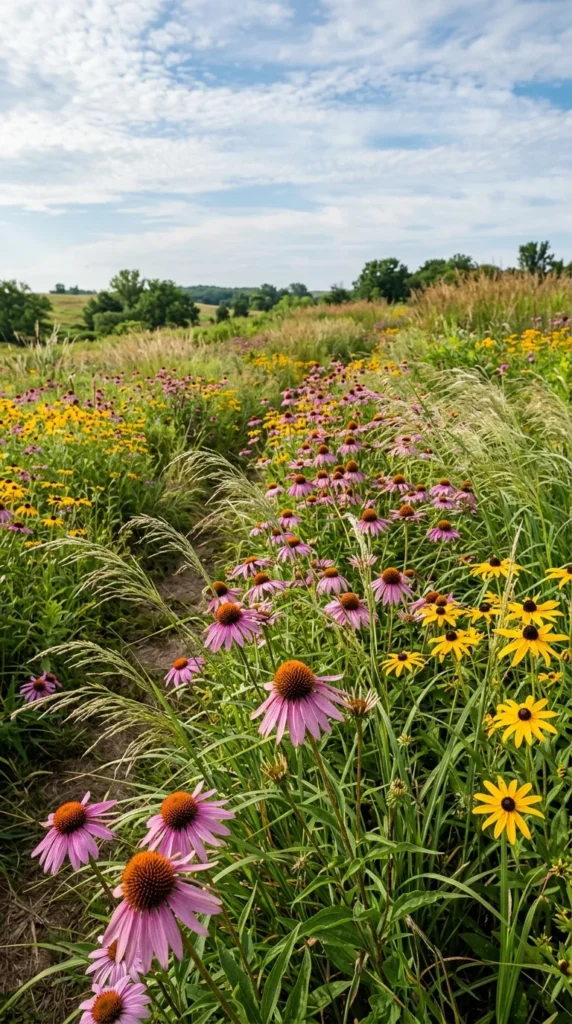
Native plants are those that have evolved over thousands of years in your specific geographic region. Because they are adapted to the local rainfall patterns, soil types, and temperature swings, they typically require far less water and fertilizer than exotic species.
Furthermore, native plants provide essential habitats and food sources for local pollinators like bees, butterflies, and birds. Integrating natives doesn’t mean sacrificing beauty; every region has stunning indigenous flowers, shrubs, and trees that can rival any hothouse variety. By choosing natives, you create a garden that feels deeply rooted in its environment.
5. Drip Irrigation
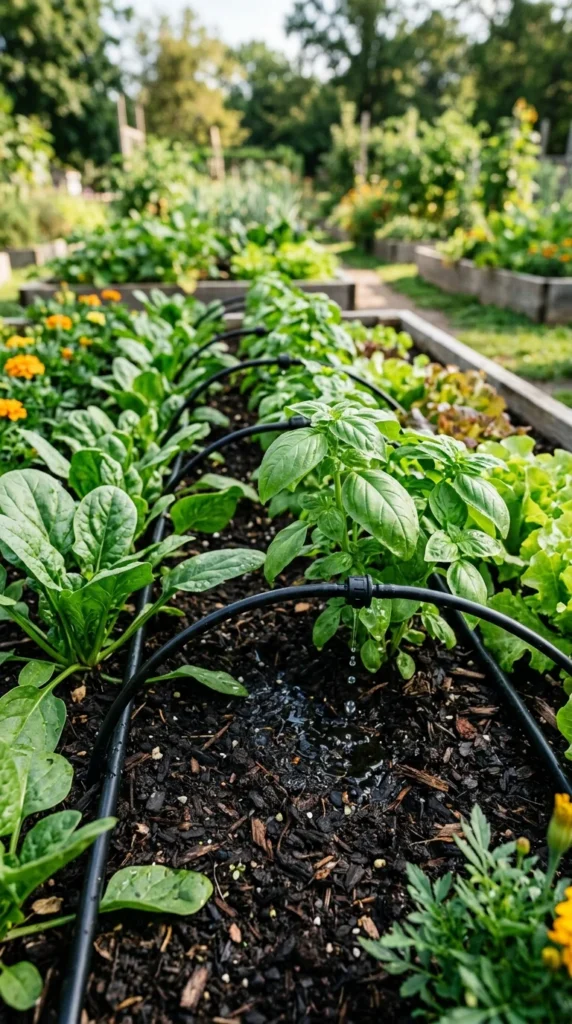
Conventional sprinklers are notoriously inefficient, losing a significant percentage of water to evaporation and wind drift. Drip irrigation systems, however, deliver water directly to the root zone where it is needed most. This targeted approach prevents weed growth in the dry areas between plants and reduces the risk of leaf diseases caused by overhead watering.
These systems can be hidden beneath a layer of mulch, keeping your garden’s aesthetic seamless and uncluttered. When paired with a smart timer or a weather-based controller, drip irrigation ensures your garden receives exactly the right amount of hydration, adjusting automatically for rainfall or heatwaves.
6. Rain Gardens
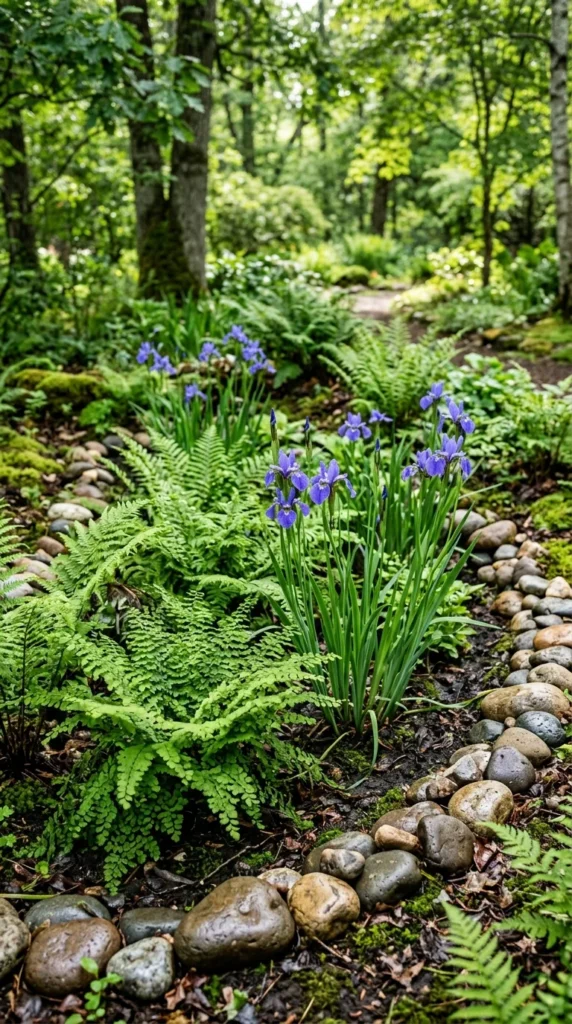
A rain garden is a functional landscape feature designed to capture and soak up rainwater runoff from roofs, driveways, and sidewalks. By directing water into a shallow depression planted with deep-rooted species, you allow the water to slowly filter into the ground rather than rushing into storm drains and carrying pollutants to local waterways.
Rain gardens are perfect for low spots in the yard that tend to stay damp. They can be designed as “dry creek beds” with boulders and pebbles, creating a dynamic visual feature that transforms during a rainstorm into a shimmering water element.
7. Permeable Paving
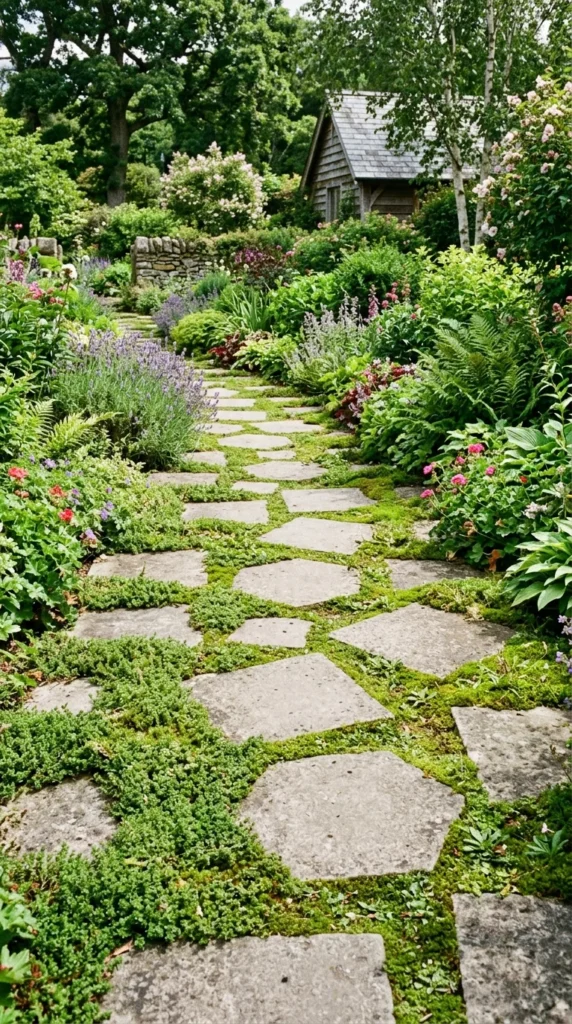
Traditional concrete and asphalt are impermeable, meaning water runs off them rather than soaking into the earth. Permeable paving solutions—such as gravel, decomposed granite, or “grass pavers”—allow water to pass through the surface and recharge the groundwater below.
This approach is both environmentally responsible and visually striking. Using interlocking stones with gaps for moss or low-growing herbs creates a “living” patio or driveway. It softens the hard lines of your home’s architecture and integrates the built environment with the natural world.
8. Composting
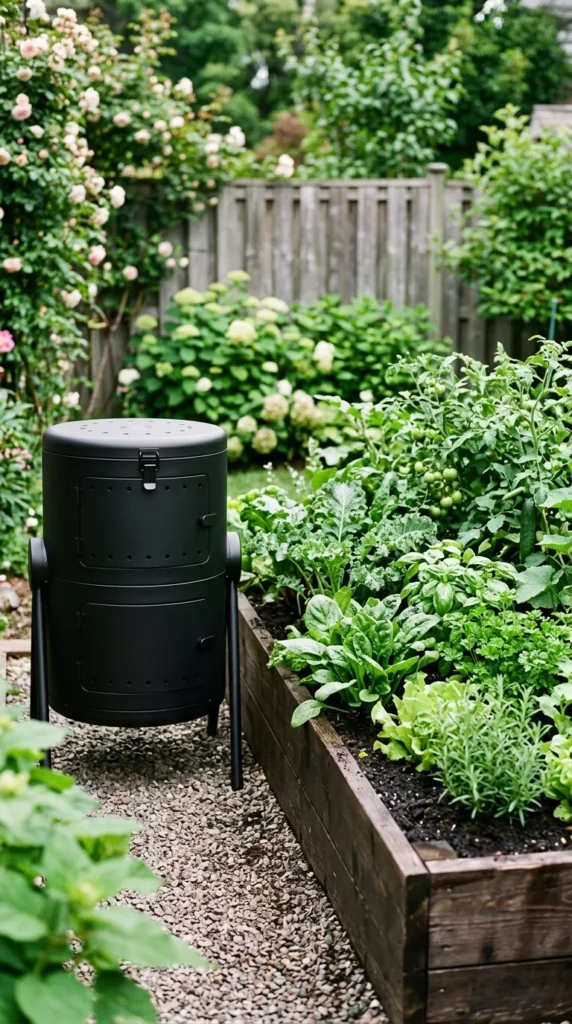
Healthy soil is the foundation of a water-efficient garden. Soil that is rich in organic matter acts like a sponge, holding onto moisture for much longer than sandy or compacted clay soils. Composting allows you to recycle kitchen scraps and yard waste into “black gold”—a nutrient-dense soil amendment.
By regularly incorporating compost into your garden beds, you improve the soil’s “cation exchange capacity” and its overall structure. This leads to deeper root systems and plants that are significantly more resilient to drought conditions. A well-maintained compost bin or tumbler is a quiet, odorless powerhouse of sustainability.
9. Grass Alternatives
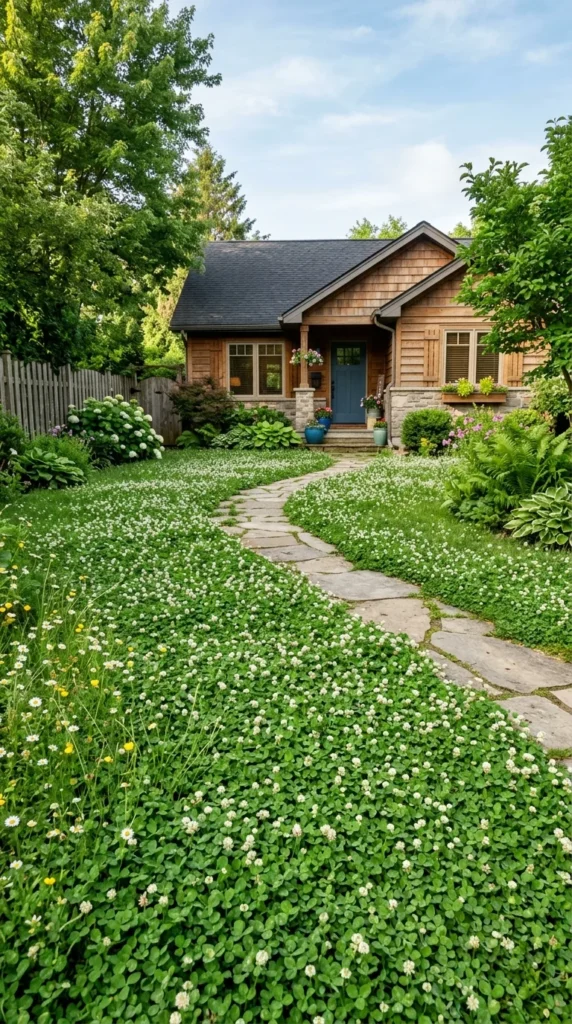
The traditional lawn is often the most water-intensive and chemically dependent part of a landscape. Replacing part or all of your turf with alternatives like micro-clover, creeping thyme, or no-mow fescue blends can drastically reduce your environmental footprint.
These alternatives require a fraction of the water that Kentucky Bluegrass demands and often stay green even in mid-summer heat. Visually, a clover or herbal lawn offers a soft, romantic texture and a delightful fragrance when walked upon. It creates a more inviting, naturalistic space that requires far less weekend maintenance.
10. Succulent Walls
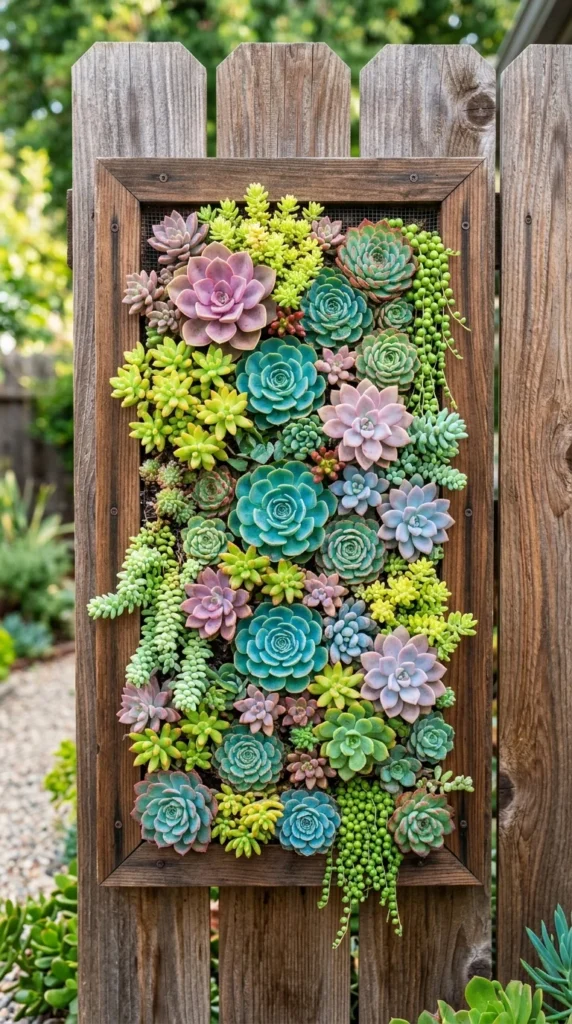
Vertical gardening is an excellent way to maximize space while conserving water. Succulents, with their fleshy leaves designed to store water, are the perfect candidates for living walls. Because they are incredibly drought-tolerant, they can thrive in the limited soil volume of a wall-mounted planter.
A succulent wall acts as a living piece of art. By mixing different varieties—like trailing sedums, rosetted echeverias, and spiky aloes—you can create intricate patterns and textures. These installations require very little irrigation, making them an ideal sustainable focal point for a patio or balcony.
11. Olla Pots
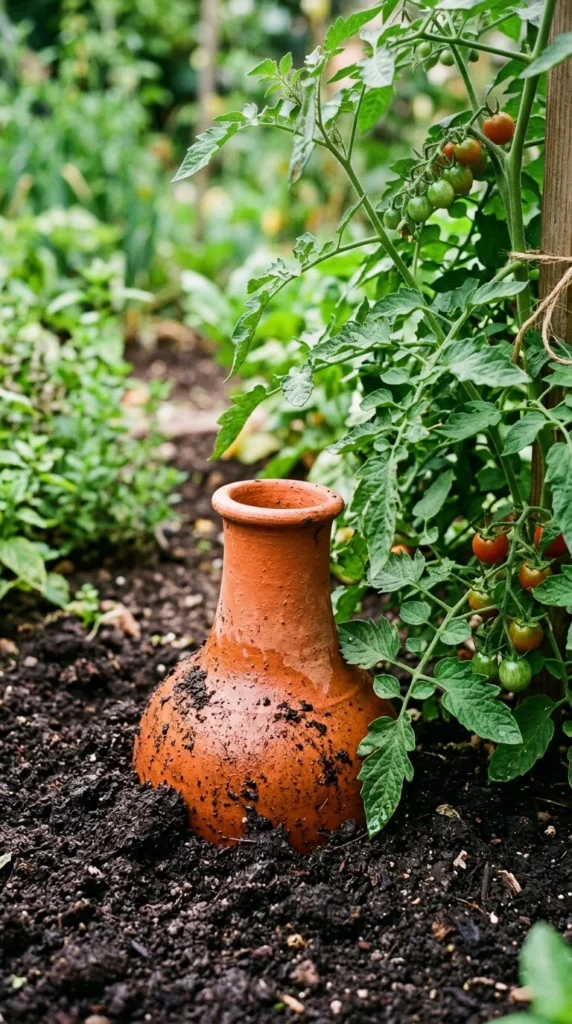
Olla pots (pronounced “oy-yahs”) are an ancient irrigation technology that remains incredibly effective today. These unglazed terracotta pots are buried in the ground with only the neck exposed. When filled with water, the moisture slowly seeps through the porous clay walls directly into the surrounding soil.
The plant’s roots will actually grow around the olla, drawing out exactly as much water as they need through suction. This method eliminates evaporation and ensures deep-root hydration. Ollas are particularly useful in raised vegetable beds, where they can be topped with decorative lids to prevent mosquito breeding.
12. Gray Water Systems
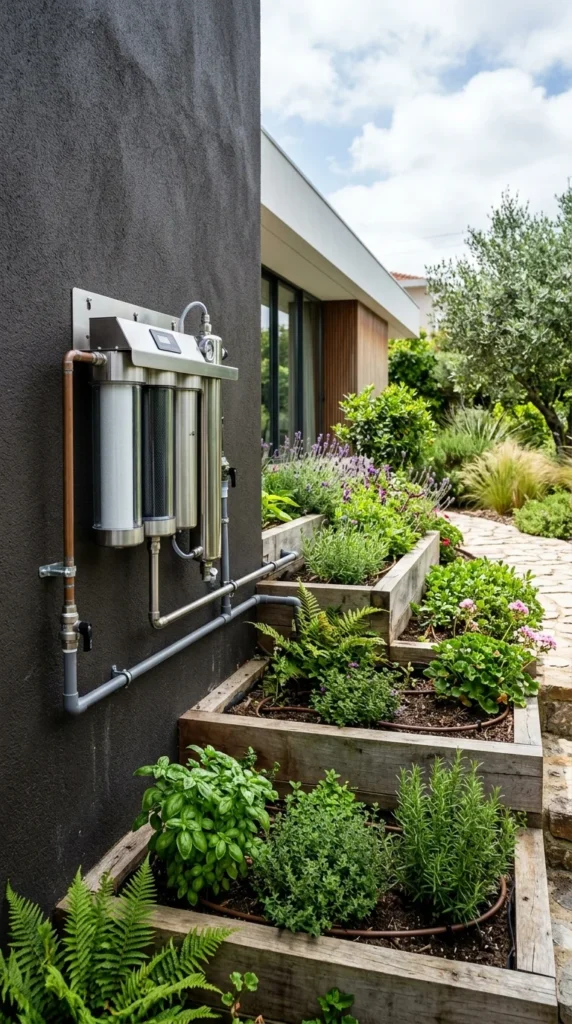
Gray water is the gently used water from your bathroom sinks, showers, tubs, and washing machines. Rather than sending this water into the sewer system, a gray water system diverts it to your landscape. While it requires an initial investment in plumbing and filtration, the long-term water savings are massive.
Using gray water for irrigation ensures your ornamental plants and trees stay hydrated even during strict water rations. It is a closed-loop system that recognizes water as a precious resource to be used more than once. When designed correctly, these systems are discreet and require minimal interaction from the homeowner.
13. Pollinator Borders
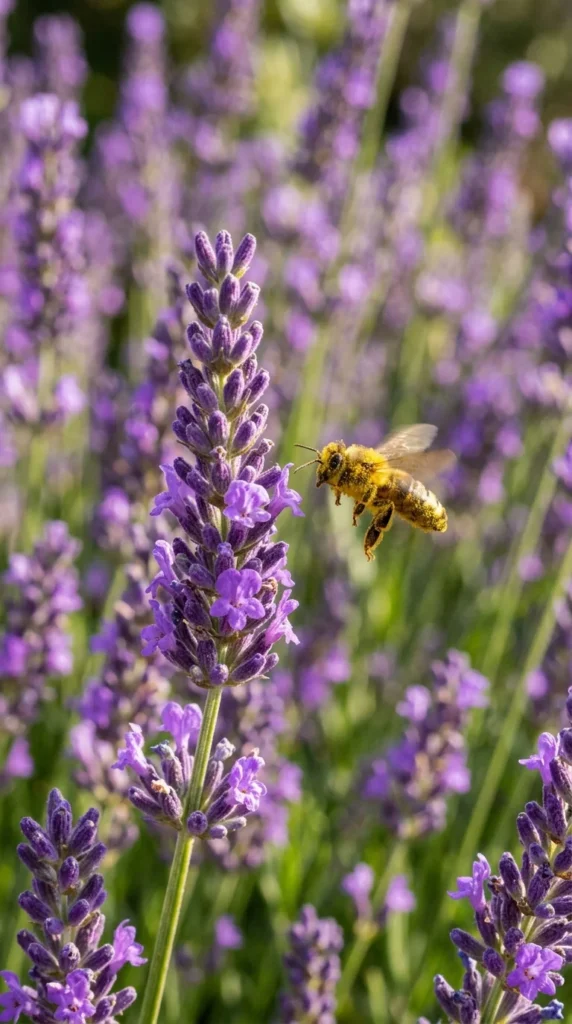
Sustainability isn’t just about water; it’s about supporting the web of life. Creating a pollinator border involves planting a high density of flowering plants that bloom at different times throughout the year. This provides a steady food source for bees, butterflies, and hummingbirds.
A dense border also acts as a natural mulch, shading the soil and reducing evaporation. By choosing drought-tolerant pollinator favorites like lavender, Russian sage, and milkweed, you create a vibrant, buzzing landscape that is both ecologically vital and visually spectacular. The movement and color provided by these winged visitors add a layer of dynamic beauty that a static lawn simply cannot match.