

Succulents may have a reputation for being low-maintenance, but the healthiest and most beautiful plants often benefit from a few insider tricks. From watering techniques to lighting secrets, small adjustments can make a huge difference in how your succulents grow. If you want fuller rosettes, brighter colors, and healthier roots, these succulent care secrets will help your plants thrive all year long.
1. Let Soil Dry Completely Between Waterings
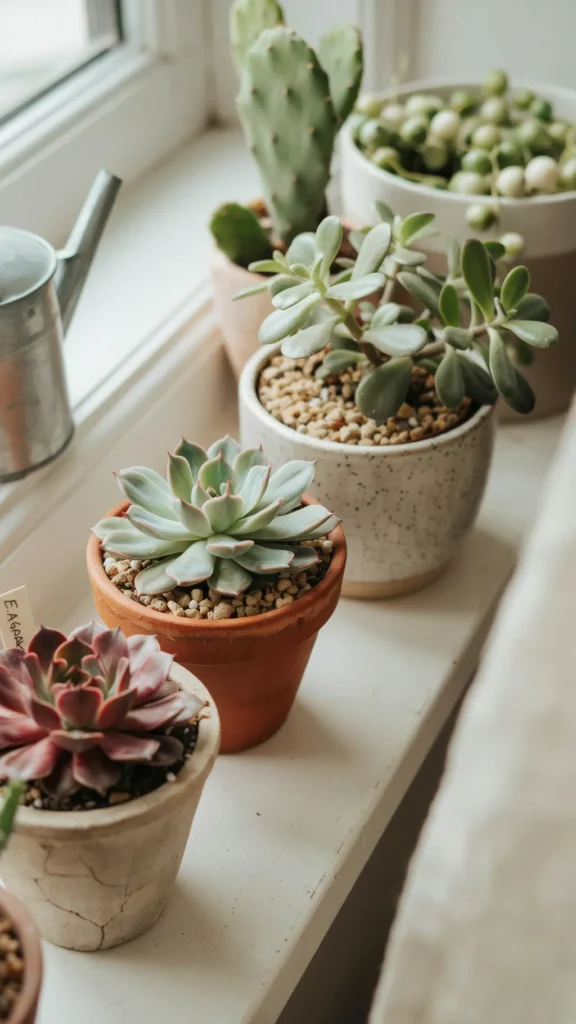
Healthy succulents growing in dry, well-draining soil.
Many succulent owners water too often. Allowing the soil to dry completely before watering again helps prevent root rot and encourages stronger root systems. Succulents are naturally adapted to periods of drought and actually perform better when they experience short dry spells between waterings.
Expert Tip from PlantyHome:
“Stick your finger into the soil before watering. If it feels damp, wait a few more days.”
2. Use Terracotta Pots Whenever Possible
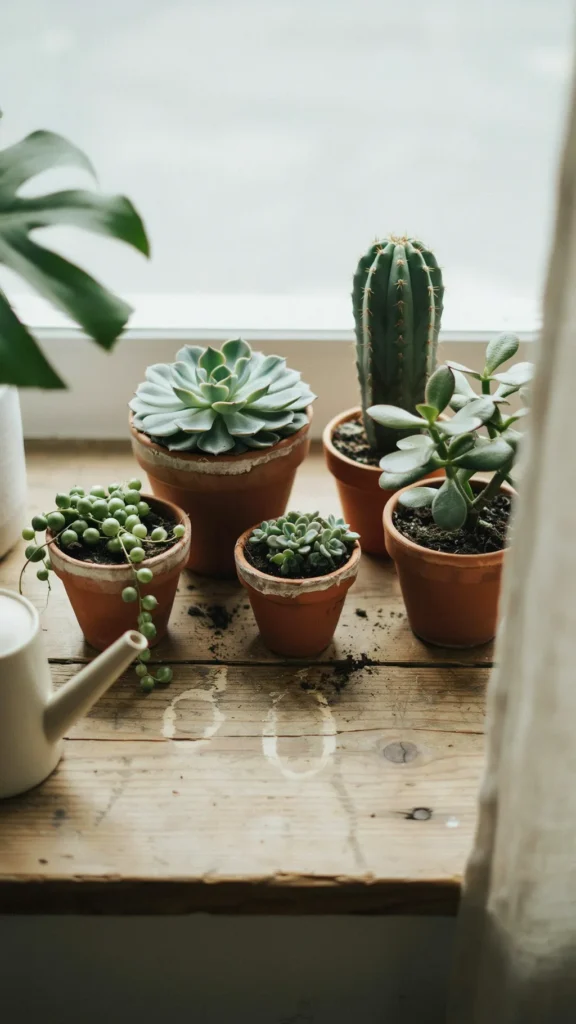
Collection of succulents planted in terracotta containers.
Terracotta pots naturally absorb excess moisture from the soil, helping prevent overwatering issues. They also improve airflow around the roots, creating a healthier growing environment. This simple container choice can dramatically improve succulent health.
Expert Tip from PlantyHome:
“Terracotta is one of the easiest ways to avoid common succulent problems.”
3. Give Them Morning Sun
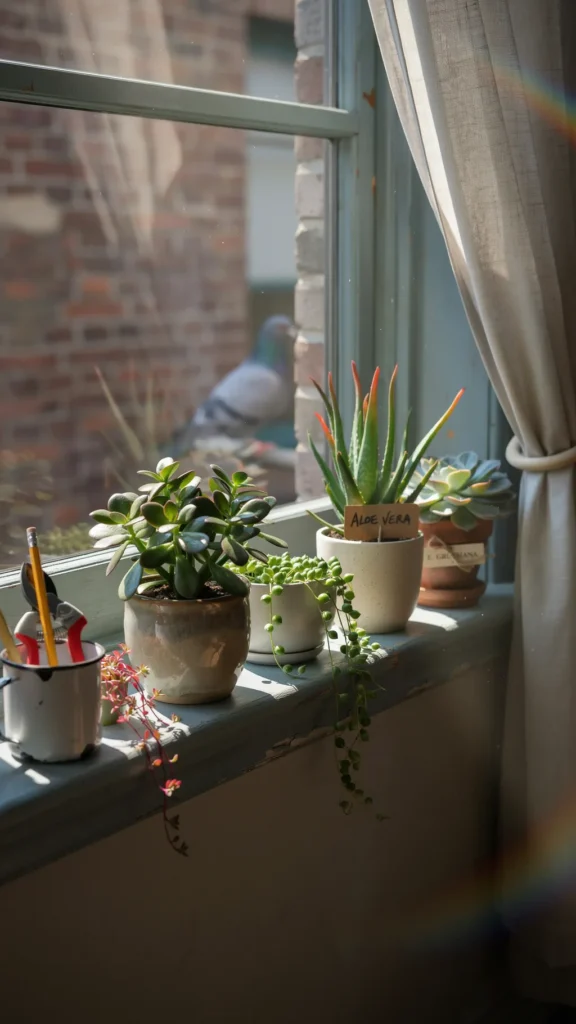
Succulents receiving gentle morning sunlight through a window.
Morning sunlight is less intense than afternoon sun and helps succulents develop strong growth without scorching their leaves. Most varieties appreciate several hours of direct morning light each day.
Expert Tip from PlantyHome:
“East-facing windows are often perfect for indoor succulents.”
4. Rotate Pots Regularly
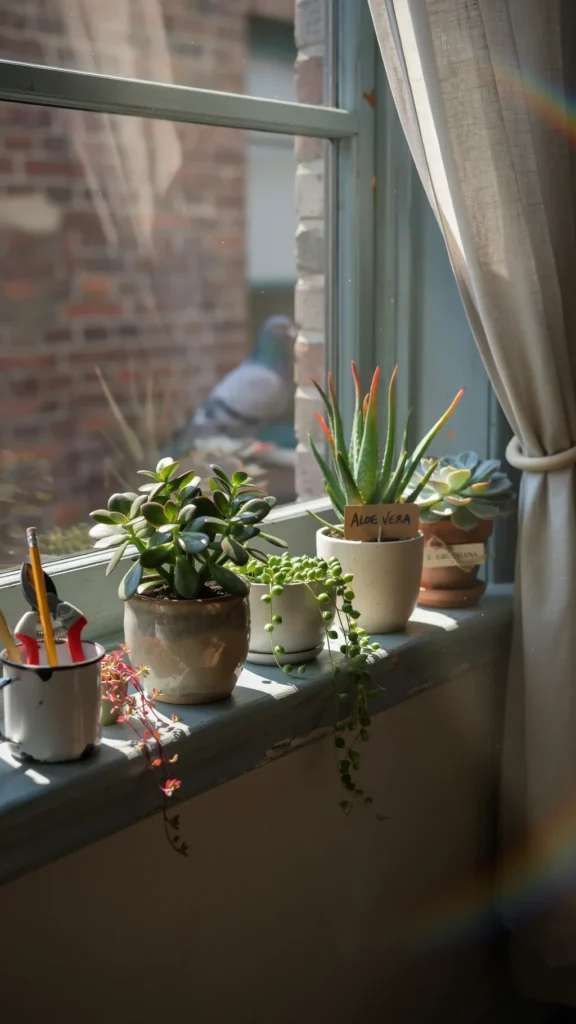
Succulents arranged evenly with balanced growth.
Succulents naturally lean toward light sources. Rotating pots every week or two encourages symmetrical growth and prevents stretching. This simple habit keeps plants looking fuller and more attractive.
Expert Tip from PlantyHome:
“A quarter turn every week helps maintain balanced growth.”
5. Water Deeply, Not Frequently
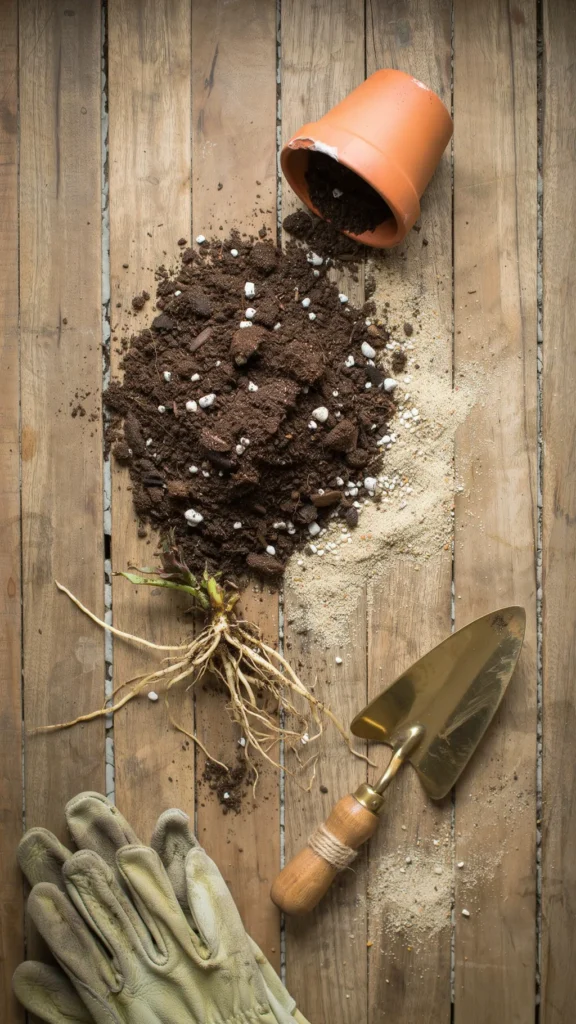
Water flowing through succulent soil and drainage holes.
Instead of frequent light watering, soak the soil thoroughly and then allow it to dry completely. This method encourages roots to grow deeper and stronger, resulting in healthier plants.
Expert Tip from PlantyHome:
“Think fewer waterings, but more thorough watering sessions.”
6. Use a Gritty Soil Mix
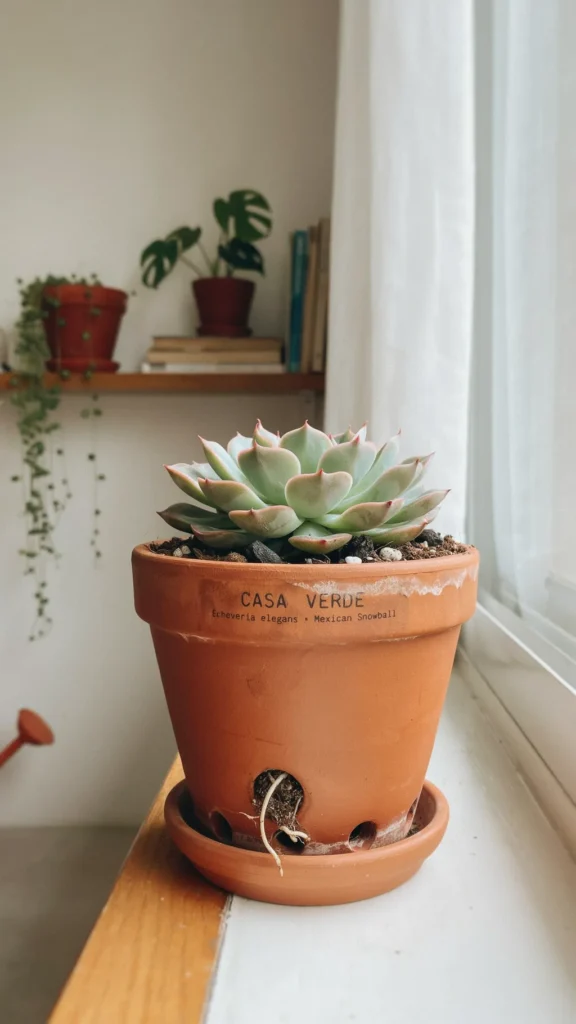
Close-up of succulent soil containing sand and perlite.
Succulents thrive in soil that drains quickly. Adding coarse sand, pumice, or perlite improves airflow and prevents moisture from lingering around roots.
Expert Tip from PlantyHome:
“A gritty soil mix mimics the natural conditions many succulents prefer.”
7. Don’t Ignore Drainage Holes
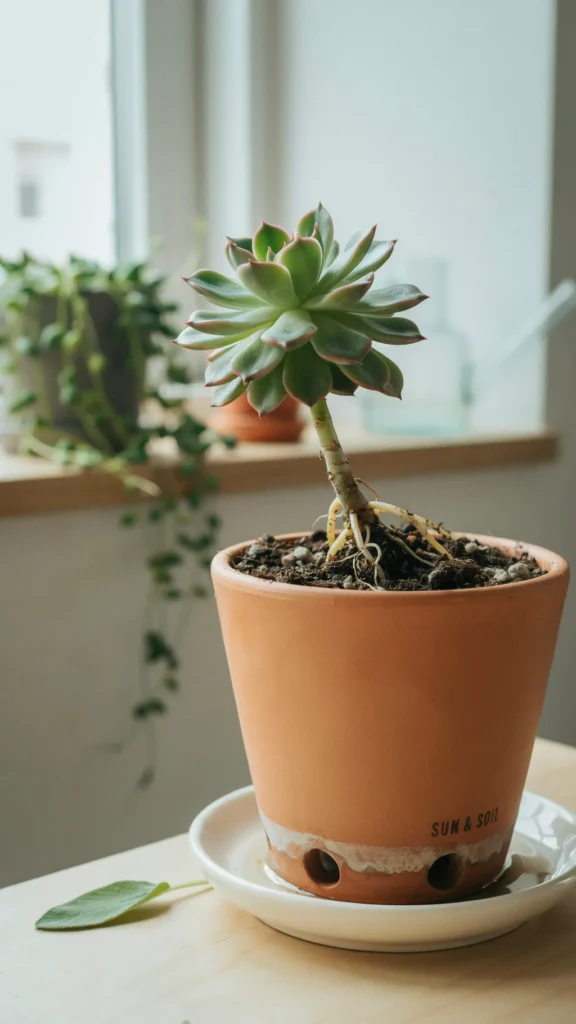
Healthy succulent planted in a container with drainage.
Even perfect soil can’t compensate for poor drainage. Containers with drainage holes allow excess water to escape, reducing the risk of root rot and fungal issues.
Expert Tip from PlantyHome:
“Every succulent pot should have a way for water to escape.”
8. Clean Dust From Leaves
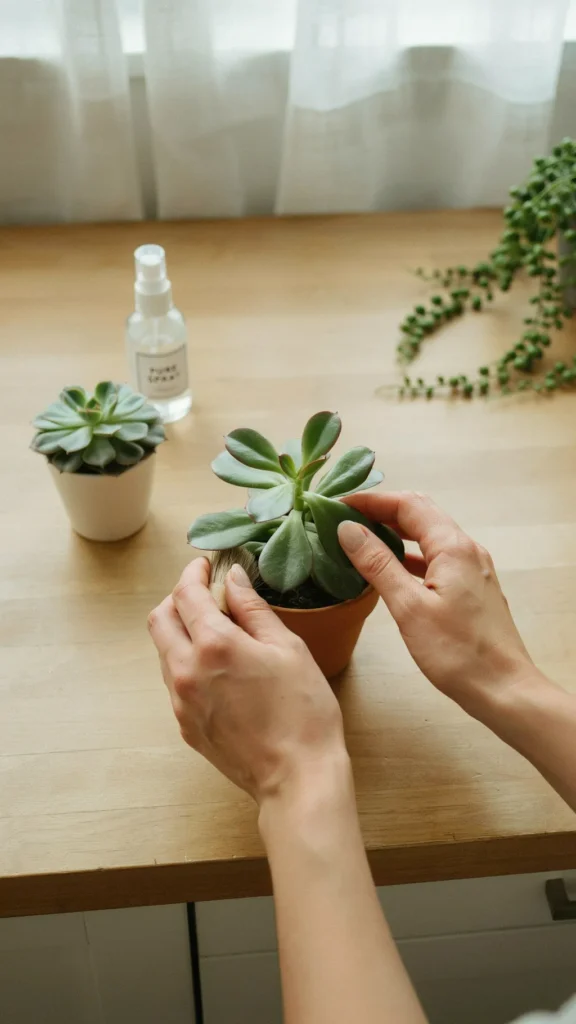
Person carefully brushing dust from succulent leaves.
Dust can reduce the amount of light reaching your plant. Regular cleaning helps improve photosynthesis and keeps succulents looking fresh and vibrant.
Expert Tip from PlantyHome:
“Use a soft brush instead of water on fuzzy-leaved varieties.”
9. Learn the Signs of Overwatering
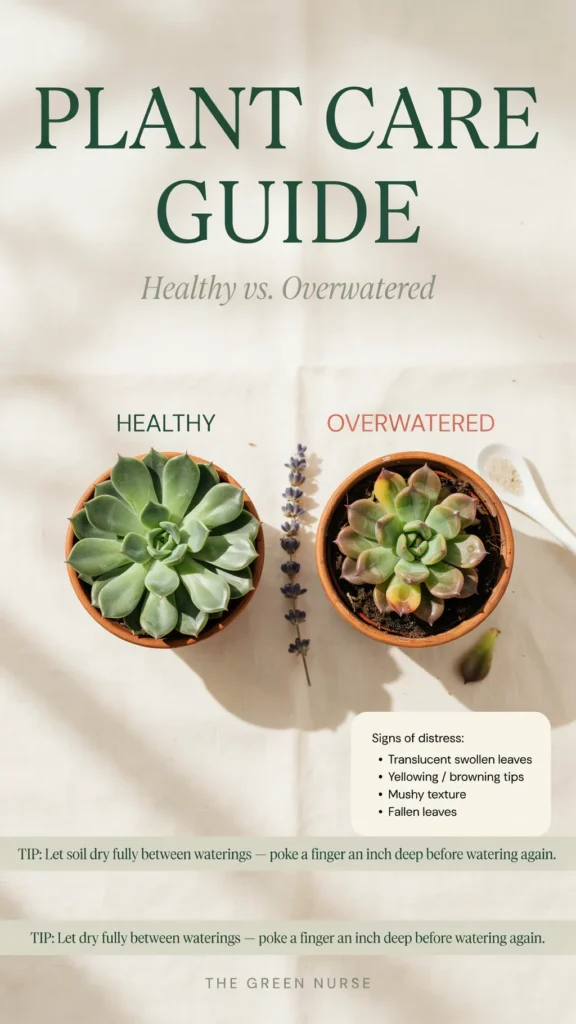
Comparison of healthy and overwatered succulent leaves.
Soft, mushy leaves often indicate overwatering. Recognizing these warning signs early allows you to adjust care before serious damage occurs.
Expert Tip from PlantyHome:
“Most succulent problems start with too much water, not too little.”
10. Watch for Stretching

Compact succulent next to stretched succulent.
Stretching occurs when succulents don’t receive enough light. Plants become taller and less compact as they search for sunlight. Providing brighter conditions helps maintain attractive growth.
Expert Tip from PlantyHome:
“Move stretched plants closer to a bright light source immediately.”
11. Protect Plants From Frost
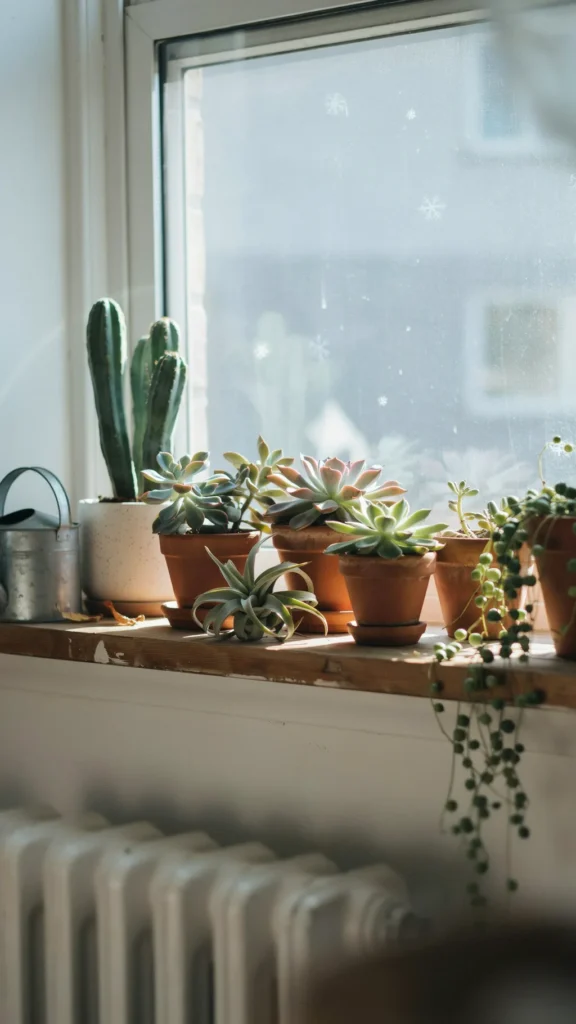
Indoor succulents thriving during winter months.
Many succulents are sensitive to freezing temperatures. Bringing them indoors before frost arrives prevents damage and helps maintain healthy growth.
Expert Tip from PlantyHome:
“Monitor weather forecasts carefully during colder seasons.”
12. Feed Sparingly
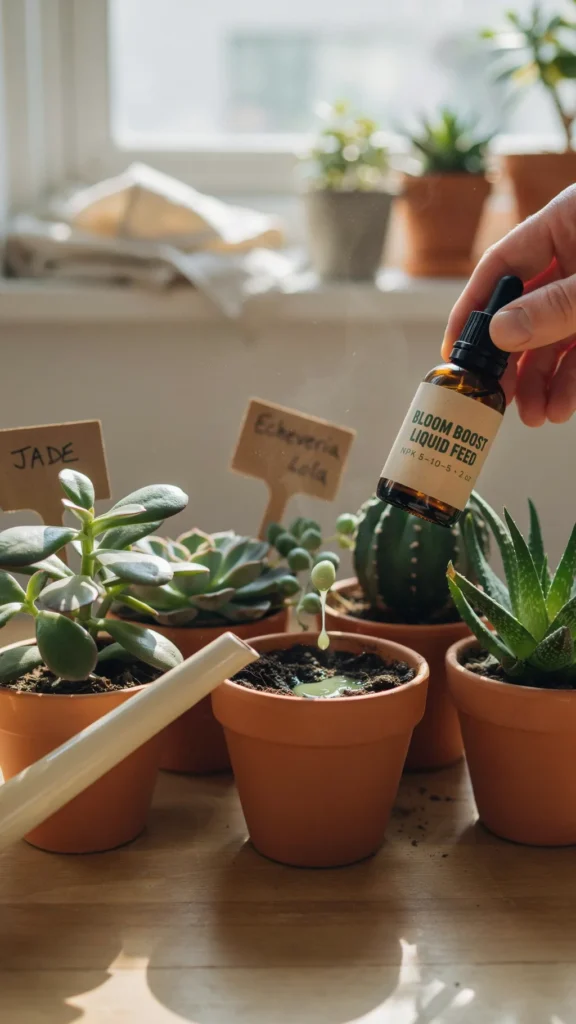
Applying diluted fertilizer to succulent plants.
Succulents need very little fertilizer compared to many houseplants. Light feeding during active growth periods provides nutrients without encouraging weak growth.
Expert Tip from PlantyHome:
“Too much fertilizer can do more harm than good.”
13. Repot Every Few Years
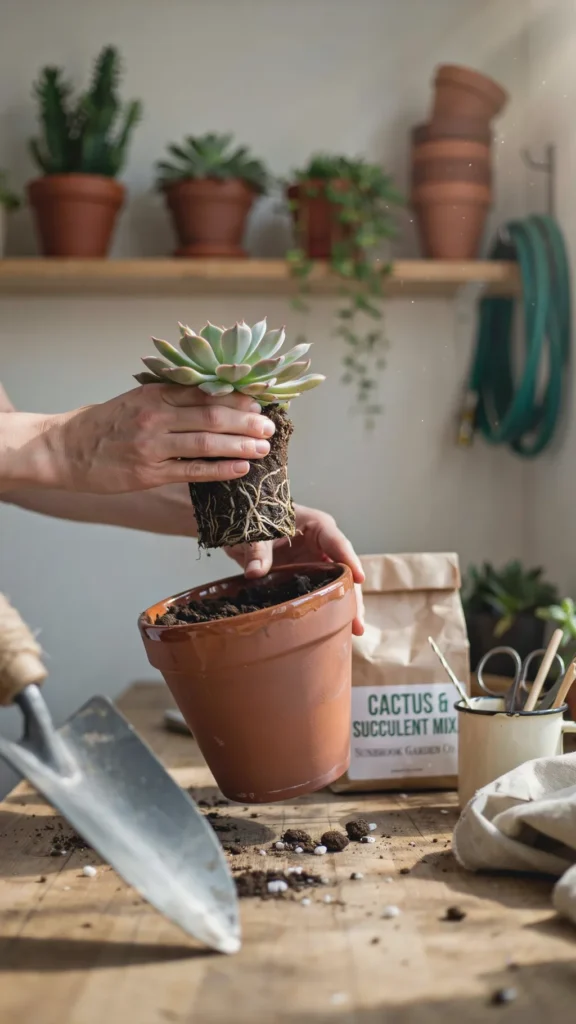
Repotting a mature succulent into fresh soil.
Fresh soil restores nutrients and improves drainage. Repotting also gives roots more room to grow when plants become crowded.
Expert Tip from PlantyHome:
“Spring is usually the best season for repotting succulents.”
14. Group Similar Succulents Together
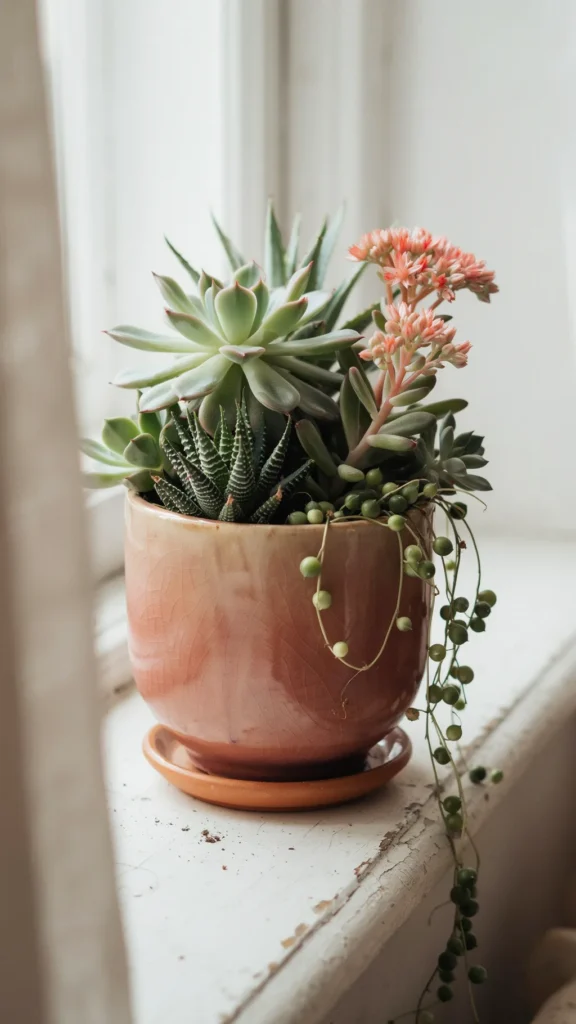
Beautiful mixed succulent arrangement.
Succulents with similar watering and lighting needs are easier to care for when grouped together. This simplifies maintenance and helps all plants thrive.
Expert Tip from PlantyHome:
“Research plant needs before combining varieties.”
15. Improve Airflow Indoors
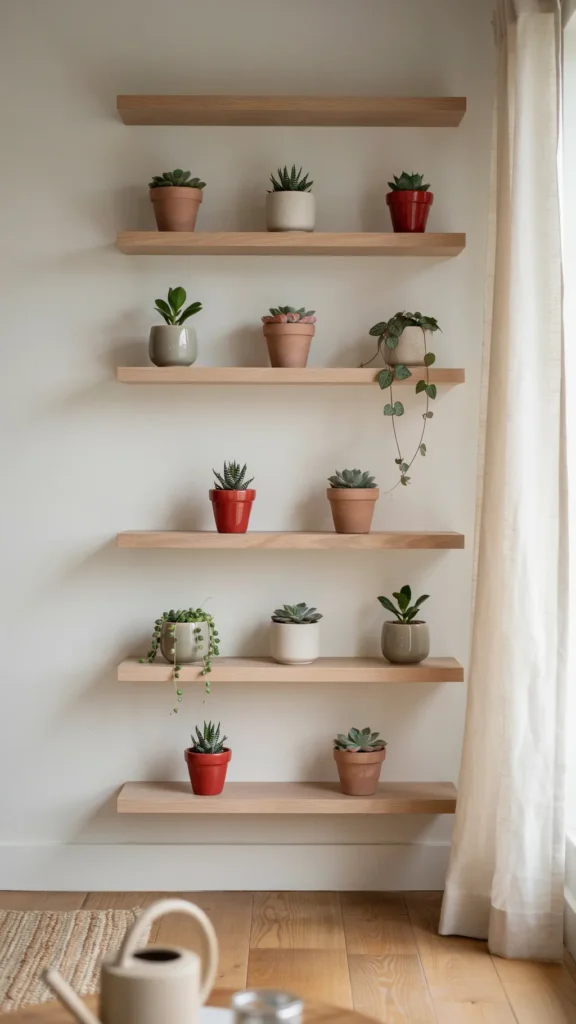
Succulent shelf with good spacing between plants.
Good airflow helps reduce fungal problems and keeps leaves dry. Avoid overcrowding shelves or containers whenever possible.
Expert Tip from PlantyHome:
“Spacing plants properly can prevent many common issues.”
16. Remove Dead Leaves Promptly
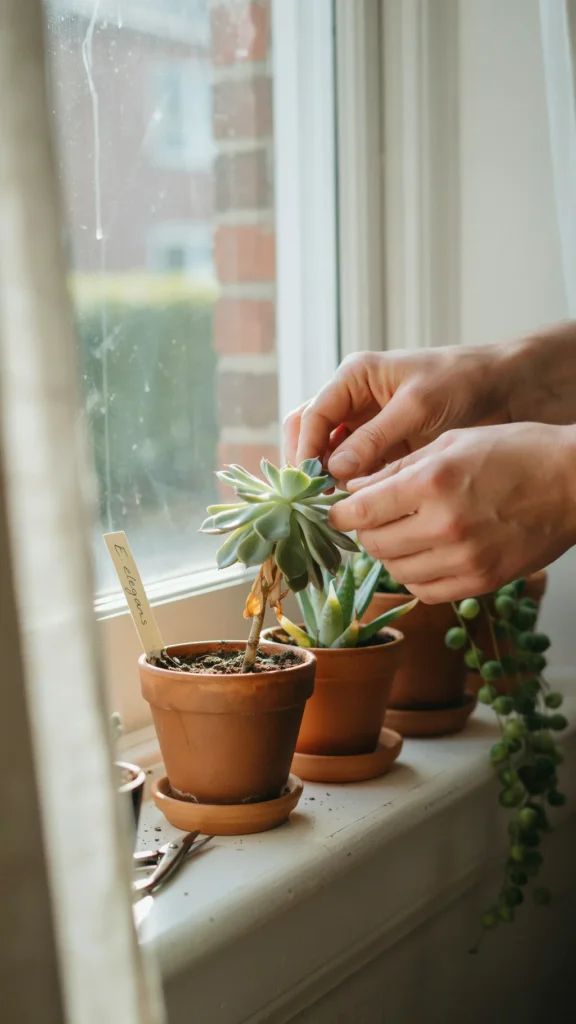
Gardener removing dried leaves from a succulent.
Dead leaves trap moisture and attract pests. Regular cleanup keeps plants healthier and improves their appearance.
Expert Tip from PlantyHome:
“A quick monthly cleanup can make a huge difference.”
17. Use Grow Lights During Winter
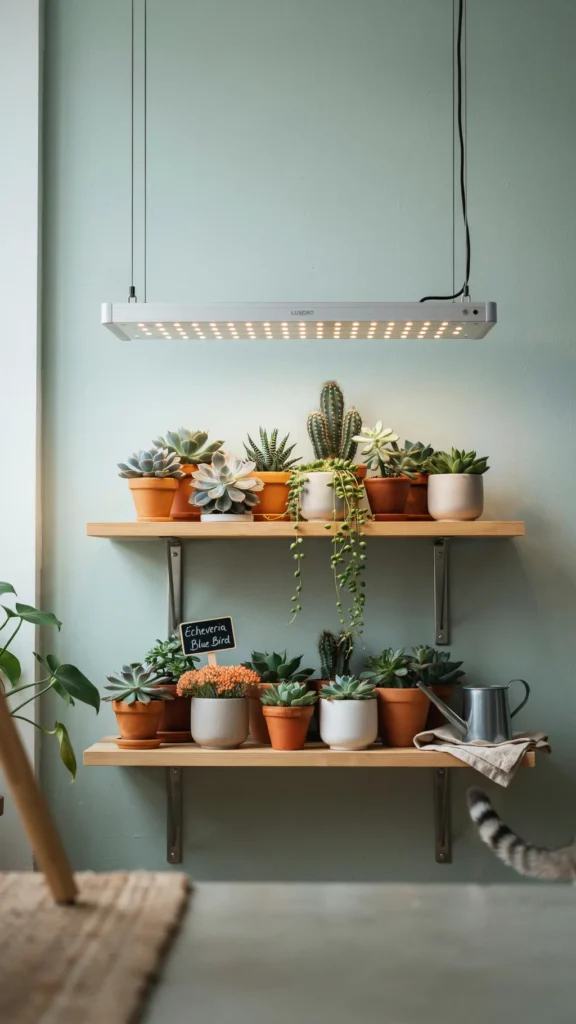
Succulents thriving under LED grow lights.
If natural sunlight is limited, grow lights provide the brightness succulents need to maintain healthy growth and color throughout winter.
Expert Tip from PlantyHome:
“Position grow lights close enough to prevent stretching.”
18. Propagate Healthy Leaves
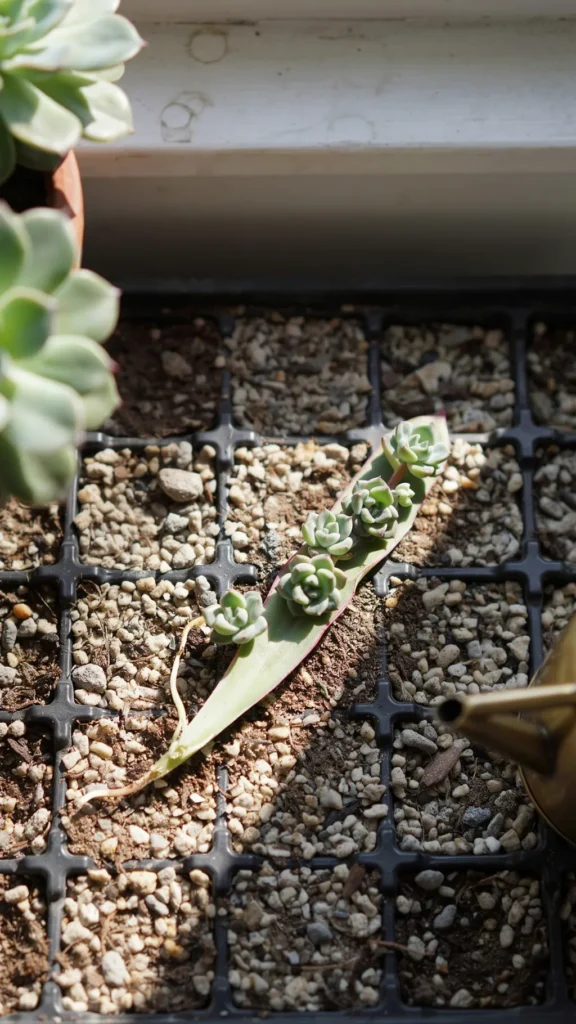
Succulent leaf cuttings producing new plants.
Propagation is one of the easiest ways to expand your collection. Healthy leaves often develop roots and baby plants with minimal effort.
Expert Tip from PlantyHome:
“Only propagate leaves that separate cleanly from the stem.”
19. Avoid Decorative Rocks Covering Soil
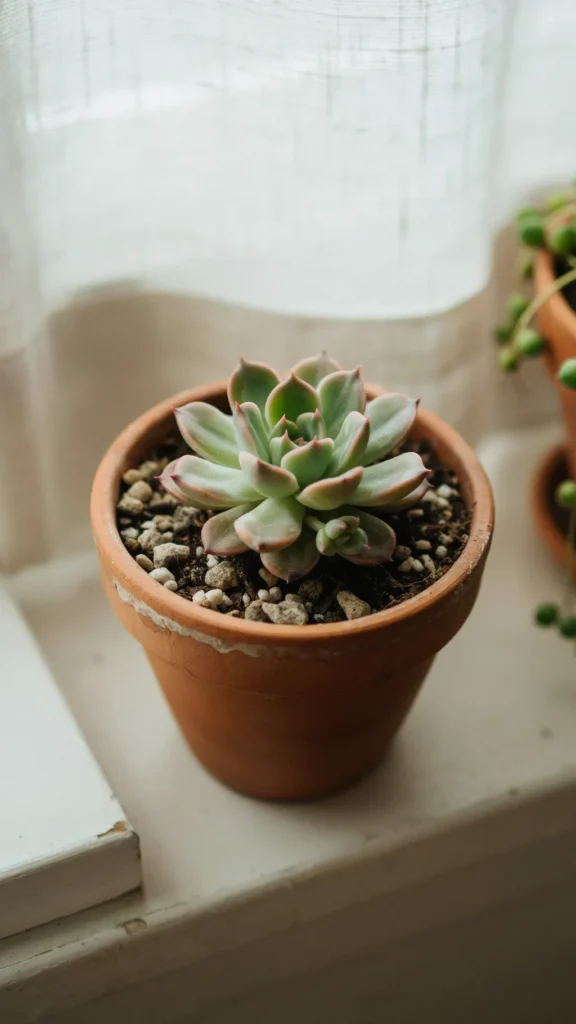
Succulent planted in exposed gritty soil.
While decorative stones look attractive, thick layers can trap moisture and reduce airflow around the soil surface.
Expert Tip from PlantyHome:
“Use decorative rocks sparingly if drainage is a concern.”
20. Quarantine New Plants
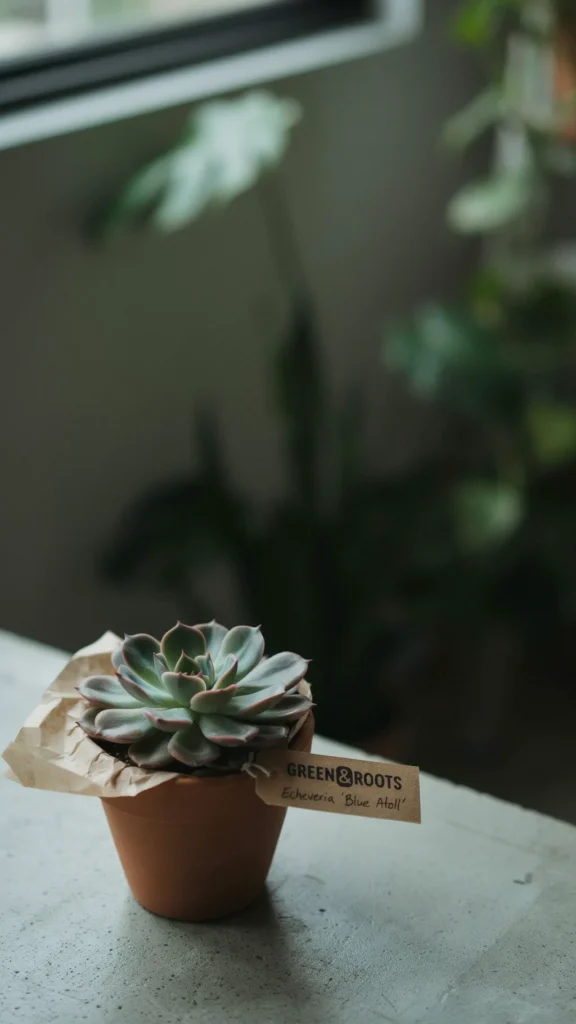
New succulent separated from existing collection.
Keeping new plants separate for a few weeks helps prevent pests and diseases from spreading to healthy succulents.
Expert Tip from PlantyHome:
“Always inspect new plants before adding them to your collection.”
21. Check for Pests Frequently
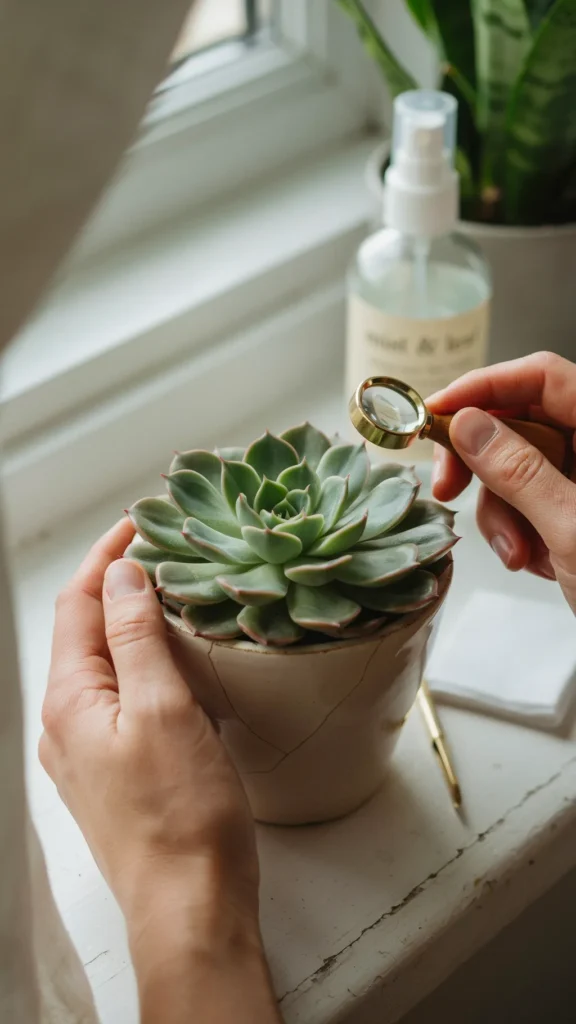
Close-up inspection of succulent leaves.
Regular inspections help catch mealybugs, spider mites, and aphids before they become serious problems. Early treatment is always easier.
Expert Tip from PlantyHome:
“Inspect leaf joints and hidden areas where pests like to hide.”
22. Understand Dormancy Periods
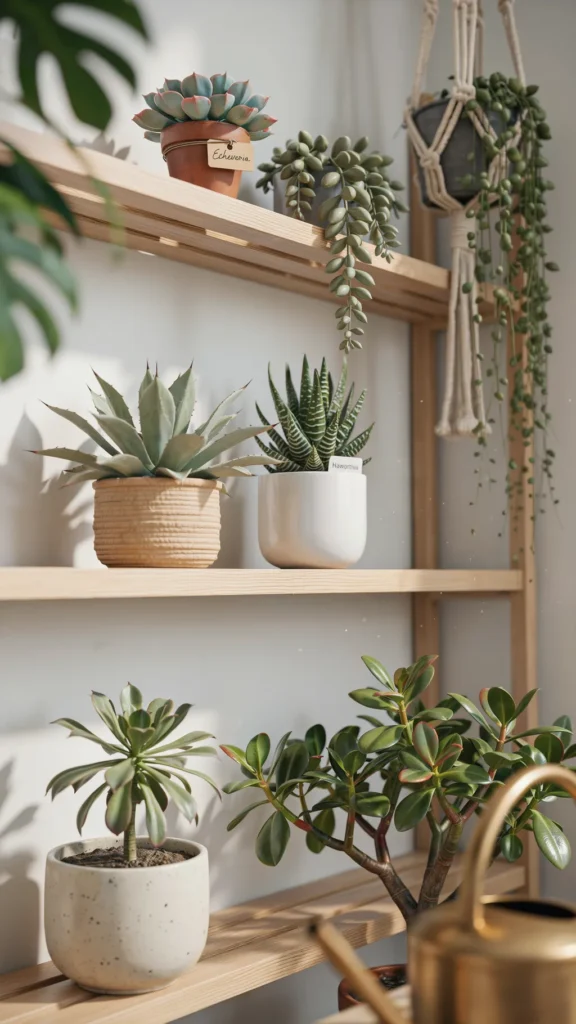
Various succulent species growing at different times of year.
Some succulents grow actively in summer, while others prefer cooler seasons. Knowing your plant’s growth cycle helps you adjust watering and care accordingly.
Expert Tip from PlantyHome:
“Research your specific succulent variety for best results.”
23. Be Patient With Growth
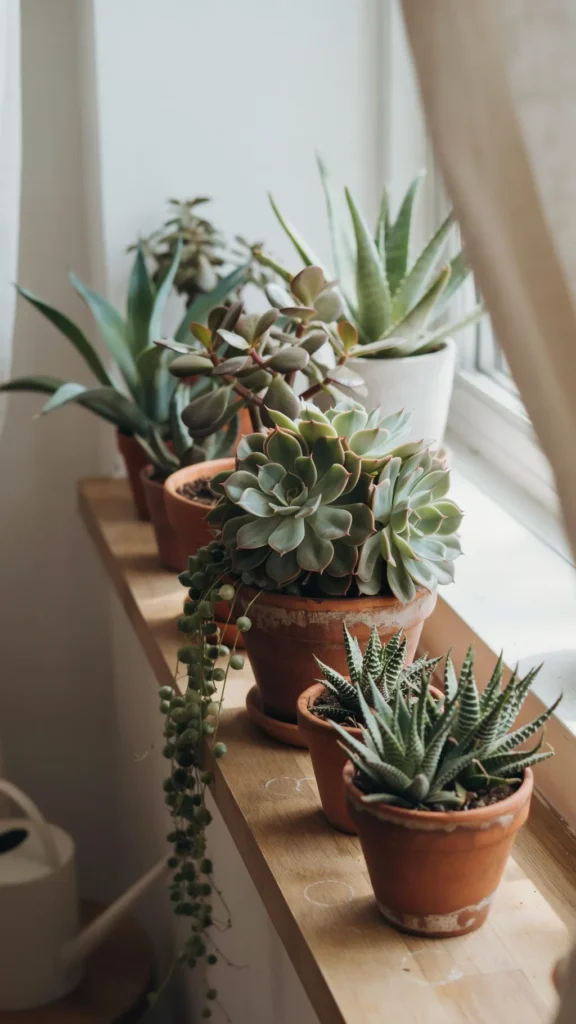
Large mature succulent developed over several years.
Many succulents grow slowly, especially indoors. Consistent care and patience often produce better results than constant adjustments. Healthy growth takes time, but the rewards are worth it.
Expert Tip from PlantyHome:
“Focus on consistency rather than quick results.”
Final Thoughts
The secret to thriving succulents isn’t complicated—it’s about understanding their natural needs. With proper lighting, careful watering, excellent drainage, and a little patience, you can grow beautiful succulents that stay healthy and attractive for years. Use these 23 care secrets to help your collection reach its full potential.