
Aloe vera is one of the easiest and most rewarding plants to grow, but a few simple care tricks can help it become larger, stronger, and healthier. Whether you’re growing aloe indoors or outside, proper watering, lighting, and maintenance make all the difference. These aloe vera care tips will help your plants develop thick leaves, strong roots, and vibrant green color all year long.
1. Give Aloe Vera Plenty of Bright Light
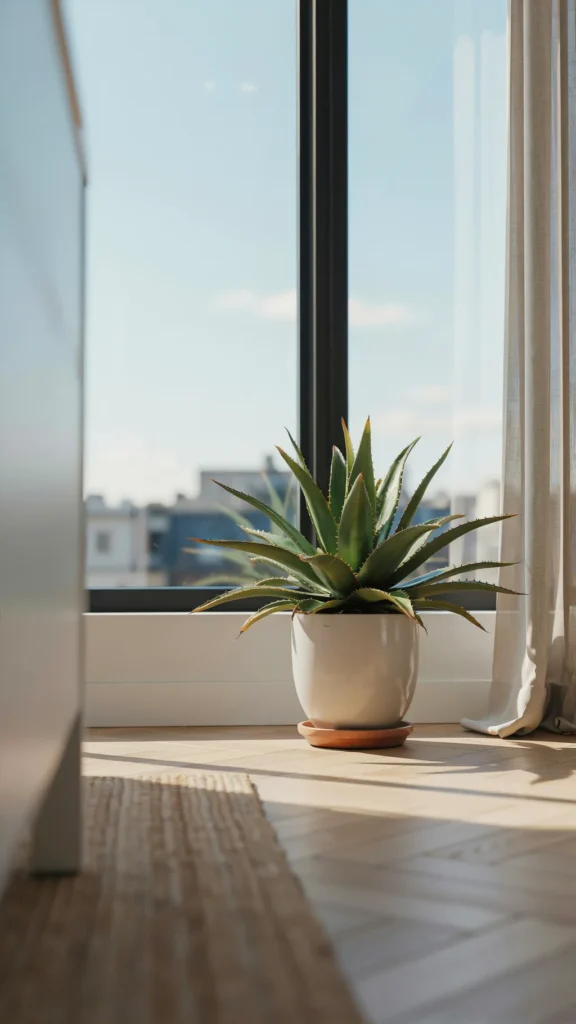
A healthy aloe vera plant growing near a bright sunny window.
Aloe vera thrives in bright conditions and needs several hours of sunlight daily to stay compact and healthy. Insufficient light often causes weak, stretched growth and pale leaves. A sunny windowsill or bright outdoor location encourages thicker foliage and stronger roots.
Expert Tip from PlantyHome:
“Bright light is the foundation of healthy aloe growth. The more light your plant receives, the stronger it becomes.”
2. Water Deeply but Infrequently
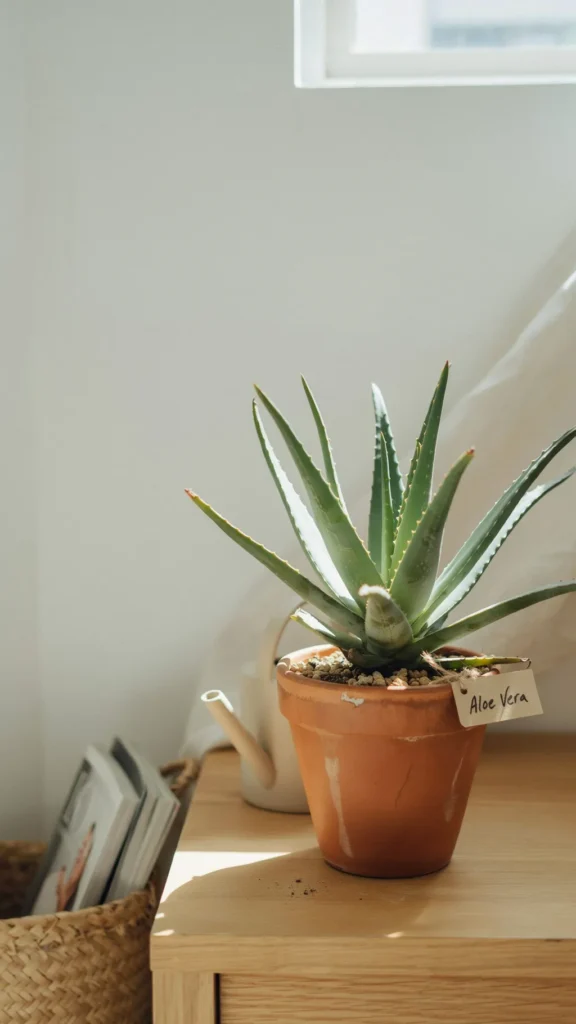
A mature aloe vera plant in dry soil between watering sessions.
One of the biggest mistakes people make is watering aloe too often. Allow the soil to dry completely before watering thoroughly. Deep watering encourages roots to grow deeper into the pot while preventing shallow, weak root systems.
Expert Tip from PlantyHome:
“When in doubt, wait another day before watering your aloe vera.”
3. Use Fast-Draining Soil
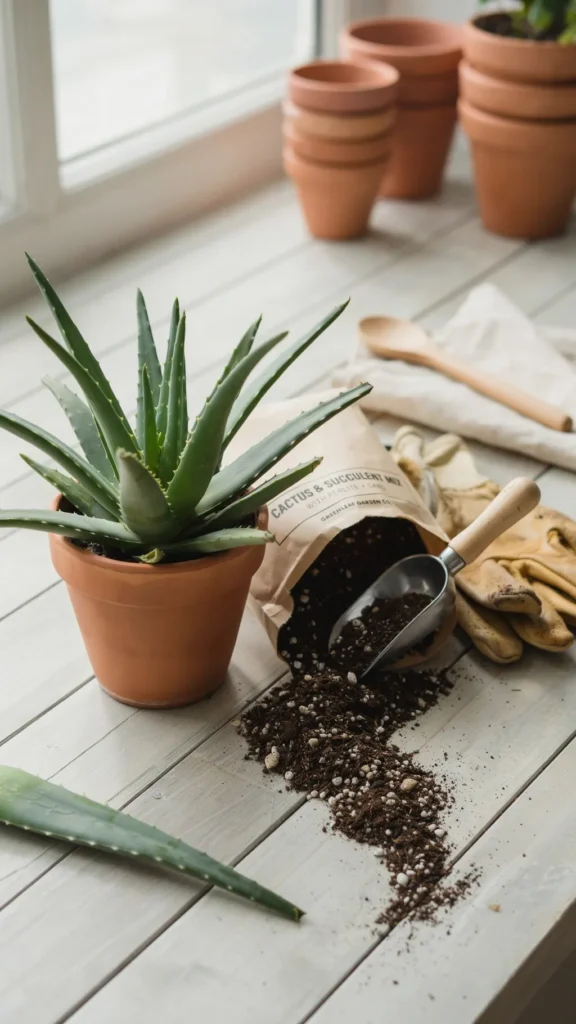
Aloe vera planted in gritty cactus soil mix.
Heavy soil traps moisture around roots and increases the risk of rot. A cactus or succulent mix containing sand, pumice, or perlite allows water to drain quickly and keeps roots healthy.
Expert Tip from PlantyHome:
“Good soil drainage solves most aloe vera problems before they start.”
4. Choose a Terracotta Pot
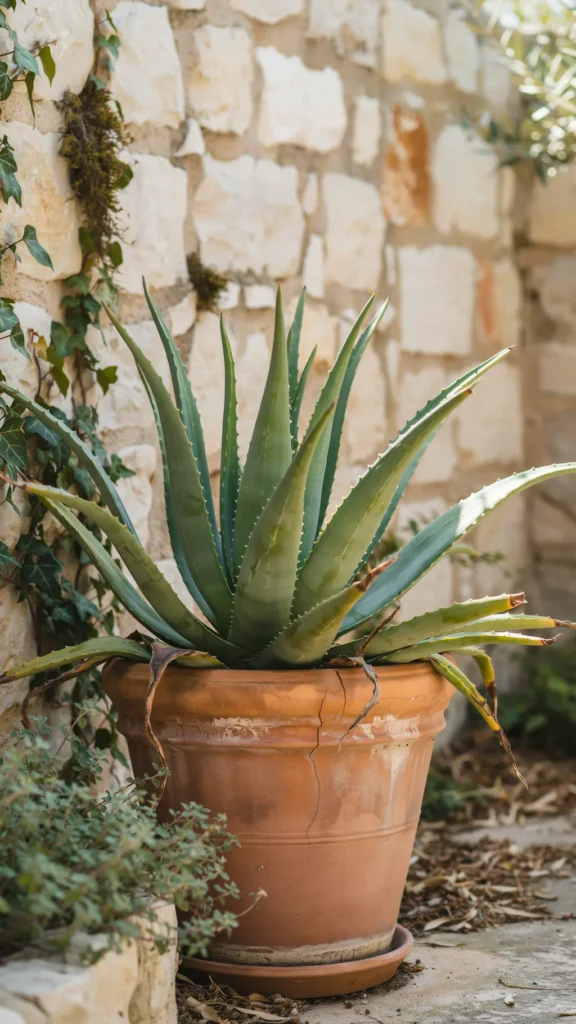
Large aloe vera growing in a terracotta container.
Terracotta pots naturally absorb excess moisture from the soil. This helps prevent overwatering and improves airflow around the root system. The porous material creates a healthier growing environment.
Expert Tip from PlantyHome:
“Terracotta pots are one of the easiest upgrades for healthier succulents.”
5. Rotate the Plant Regularly
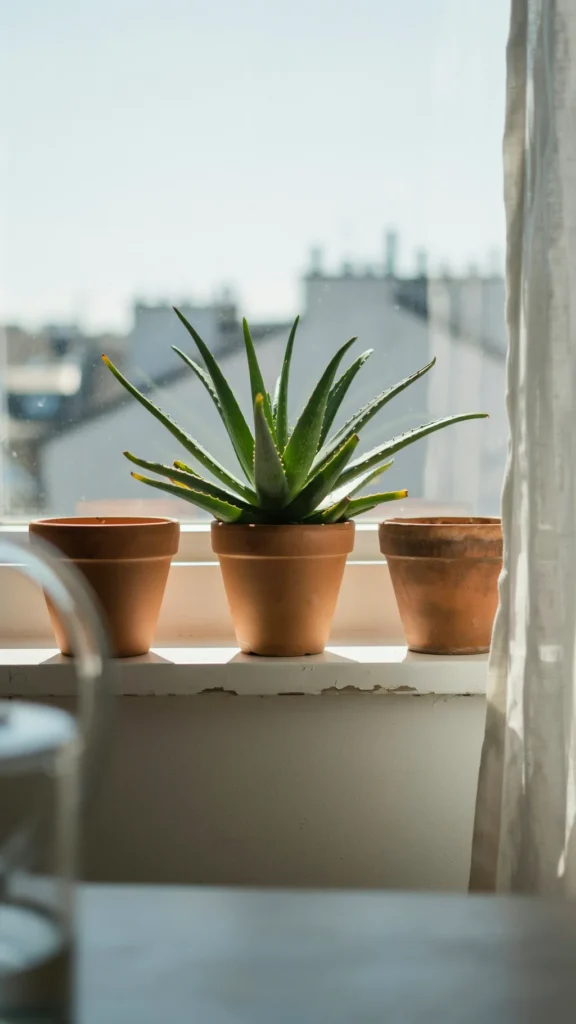
Balanced aloe vera plant with even growth.
Aloe vera naturally leans toward sunlight. Rotating the pot every week or two helps maintain symmetrical growth and prevents the plant from becoming lopsided.
Expert Tip from PlantyHome:
“Small adjustments create fuller and more attractive aloe plants.”
6. Protect It From Frost
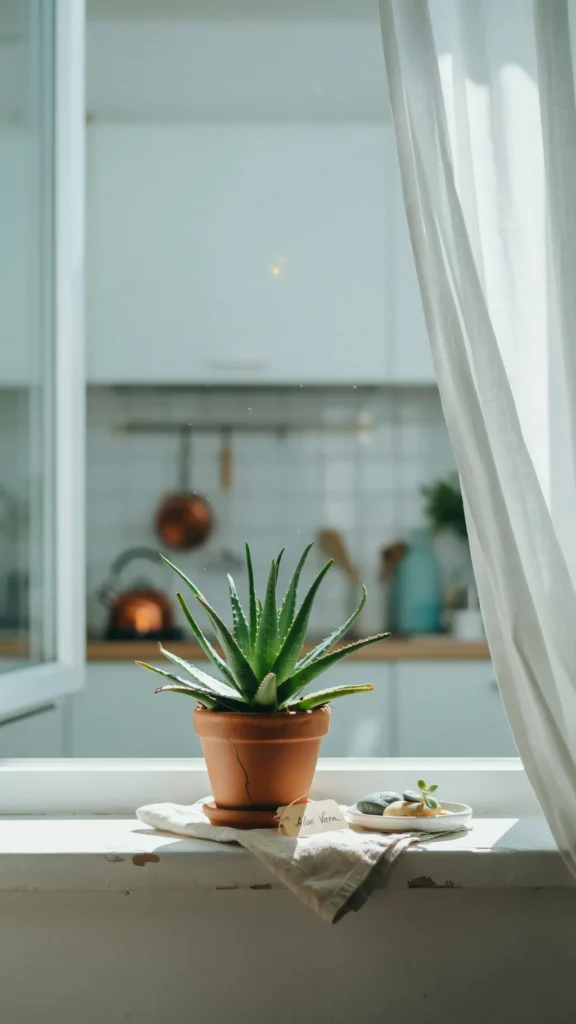
Aloe vera growing safely indoors during winter.
Aloe vera is sensitive to freezing temperatures. If you live in a cold climate, bring outdoor plants indoors before frost arrives to avoid leaf damage and root stress.
Expert Tip from PlantyHome:
“Even a light frost can damage aloe leaves permanently.”
7. Remove Dead Leaves Promptly
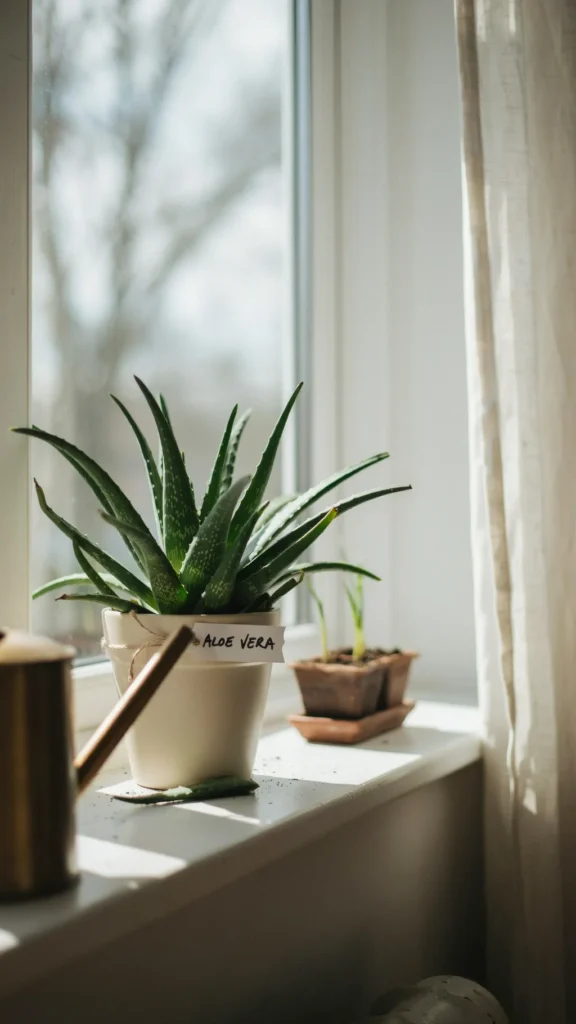
Gardener trimming old aloe leaves.
Old leaves near the base can attract pests and hold moisture. Removing damaged or dead foliage improves appearance and allows the plant to focus energy on healthy growth.
Expert Tip from PlantyHome:
“Clean plants are healthier plants.”
8. Avoid Overcrowding Offsets
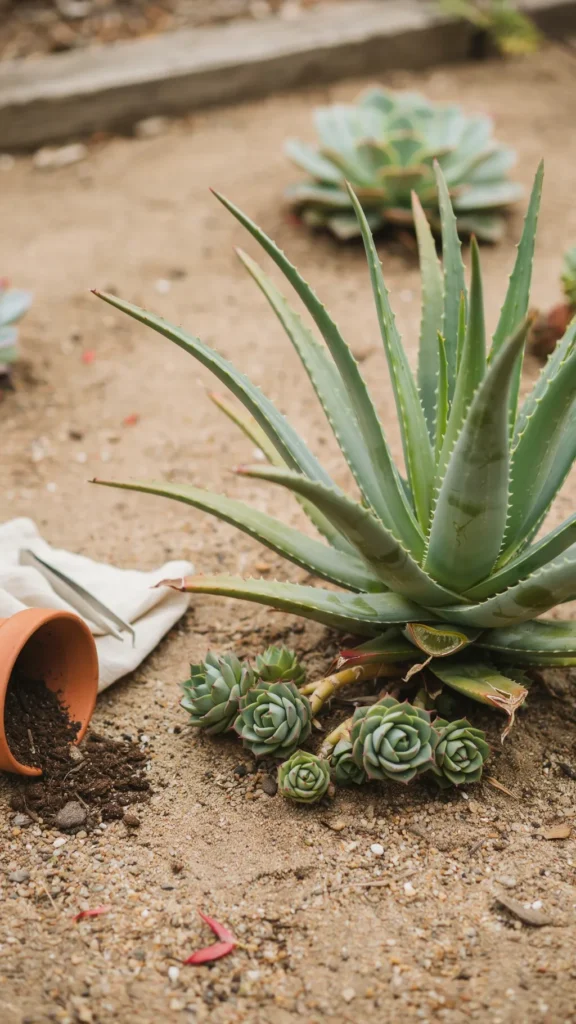
Aloe vera with baby pups growing around the base.
Aloe produces baby plants called offsets or pups. While they look attractive, overcrowding can compete for nutrients and water. Separating pups gives every plant room to grow.
Expert Tip from PlantyHome:
“Divide crowded aloe clumps every few years.”
9. Feed Lightly During Growing Season
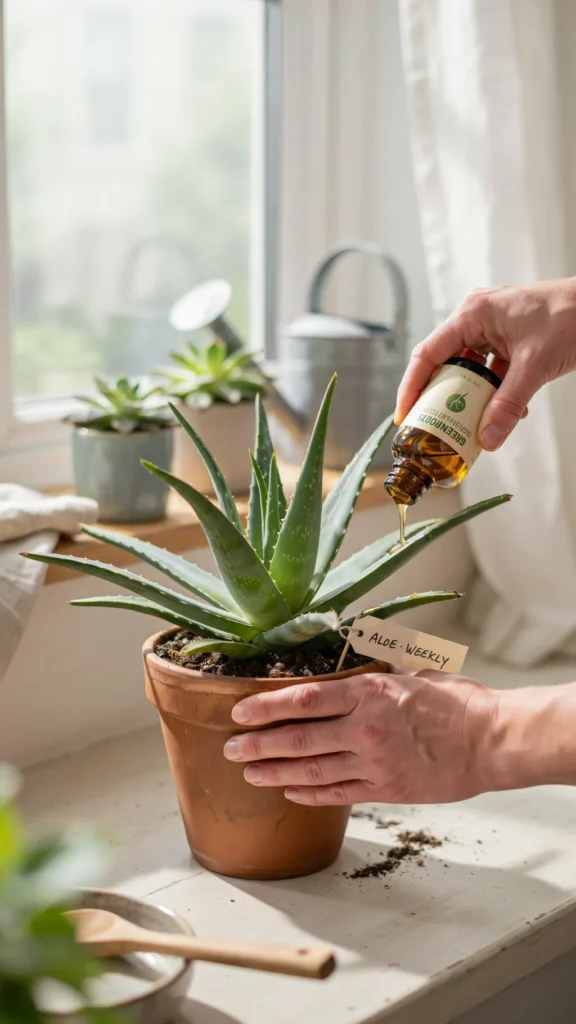
Aloe vera receiving diluted fertilizer.
Aloe vera does not require heavy feeding. A diluted succulent fertilizer once or twice during spring and summer provides enough nutrients for healthy growth.
Expert Tip from PlantyHome:
“Less fertilizer is usually better for aloe vera.”
10. Keep Leaves Clean
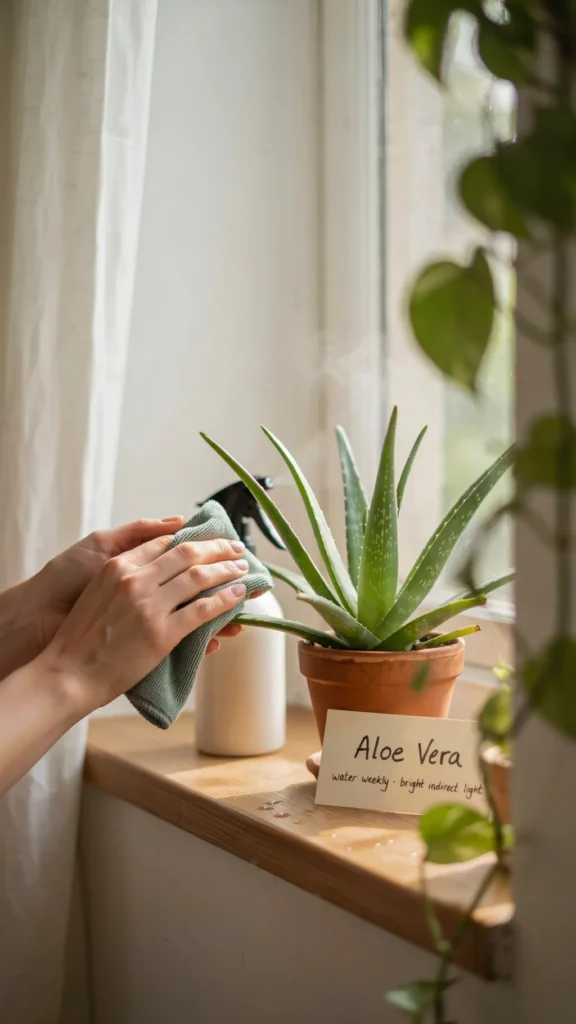
Shiny healthy aloe vera leaves free of dust.
Dust can reduce the amount of sunlight reaching the leaves. Wiping foliage occasionally keeps plants looking vibrant and improves photosynthesis.
Expert Tip from PlantyHome:
“Clean leaves absorb light more efficiently.”
11. Provide Good Air Circulation
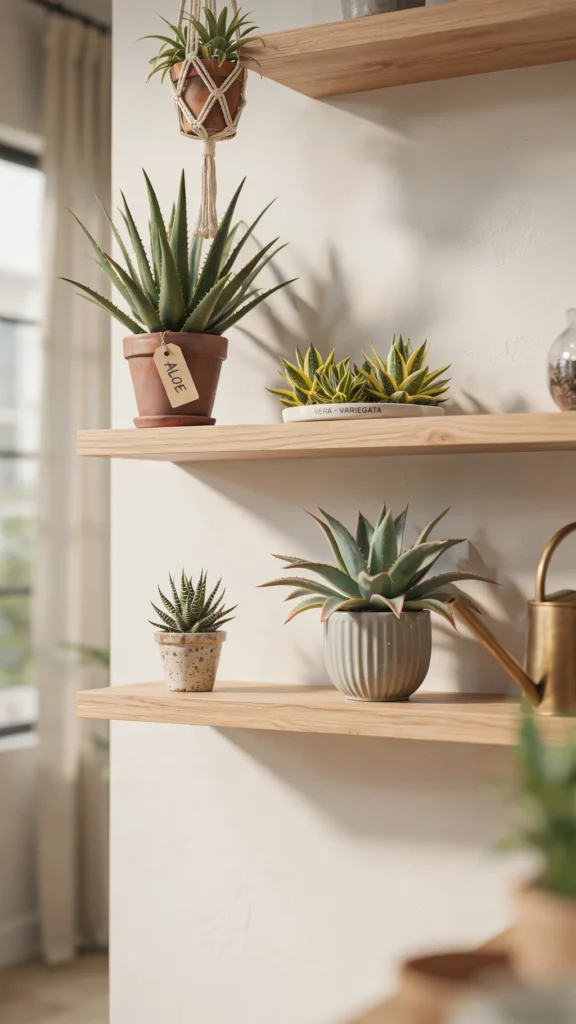
Aloe vera displayed with proper spacing between plants.
Good airflow helps reduce fungal issues and keeps the plant healthy. Avoid placing aloe in crowded areas where moisture can become trapped.
Expert Tip from PlantyHome:
“Air movement is often overlooked but incredibly important.”
12. Repot When Rootbound
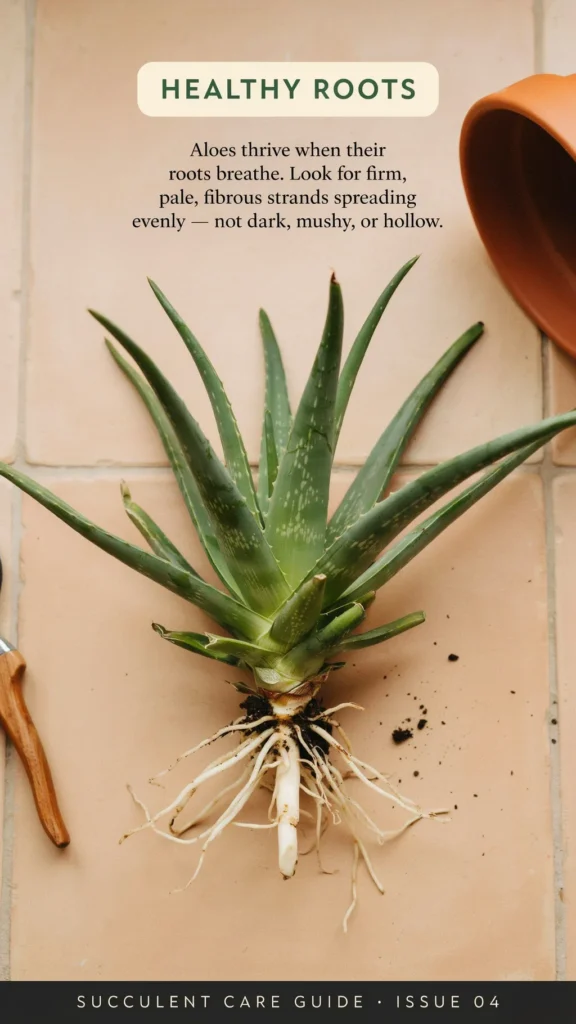
Large aloe vera being transplanted into a bigger pot.
As aloe grows, roots eventually fill the container. Repotting every few years gives the roots room to expand and supports larger leaf growth.
Expert Tip from PlantyHome:
“Choose a pot only slightly larger than the current one.”
13. Watch for Root Rot
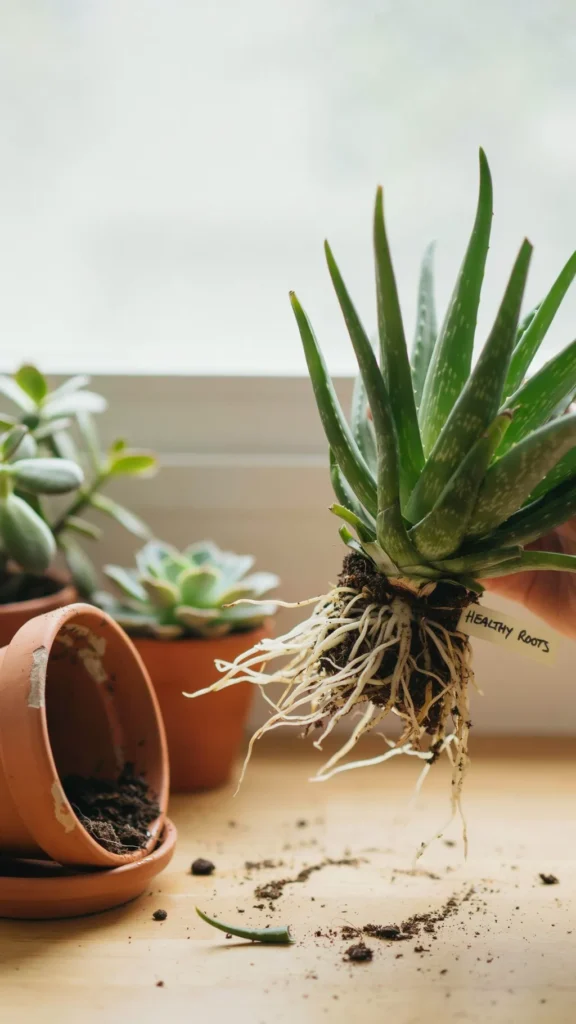
Healthy aloe roots compared to damaged roots.
Soft leaves and black roots often indicate root rot caused by excess moisture. Catching the problem early can save the plant before severe damage occurs.
Expert Tip from PlantyHome:
“Healthy roots should be firm and light-colored.”
14. Use Rainwater When Possible
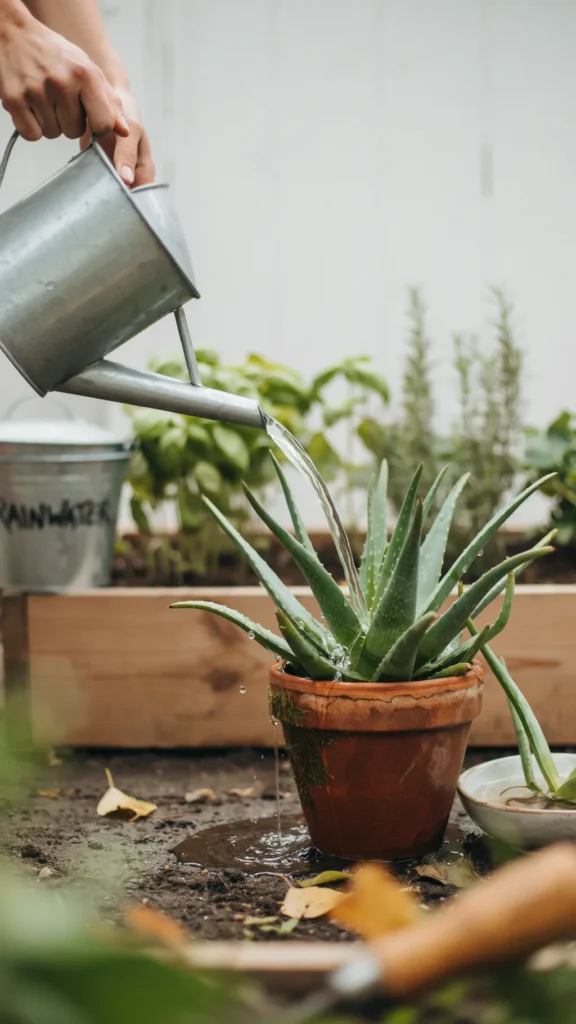
Watering aloe vera with collected rainwater.
Rainwater contains fewer minerals and chemicals than some tap water sources. Many aloe growers notice stronger growth and healthier foliage when using collected rainwater.
Expert Tip from PlantyHome:
“Natural rainwater can benefit sensitive succulent roots.”
15. Give Outdoor Plants Afternoon Shade
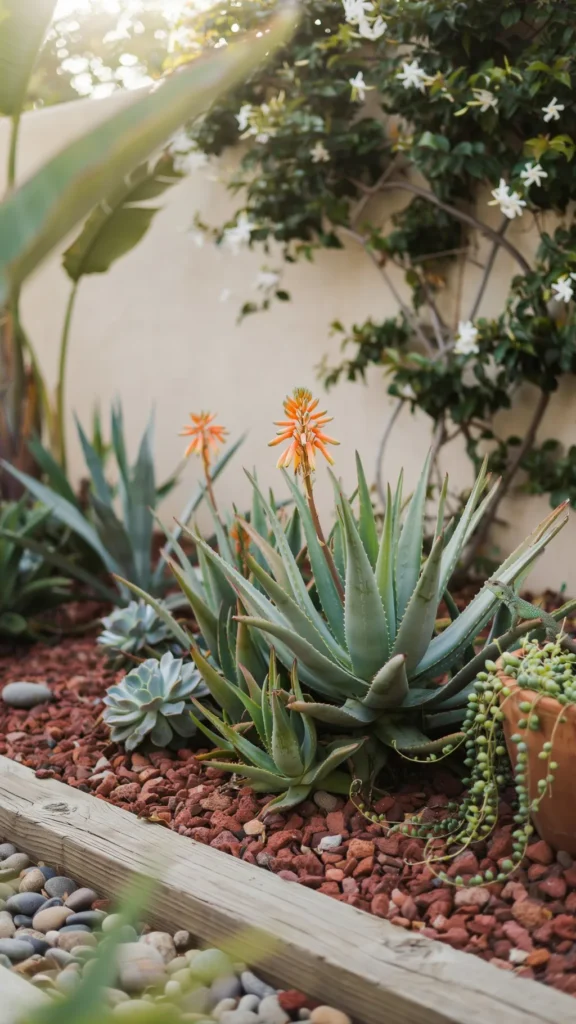
Aloe vera growing in a partially shaded garden bed.
In very hot climates, intense afternoon sun can scorch aloe leaves. Light afternoon shade helps prevent stress while still providing plenty of sunlight.
Expert Tip from PlantyHome:
“Strong morning sun is usually safer than harsh afternoon heat.”
16. Propagate Healthy Pups
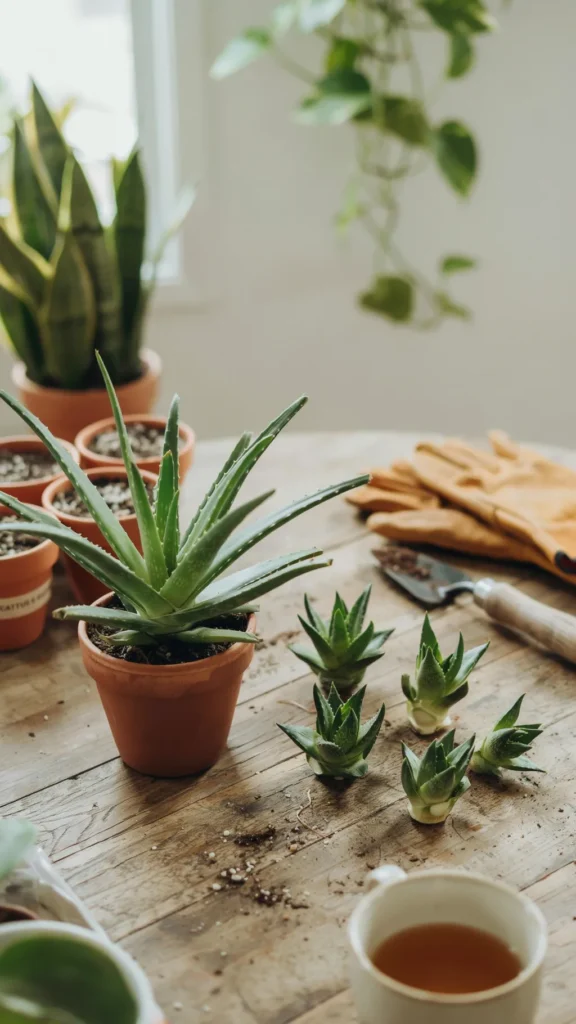
Young aloe pups ready for planting.
Aloe vera is incredibly easy to propagate. Healthy offsets can be removed and replanted to create new plants that quickly establish themselves.
Expert Tip from PlantyHome:
“Wait until pups have developed their own roots before separating.”
17. Avoid Decorative Pots Without Drainage
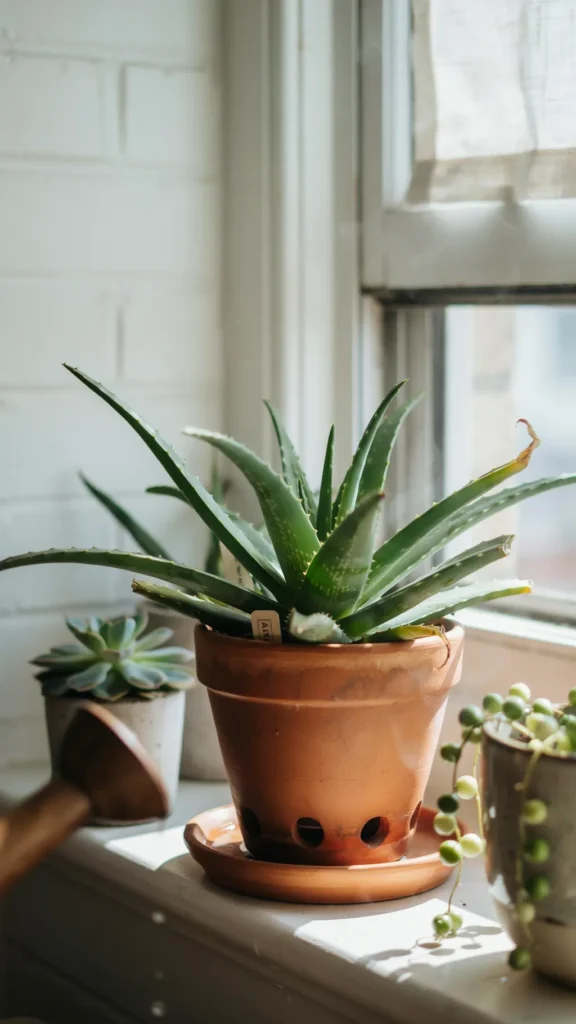
Aloe vera growing in a pot with drainage holes.
Containers without drainage can trap water and quickly cause root problems. Always choose pots that allow excess moisture to escape.
Expert Tip from PlantyHome:
“Drainage holes are non-negotiable for healthy aloe plants.”
18. Be Patient and Consistent
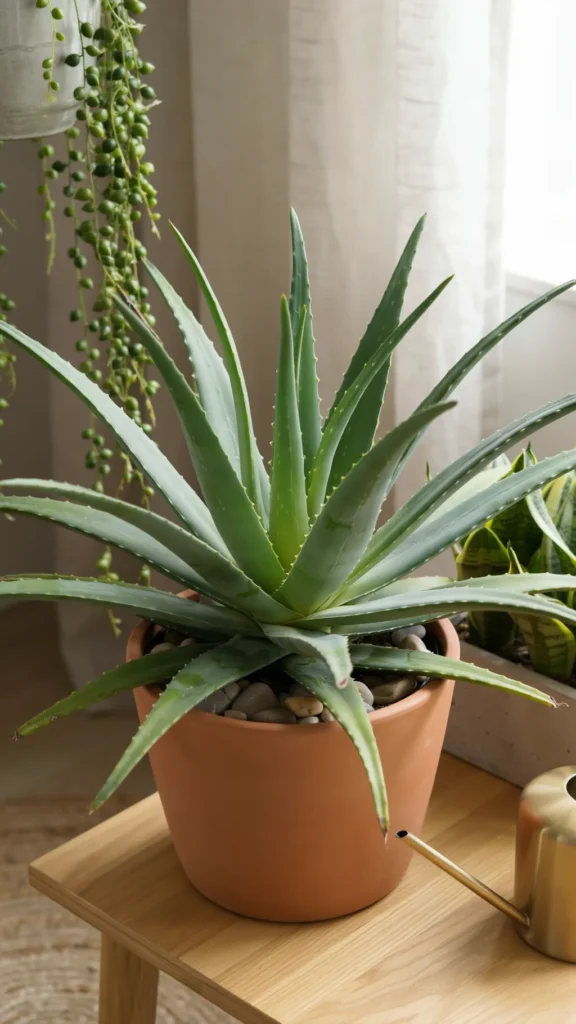
A large mature aloe vera plant with thick healthy leaves.
Aloe vera grows steadily rather than quickly. Consistent watering, proper light, and occasional maintenance will produce a larger and healthier plant over time.
Expert Tip from PlantyHome:
“The healthiest aloe plants are usually the ones left alone most often.”
Final Thoughts
Growing bigger, healthier aloe vera plants doesn’t require complicated techniques. By providing bright light, proper drainage, careful watering, and occasional maintenance, you can enjoy lush aloe plants that thrive for many years. Start applying these simple tips today and watch your aloe vera flourish.