
Shade is one of the most misunderstood conditions in gardening. Most people look at a dark corner beneath a large tree or a north-facing bed that never sees direct sun and see a problem to solve. Experienced gardeners look at exactly the same spot and see an opportunity to create something genuinely extraordinary. Shade gardens have a quality that sun-drenched borders simply cannot replicate — a coolness, a quietness, a lushness that feels deeply restorative on a hot summer day. The plants that thrive in low light conditions tend to have some of the most beautiful foliage, the most elegant flowers, and the most interesting textures of any plants in the gardening world. These 22 shade garden design layout ideas will completely change the way you see every dark corner of your backyard.
1. The Layered Woodland Understory
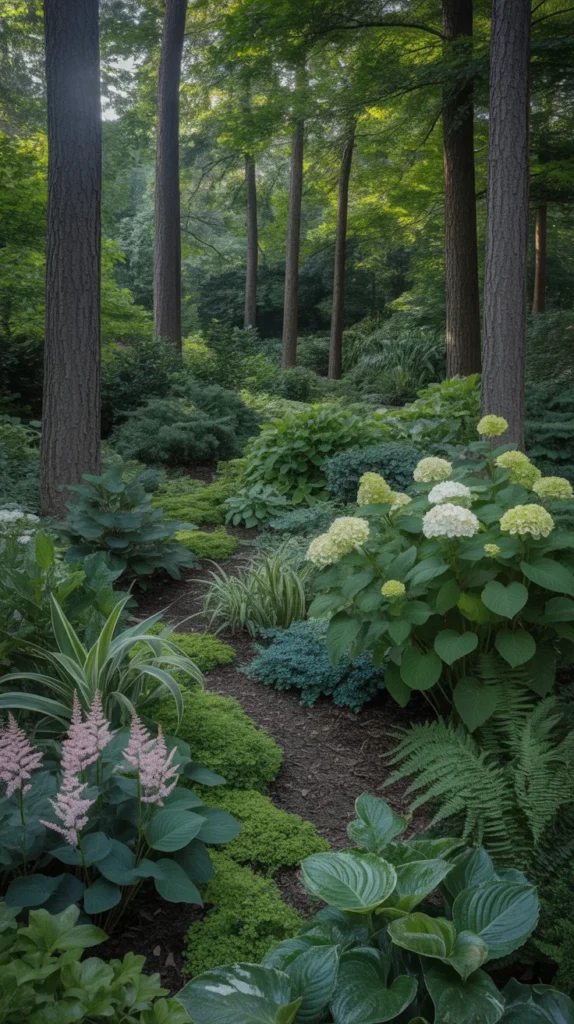
Design your shade garden in distinct vertical layers that replicate the natural structure of a woodland ecosystem, with tall shade-casting trees at the top, medium shrubs occupying the middle layer, low perennials filling the ground level, and creeping ground covers spreading across the soil surface between everything else. This layered approach creates a garden that looks genuinely wild and natural while actually being carefully composed and intentionally planted, with each layer supporting and complementing the ones above and below it in terms of scale, color, and seasonal interest. Hostas, ferns, astilbes, and hellebores work beautifully together at the lower levels while shrubs like hydrangeas, viburnums, and mahonias provide structure and seasonal flower interest in the middle tier. The finished effect is one of cool, deep, immersive greenery that feels like stepping into a private woodland clearing the moment you enter the garden space.
Expert Tip: Always plant the tallest layer first and allow it to establish before adding lower layers so you can accurately assess the shade patterns each tree or shrub creates before committing to the planting beneath.
2. The Fern And Moss Carpet Garden
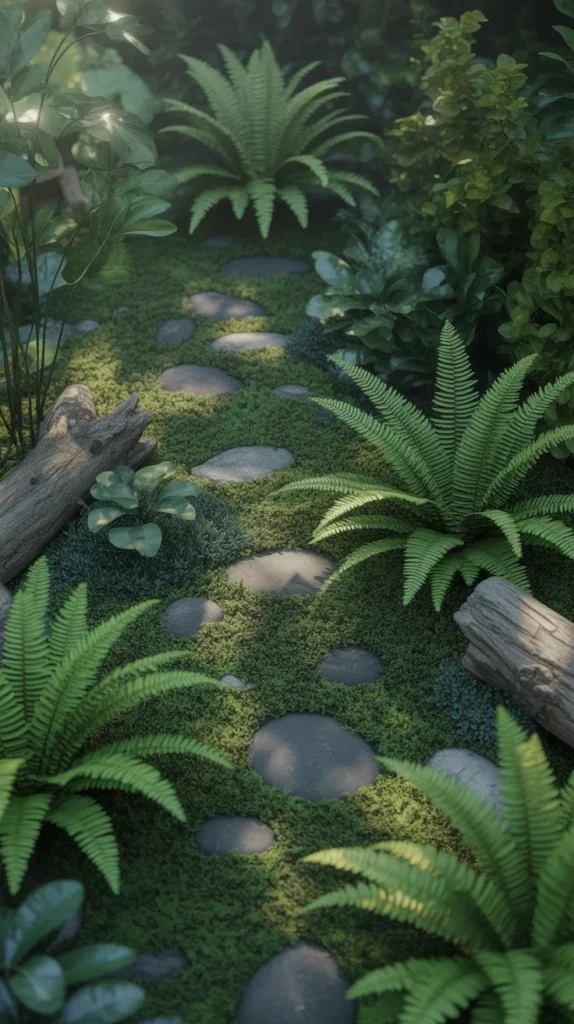
Create a deeply serene and texturally rich shade garden by covering the entire ground plane with a seamless tapestry of different fern varieties and spreading moss species that gradually merge and interweave into a living carpet of soft greens, blue-greens, and silver-greens that glows with an almost luminous quality in low light conditions. The combination of the feathery, architectural fronds of ferns with the velvety, cushioned texture of moss creates an extraordinarily beautiful ground level display that requires almost no maintenance once established and improves in richness and depth with every passing year. Intersperse the carpet with smooth river stones, weathered logs, and occasional upright fern specimens of different heights to create focal points and vertical accents that prevent the composition from feeling too flat or uniform. This style of shade garden is one of the most peaceful and contemplative spaces you can create outdoors.
Expert Tip: Avoid walking on moss sections once established as foot traffic compacts the delicate structure and creates bare patches that take a very long time to recover and fill back in naturally.
3. The White And Silver Moonlight Garden
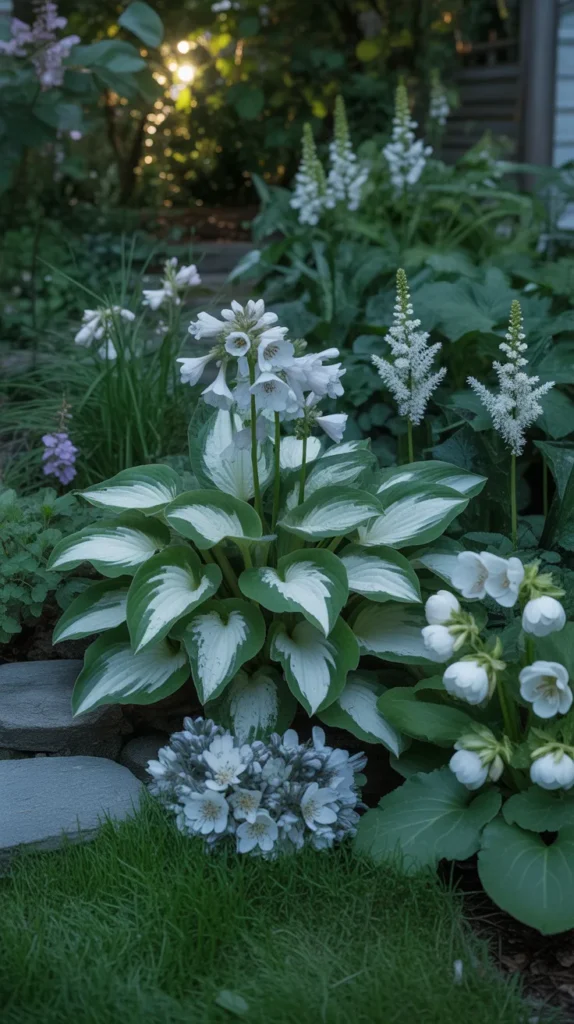
Design a shade garden entirely around plants with white flowers and silver or pale foliage that reflect and amplify every available fragment of light in the darkest corners of the garden, creating a display that glows with an ethereal, luminous quality that looks particularly magical in the early evening when natural light begins to fade. White-flowered hostas, silver-leaved pulmonarias, white astilbes, pale hellebores, and white bleeding hearts all thrive in shade and together create a composition of extraordinary elegance and refinement that feels completely different from anything a sun-drenched border can achieve. The silver and white palette also makes dark spaces feel significantly larger, brighter, and more open than they actually are, turning what might otherwise feel like a gloomy corner into the most beautiful and atmospheric part of the entire garden. Add simple white garden furniture and the space becomes a genuinely magical evening retreat.
Expert Tip: Include at least two or three plants with genuinely silver rather than simply pale green foliage as true silver leaves reflect light dramatically more effectively than light green ones.
4. The Japanese Inspired Shade Garden
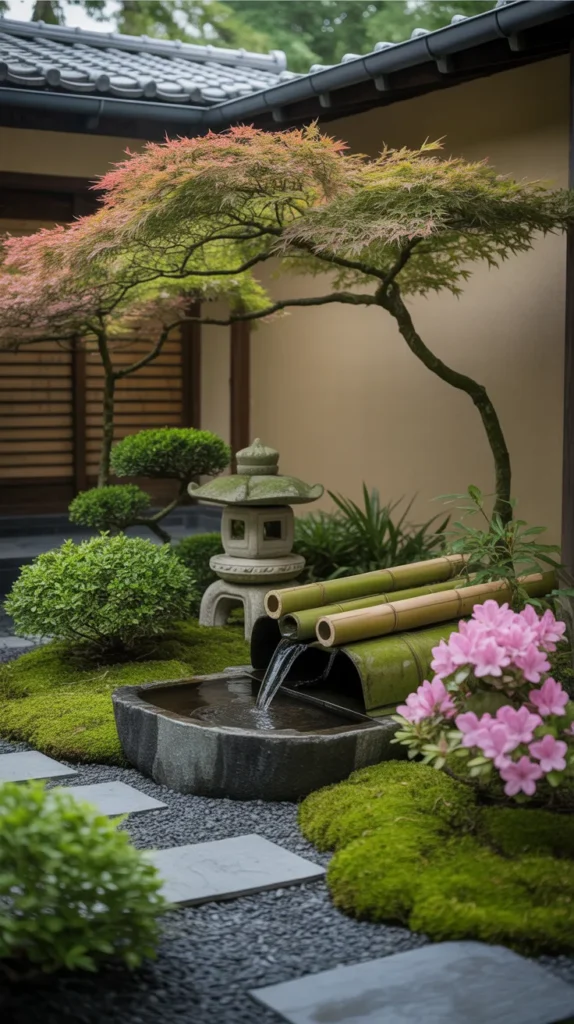
Compose a calm, deeply considered shade garden using the core principles of Japanese garden design — asymmetric balance, carefully chosen focal stones, raked gravel or moss ground cover, clipped evergreen shrubs in organic rounded forms, and a restrained plant palette that prioritizes texture, form, and foliage over flower color. Japanese maples provide stunning seasonal interest with their delicate, deeply cut leaves that shift from fresh spring green through rich summer color to blazing autumn tones, while low-growing azaleas, bamboo, and carefully pruned pine trees contribute permanent structure and year-round green presence. A simple stone lantern, a bamboo water feature, or a carefully placed stepping stone pathway completes the composition and adds those quiet focal points that give Japanese gardens their characteristic sense of stillness and intentionality. This is a garden style that rewards slow, attentive observation more than any other.
Expert Tip: Resist the temptation to add too many different plant species as the power of Japanese garden design comes entirely from restraint, repetition, and the careful arrangement of very few well-chosen elements.
5. The Tropical Shade Garden
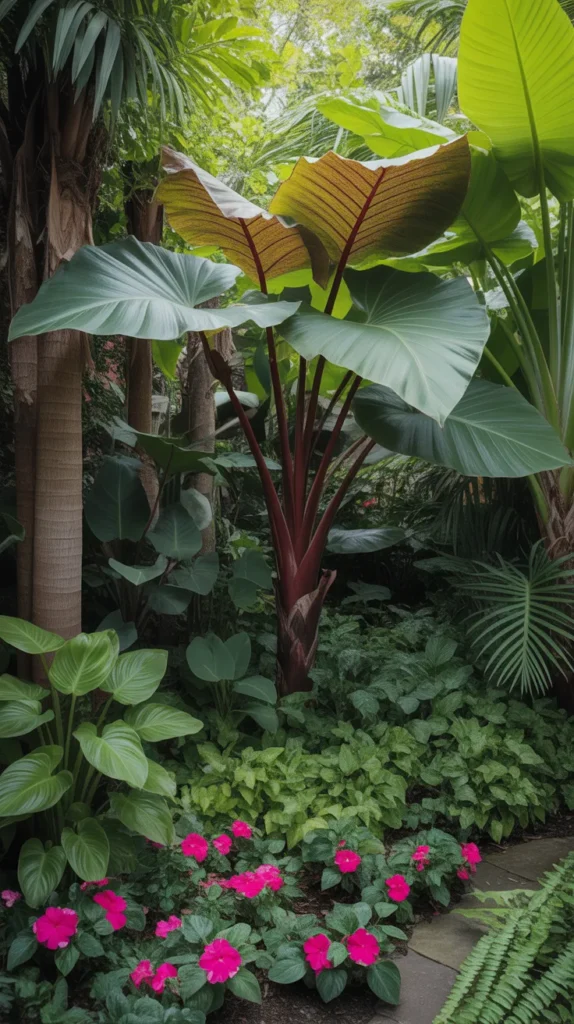
Transform a sheltered, shaded corner into a lush, immersive tropical paradise by filling it with plants that have the largest, boldest, most dramatically architectural foliage available — elephant ears, gunnera, tree ferns, cannas, bananas, and giant hostas that create an atmosphere of dense, humid jungle abundance that feels completely transported from the surrounding garden. The key to the tropical shade garden is scale — everything should be as large as possible, with leaves big enough to create genuine overhead canopy and stems tall enough to form a genuine mid-story layer beneath the shade trees above. Underplant the large statement specimens with lower-growing tropical-looking plants like ferns, impatiens, and caladiums for ground-level richness, and add occasional flowering plants in hot pinks, vivid oranges, and deep purples for intense color punctuation throughout the lush green composition.
Expert Tip: In cooler climates, grow the most tender tropical specimens like cannas and elephant ears in large pots that can be moved indoors or into a frost-free greenhouse before the first autumn frosts arrive.
6. The Winding Shade Path Garden
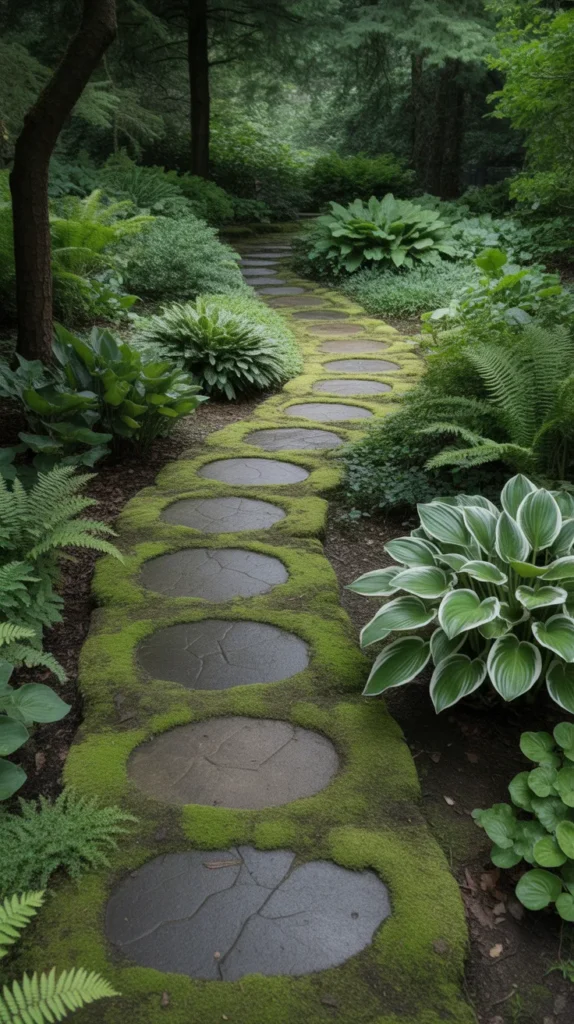
Design the layout of the shade garden entirely around a gently winding pathway that draws visitors deeper into the space, past carefully composed planting vignettes on both sides, through moments of enclosure and opening, and toward a destination — a bench, a focal plant, a sculpture, or a clearing — that rewards the journey with something genuinely beautiful to discover at the end. The path itself can be made from stepping stones set into moss, bark chip, gravel, or smooth cobbles, and the planting on either side should vary in height, texture, and seasonal interest so that every section of the walk offers something different to observe and appreciate. This layout style is particularly effective in long, narrow shade gardens where a straight path would feel uninteresting, as the curves create a sense of much greater depth and complexity than the actual garden size would suggest.
Expert Tip: Keep the path width at a minimum of sixty centimeters so two people can walk side by side comfortably, and avoid very tight curves that require visitors to turn sharply and lose the sense of gentle flow.
7. The Hydrangea Shade Sanctuary
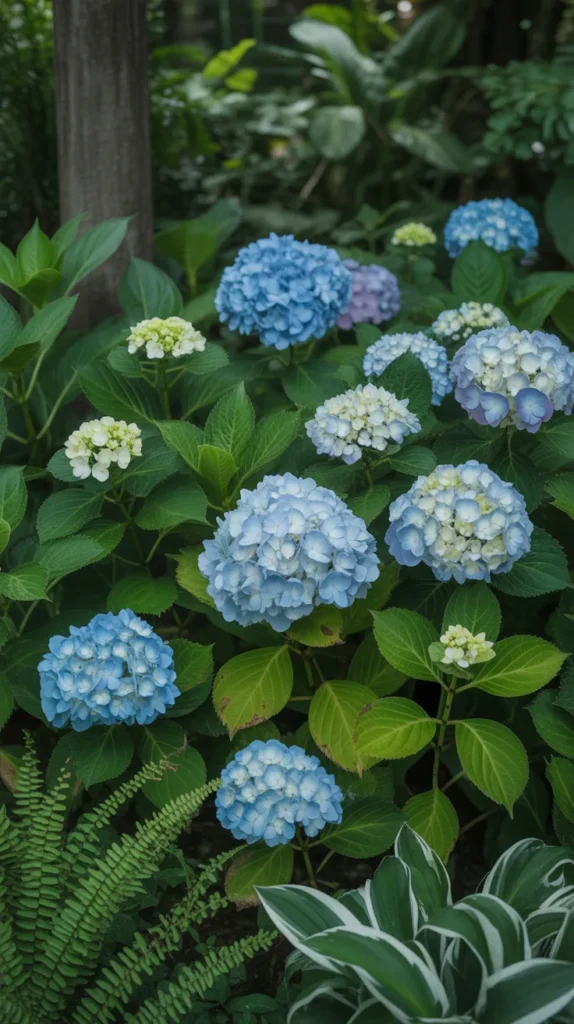
Base the entire planting scheme of a shaded garden area around the extraordinary variety, versatility, and seasonal drama of hydrangeas, using different species and varieties to provide a succession of flowering interest that begins in early summer and continues well into autumn while also providing beautiful dried flower heads that persist through winter as sculptural garden interest. Mophead hydrangeas in deep blues, soft pinks, and pure whites provide the main summer spectacle, while lacecap varieties add a more delicate and refined alternative, and the climbing hydrangea scrambles over walls and fences to bring the display up into the vertical plane. Fill in around the hydrangeas with shade-tolerant companion plants like ferns, astilbes, and hostas that complement the large flowering shrubs without competing with them visually, and the result is a shade garden of genuine luxury and abundance.
Expert Tip: Apply a generous mulch of well-rotted leaf mold around the base of all hydrangeas every autumn as they are particularly hungry feeders that reward generous soil enrichment with noticeably larger and more abundant flower heads.
8. The Rock And Shade Garden
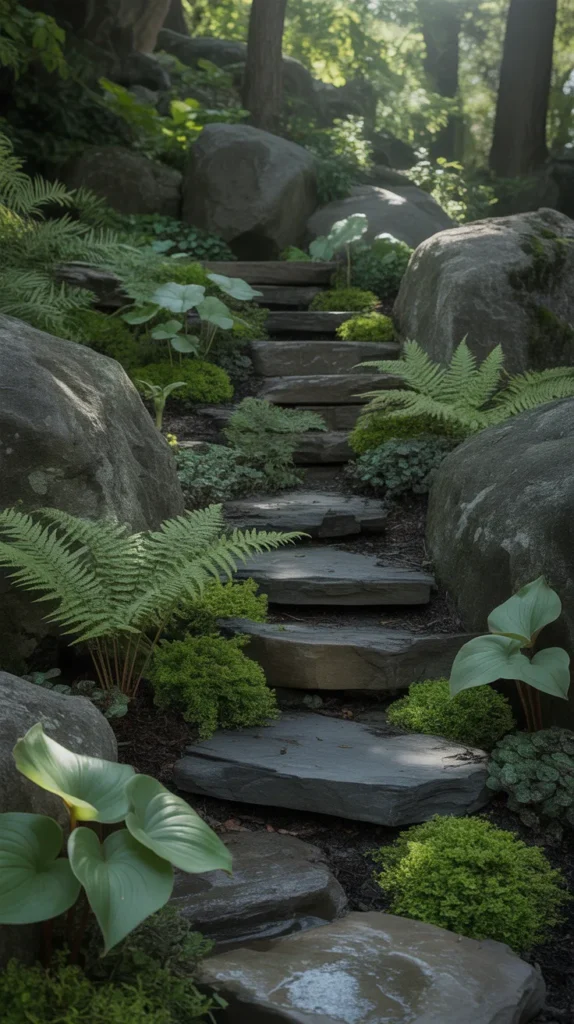
Combine the cool, moist conditions of a shaded garden with the excellent drainage and visual interest of carefully placed rocks and boulders to create a planting environment that supports a wide variety of moisture-loving shade plants while also providing the textural contrast and structural drama that only natural stone can bring to a garden composition. Large boulders anchored firmly into the ground create focal points and vertical interest, while smaller rocks and pebbles between plants add texture at ground level and help retain moisture in the soil around plant roots during dry periods. Shade-tolerant ferns, mosses, and woodland perennials like trilliums, wood anemones, and epimediums tuck naturally into the gaps between rocks and create a composition that looks as though it has always existed rather than being deliberately planted and arranged relatively recently.
Expert Tip: Bury at least one third of each boulder below ground level when placing it in the garden as rocks sitting entirely on the surface always look artificially placed rather than naturally occurring.
9. The Hellebore Heaven Garden
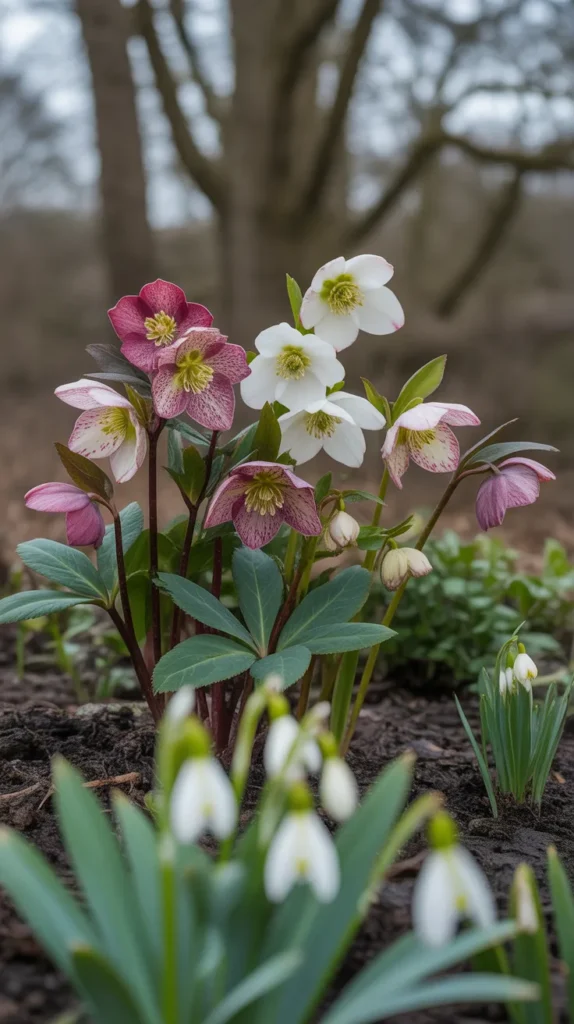
Design a shade garden around the extraordinary seasonal value of hellebores, which provide the most beautiful and welcome flowering display of any shade plant during the coldest and darkest months of the year from midwinter through to early spring when almost nothing else in the garden is in bloom. Plant generous drifts of different hellebore varieties — the deep burgundy and near-black doubles, the soft pink and cream singles, the spotted and picotee forms, the pure whites with golden stamens — beneath deciduous trees where they receive maximum winter light before the tree canopy closes over in late spring. Underplant the hellebore drifts with early spring bulbs like snowdrops, crocus, and winter aconites that emerge simultaneously and create a layered winter tapestry of extraordinary beauty during the months when most gardens look their bleakest and most empty.
Expert Tip: Remove all old hellebore leaves in early winter before the new flower stems emerge as this not only tidies the plants but also helps prevent the spread of hellebore leaf spot disease between plants.
Image Prompt: Hellebore shade garden with deep burgundy, soft pink, white and spotted varieties, snowdrops, winter aconites beneath bare deciduous trees, winter woodland beauty, ultra realistic photography
10. The Formal Symmetrical Shade Garden
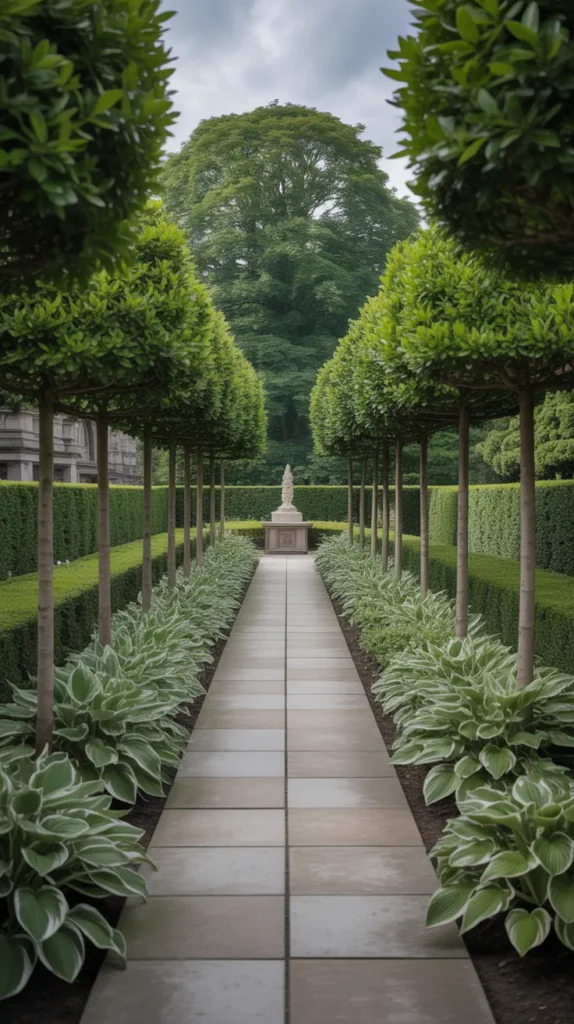
Apply the principles of formal garden design — perfect symmetry, geometric shapes, repeated plant groupings, and a strong central axis — to a shaded garden space to create a layout that feels disciplined, elegant, and architecturally impressive even in the absence of the bright flowers that typically define formal garden borders. Clipped box balls and pyramids, symmetrical pairings of standard bay trees, identical rows of hostas with matching varieties on both sides of a central path, and formal rectangular or circular pools with still, reflective water surfaces all work beautifully in shade and together create a garden space of genuine grandeur and classical refinement. The formality of the layout brings an inherent sense of order and intention to the shade garden that makes it feel designed rather than simply allowed to grow, and the repetition of plant shapes and groupings creates a visual rhythm that is deeply satisfying to experience.
Expert Tip: Use only a very small number of different plant species in a formal shade garden as the power of the formal style comes entirely from repetition, restraint, and the precision of the geometric layout rather than plant variety.
11. The Bog And Shade Garden
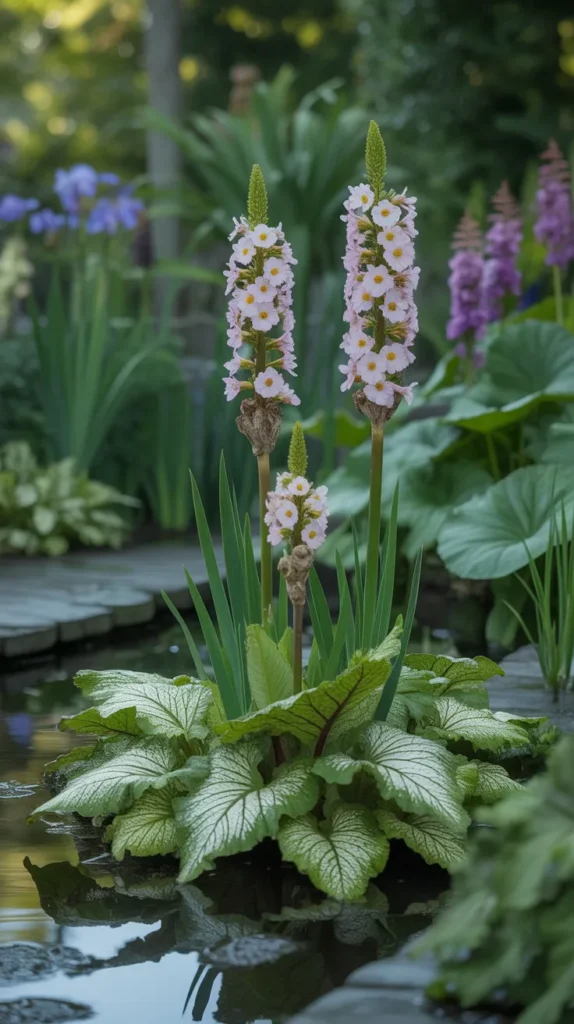
Create a genuinely unique and fascinating garden feature by designing a low-lying shaded area as a permanent bog garden where the soil remains consistently moist or even wet throughout the year, supporting an extraordinary collection of moisture-loving shade plants that cannot be grown successfully in any other garden conditions. Candelabra primulas in brilliant oranges, reds, and yellows light up the bog garden in late spring with a display that rivals anything in the sunny border, while giant gunnera leaves provide prehistoric scale and drama throughout the summer months, and irises, ligularias, rodgersias, and astilbes contribute successive waves of flower and foliage interest through the remainder of the growing season. The combination of permanent moisture, shade, and rich organic soil creates growing conditions of extraordinary fertility that produce plants of a size and vigor rarely seen in drier garden situations.
Expert Tip: Line a naturally low-lying area with a butyl rubber pond liner punctured with small drainage holes at intervals to create the consistently moist but never fully waterlogged soil conditions that bog garden plants need to thrive.
12. The Secret Garden Room
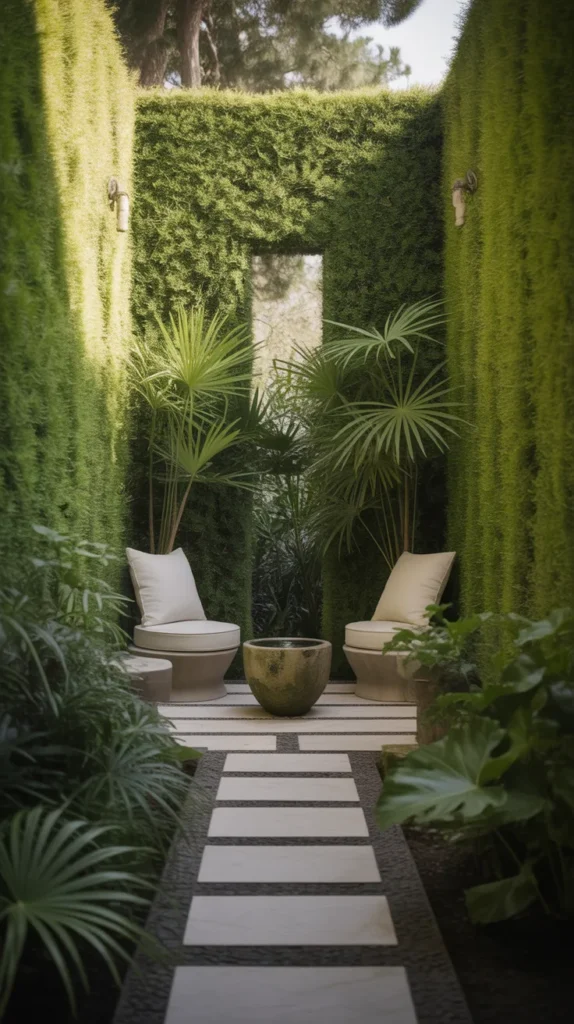
Design a completely enclosed shade garden room by using tall hedging, dense shrub planting, or woven willow screens on all four sides to create a private, sheltered, and deeply atmospheric garden space that cannot be seen from outside and must be deliberately sought out and entered through a narrow gap or simple gate. The sense of enclosure and privacy that a properly designed garden room creates is one of the most powerful psychological experiences that garden design can deliver, and in a shaded setting the effect is intensified by the coolness, quietness, and soft quality of filtered light that makes the enclosed space feel genuinely separated from the world outside. Fill the interior with fragrant shade plants, a simple seating area, and perhaps a small water feature whose gentle sound enhances the sense of seclusion, and the secret garden room becomes the most treasured and visited space in the entire property.
Expert Tip: Make the entrance to the secret garden room deliberately narrow and slightly awkward to pass through as the moment of squeezing through a tight gap dramatically heightens the sense of discovery and arrival inside.
13. The Autumn Color Shade Garden
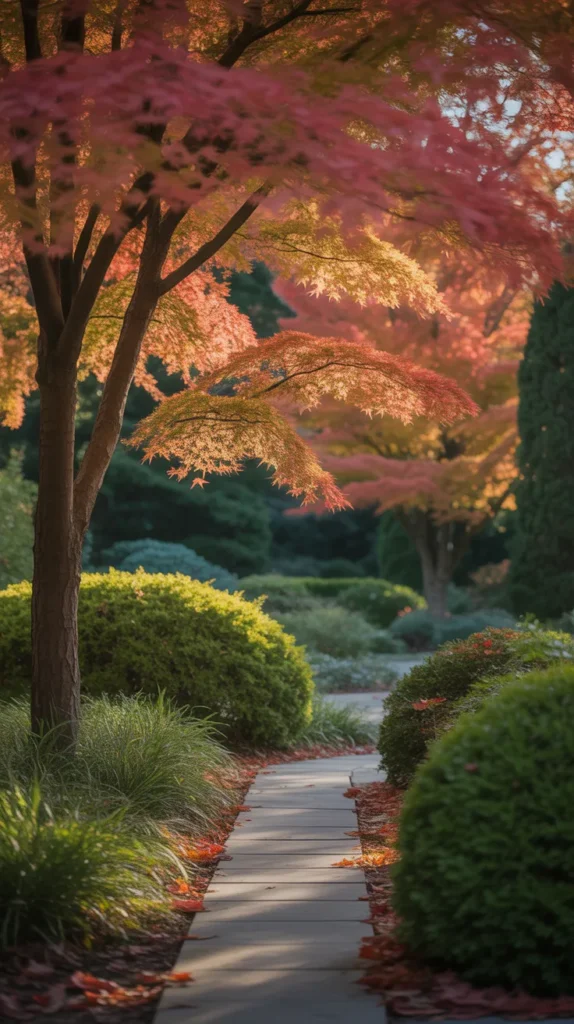
Design the shade garden specifically to deliver its most spectacular performance during autumn rather than summer, by selecting trees, shrubs, and perennials primarily for the brilliance of their autumn foliage color rather than their summer flower display, creating a garden that saves its most breathtaking moment for the season when most other gardens are beginning to look tired and spent. Japanese maples provide the most extraordinary range of autumn colors from vivid scarlet and deep crimson through burnt orange and golden yellow, while cercidiphyllum fills the air with the remarkable scent of burnt toffee as its leaves fall, and fothergilla, amelanchier, and enkianthus contribute additional layers of autumn flame to the overall composition. Position the garden where the low autumn sun can backlight the colored leaves and the effect becomes genuinely transcendent — a display of natural beauty so intense it is difficult to believe it is happening in an ordinary domestic garden.
Expert Tip: Plant autumn color specimens where they will be backlit by the low autumn sun in the late afternoon as backlighting transforms colored leaves from simply beautiful to genuinely breathtaking in a way that front-lit specimens never achieve.
14. The Fragrant Shade Garden
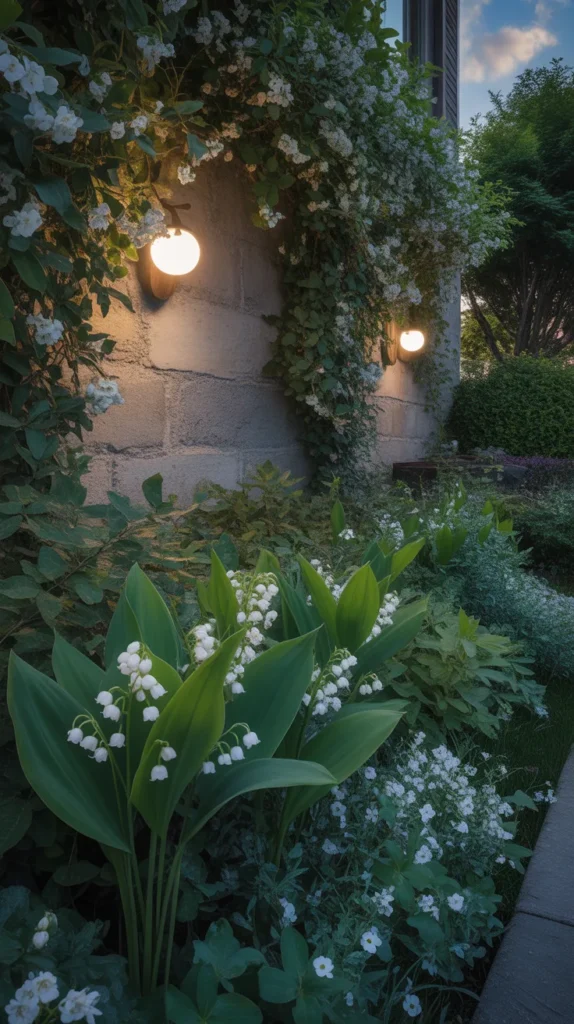
Counter the common assumption that fragrant plants need full sun by designing an entire shade garden around the surprisingly large number of genuinely powerfully scented plants that not only tolerate but actively prefer low light growing conditions, creating an outdoor space where fragrance is as important and deliberate a design element as color or form. Lily of the valley fills shaded corners with its delicate, penetrating sweetness in late spring, while sweet woodruff, night-scented stocks, and tobacco plants release their fragrance most intensely in the evening when the shade garden is at its most atmospheric and inviting. Philadelphus shrubs provide one of the most intensely fragrant summer flower displays of any garden shrub in a dappled shade position, and shade-tolerant climbing jasmine scrambles over walls and fences to fill the entire garden room with its intoxicating warm sweetness throughout the summer months.
Expert Tip: Position fragrant shade plants close to seating areas and garden entrances rather than at the back of borders where their scent will drift away from the spaces where people actually spend their time.
15. The Ground Cover Tapestry Garden
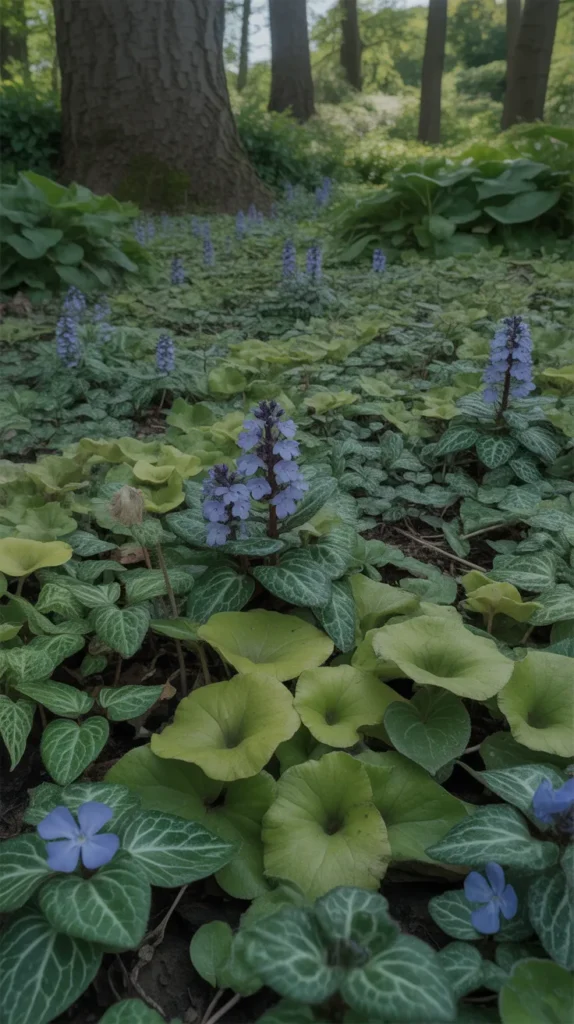
Replace all bare soil and traditional mulching in the shade garden with a richly woven tapestry of low-growing ground cover plants in different colors, textures, and leaf shapes that spread and intermingle to create a seamless, maintenance-reducing living carpet beneath the taller plants above. Epimediums with their heart-shaped leaves and delicate spring flowers, ajuga with its dark burgundy foliage and blue flower spikes, sweet woodruff with its whorled leaves and white flowers, and the various creeping forms of bugle, periwinkle, and wild ginger all work together to create a ground plane of extraordinary complexity and beauty. The tapestry approach eliminates weeding almost entirely once established because the dense covering of ground cover plants leaves no bare soil for weed seeds to germinate in, making it one of the most practical as well as most beautiful solutions for managing the ground level of a shaded garden.
Expert Tip: Plant ground cover species in generous irregular drifts rather than in rows or straight-edged blocks as naturalistic drifts blend together beautifully while geometric plantings always look artificial and stiff in a woodland setting.
16. The Water Reflection Shade Garden
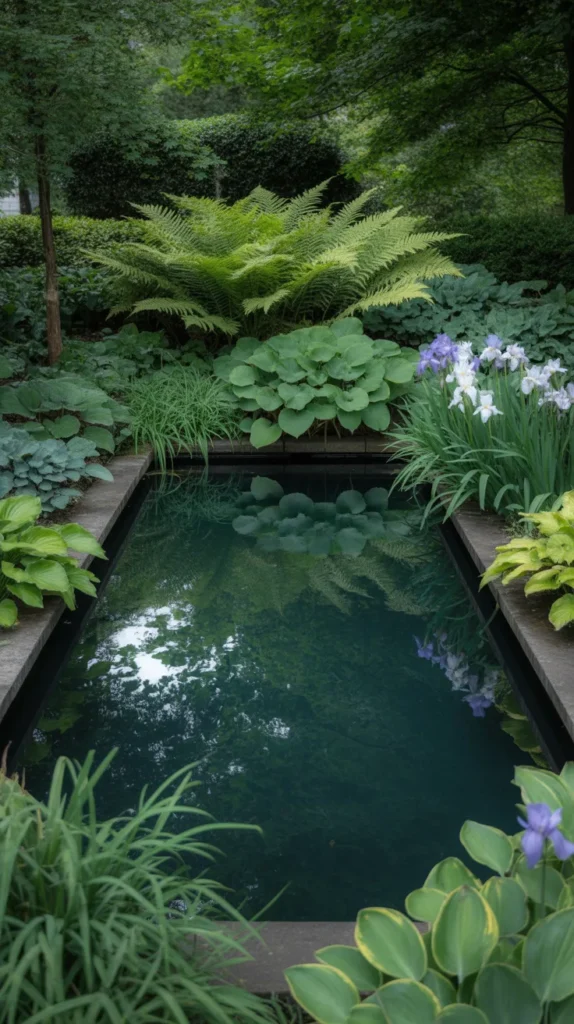
Install a still, dark-bottomed pool or series of linked pools as the central organizing feature of the shade garden, positioning it where the surrounding trees and plants are reflected in the water surface to create a doubling of the garden’s visual depth, lushness, and complexity that makes the space feel significantly larger, richer, and more dramatic than its actual dimensions would suggest. The dark liner of a shade garden pool reflects the surrounding greenery with an intensity and clarity that light-bottomed pools in sunny positions cannot match, creating mirror-like reflections of extraordinary beauty especially on calm mornings and still evenings when the water surface is undisturbed. Plant moisture-loving ferns, hostas, irises, and primulas directly at the water’s edge so their foliage overhangs the pool slightly and the reflection blurs the boundary between plant and water in the most beautiful and painterly way.
Expert Tip: Use a black or very dark grey pool liner rather than a blue or beige one as dark liners create dramatically more reflective surfaces and make the water appear deeper, clearer, and more naturally beautiful.
17. The Wildflower Shade Meadow
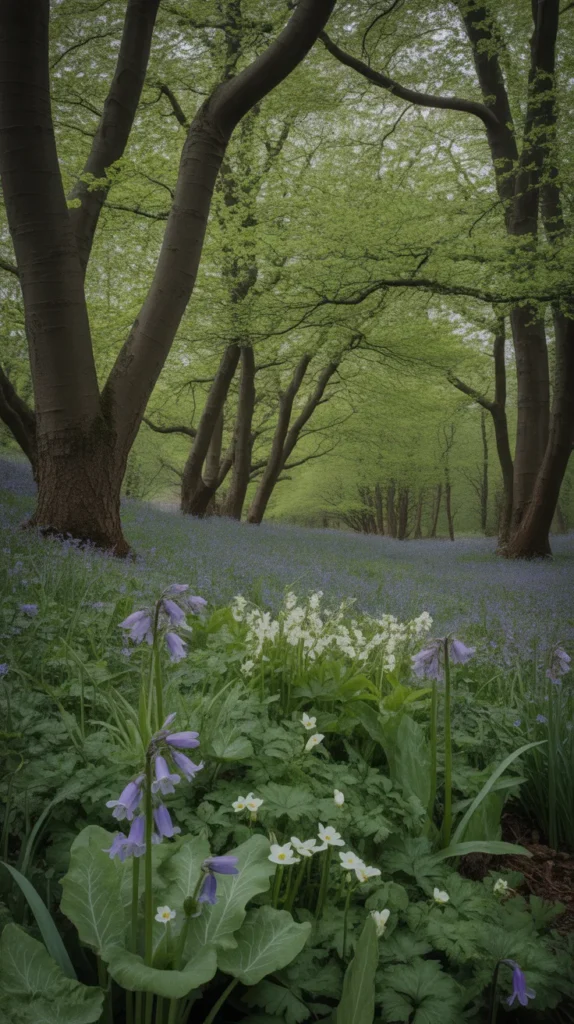
Challenge the conventional idea that meadow gardens require full sun by creating a shaded wildflower meadow beneath established trees using woodland wildflower species that have evolved specifically to thrive and spread in low light conditions, creating a naturalistic planting of extraordinary beauty that supports enormous biodiversity while requiring the absolute minimum of gardening intervention once established. Wood anemones, bluebells, wild garlic, primroses, foxgloves, herb robert, and red campion all naturalize freely in shaded conditions and together create a succession of seasonal wildflower display that begins with snowdrops in late winter and continues through to tall foxglove spires in early summer. Allow the fallen leaves of the trees above to remain on the ground as a natural mulch throughout winter as they replicate the woodland floor conditions these plants evolved in and provide essential habitat for the insects and invertebrates that give the wild garden its ecological value.
Expert Tip: Never buy wildflower plug plants collected from the wild as this damages natural populations — always purchase seed-grown plants or seed mixes from reputable specialist wildflower nurseries.
Image Prompt: Shaded woodland wildflower meadow with bluebells, wood anemones, primroses, foxgloves, wild garlic beneath established trees, natural woodland floor, dappled spring light, ultra realistic photography
18. The Sculpture And Shade Garden
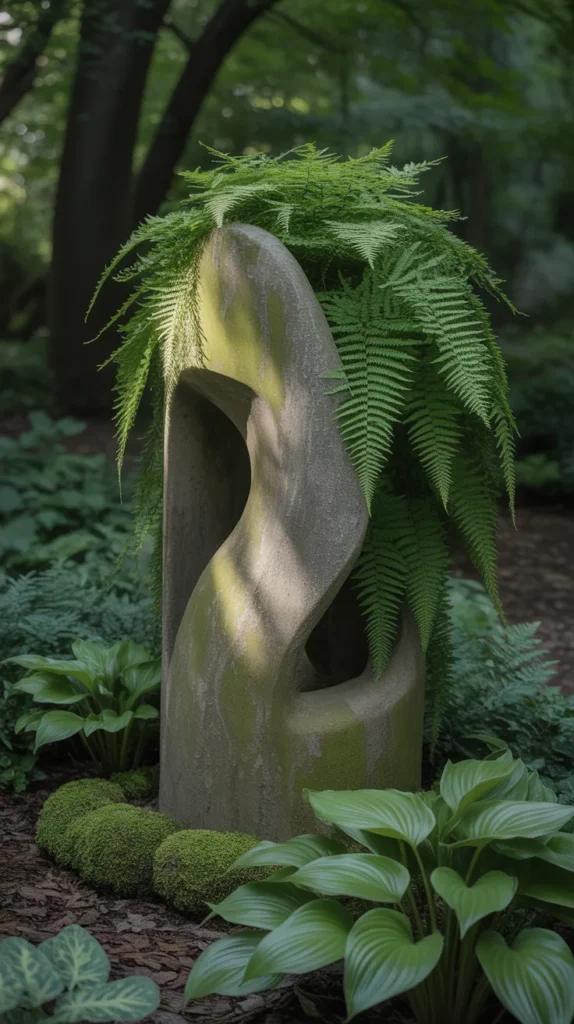
Use the cool, considered atmosphere of a shade garden as the perfect gallery setting for garden sculpture, positioning pieces where they are partially revealed through layers of foliage, framed by overhanging branches, or reflected in still water to create moments of discovery and contemplation that integrate art and planting into a genuinely unified and deeply atmospheric composition. The reduced light levels of a shade garden give sculpture a more mysterious and dramatic quality than the same pieces would have in full sun, with shadows playing across surfaces in constantly shifting patterns throughout the day as the light moves through the tree canopy above. Simple abstract forms in weathering steel, carved limestone, or cast concrete all work beautifully in shade gardens and develop a patina of moss and weathering over time that makes them look as though they have always inhabited the space rather than being placed there recently.
Expert Tip: Position sculptures where they can be seen from the main seating area of the garden as focal points that draw the eye through the planting and give the shade garden a strong sense of designed intention and compositional purpose.
19. The Edible Shade Garden
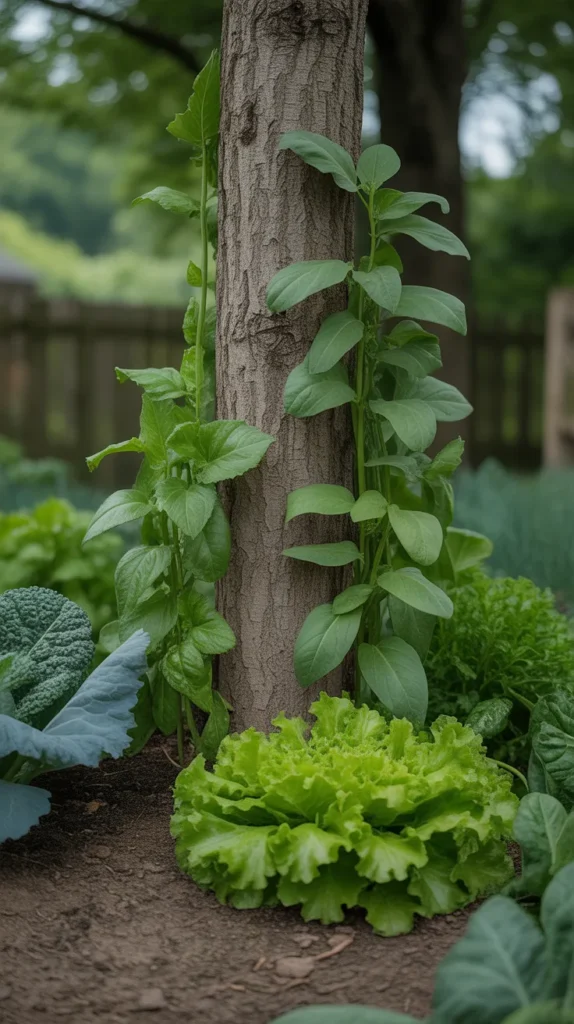
Prove that productive food growing is not limited to sunny kitchen gardens by designing an entire shaded area of the backyard as a genuinely productive edible garden filled with the surprisingly large number of food plants that not only tolerate shade but actually produce better quality crops in cool, sheltered, low light conditions than they ever would in direct summer sun. Salad leaves, spinach, kale, and sorrel all bolt to seed far more slowly in shade and produce tender, mild-flavored leaves of superior quality throughout the entire summer. Wild garlic, wood sorrel, and various herb species naturalize freely in shaded conditions and provide a permanent, self-replenishing supply of culinary ingredients that require no annual replanting. Climbing vegetables like runner beans can be trained up the trunks and lower branches of shade trees for a productive and visually dramatic effect that makes the entire edible shade garden look genuinely inventive and unlike any other kitchen garden design.
Expert Tip: Avoid trying to grow fruiting vegetables like tomatoes, courgettes, and peppers in shade as they absolutely require direct sun to produce a worthwhile crop and will only disappoint in low light conditions regardless of how well everything else is managed.
20. The Dry Shade Garden
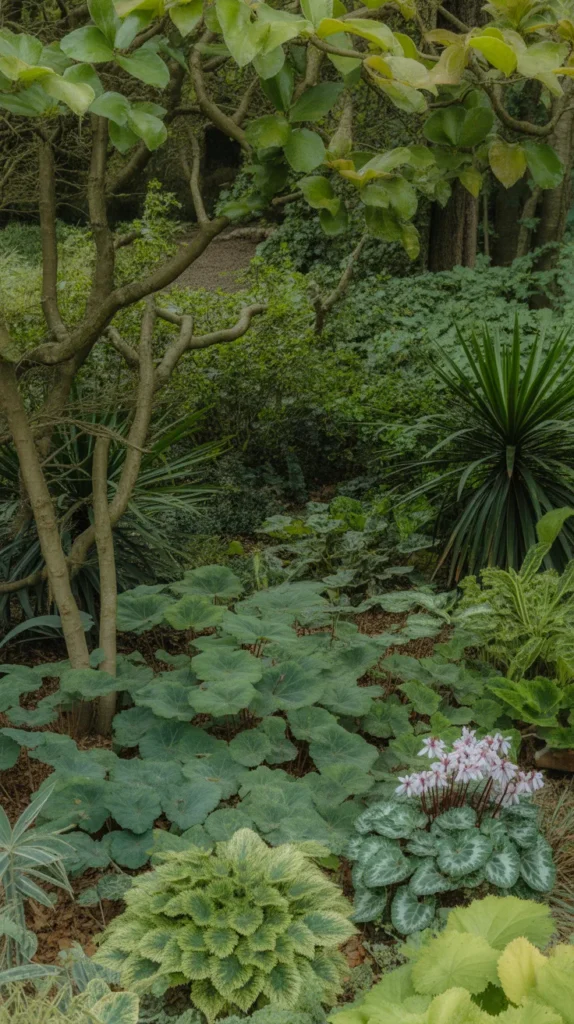
Tackle one of the most genuinely challenging gardening conditions — the dry, root-filled soil beneath established trees and large shrubs — by selecting a specialized palette of tough, resilient plants that have evolved to survive and thrive in exactly these difficult conditions, creating a beautiful and surprisingly lush-looking garden in a space that most gardeners simply give up on and leave bare. Epimediums are the outstanding performers in dry shade, spreading steadily to form dense weed-suppressing mats of heart-shaped foliage that remains attractive throughout the year and produces delicate flowers in spring. Cyclamen hederifolium naturalizes freely in dry shade beneath trees and covers the ground with beautiful silver-marbled leaves and pink or white flowers in autumn when almost nothing else is in bloom. Pachysandra, Geranium macrorrhizum, and the various shade-tolerant sedges and carexes complete a palette of plants specifically selected for their ability to genuinely thrive rather than merely survive in the driest and most difficult garden conditions.
Expert Tip: Improve dry shade soil before planting by incorporating generous quantities of leaf mold rather than garden compost as leaf mold improves moisture retention without adding the excessive nutrients that encourage lush, water-hungry growth.
21. The Four Season Shade Border
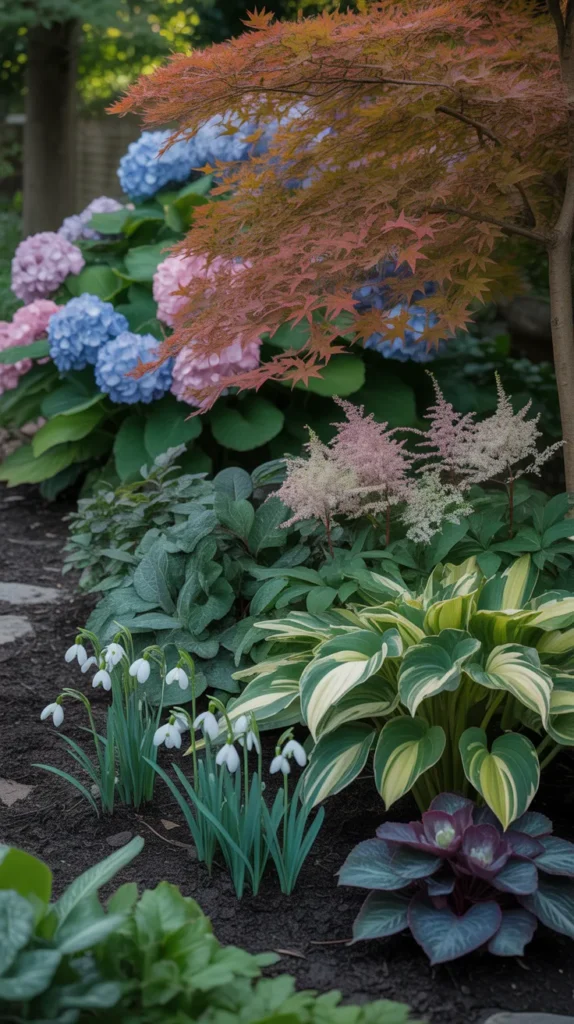
Design a single shade border specifically to provide genuine interest, beauty, and color across all four seasons of the year by layering plants with different peak seasons of performance so that as one group finishes its display the next group is already beginning to emerge and take over, creating a border that never looks empty, tired, or past its best regardless of the time of year. Winter is covered by hellebores, winter-flowering heathers, and the marbled foliage of cyclamen. Spring brings snowdrops, wood anemones, and the emerging unfurling fronds of ferns. Summer delivers the full performance of hostas, astilbes, and hydrangeas. Autumn closes the year with blazing foliage color, late astrantias, and the elegant dried flower heads of hydrangeas that persist beautifully through the first frosts. This approach requires careful initial planning but delivers a shade border of exceptional ongoing value and interest.
Expert Tip: Keep a simple planting diary noting when each plant in the four season border peaks so you can identify any seasonal gaps and fill them with additional species during future planting seasons.
22. The Illuminated Evening Shade Garden
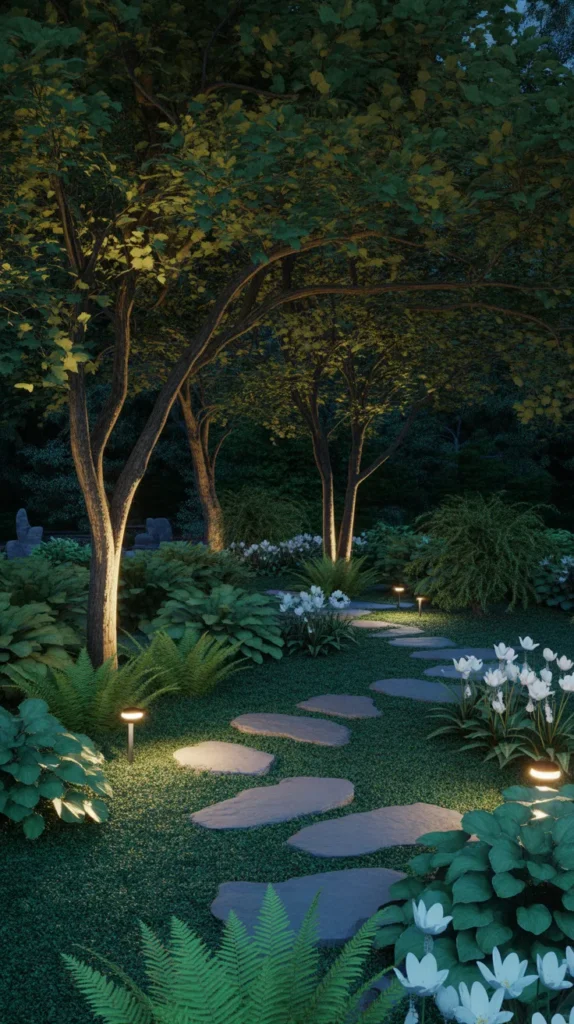
Design the shade garden specifically with evening enjoyment in mind by combining plants that look most beautiful in low light conditions with carefully positioned garden lighting that transforms the space after dark into something that looks genuinely more magical and atmospheric than it does during daylight hours. Uplighting placed beneath the canopy of a large tree to illuminate the branch structure from below creates a dramatic theatrical effect of extraordinary beauty, while soft path lighting set low among the ferns and hostas creates pools of warm golden light that define the pathway and reveal the plants on either side in the most flattering and dramatic way possible. White and pale-flowered plants glow with a luminous quality in artificial light that darker-flowered varieties simply cannot match, so prioritizing whites, creams, and pale yellows in the planting scheme ensures the illuminated evening garden looks as spectacular as possible.
Expert Tip: Use warm white LED lighting rather than cool white or blue-toned lights in the shade garden as warm tones complement the green foliage and dark soil tones of the shade garden in a way that cool light never achieves.