
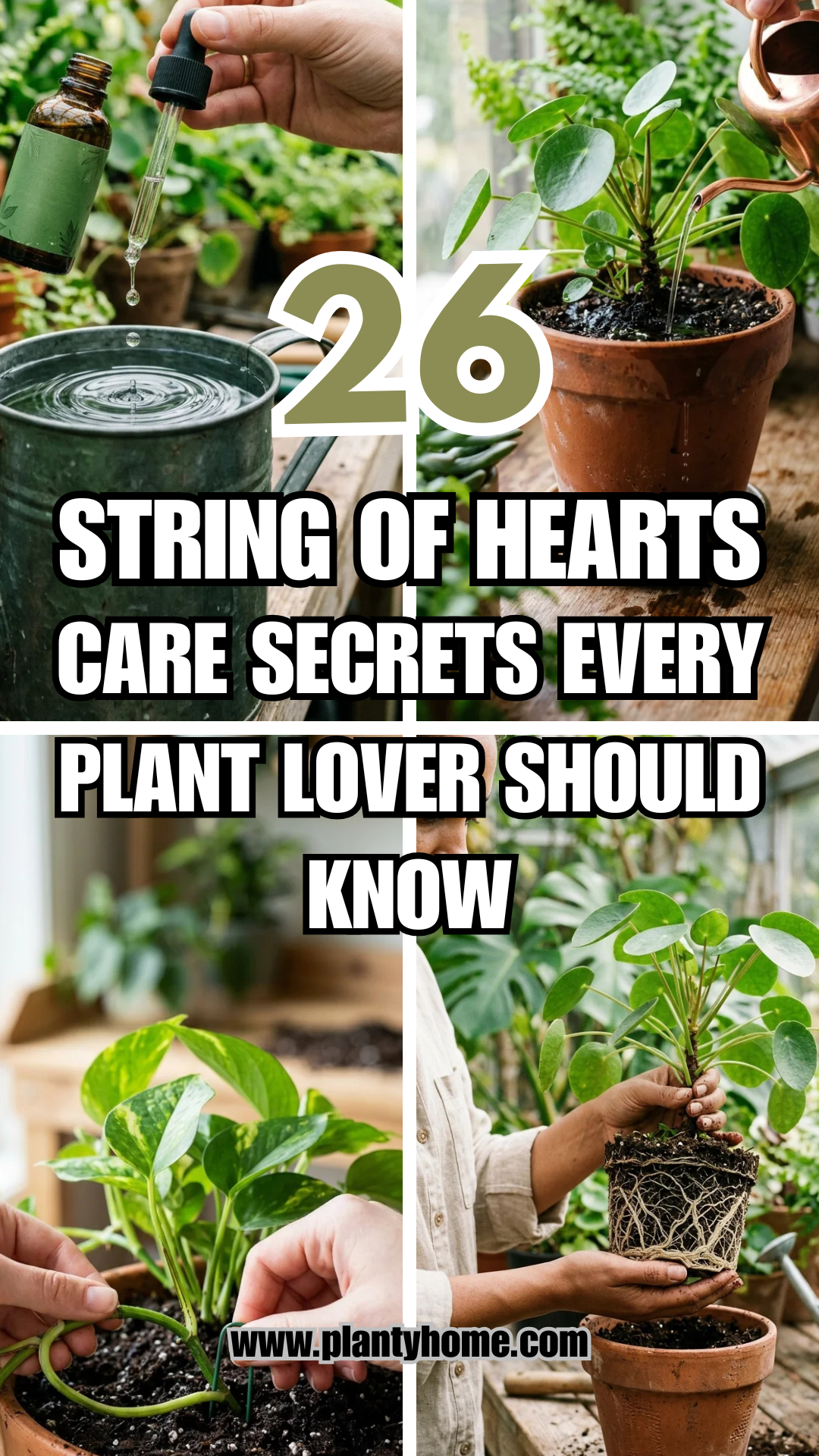
The String of Hearts (Ceropegia woodii) is the ultimate “it” plant for indoor gardeners. With its delicate, heart-shaped leaves, trailing vines that can reach several feet, and stunning marbled patterns, it’s easy to see why it’s a favorite. However, while it is technically a succulent, it doesn’t always play by the standard succulent rules. Whether you’re a new plant parent or a seasoned collector, these 26 secrets will help you master the art of caring for this South African gem.
1. Bright Light
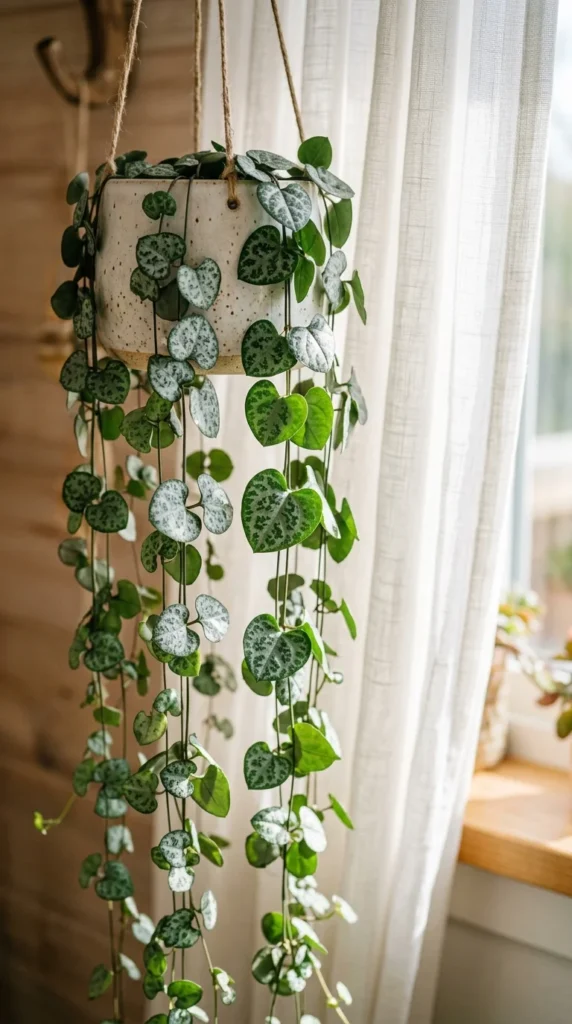
The String of Hearts craves light. To keep the internodes (the space between the leaves) short and the foliage dense, you must provide bright, indirect light. If the plant is kept in a spot that is too dark, the leaves will grow further apart, and the plant will lose its signature lush appearance. Aim for a south-facing or west-facing window, but use a sheer curtain to protect it from the harshest afternoon rays.
2. Morning Sun
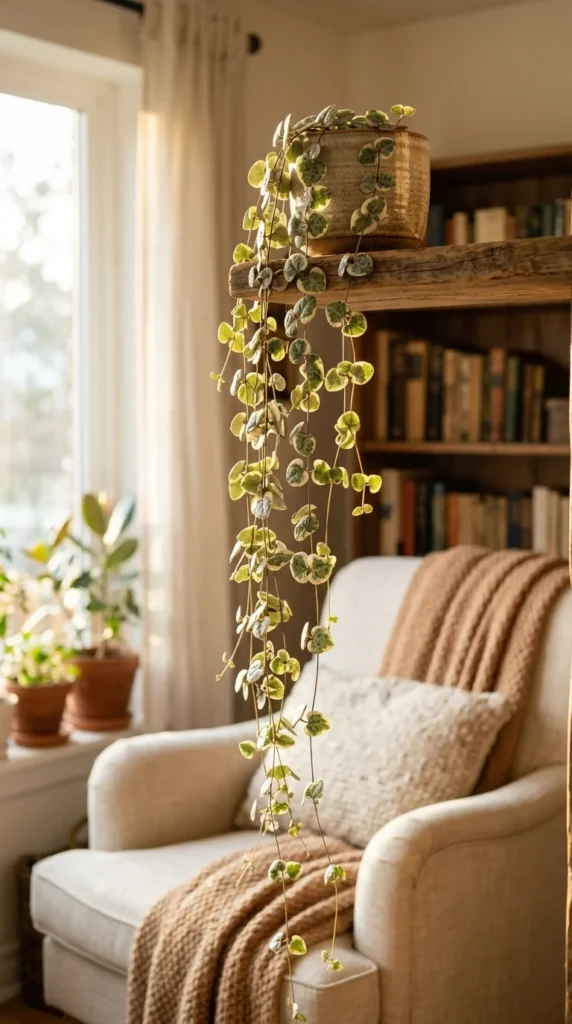
While direct afternoon sun can scorch the delicate leaves, an hour or two of gentle morning sun is actually beneficial. The morning light is less intense and provides the energy needed for the plant to produce its unique, lantern-shaped flowers. If you notice the silver marbling fading to a dull green, your plant likely needs a bit more sun exposure.
3. Porous Soil
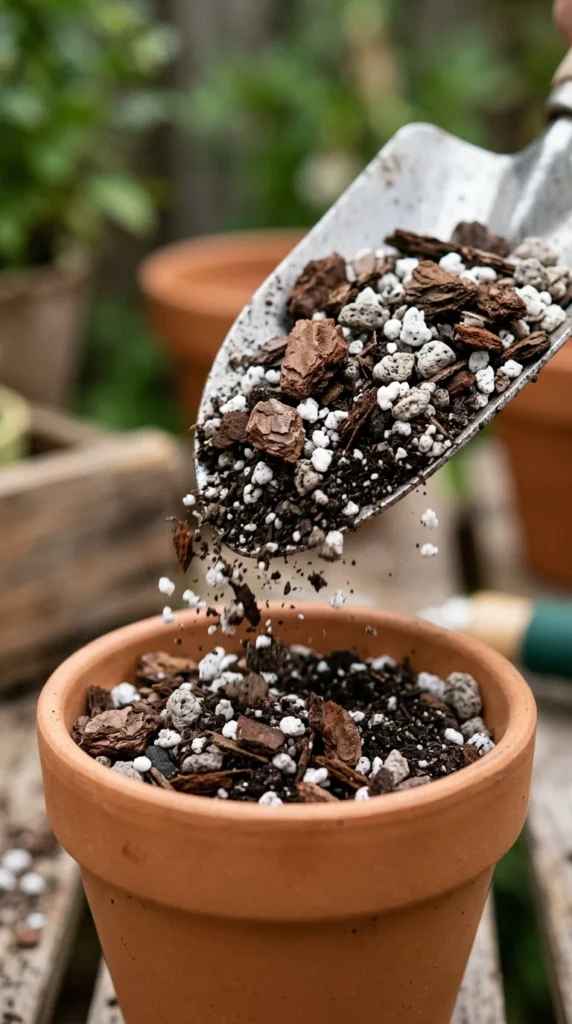
Because it is a semi-succulent, the String of Hearts hates “wet feet.” A standard potting soil will hold too much moisture. The secret is a fast-draining mix. Use a high-quality cactus or succulent soil and amend it with 30-50% perlite or pumice. This ensures that water moves through the pot quickly, allowing the roots to breathe and preventing the dreaded root rot.
4. Terracotta Pots
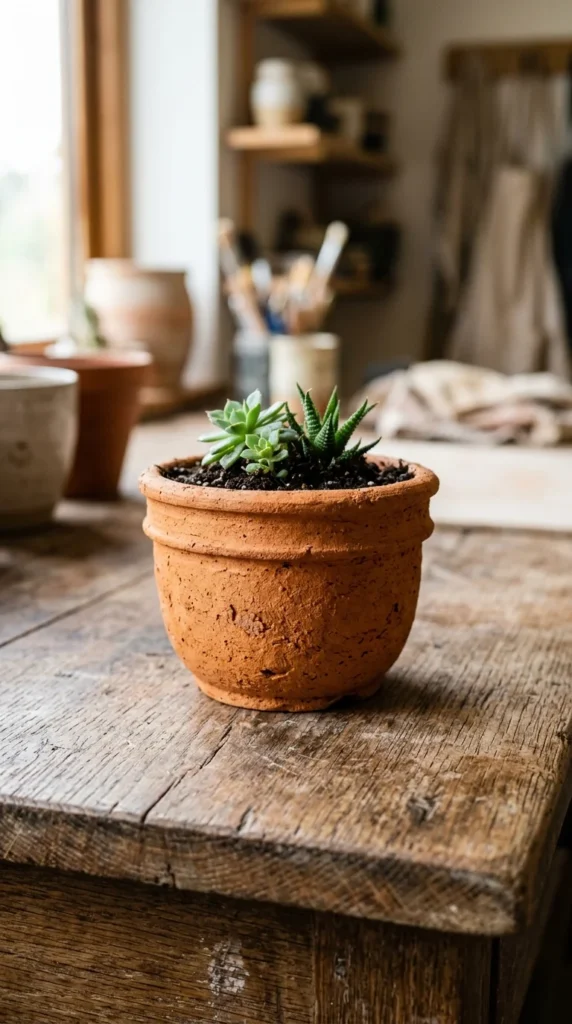
If you tend to be a “heavy-handed” waterer, terracotta is your best friend. The porous nature of the clay wicks excess moisture away from the soil, helping it dry out faster. This mimics the plant’s natural environment where it grows in rocky crevices. Just keep in mind that you may need to water slightly more frequently than if you were using plastic or ceramic.
5. Bottom Watering
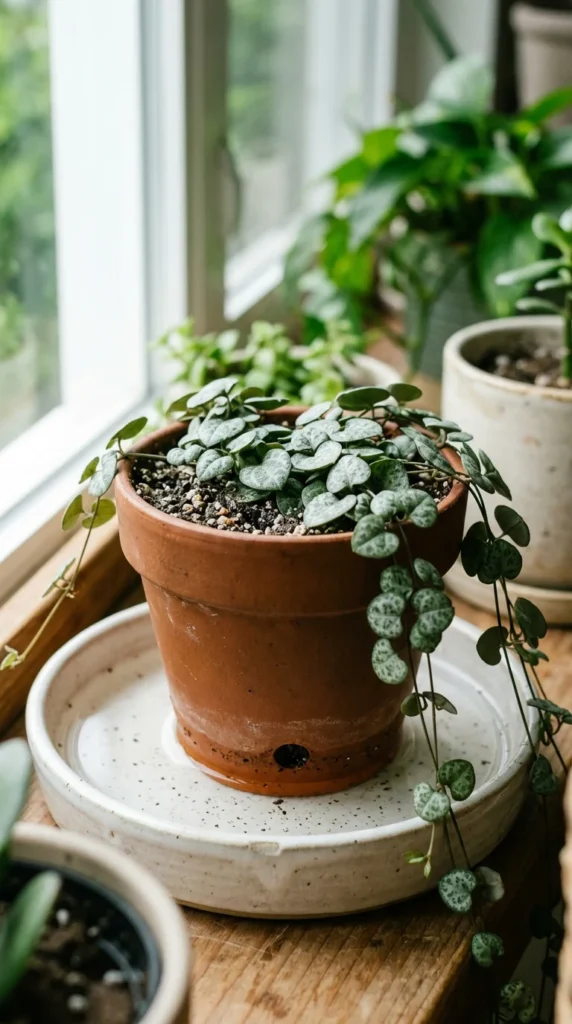
To avoid getting the crown of the plant too wet—which can lead to rot—try bottom watering. Place your pot in a bowl of water and let it soak up moisture through the drainage holes for about 15-20 minutes. Once the top of the soil feels slightly damp, remove it. This ensures the entire root ball is hydrated without saturating the base of the stems.
6. Dryness Check
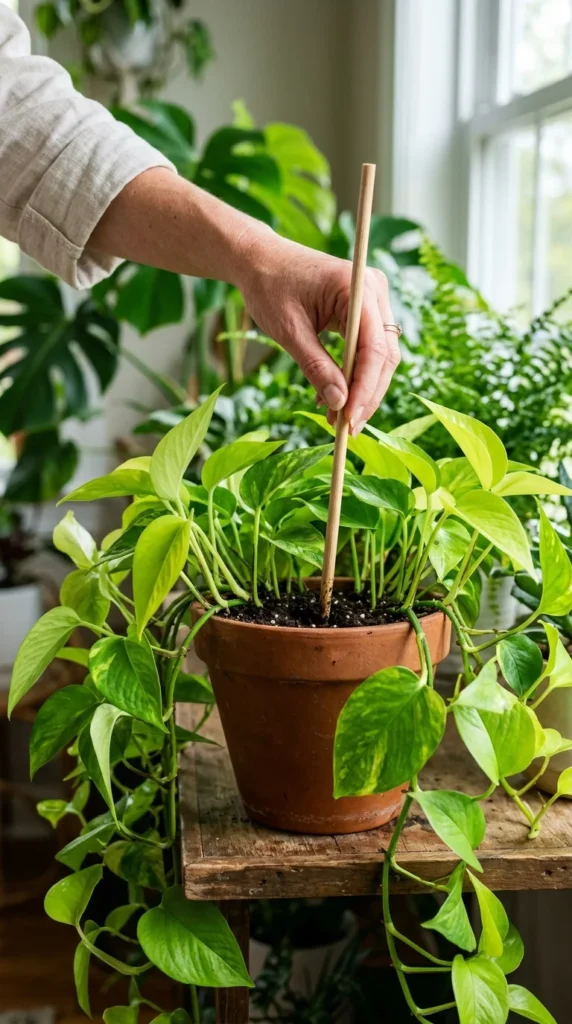
Never water on a strict schedule. Instead, listen to the plant. Stick your finger or a wooden chopstick into the soil. If the top 2-3 inches are bone dry, it’s time to water. During the winter months, you can allow the soil to dry out almost completely before giving it a drink.
7. Taco Test
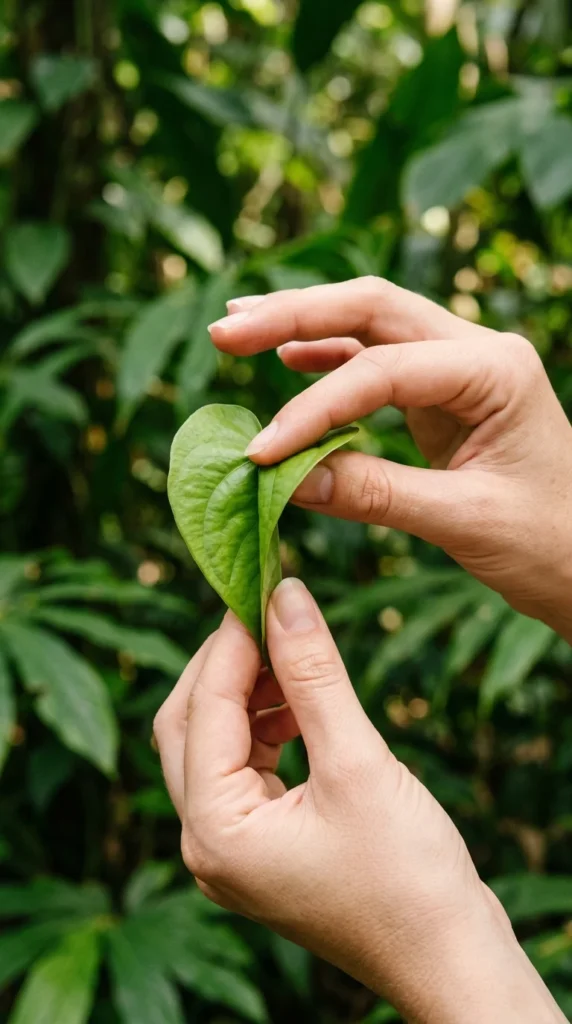
The “Taco Test” is a secret weapon for succulent lovers. Gently try to fold one of the older leaves (closer to the base) between your fingers. If the leaf is firm and rigid, the plant is well-hydrated. If it feels soft, wrinkled, or bends easily like a taco shell, the plant is thirsty. This is a much more reliable indicator than just looking at the soil surface.
8. Aerial Tubers
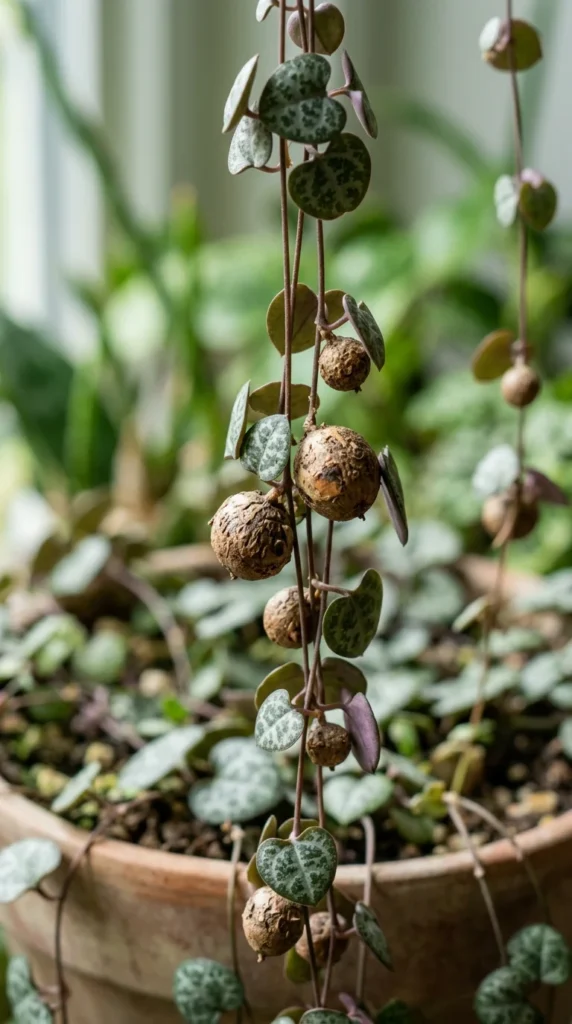
Don’t panic if you see small, tan, potato-like bumps growing along the vines! These are aerial tubers. In the wild, these tubers would grow into the soil to store water and nutrients. They are also a sign of a mature, healthy plant. You can leave them as they are, or use them to start new plants.
9. Butterfly Method
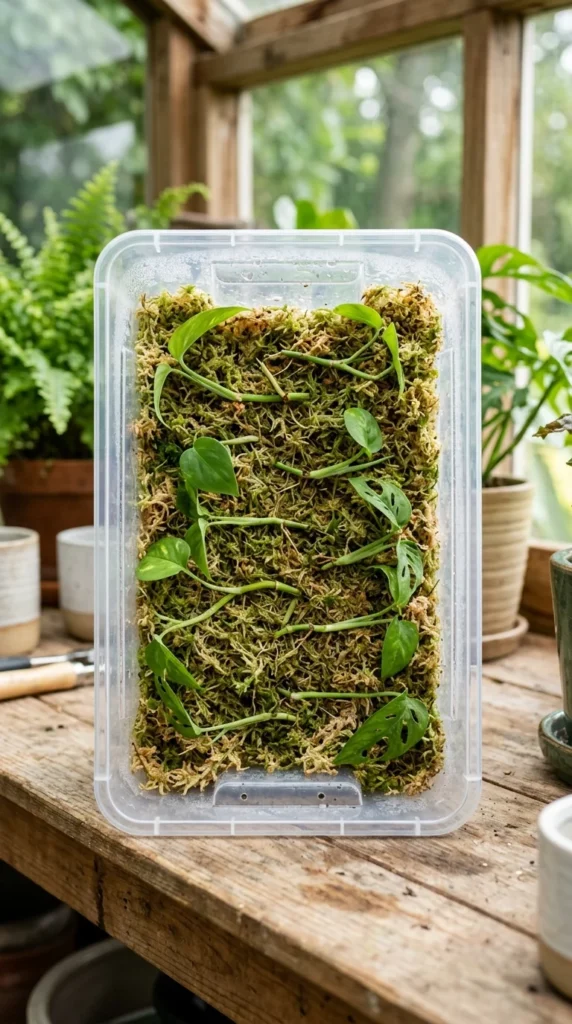
Propagating String of Hearts is incredibly rewarding. The “Butterfly Method” involves cutting the vine so you have a single pair of leaves with a small piece of stem and a node. Lay these “butterflies” on top of damp sphagnum moss in a sealed container. In a few weeks, roots will sprout from the nodes, and new vines will begin to grow.
10. Water Propagating
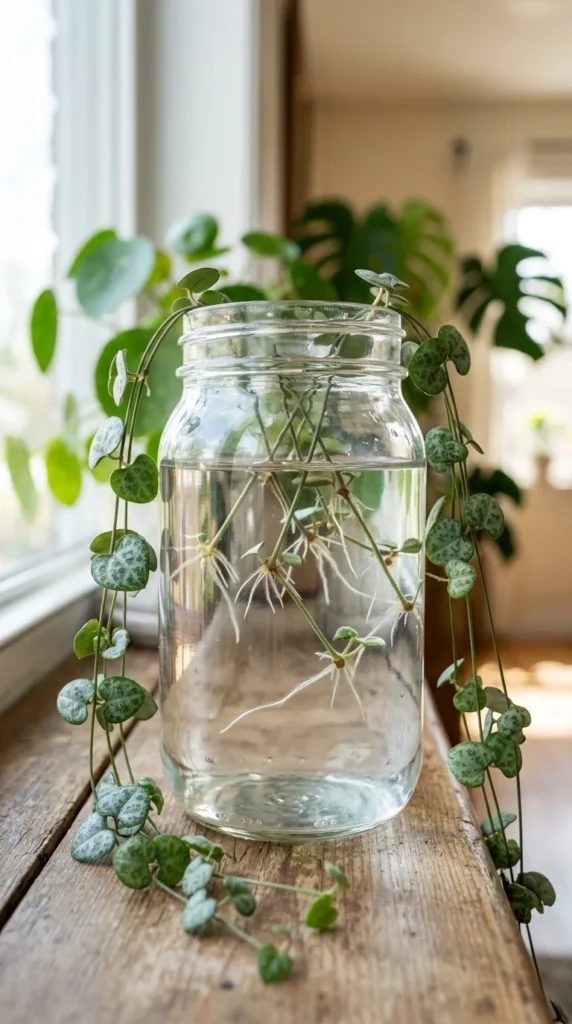
If you prefer a simpler method, water propagation works wonders. Take a cutting at least 4-6 inches long, remove the bottom pair of leaves, and place the node in a jar of clean water. Change the water once a week. Once the roots are an inch long, you can transplant the cutting into a well-draining soil mix.
11. Node Placement
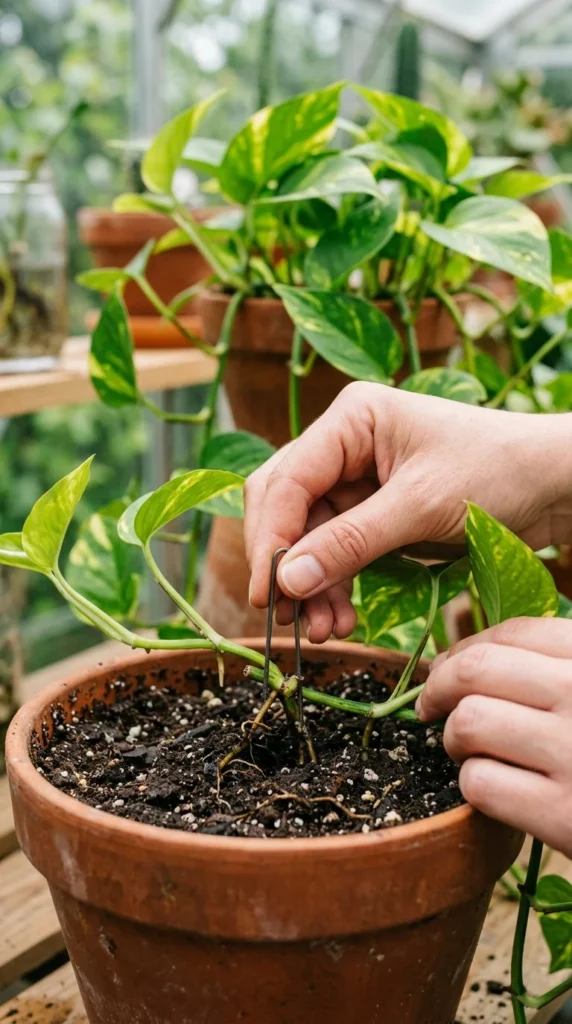
To make your plant look fuller at the top, take some of the long trailing vines and coil them back into the pot. Use a “U” shaped pin or a paperclip to secure the nodes against the damp soil. The nodes will grow roots into the pot, creating new stems and a much bushier appearance without having to take cuttings.
12. Winter Rest
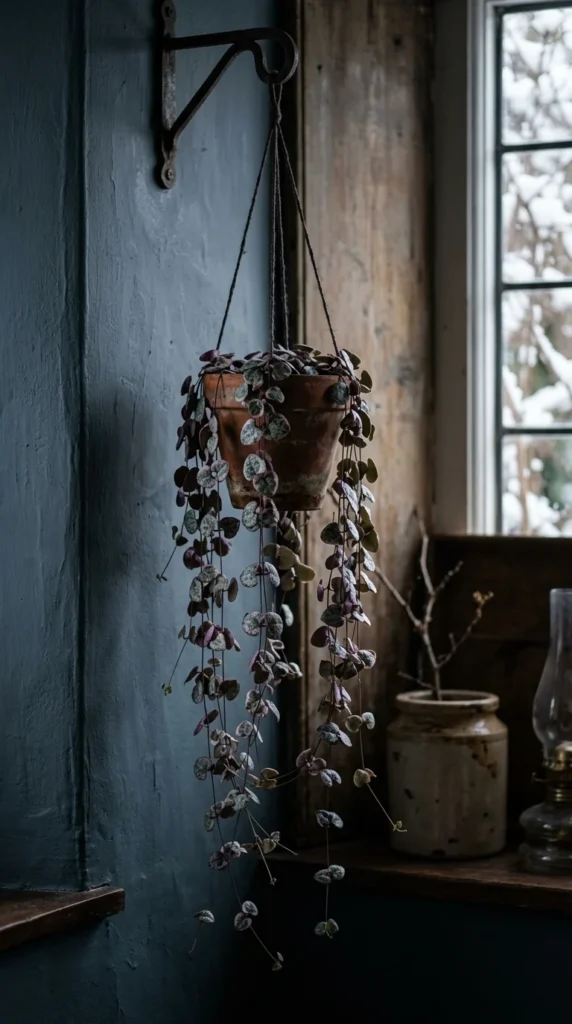
Like many plants, the String of Hearts enters a period of dormancy in the winter. Growth will slow down significantly, and the plant will require much less water. Reduce your watering frequency and stop fertilizing entirely from November through February. This “rest” period is vital for the plant to have enough energy for a growth spurt in the spring.
13. Avoid Draughts
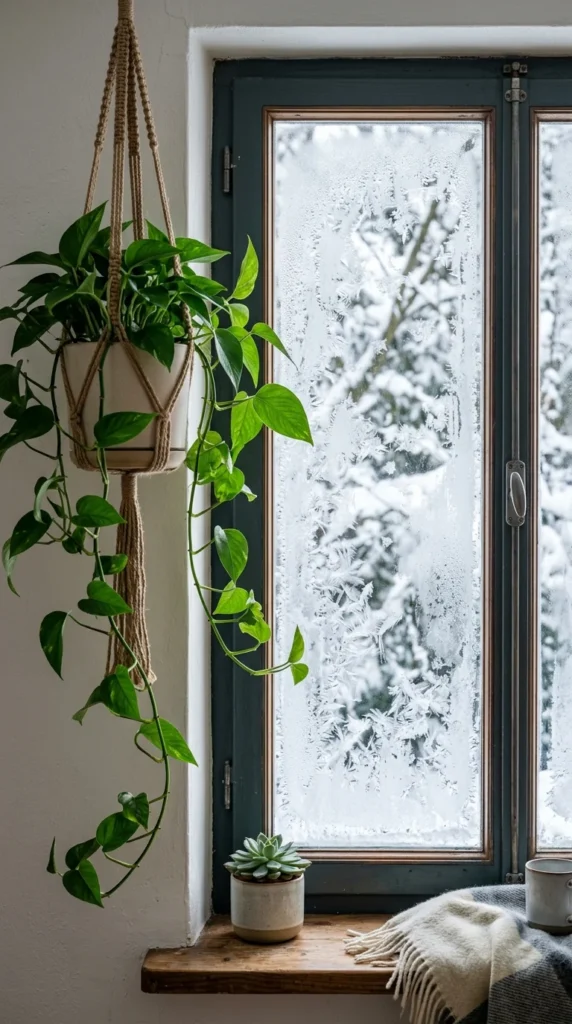
String of Hearts are sensitive to sudden temperature changes. Keep them away from drafty windows, air conditioning vents, or heaters. A consistent temperature between 65°F and 80°F (18°C – 27°C) is ideal. Cold shocks can cause the plant to drop its leaves or turn yellow.
14. Gentle Fertilizing
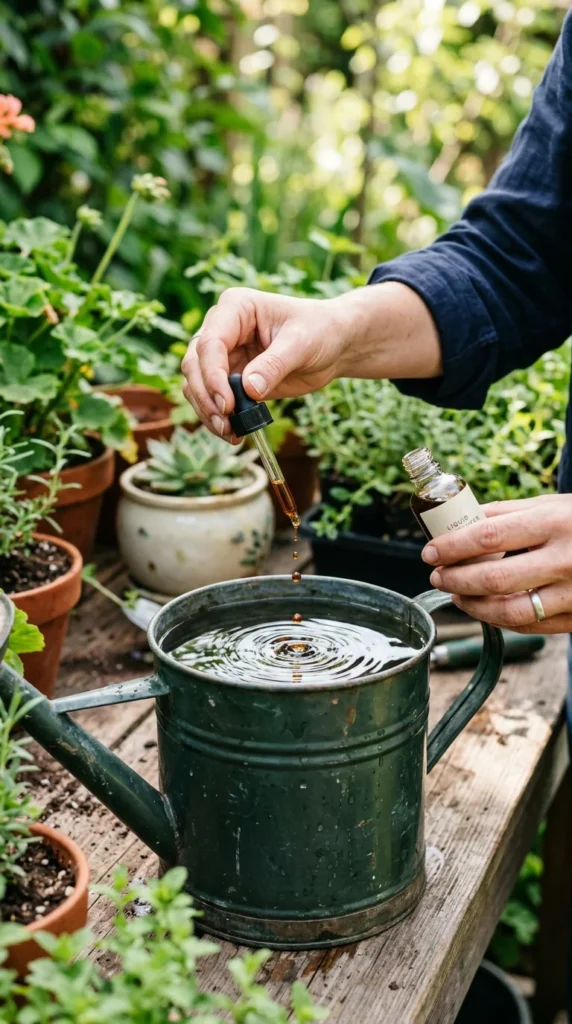
These plants are not heavy feeders. During the growing season (spring and summer), use a balanced liquid fertilizer diluted to half-strength once a month. Over-fertilizing can lead to lanky growth and can even burn the roots. Organic fertilizers like worm castings or seaweed extract are excellent, gentle alternatives.
15. Sparse Pruning
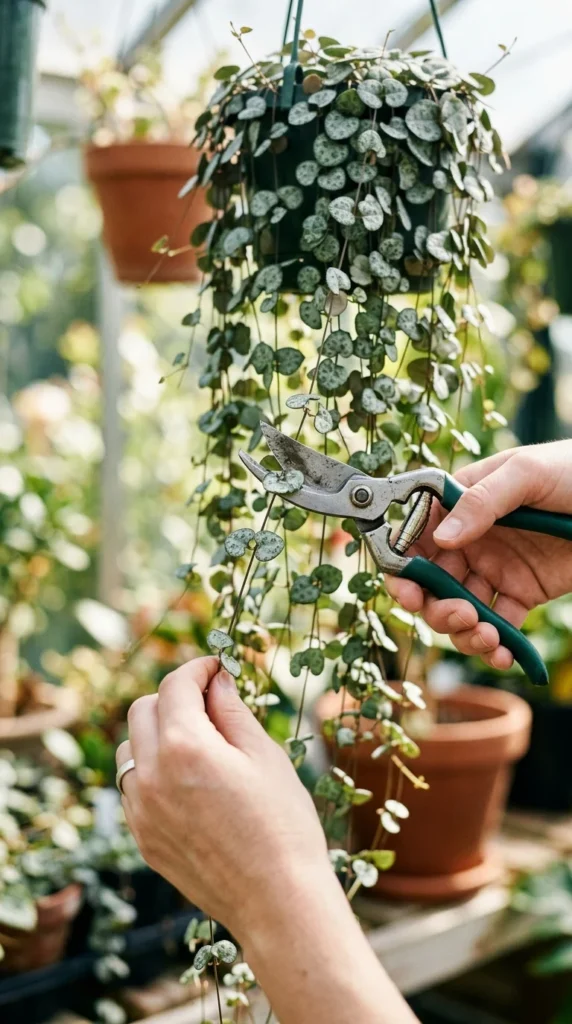
Don’t be afraid to prune your plant! If the vines become too long or thin, a quick trim will encourage branching. Always use sterilized scissors and cut just above a leaf node. The discarded vines can be used for propagation, so nothing goes to waste.
16. Mealybug Defense
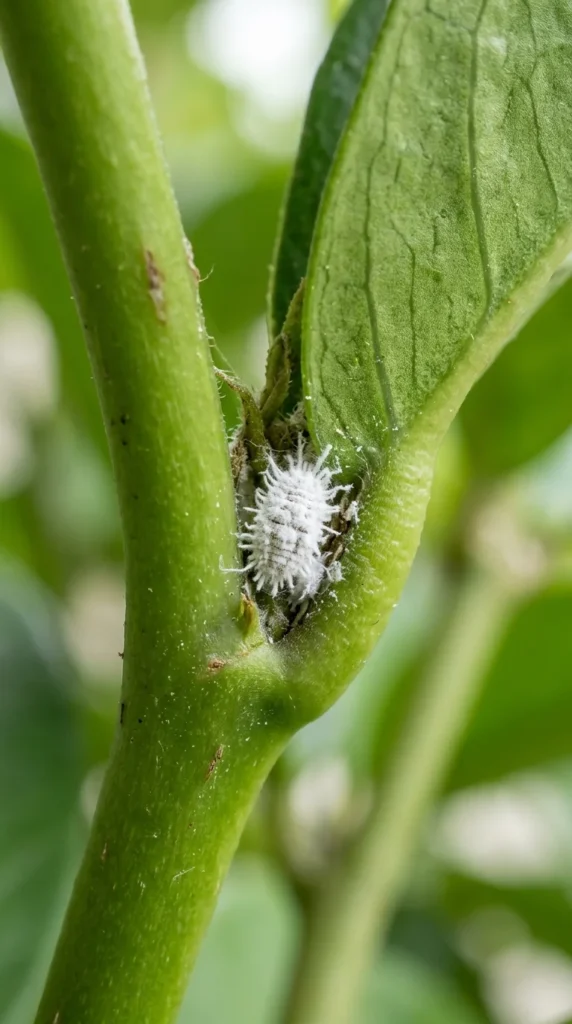
The most common enemy of the String of Hearts is the mealybug. These tiny white insects look like bits of cotton and love to hide in the leaf axils. Check your plant regularly. If you spot them, use a cotton swab dipped in rubbing alcohol to remove them individually, or spray the plant with neem oil.
17. Root Rot
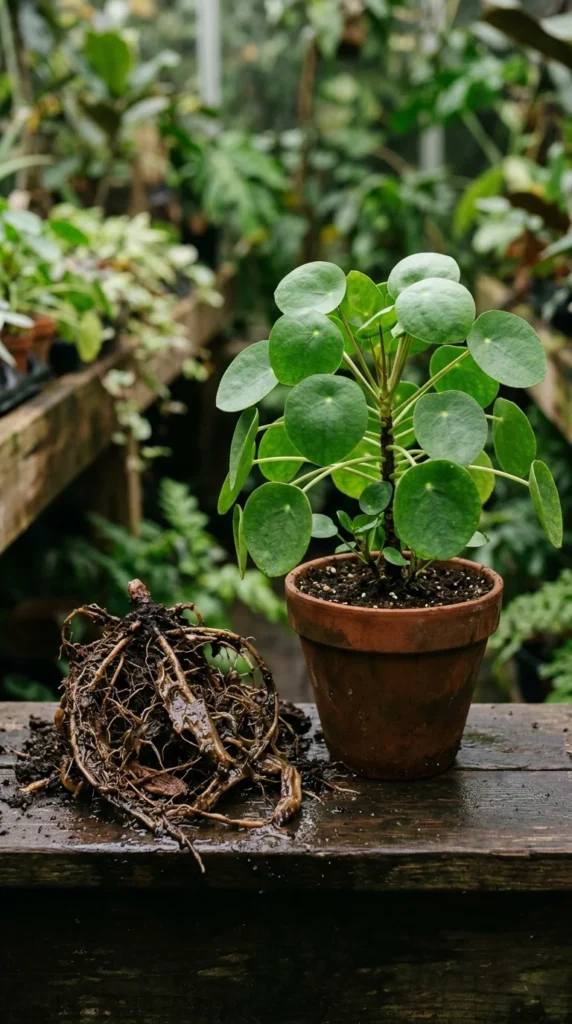
The quickest way to kill a String of Hearts is overwatering. If the leaves at the base of the plant turn yellow or mushy, check the roots. Healthy roots are firm and white; rotted roots are brown, slimy, and smell unpleasant. If rot occurs, you must cut away the affected parts and repot the healthy stems in fresh, dry soil.
18. Silver Marbling
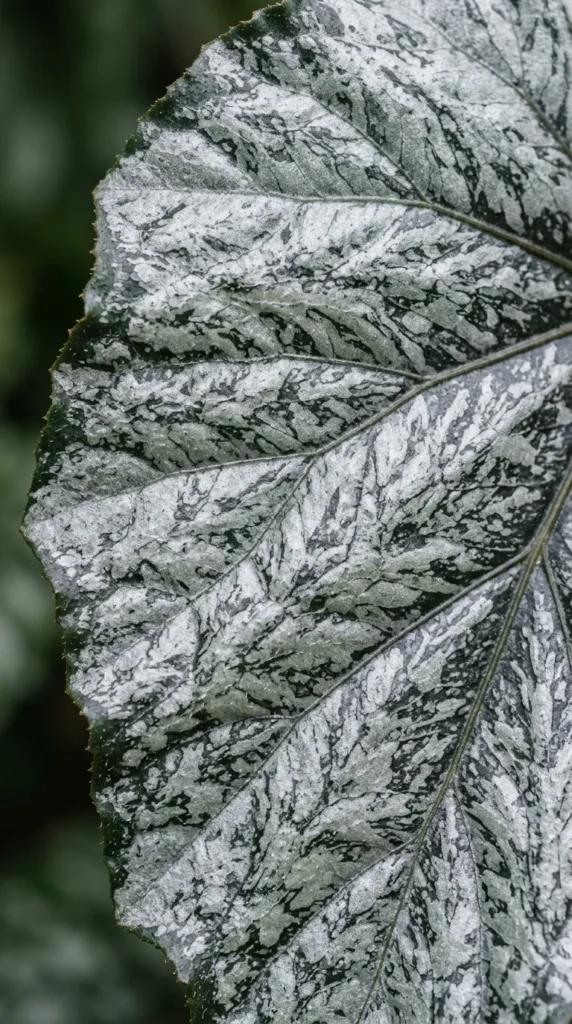
The intensity of the silver marbling on the leaves is a direct result of light exposure. If your plant is mostly green, it’s a sign it needs more light. The silver color is actually a protective mechanism for the plant, and high light levels bring out the most dramatic patterns, making the “hearts” look almost metallic.
19. Variegated Care
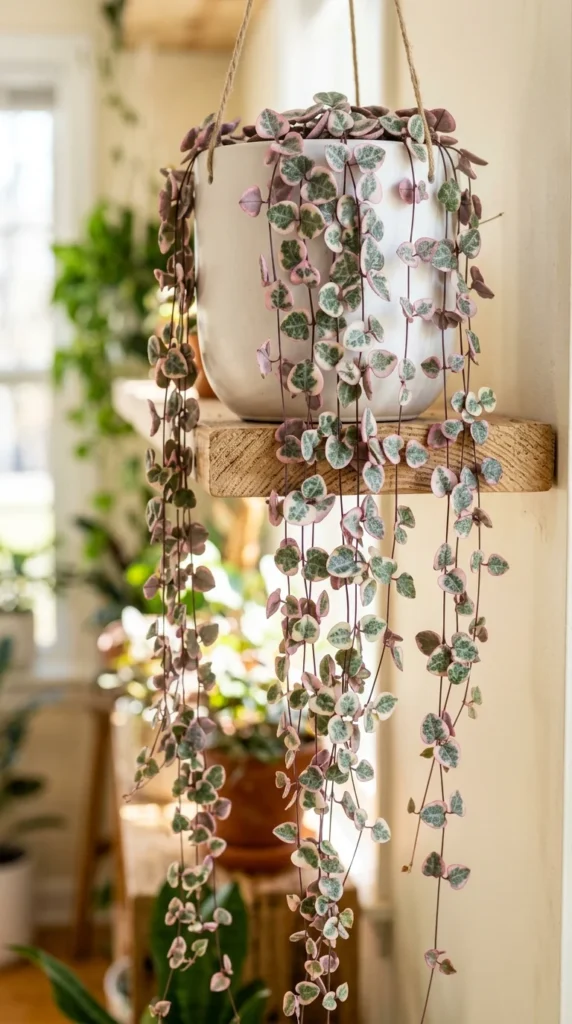
The variegated version of this plant (Ceropegia woodii f. variegata) features stunning pink and cream edges. These plants need even more light than the standard variety because the white parts of the leaves lack chlorophyll and cannot photosynthesize. Without enough light, the pink variegation will fade to white or green.
20. Flower Shape
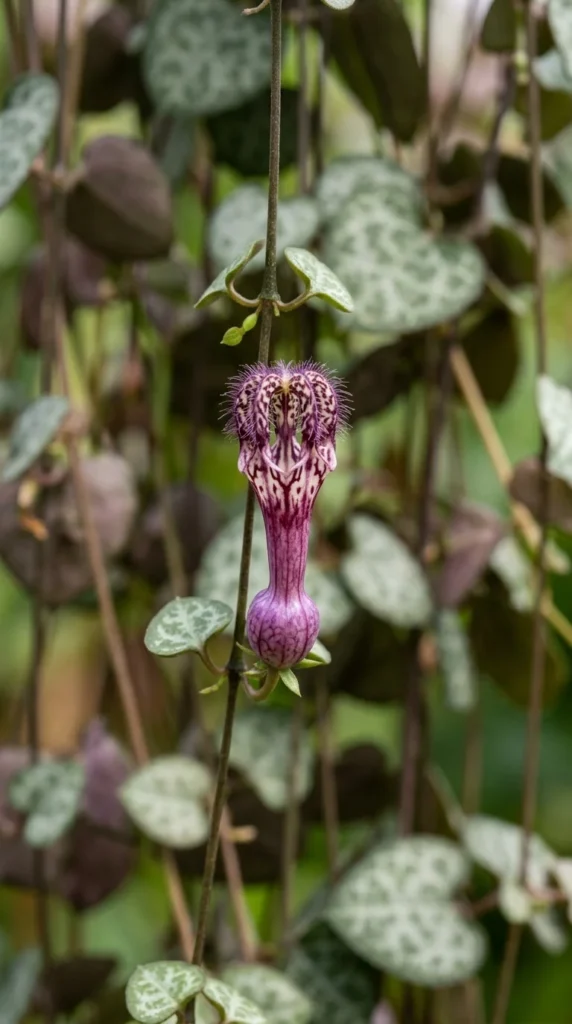
The flowers of the String of Hearts are truly bizarre. They are small, pink-purple, and shaped like a vase or a lantern. In the wild, they are designed to temporarily trap small flies to ensure pollination. They don’t have a strong scent, but seeing your plant bloom is a sign that you have achieved the perfect balance of light and water.
21. Tangled Vines
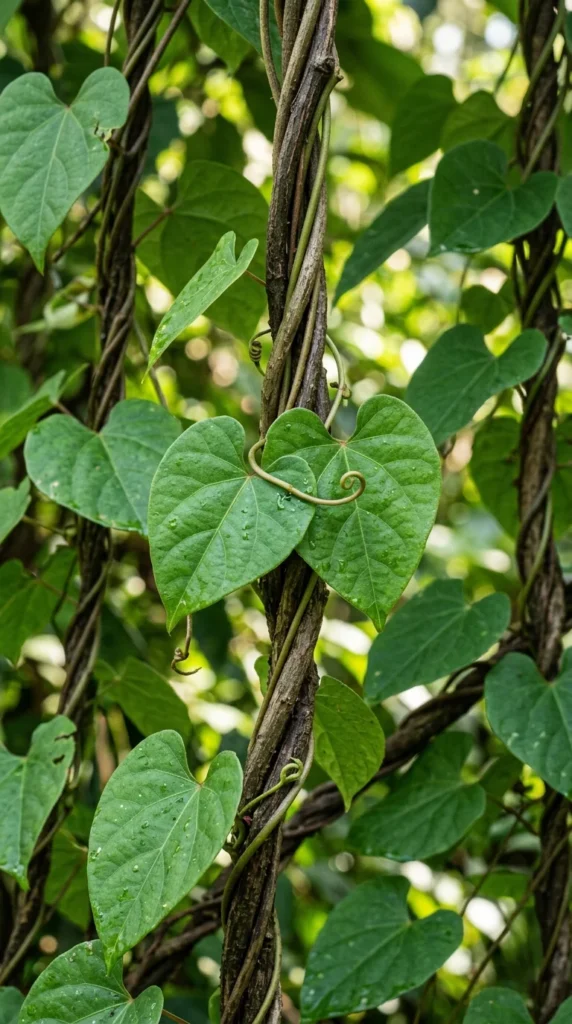
The “hearts” on the vines act like little hooks. If your plant is in a windy spot or is moved frequently, the vines will tangle into a giant knot. To prevent this, hang the plant in a low-traffic area. If they do tangle, be very patient when untangling them, as the stems are brittle and can snap easily.
22. Humidity Balance
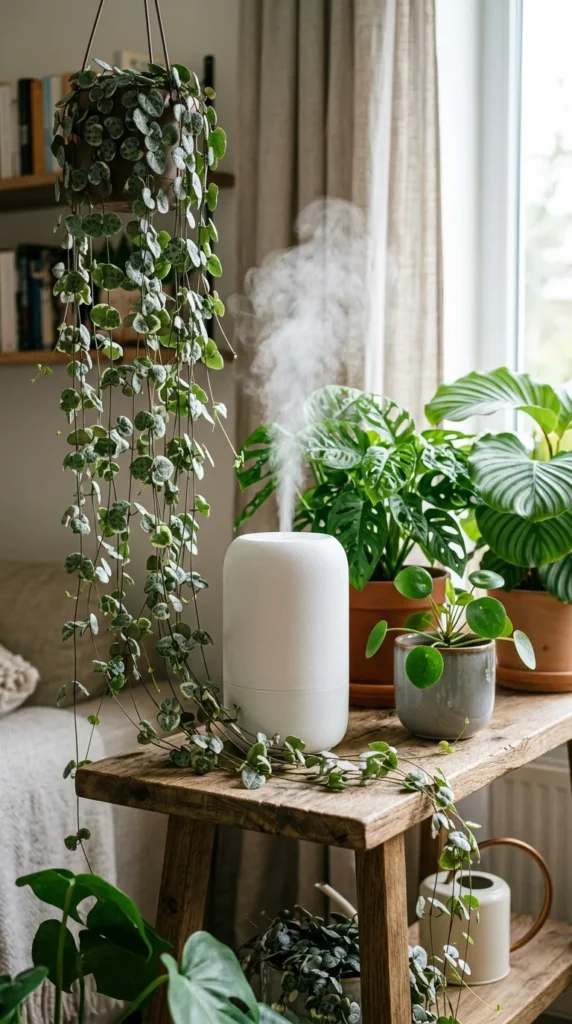
While String of Hearts is a succulent, it appreciates a bit more humidity than your average cactus. It thrives in average household humidity (40-50%). If your home is exceptionally dry, especially in winter, placing the plant near a humidifier or on a pebble tray can help keep the foliage looking plump and healthy.
23. Repotting Timing
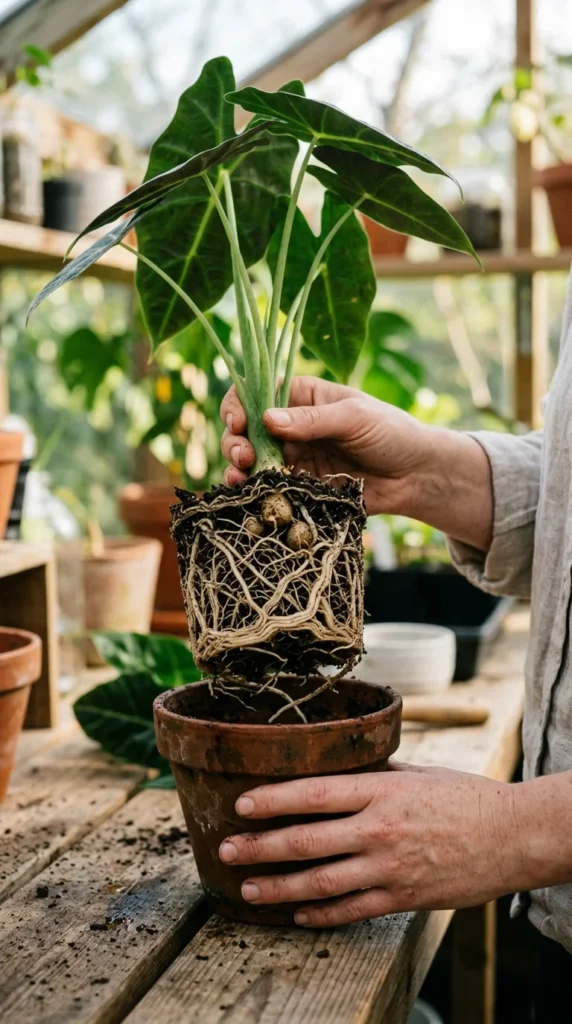
String of Hearts actually prefers to be slightly root-bound. You only need to repot every 2-3 years, or when the tubers have completely filled the pot. The best time to repot is in early spring when the plant is just starting its active growth phase. Always go up only one pot size (about 1-2 inches larger in diameter).
24. Pot Depth
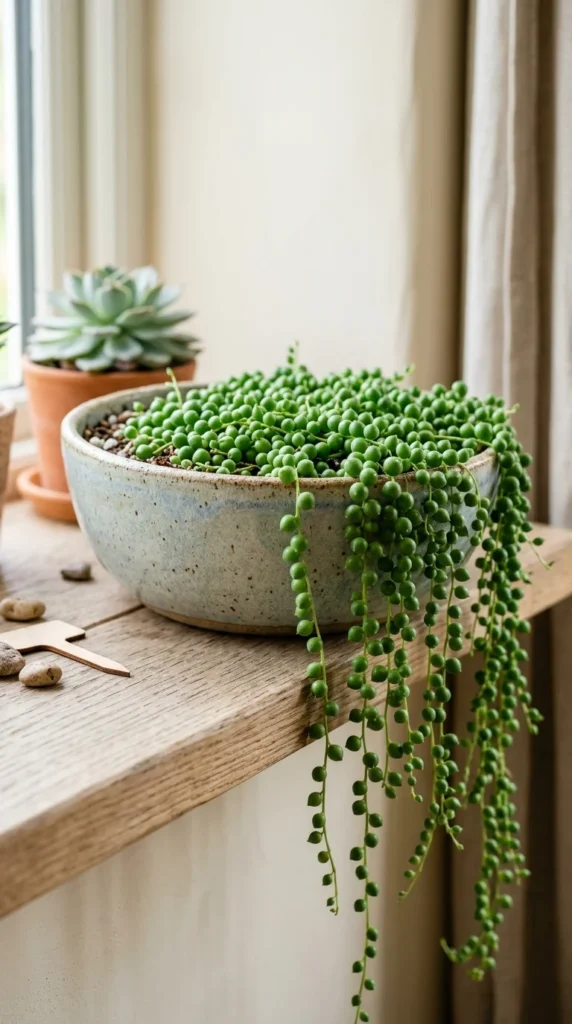
Because the root system of a String of Hearts is relatively shallow, they do very well in shallow pots or “bulb pans.” Deep pots can hold a large volume of soil that stays wet for too long at the bottom, increasing the risk of rot. A shallow pot ensures the soil dries out evenly.
25. String Length
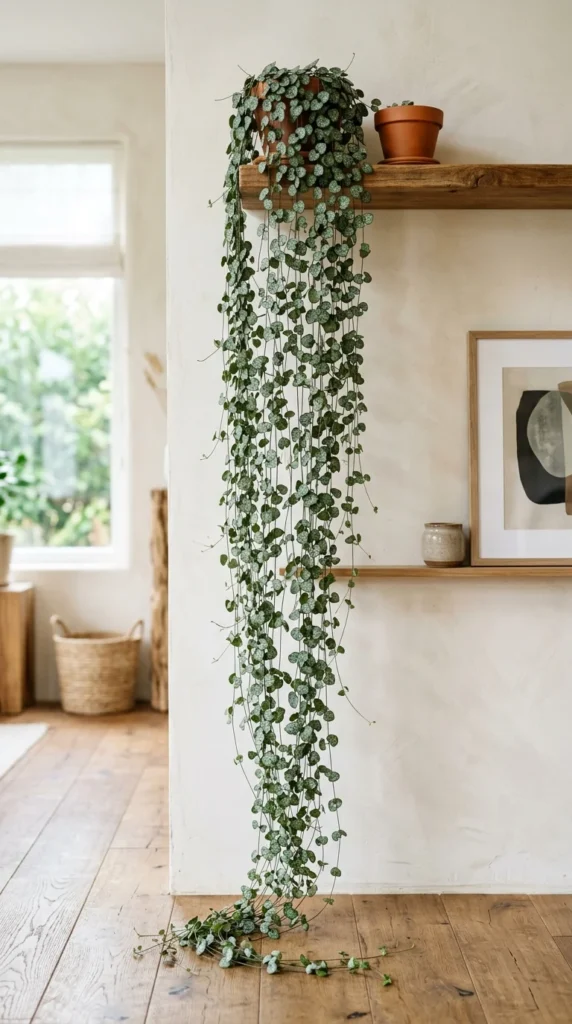
Under the right conditions, the vines of a String of Hearts can grow up to 12 feet long! If you want your plant to reach its maximum length, avoid moving it frequently and ensure it is fertilized during the summer. If the vines become too long for your space, simply trim them and start a new pot for a friend.
26. Sun Stressing
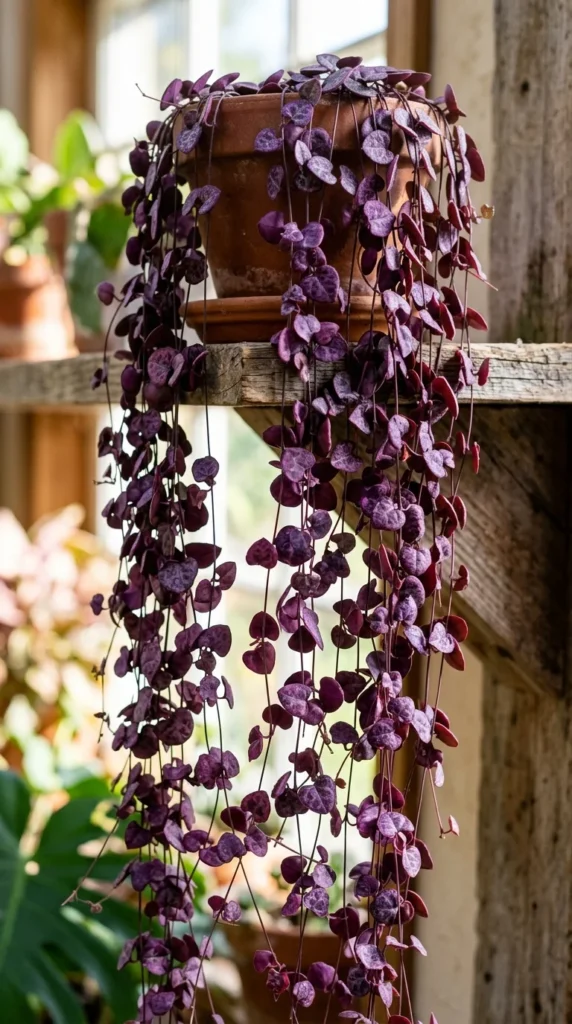
“Sun stressing” is a technique used by succulent growers to bring out vibrant colors. By providing a String of Hearts with high (but safe) levels of light, the undersides and edges of the leaves will turn a deep, vibrant purple. This is not harmful to the plant; it’s simply a reaction to the light that makes the plant look even more exotic and beautiful.