
The String of Hearts (Ceropegia woodii) is the crown jewel of many indoor plant collections. Known for its delicate, heart-shaped leaves and impressive trailing speed, this semi-succulent is surprisingly resilient if you know its secrets. Whether you want your vines to touch the floor or you’re looking to thicken up a sparse top, these 18 expert tips will transform your String of Hearts into a cascading masterpiece.
1. Bright Light
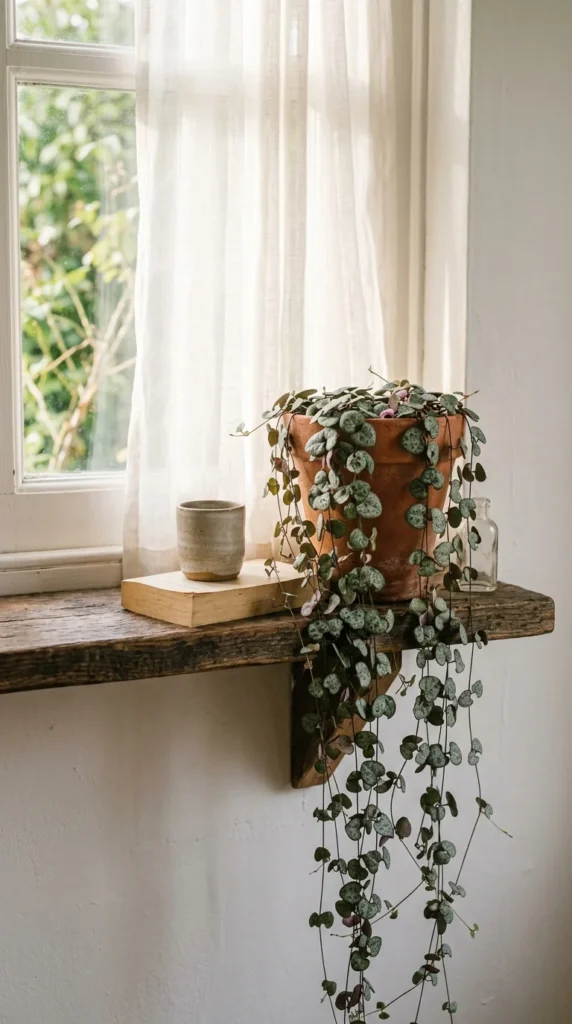
To achieve that iconic silver variegation and deep purple underside, your String of Hearts needs plenty of bright, indirect light. Light is the primary fuel for growth; without enough of it, the plant will become “leggy,” meaning the spaces between the heart-shaped leaves will stretch out, making the vines look thin and sparse. Aim for a spot near a south or west-facing window, but ensure the light is filtered.
2. Avoid Scorching
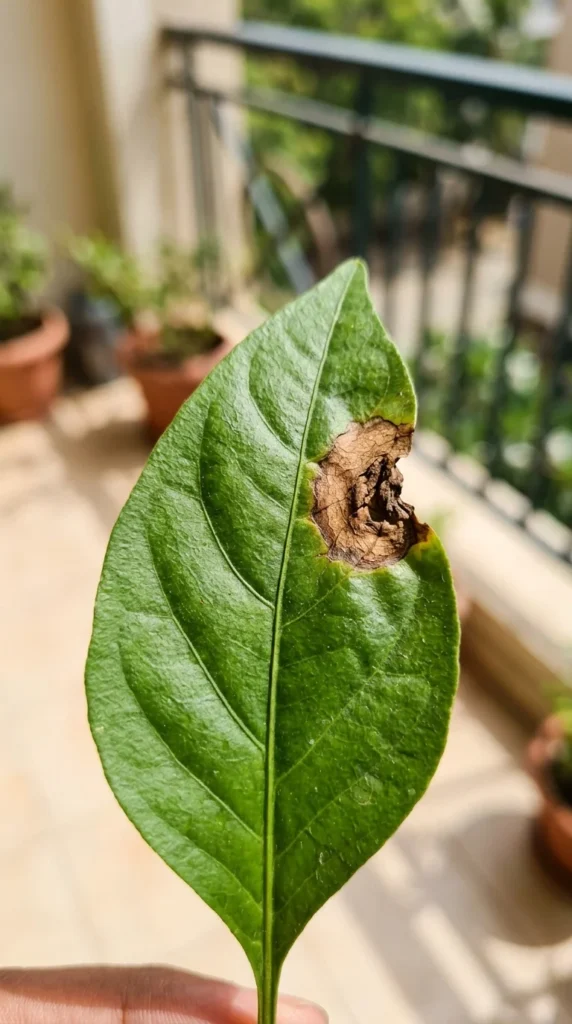
While they love brightness, the delicate leaves of the Ceropegia woodii are prone to sunburn. Intense, direct afternoon sun can bleach the leaves or cause crispy brown patches. If you notice your plant turning a pale, washed-out yellow or developing dry spots, move it a few feet back from the glass or use a sheer curtain to diffuse the rays.
3. Soak and Dry
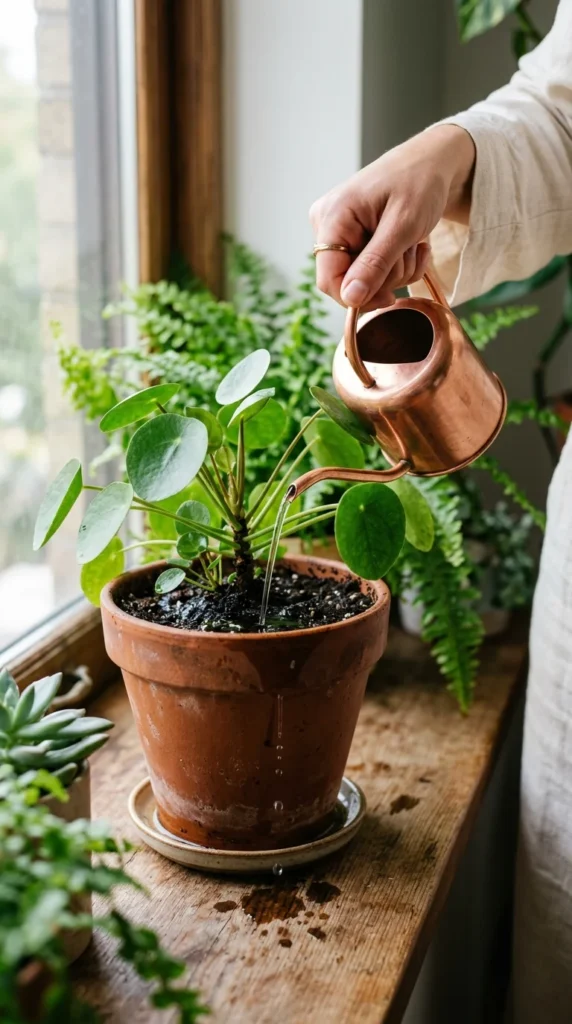
The most common mistake with String of Hearts is overwatering. These plants store water in their fleshy leaves and underground tubers (caudices). Use the “soak and dry” method: water the plant thoroughly until water runs out of the drainage holes, then wait until the soil is 100% dry before watering again. When in doubt, wait another two days.
4. Porous Soil
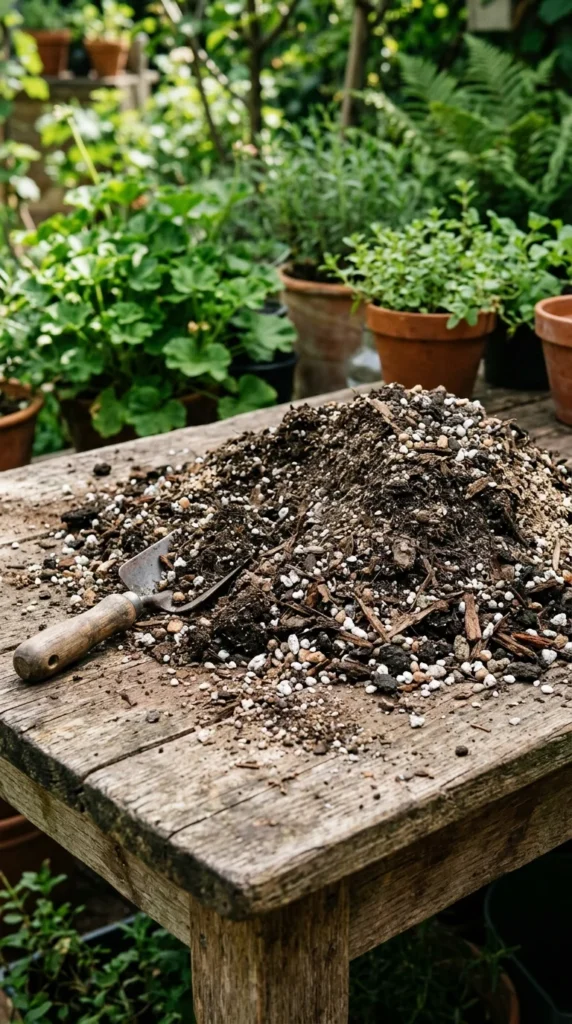
Standard potting soil holds too much moisture for these semi-succulents. To prevent root rot, use a well-draining mix. A blend of 50% cactus/succulent soil and 50% pumice or perlite is ideal. This ensures that oxygen reaches the roots and that excess water can escape quickly, mimicking the rocky outcrops where these plants grow in the wild.
5. Shallow Pots
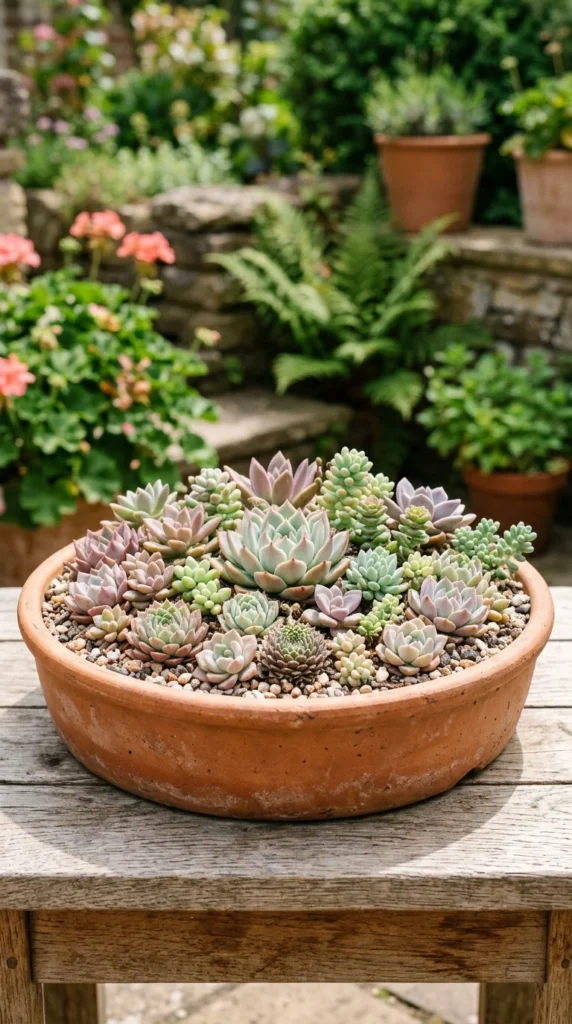
String of Hearts have relatively shallow root systems. If you put them in a very deep pot, the bottom half of the soil will remain wet long after the top has dried, which can lead to “invisible” root rot. Using a shallower pot or a smaller container helps the soil dry out more evenly and keeps the plant’s energy focused on vine production rather than filling a massive pot with roots.
6. Drainage Holes
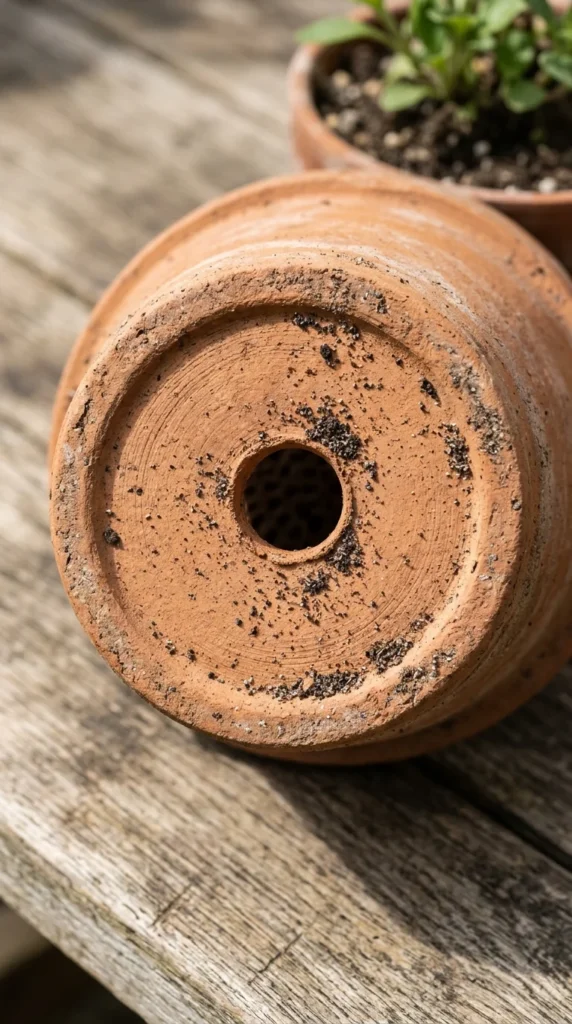
Never plant a String of Hearts in a container without a drainage hole. Because they are so sensitive to standing water, they need a clear exit path for moisture. If you have a decorative “cachepot” without holes, keep the plant in its plastic nursery pot and remove it to water it in the sink, allowing it to drain completely before placing it back in the decorative sleeve.
7. Bottom Watering
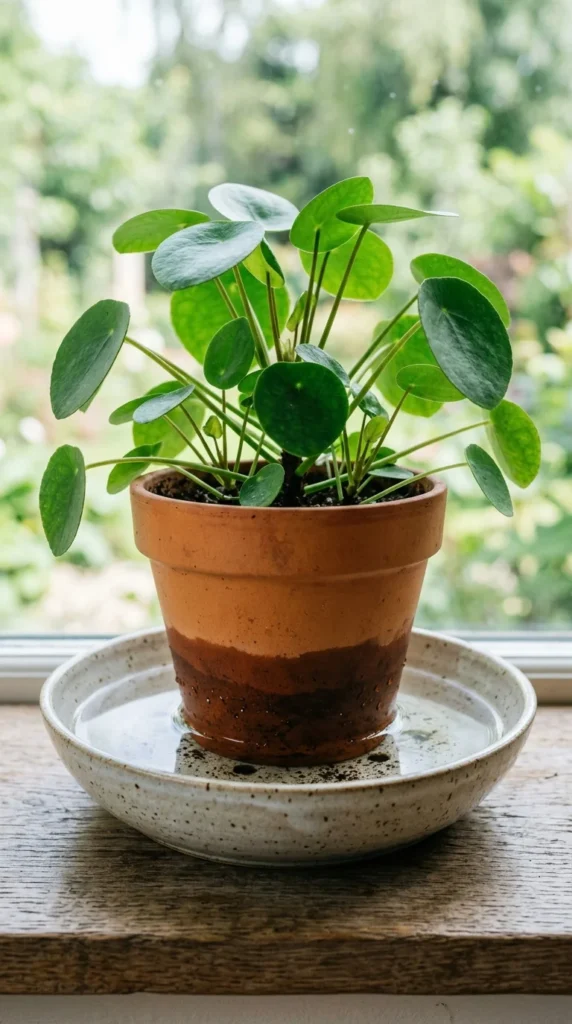
To encourage deep root growth and avoid getting the crown of the plant too wet (which can cause the base of the vines to rot), try bottom watering. Place your pot in a tray of water for 20-30 minutes until the top of the soil feels slightly damp, then discard any remaining water. This ensures the entire root ball gets hydrated without saturating the delicate foliage at the top.
8. Butterfly Propagation
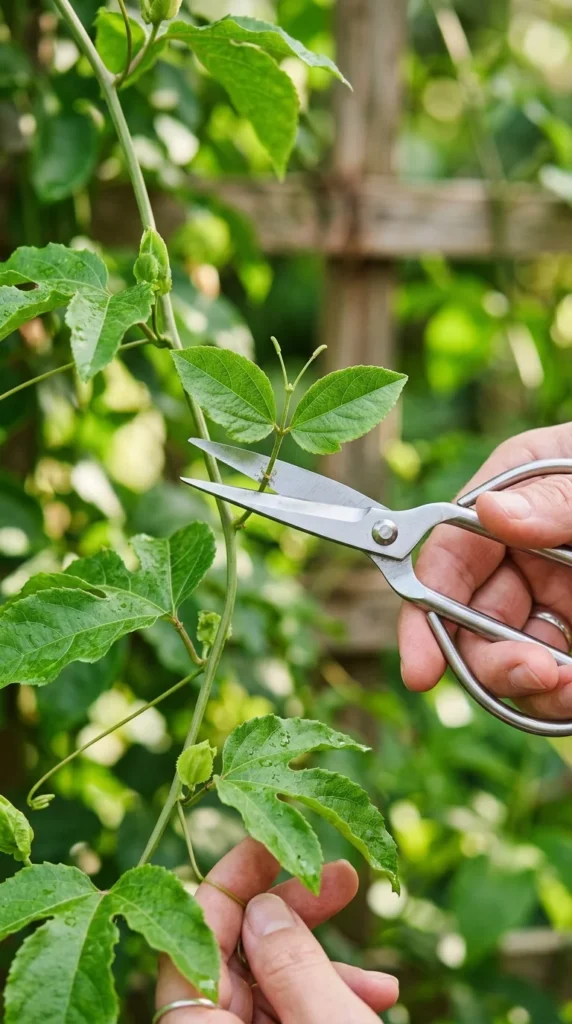
If your plant is looking thin on top, use the “butterfly method” to create new starts. Cut a vine into segments where each segment has two leaves and a small bit of stem. Place these segments on top of moist sphagnum moss or soil. New roots and vines will grow from the “node” (the point where the leaves meet the stem), allowing you to fill in the bald spots in your pot quickly.
9. Soil Layering
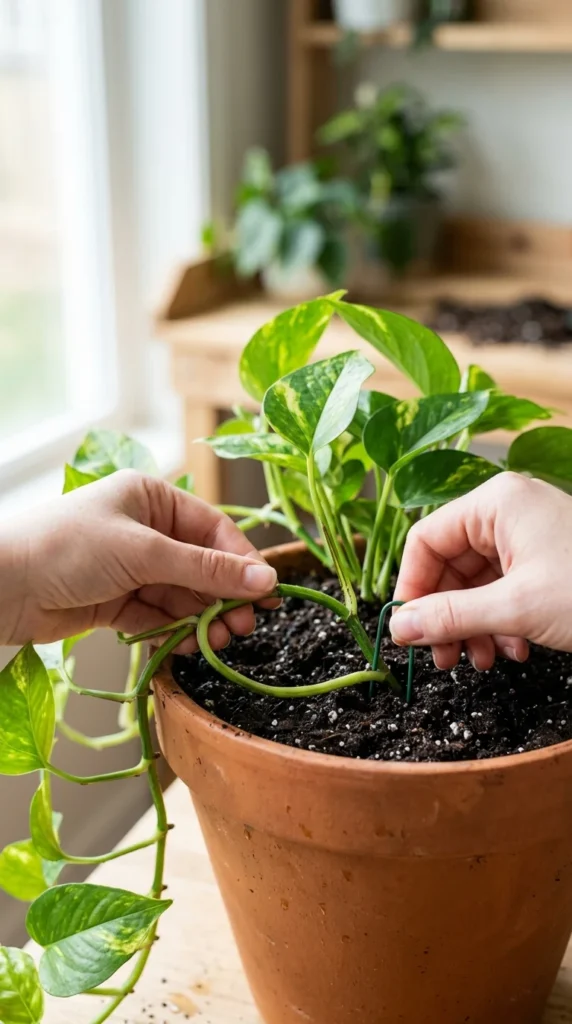
To create a fuller “head” of hair for your plant, take the long trailing vines and coil them around the top of the soil. Use a paperclip or floral pin to hold the nodes against the damp earth. Over time, these nodes will grow roots and send out brand-new vines, effectively doubling the density of your plant without needing to take cuttings.
10. Succulent Fertilizer
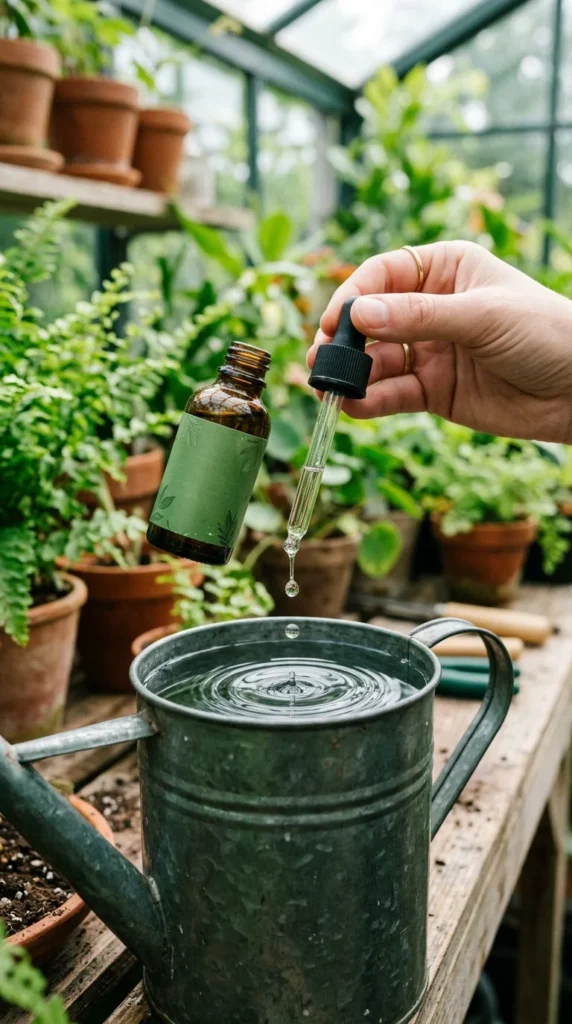
While not heavy feeders, String of Hearts benefit from a boost during the growing season (spring and summer). Use a balanced, water-soluble succulent fertilizer diluted to half-strength once a month. Avoid fertilizing in the winter when the plant’s growth slows down, as the salts can build up in the soil and burn the roots.
11. Temperature Stability
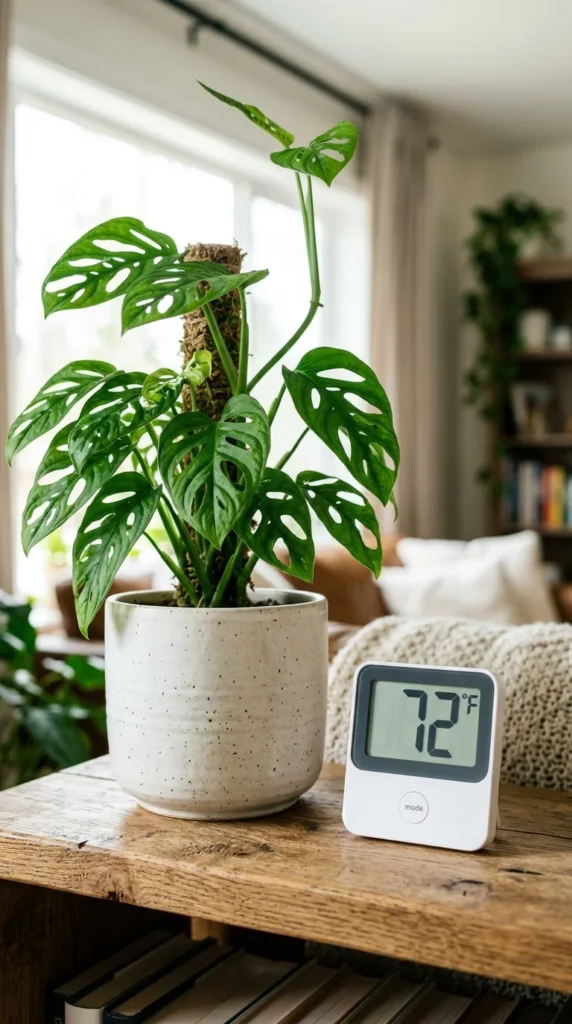
These plants prefer temperatures between 65°F and 80°F (18°C – 27°C). They are not frost-tolerant and will suffer if exposed to cold drafts from windows or air conditioning vents. Similarly, keep them away from direct heat sources like radiators, which can dry out the leaves too quickly and cause them to shrivel.
12. Humidity Levels
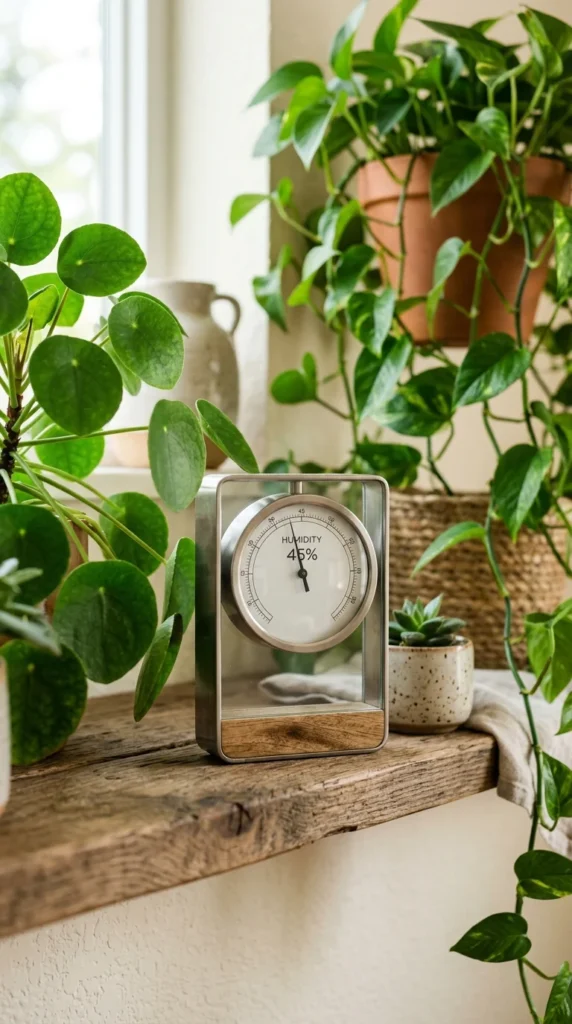
Unlike tropical ferns, String of Hearts thrive in average household humidity (40-50%). They do not need misting; in fact, getting the leaves wet constantly can lead to fungal issues. If your home is exceptionally dry in the winter, a nearby humidifier is fine, but avoid placing the plant in a high-moisture environment like a small, steamy bathroom.
13. Winter Rest
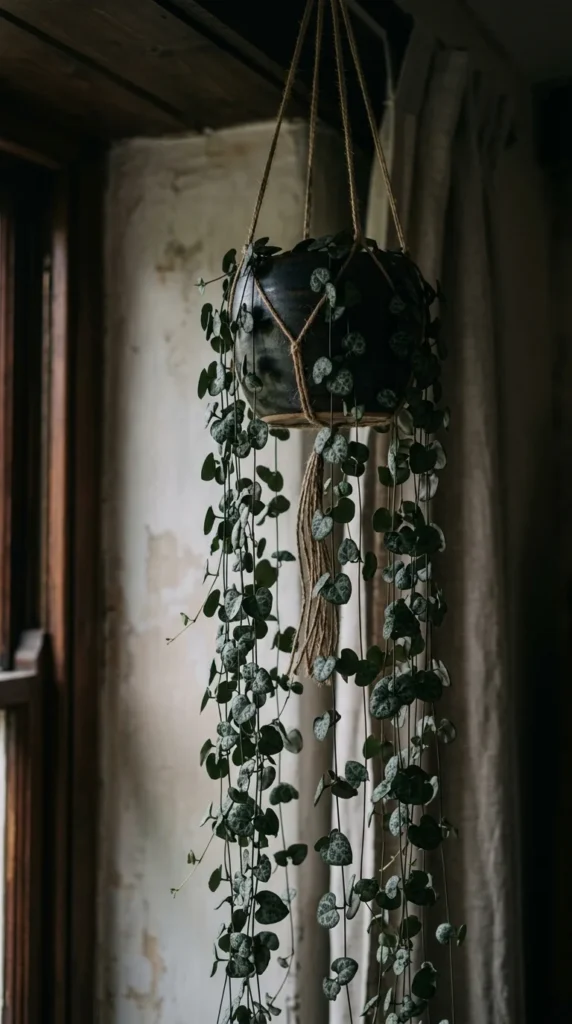
During the late autumn and winter, your String of Hearts will enter a semi-dormant phase. Growth will slow down significantly, and the plant will consume much less water. During this time, reduce your watering frequency—sometimes once every 3-4 weeks is enough. Stop fertilizing entirely until you see the first signs of new growth in the spring.
14. Pruning for Growth
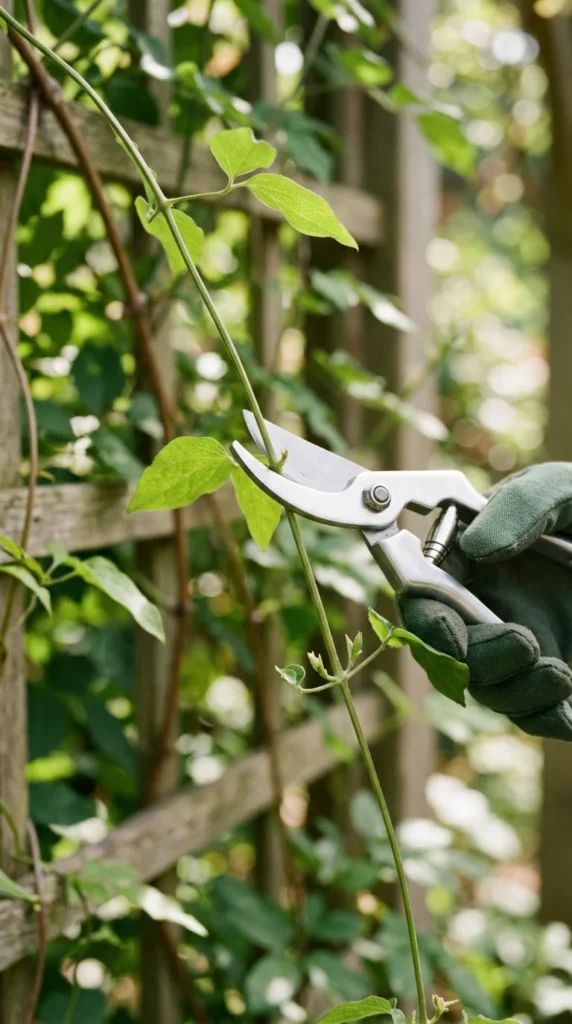
It may seem counterintuitive to cut a plant you want to grow long, but regular pruning encourages branching. When you snip the end of a vine, the plant often responds by sending out two new shoots from the nodes above the cut. This results in a fuller, more “bushy” appearance rather than just one or two very long, thin strings.
15. Pest Monitoring
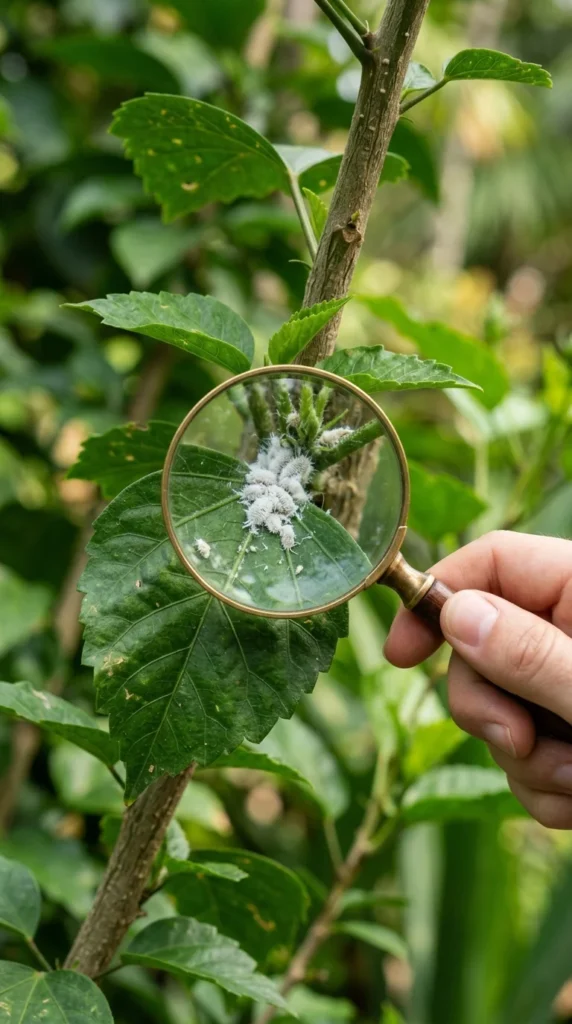
Keep an eye out for mealybugs, which look like tiny tufts of white cotton. They love to hide in the leaf axils. If you spot them, treat the plant immediately by dabbing the pests with a cotton swab dipped in rubbing alcohol. Regularly wiping the leaves with a soft, dry cloth also helps keep dust off, allowing the plant to photosynthesize more efficiently.
16. Tubers are Good
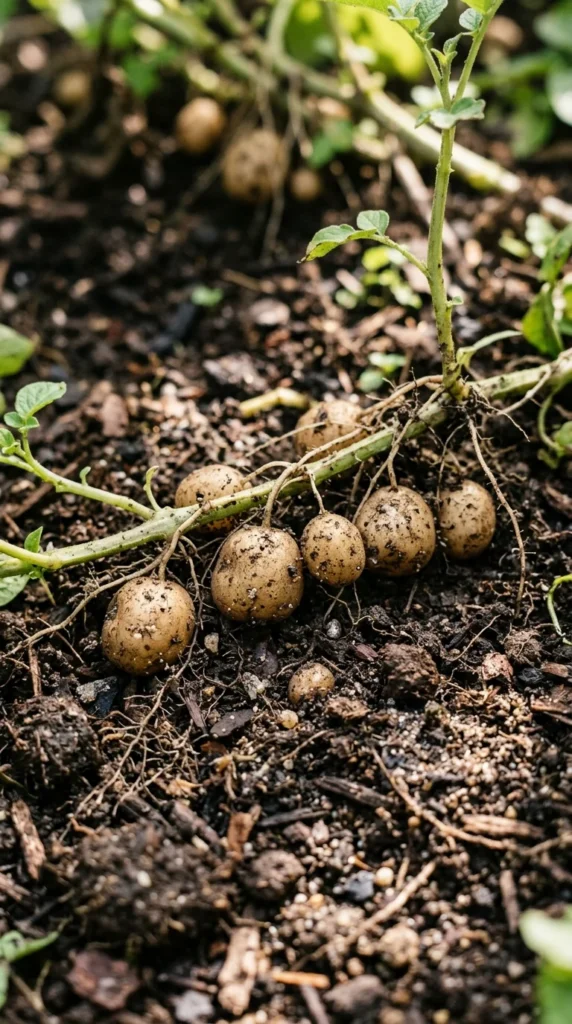
As your plant matures, you will notice small, bead-like “potatoes” growing along the vines or at the base. These are aerial tubers. Do not cut them off! These tubers store water and nutrients. If a vine with a tuber touches the soil, it will root much faster and more vigorously than a regular cutting, acting as a “battery pack” for new growth.
17. Repotting Rareness
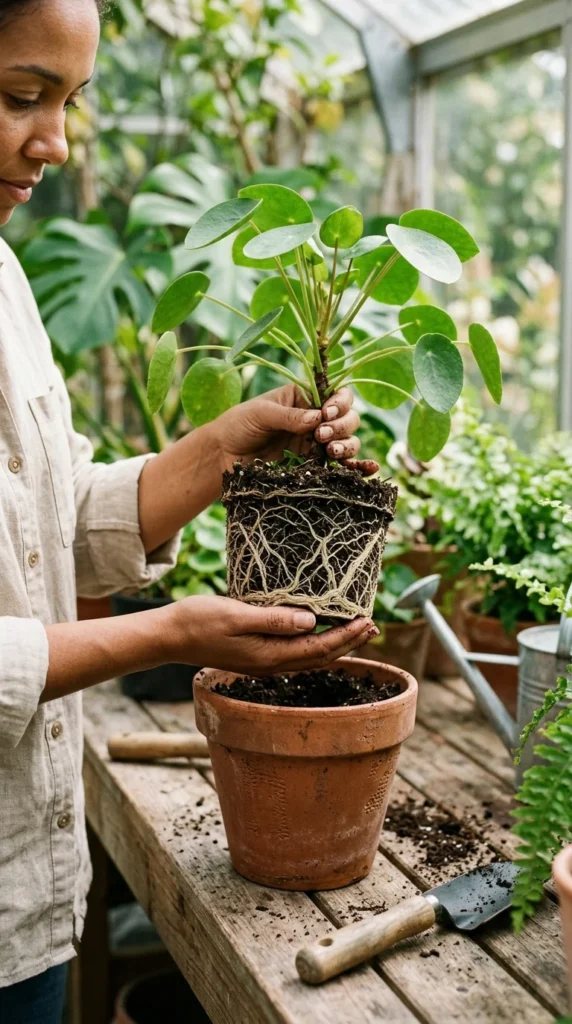
String of Hearts actually prefer to be slightly root-bound. You only need to repot every 2 to 3 years, or when you notice roots crawling out of the drainage holes and growth has completely stalled. When you do repot, only go up one pot size (about 1-2 inches wider). A pot that is too large will hold too much water and risk drowning the plant.
18. Water Quality
If you find that the tips of your “hearts” are turning brown despite perfect watering habits, your tap water might be the culprit. String of Hearts can be sensitive to chlorine and fluoride. Try using filtered water, rainwater, or let your tap water sit out overnight in an open container before using it to allow some of the chemicals to dissipate.