
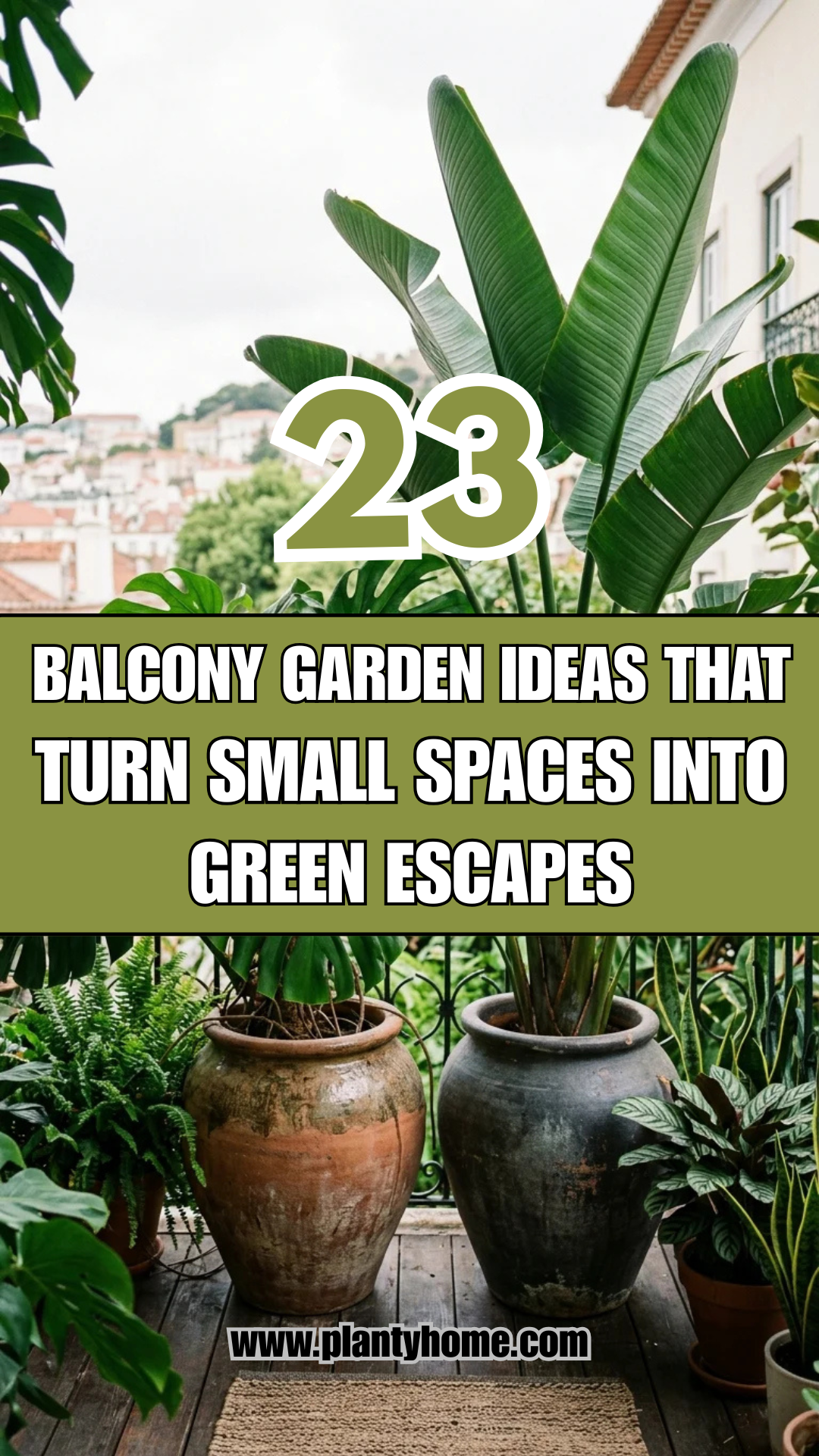
Living in an urban environment doesn’t mean you have to sacrifice your connection to nature. Even the smallest concrete balcony can be transformed into a thriving oasis with a bit of creativity and strategic planning. Whether you have a tiny Juliet balcony or a spacious terrace, these 23 ideas will help you maximize your square footage and create a personal green escape.
1. Vertical Planters
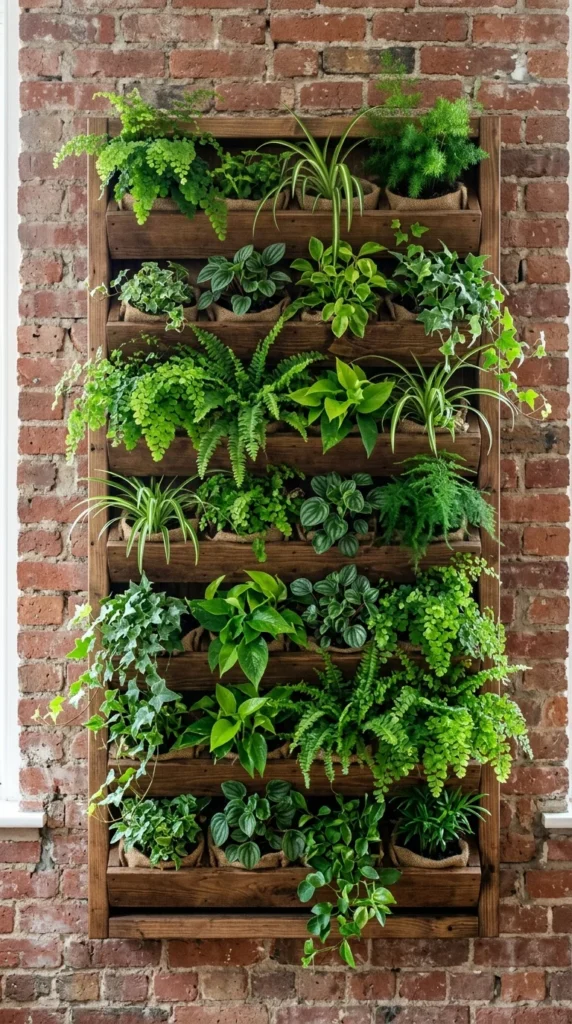
When floor space is limited, the only way to go is up. Vertical planters allow you to stack your greenery, creating a living wall that provides a lush backdrop without crowding your walkway. You can use modular plastic systems, felt pocket hangers, or even repurposed wooden ladders to hold your pots. This method is particularly effective for growing strawberries, ferns, and small decorative flowers.
2. Railing Boxes
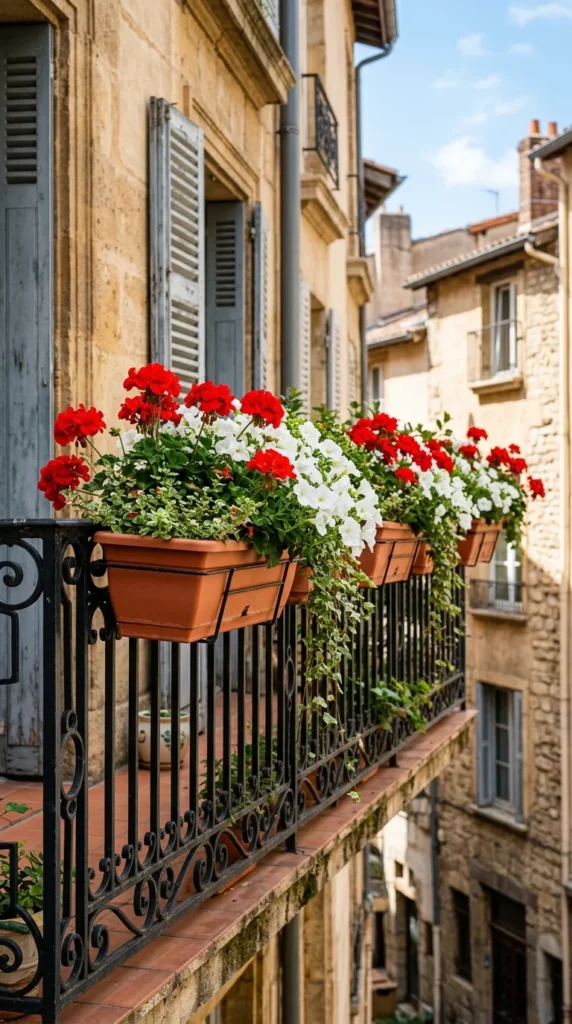
Railing boxes are the classic solution for small balconies. By hanging your plants on the outside or top of the railing, you keep the floor clear for furniture. Choose deep boxes to ensure adequate root space and water retention. These are perfect for cascading plants like lobelia or trailing rosemary, which will spill over the edges and create a beautiful visual from both inside and outside the apartment.
3. Hanging Baskets
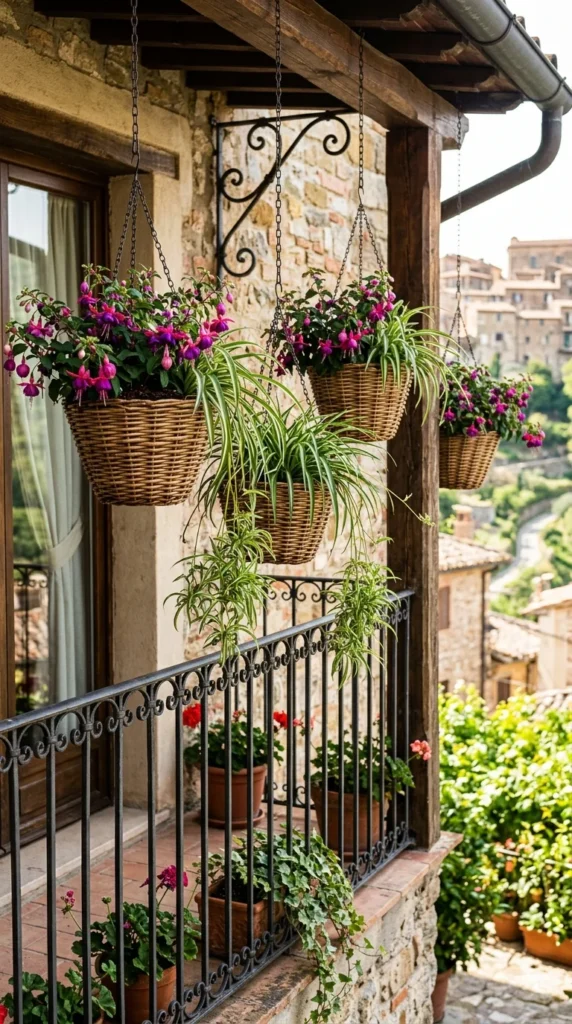
Utilize the “ceiling” of your balcony by installing sturdy hooks for hanging baskets. This adds a layer of depth to your garden and draws the eye upward, making the space feel larger. Mix and match different textures, such as the delicate fronds of a Boston fern with the bold, colorful blooms of petunias. Ensure the hooks are drilled into a solid beam or overhead structure to support the weight of wet soil.
4. Herb Windowsills
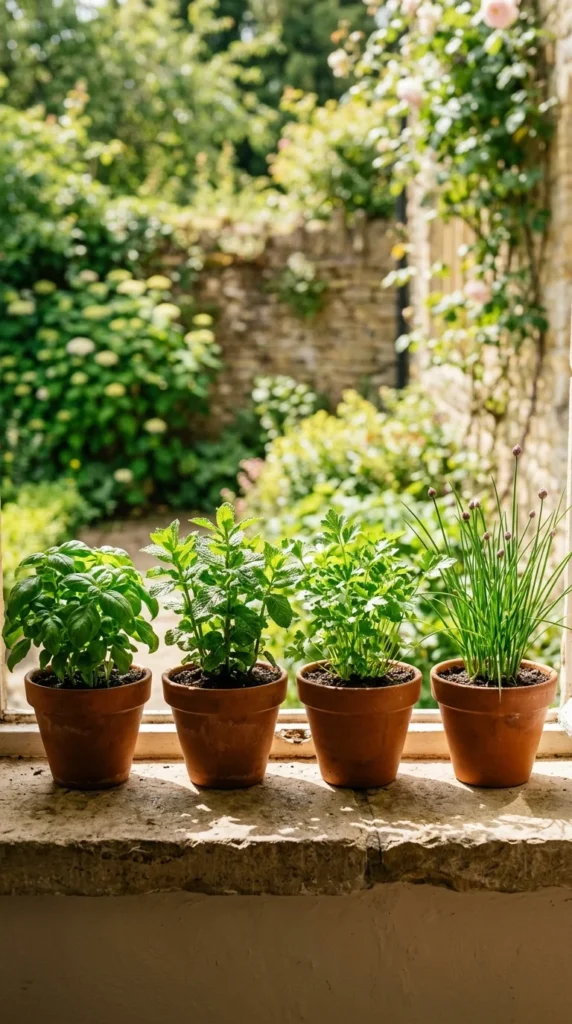
An edible garden doesn’t require a backyard. A collection of small pots on your balcony windowsill or a dedicated narrow shelf can provide fresh flavors for your kitchen. Herbs like basil, mint, oregano, and thyme thrive in containers and enjoy the reflected heat from the building’s walls. This is a practical and fragrant way to introduce greenery to a very narrow space.
5. Tiered Shelving
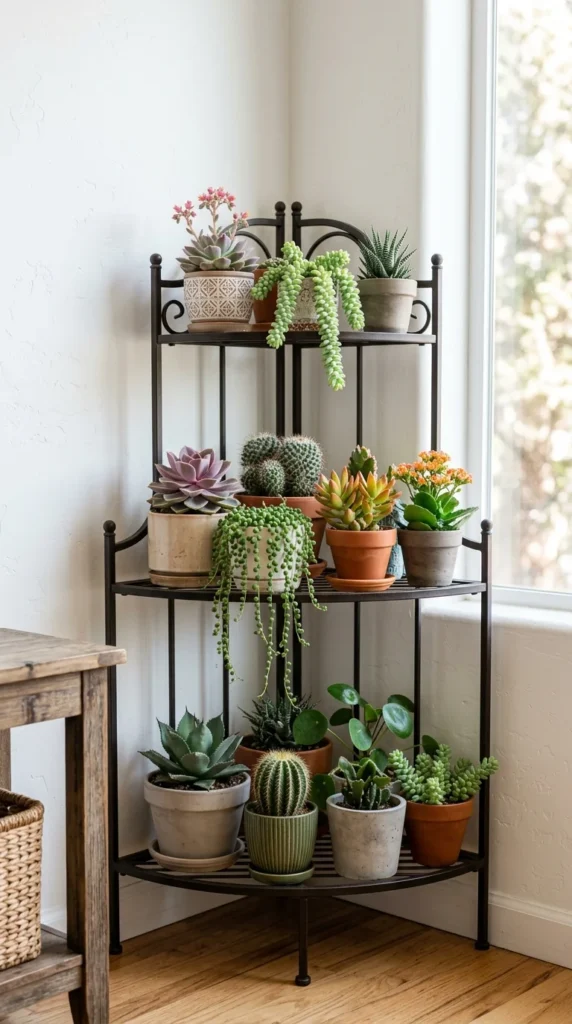
Tiered shelving units are excellent for organizing a large collection of small to medium-sized plants. By using different levels, you ensure that every plant gets adequate sunlight and airflow. Choose a rust-resistant material like powder-coated steel or treated cedar to withstand the elements. This setup also makes it easier to water and prune your plants without constant bending over.
6. Privacy Screens
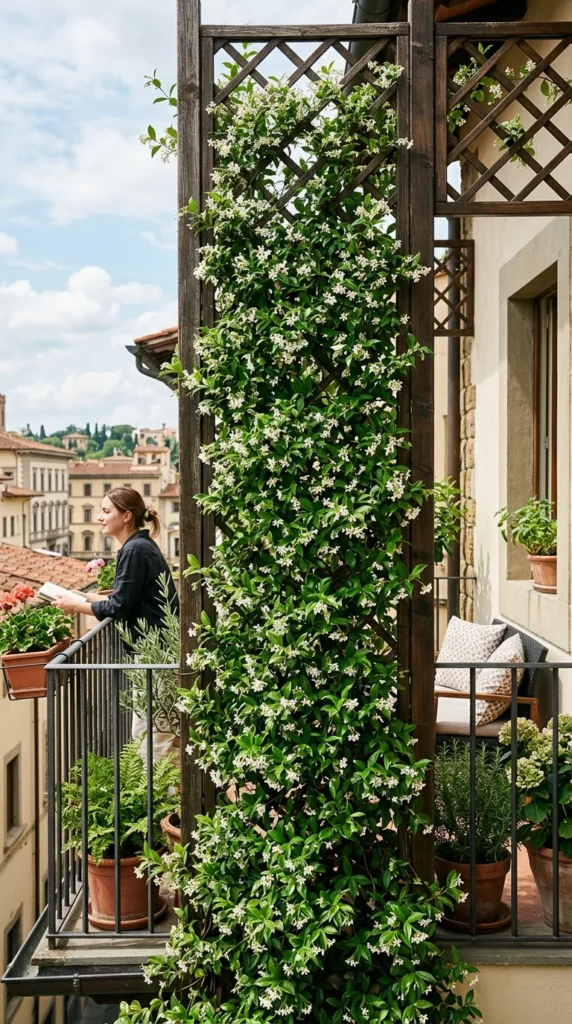
If your balcony feels too exposed to neighbors, use plants to create a natural screen. A trellis or a series of tall, narrow planters filled with bamboo or ornamental grasses can provide the seclusion you need. Not only do these screens block the view, but they also act as a sound buffer, making your outdoor space feel more private and serene.
7. Succulent Walls
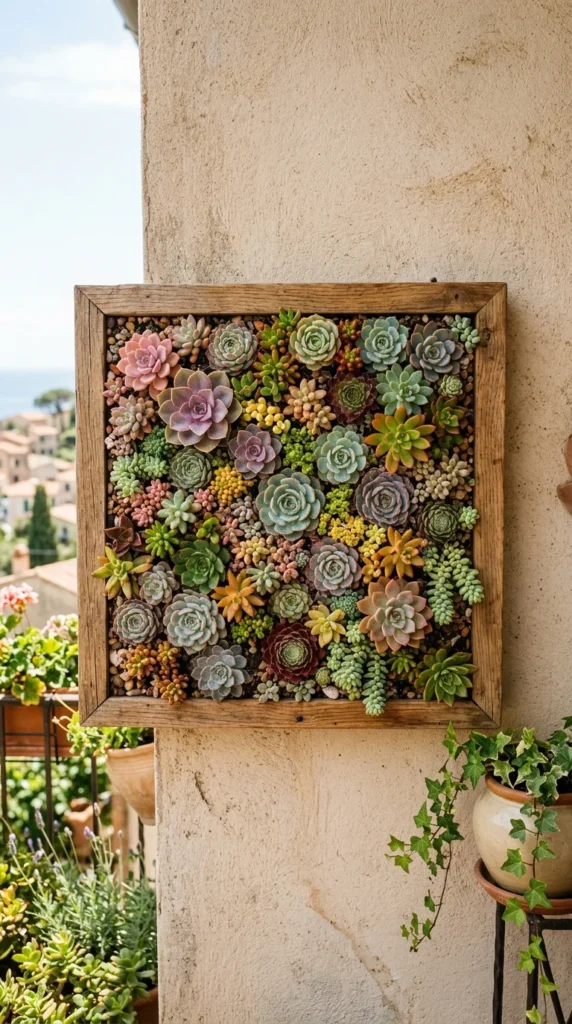
Succulents are the perfect choice for low-maintenance balcony gardening. A succulent wall or “living picture frame” uses shallow soil and a wire mesh to keep the plants in place. Because succulents store water in their leaves, they can handle the intense sun and wind often found on high-rise balconies. They offer a modern, architectural look with minimal effort.
8. Potted Fruit Trees
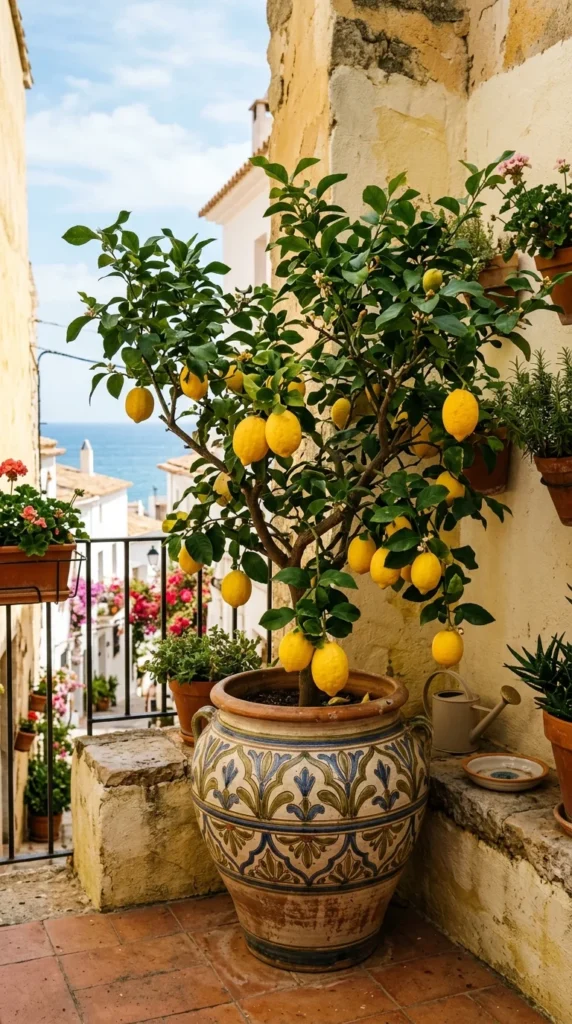
You don’t need an orchard to grow fruit. Many varieties of fruit trees, such as Meyer lemons, calamondin oranges, and certain types of figs, come in “dwarf” varieties specifically bred for containers. These trees add height and structure to your balcony while providing the rewarding experience of harvesting your own organic produce. Just ensure they are placed in the sunniest spot available.
9. Fairy Gardens
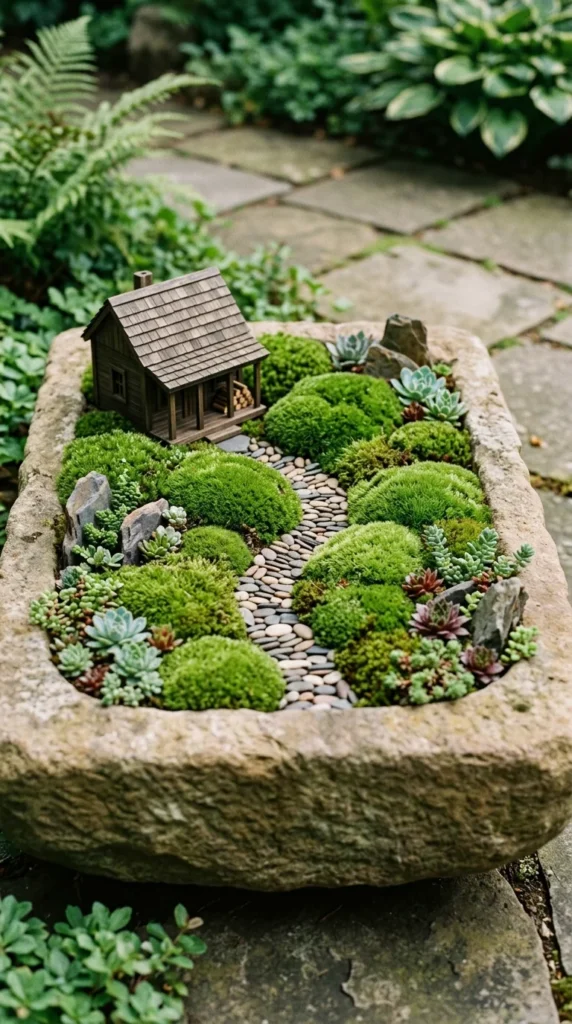
For those with extremely limited space or a love for whimsical details, a fairy garden is a delightful project. These miniature landscapes use slow-growing plants and tiny accessories to create a small-scale world. They are perfect for tabletops and can be a great way to involve children in gardening. Choose plants with small leaves, like creeping thyme or miniature jade, to keep the scale consistent.
10. Pallet Gardens
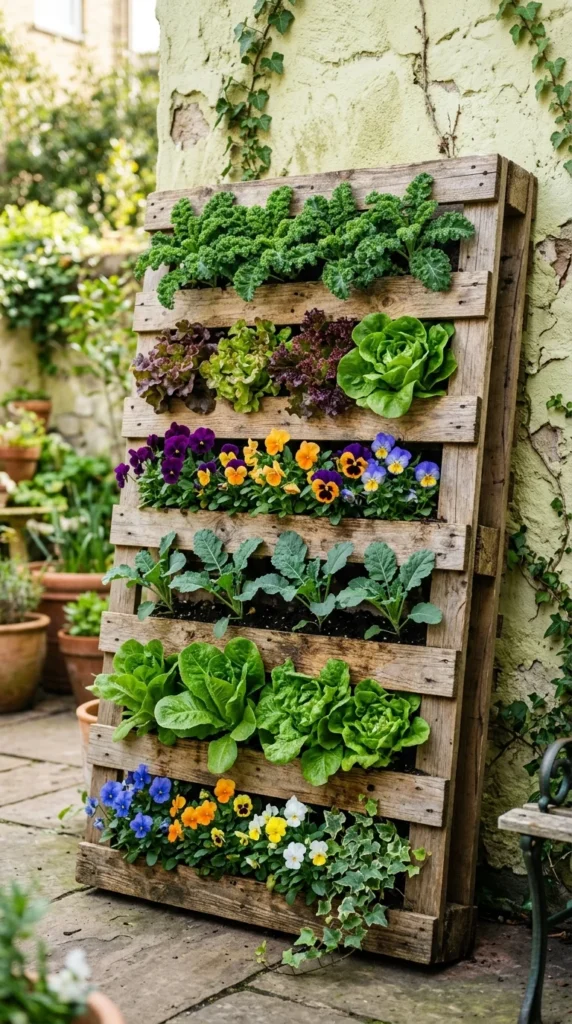
Upcycling a wooden pallet is a budget-friendly way to create a rustic vertical garden. By attaching landscape fabric to the back and bottom of the slats, you can fill the gaps with soil and plants. This “leaning” garden is ideal for shallow-rooted plants like salad greens, strawberries, and various herbs. It adds a touch of farmhouse charm to an urban setting.
11. Climbing Vines
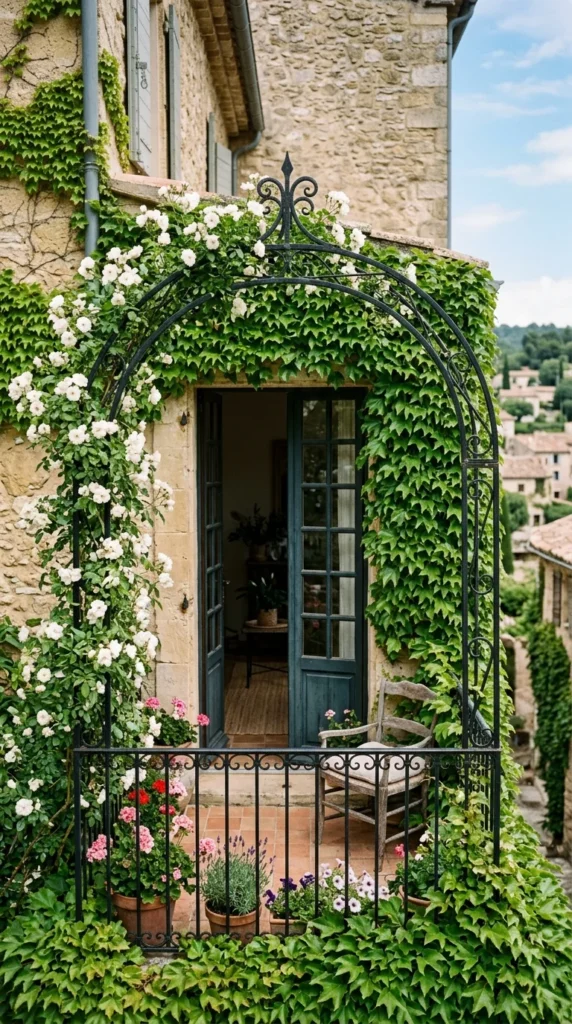
Transform your balcony walls or railings with the elegance of climbing vines. Plants like clematis, honeysuckle, or ivy can be trained to grow along wires or trellises, softening the hard lines of the architecture. Many climbers also produce fragrant flowers, which will fill your balcony and home with a pleasant scent during the blooming season.
12. Water Features
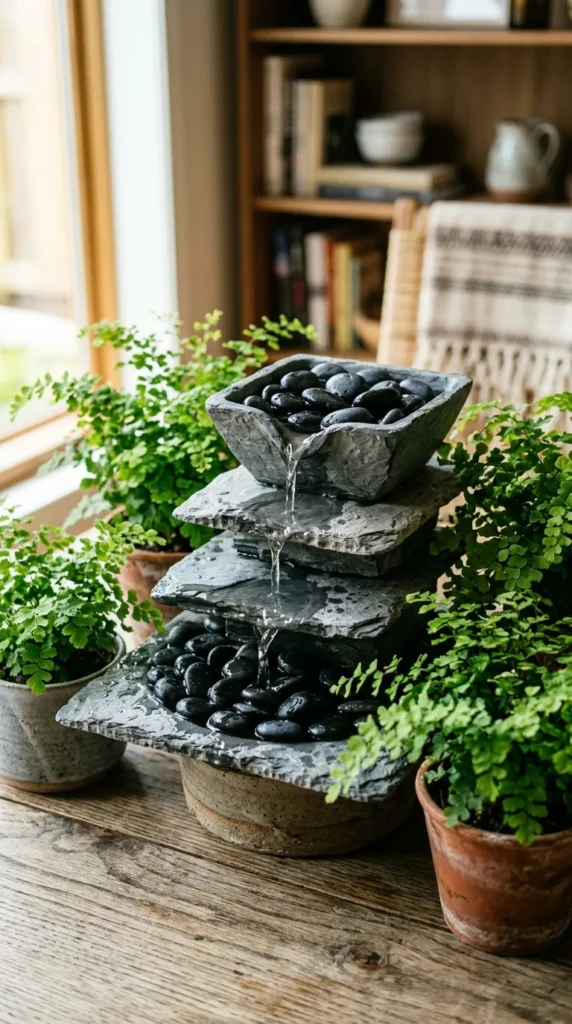
The sound of trickling water can mask city noise and create a tranquil atmosphere. A small, solar-powered tabletop fountain or a wall-mounted water feature doesn’t take up much space but adds a significant sensory element to your garden. Combined with lush greenery, it turns a simple balcony into a meditative retreat.
13. Bistro Sets
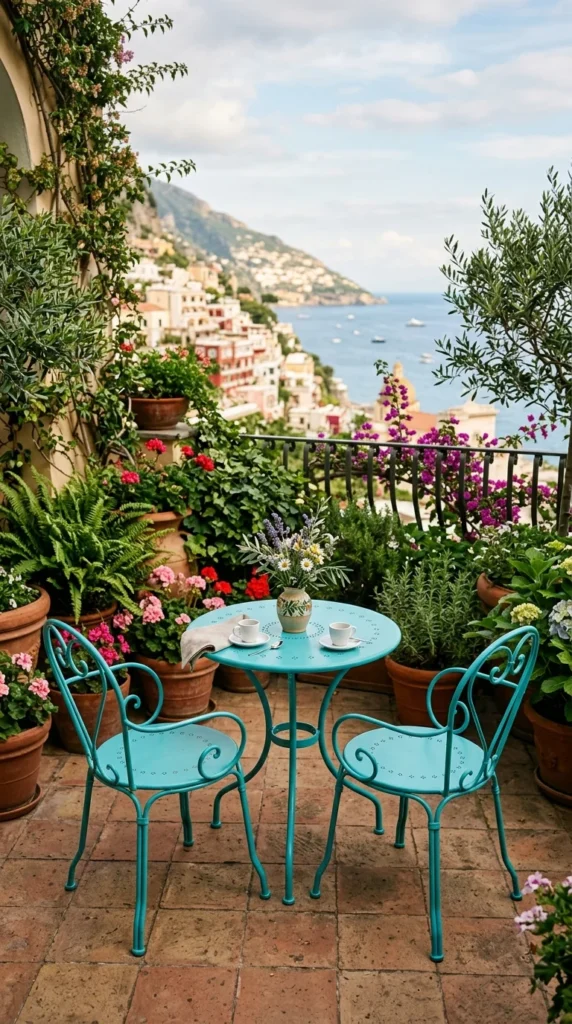
A balcony garden isn’t just for plants; it’s for people too. Incorporating a compact bistro set allows you to enjoy your green space while sipping coffee or reading a book. Look for foldable furniture that can be easily tucked away during the winter or when you need more space for gardening tasks. Choose bright colors to add a pop of personality to the space.
14. Lighting Accents
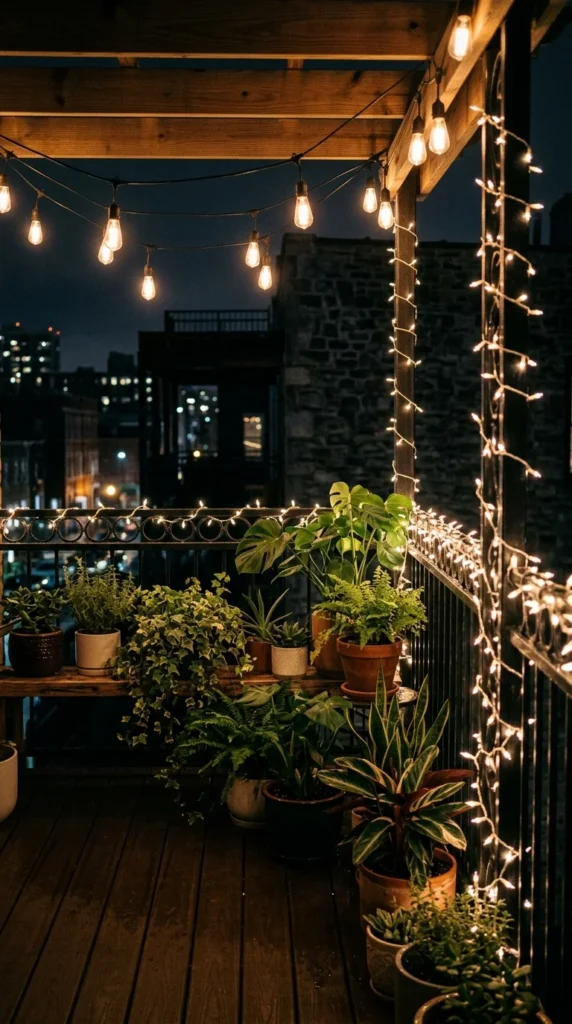
To enjoy your balcony escape after the sun goes down, add layers of lighting. String lights, solar-powered lanterns, and LED candles create a cozy, inviting ambiance. Strategic lighting can also highlight specific plants or architectural features, giving your garden a completely different look during the evening hours.
15. Artificial Turf
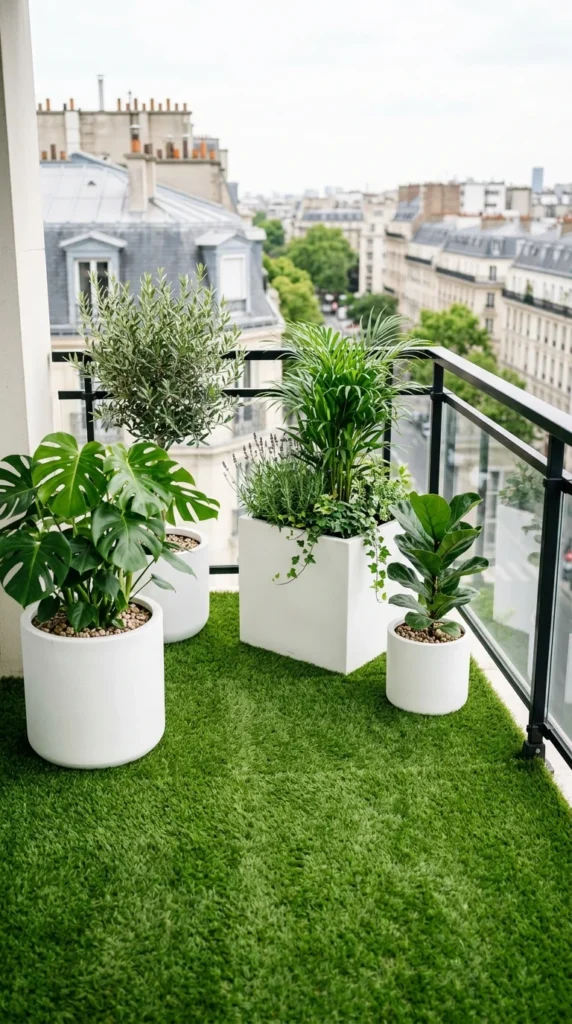
If your balcony floor is cold, grey concrete, consider laying down a piece of artificial turf. It instantly adds a burst of green and provides a soft, comfortable surface for bare feet. High-quality modern turf is durable, drains well, and looks remarkably like real grass, providing the feeling of a backyard high above the ground.
16. Hydroponic Systems
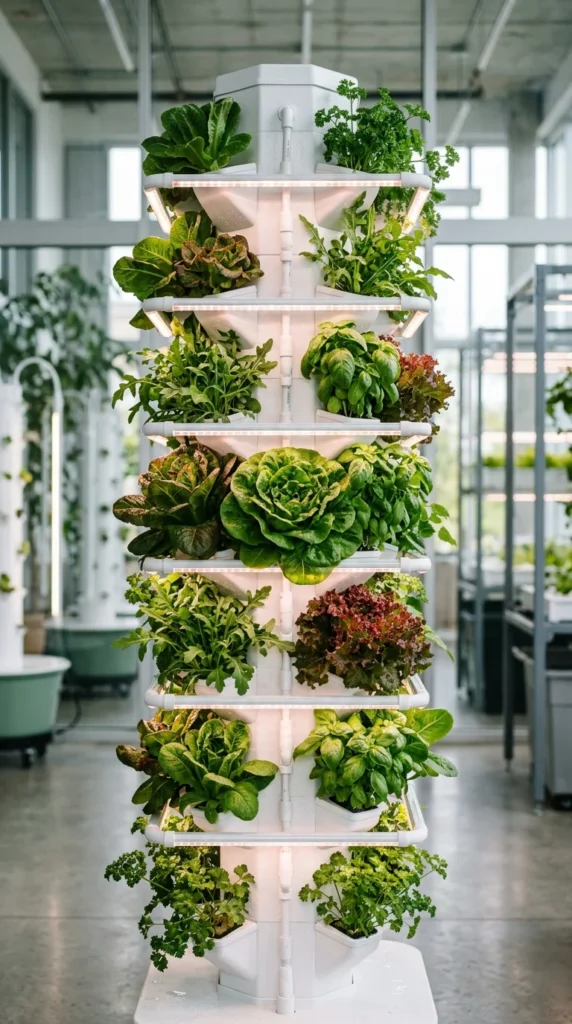
For the tech-savvy gardener, a small hydroponic system is a highly efficient way to grow food in small spaces. These systems use nutrient-rich water instead of soil, which means no mess and faster growth rates. Vertical hydroponic towers are particularly space-efficient and can produce a surprising amount of leafy greens and herbs in just a few square feet.
17. Native Plants
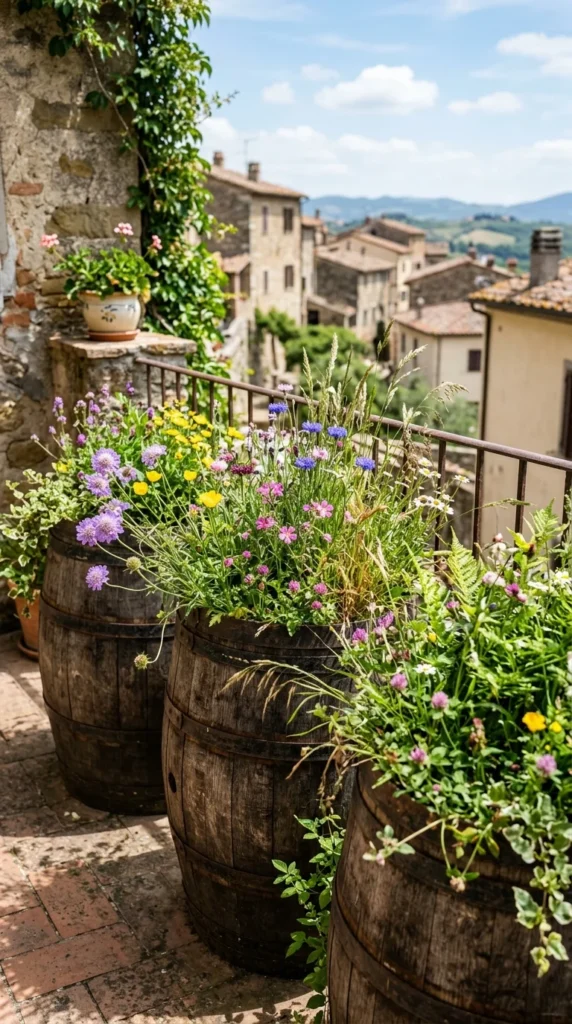
Choosing plants that are native to your region is a sustainable way to garden. Native plants are adapted to the local climate and soil conditions, making them more resilient and easier to maintain. They also provide essential food and habitat for local pollinators like bees and butterflies, turning your balcony into a tiny ecological stepping stone in the city.
18. Edible Flowers
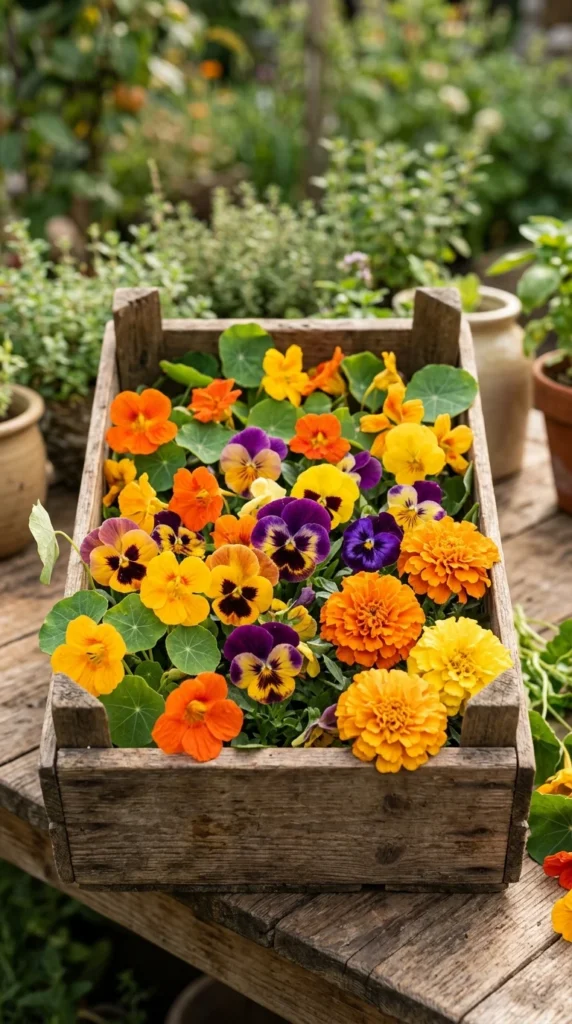
Why choose between beauty and utility? Many flowers are not only stunning to look at but also completely edible. Nasturtiums, pansies, and violas thrive in pots and can be used to garnish salads or desserts. They add a sophisticated touch to your garden and your plate, maximizing the use of every inch of soil.
19. Bamboo Borders
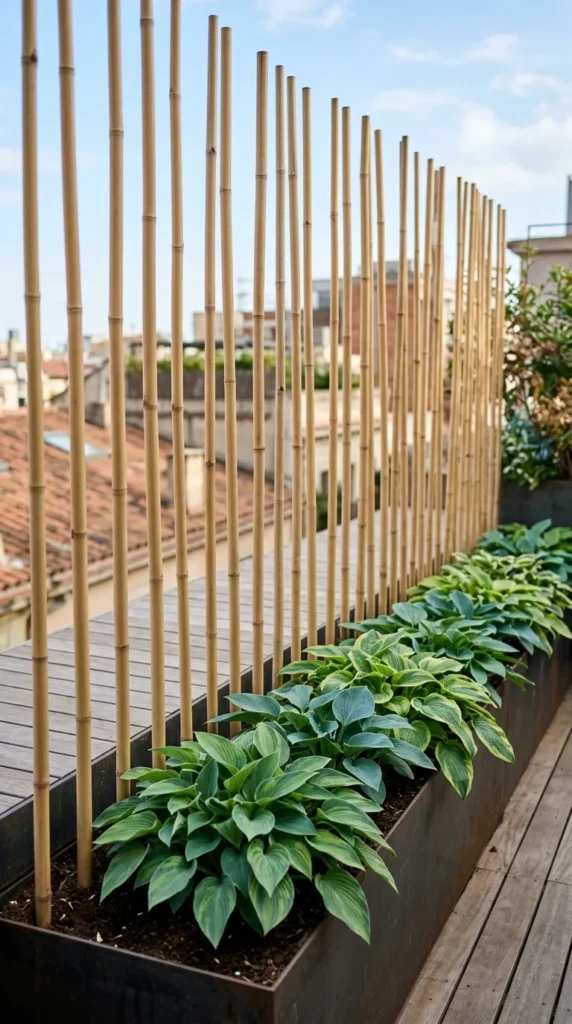
Bamboo is a versatile material for balcony gardening. Use tall bamboo poles in deep pots to create a fast-growing, evergreen screen, or use short bamboo fencing to hide unsightly plastic pots. It adds a tropical or Zen-like feel to the space and is incredibly durable in various weather conditions.
20. Greenhouse Cabinets
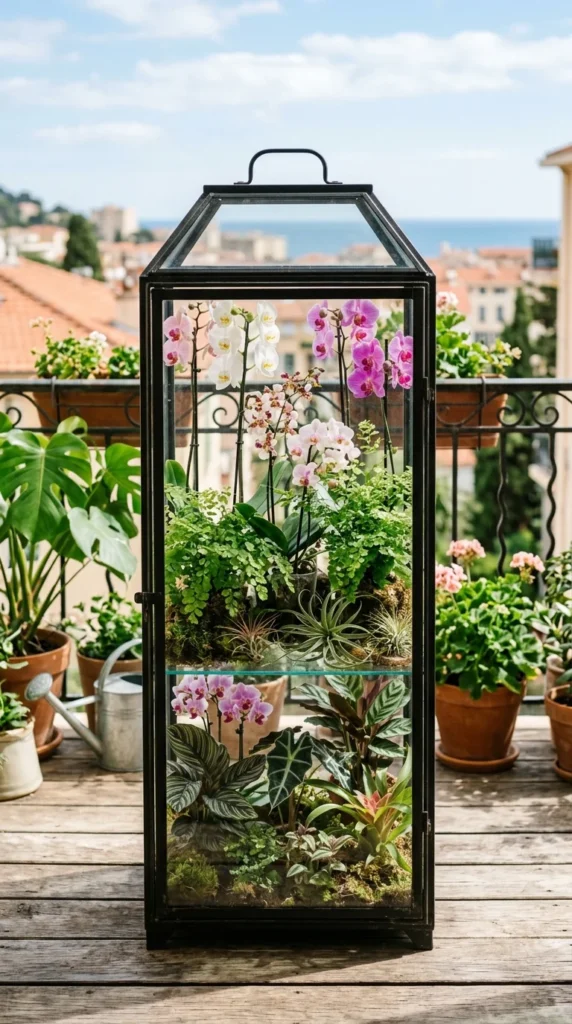
If you live in a cooler climate or want to grow delicate tropical plants, a small balcony greenhouse or “glass cabinet” is a great investment. These structures trap heat and moisture, creating a microclimate that allows you to start seeds earlier in the spring or keep sensitive plants alive longer into the autumn. They also protect your plants from harsh winds.
21. Scented Sanctuaries
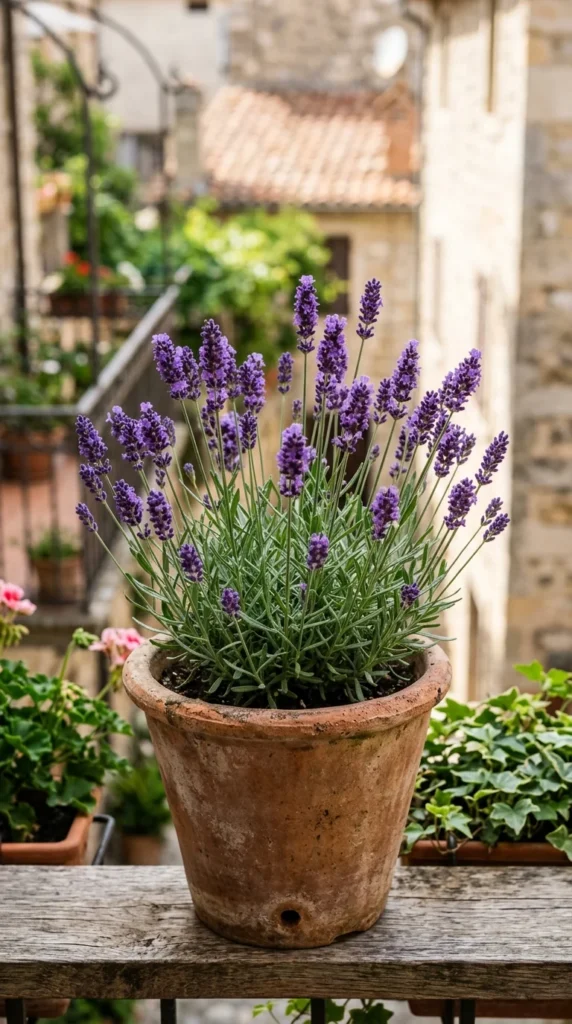
Engage your sense of smell by prioritizing fragrant plants. Lavender, jasmine, gardenias, and scented geraniums can turn your balcony into a natural aromatherapy zone. Place these plants near the door or seating area so the fragrance drifts inside whenever the window is open, enhancing the overall sensory experience of your home.
22. Tropical Foliage
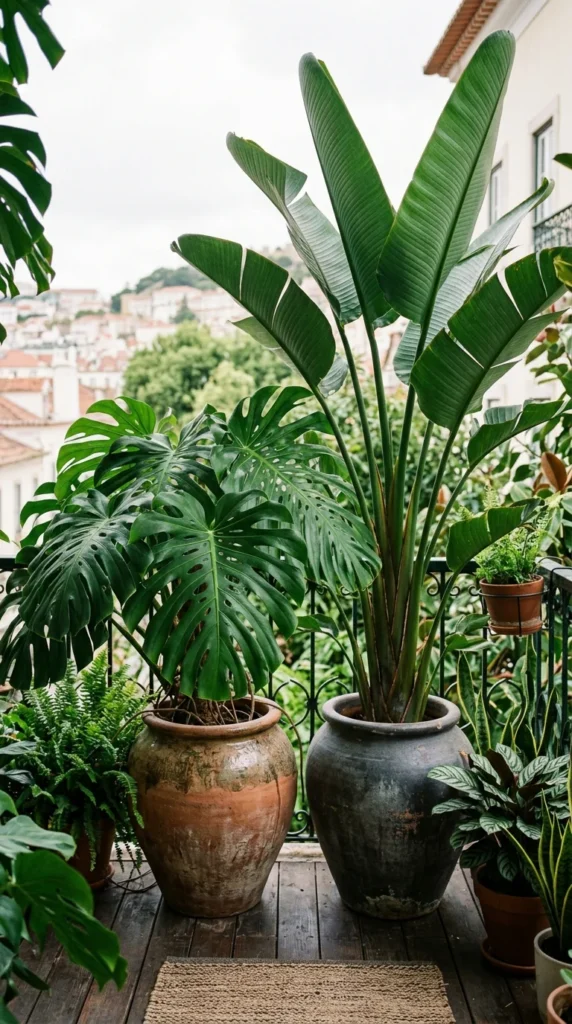
If your balcony is shaded by other buildings, lean into the “jungle” aesthetic with large-leafed tropical plants. Monsteras, philodendrons, and palms thrive in indirect light and create a lush, bold look. Their oversized leaves add drama and a sense of luxury, making even a small space feel like a high-end tropical resort.
23. Foldable Workstations
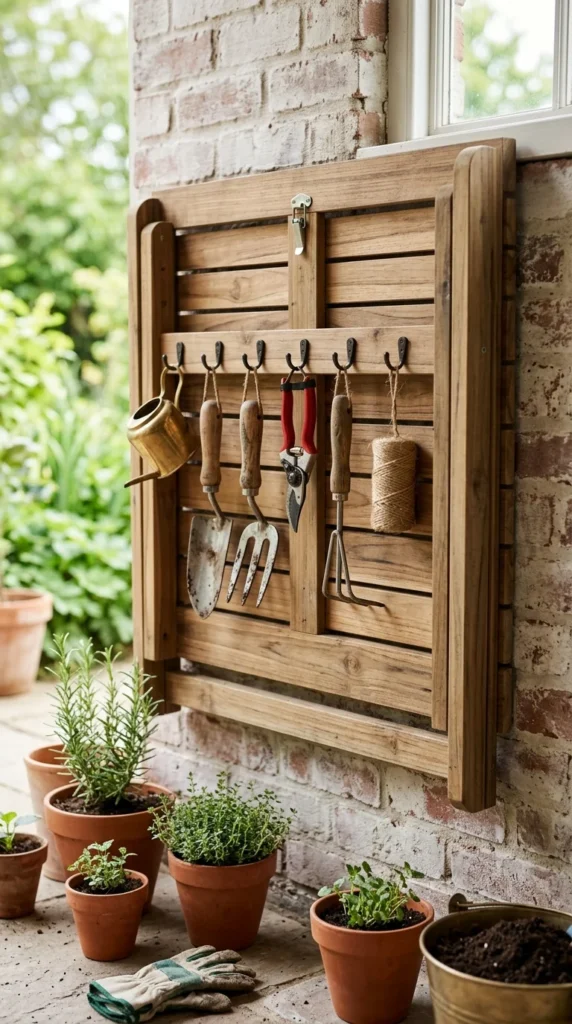
Every gardener needs a place to work, but a full-sized potting bench is often too big for a balcony. A wall-mounted, foldable workstation provides a surface for repotting and pruning when you need it and disappears when you don’t. This keeps your balcony organized and ensures that your gardening activities don’t interfere with your relaxation space.