
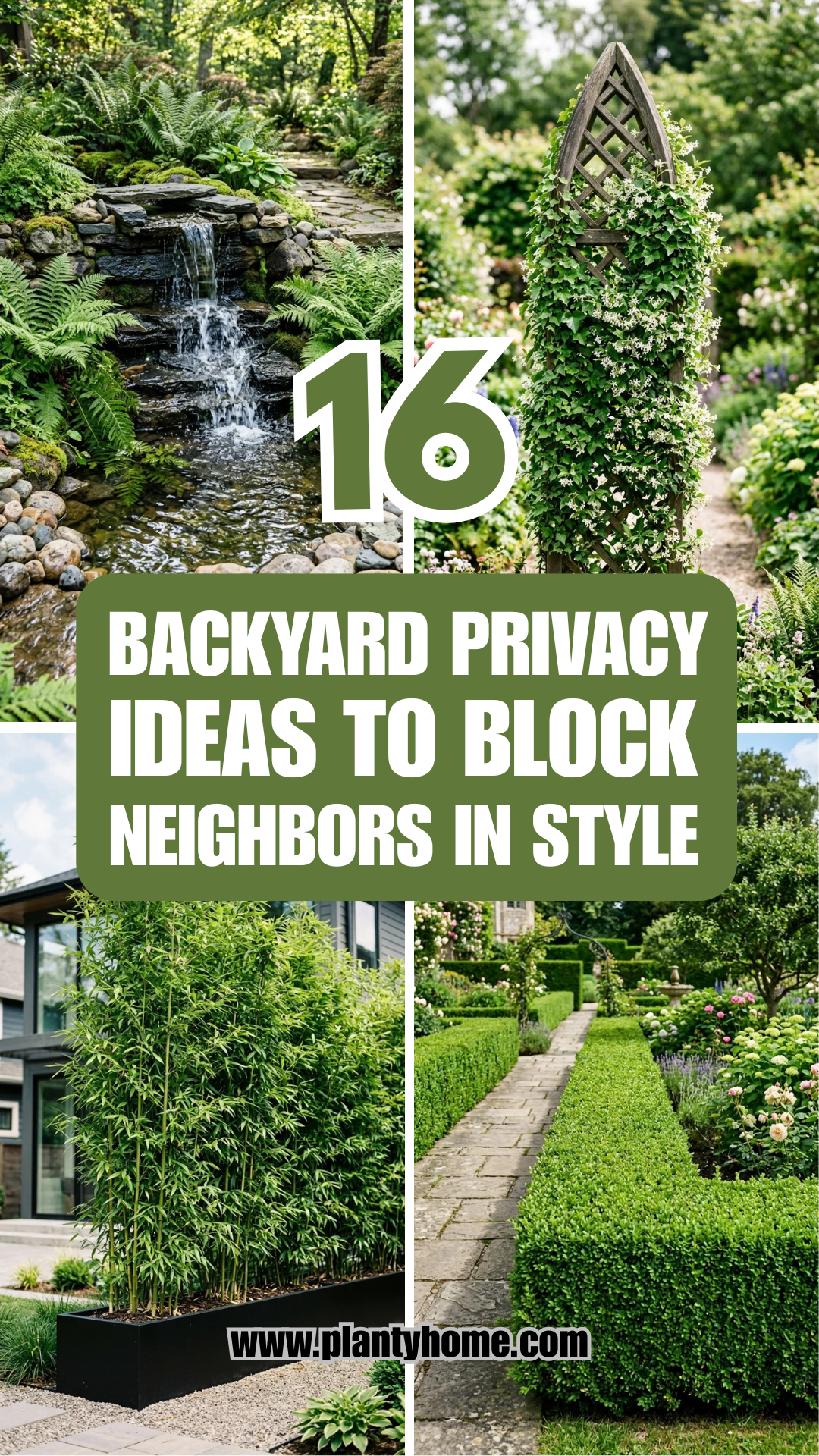
Creating a private sanctuary in your backyard is essential for relaxation and personal enjoyment. Whether you live in a bustling suburb or a tightly packed urban neighborhood, the feeling of being watched can hinder your ability to truly unwind. Fortunately, achieving privacy doesn’t mean you have to build a fortress. By blending landscaping, structural elements, and clever design, you can shield your outdoor space from prying eyes while actually enhancing its aesthetic appeal.
From natural living barriers to modern architectural screens, the options for backyard privacy are as diverse as the homes they protect. The key is to choose a solution that complements your home’s style, fits your budget, and addresses your specific privacy needs—whether that’s blocking a second-story window or simply creating a cozy corner for morning coffee.
1. Tall Fences
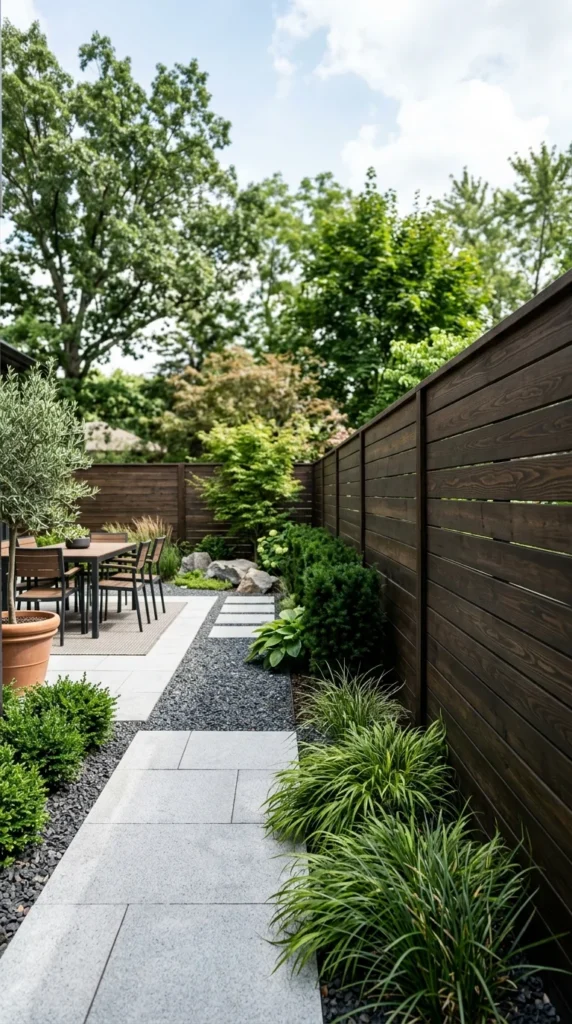
The most traditional method for securing privacy is a tall perimeter fence. While standard vertical dog-ear fences are functional, modern homeowners are opting for horizontal slat designs or “shadowbox” styles that offer better aesthetics and airflow. Horizontal fences can make a small yard feel wider and provide a sleek, contemporary backdrop for garden beds. When choosing materials, cedar and redwood are popular for their natural rot resistance and beautiful grain, while high-quality vinyl offers a low-maintenance alternative that won’t warp or fade over time. For maximum privacy, ensure the boards are tightly spaced to eliminate gaps that neighbors could peek through.
2. Living Walls
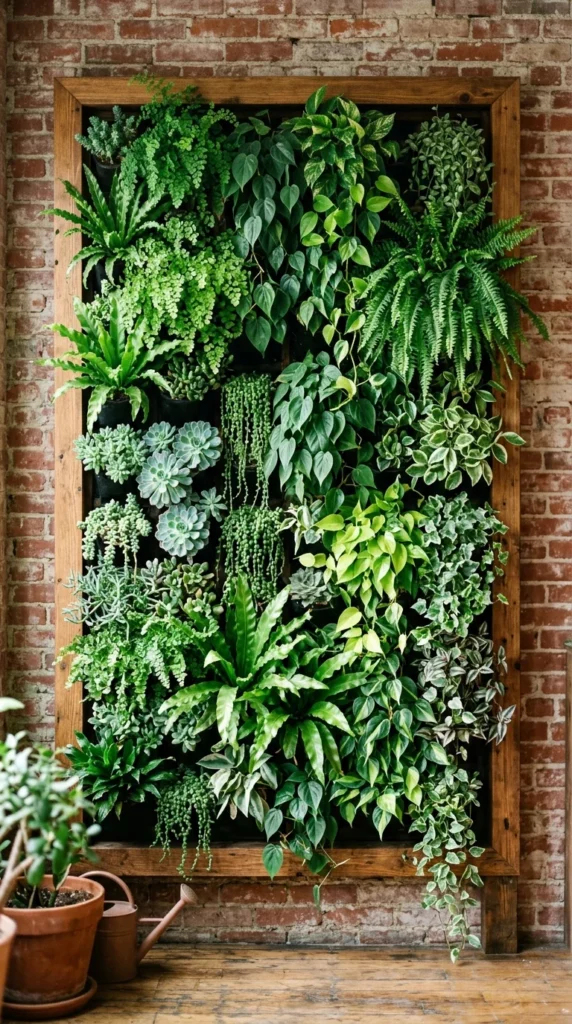
A living wall, or vertical garden, transforms a functional privacy barrier into a stunning piece of biological art. These structures are perfect for smaller patios or balconies where ground space is limited. You can install a modular system with built-in irrigation or create a DIY version using felt pockets or wooden crates. By planting a mix of ferns, succulents, and trailing ivy, you create a dense, opaque screen that also helps cool the surrounding air through transpiration. Living walls provide a “soft” boundary that feels much more inviting than a cold, hard wall, and they can even be used to grow herbs and small vegetables right outside your door.
3. Bamboo Screens
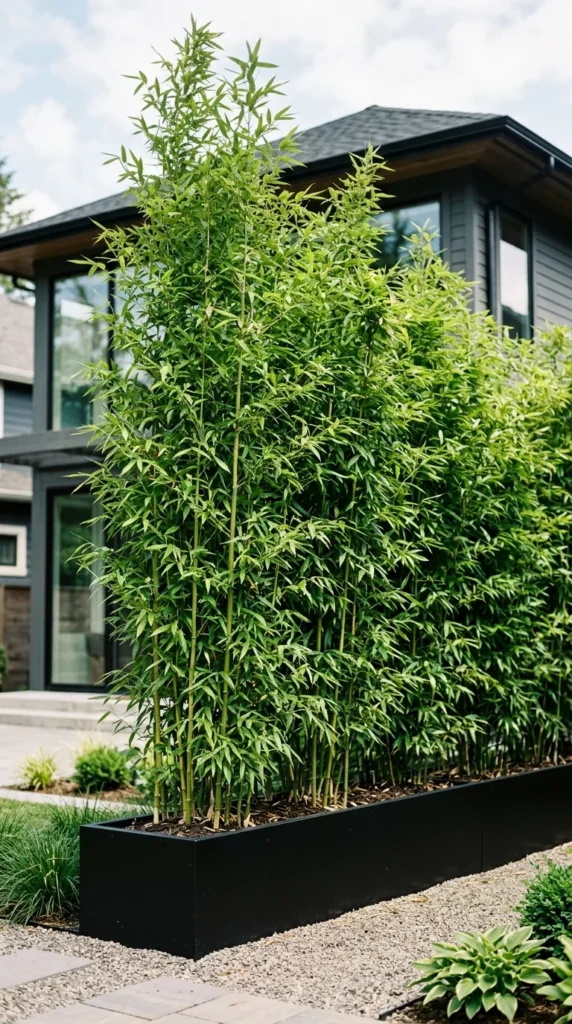
Bamboo is one of the fastest-growing plants on earth, making it an excellent choice for a quick privacy solution. If you plant it directly in the ground, be sure to use “clumping” varieties rather than “running” ones, as the latter can become invasive and difficult to control. Alternatively, many homeowners use pre-made bamboo reed fencing or rolls of bamboo poles attached to an existing structure. This material adds a tropical, Zen-like aesthetic to the backyard and provides a high level of opacity. The natural tan or green hues of bamboo blend seamlessly with most garden palettes, offering a sustainable and eco-friendly way to block out the world.
4. Lattice Panels
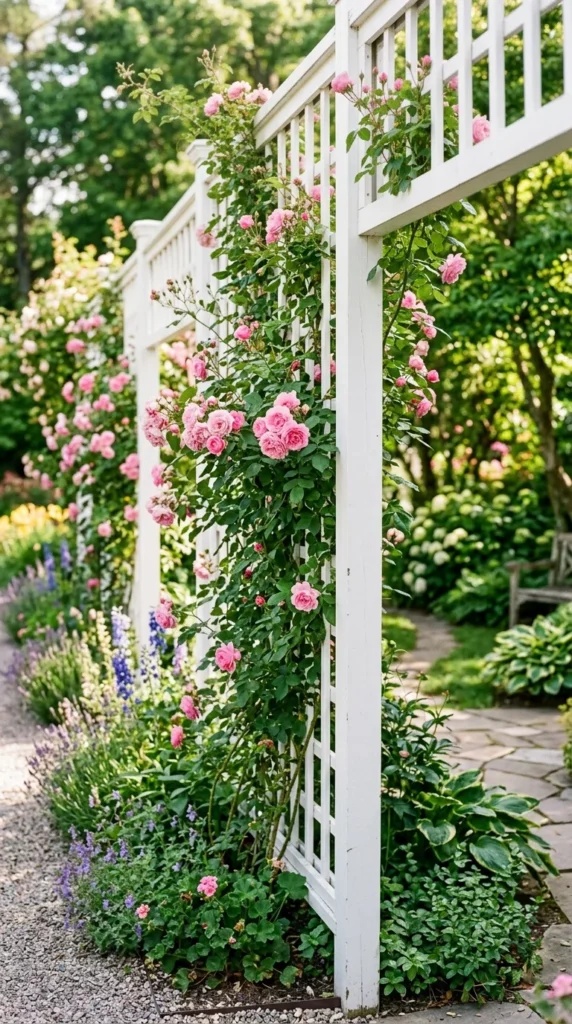
Lattice is a versatile and affordable option for those who want privacy without feeling completely enclosed. The crisscross pattern allows light and air to filter through, preventing the yard from feeling claustrophobic. To maximize the privacy factor, lattice should be paired with fast-growing climbing plants like clematis, honeysuckle, or jasmine. As the plants mature, they weave through the lattice, creating a thick, fragrant wall of green and floral color. Lattice can be used as a standalone screen, an extension on top of a low fence, or as side panels for a deck or porch.
5. Outdoor Curtains
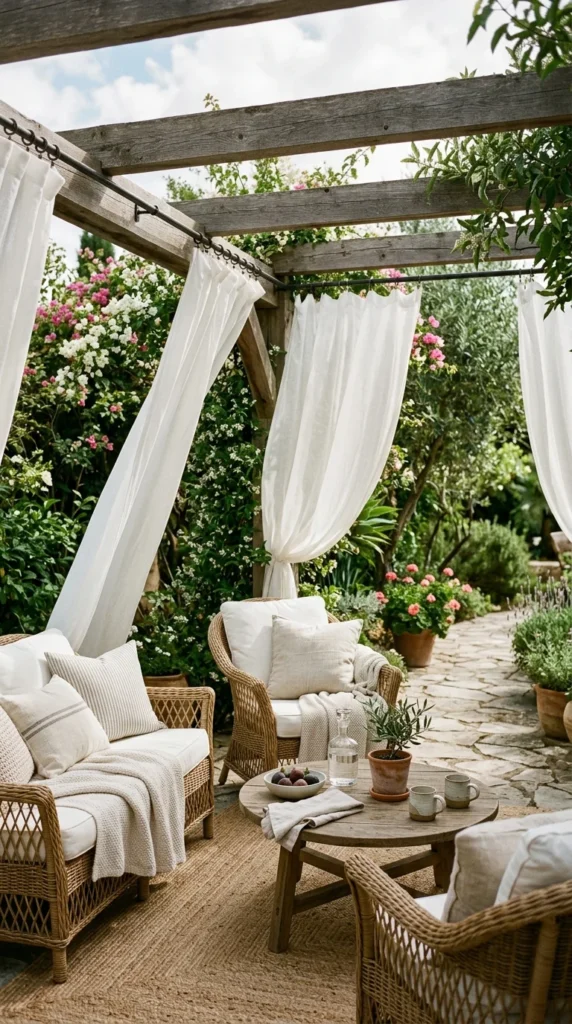
If you are looking for a flexible and soft privacy solution, outdoor curtains are an excellent choice. Typically hung from a pergola, porch, or custom-built frame, these curtains can be pulled shut when you want total seclusion and drawn back when you want to enjoy the full view. They are particularly effective for blocking the line of sight from a specific neighbor’s window. Use weather-resistant fabrics like Sunbrella to ensure they withstand sun exposure and rain without molding or fading. Curtains add a touch of resort-style luxury and can soften the hard lines of a deck or patio, making the space feel like an outdoor “room.”
6. Privacy Trees
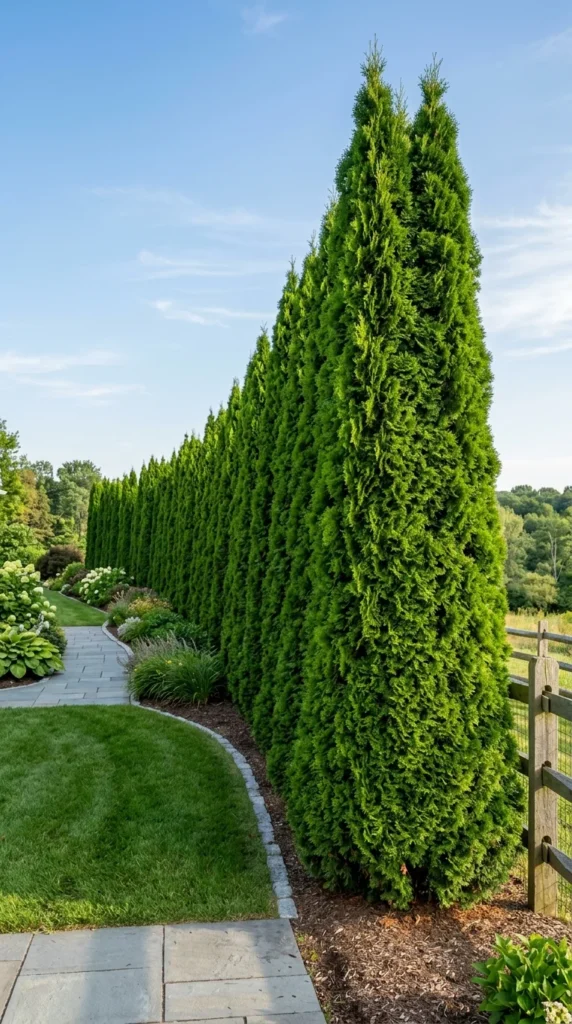
Evergreen trees are the gold standard for natural privacy because they provide year-round coverage. Arborvitae, particularly the ‘Emerald Green’ or ‘Green Giant’ varieties, are favorites because of their narrow, upright growth habit, which allows them to fit into tighter spaces. Cypress and Juniper varieties also offer dense foliage and varied textures. Unlike a fence, trees can grow high enough to block views from neighboring second-story windows. When planting, be sure to space them according to their mature width to ensure they form a seamless “green wall” without competing too heavily for nutrients and water.
7. Retractable Awnings
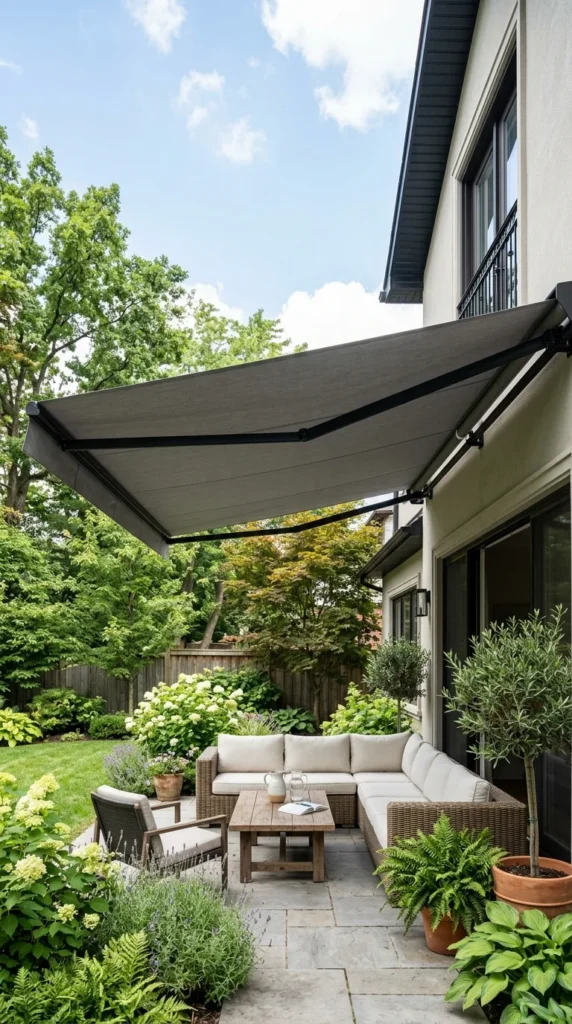
Privacy isn’t just about what’s happening at eye level; sometimes you need to block the view from above. Retractable awnings are perfect for decks or patios that are overlooked by taller buildings. Not only do they provide essential shade during the heat of the day, but they also create a “ceiling” for your outdoor space, shielding you from the gaze of anyone looking down. Modern motorized versions can be controlled with a remote or a smartphone app, and many include sensors that automatically retract the awning during high winds to prevent damage.
8. Hedge Rows
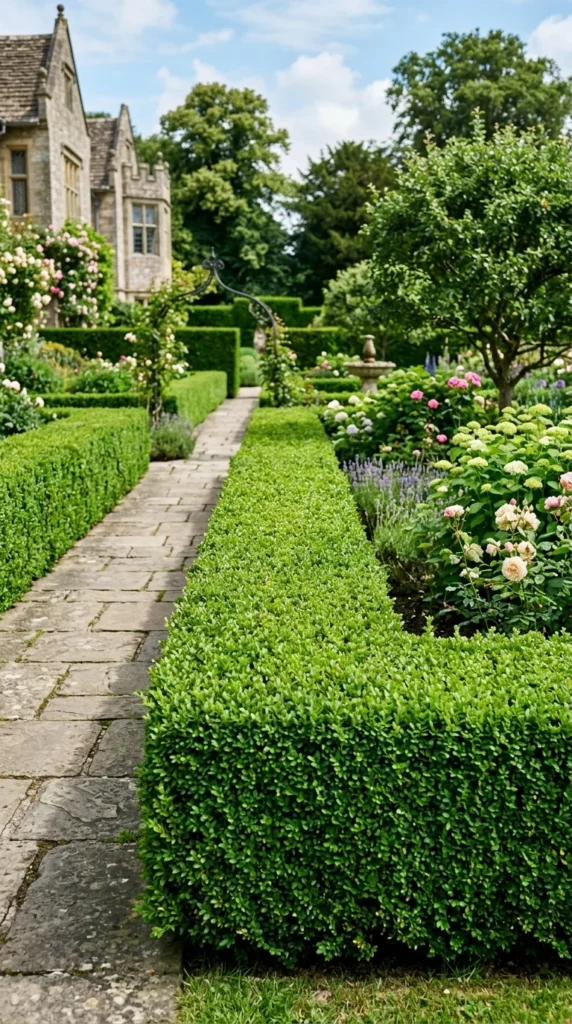
For a formal and timeless look, a well-manicured hedge is hard to beat. Unlike a row of individual trees, a hedge is typically kept sheared into a specific geometric shape, creating a living wall that looks architectural. Boxwood, Privet, and Laurel are common choices for hedges because they respond well to frequent pruning and maintain dense foliage. Hedges provide excellent noise reduction and wind protection in addition to privacy. While they do require more maintenance in terms of trimming than a fence, the result is a sophisticated, “estate” feel that increases property value and curb appeal.
9. Pergolas
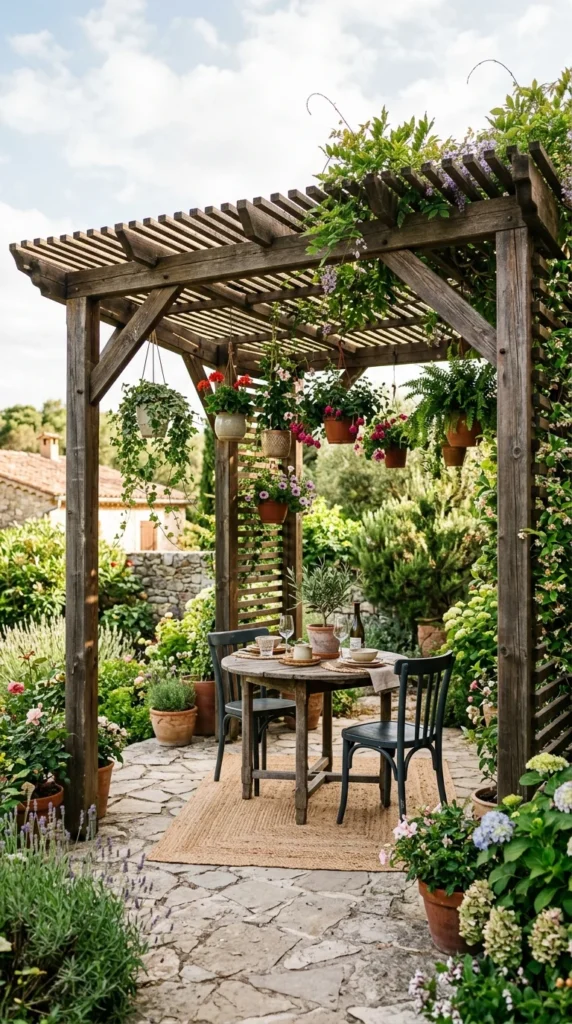
A pergola is a multi-functional structure that defines an outdoor space while providing various ways to integrate privacy. By adding wooden slats to the sides or a “louvered” roof system, you can control how much of the surrounding area is visible. Many homeowners use pergolas as a skeleton for other privacy elements, such as hanging plants, outdoor curtains, or climbing vines like Wisteria. A pergola creates a sense of enclosure and intimacy without the need for solid walls, maintaining a breezy and open feel while effectively zoning your backyard for private use.
10. Metal Screens
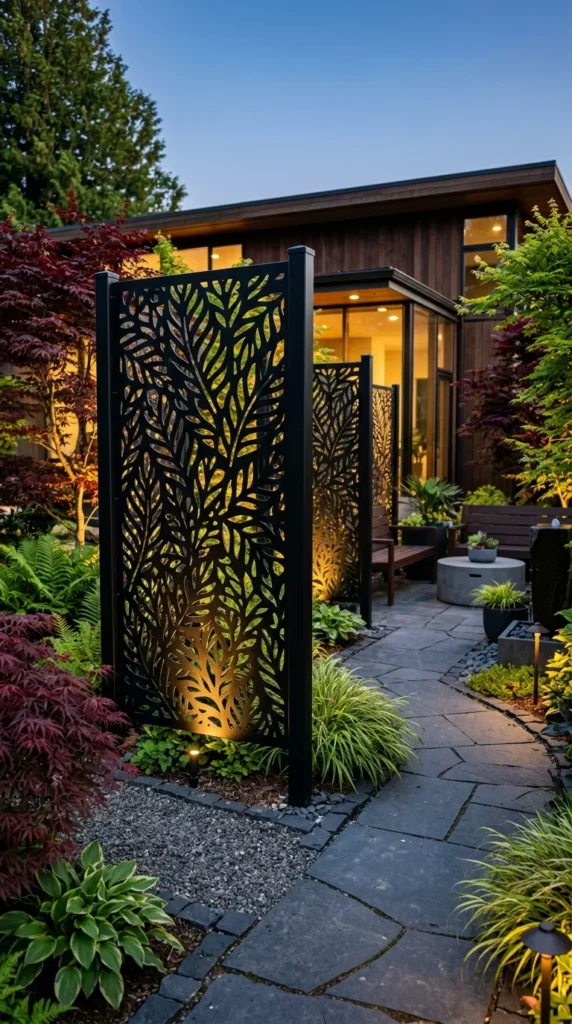
For a contemporary or industrial look, laser-cut metal screens are a popular and stylish choice. These panels come in a wide variety of patterns—from geometric shapes to organic, leaf-like designs. They are usually made from powder-coated steel or Corten steel, the latter of which develops a beautiful rust-like patina over time that protects the metal underneath. Metal screens are incredibly durable and act as a focal point in the garden. Because the patterns are perforated, they provide privacy while still allowing light to dance through, creating beautiful shadows on your patio.
11. Water Features
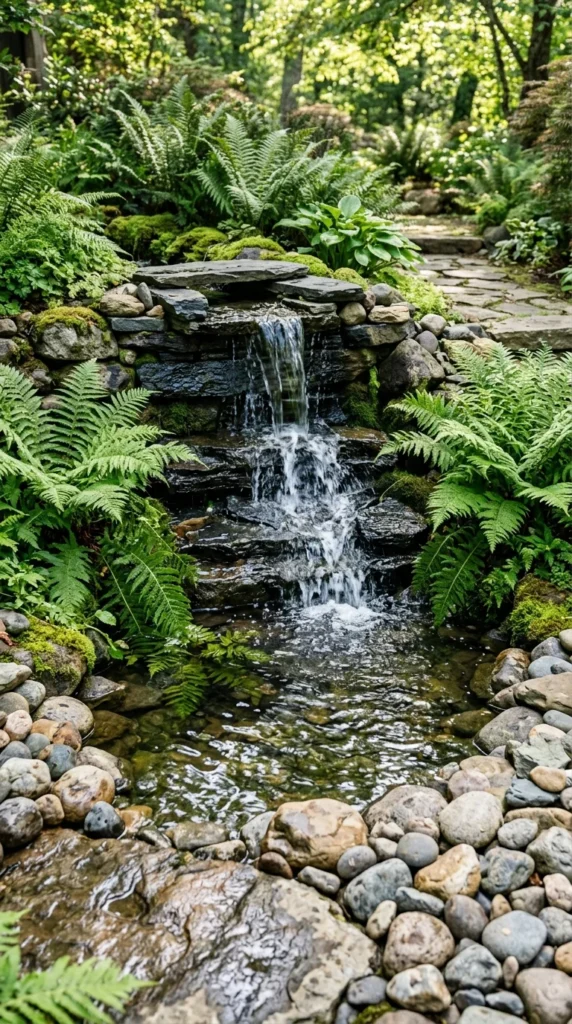
Privacy is not just visual; it is also auditory. “Acoustic privacy” is often overlooked but is crucial if you live near a busy street or have talkative neighbors. A well-placed water feature, such as a bubbling fountain or a cascading waterfall, creates white noise that masks ambient sounds and conversations. The sound of running water is naturally relaxing and helps create a psychological barrier between your space and the outside world. Even a small tabletop fountain can make a significant difference in how private a patio feels during a quiet evening.
12. Container Gardens
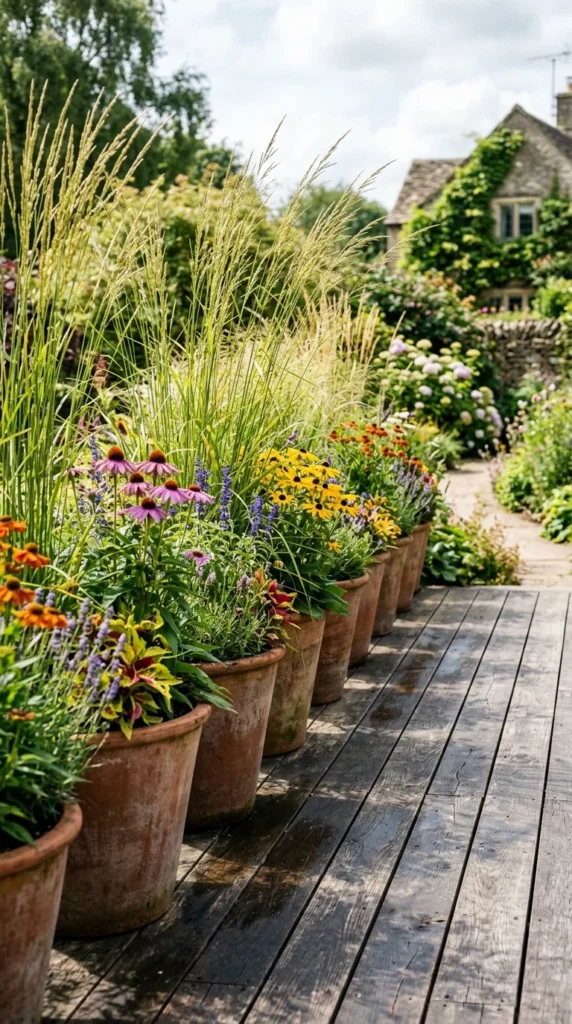
If you are a renter or don’t want to commit to permanent landscaping, container gardens offer a portable and flexible privacy solution. By grouping large pots and filling them with tall plants like ornamental grasses, canna lilies, or even small citrus trees, you can create a “pop-up” privacy screen. Ornamental grasses, such as Feather Reed Grass or Maiden Grass, are particularly effective because they grow quickly, reach impressive heights, and sway beautifully in the wind, providing both visual and auditory serenity.
13. Sun Sails
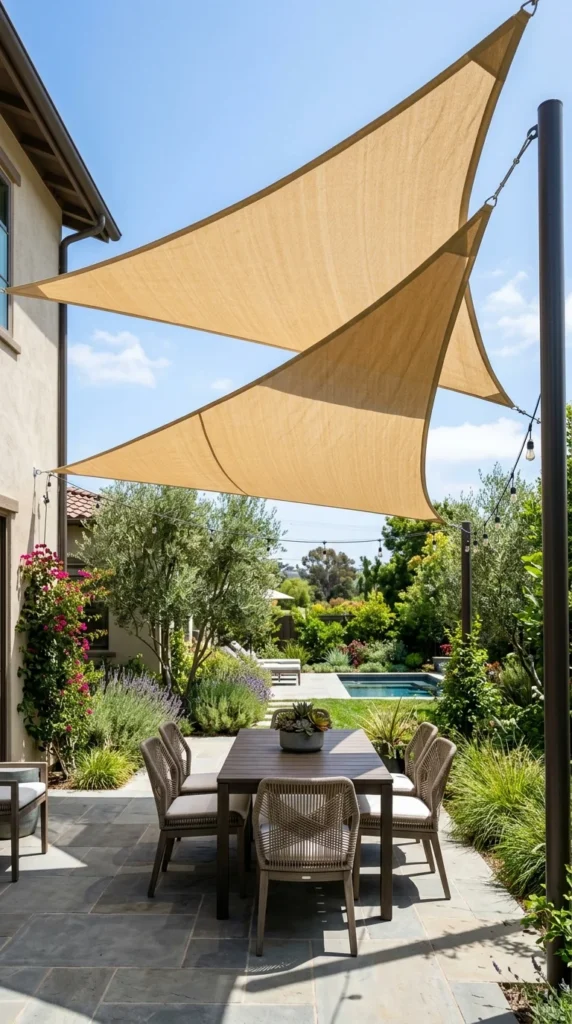
Sun sails (or shade sails) are large pieces of durable fabric tensioned between posts or house attachments. While their primary purpose is shade, they are exceptionally good at providing “top-down” privacy. By angling the sails strategically, you can block the line of sight from specific vantage points, such as a neighbor’s balcony. They come in various colors and shapes, allowing for a highly customizable and modern look. Because they are made of breathable mesh, they don’t trap heat, making them a comfortable and stylish way to shield your sanctuary.
14. Stone Walls
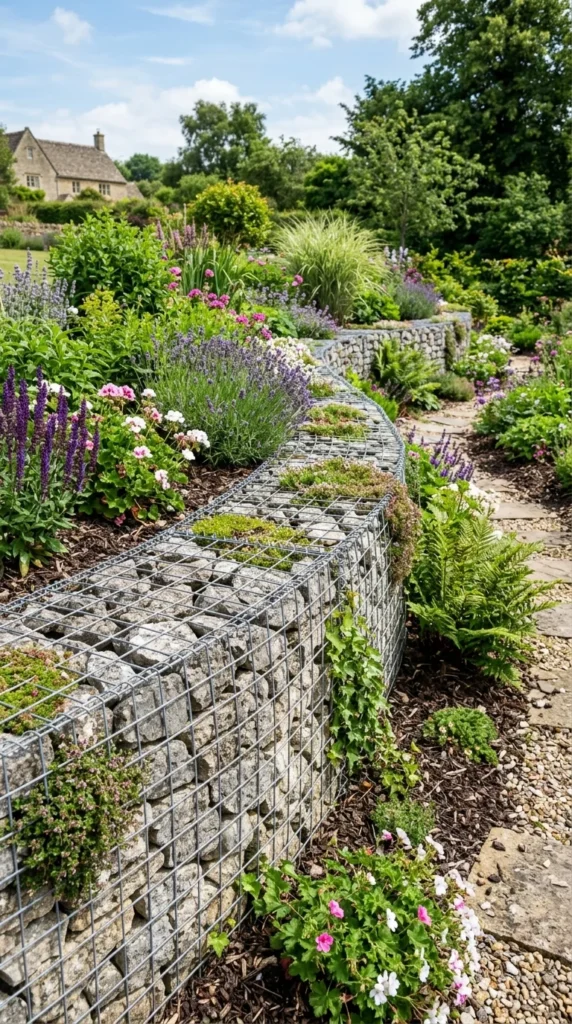
For a permanent and robust privacy solution, stone walls are unmatched. You can opt for traditional masonry with stacked stones and mortar for a classic look, or choose a gabion wall for something more modern and textural. A gabion wall consists of wire cages filled with rocks, glass, or even wood logs. These walls are excellent at blocking sound and providing a total visual barrier. They also serve as great thermal masses, absorbing heat during the day and releasing it at night, which can extend the time you spend comfortably in your backyard during cooler months.
15. Decorative Shutters
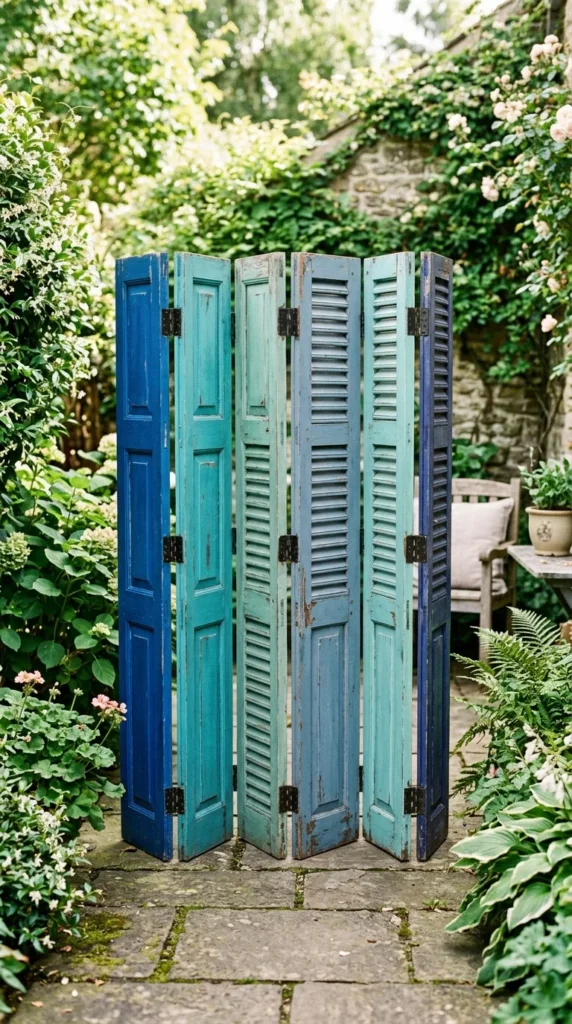
Repurposing old shutters is a creative and eco-friendly way to build a unique privacy screen. By hinging several tall shutters together, you can create a folding screen that is easy to move and adjust. This is an ideal project for someone who loves a “shabby chic” or rustic aesthetic. The slats on the shutters can be tilted to allow air through while blocking the view. You can paint them to match your outdoor furniture or leave them in their weathered state for a more vintage, storied look in your garden.
16. Trellises
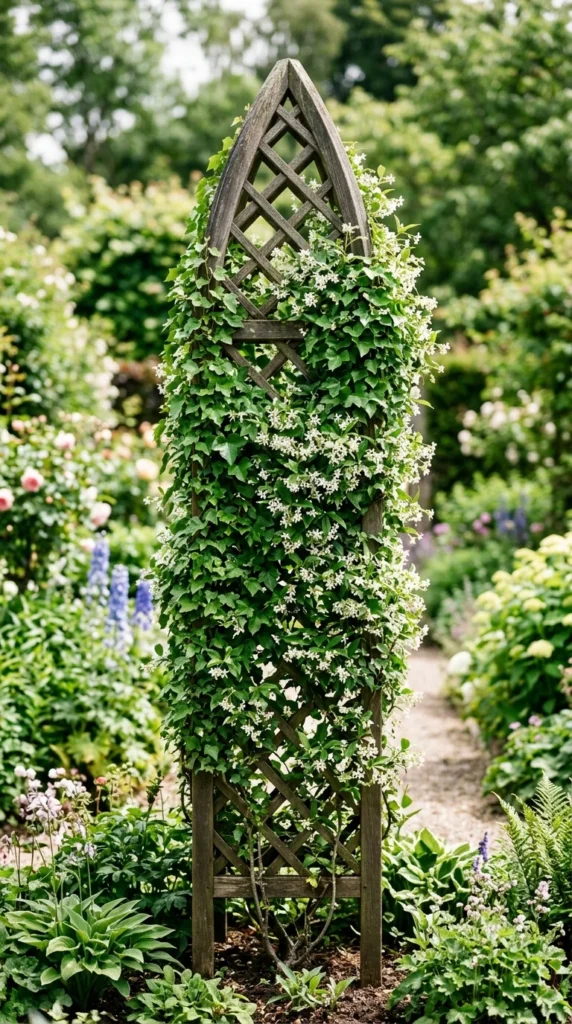
Trellises are similar to lattice but are often designed as standalone architectural features or narrow accents. A tall, narrow trellis can be placed specifically to block a “gap” in your existing privacy, such as the space between two trees or the view through a side gate. When covered in evergreen vines like English Ivy or Star Jasmine, a trellis becomes a dense pillar of greenery. They are easy to install and can be moved if your privacy needs change, making them a versatile tool in the quest for a secluded outdoor haven.