
The pursuit of a home vegetable garden is more than a hobby; it is a journey toward sustainability, nutritional independence, and therapeutic engagement with nature. Whether you possess a sprawling rural acreage or a modest urban balcony, the modern gardener has access to a wealth of innovative techniques designed to maximize yield and minimize effort. This guide explores 19 transformative vegetable gardening ideas that blend functionality with aesthetic appeal, ensuring your garden remains a productive sanctuary throughout the growing season.
1. Raised Beds
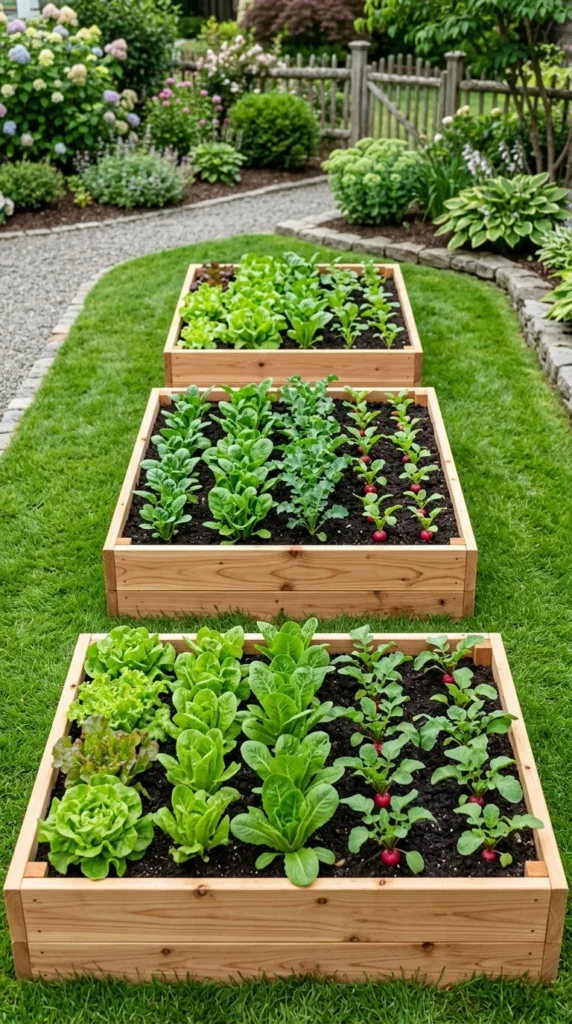
Raised beds are the gold standard for many home gardeners due to their superior drainage and soil temperature regulation. By elevating the planting area, you prevent soil compaction from foot traffic and can tailor the soil composition specifically to the needs of your vegetables. This method is particularly effective for those dealing with heavy clay or rocky native soil. Furthermore, the defined borders of raised beds make it easier to manage weeds and install protective netting or covers against pests.
2. Vertical Trellises
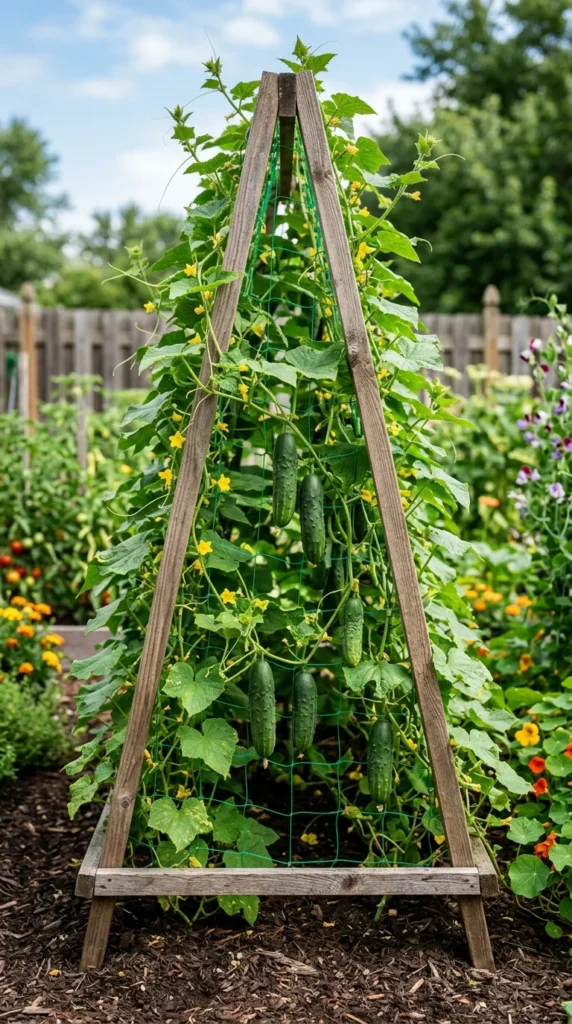
When horizontal space is limited, the only way to grow is up. Vertical trellising is an essential strategy for vining crops such as cucumbers, pole beans, and peas. Utilizing cattle panels, bamboo poles, or nylon netting allows for better air circulation around the plants, which significantly reduces the risk of fungal diseases like powdery mildew. Additionally, vertical growth keeps the produce off the ground, resulting in cleaner, more symmetrical vegetables that are easier to harvest.
3. Container Gardening
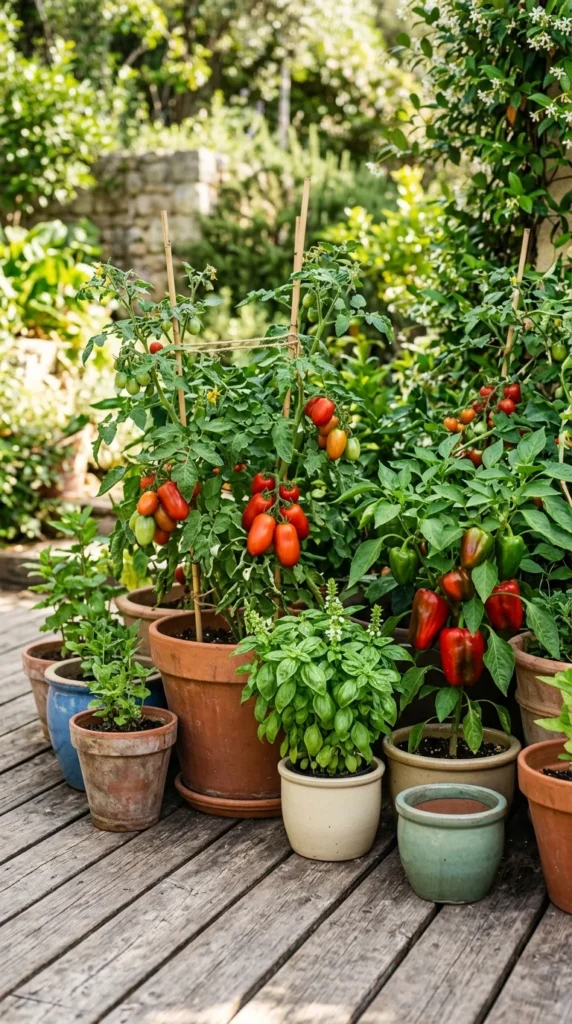
Container gardening offers unparalleled flexibility. It allows gardeners to move plants according to the sun’s trajectory or bring sensitive crops indoors during unexpected cold snaps. For those in urban environments, containers transform balconies and patios into edible landscapes. The key to success with containers is ensuring high-quality potting mix and a consistent watering schedule, as pots tend to dry out faster than traditional garden beds.
4. Companion Planting
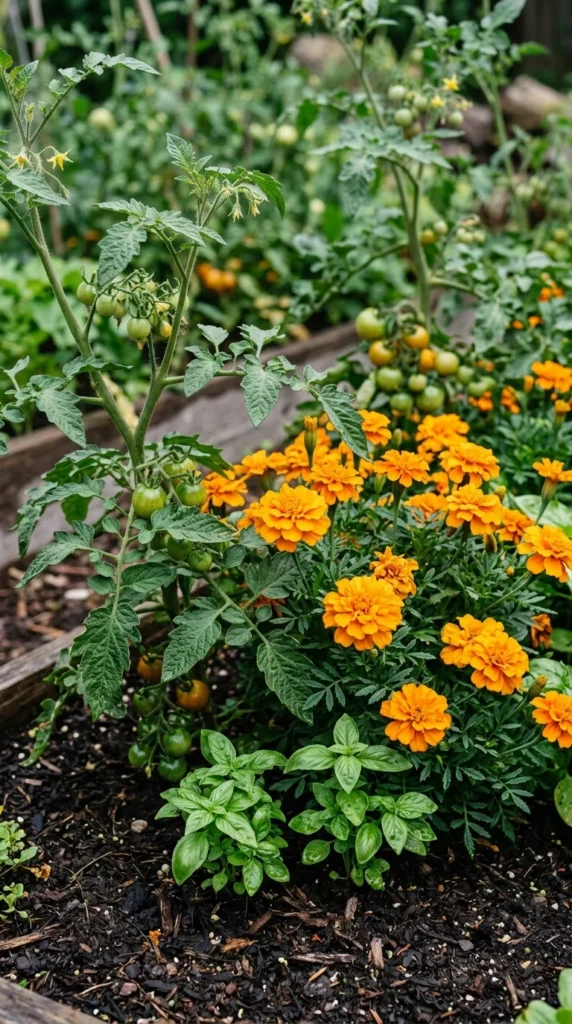
Companion planting is an ancient practice backed by modern ecological science. By placing mutually beneficial plants together, you can naturally deter pests and improve growth. For instance, planting marigolds near tomatoes helps repel harmful nematodes and aphids, while the strong scent of onions or garlic can mask the smell of carrots from the carrot rust fly. This biodiversity creates a self-sustaining ecosystem that reduces the need for chemical interventions.
5. Drip Irrigation
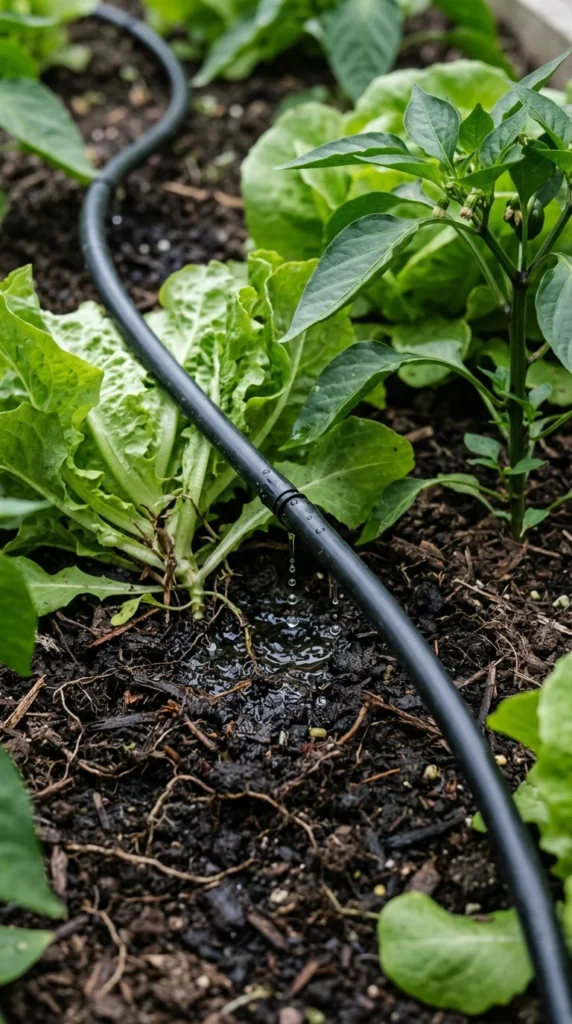
Efficiency is paramount in the modern garden, and drip irrigation is the most effective way to manage water resources. By delivering water directly to the root zone, you minimize evaporation and prevent the foliage from getting wet, which is a primary cause of many plant diseases. Automated timers can be added to these systems to ensure your garden receives consistent moisture even when you are away, leading to more resilient and productive plants.
6. Cold Frames
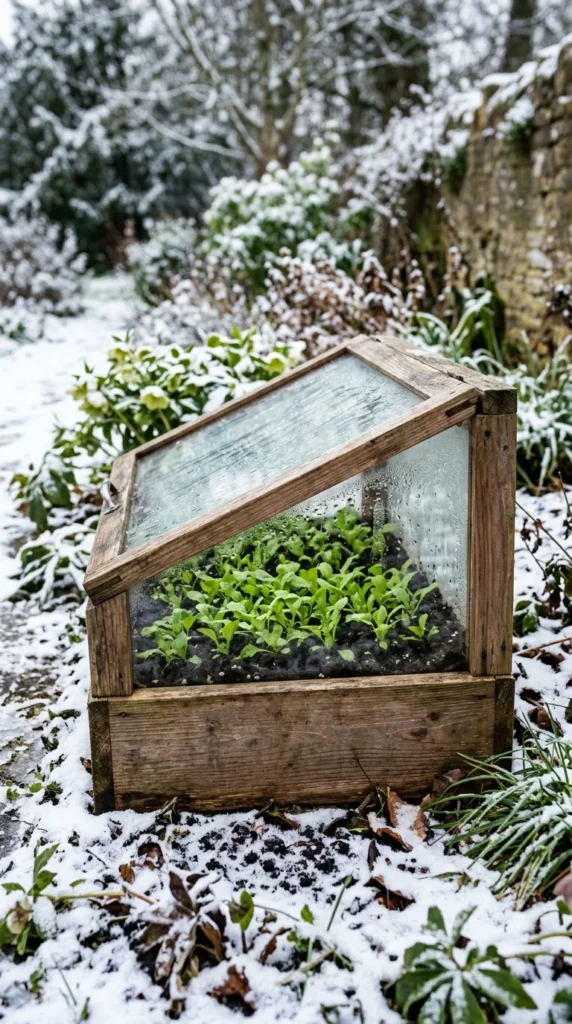
To extend the growing season into the early spring or late autumn, cold frames are indispensable. These simple bottomless boxes with transparent lids act as mini-greenhouses, trapping solar radiation to keep the internal temperature significantly warmer than the outside air. They are perfect for hardening off seedlings or growing hardy greens like spinach and kale throughout the winter months, providing a continuous harvest regardless of the frost.
7. Edible Landscaping
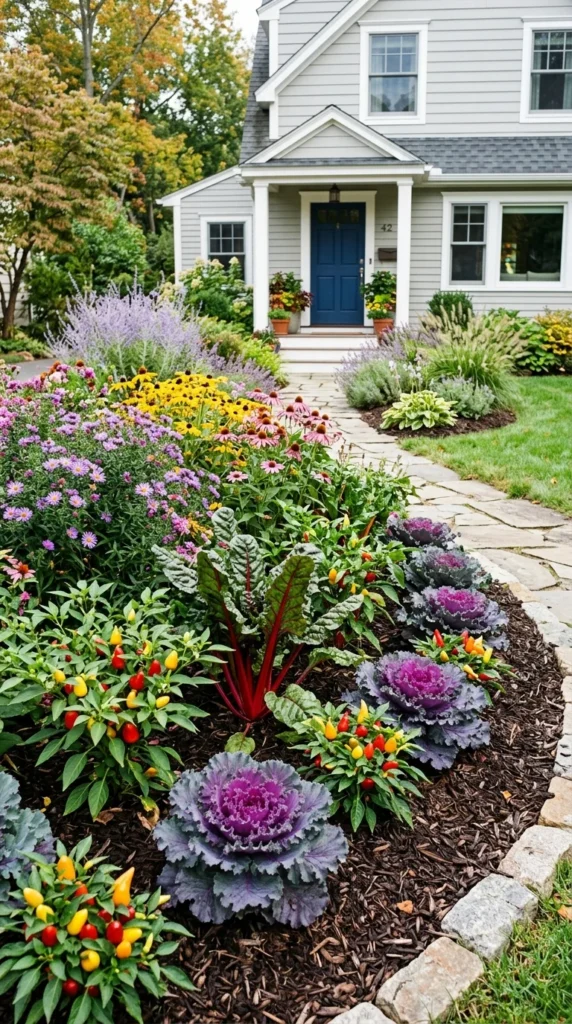
Gardening does not have to be relegated to the backyard. Edible landscaping involves integrating food-producing plants into your ornamental flower beds. Many vegetables, such as ‘Bright Lights’ Swiss chard, purple kohlrabi, and various pepper varieties, are as visually stunning as they are delicious. This approach maximizes the utility of your entire property and challenges the traditional notion that vegetable patches must be hidden away.
8. Greenhouse Cultivation
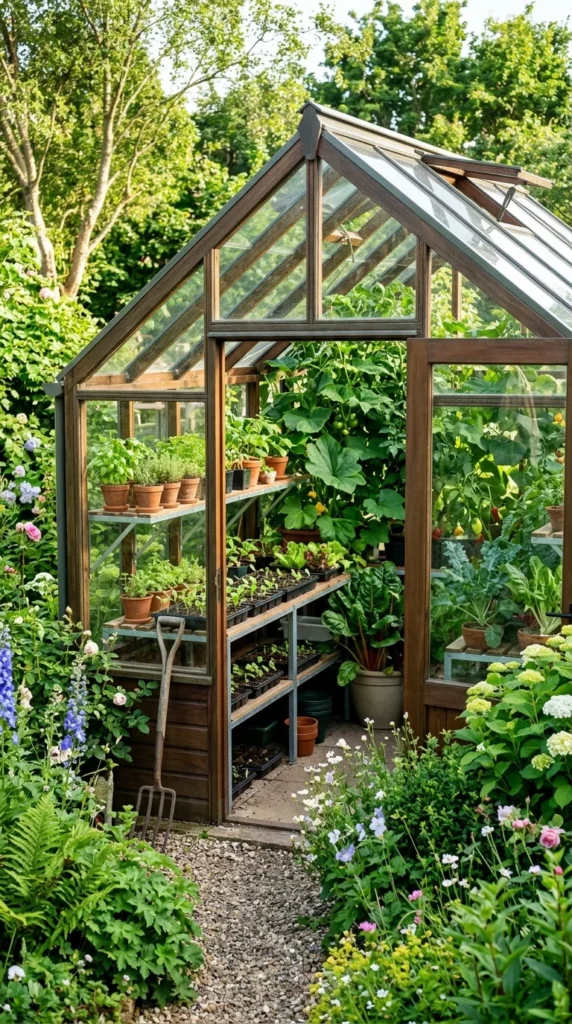
For the ultimate control over the growing environment, a greenhouse is a premier investment. It protects plants from extreme weather, pests, and local wildlife. Inside a greenhouse, you can experiment with exotic varieties that might not survive in your local climate or start your summer crops weeks before the last frost. Modern hobby greenhouses come in various sizes, from small walk-in structures to large, permanent glass installations.
9. Hydroponic Towers
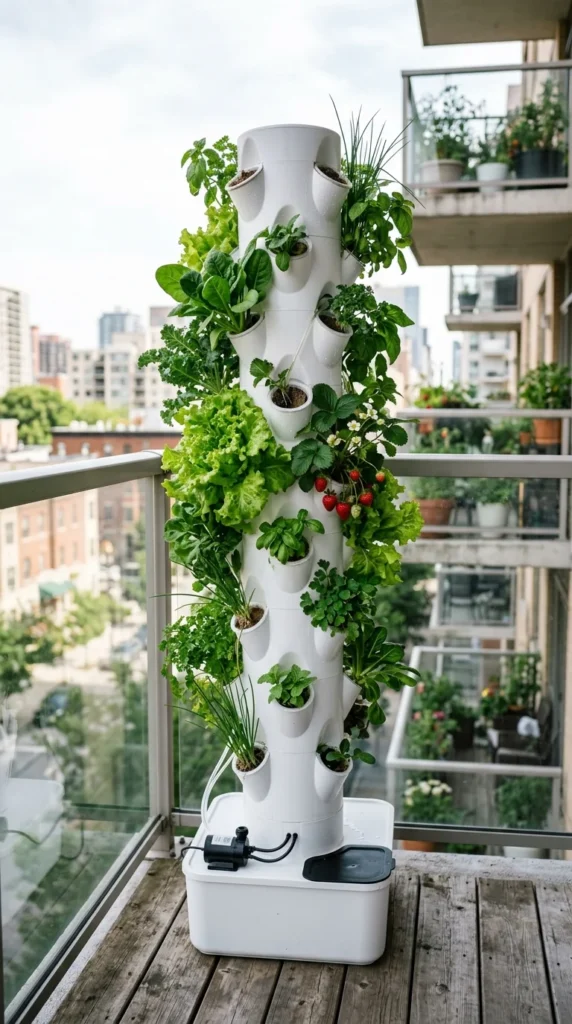
Hydroponics represents the cutting edge of home gardening, utilizing water and nutrient solutions instead of soil. Vertical hydroponic towers are particularly popular for home use because they occupy a very small footprint while producing a high volume of leafy greens and herbs. This method often results in faster growth rates and allows for year-round indoor gardening if equipped with grow lights, making it ideal for those without traditional outdoor space.
10. Square Foot Gardening
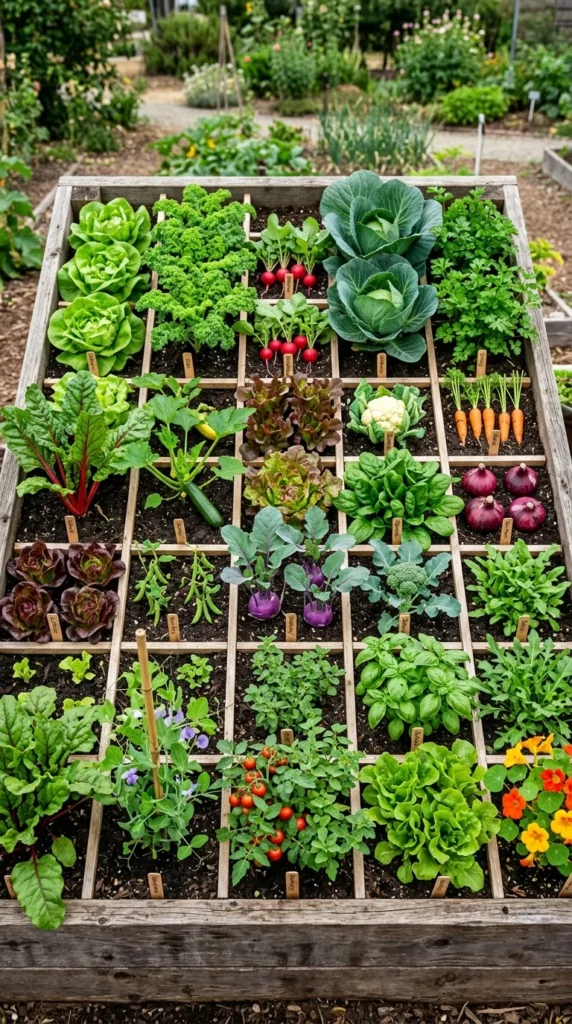
Developed to maximize productivity in small spaces, square foot gardening involves dividing a growing area into small, manageable sections. This intensive planting method reduces waste and ensures that every inch of soil is utilized. By following specific spacing guidelines for each vegetable, gardeners can achieve high yields without the need for large, traditional rows, making it an excellent choice for beginners and those with limited time.
11. Herb Spirals
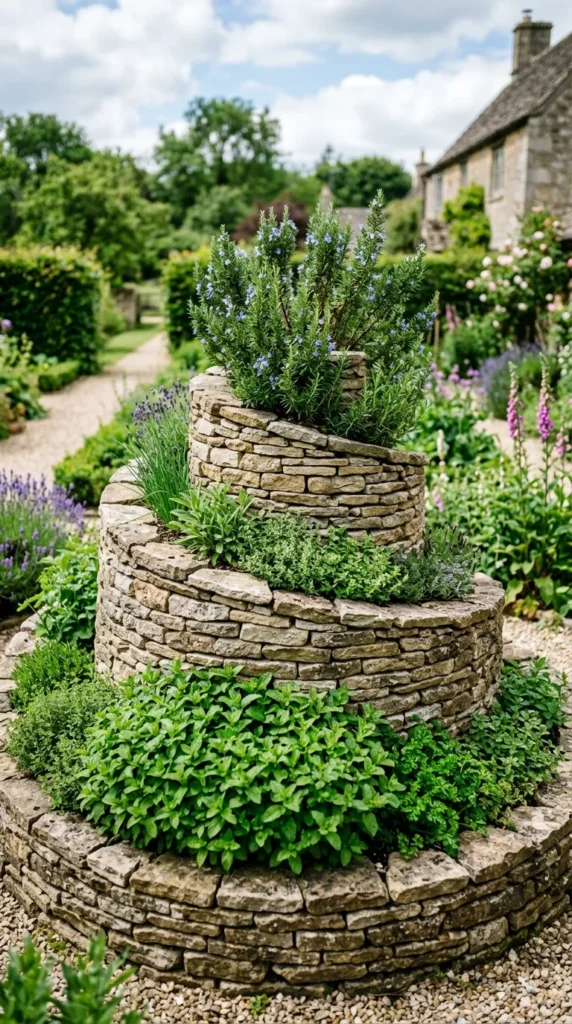
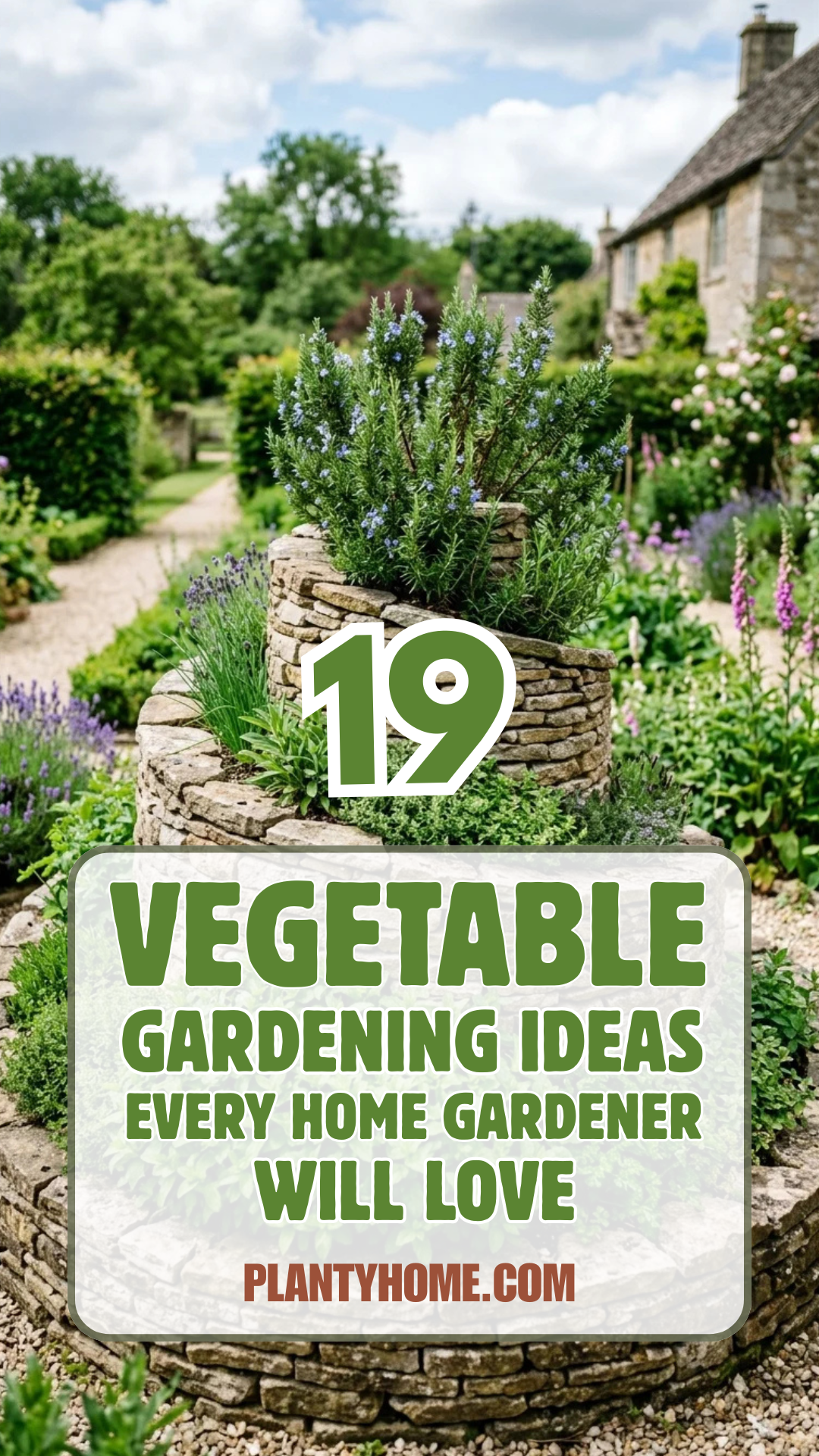
An herb spiral is a permaculture design that creates various microclimates within a single structure. The top of the spiral is driest and sunniest, perfect for Mediterranean herbs like rosemary and thyme. As the spiral winds downward, the soil becomes moister and more shaded, providing the ideal environment for herbs like parsley, chives, and mint. This vertical design is both a beautiful garden feature and a highly functional way to grow a wide variety of culinary herbs.
12. Keyhole Gardens
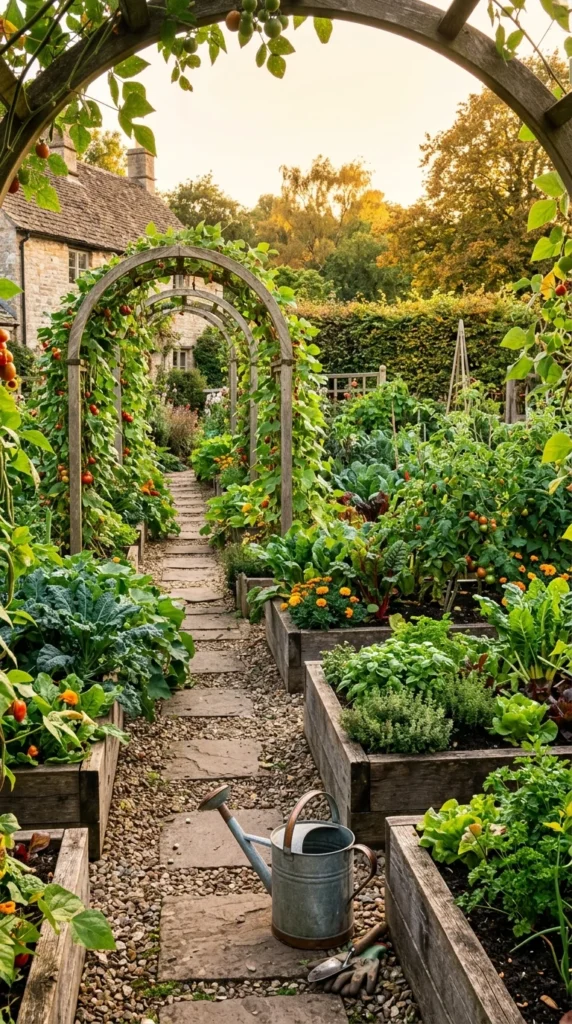
Originating in drought-prone regions, keyhole gardens are circular raised beds with a central composting basket. Kitchen scraps and water are placed in the center, and as the organic matter breaks down, nutrients and moisture leach outward into the surrounding soil. The “keyhole” refers to the small path that allows the gardener to reach the center basket easily. This self-fertilizing system is highly efficient and sustainable.
13. Straw Bale Gardening
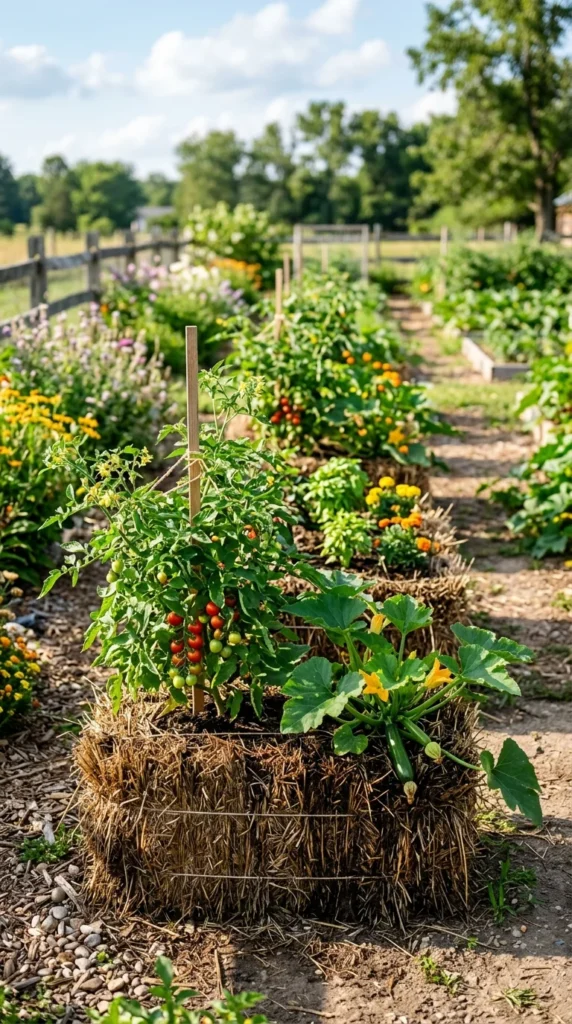
Straw bale gardening is an innovative “no-dig” method where the bale itself serves as both the container and the growing medium. After a conditioning process involving water and fertilizer, the bale begins to decompose internally, creating a nutrient-rich, warm environment for plant roots. This is an excellent solution for gardeners with poor soil quality or physical limitations, as it raises the planting surface and requires no tilling.
14. Window Boxes
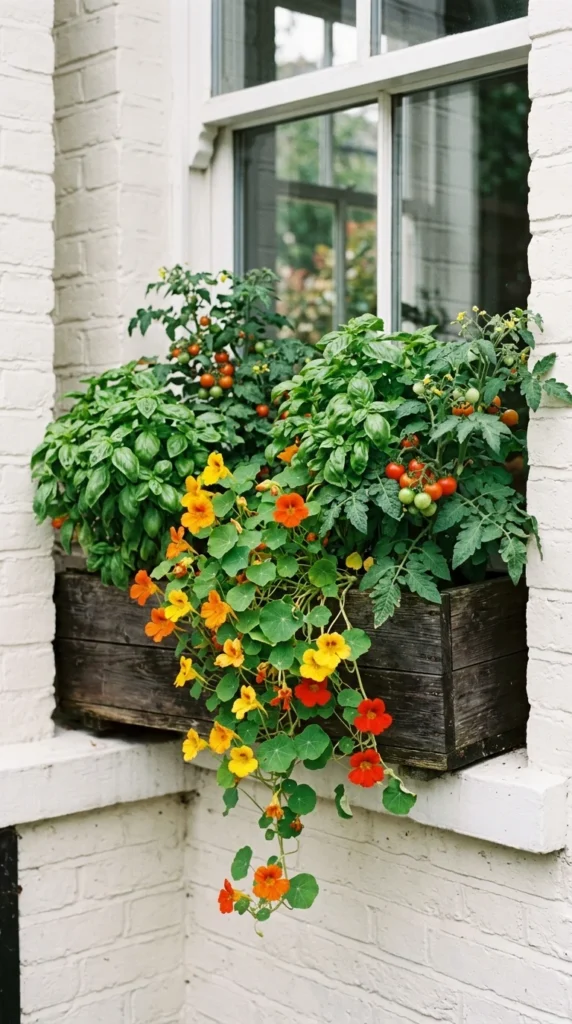
Window boxes are not just for flowers. They provide a convenient location for a “kitchen garden” just steps away from where you cook. Shallow-rooted crops such as lettuces, radishes, and a variety of herbs thrive in the restricted space of a window box. This placement also allows you to enjoy the fragrance of fresh herbs every time you open your window, blending home comfort with fresh produce.
15. Pallet Gardens
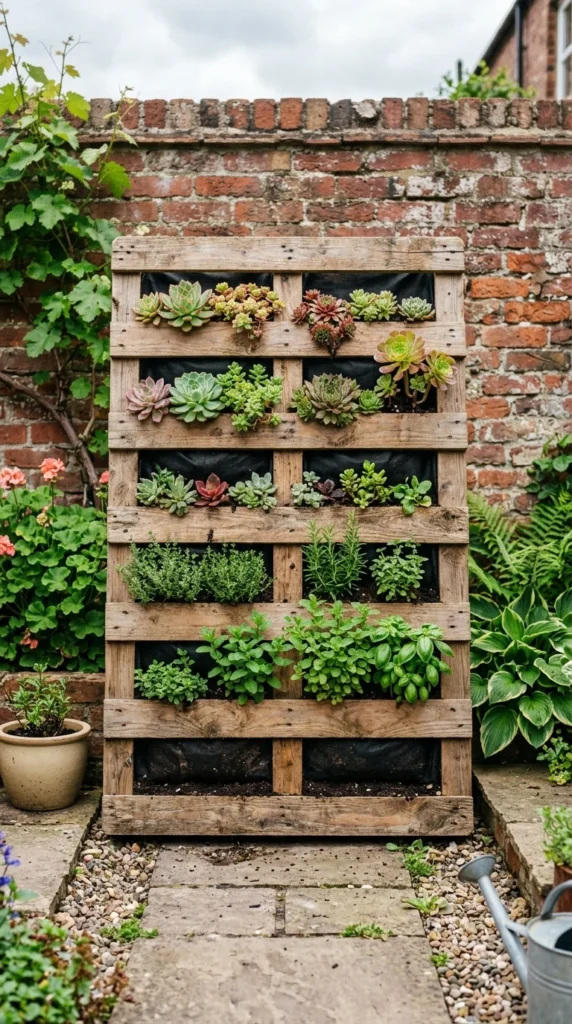
Upcycling wooden pallets into vertical gardens is a cost-effective and rustic way to expand your growing area. By securing landscaping fabric to the back and bottom of the pallet and filling the internal cavities with soil, you create several horizontal “pockets” for planting. This method is particularly popular for growing strawberries and small greens, turning a piece of waste material into a productive vertical wall.
16. Multi-Tiered Shelving
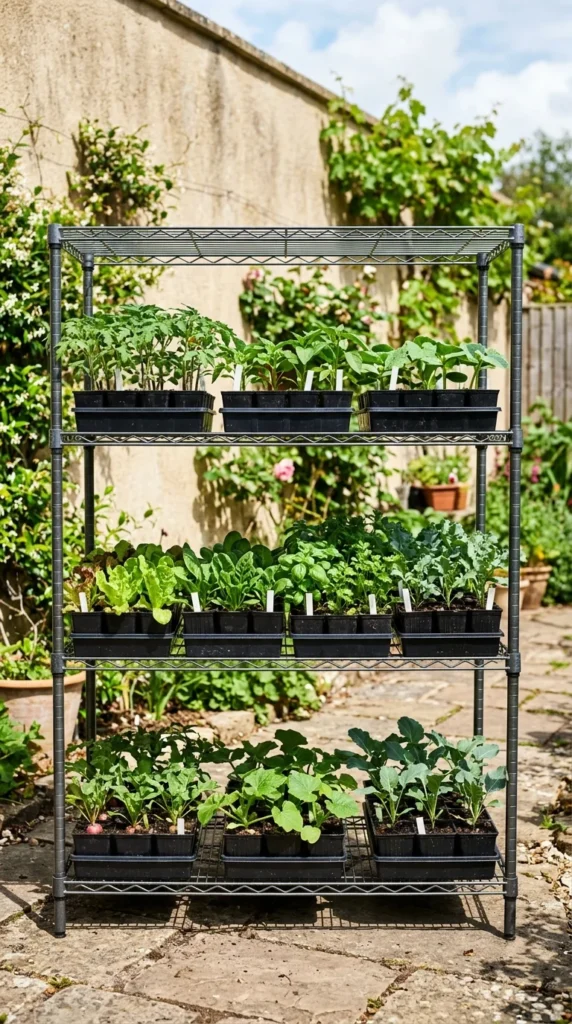
When ground space is at a premium, multi-tiered shelving allows you to stack your garden. This is a common sight in nurseries but is easily adapted for the home. It is particularly useful for seed starting in the spring, allowing a gardener to manage hundreds of seedlings in a very small area. Using shelves with wheels also provides the ability to move the entire assembly to follow the sun or protect it from harsh weather.
17. Self-Watering Pots
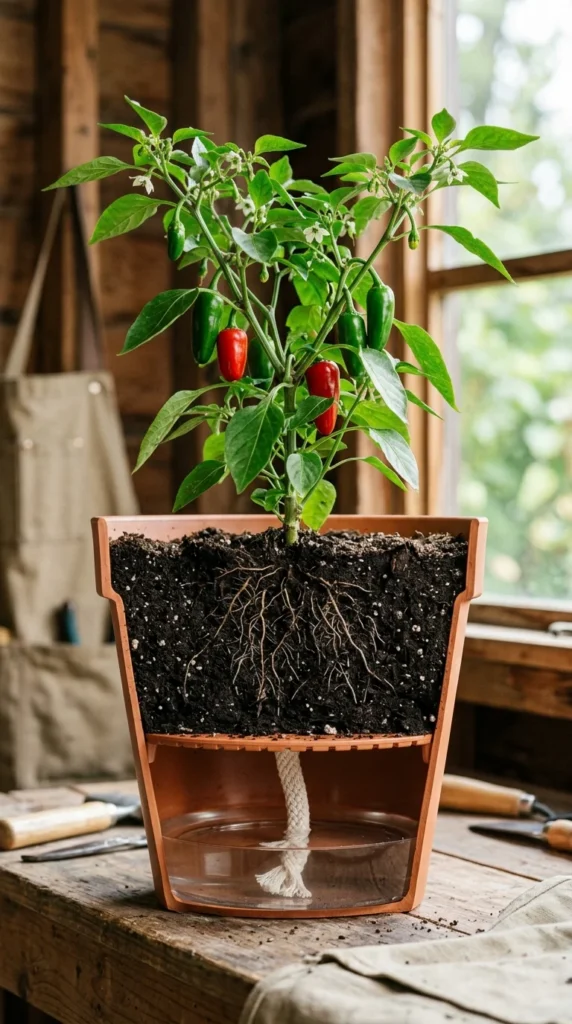
Consistency is the key to healthy vegetables, and self-watering pots take the guesswork out of moisture management. These containers feature a built-in reservoir at the base that allows plants to “wick” up water as they need it. This prevents the cycle of drying out and overwatering that often stresses container-grown plants, leading to steadier growth and higher yields for thirsty crops like tomatoes and eggplants.
18. Polyculture Beds
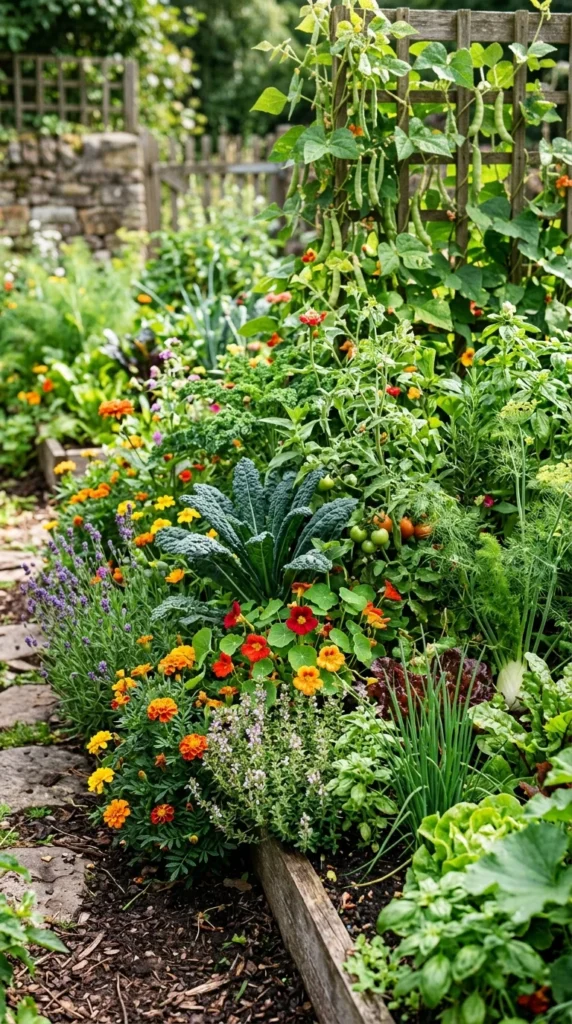
Unlike monoculture (growing one crop in a large area), polyculture involves growing multiple species together in a dense, chaotic, but intentional arrangement. This mimics natural ecosystems, which increases resilience against pests and diseases. In a polyculture bed, taller plants might provide shade for smaller, cool-weather crops, while deep-rooted plants bring nutrients to the surface for shallow-rooted neighbors.
19. Hanging Planters
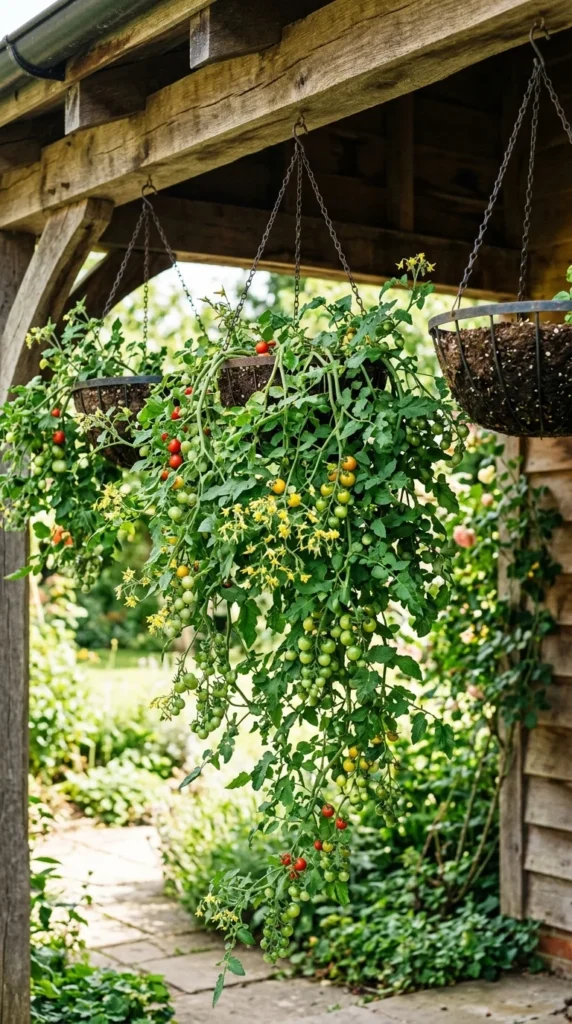
Hanging planters are often overlooked for vegetables, but they are ideal for certain “trailing” varieties. Varieties of tomatoes and strawberries specifically bred for hanging baskets allow you to utilize overhead space. This keeps the fruit away from ground-dwelling pests like slugs and provides excellent air circulation. It is an aesthetic and functional way to bring your garden up to eye level, making maintenance and harvesting a breeze.