
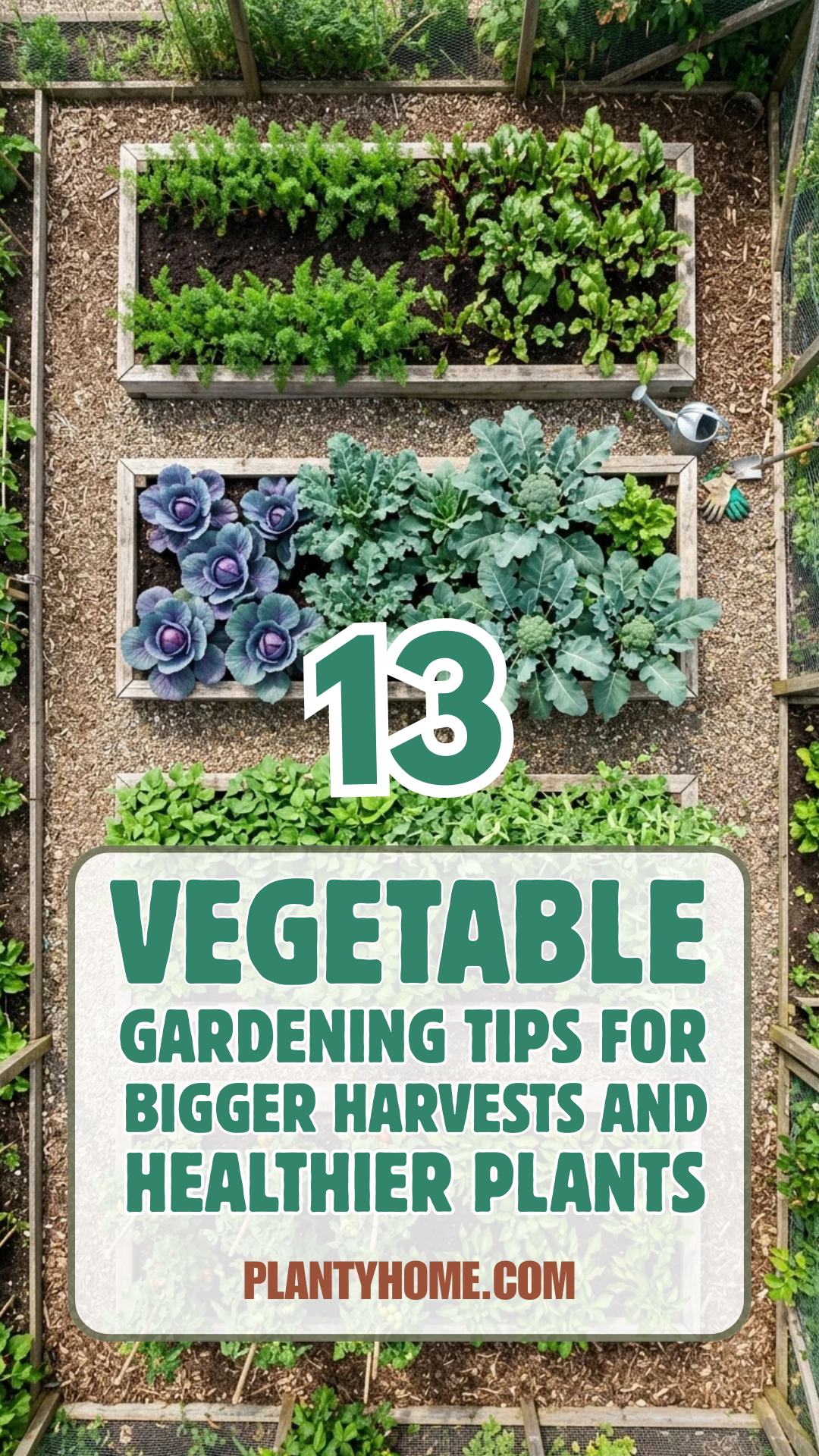
Achieving a bountiful harvest is the ultimate goal for every gardener, whether you are a novice tending to a few containers or a seasoned horticulturist managing a large homestead. The transition from a struggling patch of greens to a high-yielding, vibrant sanctuary requires more than just planting seeds and hoping for the best. It demands a strategic approach to soil health, environmental management, and plant biology. By implementing specific, science-backed techniques, you can significantly increase the productivity of your garden while ensuring your plants remain resilient against pests and diseases.
1. Soil Quality
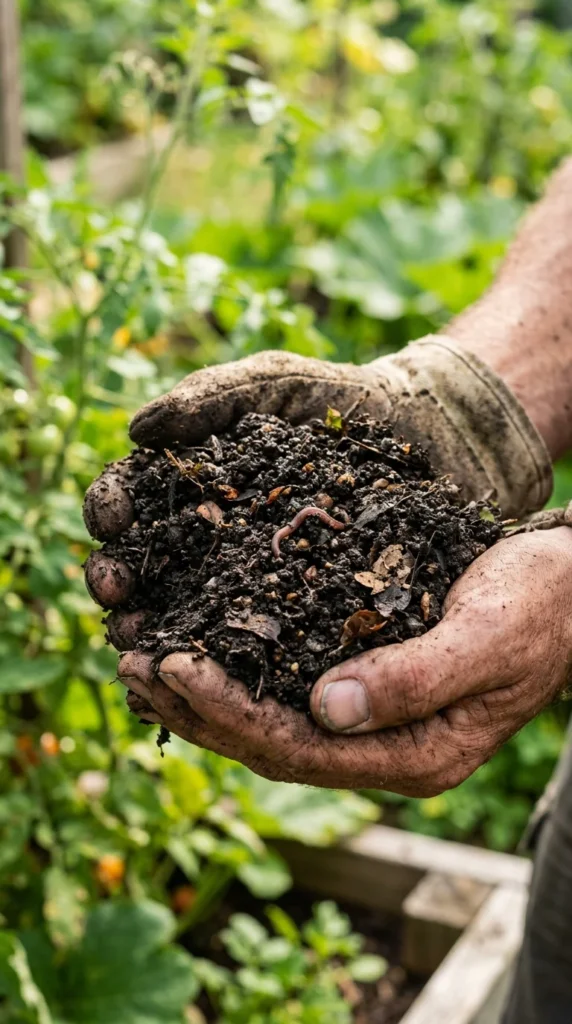
The foundation of any successful garden lies beneath the surface. Soil is not merely dirt; it is a complex ecosystem teeming with microbial life. To achieve a massive harvest, you must prioritize soil structure and nutrient density. High-quality soil should be loamy, meaning it contains a balanced mixture of sand, silt, and clay, allowing for both excellent drainage and moisture retention.
Testing your soil’s pH is a critical first step. Most vegetables thrive in a slightly acidic to neutral range (pH 6.0 to 7.0). If your soil is too acidic, adding lime can help; if it is too alkaline, sulfur or organic compost can bring it back into balance. Furthermore, incorporating well-rotted manure or high-quality compost annually replenishes essential macronutrients like nitrogen, phosphorus, and potassium, providing the “fuel” your plants need to grow rapidly and produce fruit.
2. Sunlight
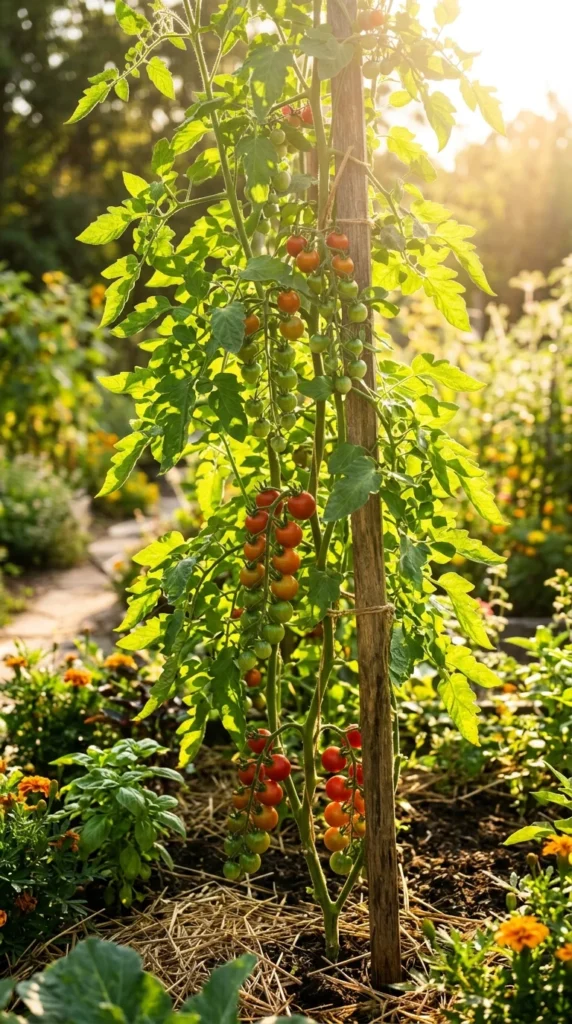
Vegetables are solar-powered. Photosynthesis is the process by which plants convert light energy into chemical energy to grow. For the majority of fruiting vegetables—such as peppers, tomatoes, cucumbers, and squash—a minimum of six to eight hours of direct sunlight is non-negotiable. Without adequate light, plants become “leggy” as they stretch toward the sun, resulting in weak stems and a diminished harvest.
When planning your garden layout, observe the movement of shadows throughout the day. Place your tallest crops, like corn or trellised beans, on the north side of the garden so they do not shade out smaller plants. If you have a shadier yard, focus on leafy greens like spinach, kale, and lettuce, which can tolerate and sometimes even prefer partial shade, especially during the heat of mid-summer.
3. Watering
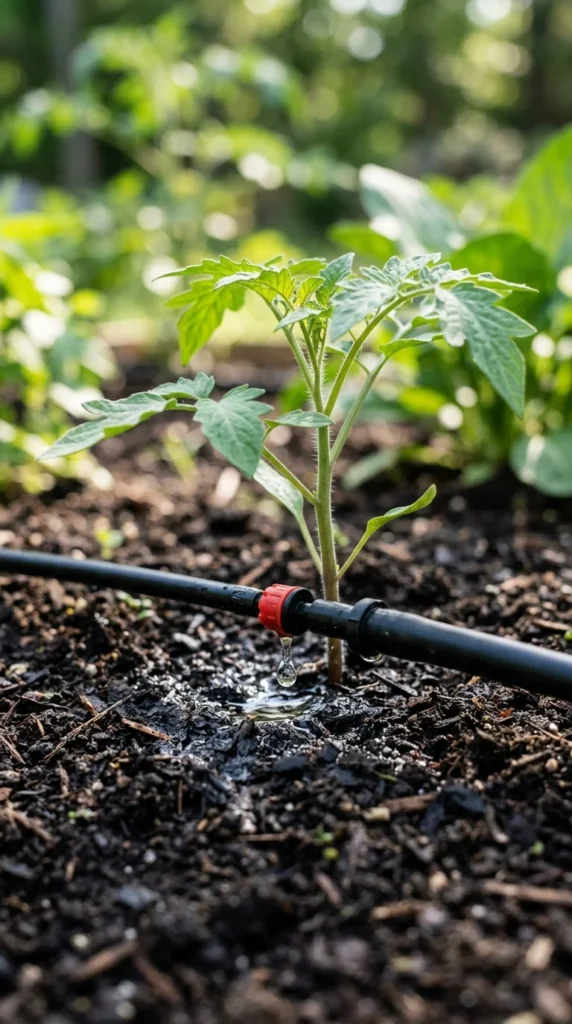
Consistency is the secret to healthy plant development. Fluctuating moisture levels can lead to a host of problems, including blossom end rot in tomatoes, cracked roots in carrots, and bitter flavors in cucumbers. The goal is to keep the soil consistently moist but not waterlogged.
The best time to water is early in the morning. This allows the plants to hydrate before the heat of the day and ensures that any water that splashes onto the foliage has time to dry, reducing the risk of fungal diseases. Always water at the base of the plant rather than from overhead. Using a soaker hose or a drip irrigation system is the most efficient method, as it delivers water directly to the root zone where it is needed most, while minimizing evaporation.
4. Mulching
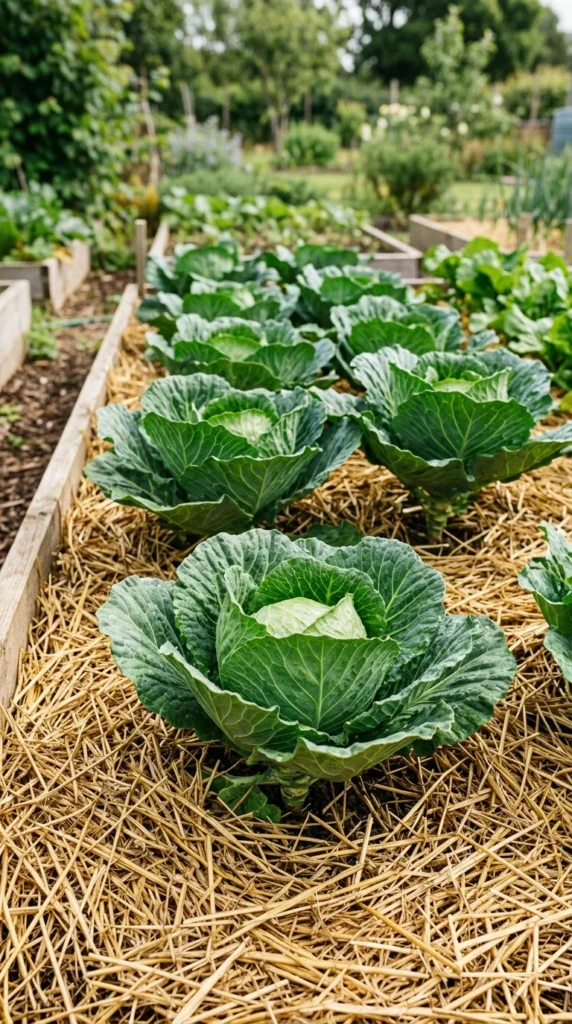
Mulching is one of the most underrated tools in a gardener’s arsenal. By covering the soil with a layer of organic material—such as straw, shredded leaves, or wood chips—you create a protective barrier that offers multiple benefits. First, mulch significantly reduces water evaporation, meaning you won’t have to water as frequently. Second, it acts as a natural weed suppressant, preventing weed seeds from germinating and competing with your vegetables for nutrients.
As organic mulch breaks down over time, it also contributes to the organic matter in the soil, further improving its fertility. In cooler climates, mulch can help keep the soil warm, while in hot climates, it keeps the roots cool. For best results, apply a two-to-three-inch layer around your plants, but be sure to leave a small gap around the stem to prevent rot.
5. Companion Planting
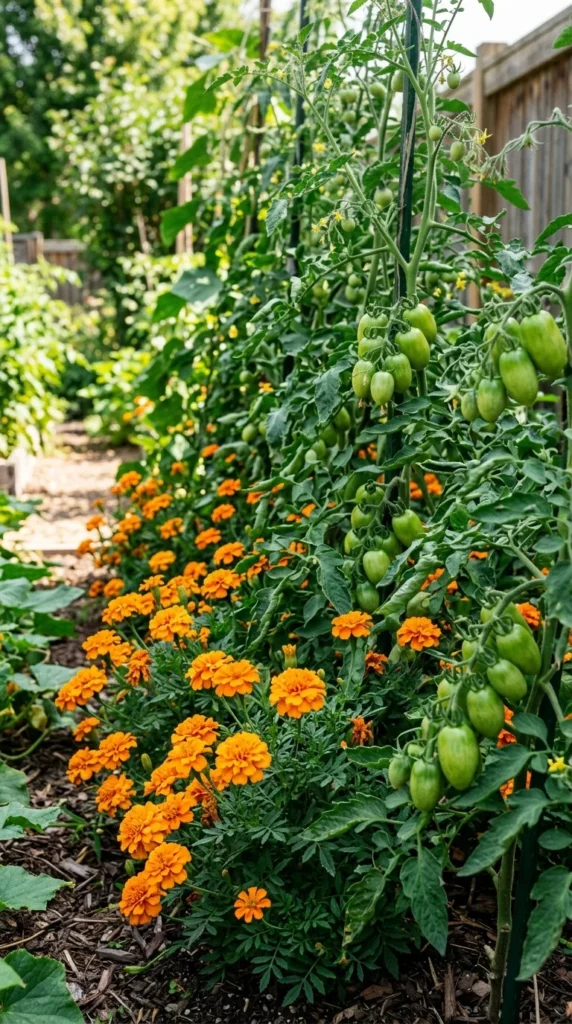
Companion planting is the practice of growing different plants together for mutual benefit. Certain plant combinations can help deter pests, attract beneficial pollinators, and even improve the flavor of your harvest. A classic example is the “Three Sisters” method used by Indigenous peoples, where corn, beans, and squash are grown together. The corn provides a structure for the beans to climb, the beans fix nitrogen in the soil for the other plants, and the large squash leaves act as a living mulch.
Other effective pairings include planting marigolds near tomatoes to repel nematodes and whiteflies, or planting basil near peppers to improve growth and repel aphids. On the flip side, some plants are “enemies” and should be kept apart; for instance, onions and garlic can stunt the growth of beans and peas. Understanding these relationships allows you to create a harmonious and self-sustaining garden environment.
6. Crop Rotation
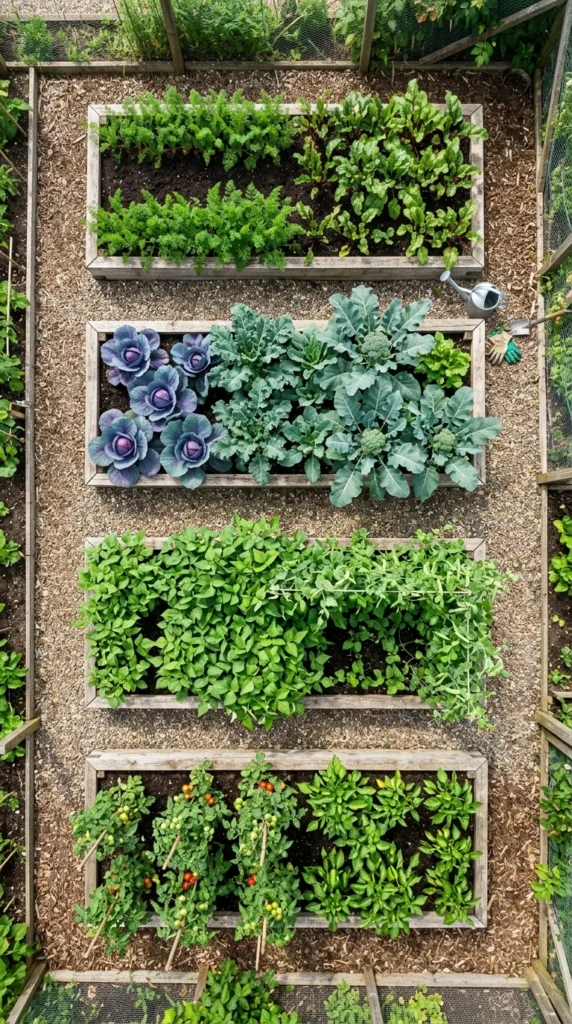
Planting the same crop in the same spot year after year is a recipe for disaster. Pests and diseases that target specific plant families can over-winter in the soil, and their populations will explode if their favorite food source is replanted in the same location. Furthermore, different plants have different nutrient requirements; planting the same crop repeatedly can lead to specific nutrient deficiencies.
To maintain a healthy garden, practice a three-to-four-year crop rotation cycle. Divide your vegetables into families: Solanaceous (tomatoes, potatoes, peppers), Brassicas (broccoli, kale, cabbage), Legumes (beans, peas), and Alliums (onions, garlic). Move each group to a different bed each season. This breaks the life cycle of soil-borne pathogens and ensures that the soil nutrients are utilized efficiently.
7. Vertical Gardening
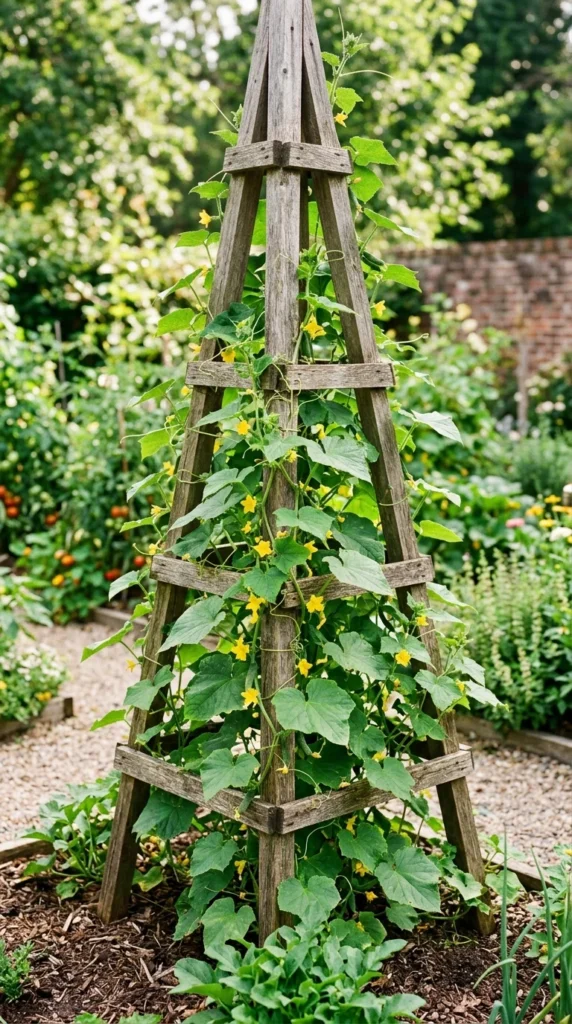
If you are dealing with a small space, the only way to go is up. Vertical gardening allows you to maximize your square footage while improving the health of your plants. Vining crops like cucumbers, pole beans, peas, and even small melons can be trained to grow on trellises, fences, or cattle panels.
Growing vertically provides better air circulation around the foliage, which is essential for preventing powdery mildew and other fungal issues. It also keeps the fruit off the ground, reducing the risk of rot and making the produce less accessible to ground-dwelling pests like slugs and rodents. Additionally, harvesting becomes much easier on your back when the fruit is hanging at eye level.
8. Pruning
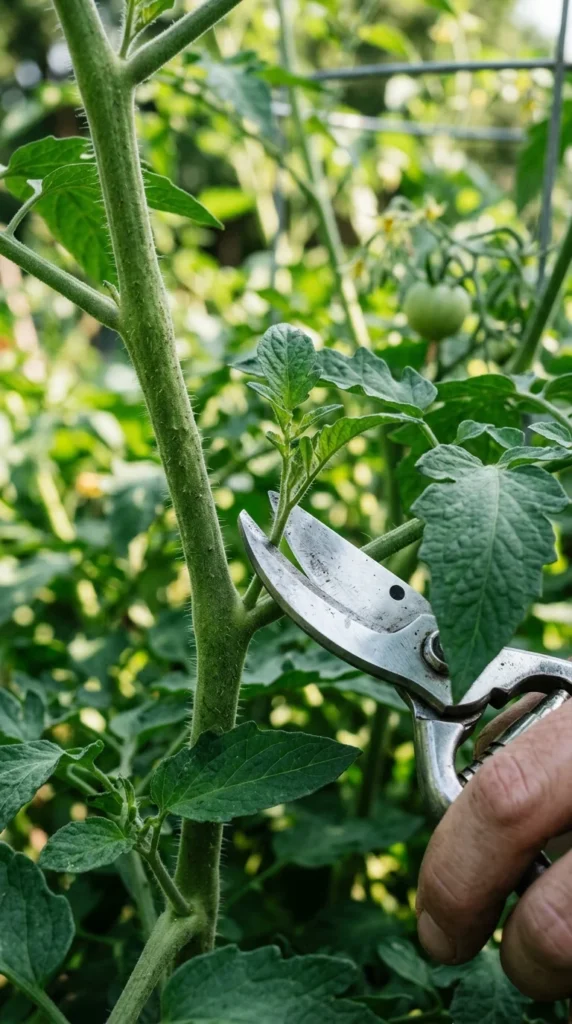
While it may seem counterintuitive to remove parts of a healthy plant, pruning is essential for maximizing yields in certain crops. Indeterminate tomatoes, for example, produce “suckers”—small shoots that grow in the crotch between the main stem and a leaf branch. If left alone, these suckers will grow into full stems, creating a dense, bushy plant that produces lots of foliage but smaller, lower-quality fruit.
By pruning these suckers, you direct the plant’s energy toward fruit production and the main vertical growth. Similarly, pinching back the tips of herbs like basil and mint encourages them to grow bushier rather than tall and spindly. Pruning also improves airflow within the plant canopy, which is vital for disease prevention.
9. Composting
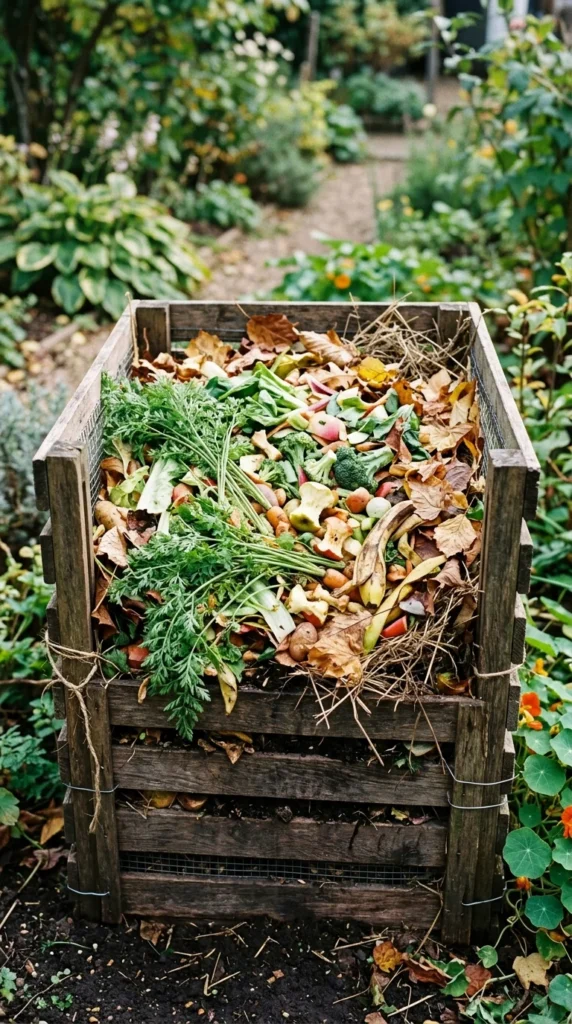
Compost is often referred to as “black gold” by gardeners, and for good reason. It is the ultimate organic fertilizer, packed with slow-release nutrients and beneficial microbes. Instead of relying on synthetic fertilizers that can harm soil biology over time, a steady supply of compost builds long-term soil health.
You can start a compost pile with a simple mixture of “greens” (nitrogen-rich materials like kitchen scraps, grass clippings, and fresh weeds) and “browns” (carbon-rich materials like dried leaves, straw, and cardboard). Turn the pile regularly to aerate it and speed up the decomposition process. Adding a layer of finished compost to your beds before planting gives your vegetables a powerful nutrient boost that lasts throughout the growing season.
10. Pest Management
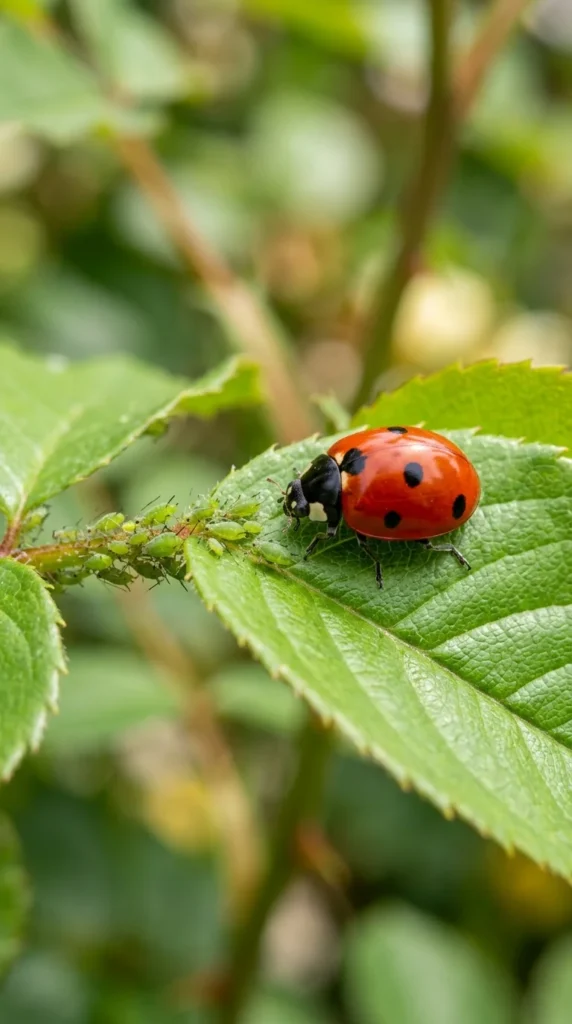
A healthy garden is not one that is devoid of insects, but one where the ecosystem is in balance. The first line of defense against pests should always be physical and biological rather than chemical. Integrated Pest Management (IPM) involves monitoring your plants regularly so you can catch infestations early.
Encourage beneficial insects, such as ladybugs, lacewings, and predatory wasps, by planting nectar-rich flowers like dill, fennel, and yarrow. These “good bugs” will do the heavy lifting for you by eating aphids, mites, and caterpillars. For larger pests, physical barriers like floating row covers or bird netting can be highly effective. If you must use a spray, opt for organic options like neem oil or insecticidal soap, and apply them in the evening to avoid harming bees.
11. Pollination
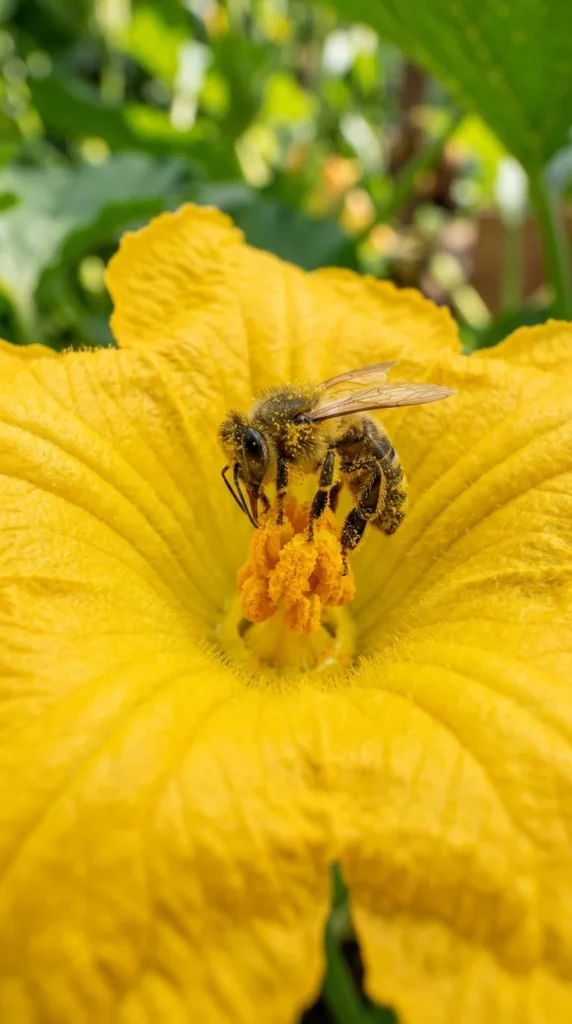
Without pollination, there is no harvest. While some plants like beans and tomatoes are self-pollinating, others like squash, cucumbers, and melons rely on insects to move pollen from male to female flowers. If you notice your small fruits are shriveling and falling off the vine, poor pollination is likely the culprit.
To ensure a heavy set of fruit, you must attract pollinators to your garden. Plant a variety of flowering perennials and annuals that bloom at different times throughout the season. Avoid using broad-spectrum insecticides that kill bees and butterflies. In cases where pollinator activity is low, you can hand-pollinate using a small paintbrush to transfer pollen manually, ensuring that every flower has the chance to turn into a vegetable.
12. Succession Planting
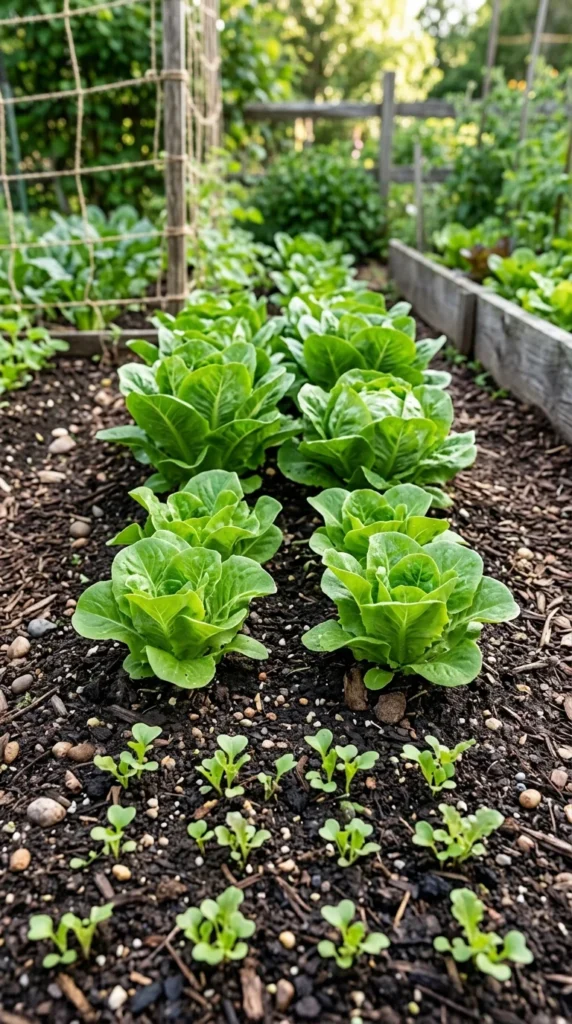
Many gardeners make the mistake of planting everything at once, leading to a massive “glut” where they have more produce than they can handle, followed by a barren garden for the rest of the season. Succession planting is the strategy of staggered planting to ensure a continuous, manageable harvest over several months.
Instead of planting an entire row of radishes or lettuce on the same day, plant a small section every ten to fourteen days. As soon as one crop is harvested, clear the area, add a little compost, and plant something new. This method is particularly effective for fast-growing crops and allows you to get the maximum possible yield from a small amount of space throughout the entire growing season.
13. Harvesting
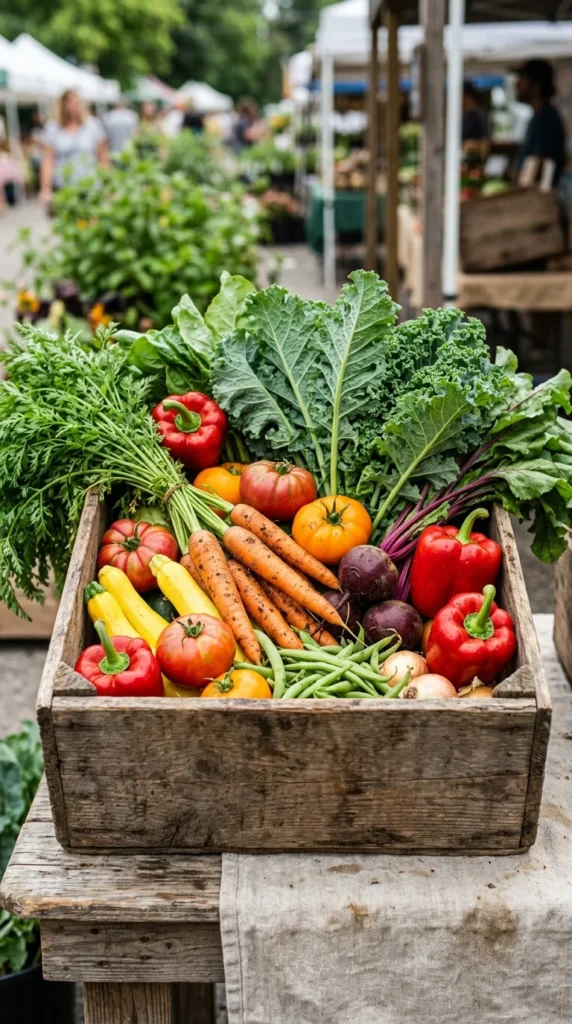
The timing of your harvest is the final factor in determining the quality and quantity of your yield. Most vegetables are at their peak flavor and nutritional value when they are slightly immature. Picking frequently also encourages the plant to produce more. For example, if you leave a zucchini on the vine until it becomes the size of a baseball bat, the plant will receive a hormonal signal to stop producing new flowers and focus on seed maturation.
By harvesting your beans, peas, cucumbers, and summer squash regularly, you keep the plant in “production mode.” Use sharp shears or a knife to harvest to avoid damaging the brittle stems of the plants. Knowing the specific signs of ripeness for each vegetable—such as the “thump” of a watermelon or the deep color change of a bell pepper—will ensure that your hard work results in the most delicious produce possible.