
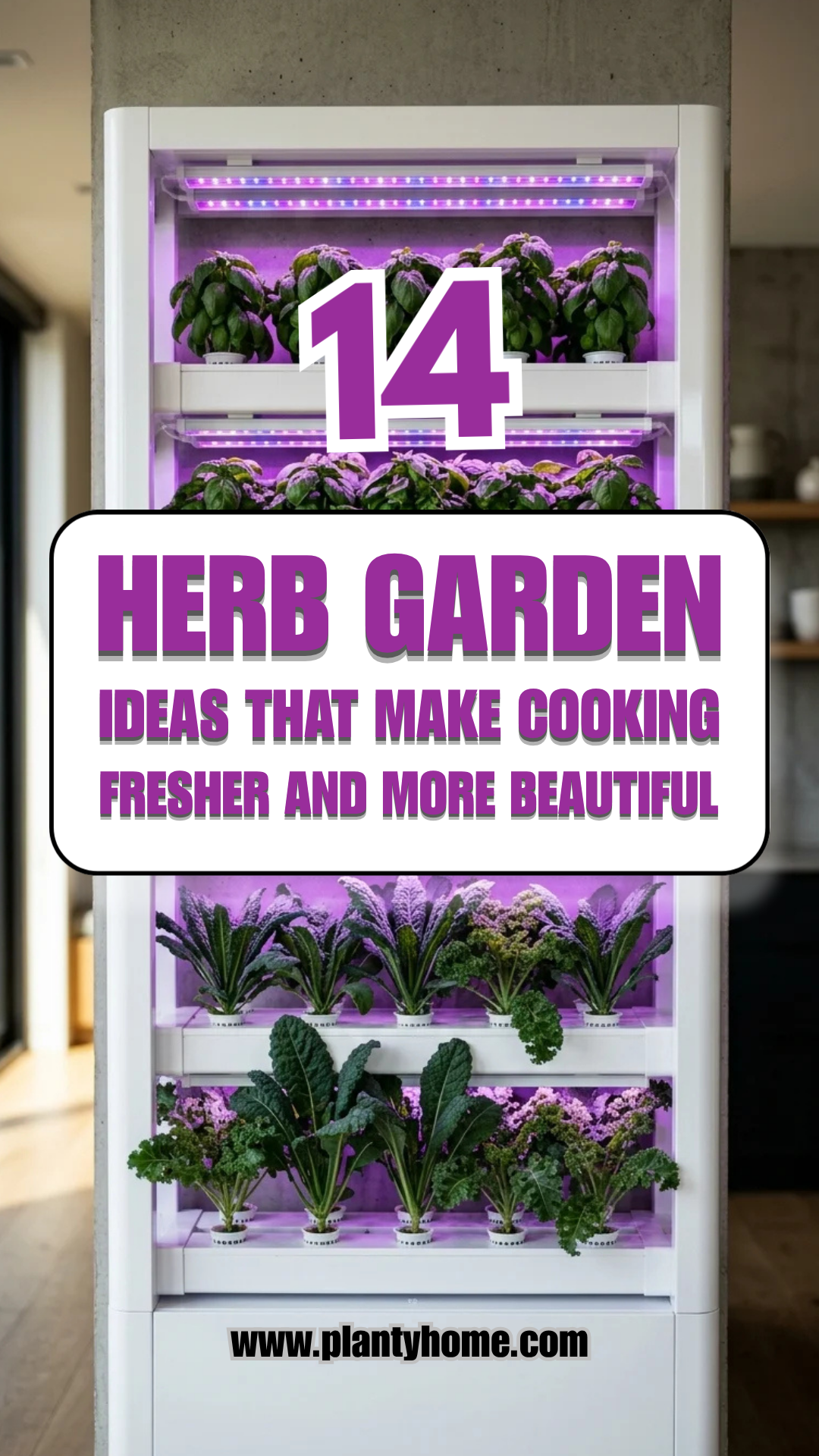
The transition from store-bought, dried spices to vibrant, living herbs is one of the most significant upgrades a home cook can make. Beyond the undeniable punch of flavor, an herb garden serves as a living tapestry that enhances the aesthetic of your kitchen or outdoor space. Whether you are working with a sprawling backyard or a compact city apartment, there is a design solution that allows you to harvest fresh ingredients just moments before they hit the pan.
Cultivating your own herbs is not merely a culinary endeavor; it is a sensory experience. The fragrance of crushed basil, the woody aroma of rosemary, and the bright scent of mint provide a natural aromatherapy that transforms the atmosphere of a home. The following fourteen ideas explore diverse styles and structures to help you integrate a functional, beautiful herb garden into your lifestyle.
1. Windowsill Garden
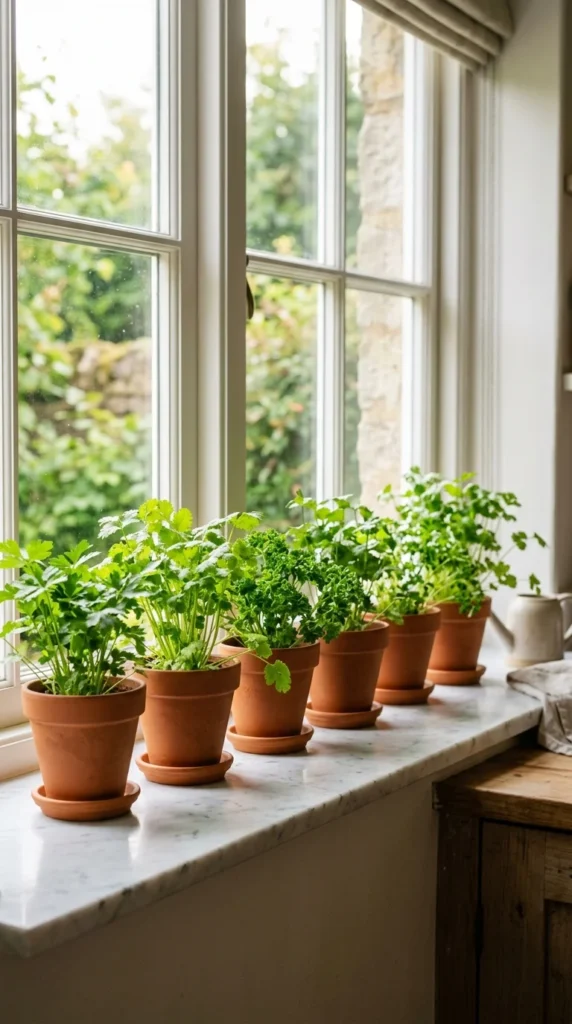
The windowsill garden is the quintessential choice for urban dwellers and those who want their ingredients within arm’s reach. This setup utilizes natural light to sustain sun-loving herbs like thyme, oregano, and chives. By choosing uniform pots that match your kitchen’s decor—be it sleek ceramic for a modern look or classic terracotta for a rustic feel—you turn a functional growing space into a curated display. The key to success here is ensuring the ledge receives at least six hours of sunlight daily and using a well-draining potting mix to prevent root rot in smaller containers.
2. Vertical Wall
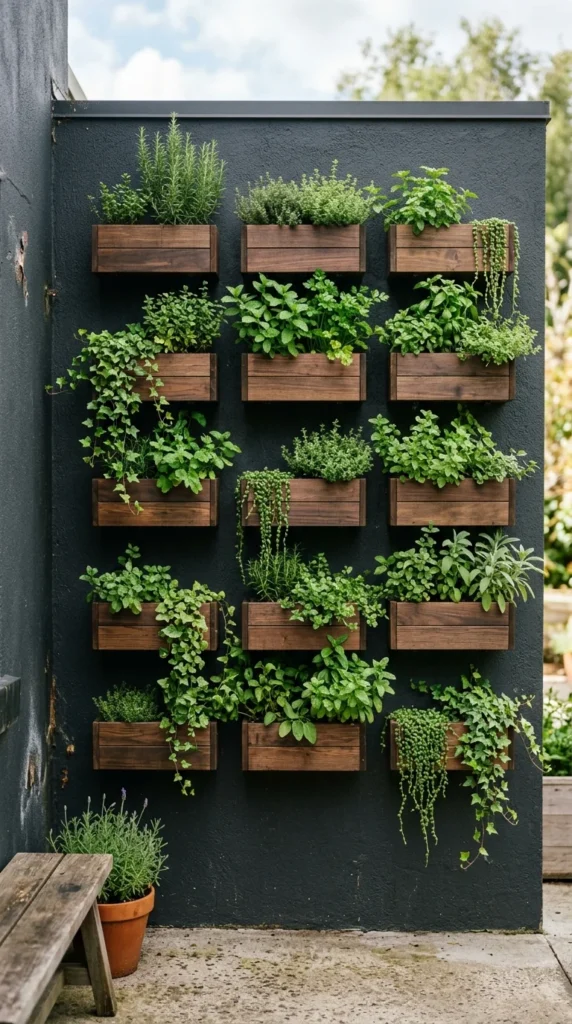
When ground space is at a premium, look upward. A vertical herb wall transforms a blank fence or an empty kitchen wall into a living masterpiece. You can use felt pocket systems, wooden pallets, or mounted metal rings to hold your pots. This method is particularly effective for trailing herbs like creeping thyme or rosemary, which can spill over the edges to create a lush, curtain-like effect. It also improves air circulation around the plants, which can reduce the risk of fungal diseases common in dense herb patches.
3. Hanging Planters
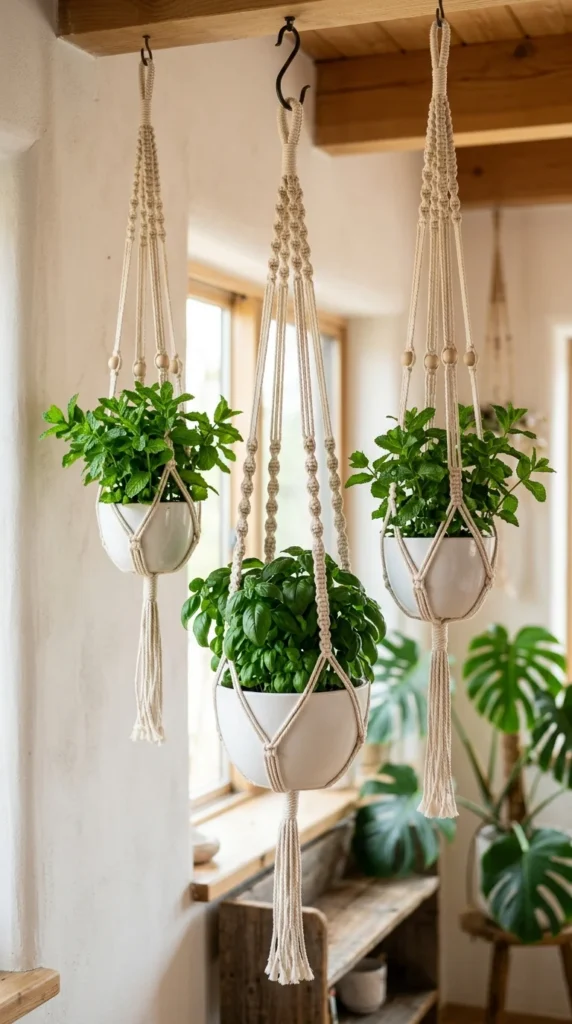
Hanging planters are an excellent way to utilize “dead space” near windows or in corners. By suspending herbs at eye level, you create a floating garden that adds dimension to a room. This approach works exceptionally well with herbs that have a cascading growth habit. To maintain these, consider using a pulley system for easy watering, or choose self-watering hanging pots to ensure the soil remains consistently moist without the mess of dripping water.
4. Tiered Stand
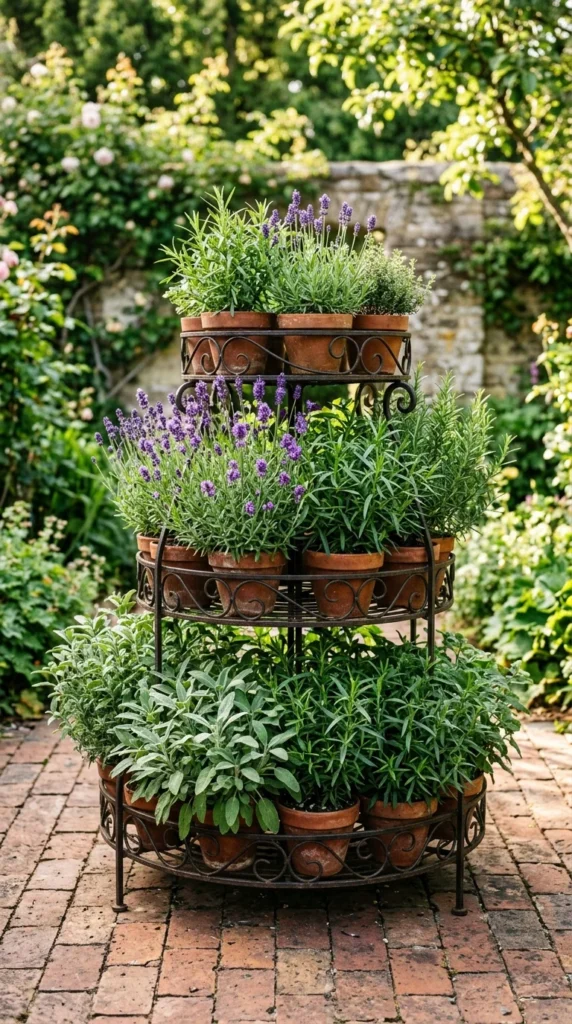
A tiered stand provides a structured, architectural look to your herb collection. By elevating the plants, you create a focal point while making it easier to prune and harvest without bending over. This setup also allows you to organize herbs by their water and light needs; place the sun-hungry Mediterranean herbs on the top tier and those that prefer a bit of shade or more moisture on the bottom. It is a portable solution that can be moved from a sunny deck in the summer to a bright sunroom in the winter.
5. Hydroponic System
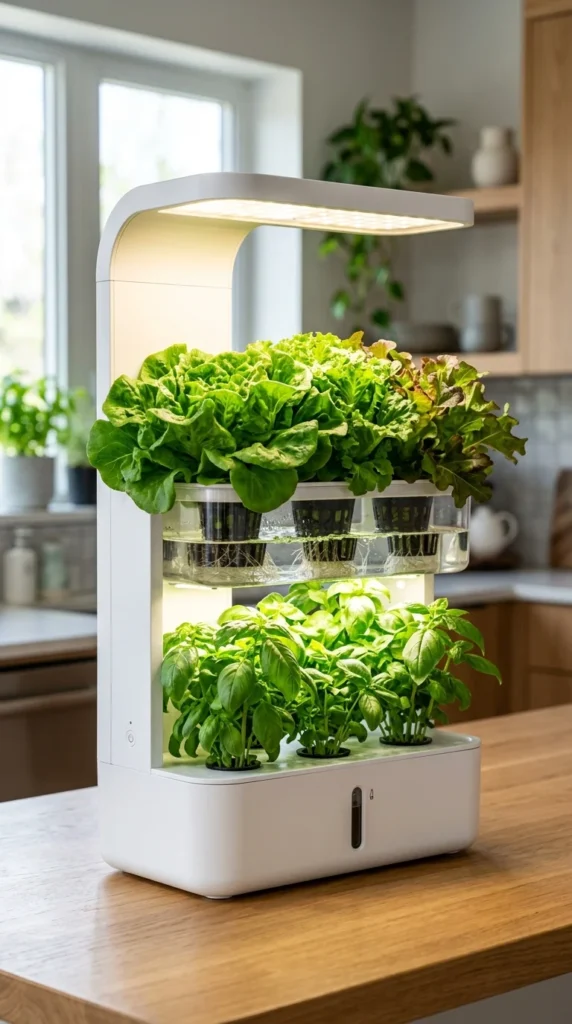
For the tech-savvy cook who wants year-round production regardless of the weather, a hydroponic smart garden is the ultimate solution. These systems use nutrient-rich water instead of soil, often resulting in faster growth rates and less mess. With integrated LED grow lights, these units can be placed in even the darkest corners of a kitchen. They provide a clean, laboratory-chic aesthetic that fits perfectly in contemporary homes, ensuring that fresh pesto is always on the menu, even in the middle of January.
6. Recycled Tins
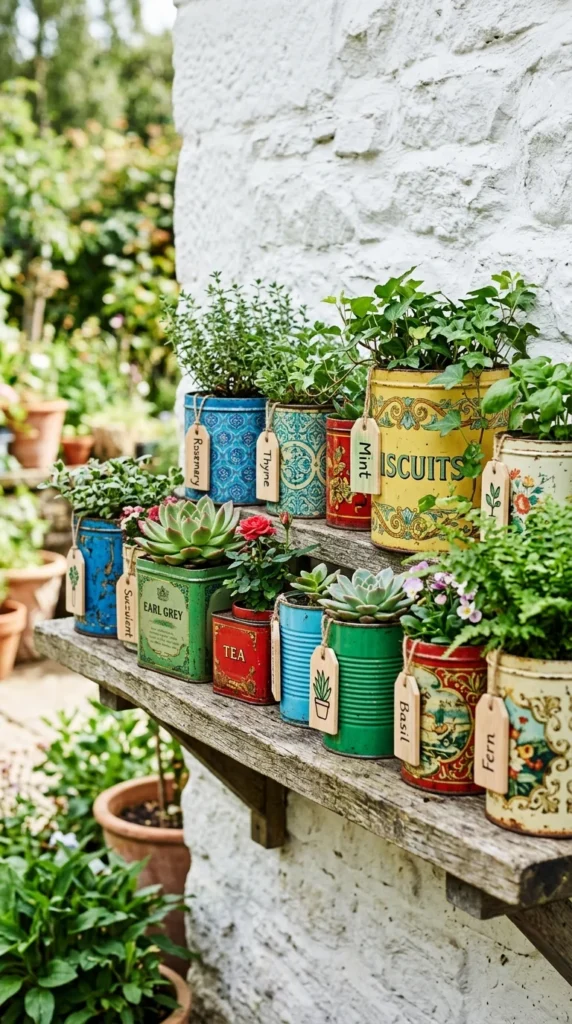
Sustainability meets style in the recycled tin garden. Vintage tea tins, large tomato cans, or even decorative biscuit tins can be repurposed into charming herb containers. This approach adds a nostalgic, eclectic vibe to the kitchen. To ensure the plants thrive, it is crucial to drill drainage holes in the bottom of the tins and use a layer of pebbles to assist with water flow. These small containers are perfect for individual servings of herbs like chervil or marjoram.
7. Mason Jars
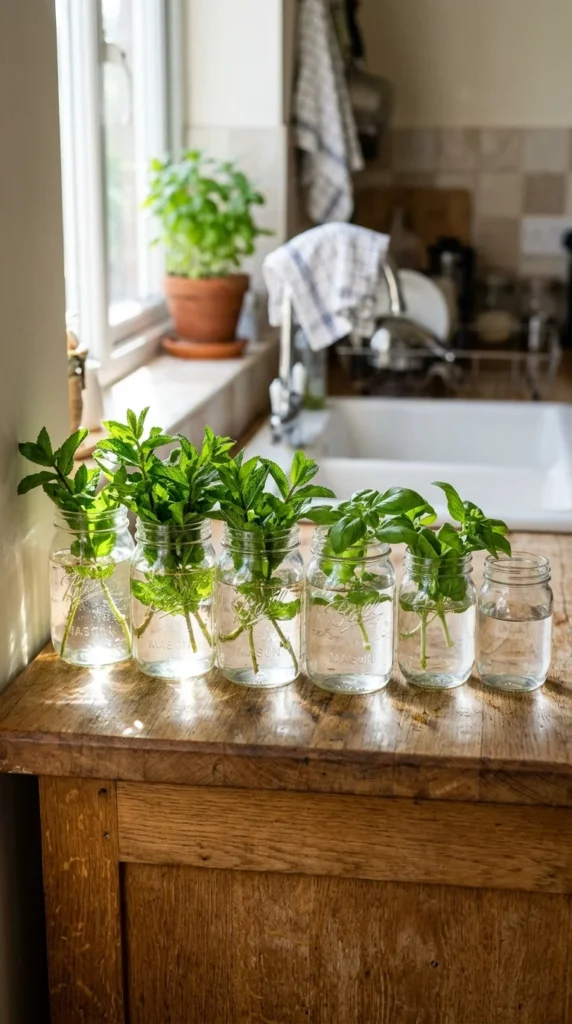
Mason jars offer a transparent view of the growing process, which can be both educational and visually stunning. While herbs can be grown in soil within jars (with a heavy layer of rocks at the bottom for drainage), they are also ideal for water propagation or “hydro-culture.” Many herbs, such as mint, basil, and stevia, can live for quite a while in just plain water. This creates a clean, minimalist look that emphasizes the delicate root structures and the vibrant green of the leaves.
8. Raised Beds
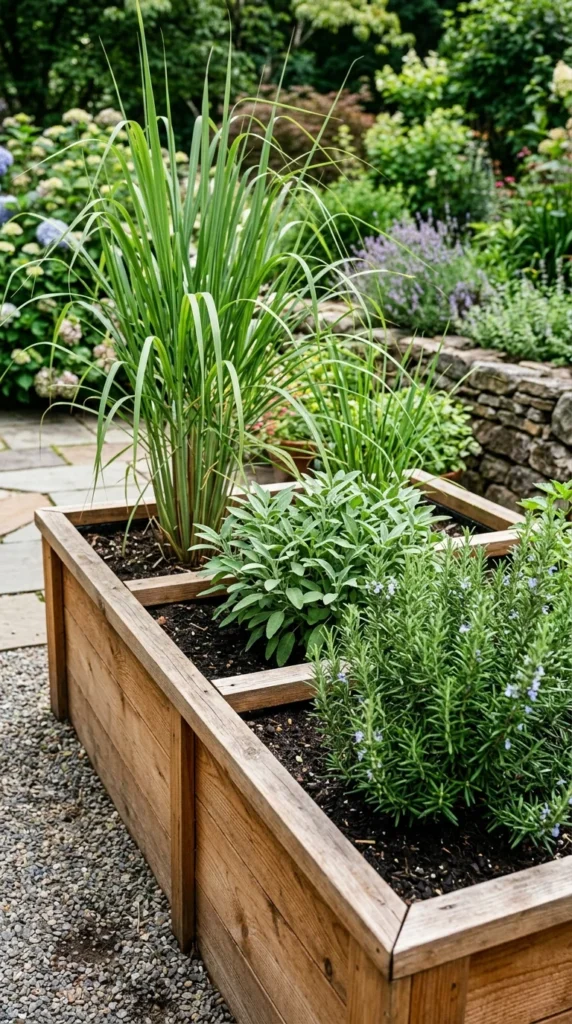
For those with outdoor space, raised beds are the gold standard for herb cultivation. They offer superior drainage and allow you to control the soil quality precisely. By building the beds at waist height, you eliminate the physical strain of gardening. Raised beds also warm up faster in the spring, allowing for an earlier planting season. Designing them in a formal “parterre” style with geometric dividers can turn a simple herb patch into a sophisticated landscape feature.
9. Spiral Garden
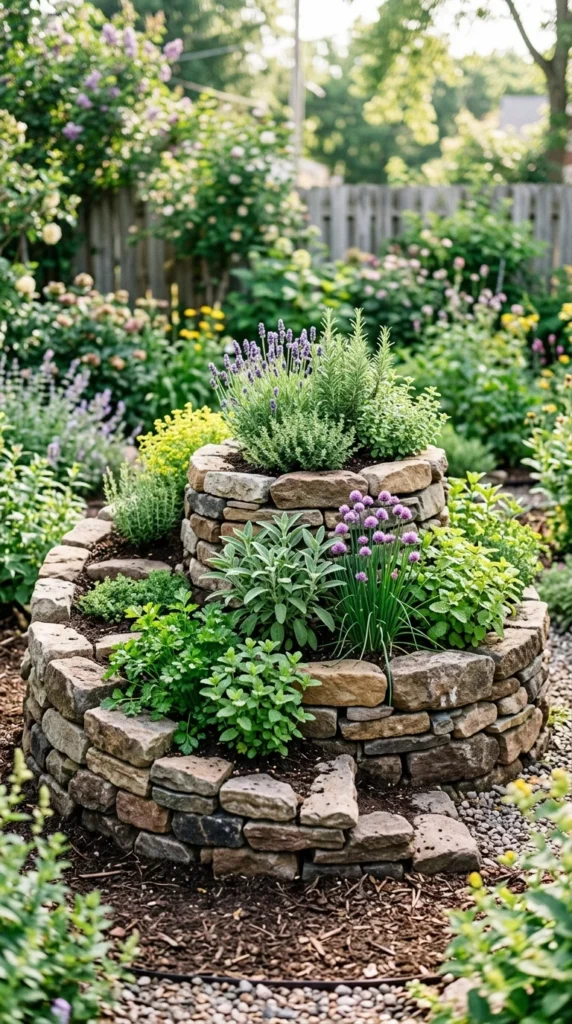
An herb spiral is a permaculture classic that maximizes space and creates diverse microclimates in a small footprint. The stones hold heat during the day and release it at night, benefitting heat-loving herbs at the top like rosemary and oregano. As the spiral winds downward, the soil stays moisture-rich and slightly cooler, providing the perfect environment for parsley, cilantro, and mint at the base. Visually, it serves as a stunning sculptural element in any backyard or garden.
10. Companion Planting
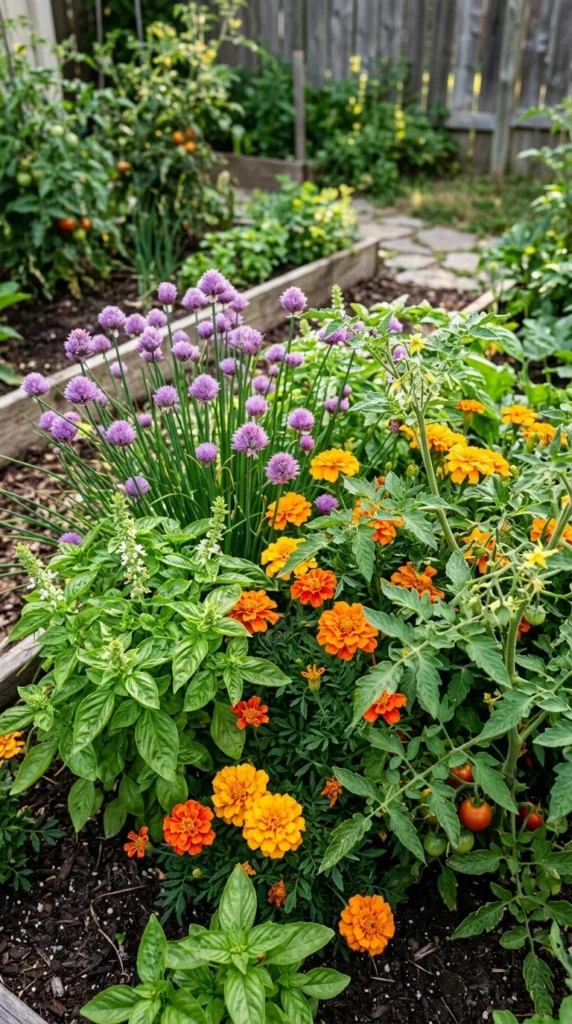
Herb gardening doesn’t have to be isolated. Integrating herbs into your existing vegetable or flower beds is a practice known as companion planting. Not only does this look beautiful and natural, but many herbs also act as natural pest deterrents. For example, planting basil near tomatoes can improve the flavor of the fruit and ward off hornworms, while chives can help deter aphids from roses. This holistic approach creates a balanced ecosystem that is as functional as it is aesthetic.
11. Ladder Shelf
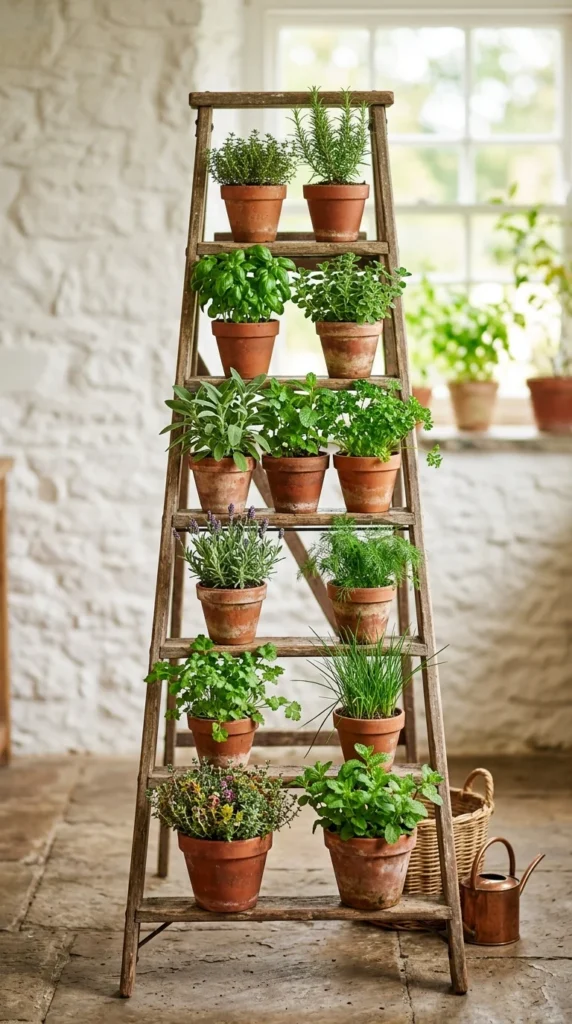
The ladder shelf garden is a favorite for those who love the farmhouse or “shabby chic” aesthetic. It provides a significant amount of vertical growing space while maintaining a small footprint. You can lean a single ladder against a wall or use a step-ladder to create a 360-degree display. The varying heights allow for a cascading effect of greenery, making it a perfect backdrop for outdoor dining areas or a sunny balcony.
12. Wheelbarrow Garden
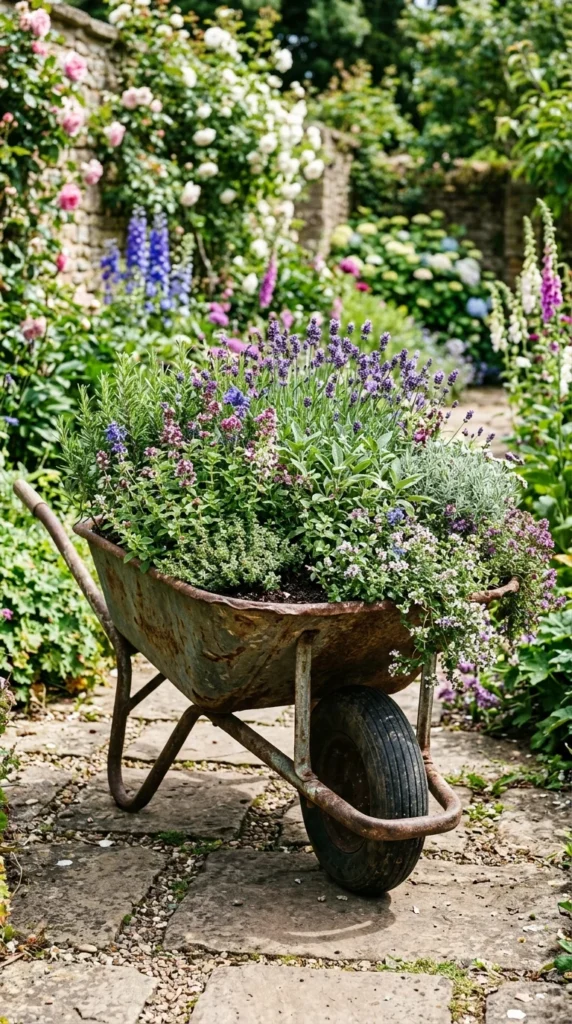
Repurposing a vintage wheelbarrow into a mobile herb garden adds a touch of whimsy and portability to your outdoor space. This is an ideal solution for gardeners who need to chase the sun throughout the seasons. Because wheelbarrows are relatively deep, they can accommodate larger herb bushes like lavender or bay laurel. The aged metal or wood of the wheelbarrow provides a beautiful textural contrast to the soft, feathery foliage of herbs like dill and fennel.
13. Indoor Smart Garden
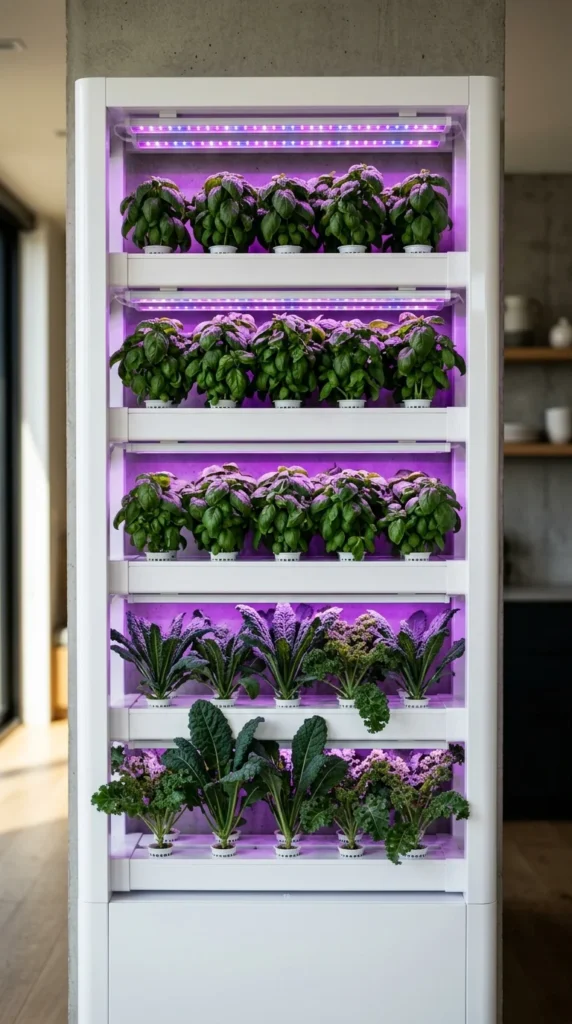
Indoor smart gardens represent the pinnacle of convenience. These units often come with automated watering systems, nutrient reminders, and specialized light spectrums tailored to plant growth. They are designed to look like high-end kitchen appliances, fitting seamlessly alongside espresso machines and blenders. For the busy professional or the culinary enthusiast who wants a “set it and forget it” approach to fresh greens, these units provide a constant supply of garnishes with minimal effort.
14. Border Edging
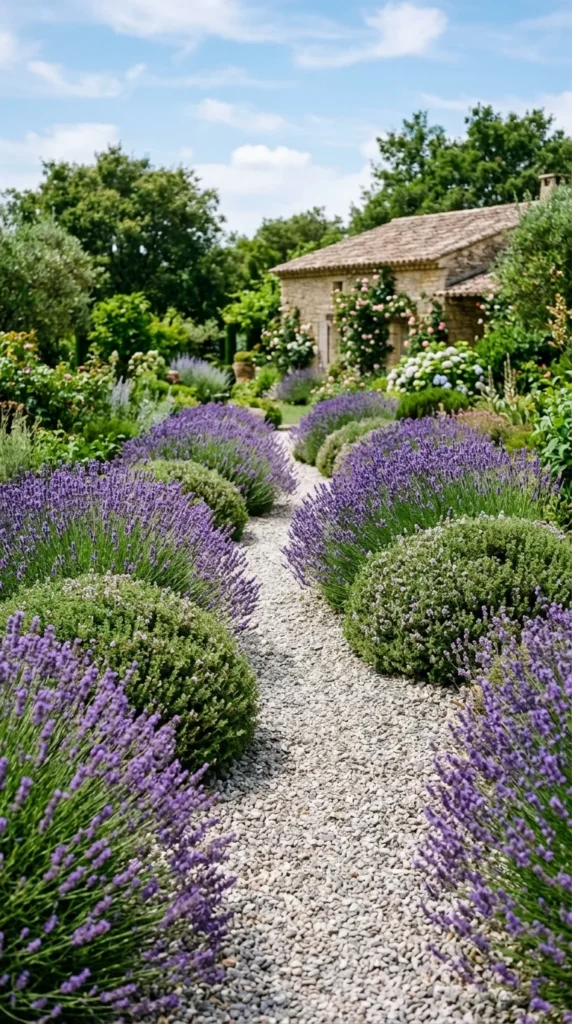
Using herbs as a living border for paths or garden beds is a brilliant way to incorporate fragrance into your landscape. Every time you walk past and brush against a border of rosemary or lavender, the plants release their essential oils, scenting the air. Mounding herbs like thyme and savory create a soft, blurred edge that softens the hard lines of stone or wood walkways. This technique integrates the kitchen garden into the overall garden design, proving that edible plants are just as ornamental as traditional flowers.