
Aloe Vera is often hailed as the “plant of immortality,” a resilient succulent that has graced households for centuries. While most enthusiasts focus on sunlight and watering schedules, the invisible factor of humidity plays a pivotal role in the health, growth, and gel production of this medicinal wonder. Understanding the delicate dance between Aloe Vera and the moisture in the air is the secret to moving from a surviving plant to a thriving one.
1. Desert Origins
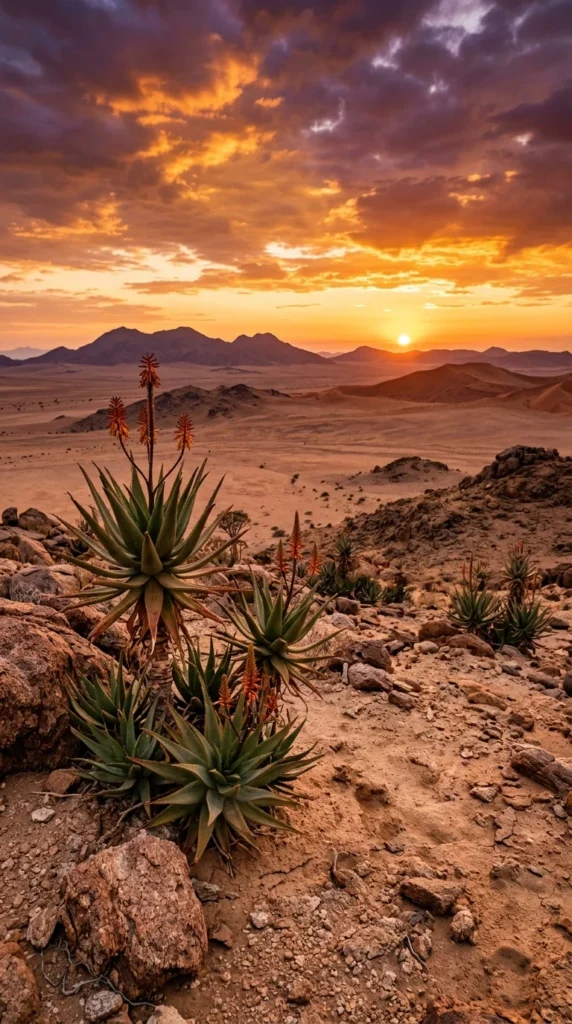
To understand Aloe Vera’s relationship with humidity, you must look at its roots—literally. Native to the Arabian Peninsula, Aloe Vera evolved in hot, dry climates where the air is thin and moisture is scarce. Because of this evolutionary history, the plant is naturally adapted to low-humidity environments. It has developed thick, fleshy leaves to store water, acting as a living reservoir. When you bring an Aloe into a humid home, you are essentially asking a desert dweller to live in a rainforest.
2. Low Humidity
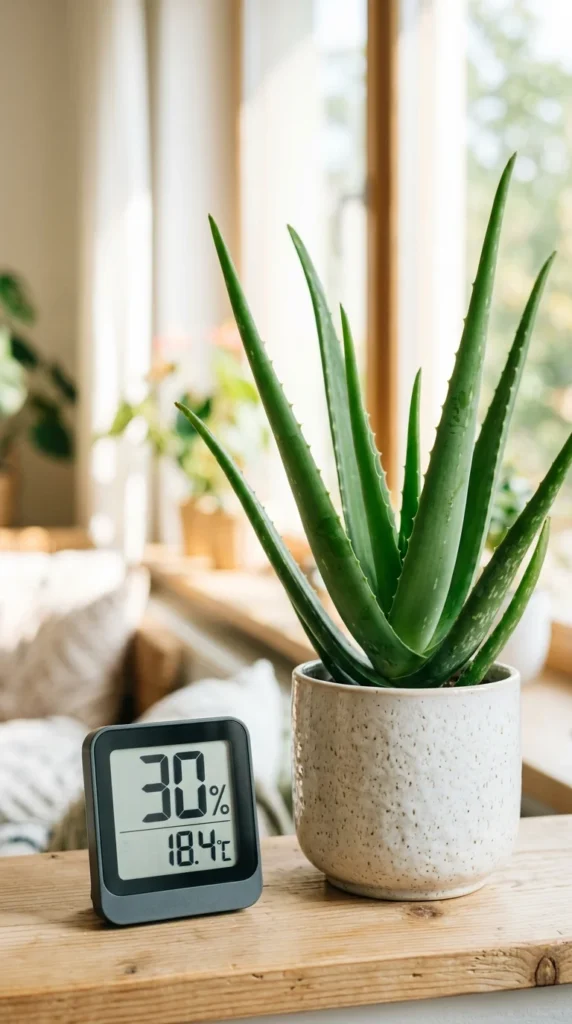
Aloe Vera thrives best when the relative humidity is between 30% and 40%. This is the typical range for most indoor environments, especially during the summer months or in drier geographic regions. In these conditions, the plant can “breathe” efficiently through its stomata (tiny pores) without the risk of absorbing excess moisture from the air that could lead to tissue saturation. If your home feels comfortable to you, it is likely perfect for your Aloe.
3. High Humidity
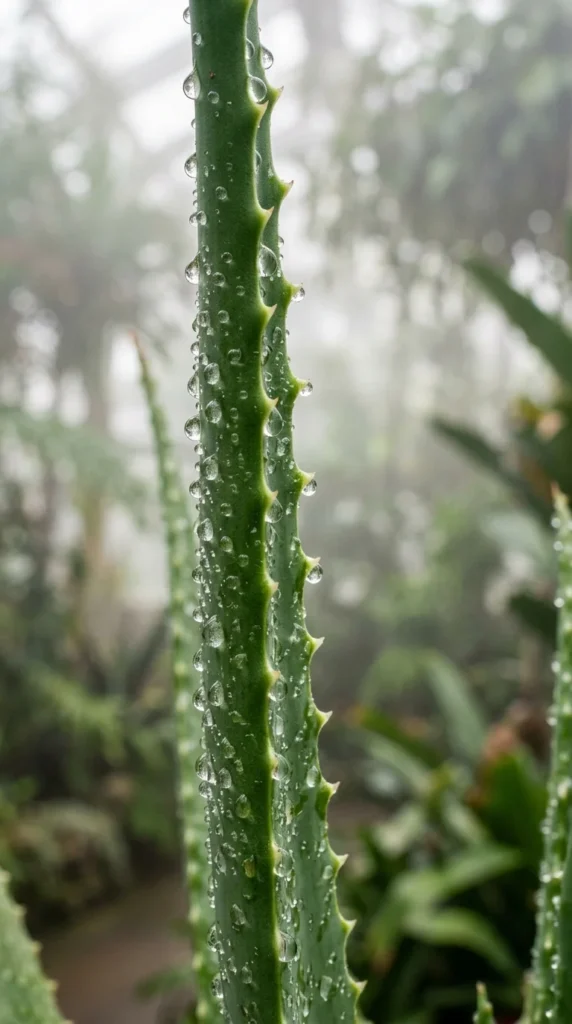
While Aloe is hardy, high humidity (above 60%) can be its Achilles’ heel. In very humid environments, the plant struggles to transpire. Transpiration is the process where water evaporates from the leaves, pulling more water and nutrients up from the roots. When the air is thick with moisture, this evaporation slows down. This can lead to a “backlog” of water within the plant’s system, causing the leaves to become mushy, heavy, and prone to drooping.
4. Root Rot
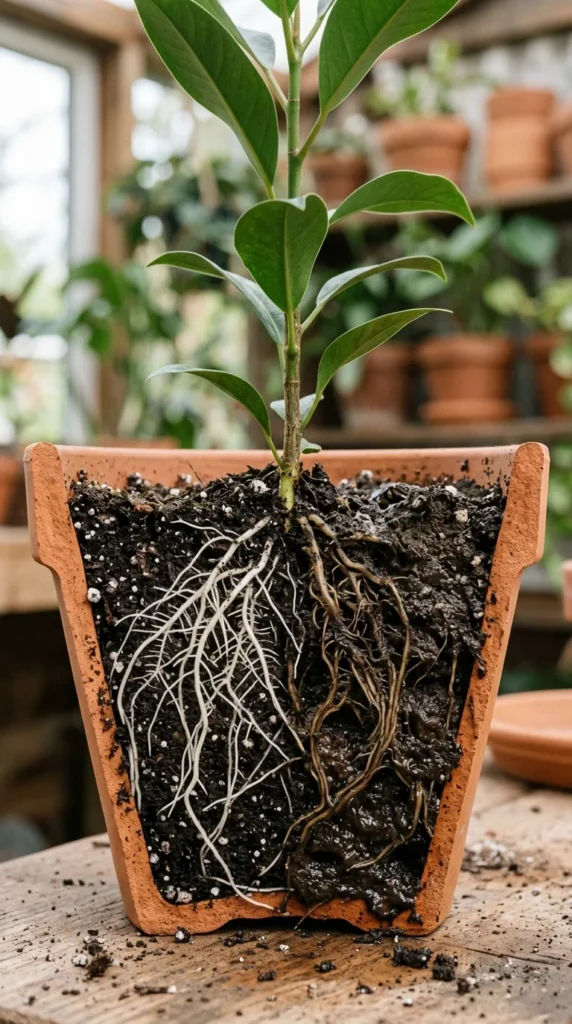
Humidity doesn’t just stay in the air; it affects how fast the soil dries out. In high-humidity settings, the evaporation rate from the soil surface is significantly reduced. If the soil remains damp for too long because the air is too moist to pull water away, the roots begin to suffocate. This leads to root rot, a fungal condition that turns the base of the plant brown and mushy. Once root rot sets in, it can be very difficult to save the plant.
5. Leaf Edema
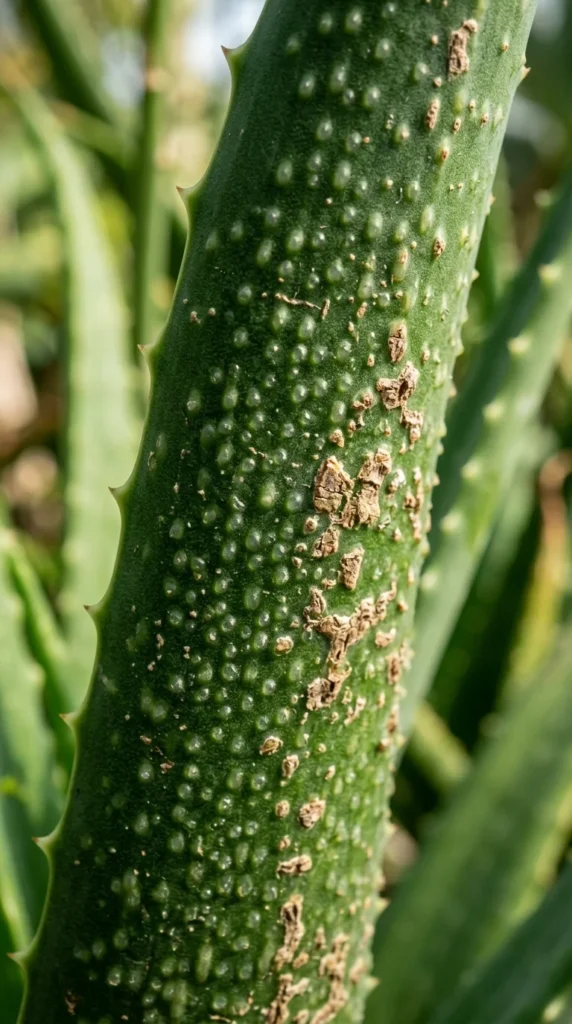
When an Aloe Vera plant absorbs more water through its roots than it can release through its leaves—a common occurrence in high humidity—the internal cells can literally burst. This condition is known as edema. You will notice small, water-soaked bumps or blisters on the leaves that eventually turn into corky, brown spots. While not always fatal, edema is a clear sign that the plant’s environment is too moist and its internal pressure is too high.
6. Air Circulation
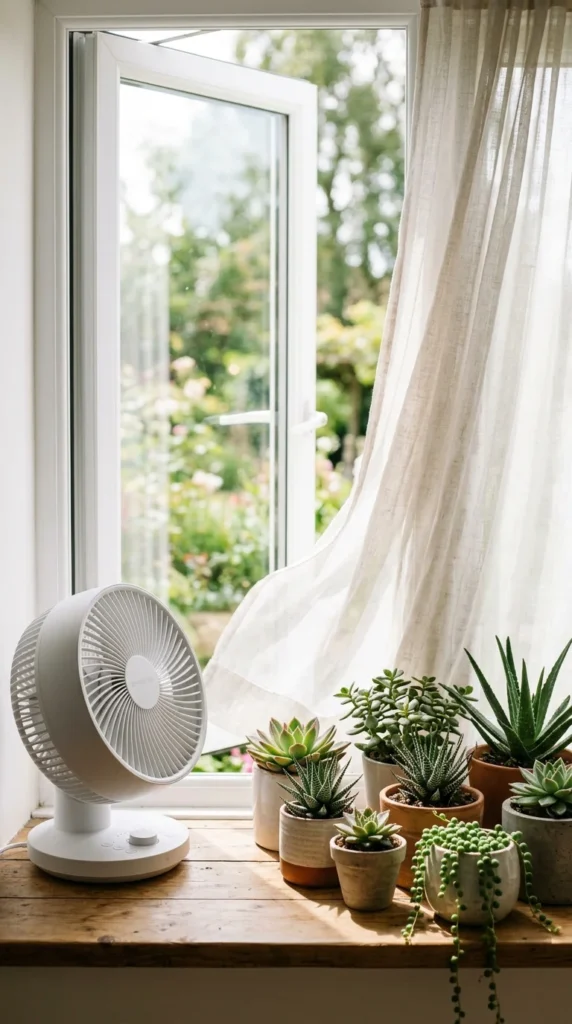
The best antidote to high humidity is air circulation. If you live in a coastal area or a tropical climate, keeping the air moving around your Aloe Vera is crucial. A ceiling fan, a small desk fan, or an open window can help wick away excess moisture from the leaf surfaces and the top of the soil. Good airflow mimics the breezy conditions of the desert and prevents the stagnant, “heavy” air that encourages fungal growth.
7. Soil Drainage
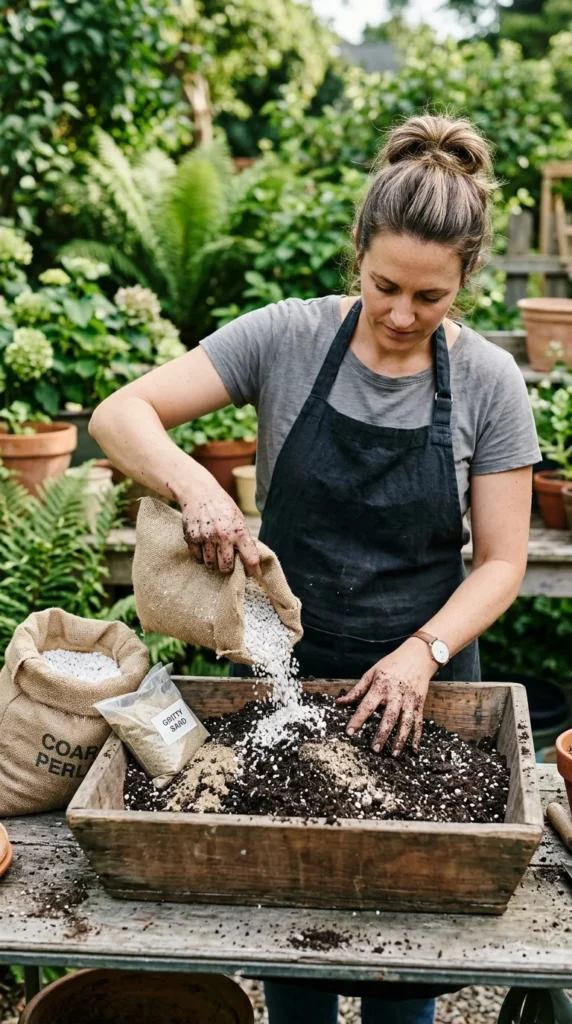
Because humidity slows down drying time, your choice of soil becomes even more critical. If you are dealing with high ambient moisture, you must use a potting mix that drains almost instantly. A blend of 50% cactus potting soil and 50% inorganic material like perlite, pumice, or coarse sand is ideal. This ensures that even if the humidity is high, the roots aren’t sitting in a “mud bath,” giving the plant a fighting chance to stay dry between waterings.
8. Winter Air
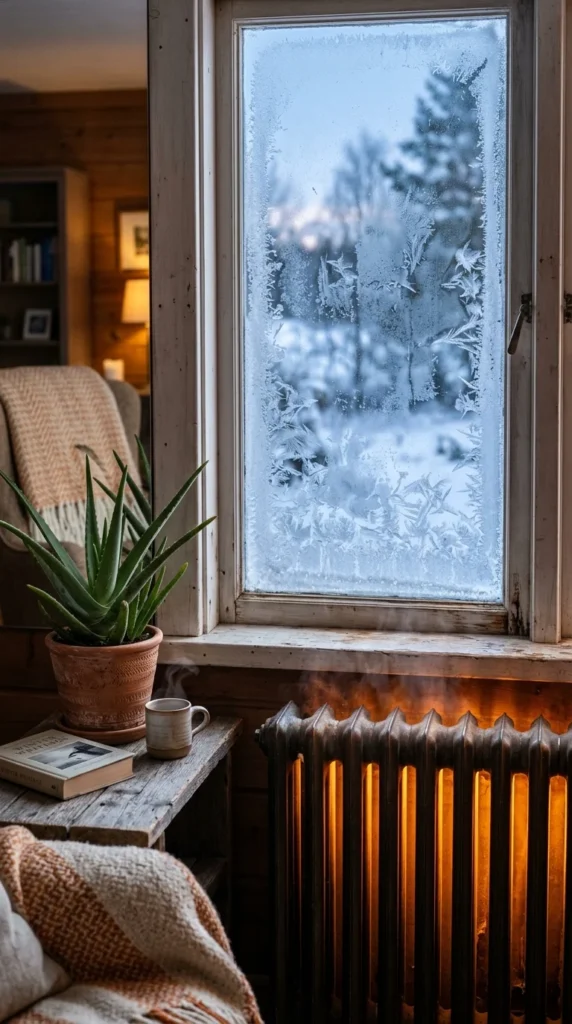
In many climates, winter brings a drastic drop in indoor humidity due to heating systems. Forced-air heating can drop humidity levels to 10% or 15%, which is even drier than the Sahara. While Aloe Vera prefers dry air, extreme dryness coupled with heat can cause the leaf tips to turn brown and “crispy.” During winter, keep your plant away from direct heat vents, as the artificial dry wind can dehydrate the plant faster than it can recover.
9. Fungal Diseases
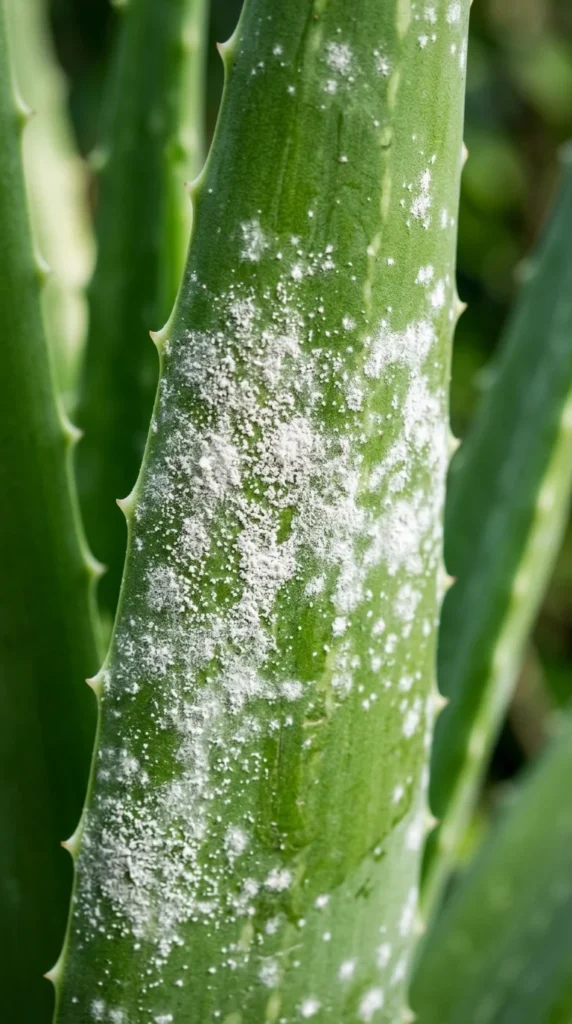
High humidity is a breeding ground for fungi. Powdery mildew and leaf spot are common issues for Aloe Vera plants kept in damp, poorly ventilated rooms. These fungi thrive on the film of moisture that settles on the leaves when the air is still and humid. If you see white fuzz or black spots developing, immediately reduce the humidity, increase airflow, and treat the plant with an organic fungicide like neem oil.
10. Watering Frequency
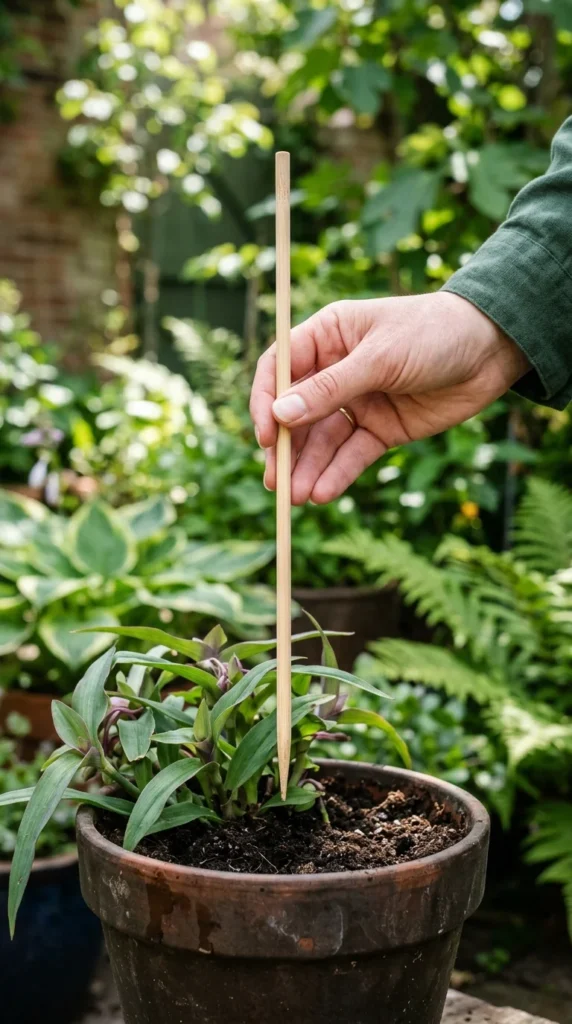
Your watering schedule must change based on the humidity level. In a dry environment, you might water your Aloe every two weeks. However, in a humid environment, the plant might only need water every four to six weeks. Always use the “finger test” or a wooden skewer to check the soil. If the soil feels even slightly damp two inches down, the humidity is doing the “watering” for you, and you should wait.
11. Misting Myths
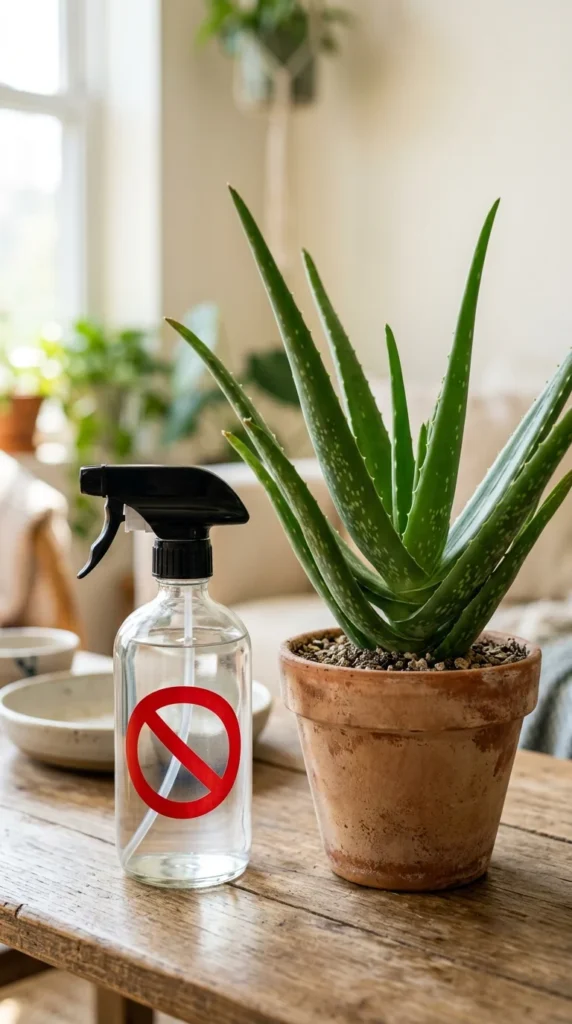
One of the biggest mistakes indoor gardeners make is misting their Aloe Vera. Misting is intended to increase local humidity for tropical plants like ferns or calatheas. For Aloe Vera, misting is counterproductive and dangerous. Water sitting in the “crown” (the center where new leaves grow) can lead to crown rot, which kills the plant from the inside out. Aloe Vera absorbs water through its roots, not its leaves, so keep the spray bottle away.
12. Tropical Climates
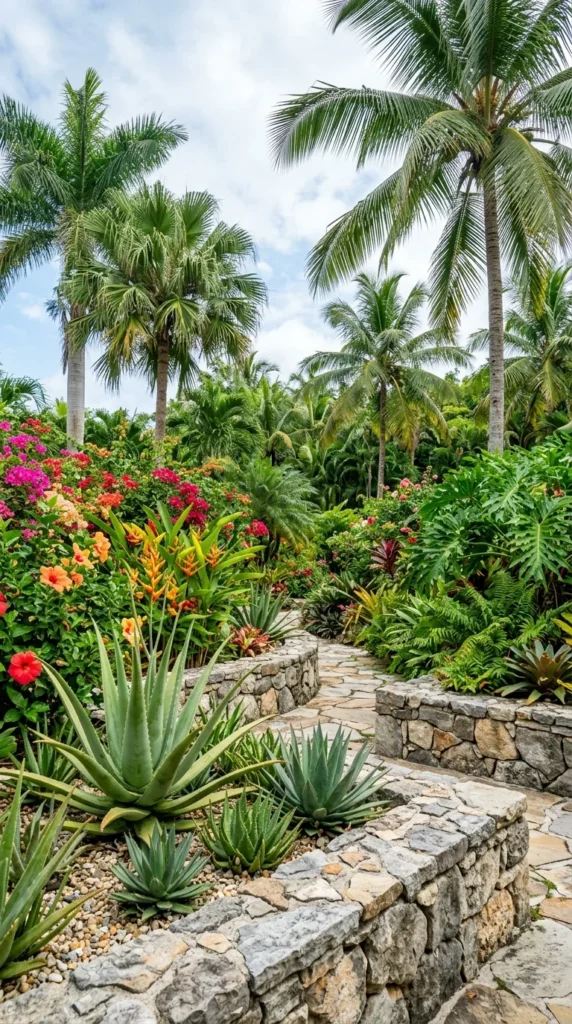
If you live in a tropical zone (like Florida or Southeast Asia), growing Aloe Vera outdoors can be a challenge. The constant high humidity and frequent rain can easily overwhelm the plant. To succeed, plant your Aloe in raised beds or containers with extra drainage holes. Placing them under a porch or eave can help protect them from excessive rainfall while still allowing them to enjoy the outdoor warmth and light.
13. Bathroom Placement
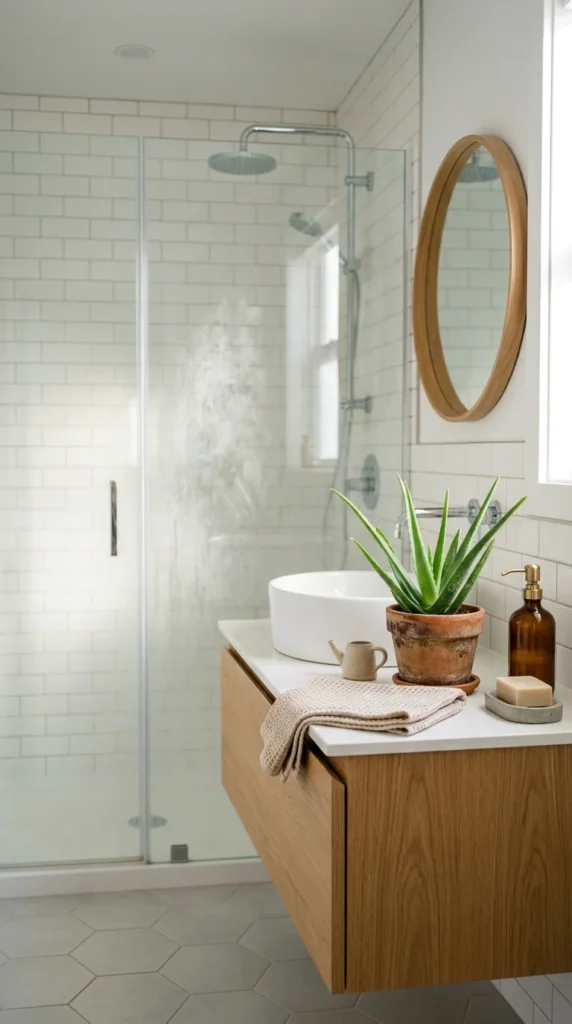
Many people put Aloe Vera in the bathroom for aesthetic reasons, but this is often the most humid room in the house. While the plant may survive there, the steam from daily showers creates a localized “microclimate” of high humidity. If your bathroom doesn’t have a strong exhaust fan or a window, the Aloe may eventually suffer from soft leaves or fungal issues. If you must keep it there, ensure it is near a light source and the room dries out quickly after use.
14. Dehumidifiers
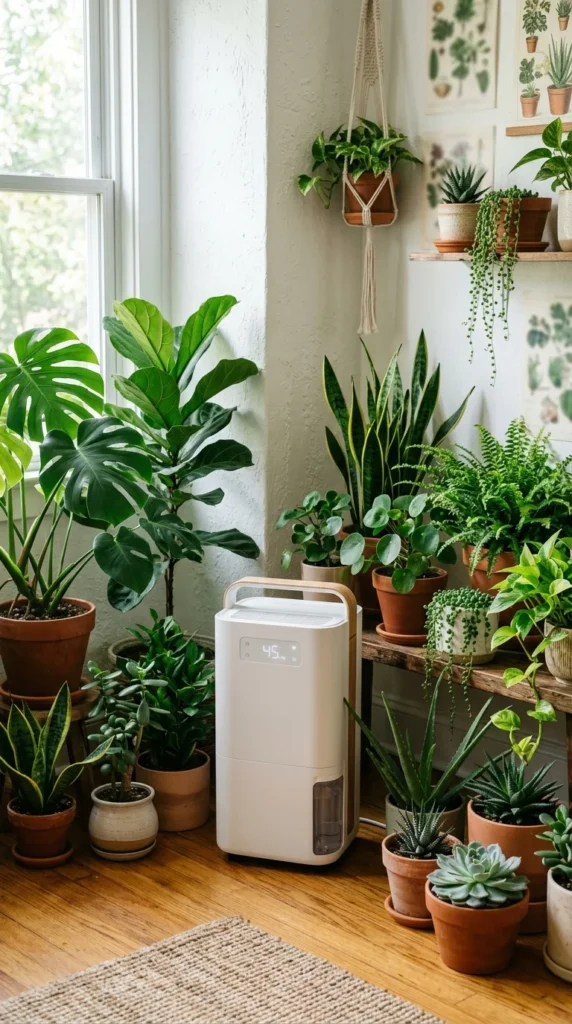
If you are a serious succulent collector living in a naturally humid area, a dehumidifier can be a game-changer. By keeping the room’s humidity at a steady 40%, you provide the ideal environment for your Aloe Vera to flourish. This is especially helpful during “monsoon” seasons or humid summers when the natural air moisture remains consistently high for weeks at a time.
15. Temperature Synergy
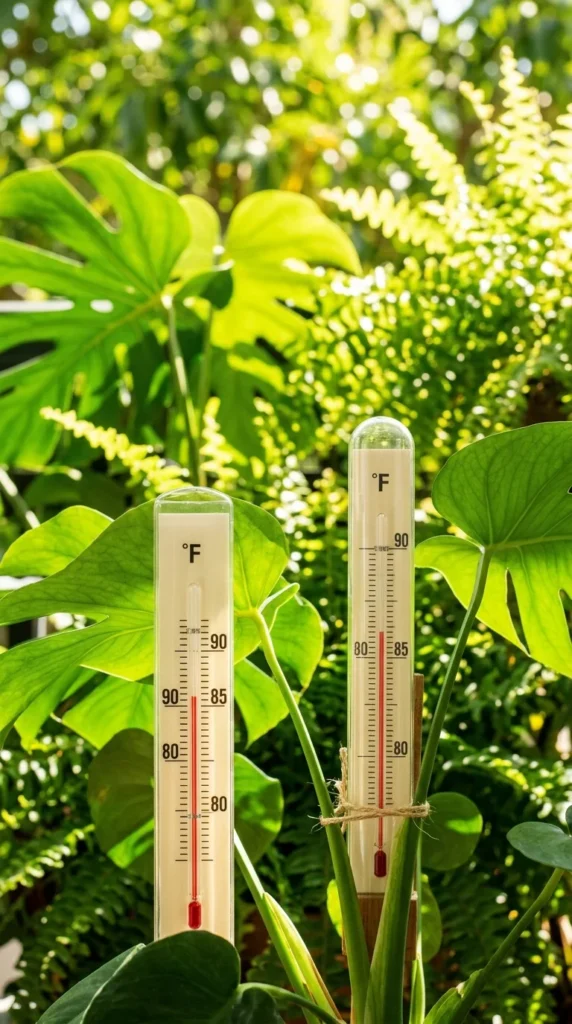
Humidity doesn’t act alone; it works in tandem with temperature. High humidity is much more dangerous at low temperatures because the water doesn’t evaporate, leading to “cold rot.” Conversely, Aloe can handle slightly higher humidity if the temperature is also high, as the heat helps speed up the plant’s metabolic processes. The “danger zone” for an Aloe is a cold, damp, dark corner.
16. Pest Interactions
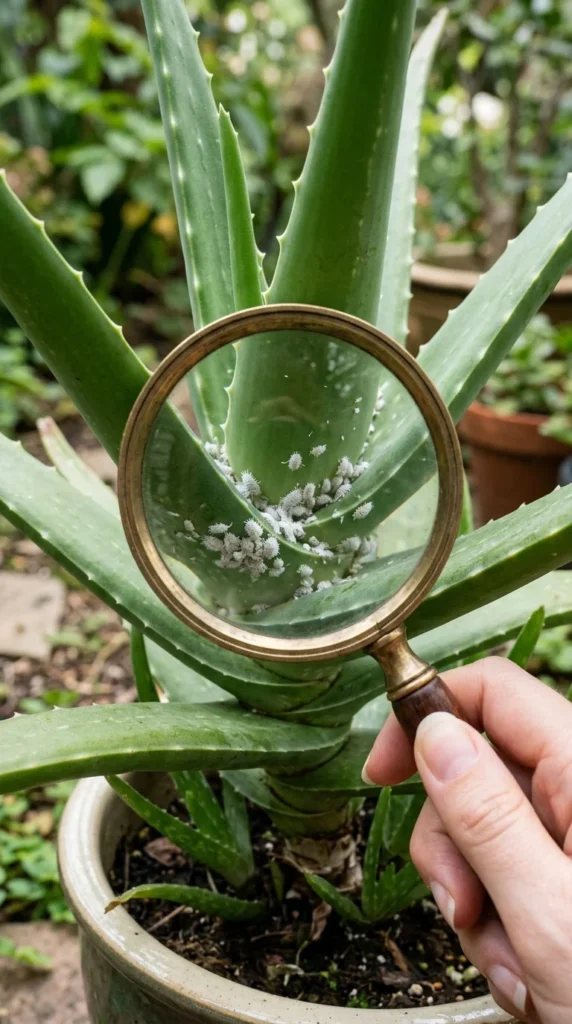
Humidity levels influence which pests are attracted to your plant. Very low humidity can attract spider mites, which thrive in dusty, bone-dry conditions. High humidity, on the other hand, can attract fungus gnats and mealybugs. Mealybugs especially love to hide in the moist, tight crevices of the Aloe’s base. Keeping a moderate humidity level helps prevent these extremes and keeps the “pest pressure” low.
17. Dormancy Periods
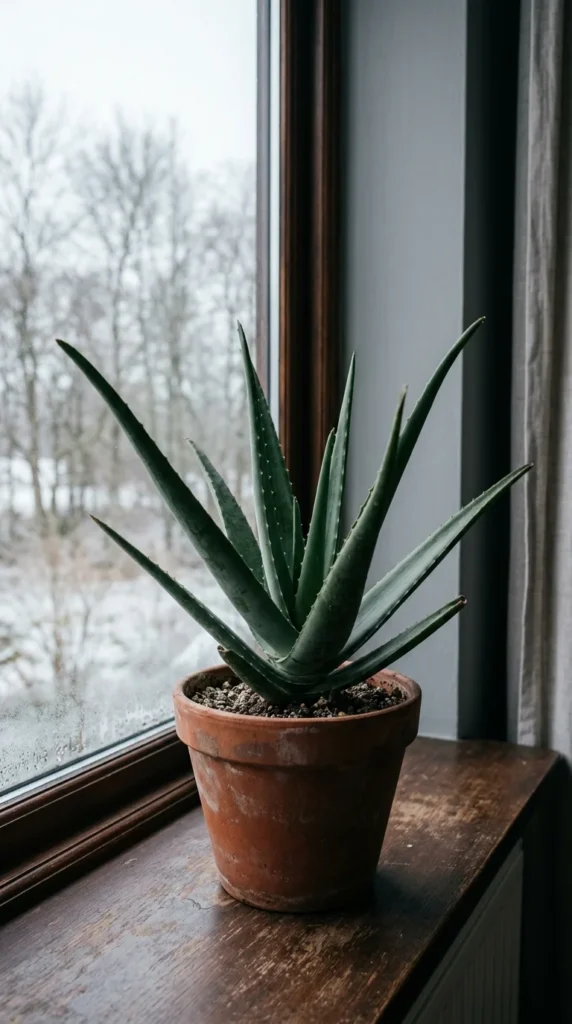
During the winter, Aloe Vera enters a period of semi-dormancy where its growth slows down significantly. During this time, the plant’s water needs drop to almost zero. If the humidity in your home is high during this dormant phase, the risk of rot increases exponentially because the plant isn’t actively using any of the moisture available to it. It is vital to keep the plant even drier during these “rest” months.
18. Propagating Pups
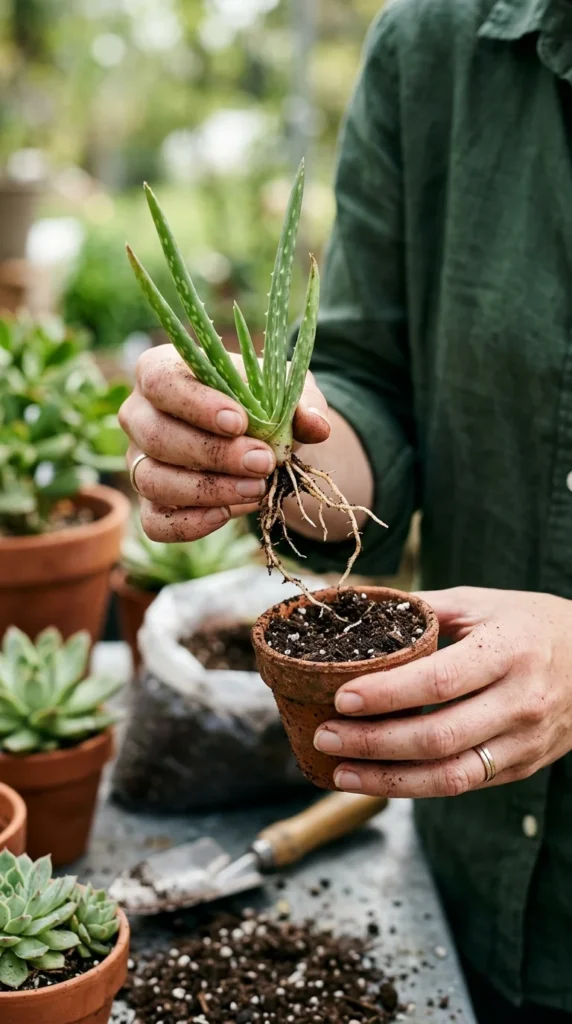
When you are propagating Aloe Vera “pups” (the small baby plants that grow at the base), humidity management is the key to success. Unlike mature plants, tiny pups have very small root systems and can dry out quickly. However, they are also highly susceptible to rot. A slightly higher humidity (around 45%) can help the pup stay hydrated while it focuses on growing new roots, but you must ensure the soil stays dry to the touch to prevent the delicate new roots from decaying.