
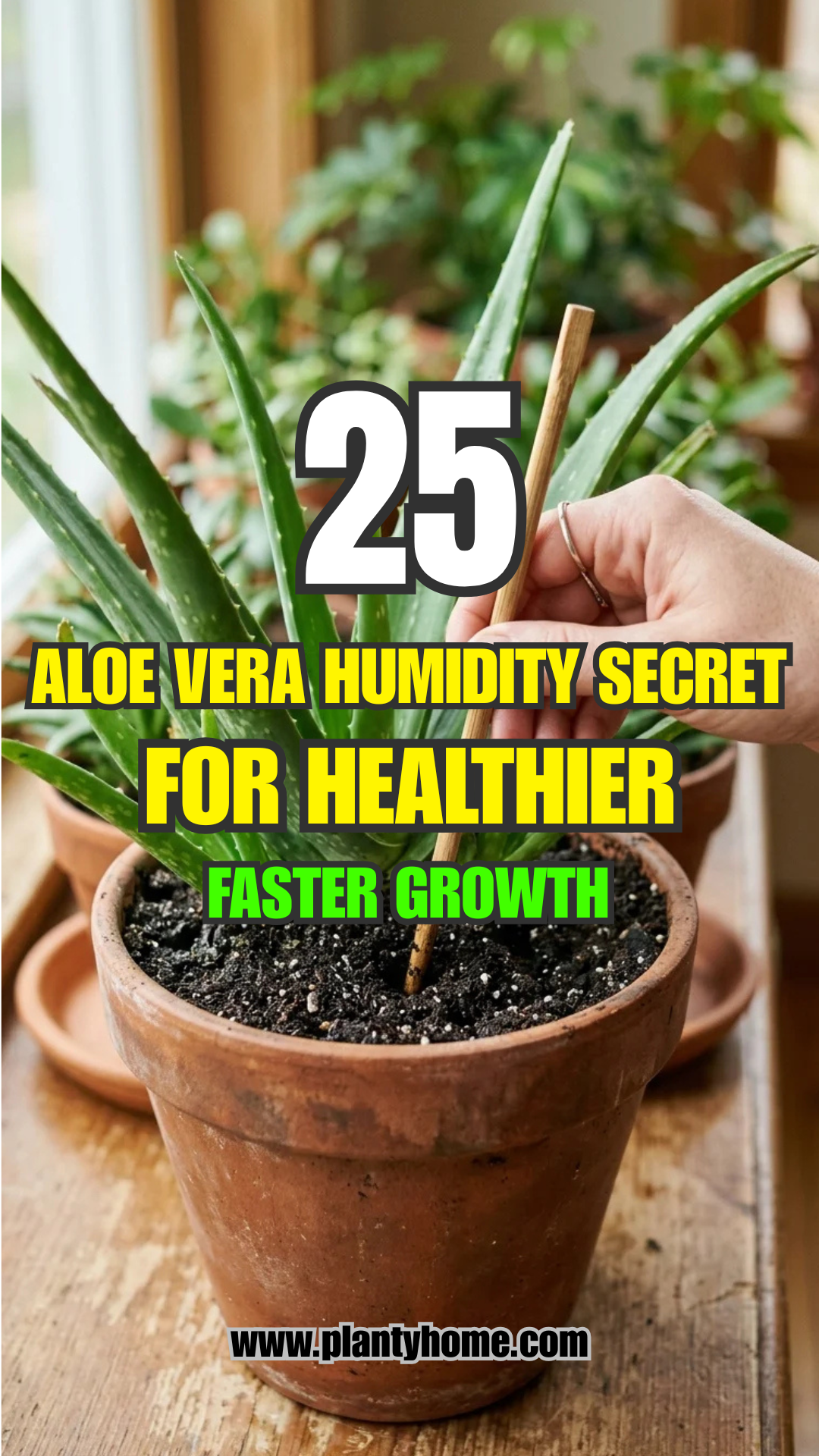
Aloe Vera is often touted as the “unkillable” plant, a desert dweller that thrives on neglect. However, there is a massive difference between an Aloe plant that is simply surviving and one that is thriving with explosive growth. While light and water are the primary pillars of care, humidity is the “secret sauce” that many enthusiasts overlook. Because Aloe Vera is a succulent, its relationship with moisture in the air is complex. Balancing the dry air of its native roots with the hydration needs of a fast-growing specimen is an art form.
Here are 25 humidity secrets to help your Aloe Vera reach its full, medicinal potential.
1. Ideal Range
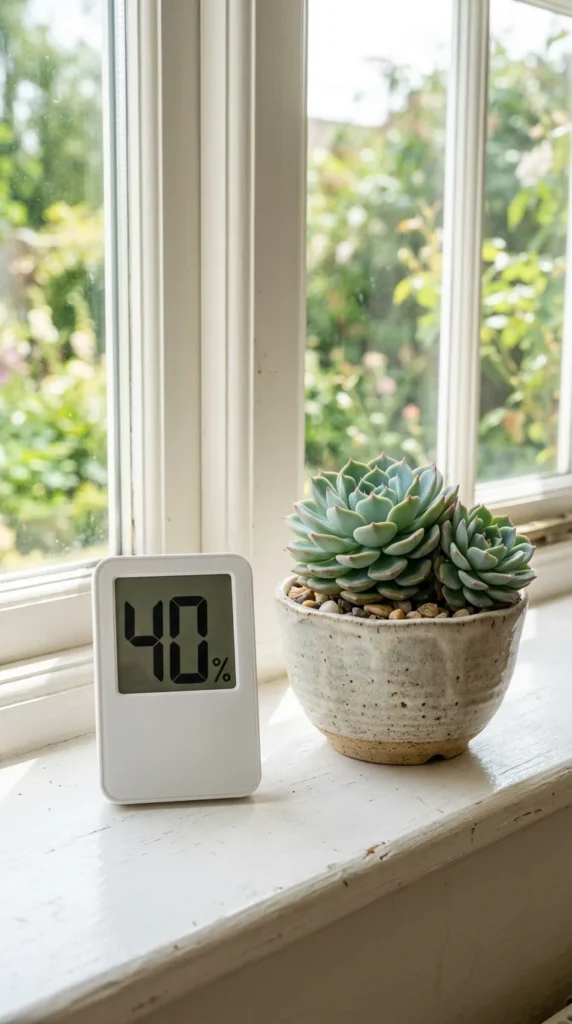
While Aloe Vera is drought-tolerant, it performs best when the relative humidity stays between 40% and 50%. In many modern homes, especially during winter when heaters are running, humidity can drop to 10% or 20%. This causes the plant to lose moisture through its pores (stomata) faster than it can take it up through the roots, leading to thin, concave leaves. Keeping it in this “Goldilocks” zone ensures the plant stays plump and rigid.
2. Pebble Trays
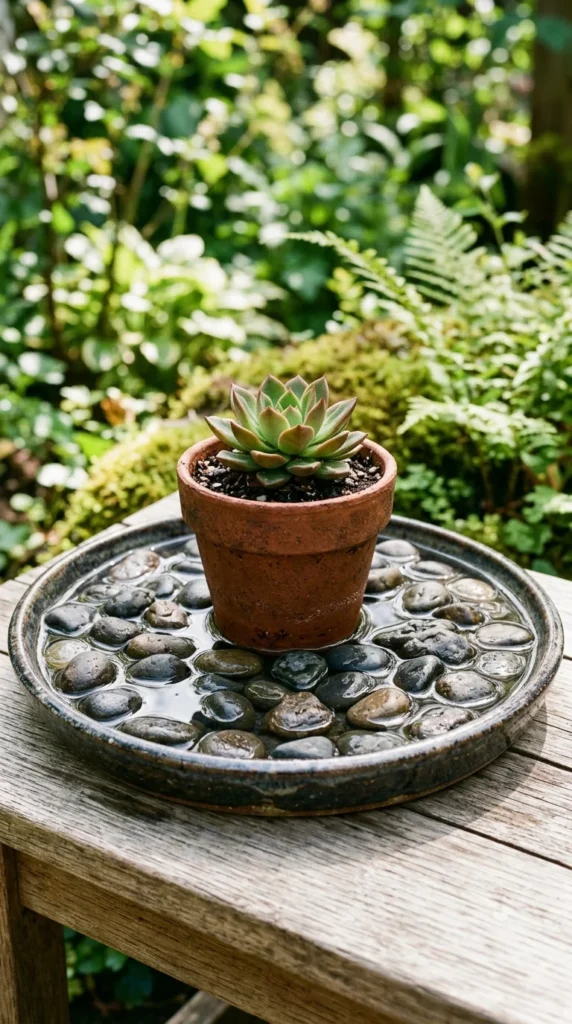
If your home is naturally dry, a pebble tray is a low-tech, high-reward secret. By placing your Aloe pot on a tray filled with pebbles and water, you create a localized microclimate. As the water evaporates, it rises directly around the leaves. The key is to ensure the bottom of the pot never touches the water, as this would lead to root rot—the primary enemy of the Aloe plant.
3. Grouping Plants
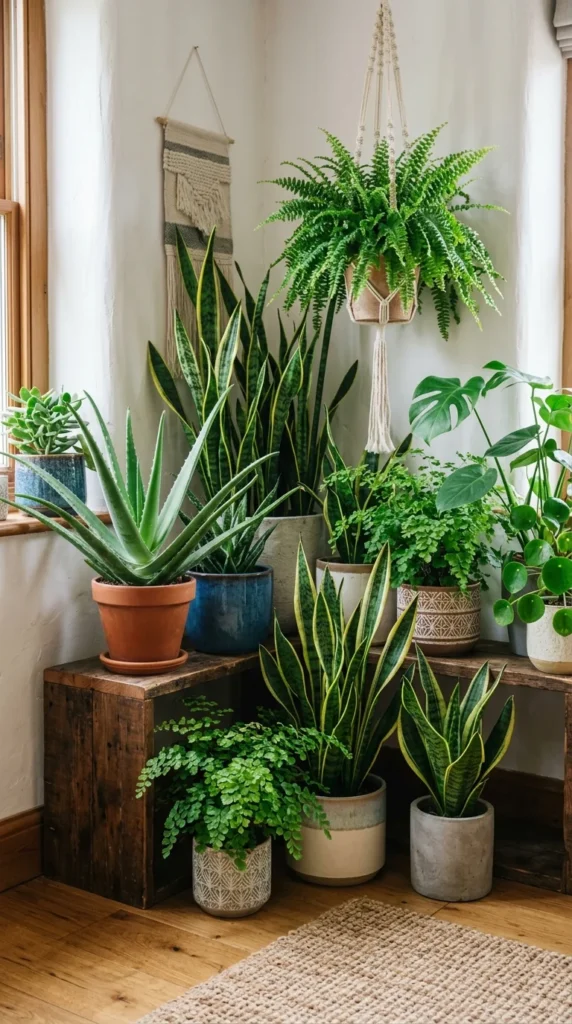
Plants breathe through a process called transpiration. By grouping your Aloe Vera with other houseplants, you create a “community effect.” The collective moisture released by the group increases the ambient humidity in that specific corner. This is a natural way to boost growth without relying on electrical appliances.
4. Kitchen Placement
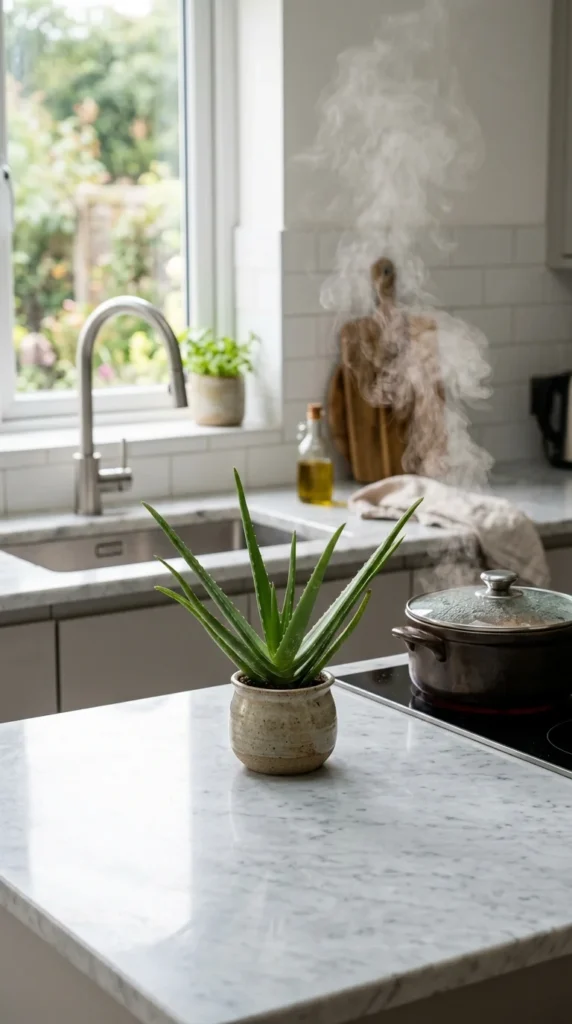
The kitchen is one of the most humid rooms in any house due to boiling water, dishwashers, and sinks. Placing your Aloe Vera in a bright kitchen spot allows it to drink in the occasional steam and higher ambient moisture. This extra boost can lead to significantly faster leaf production compared to a dry living room.
5. Bathroom Steam
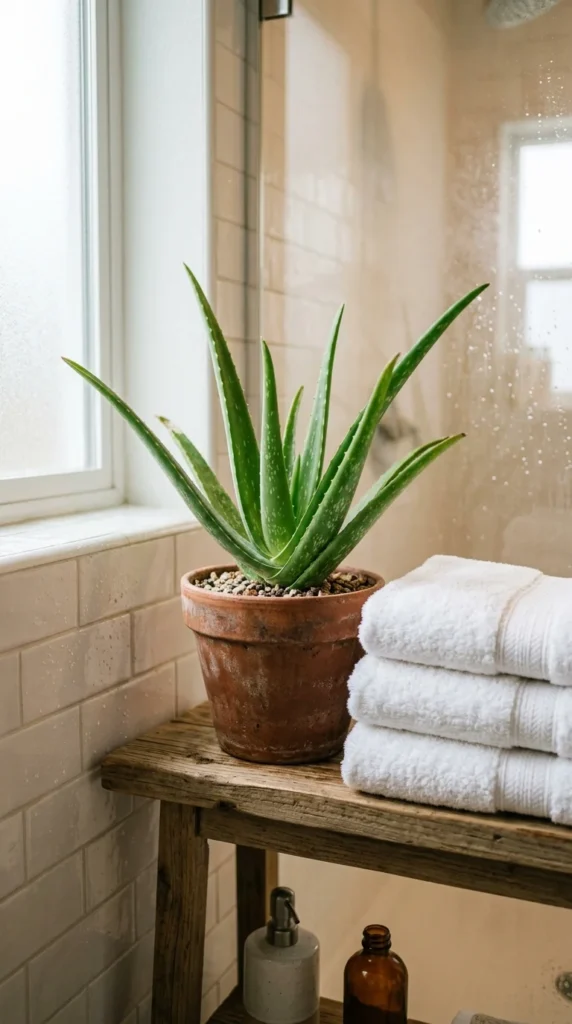
If your bathroom has a window that provides bright, indirect light, it is a goldmine for Aloe growth. The spike in humidity from daily showers mimics the occasional heavy dews found in semi-arid environments. The plant absorbs this moisture through its leaves, reducing the strain on the root system and allowing for faster cellular expansion.
6. Misting Myths
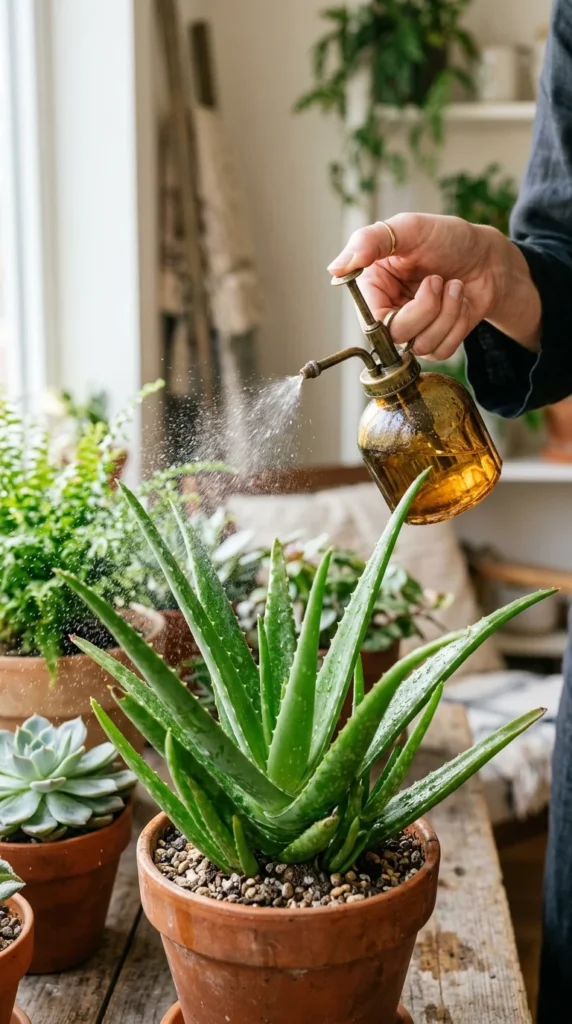
Contrary to popular belief, misting Aloe Vera is often counterproductive. Because the leaves are thick and waxy, they don’t absorb water as quickly as tropical plants. If water sits in the “crown” (the center where new leaves grow), it can cause fungal infections. The secret is to mist the air around the plant, not the plant itself, or avoid misting entirely in favor of other humidity methods.
7. Winter Protection
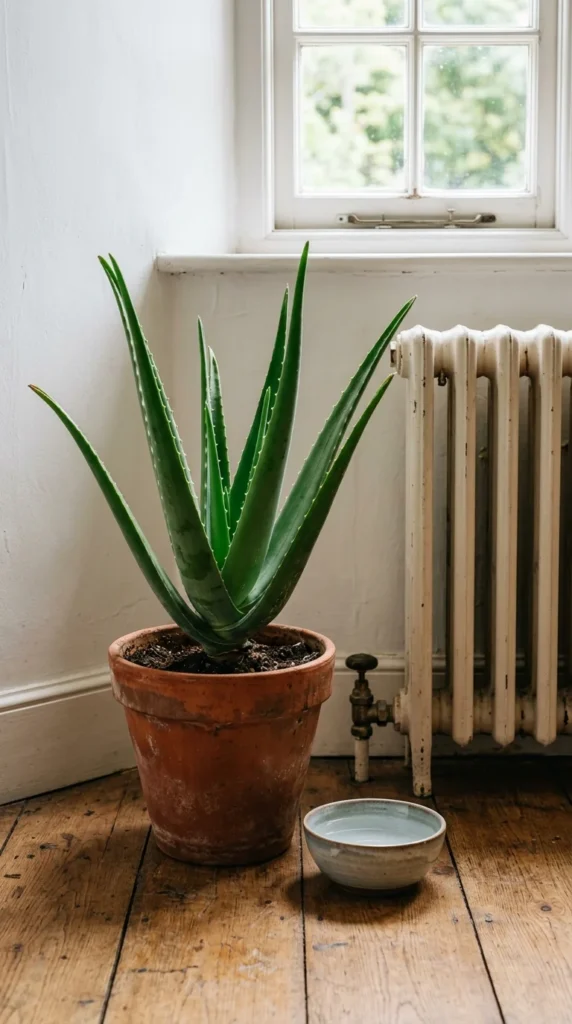
Central heating is the fastest way to kill an Aloe’s vibrancy. Radiators blast dry, hot air that shrivels the leaves. The secret to winter growth is moving the plant away from heat vents and placing a small bowl of water nearby to add moisture back into the scorched air.
8. Terracotta Breathing
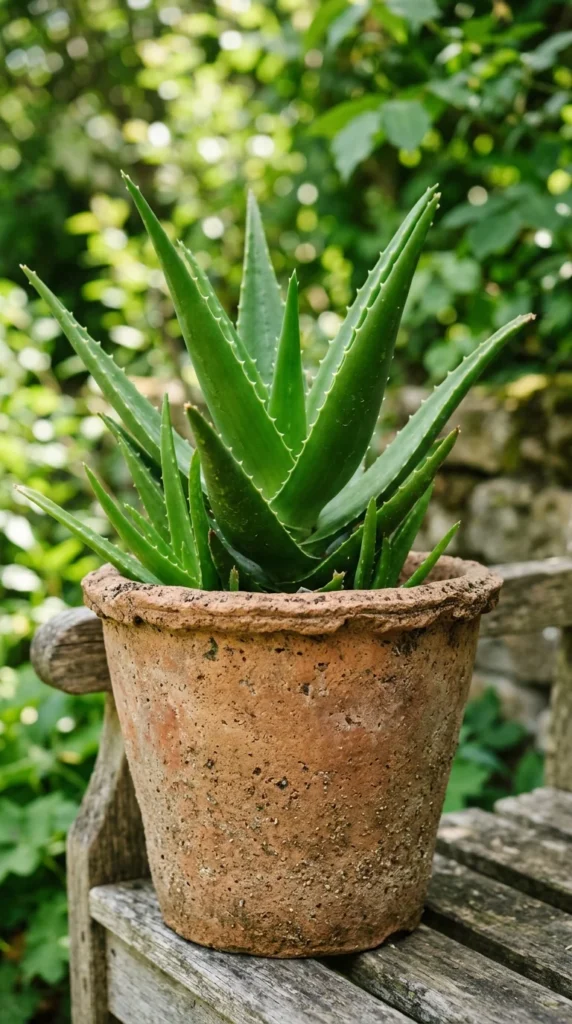
The pot you choose dictates how humidity affects the roots. Terracotta is porous, meaning it allows moisture to move through the walls of the pot. In high-humidity environments, terracotta is a lifesaver because it prevents the soil from staying too damp. In very dry environments, you may need to water slightly more often if using terracotta.
9. Bottom Watering
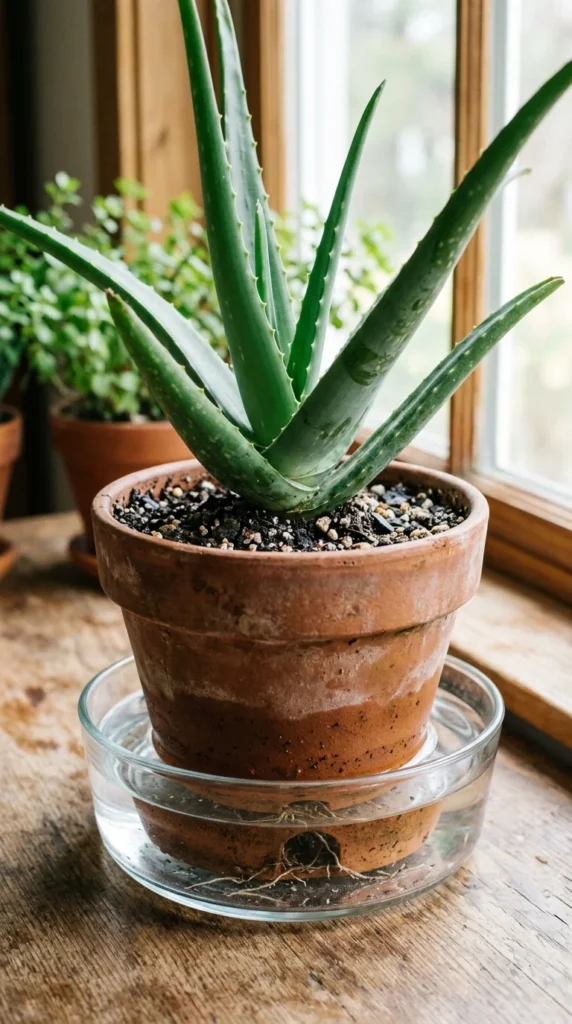
To keep humidity levels in the soil consistent without soaking the top of the plant, try bottom watering. This encourages the roots to grow deep and strong. It also prevents the top layer of soil from becoming a breeding ground for fungus gnats, which thrive in high-humidity surface conditions.
10. Air Circulation
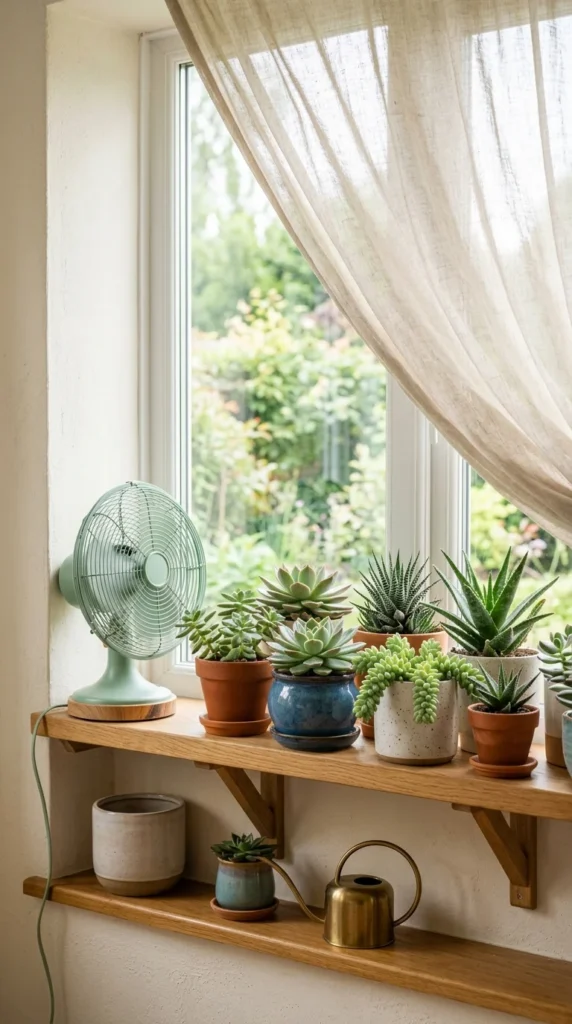
High humidity without airflow is a recipe for disaster. If you are boosting humidity to encourage growth, you must ensure there is a gentle breeze. Stagnant, moist air leads to “sooty mold” and other bacterial issues on the leaves. A small fan or an open window is essential for a “breathing” Aloe.
11. Morning Sun
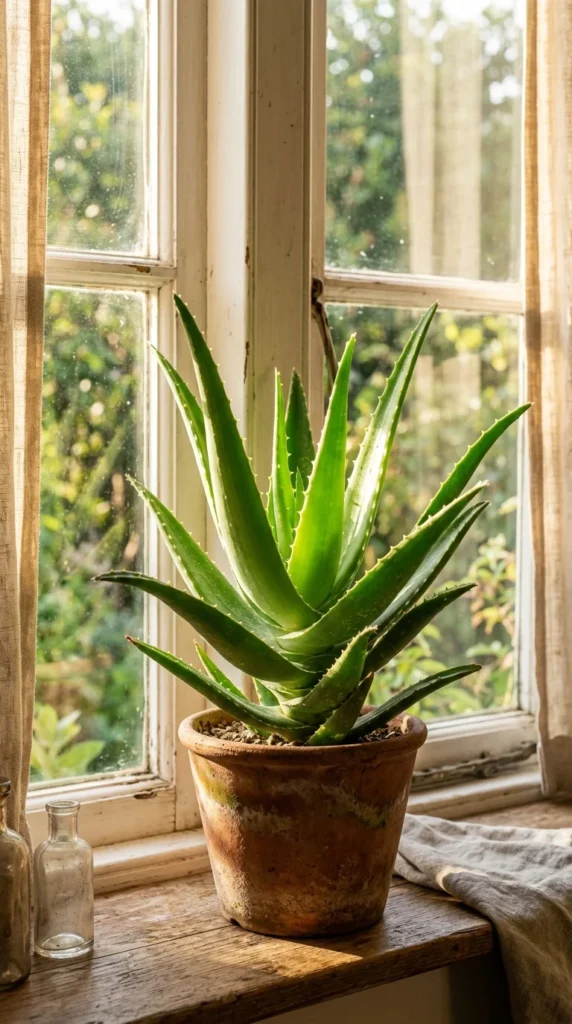
Humidity is best utilized by the plant in the morning. When the sun hits the leaves, the plant’s stomata open to begin photosynthesis. If the air is slightly humid during this time, the plant can photosynthesize more efficiently without losing too much internal water. Position your Aloe to catch that early morning light.
12. Dehumidifier Balance
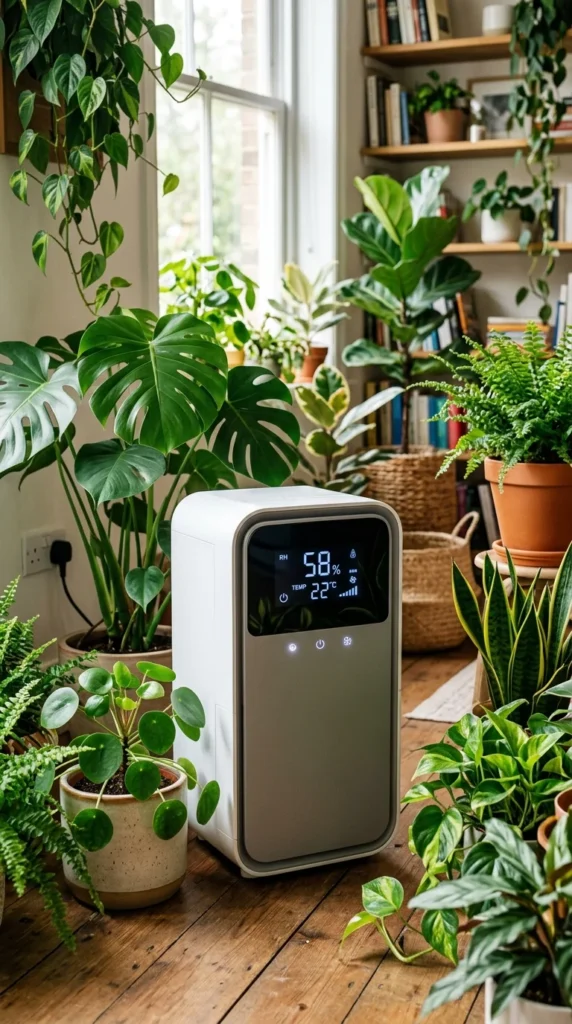
If you live in a tropical climate where humidity is constantly above 70%, your Aloe Vera may actually struggle. High humidity prevents the soil from drying out, which can lead to rot even if you haven’t watered in weeks. In these cases, using a dehumidifier to bring the room down to 50% will actually speed up growth by allowing the plant’s metabolic processes to reset.
13. Dusting Leaves
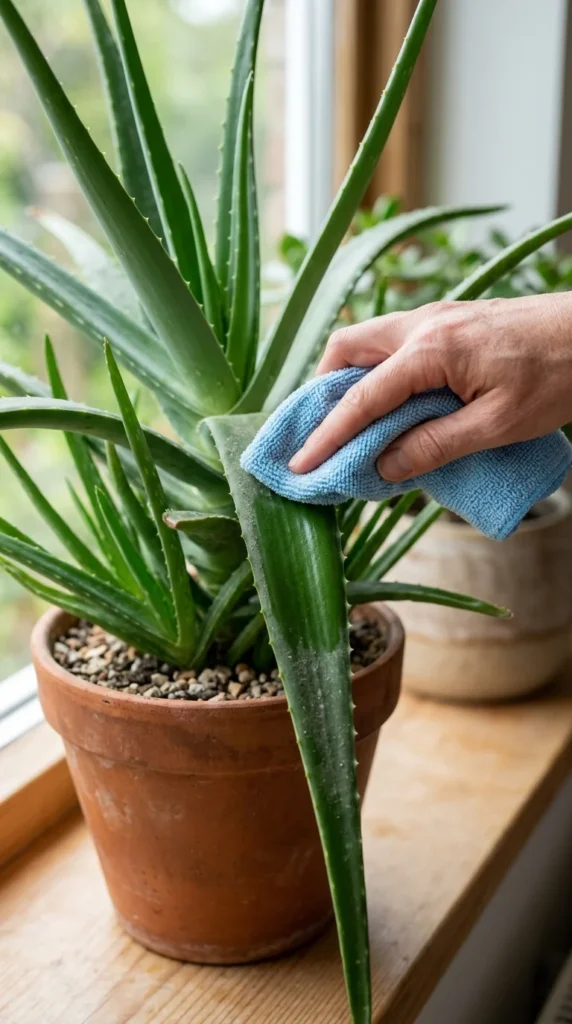
Dust acts as a barrier to humidity. If the leaves are coated in a fine layer of household dust, they cannot “breathe” or absorb any ambient moisture. Wiping the leaves down once a month with a damp cloth ensures the plant can interact efficiently with the air around it.
14. Summer Humidity
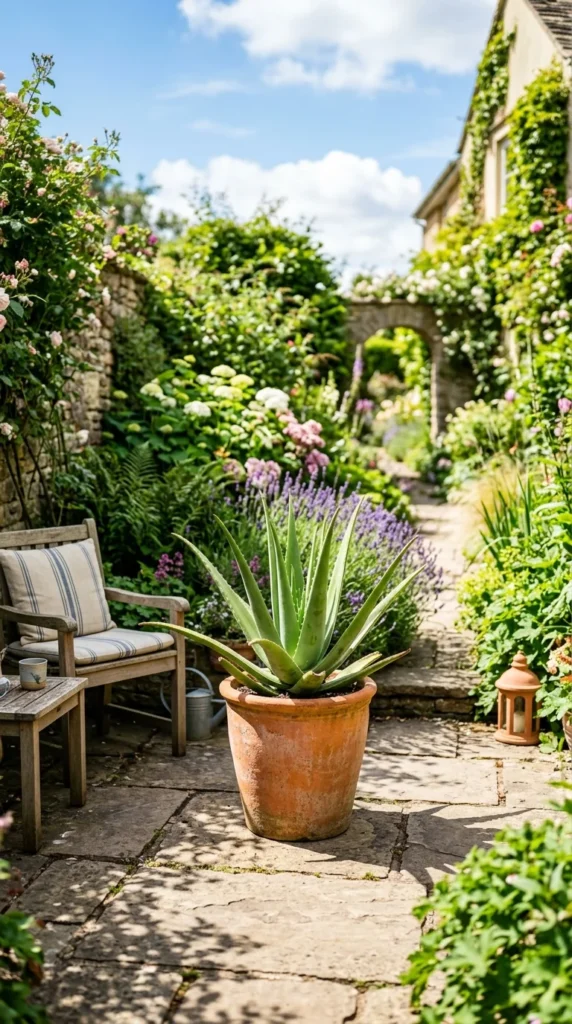
During the summer, many people move their Aloe outdoors. Natural outdoor humidity is usually higher than indoor air-conditioned air. The secret is to keep the plant in a shaded or dappled light area where the humidity can nourish the leaves without the harsh midday sun scorching them.
15. The “Taco” Test
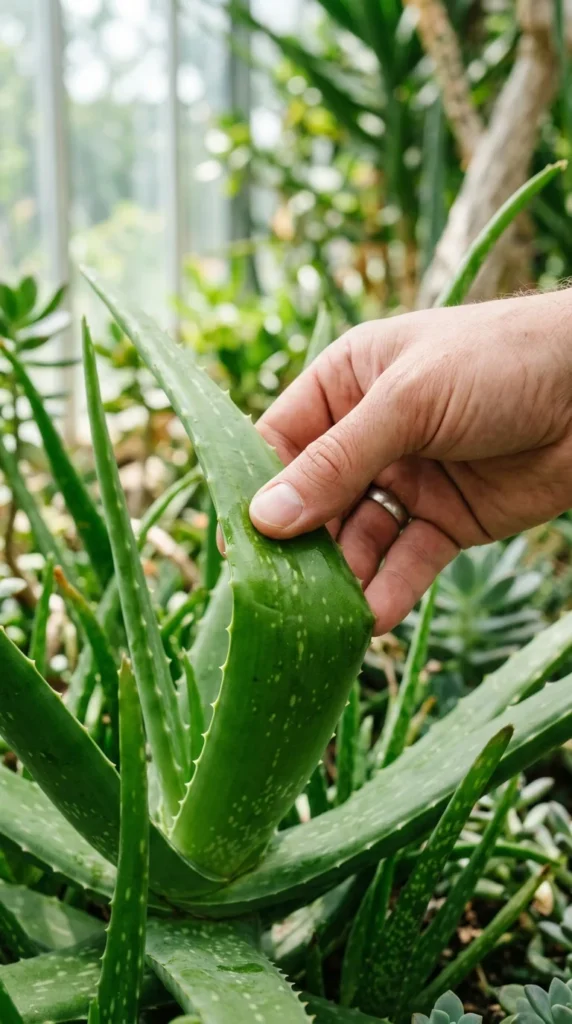
Use the plant’s leaves as a living hygrometer. If the leaves are starting to curl inward (forming a “taco” shape), the humidity is too low and the plant is dehydrated. If they are plump and flat or slightly convex, your humidity levels are perfect for growth.
16. Soil Aeration
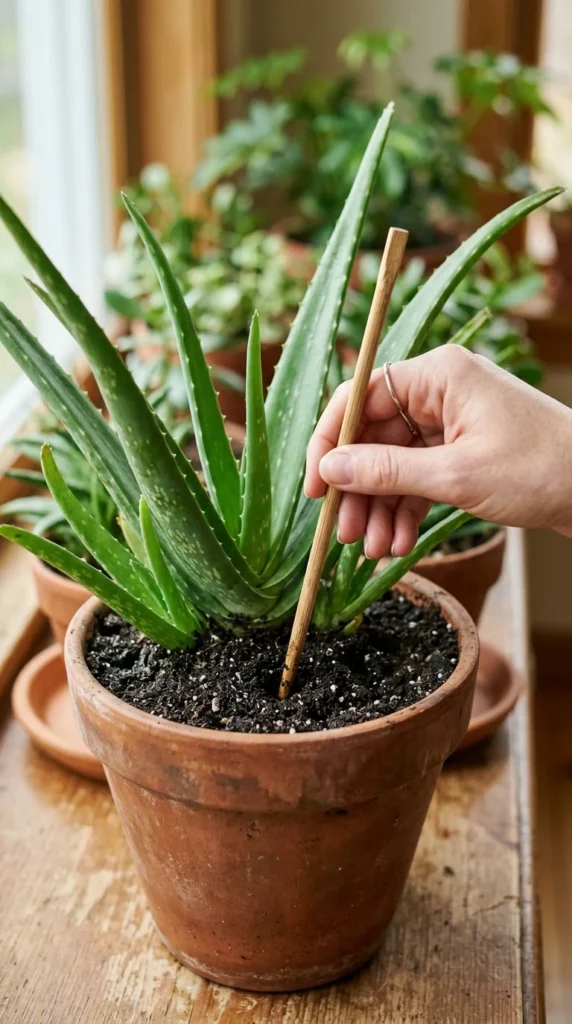
High humidity can cause soil to compact and trap moisture. Periodically aerating the soil with a chopstick allows the roots to breathe and prevents the humidity from turning the potting mix into a swampy mess.
17. Growth Spurt Triggers
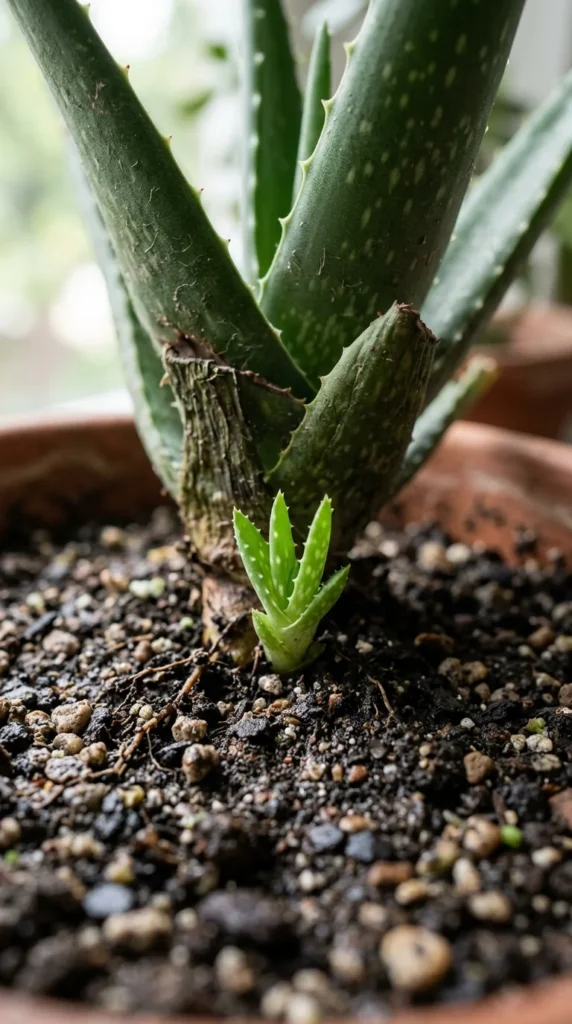
If you want your Aloe to produce “pups” (baby plants), a slight increase in humidity for a period of two weeks can act as a catalyst. The moisture signals to the mother plant that the environment is hospitable enough to support offspring.
18. Avoid Plastic Pots
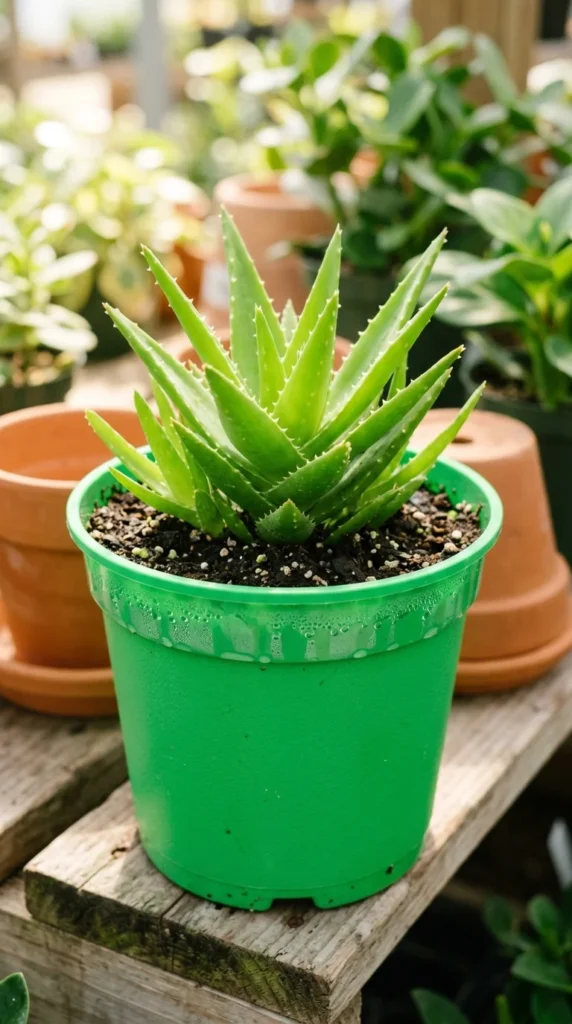
In humid environments, plastic pots are risky. They trap moisture inside the root ball for much longer than clay or ceramic. If you must use plastic, ensure you have doubled the amount of perlite or pumice in your soil mix to offset the ambient humidity.
19. Nighttime Recovery

Aloe Vera follows a specific metabolic path called CAM photosynthesis. They actually “breathe” at night to conserve water. Maintaining a slightly cooler, more humid environment at night allows the plant to exchange gases more effectively, leading to faster growth during the daylight hours.
20. Hygrometer Monitoring
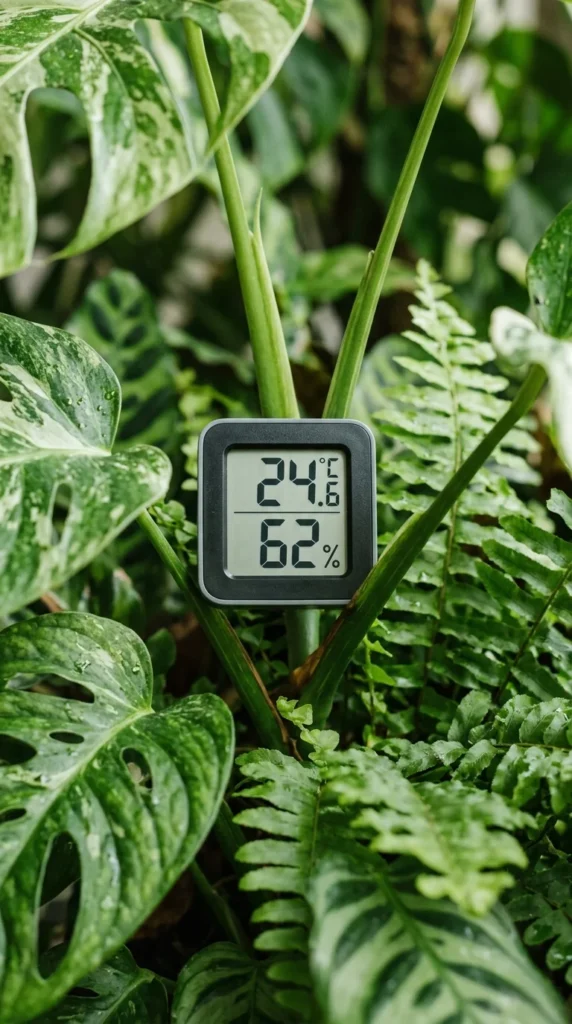
Don’t guess—measure. A cheap digital hygrometer placed right next to your Aloe will tell you exactly what is happening in its microclimate. You might be surprised to find that while your room is 40% humidity, the drafty windowsill where the plant sits is only 20%.
21. Water Temperature
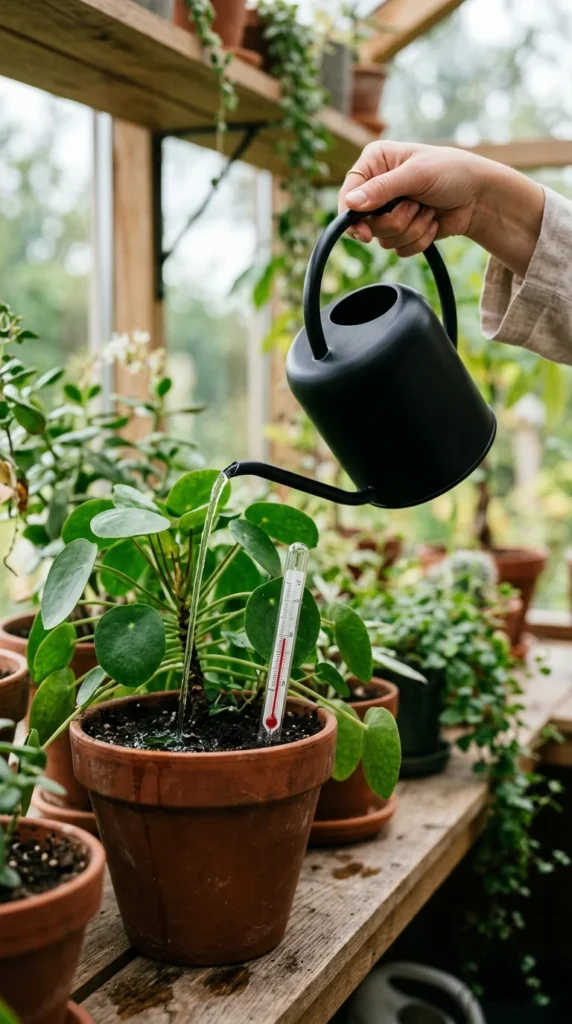
When you water your Aloe, use room-temperature water. Cold water can shock the roots, especially in a humid environment. Room-temperature water blends better with the ambient humidity and encourages the plant to keep its stomata open for business.
22. Avoiding the Spray
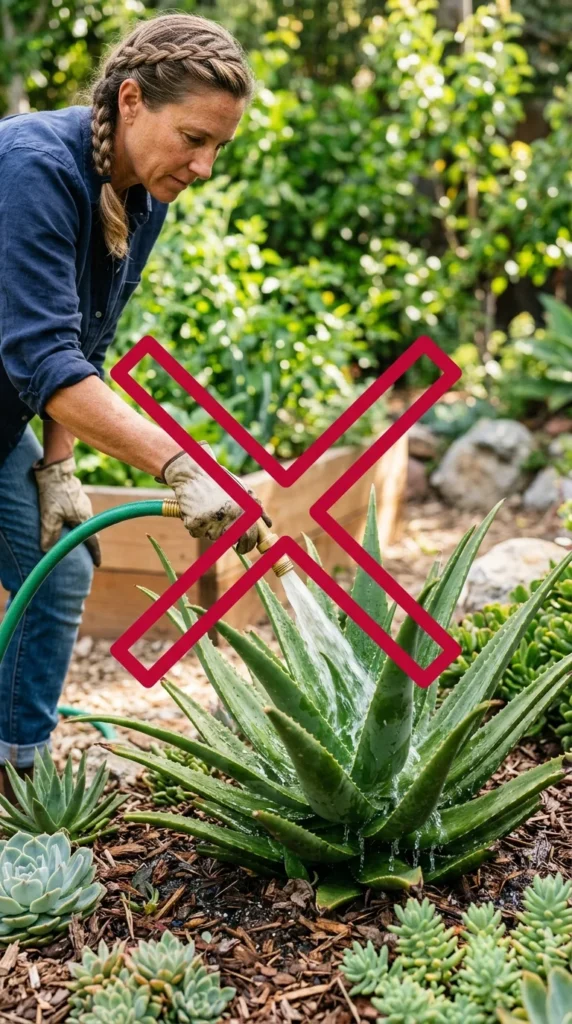
Never use a high-pressure spray or hose on your Aloe in humid conditions. The water gets trapped in the tight crevices of the leaves. In a humid room, this water will not evaporate quickly enough, leading to “core rot” which can kill the plant from the inside out in a matter of days.
23. Top Dressing
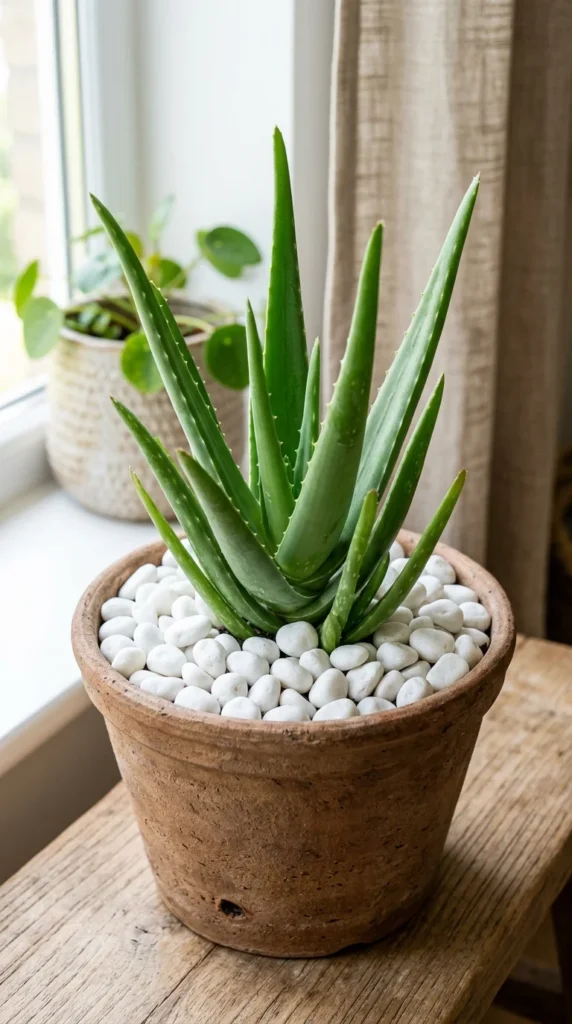
Adding a top dressing of gravel or decorative stones can help regulate the humidity of the soil. It prevents the moisture from evaporating too quickly from the earth while keeping the base of the plant dry and clean.
24. Greenhouse Tent
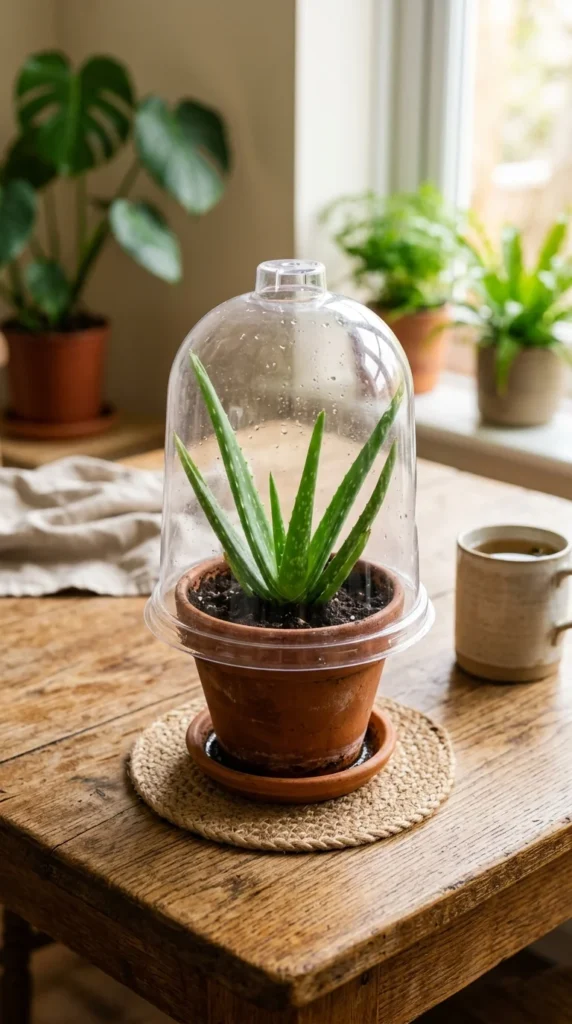
For struggling or very young Aloe plants, a temporary “greenhouse” (like a clear plastic bag or a glass cloche) can provide a high-humidity “ER” environment. Use this only for a few hours a day to jumpstart a growth spurt, ensuring you remove it to prevent overheating.
25. Seasonal Adjustments
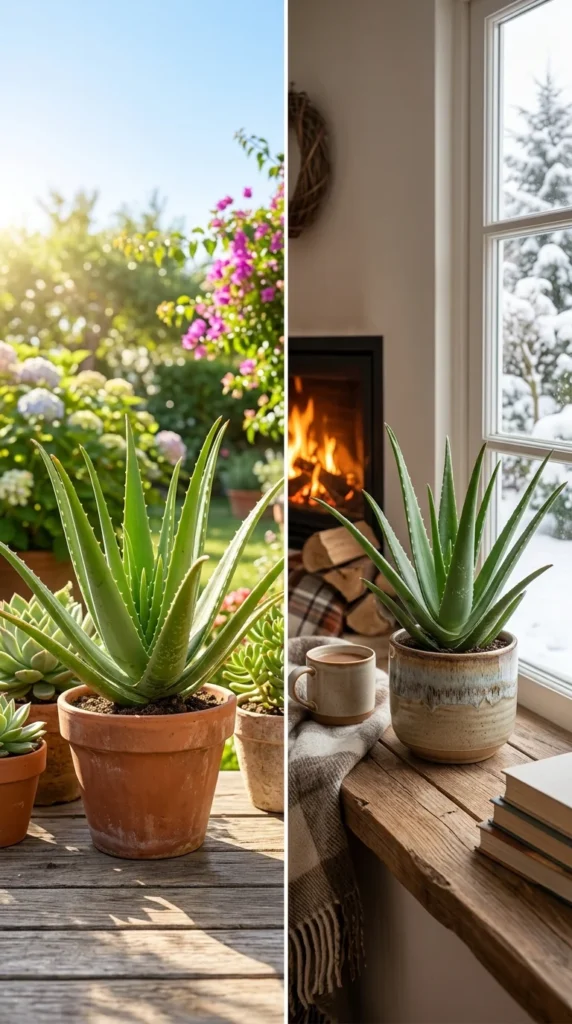
The final secret is flexibility. Humidity needs change with the seasons. In the humid summer, focus on airflow. In the dry winter, focus on moisture retention. By adjusting your humidity strategy twice a year, you ensure your Aloe Vera never hits a plateau and continues to grow faster and healthier all year long.