
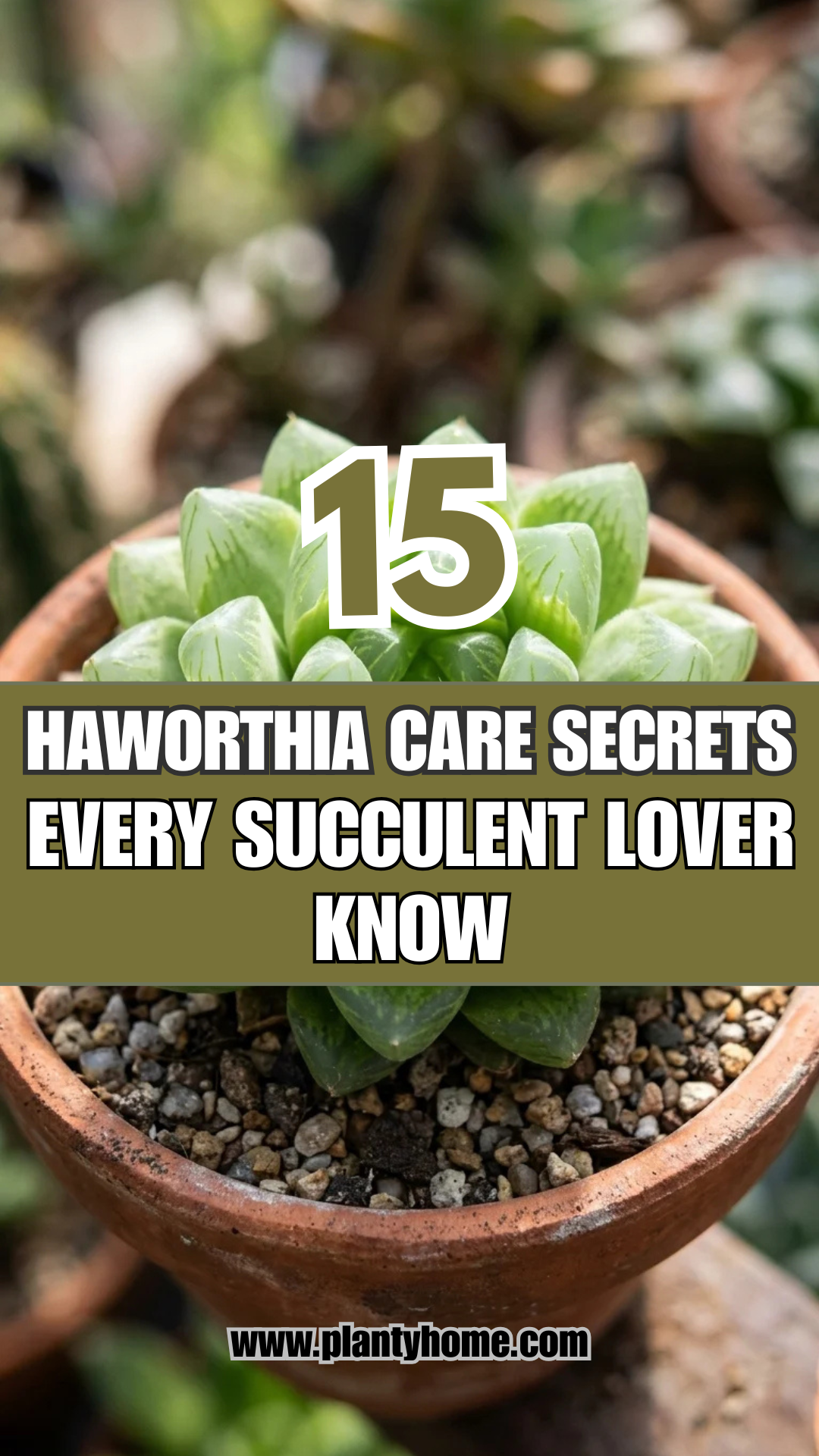
Haworthias are the “jewels” of the succulent world. Small, hardy, and incredibly diverse, these South African natives have captured the hearts of indoor gardeners worldwide. Unlike many of their sun-hungry cousins like Echeveria or Sedum, Haworthias are specialized survivors that thrive in conditions where other succulents might struggle. However, to see them truly flourish—to watch their “windows” glow and their rosettes plump up—you need to understand the nuances of their care. Here are 15 secrets to mastering the art of Haworthia cultivation.
1. Indirect Light
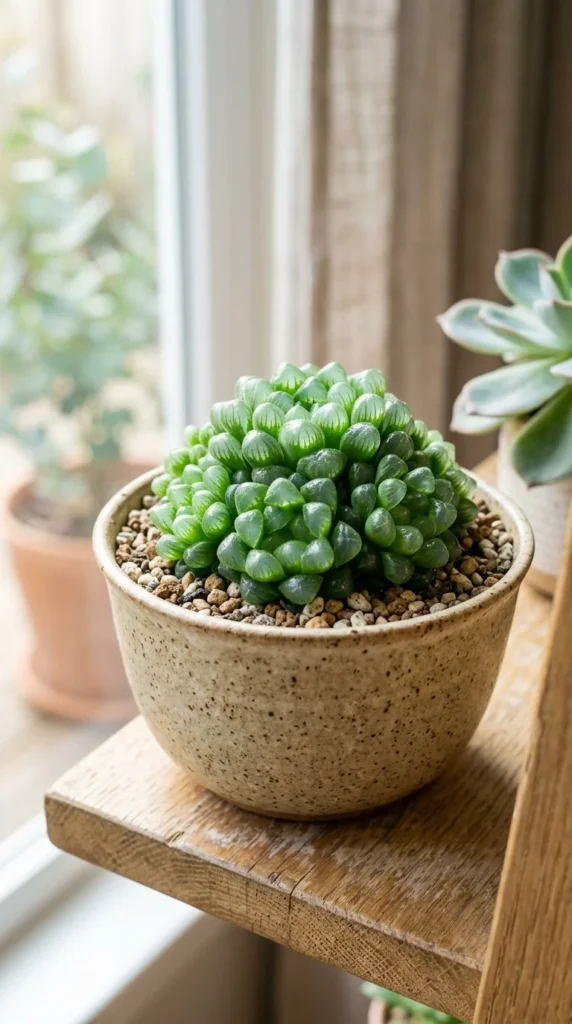
While most succulents crave direct, blazing sun, Haworthias are different. In their natural habitat, they often grow tucked under the shade of bushes or nestled in rock crevices. The secret to a vibrant Haworthia is bright, indirect light. If you place them in direct afternoon sun, their leaves will likely “sunburn” or turn a stressed reddish-brown color. A north or east-facing windowsill is usually the “sweet spot” for these plants, providing enough energy for growth without the risk of scorching their delicate tissues.
2. Gritty Soil
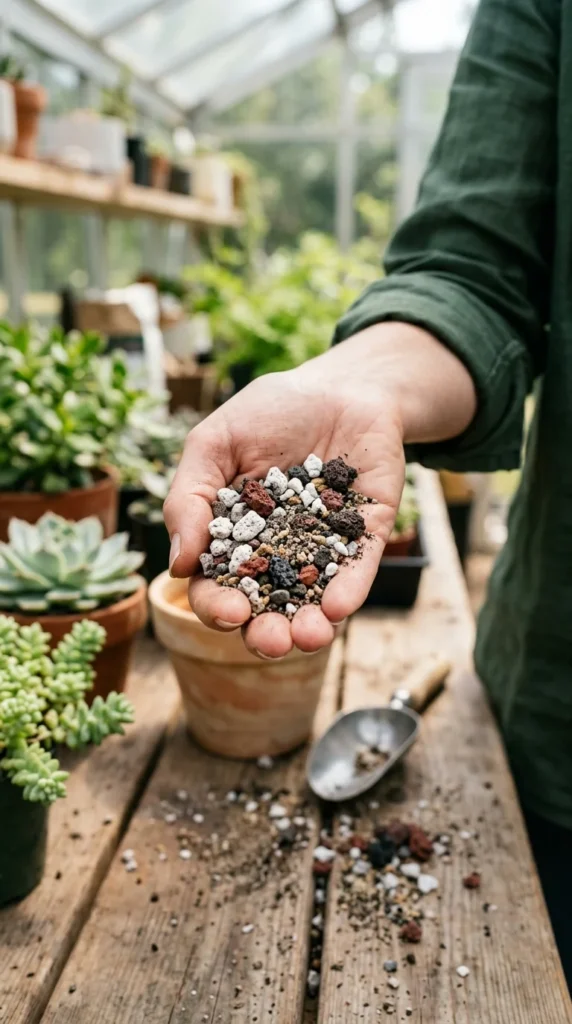
Drainage is not just a suggestion for Haworthias; it is a requirement. These plants have thick, fleshy roots that are highly susceptible to rot if they sit in damp organic matter for too long. The secret is to use a “gritty mix.” Avoid standard potting soil. Instead, aim for a mixture that is at least 50% to 70% inorganic material, such as pumice, perlite, or crushed lava rock. This ensures that water moves through the pot quickly and allows the roots to breathe, mimicking the rocky slopes of the Eastern Cape.
3. Deep Watering
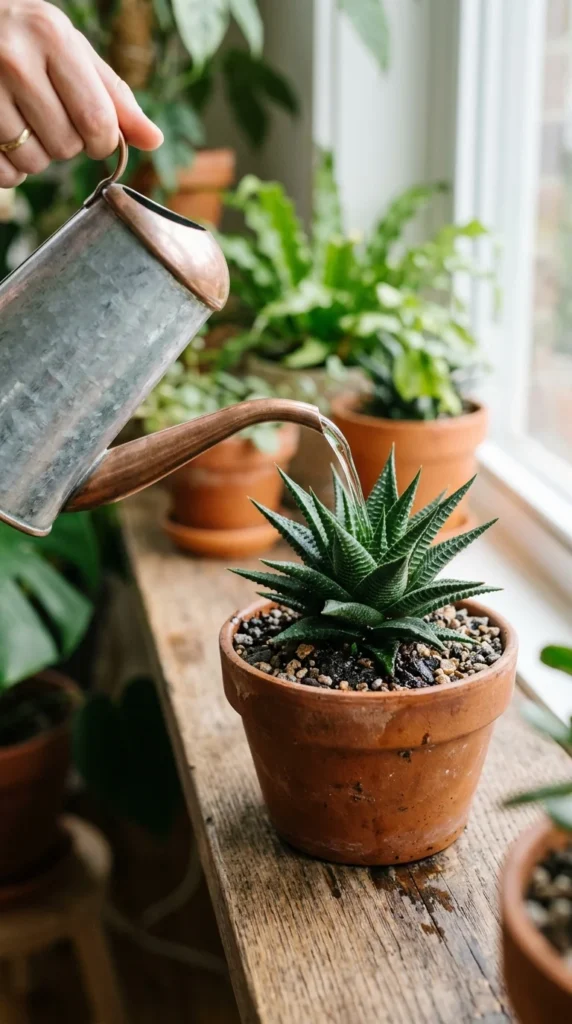
The “soak and dry” method is the golden rule for Haworthias. Many beginners make the mistake of giving their plants frequent “sips” of water. This is a recipe for disaster. Instead, wait until the soil is completely dry from top to bottom. Then, water the plant deeply until water drains out of the bottom of the pot. This encourages the roots to grow deep and strong. The secret is consistency: wait for the plant to show slight signs of thirst—like leaves feeling a bit softer—before giving it a thorough drenching.
4. Summer Dormancy
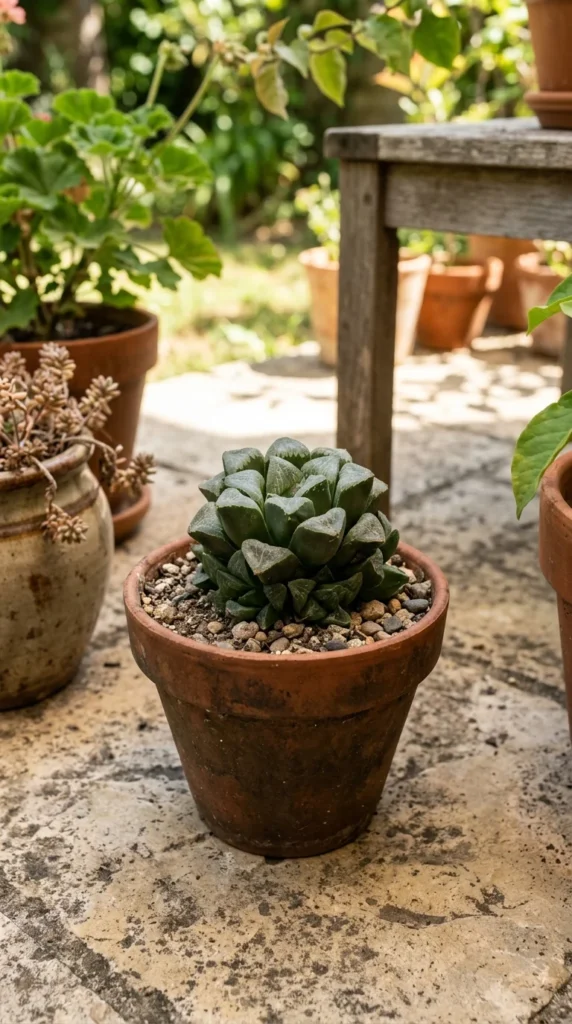
One of the best-kept secrets of Haworthia care is that they often go dormant in the heat of summer. While other plants are hitting their growth spurts, Haworthias might slow down or stop growing entirely when temperatures consistently exceed 85°F (30°C). During this time, they require significantly less water. Overwatering a dormant Haworthia is the fastest way to kill it. If you notice your plant looking stagnant in July or August, don’t panic—just pull back on the watering and wait for the cooler autumn air to revive it.
5. Air Circulation
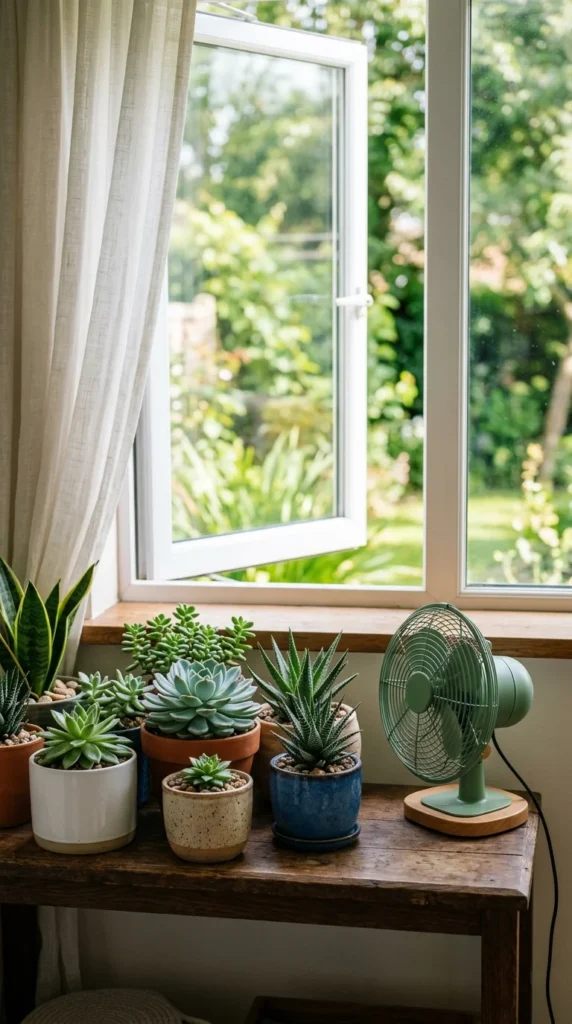
Haworthias hate stagnant air. In the wild, they are exposed to constant breezes that dry out moisture and prevent fungal growth. Indoors, it is easy for air to become still, which can lead to pest infestations or rot. The secret to a healthy Haworthia is providing gentle air circulation. If you keep your plants in a cluster, ensure they aren’t squeezed too tightly together. A small fan or a cracked window can make a world of difference in preventing “damping off” and keeping the leaves crisp and clean.
6. Shallow Pots
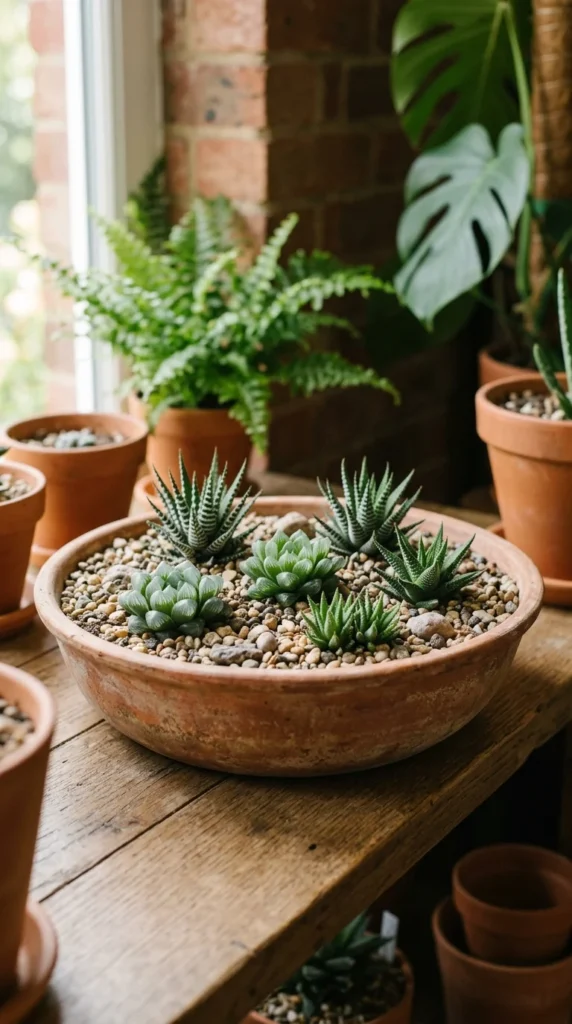
Because Haworthias have a relatively compact root system compared to larger shrubs, they do best in pots that aren’t excessively deep. If a pot is too large or too deep, the soil at the bottom stays wet for too long, which can lead to root rot. Choosing a pot that is just an inch or two wider than the plant’s diameter is the secret to moisture control. Shallow pots allow the soil to dry out evenly, ensuring that the roots are never sitting in a “dead zone” of soggy earth.
7. Leaf Windows
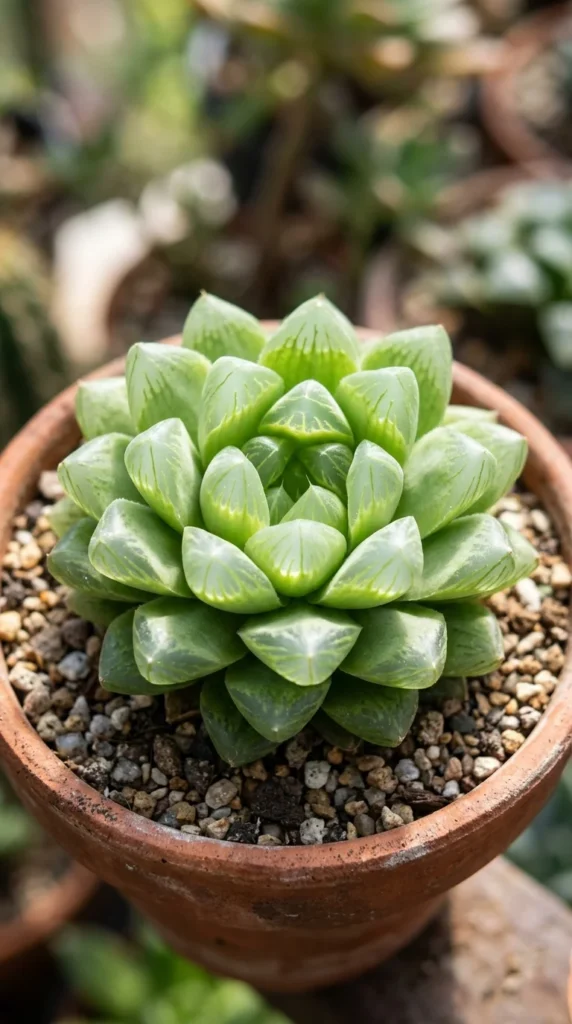
The “windows” on many Haworthia species are not just for show; they are a sophisticated biological adaptation. These translucent areas allow sunlight to reach the photosynthetic tissues deep inside the leaf, allowing the plant to survive while mostly buried in soil or sand. The secret to keeping these windows clear and beautiful is hydration and cleanliness. If the windows look cloudy or sunken, the plant is likely dehydrated. If they are dusty, the plant can’t “breathe” or process light efficiently.
8. Minimal Fertilizer
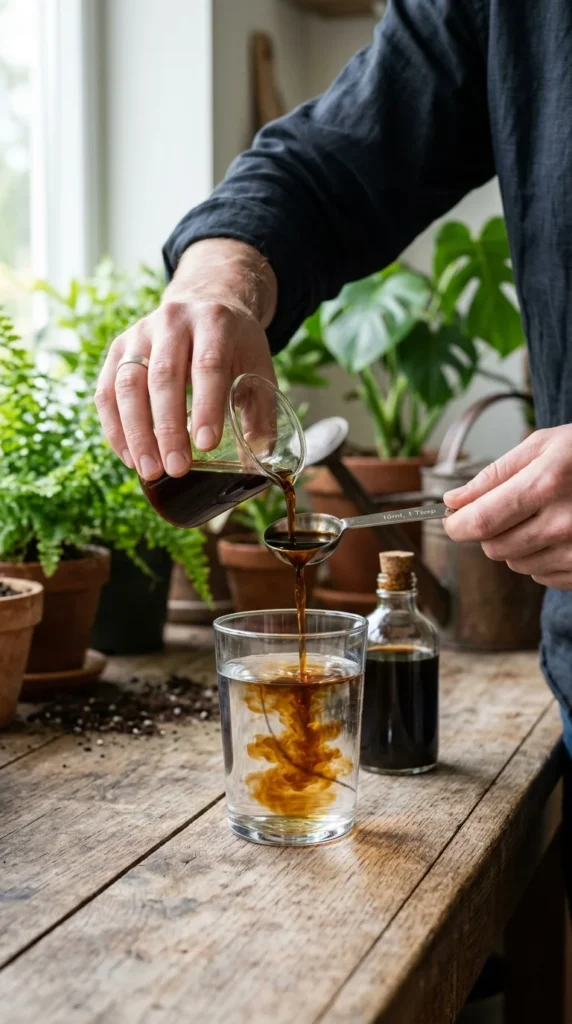
Haworthias are slow growers and are not “heavy feeders.” Giving them too much fertilizer can lead to weak, “leggy” growth or even chemical burns on the roots. The secret is to fertilize only during the active growing seasons (Spring and Autumn) and to use a very diluted solution. A balanced, water-soluble fertilizer at 1/4th the recommended strength once every two months is more than enough to provide the nutrients they need without overwhelming the plant.
9. Offset Propagation
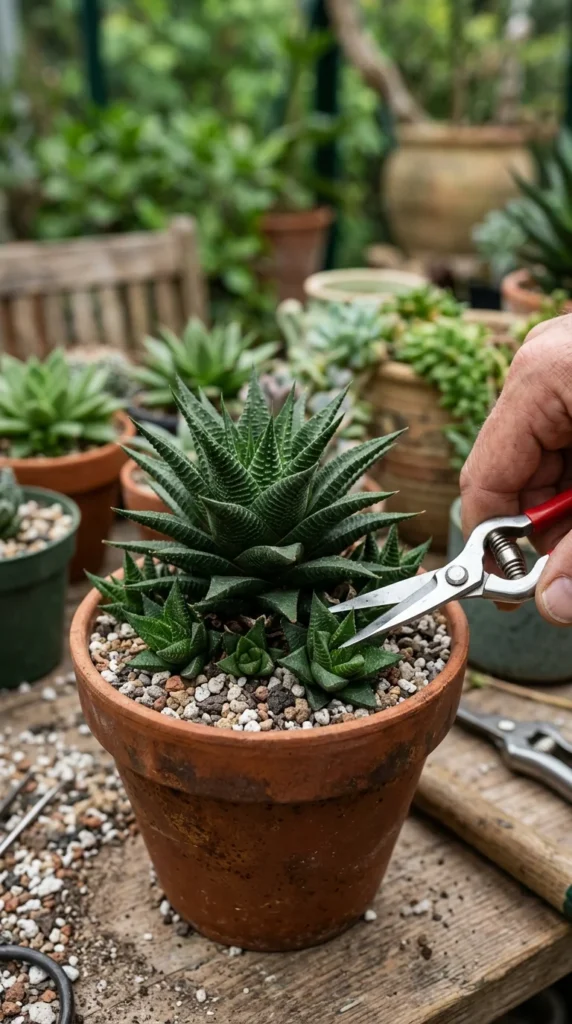
Haworthias are generous plants. As they mature, most species will produce “pups” or offsets around the base of the mother plant. The secret to successful propagation is patience. Don’t rush to remove the babies as soon as they appear. Wait until the pup is at least one-third the size of the parent and has developed its own small root system. When you do remove them, use a clean, sharp knife and let the “wound” callous over for a few days before planting the pup in its own gritty mix.
10. Temperature Resilience
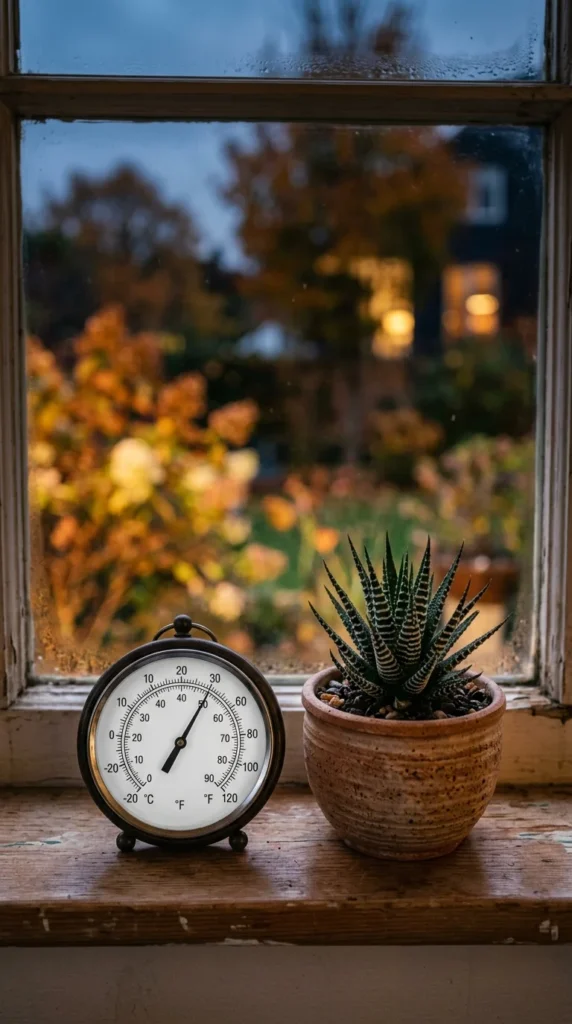
While Haworthias are not frost-hardy, they actually enjoy cooler night temperatures. They prefer a range between 50°F (10°C) and 75°F (24°C). The secret to getting that perfect “compact” look is providing a temperature drop at night. This mimics the desert environment and prevents the plant from stretching out (etiolation). Just make sure to keep them away from freezing windows in the winter, as their high water content makes them prone to cell damage if they freeze.
11. Dust Management
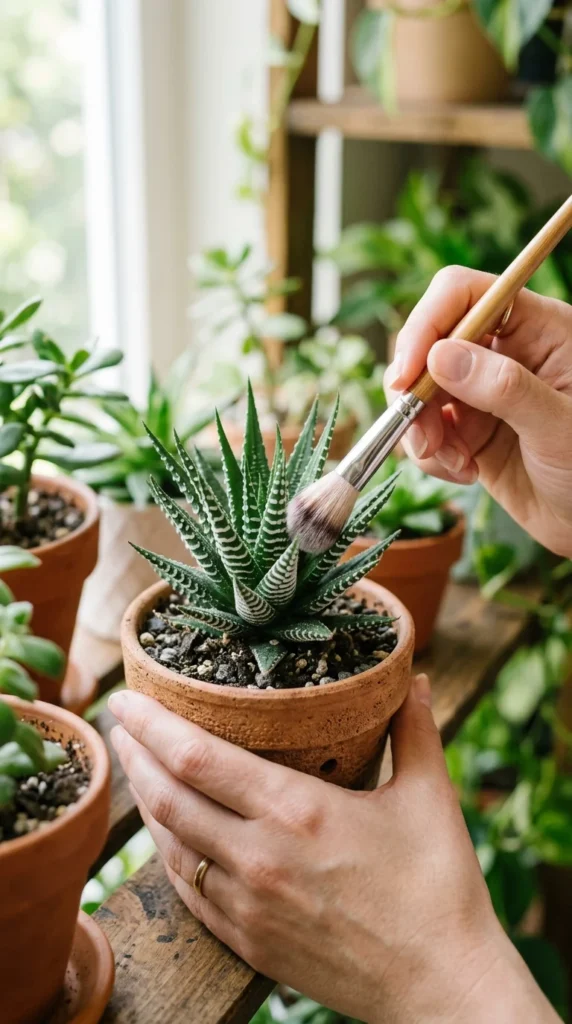
Because Haworthias have intricate textures—from the white “pearls” on a Zebra Haworthia to the crystalline windows of a Cooperi—they tend to collect dust. This dust blocks sunlight and can harbor microscopic pests. The secret to a glowing plant is regular grooming. Avoid using water to clean the leaves, as it can get trapped in the rosette and cause rot. Instead, use a soft, dry paintbrush to gently sweep away dust and debris. This keeps the plant looking pristine and functioning at its peak.
12. Root Health
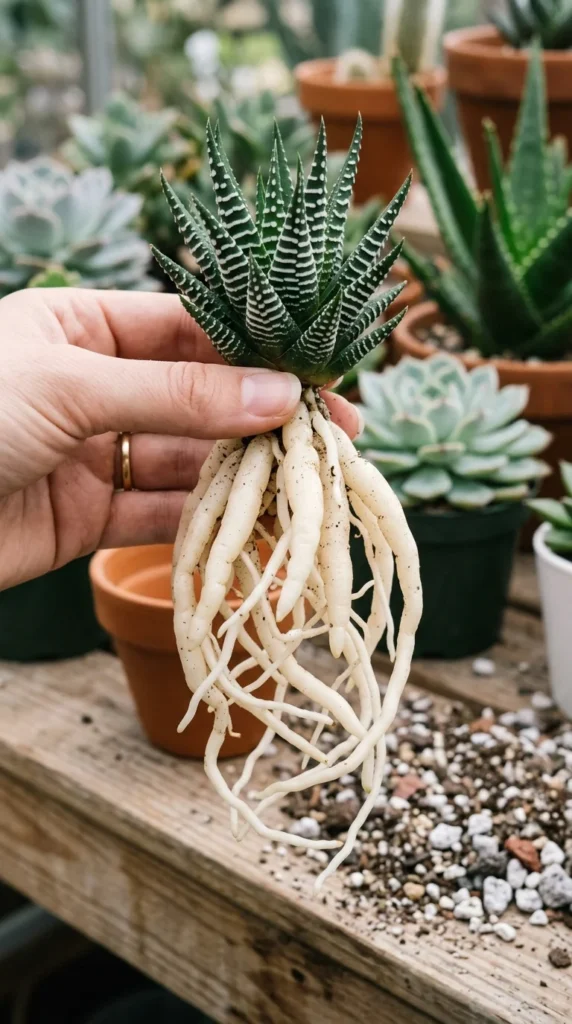
The most important part of a Haworthia is often the part you can’t see. These plants are famous for occasionally “dropping” their roots if they get too stressed or if the soil is too dry for too long. If your plant feels loose in its pot or looks shriveled despite watering, it may have lost its roots. The secret is to be patient. If a Haworthia loses its roots, simply clean off the dead material, set it on top of some dry, gritty soil, and leave it alone in a shaded spot. It will eventually grow new roots from the base.
13. Winter Care
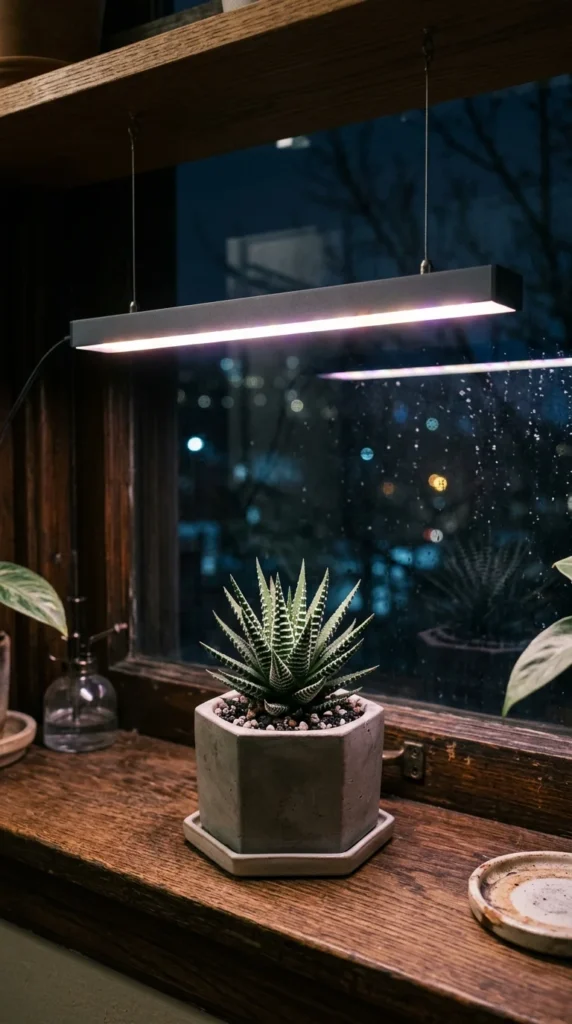
During the winter, light levels drop significantly in many parts of the world. While Haworthias don’t need as much light as some succulents, they can still stretch and lose their shape if it’s too dark. The secret to winter success is twofold: reduce watering to almost nothing (since the plant is barely growing) and consider a small LED grow light if your home is particularly dim. This keeps the rosettes tight and prevents the “stretching” that can ruin the plant’s aesthetic.
14. Terracotta Benefits
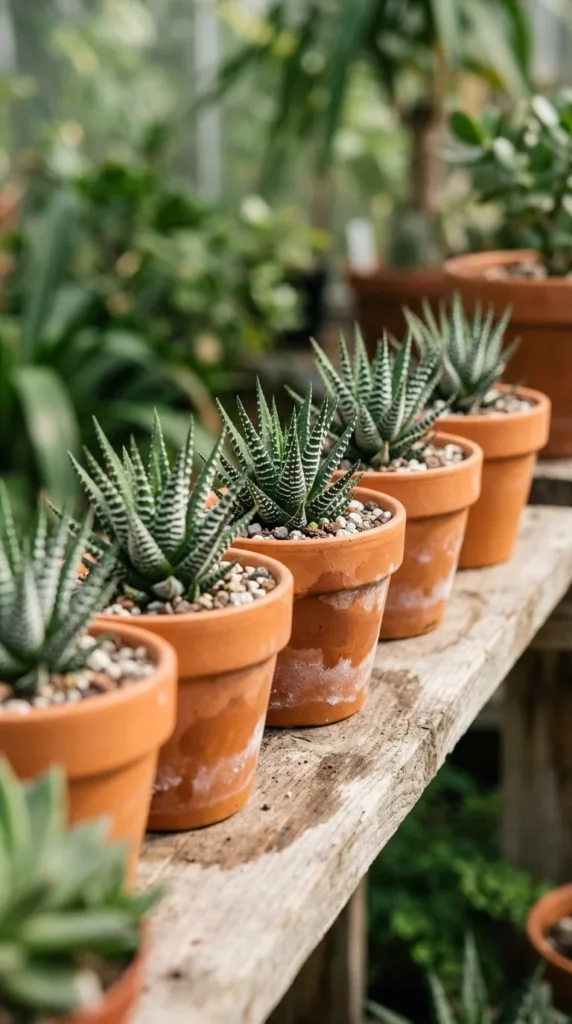
While you can grow Haworthias in plastic or ceramic, terracotta is often the “secret weapon” for succulent enthusiasts. Because terracotta is porous, it allows moisture to evaporate through the walls of the pot. This provides an extra layer of safety against overwatering. If you are a “heavy-handed” waterer, switching your Haworthias to unglazed terracotta can save your plants’ lives by ensuring the soil dries out much faster than it would in plastic.
15. Patience
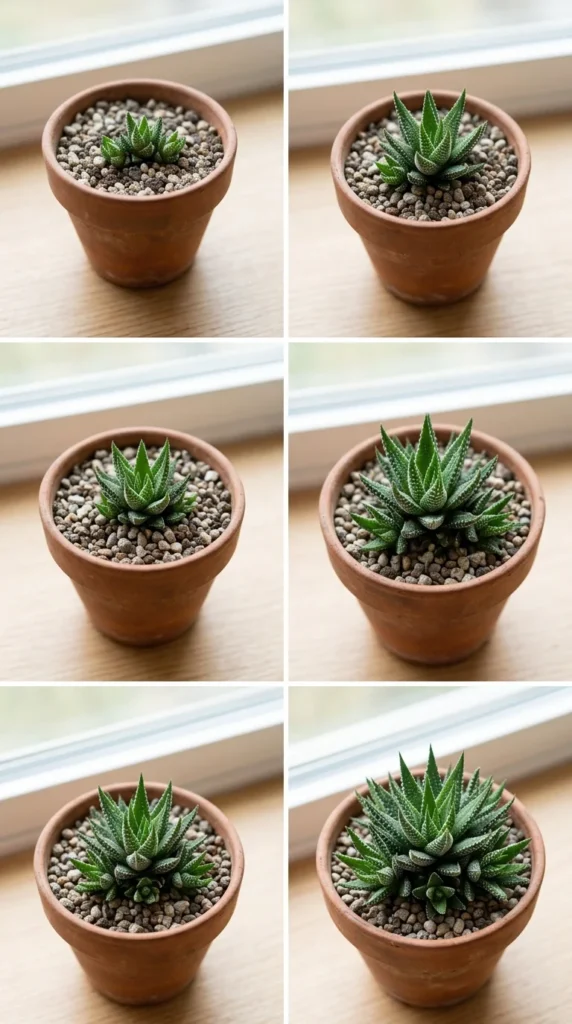
The final and perhaps most important secret to Haworthia care is patience. These are not plants that will double in size in a month. They are slow, deliberate growers that reward the long-term gardener. A specimen Haworthia that fills a pot and looks like a cluster of living crystals can take years to develop. Embrace the slow pace. Watch the subtle changes in color and texture as the seasons change. In the world of Haworthias, the slow road is the most rewarding one.