
Succulent enthusiasts are constantly seeking ways to enhance the health and vibrancy of their desert-dwelling plants. One of the most debated “hacks” in the gardening community is the use of coffee grounds. While coffee is a staple in many organic compost bins, its application to succulents—plants known for their specific drainage and nutrient requirements—is a complex topic. To ensure your Echeveria, Haworthia, or Aloe thrives, it is essential to understand the scientific and practical implications of introducing caffeine-rich organic matter into their environment.
1. Nitrogen
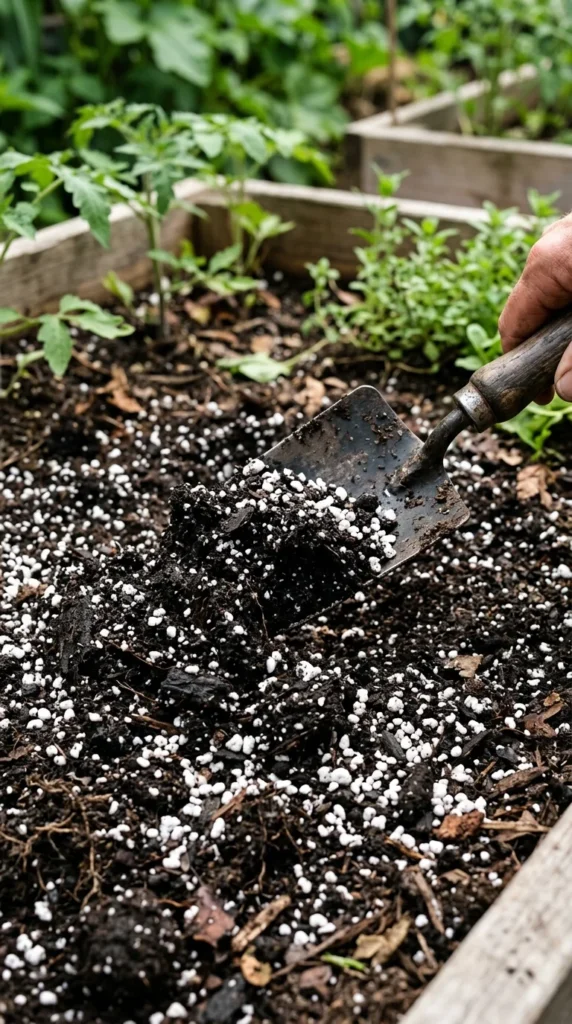
Coffee grounds are celebrated for their high nitrogen content, which is a primary macronutrient for plant growth. Succulents do require nitrogen to produce chlorophyll and maintain their structural integrity; however, they are generally slow-growing plants that do not demand the same nitrogen levels as leafy greens or vegetables. While the nitrogen in coffee grounds is organic and slow-release, an overabundance can lead to “leggy” growth, where the succulent stretches toward light and becomes weak.
2. Acidity
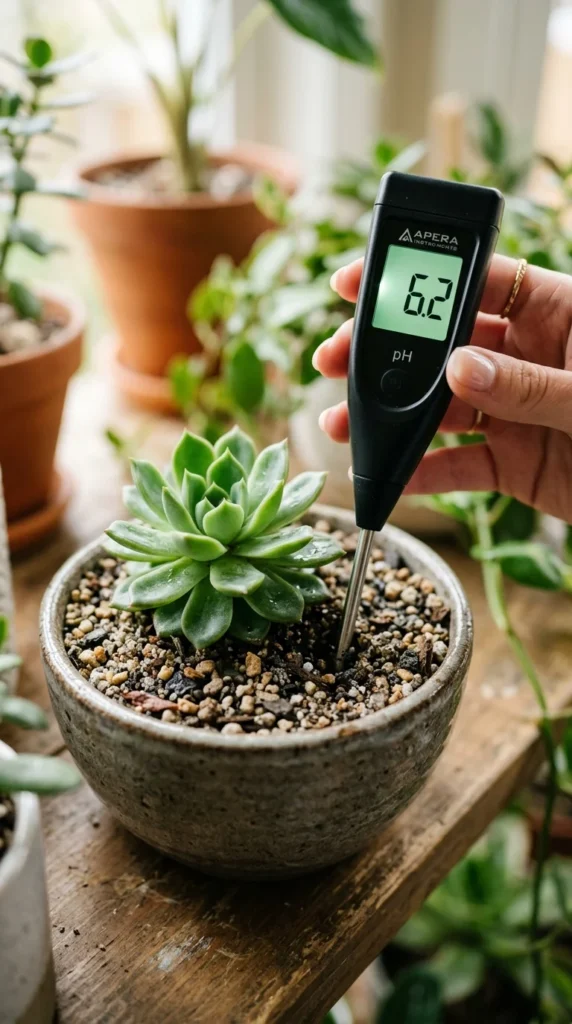
Most succulents prefer a soil pH that is slightly acidic to neutral, typically ranging from 6.0 to 7.0. Fresh coffee grounds are quite acidic, which can shock the root system of a sensitive succulent. Used coffee grounds are significantly less acidic as the water leaches out much of the acid during the brewing process. Even so, consistently adding used grounds can gradually lower the pH of your potting mix, making it necessary to monitor your soil’s acidity to prevent nutrient lockout.
3. Drainage
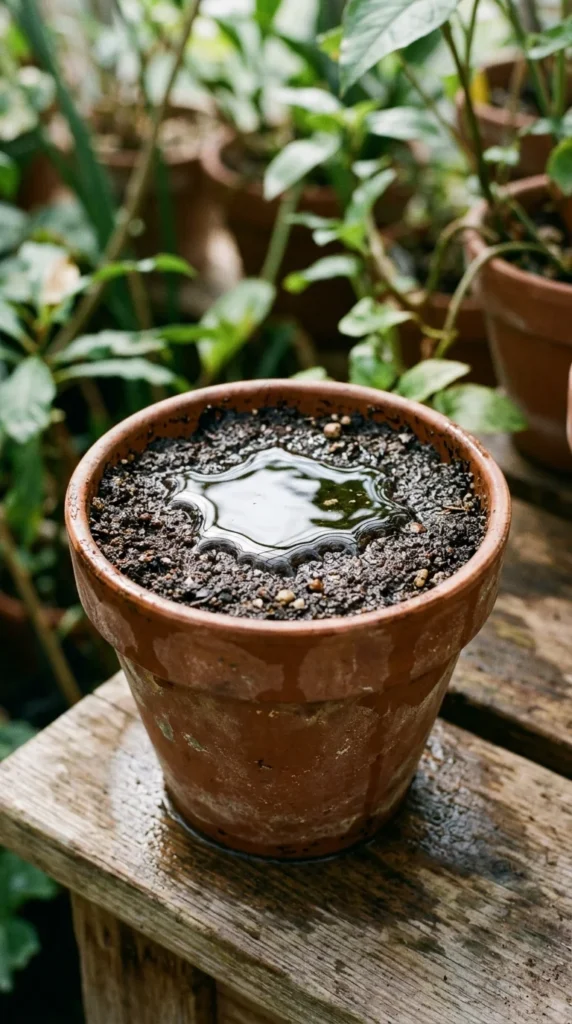
Perhaps the greatest risk coffee grounds pose to succulents is their physical texture. Succulents require “gritty” soil that allows water to pass through almost instantly. Coffee grounds are extremely fine and, when wet, tend to clump together. This creates a dense, mud-like layer that retains moisture for extended periods. For a plant adapted to arid environments, this prolonged moisture is a recipe for root rot, the leading cause of succulent death.
4. Composting
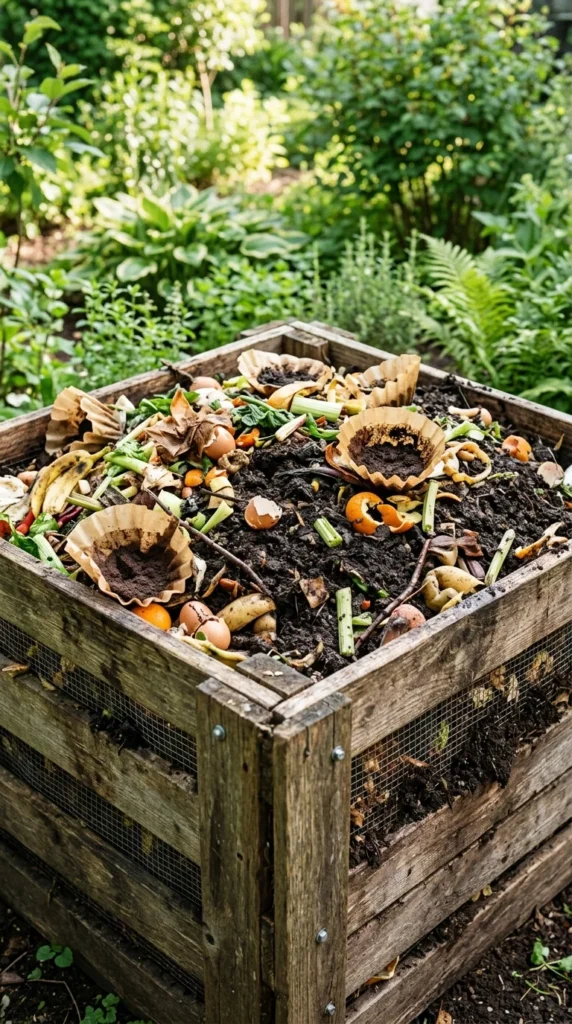
The safest and most effective way to use coffee grounds for succulents is by composting them first. When grounds go through the composting process, microbes break down the caffeine and stabilize the pH. The resulting compost provides a balanced, nutrient-dense amendment that can be mixed sparingly into a succulent’s gritty potting medium. This eliminates the risk of soil compaction while still delivering the organic benefits.
5. Mold
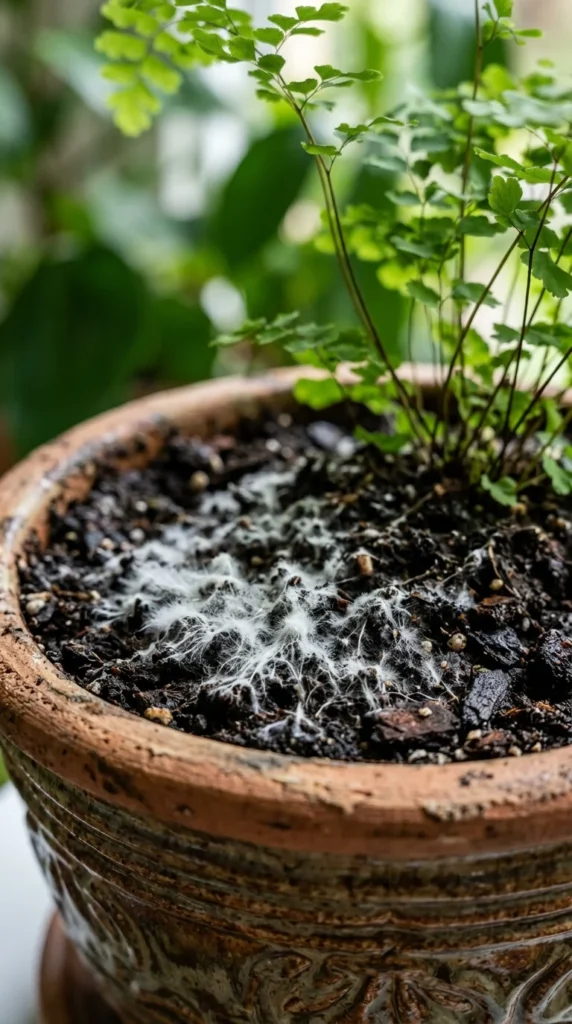
Because coffee grounds retain moisture and are rich in organic matter, they are a magnet for mold and fungus. If you apply fresh or used grounds directly to the surface of a succulent’s soil (top-dressing), they often develop a layer of fuzzy white mold within days. While not always harmful to the plant itself, this mold indicates a high-moisture environment that is detrimental to succulent roots and can attract unwanted pests.
6. Caffeine
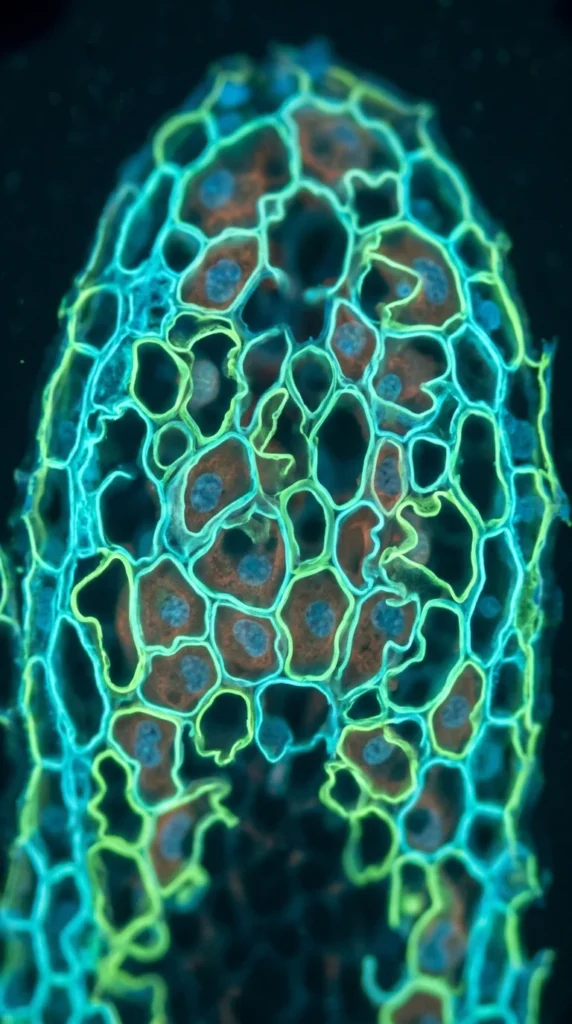
Caffeine is a natural defense mechanism for the coffee plant, designed to inhibit the growth of competing plants nearby (allelopathy). While most of the caffeine is removed during brewing, the remaining traces in used grounds can still act as a growth suppressant for certain succulent species. Sensitive seedlings or young “pups” may experience stunted root development if exposed to high concentrations of residual caffeine.
7. Pests
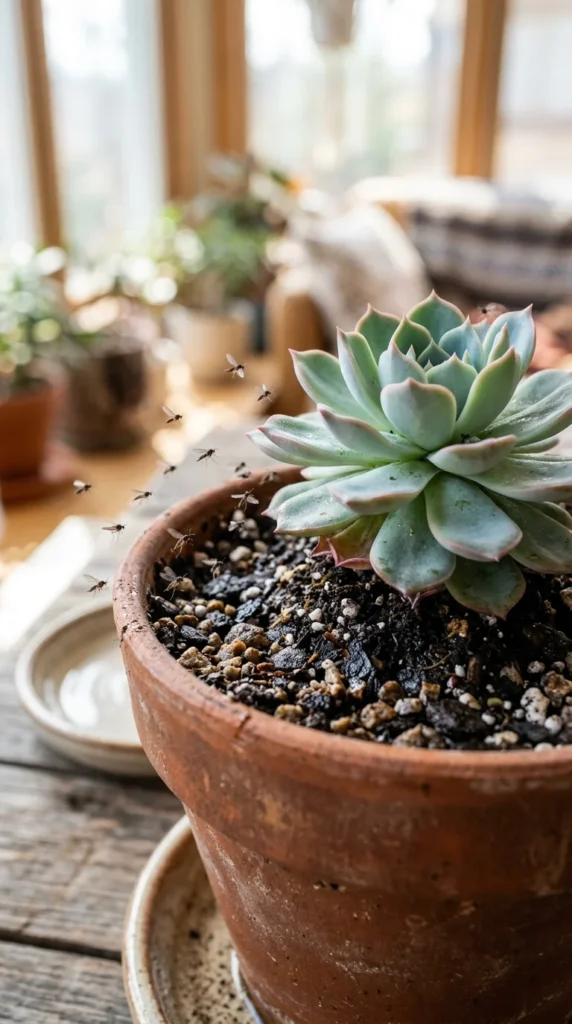
There is a common myth that coffee grounds deter pests. In reality, the damp, organic environment created by coffee grounds often attracts fungus gnats. These tiny flies lay their eggs in moist soil, and their larvae feed on organic matter—and sometimes the delicate root hairs of your succulents. Using coffee grounds incorrectly can turn your indoor garden into a breeding ground for these persistent pests.
8. Liquid Fertilizer
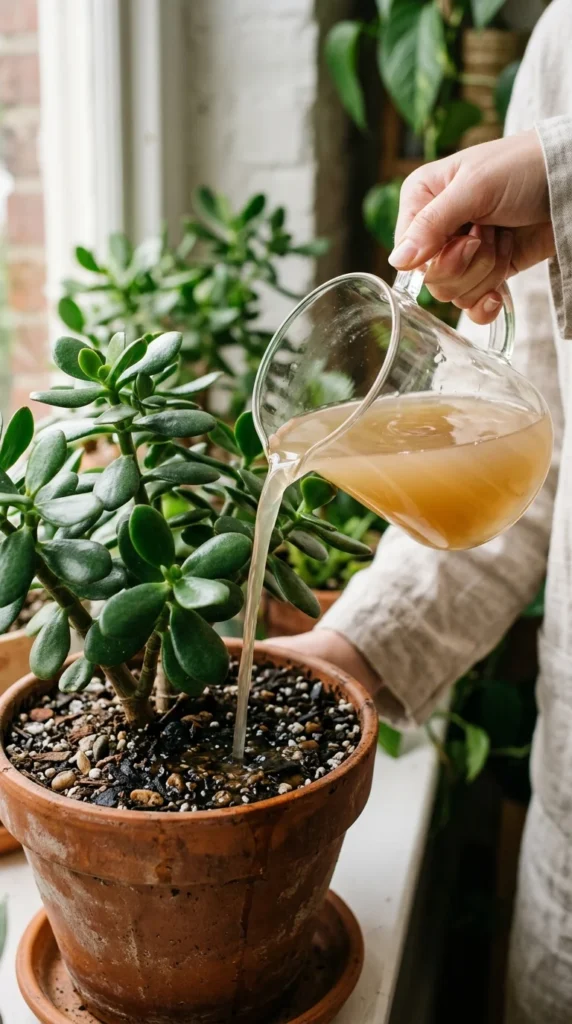
Some growers prefer making a “coffee tea” by soaking used grounds in water. This diluted liquid can be used as a mild fertilizer. For succulents, this tea should be highly diluted—looking more like weak tea than a cup of joe. This method delivers a small boost of potassium and magnesium without the risk of soil compaction. However, it should only be done during the active growing season (spring and summer).
9. Top Dressing
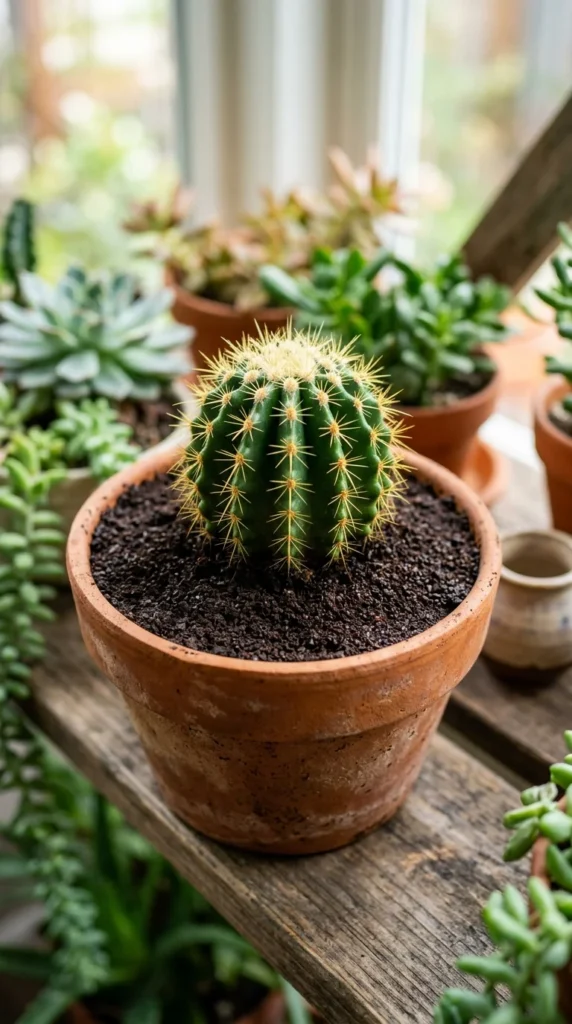
Using coffee grounds as a top dressing is generally discouraged for succulents. Beyond the mold issues mentioned earlier, a layer of grounds on top of the soil creates a “crust.” This crust prevents proper air circulation to the roots and can actually repel water once it dries out, leading to uneven hydration. Succulents thrive when their soil surface can dry out quickly and breathe.
10. Phosphorus
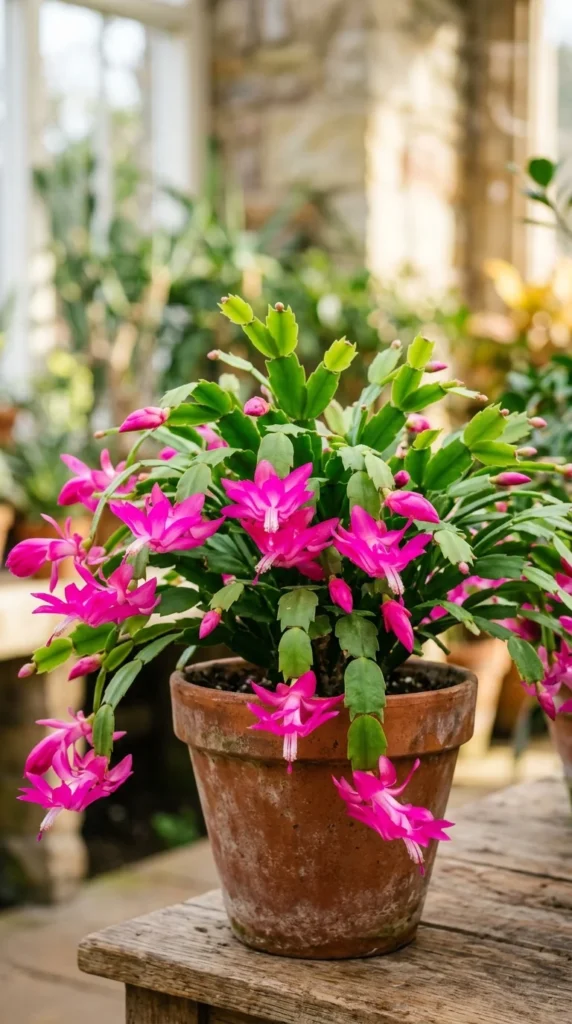
Coffee grounds contain moderate amounts of phosphorus, which is vital for flower production and root health. For succulents that bloom, such as Kalanchoe or Echeveria, a small amount of phosphorus can encourage more robust floral displays. However, because succulents are low-feeders, the phosphorus available in a standard commercial succulent mix is usually more than sufficient.
11. Potassium
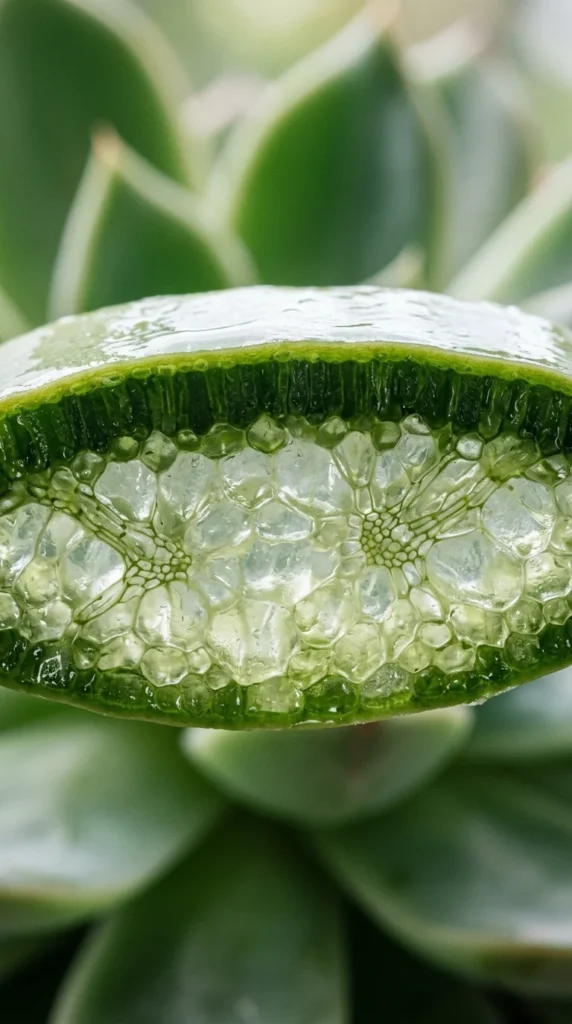
Potassium helps succulents regulate water vapor exchange and strengthens their cellular walls, making them more resistant to temperature fluctuations and disease. Coffee grounds are a decent source of potassium. When used as part of a balanced organic program, this can help your succulents maintain their plump, turgid appearance, provided the soil remains well-draining.
12. Compaction
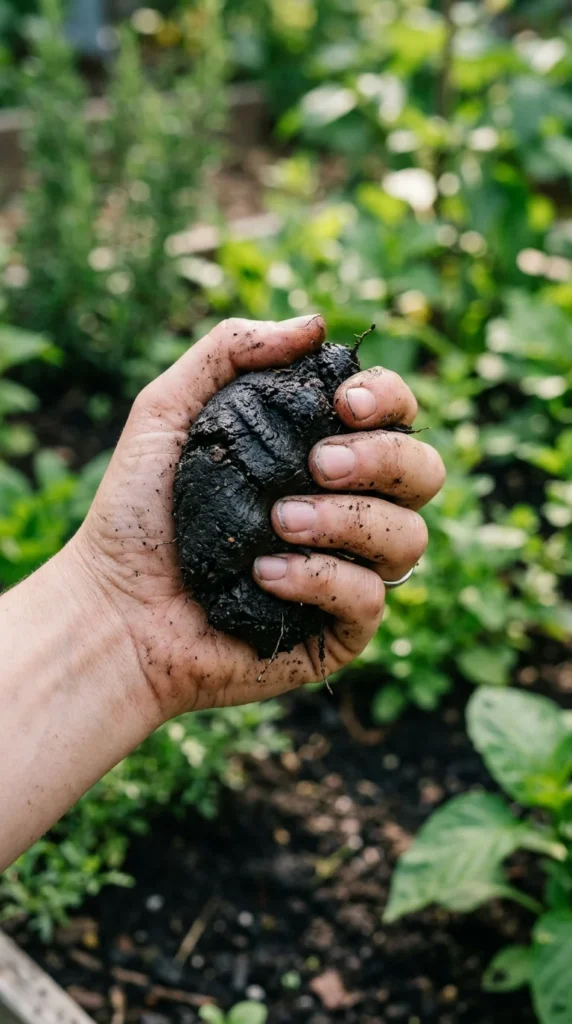
The fine particle size of coffee grounds fills the “macro-pores” in succulent soil. These pores are the air pockets that allow roots to breathe. If these pockets are filled with fine coffee silt, the roots can suffocate. If you must add grounds to your soil mix, they should never make up more than 1% to 2% of the total volume to avoid destroying the soil’s structural aeration.
13. Vermiculture
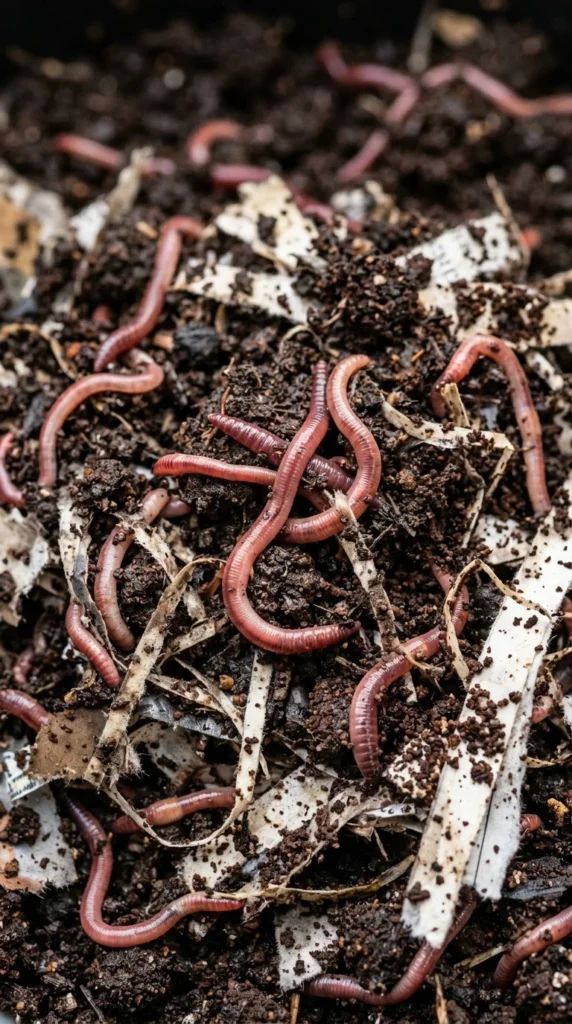
If you keep a worm bin (vermicompost), coffee grounds are an excellent food for the worms. Worms process the grounds and turn them into worm castings, which are arguably the “gold standard” of fertilizers for succulents. Worm castings provide all the benefits of coffee grounds—nutrients and microbial life—without the acidity or compaction risks.
14. Microbes

Soil is a living ecosystem. Coffee grounds can stimulate the growth of beneficial microbes in the soil. These microbes help break down other organic materials and make nutrients more available to the plant. However, in the confined space of a small indoor pot, this microbial activity can sometimes become unbalanced, leading to heat generation or oxygen depletion if too much organic matter is added at once.
15. Timing
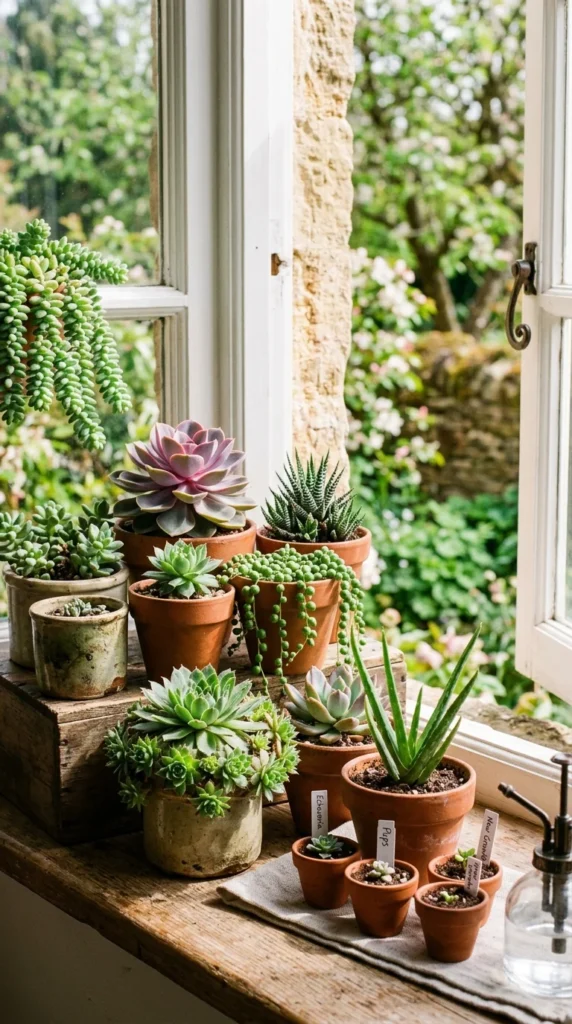
If you choose to experiment with coffee grounds, timing is critical. You should only introduce nutrients when the plant is in its active growth phase. Applying coffee-based amendments during the winter dormancy period can be disastrous, as the plant isn’t consuming nutrients or water at a high rate, leading to stagnant, rotting soil conditions.
16. Ratios
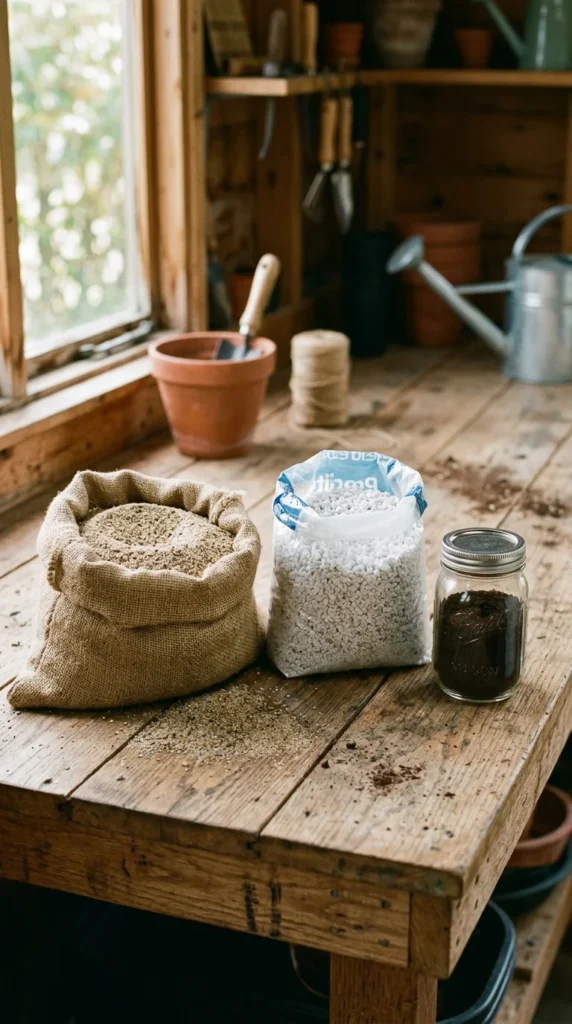
The key to success with any soil amendment is the ratio. For succulents, the soil should ideally be 50% to 70% inorganic material (like perlite, pumice, or gravel). The remaining organic portion should be high-quality compost. If you add coffee grounds, they should represent only a tiny fraction of that organic portion. Using coffee grounds as a primary soil component will almost certainly lead to plant failure.
17. Toxicity
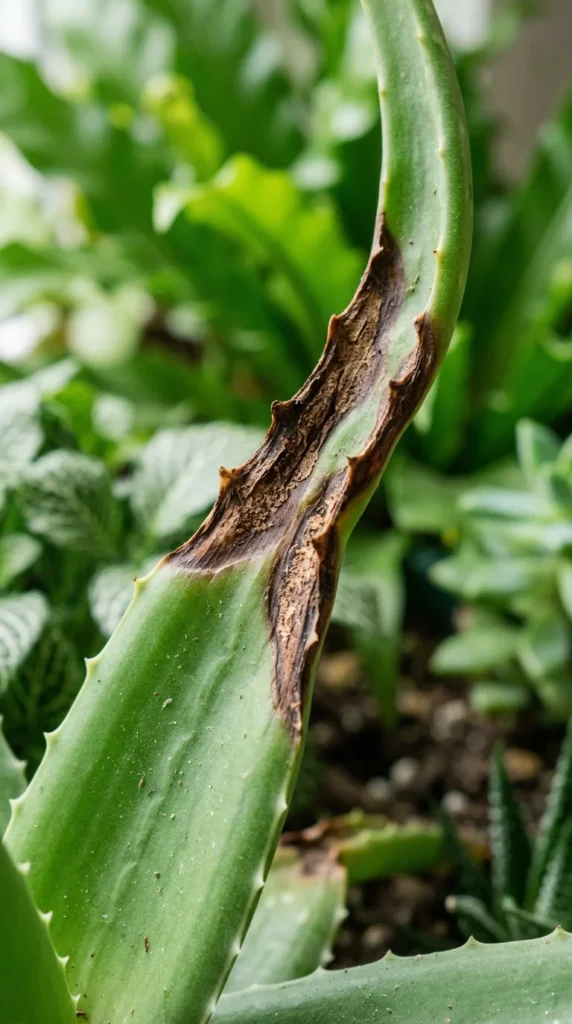
While not “toxic” in the traditional sense, the high concentration of minerals and caffeine in fresh grounds can cause “fertilizer burn” on sensitive succulent roots. This manifests as brown tips on the leaves or a general yellowing of the plant. Always err on the side of caution and use less than you think you need.
18. Growth
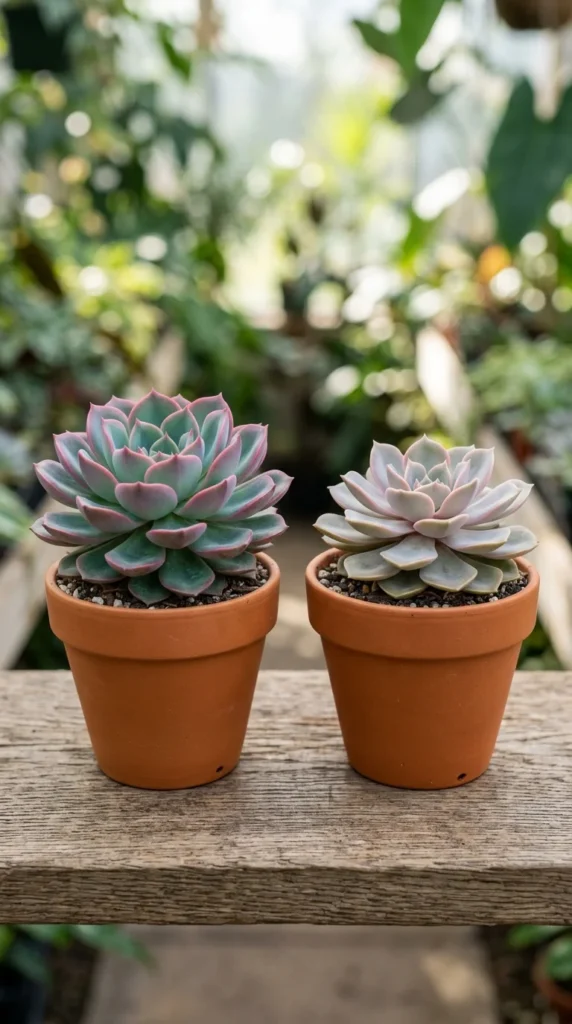
The ultimate truth is that while coffee grounds can provide benefits, they are not a “miracle cure” for succulents. A succulent’s growth is primarily determined by light, temperature, and proper watering cycles. Coffee grounds should be viewed as a supplemental tool for experienced gardeners who understand the delicate balance of their soil’s ecosystem, rather than a necessary component for healthy plants.