

The use of coffee grounds in the garden is a subject of much debate among horticulturalists. For succulent enthusiasts, the question of whether these kitchen remains are a “superfood” or a “silent killer” is particularly pressing. Succulents have evolved in arid, nutrient-poor environments, making their relationship with organic amendments like coffee grounds complex. This comprehensive guide explores 29 critical facets of using coffee grounds for succulents, ensuring your desert plants thrive while you practice sustainable gardening.
1. Nitrogen
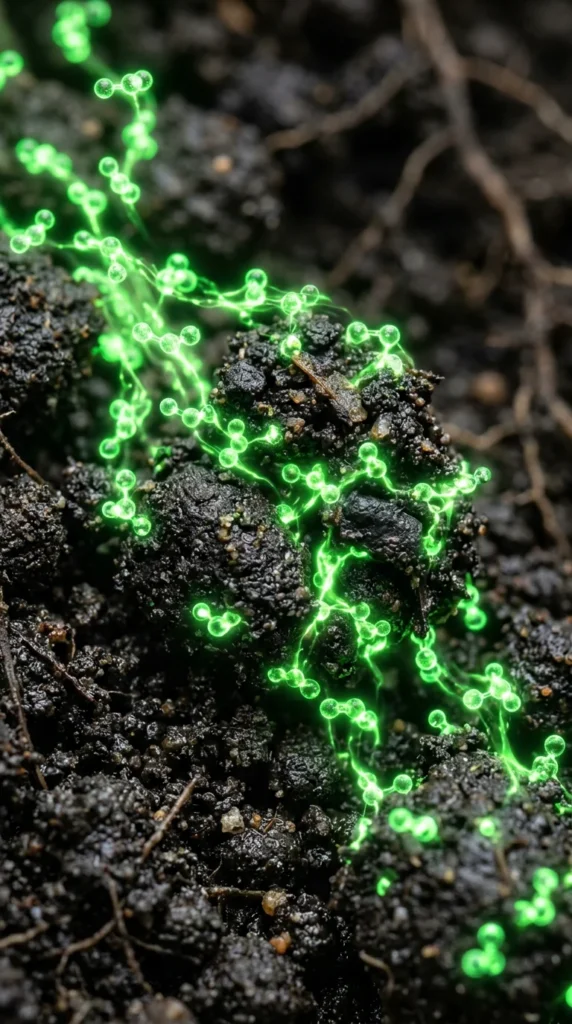
Coffee grounds are renowned for their high nitrogen content, which is a primary macronutrient for plant growth. While succulents do not require as much nitrogen as leafy vegetables, a controlled amount can stimulate healthy green pigmentation and steady growth. The nitrogen in coffee grounds is organic, meaning it must be broken down by soil microbes before the plant can absorb it.
2. Aeration
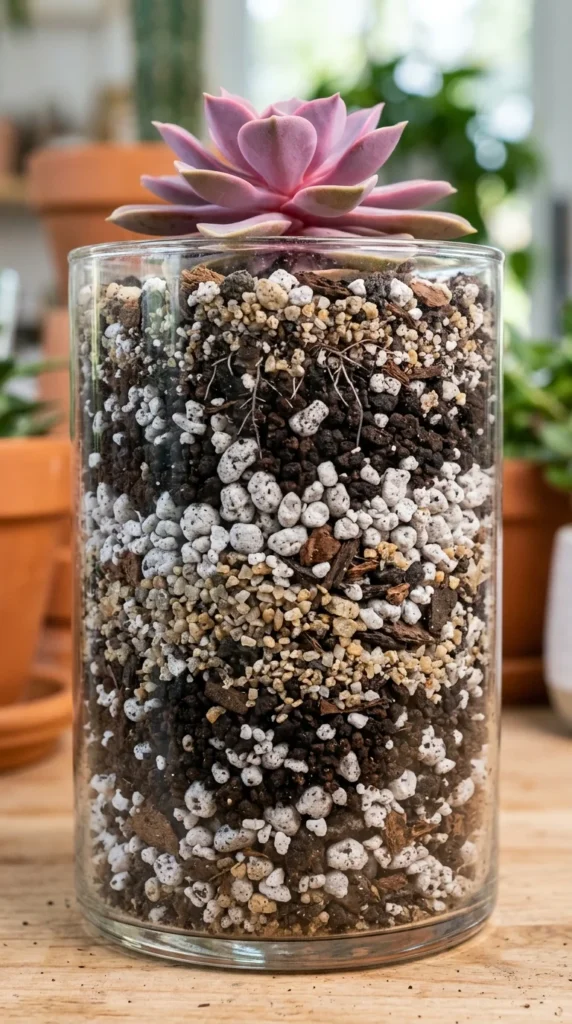
When dried and mixed properly into the soil, coarse coffee grounds can help improve soil structure. Succulents require highly aerated soil to prevent root suffocation. The granular nature of coffee grounds, when used in small quantities, can mimic the texture of gritty sand, allowing oxygen to reach the roots more effectively.
3. Caffeine
Caffeine is a natural defense mechanism for the coffee plant, designed to suppress the growth of competing vegetation. In succulents, high concentrations of caffeine can be allelopathic, meaning it may stunt the growth of young seedlings or sensitive species. This is the primary reason why “fresh” grounds are often discouraged compared to “used” or composted ones.
4. Composting
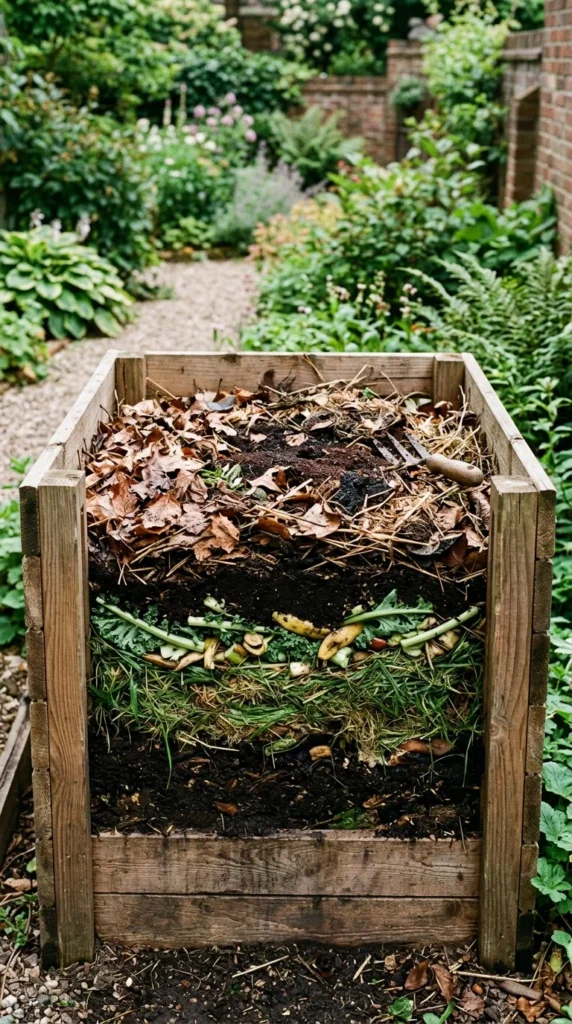
The safest way to introduce coffee grounds to succulents is through composting. By allowing the grounds to break down in a compost pile with “browns” (carbon-rich materials like dried leaves), the caffeine levels dissipate, and the nutrients become more bioavailable. The resulting compost is far gentler on the sensitive root systems of Echeveria or Haworthia.
5. Mold
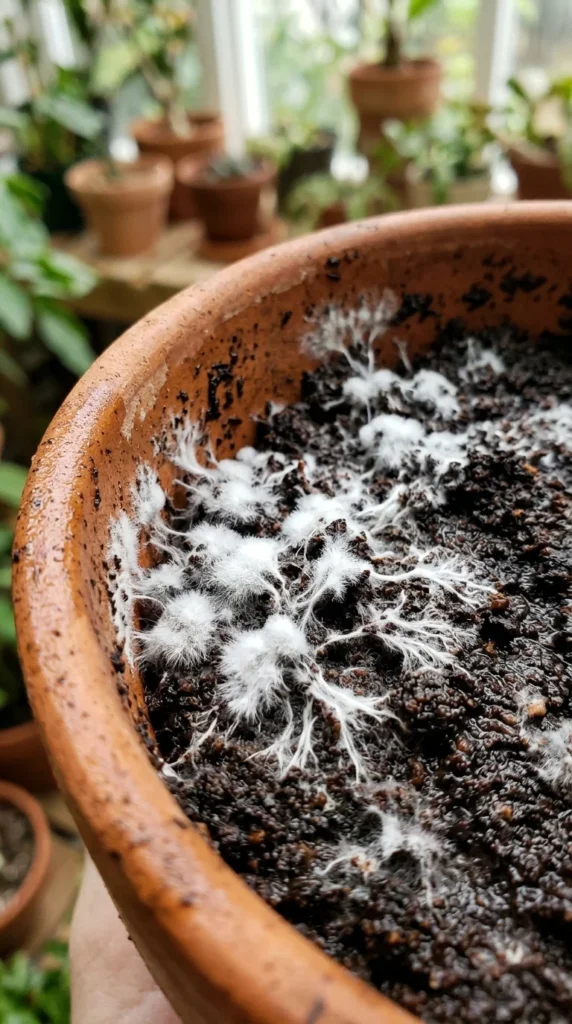
One of the greatest risks of using coffee grounds with succulents is mold. Succulents prefer dry environments, whereas damp coffee grounds are a breeding ground for fungi. If grounds are applied as a thick top layer, they trap moisture against the stem of the succulent, leading to fungal infections and stem rot.
6. Acidity
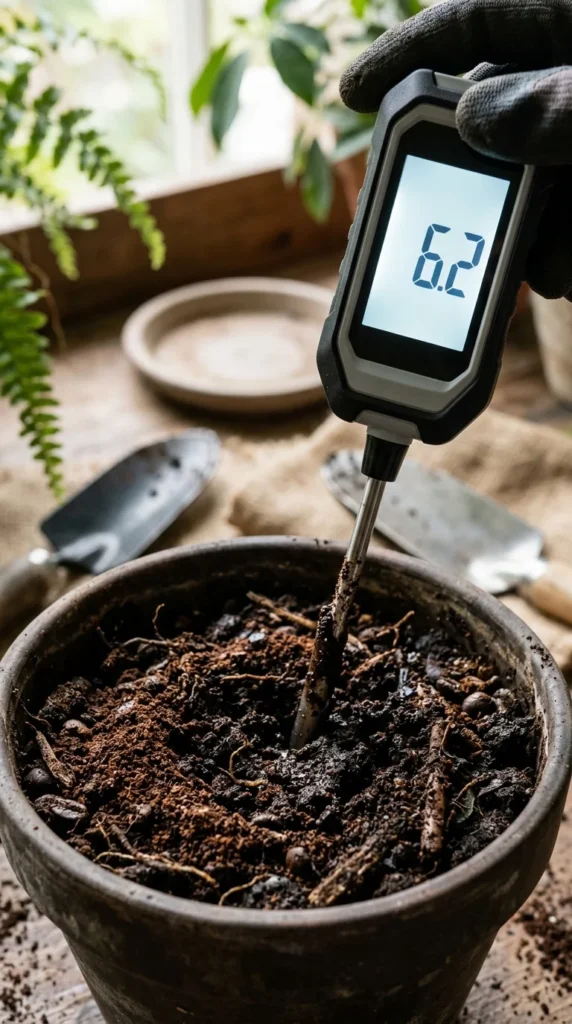
Coffee grounds are slightly acidic. Most succulents prefer a soil pH that is slightly acidic to neutral (around 6.0 to 7.0). If your tap water is highly alkaline, the addition of a small amount of coffee grounds can help balance the pH level, making it easier for the plant to take up other essential minerals.
7. Drainage
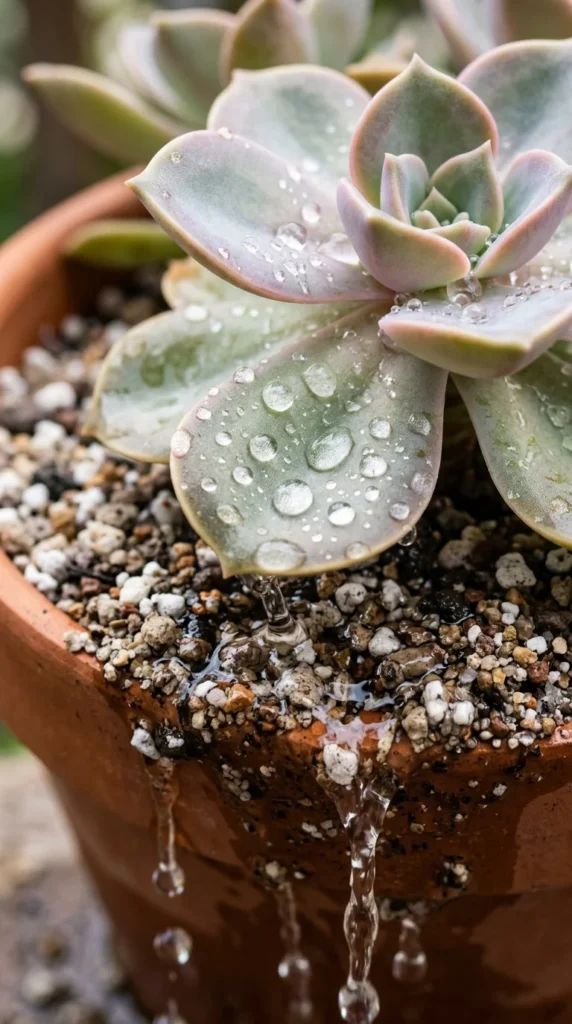
Succulents demand “fast-draining” soil. Coffee grounds are organic matter, which naturally retains moisture. If used excessively, they can turn a gritty succulent mix into a water-logged sponge. To maintain proper drainage, coffee grounds should never exceed 5% to 10% of the total soil volume.
8. Microbes
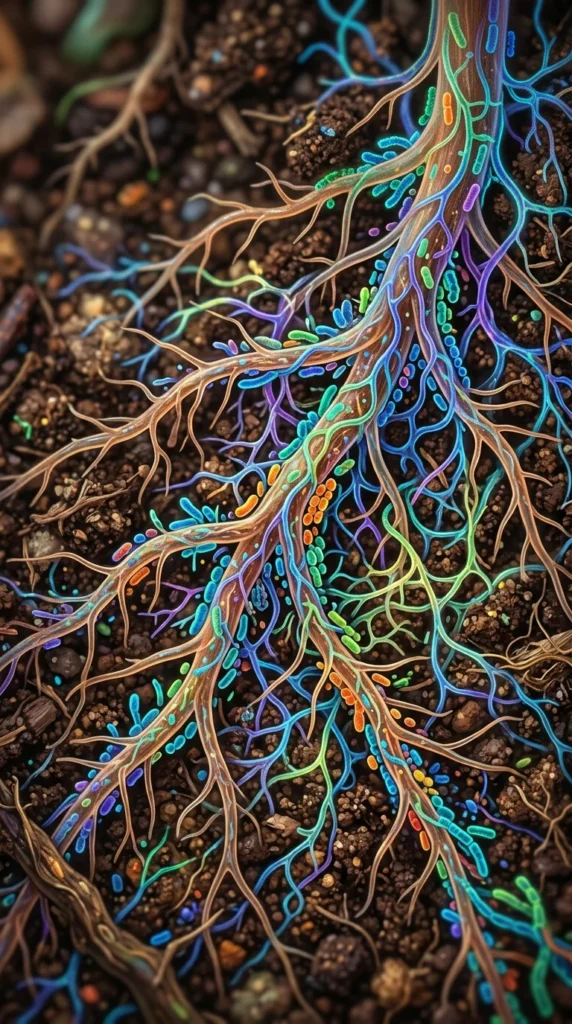
Coffee grounds act as a food source for beneficial soil bacteria. These microbes are essential for a healthy “soil food web.” When microbes digest the coffee grounds, they release secondary metabolites that can help strengthen the succulent’s immune system against common pathogens.
9. Pests
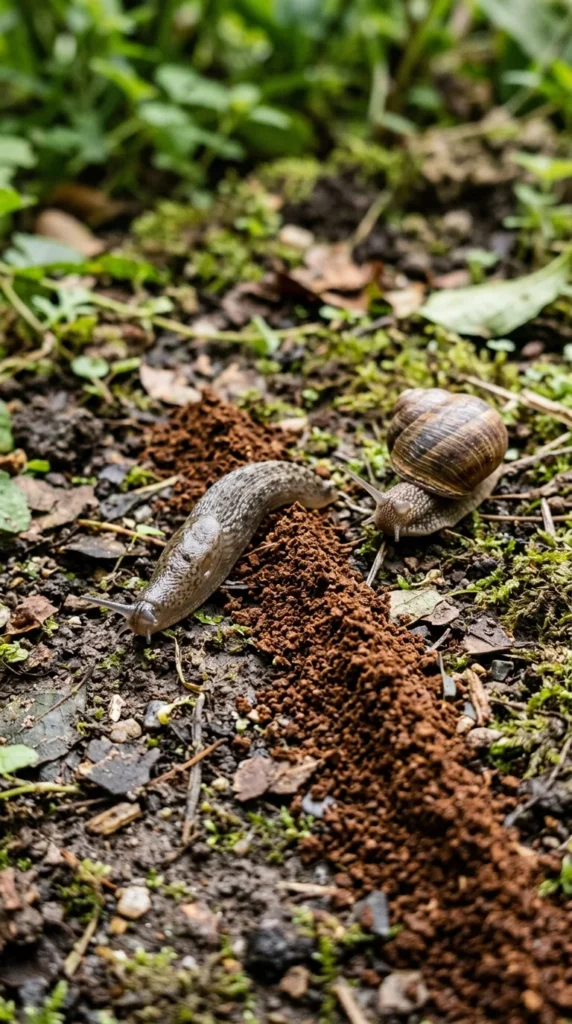
There is anecdotal evidence that the gritty texture and scent of coffee grounds can deter certain pests like slugs and snails. However, be cautious; if the grounds stay too wet, they might actually attract fungus gnats, which are a common nuisance for indoor succulent growers.
10. Compaction
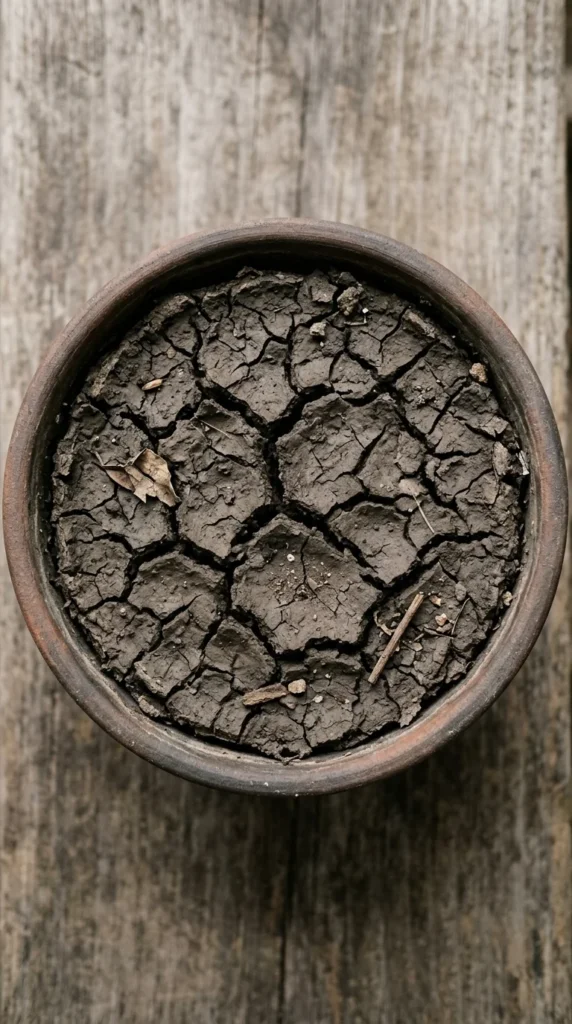
When wet coffee grounds dry out, they can form a hydrophobic (water-repelling) crust. This crust prevents water from reaching the succulent’s roots during the next watering cycle. To avoid compaction, always mix the grounds thoroughly into the soil rather than leaving them in a layer on top.
11. Dilution
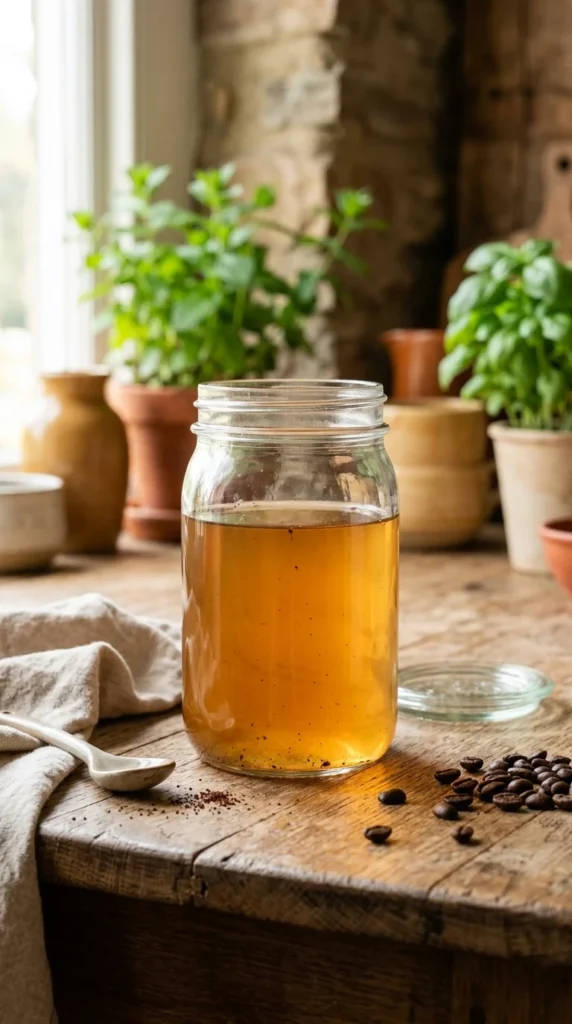
“Coffee tea” is a popular way to apply nutrients. By soaking used grounds in water for 24-48 hours and then straining the liquid, you create a diluted fertilizer. Dilute this further (until it looks like very weak tea) before watering your succulents to provide a gentle nutrient boost without the risk of soil compaction.
12. Minerals
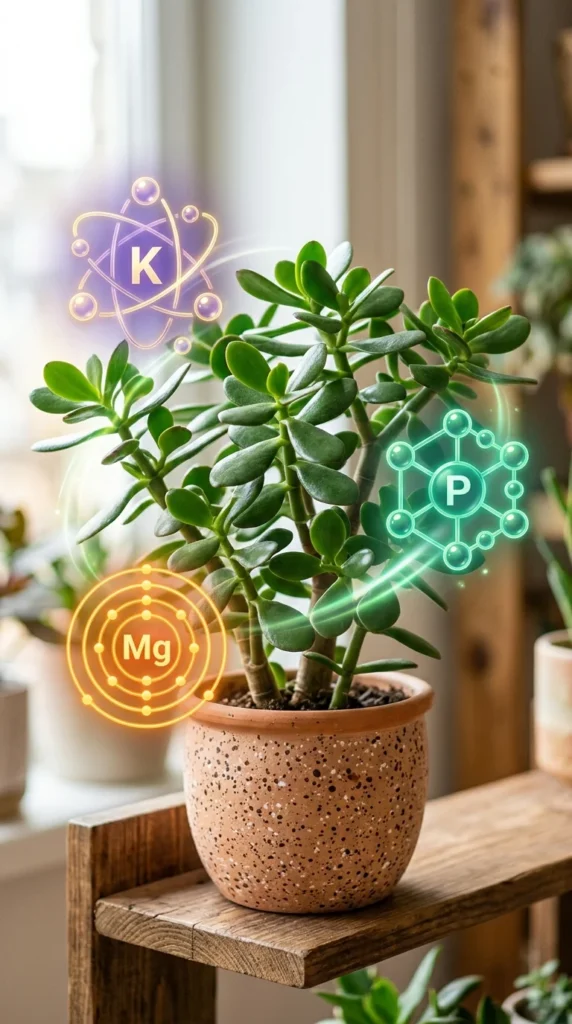
Beyond nitrogen, coffee grounds contain trace amounts of potassium, magnesium, and phosphorus. These minerals support different aspects of succulent health: potassium aids in water regulation, magnesium is essential for photosynthesis (chlorophyll production), and phosphorus supports root development.
13. Repellency
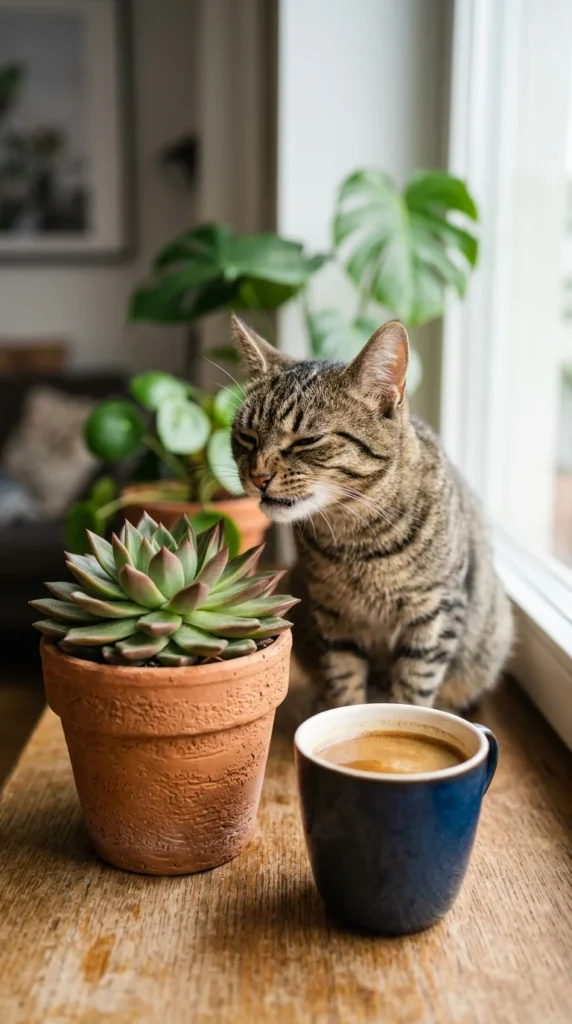
For indoor gardeners, coffee grounds can serve as a mild deterrent for curious pets. Many cats and dogs dislike the strong bitter scent of coffee. Lightly incorporating grounds into the top inch of soil may prevent pets from digging in your succulent containers.
14. Toxicity
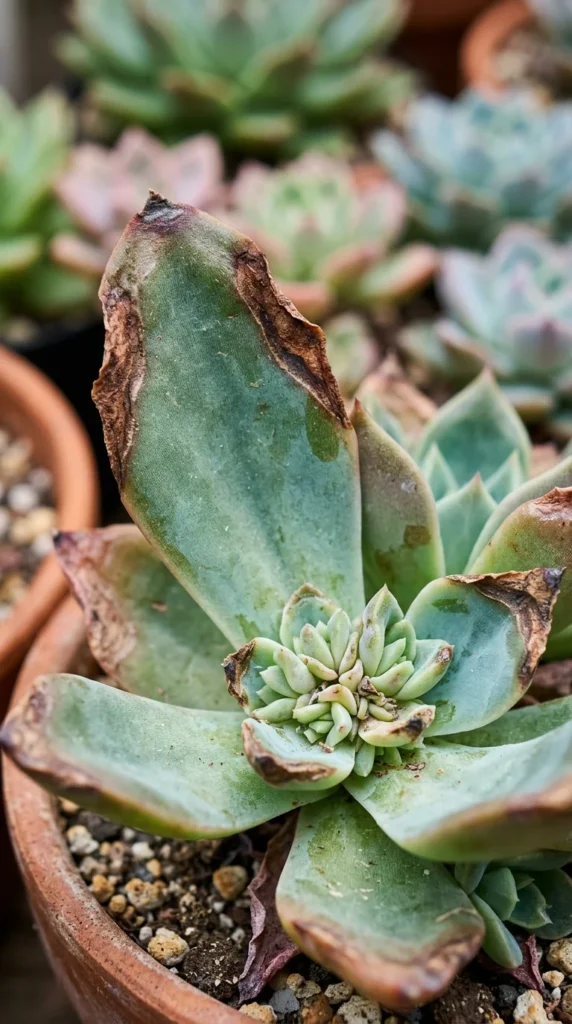
Caffeine toxicity in plants manifests as “leaf burn” or stunted growth. Because succulents grow slowly, they cannot quickly outgrow the damage caused by high caffeine levels. Always use grounds that have been thoroughly brewed, as the brewing process removes the majority of the caffeine.
15. Ratio
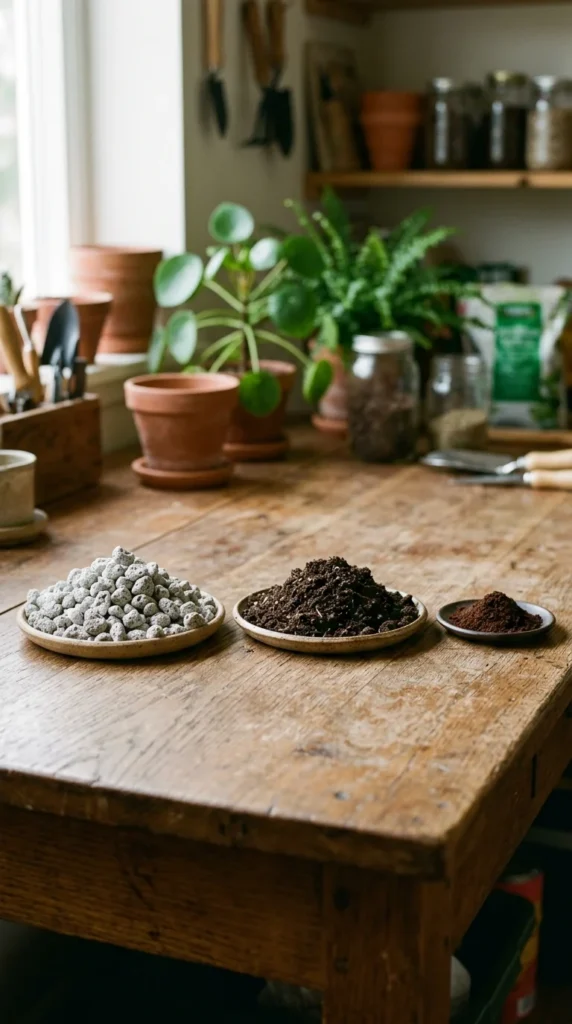
The “golden ratio” for succulents is critical. A safe recommendation is to use no more than one part coffee grounds to twenty parts succulent soil. This ensures the organic matter provides benefits without fundamentally changing the drainage characteristics of the gritty mix.
16. Drying
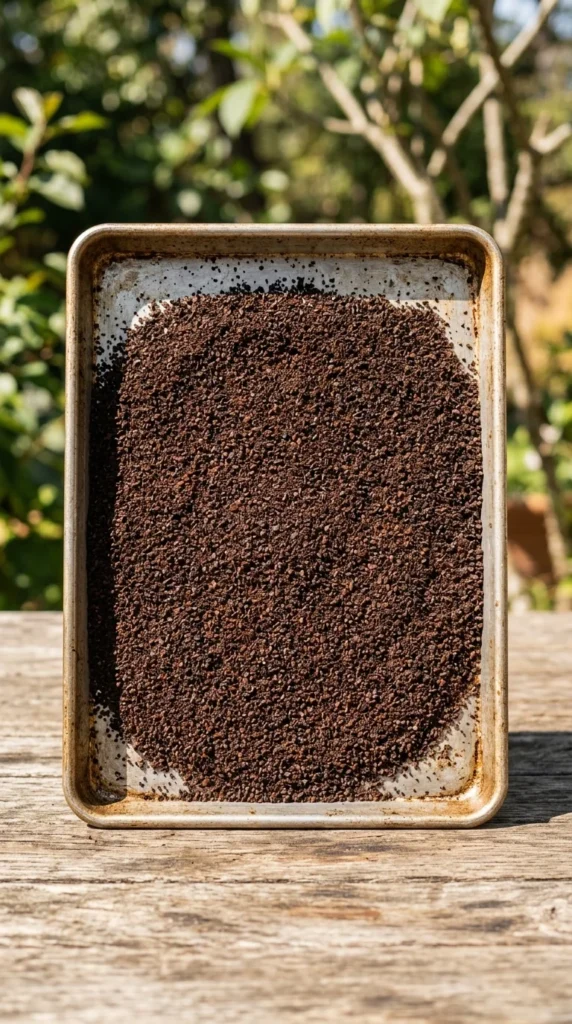
Before adding grounds to your soil mix, they must be completely dry. Using wet grounds directly from the coffee maker introduces immediate moisture into the pot, which can trigger rot. Spread the grounds on a tray and let them sit in the sun until they are bone-dry and crumbly.
17. Worms
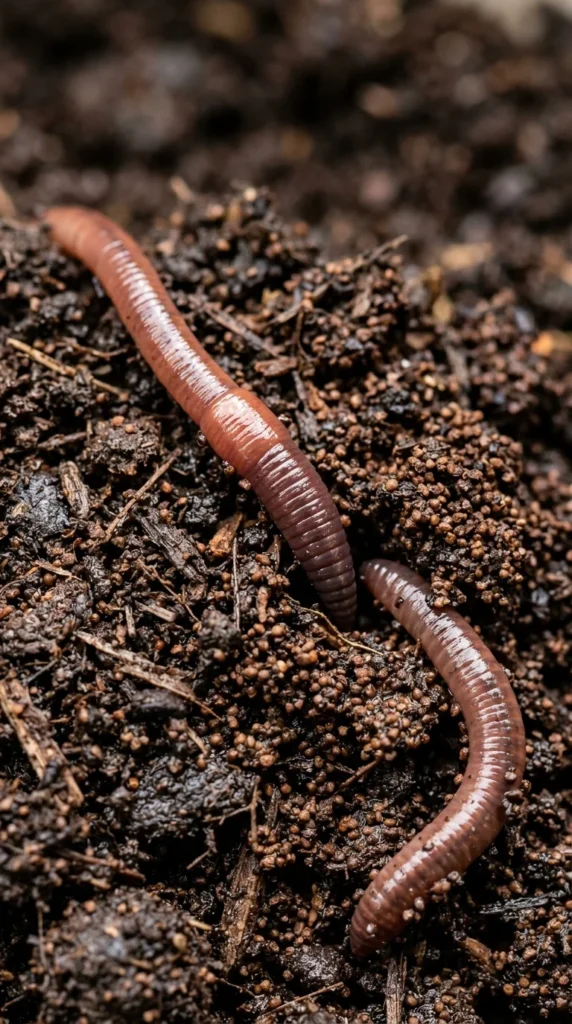
If you practice vermicomposting (composting with worms), coffee grounds are an excellent addition. Worms love coffee grounds, and their castings (waste) are one of the best organic fertilizers for succulents. Using worm castings derived from coffee is much safer than using the grounds directly.
18. Retention
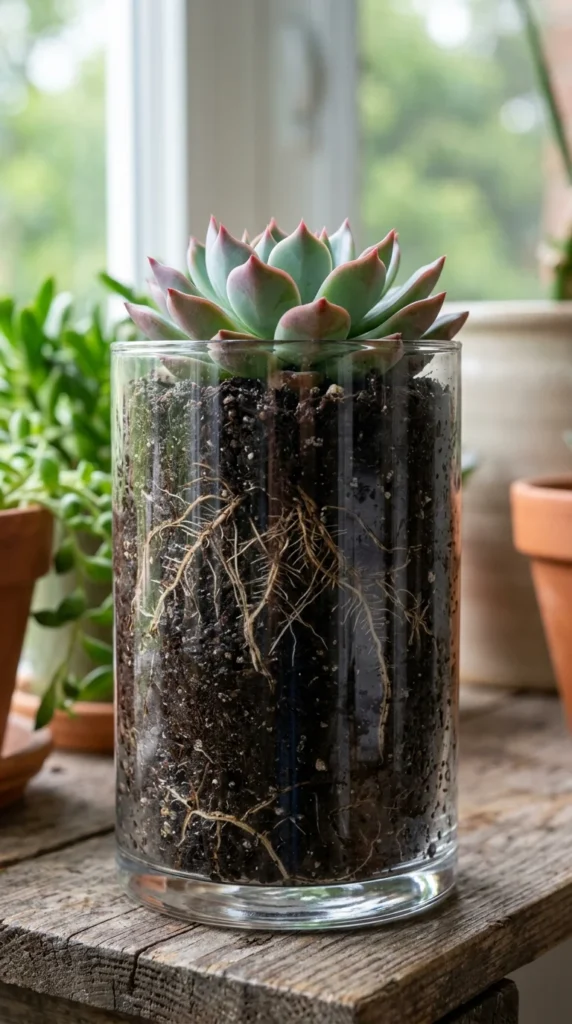
The high water-retention capacity of coffee grounds is the “enemy” of the succulent. Succulents store water in their leaves and stems; they do not want their roots to sit in wet soil. If you live in a very humid climate, it is often better to avoid coffee grounds entirely to prevent “wet feet.”
19. Frequency

Succulents should not be “fed” constantly. If you use coffee tea or grounds, limit the application to the growing season (spring and summer). Avoid adding nutrients in the winter when most succulents enter a dormant state and cannot process the extra nitrogen.
20. Indoor
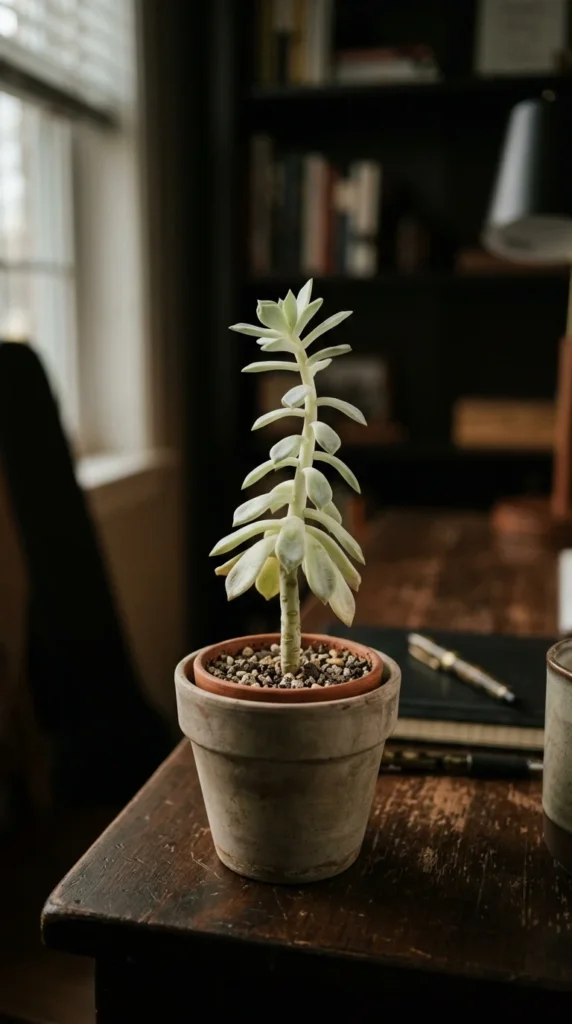
Indoor succulents are more susceptible to the negative effects of coffee grounds. Without the high heat and airflow of the outdoors, coffee grounds stay damp longer, increasing the risk of mold and gnats. Use coffee grounds much more sparingly for indoor plants than for outdoor garden beds.
21. Fertilization
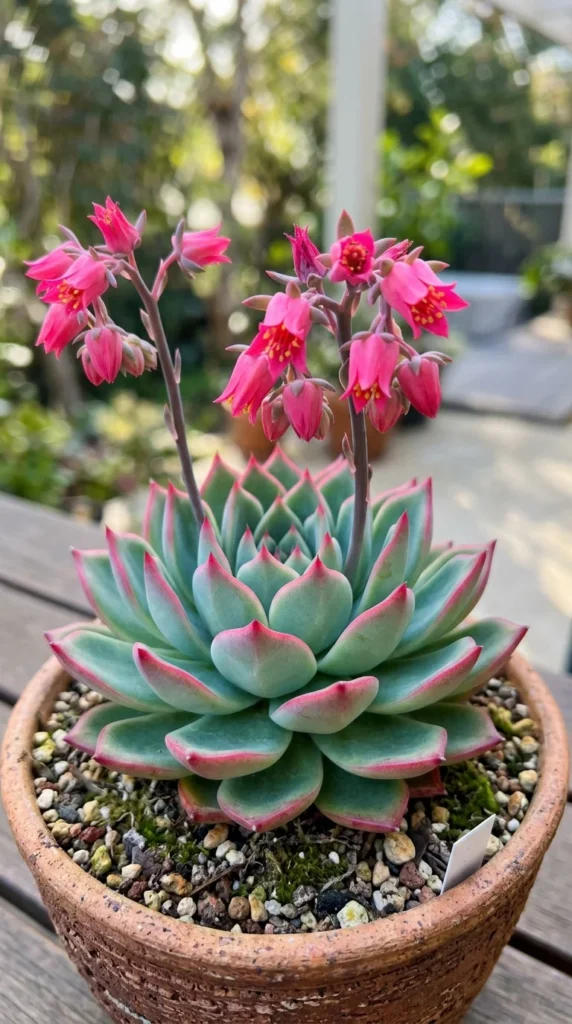
When used correctly, coffee grounds act as a slow-release fertilizer. Unlike synthetic fertilizers that can provide a “shock” of nutrients, the organic matter in coffee breaks down over months, providing a steady, low-level supply of food that mimics the natural environment of many succulents.
22. Filtration
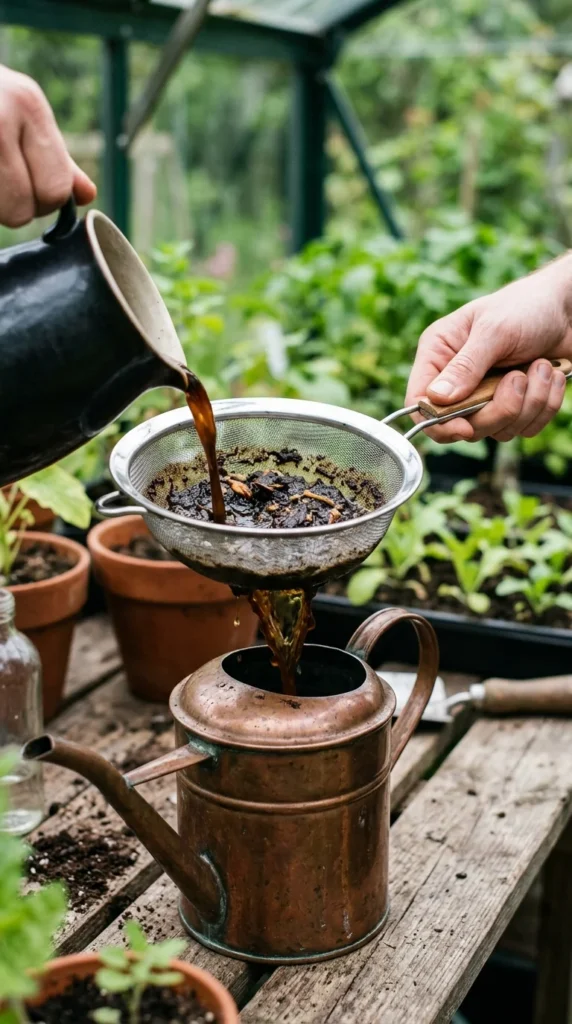
If making coffee tea, filtration is key. Small silt-like particles of coffee can clog the micropores in the soil over time. Using a coffee filter or a very fine mesh ensures that only the water-soluble nutrients reach the plant, keeping the soil structure intact.
23. Species
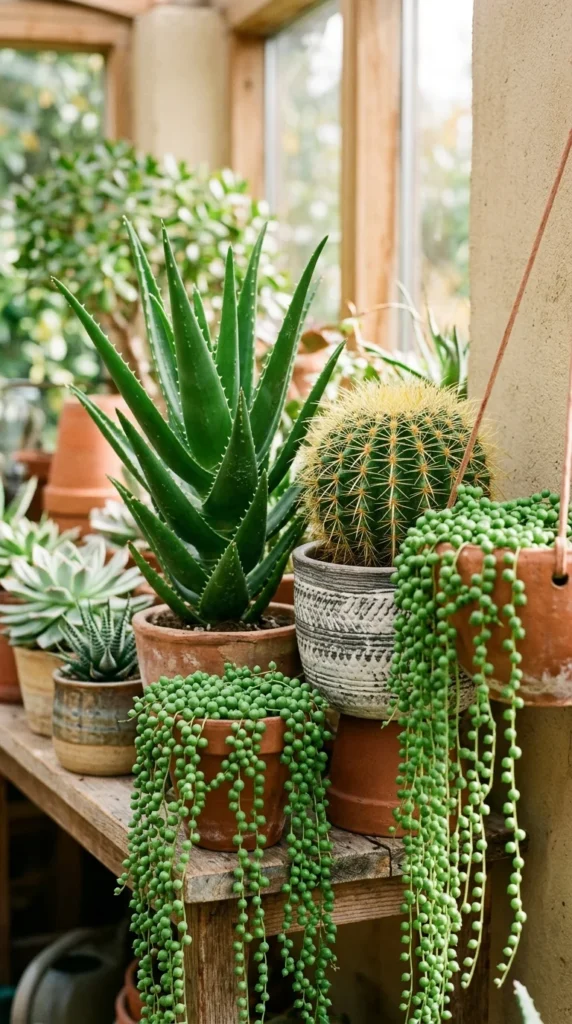
Not all succulents react the same way. Hardier species like Aloe vera or Jade (Crassula ovata) can handle organic amendments better than “fussy” species like Lithops (living stones) or certain high-alpine Sempervivum. Always test a small amount on one plant before treating your whole collection.
24. Mulching
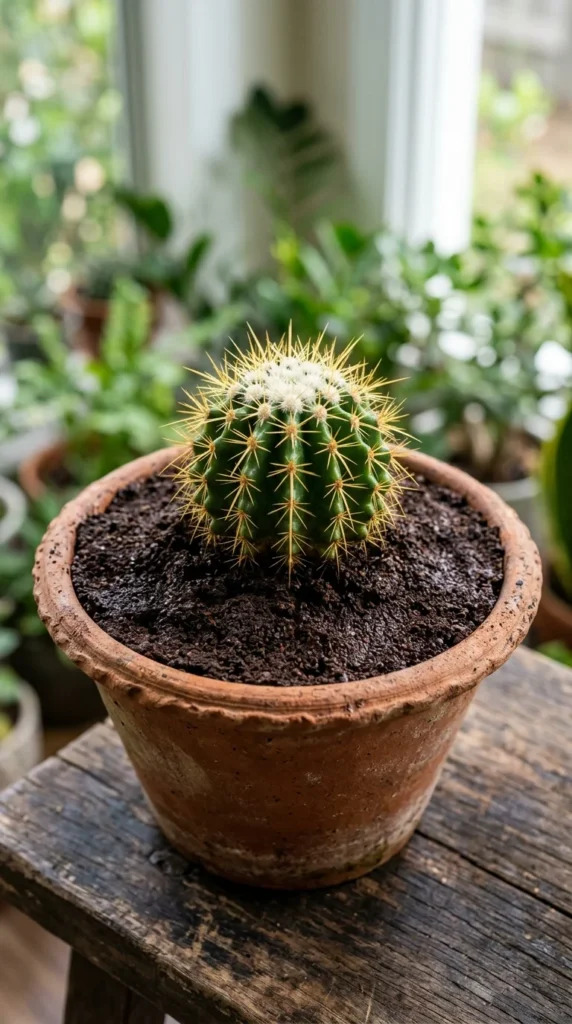
Mulching—the practice of covering the soil surface—should be avoided with coffee grounds and succulents. A coffee mulch acts like a blanket that prevents the soil from breathing. This is the fastest way to cause root rot in a succulent. Always mix grounds into the soil rather than layering them on top.
25. Carbon
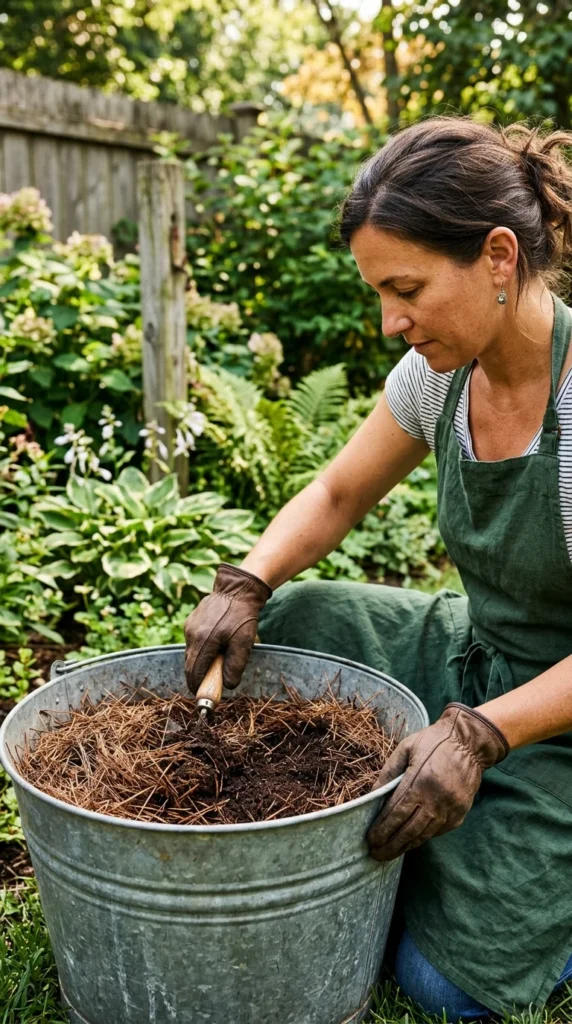
To balance the high nitrogen of coffee grounds, gardeners often mix them with carbon-rich materials. For succulents, mixing a tiny bit of coffee with crushed coco coir or fine bark can help create a more balanced organic component for the soil.
26. Temperature
Never use hot coffee or hot grounds on your plants. Heat can shock the delicate root hairs and kill beneficial soil microbes. Ensure any liquid or solid coffee application is at room temperature before it touches your succulents.
27. Odor
While fresh grounds smell like coffee, decomposing grounds in a pot can sometimes develop a sour odor if they become anaerobic (lack of oxygen). If your succulent pot starts to smell bad, it is a sign that the coffee grounds are not breaking down properly and the soil needs more aeration.
28. Pathogens
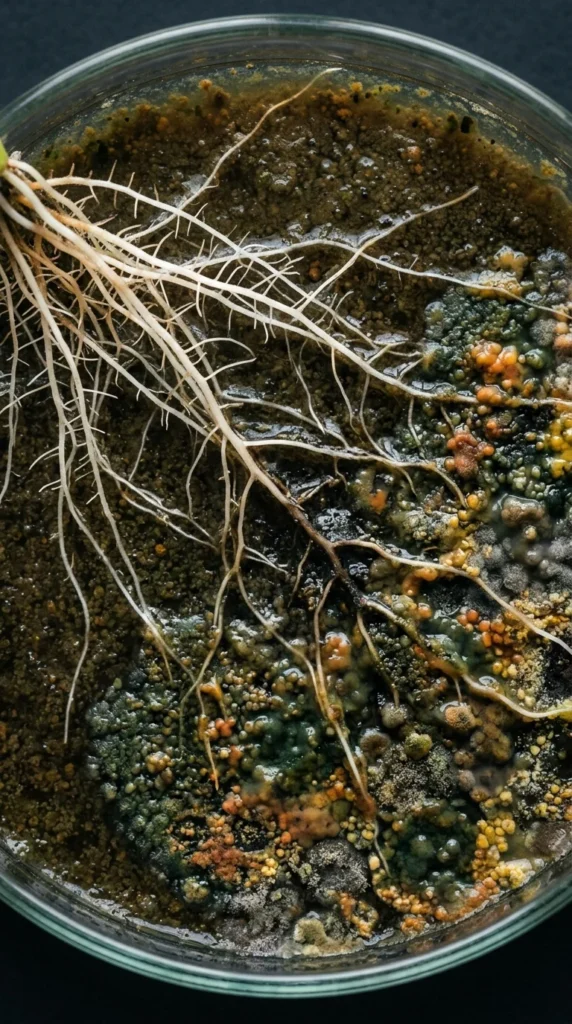
While coffee grounds encourage good microbes, they can also support pathogens if the soil remains too wet for too long. Pythium and Phytophthora are water-molds that cause root rot. Keeping the soil-to-coffee ratio low is your best defense against these deadly pathogens.
29. Observation
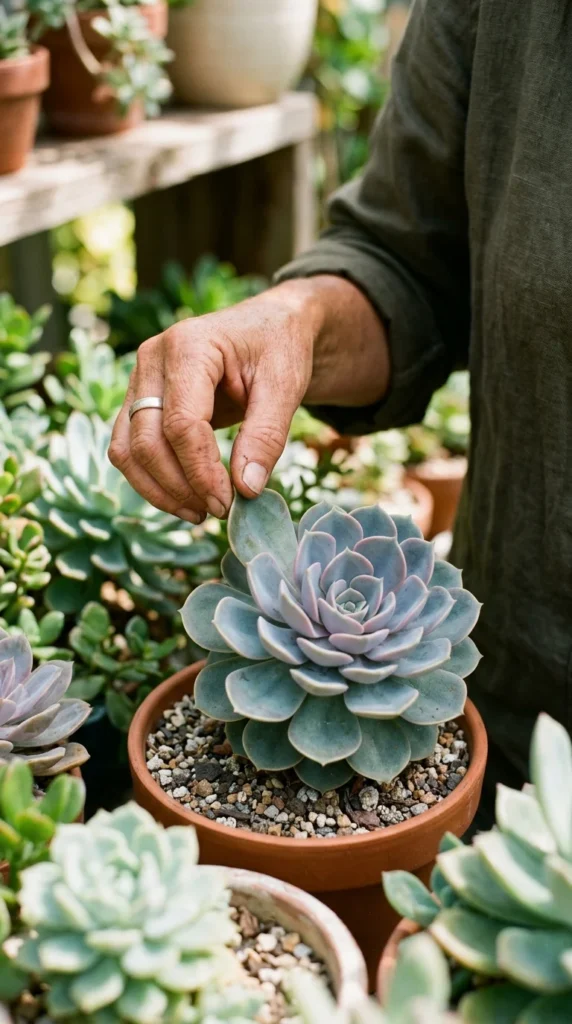
The final and most important tip is observation. Every microclimate is different. If you add coffee grounds and notice your succulent’s leaves turning yellow, becoming mushy, or the growth stopping entirely, flush the soil with plain water and discontinue use. The plant’s reaction is the ultimate guide to whether coffee grounds are working for your garden.