
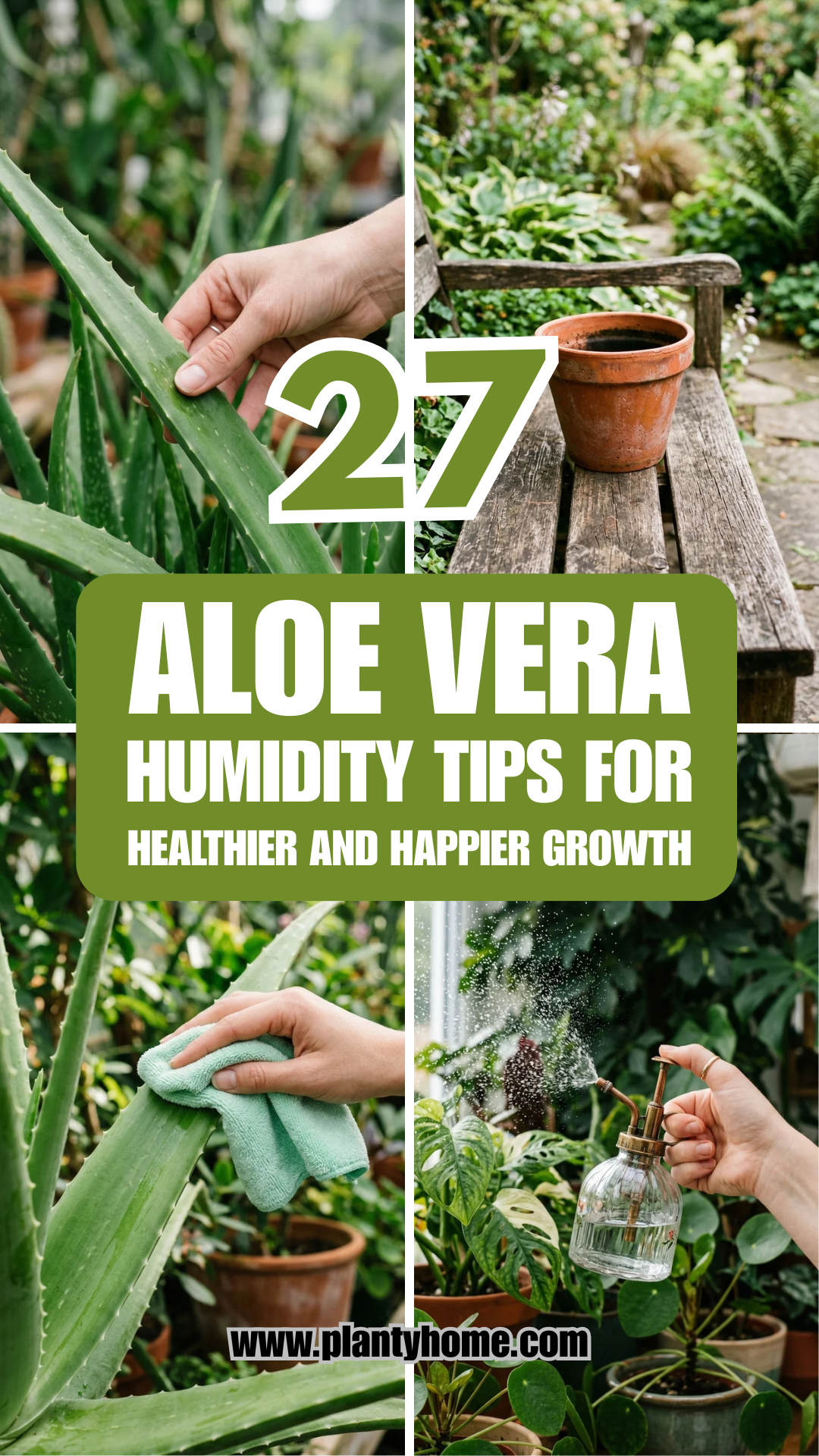
Aloe Vera (Aloe barbadensis miller) is renowned for its resilience and medicinal properties. While many gardeners focus heavily on light and watering schedules, humidity remains one of the most misunderstood aspects of Aloe care. Native to the arid climates of the Arabian Peninsula, this succulent is naturally adapted to dry air. However, modern indoor environments—fluctuating between air conditioning and central heating—can create humidity extremes that stress the plant. Achieving the perfect balance is the key to preventing rot and ensuring those thick, gel-filled leaves remain turgid and vibrant.
1. Low Humidity
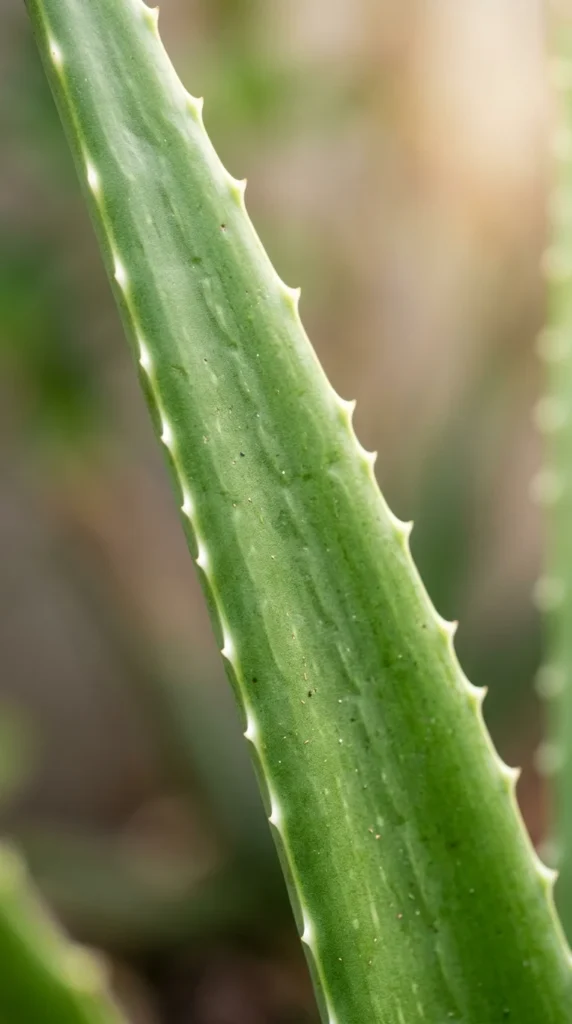
Aloe Vera thrives in low to moderate humidity, typically between 30% and 40%. Unlike tropical houseplants that crave moisture-laden air, the Aloe Vera’s thick cuticle is designed to lock moisture in and keep the external environment out. High humidity can lead to fungal issues, while extremely low humidity (below 10%) can eventually cause the leaves to pucker.
2. Arid Origin

Understanding that Aloe Vera is a desert-dweller is fundamental. In its natural habitat, it survives on infrequent rainfall and very dry air. When cultivating it at home, your goal is to replicate this “dry feet, dry air” environment. Avoid placing it in areas that mimic a rainforest environment.
3. Air Circulation
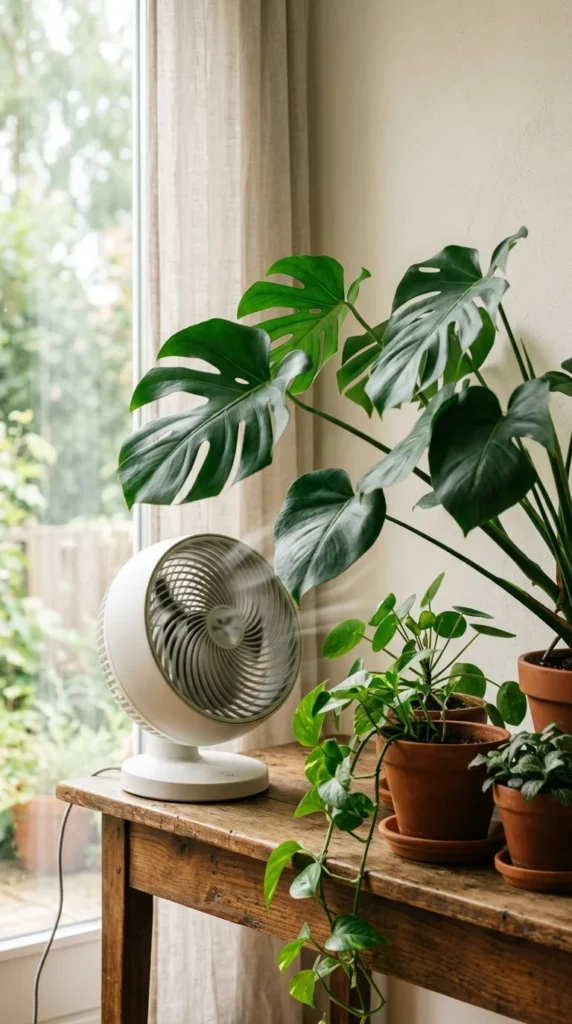
Stagnant air is the enemy of the Aloe Vera, especially if the humidity rises. Good air circulation helps moisture evaporate from the soil surface and prevents the buildup of fungal spores on the leaves. Ensure your plant is in a room with a gentle cross-breeze or use a small fan to keep the air moving.
4. Grouping Plants
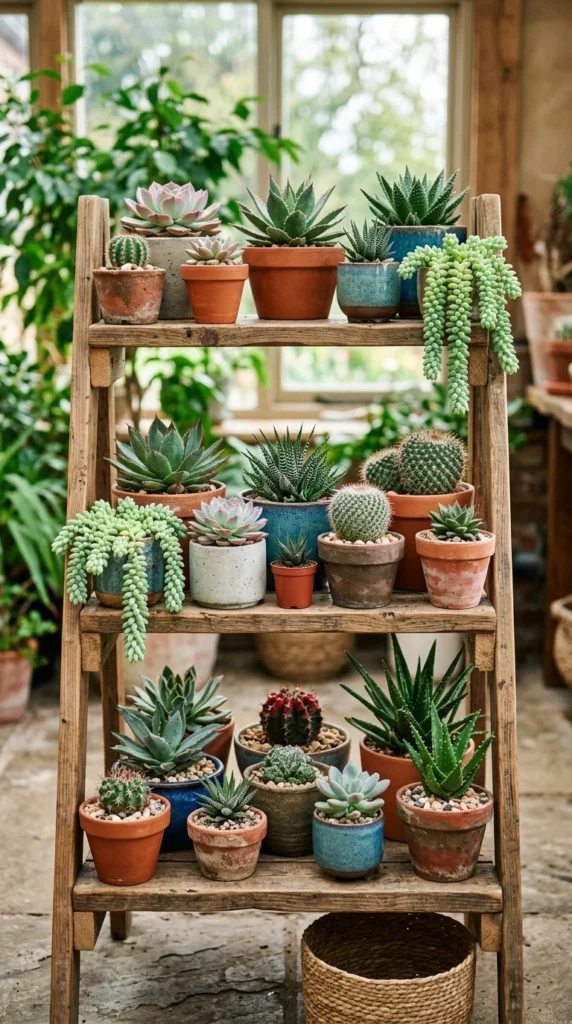
While many gardeners group plants together to increase humidity through transpiration, you should be careful with Aloe Vera. If you group it with high-humidity plants like ferns or calatheas, the microclimate may become too damp for the Aloe. Keep your Aloe grouped with other succulents or cacti that share its preference for drier air.
5. Pebble Trays
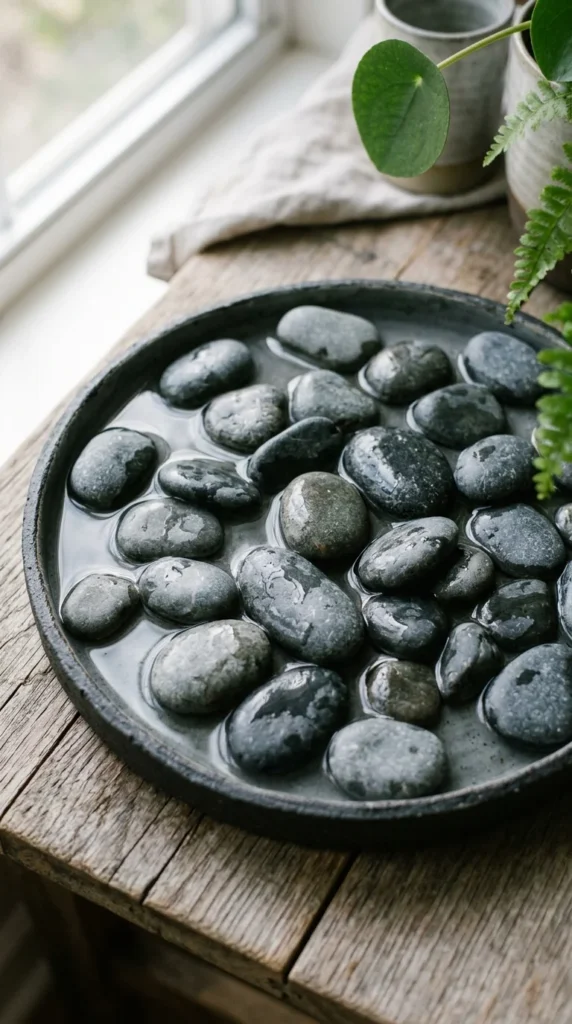
Pebble trays are common for increasing humidity, but for Aloe Vera, they are usually unnecessary and potentially harmful. If you use one for aesthetic reasons, ensure the pot sits entirely above the water line. Never let the Aloe’s roots or the bottom of the pot come into contact with standing water, as this increases local humidity to dangerous levels for succulents.
6. Humidifiers
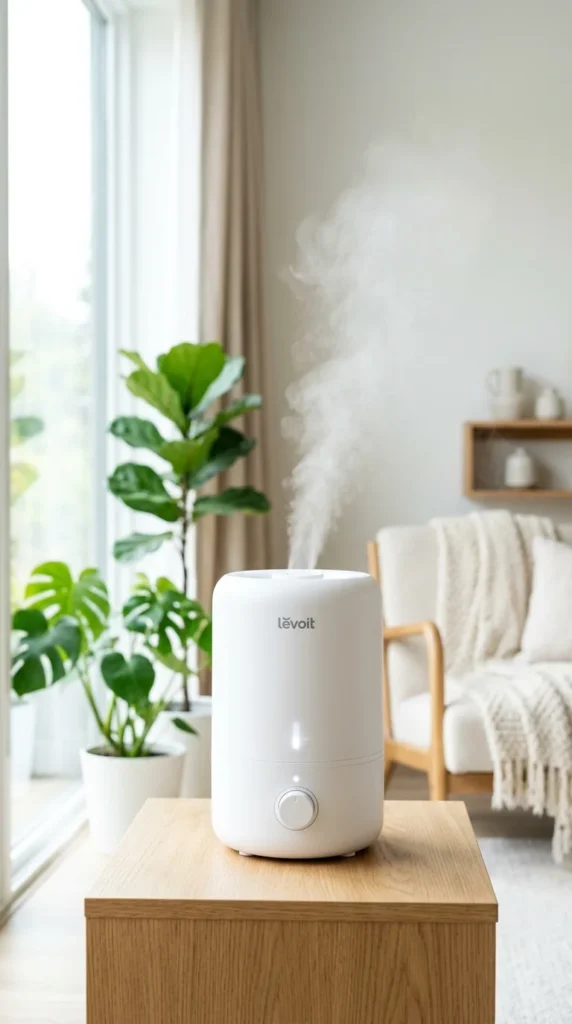
If you live in an extremely dry climate or use heavy winter heating, you might use a humidifier for your own comfort. Ensure the humidifier is not pointed directly at the Aloe Vera. Direct misting or a constant stream of humid air can lead to “edema,” where the plant takes in more water than it can use, causing cells to burst.
7. Dehumidifiers
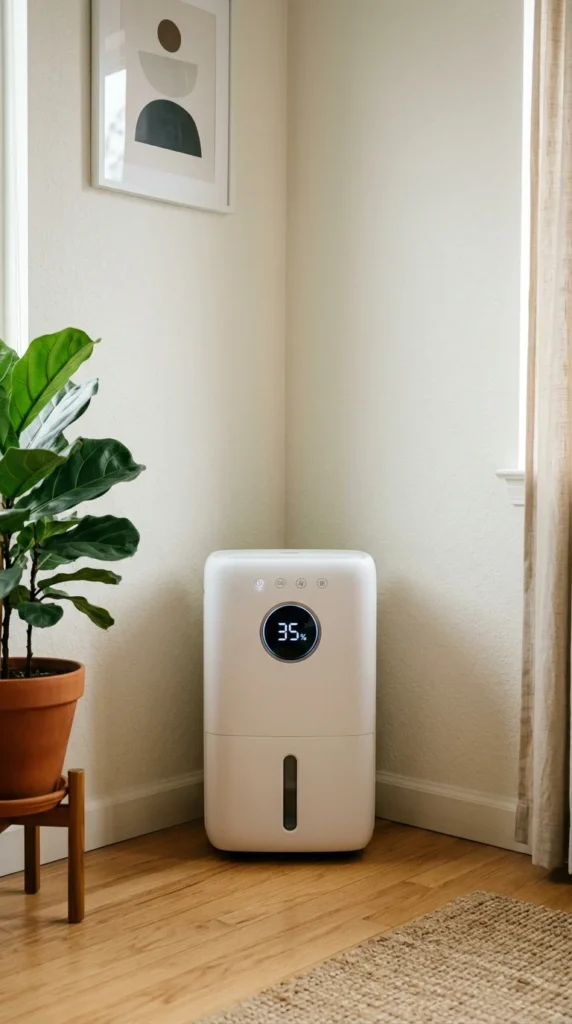
In particularly humid regions or damp basements, a dehumidifier can be an Aloe Vera’s best friend. By keeping the ambient humidity below 50%, you significantly reduce the risk of leaf rot and powdery mildew. It helps the soil dry out faster after watering, mimicking the quick-dry cycles of the desert.
8. Kitchen Placement
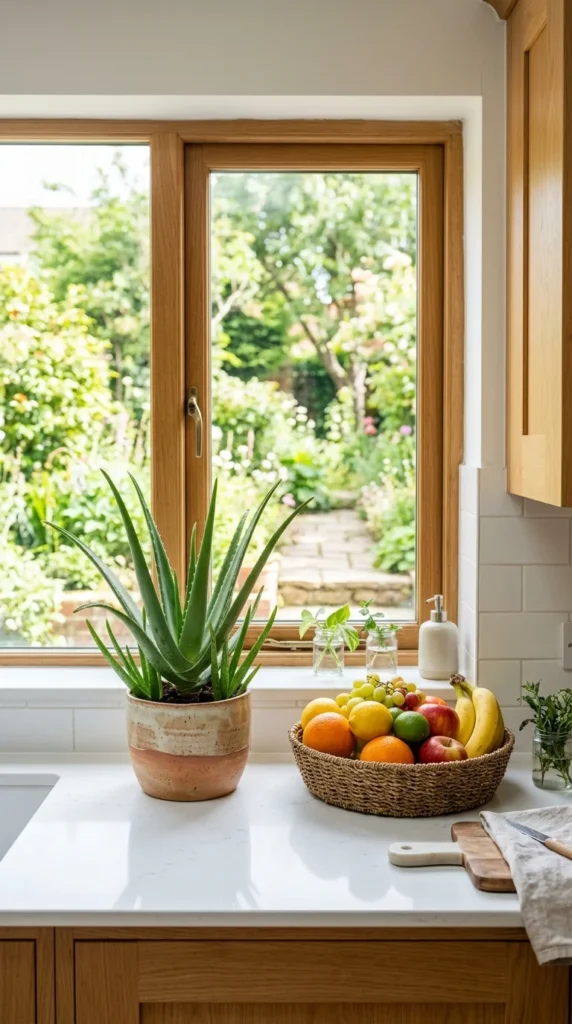
The kitchen is often a humid room due to boiling water and dishwashers. If you keep your Aloe in the kitchen, place it as far from the stove and sink as possible. The steam from cooking can settle on the leaves, creating a moist film that encourages bacterial growth.
9. Bathroom Hazards
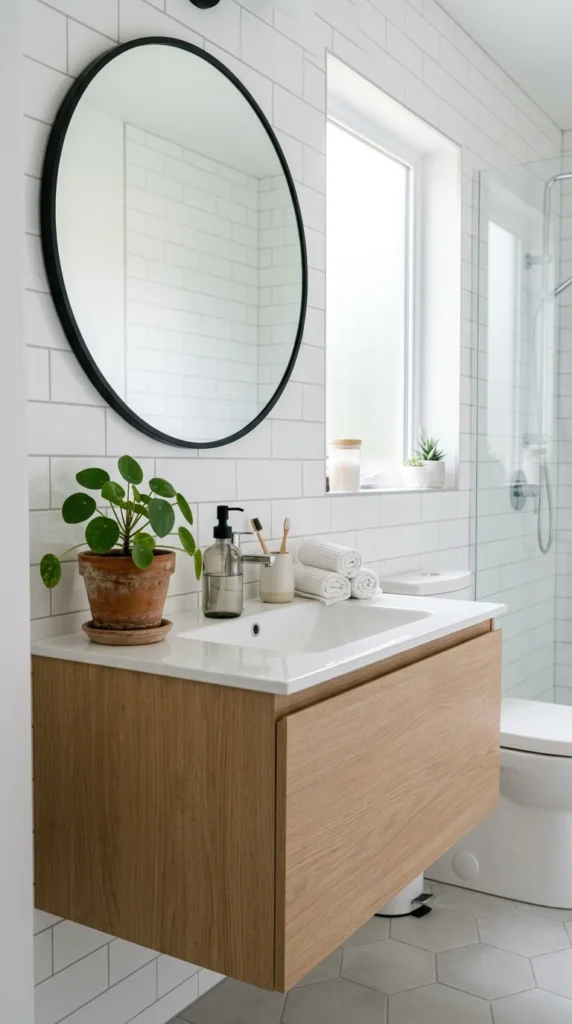
Bathrooms are generally the worst place for an Aloe Vera. The high humidity from showers combined with often lower light levels creates a “tropical” environment that can cause the plant to turn soft and translucent. If you must keep it there, ensure the bathroom is large and extremely well-ventilated.
10. Seasonal Adjustments
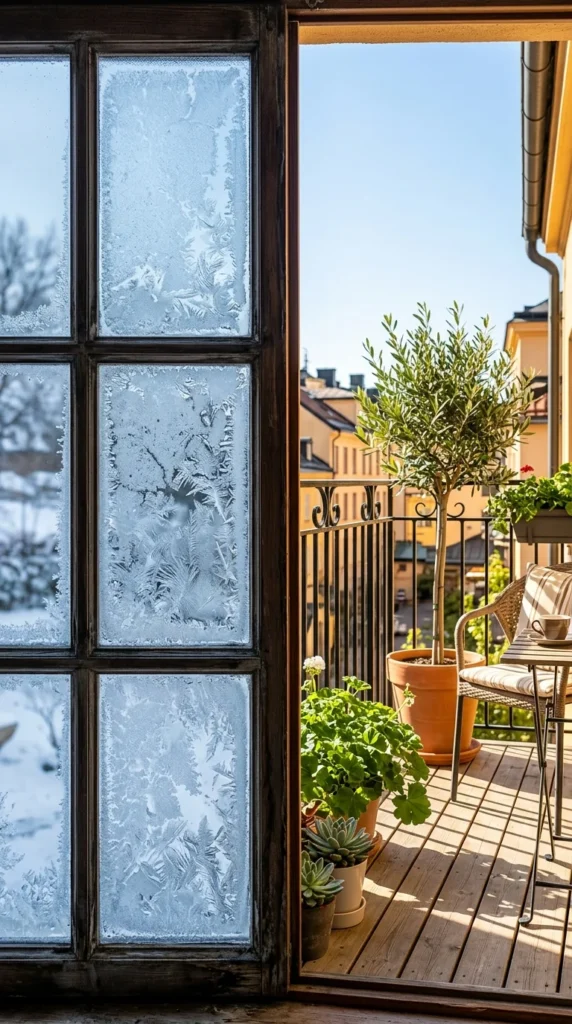
Humidity levels change with the seasons. In summer, humidity might spike, requiring more airflow. In winter, indoor air becomes “kiln-dry.” Monitor your plant’s reaction to these shifts; if the leaves start to thin or curl inward during winter, the air may be too dry even for a succulent.
11. Winter Dryness
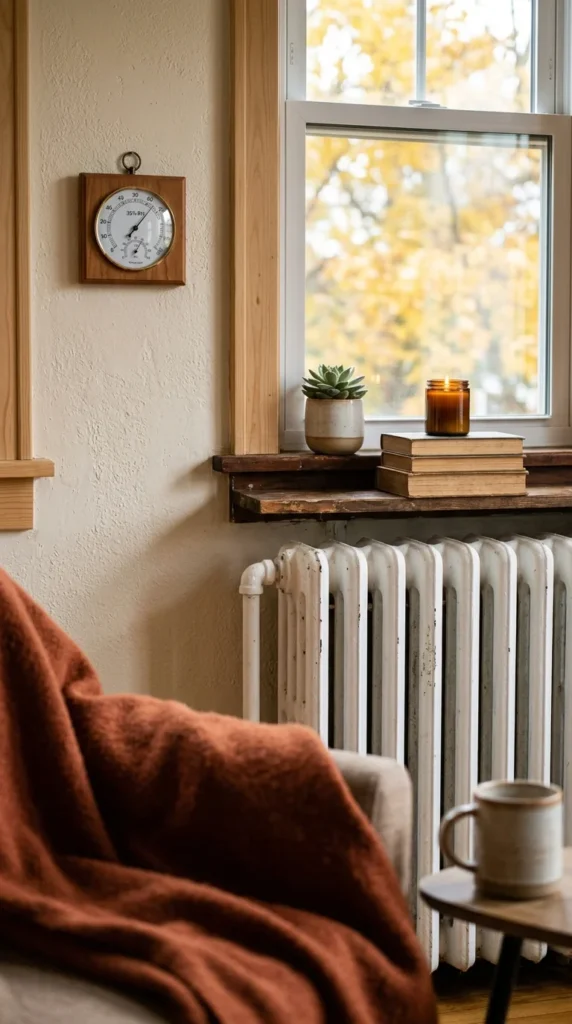
During winter, central heating strips moisture from the air. While Aloe likes it dry, “bone-dry” air can cause the leaf tips to turn brown and crispy. If this happens, do not increase watering; instead, try to move the plant to a slightly cooler room where the air isn’t as parched.
12. Summer Swelter
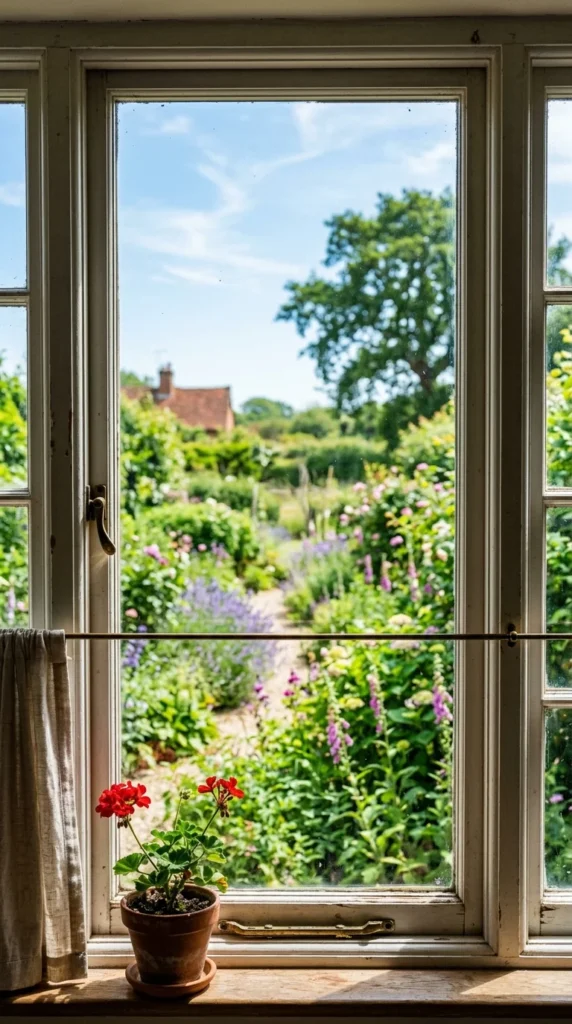
In humid summer months, the risk of “heart rot” (rot starting at the center of the plant) increases. If the air feels heavy and muggy, stop watering entirely until the humidity drops. The plant can pull moisture from the air and its own stored reserves during these periods.
13. Misting Myths
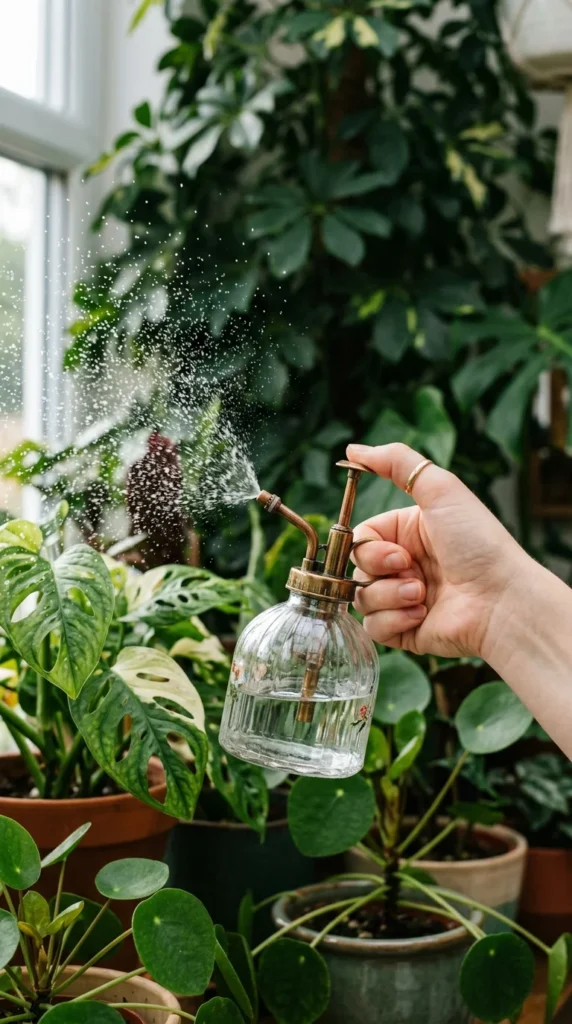
A common misconception is that all houseplants need misting. Aloe Vera should never be misted. Water trapped in the “axils” (the point where the leaf meets the stem) is a primary cause of rot. Keep the foliage dry at all times to maintain a healthy plant.
14. Dust Removal
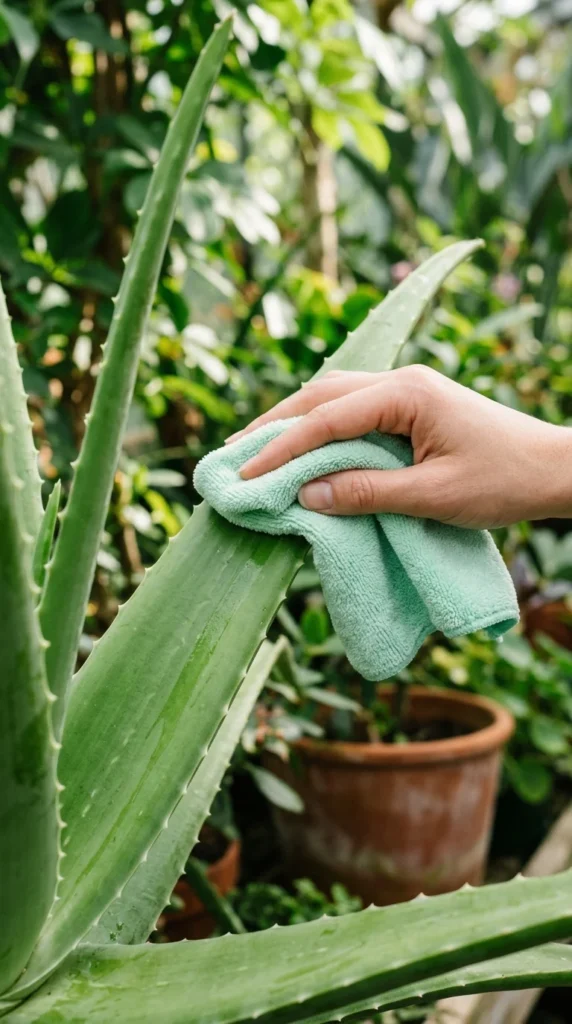
Dust on the leaves can trap moisture against the plant’s skin and interfere with its ability to “breathe” (gas exchange). Use a dry or very slightly damp cloth to wipe the leaves once a month. This ensures the plant can efficiently manage its internal moisture levels regardless of the external humidity.
15. Terracotta Pots
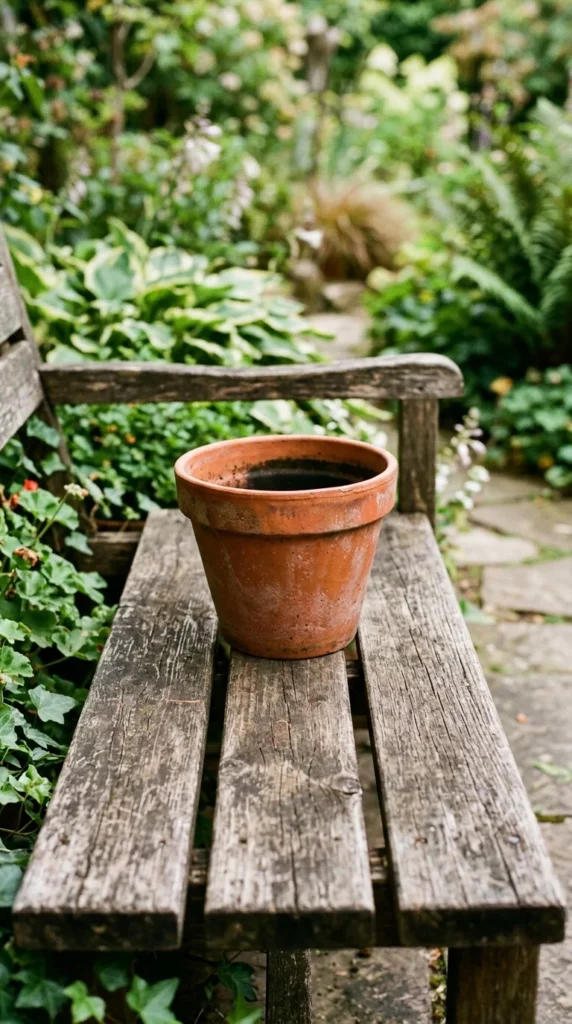
Terracotta is the ideal material for Aloe Vera. Because it is porous, it allows moisture to evaporate through the walls of the pot. This naturally lowers the humidity around the root ball and prevents the “steaming” effect that can happen in plastic pots during hot, humid weather.
16. Well-Draining Soil
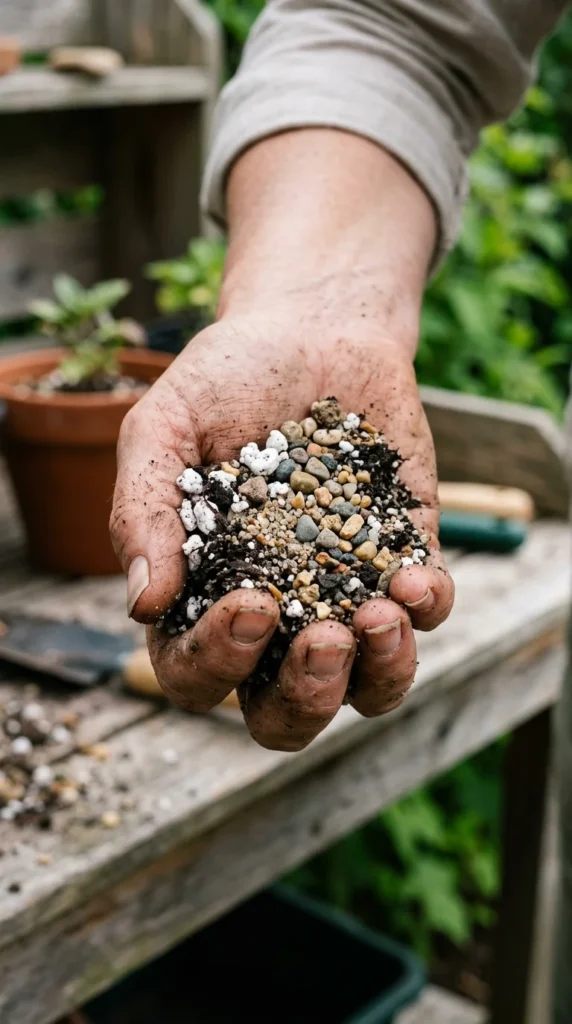
The relationship between soil and humidity is crucial. In humid environments, soil stays wet longer. Use a cactus or succulent mix with plenty of perlite or sand. This ensures that even if the air is damp, the roots aren’t sitting in a saturated medium, which would be a recipe for disaster.
17. Hygrometer Monitoring
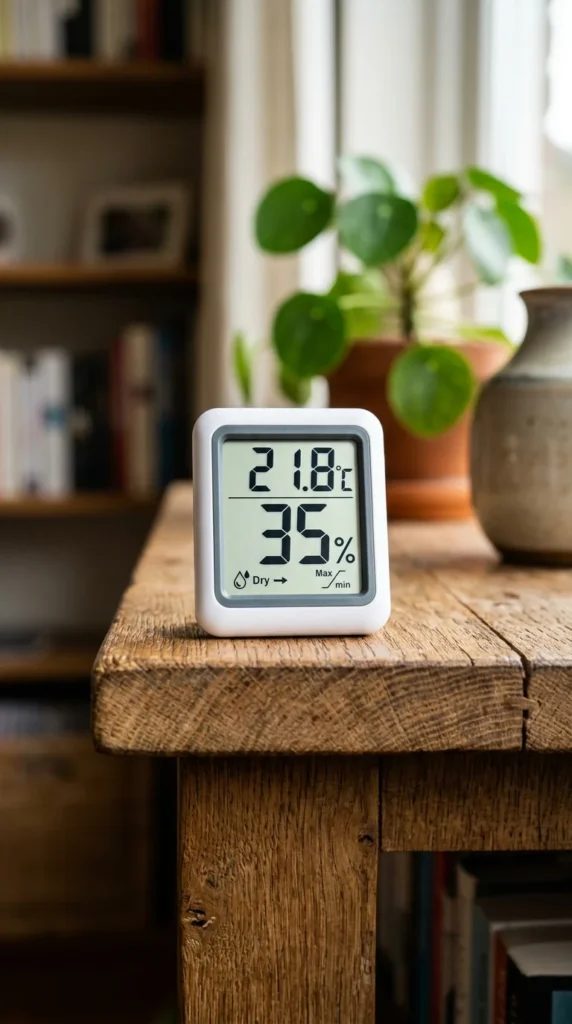
To take the guesswork out of Aloe care, invest in a digital hygrometer. Placing one near your plant collection allows you to see the exact moisture content of the air. If you see the reading consistently above 60%, it’s time to increase ventilation or move the Aloe.
18. HVAC Vents
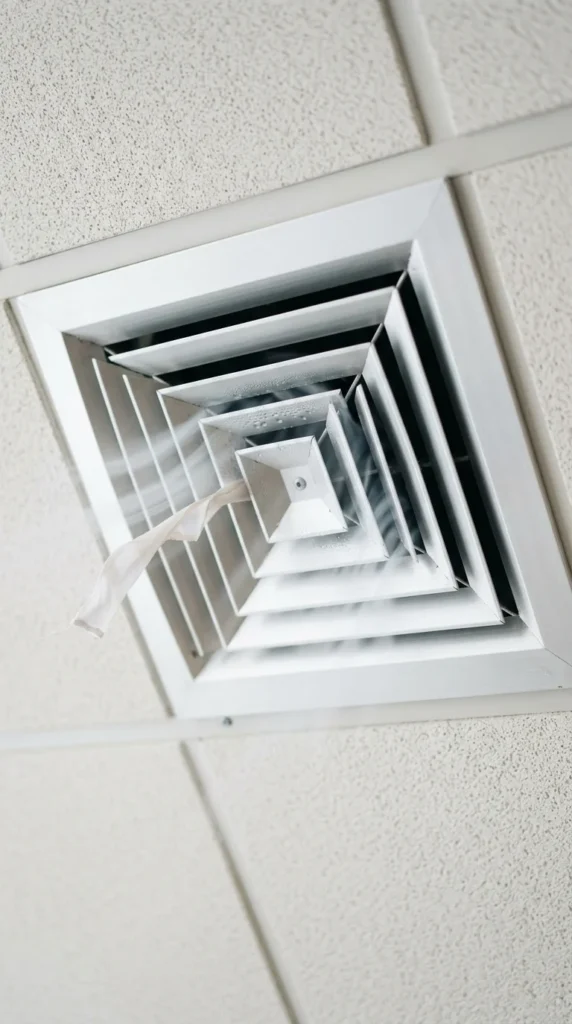
Avoid placing your Aloe Vera directly in the path of AC vents or heaters. The localized “micro-humidity” (or lack thereof) caused by blowing air can shock the plant. The rapid change in temperature and moisture levels can cause the leaves to drop or become scarred.
19. Crowding Prevention
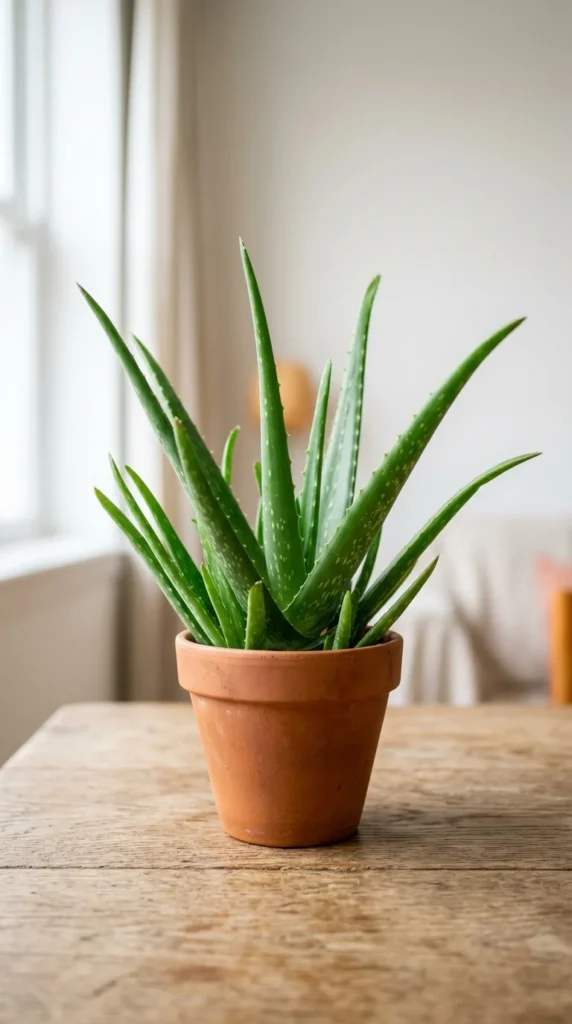
Give your Aloe Vera breathing room. When plants are packed tightly together, they create a “canopy effect” that traps humidity. By leaving several inches of space between the Aloe and its neighbors, you allow for the rapid evaporation of moisture.
20. Leaf Observation
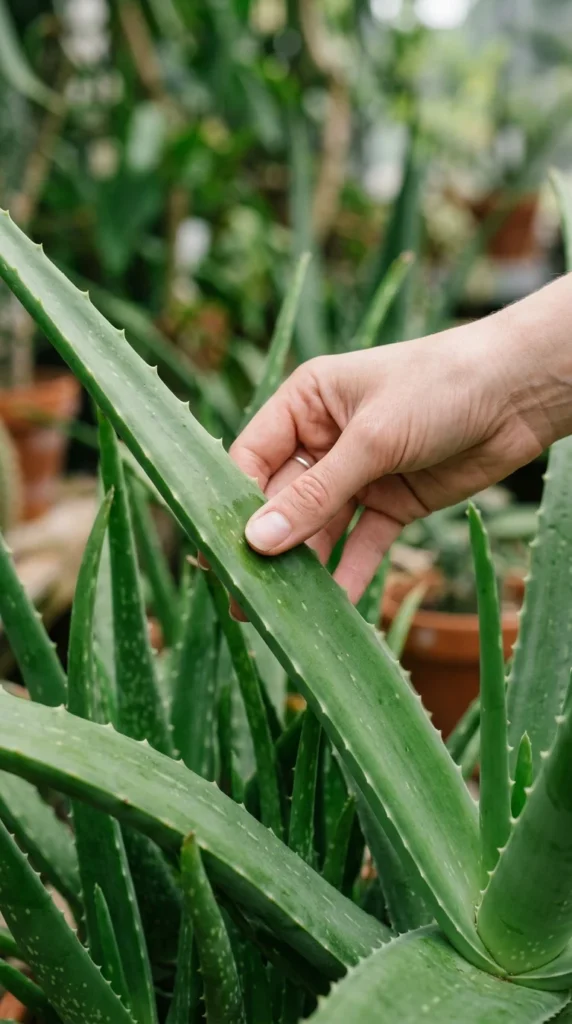
Your Aloe Vera will tell you if the humidity is wrong. Soft, mushy leaves often indicate high humidity and overwatering. Thin, brittle, or curled leaves can indicate that the air is so dry the plant is transpiring faster than it can recover.
21. Browning Tips
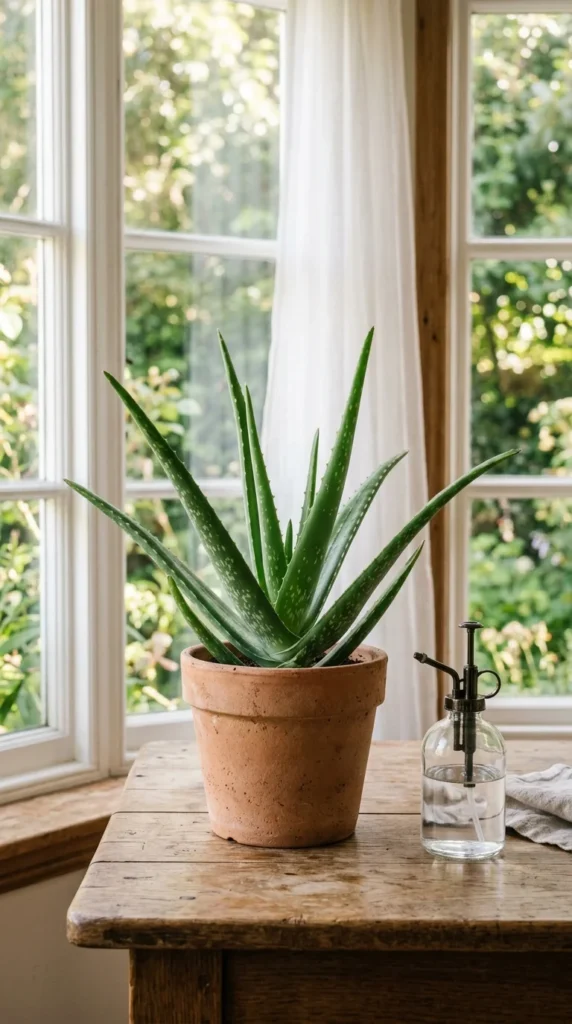
Browning tips are often a sign of low humidity combined with chemical buildup from tap water. If your air is very dry, try using distilled water for the occasional watering to reduce stress on the plant’s vascular system.
22. Soft Leaves
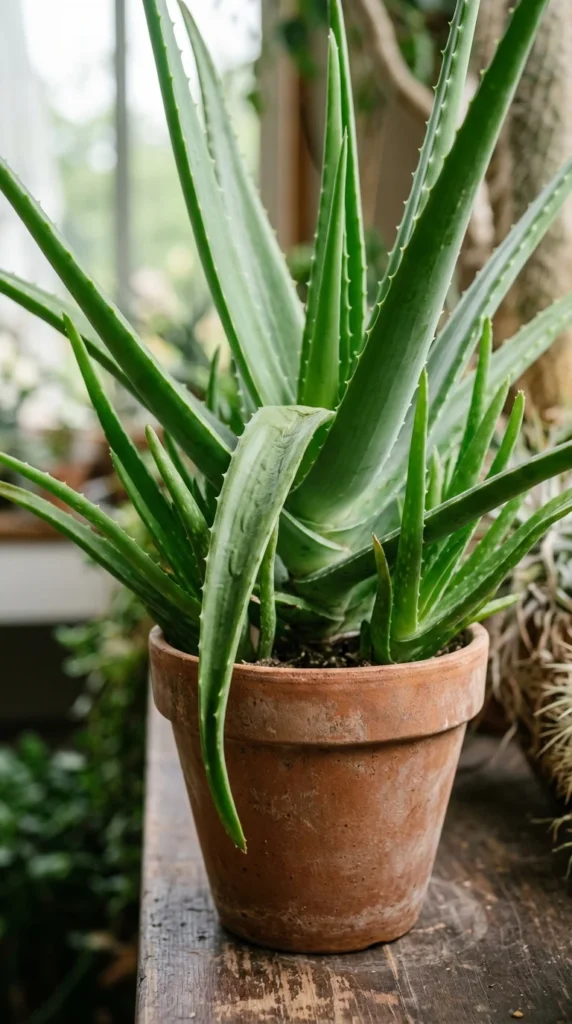
If the leaves feel “squishy” but aren’t turning yellow yet, the humidity might be too high. The plant is struggling to release excess moisture. Move it to a sunnier, breezier spot immediately to help it stabilize.
23. Watering Frequency
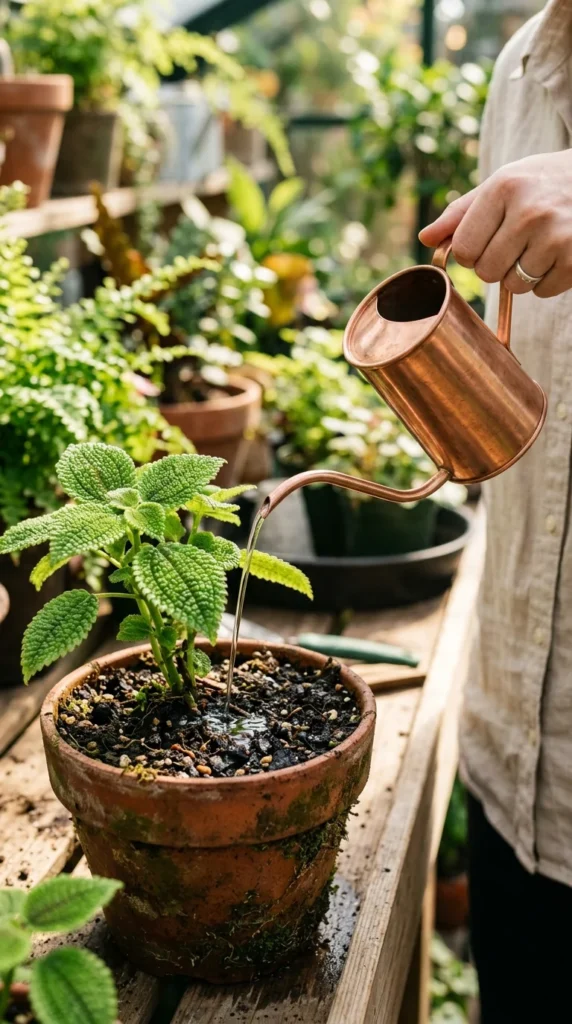
In high humidity, water less frequently. In low humidity, you may need to water slightly more often. Always use the “soak and dry” method: wait until the soil is 100% dry before adding water, then drench it thoroughly and let the excess drain away.
24. Morning Sunlight
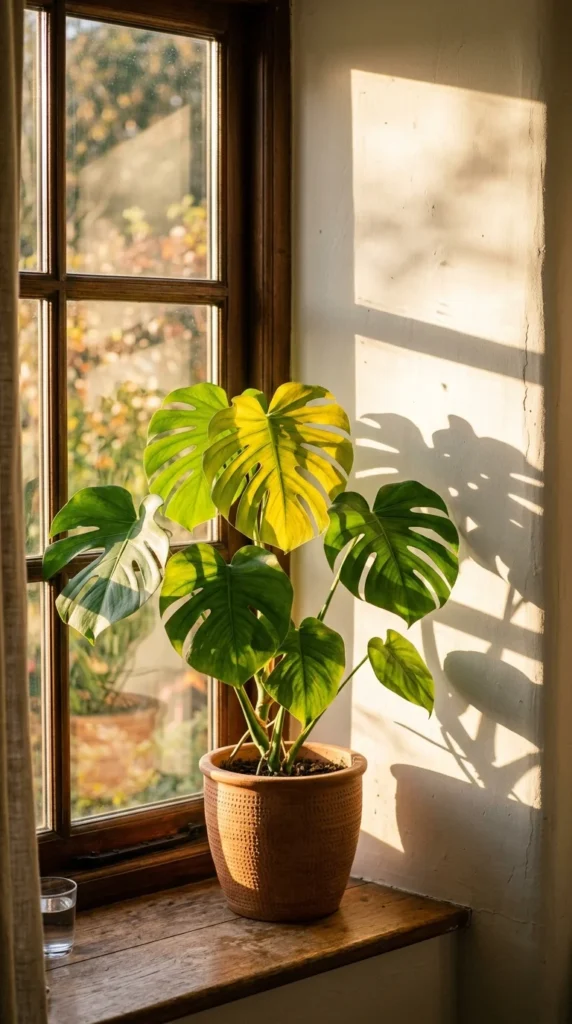
Morning sun is excellent for managing humidity. It helps evaporate any dew or condensation that may have settled on the plant overnight. Positioning your Aloe in an East-facing window provides the perfect balance of light and natural “drying” power.
25. Dormancy Cycles
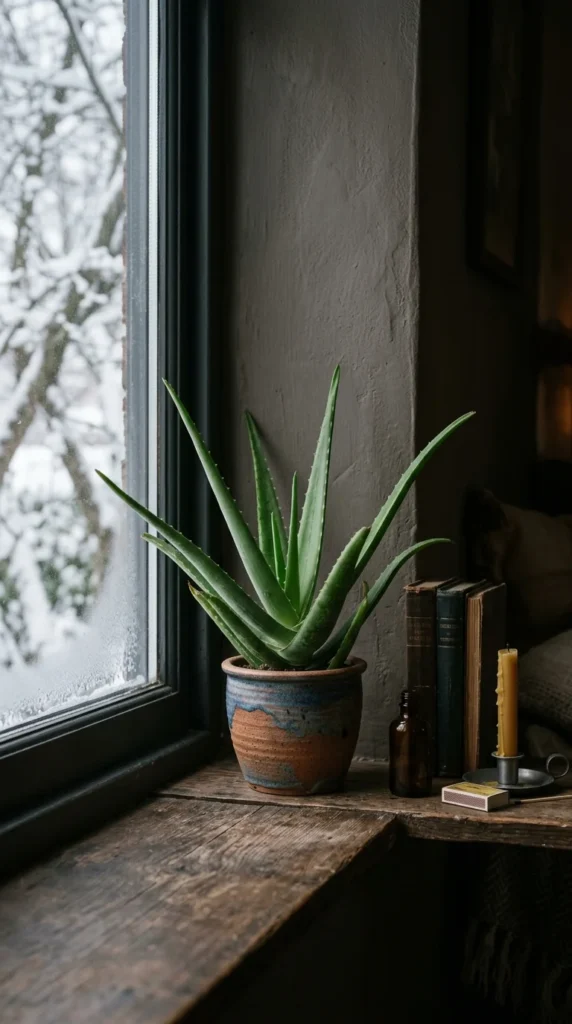
In the winter, Aloe Vera goes into a semi-dormant state. During this time, its tolerance for humidity decreases because its metabolic processes slow down. Be extra vigilant about keeping the air dry and the soil parched during the cooler months.
26. Repotting Impact
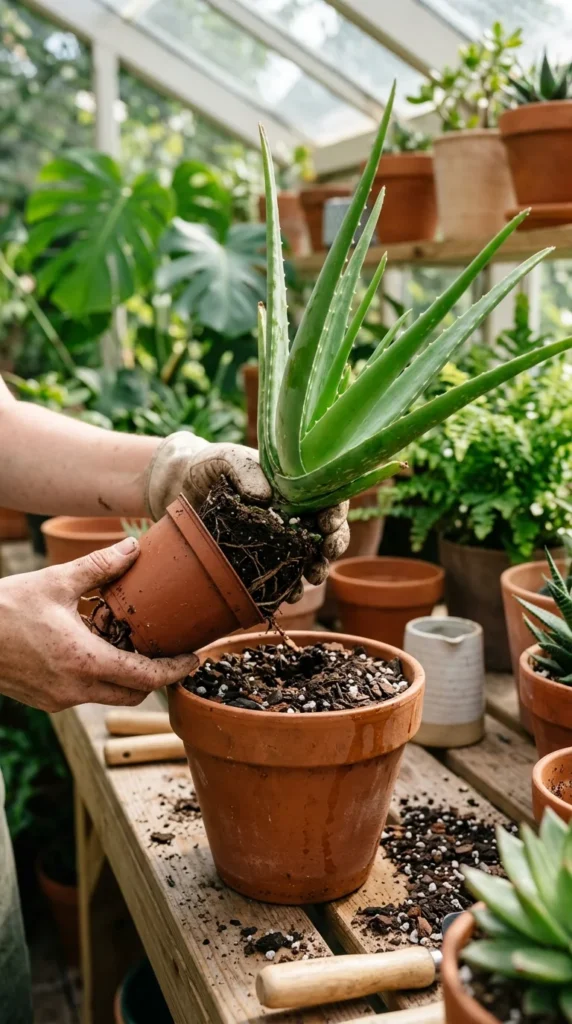
When you repot your Aloe, the fresh soil may hold more moisture than the old, compacted soil. This can temporarily increase the humidity around the roots. Ensure the new pot isn’t too large, as “over-potting” leads to excess soil moisture that can’t evaporate quickly enough.
27. Balanced Environment
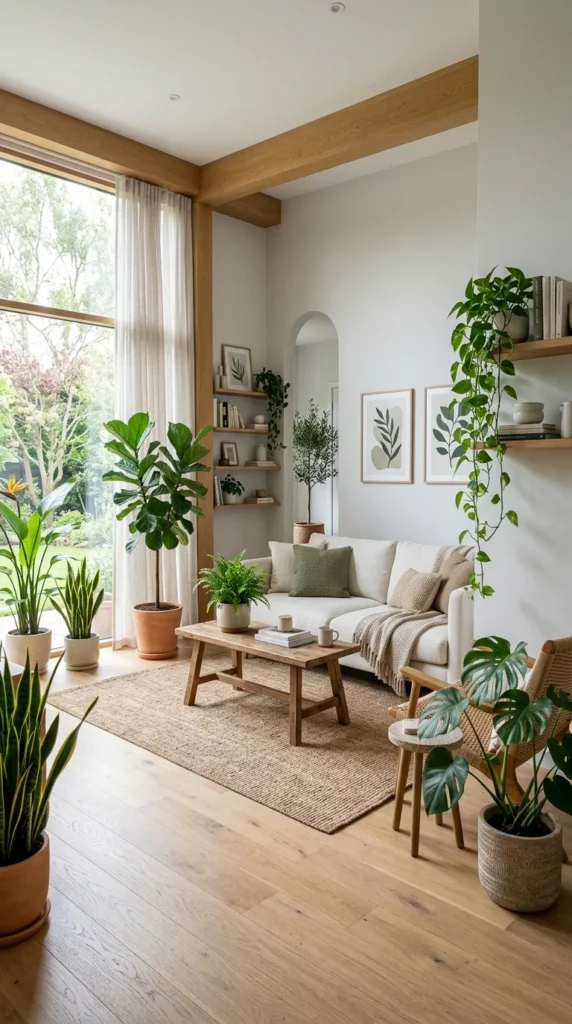
Consistency is the ultimate goal. While Aloe Vera is tough, it dislikes drastic swings in humidity. By maintaining a stable, dry-to-moderate environment with plenty of light and air, you ensure your Aloe Vera remains a healthy, functional, and beautiful part of your home for years to come.