
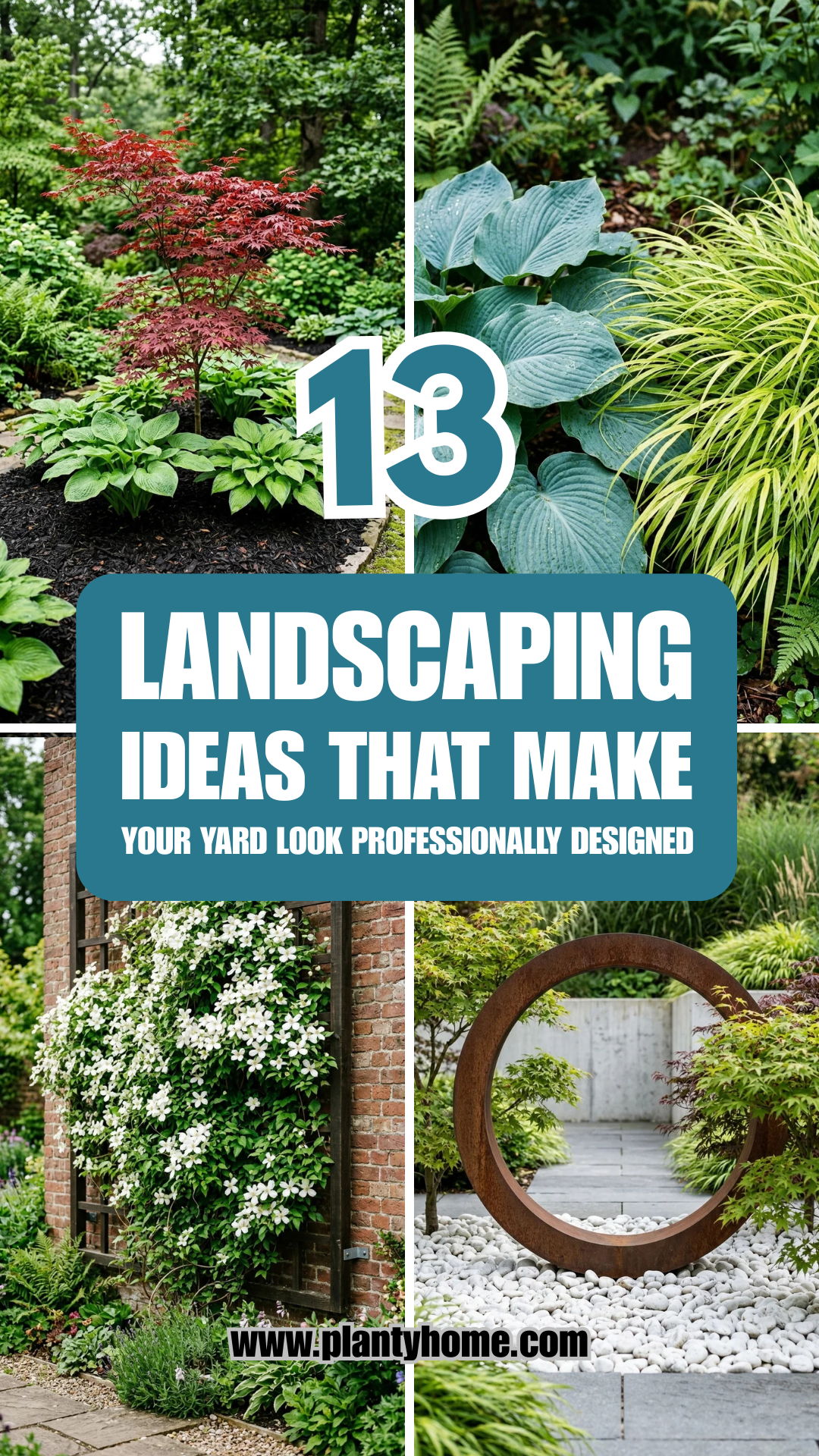
Achieving a professional-grade landscape is less about the size of your budget and more about the precision of your execution. Professional landscapers operate on principles of design—balance, focal points, rhythm, and scale—to transform a standard yard into an outdoor sanctuary. By implementing strategic elements that provide structure and visual interest throughout the seasons, you can elevate your property’s curb appeal and functional value.
Here are 13 landscaping ideas that will give your yard that polished, expertly designed aesthetic.
1. Layered Planting
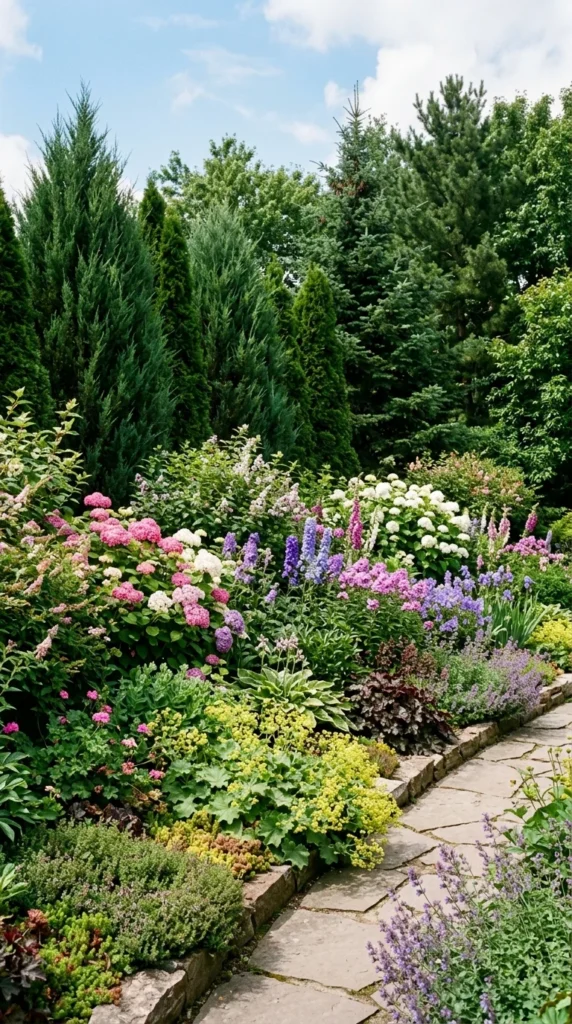
One of the most common mistakes DIY landscapers make is planting in a single, flat row. Professionals use “layering” to create depth and a sense of abundance. This technique involves organizing plants by height: placing tall trees or large evergreens at the back, mid-sized shrubs in the center, and low-growing perennials or groundcovers at the front.
To execute this properly:
- Vary the Textures: Mix fine-textured plants (like ornamental grasses) with bold-textured ones (like hostas or hydrangeas).
- Stagger the Placement: Avoid straight lines within the layers; instead, use a “zigzag” pattern to make the bed look fuller and more natural.
- Maintain Year-Round Structure: Ensure at least 30% of your layers are evergreen so the yard doesn’t look empty in winter.
2. Edge Definition
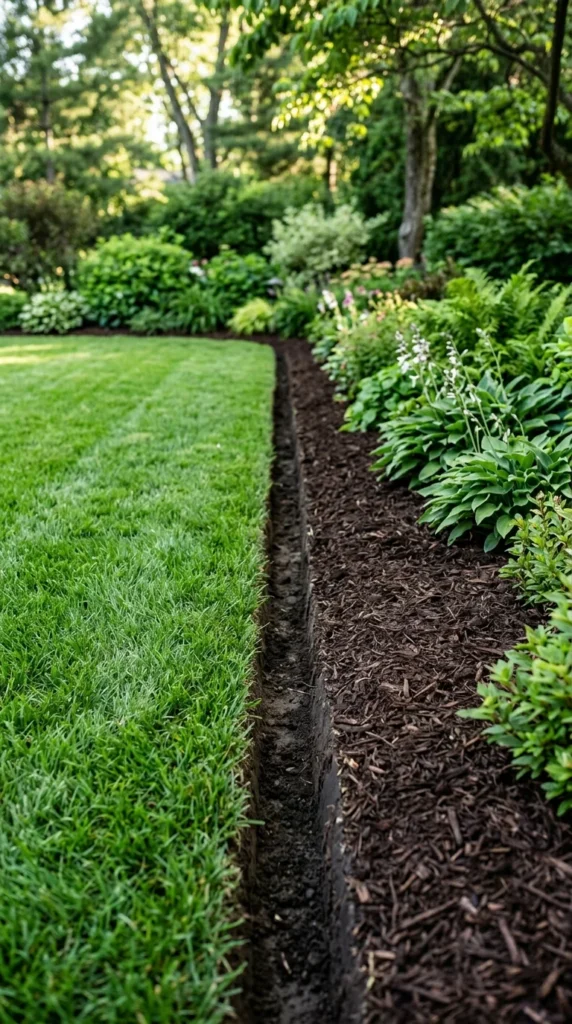
Nothing screams “professional” like a clean, sharp edge. Defined borders separate the lawn from garden beds, preventing grass from encroaching on your plants and providing a high-contrast visual break. While plastic edging is common, professionals often prefer a “Victorian” or “natural” edge—a deep, hand-cut trench that creates a shadow line.
For a high-end look:
- Use a Spading Fork or Edger: Cut a 3- to 4-inch deep vertical trench between the grass and the mulch.
- Maintain the Line: Re-cut the edges twice a year to keep them looking sharp.
- Consider Hard Edging: If you prefer a permanent solution, use steel, brick, or cobblestone set in a concrete haunch for a timeless finish.
3. Hardscape Paths
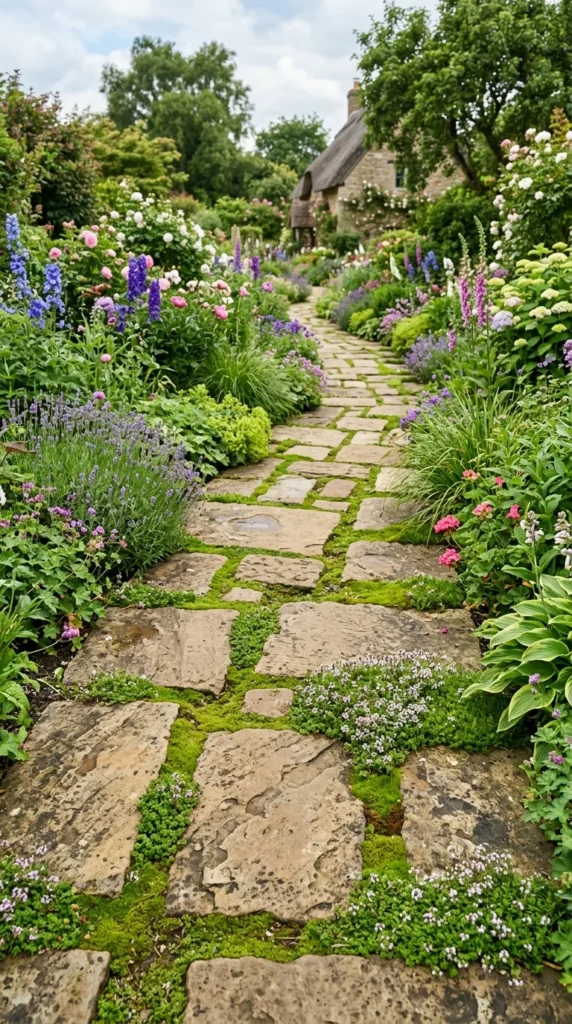
Hardscaping provides the “bones” of a landscape. A well-placed path does more than lead people from point A to point B; it directs the eye and creates a journey through the garden. Professionals use materials that complement the architecture of the home to create a cohesive look.
Key considerations for paths:
- Material Choice: Use natural stone, pavers, or crushed gravel. Avoid poured concrete if you want a high-end, organic feel.
- Meandering Curves: Instead of a straight line, incorporate gentle curves to encourage a slower pace and make the space feel larger.
- Scale: Ensure paths are wide enough for two people to walk side-by-side (typically 36 to 48 inches).
4. Focal Points
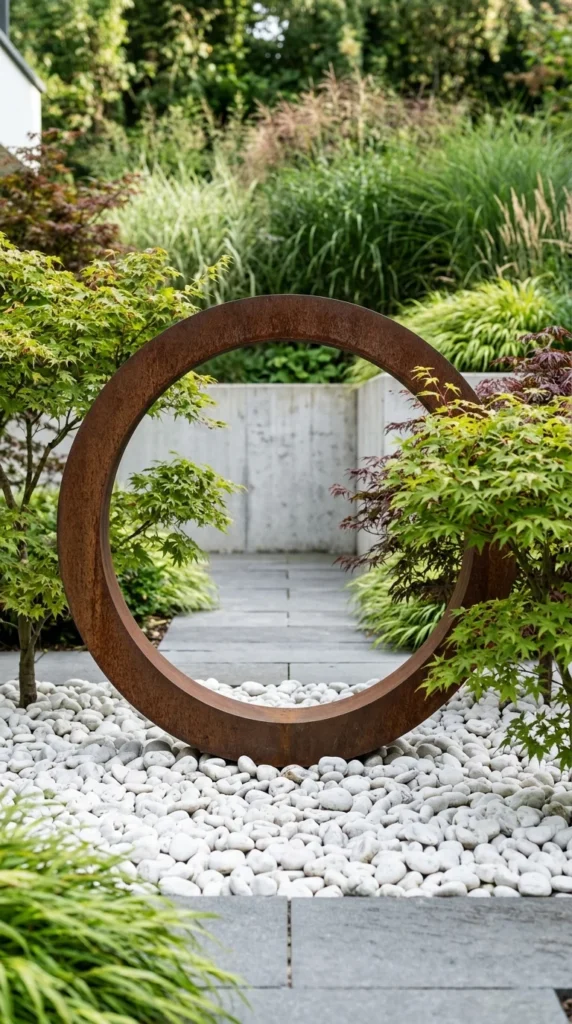
A yard without a focal point can feel chaotic. Professional designs always feature a “destination for the eye.” This could be a specimen tree, a piece of art, a large urn, or a structural element like a pergola.
How to place a focal point:
- The Rule of One: Do not overcrowd the yard with too many competing features. Choose one primary focal point per “room” of the yard.
- Sightlines: Place the focal point where it can be seen from a window inside the house or from the main entrance of the garden.
- Lighting: Always highlight your focal point with a dedicated spotlight to maintain the design’s impact after dark.
5. Ambient Lighting
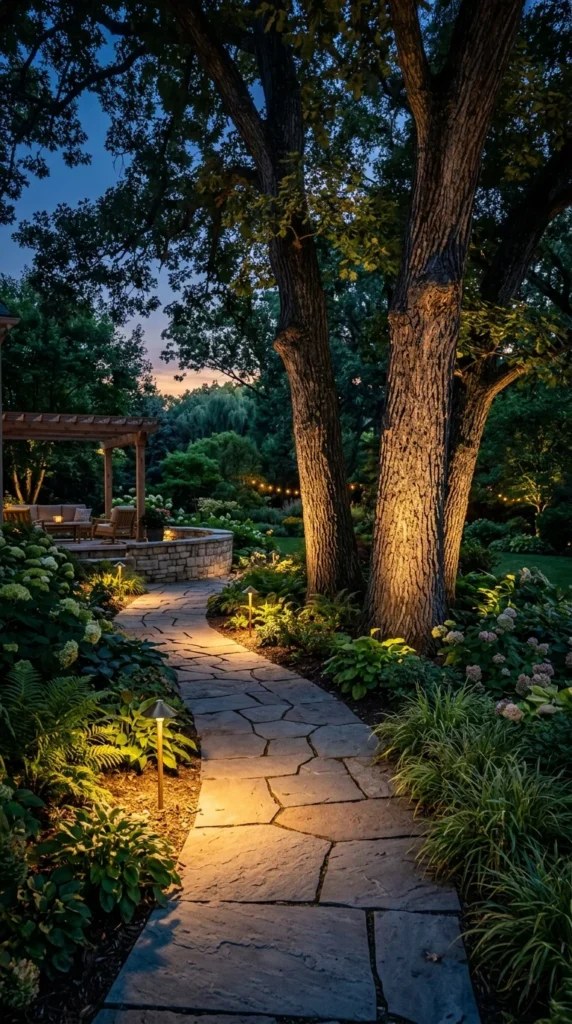
Landscape lighting is the secret weapon of professional designers. It extends the usability of the space and adds a layer of luxury that is impossible to achieve with daylight alone. The key is subtlety—avoid “runway” lighting where every path light is in a straight line.
Professional techniques include:
- Uplighting: Placing lights at the base of trees or architectural features to highlight texture and height.
- Moonlighting: Placing fixtures high in trees to cast a soft, filtered glow downward.
- Silhouetting: Lighting a wall behind a plant with a striking shape to create a dark outline.
6. Color Palettes
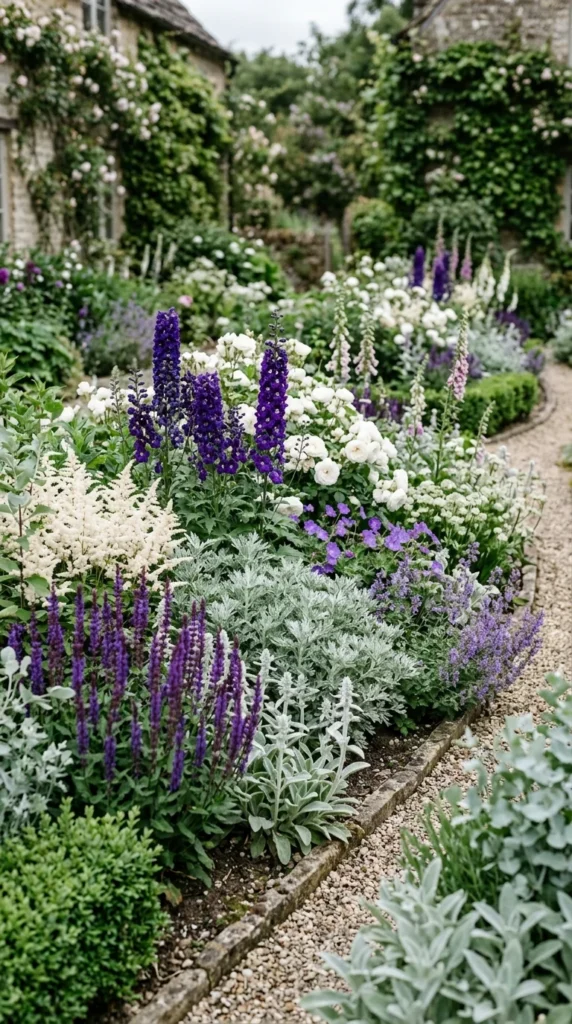
Professional landscapes rarely feature a “jumble” of every color available at the nursery. Instead, they rely on a curated color palette that evokes a specific mood. Whether it’s a “cool” palette of blues, purples, and silvers or a “warm” palette of reds, oranges, and yellows, consistency is key.
To design with color:
- Repeat Colors: Use the same 3-5 colors throughout the entire landscape to create a sense of rhythm and unity.
- Consider Foliage: Remember that flowers are temporary, but foliage is permanent. Use variegated leaves or burgundy foliage to provide color even when nothing is in bloom.
- Match the House: Choose colors that complement your home’s exterior paint and stone.
7. Natural Stone
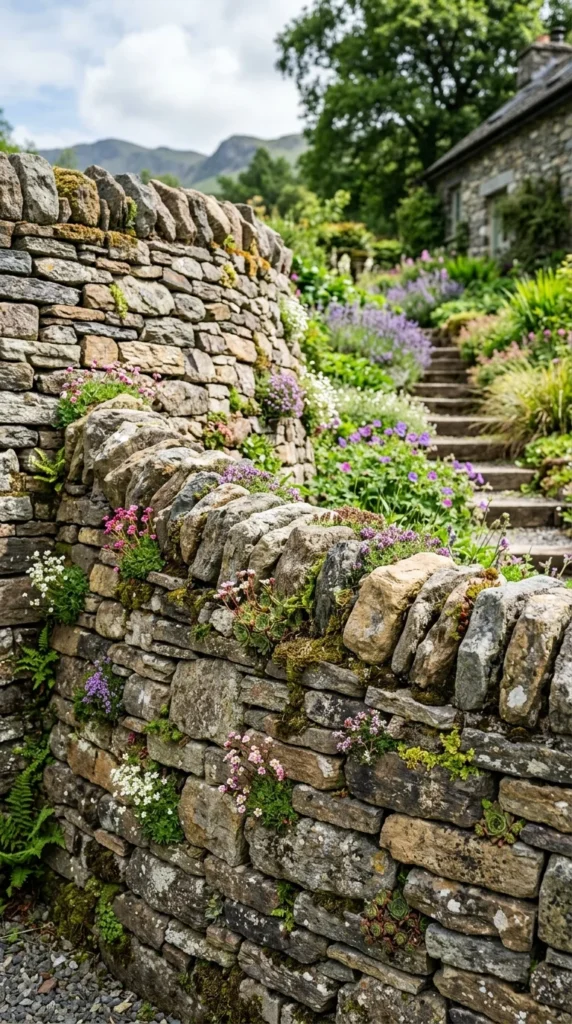
Incorporating natural stone adds an element of permanence and organic beauty that synthetic materials cannot replicate. Professionals use stone for retaining walls, boulder outcroppings, and decorative accents to mimic natural geological formations.
Tips for using stone:
- Local Sourcing: Use stone that is native to your region so it looks like it belongs in the environment.
- Boulder Placement: When placing large boulders, “bury” the bottom third in the ground. This makes them look like they are part of the earth rather than just dropped on top of it.
- Dry-Stack Look: Even if using mortar, try to achieve a “dry-stack” appearance for a more rustic and high-end feel.
8. Water Features
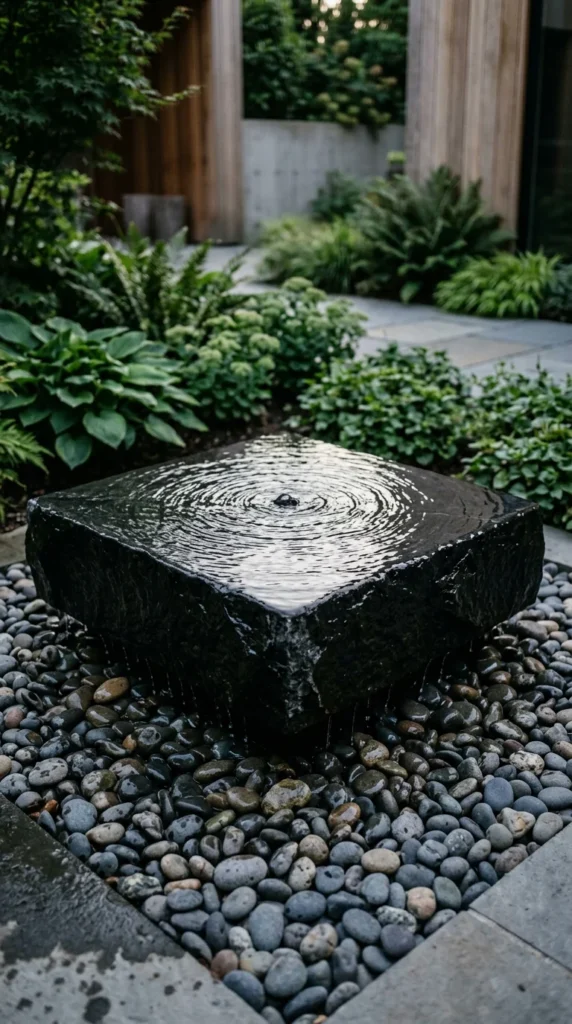
The sound of moving water masks neighborhood noise and adds a sensory layer to the garden. Professional water features are often integrated into the landscape so they look like they’ve always been there, rather than appearing as an afterthought.
Modern water feature ideas:
- Basalt Columns: Bubbling rocks that take up very little space but provide significant visual and auditory impact.
- Pondless Waterfalls: These provide the sight and sound of a waterfall without the maintenance of a standing pond.
- Formal Reflecting Pools: Best for modern or traditional gardens, these offer a sense of stillness and luxury.
9. Vertical Elements
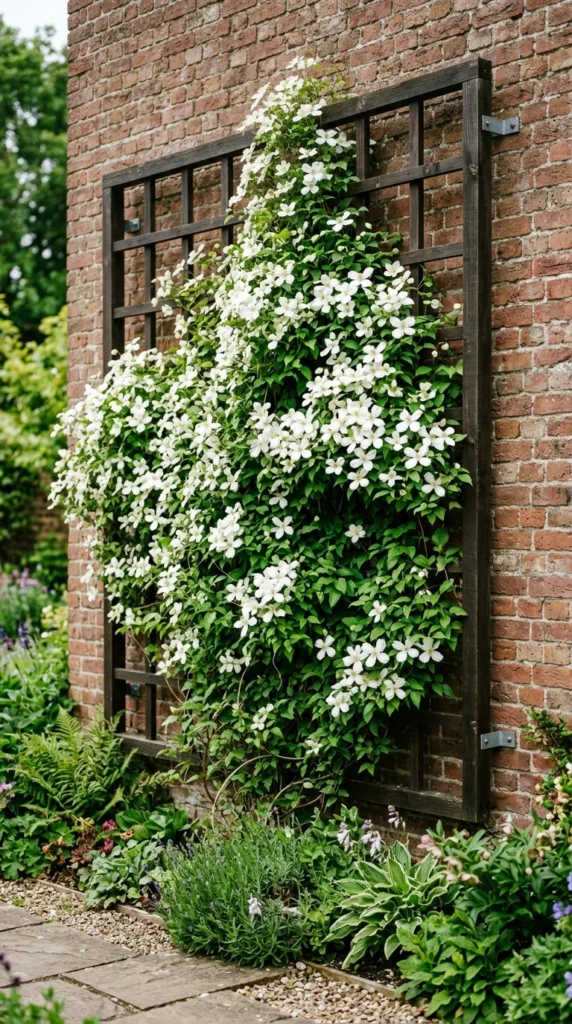
Landscaping isn’t just about the ground; it’s about the entire volume of the space. Professionals use vertical elements to provide privacy, hide eye-sores, and draw the eye upward. This is particularly important in small yards where floor space is limited.
Ways to add height:
- Arbors and Trellises: Perfect for supporting climbing roses, wisteria, or ivy.
- Columnar Trees: Use narrow, upright trees (like Sky Pencil Hollies or Italian Cypresses) to create “pillars” of green.
- Living Walls: A vertical garden system can transform a boring fence into a lush, green masterpiece.
10. Mulch Application
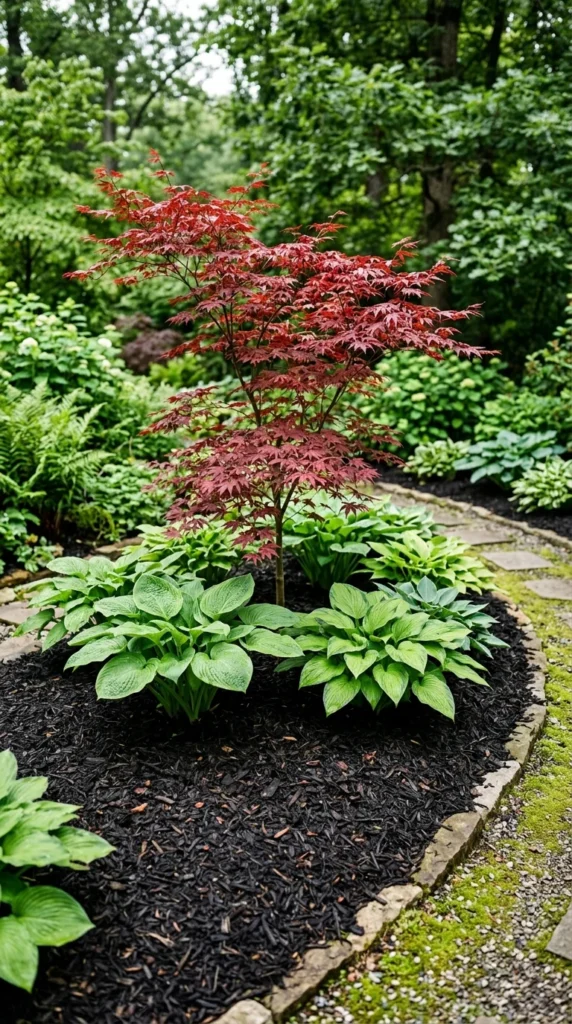
Mulch is the “mascara” of the garden. It hides imperfections, retains moisture, and provides a uniform backdrop that makes plant colors pop. Professionals never leave soil exposed, as it leads to weeds and looks unfinished.
Mulching like a pro:
- Color Choice: Stick to dark brown or black natural hardwood mulch. Avoid “red” dyed mulch, which can look artificial and distract from the plants.
- Depth: Apply a consistent 2- to 3-inch layer. Any thinner won’t suppress weeds; any thicker can suffocate plant roots.
- The “Donut” Rule: Never pile mulch against tree trunks (the “mulch volcano”). Leave a few inches of space around the base of plants to prevent rot.
11. Symmetrical Balance
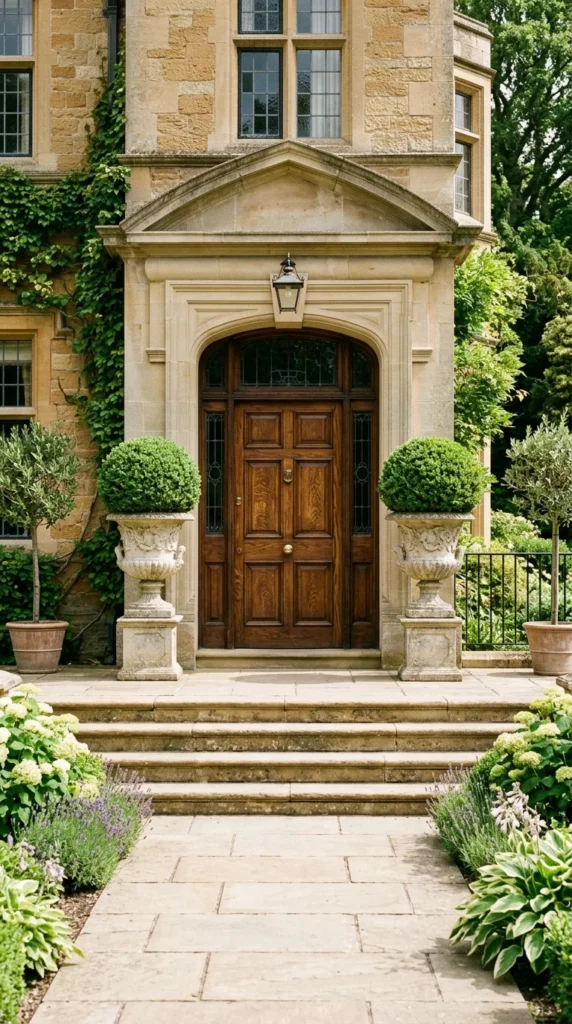
Symmetry is a hallmark of traditional and formal landscape design. It creates an immediate sense of order and prestige. This is most effective at entryways or along main axes of the property.
Achieving symmetry:
- Mirror Images: Use identical plants and containers on either side of a doorway or gate.
- Geometric Shapes: Use clipped hedges (like boxwoods or privets) to create clean lines and frames.
- Focal Alignment: Ensure the center of your symmetrical arrangement aligns perfectly with the architectural center of the house.
12. Texture Contrast
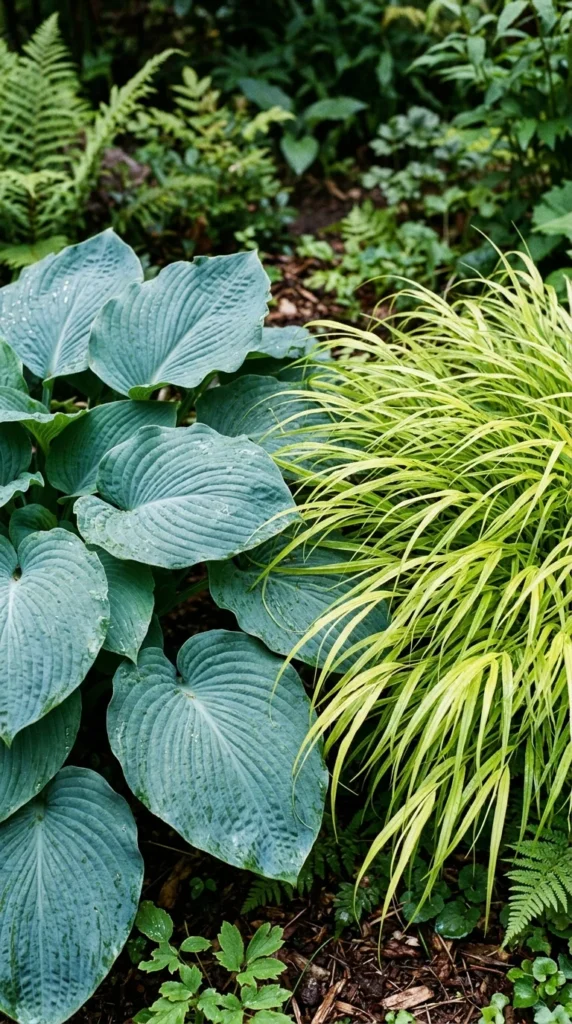
A professional yard feels “rich” because of its varied textures. By contrasting different leaf shapes and sizes, you create visual interest that lasts long after flowers have faded.
How to mix textures:
- Bold and Fine: Pair large-leafed plants (like Elephant Ears) with fine-textured plants (like Ferns).
- Soft and Spiky: Place soft, mounded grasses next to structural, spiky plants like Yucca or Agave.
- Matte and Glossy: Mix plants with waxy, shiny leaves with those that have fuzzy or matte surfaces.
13. Integrated Seating
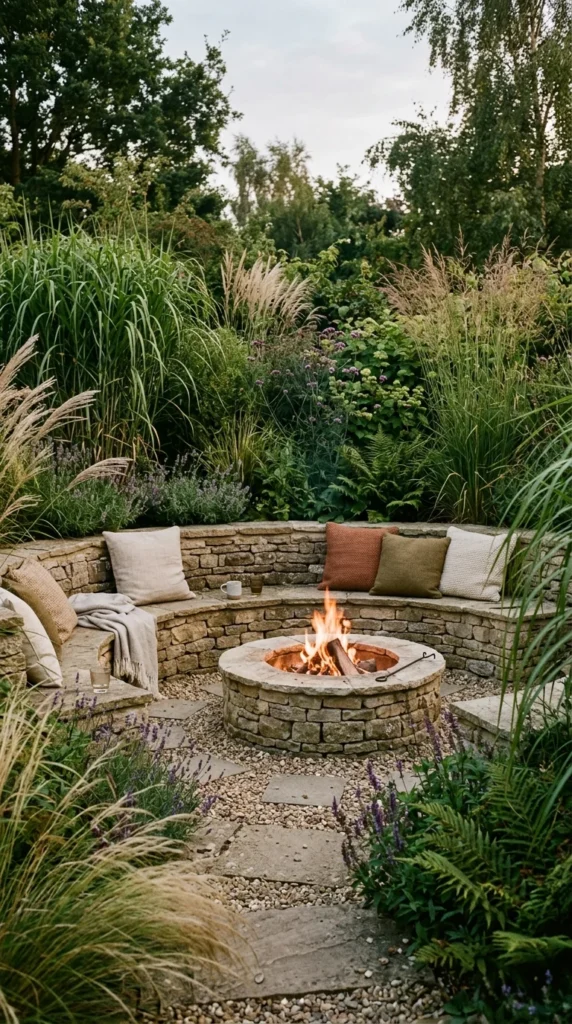
A yard should be lived in, not just looked at. Professionals integrate seating directly into the landscape design rather than just placing a plastic chair on the grass. Built-in elements make the yard feel like an extension of the home’s interior.
Creative seating ideas:
- Retaining Wall Benches: Top a low stone wall with a flat capstone to create a “seat wall.”
- Sunken Fire Pits: Create a designated “conversation zone” by lowering the grade and installing permanent seating.
- Garden Benches: Place a high-quality wooden or stone bench at the end of a path to create a quiet spot for reflection.