The journey of indoor gardening is often a transformative experience, turning a living space into a sanctuary of oxygen and aesthetics. However, the transition from a casual admirer to a successful plant parent is frequently paved with unintentional errors. Many houseplant owners, despite their best intentions, find their greenery wilting or losing its luster. Most of these issues do not stem from a lack of care, but rather from a misunderstanding of a plant’s specific biological needs. To ensure your indoor jungle thrives rather than merely survives, it is crucial to recognize and rectify the common pitfalls that hinder plant health.
1. Overwatering
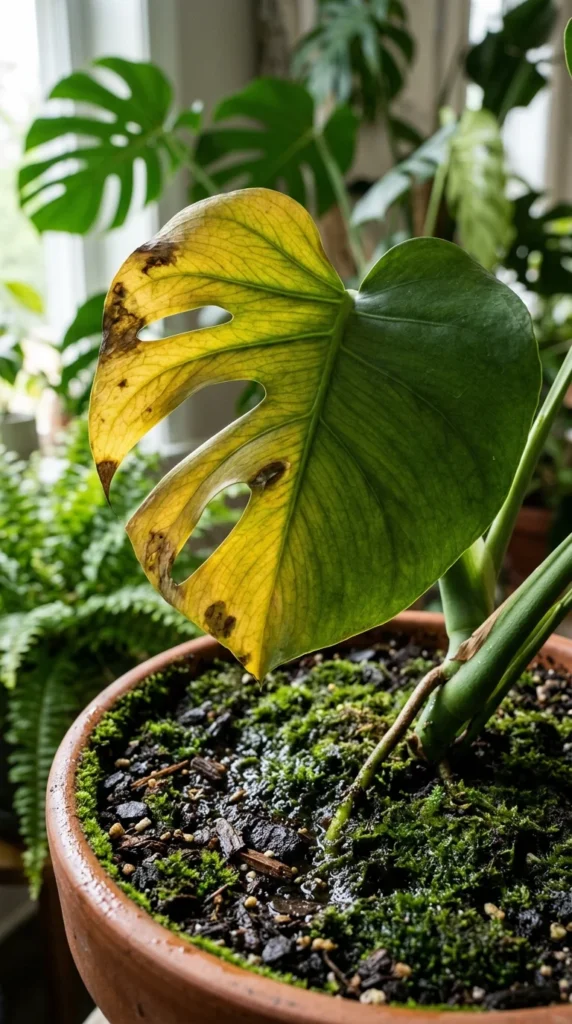
Overwatering is the primary cause of houseplant mortality. While it feels like an act of love, excessive water fills the air pockets in the soil, effectively drowning the roots. When roots cannot “breathe,” they begin to rot, a condition known as root rot. This fungal decay prevents the plant from absorbing nutrients, leading to yellowing leaves and a mushy stem.
To avoid this, always check the soil moisture before reaching for the watering can. Most plants prefer the top inch or two of soil to dry out completely. Investing in a moisture meter or simply using your finger can save a plant from a watery grave.
2. Lighting
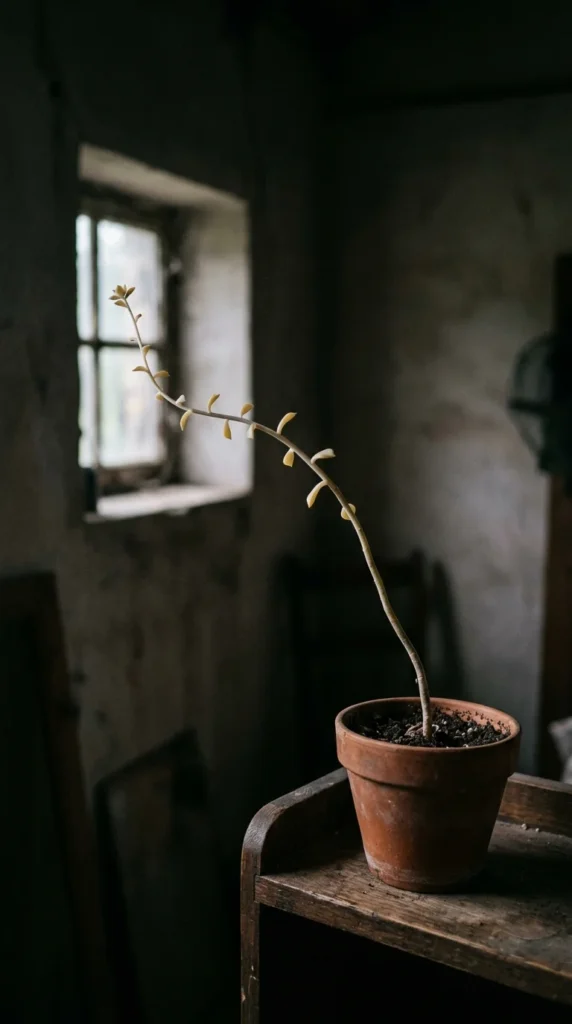
Many owners treat plants as static decor, placing them in corners where they look best rather than where they can actually photosynthesize. Placing a high-light plant, like a Fiddle Leaf Fig, in a dark hallway leads to “leggy” growth—where the plant stretches toward the light—and eventually, leaf drop. Conversely, placing low-light plants like Calatheas in direct, harsh sunlight can scorch their delicate foliage.
Understand the difference between direct, bright indirect, and low light. Observe how the sun moves through your home throughout the day before deciding on a permanent spot for your green companions.
3. Drainage
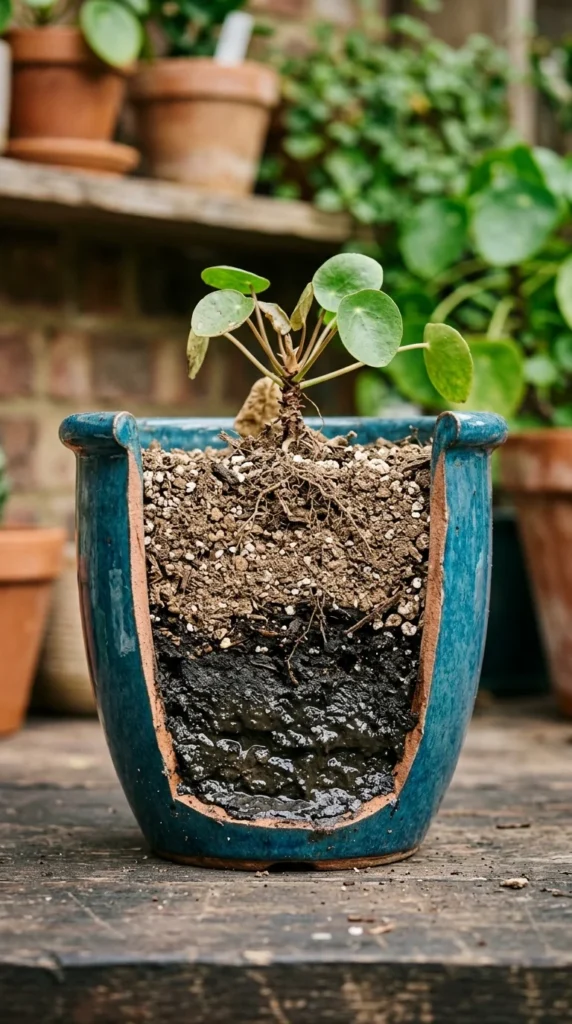
A pot without drainage holes is a trap for stagnant water. Even if you water sparingly, the liquid eventually collects at the bottom of the pot, creating a anaerobic environment that invites pathogens. Many decorative “cachepots” lack drainage.
The professional approach is to keep the plant in a plastic nursery liner with holes and place that liner inside the decorative pot. This allows you to remove the plant for watering and ensures that excess moisture can escape freely.
4. Humidity
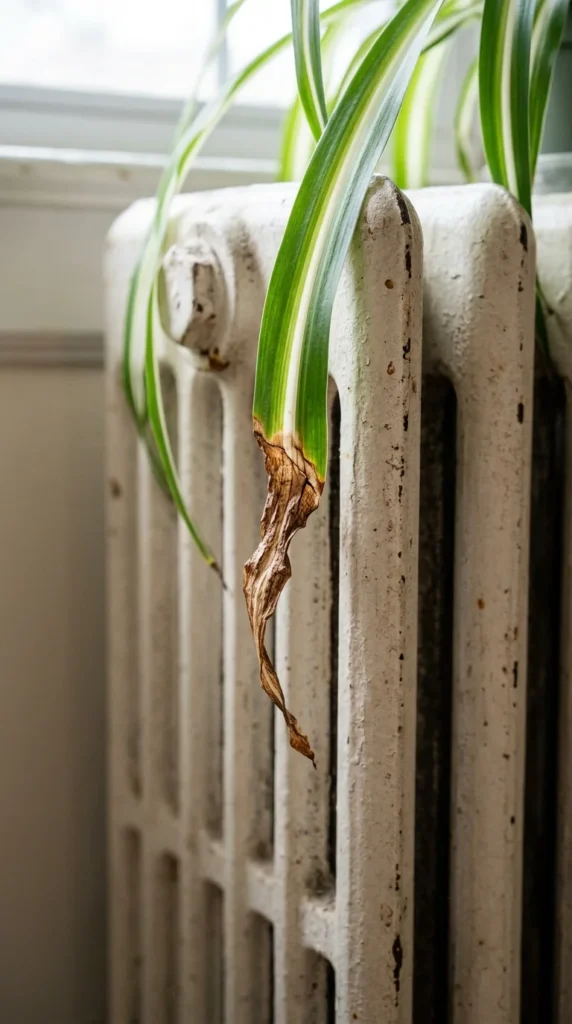
Most popular houseplants originate from tropical rainforests where humidity levels rarely drop below 60%. Most modern homes, especially during winter when heaters are active, have humidity levels closer to 10-20%. This dry air sucks moisture out of the leaves faster than the roots can replace it, resulting in brown, crispy leaf tips.
Avoid placing plants near heaters or air conditioning vents. Using a humidifier, grouping plants together to create a microclimate, or placing pots on a tray filled with pebbles and water can significantly improve local humidity.
5. Fertilizer
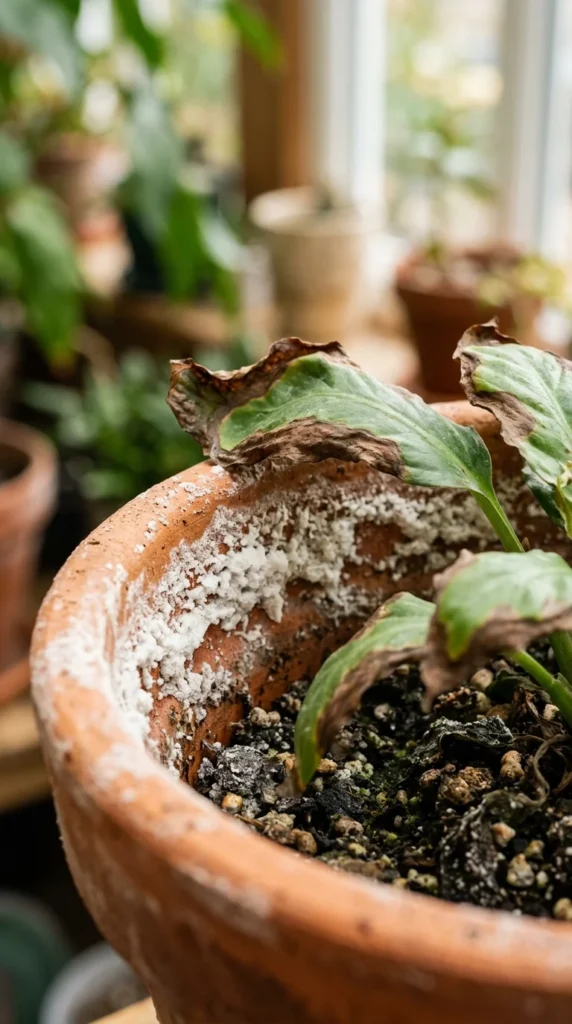
More fertilizer does not equal faster growth. In fact, over-fertilizing is far more dangerous than under-fertilizing. Excess synthetic salts can build up in the soil, effectively “burning” the roots and preventing them from taking up water. This often manifests as scorched leaf margins or a white crust on the soil surface.
Only fertilize during the active growing season (spring and summer) and always follow the “less is more” rule. Diluting fertilizer to half the recommended strength is a safe way to provide nutrients without risking chemical burn.
6. Dust
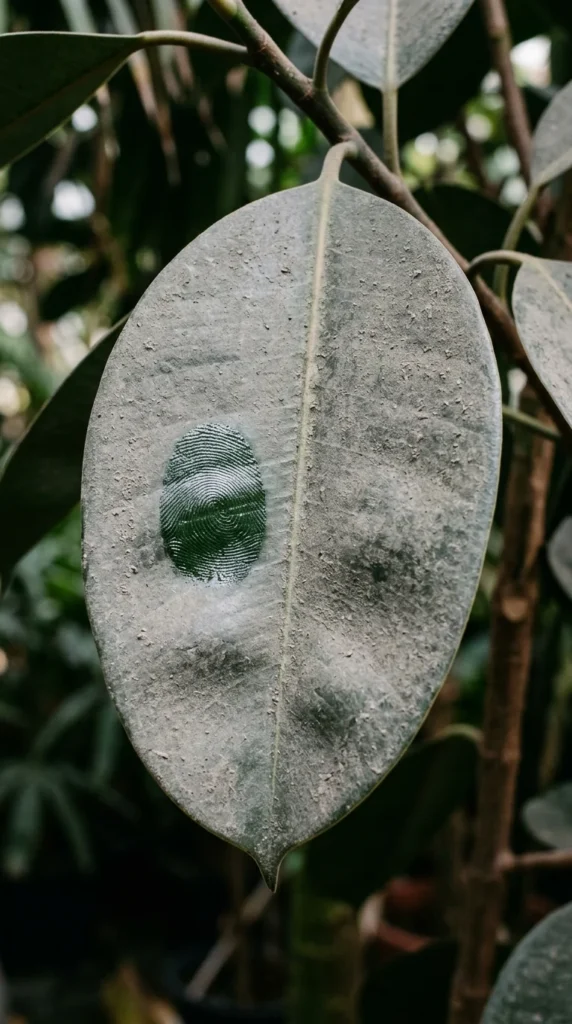
Leaves are the solar panels of a plant. When dust accumulates on the surface, it physically blocks sunlight and clogs the stomata (pores), hindering both photosynthesis and respiration. A dusty plant is essentially a starving plant.
Make it a habit to wipe down large leaves with a damp cloth every few weeks. For plants with smaller foliage, a gentle lukewarm shower in the sink can wash away dust and help discourage pests like spider mites.
7. Drafts
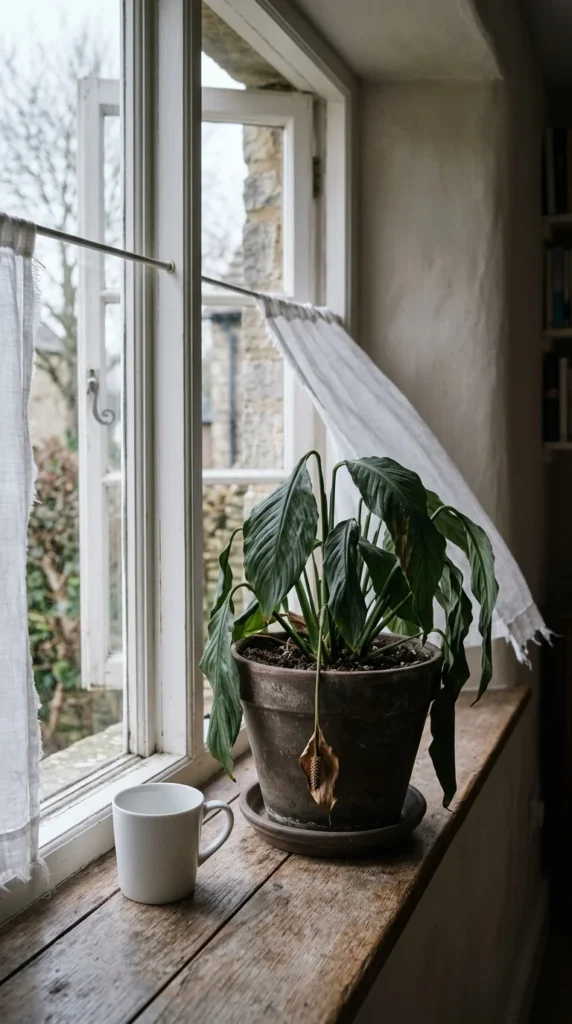
Plants crave stability. Rapid fluctuations in temperature caused by drafty windows, doors, or HVAC vents can shock a plant’s system. Tropical plants are particularly sensitive to cold “shocks,” which can cause sudden leaf drop or wilting even if the soil is perfectly moist.
Ensure your plants are placed away from high-traffic doorways or any appliance that blows hot or cold air directly onto them. If you feel a chill, your plant likely does too.
8. Soil
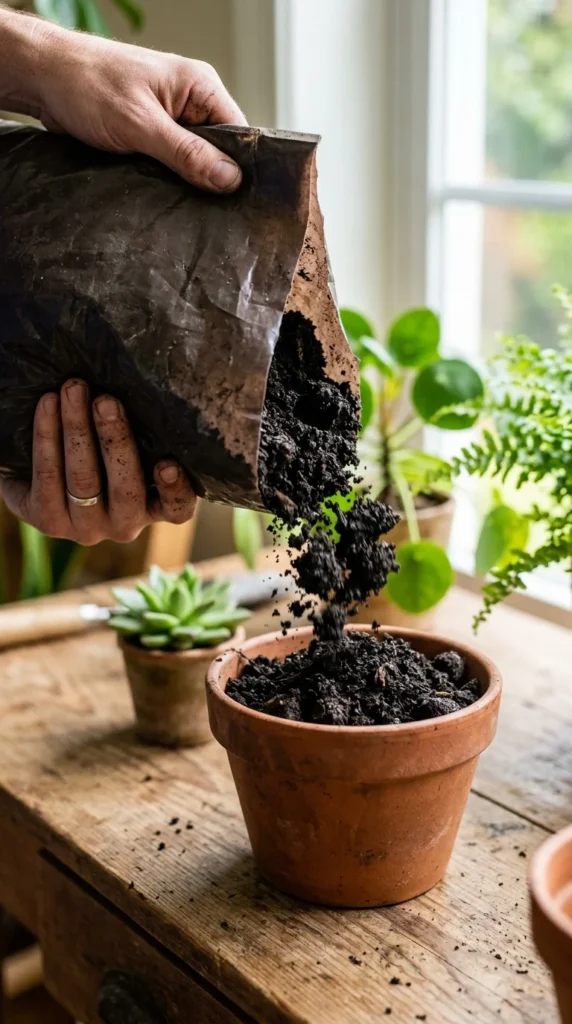
Using garden soil for indoor pots is a recipe for disaster. Garden soil is too heavy and dense for container life; it becomes compacted quickly, crushing delicate roots and holding far too much moisture. Furthermore, outdoor soil can introduce pests and pathogens into your home environment.
Always use a high-quality “soilless” potting mix. These mixes usually contain peat moss or coco coir for moisture retention and perlite or vermiculite for aeration, providing the perfect balance for indoor root systems.
9. Potting
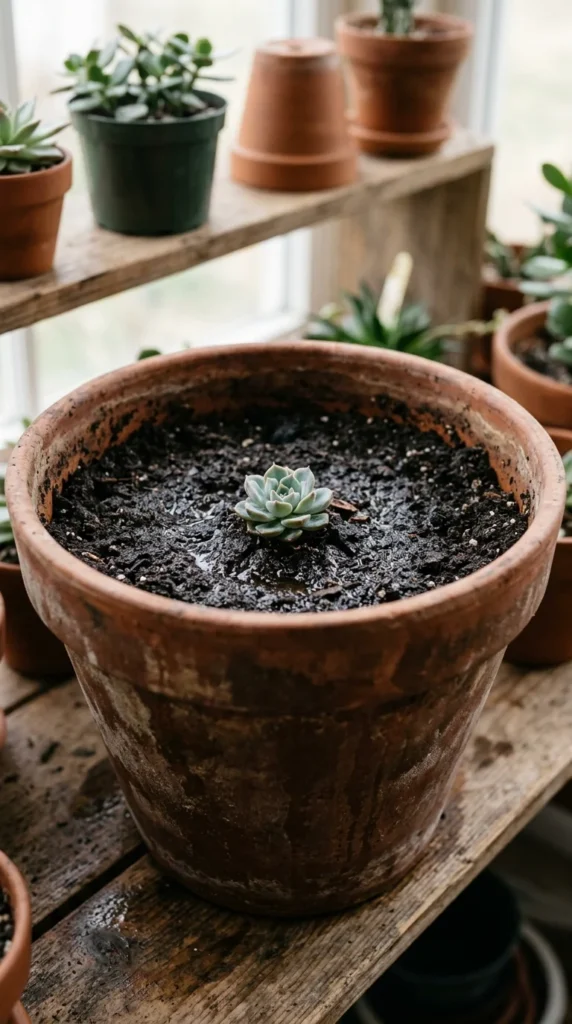
Choosing a pot that is too large—often called “up-potting” too aggressively—is a common mistake. A small plant in a massive pot will be surrounded by a large volume of soil that stays wet for far too long, as the roots aren’t extensive enough to drink all that water. This leads to the same issues as overwatering.
When repotting, only move up one size (about 1–2 inches in diameter larger than the current pot). This ensures the plant has room to grow without being overwhelmed by excess moisture.
10. Pests
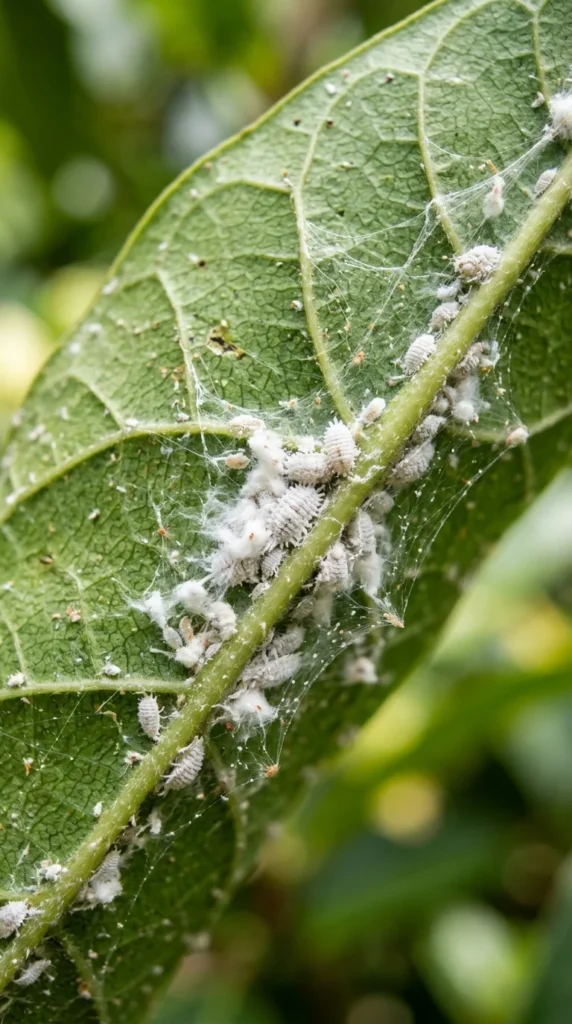
Ignoring the early signs of pests can lead to an infestation that is difficult to control. Pests like fungus gnats, mealybugs, and spider mites thrive in the controlled environment of a home. Often, by the time an owner notices a problem, the plant is already severely weakened.
Inspect your plants weekly. Look under leaves and at the junctions of stems. Catching a few aphids early is easy to manage with neem oil or insecticidal soap; catching them after they’ve spread to your entire collection is a nightmare.
11. Water Quality
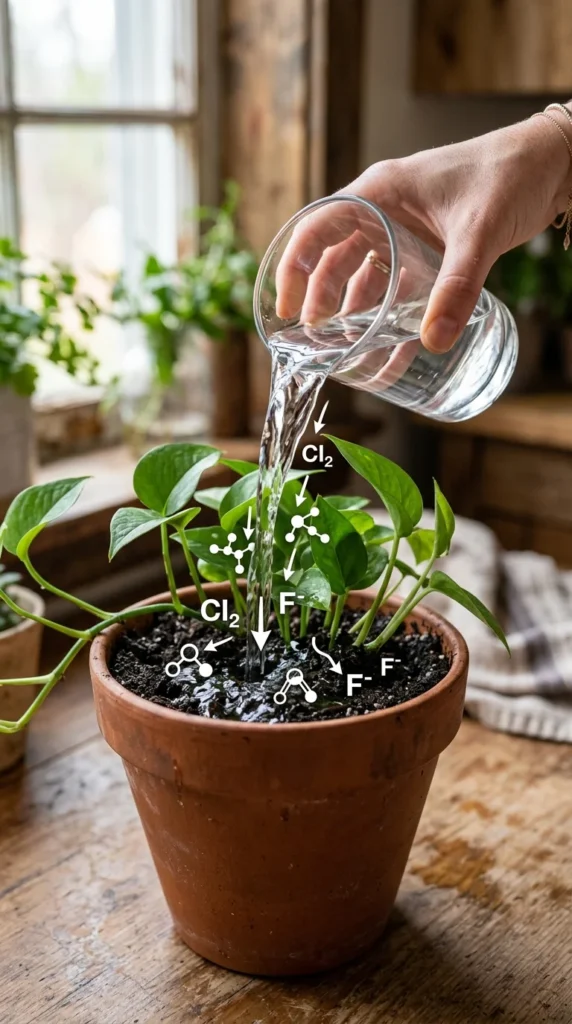
Not all water is created equal. Many municipalities treat tap water with chlorine, fluoride, and salts that certain sensitive plants (like Dracaenas or Calatheas) cannot tolerate. These chemicals accumulate in the leaf tips, causing them to turn brown or spotted.
If your plants are struggling despite perfect watering habits, try using filtered water, rainwater, or distilled water. Alternatively, let tap water sit out for 24 hours to allow some of the chlorine to dissipate before using it.
12. Timing
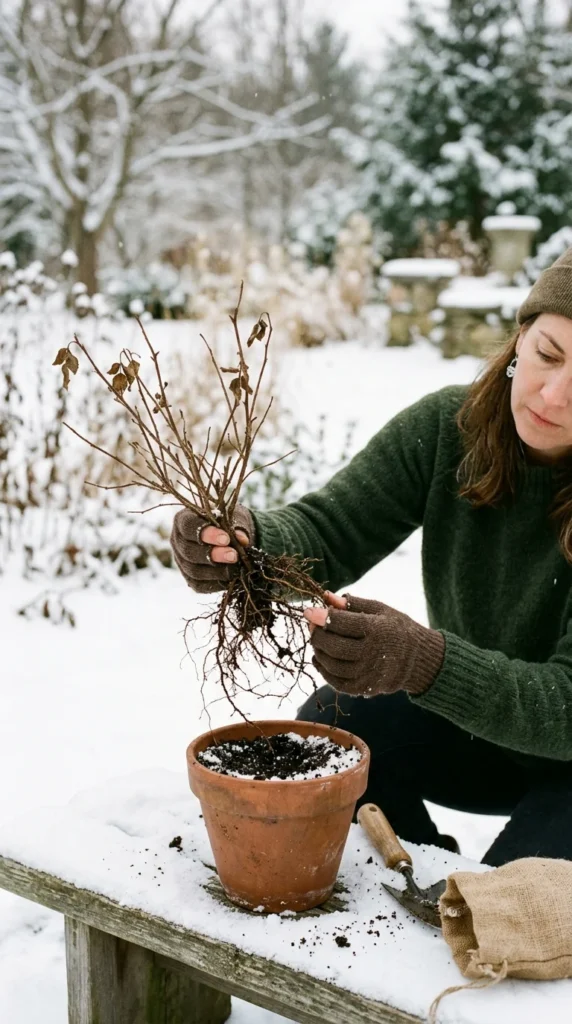
Repotting a plant while it is dormant (usually in winter) can cause unnecessary stress and transplant shock. During the darker months, plants slow down their metabolic processes and do not have the energy to grow into new soil or repair damaged roots.
The best time to repot or take cuttings is in the early spring. This aligns with the plant’s natural surge of energy, allowing it to recover quickly and take advantage of the upcoming growing season.
13. Misting
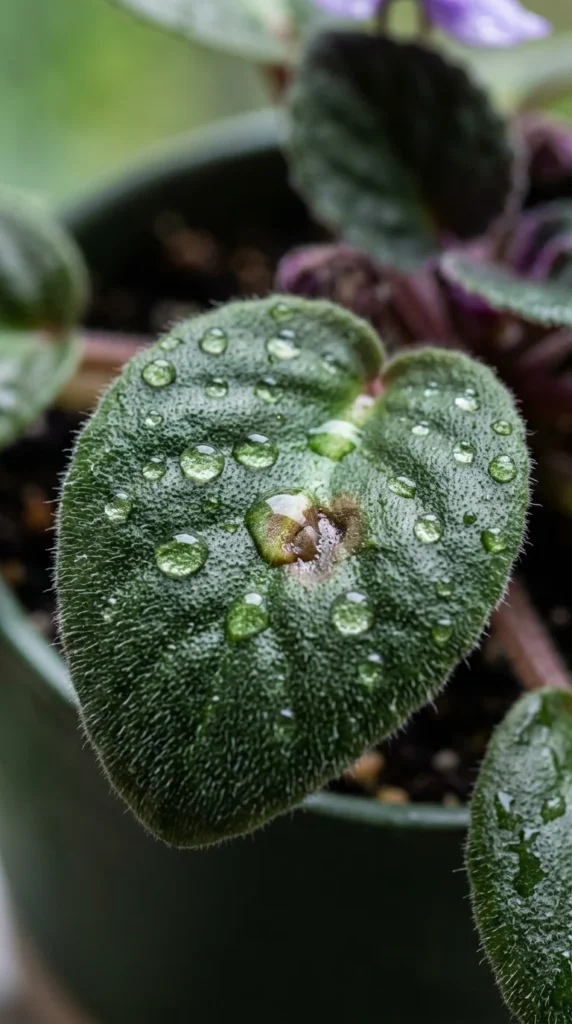
While misting is often recommended to increase humidity, it is frequently ineffective and can even be harmful. Misting only raises humidity for a few minutes. If done excessively, it leaves water sitting on foliage, which can encourage fungal and bacterial diseases, especially in plants with “hairy” leaves like African Violets.
Instead of misting, focus on more permanent humidity solutions like humidifiers. If you do mist, do it in the morning so the water has time to evaporate before the cooler night temperatures set in.
14. Quarantine
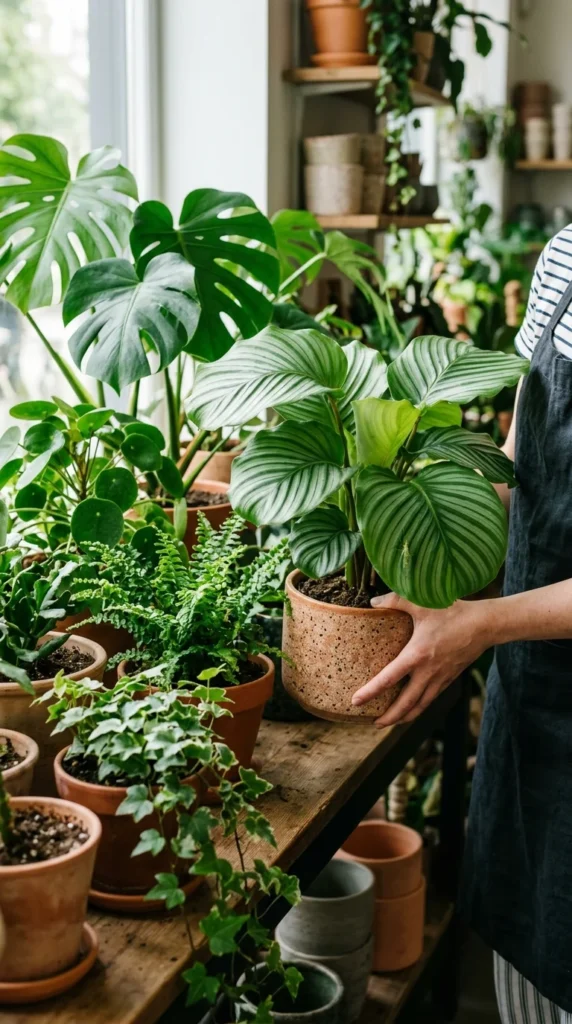
Bringing a new plant home and immediately placing it next to your established collection is a high-risk move. New plants can harbor “hitchhiker” pests or diseases that aren’t immediately visible.
Always quarantine a new plant in a separate room for at least two weeks. This observation period allows any hidden issues to manifest without risking the health of your entire indoor garden.
15. Seasonality
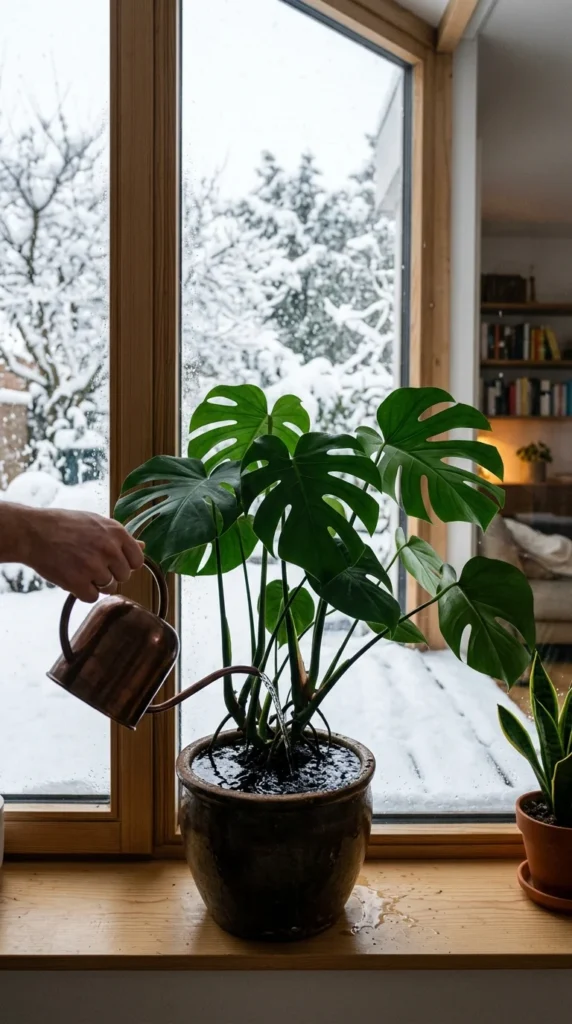
A plant’s needs change with the seasons. In the winter, because there is less light and lower temperatures, plants grow slower and require significantly less water and zero fertilizer. Many owners continue their summer watering schedule into the winter, leading to accidental overwatering.
Learn to read your plant’s seasonal cues. If the growth slows down, dial back your care routine accordingly. Your “active” care should mirror the plant’s active growth.
16. Pruning
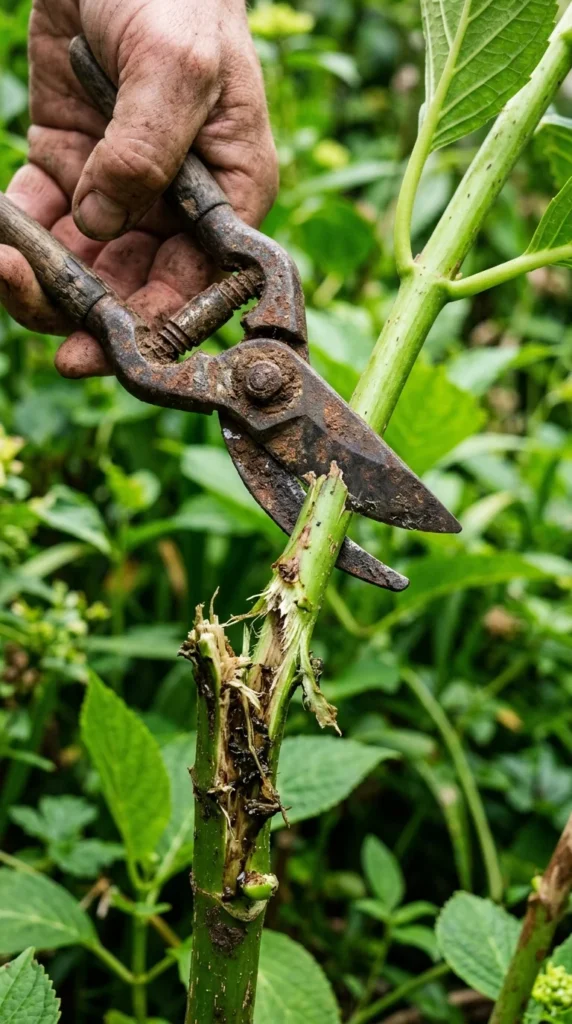
Pruning is essential for removing dead growth and encouraging bushier habits, but doing it incorrectly can introduce disease. Using dull or dirty scissors can crush stems and transfer bacteria from one plant to another.
Always use sharp, sterilized shears. A quick wipe with rubbing alcohol between plants ensures that you aren’t inadvertently spreading pathogens throughout your collection.
17. Placement
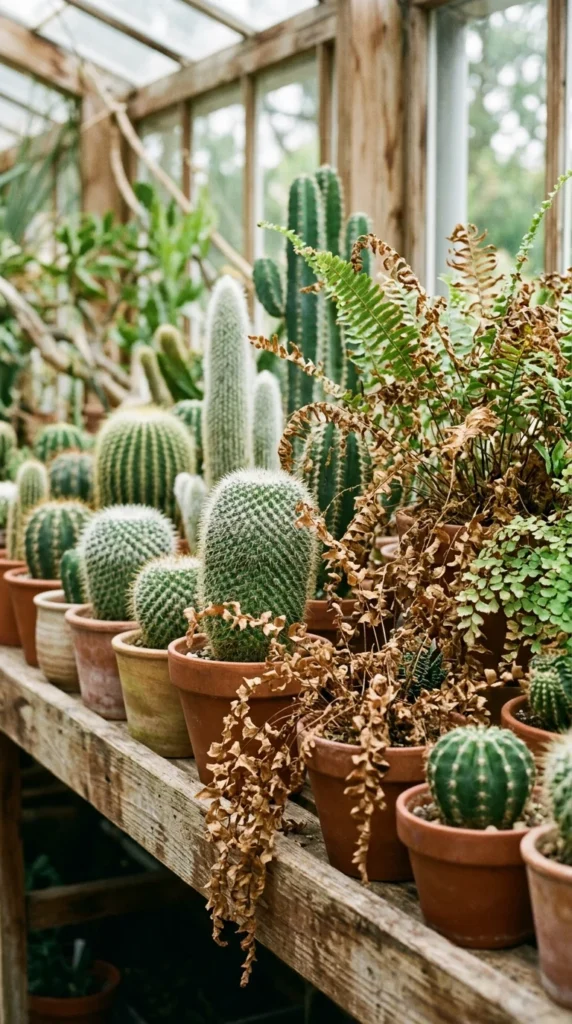
Grouping plants can help with humidity, but grouping the wrong plants can lead to care confusion. Putting a cactus (which needs dry air and desert conditions) next to a fern (which needs high humidity and constant moisture) makes it impossible to provide the ideal environment for both.
Group your plants by their environmental needs. Put your “humidity lovers” together near a humidifier and keep your succulents and cacti in the brightest, driest spots of your home.
18. Soil Check
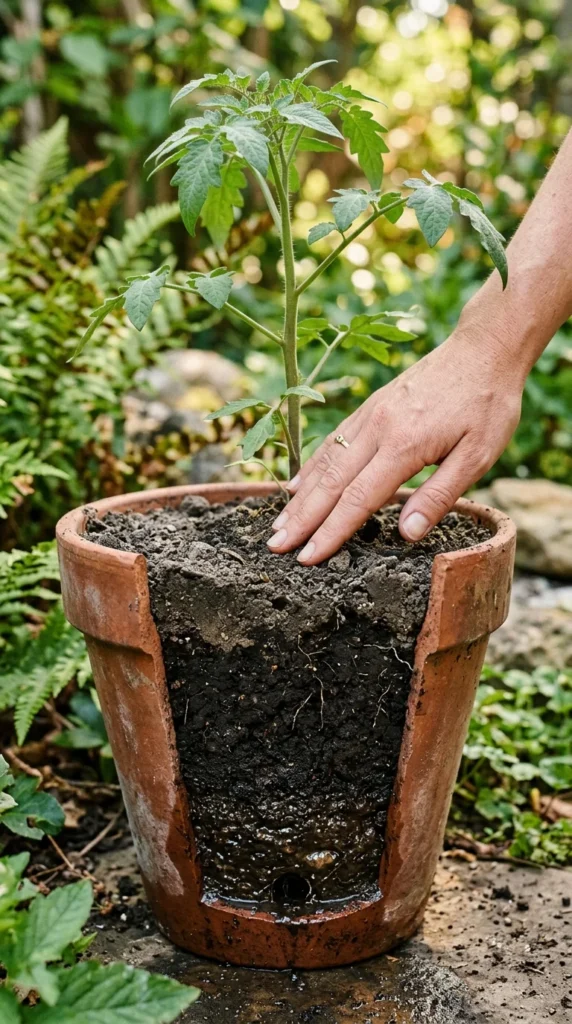
Relying solely on a visual inspection of the soil surface is a mistake. The top layer of soil dries out much faster than the root zone. Watering just because the surface looks pale can lead to a build-up of water at the bottom of the pot.
Always use the “finger test.” Insert your finger two inches into the soil. If it feels moist at that depth, the plant does not need water yet. This simple physical check is the most reliable tool in a plant owner’s arsenal.
19. Roots
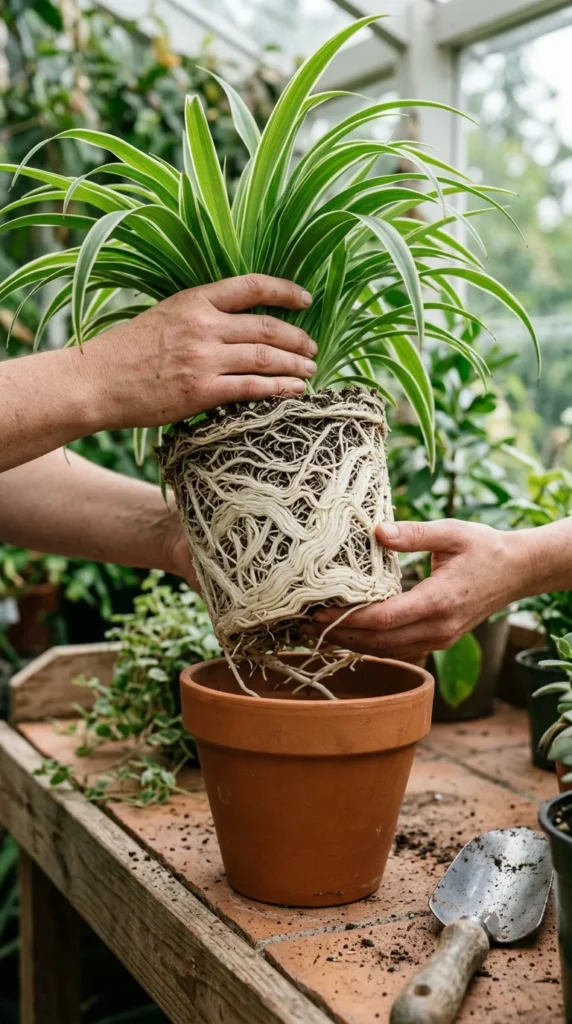
Many owners forget that the most important part of the plant is the part they cannot see. A “root-bound” plant has roots that have grown so much they’ve replaced most of the soil, leaving no medium to hold water or nutrients.
If your plant seems to dry out almost immediately after watering or if you see roots growing out of the drainage holes, it’s time to check the root ball. Gently sliding the plant out of its pot once a year to inspect the roots will tell you everything you need to know about its long-term health.