
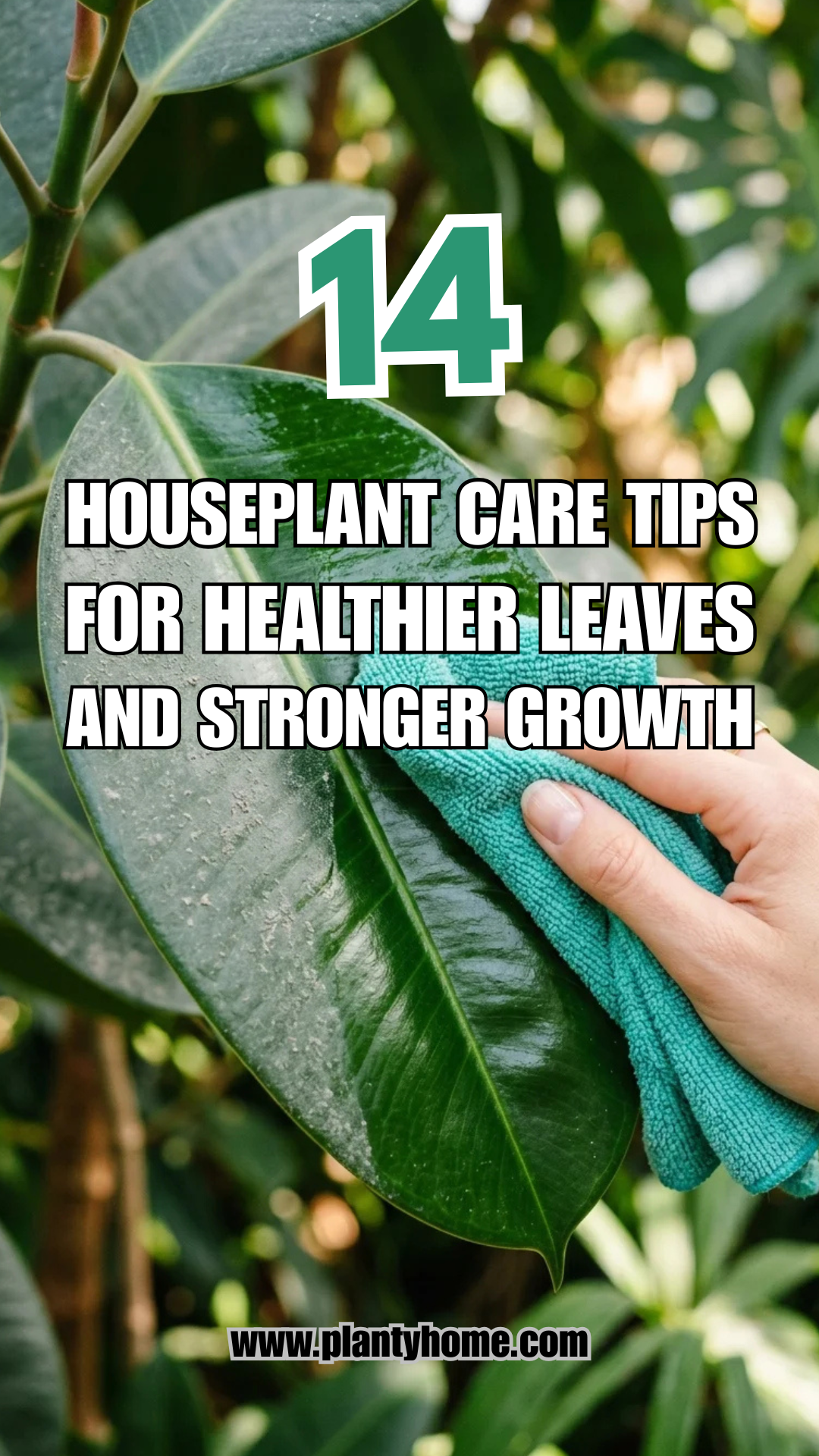
Cultivating a thriving indoor garden is both an art and a science. While many beginners view plant care as a simple matter of “water and light,” the reality of plant physiology requires a more nuanced approach. To transform a struggling collection of greenery into a vibrant, oxygen-producing sanctuary, one must understand the fundamental needs of tropical and temperate flora adapted for the home. The following guide provides professional-grade insights into optimizing your plant care routine for maximum leaf health and structural integrity.
1. Lighting
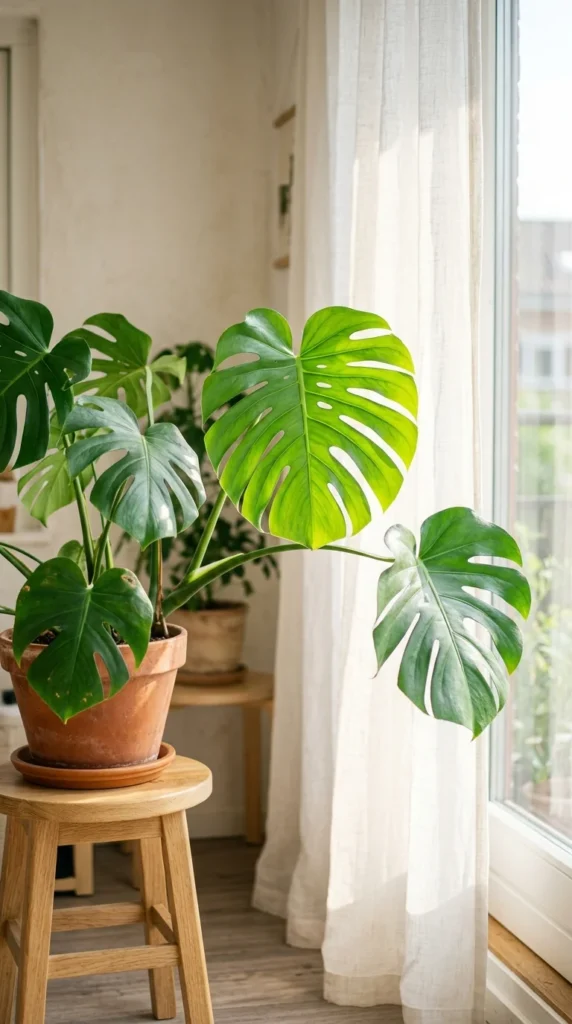
Lighting is the primary engine of photosynthesis. Without adequate light, plants cannot produce the energy required for new growth, often resulting in “leggy” stems or pale, small leaves. Understanding the difference between direct sunlight, bright indirect light, and low light is crucial. Most houseplants prefer bright indirect light, which mimics the dappled sunlight of a forest canopy. If your plant is leaning excessively toward a window, it is signaling a need for higher light intensity. Conversely, scorched brown patches on leaves often indicate sunburn from direct, unfiltered rays.
2. Watering
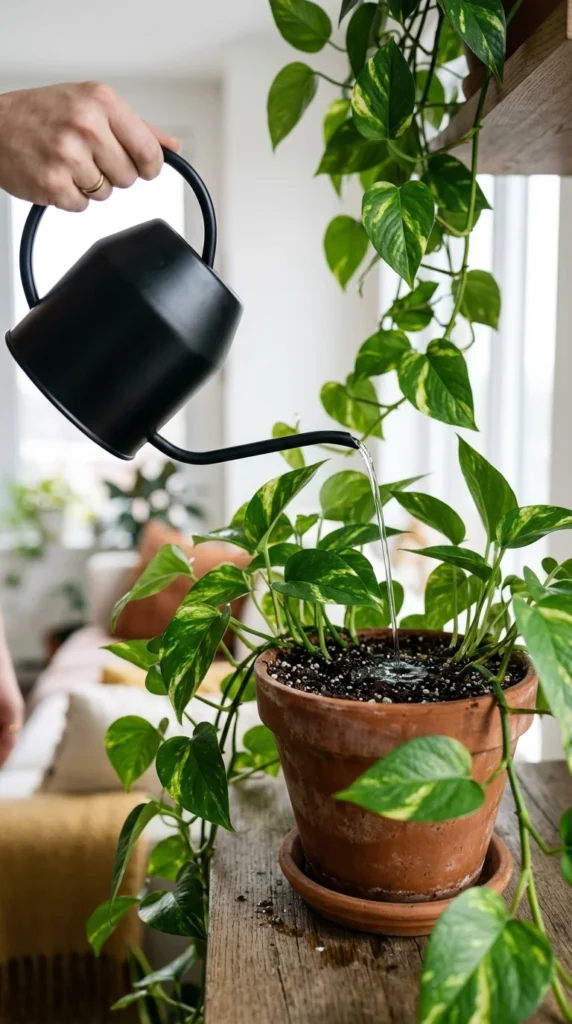
Overwatering is the most common cause of houseplant mortality. Rather than watering on a strict calendar schedule, use the “finger test” to check soil moisture. For most plants, you should wait until the top inch or two of soil is dry before adding more water. Ensure your pots have drainage holes to prevent water from pooling at the bottom, which leads to root rot—a fungal condition that suffocates the plant from the bottom up. When you do water, soak the soil thoroughly until water drains out of the bottom to ensure the entire root ball is hydrated.
3. Humidity
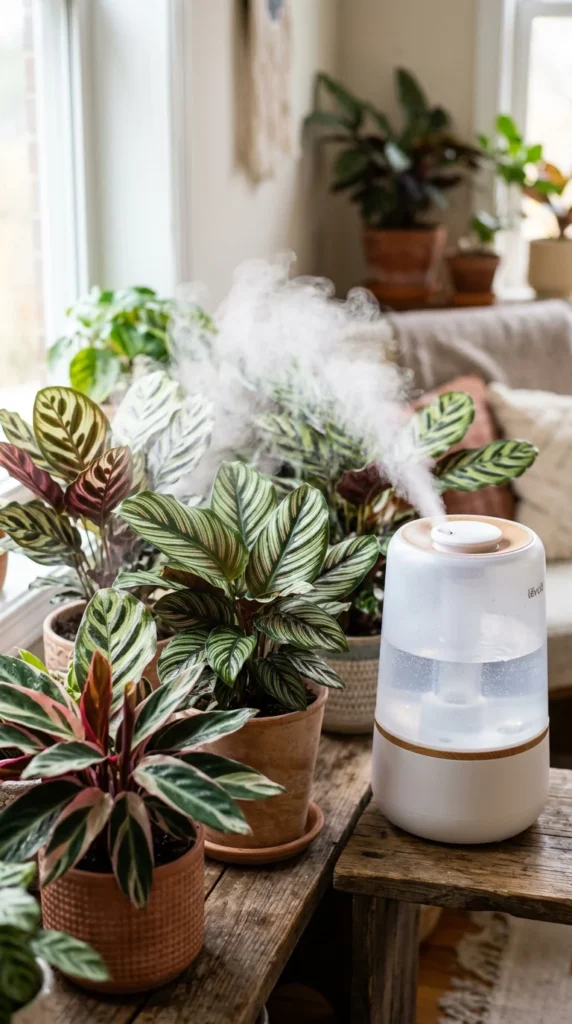
Many popular houseplants originate from tropical regions where humidity levels remain consistently above 60%. Most modern homes, especially during winter months when heaters are active, have humidity levels as low as 10-20%. This dry air leads to crispy brown leaf edges and stunted growth. To combat this, group your plants together to create a localized microclimate, use a pebble tray filled with water, or invest in a high-quality humidifier. Misting provides only a temporary boost and can sometimes encourage fungal spotting on foliage.
4. Fertilization
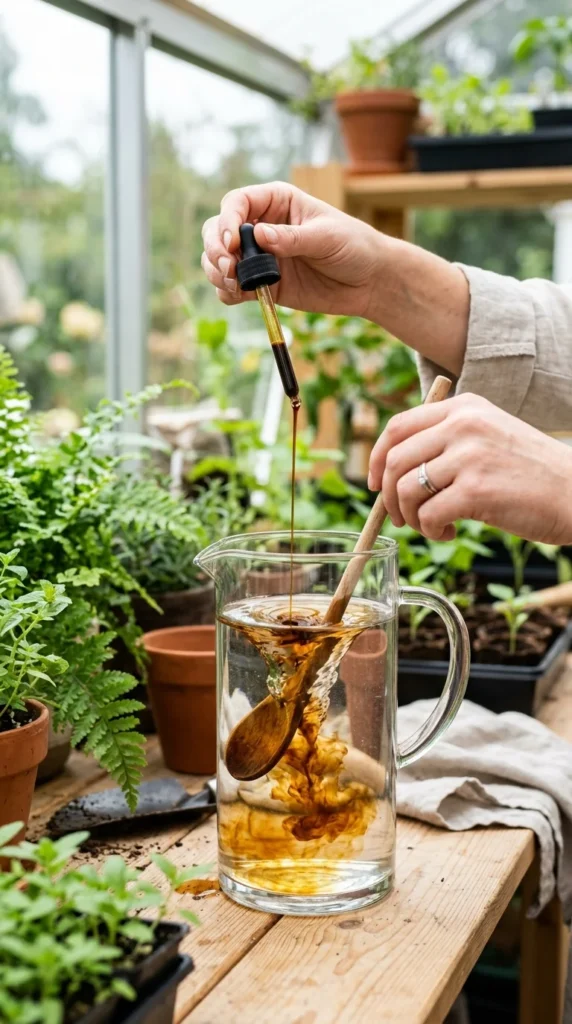
Soil in a pot eventually becomes depleted of essential nutrients like Nitrogen (for foliage), Phosphorus (for roots), and Potassium (for overall health). During the active growing season—typically spring and summer—apply a balanced, water-soluble fertilizer every two to four weeks. It is vital to follow the manufacturer’s instructions, as over-fertilizing can lead to “salt burn,” which manifests as yellowed leaf tips and damaged roots. Always ensure the soil is moist before applying fertilizer to avoid burning sensitive root tissues.
5. Soil
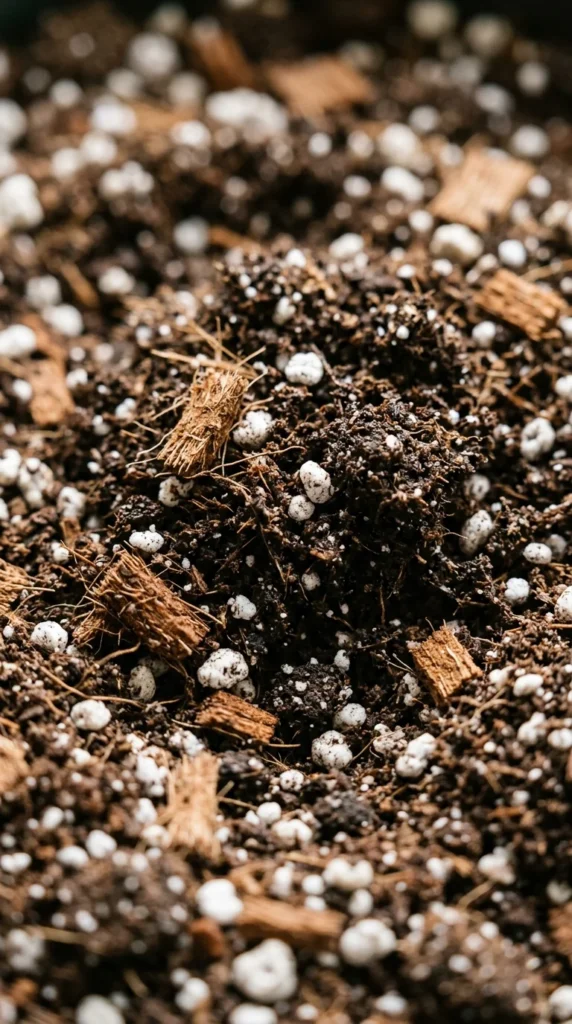
The medium in which your plant lives is its primary source of stability and nutrients. Standard garden soil is too heavy for indoor pots and will compact, suffocating the roots. Use a high-quality potting mix tailored to your specific plant type. For instance, aroids benefit from an “extra chunky” mix containing orchid bark and perlite for aeration, while succulents require a sandy, fast-draining gritty mix. A well-aerating soil allows oxygen to reach the roots, which is just as important as water for healthy growth.
6. Potting
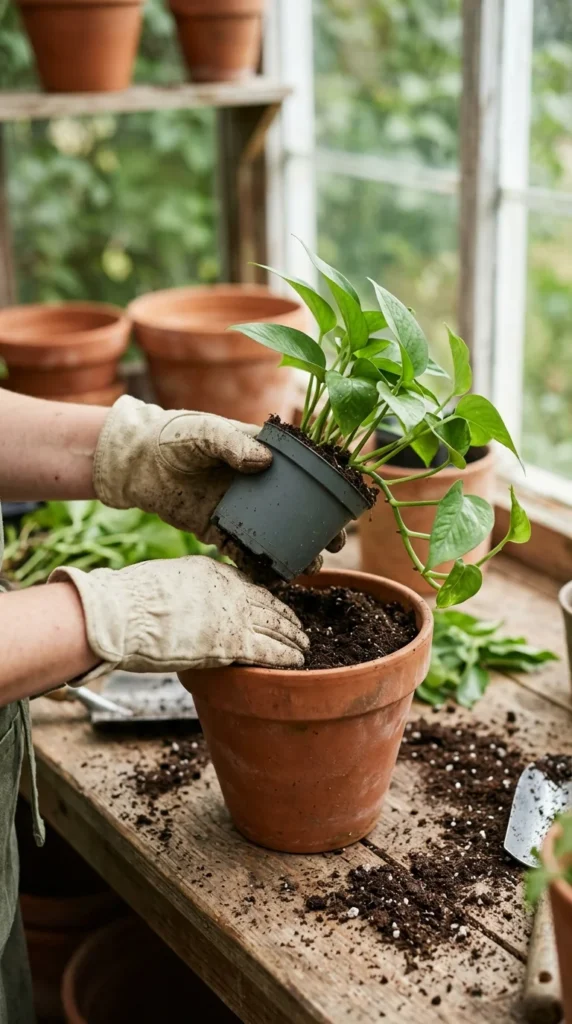
Choosing the right container is essential for long-term health. Always select a pot with drainage holes. When a plant becomes “root-bound”—where the roots circle the inside of the pot and begin to emerge from the drainage holes—it is time to repot. Typically, you should only move up one pot size (about 1-2 inches in diameter larger). Moving a plant into a pot that is too large can lead to “overpotting,” where the excess soil stays wet for too long, increasing the risk of root rot.
7. Pruning
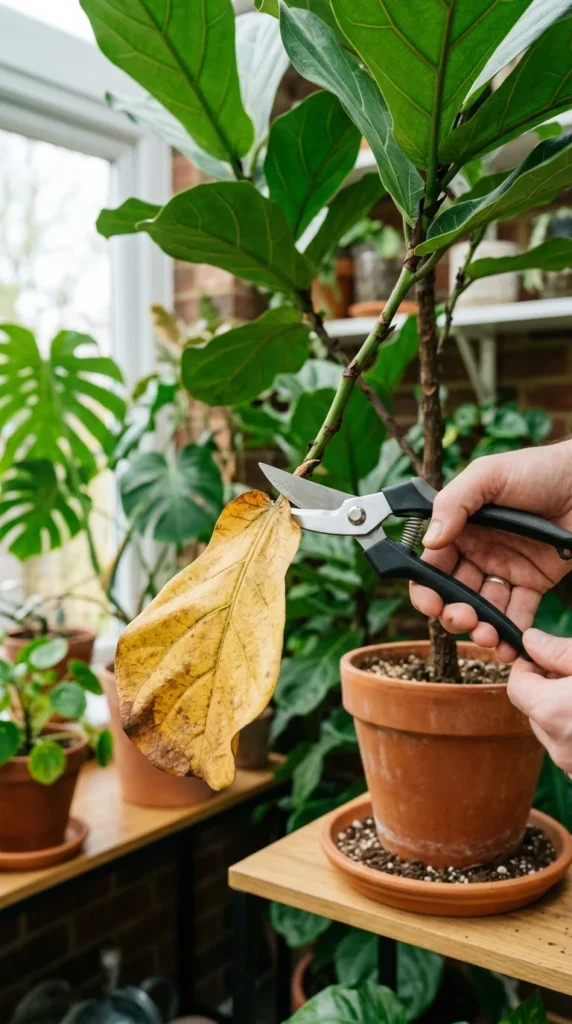
Pruning is not just about aesthetics; it is a vital maintenance task. Removing dead or yellowing leaves allows the plant to redirect its energy toward healthy, new growth. Additionally, “pinching back” certain plants like Pothos or Coleus encourages them to branch out and become bushier rather than growing in a single, long vine. Always use sterilized shears or scissors to prevent the spread of pathogens between plants.
8. Cleaning
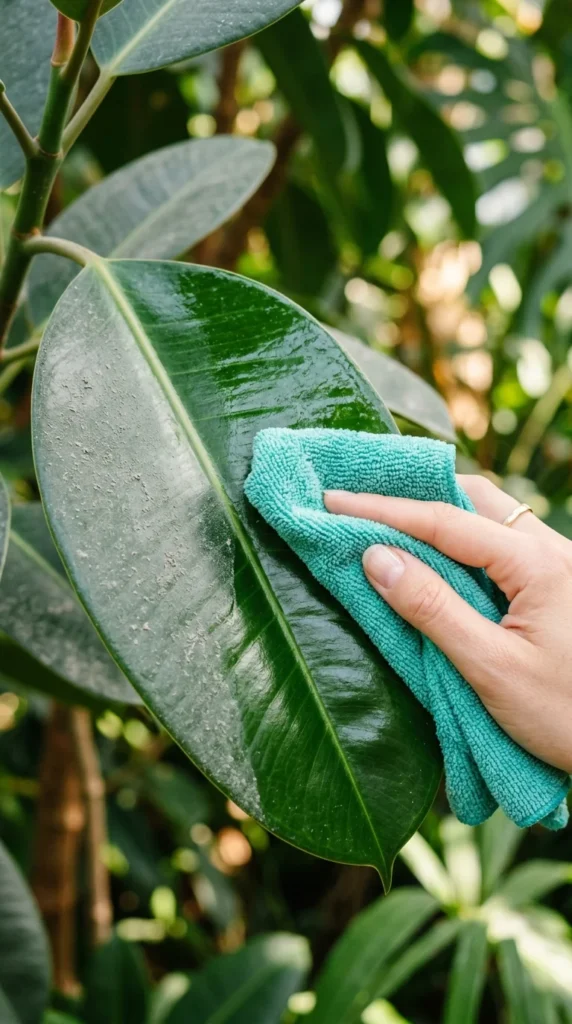
Leaves are the plant’s solar panels. Over time, dust accumulates on the surface of indoor foliage, physically blocking sunlight and clogging the stomata (tiny pores) through which the plant breathes. Regularly wiping leaves with a damp cloth or giving the entire plant a gentle “shower” in the sink helps maintain optimal photosynthesis. For plants with fuzzy leaves, like African Violets, use a soft-bristled brush instead of water to avoid trapped moisture which can cause rot.
9. Temperature
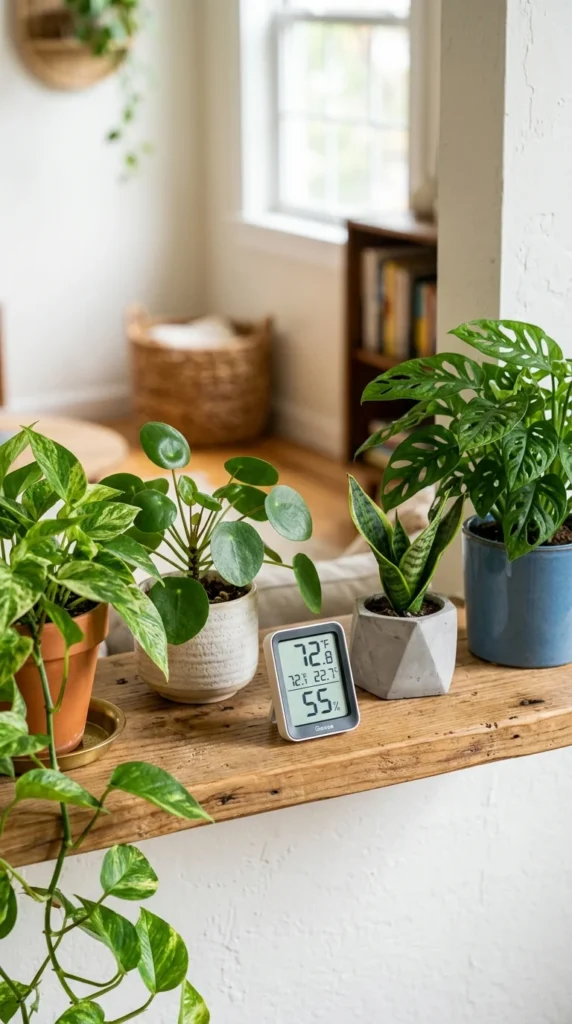
Most houseplants thrive in temperatures between 65°F and 85°F (18°C–29°C). Drastic temperature fluctuations can cause significant stress. Keep your plants away from cold drafts near doors or windows during winter, and avoid placing them directly in front of air conditioning vents or heating radiators. Sudden drops in temperature can cause leaves to drop overnight, while excessive heat can lead to rapid wilting and leaf curl.
10. Pests
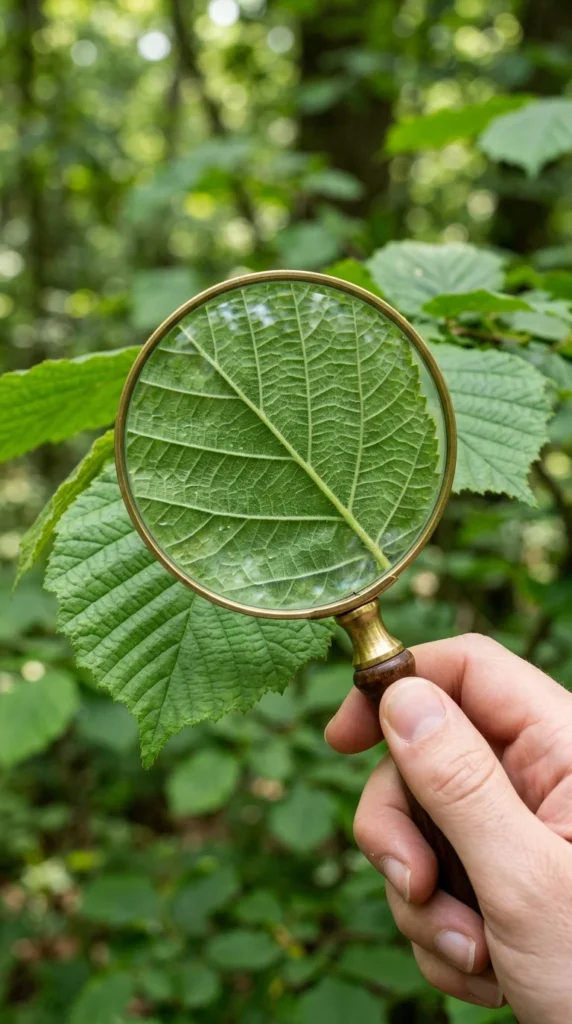
Early detection is the key to managing indoor pests such as spider mites, mealybugs, and fungus gnats. Inspect your plants weekly, paying close attention to the undersides of leaves and the joints where the leaf meets the stem. If you spot sticky residue (honeydew) or fine webbing, isolate the plant immediately to prevent the infestation from spreading. Treatments like neem oil, insecticidal soap, or a simple mixture of water and a few drops of dish soap can effectively manage most common indoor pests.
11. Airflow
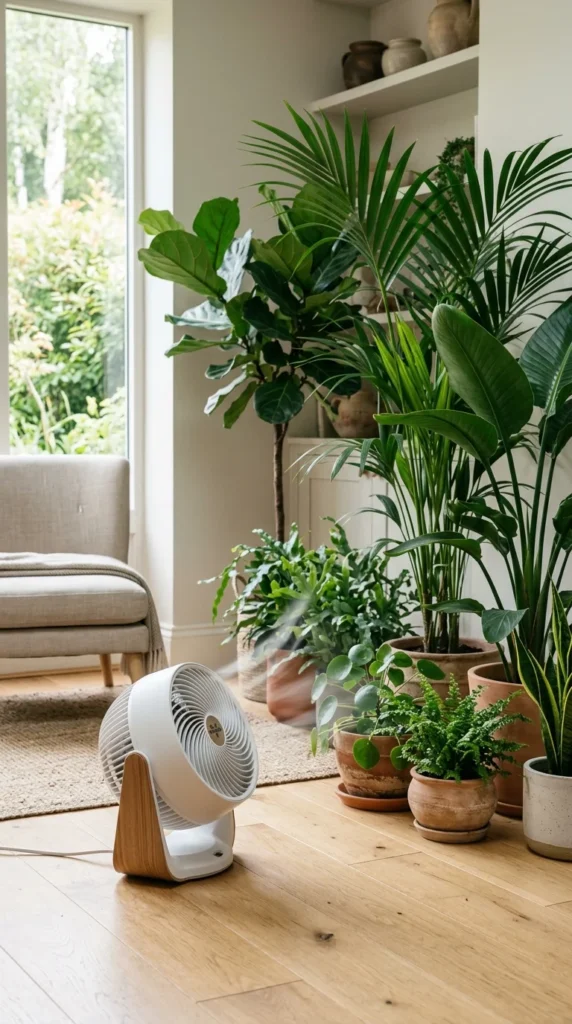
In their natural environments, plants are subjected to constant wind and air movement. This strengthens their stems (thigmomorphogenesis) and prevents the buildup of stagnant, humid air around the foliage, which is a breeding ground for fungal and bacterial infections. Use an oscillating fan to improve air circulation in rooms with many plants. Good airflow also helps the soil dry out more evenly between waterings, reducing the likelihood of surface mold.
12. Acclimation
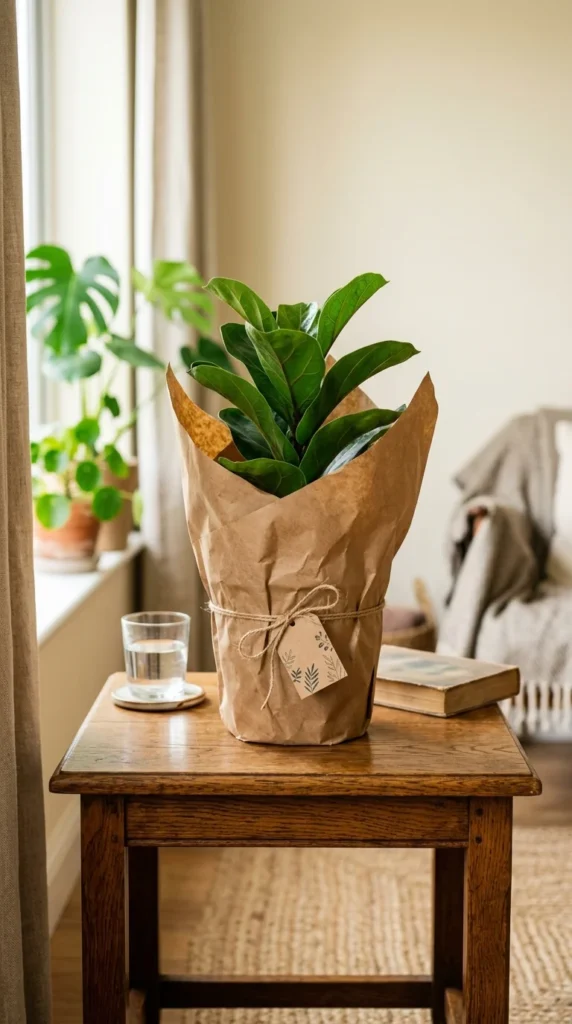
When you bring a new plant home from a greenhouse or nursery, it undergoes “environmental shock.” The lighting and humidity levels in your home are likely very different from its previous environment. To minimize stress, place the new plant in a spot with medium light for a few days before moving it to its permanent, brighter location. Avoid repotting or fertilizing a new plant for at least two weeks to allow it to stabilize and adjust to your home’s unique conditions.
13. Rotation
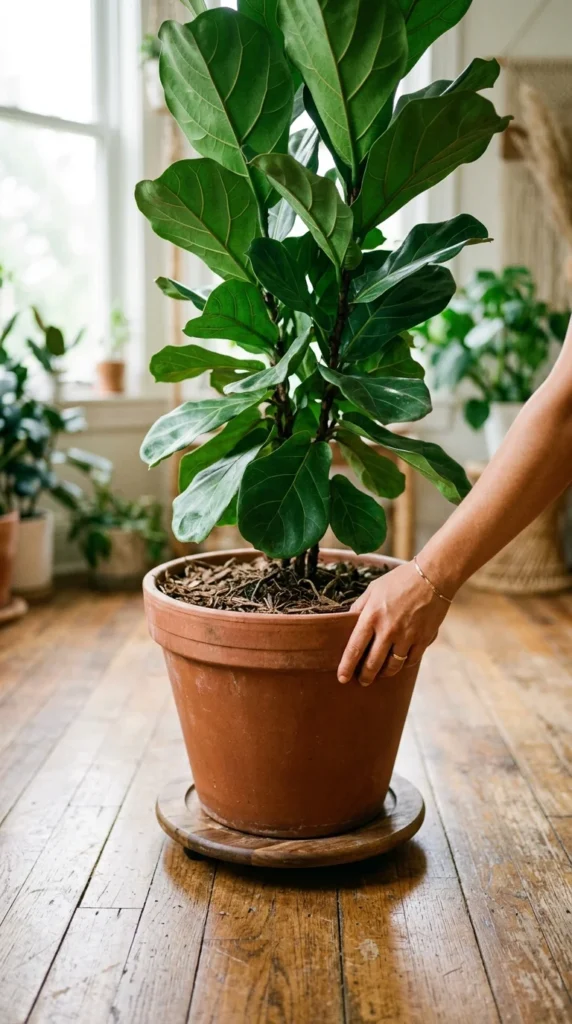
Plants naturally grow toward their light source, a phenomenon known as phototropism. If a plant is left in one position for too long, it will become lopsided and weak on the side facing away from the window. To maintain a balanced, symmetrical shape and ensure that all leaves can photosynthesize efficiently, rotate your pots a quarter-turn every time you water. This encourages even growth and prevents the plant from becoming structurally unstable.
14. Seasonal Care
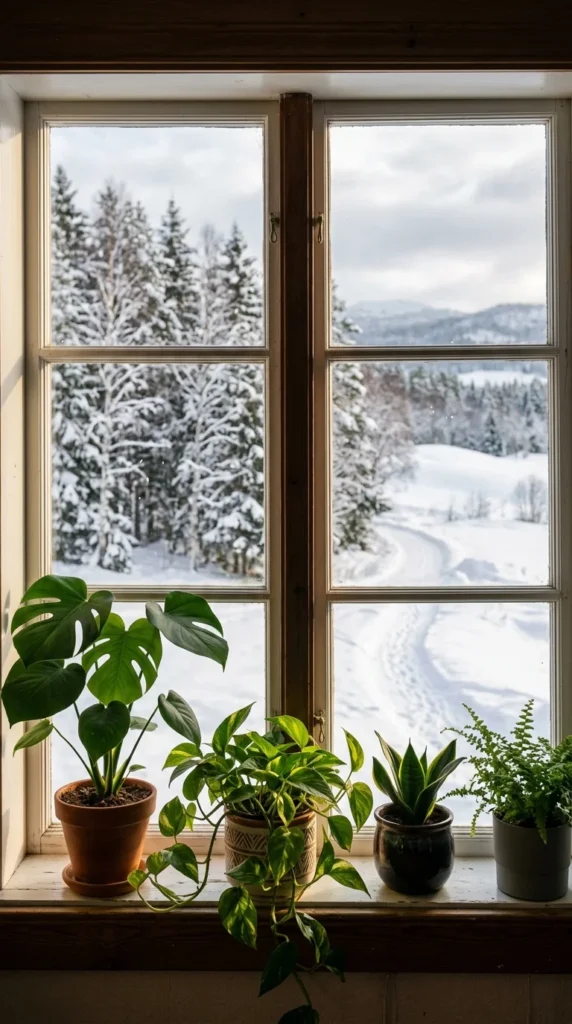
Plants respond to the changing seasons, even indoors. During the winter, growth slows down significantly as light levels drop. During this dormant period, you should reduce watering frequency and stop fertilizing entirely. In the spring, as the days lengthen, you will notice a “wake-up” period where new buds and leaves appear. This is the signal to resume your regular watering and feeding schedule. Observing these natural cycles ensures your plants remain healthy throughout the entire year.