
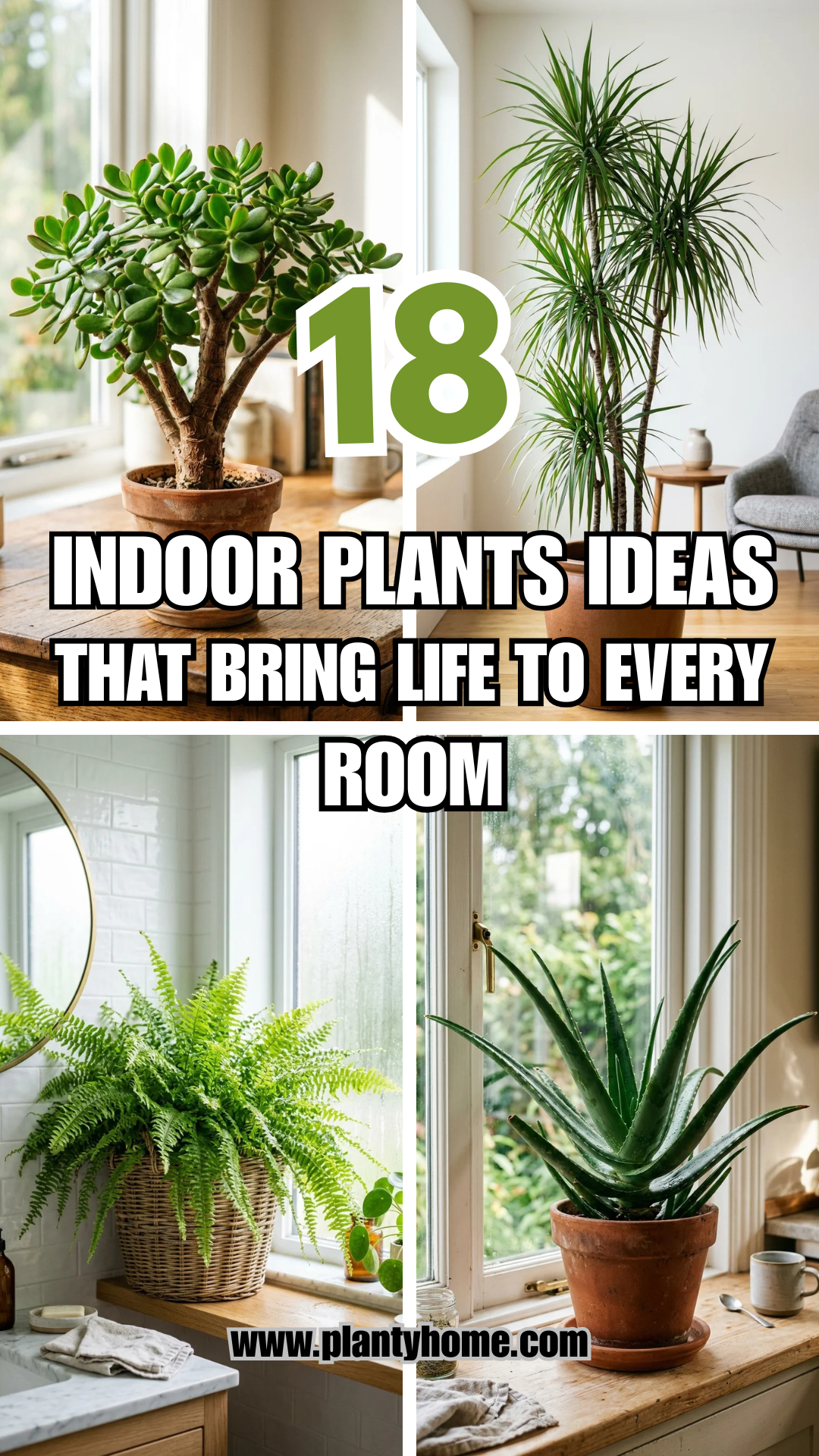
Integrating indoor plants into a home is more than a design trend; it is a lifestyle choice that fosters a deeper connection with nature. Beyond their undeniable aesthetic appeal, indoor plants act as natural air purifiers, stress reducers, and mood enhancers. Whether you are a seasoned “plant parent” or a novice looking to green up a small apartment, selecting the right species for your environment is crucial for long-term success.
This guide explores eighteen exceptional indoor plants that range from low-maintenance survivors to dramatic architectural statements, ensuring there is a perfect botanical companion for every corner of your home.
1. Snake Plant
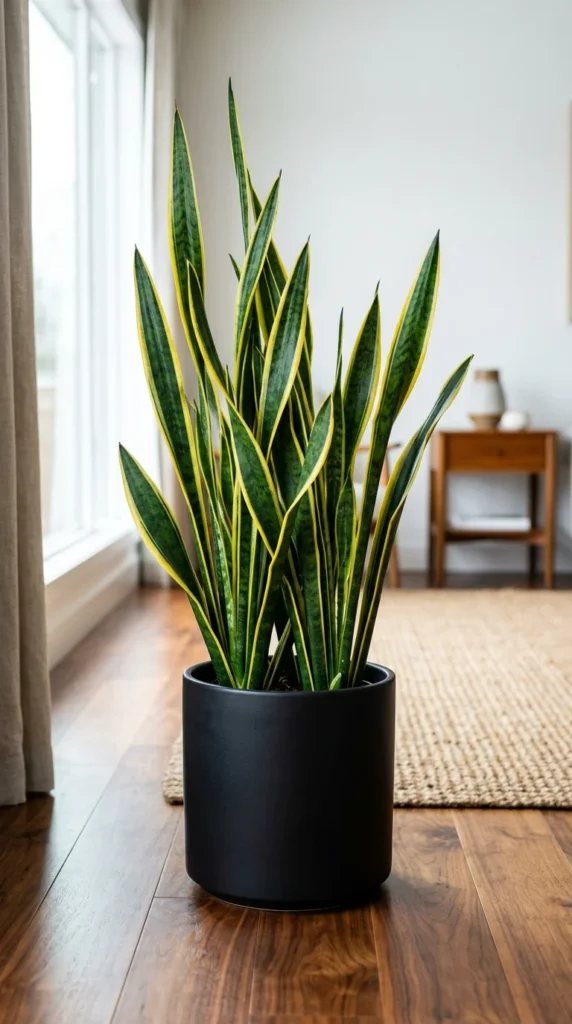
The Snake Plant, or Sansevieria, is widely regarded as the “indestructible” plant. Characterized by its upright, architectural leaves, it is perfect for modern minimalist interiors. It thrives in almost any lighting condition, from low-light corners to bright windowsills. One of its most unique features is its ability to convert CO2 into oxygen at night, making it an ideal choice for bedrooms to improve sleep quality.
2. Fiddle Leaf Fig
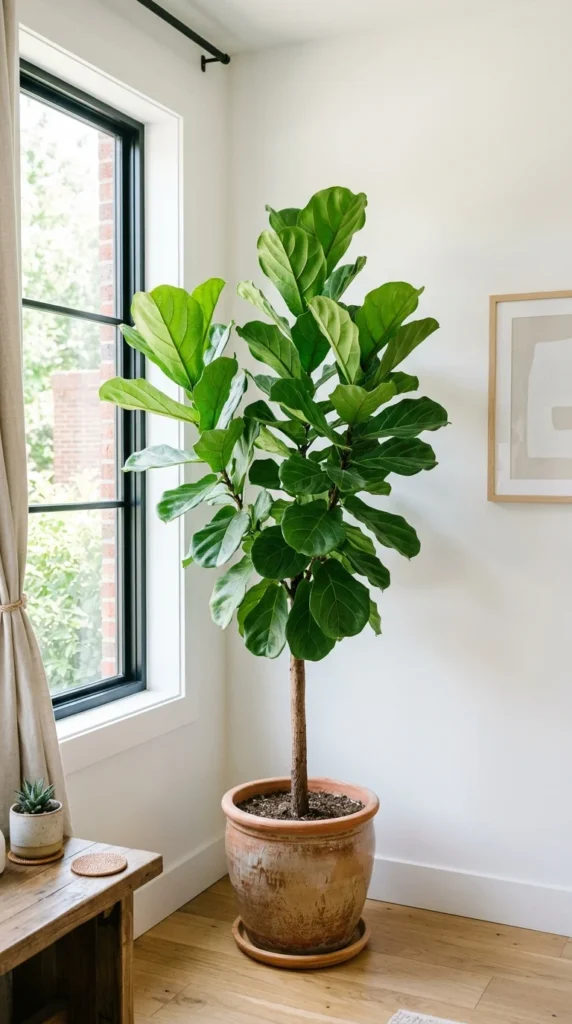
For those seeking a dramatic focal point, the Fiddle Leaf Fig (Ficus lyrata) is the gold standard. Known for its massive, violin-shaped leaves and tall woody trunk, this plant can grow several feet high indoors. It requires bright, filtered light and a consistent watering schedule. While it can be slightly finicky, the reward is a stunning piece of “living furniture” that commands attention in any room.
3. Monstera Deliciosa
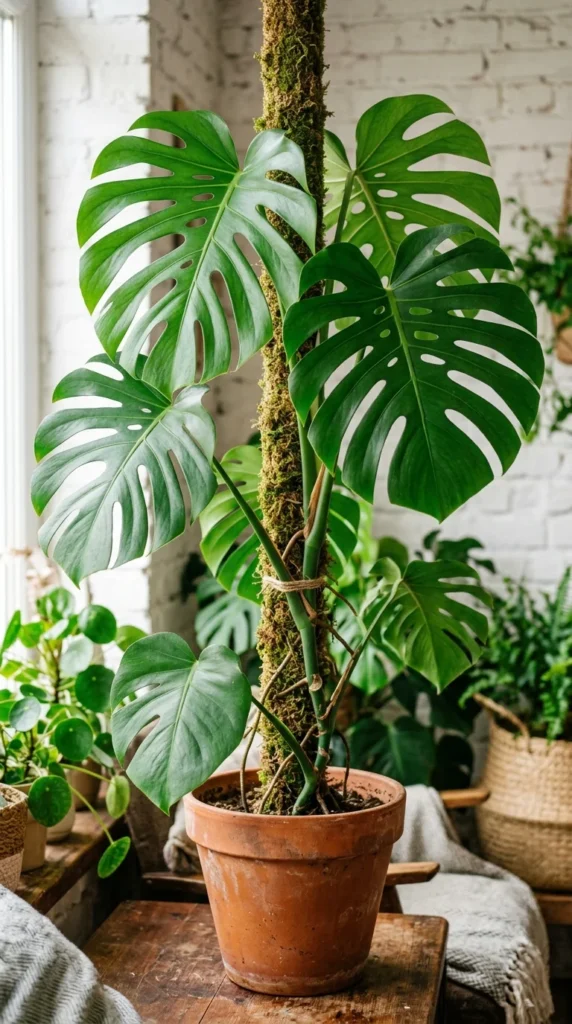
The “Swiss Cheese Plant” is a staple of tropical-inspired decor. The Monstera deliciosa is famous for its fenestrations—the natural holes in its leaves that allow light to reach the lower parts of the plant in the wild. It is a fast-growing climber that benefits from a moss pole or trellis. It prefers bright, indirect light and adds an instant jungle vibe to living areas.
4. Pothos
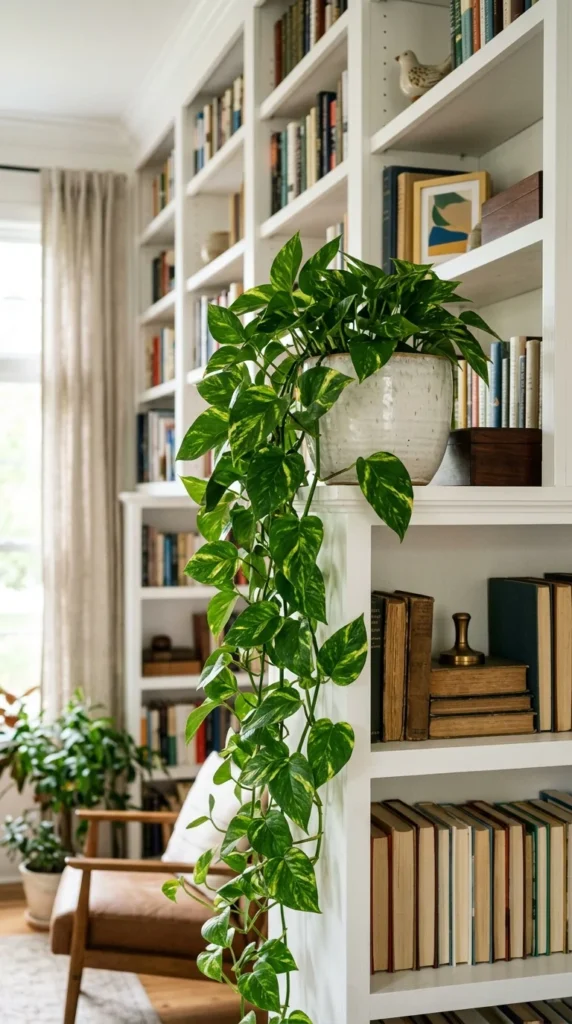
The Pothos (Epipremnum aureum) is perhaps the most versatile trailing plant available. Often called “Devil’s Ivy” because it is so difficult to kill, it can survive in low light and irregular watering conditions. It looks beautiful when allowed to trail from high shelves or hanging baskets, and it is incredibly easy to propagate in water, allowing you to turn one plant into many.
5. Spider Plant
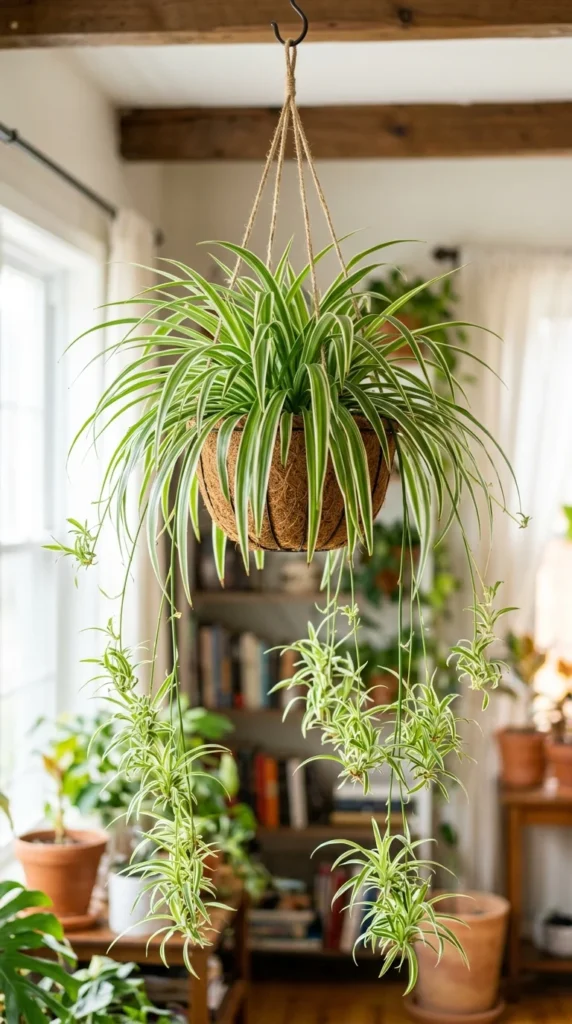
The Spider Plant (Chlorophytum comosum) is a classic choice for beginners. It is resilient, grows quickly, and produces “spiderettes”—tiny plantlets that dangle from the mother plant like ornaments. These plants are excellent for purifying the air of toxins like formaldehyde and xylene. They prefer bright, indirect light and well-draining soil.
6. Peace Lily
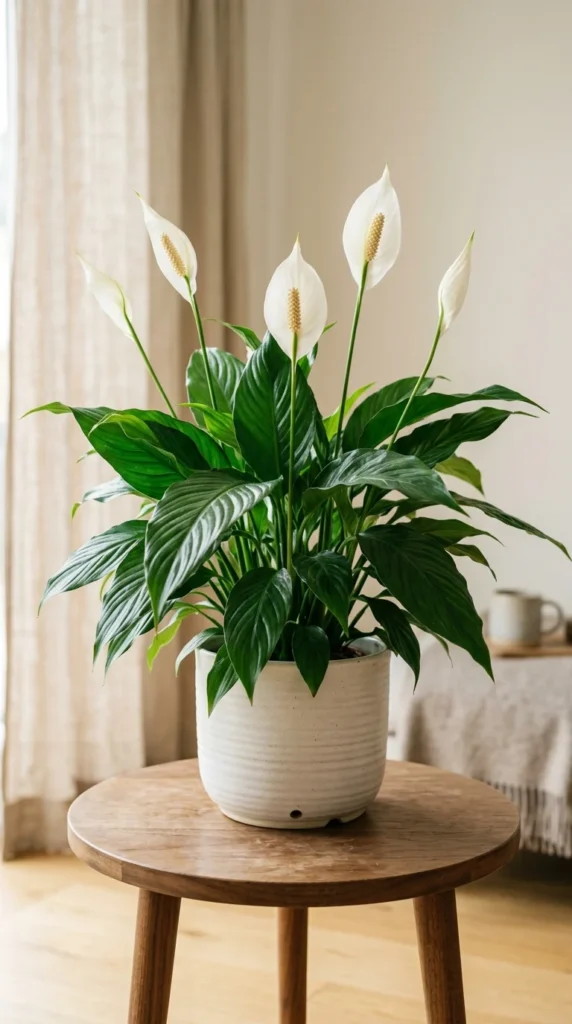
The Peace Lily (Spathiphyllum) is prized for its elegant white spathes and deep green foliage. It is one of the few indoor plants that flowers reliably in lower light conditions. A unique trait of the Peace Lily is its communication style: it will visibly “wilt” when it is thirsty, making it a great teacher for those learning when to water their plants.
7. ZZ Plant
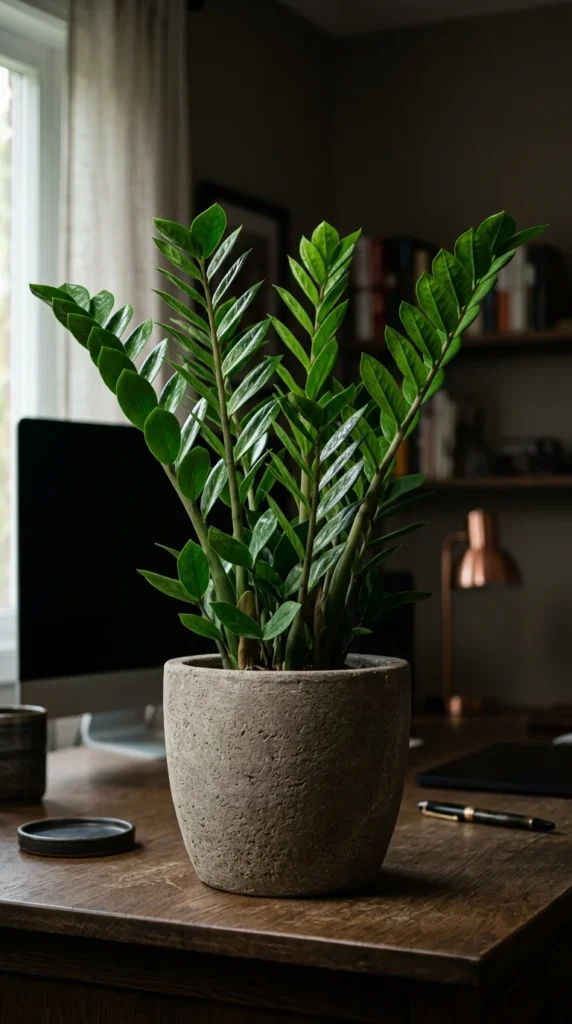
The ZZ Plant (Zamioculcas zamiifolia) is the ultimate low-maintenance solution for dark offices or windowless hallways. Its leaves are so glossy they almost look artificial. It is extremely drought-tolerant because it stores water in its thick, potato-like rhizomes. You can practically forget about this plant for weeks, and it will still look pristine.
8. Rubber Tree
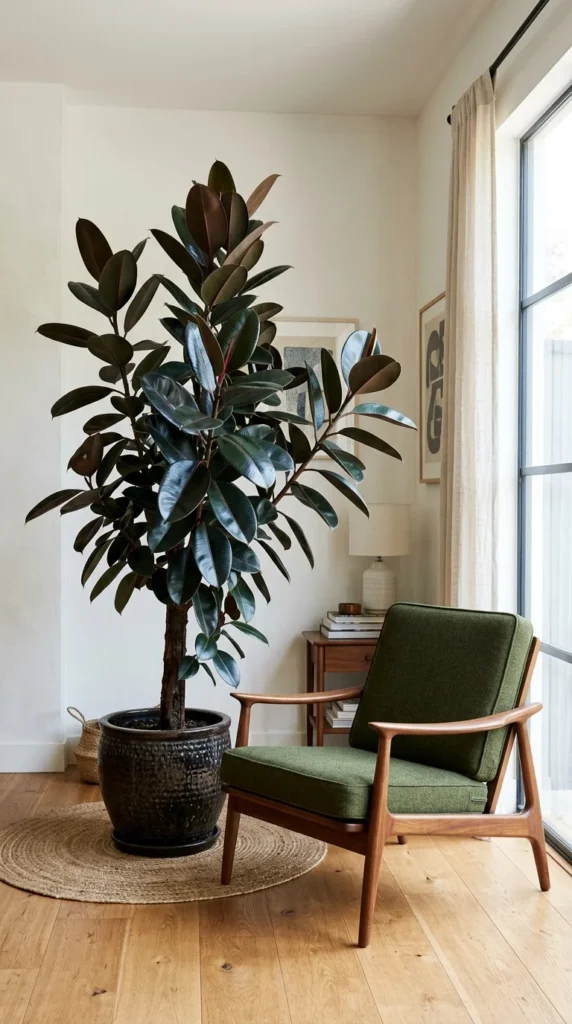
The Rubber Tree (Ficus elastica) offers a bold, moody aesthetic with its dark, leathery leaves. While the “Burgundy” variety is popular for its deep purple-black hue, the “Tineke” variety offers stunning pink and cream variegation. They enjoy bright, indirect light and plenty of space to grow upward, eventually reaching the ceiling if pruned correctly.
9. Aloe Vera
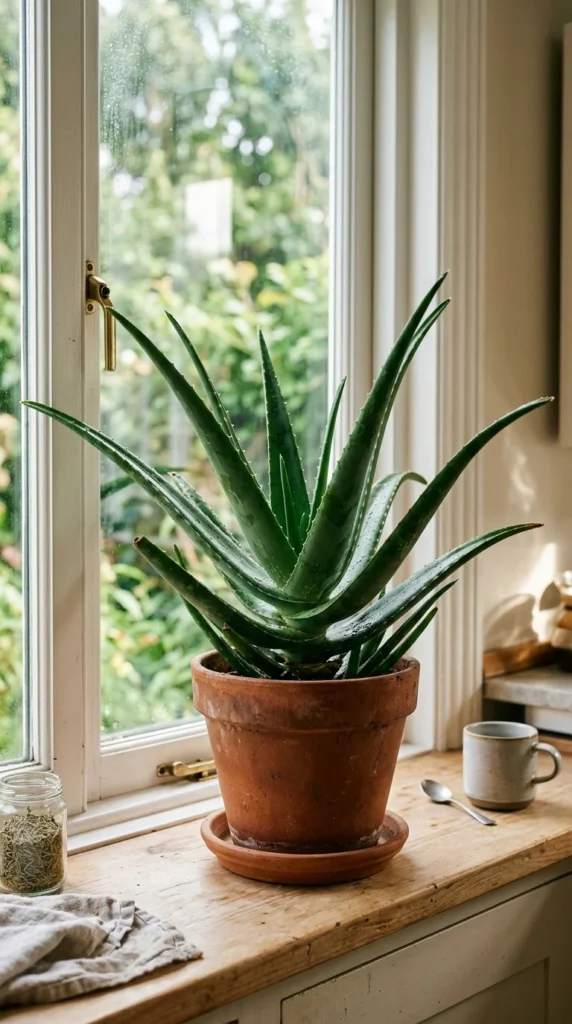
Aloe Vera is a functional plant that belongs in every household. Known for the healing gel inside its leaves, it serves as a natural remedy for burns and skin irritations. As a succulent, it thrives on neglect and requires very little water. It does, however, need plenty of bright, direct sunlight to remain sturdy and upright.
10. Bird of Paradise
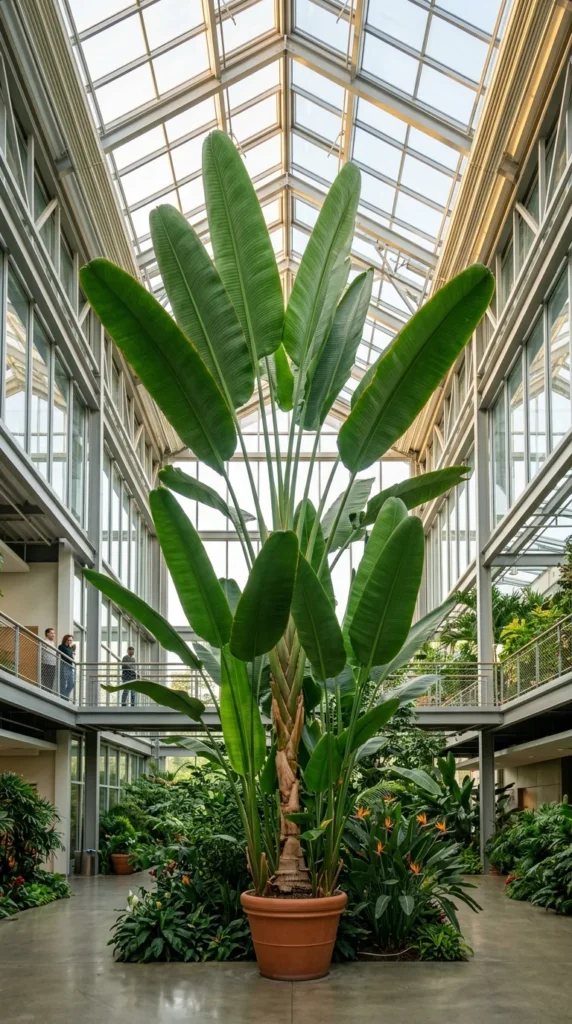
If you have the space and the light, the Bird of Paradise (Strelitzia nicolai) is the ultimate statement plant. Its leaves resemble those of a banana tree and can grow several feet wide. It brings an undeniable Mediterranean or tropical feel to a home. It requires very bright light (even some direct sun) to thrive and stay healthy.
11. String of Pearls
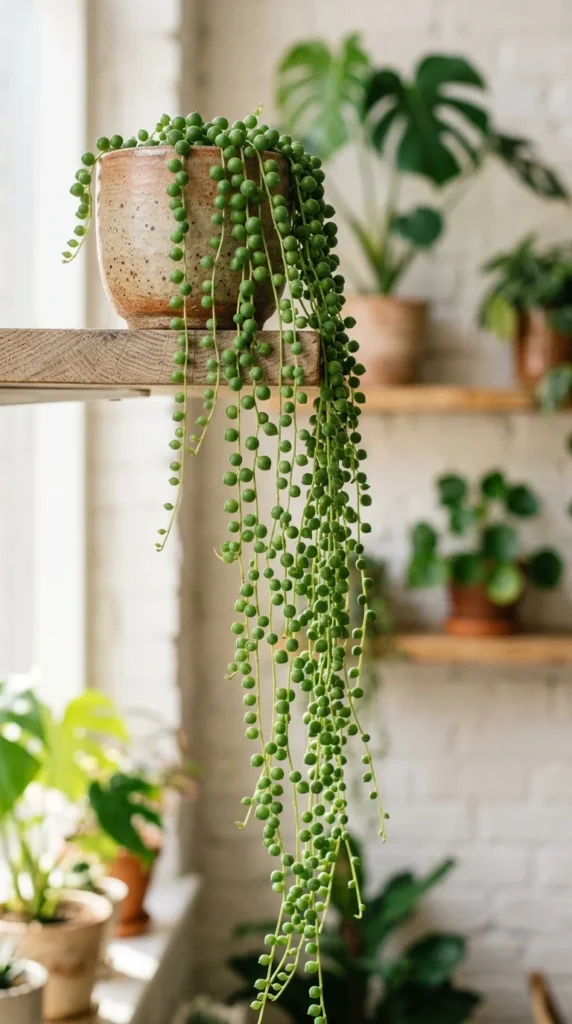
The String of Pearls (Senecio rowleyanus) is a unique succulent that looks more like a piece of jewelry than a plant. It features tiny, spherical leaves that store water, allowing it to survive in dry indoor environments. This plant looks best in a hanging pot where its “pearls” can drape gracefully toward the floor. It requires bright, indirect light and minimal watering.
12. Boston Fern
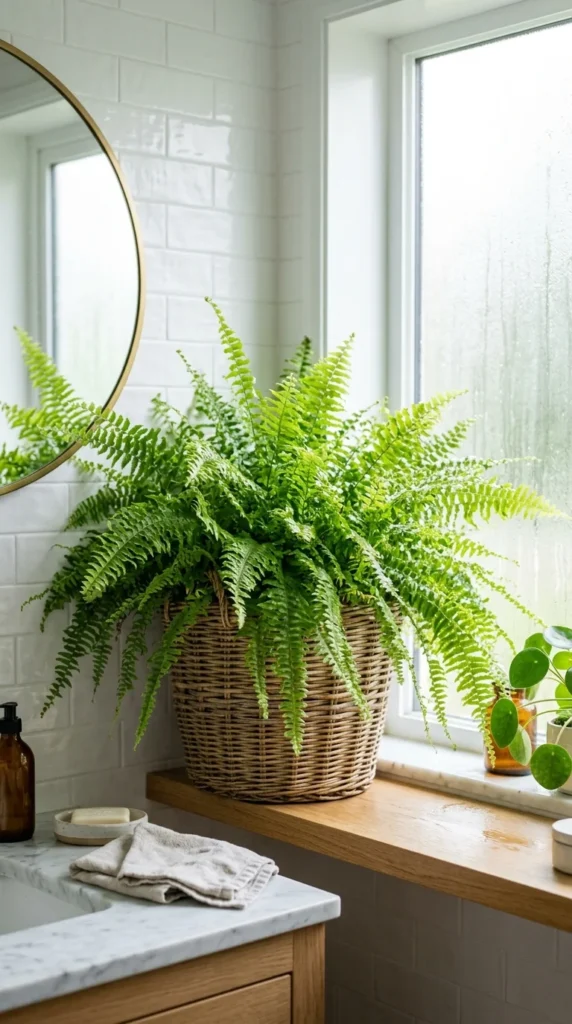
The Boston Fern (Nephrolepis exalta) is the perfect choice for adding soft texture to a room. Unlike many other plants on this list, ferns love humidity. This makes them ideal candidates for bathrooms or kitchens. They require consistent moisture and filtered light to prevent their delicate fronds from browning or shedding.
13. Calathea
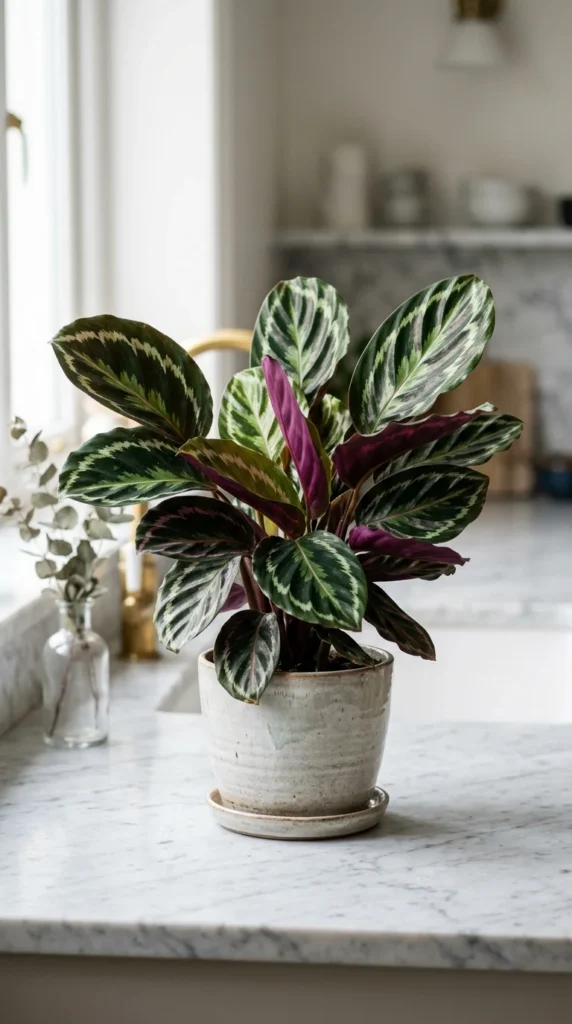
Often called “Prayer Plants,” Calatheas are famous for their stunning leaf patterns and their habit of folding their leaves upward at night. They are a bit more demanding, requiring distilled water and high humidity to keep their leaves from crisping at the edges. However, their artistic foliage makes them one of the most decorative plants you can own.
14. Dracaena
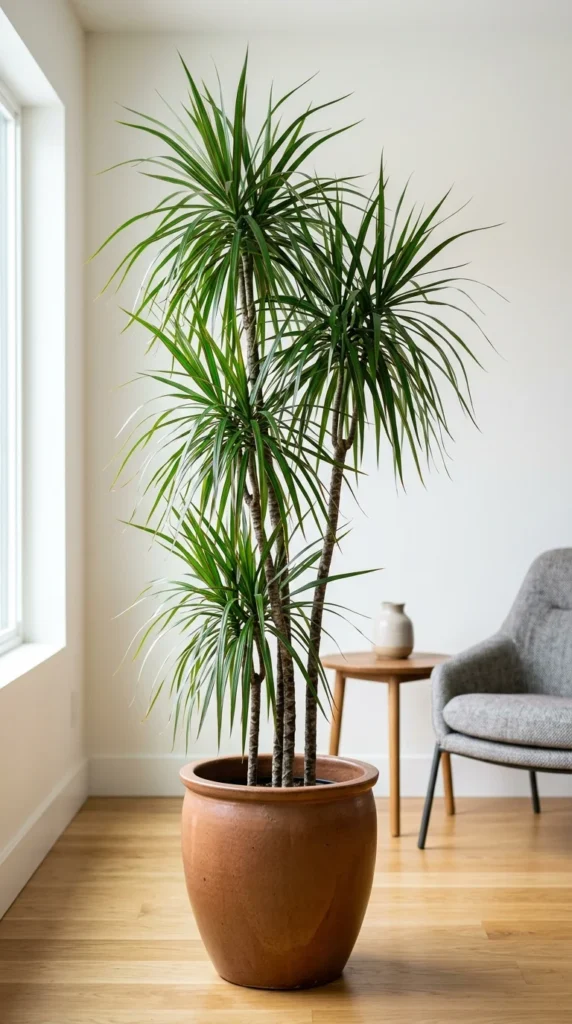
Dracaena species come in many shapes and sizes, but the “Dragon Tree” (Dracaena marginata) is a favorite for its palm-like appearance. It is a hardy plant that can tolerate a range of light levels, though it prefers indirect light. Its slender profile makes it a great choice for filling narrow corners or adding height without taking up much floor space.
15. Jade Plant
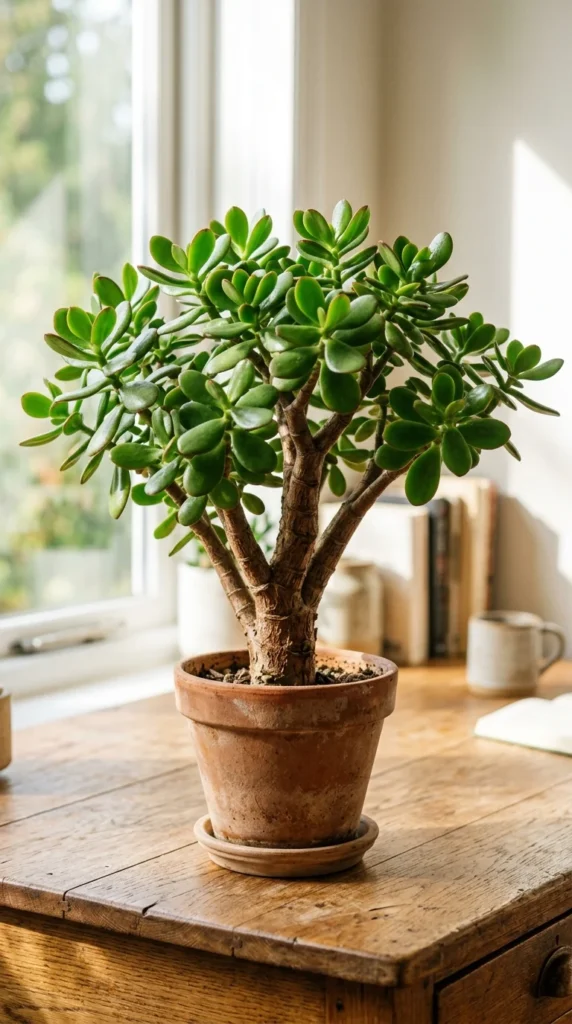
The Jade Plant (Crassula ovata) is a symbol of good luck and prosperity in many cultures. This succulent can live for decades, often being passed down through generations. It develops a thick, woody stem over time, giving it the appearance of a miniature tree. It thrives in bright light and prefers to be watered only when the soil is completely dry.
16. Air Plants (Tillandsia)
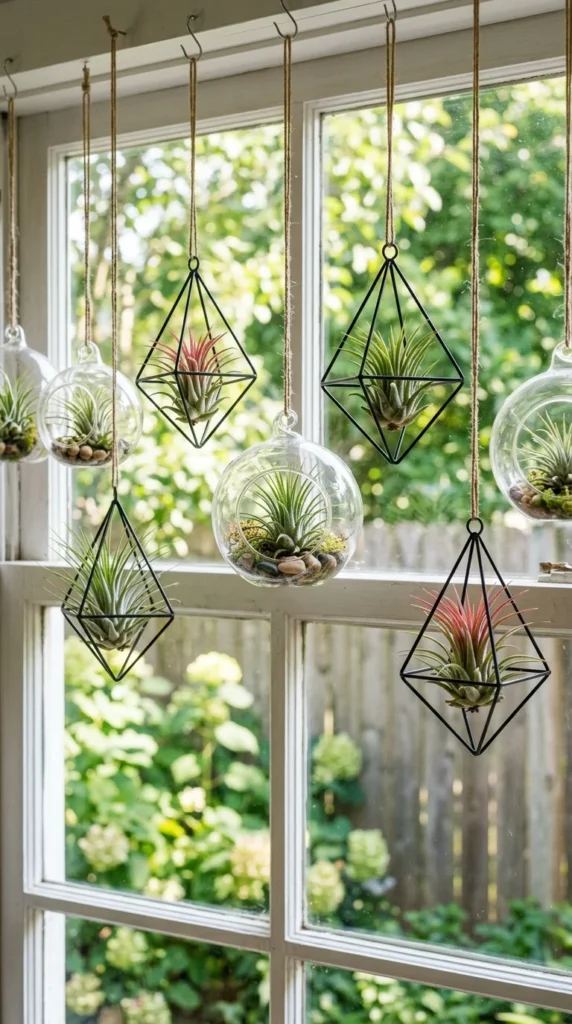
Air Plants are unique because they do not require soil to grow. They absorb water and nutrients through their leaves. This allows for incredibly creative displays—you can mount them on wood, place them in glass globes, or set them in decorative bowls. To water them, simply soak them in a bowl of water for 20 minutes once a week.
17. Anthurium
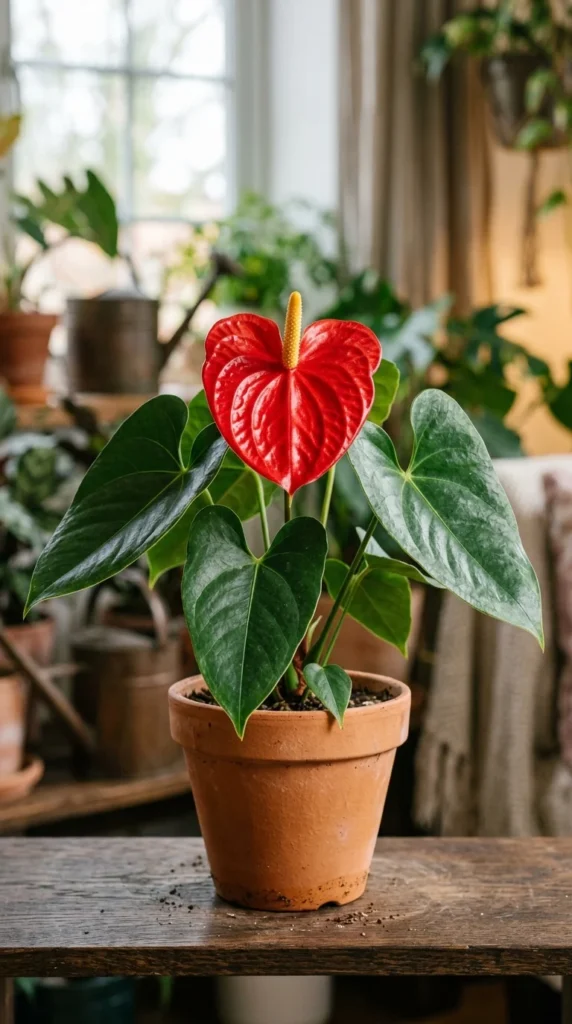
The Anthurium is the world’s longest-blooming houseplant. What look like flowers are actually modified waxy leaves called spathes, which can stay vibrant for months. They add a pop of color to any room and thrive in bright, indirect light. They prefer high humidity and consistently moist (but not soggy) soil.
18. Parlor Palm
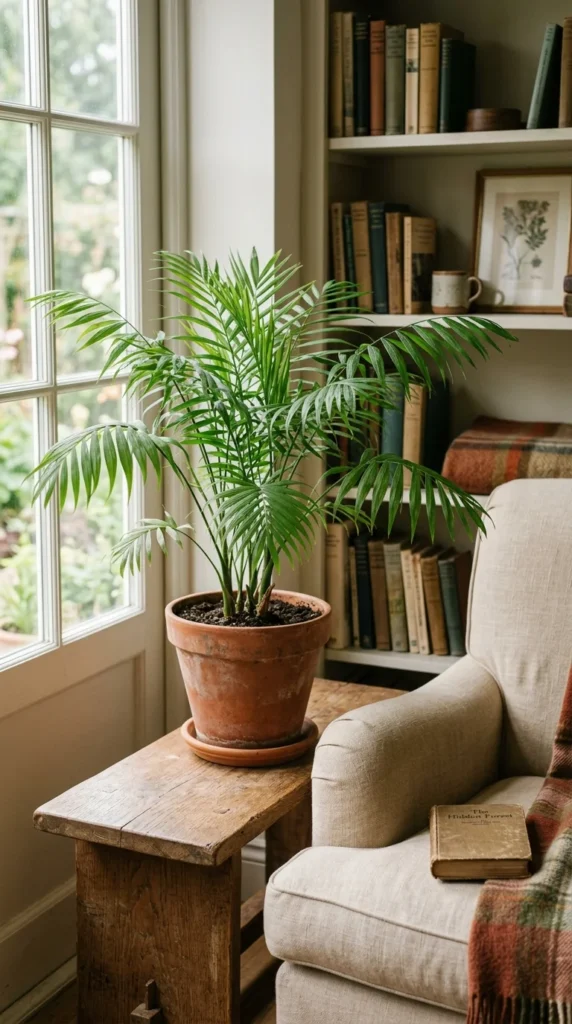
The Parlor Palm (Chamaedorea elegans) has been a popular indoor plant since the Victorian era. It is loved for its ability to survive in low light and its slow-growing nature, which means it won’t outgrow its space too quickly. It adds a touch of classic elegance and softness to interiors, making it perfect for smaller rooms or apartments.
Essential Tips for Indoor Plant Care
Successfully keeping indoor plants alive requires an understanding of their basic needs. While every plant is different, these four pillars of care apply to most:
- Lighting: Observe the light in your home throughout the day. “Bright indirect light” means a spot where the plant can see the sky but not the sun itself. “Low light” means the plant is several feet away from a window.
- Watering: Overwatering is the most common cause of plant death. Always check the soil moisture with your finger; if the top inch is dry, it’s usually time to water. Ensure your pots have drainage holes to prevent root rot.
- Humidity: Many tropical plants suffer in the dry air caused by heating and air conditioning. Grouping plants together, using a pebble tray, or running a humidifier can help simulate their natural environment.
- Soil and Fertilizer: Use a high-quality potting mix designed for indoor plants. During the growing season (spring and summer), feed your plants with a balanced liquid fertilizer to encourage new growth and vibrant color.
By choosing plants that match your lifestyle and home environment, you can create a thriving indoor garden that brings joy, health, and a sense of calm to your daily life.