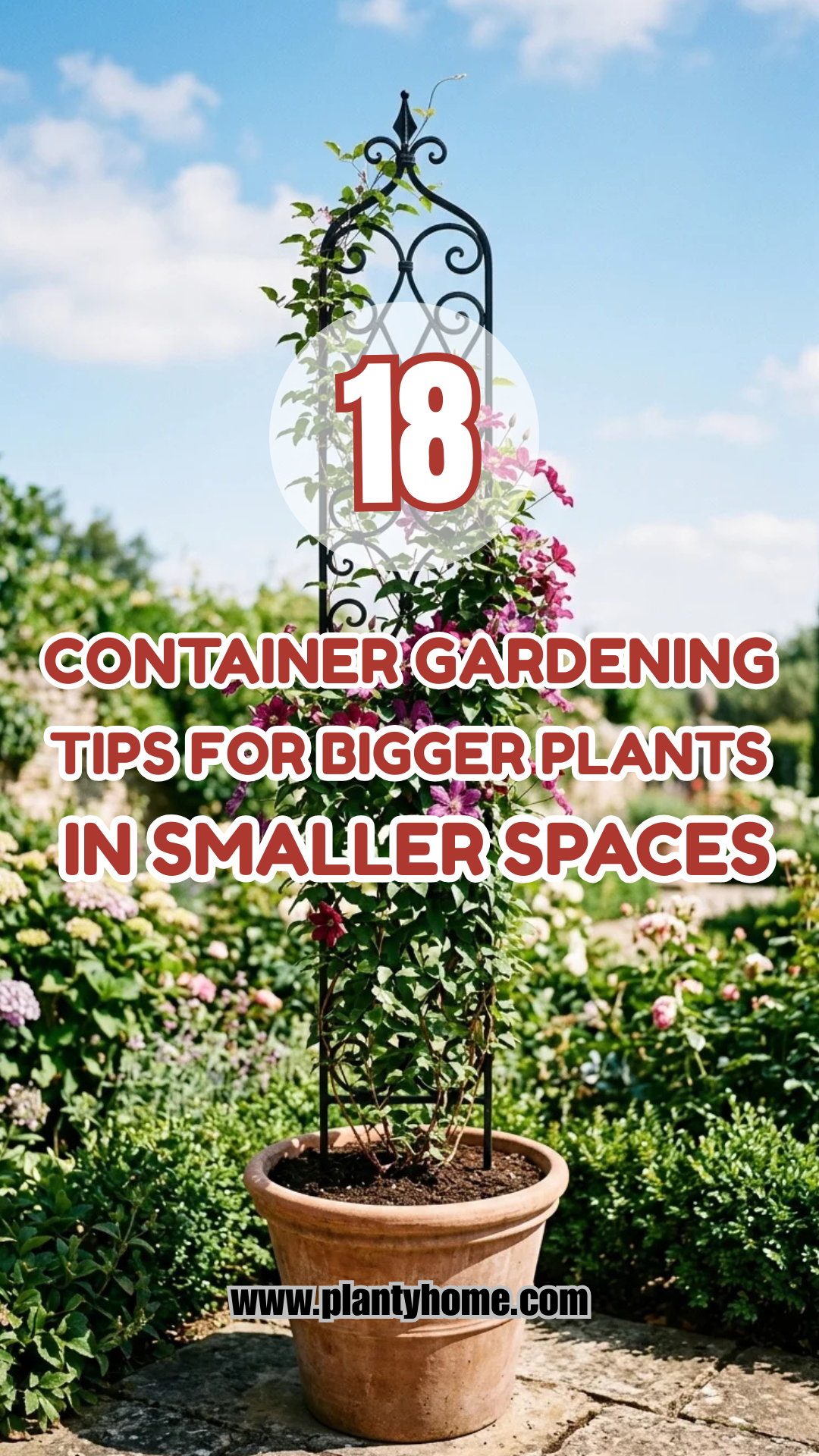
Container gardening is the ultimate solution for urban dwellers, patio enthusiasts, and anyone looking to maximize their harvest or floral display without the luxury of a sprawling backyard. However, growing large, healthy plants in restricted environments presents unique challenges. When plants are confined to pots, they rely entirely on the gardener for nutrients, hydration, and root space. To achieve massive growth in compact quarters, one must master the science of soil, the art of verticality, and the nuances of micro-climates.
The following eighteen tips provide a comprehensive roadmap for transforming small footprints into high-yield, lush sanctuaries.
1. Pot Size
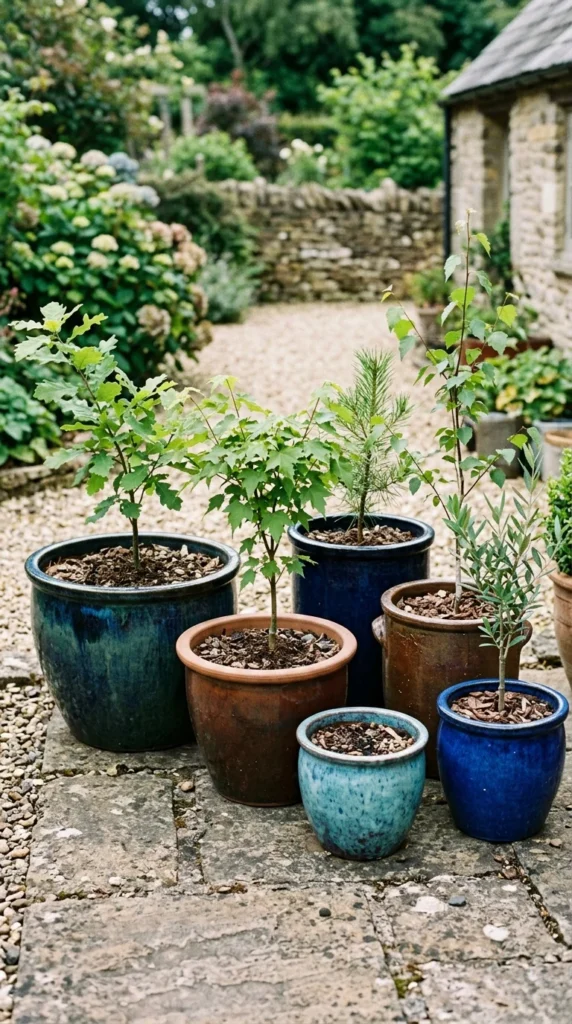
The most common mistake in container gardening is selecting a pot that is too small for the plant’s ultimate size. Roots need space to breathe and expand; a cramped root system leads to “root-bound” plants, which stunts growth and prevents the absorption of water. For bigger plants like tomatoes, peppers, or ornamental shrubs, aim for at least a five-gallon container. Larger volumes of soil also act as a buffer, maintaining more consistent moisture levels and temperatures than smaller pots.
2. Soil Quality
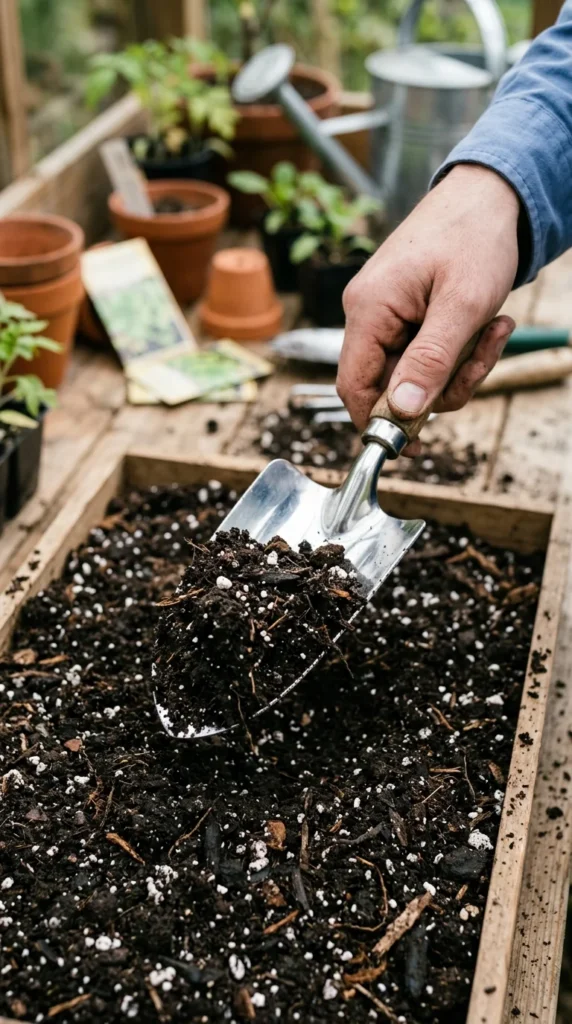
Never use standard garden soil in a container. Garden soil is too dense, lacks aeration, and may contain pathogens or weed seeds. Instead, invest in high-quality potting mixes. These “soilless” blends typically consist of peat moss, coconut coir, perlite, and vermiculite. This composition ensures that the medium remains fluffy and well-oxygenated, allowing roots to penetrate easily and grow larger. A high-quality mix will also be pH-balanced to optimize nutrient uptake.
3. Drainage
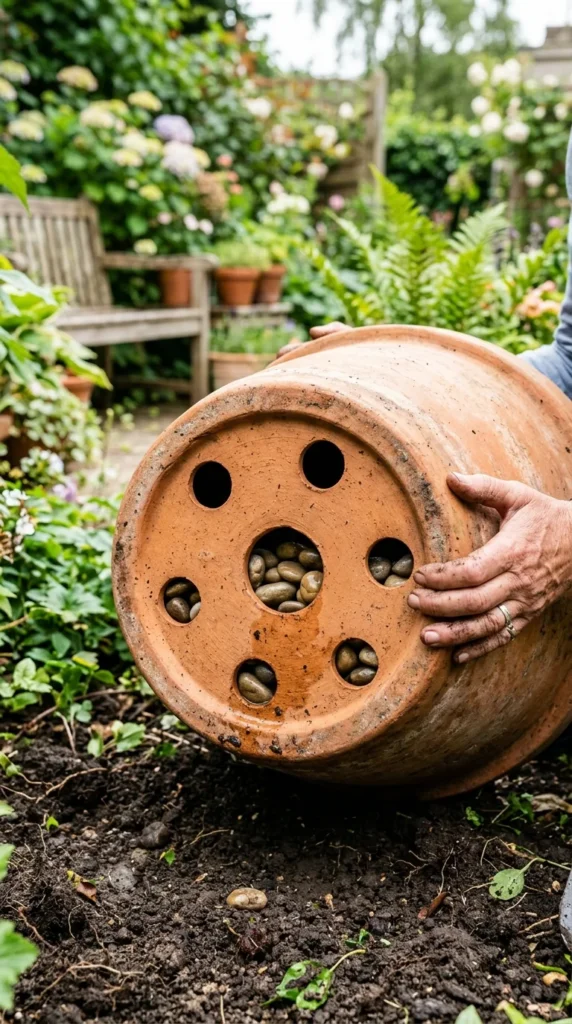
Without proper drainage, your plants will succumb to root rot, a silent killer in container gardening. Ensure every pot has at least one large drainage hole at the bottom. If you find a decorative pot without a hole, use it as a “cachepot”—place the plant in a plain plastic nursery pot with holes inside the decorative one. For larger containers, adding a layer of coarse material at the bottom can prevent soil from clogging the exit points, ensuring that oxygen can always reach the root zone.
4. Self-Watering
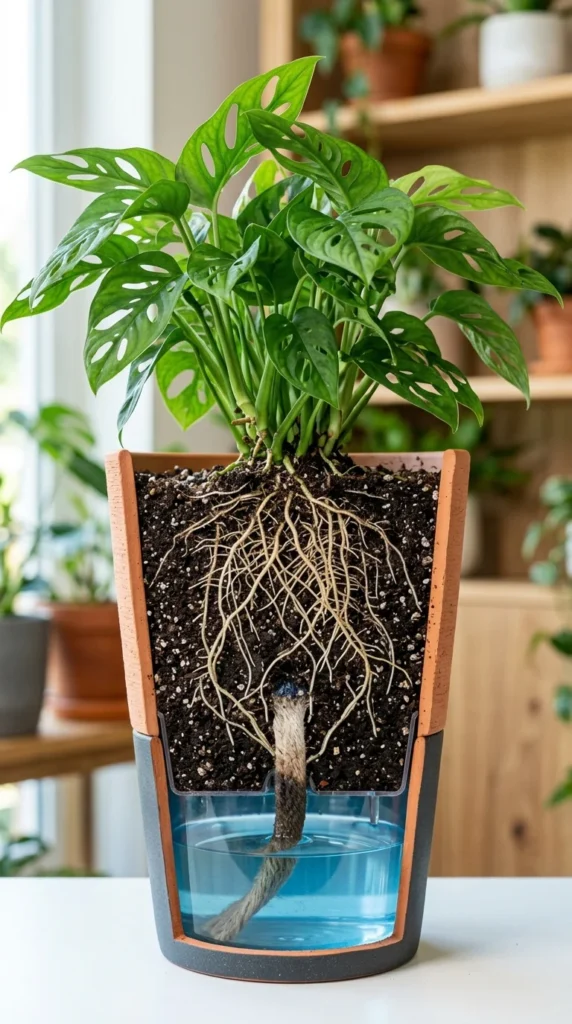
In small spaces, containers dry out rapidly, especially during the peak of summer. Self-watering containers utilize a reservoir system at the base that allows plants to “bottom-water” via capillary action. This provides a steady, consistent supply of moisture, which is the secret to massive growth. By avoiding the feast-or-famine cycle of extreme drying and heavy soaking, the plant can focus its energy on foliage and fruit production rather than surviving water stress.
5. Fertilizer
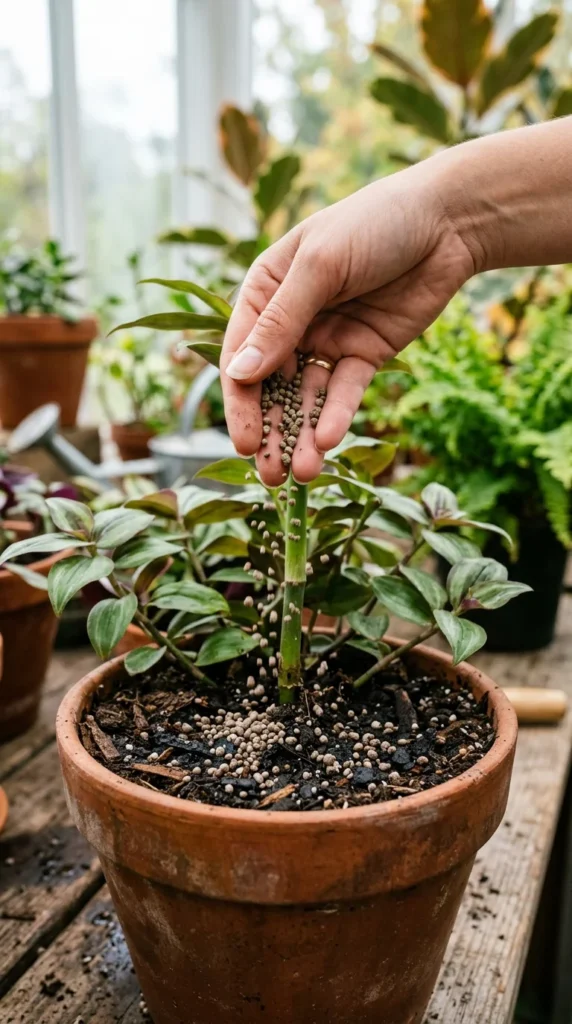
Because containers have a finite amount of soil, plants quickly exhaust the available nutrients. To grow bigger plants, you must implement a robust feeding schedule. Start with a slow-release granular fertilizer mixed into the soil at planting time. Supplement this with a liquid seaweed or fish emulsion every two weeks during the growing season. This dual approach ensures a steady “base” of nutrition and a “boost” of minerals to support rapid expansion.
6. Sunlight
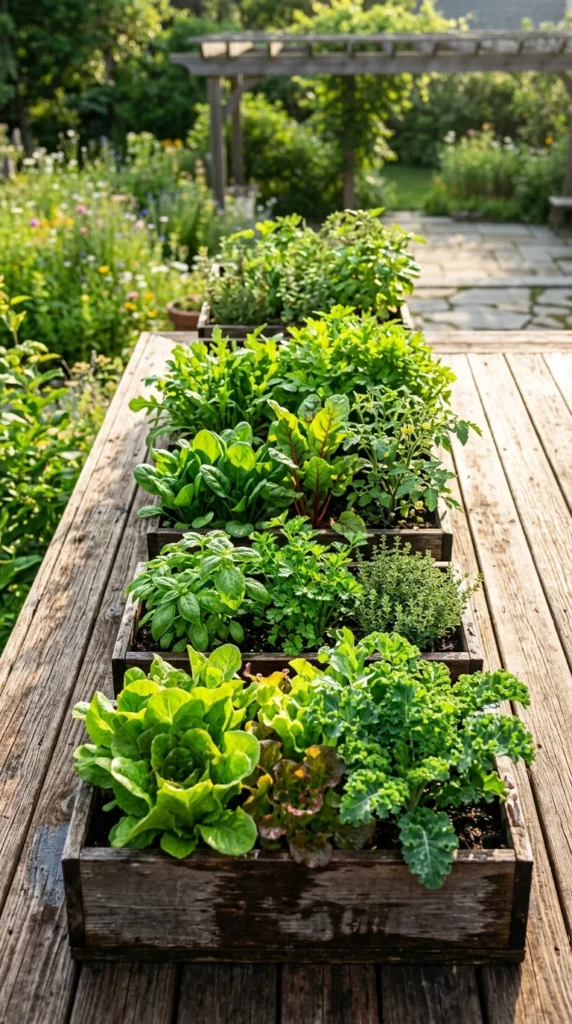
Light is the primary fuel for plant growth. Most “big” plants—especially vegetables and flowering perennials—require at least six to eight hours of direct sunlight daily. In a small space, every inch of sun is premium real estate. Use a light meter or a sun-tracking app to identify the brightest spots on your balcony or patio. If your space is shaded, opt for high-intensity reflective surfaces or white-painted walls to bounce extra light onto your containers.
7. Verticality
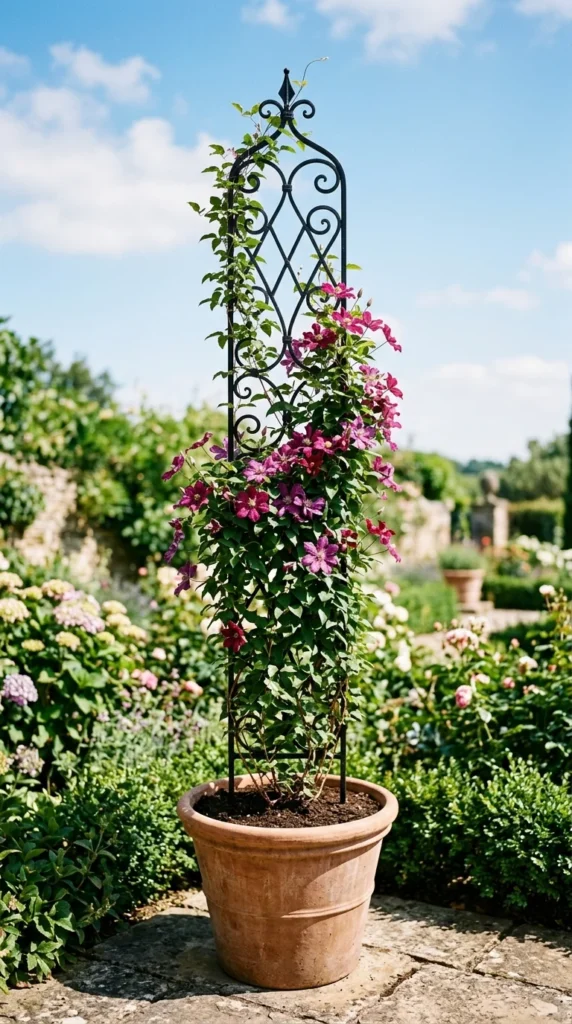
When you run out of horizontal floor space, go up. Growing vertically is the most effective way to get bigger plants in small areas. Use trellises, obelisks, or “cattle panel” arches to support vining plants like cucumbers, pole beans, or climbing roses. This not only saves space but also improves air circulation and keeps the fruit off the ground, reducing the risk of disease and pests.
8. Mulching
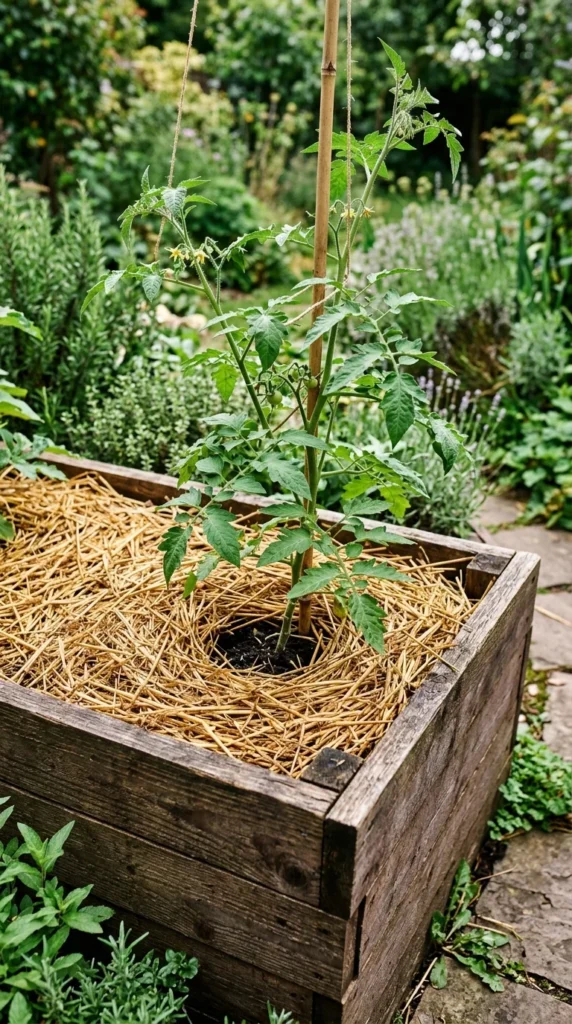
Mulching isn’t just for traditional garden beds. A one-inch layer of organic mulch—such as straw, wood chips, or shredded bark—on top of your container soil can make a massive difference. Mulch regulates soil temperature, keeping roots cool in the heat and warm during chilly nights. More importantly, it prevents evaporation, keeping the moisture levels consistent, which is vital for the sustained growth of large-form plants.
9. Companion Planting
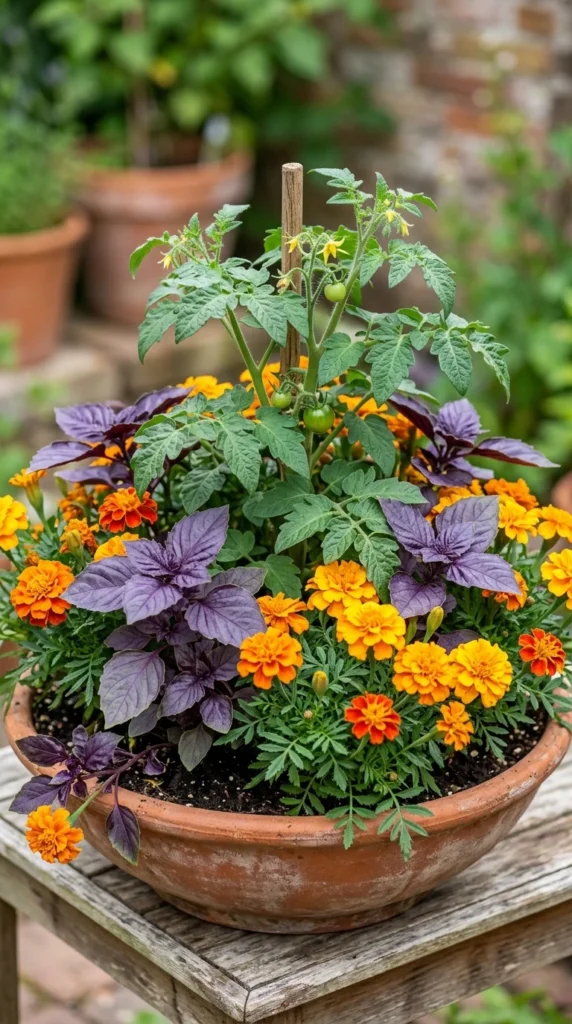
Maximize your container real estate by planting “friends” together. Companion planting allows you to grow more in one pot while benefiting the primary plant. For example, planting marigolds with tomatoes helps deter pests, while planting basil at the base of a pepper plant provides ground cover that keeps the soil moist. This intensive planting method mimics natural ecosystems and can lead to healthier, more robust growth across all species involved.
10. Pruning
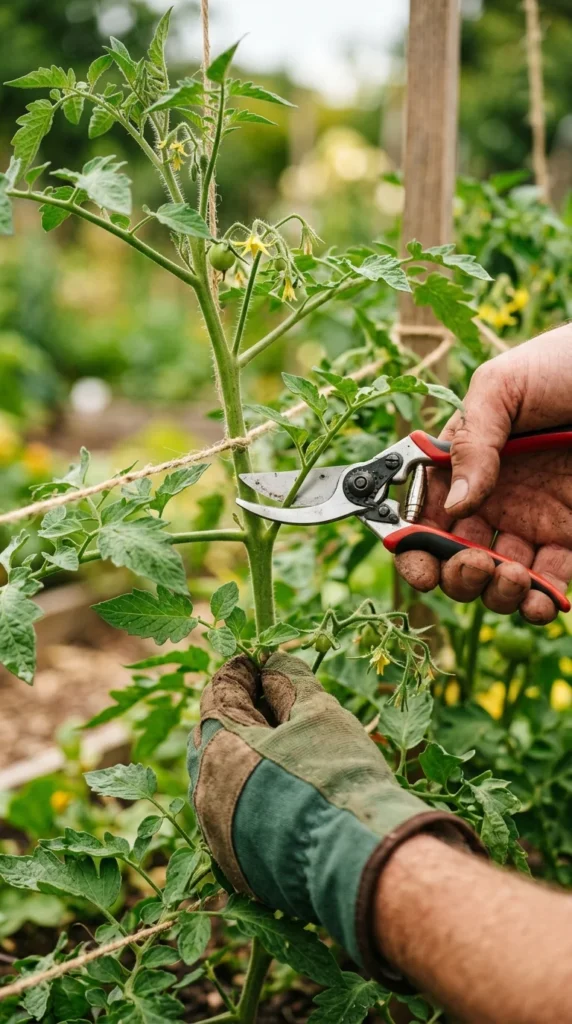
To get a “bigger” plant in terms of yield and health, you often have to cut parts of it away. Pruning removes “suckers” and dead weight, forcing the plant to redirect its energy toward the main stems and fruit production rather than maintaining excess foliage. For container plants, thinning out the center also allows more light to reach the interior leaves, preventing the “leggy” look often seen in cramped gardening spaces.
11. Watering Schedule
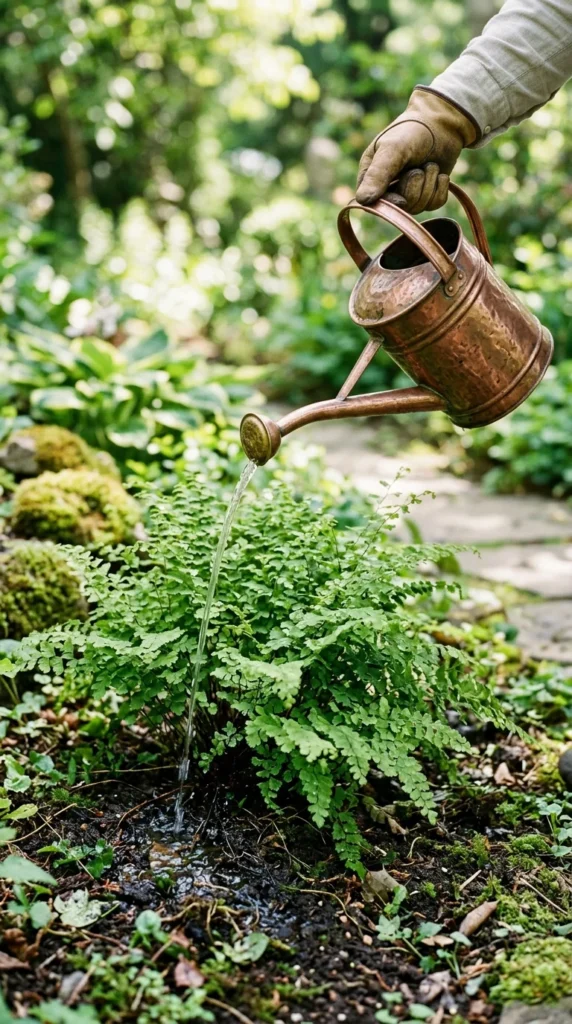
Consistency is the hallmark of professional container gardening. Watering at the same time—ideally in the early morning—allows the plant to hydrate before the heat of the day. Avoid overhead watering, which can lead to fungal issues on the leaves. Instead, aim the stream at the base of the plant. In the height of summer, some large containers may require watering twice a day; checking the soil moisture with your finger is the most reliable way to stay on top of it.
12. Pot Material
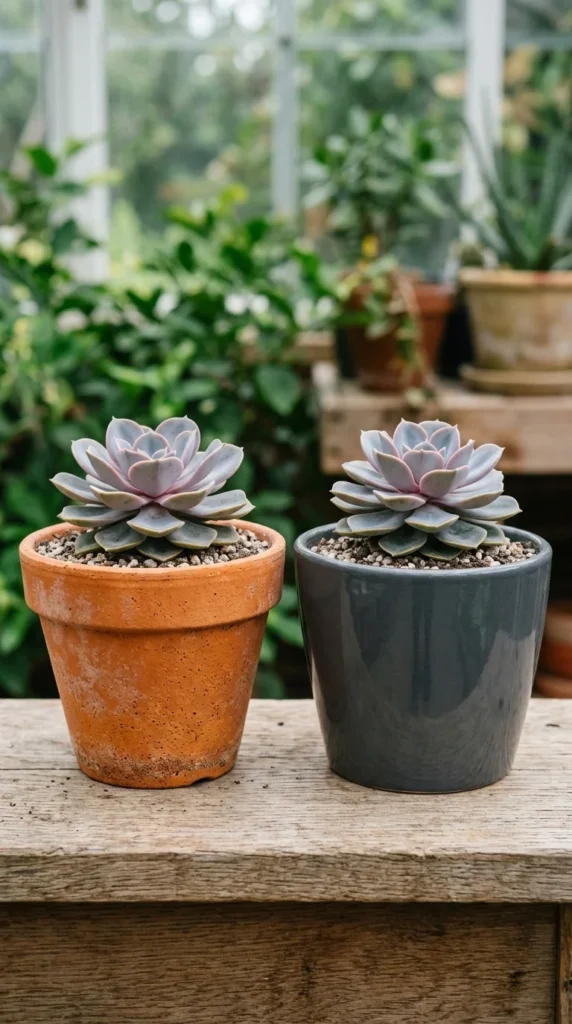
The material of your pot dictates how you care for the plant. Terracotta is porous and allows the soil to “breathe,” but it dries out very quickly. Plastic and glazed ceramic hold moisture for much longer but can lead to soggy roots if you aren’t careful. For big, thirsty plants, glazed ceramic or high-quality plastic is often better for maintaining the hydration levels needed for significant growth, whereas succulents and Mediterranean herbs thrive in terracotta.
13. Microclimates
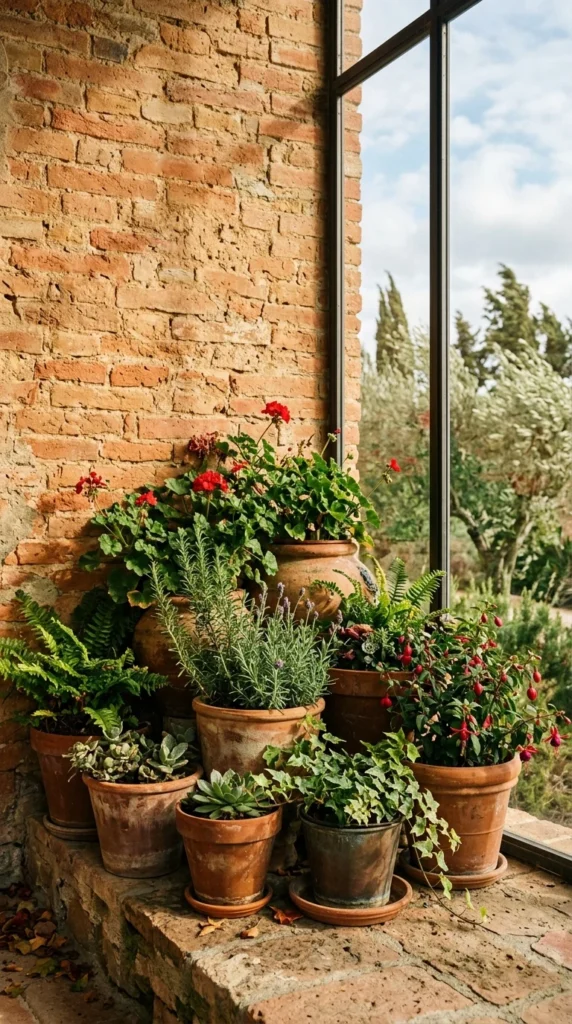
Small spaces often have “microclimates”—pockets of air that are warmer, cooler, windier, or more sheltered than the surrounding area. A brick wall absorbs heat during the day and radiates it at night, which can help tropical plants grow faster. Conversely, a wind-whipped corner can dehydrate a plant in hours. Identify these zones in your space and place your most “ambitious” plants in the most favorable spots to encourage maximum development.
14. Root Space
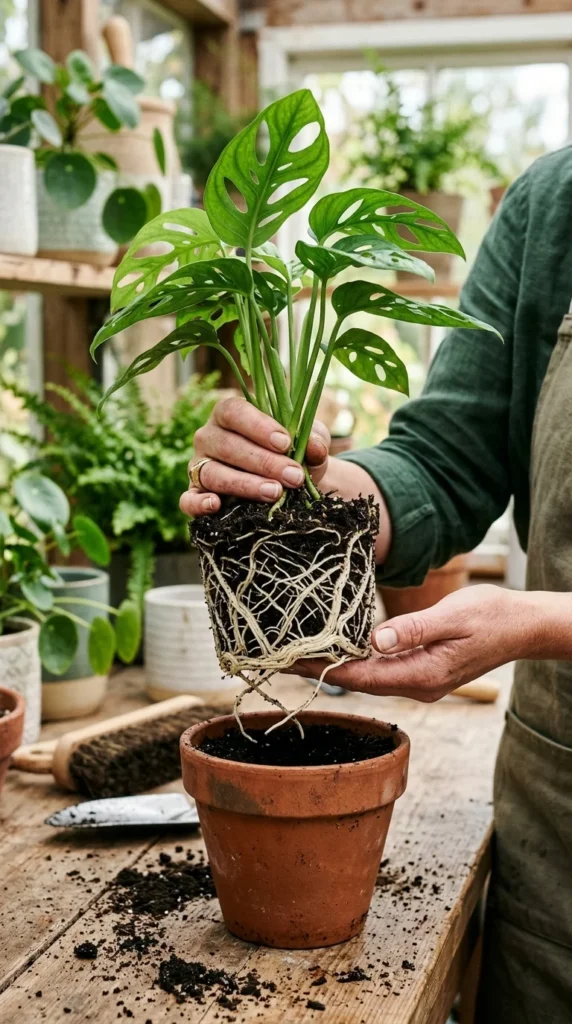
Periodically check the root health of your larger container plants. If you notice water running straight through the pot without being absorbed, or if the plant seems to have stopped growing despite being fertilized, it may be out of root space. “Potting up”—moving the plant to a container two inches wider than the current one—can trigger a new growth spurt. Use this technique annually for perennial container plants to ensure they don’t plateau.
15. Air Circulation
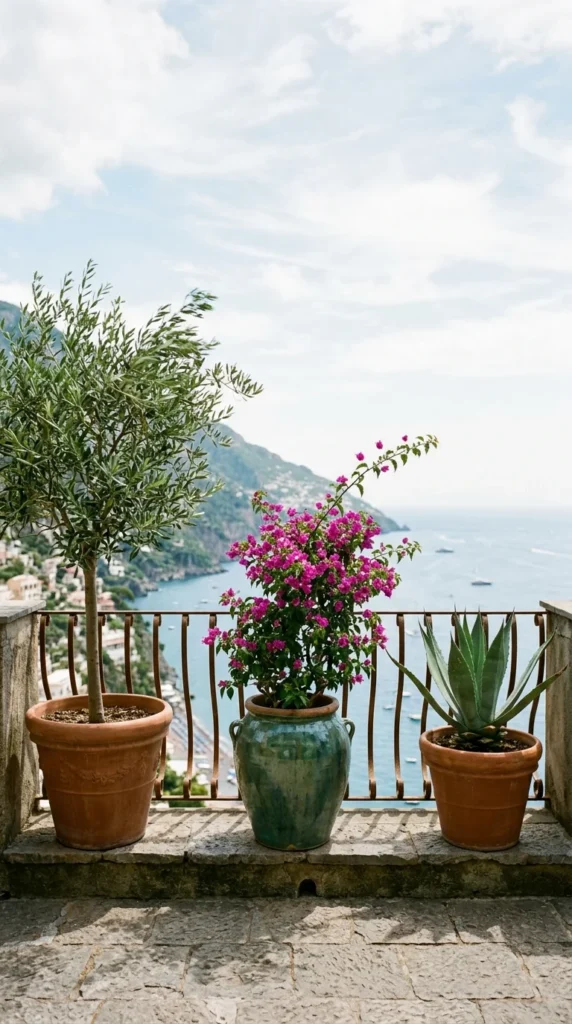
In small, enclosed spaces like balconies, air can become stagnant. This creates a breeding ground for powdery mildew and spider mites. To grow bigger, healthier plants, ensure there is enough space between containers for air to flow. If your space is particularly enclosed, consider using a small outdoor-rated fan to move the air, which strengthens the stems of the plants (thigmomorphogenesis) and keeps diseases at bay.
16. Pollination
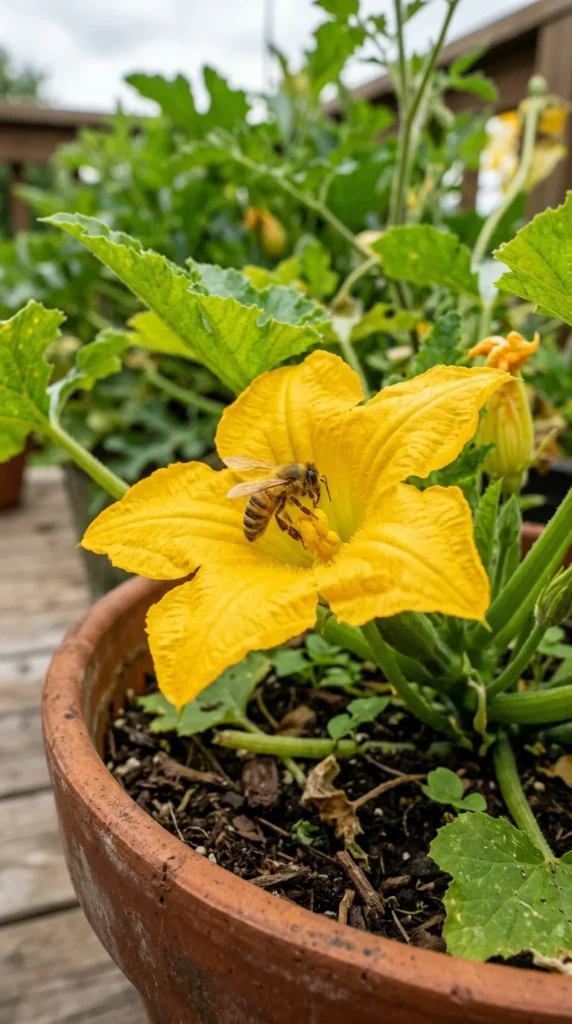
If you are growing fruiting plants like squash, cucumbers, or peppers in a high-rise or enclosed balcony, natural pollinators might not be able to find them. Without pollination, your plants won’t produce fruit, no matter how large they get. You can act as the pollinator using a small paintbrush to transfer pollen from male to female flowers. Alternatively, plant high-nectar flowers like lavender or alyssum nearby to lure bees to your small space.
17. Pest Control
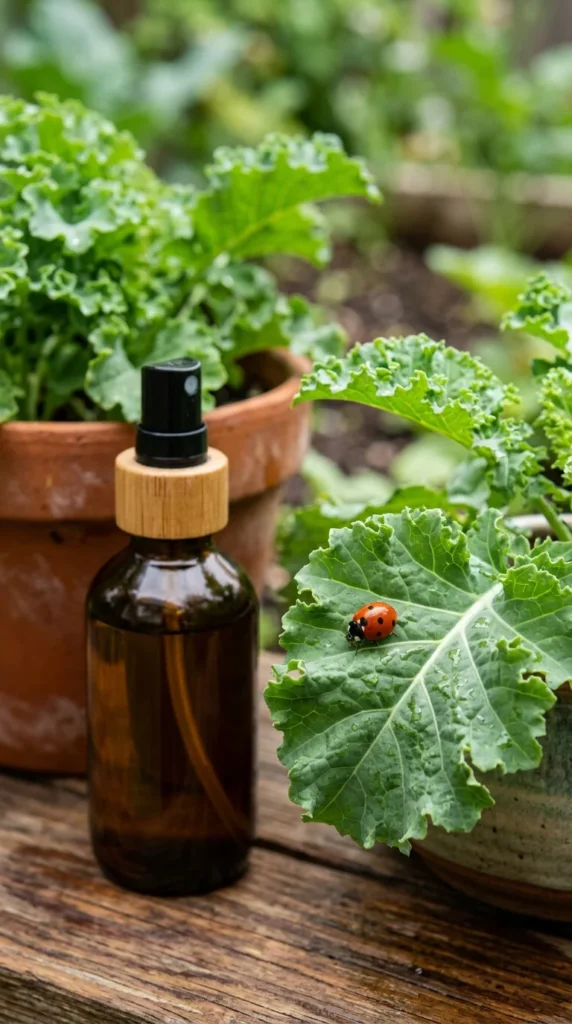
Pests can decimate a container garden much faster than an in-ground garden because the plants are more concentrated. Regularly inspect the undersides of leaves for aphids, mites, or scale. Use organic interventions like neem oil, insecticidal soap, or even a sharp blast of water to keep populations in check. A healthy, pest-free plant can dedicate all its resources to growing larger rather than repairing damaged tissue.
18. Seasonal Rotation
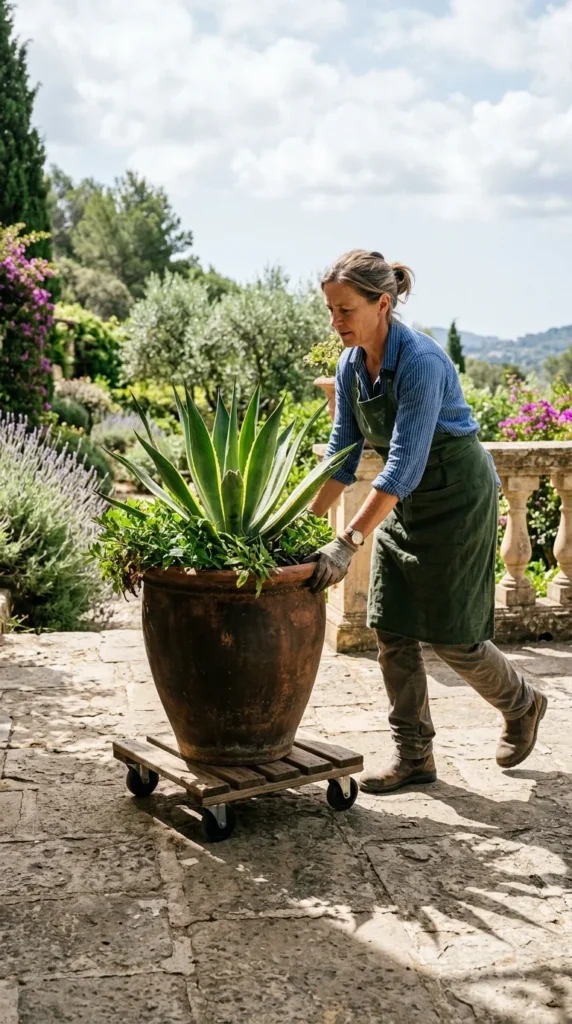
As the seasons change, so does the angle of the sun. A spot that was sunny in May might be in total shade by September. To keep your plants growing at their maximum potential, put your heaviest pots on rolling plant caddies. This allows you to easily move your “giants” into the sun as it shifts, ensuring they receive the consistent energy they need to thrive throughout their entire lifecycle.