
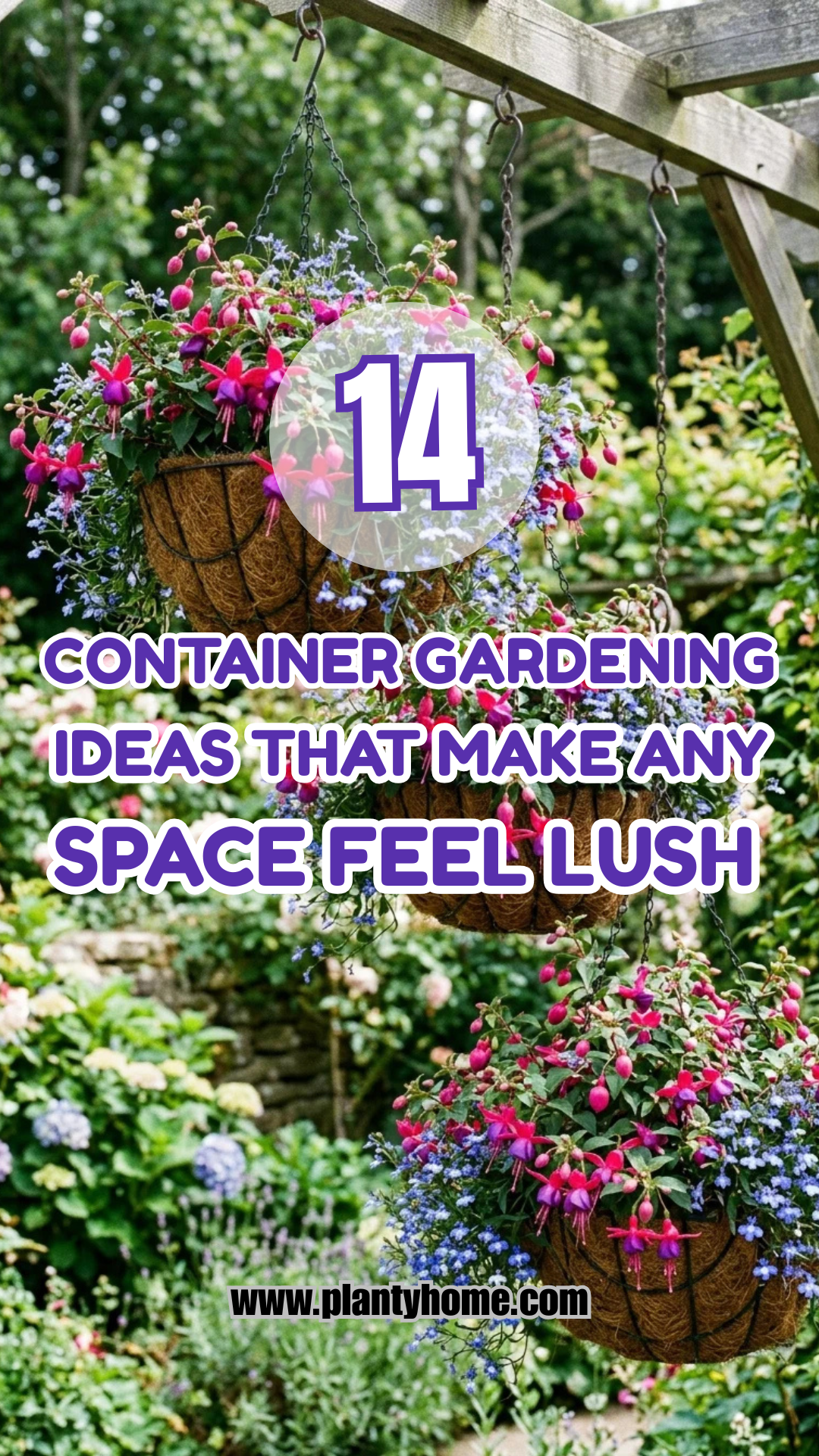
Container gardening is the ultimate solution for those seeking to transform a sterile balcony, a cramped patio, or a quiet corner of a yard into a botanical sanctuary. Unlike traditional in-ground gardening, containers offer unparalleled control over soil quality, drainage, and placement, allowing you to curate a lush environment regardless of your local geography. By strategically selecting plant varieties, pot styles, and layering techniques, you can create a sense of abundance and depth that rivals even the most sprawling estates.
The following fourteen ideas are designed to maximize visual impact and horticultural health, ensuring your container garden feels like a thriving, intentional ecosystem.
1. Vertical Accents
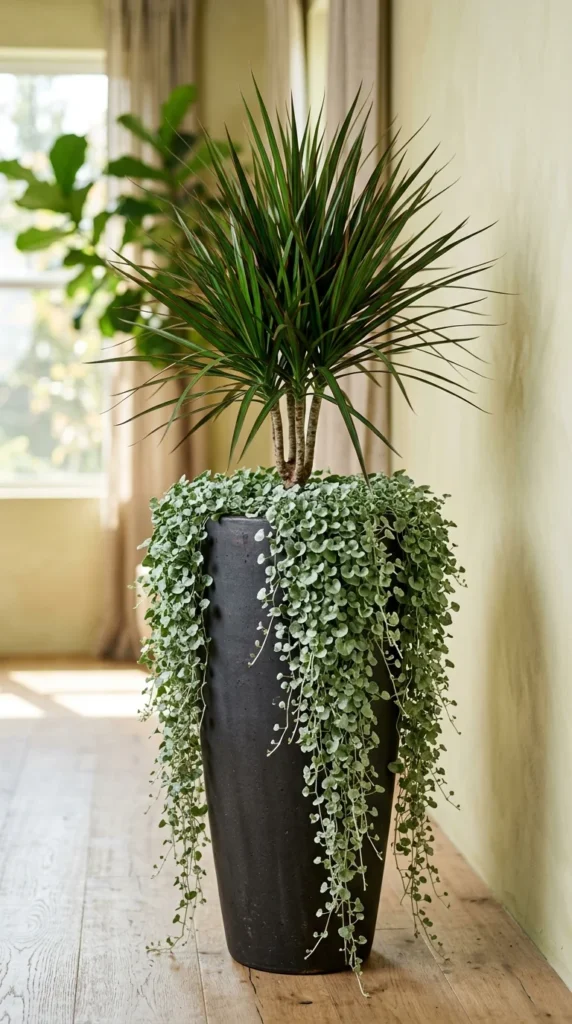
To achieve a lush look, you must utilize the vertical plane. Vertical accents serve as the “thriller” in the classic thriller-filler-spiller composition. By choosing plants that grow upward—such as ornamental grasses, columnar cacti, or tall papyrus—you draw the eye skyward, making a small space feel much larger. This approach also creates a sense of privacy and enclosure, which is essential for creating a “lush” atmosphere. When selecting containers for vertical accents, choose heavy-bottomed pots to ensure stability against wind, and consider pairing them with trailing plants at the base to soften the edges.
2. Edible Bounty
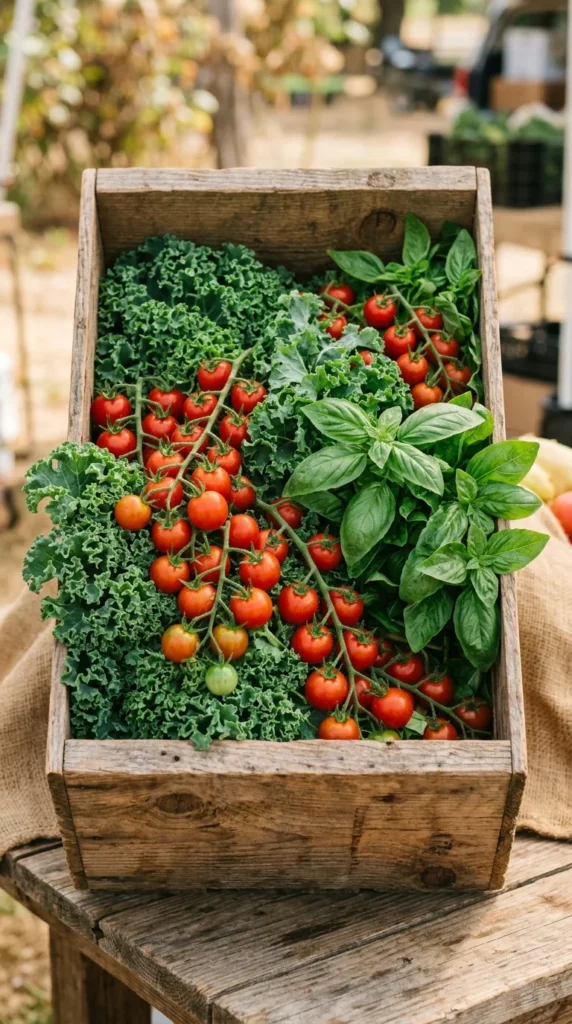
Lushness is not just about aesthetics; it is about productivity and abundance. Integrating edibles into your container garden provides a sensory experience that ornamental plants alone cannot match. Herbs like rosemary, thyme, and mint grow vigorously in containers and offer incredible fragrance. For a more substantial display, dwarf fruit trees—such as Meyer lemons or columnar apples—provide structural beauty and a rewarding harvest. The key to a lush edible container is to avoid sparse planting; intersperse leaf lettuce or arugula around the base of larger vegetable plants to fill every square inch of soil with greenery.
3. Mediterranean Charm
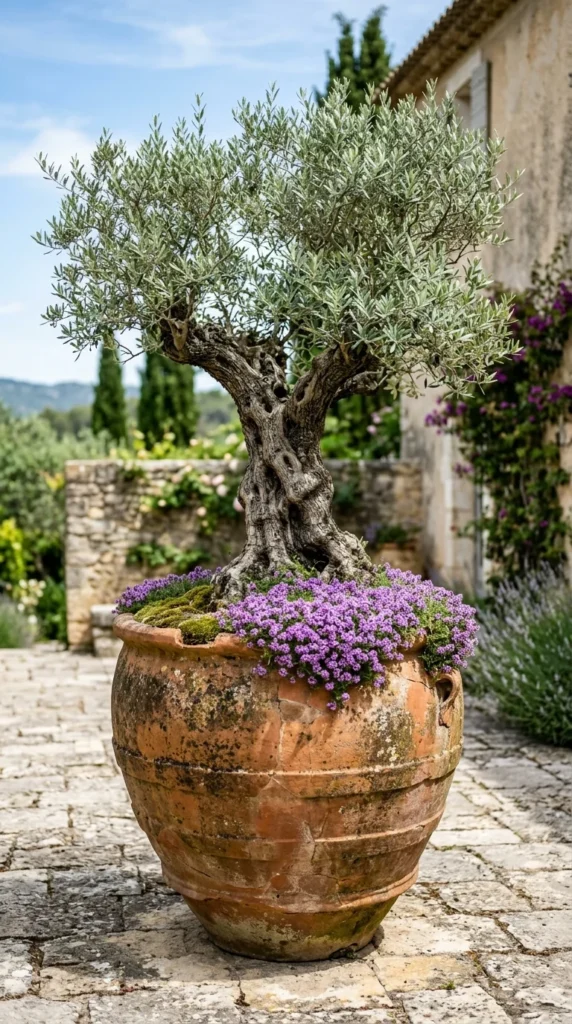
The Mediterranean aesthetic relies on warmth, texture, and hardy, sun-loving plants. Terracotta pots are the hallmark of this style, providing a porous environment that many Mediterranean plants crave. To create a lush Mediterranean corner, group pots of varying sizes containing lavender, rosemary, and citrus. The silver-grey foliage of many of these plants provides a sophisticated contrast to the deep greens of more traditional garden plants. This style is particularly effective for high-heat areas where more delicate tropicals might wilt, ensuring your space remains vibrant and full even in the height of summer.
4. Layered Textures
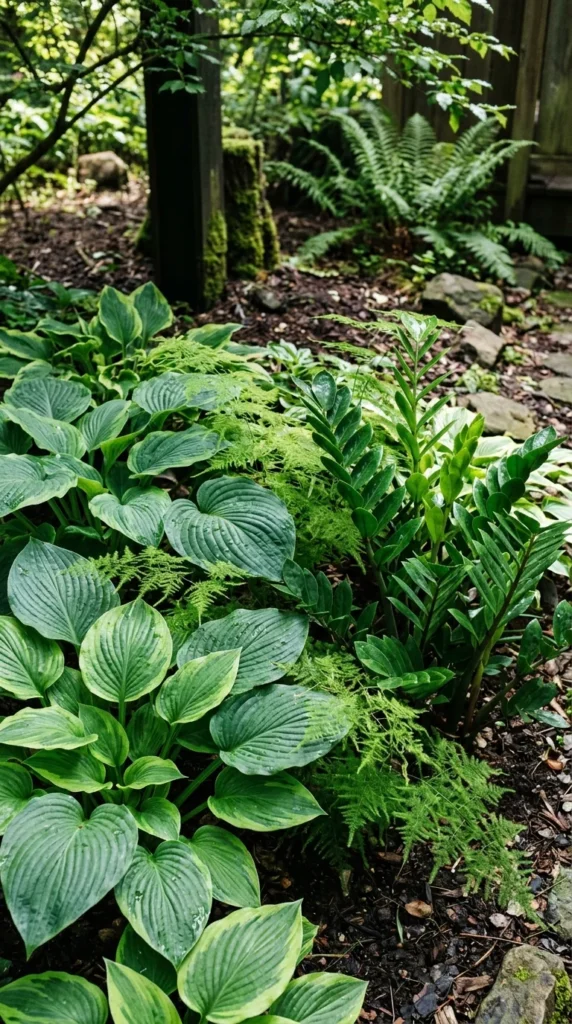
A common mistake in container gardening is focusing solely on color while ignoring texture. A truly lush space is one where the eye is constantly discovering new shapes and patterns. Combine broad-leafed plants like Berginia or Hostas with the fine, delicate fronds of ferns or ornamental grasses. The contrast between the heavy, solid leaves and the light, airy foliage creates a visual depth that makes a collection of pots feel like a cohesive garden. This technique is especially useful in shade gardens, where floral color may be limited, but the diversity of green shades can create a stunning, verdant effect.
5. Succulent Tapestry
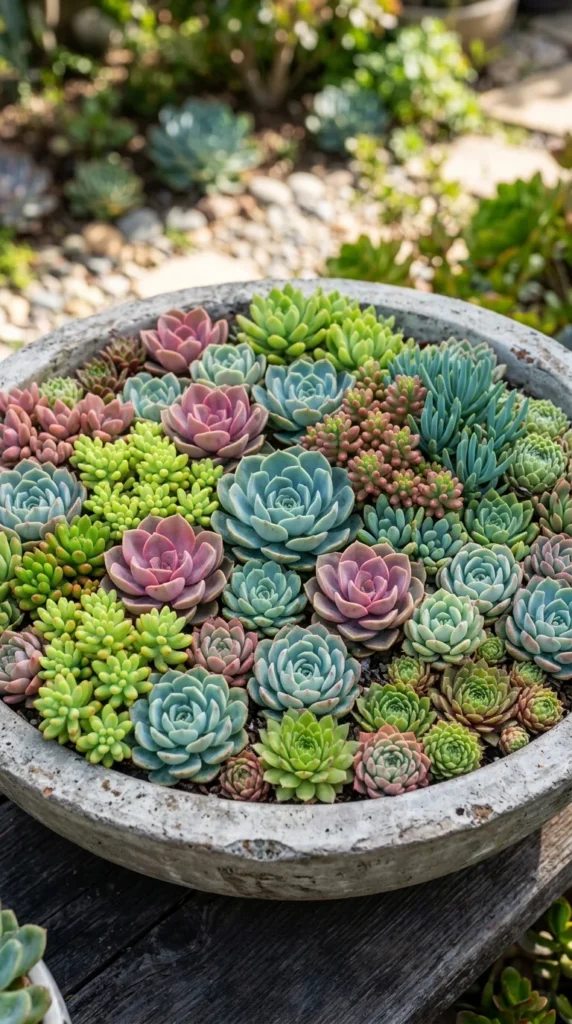
Succulents offer a unique form of lushness through their geometric shapes and vibrant, often surprising colors. Rather than planting a single succulent in a small pot, create a “tapestry” by packing a wide, shallow bowl with multiple varieties. Use different heights, such as tall Crassula alongside low-growing Echeveria and trailing String of Pearls. Because succulents are slow-growing and have compact root systems, they can be planted closely together, resulting in an immediate sense of fullness. This is an ideal solution for low-water environments or for gardeners who prefer a low-maintenance yet high-impact display.
6. Seasonal Color
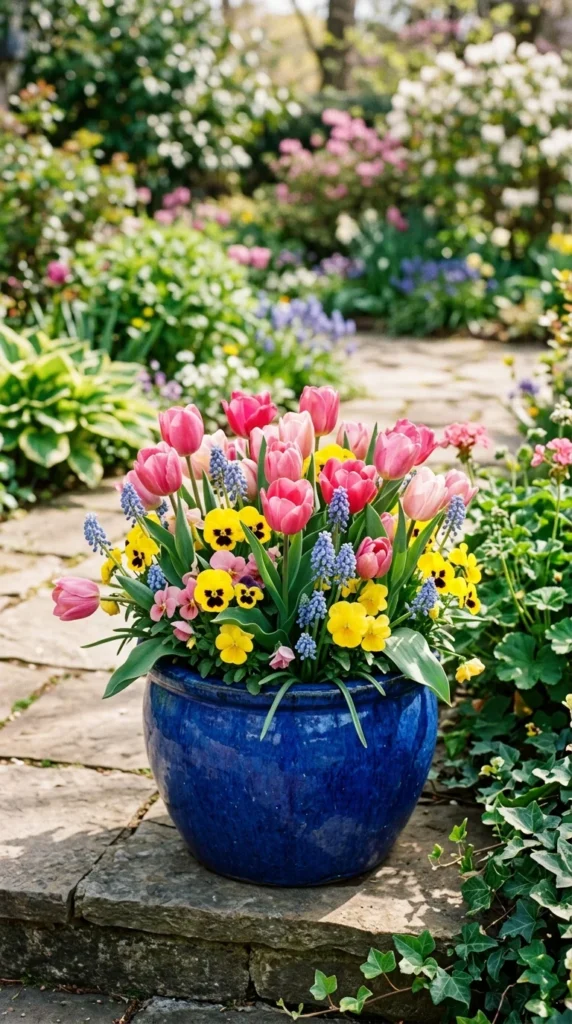
To maintain a lush feel throughout the year, you must plan for seasonal transitions. Flowering bulbs are excellent for early spring density, followed by heat-loving annuals like petunias and zinnias for the summer months. In autumn, swap out tired summer plants for ornamental kales, pansies, and chrysanthemums. By rotating a portion of your containers with seasonal highlights, you ensure that the garden never looks stagnant or “over the hill.” For the most professional look, keep your “anchor” plants (perennial shrubs or evergreens) in place and only swap out the “filler” flowers.
7. Tropical Oasis
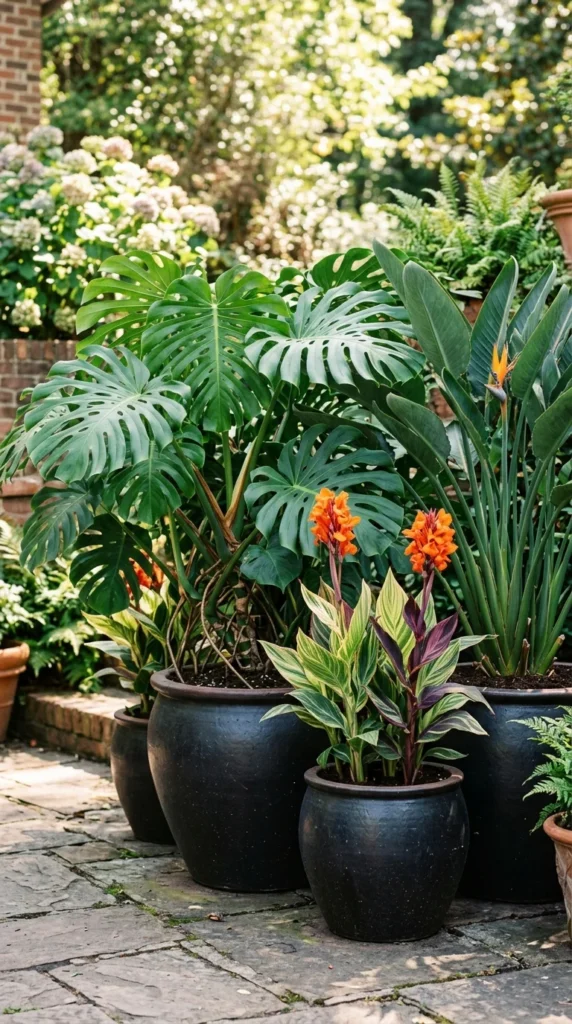
Nothing says “lush” quite like the oversized, dramatic foliage of tropical plants. Even in temperate climates, many tropicals thrive in containers during the warmer months. Monstera, Alocasia (Elephant Ears), and various palms can transform a suburban porch into a jungle-like retreat. These plants often have high water and humidity requirements, so grouping them together not only looks good but also creates a microclimate that helps them thrive. The sheer scale of tropical leaves creates an instant focal point and provides a sense of luxury and exoticism that smaller-leafed plants cannot provide.
8. Window Boxes
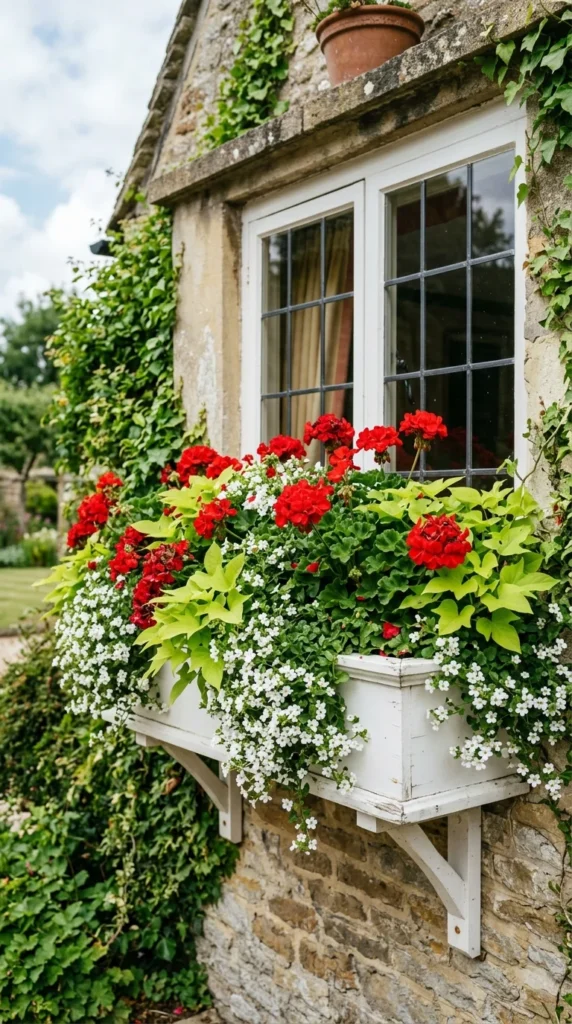
Window boxes are a specialized form of container gardening that maximizes vertical real estate and adds “curb appeal.” To make a window box feel lush, aim for an “overstuffed” look. Use a mix of upright flowers for height and trailing vines to hide the container itself. The goal is to create a waterfall of color and texture that appears to grow directly out of the architecture. For a sophisticated look, stick to a limited color palette—such as all white and green—or go for a cottage-core aesthetic with a wild mix of colors and textures.
9. Minimalist Greens
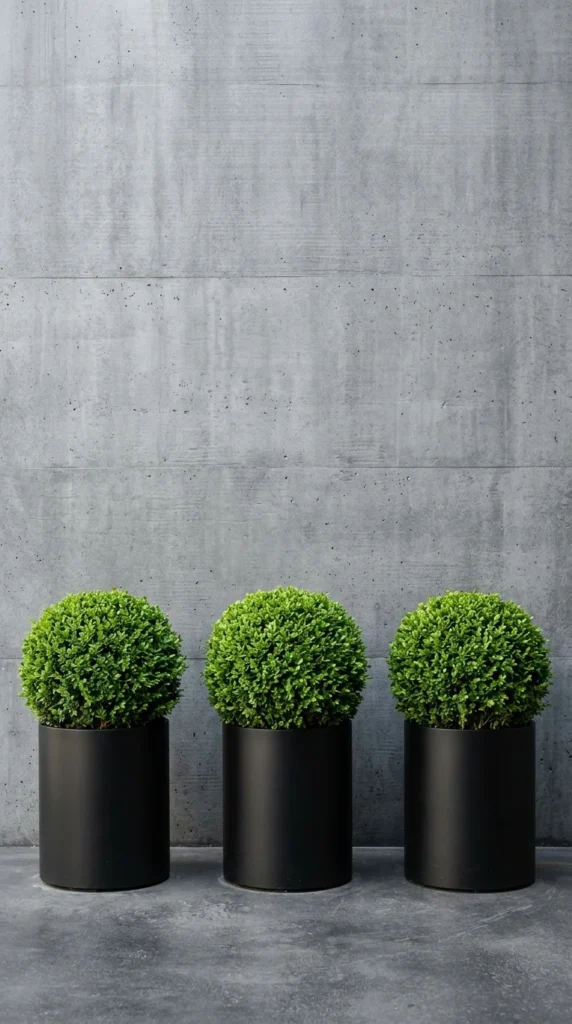
Lushness does not always require a chaotic mix of species. A minimalist approach can be equally powerful by using repetition and form. A row of identical pots containing the same plant—such as Sansevieria (Snake Plant), Boxwood, or Bamboo—creates a rhythmic, architectural feel. This clean look is highly effective in modern or urban spaces where a wilder garden might feel cluttered. The “lushness” here comes from the health and density of the chosen plants, as well as the deliberate, high-end feel of the arrangement.
10. Mixed Pollinators
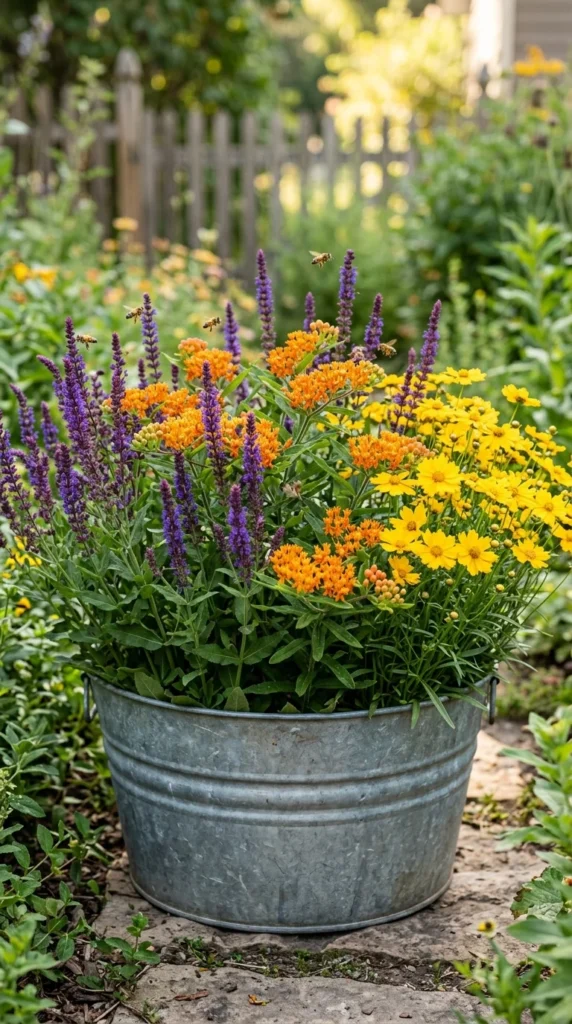
Creating a lush environment also means inviting life into your space. Containers filled with pollinator-friendly plants like Lantana, Salvia, and Echinacea will attract butterflies, bees, and hummingbirds. This adds a dynamic, moving element to your garden. To achieve the best results, plant in “drifts” or dense clusters rather than spacing plants out. A crowded pot of nectar-rich flowers not only looks more abundant but is also easier for pollinators to locate. This approach turns your container garden into a vital stepping stone for local wildlife.
11. Hanging Spheres
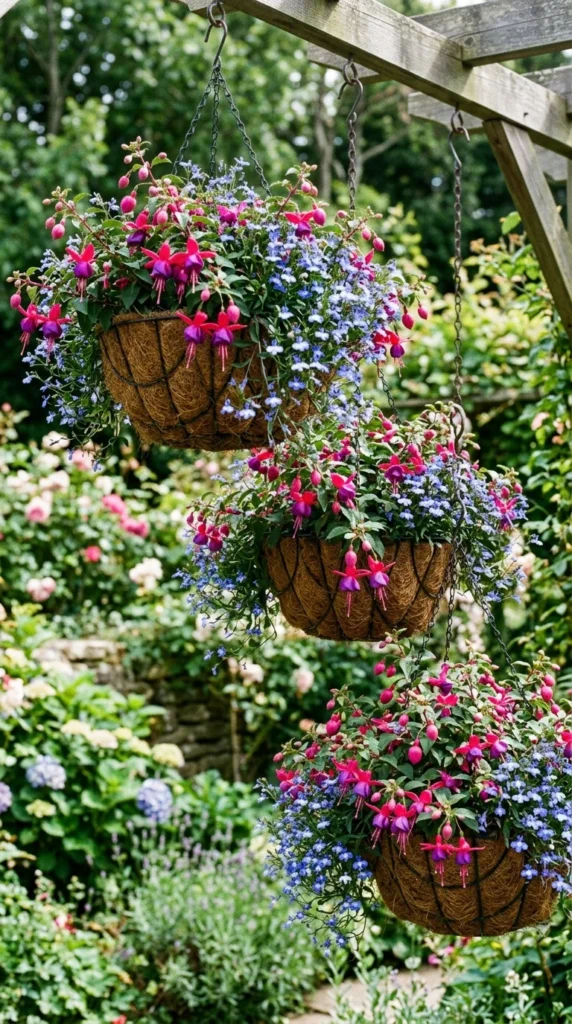
When floor space is at a premium, look up. Hanging baskets are essential for creating a fully immersive green environment. Instead of the standard plastic store-bought baskets, use wire baskets lined with cocoa coir, which allows you to plant in the sides as well as the top. This results in a literal “ball” of flowers and foliage. Strategically placing hanging spheres at different heights creates a canopy of greenery that makes the space feel like a lush, enclosed room. Plants like fuchsias, begonias, and trailing petunias are perfect for this application.
12. Tiered Displays
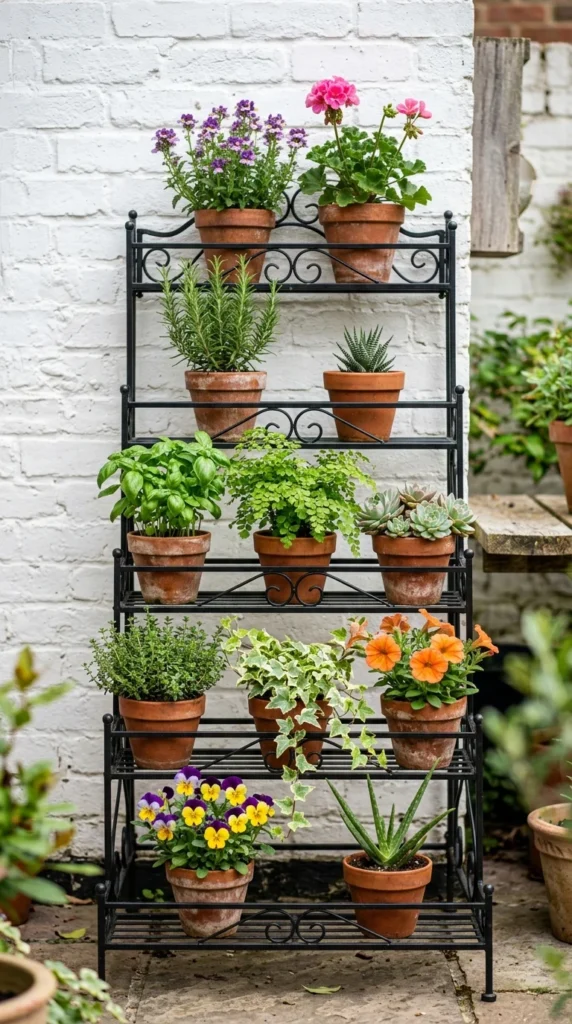
Depth is a key component of a lush garden. By using tiered plant stands or “plant theaters,” you can display a large number of containers in a small footprint. This creates a vertical wall of greenery that is much more impactful than pots scattered across the floor. Tiered displays allow you to showcase smaller, more delicate specimens that might otherwise be lost in a larger arrangement. They also make maintenance easier, as most of the plants are elevated to waist or chest height.
13. Aquatic Containers
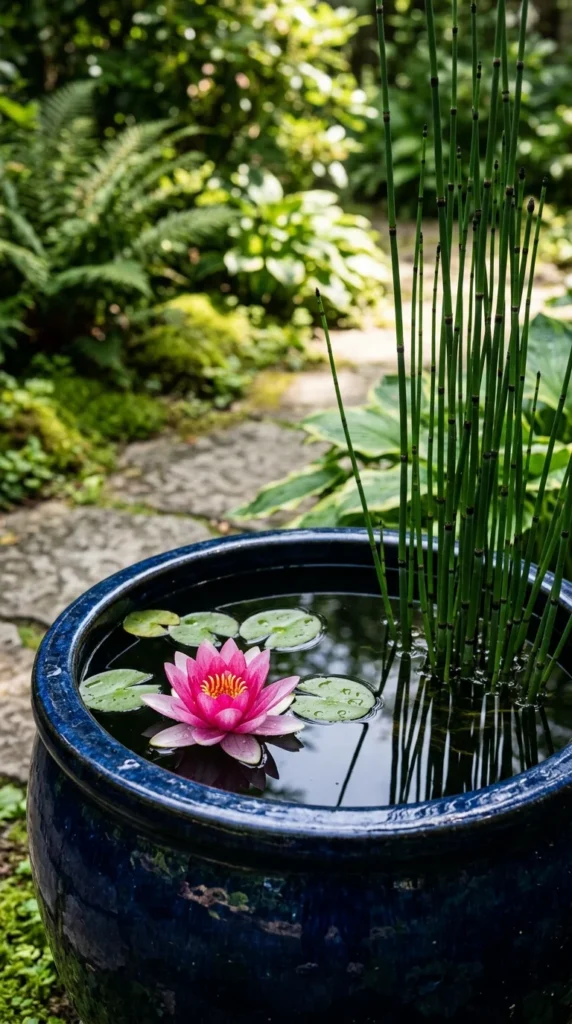
Water adds a completely different dimension to container gardening. A “pot-pond” can house aquatic plants like water lilies, lotus, and fairy moss. The presence of water, combined with the unique textures of aquatic foliage, creates a cooling, tranquil effect that feels incredibly lush. These containers are also excellent for attracting dragonflies and providing a water source for birds. Ensure the container is waterproof (non-porous) and consider adding a small solar-powered pump to keep the water moving and prevent mosquito larvae.
14. Fragrant Arrangements
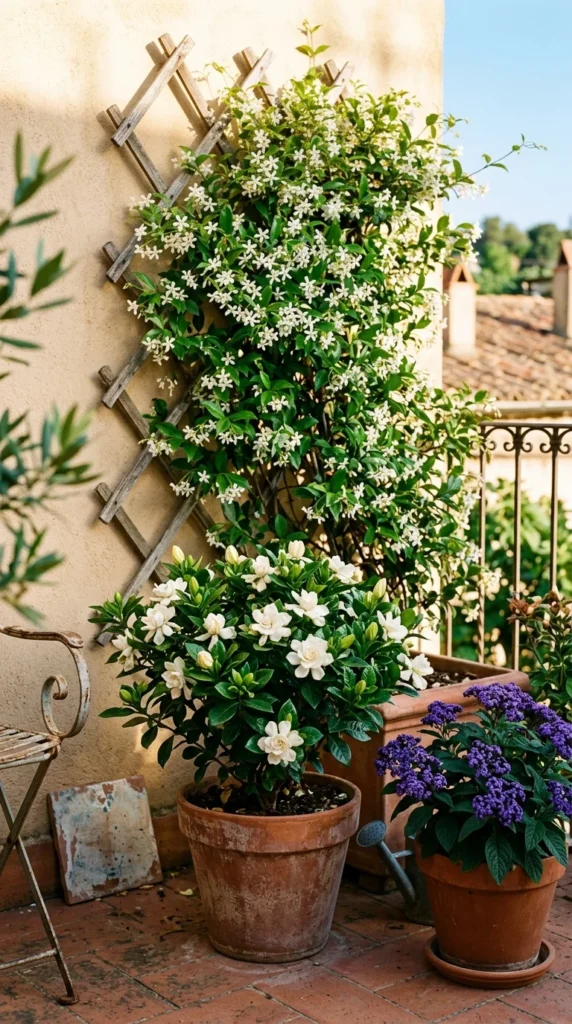
True lushness engages all the senses, and fragrance is the most evocative of them all. When designing your container garden, place fragrant plants near seating areas or doorways where their scent can be appreciated. Night-blooming jasmine, gardenias, and fragrant herbs like lemon verbena can fill an entire balcony with a sweet, intoxicating aroma. By layering scent alongside visual density and texture, you create a truly immersive environment that feels like a private escape from the outside world.