
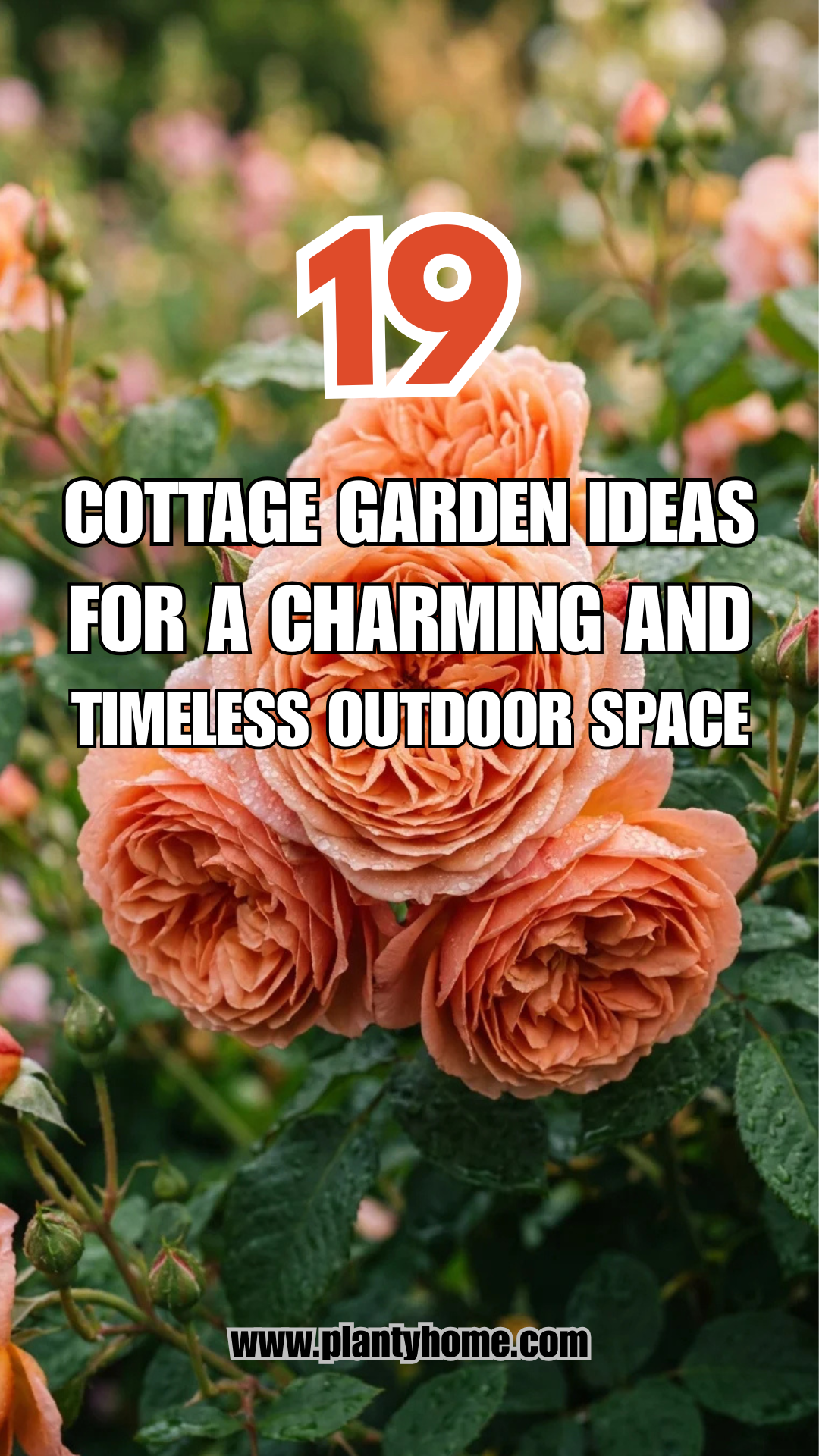
The cottage garden is a masterclass in controlled chaos, a timeless landscape style that prioritizes abundance, fragrance, and a sense of untamed beauty. Unlike the rigid structure of formal gardens, the cottage aesthetic embraces the whimsical, allowing plants to spill over pathways and climb over weathered structures. Originally designed for practicality—housing herbs, fruits, and vegetables alongside medicinal blooms—the modern cottage garden has evolved into a sanctuary of relaxation and sensory delight.
Creating this look requires a shift in mindset from perfection to personality. It is about layering textures, mixing colors with abandon, and incorporating reclaimed materials that tell a story. Whether you have a sprawling countryside estate or a modest urban backyard, these 19 ideas will help you cultivate a charming, timeless outdoor space.
1. Winding Pathways
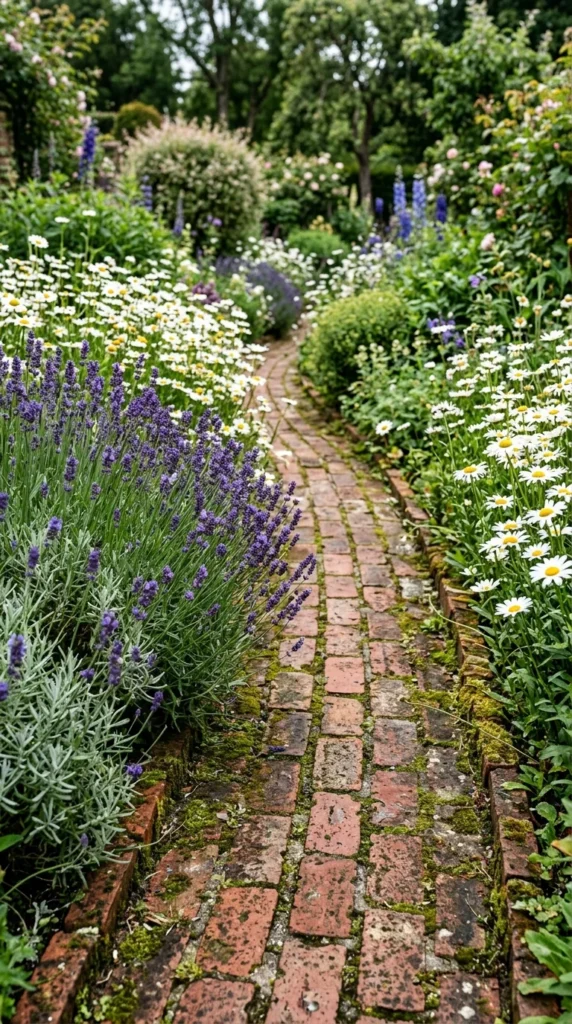
A hallmark of cottage garden design is the absence of straight lines. Winding pathways create a sense of mystery and discovery, encouraging visitors to slow down and appreciate the details. Materials should feel organic and aged; think reclaimed bricks, irregular flagstones, or simple wood chips. As the seasons progress, allow low-growing plants like creeping thyme or chamomile to soften the edges of the path, blurring the line between the walkway and the flower beds.
2. Weathered Arbors
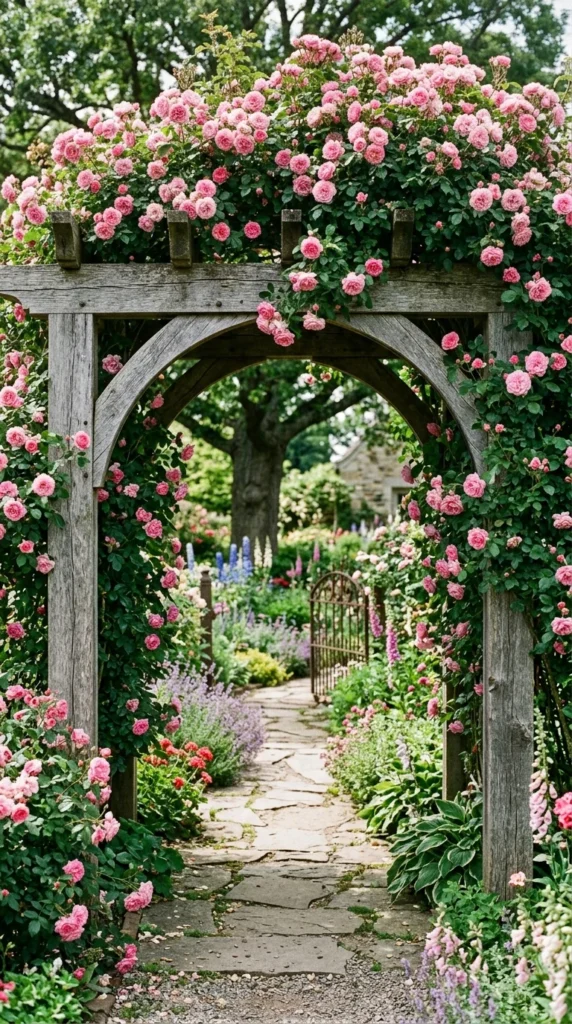
Verticality is essential in a cottage garden to create a sense of enclosure and height. A weathered arbor serves as both a structural focal point and a support for climbing plants. Whether placed at the entrance of the garden or used to transition between different “rooms” of the outdoor space, an arbor adds a romantic, architectural element. Opt for natural wood that will silver over time or wrought iron with a slight patina to maintain that lived-in, timeless feel.
3. Rustic Fences
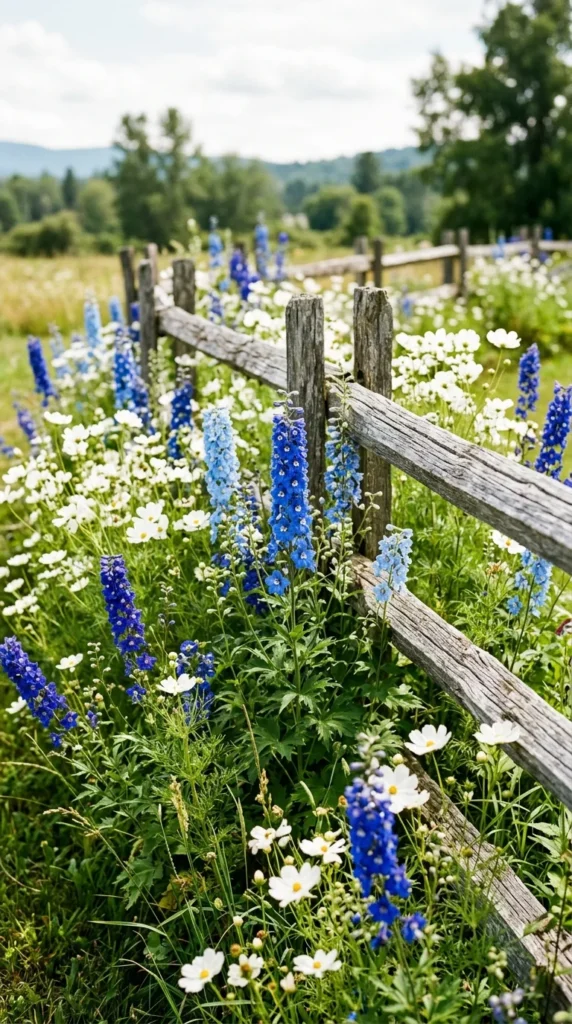
Boundaries in a cottage garden should feel permeable and inviting rather than cold and clinical. A rustic split-rail fence or a traditional wattle fence made of woven willow branches provides a perfect backdrop for tall perennials. These structures allow glimpses of the garden from the outside while providing a sturdy frame for heavy-headed flowers to lean against. The goal is to create a frame that looks as though it has been there for decades.
4. Lush Perennials
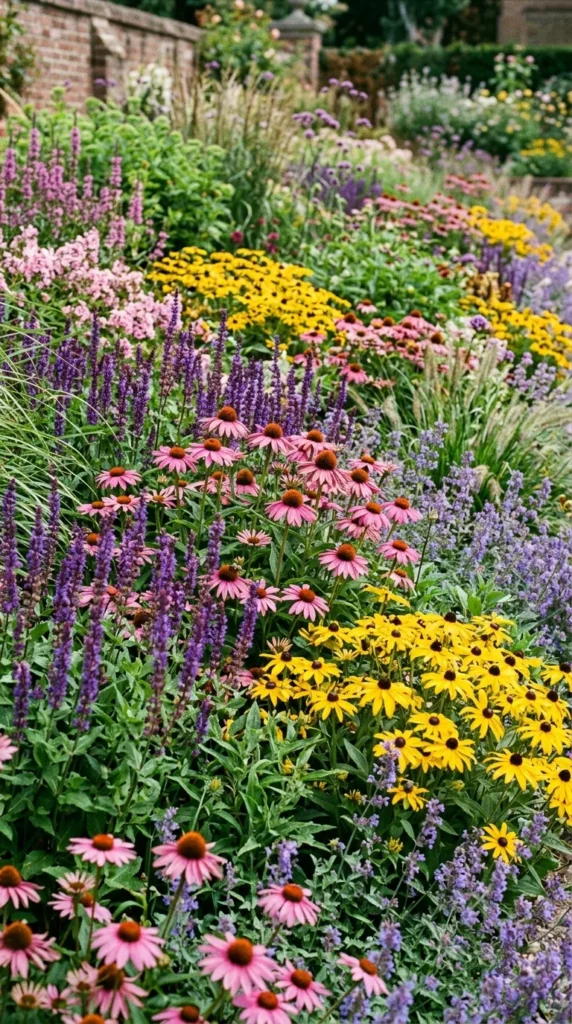
The “crowded” look is intentional in cottage gardening. By planting perennials densely, you minimize the space available for weeds to grow and create a tapestry of color and texture. Focus on classic varieties like delphiniums, hollyhocks, and lupines. These plants return year after year, growing larger and more impressive with each season, providing the lush, overflowing abundance that defines the style.
5. Fragrant Roses
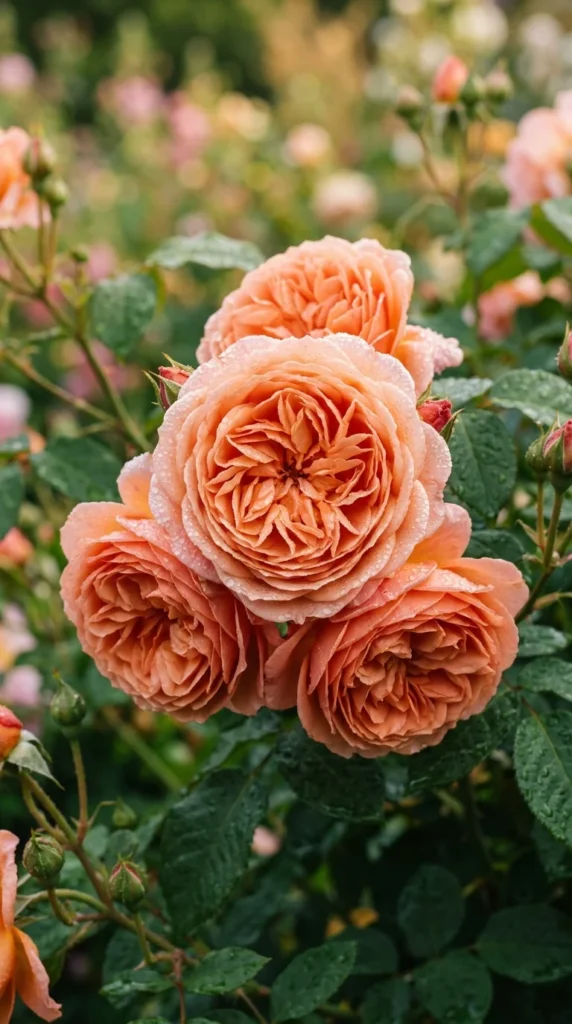
No cottage garden is complete without the queen of flowers. However, rather than the stiff, high-centered hybrid teas found in formal gardens, choose “old-fashioned” or shrub roses. Varieties like David Austin roses offer the multi-petaled, cabbage-like look and intense fragrance associated with historical gardens. Allow them to grow into large, informal mounds or train them to scramble over walls and fences for maximum impact.
6. Layered Heights
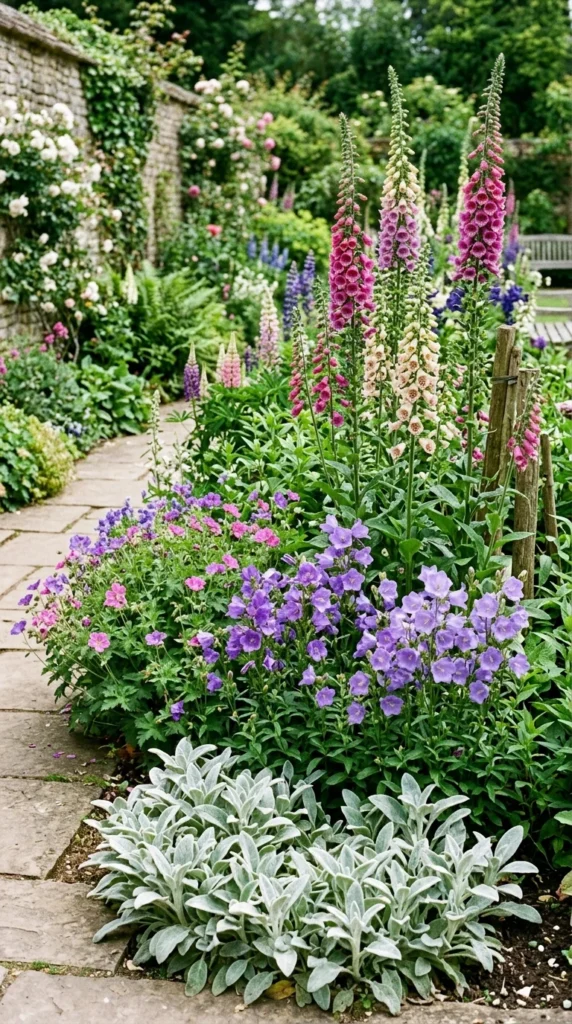
To achieve a professional and immersive look, arrange your plants in tiers. Place low-growing “edgers” like sweet alyssum or lady’s mantle at the front of the border. In the middle, use medium-height plants like phlox and poppies. Finally, anchor the back with “skyscrapers” like foxgloves and sunflowers. This layering ensures that every plant is visible and creates a wall of color that draws the eye upward.
7. Heritage Seeds
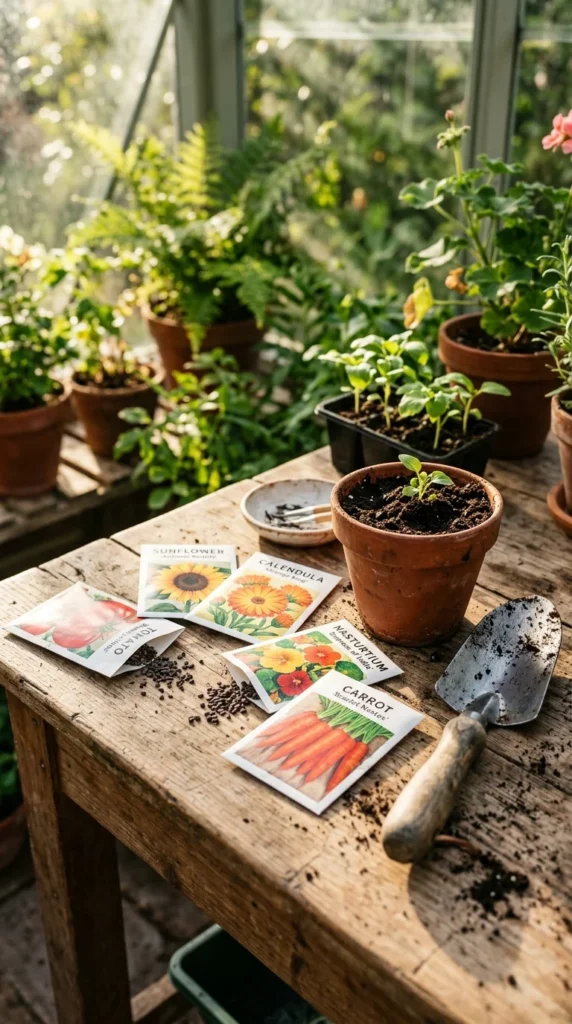
Cottage gardens have deep roots in history, making heirloom or heritage seeds a natural choice. These varieties have been passed down through generations for their resilience, unique colors, and superior fragrance. Planting heirloom sweet peas or antique pansies not only connects your garden to the past but often attracts more pollinators than modern, highly bred cultivars that may have lost their nectar or scent.
8. Hidden Seating
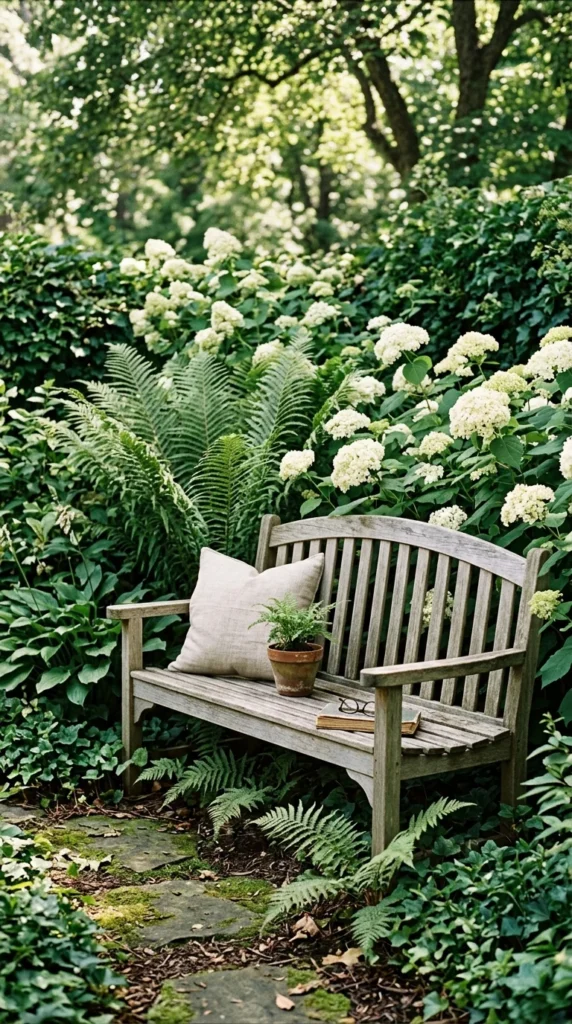
A cottage garden is meant to be lived in, not just looked at. Tucking a bench or a pair of bistro chairs into a secluded corner creates a private sanctuary for reading or reflecting. Choose materials that blend with the environment, such as aged wood or moss-covered stone. Positioning the seating near fragrant plants like jasmine or honeysuckle enhances the sensory experience of the “hidden” retreat.
9. Vintage Accents
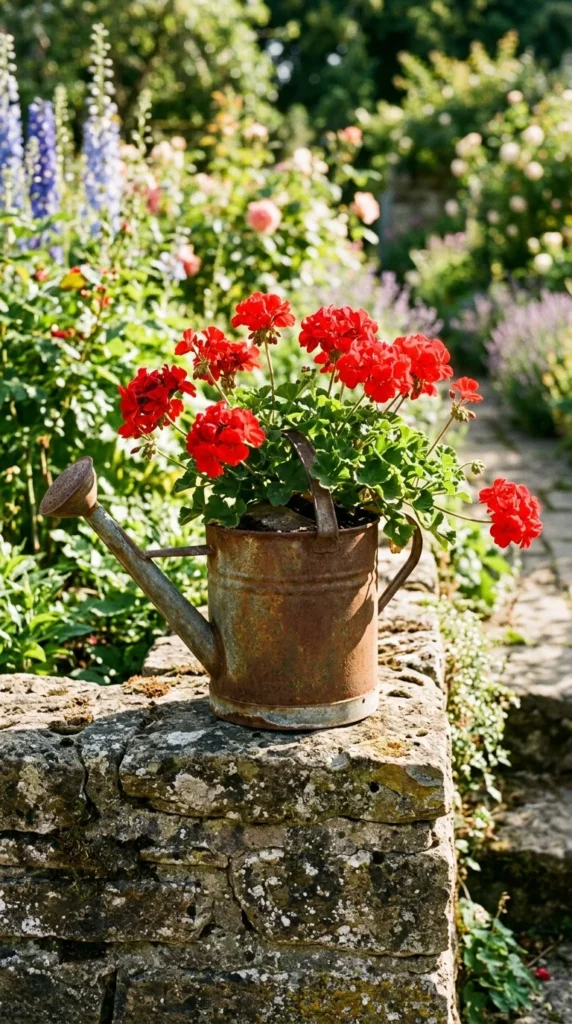
Incorporate “found” objects to give your garden character and a sense of history. An old galvanized bucket, a vintage wheelbarrow, or even an antique bicycle can serve as unique planters or decorative focal points. These items should look like they have been repurposed out of necessity, echoing the resourceful spirit of the original cottage gardeners who utilized whatever was at hand.
10. Wildlife Havens

A thriving cottage garden is a living ecosystem. By choosing nectar-rich flowers and providing water sources, you invite bees, butterflies, and birds to become part of the landscape. Incorporating plants like buddleia (butterfly bush), milkweed, and clover ensures your garden is buzzing with life. The movement of wildlife adds a dynamic, enchanting layer to the garden that static plants cannot provide alone.
11. Edible Borders
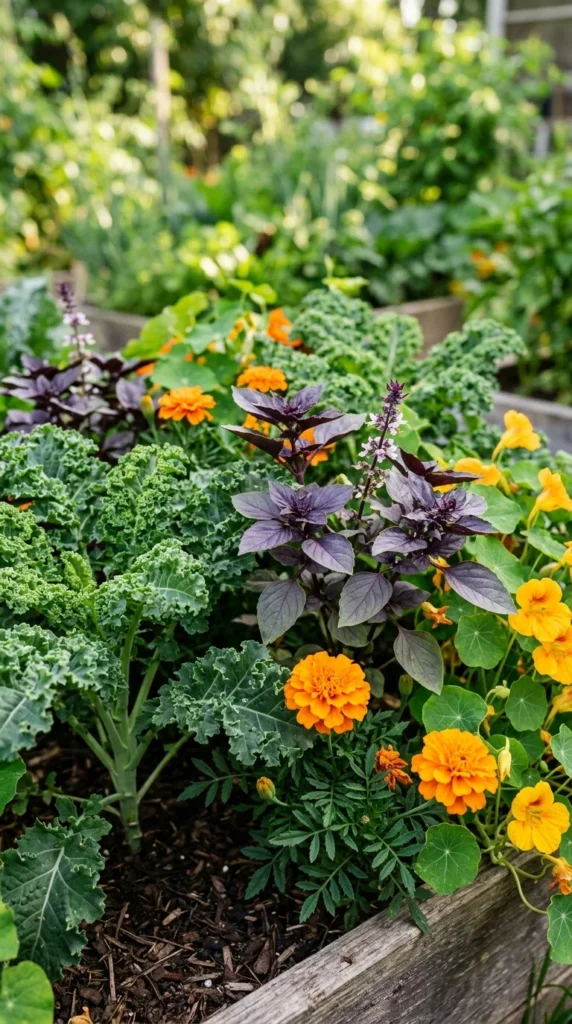
Blurring the lines between the kitchen garden and the flower garden is a classic cottage technique. Mix edible plants directly into your ornamental borders. The crinkled leaves of Swiss chard, the feathery fronds of fennel, and the bright blooms of runner beans are just as beautiful as traditional flowers. This approach is both practical and visually interesting, providing a harvest while maintaining the garden’s aesthetic.
12. Wildflower Meadows

If you have a larger area, consider dedicating a portion to a mini wildflower meadow. This reduces maintenance and provides a soft, romantic contrast to more tended beds. A simple mix of native annuals and perennials can create a “pollinator highway” that looks effortlessly beautiful. The key is to let the grass grow a bit longer and allow the flowers to self-seed, creating a naturalized look.
13. Picket Gates
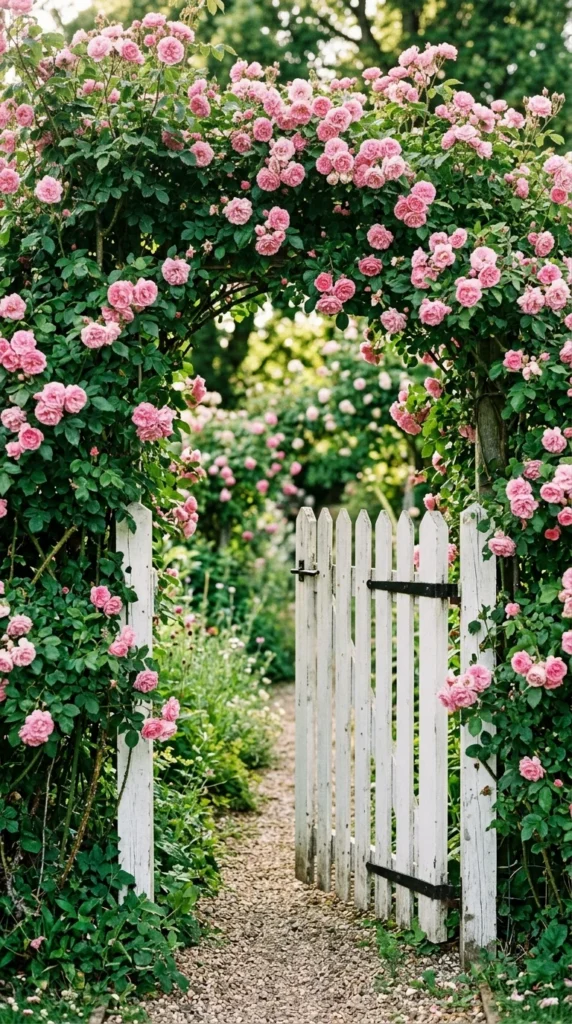
The entrance to a cottage garden sets the tone for the entire experience. A traditional picket gate, whether painted white or left as natural wood, provides a sense of nostalgia and charm. An open gate is a symbolic invitation to enter a slower, more peaceful world. For an even more timeless look, allow clematis or ivy to weave through the slats of the gate.
14. Stone Edging
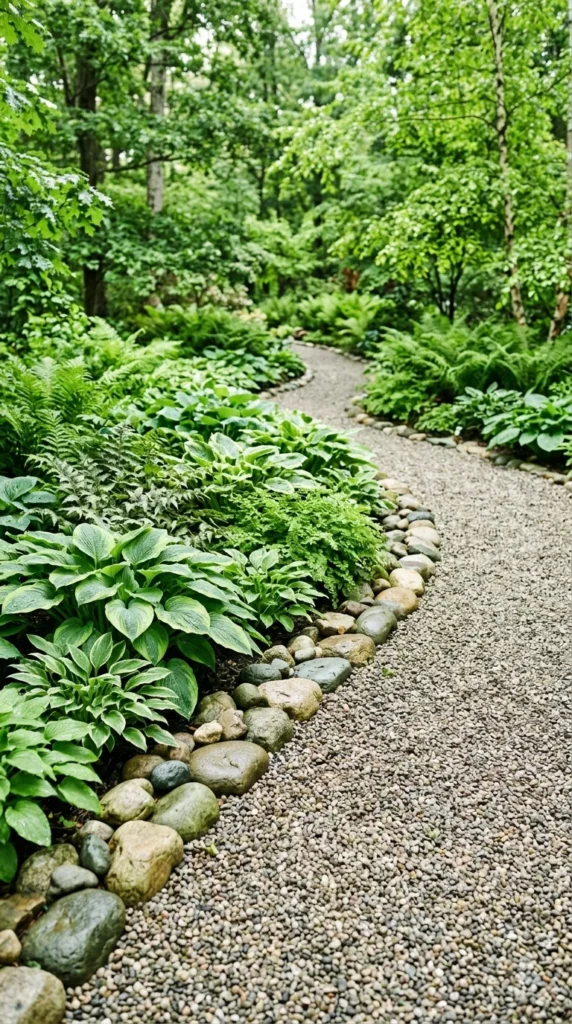
To keep the “chaos” of a cottage garden from feeling messy, use natural stone edging to define the boundaries of your beds. Large river rocks or flat fieldstones provide a clear line of demarcation while still feeling organic. Stone edging also helps to retain moisture in the soil and provides a habitat for beneficial ground beetles and toads, further supporting the garden’s ecosystem.
15. Bird Baths

A bird bath serves as a functional sculpture and a vital resource for local avian life. Choose a design that feels timeless—stone, concrete, or copper are excellent choices. Placing the bird bath in a central location or at the end of a path creates a focal point that draws the eye and brings the soothing sound of splashing water and birdsong to your outdoor space.
16. Soft Color Palettes
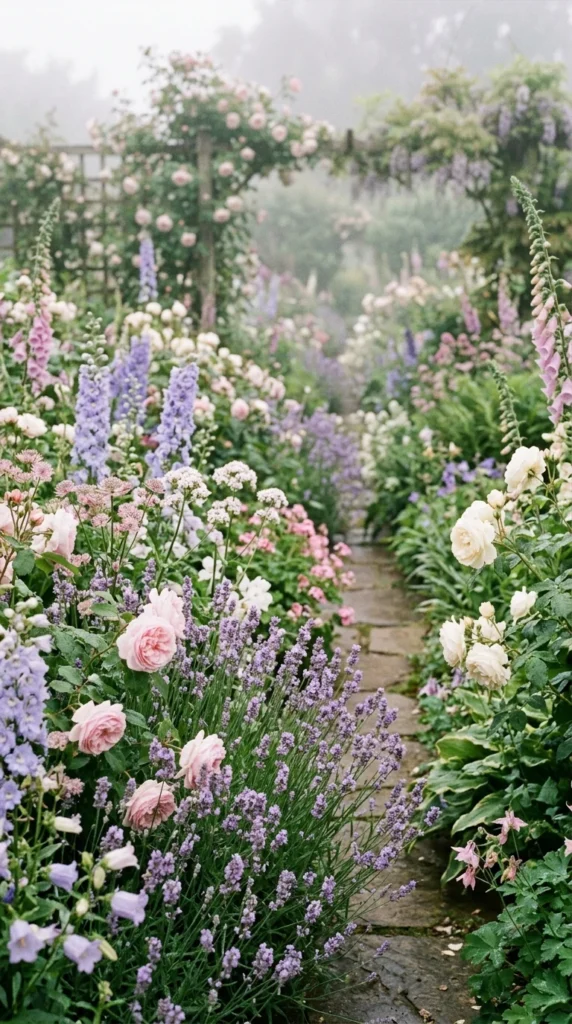
While cottage gardens can be riotously colorful, a “timeless” feel is often achieved through a more restrained, pastel-heavy palette. Soft pinks, muted purples, cool blues, and plenty of white create a garden that feels cooling and serene. This color scheme is particularly effective at dusk, as the lighter flowers seem to glow in the fading light, extending the enjoyment of the garden into the evening.
17. Climbing Vines
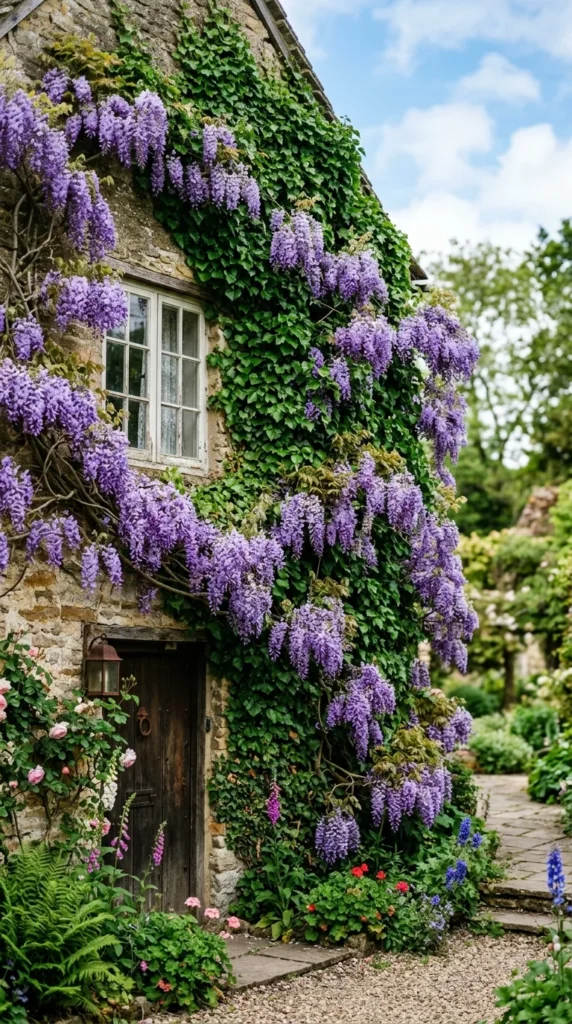
To truly embrace the cottage look, you must utilize every vertical surface. Climbing vines like wisteria, honeysuckle, and clematis can soften the hard lines of a house or a shed. They provide shade, fragrance, and a sense of maturity to the garden. Training vines to grow around windows or over doorways creates the “storybook” appearance that is quintessential to the cottage garden aesthetic.
18. Gravel Textures
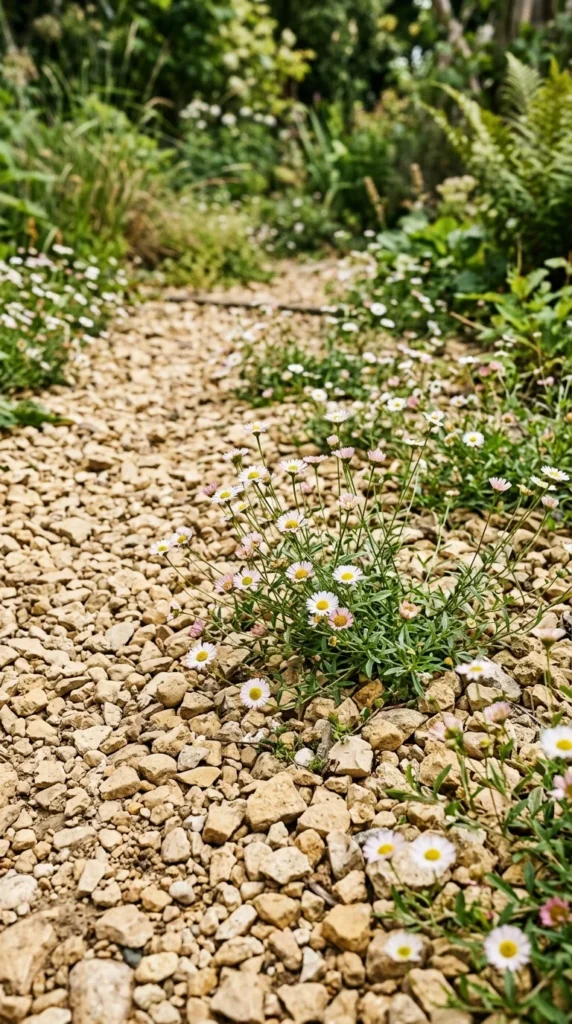
Gravel is an underutilized material in cottage gardens. It provides a satisfying “crunch” underfoot and serves as an excellent mulch that suppresses weeds while allowing water to drain through. Gravel paths also allow plants to “self-sow” in the margins. Seeing a tiny poppy or a sprig of forget-me-not popping up through the gravel adds to the spontaneous, unforced charm of the space.
19. Ornamental Grasses

To add movement and winter interest, incorporate ornamental grasses. Varieties like Miscanthus or Pennisetum provide a soft, feathery texture that contrasts beautifully with the bold shapes of flowers. In the autumn, these grasses turn golden and bronze, and their seed heads provide food for birds and structural beauty even when the rest of the garden has gone dormant. They capture the wind and light, adding a sense of life and rhythm to the landscape.