
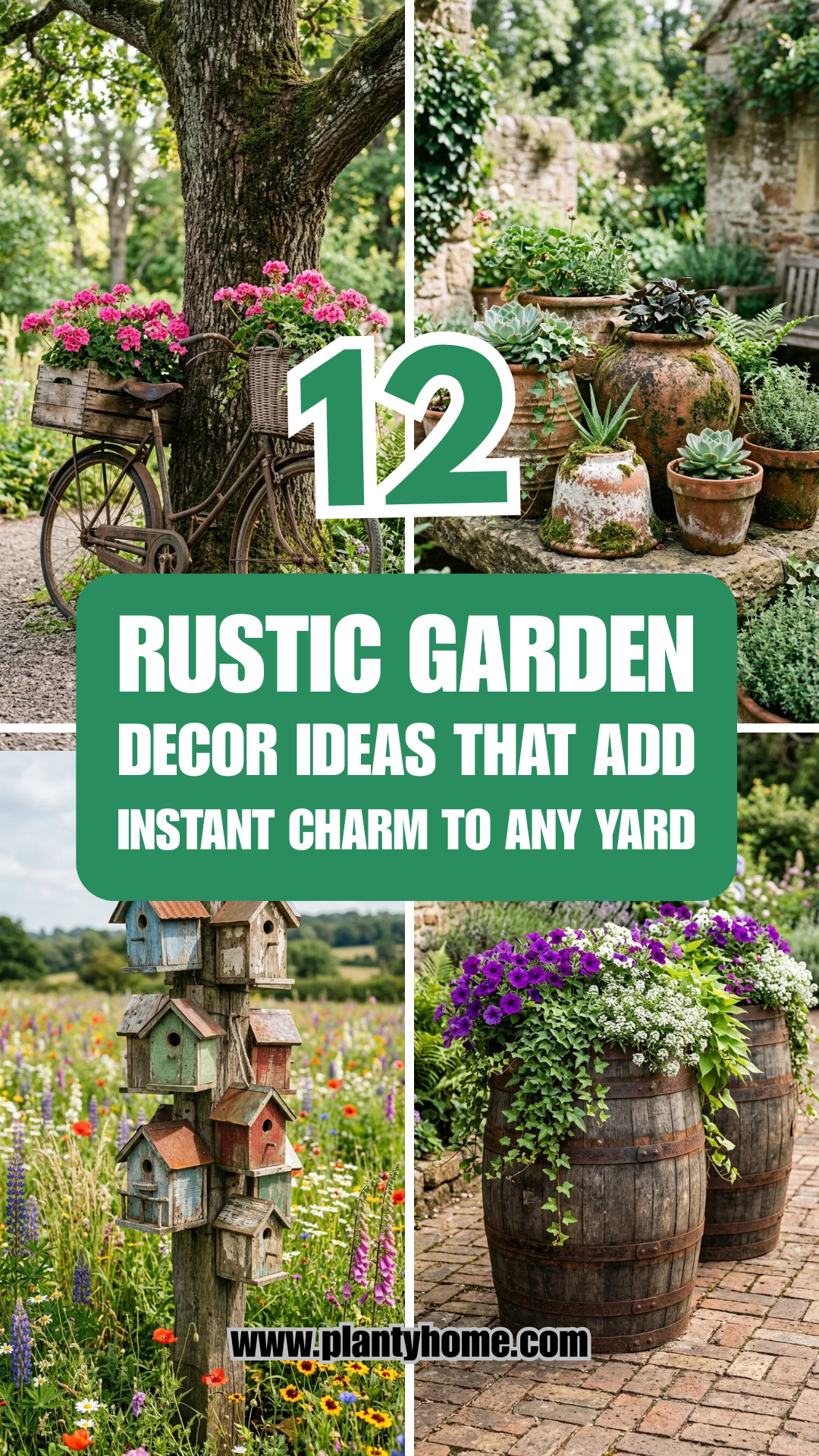
The allure of a rustic garden lies in its ability to feel both timeless and effortless. Unlike formal gardens that rely on strict symmetry and manicured hedges, rustic landscapes embrace the beauty of imperfection, natural materials, and the passage of time. By incorporating weathered textures, reclaimed materials, and vintage accents, you can transform a standard backyard into a soulful sanctuary that feels deeply connected to the earth.
Whether you live on a sprawling rural property or in a compact urban lot, the rustic aesthetic is remarkably versatile. It prioritizes functionality and nostalgia, often repurposing items from the past to serve new roles among the flora. Here are 12 comprehensive ideas to infuse your outdoor space with authentic rustic charm.
1. Whiskey Barrels
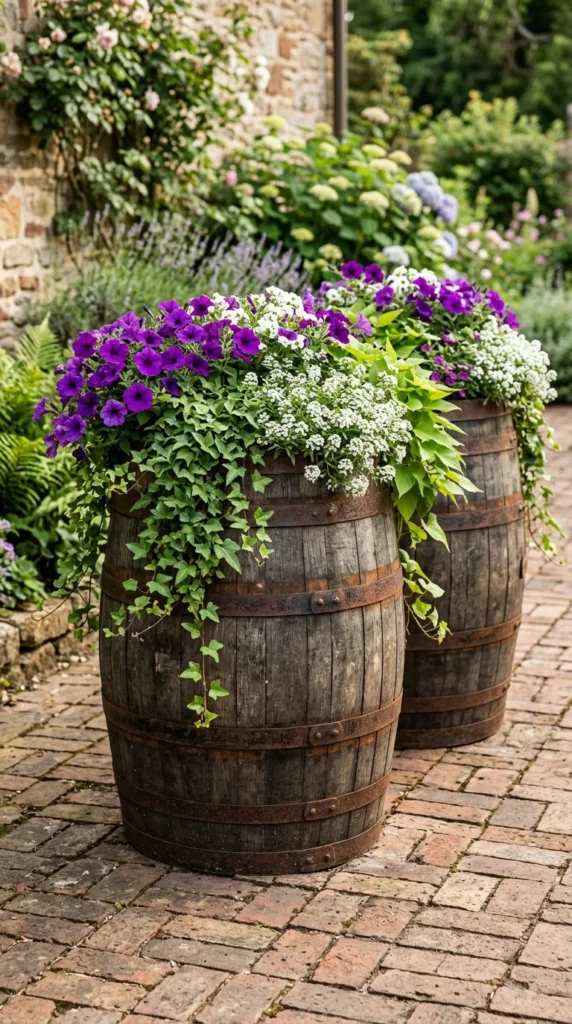
Oak whiskey or wine barrels are perhaps the most iconic element of rustic garden design. Their sturdy construction and deep wood grain provide a substantial visual anchor for any planting scheme. Because of their depth, they are excellent for plants with larger root systems or for creating miniature “thriller, filler, spiller” arrangements.
To maximize their lifespan, ensure you drill drainage holes in the bottom and consider elevating them slightly on bricks to prevent the wood from rotting against wet soil. Over time, the wood will silver and the iron bands may develop a light patina, only adding to their character. They work beautifully in pairs flanking an entrance or as standalone features in a corner of the yard.
2. Wagon Wheels
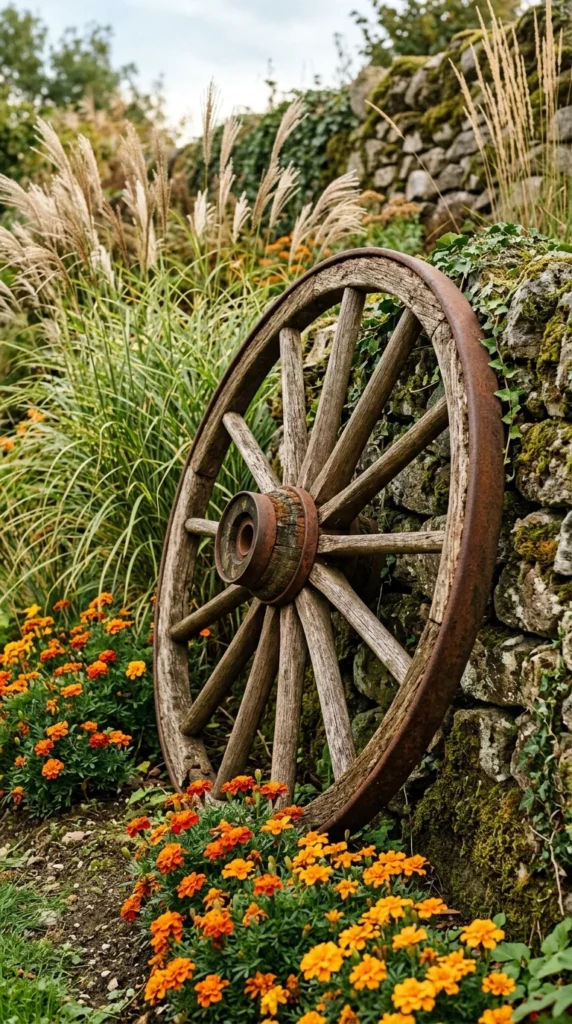
The wooden wagon wheel is a quintessential symbol of heritage and craftsmanship. In a garden setting, it serves as a powerful sculptural element that bridges the gap between the built environment and the natural world. Its circular form creates a pleasing contrast against the vertical lines of trees and the soft textures of shrubs.
You can lean a large wheel against a fence or shed, or partially bury a series of smaller wheels to create a unique low-profile border. For a more integrated look, allow climbing vines like clematis or morning glories to weave through the spokes, turning the wheel into a living piece of art.
3. Galvanized Tubs
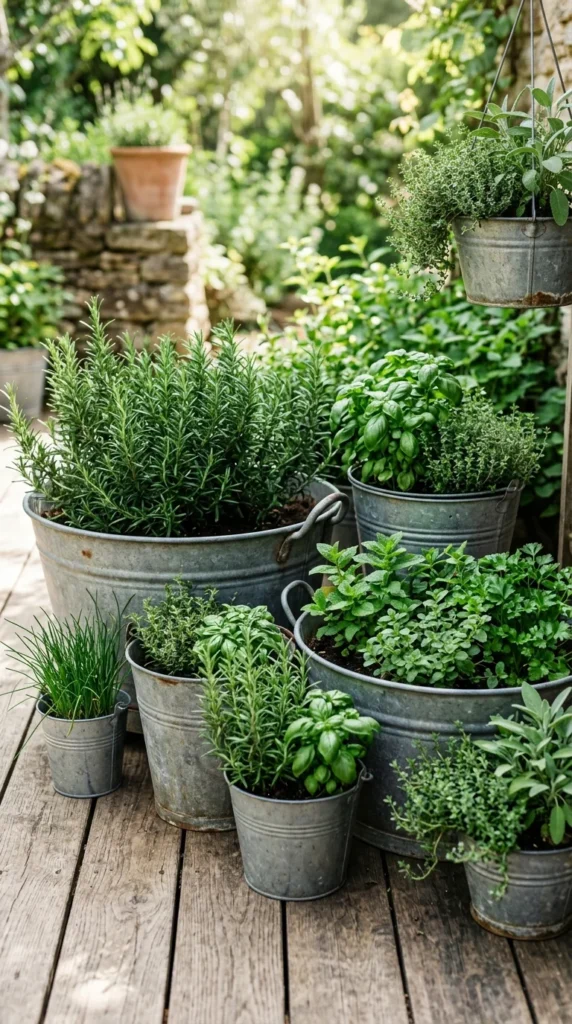
Galvanized steel offers a cool, metallic contrast to the warm tones of wood and stone. These containers—ranging from large livestock troughs to small hand buckets—are prized for their durability and “farmhouse” utility. The zinc coating gives them a unique matted grey finish that doesn’t compete with the bright colors of flowers.
Large troughs can be converted into raised garden beds, which are easier on the back and help control soil quality. Smaller buckets can be hung from fence posts or clustered on steps. The reflective surface of the metal also helps brighten shaded corners of the garden by bouncing soft light onto surrounding plants.
4. Orchard Ladders
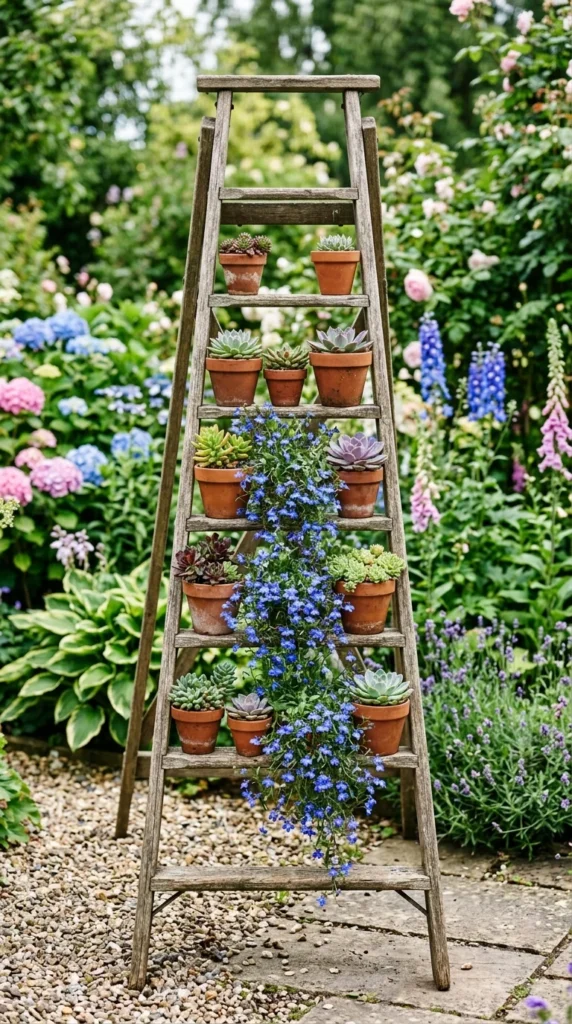
Vertical interest is crucial in garden design, and a vintage wooden ladder is an ingenious way to achieve height. Old orchard ladders, characterized by their tapered tops or tripod designs, offer a nostalgic nod to traditional agriculture. They function as excellent multi-tiered plant stands, allowing you to display a curated collection of smaller potted plants in a compact footprint.
When using a ladder, ensure it is securely anchored to the ground or a wall to prevent tipping during high winds. You can also use horizontal ladders as overhead trellises for climbing roses or wisteria, creating a rustic “ceiling” for a patio or walkway.
5. Birdhouse Clusters
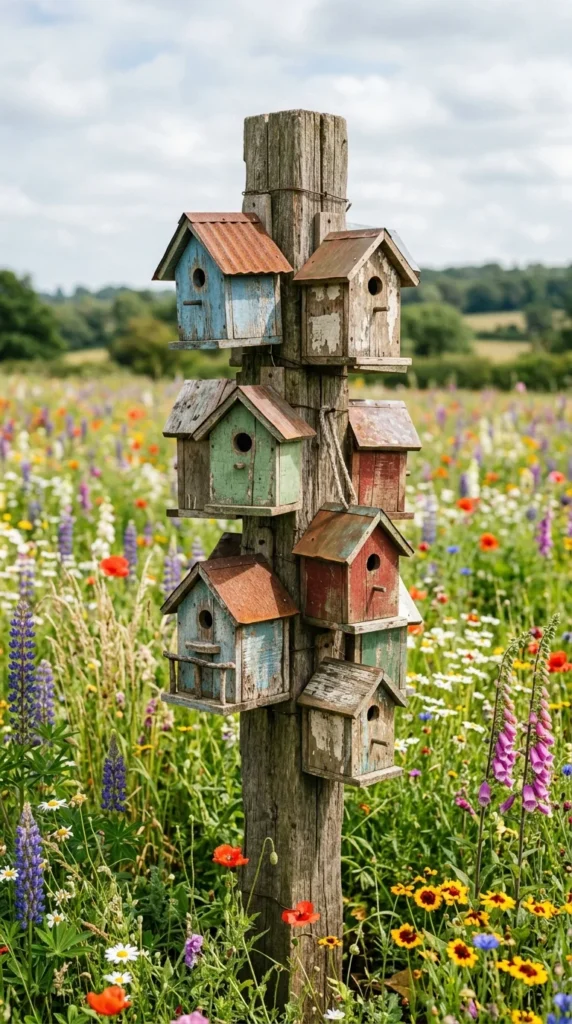
Inviting wildlife into your garden is a hallmark of the rustic philosophy, which celebrates the ecosystem as a whole. A collection of birdhouses provides essential nesting sites while acting as charming decorative accents. To maintain the rustic theme, look for houses made from reclaimed barn wood, cedar, or those with corrugated metal roofs.
Rather than spacing them far apart, grouping three or more birdhouses of different shapes and sizes on a single post or an old tree trunk creates a “bird village” effect. This adds a whimsical, storybook quality to the landscape that appeals to both children and adults.
6. Flagstone Paths
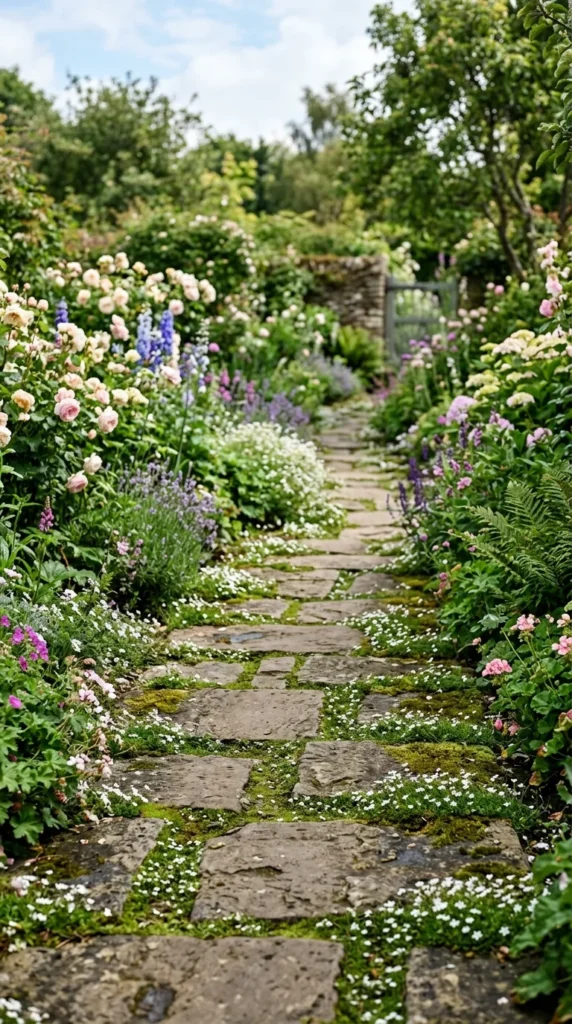
Nothing breaks up a monotonous lawn like a winding path made of natural stone. Flagstones, with their irregular shapes and earthy hues of tan, grey, and rust, feel far more organic than poured concrete or uniform pavers. They encourage a slower pace, inviting visitors to wander and observe the garden more closely.
For a truly rustic look, leave generous gaps between the stones and fill them with “steppable” groundcovers like creeping thyme or Irish moss. This softens the hard edges of the stone and makes the path appear as though it has been part of the landscape for decades.
7. Vintage Bicycles
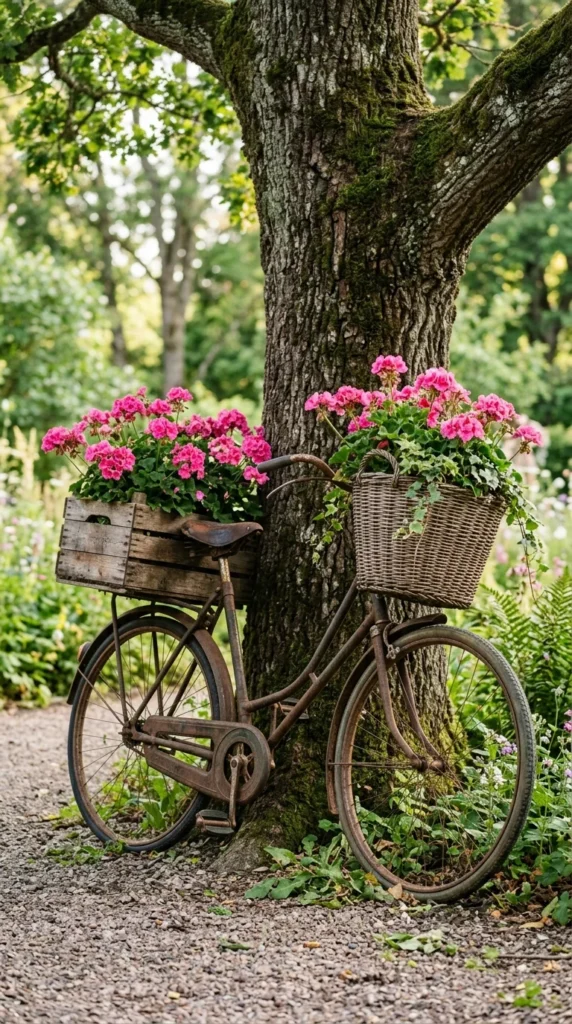
Repurposing a vintage bicycle is a playful way to add a focal point to your yard. The thin lines of the frame and the circular geometry of the wheels provide an airy, whimsical feel. Whether it’s a 1950s cruiser or a heavy-duty delivery bike, these objects tell a story of a bygone era.
To prevent the bike from looking like “yard junk,” it’s important to integrate it with plantings. Use the front basket and rear rack as containers for seasonal flowers. As the frame develops a natural rust patina, it will blend harmoniously with the greens and browns of the garden.
8. Wrought Iron
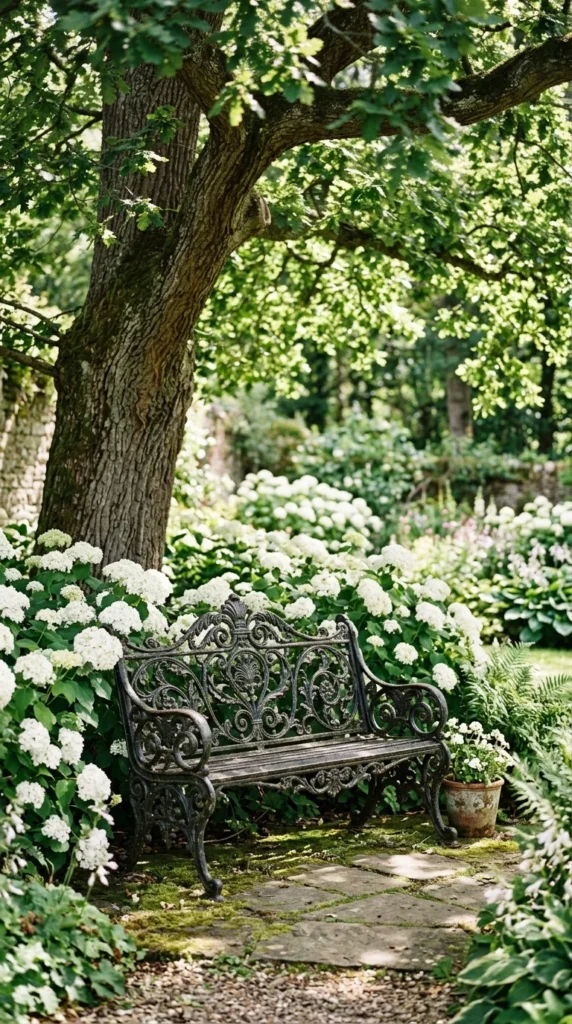
Wrought iron brings an element of “shabby chic” elegance to the rustic garden. While wood is warm, iron provides a sense of permanence and architectural weight. From scrolled benches and bistro sets to tall garden obelisks, ironwork offers a delicate silhouette that doesn’t block the view of the plants behind it.
Antique iron pieces often feature chipped paint or layers of oxidation, which contribute to their vintage appeal. If you find a piece that is too rusted, a simple wire brushing followed by a clear matte sealant can preserve the “distressed” look while preventing further degradation.
9. Aged Terra Cotta
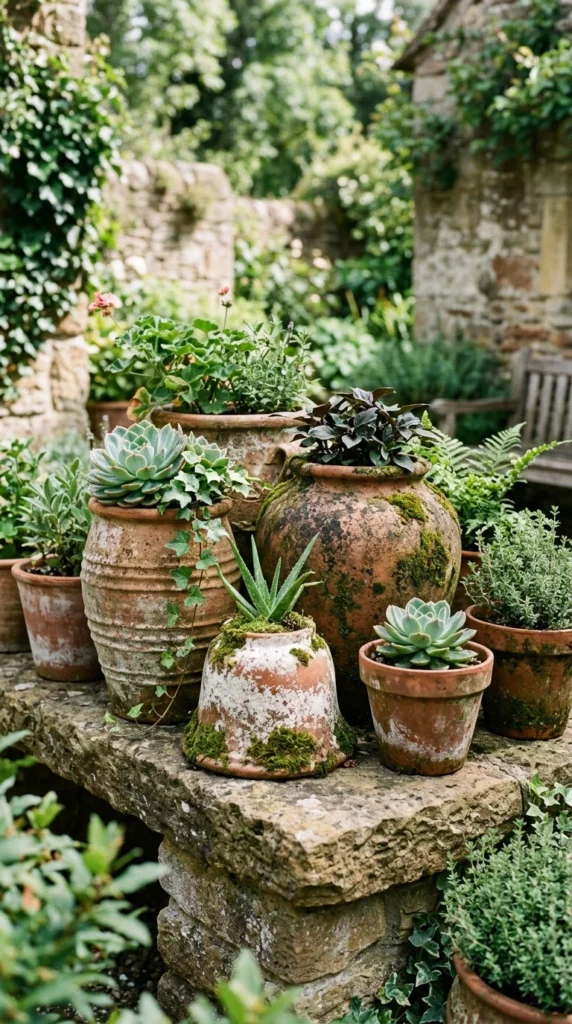
While plastic pots are functional, they lack the soul of genuine terra cotta. This breathable clay material is ideal for plant health, and its warm, orange-red hue is the perfect complement to green foliage. The true beauty of terra cotta, however, is how it ages.
Over time, minerals from water and soil leach through the clay, creating a beautiful white “efflorescence” on the surface. In damp or shaded areas, moss may even begin to grow on the exterior. If you’re impatient, you can “distress” new pots by wiping them with diluted yogurt or buttermilk to encourage rapid moss and lichen growth.
10. Log Borders
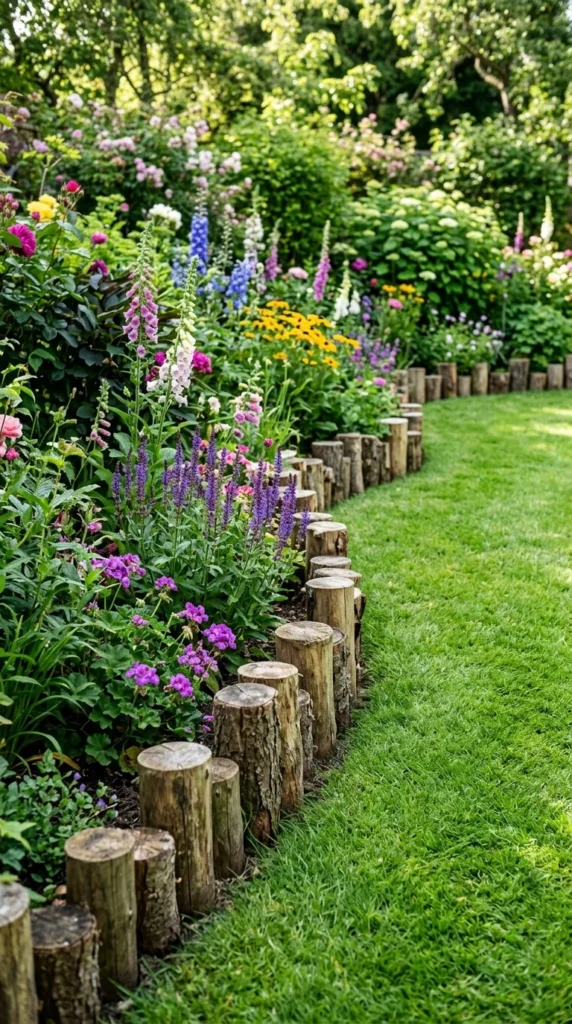
Standard plastic or metal edging can often feel too modern and sterile for a rustic yard. Instead, use natural logs or thick branches to define your garden beds. This method, often seen in cottage and woodland gardens, utilizes the raw beauty of timber to create a clear boundary between the wild and the cultivated.
You can lay logs horizontally for a low, clean line, or cut them into varying lengths and bury them vertically to create a more textured, “stump” wall. As the logs eventually decay, they return nutrients to the soil and provide habitats for beneficial insects, leaning into the sustainable aspect of rustic gardening.
11. Lantern Lighting
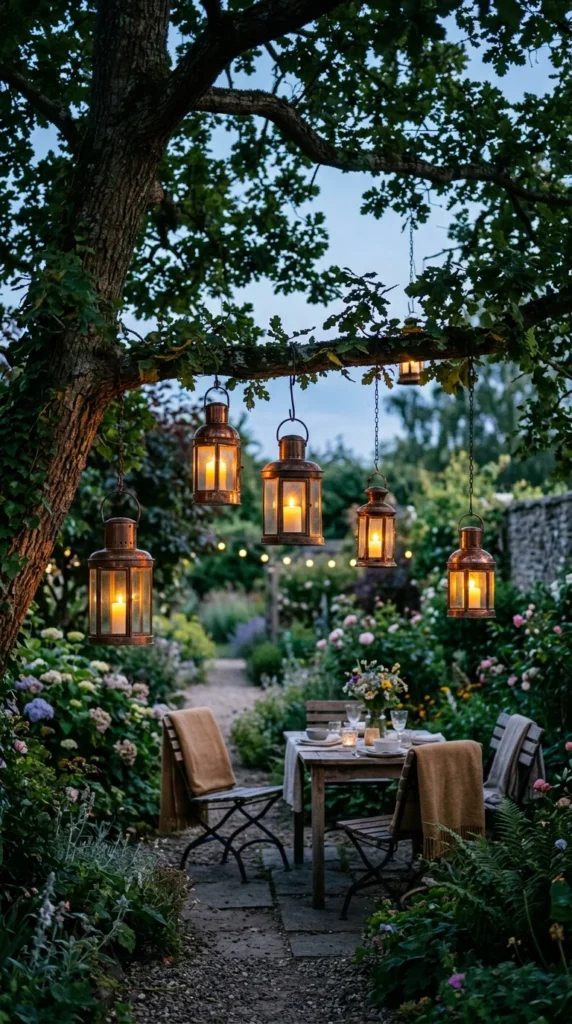
Lighting is the key to enjoying your rustic garden after the sun goes down. Avoid harsh LED floodlights in favor of soft, atmospheric lanterns. Look for fixtures made of copper, brass, or blackened steel that mimic the look of oil lamps or candles.
Hanging lanterns from tree branches or shepherd’s hooks creates a magical, “firefly” effect. For a more permanent solution, consider solar-powered lanterns that fit the vintage aesthetic, allowing you to enjoy the warm glow without the need for complex outdoor wiring.
12. Reclaimed Gates
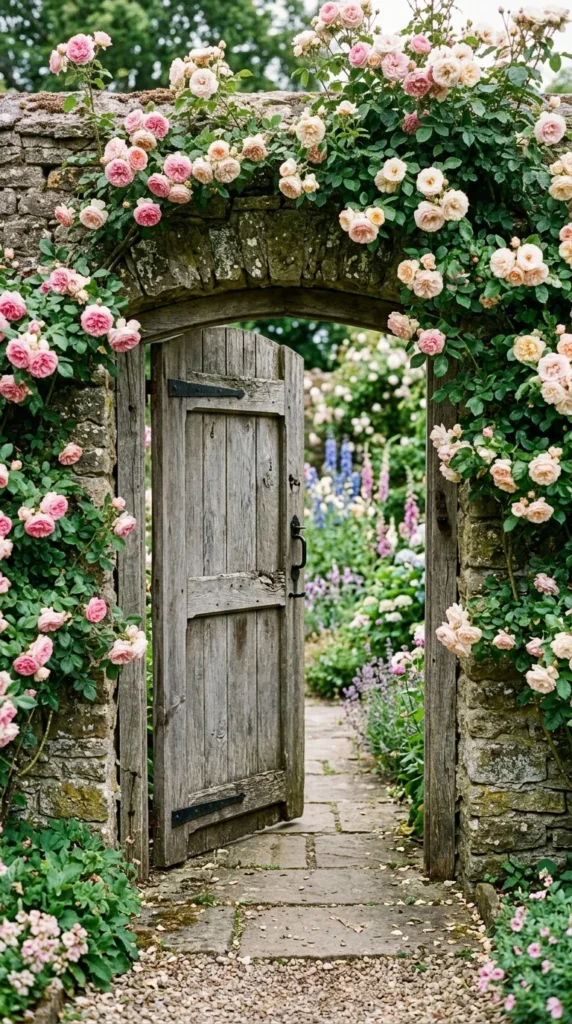
A gate serves as a symbolic transition from the outside world into your private sanctuary. A gate made from reclaimed materials—such as old barn wood, pallet slats, or even an antique iron headboard—immediately establishes a rustic tone for the rest of the yard.
The texture of sun-bleached wood or flaking paint on a gate suggests a history and a sense of place. Even if you don’t have a full fence, a “standalone” gate framed by two sturdy posts or a hedge can act as a beautiful focal point and a frame for the view beyond, drawing the eye deeper into your garden’s hidden treasures.