
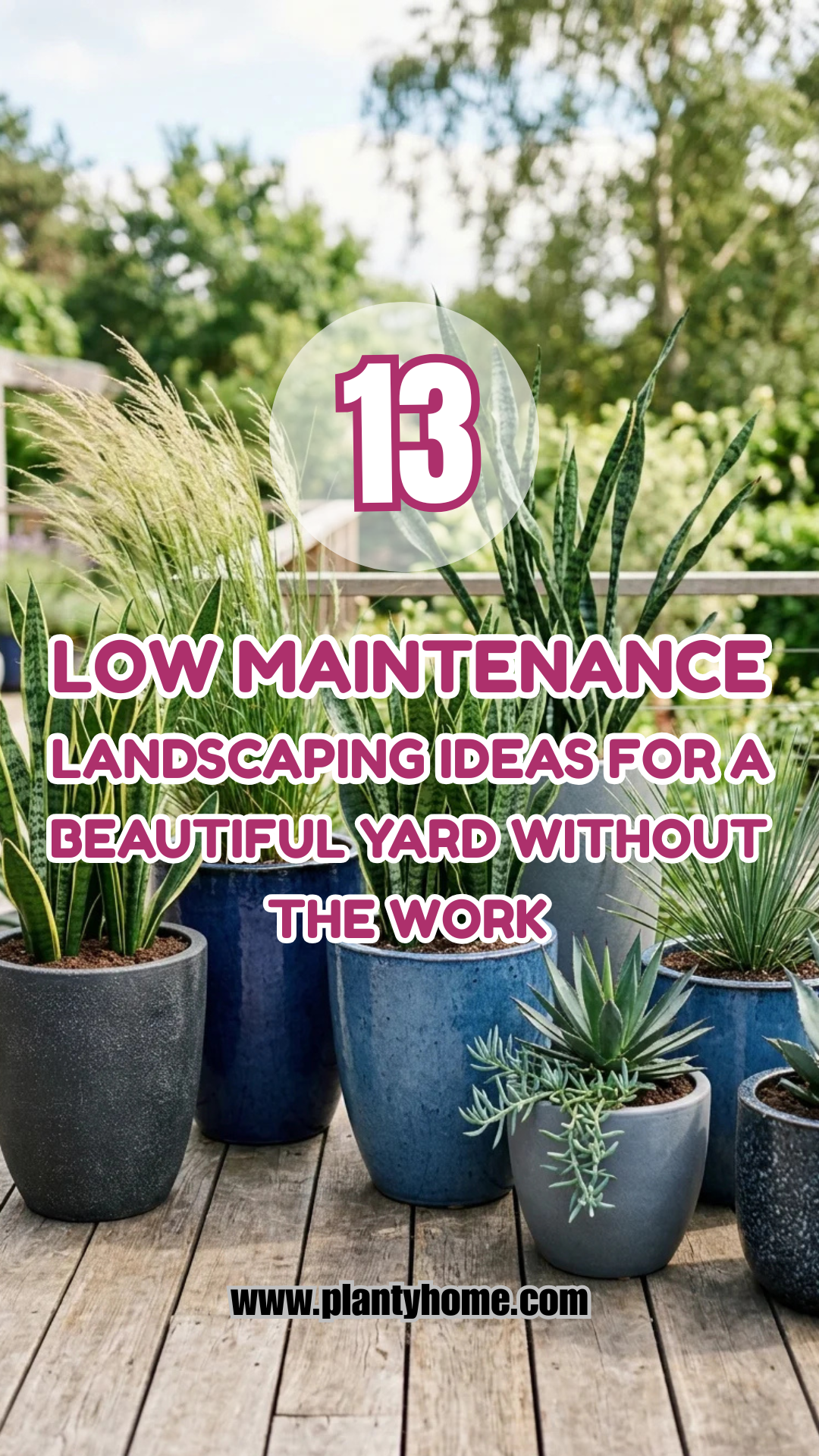
Maintaining a pristine outdoor space often feels like a full-time job. Between mowing, weeding, pruning, and watering, the “relaxing” backyard can quickly become a source of stress. However, achieving a stunning landscape does not require endless hours of labor. By shifting your focus toward sustainable, durable, and self-sufficient design choices, you can create an outdoor sanctuary that looks professionally curated with minimal intervention.
The secret lies in working with nature rather than against it. Low-maintenance landscaping is about making smart upfront investments—choosing the right plants for your climate, installing efficient systems, and utilizing non-living elements to fill space. Here are 13 transformative ideas to help you reclaim your weekends while enjoying a beautiful yard.
1. Native Plants
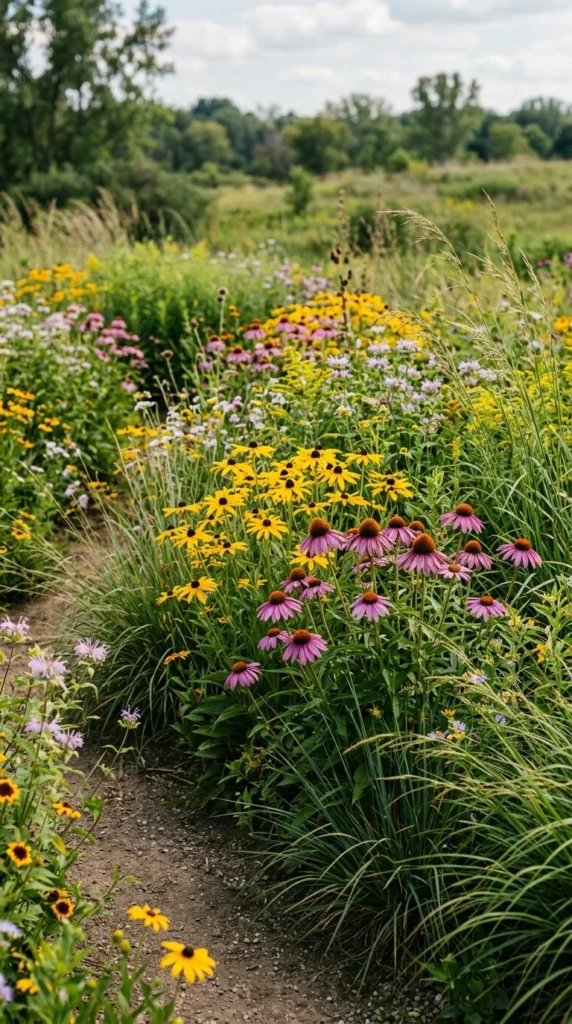
The most effective way to reduce yard work is to utilize plants that are indigenous to your specific region. Native plants have spent thousands of years adapting to the local soil, climate, and rainfall patterns. Unlike exotic species, they do not require chemical fertilizers, heavy pesticides, or supplemental watering once established.
Beyond their resilience, native plants support local ecosystems by providing food and habitat for pollinators like bees, butterflies, and birds. When you plant a “locally grown” garden, you are essentially putting your yard on autopilot. These plants are naturally resistant to local pests and diseases, meaning you can spend less time troubleshooting plant health and more time enjoying the view.
2. Perennials
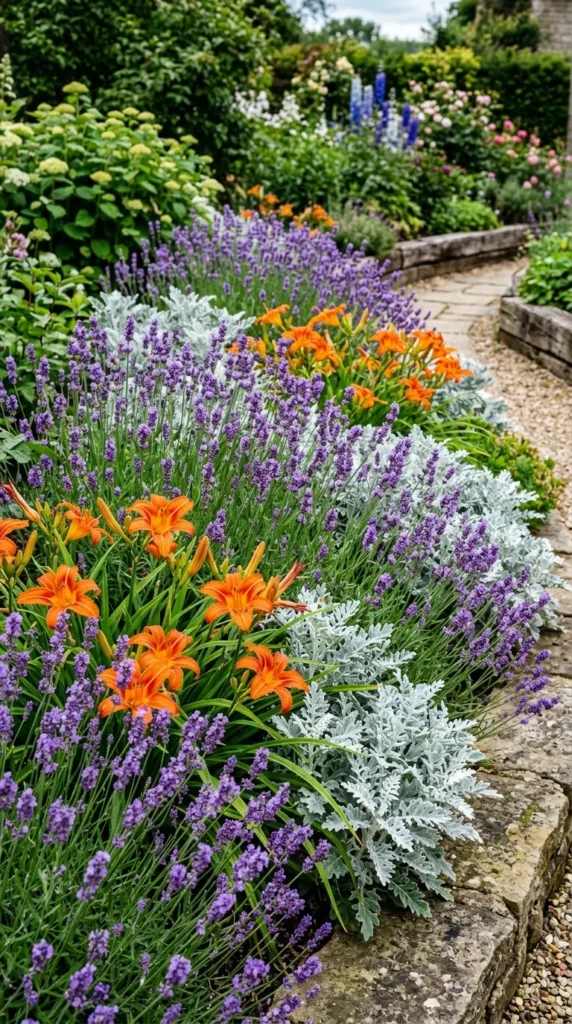
Annuals are beautiful, but they are the definition of high-maintenance—you have to buy, plant, and remove them every single year. Perennials, on the other hand, are the gifts that keep on giving. These plants go dormant in the winter and return larger and stronger each spring.
To maximize the “no-work” factor, choose “hardy” perennials that are known for their longevity and minimal needs. Hostas, peonies, and lavender are excellent choices. By layering perennials with different bloom times, you can ensure your garden remains colorful throughout the seasons without ever having to pick up a trowel after the initial planting.
3. Mulching
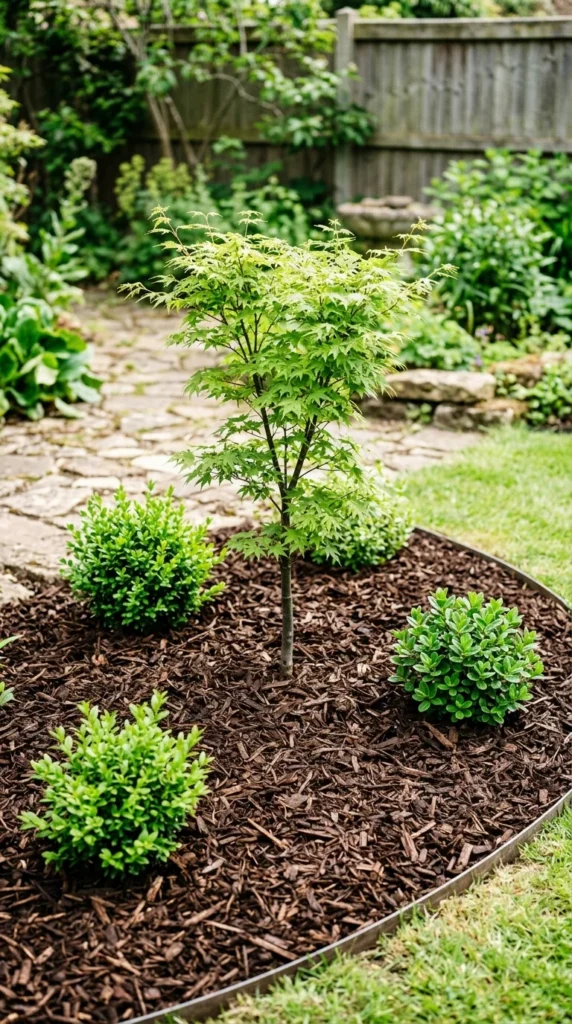
Mulch is the unsung hero of the low-maintenance yard. Applying a thick layer (2 to 4 inches) of organic mulch—such as cedar chips, bark, or pine needles—serves multiple purposes. First, it acts as a natural weed suppressant by blocking the sunlight that weed seeds need to germinate.
Second, mulch helps the soil retain moisture by reducing evaporation, which significantly cuts down on your watering schedule. As organic mulch breaks down over time, it also enriches the soil with nutrients, improving plant health without the need for synthetic fertilizers. For a truly “set it and forget it” approach, many homeowners are turning to inorganic mulch like lava rocks or pea gravel, which never needs to be replaced.
4. Artificial Turf
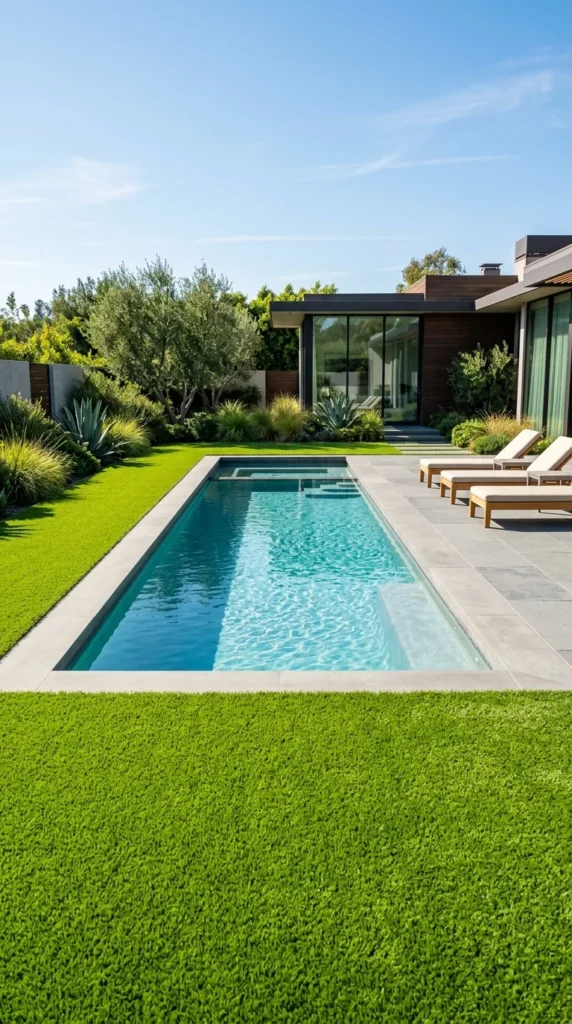
If you love the look of a green lawn but hate the constant mowing, edging, and fertilizing, artificial turf is the ultimate solution. Modern synthetic grass has come a long way from the plastic-looking mats of the past. High-quality turf now features varied blade heights and “thatch” layers that mimic the look and feel of real grass.
Artificial turf requires zero water and zero chemicals. Aside from an occasional rinse to remove dust or debris, it remains picture-perfect 365 days a year. While the initial installation cost is higher than sod, the long-term savings in water bills, equipment maintenance, and time make it one of the most cost-effective low-maintenance upgrades available.
5. Hardscaping
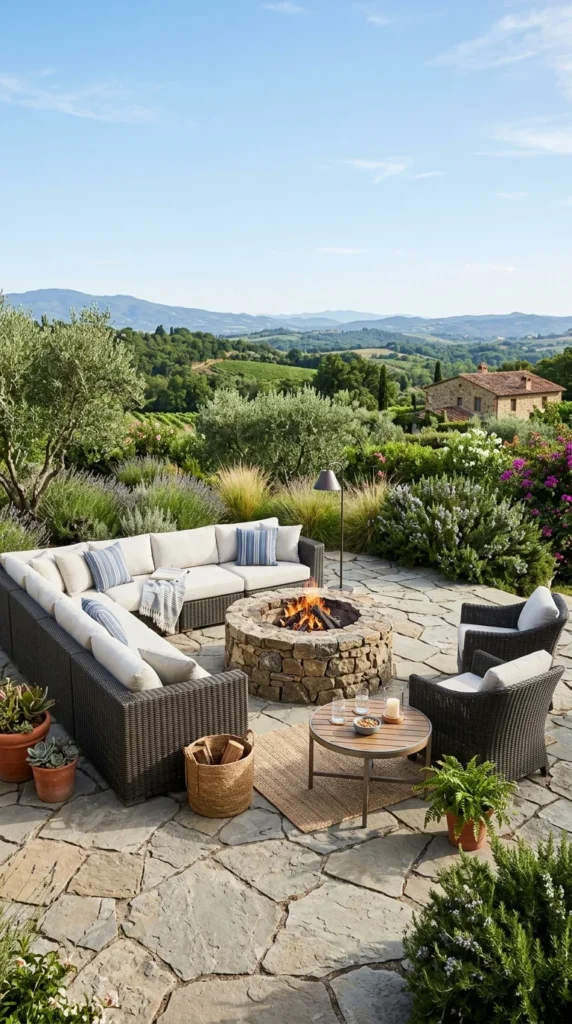
Hardscaping refers to the non-living elements of your landscape, such as patios, decks, walkways, and stone walls. The more square footage you dedicate to hardscaping, the less area you have to mow or weed.
A well-designed stone patio or a large deck creates an outdoor living room that requires nothing more than a quick sweep or a power wash once a year. By replacing a portion of a high-maintenance lawn with a functional hardscaped area, you increase your property value and create a durable space for entertaining that stays beautiful regardless of the weather.
6. Xeriscaping
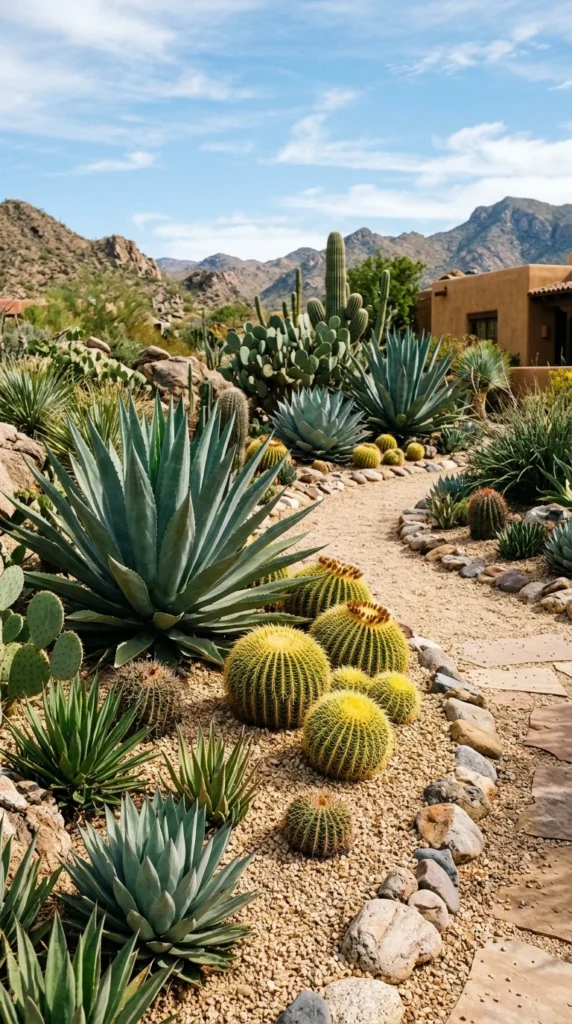
Originally designed for arid climates, xeriscaping has become a popular trend across all regions due to its efficiency. The goal of xeriscaping is to eliminate the need for supplemental irrigation. This is achieved by grouping plants with similar water needs and using a palette of drought-tolerant species like succulents, ornamental grasses, and Mediterranean herbs.
Xeriscaped yards often utilize decorative rocks and gravel to create visual interest and texture. The result is a sophisticated, “architectural” look that requires almost zero intervention. Even in rainier climates, xeriscaping principles can be used to create “dry gardens” that thrive during summer heatwaves without a drop from the garden hose.
7. Ground Covers
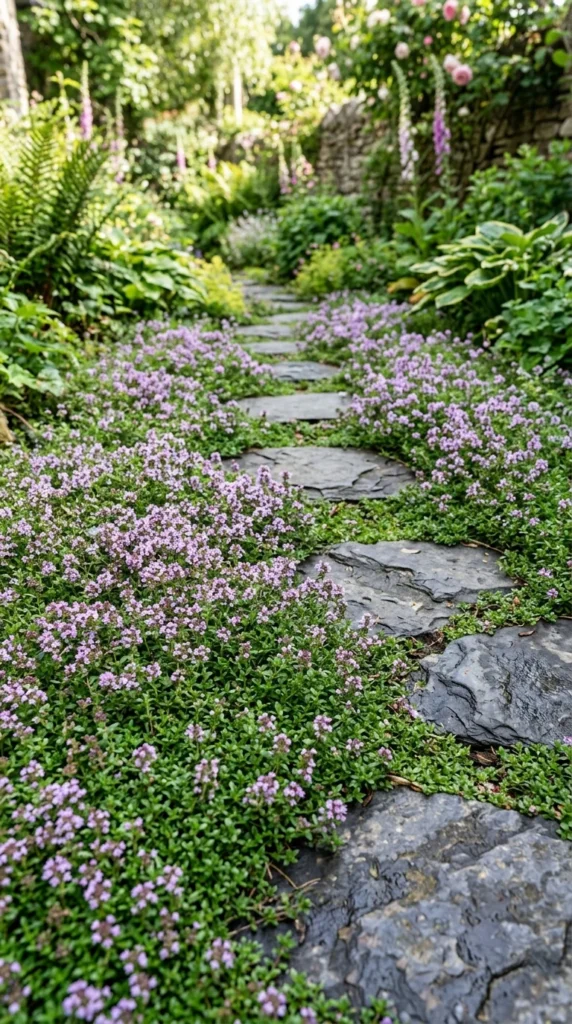
Mowing the lawn is arguably the most time-consuming chore in landscaping. Ground covers offer a “no-mow” alternative that provides the same lush, green aesthetic. Plants like creeping thyme, clover, or mondo grass grow low to the ground and spread horizontally, creating a thick mat that crowds out weeds.
Many ground covers are “step-able,” meaning they can handle light foot traffic, making them perfect for paths or areas between stepping stones. Unlike traditional turf grass, these plants rarely need trimming and often produce beautiful, fragrant flowers that attract butterflies while remaining low-profile and tidy.
8. Automatic Irrigation
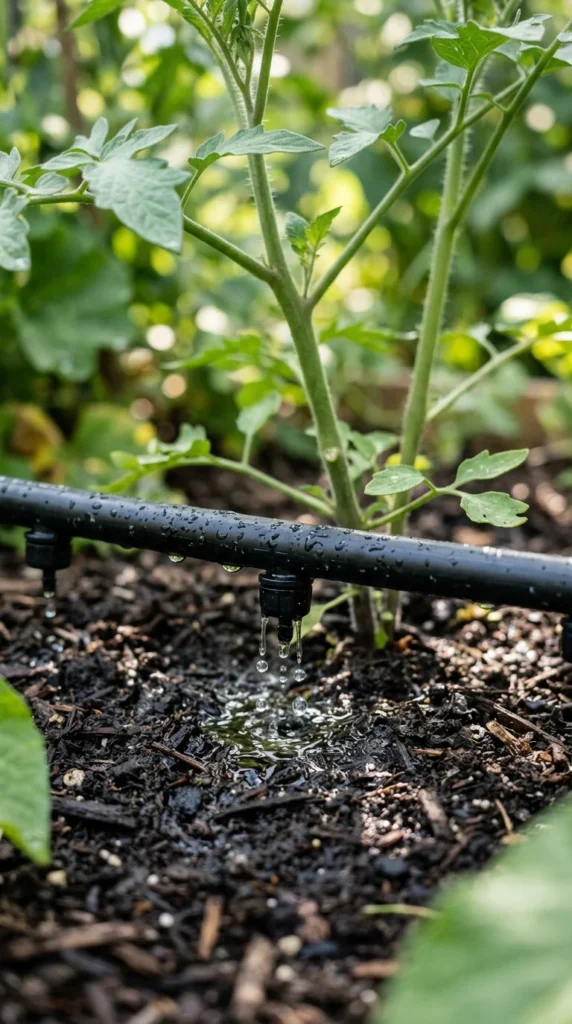
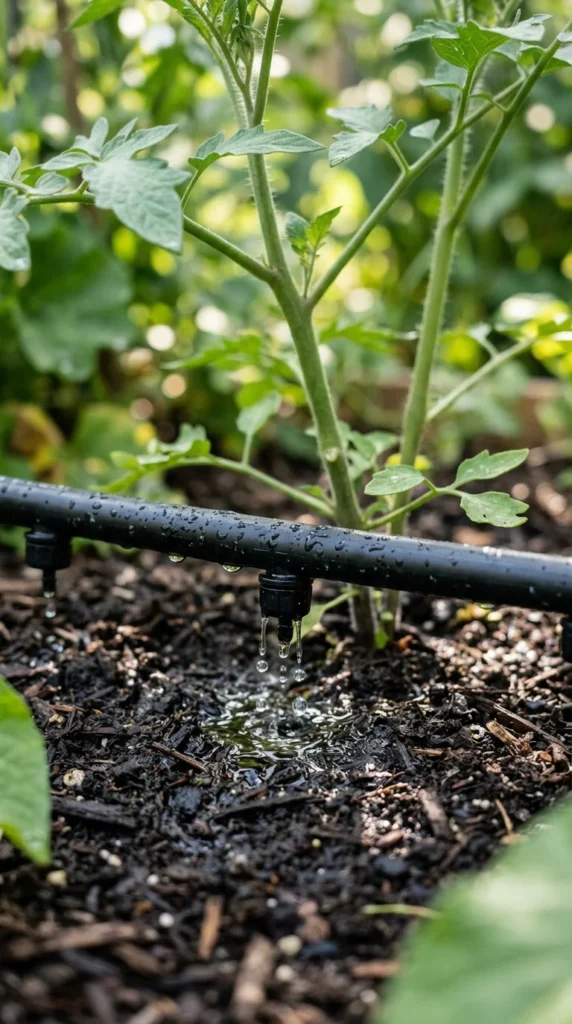
Hand-watering is not only time-consuming but also inefficient, as much of the water evaporates before reaching the roots. Installing an automatic drip irrigation system or a smart sprinkler system can take the guesswork and labor out of hydration.
Drip systems are particularly effective because they deliver water directly to the root zone of specific plants. When paired with a smart controller that adjusts for local weather patterns and rainfall, you ensure your plants get exactly what they need without wasting a drop. This automation ensures your garden stays healthy even when you’re away on vacation.
9. Rock Gardens
Rock gardens are the pinnacle of structural beauty. By using rocks of varying sizes—from large boulders to small pebbles—you can create a dramatic focal point that requires absolutely no water or maintenance.
Rocks provide permanent color and texture that doesn’t change with the seasons. You can tuck a few low-care alpines or succulents into the crevices for a pop of life, or keep the design strictly mineral for a Zen-like, minimalist appearance. Because rocks don’t die or grow, the “design” you create on day one is exactly how it will look ten years later.
10. Evergreens
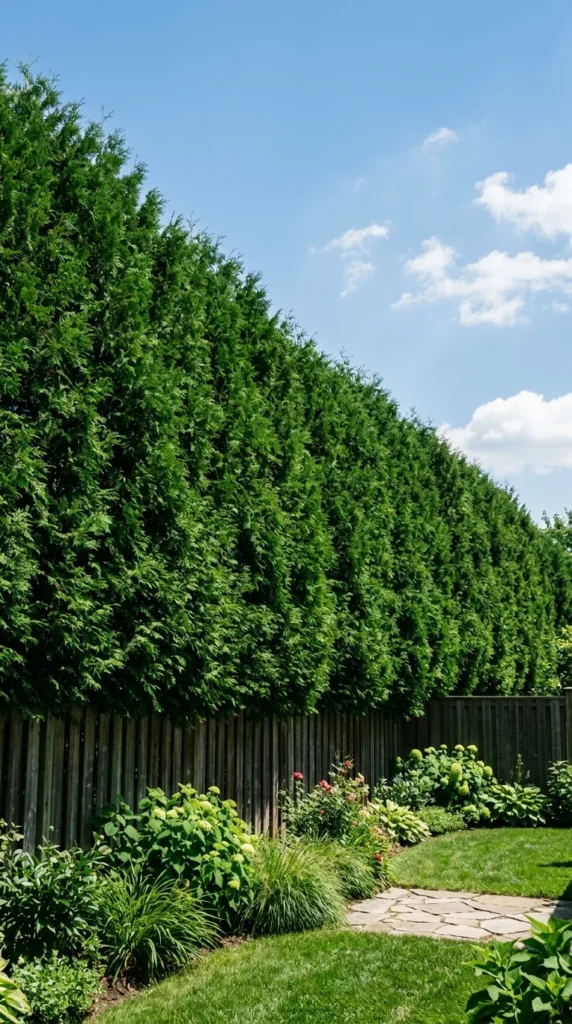
Deciduous trees are lovely, but they come with a major chore: raking leaves. If you want a lush, green yard without the autumn cleanup, evergreens are your best friend. These plants retain their foliage year-round, providing consistent privacy and color.
Options like boxwoods, junipers, and arborvitae can be used to create natural “fences” or structural borders. Because they don’t drop a mass of leaves all at once, your yard stays cleaner, and you won’t spend your weekends bagging yard waste. Most evergreens are also slow-growing, meaning they require much less frequent pruning than their deciduous counterparts.
11. Container Gardening
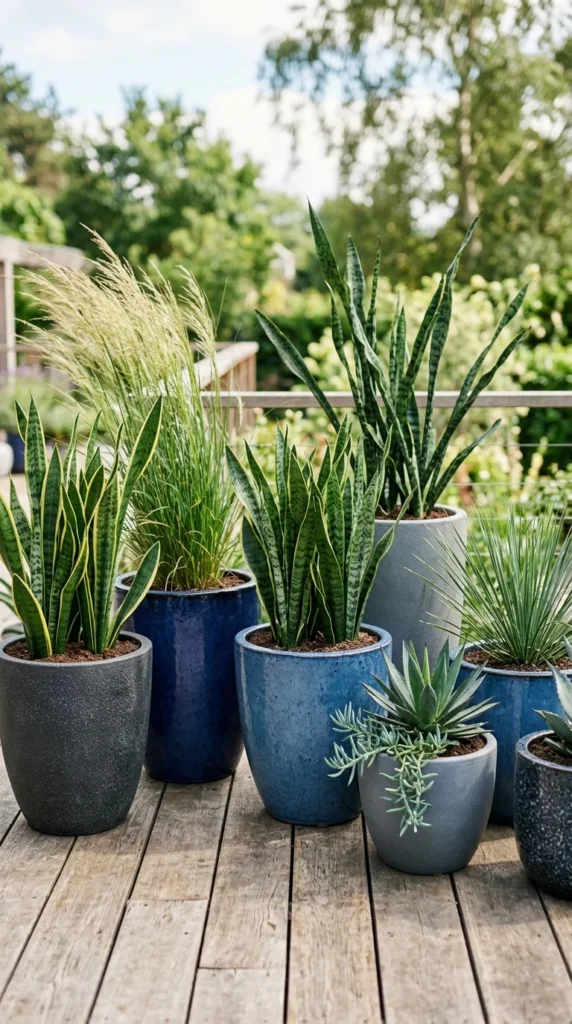
If you find maintaining large garden beds overwhelming, consider “potscaping.” Containers allow you to control the soil quality, moisture levels, and sunlight exposure perfectly. They are also much easier to weed because the “garden” is elevated and contained.
Container gardening allows you to change your landscape’s look instantly by moving pots around. If a plant starts to look ragged, you can simply move it to an inconspicuous area and replace it with a fresh one. This modular approach to landscaping keeps the work manageable and allows for high-impact beauty in small, controlled bursts.
12. Rain Gardens
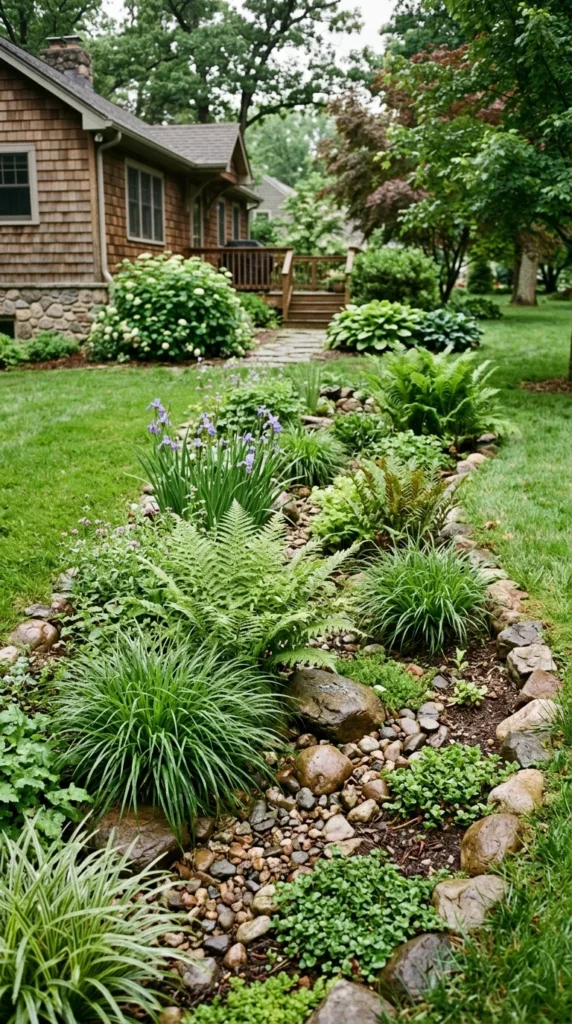
If your yard has a low spot that stays soggy after a storm, don’t fight it with drainage pipes—turn it into a rain garden. A rain garden is a shallow depression planted with deep-rooted species that love “wet feet.”
These gardens are designed to soak up runoff from roofs and driveways, filtering pollutants and preventing erosion. Once established, rain gardens are incredibly self-sufficient. They thrive on the natural rainfall and require very little weeding because the dense planting of moisture-loving species naturally outcompetes most common weeds. It’s a functional, eco-friendly solution to a common landscaping headache.
13. Minimalist Design
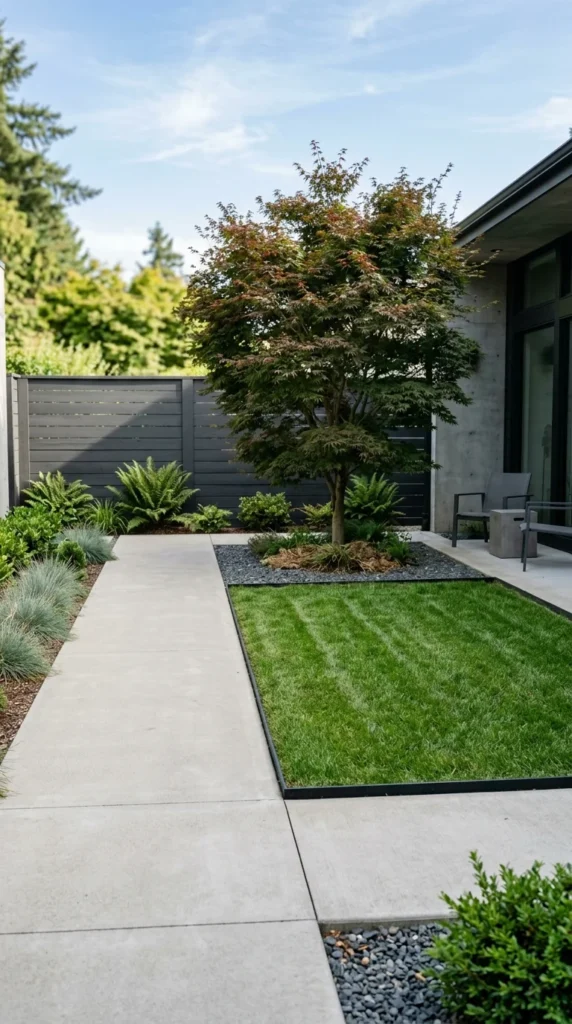
Sometimes, the best way to reduce maintenance is simply to have less. Minimalist landscaping focuses on clean lines, a limited color palette, and “less is more” philosophy. Instead of fifty different types of plants, a minimalist yard might feature three or four high-impact species planted in repeating patterns.
By limiting the variety of plants, you simplify the care requirements. You don’t need five different types of fertilizer or a manual for pruning twenty different shrubs. A minimalist yard feels intentional, modern, and calm—partly because it looks so organized, and partly because you won’t have to lift a finger to keep it that way.