
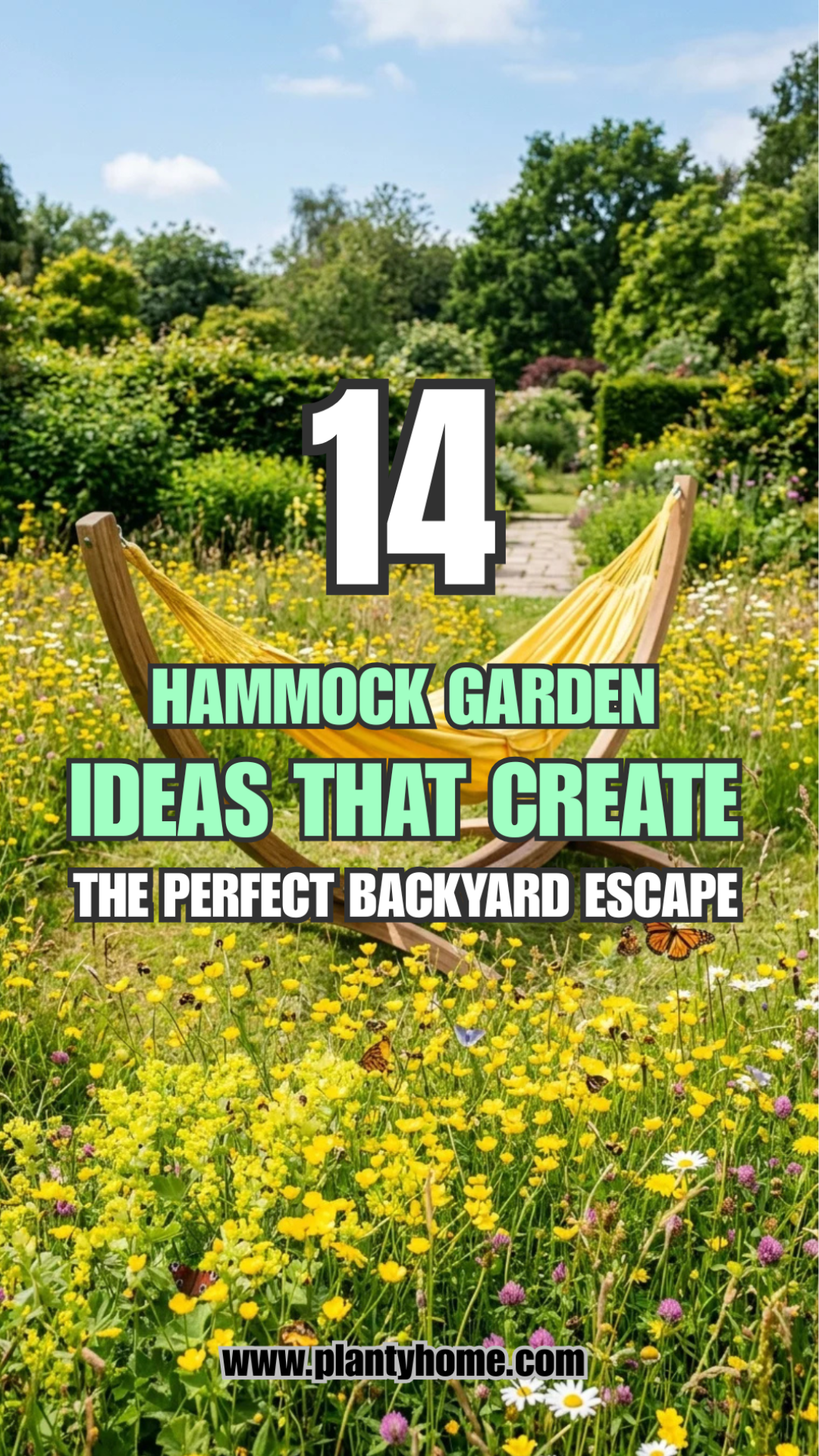
The concept of a “staycation” has evolved from a simple weekend at home to a dedicated pursuit of creating sanctuary within one’s own property lines. Among the most effective ways to transform a standard lawn into a restorative retreat is the implementation of a hammock garden. Beyond being a mere piece of outdoor furniture, a hammock serves as a focal point for mindfulness, offering a unique suspended perspective of the natural world.
Designing the perfect hammock escape requires a blend of horticultural planning, structural integrity, and aesthetic styling. Whether you are working with a sprawling estate or a compact urban courtyard, the following fourteen ideas provide a blueprint for elevating your outdoor living space into a professional-grade relaxation zone.
1. Tropical Oasis
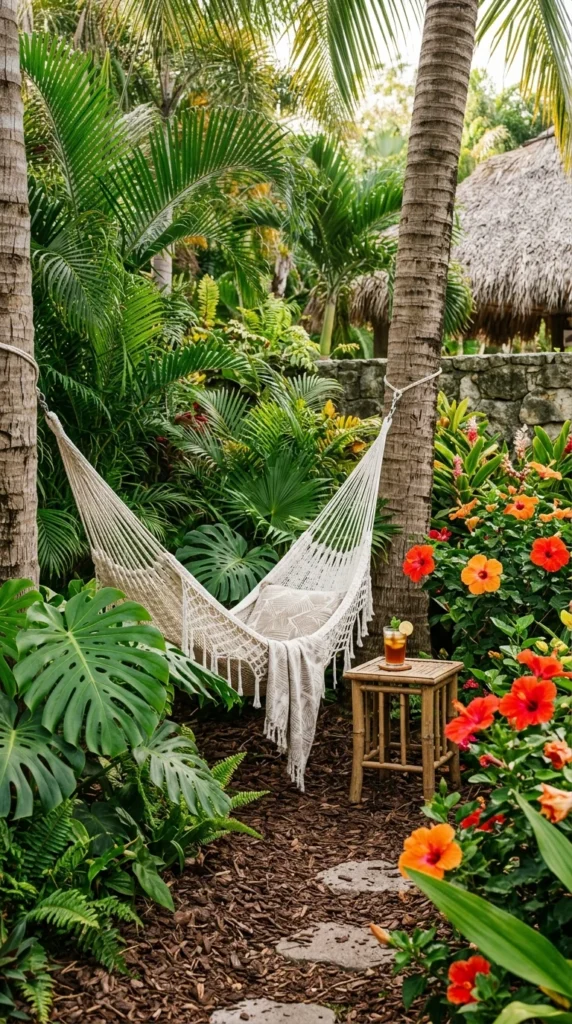
To recreate the atmosphere of a high-end island resort, surround your hammock with lush, broad-leafed greenery. Species like Canna lilies, Elephant Ears, and various palms create a dense “wall” of vegetation that provides both privacy and a cooling microclimate. The sound of rustling large leaves adds an auditory layer to the relaxation experience, masking neighborhood noise and immersing you in a private jungle sanctuary.
2. Pergola Integration
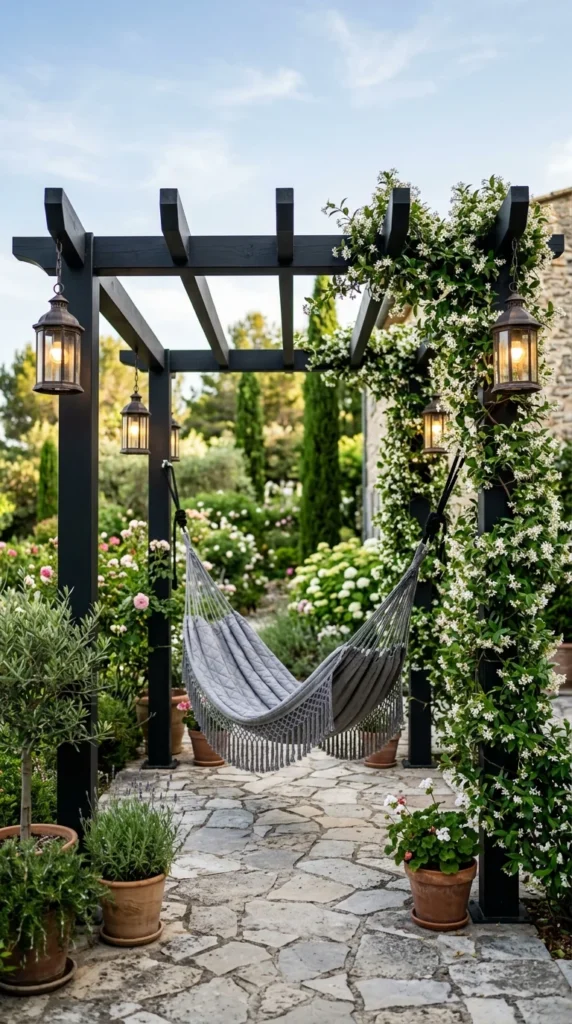
If your backyard lacks mature trees, a pergola offers the perfect structural solution. By anchoring a hammock to the heavy-duty posts of a pergola, you combine architectural interest with functional leisure. This setup allows for the addition of climbing plants like wisteria or jasmine, which will eventually create a fragrant, living canopy above your resting spot.
3. Woodland Nook
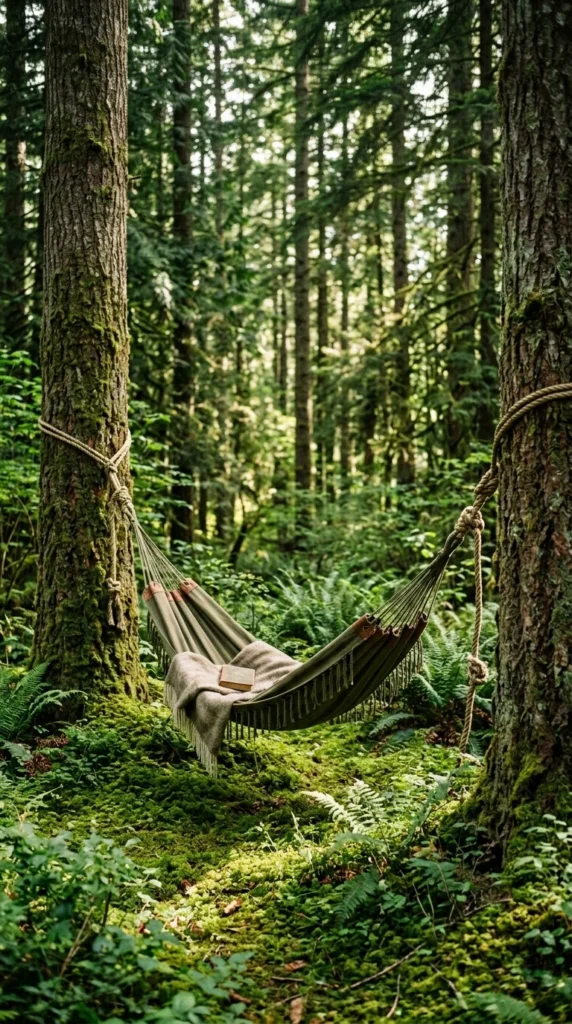
For those with shaded, wooded corners, the goal is to lean into the natural, rugged beauty of the environment. Use heavy-duty tree straps to protect the bark and opt for earth-toned fabrics that blend into the shadows. This approach prioritizes the sights and sounds of the forest—the chirping of birds and the scent of damp earth—creating a space that feels miles away from civilization.
4. Boho Sanctuary
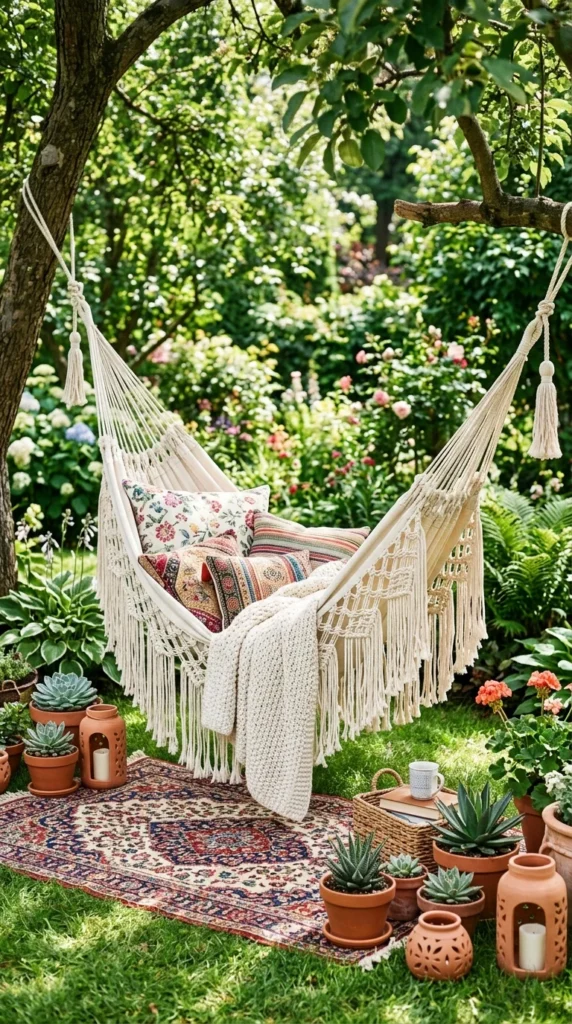
The bohemian aesthetic focuses on texture and comfort. A macramé hammock with intricate knotting and hanging fringe acts as a piece of functional art. To complete the look, layer outdoor rugs beneath the hammock and incorporate plenty of textiles. This style is particularly effective in smaller gardens where the hammock itself needs to serve as the primary decorative element.
5. Poolside Floating
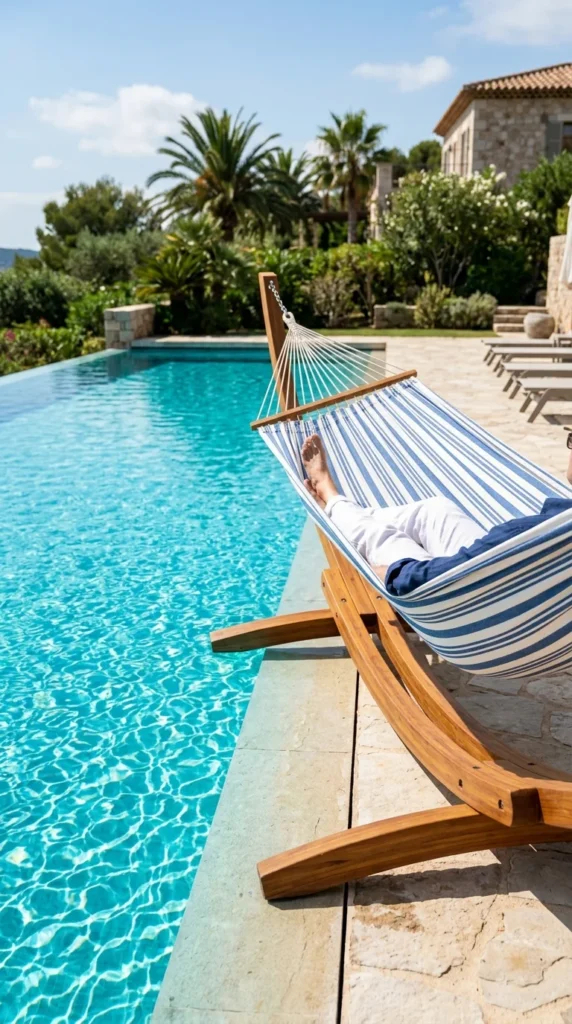
Positioning a hammock near water enhances the cooling effect through evaporation. Whether it’s a swimming pool or a natural pond, the proximity to water creates a sensory experience that mimics a beach holiday. Use weather-resistant, quick-dry fabrics like Sunbrella to ensure that splashes from the pool don’t lead to mildew or discomfort.
6. Minimalist Zen
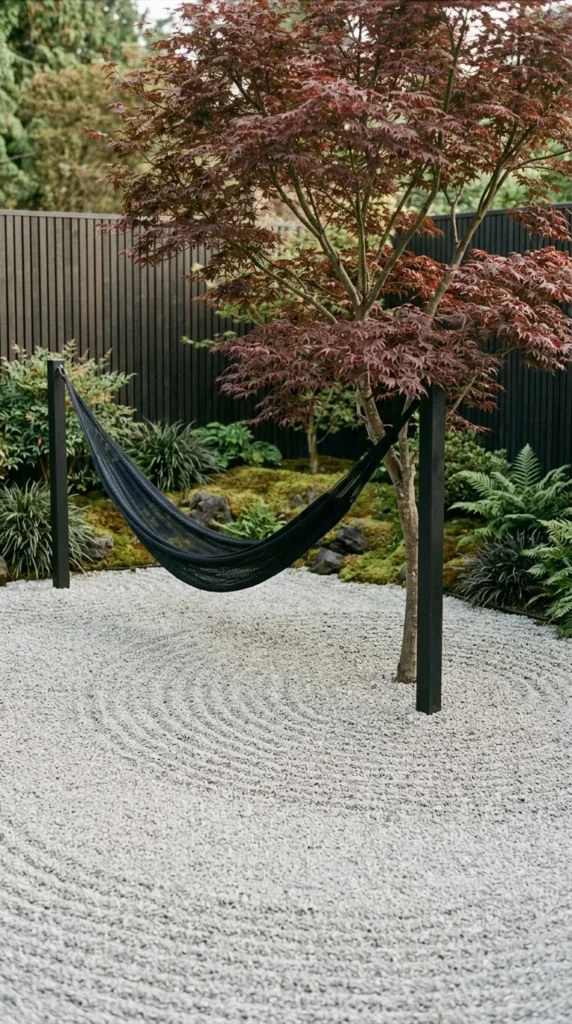
In a minimalist garden, less is more. Focus on clean lines and a limited color palette. A simple mesh or monochrome fabric hammock suspended between hidden anchors or sleek metal posts creates a sense of weightlessness. This design encourages a clear mind, free from the visual clutter of more traditional garden designs.
7. Sun-Drenched Solarium
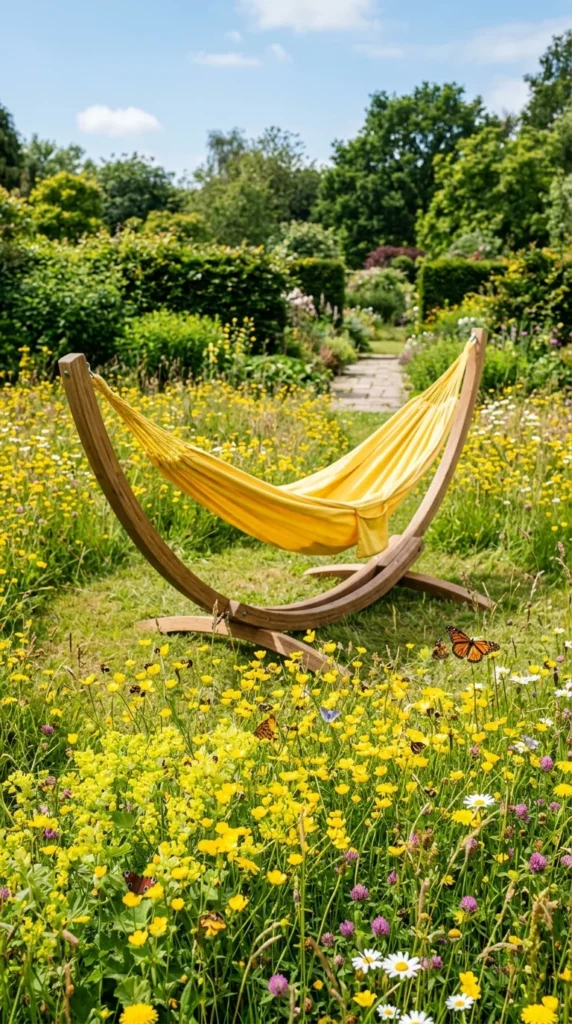
While shade is often preferred, some enthusiasts enjoy the warmth of a sun-trap. Placing a hammock in an open, sun-drenched part of the garden is ideal for those who enjoy sunbathing or reading in bright light. Choose UV-resistant fabrics to prevent fading and consider a hammock with a spreader bar to keep the fabric flat, maximizing sun exposure.
8. Secret Pathway
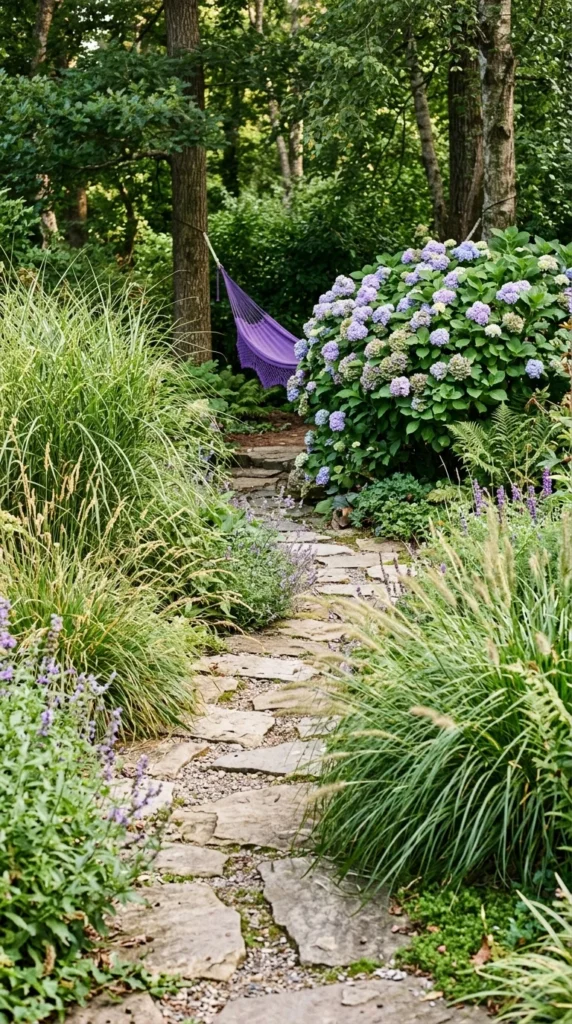
Create a sense of mystery by placing your hammock at the end of a winding path or tucked behind a tall hedge. The “discovery” of the relaxation spot adds to the psychological feeling of escape. Use tall grasses or flowering shrubs to create a natural screen that hides the hammock from the main view of the house.
9. Double Suspension
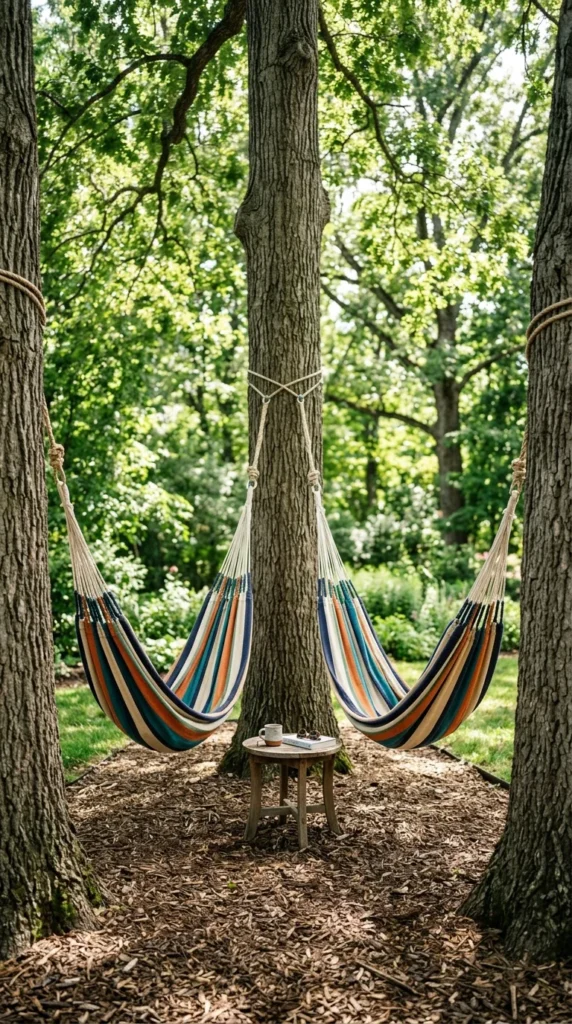
Social relaxation is an overlooked aspect of garden design. By hanging two hammocks side-by-side, you create a space for conversation and shared leisure. This configuration works exceptionally well for couples or families. Ensure there is enough clearance between the two so they don’t bump into each other while swinging.
10. Elevated Deck
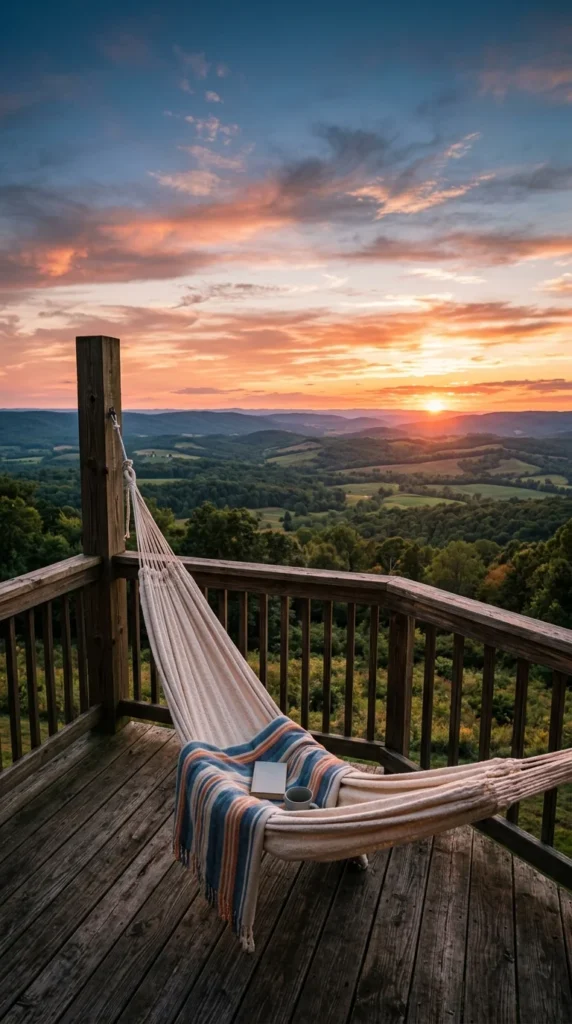
Utilizing an elevated deck for a hammock provides a unique “treehouse” perspective. Being higher up often catches better breezes and offers a superior view of the surrounding landscape. Ensure that deck posts are structural and rated for the weight capacity required for a swinging load.
11. Night-Sky Lounge
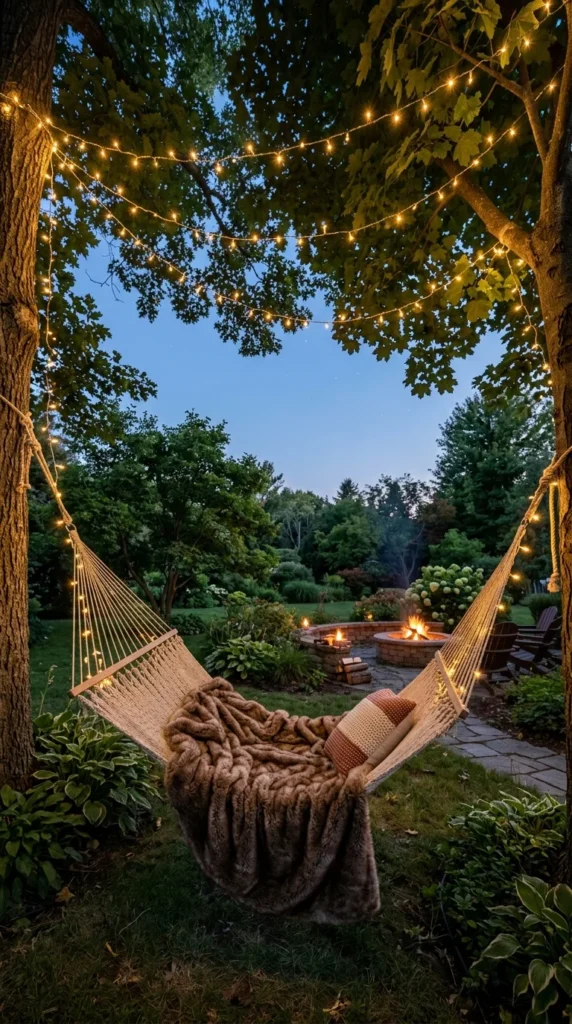
Hammocks aren’t just for daytime use. By adding soft outdoor lighting, such as solar-powered lanterns or string lights, you can transform the area into a stargazing lounge. Positioning the hammock near a fire pit (at a safe distance) allows you to enjoy the warmth and the crackle of the wood while suspended in comfort.
12. Urban Balcony
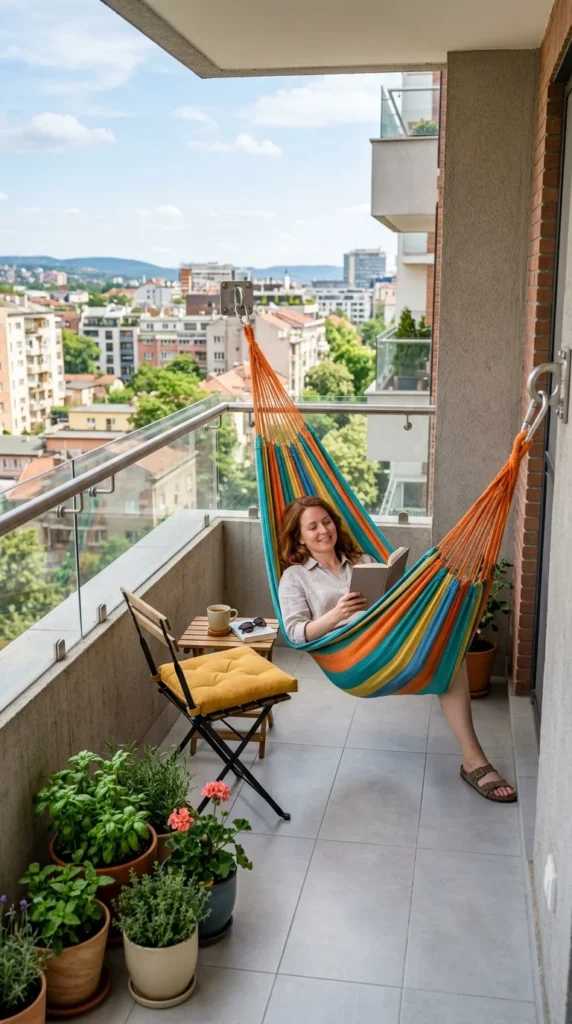
You don’t need a sprawling lawn to enjoy a hammock garden. Urban dwellers can use heavy-duty masonry anchors to hang a hammock across a balcony or patio. Vertical gardening—using wall-mounted planters—can provide the “garden” element, surrounding the suspended seat with greenery even in a concrete environment.
13. Wildflower Meadow
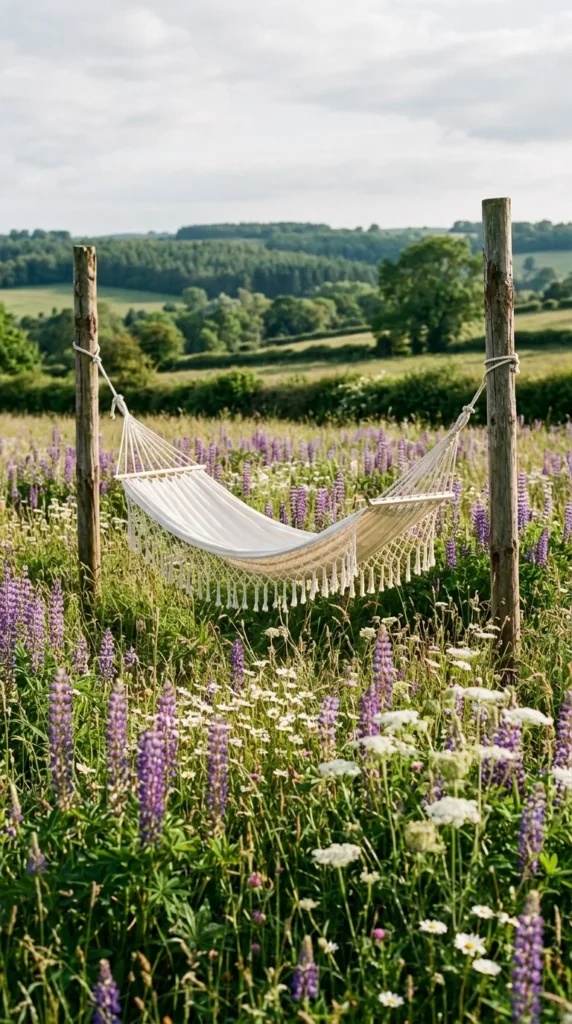
For a low-maintenance but high-impact look, install a hammock in the middle of a wildflower meadow. The tall blooms provide a natural “cradle” feeling, and the lack of a manicured lawn means you spend more time relaxing and less time mowing. This approach also supports local pollinators, adding the gentle hum of bees to your afternoon nap.
14. Modern Geometric
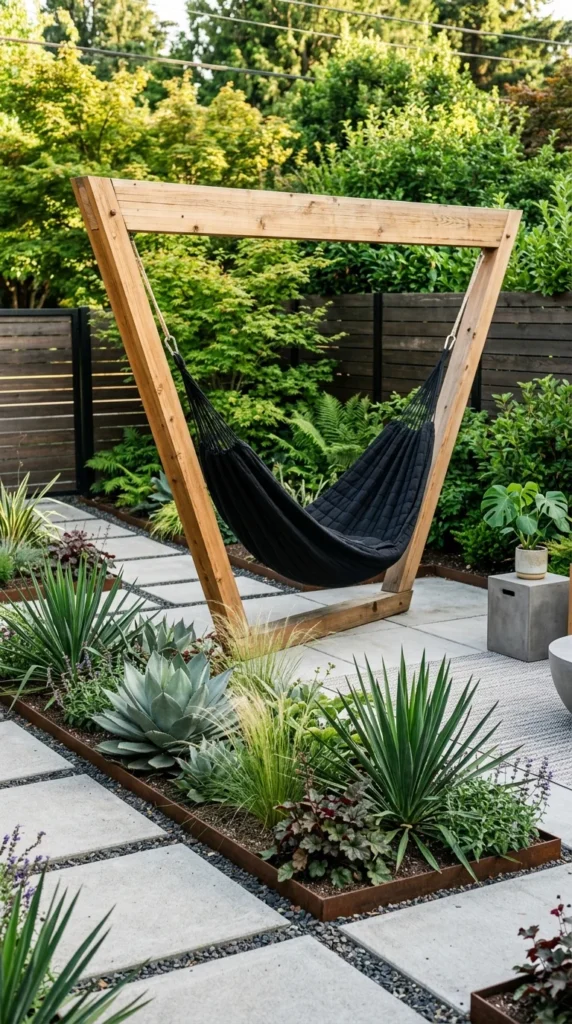
For the contemporary home, a custom-built frame can serve as a sculptural element. Use geometric shapes and industrial materials like steel or treated timber to create a frame that complements the architecture of your house. This turns the hammock into a permanent installation that looks as good empty as it does when in use.
Technical Considerations for Your Escape
To ensure your hammock garden remains a place of peace rather than a source of stress, keep these professional tips in mind:
- Distance and Height: Ideally, the distance between your hanging points should be about 10 to 15 feet, depending on the length of your hammock. The “suspension point” (where the rope meets the tree or post) should typically be about 5 to 6 feet off the ground, allowing for a comfortable “chair height” when you sit in the middle.
- Hardware Quality: Always use stainless steel or galvanized hardware to prevent rust. Carabiners should be climbing-rated for safety.
- Tree Health: If using trees, never use nails or bolts. Use wide “tree saver” straps that distribute the weight across the bark to prevent girdling the tree.
- Fabric Choice: If you plan to leave your hammock out all season, choose solution-dyed acrylics. If you prefer the feel of natural cotton, be prepared to bring the hammock inside during rain to prevent rot and mildew.
By thoughtfully integrating a hammock into your landscape design, you create more than just a place to sit; you create a destination. Whether it’s the centerpiece of a tropical forest or a hidden gem at the end of a stone path, your hammock garden will become the most sought-after square footage on your property.