Raised bed gardening has revolutionized the way homeowners approach cultivation. By lifting the growing area above the natural ground level, gardeners gain unprecedented control over soil quality, drainage, and pest management. Beyond the functional benefits, raised beds serve as architectural elements that define the landscape, adding structure and elegance to any outdoor space.
Whether you are looking to reduce the physical strain of bending or seeking to create a high-yield organic oasis, these sixteen raised garden bed ideas offer the perfect blend of utility and aesthetic appeal.
1. Cedar Frames
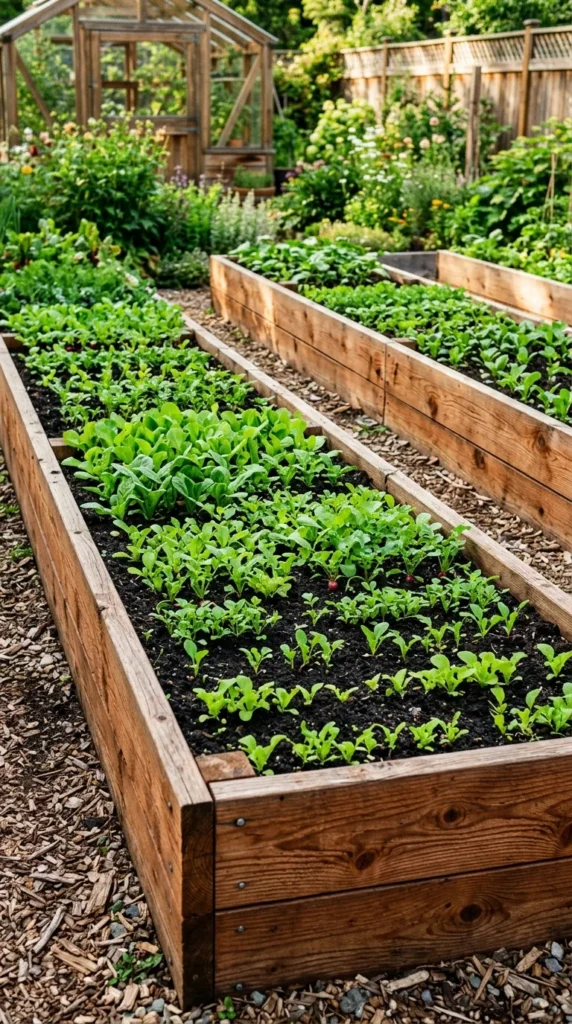
Cedar is widely considered the gold standard for wooden raised beds. Its natural oils make it inherently resistant to rot, decay, and insect infestation without the need for chemical treatments that could leach into your soil. Over time, cedar weathers to a beautiful silvery-gray patina, though it can be sealed to maintain its warm, amber tones.
- Durability: Lasts 10–15 years even in damp climates.
- Safety: 100% natural and safe for organic vegetable gardening.
- Aesthetic: Provides a classic, high-end look that complements traditional and modern landscapes alike.
2. Galvanized Steel
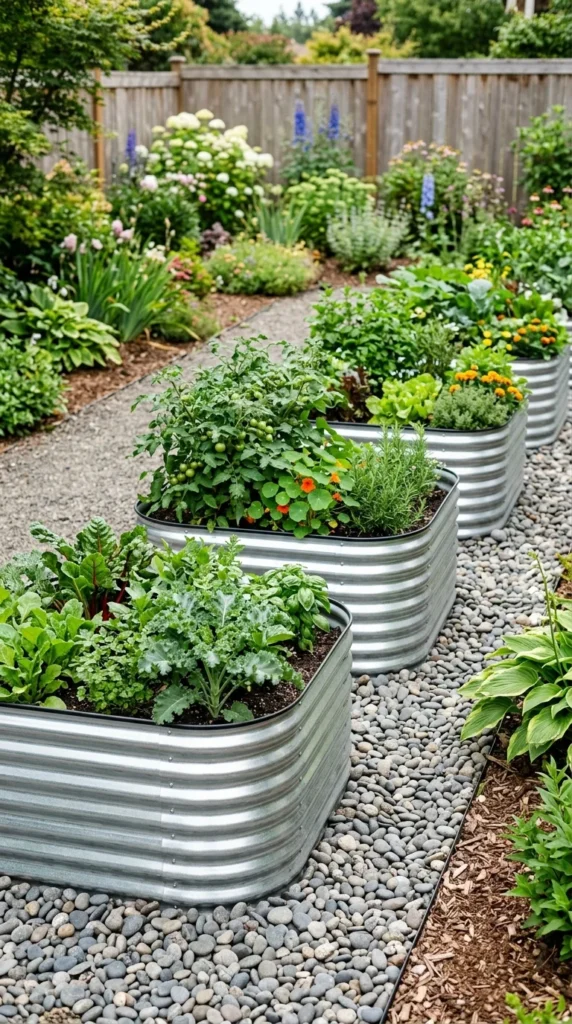
For a modern or industrial aesthetic, galvanized steel beds are an exceptional choice. These structures are lightweight yet incredibly sturdy, resisting the pressure of heavy soil and water. They reflect heat during the day and can help warm the soil earlier in the spring, extending your growing season.
- Longevity: Zinc-coated steel prevents rust for decades.
- Style: Clean lines and a metallic sheen offer a contemporary edge.
- Assembly: Often available in easy-to-assemble kits with rolled safety edges.
3. Tiered Levels
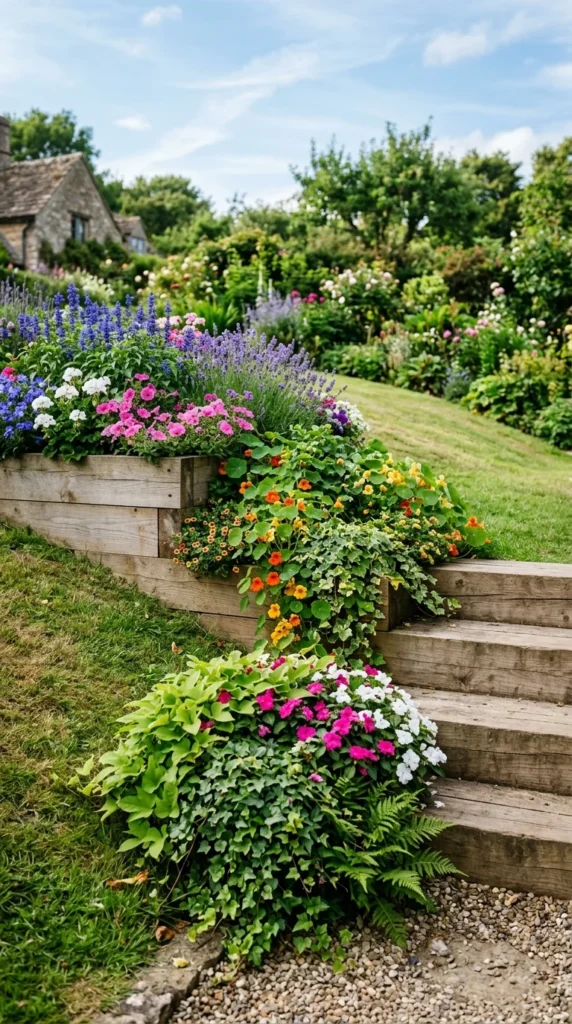
Tiered beds are the ultimate solution for sloped yards or for creating a dramatic focal point. By stacking beds at varying heights, you create different microclimates and soil depths within a single structure. This allows you to plant deep-rooted vegetables like carrots in the higher sections and shallow-rooted herbs in the lower ones.
- Visual Interest: Adds vertical dimension to a flat yard.
- Ergonomics: Provides different heights to accommodate sitting or standing while gardening.
- Space Optimization: Maximizes growing area on uneven terrain.
4. U-Shaped Layouts
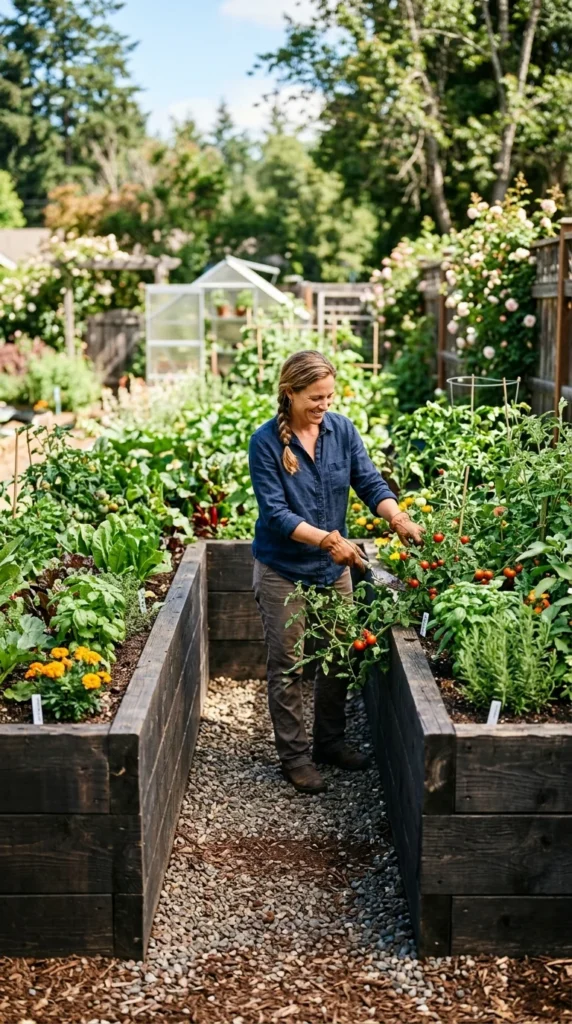
The U-shaped design is a masterclass in efficiency. By shaping the bed like a horseshoe, you create a central “cockpit” that allows you to reach every corner of the garden without ever stepping onto the soil. This prevents soil compaction and reduces the physical reach required to harvest or weed.
- Accessibility: Perfect for large-scale gardening with minimal movement.
- High Yield: Maximizes square footage while maintaining easy access paths.
- Design: Creates an enclosed, intimate gardening experience.
5. Vertical Trellises
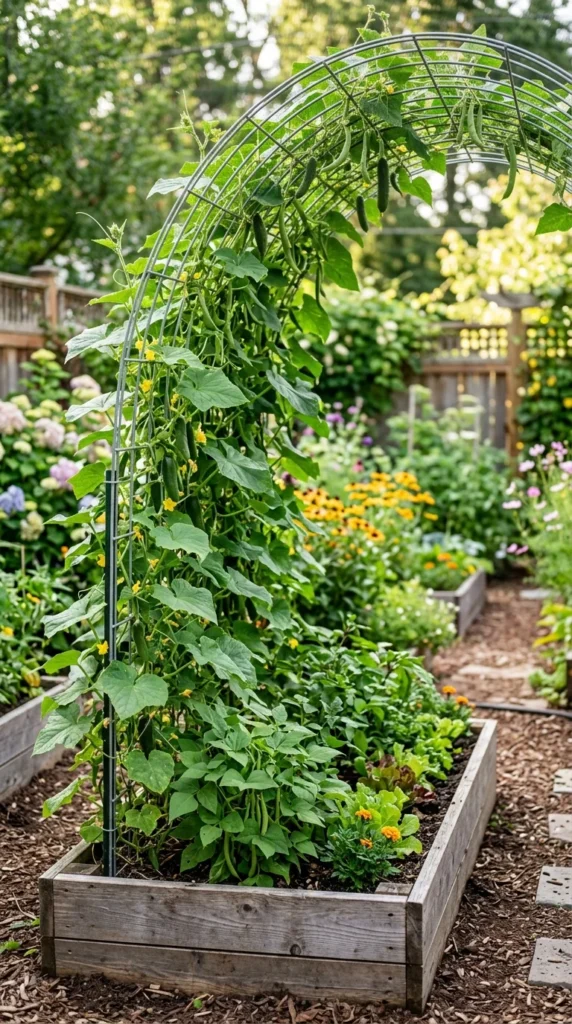
Integrating trellises directly into your raised beds allows you to grow “up” instead of “out.” This is particularly beneficial for small yards. Vining plants like peas, beans, cucumbers, and even small melons can be trained to climb, keeping the fruit off the ground and away from soil-borne diseases.
- Better Airflow: Reduces the risk of powdery mildew and fungal issues.
- Ease of Harvest: Fruits hang at eye level for easy picking.
- Beauty: Creates a lush “green wall” effect.
6. Brick Masonry
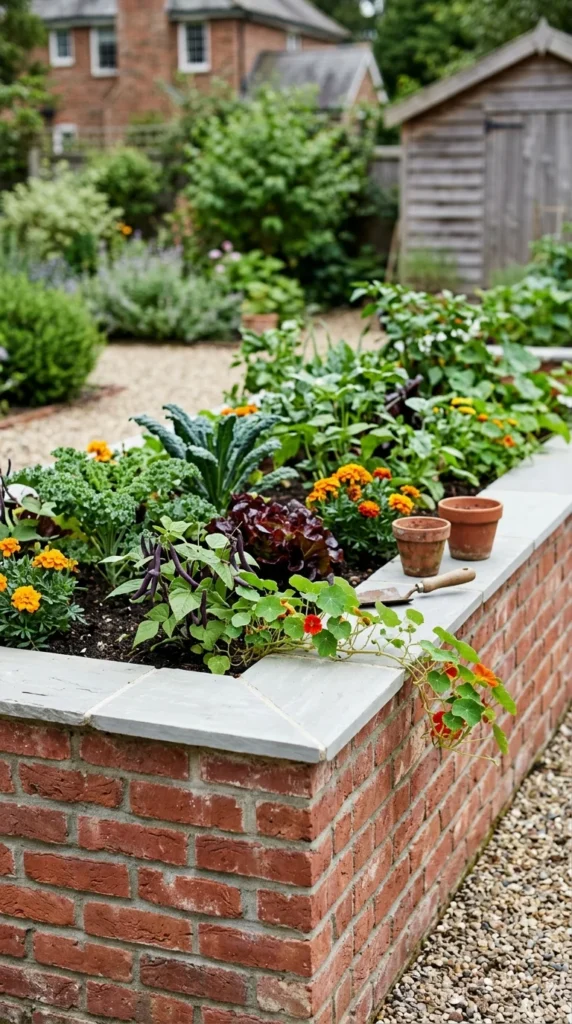
If you are looking for a permanent, “forever” garden solution, brick and mortar is the way to go. Brick beds offer incredible thermal mass, absorbing heat during the day and slowly releasing it at night, which protects sensitive roots from temperature swings.
- Permancy: Will not rot or warp over time.
- Customization: Can be built to match the architecture of your home.
- Seating: A wide brick ledge provides a comfortable place to sit while tending to plants.
7. Keyhole Gardens
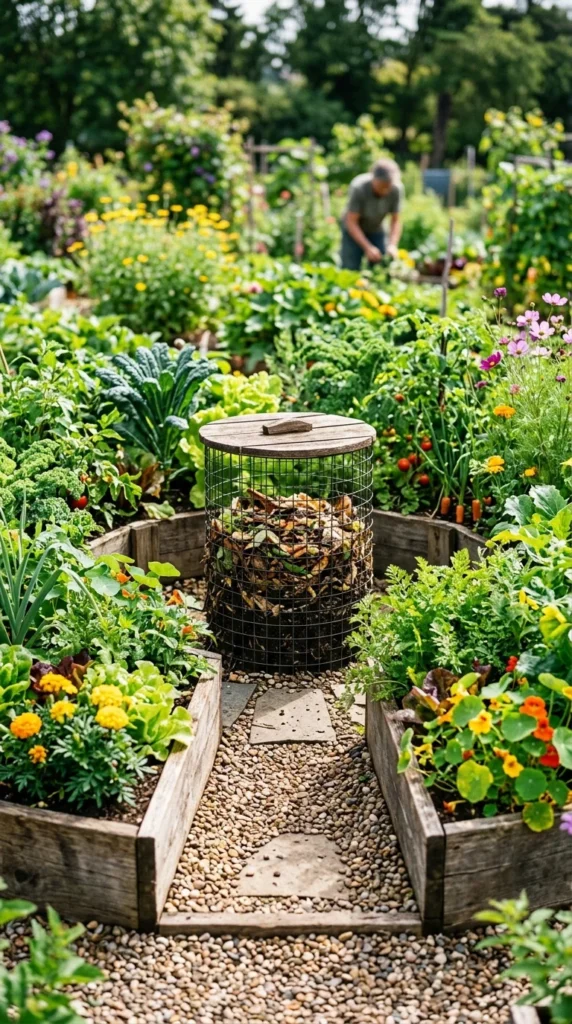
Keyhole gardens are a sustainable design originating from dry climates. The circular bed features a central composting basket where kitchen scraps and water are added. The nutrients from the compost slowly leach out into the surrounding soil, creating a self-fertilizing ecosystem.
- Water Conservation: The circular shape holds moisture efficiently.
- Nutrient Dense: Constant composting ensures high-quality soil.
- Accessibility: The “keyhole” notch allows easy access to the center.
8. Elevated Planters
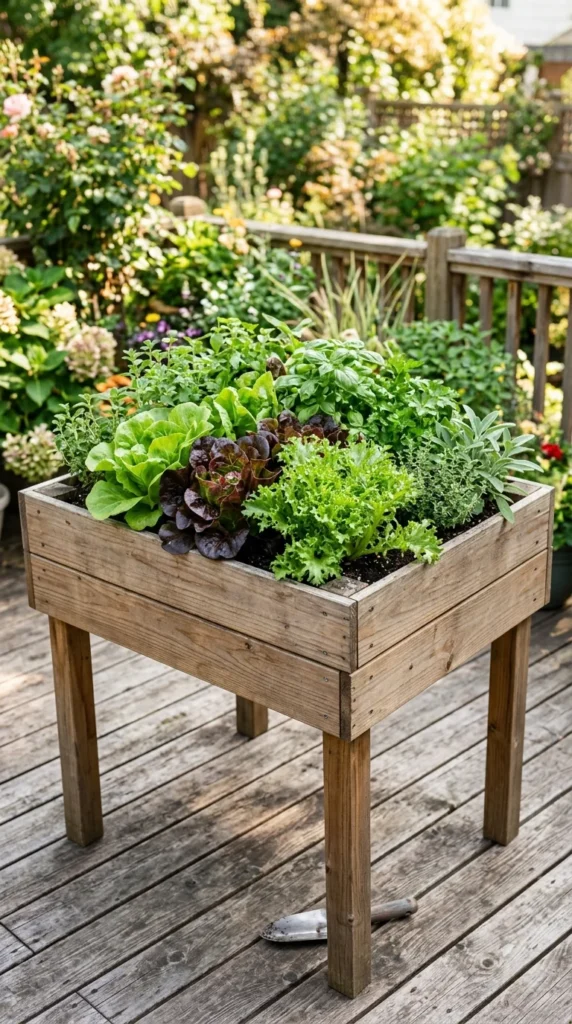
Elevated planters, or “table beds,” are ideal for those with limited mobility or those who want to garden on a patio or deck. Because they are completely detached from the ground, they offer the best possible protection against ground-dwelling pests like rabbits and slugs.
- Back-Saving: Eliminates bending and kneeling entirely.
- Portability: Some models come with wheels for moving around the patio.
- Pest Control: Keeps the garden out of reach for most small animals.
9. Corrugated Panels
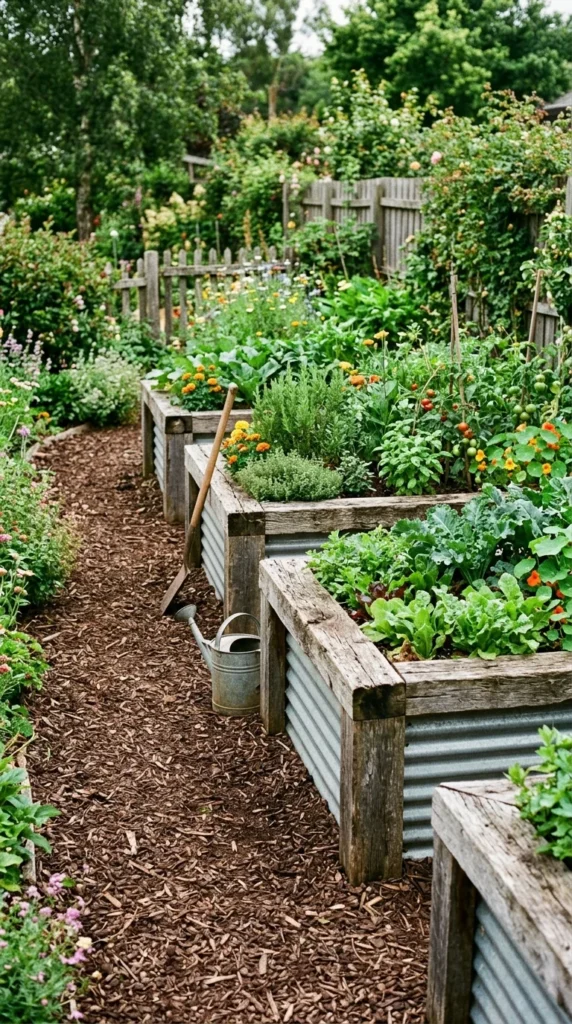
Combining the warmth of wood with the durability of metal, corrugated panel beds offer a rustic-chic or “modern farmhouse” look. The wood provides structural stability and a soft edge, while the metal panels are cost-effective and long-lasting.
- Affordability: Corrugated metal is often cheaper than solid wood planks.
- Drainage: Easy to incorporate drainage holes at the base.
- Unique Texture: Adds a variety of materials to the garden landscape.
10. Woven Willow
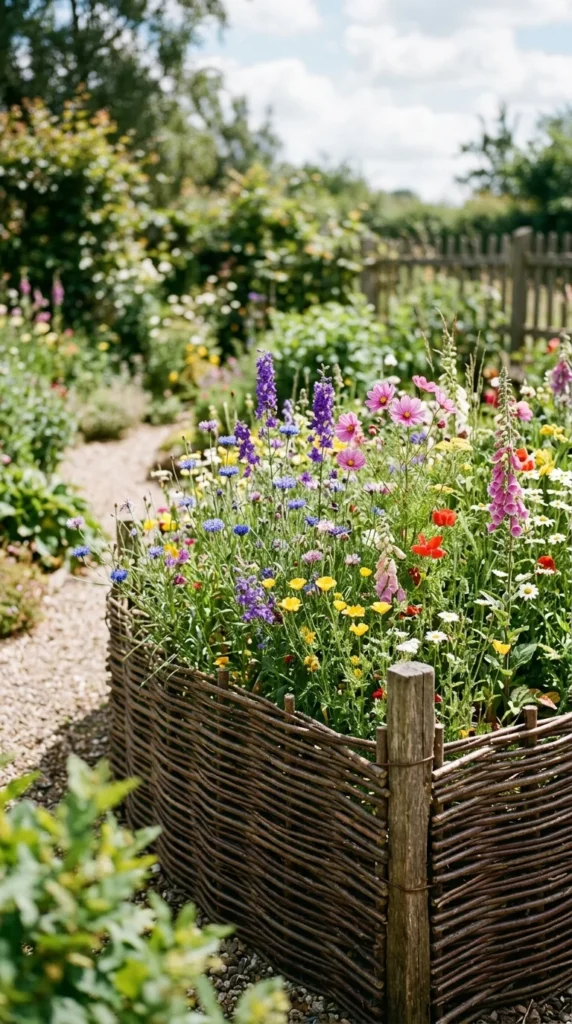
For a cottage garden or an organic, forest-inspired look, woven willow (or wattle) beds are unmatched. This ancient technique involves weaving flexible branches around vertical stakes to create a textured, breathable border.
- Biodegradable: Completely natural and eco-friendly.
- Air Pruning: The breathable sides encourage healthy root development.
- Artisanal Appeal: Each bed is a unique, handmade work of art.
11. Concrete Blocks
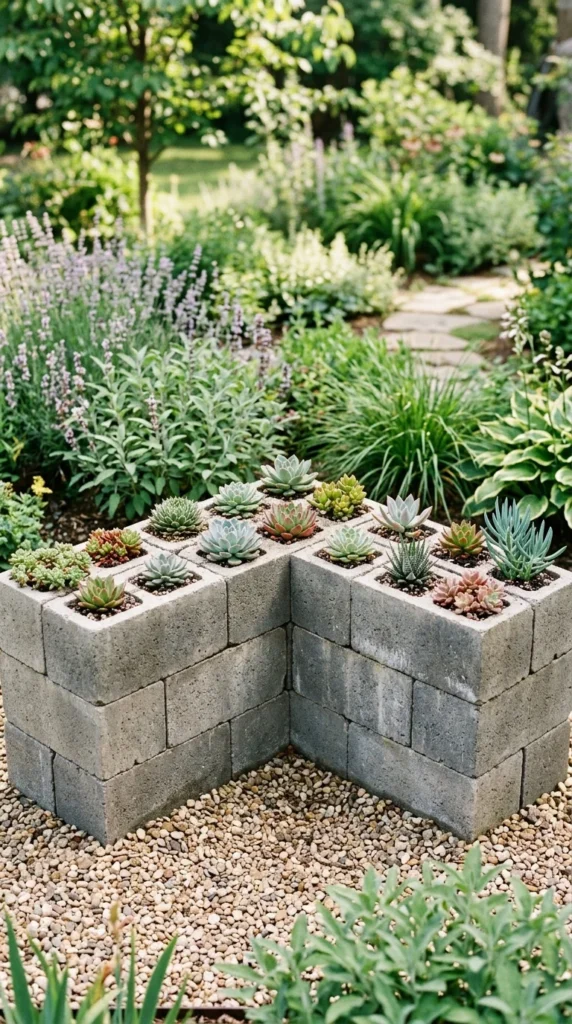
Cinder blocks are the ultimate DIY material for raised beds. They are inexpensive, readily available, and modular, allowing you to create any shape or size. You can even use the hollow “cells” of the blocks to plant individual herbs or flowers, maximizing every inch of space.
- Speed: No tools or fasteners are required for basic stacking.
- Flexibility: Easily expanded or moved if your garden plan changes.
- Thermal Mass: Holds heat well for early spring planting.
12. Straw Bales
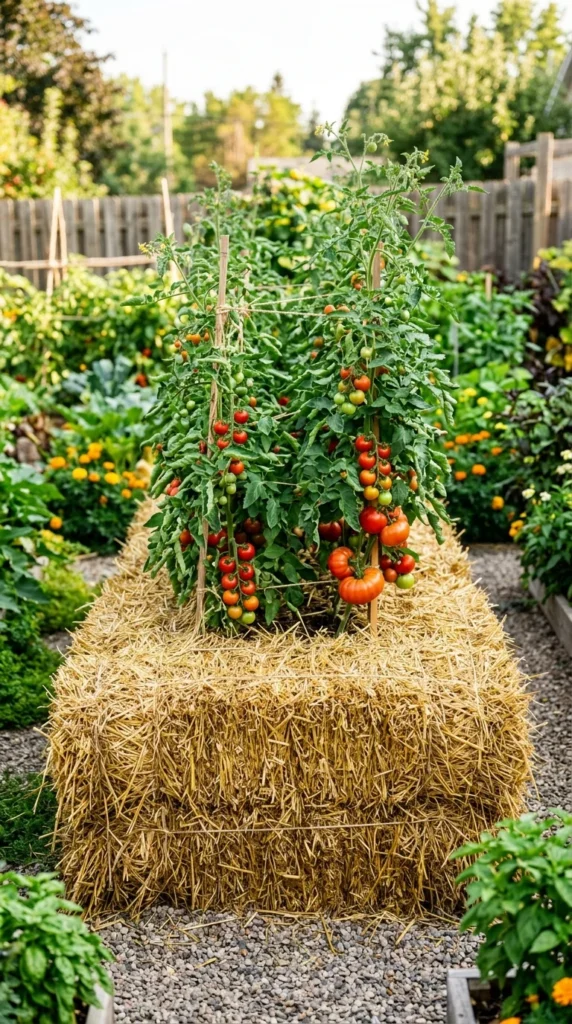
Straw bale gardening is a unique form of “raised” gardening where the bale itself acts as both the container and the growing medium. As the straw decomposes, it provides nutrients to the plants. This is a perfect temporary solution for renters or those with poor soil.
- Cost-Effective: One of the cheapest ways to start a garden.
- No Digging: Zero soil preparation required.
- Soil Improvement: At the end of the season, the decomposed straw can be used as mulch.
13. Mobile Beds
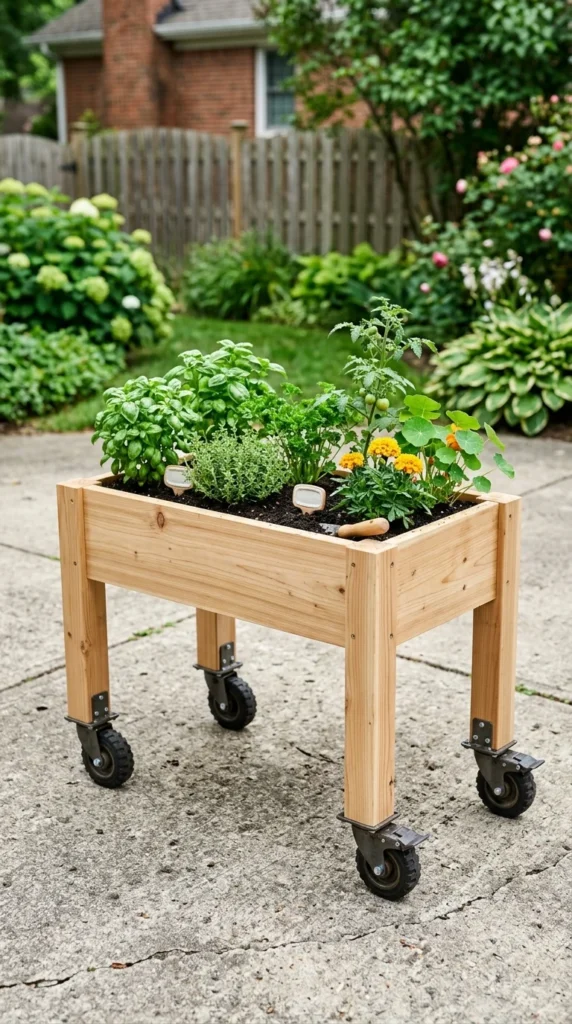
In urban environments or areas with shifting shadows, mobile raised beds offer the flexibility to “chase the sun.” By putting your garden on wheels, you can move it to the sunniest spot throughout the day or wheel it into a garage during a frost.
- Adaptability: Perfect for balconies and driveways.
- Season Extension: Move plants indoors or under cover easily.
- Cleaning: Simply roll the bed away to sweep the area underneath.
14. Natural Stone
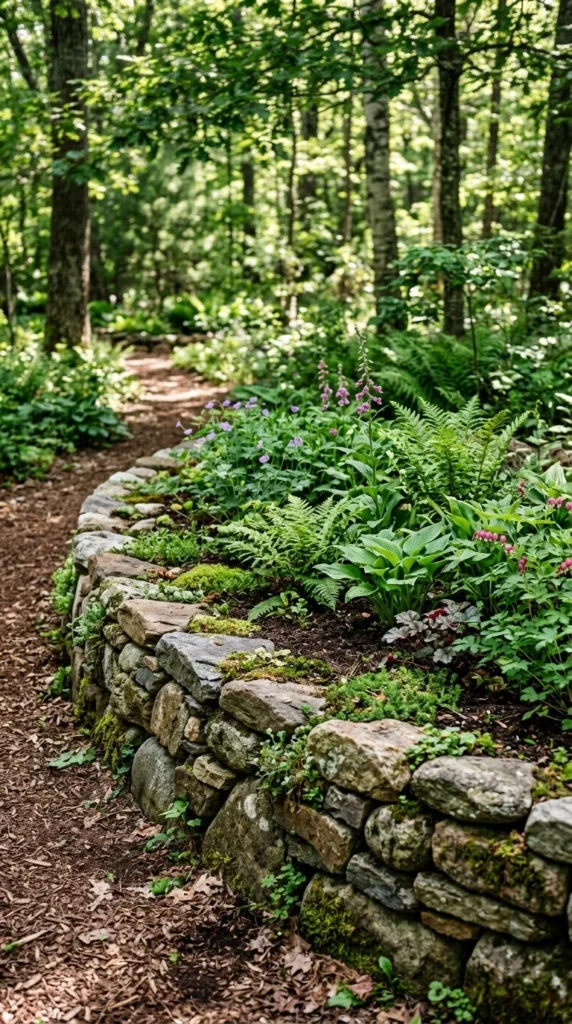
Building raised beds from natural fieldstone or flagstone creates a garden that looks like it has been part of the landscape for centuries. Stone beds are incredibly durable and provide excellent insulation for plant roots against extreme temperature changes.
- Organic Look: Blends perfectly with rock gardens and naturalistic landscapes.
- Longevity: Stone does not rot, rust, or degrade.
- Drainage: Small gaps between stones allow for natural moisture weeping.
15. Cold Frames
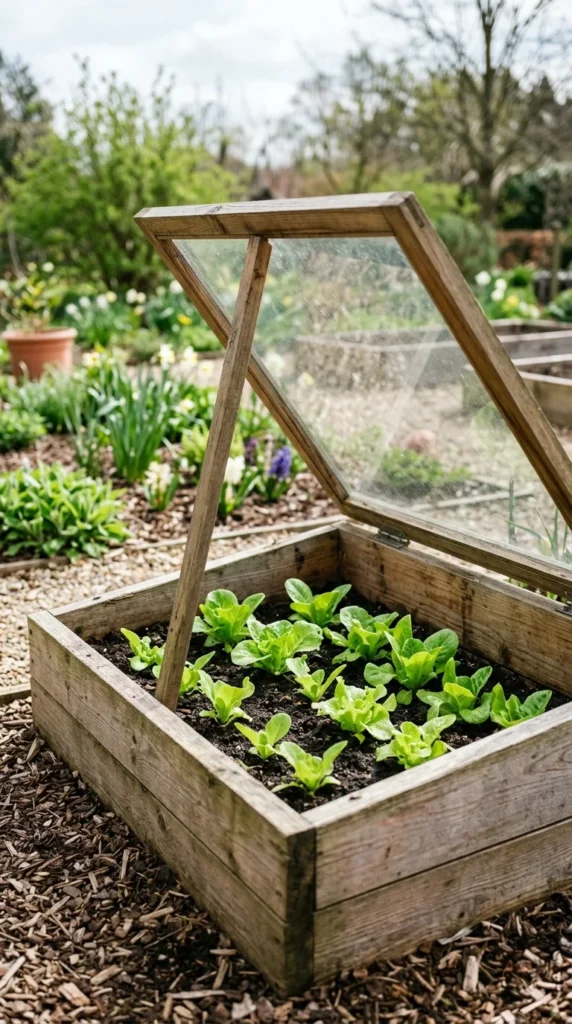
A cold frame is essentially a raised bed with a transparent “roof” (usually glass or polycarbonate). This creates a mini-greenhouse effect, allowing you to start seeds weeks before the last frost or grow hardy greens well into the winter.
- Season Extension: Adds months to your growing calendar.
- Protection: Shields young seedlings from wind and heavy rain.
- Versatility: The lid can be removed entirely during the summer months.
16. Integrated Seating
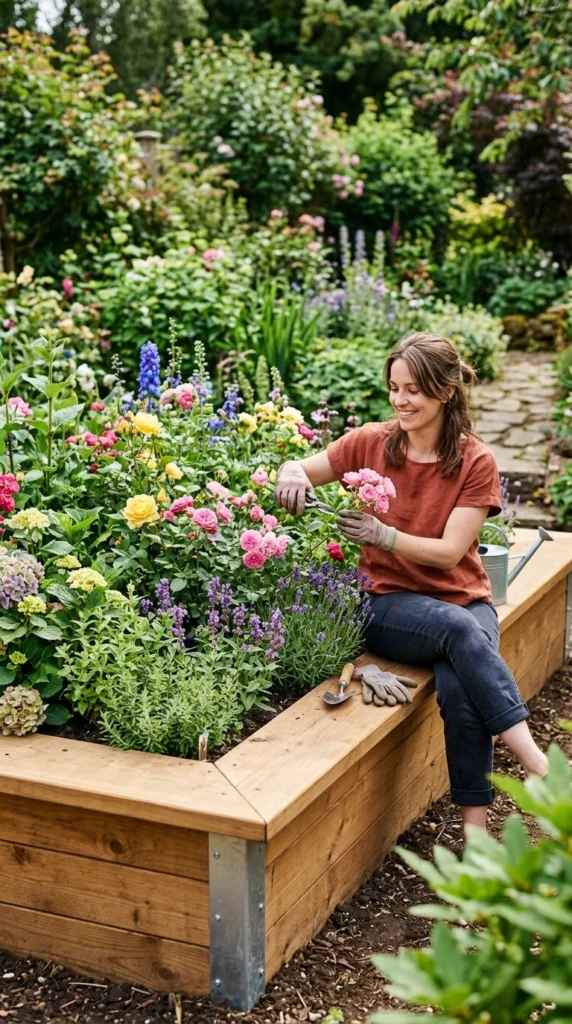
Gardening is more enjoyable when you can take a break and admire your work. Integrating a wide cap or a built-in bench into the design of your raised bed allows you to sit comfortably while weeding or simply enjoy the scent of your herbs.
- Dual Purpose: Combines a garden bed with functional outdoor furniture.
- Social Space: Turns the garden into a gathering spot for family and friends.
- Accessibility: Allows those who cannot stand for long periods to garden with ease.
Summary of Benefits
Whether you choose the rustic charm of woven willow or the sleek durability of galvanized steel, raised garden beds offer several universal advantages:
- Improved Soil Quality: You aren’t limited by the native dirt in your yard; you can fill your beds with a custom blend of compost, peat moss, and vermiculite.
- Better Drainage: Raised beds prevent water from pooling around roots, which is essential for healthy plant growth.
- Fewer Weeds: By using clean soil and mulching the surface, weed pressure is significantly reduced.
- Pest Barrier: The height of the bed makes it harder for crawling insects and small mammals to reach your crops.
By selecting the right material and layout for your specific needs, you can transform your backyard into a productive, beautiful sanctuary that makes the joy of gardening more accessible than ever.