
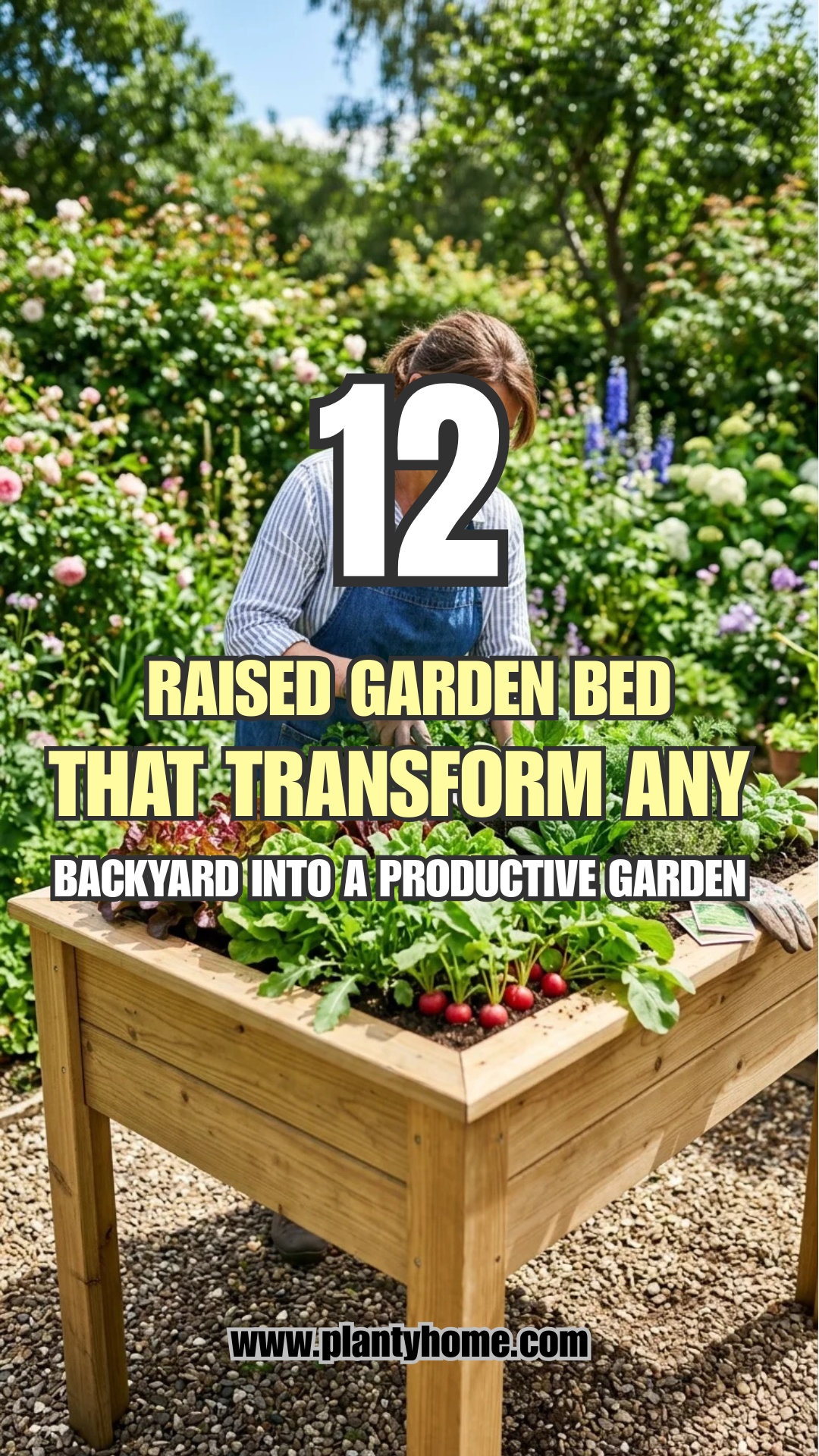
The transition from a traditional in-ground garden to raised beds is often the single most significant upgrade a gardener can make. Raised beds offer unparalleled control over soil quality, drainage, and pest management, while simultaneously reducing the physical strain of bending and kneeling. Whether you are working with a sprawling suburban lawn or a compact urban patio, the right raised bed structure can turn an underutilized space into a high-yield agricultural sanctuary.
Modern raised beds are no longer just functional boxes; they are architectural elements that define the landscape. By choosing materials and shapes that complement your home’s aesthetic, you can create a garden that is as beautiful as it is productive. Here are 12 raised garden bed designs that will transform your backyard into a flourishing oasis.
1. Cedar Wood
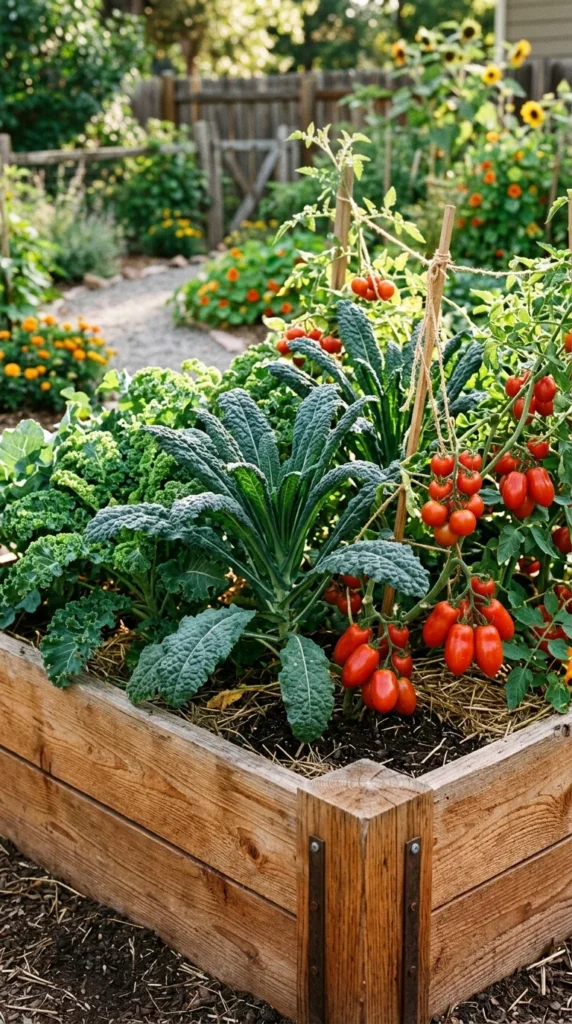
Cedar is the gold standard for wooden raised beds. Known for its natural resistance to rot, decay, and insects, cedar can last for over a decade without the need for chemical treatments. This makes it an ideal choice for organic gardeners who want to ensure no leached chemicals enter their soil. Beyond its durability, cedar ages gracefully, turning a soft silvery-gray over time if left untreated, or maintaining its warm reddish hue with a food-safe oil. Using 2-inch thick planks ensures the walls won’t bow under the weight of wet soil, providing a professional and permanent look to the garden.
2. Corrugated Metal
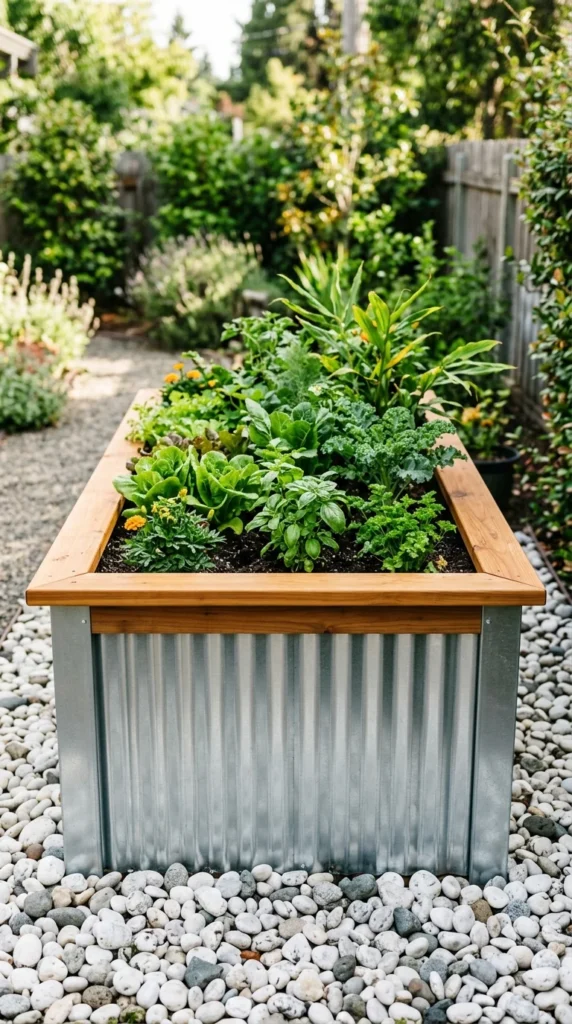
For a sleek, modern, or rustic-industrial look, corrugated metal beds are an excellent choice. These beds are typically constructed from galvanized steel or Aluzinc, which is highly resistant to rust and corrosion. One of the primary advantages of metal beds is their longevity; they can easily last 20 to 30 years. They also have thin walls, which maximizes the planting area in tight spaces. Contrary to popular belief, the soil inside does not overheat significantly, as the metal reflects a large portion of sunlight, and the high thermal mass of the soil keeps the core temperature stable.
3. Tiered Vertical
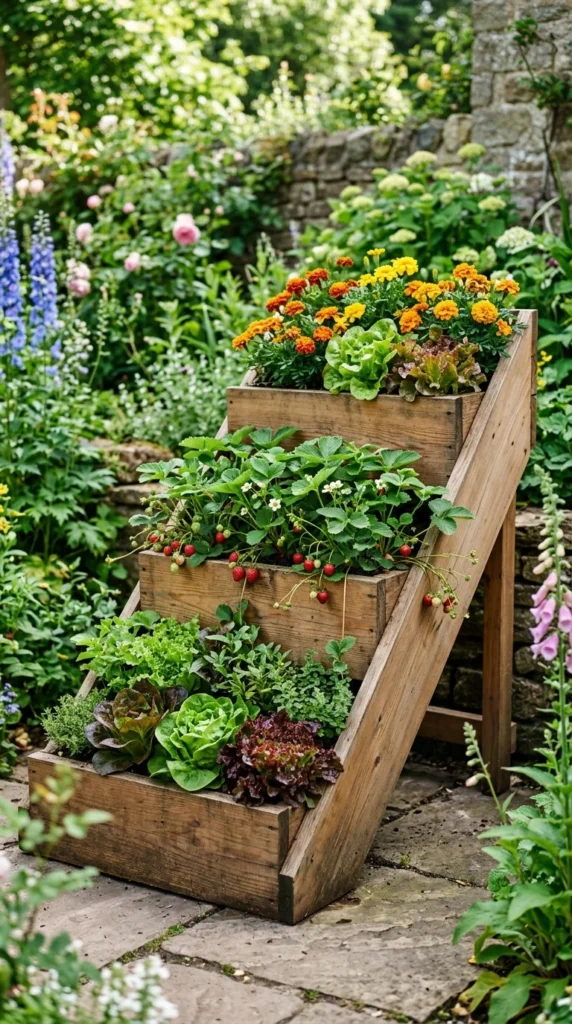
Tiered or “stair-step” garden beds are perfect for gardeners looking to maximize vertical space or create a visual focal point. This design allows you to plant deep-rooted vegetables like carrots or parsnips in the highest tier, while shallow-rooted greens and herbs occupy the lower steps. The verticality not only adds architectural interest but also makes harvesting easier by bringing different plants to varying heights. It is an exceptionally efficient way to grow a diverse range of crops in a small footprint.
4. U-Shaped Layout
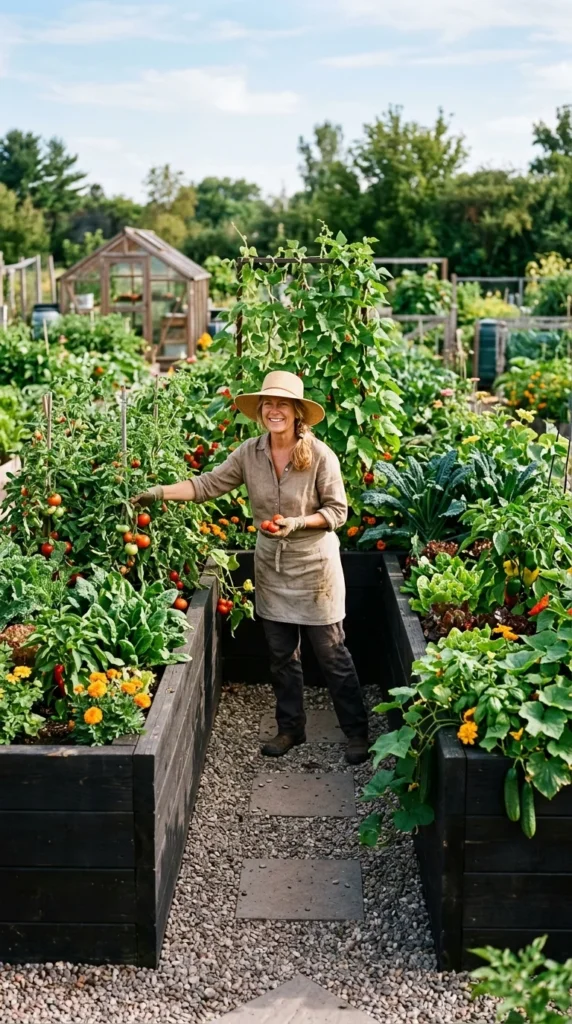
The U-shaped raised bed is the ultimate design for accessibility and productivity. By creating a “walk-in” center, you maximize your reaching distance, ensuring that every square inch of the bed is accessible without ever stepping on and compacting the soil. This layout is particularly effective for large-scale vegetable production, as it allows for intensive planting while keeping the garden organized and easy to navigate. It creates a sense of enclosure, making the gardener feel immersed in their crops.
5. Stock Tanks
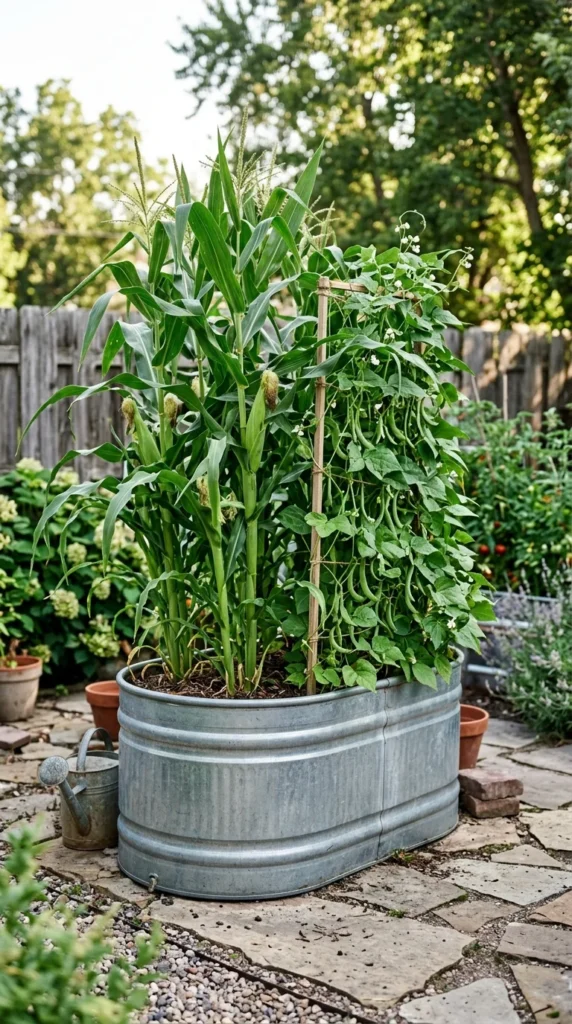
Repurposing galvanized stock tanks—traditionally used for watering livestock—is a popular trend for a reason. These units are incredibly durable, come pre-assembled, and offer a deep growing environment perfect for root crops or even small fruit trees. Because they are self-contained, they are ideal for use on concrete patios or areas with poor native soil. Just ensure that drainage holes are drilled into the bottom to prevent waterlogging. Their rounded edges and metallic finish provide a clean, “farm-to-table” aesthetic that fits both traditional and contemporary homes.
6. Composite Boards
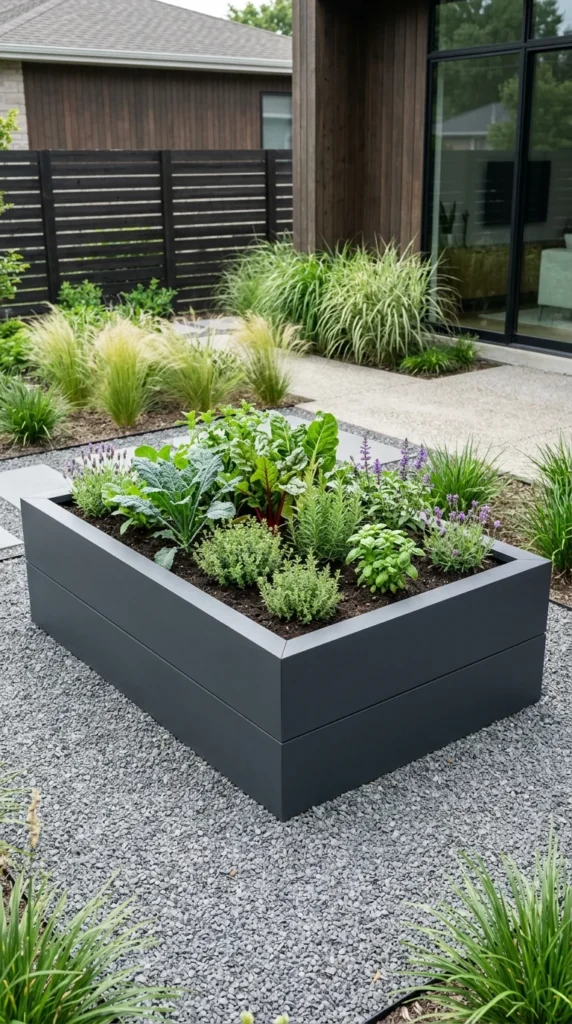
If you are looking for a “set it and forget it” solution, composite garden beds are the answer. Made from a blend of recycled wood fibers and plastic, these boards are engineered to withstand the harshest weather conditions without warping, cracking, or rotting. They require zero maintenance and come in a variety of colors, from deep slate to faux-oak. Composite beds offer a polished, high-end appearance that integrates seamlessly into modern landscaping and provides a clean backdrop for the vibrant colors of your garden.
7. Wattle Fencing
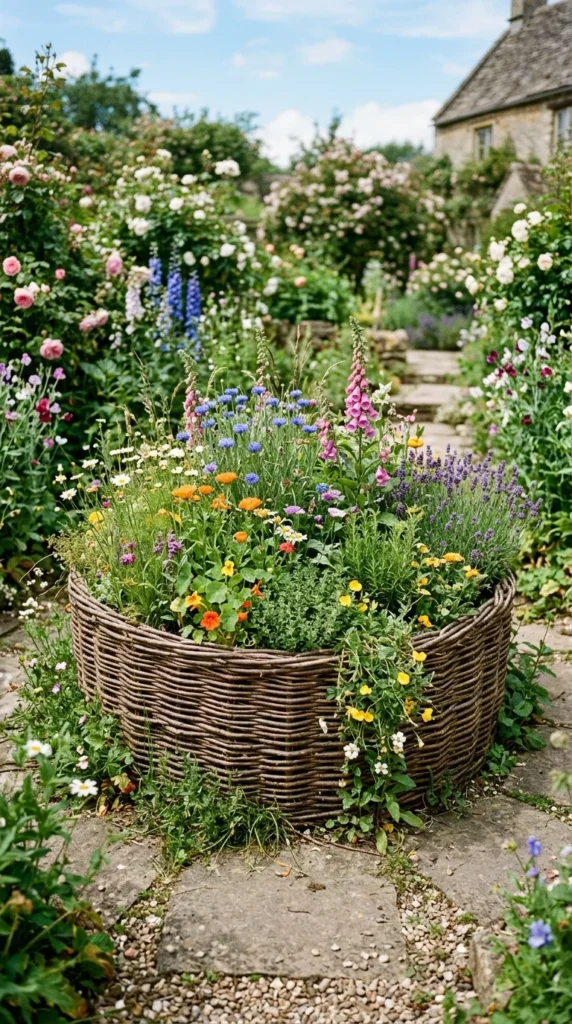
For those who prefer a natural, old-world aesthetic, wattle raised beds are a charming option. Wattle is an ancient building technique involving the weaving of flexible branches (usually willow or hazel) around upright stakes. This creates a breathable, organic structure that blends perfectly into woodland or cottage-style gardens. While not as long-lasting as stone or cedar, wattle beds are eco-friendly and can be constructed for free if you have access to pruning materials. They are particularly well-suited for herb gardens and pollinator-friendly wildflower patches.
8. Concrete Blocks
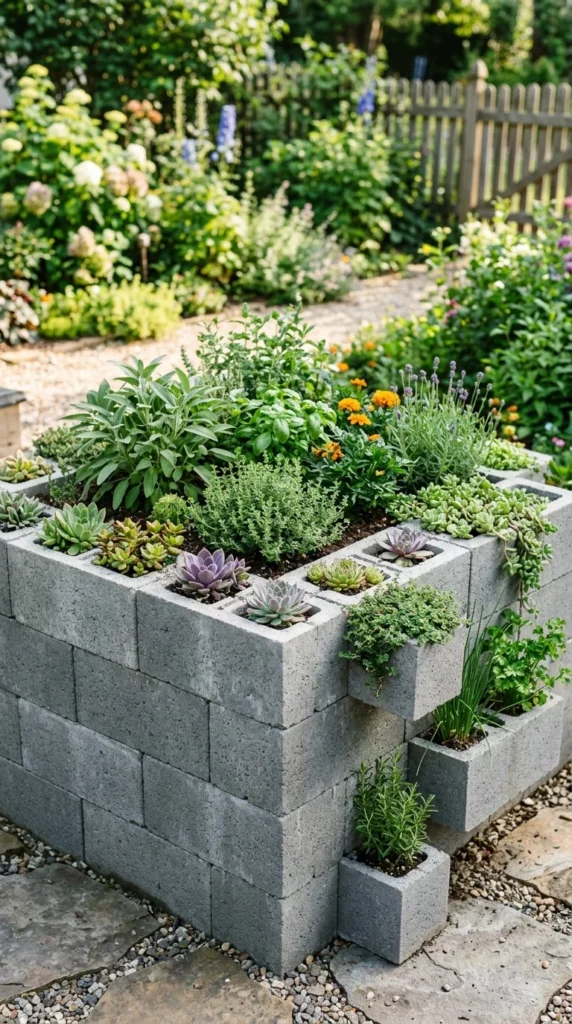
Concrete blocks, or cinder blocks, offer a modular and budget-friendly way to build permanent raised beds. Their heavy weight ensures they stay in place without the need for mortar, and they can be stacked to any height. One of the most creative uses of concrete blocks is utilizing the hollow centers as mini-planters for herbs, strawberries, or marigolds, effectively increasing your growing area. For a more finished look, the blocks can be painted with masonry paint or covered with a stone veneer to match the surrounding architecture.
9. Self-Watering
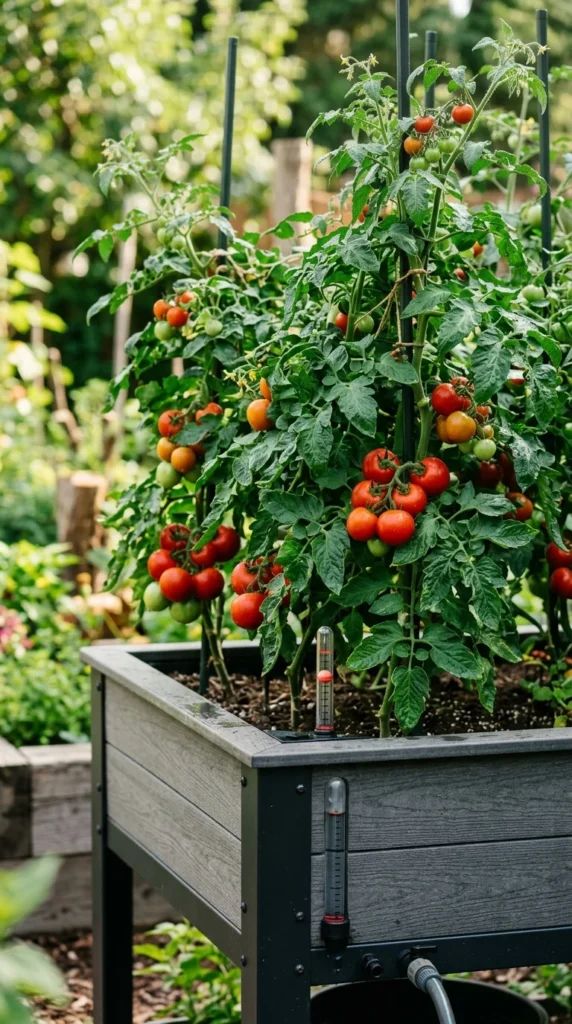
For the busy gardener or those living in arid climates, self-watering raised beds (also known as wicking beds) are a game-changer. These beds feature a water reservoir at the bottom, separated from the soil by a perforated platform. Water is drawn upward into the soil through capillary action, providing the plants with a consistent moisture level. This system significantly reduces water waste from evaporation and ensures that plants never suffer from the “wilt-and-soak” cycle. It is the most efficient way to maintain a productive garden with minimal daily intervention.
10. Herb Spirals
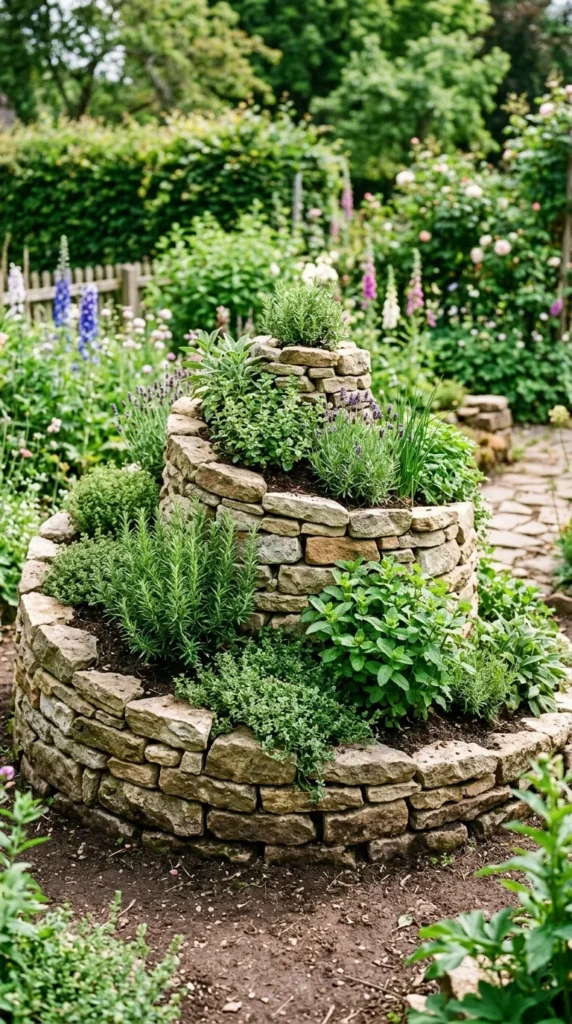
The herb spiral is a permaculture classic that uses vertical space and microclimates to grow a variety of herbs in a small footprint. By building a spiral mound of stone or brick, you create different drainage levels and sun exposures. The top of the spiral is dry and sunny (perfect for rosemary and oregano), while the bottom stays cooler and moister (ideal for mint and parsley). Not only is it a highly productive way to grow a kitchen garden, but it also serves as a stunning sculptural element in any backyard.
11. Elevated Tables
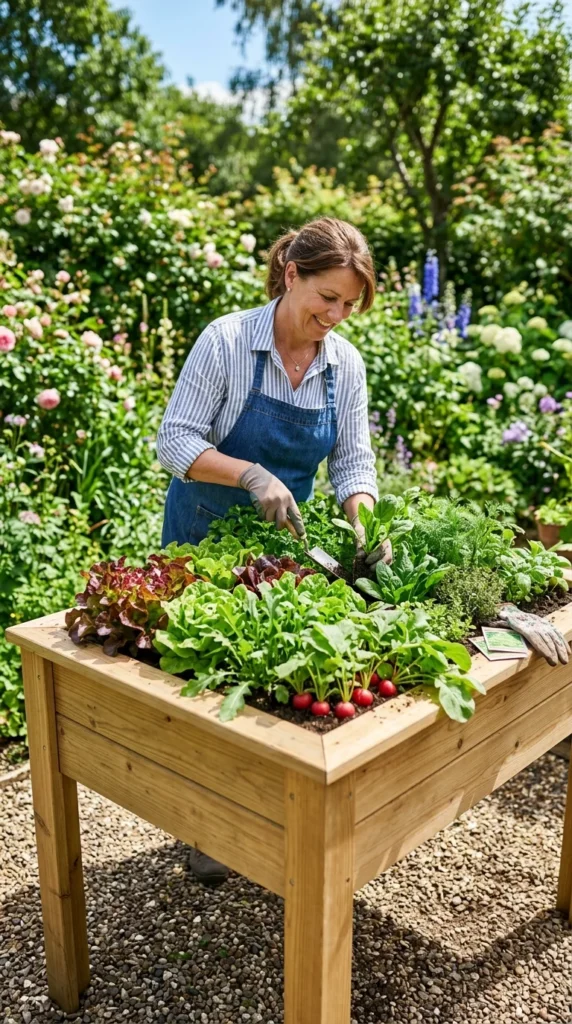
Elevated garden tables are the perfect solution for gardeners with limited mobility or those who want to avoid the physical strain of bending over. These beds sit on legs, bringing the soil surface up to waist height. They are particularly popular for balconies, decks, and small patios. Because they have a limited soil depth, they are best suited for shallow-rooted crops like lettuce, spinach, herbs, and radishes. They also provide a natural barrier against ground-dwelling pests like slugs and rabbits.
12. Keyhole Gardens
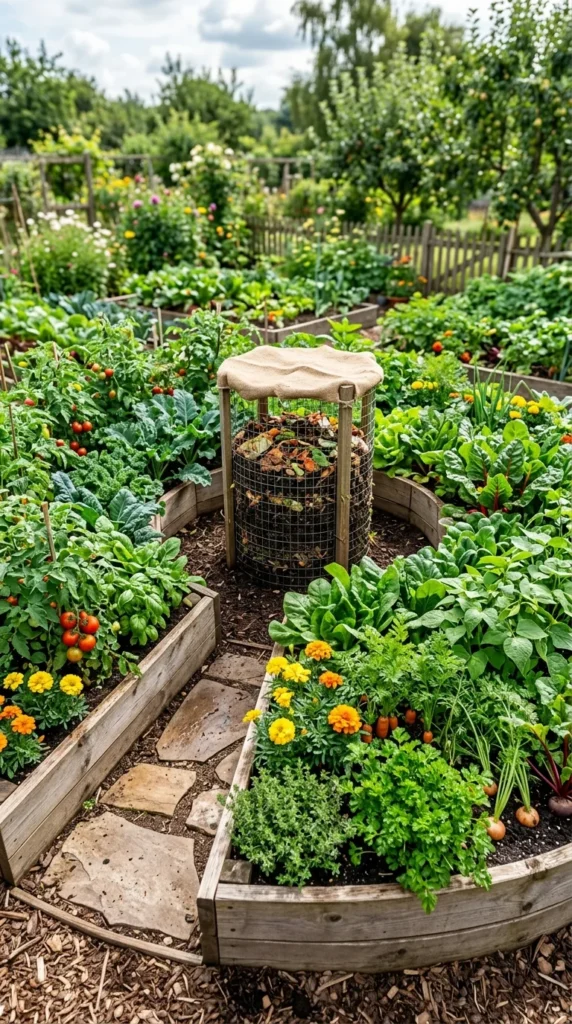
Originating in drought-prone regions, the keyhole garden is a masterpiece of efficiency. It is a circular raised bed with a wedge-shaped cutout (the “keyhole”) that allows the gardener to reach the center. At the very center sits a perforated basket where kitchen scraps and gray water are added. As the compost breaks down, nutrients and moisture leach directly into the surrounding soil, self-fertilizing the garden. This closed-loop system is incredibly productive and sustainable, making it a favorite for eco-conscious gardeners looking to maximize their harvest.