
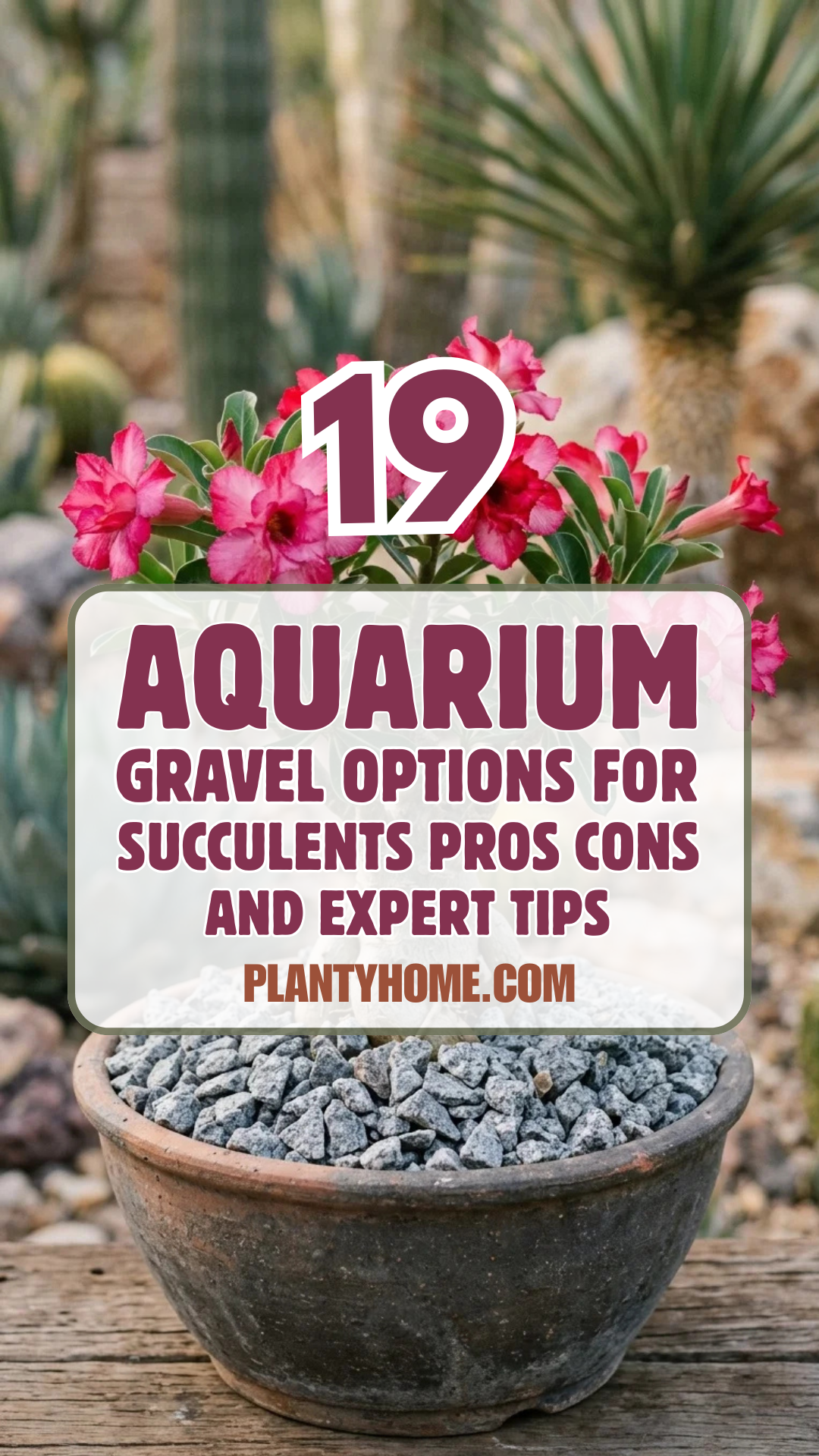
Succulent enthusiasts are constantly searching for the perfect balance between aesthetic appeal and functional drainage. While traditional potting soil is the foundation of plant health, the addition of aquarium gravel has become a game-changer for indoor and outdoor gardeners alike. Aquarium gravel is inert, comes in various sizes, and offers a sterile environment that helps mitigate many common succulent issues like root rot and pest infestations.
In this guide, we explore 19 different ways to use aquarium gravel for succulents, weighing the benefits against the drawbacks, and providing actionable tips for a thriving miniature garden.
1. Natural River
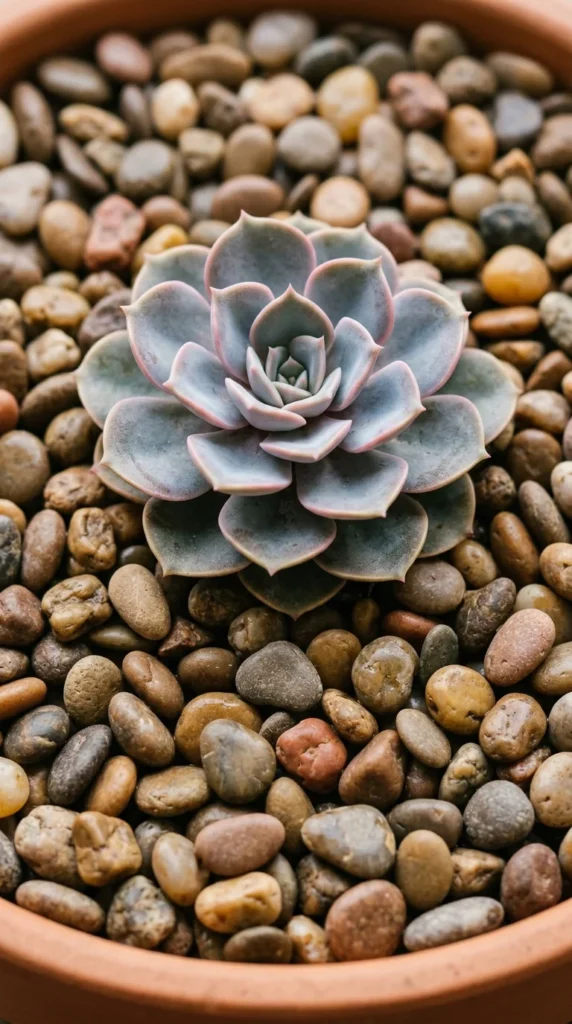
Natural river gravel is the most common choice for a reason. These stones are typically smooth and come in shades of tan, brown, and grey. Because they are sourced from natural water bodies, they are chemically inert and won’t alter the pH of your succulent’s soil. They provide a rustic, organic look that complements the “desert” aesthetic of most cacti and succulents.
2. Neon Accents
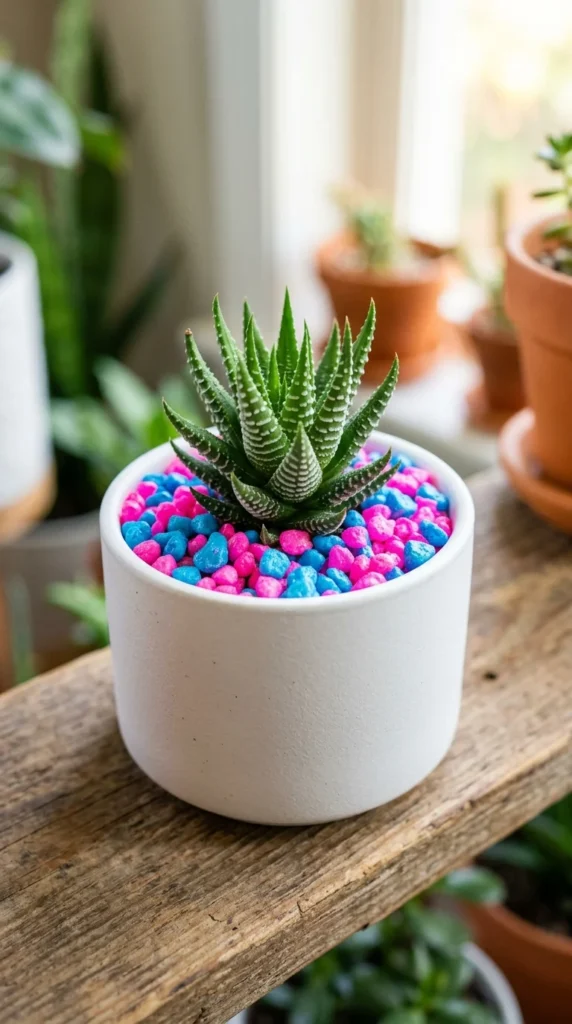
For those who prefer a modern or whimsical look, epoxy-coated neon gravel is a popular choice. This type of gravel is completely waterproof and non-toxic. It is particularly effective for children’s gardens or terrariums where a pop of color is desired to contrast against the deep greens of the foliage.
3. Crushed Quartz
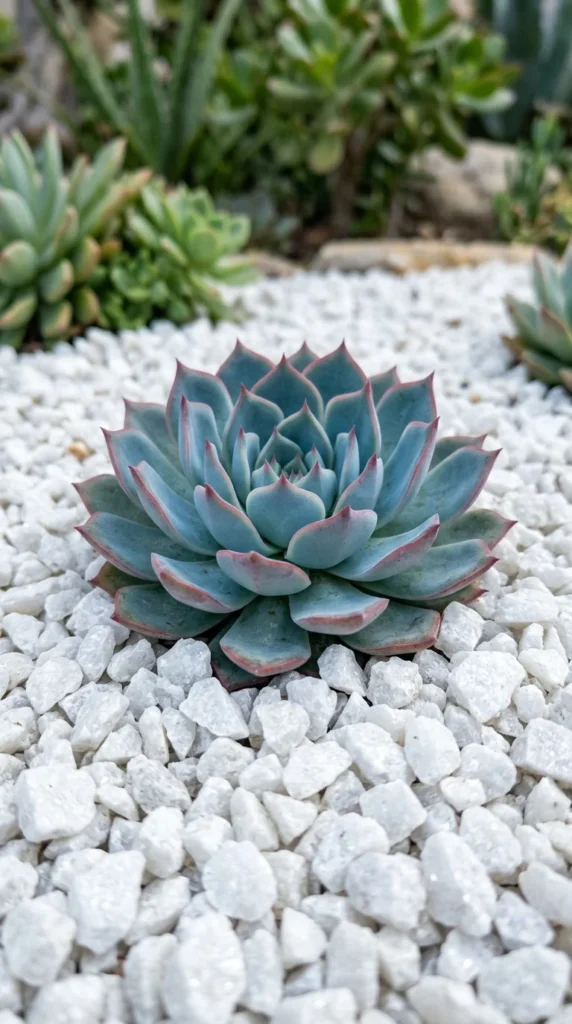
Crushed quartz offers a crystalline texture that reflects light, helping to brighten up darker corners of a room. It is extremely hard and does not break down over time, ensuring that the drainage properties of your soil mix remain consistent for years.
4. Polished Glass
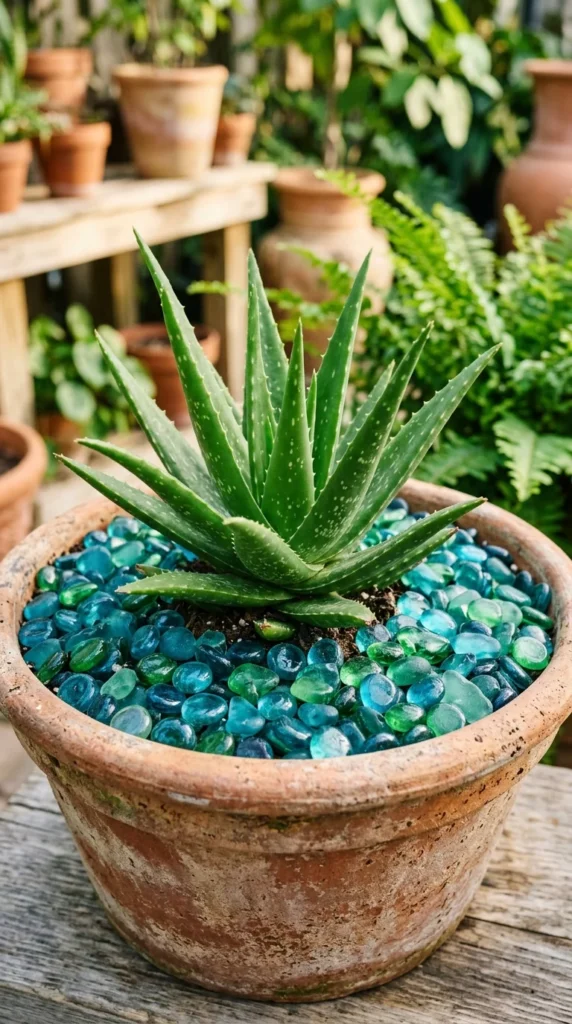
While technically “glass pebbles” often found in the aquarium section, these provide a sophisticated, clean look. They are excellent for top-dressing because they don’t absorb heat, keeping the surface of the soil cooler during hot summer months.
5. Lava Rock
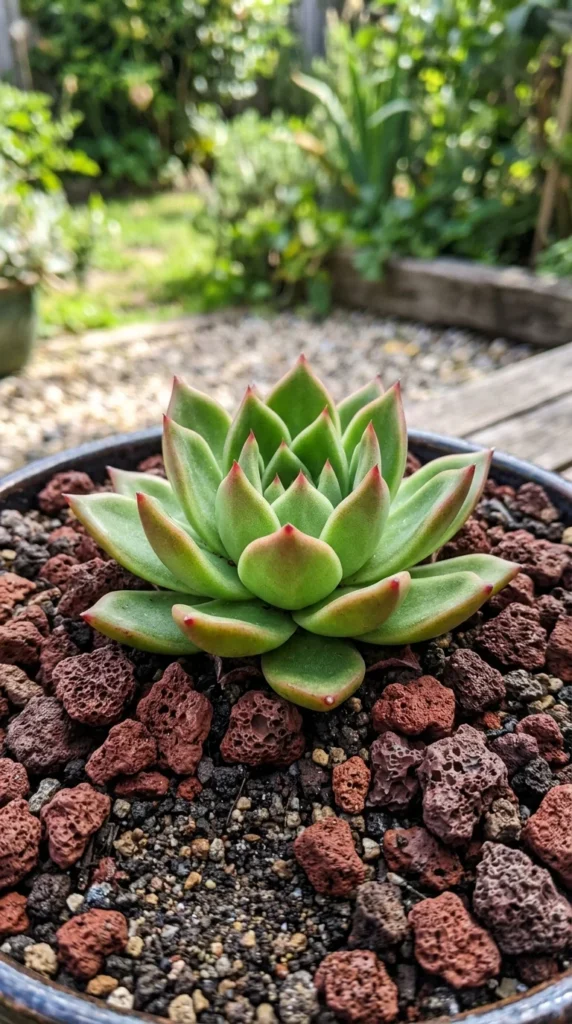
Lava rock (or scoria) is a staple in the succulent world. Its high porosity allows for incredible aeration. When used as a gravel layer, it helps wick excess moisture away from the “neck” of the plant, which is the most vulnerable area for rot.
6. Micro Gravel
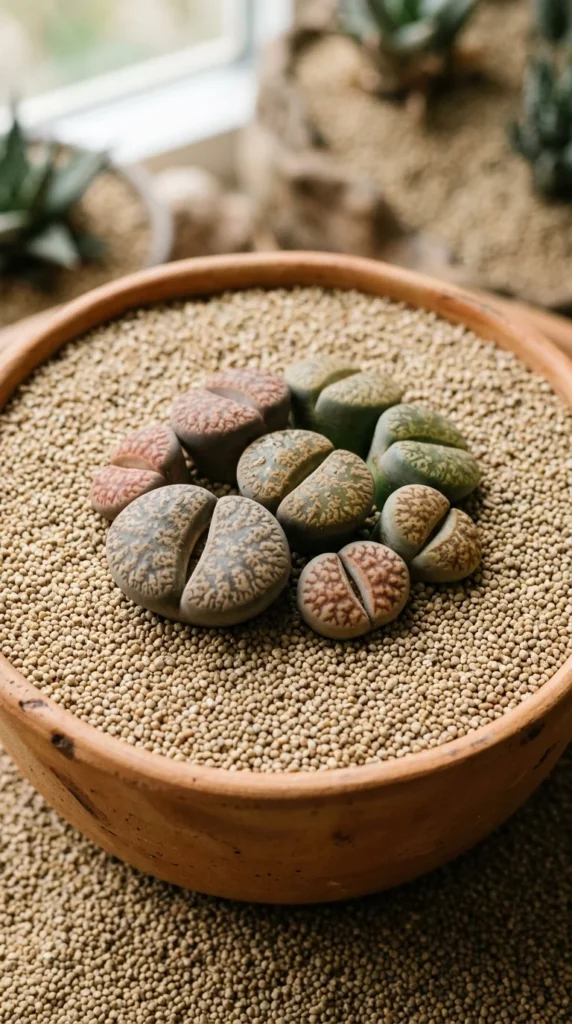
Micro-fine gravel is ideal for smaller species like Lithops or “living stones.” It provides a stable base for tiny seedlings and prevents the soil from splashing onto the leaves during watering, which can lead to fungal issues.
7. Multicolored Blends
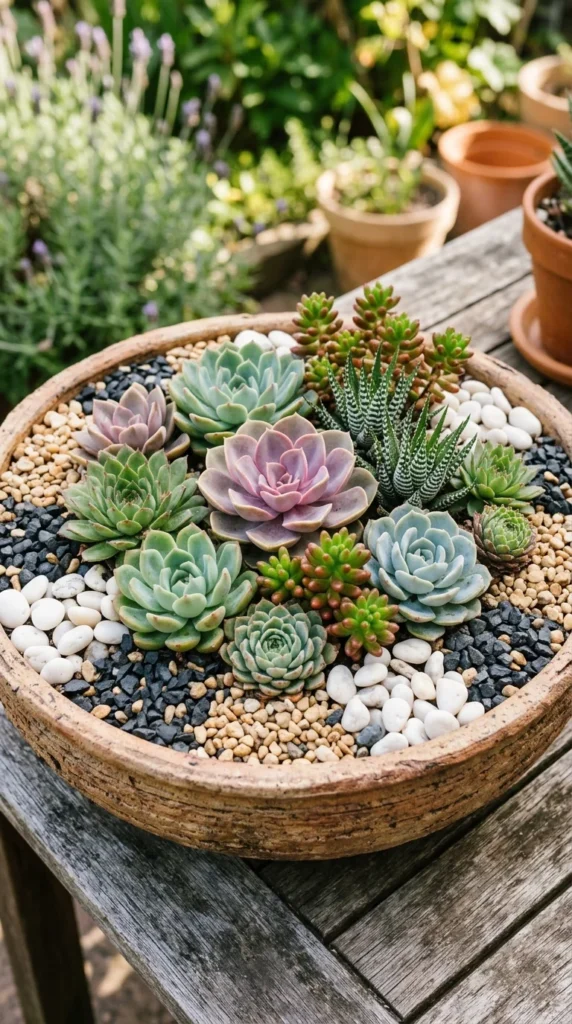
Pre-mixed aquarium blends offer a balanced aesthetic. These often contain a variety of textures and mineral types, providing a diverse look that mimics a natural dry riverbed. They are practical for larger outdoor succulent displays.
8. Black Obsidian
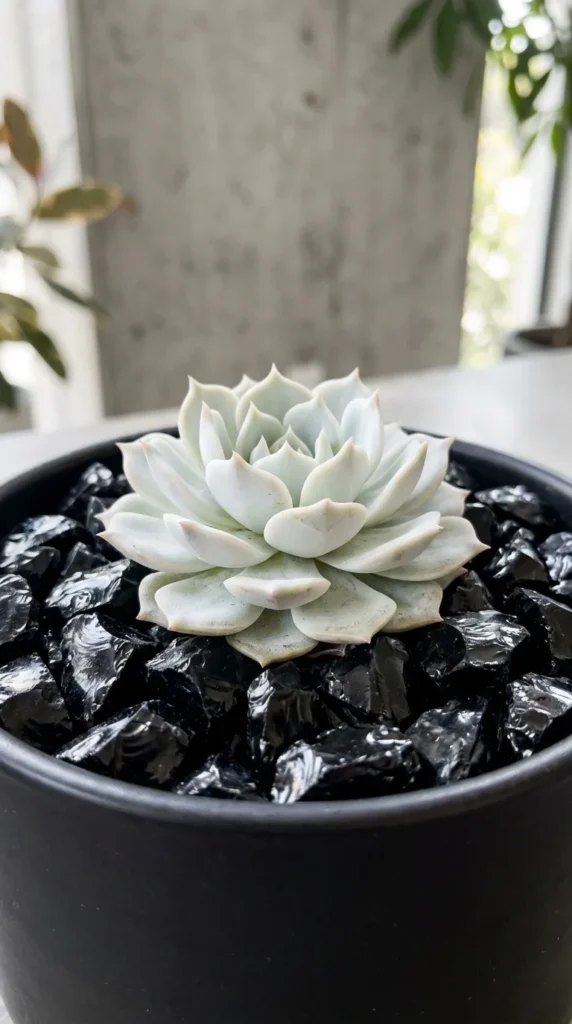
For a high-contrast, “goth” garden look, black obsidian or black epoxy-coated gravel is unmatched. Dark gravel also absorbs heat, which can be beneficial in cooler climates to keep the soil temperature slightly higher for heat-loving succulents.
9. White Marble
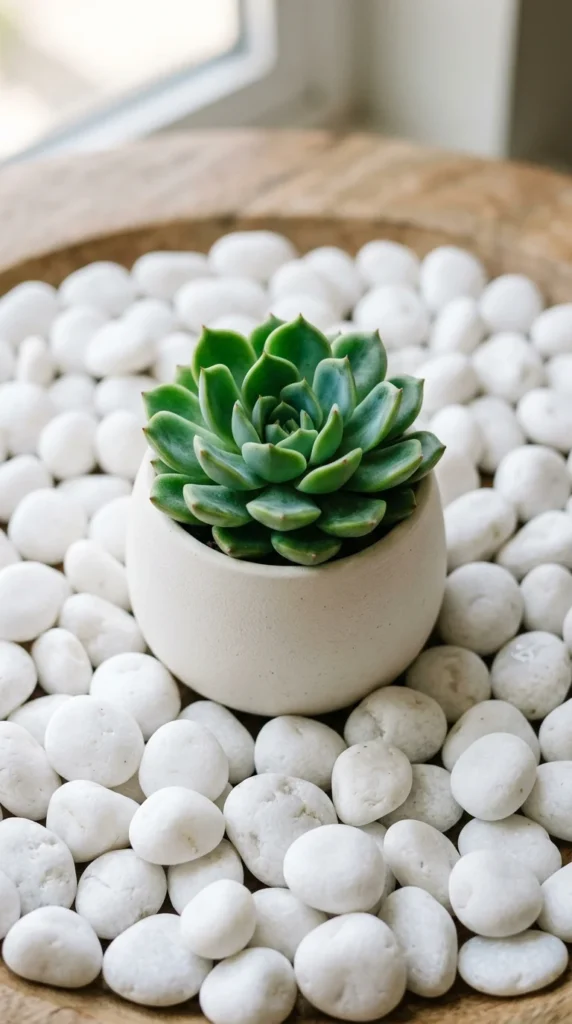
White marble chips provide a clean, Mediterranean feel. However, gardeners should be aware that marble can be slightly alkaline. While most succulents are hardy, a heavy layer of marble may slowly change the soil pH over several years.
10. Eco-Substrate
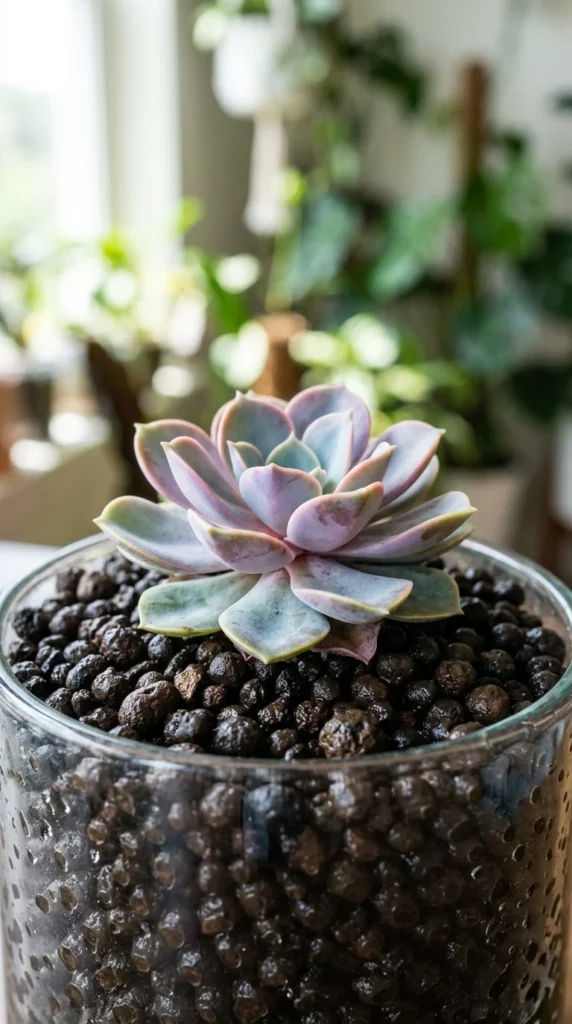
Certain “active” aquarium substrates, like those designed for planted tanks, can be used. These are often made of fired clay or volcanic ash and contain trace minerals that can slowly benefit succulent roots while maintaining excellent drainage.
11. Ceramic Beads
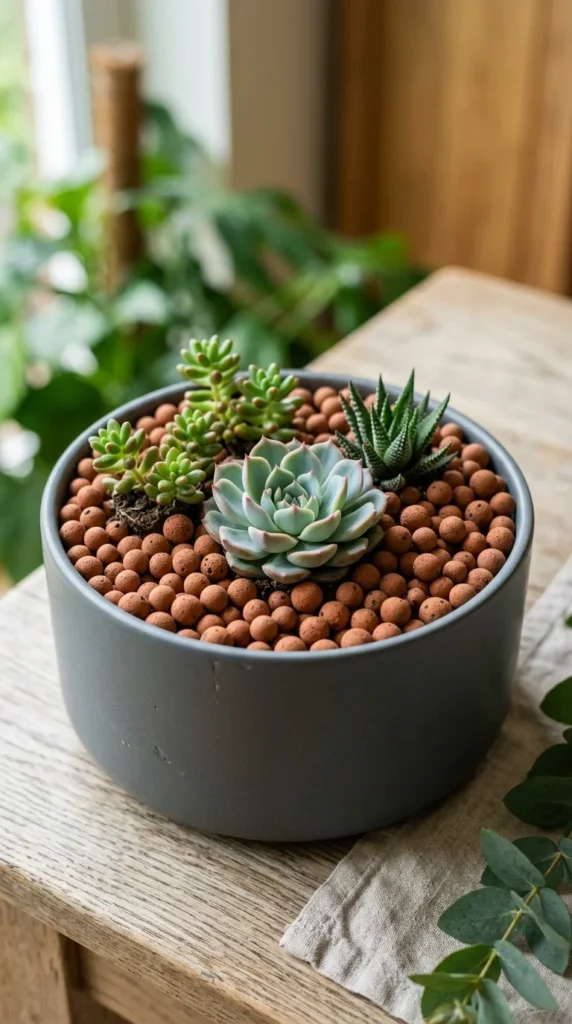
Porous ceramic beads are specifically designed to house beneficial bacteria in aquariums, but they work wonders for succulents. They are lightweight and hold just enough moisture to keep the roots hydrated without leaving them “wet.”
12. Epoxy Stone
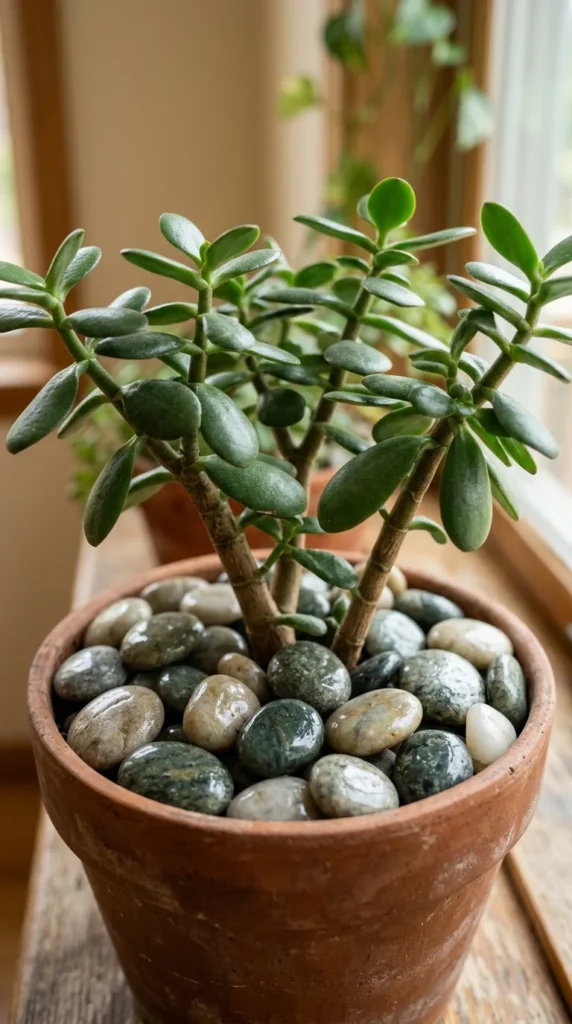
Epoxy-coated stones are entirely non-porous. This means they won’t absorb any water or nutrients, making them the perfect “clean” top-dressing. They are easy to wash and can be reused indefinitely when you repot your plants.
13. Fluorescent Mix
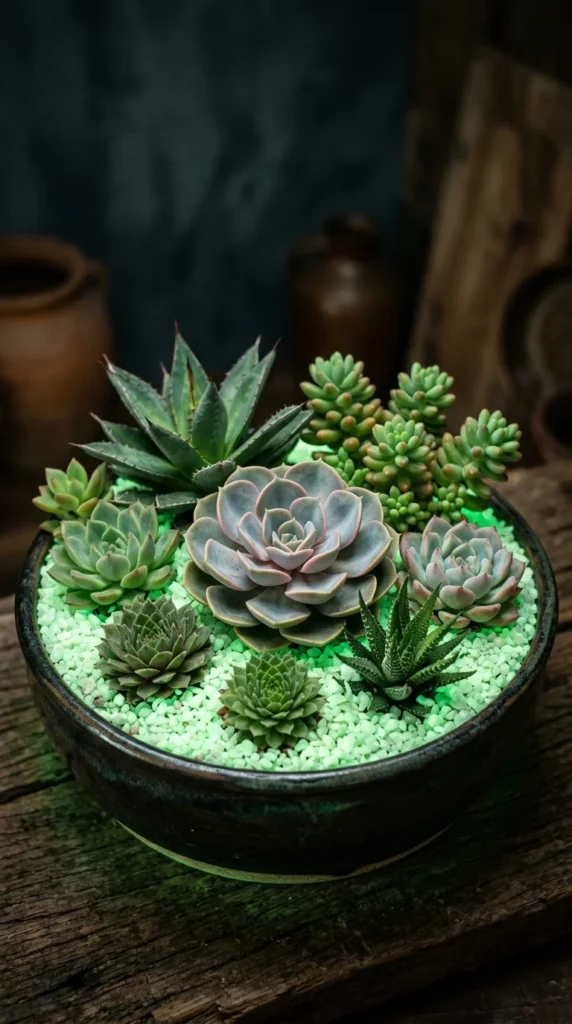
Glow-in-the-dark aquarium gravel adds a futuristic element to indoor succulent displays. These stones charge under UV or grow lights during the day and emit a soft glow at night, making them a unique conversation piece for terrariums.
14. Coarse Sand
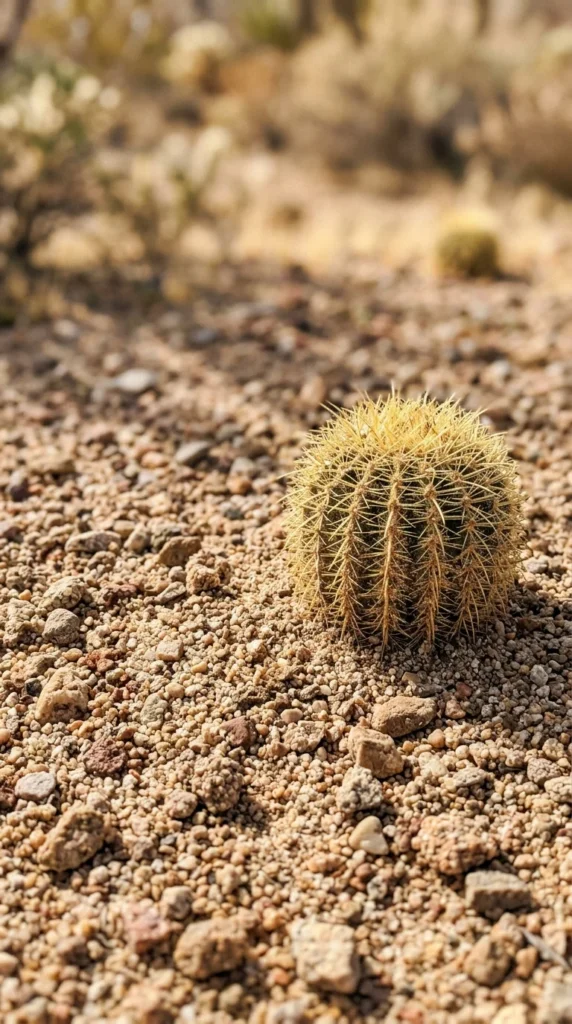
Coarse aquarium sand is much heavier than play sand and won’t clog the drainage holes of your pot. Mixing this into your potting soil at a 1:1 ratio creates the “gritty” mix that succulents crave for healthy root development.
15. Slate Chips
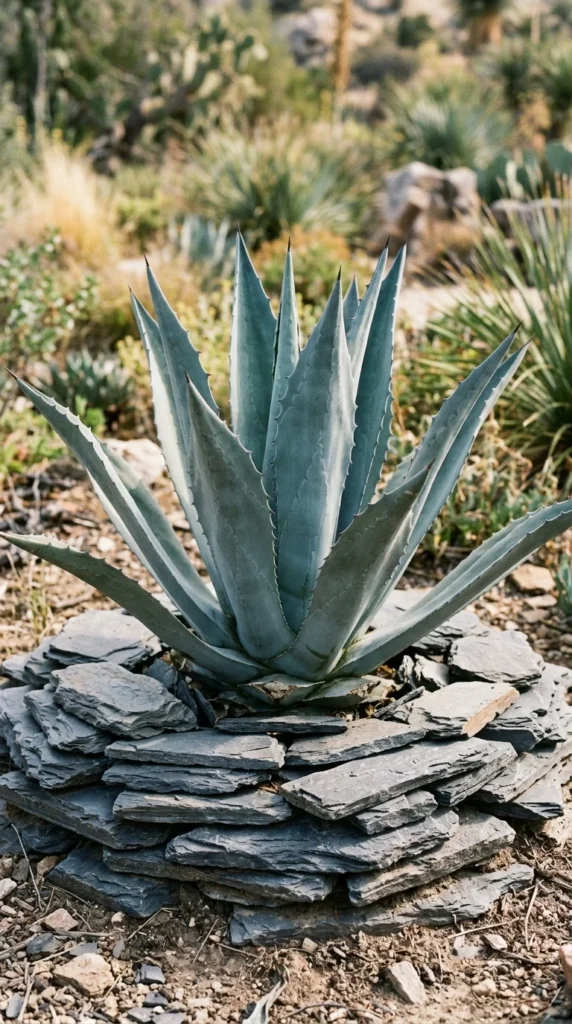
Slate chippings provide a rugged, mountainous look. Because the pieces are flat, they can be “shingled” to direct water away from the center of the plant and toward the edges of the pot, protecting the succulent’s crown.
16. Creek Stones
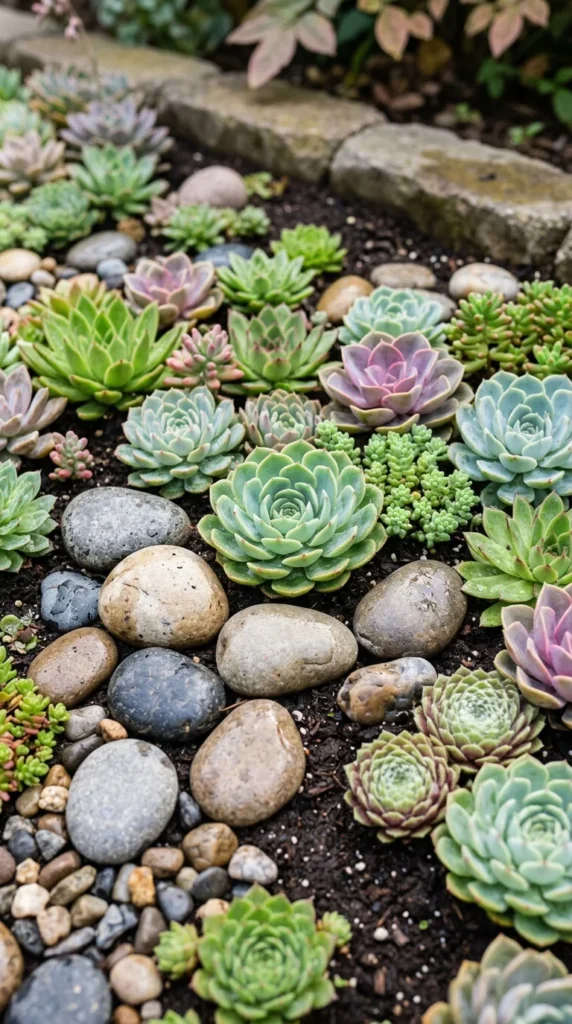
Larger creek stones found in aquarium shops are excellent for “anchoring” top-heavy succulents like tall Crassula or Aeonium. They provide structural support while allowing the soil beneath to breathe.
17. Calcined Clay
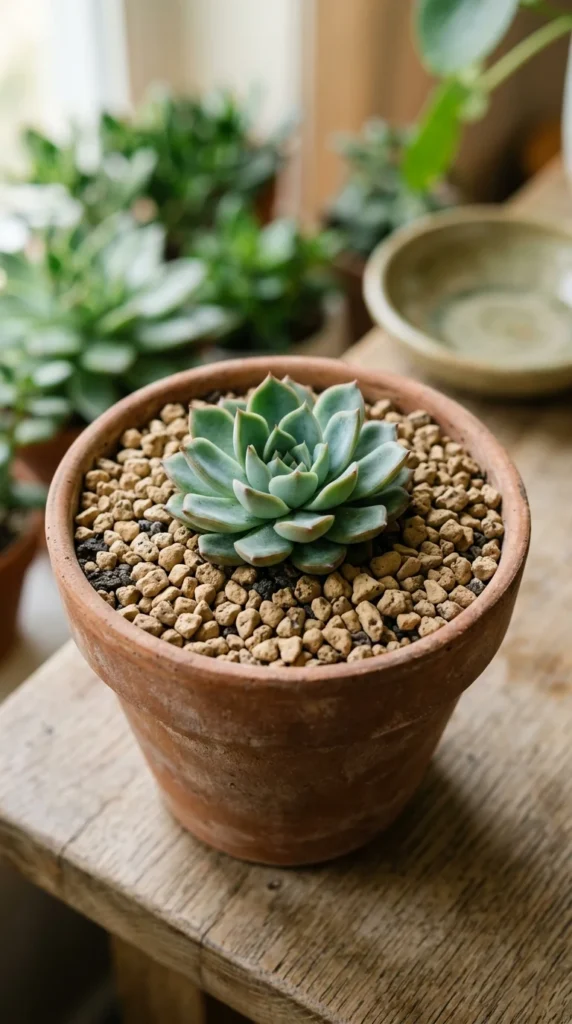
Similar to the materials used in baseball diamonds, calcined clay in the aquarium section is fired at high temperatures to ensure it doesn’t turn into mush. It is a fantastic soil amendment to increase the “cation exchange capacity” (CEC) of your soil.
18. Granite Grit
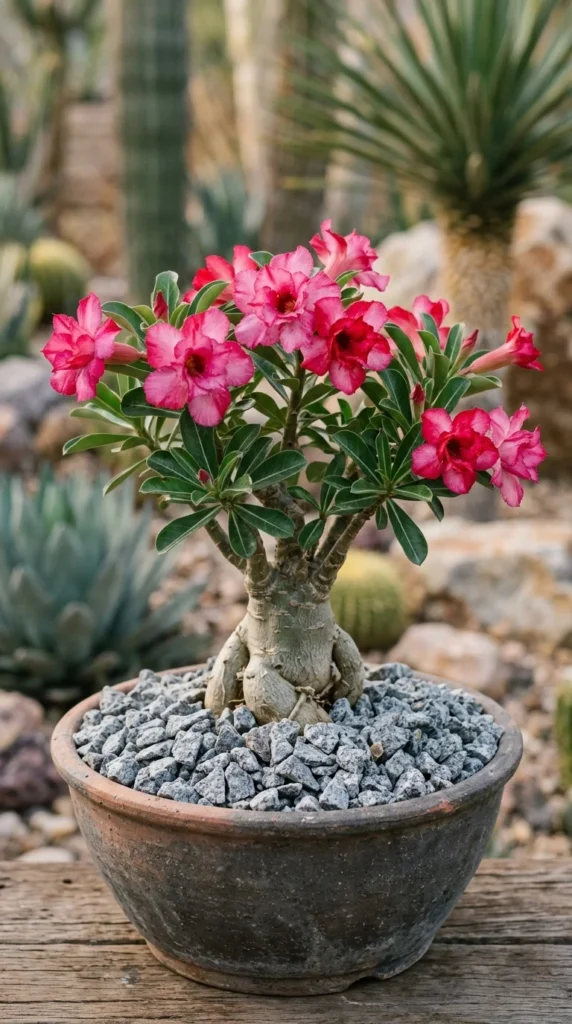
Granite is a very heavy, dense rock. Using it as a gravel layer helps stabilize pots that might otherwise tip over in the wind. It is also completely neutral and won’t affect the chemistry of your water or soil.
19. Layered Colors
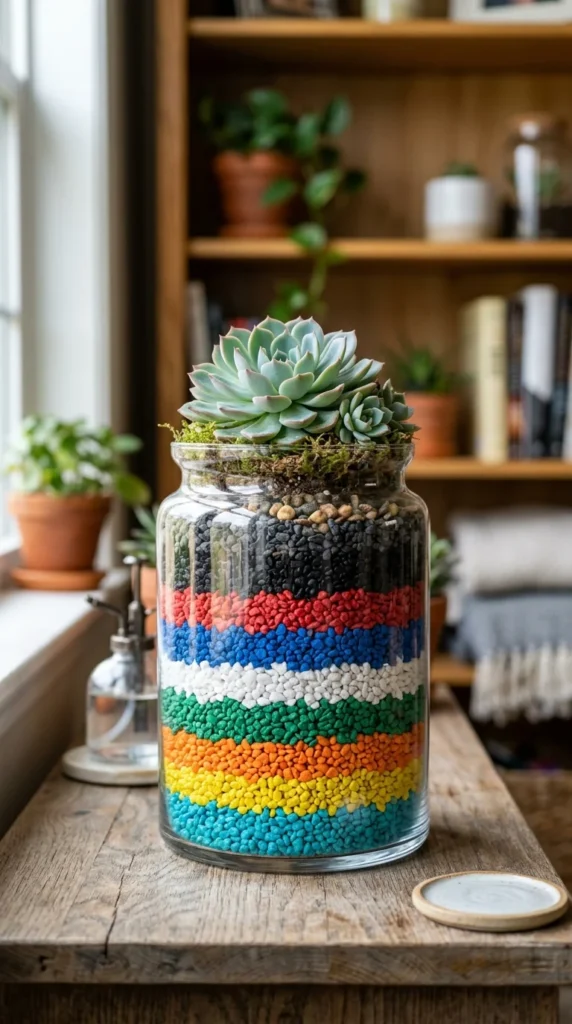
In glass containers, aquarium gravel can be used to create artistic layers. This isn’t just for looks; it allows you to see the water levels in the pot, helping you avoid overwatering by ensuring no standing water remains in the bottom gravel layer.
The Pros of Using Aquarium Gravel
- Drainage and Aeration: Gravel creates air pockets in the soil, preventing compaction and allowing roots to breathe.
- Pest Prevention: A thick layer of gravel on top of the soil prevents fungus gnats from laying eggs in the moist organic matter.
- Aesthetics: It provides a finished, professional look to any arrangement.
- Ease of Maintenance: Gravel prevents soil from splashing onto the plant’s leaves, keeping them clean and reducing the risk of rot.
The Cons of Using Aquarium Gravel
- Weight: Large amounts of gravel can make pots very heavy and difficult to move.
- Nutrient Lack: Gravel provides no nutritional value, meaning you must rely entirely on liquid fertilizers.
- Heat Retention: Dark-colored stones can become very hot in direct sun, potentially scorching sensitive succulent roots.
Easy Growing Tips for Success
- Wash Before Use: Always rinse aquarium gravel in a mesh strainer before adding it to your plants to remove dust and salt residues.
- Top-Dressing vs. Mixing: Use smaller, smoother gravel for mixing into the soil and larger, more decorative stones for the top-dressing.
- Check for “Fines”: Avoid very fine sand that can settle at the bottom of the pot and create a “perched water table,” which actually hinders drainage.
- Watch the pH: If you are using marble or limestone-based gravel, monitor your succulent for yellowing leaves, which may indicate a pH imbalance.
- Watering Technique: When using a gravel top-dressing, use a long-necked watering can to deliver water directly to the soil level rather than pouring it over the stones.