
Succulent enthusiasts are often on the hunt for the perfect substrate to ensure their desert-dwelling plants thrive. One common question that arises is whether aquarium gravel—the colorful or natural stones used in fish tanks—is a suitable addition to succulent soil. The short answer is yes, but there are nuances to its application that can mean the difference between a flourishing plant and root rot.
As succulents require rapid-draining environments to mimic their natural habitats, the materials we mix into their pots are critical. Below is a comprehensive guide on the 13 essential things every plant owner needs to know about using aquarium gravel for succulents.
1. Drainage
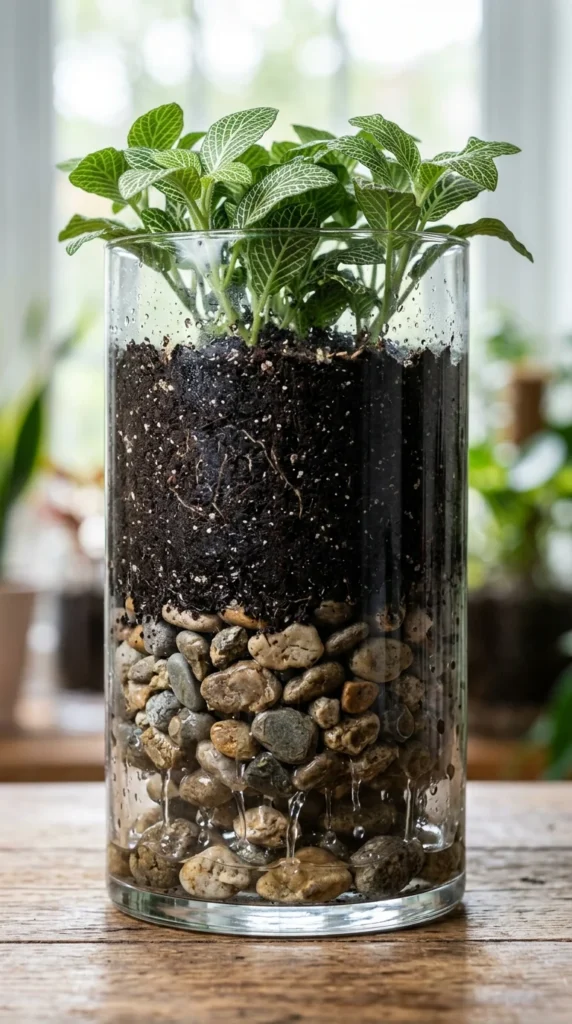
The primary reason succulent owners turn to aquarium gravel is to improve drainage. Unlike traditional potting soil, which is designed to retain moisture, aquarium gravel consists of non-porous stones. When mixed into the soil or placed at the bottom of a pot, it creates large “macropores”—spaces between the particles that allow excess water to escape quickly. For succulents, which are highly susceptible to root rot, this rapid evacuation of water is vital for survival.
2. Aeration
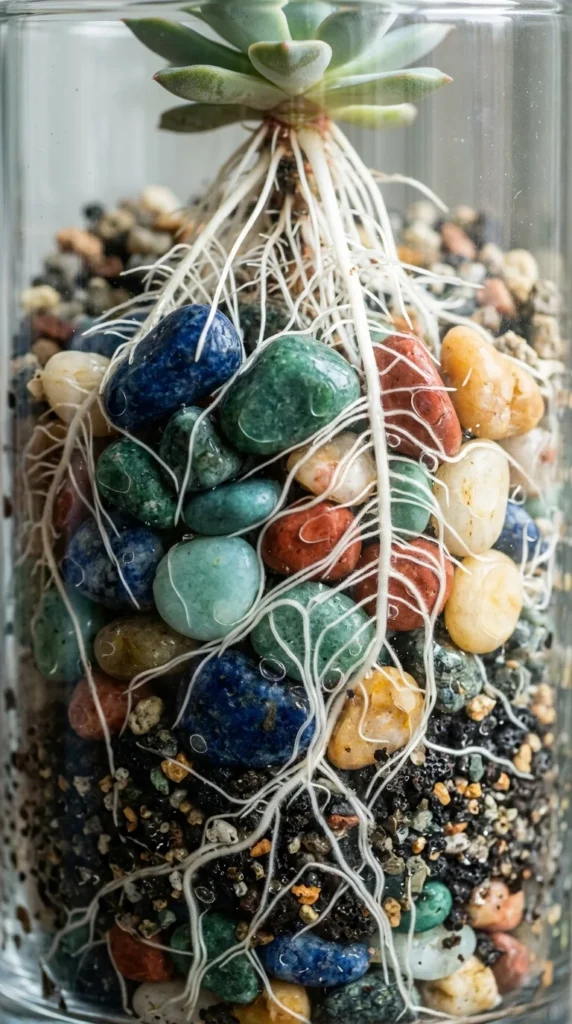
Oxygen is just as important to roots as water is. In dense, compacted soil, roots can suffocate. Aquarium gravel provides structural integrity to the soil mix, preventing it from collapsing into a solid mass. By maintaining these air pockets, the gravel ensures that the root system can “breathe,” promoting vigorous growth and preventing the anaerobic conditions that lead to fungal infections.
3. Aesthetics
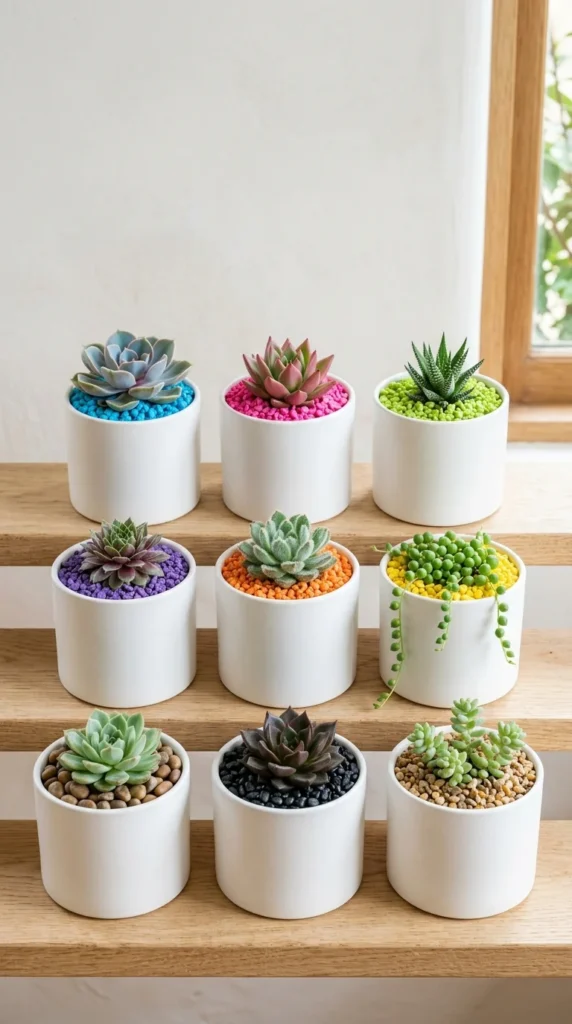
Aquarium gravel comes in a staggering array of colors, shapes, and sizes. This makes it an excellent choice for “top dressing.” A top dressing is a layer of decorative material placed over the soil surface. Whether you prefer a natural look with river-colored stones or a whimsical aesthetic with neon-colored gravel, it provides a finished, professional look to your indoor garden arrangements.
4. Amendment
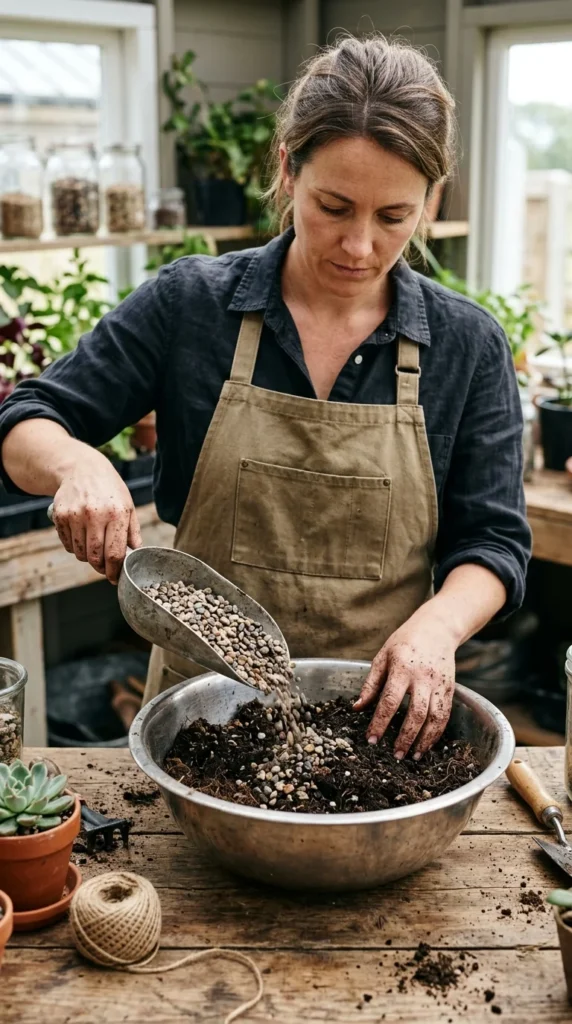
Aquarium gravel should rarely be used as the sole growing medium. Instead, it serves as an excellent soil amendment. Expert growers often recommend a “gritty mix,” which consists of a portion of organic matter (like coco coir or peat) and a high percentage of inorganic material. Adding aquarium gravel to a standard potting mix can transform it from a moisture-trapping medium into a succulent-friendly substrate.
5. Coatings
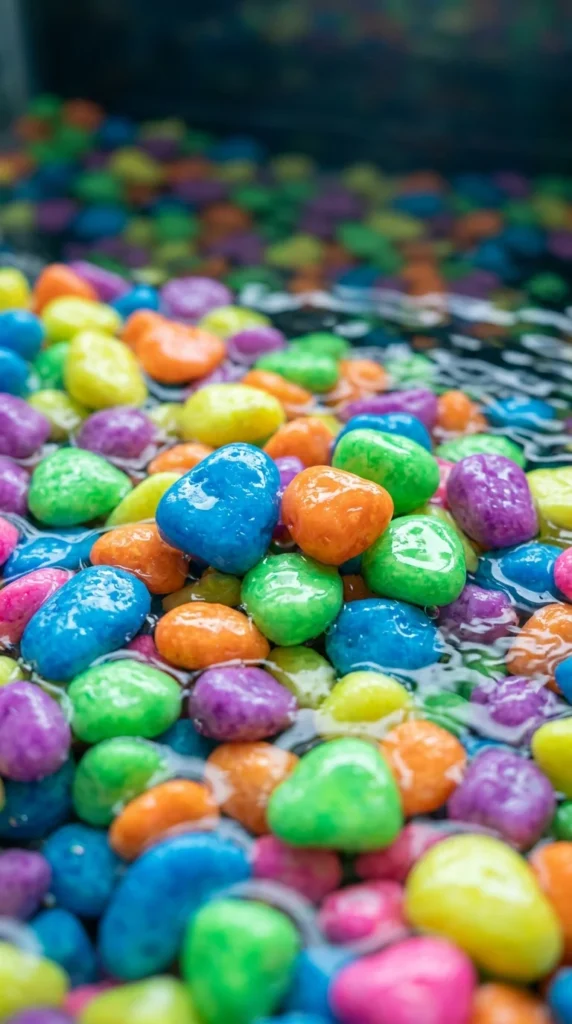
One critical factor to consider is the coating on the gravel. Many aquarium stones are coated in epoxy or acrylic paint to achieve bright colors. While most of these are “aquarium safe” (meaning they won’t kill fish), some lower-quality brands may leach chemicals into the soil over time. If you are concerned about chemical exposure, it is best to opt for natural, uncolored gravel or high-quality brands specifically labeled as non-toxic.
6. Chemistry
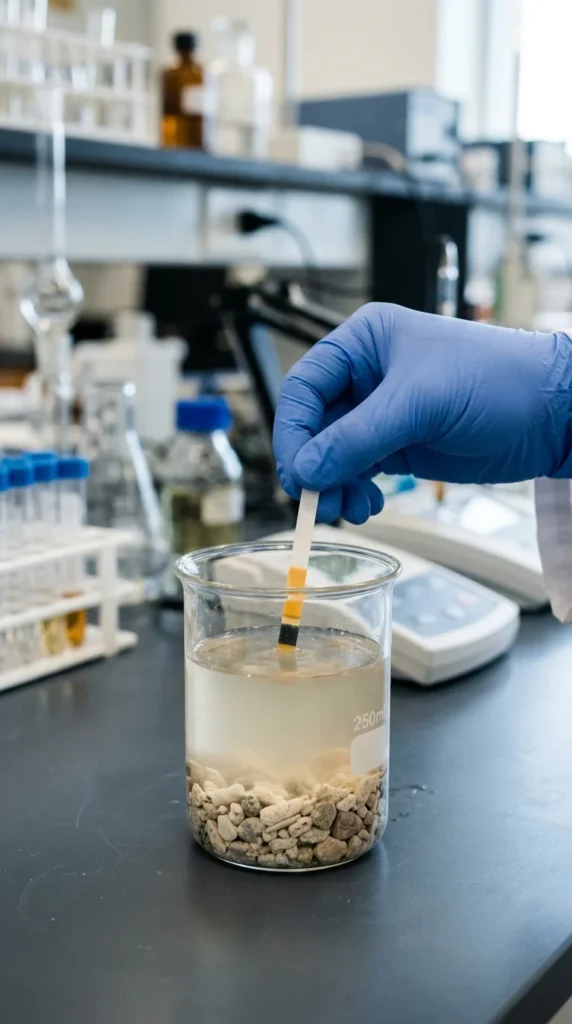
Not all gravel is chemically inert. Some aquarium gravels are made from crushed coral, limestone, or marble. These materials contain calcium carbonate, which can slowly dissolve and raise the pH of your soil, making it more alkaline. Most succulents prefer a slightly acidic to neutral pH (around 6.0 to 7.0). Before using gravel, check the bag to ensure it won’t drastically alter the chemistry of your plant’s environment.
7. Porosity
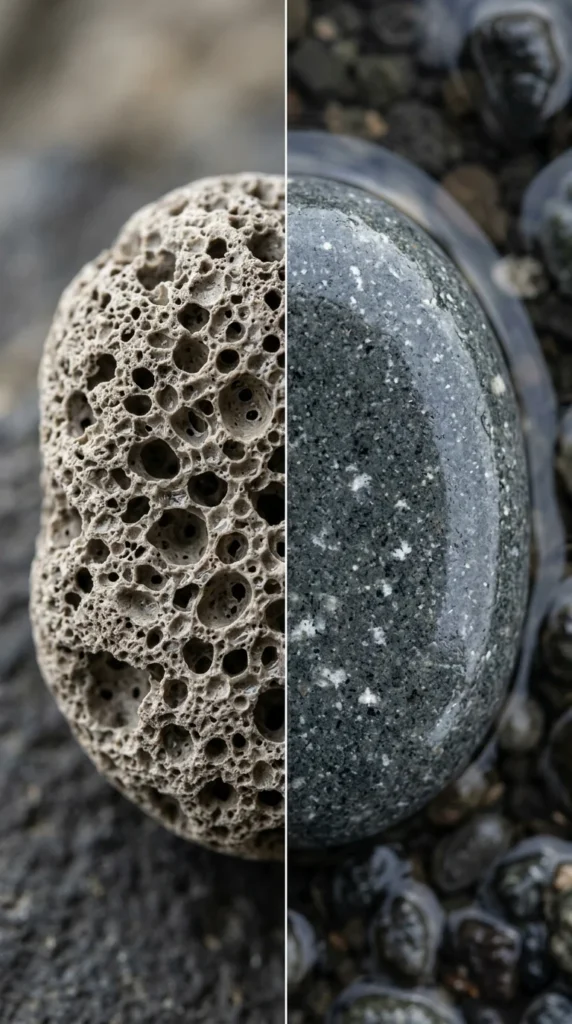
It is important to distinguish between “grit” and “porous amendments.” Materials like pumice or perlite are porous; they hold a tiny amount of water inside their structures while letting the rest flow past. Aquarium gravel is generally non-porous. It provides drainage but does not hold any moisture. For plants that need a tiny bit of residual humidity, a mix of both gravel and pumice is often the best strategy.
8. Stability
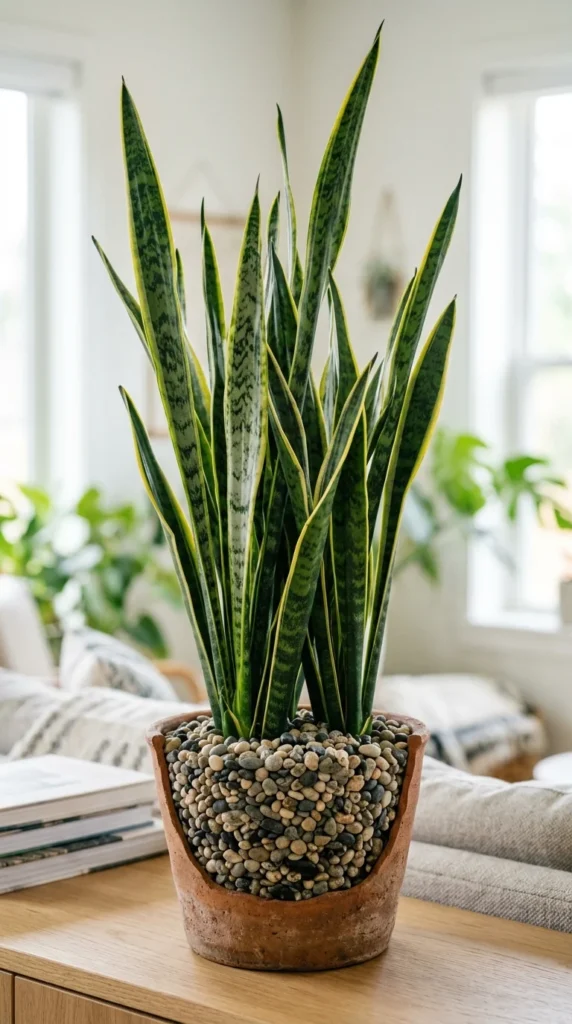
Succulents can become top-heavy as they grow, leading to pots tipping over. Because aquarium gravel is significantly heavier than perlite or wood chips, it adds much-needed weight to the base of the container. This lower center of gravity provides stability for taller species like Sansevieria (Snake Plants) or larger Jade trees, ensuring they remain upright on windowsills or shelves.
9. Pests
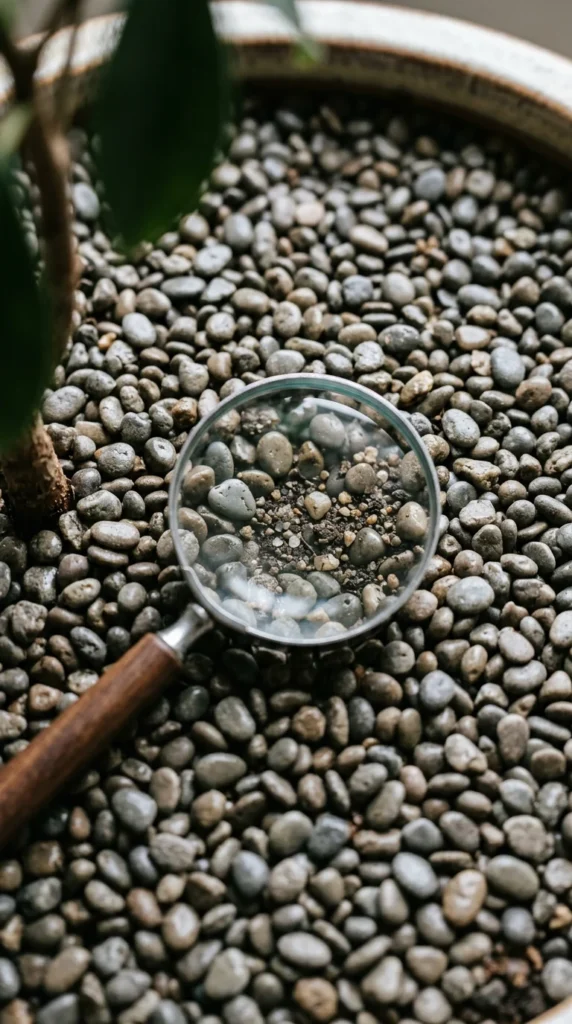
Fungus gnats are a common nuisance for indoor plant owners. These pests lay their eggs in the top layer of moist organic soil. By applying a thick layer of aquarium gravel as a top dressing, you create a dry barrier that discourages gnats from reaching the soil. This simple mechanical barrier can be a highly effective, non-toxic way to manage pest populations in your home.
10. Texture
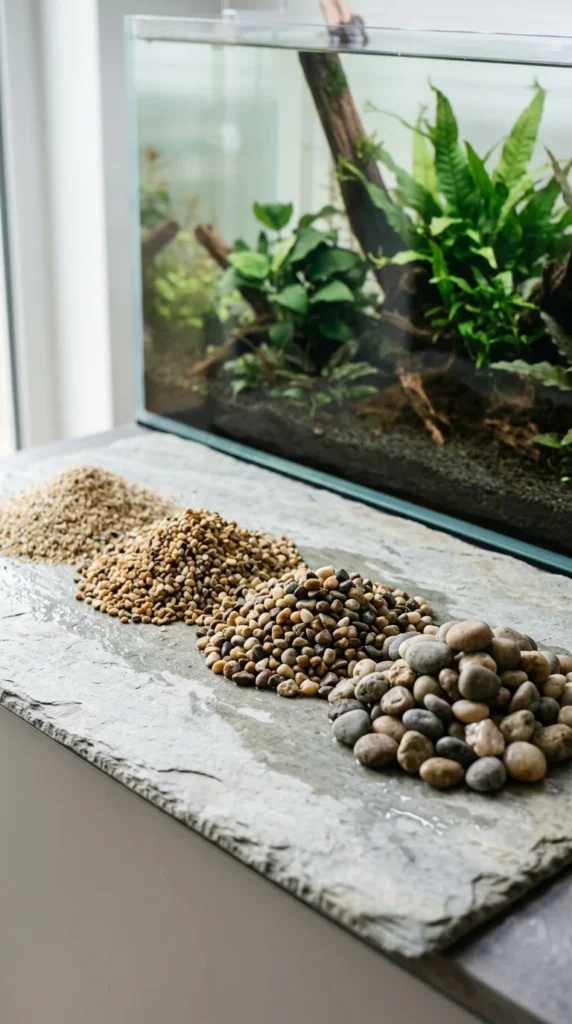
The size of the gravel—often referred to as the “grade”—matters significantly. Fine, sand-like gravel can actually impede drainage by filling in the gaps between larger soil particles, creating a concrete-like mixture. For succulents, the ideal size is usually between 3mm and 6mm (roughly the size of a pea). This “medium grit” provides the perfect balance of aeration and support.
11. Preparation
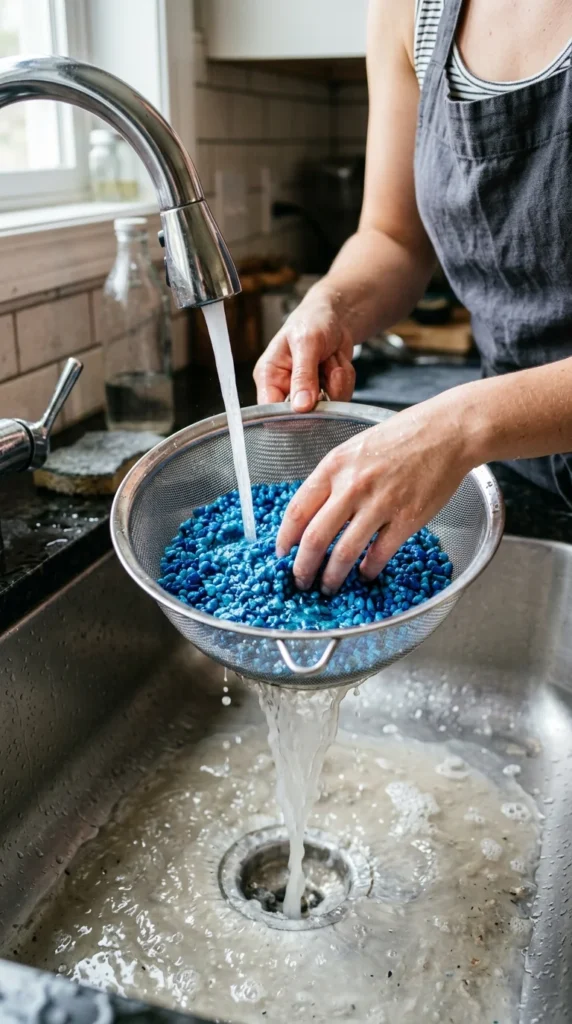
Straight out of the bag, aquarium gravel is often covered in fine dust and debris from the manufacturing or shipping process. This dust can wash down into the pot and clog the drainage holes over time. It is a best practice to rinse the gravel thoroughly in a colander until the water runs clear before adding it to your soil mix or using it as a top dressing.
12. Value
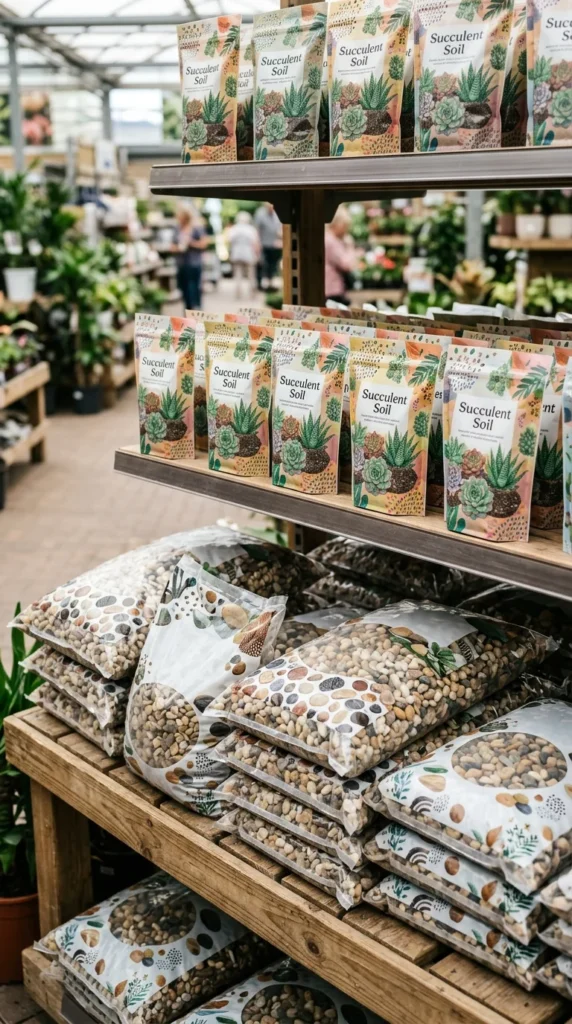
Specialized “Bonsai Jack” or high-end succulent grits can be expensive, especially if you have a large collection. Aquarium gravel is a cost-effective alternative that is widely available at pet stores and big-box retailers. By purchasing large bags of natural gravel and mixing your own substrate, you can save a significant amount of money while providing your plants with high-quality drainage.
13. Durability
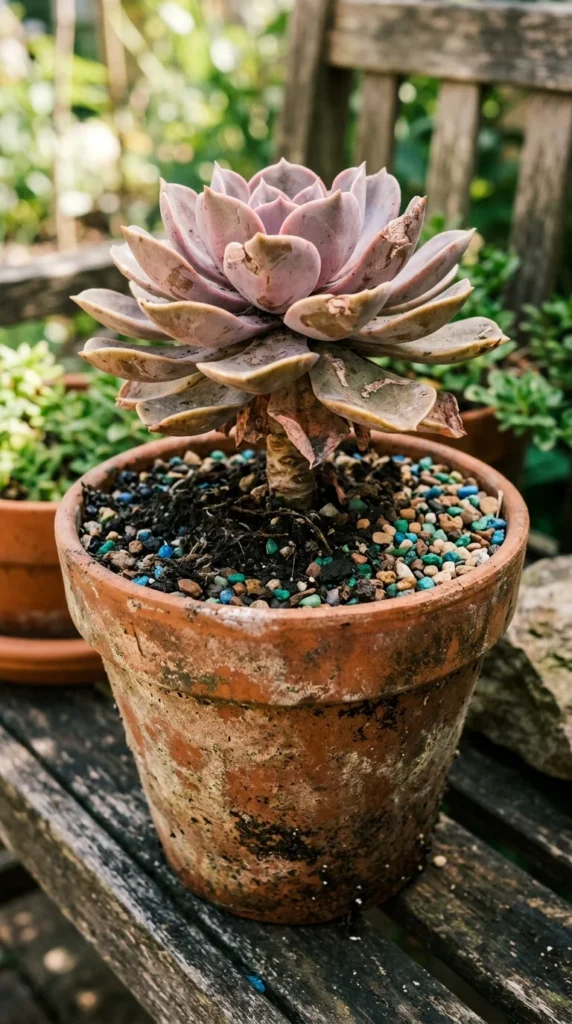
Organic soil components like peat moss, bark, and coco coir decompose over several years, eventually compacting and losing their effectiveness. In contrast, aquarium gravel is permanent. It will not break down, rot, or compress. This longevity means that the drainage properties of your soil mix will remain consistent for as long as the plant stays in that pot, reducing the frequency with which you need to perform a full soil replacement.