
Growing the perfect strawberry is a blend of science, patience, and timing. While anyone can stick a plant in the ground and get a few berries, achieving those supermarket-sized fruits with a honey-sweet flavor profile requires specific techniques. Whether you are a backyard gardener or an urban planter, these 19 strategies will transform your harvest from mediocre to magnificent.
1. Variety Choice
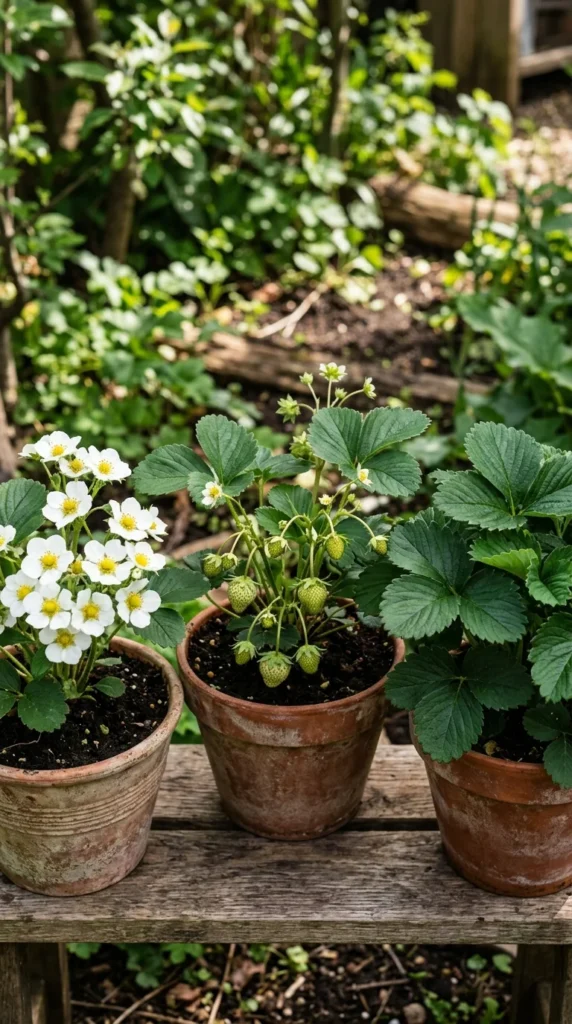
The secret to a successful harvest starts long before you dig a hole. You must choose the right variety for your climate and goals. June-bearing varieties produce one massive crop over two to three weeks in early summer and are known for having the largest individual fruits. Everbearing varieties produce two smaller crops—one in spring and one in fall. Day-neutral varieties produce fruit consistently throughout the growing season. If you want the biggest berries for jam or freezing, June-bearing like ‘Jewel’ or ‘Seneca’ are your best bets.
2. Full Sun
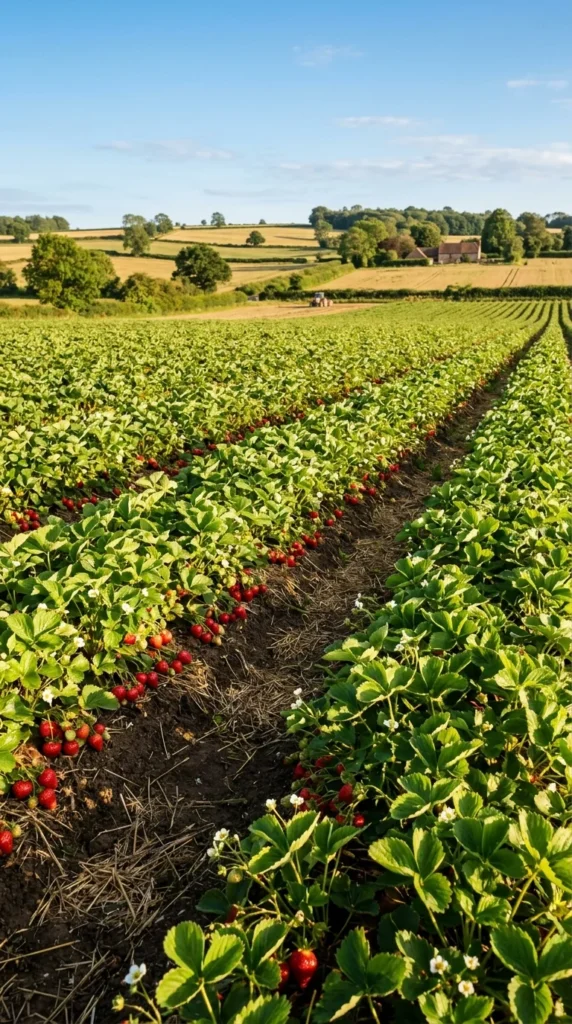
Strawberries are solar-powered sugar factories. To develop the complex sugars that make a berry taste sweet, the plants require at least 6 to 10 hours of direct sunlight every day. Sunlight also helps evaporate morning dew quickly, which prevents fungal diseases. If your garden is partially shaded, your berries will be smaller, more acidic, and more prone to rot.
3. Soil Quality
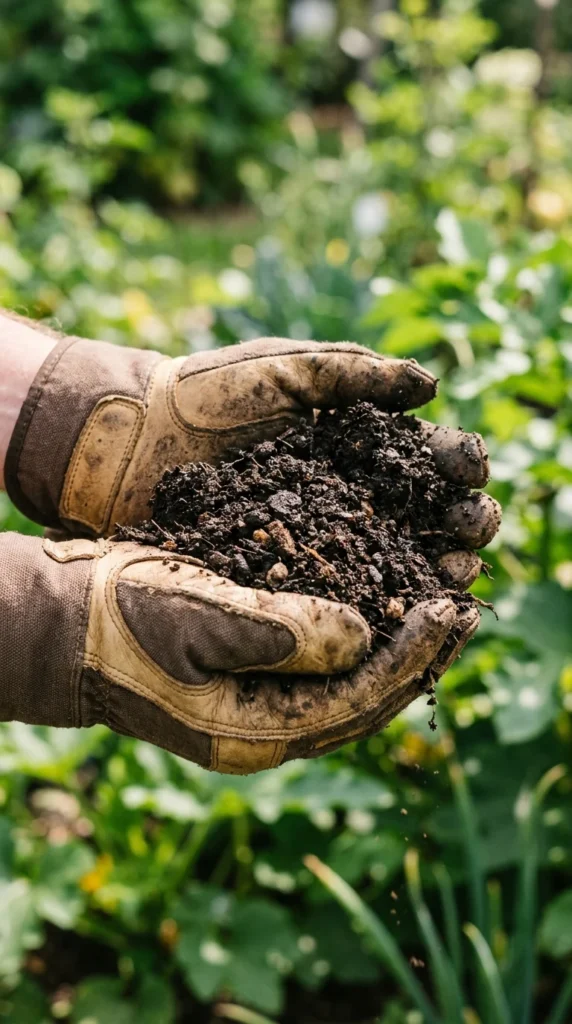
Strawberries despise “wet feet” but love moisture. The ideal soil is a sandy loam enriched with plenty of organic matter. They prefer a slightly acidic soil pH between 5.5 and 6.8. Before planting, mix in aged manure or high-quality compost. This not only provides nutrients but also improves drainage, ensuring the roots stay healthy and active.
4. Spacing
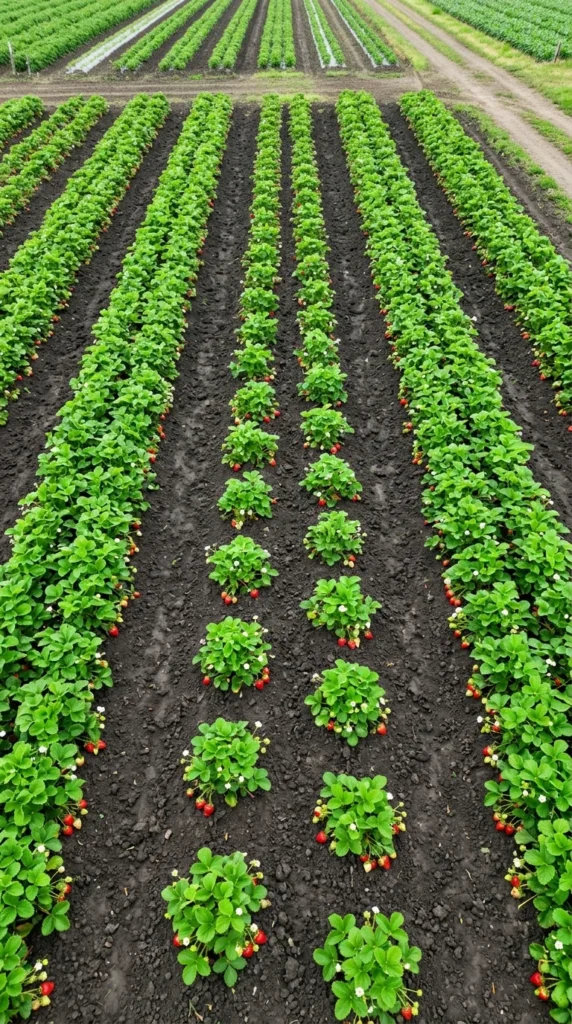
Overcrowding is the enemy of big fruit. When plants are too close together, they compete for nutrients, water, and light. For June-bearing plants in rows, space them about 12 to 18 inches apart. This allows each plant to establish a robust root system and ensures that air can circulate freely around the fruit, which is vital for preventing mold.
5. Planting Depth
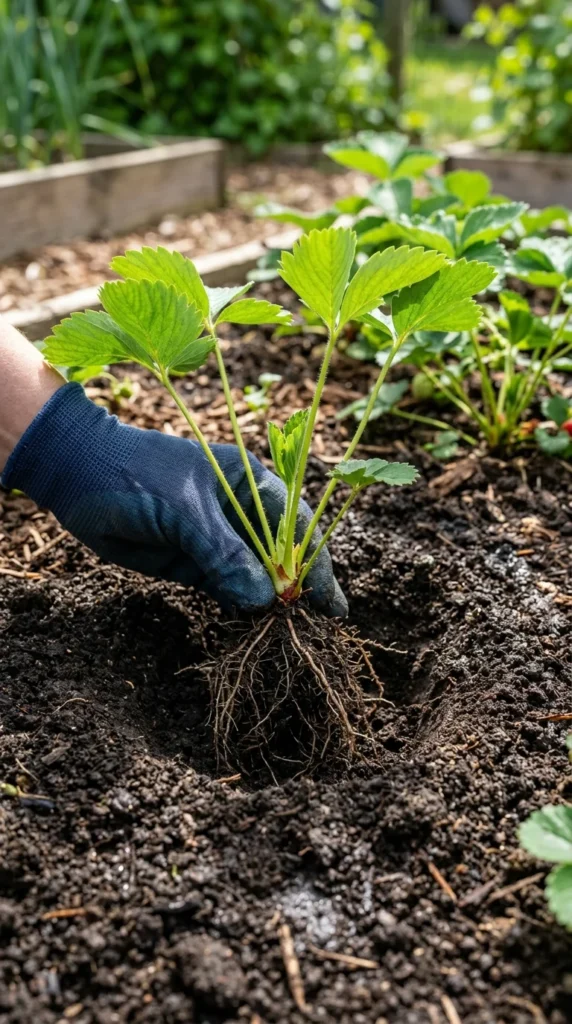
The “crown” of the strawberry plant—the thick woody part where the leaves emerge—is the most sensitive area. If you plant it too deep, the crown will rot. If you plant it too shallow, the roots will dry out. You must position the plant so the midpoint of the crown is exactly level with the soil surface. This precise placement is critical for the long-term vigor of the plant.
6. Mulching
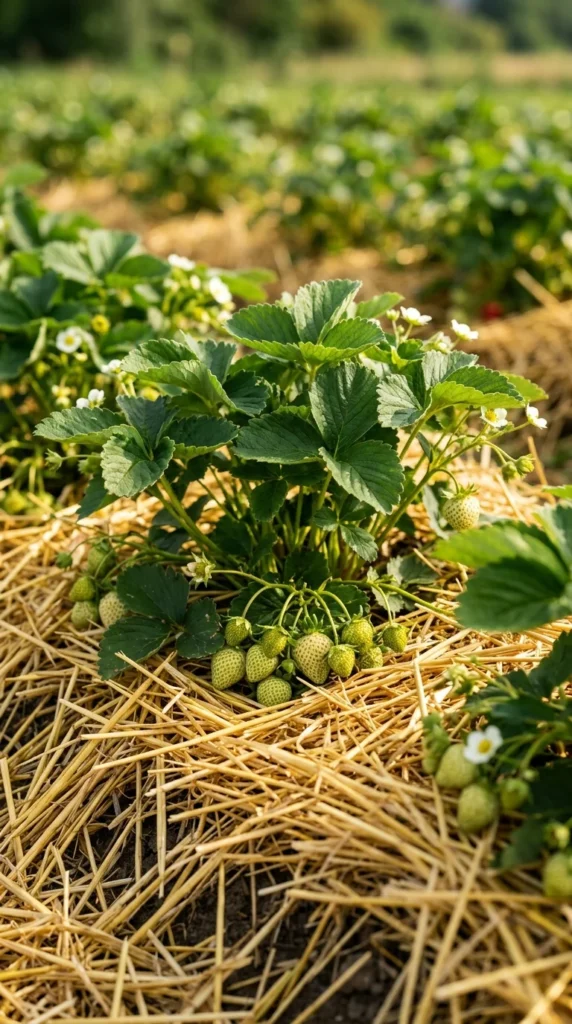
The name “strawberry” likely comes from the traditional practice of using straw mulch. Mulching serves three purposes: it keeps the berries off the dirt (preventing rot and keeping them clean), it suppresses weeds that steal nutrients, and it regulates soil temperature. Pine needles (pine straw) are also an excellent choice as they slightly increase soil acidity over time.
7. Water Consistency
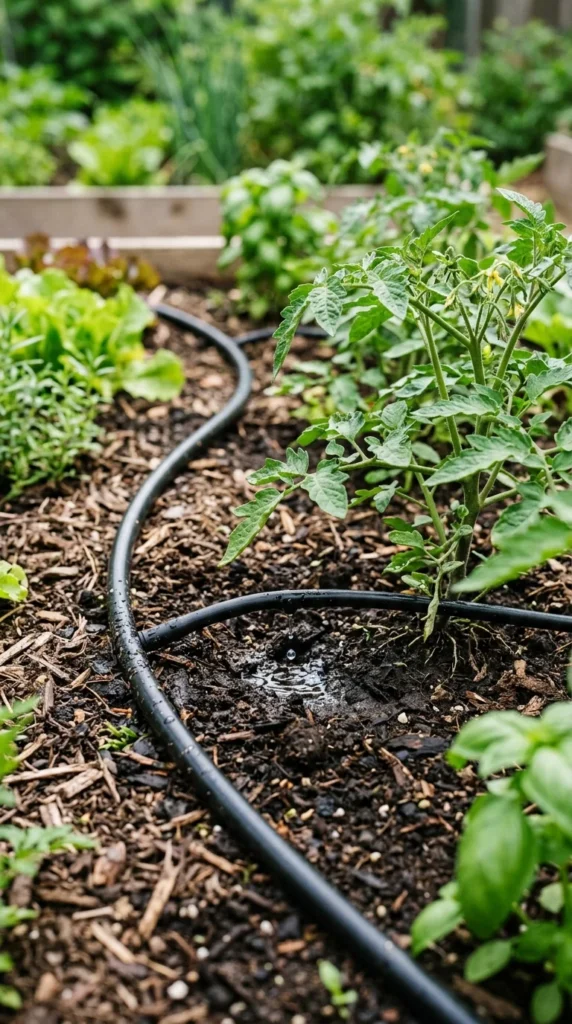
Strawberries have shallow roots, meaning they dry out quickly. However, inconsistent watering—letting the soil get bone-dry and then soaking it—causes the fruit to crack or become flavorless. Aim for about one to two inches of water per week. Always water at the base of the plant; overhead watering wets the fruit and foliage, which can lead to gray mold (Botrytis).
8. High-Potassium Fertilizer
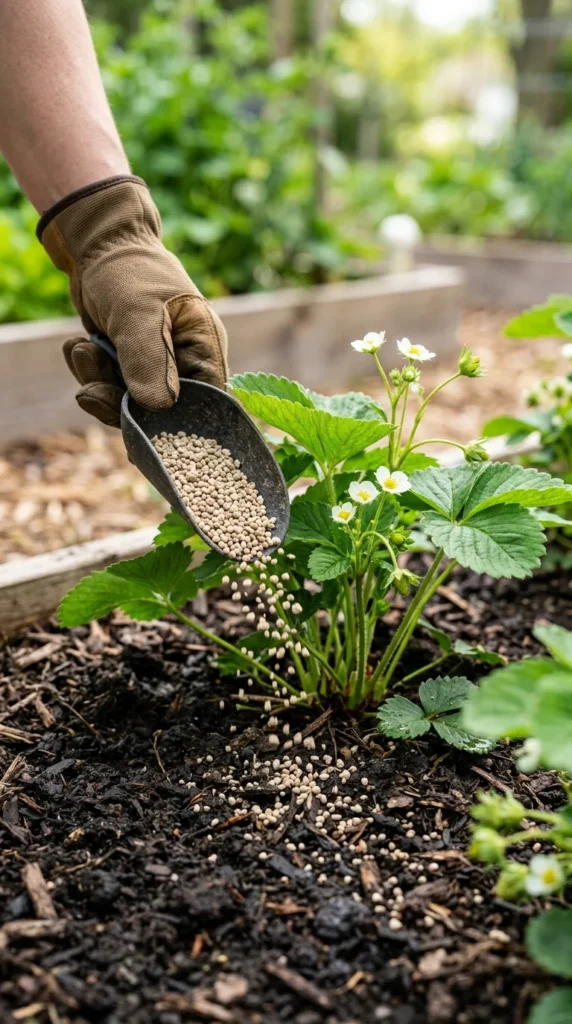
While nitrogen is great for leaf growth, potassium (the “K” in N-P-K) is what fuels fruit production and sugar development. Once the plants start flowering, switch to a fertilizer higher in potassium. This encourages the plant to put its energy into making the berries larger and sweeter rather than just growing more leaves.
9. Pollination
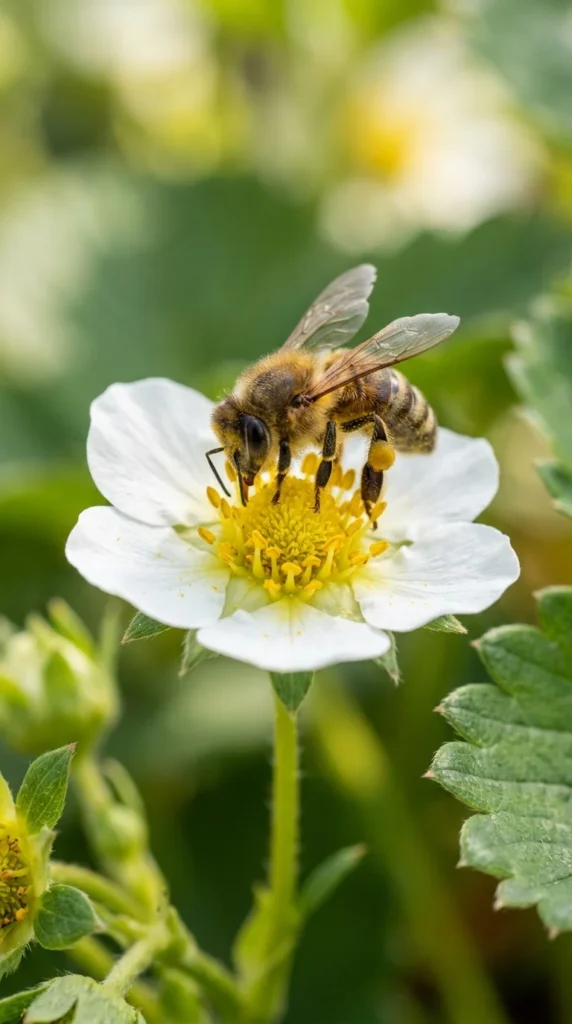
Every seed on the outside of a strawberry is a result of pollination. If a flower isn’t fully pollinated, the berry will be misshapen and small. Encourage pollinators like bees and hoverflies by planting flowers like lavender or borage nearby. Avoid using broad-spectrum insecticides during the blooming phase, as you need these “garden helpers” to ensure every berry reaches its full potential size.
10. Runner Management
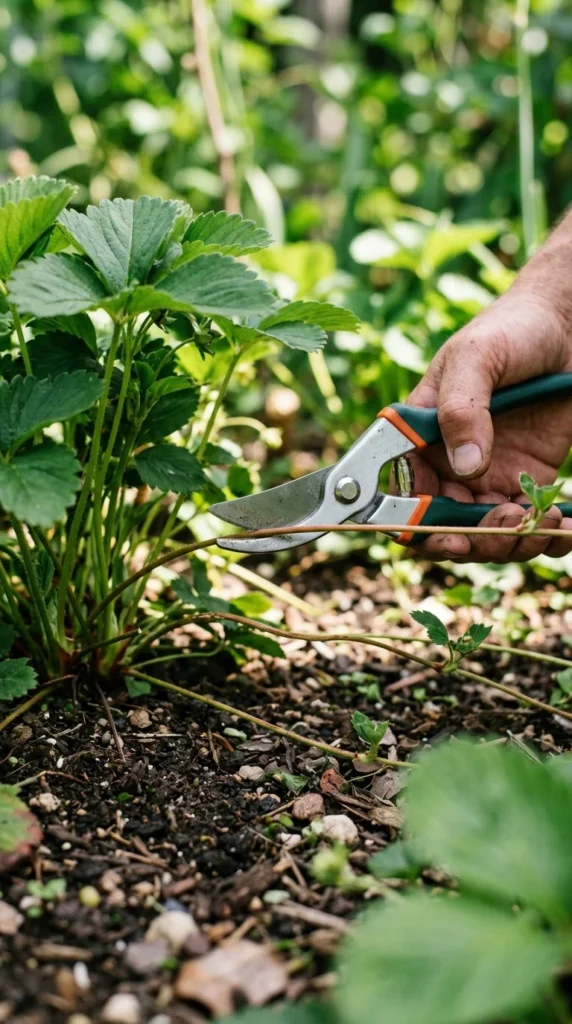
Strawberry plants produce “runners”—long stems that grow across the ground to create new “daughter” plants. While this is great for expanding your patch, it drains energy away from the fruit. If you want the biggest berries possible, snip off the runners during the fruiting season. This forces the mother plant to funnel all its energy into the berries instead of reproduction.
11. First-Year Sacrifice
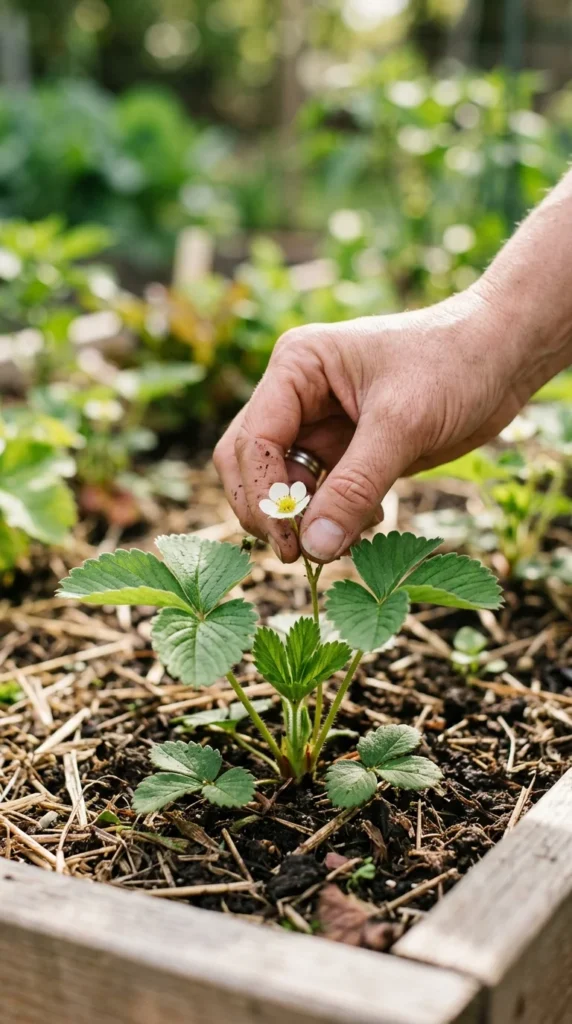
This is the hardest rule for gardeners to follow: pinch off all flowers in the first year for June-bearing plants. By preventing the plant from fruiting in its first season, you allow it to build a massive, deep root system. This investment pays off in the second year with a much larger and higher-quality harvest of giant, sweet berries.
12. Companion Planting
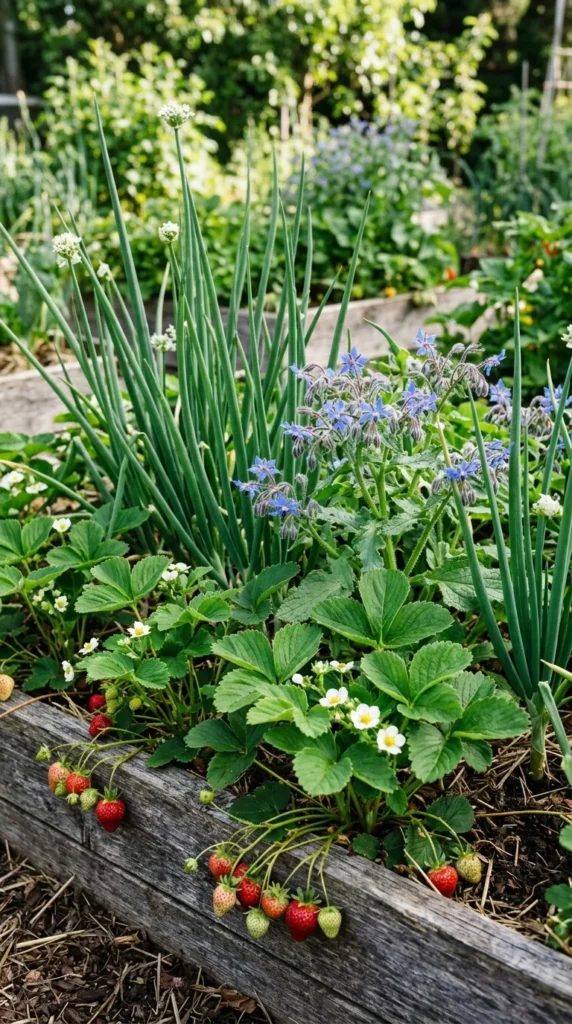
Certain plants can help strawberries thrive. Onions and garlic, when planted nearby, act as natural deterrents for pests like aphids and mites. Borage is often cited by expert gardeners as a “magic” companion that improves the flavor of strawberries and attracts pollinators. Avoid planting strawberries near tomatoes, peppers, or potatoes, as they can share soil-borne diseases like Verticillium wilt.
13. Pest Protection
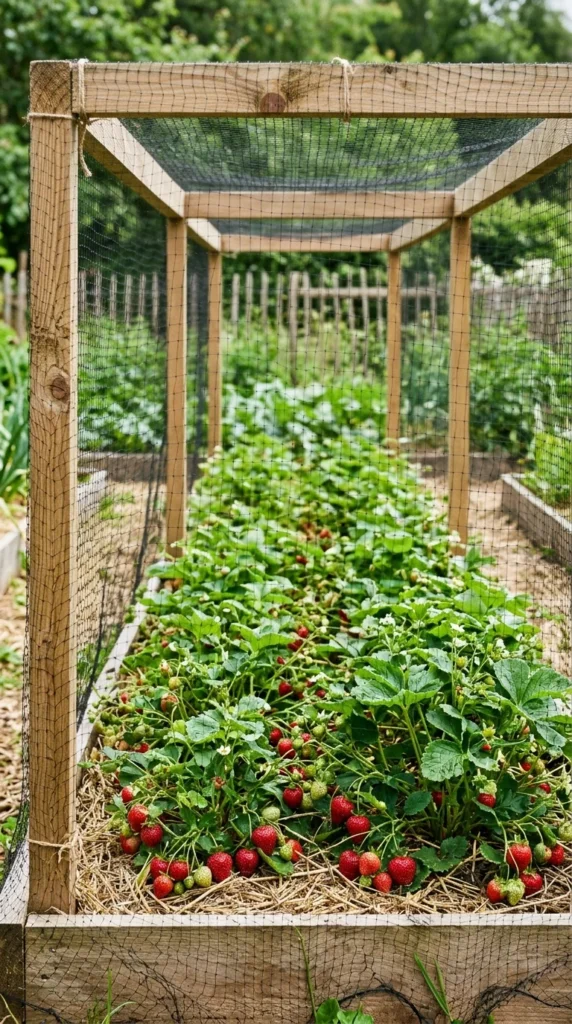
Birds and slugs love sweet strawberries as much as you do. To ensure you actually get to eat your harvest, use fine netting to keep birds away once the berries start turning pink. For slugs, use copper tape around raised beds or organic iron phosphate pellets. Dealing with pests early ensures that the fruit isn’t damaged, which can lead to secondary infections and rot.
14. Disease Prevention
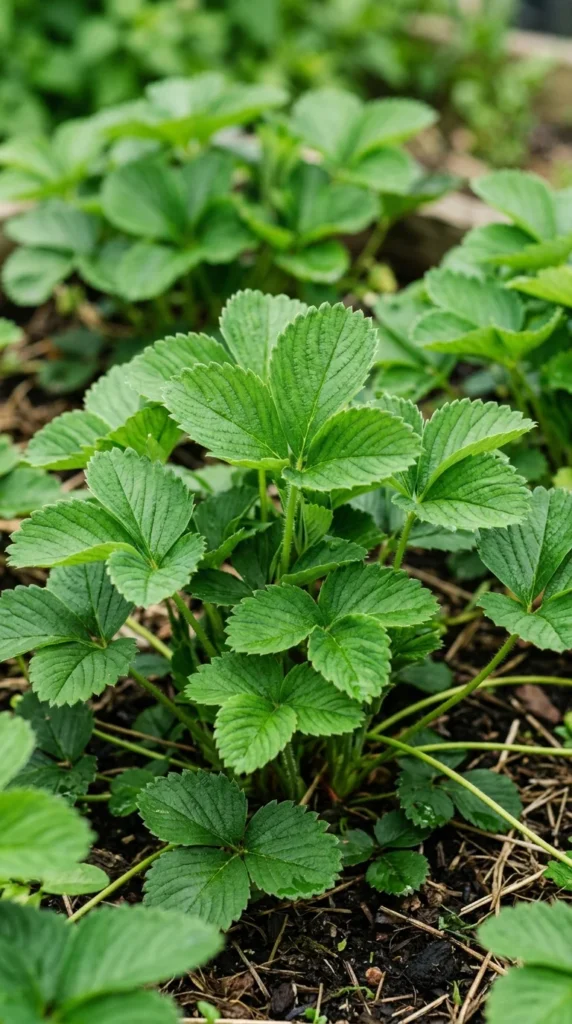
Leaf spot and powdery mildew can significantly reduce the sweetness of your fruit by damaging the plant’s ability to photosynthesize. To prevent this, ensure your plants have plenty of space for air to circulate. Always remove any dead or diseased leaves immediately and dispose of them in the trash, not the compost pile, to prevent the spread of spores.
15. Pruning Old Foliage
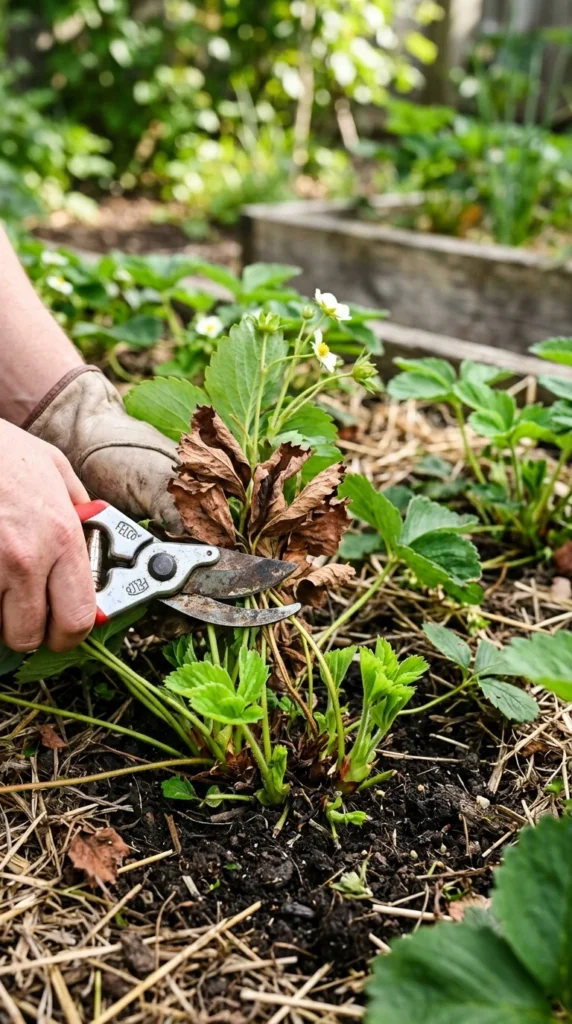
After the harvest is over for June-bearers, it’s beneficial to “mow” or prune the foliage back to about 2 inches above the crown. This removes old, diseased leaves and encourages a flush of fresh, healthy growth for the next season. For everbearing types, simply keep the plant tidy by removing any yellowing or dead leaves throughout the summer.
16. Winter Protection
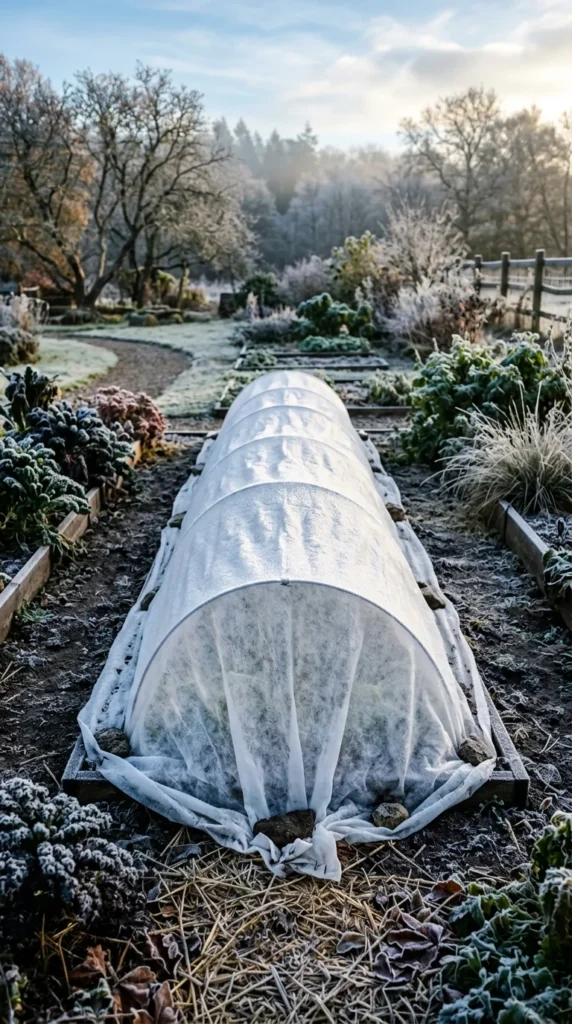
In colder climates, strawberry crowns can be damaged by the “freeze-thaw” cycle of winter. Once the ground has frozen, cover your plants with 4 to 6 inches of clean straw or a heavy-duty frost blanket. This keeps the temperature of the soil consistent and protects the delicate buds inside the crown that will become next year’s fruit.
17. Proper Harvesting
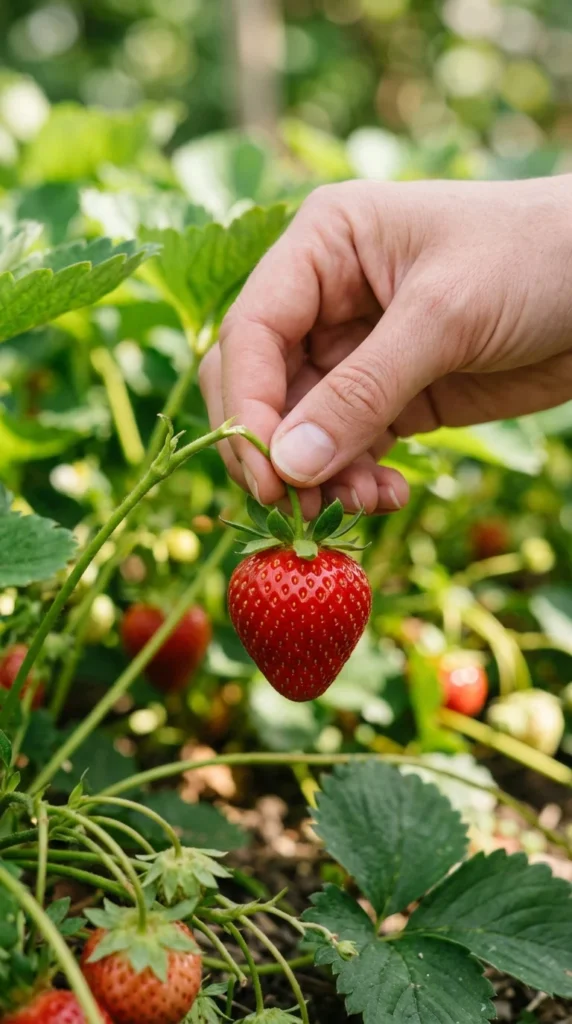
To get the sweetest flavor, you must wait until the berry is completely red—even the tip. Strawberries do not continue to ripen or get sweeter once they are picked. Harvest in the cool of the morning when the fruit is firm. Use scissors or your fingernails to snip the stem above the berry; never pull the berry directly, as this can damage the crown of the plant.
18. Regular Renewal
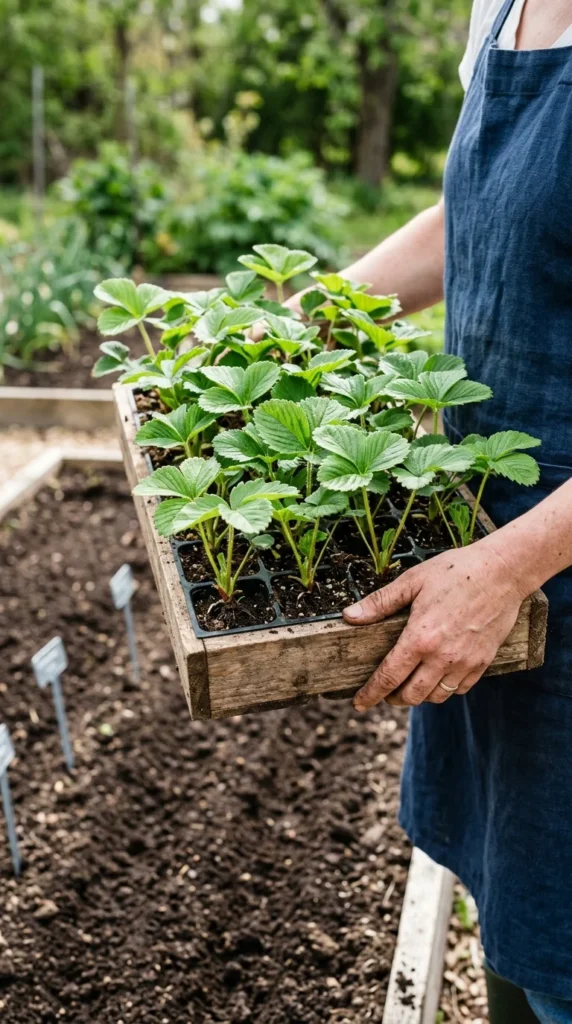
Strawberry plants are not forever. Their peak production usually occurs in years two and three. By year four or five, the berries become smaller and the plants lose their vigor. To maintain a “sweet” harvest, plan to replace your plants every three years. You can use the runners from your healthiest plants to create your own new stock for free.
19. Vertical Solutions
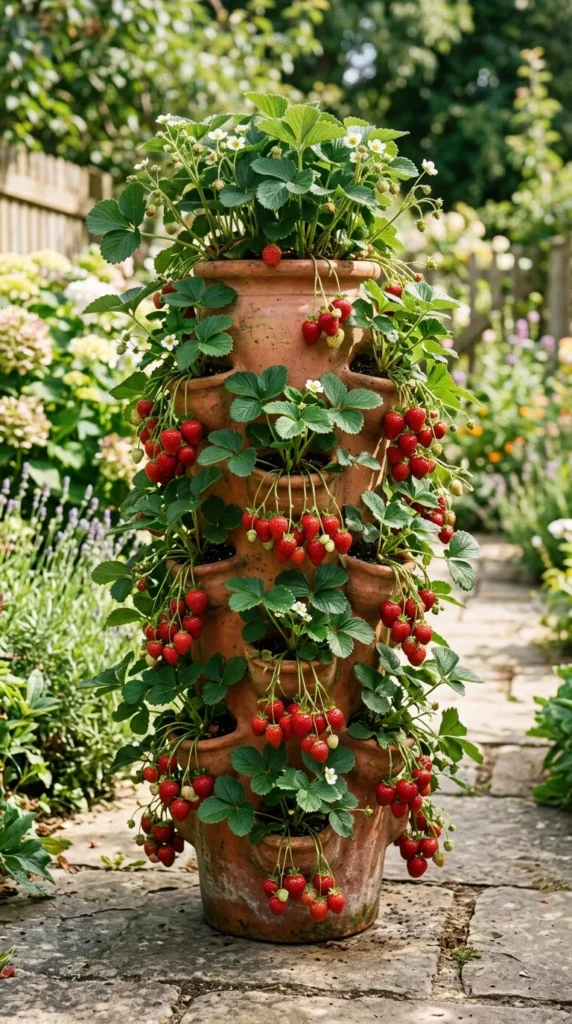
If you have limited space or struggle with soil-borne pests, grow your strawberries vertically. Tower planters, hanging baskets, or wall-mounted gutters allow for excellent drainage and air circulation. Growing off the ground also keeps the berries away from slugs and makes harvesting much easier on your back. Just remember that container-grown strawberries need more frequent watering and fertilizing than those in the ground.