
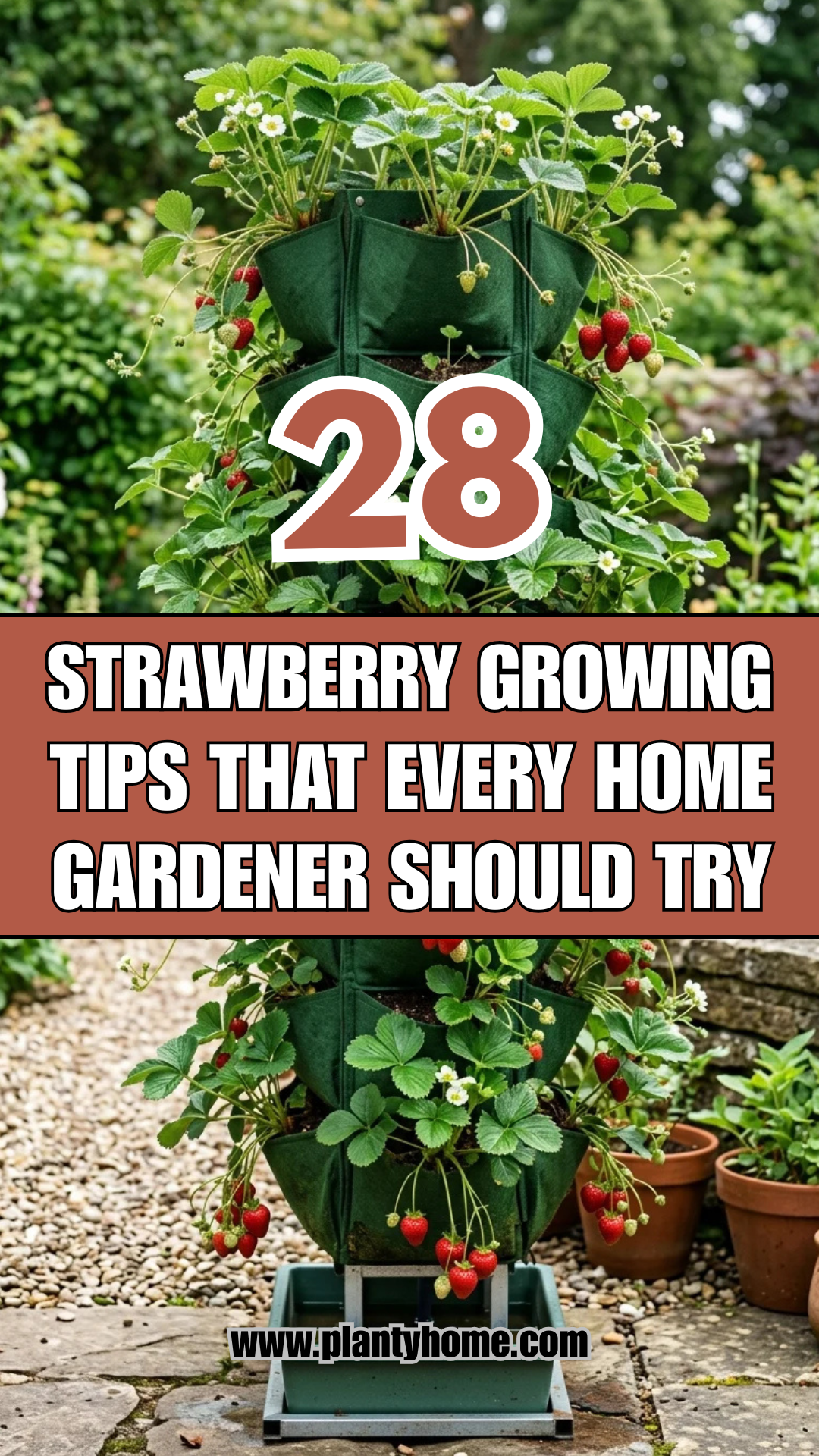
Growing your own strawberries is one of the most rewarding experiences a home gardener can have. There is a world of difference between the bland, crunchy berries found in grocery stores and the sun-warmed, sugar-sweet fruits picked directly from your own patch. However, while strawberries are relatively hardy, they require specific care to reach their full potential. From soil preparation to pest management, these 28 tips will help you cultivate a bountiful harvest year after year.
1. Select Variety
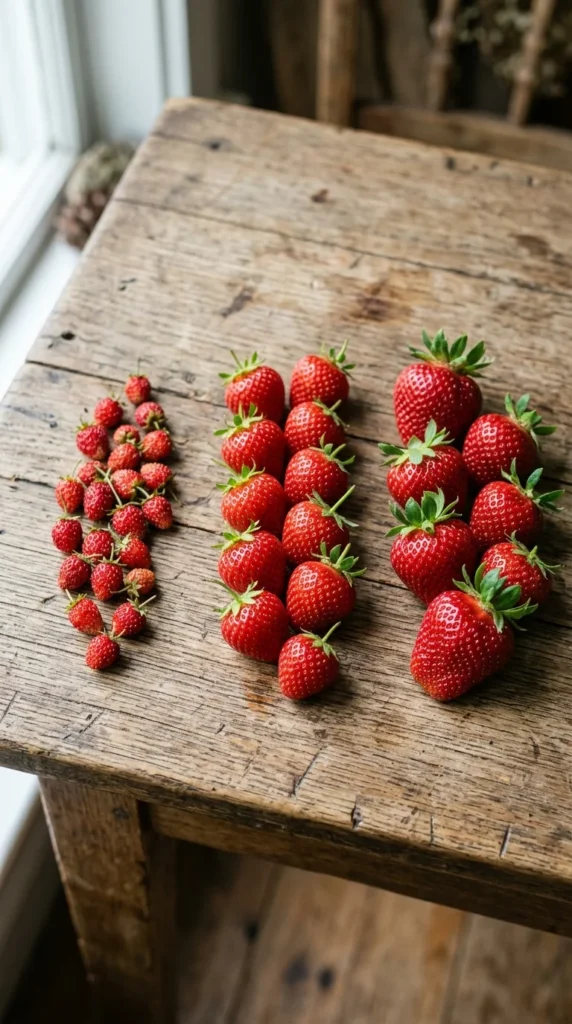
The first step to success is choosing the right type for your climate and needs. June-bearing varieties produce one massive crop over two to three weeks in early summer. Everbearing varieties produce two to three smaller harvests throughout the season. Day-neutral varieties continue to produce fruit as long as temperatures stay between 35°F and 85°F. For a beginner, a mix of June-bearing and day-neutral plants ensures a steady supply of fruit for months.
2. Prioritize Sun
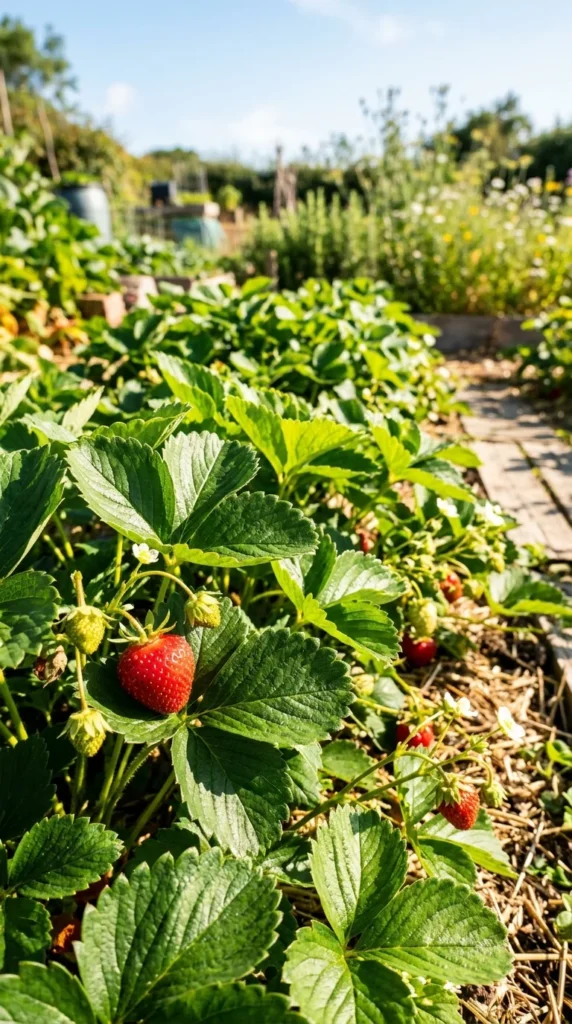
Strawberries are solar-powered. To produce the sugars necessary for sweet fruit, they require at least 6 to 8 hours of direct sunlight daily. If planted in partial shade, the plants may grow lush green leaves, but the fruit will be sparse, small, and sour. Ensure your strawberry patch is far away from the shadows of tall trees or structures.
3. Soil pH
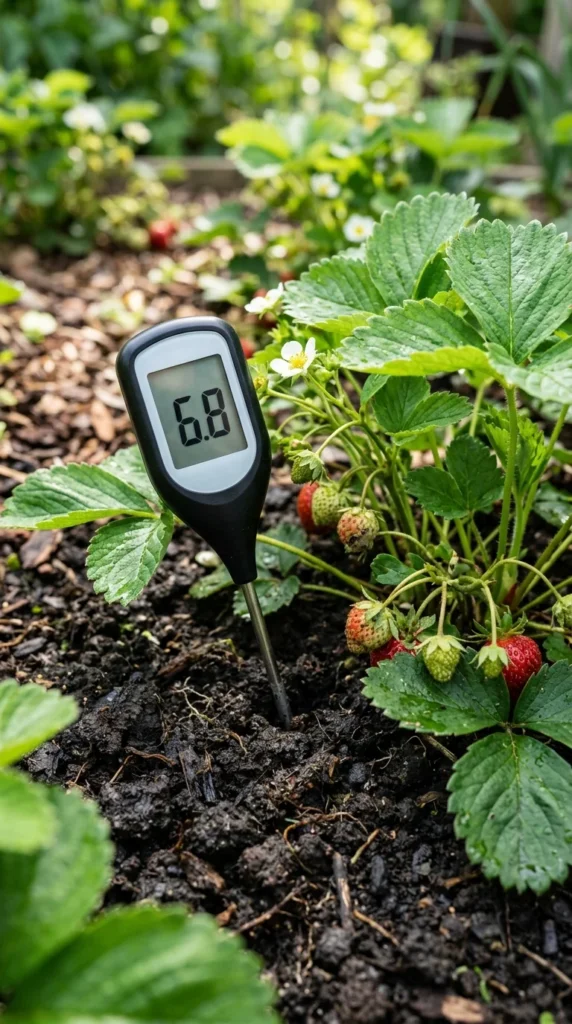
Strawberries thrive in slightly acidic soil, ideally with a pH between 5.5 and 6.8. If your soil is too alkaline, the plants will struggle to absorb nutrients, leading to yellowing leaves and stunted growth. Test your soil a few months before planting; you can lower the pH by adding elemental sulfur or raise it with garden lime.
4. Raised Beds
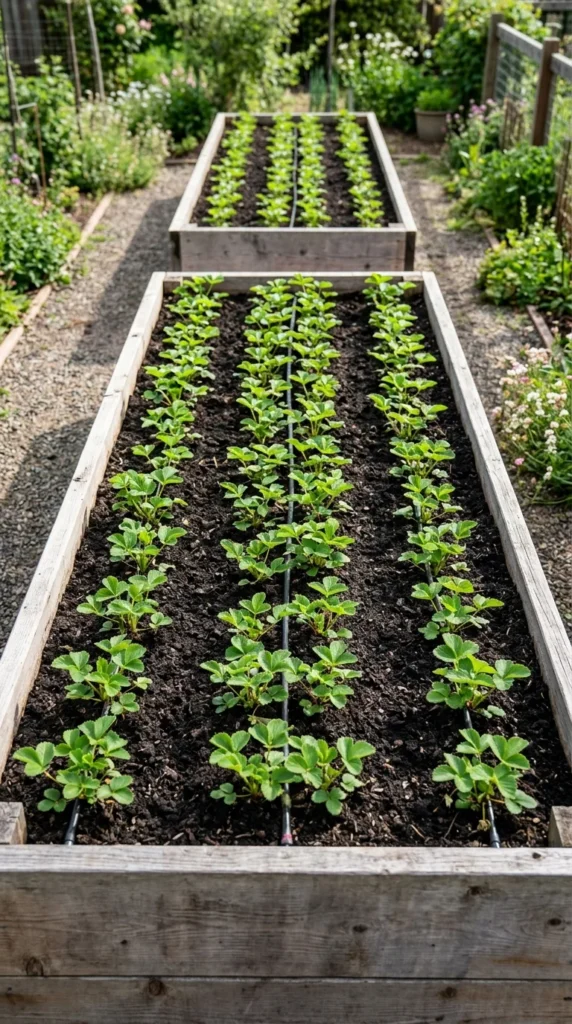
Drainage is critical for strawberry health. These plants have shallow root systems that are highly susceptible to root rot if they sit in soggy soil. Raised beds provide excellent drainage and allow you to control the soil quality more effectively than planting directly in the ground. They also make it easier on your back during harvest time.
5. Crown Depth
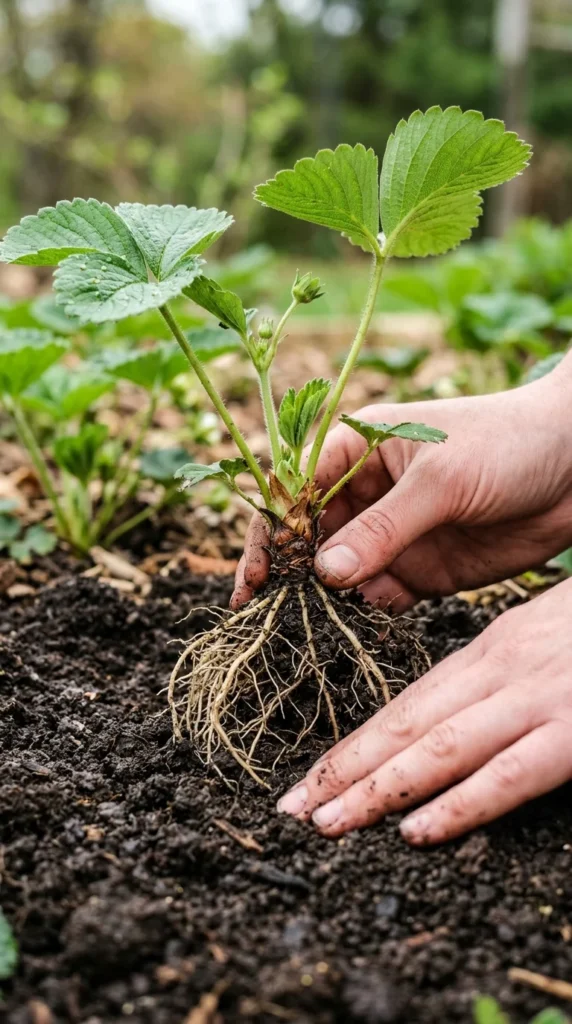
The most common mistake when planting strawberries is burying the crown. The crown is the thick, central part of the plant where the leaves and flowers emerge. If you bury it, it will rot. If you plant it too high, the roots will dry out. Aim to have the soil line exactly at the midpoint of the crown.
6. Space Wisely
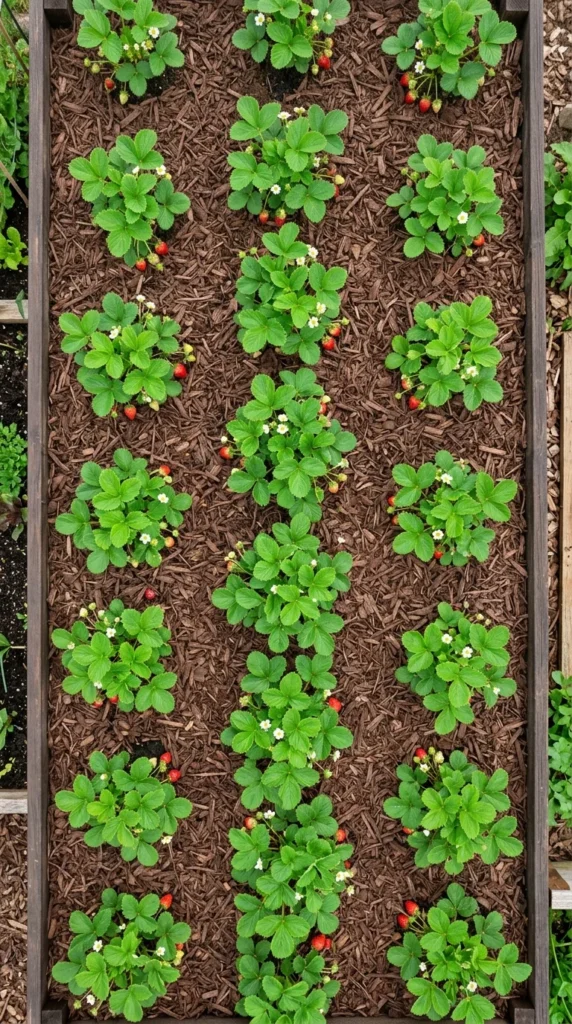
Airflow is your best defense against fungal diseases like powdery mildew and gray mold. Space your plants about 12 to 18 inches apart. If you are using the “matted row” system for June-bearers, allow runners to fill in the gaps but keep the rows thin enough that air can circulate freely between the foliage.
7. Pine Straw
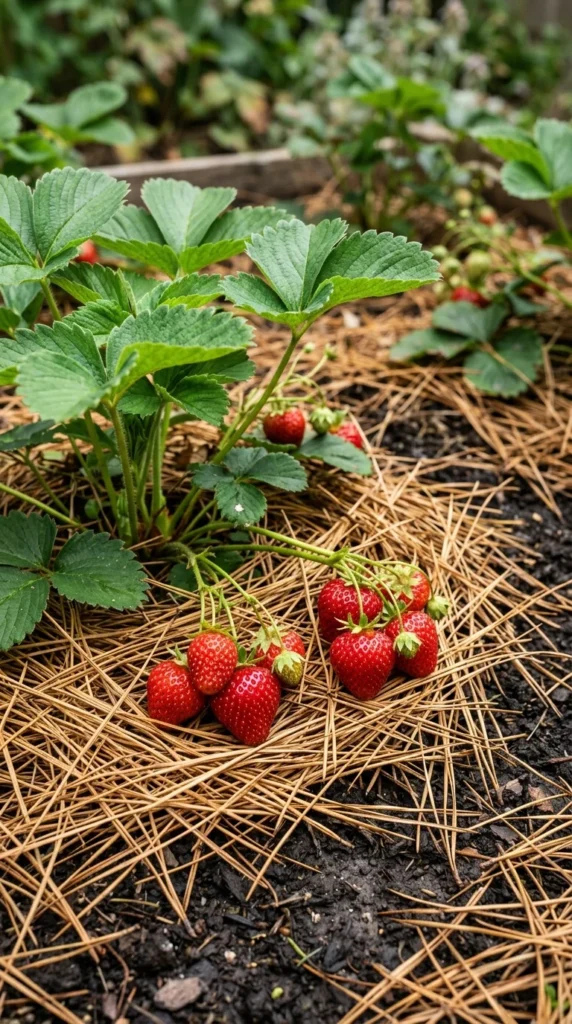
Mulching is non-negotiable for strawberries. Pine straw (dried pine needles) is the gold standard for mulch. It is acidic, which the plants love, and its airy structure allows the soil to breathe while keeping the berries from touching the damp ground. This prevents rot and keeps your harvest clean.
8. Remove Blossoms
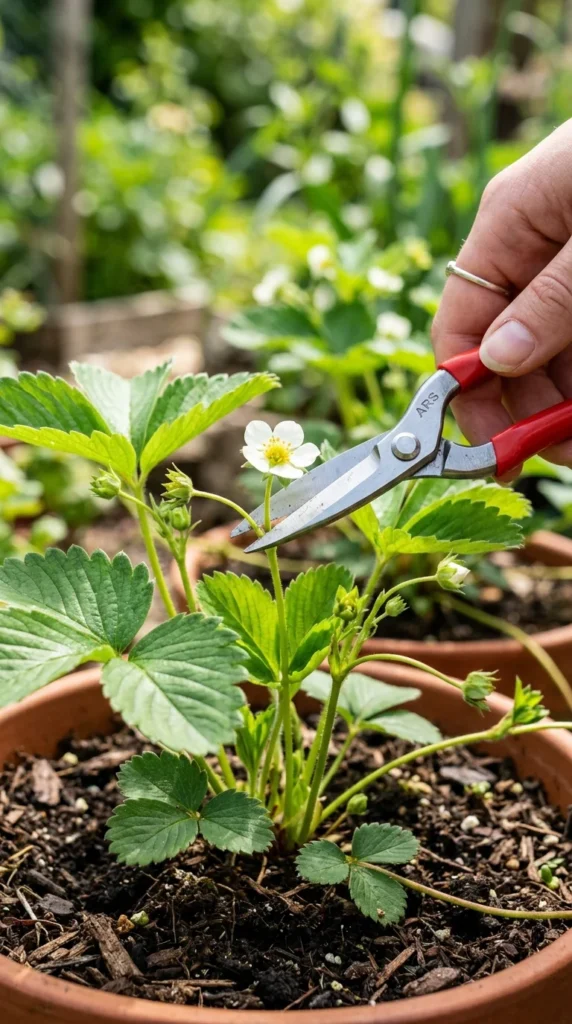
It feels counterintuitive, but you should pinch off all flowers during the first year for June-bearing varieties. This forces the plant to direct its energy into establishing a massive root system and healthy “crown” rather than producing a few small berries. This sacrifice in year one leads to a significantly larger harvest in year two.
9. Runner Control
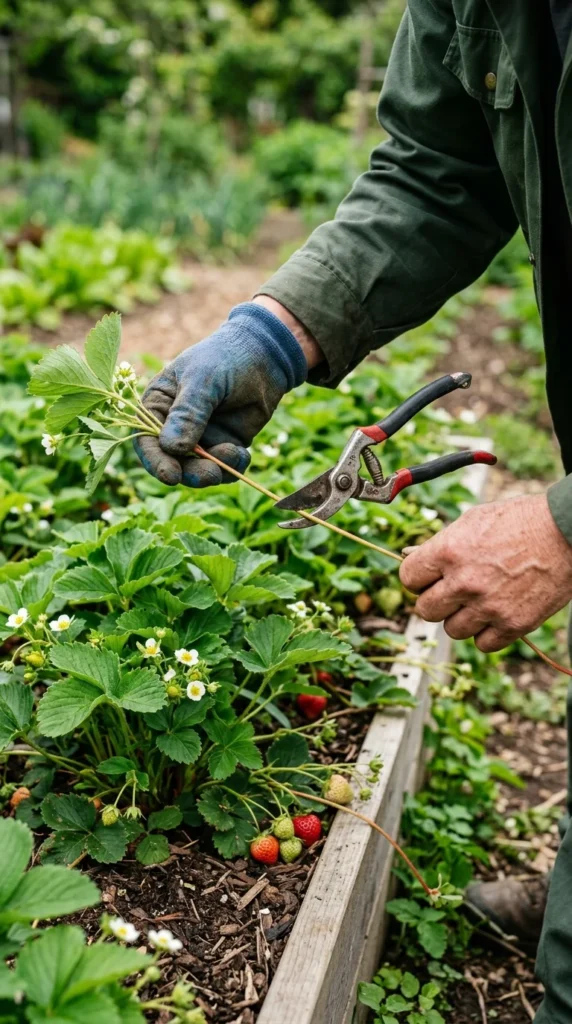
Strawberries send out “runners” or stolons—long stems that grow new baby plants at the ends. While this is great for expanding your patch, too many runners will drain the energy of the mother plant. Limit each plant to two or three runners, and snip the rest off to keep the fruit production high.
10. Drip Irrigation
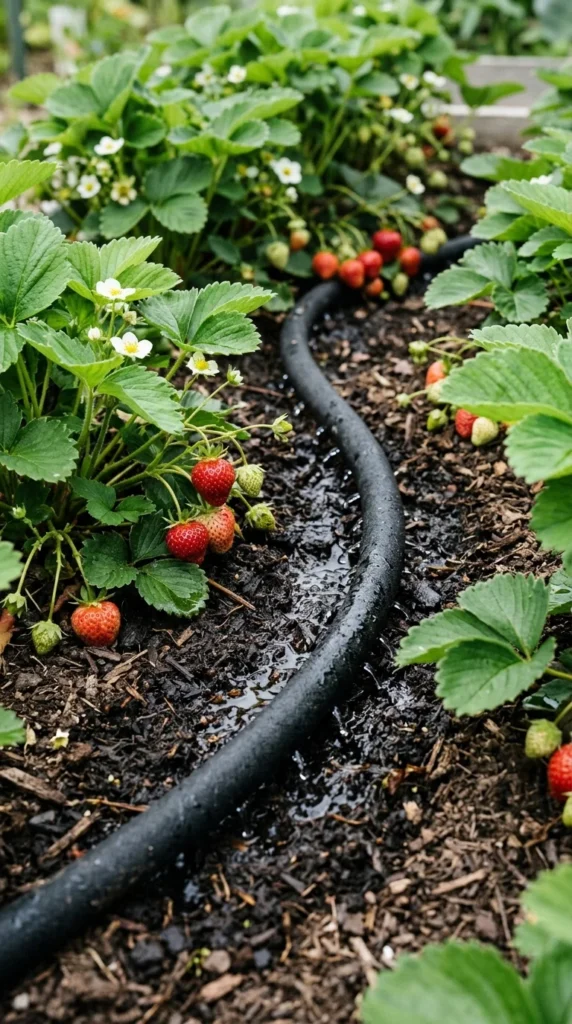
Strawberries need consistent moisture, especially while the fruit is developing. However, overhead watering can lead to fruit rot and leaf diseases. Use a drip irrigation system or a soaker hose to deliver water directly to the roots. Aim for about an inch of water per week, increasing slightly during heatwaves.
11. Potting Mix
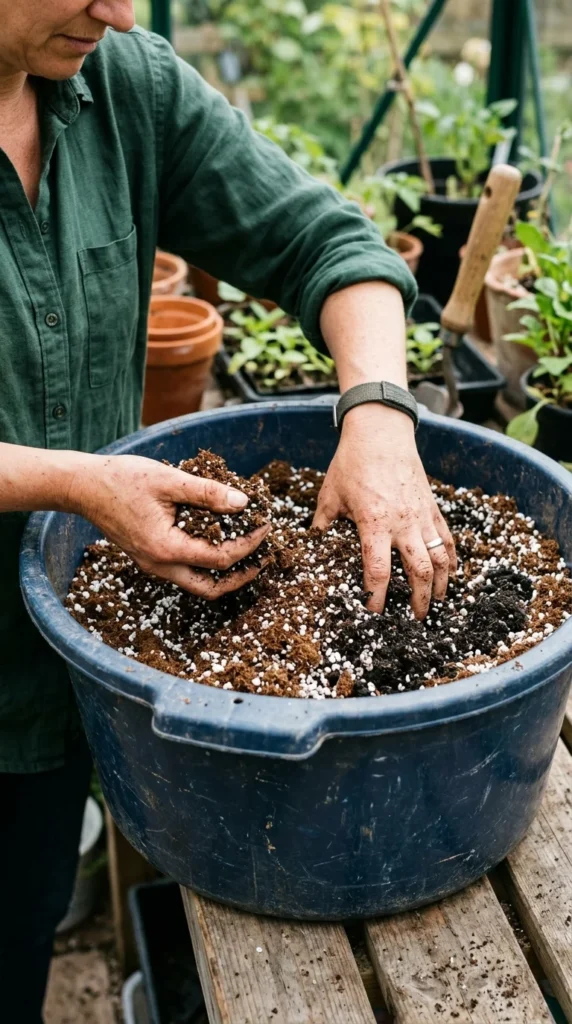
If growing in containers, never use standard garden soil, which is too heavy and will compact over time. Use a high-quality potting mix enriched with compost and perlite. This ensures the roots stay aerated and that water can move freely through the pot.
12. Companion Planting
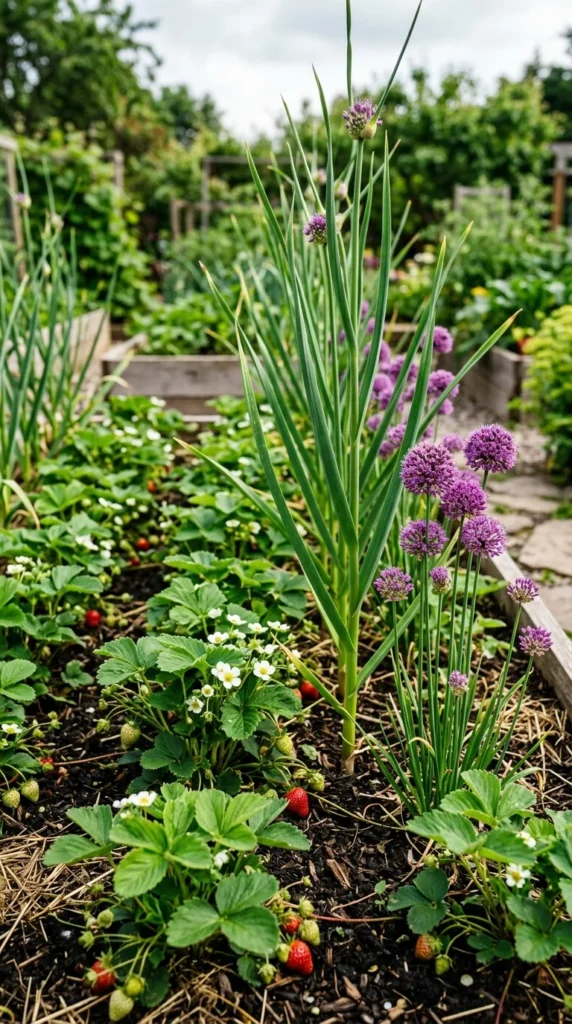
Planting strawberries alongside members of the Allium family, such as garlic, onions, or chives, can help deter pests like aphids and spider mites with their strong scent. Additionally, herbs like thyme and borage can attract pollinators while acting as a living mulch.
13. Bird Netting
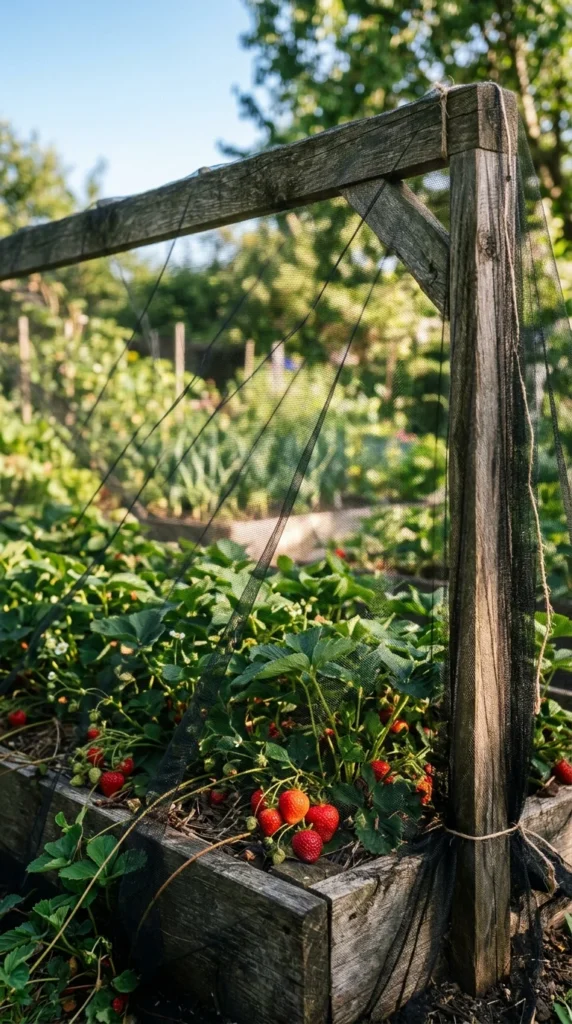
Birds love strawberries as much as humans do. Once the berries start turning pink, they will become a target. Install a fine mesh bird net over your plants. Ensure the net is pulled taut and secured at the bottom so birds cannot crawl under or get tangled in loose folds.
14. Decoy Rocks
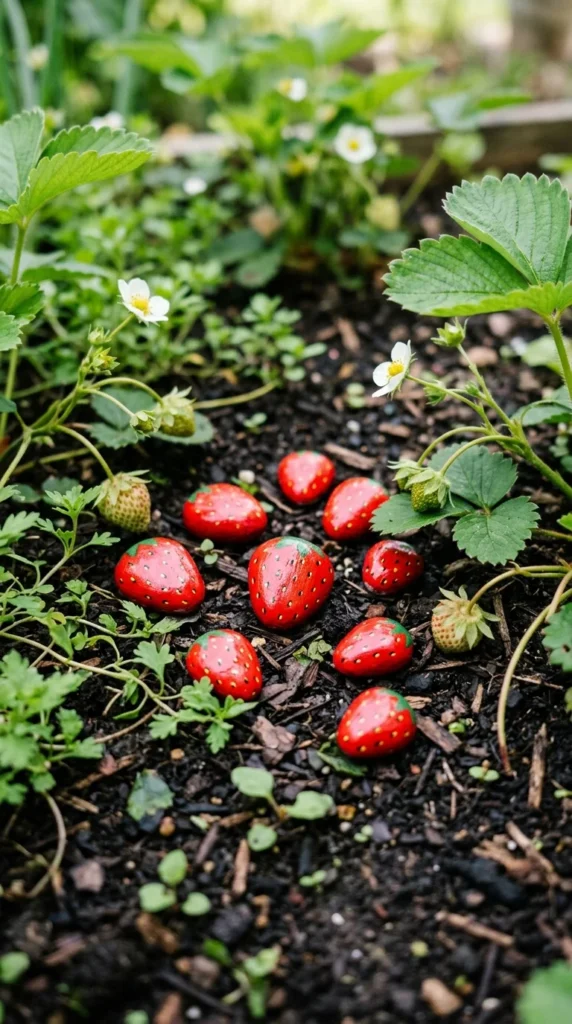
A clever trick to fool birds is to place “strawberry rocks” in the garden before the real fruit ripens. Paint small stones bright red and scatter them around the patch. The birds will peck at the hard rocks, find them unappealing, and eventually stop checking the area, leaving your real berries alone when they finally ripen.
15. Morning Harvest
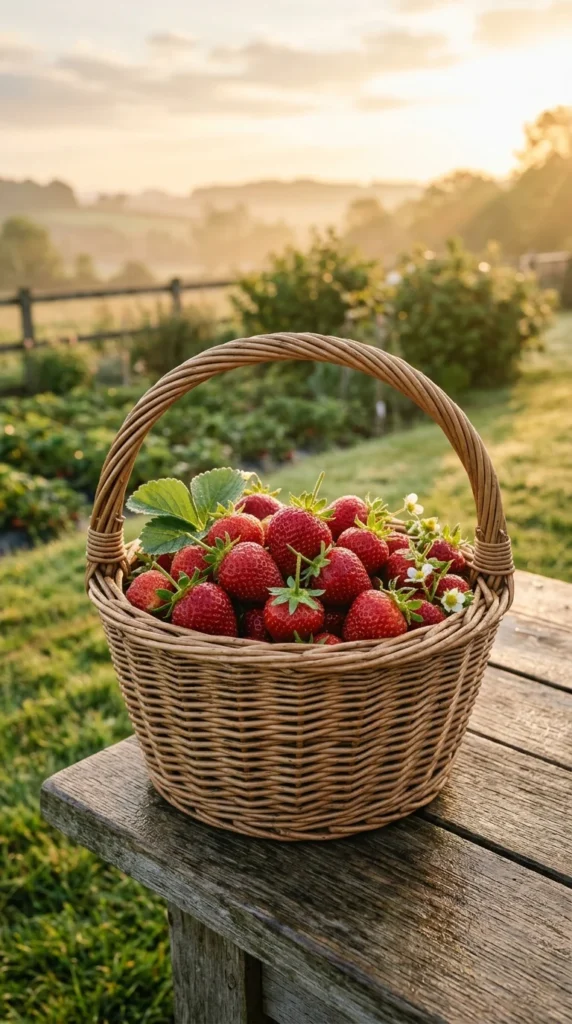
The best time to pick strawberries is in the early morning when the berries are still cool from the night air. Berries picked in the heat of the day are softer, more prone to bruising, and don’t last as long in storage. Cool berries maintain their firmness and sweetness much better.
16. Fertilize Seasonally
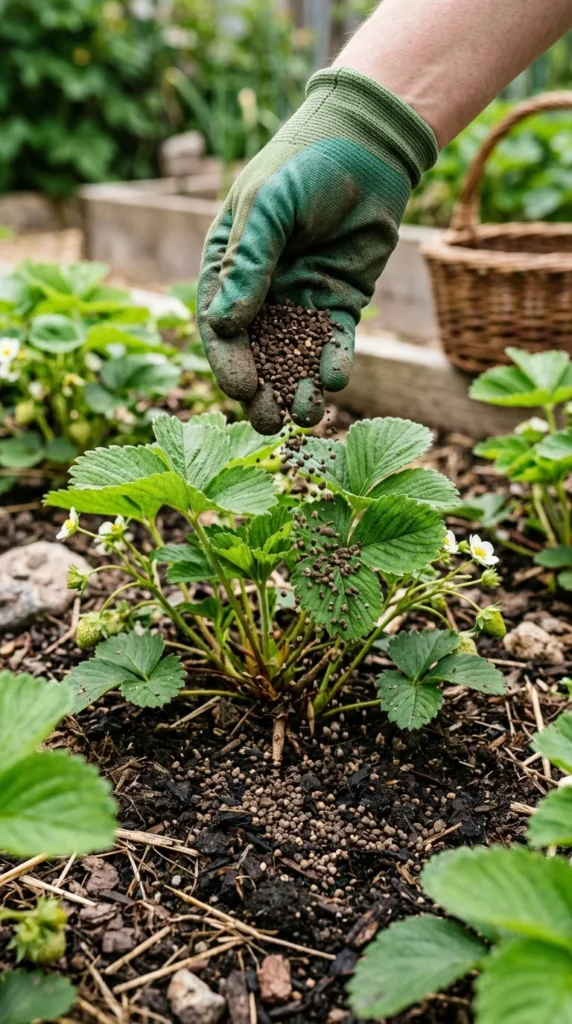
Strawberries are heavy feeders. Apply a balanced organic fertilizer (like a 10-10-10) in early spring as new growth appears. For June-bearers, fertilize again after the final harvest is complete. Avoid high-nitrogen fertilizers late in the season, as this can encourage soft, leafy growth that is susceptible to frost damage.
17. Copper Tape
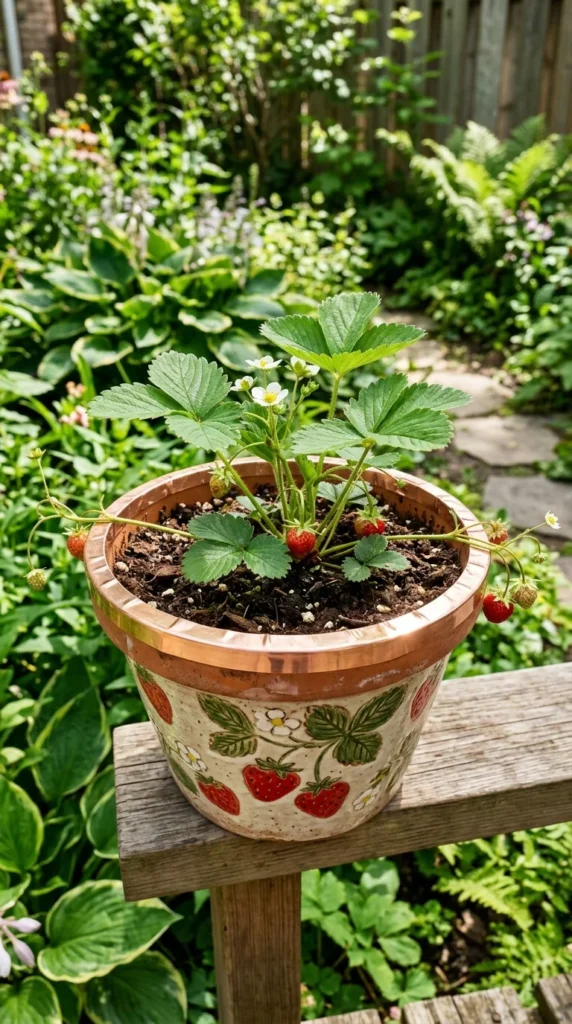
Slugs and snails are the primary enemies of the strawberry. They chew unsightly holes in the ripest fruit. If you are growing in pots or raised beds, applying a strip of copper tape around the perimeter can create a mild electric barrier that slugs refuse to cross.
18. Crop Rotation
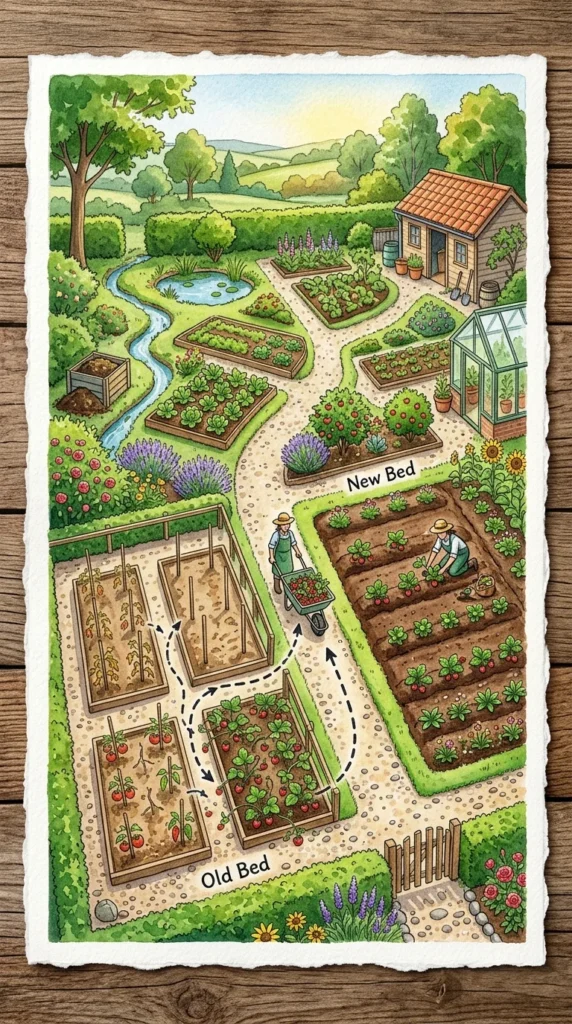
Never plant strawberries in a spot where you recently grew tomatoes, peppers, potatoes, or eggplants. These plants can harbor Verticillium wilt, a soil-borne fungus that can devastate strawberry plants. Wait at least three years before planting strawberries in those specific areas.
19. Vertical Towers
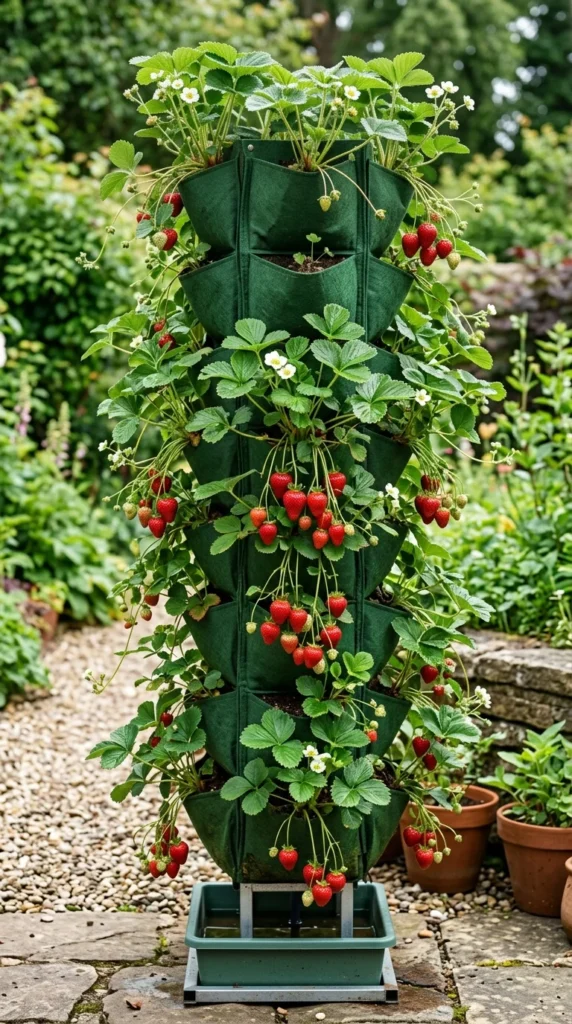
If you have limited space, strawberries are perfect for vertical gardening. Growing them in towers or hanging baskets keeps the fruit off the ground, reducing rot and pest issues, and makes harvesting much easier. This method is particularly effective for day-neutral and everbearing varieties.
20. Renovate Beds
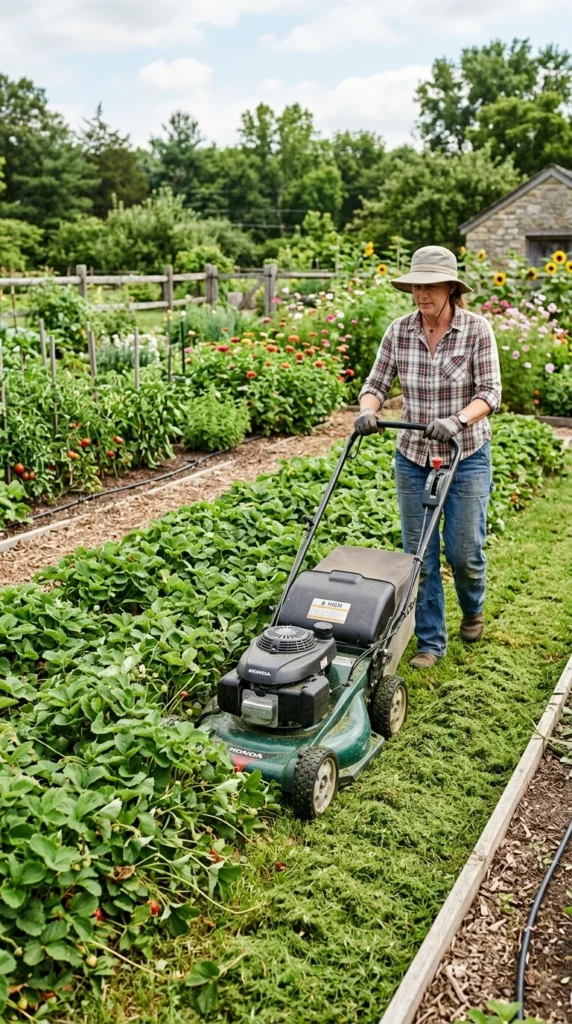
For June-bearing strawberries, “renovation” is essential for a good crop the following year. After the final harvest, mow the foliage down to about one inch above the crowns, thin out the plants to stand 6 inches apart, and apply a fresh layer of compost. This stimulates vigorous new growth for the next season.
21. Winter Mulch
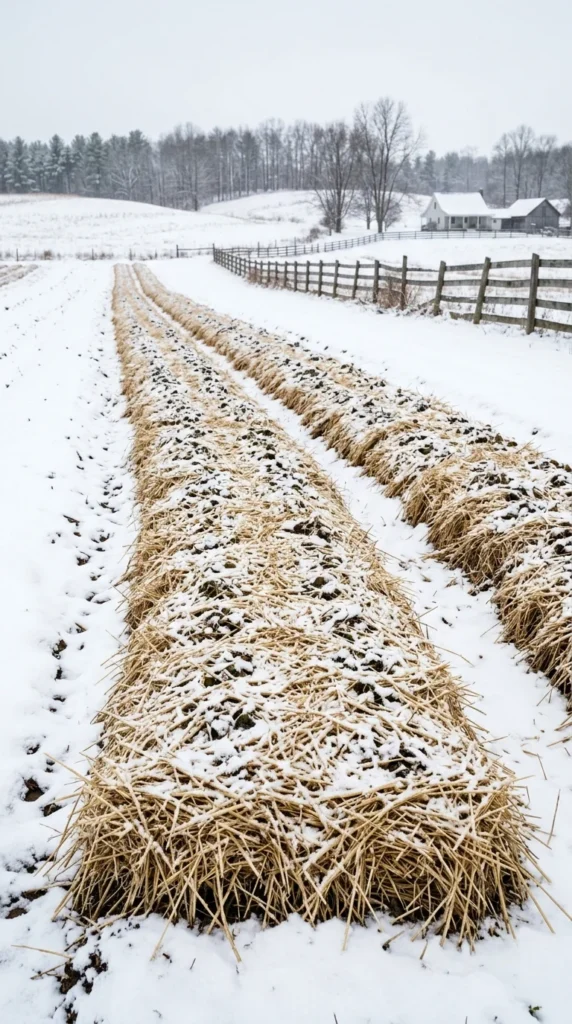
In cold climates, strawberry crowns need protection from the freeze-thaw cycle, which can heave plants out of the ground. Once the temperature consistently drops to the mid-20s (Fahrenheit), cover the entire bed with 4 to 6 inches of straw. Remove it in early spring as soon as you see new green growth.
22. Pollinator Support
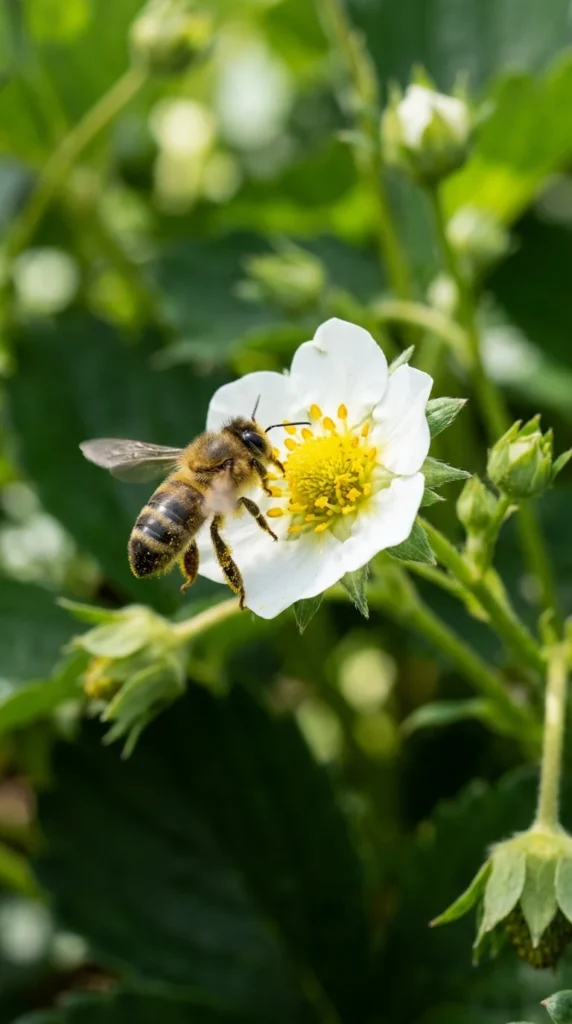
While strawberries are self-fertile, they produce much larger, better-shaped fruit when insects assist with pollination. Plant flowers like cosmos, zinnias, or lavender nearby to attract bees and hoverflies to your garden, ensuring every strawberry flower is fully pollinated.
23. Hand Weeding
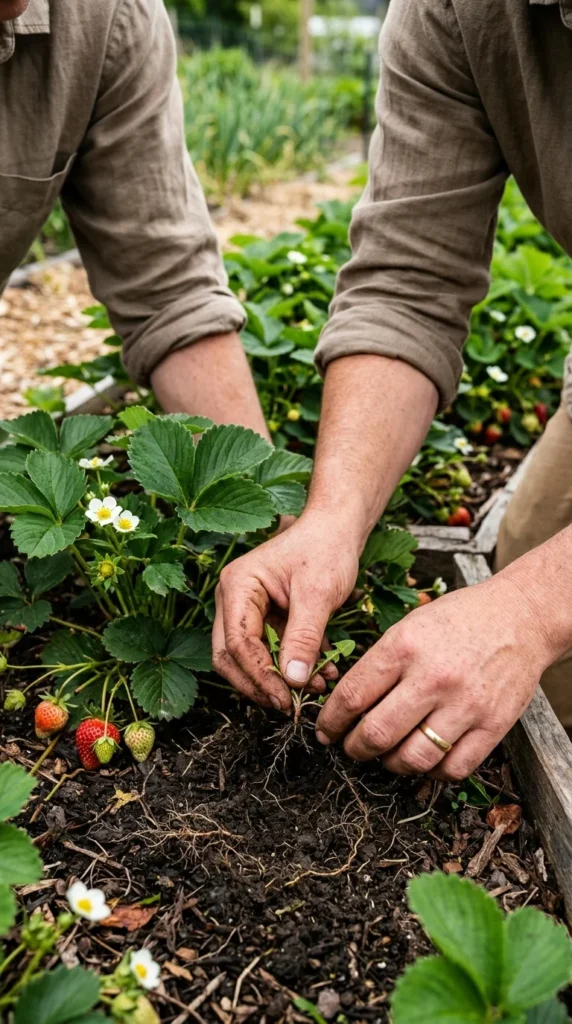
Strawberry roots are very shallow and delicate. Using a heavy hoe or garden fork near the plants can easily damage them. Make it a habit to hand-weed your strawberry beds once a week to keep competition for nutrients and water at a minimum.
24. Strawberry Pots
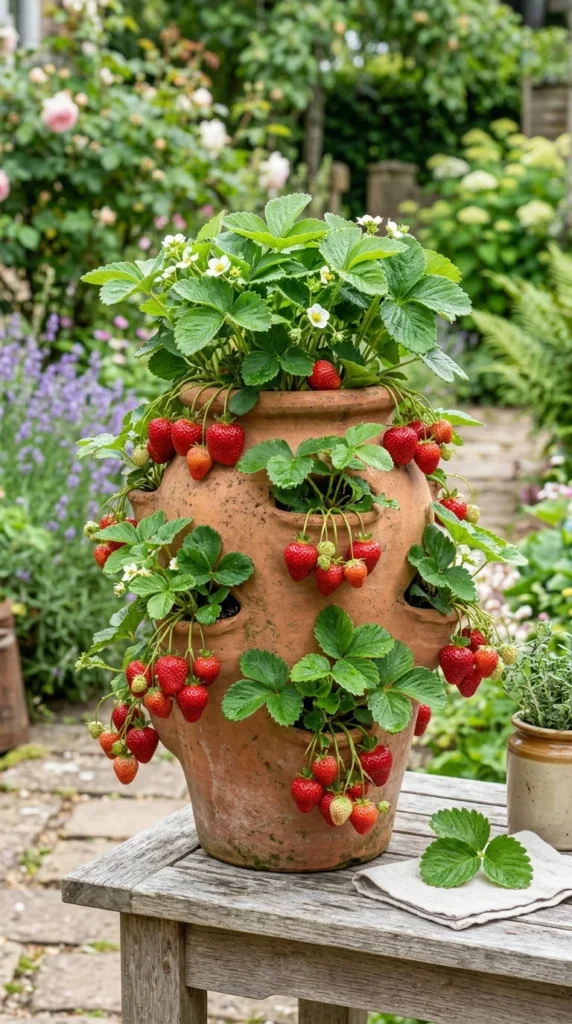
The classic “strawberry jar” with multiple pockets isn’t just for aesthetics. It’s designed to provide the drainage and air circulation these plants crave. When using these, ensure you water through a central perforated pipe or tube to reach the plants at the bottom, as water often fails to soak down from the top.
25. Check Foliage
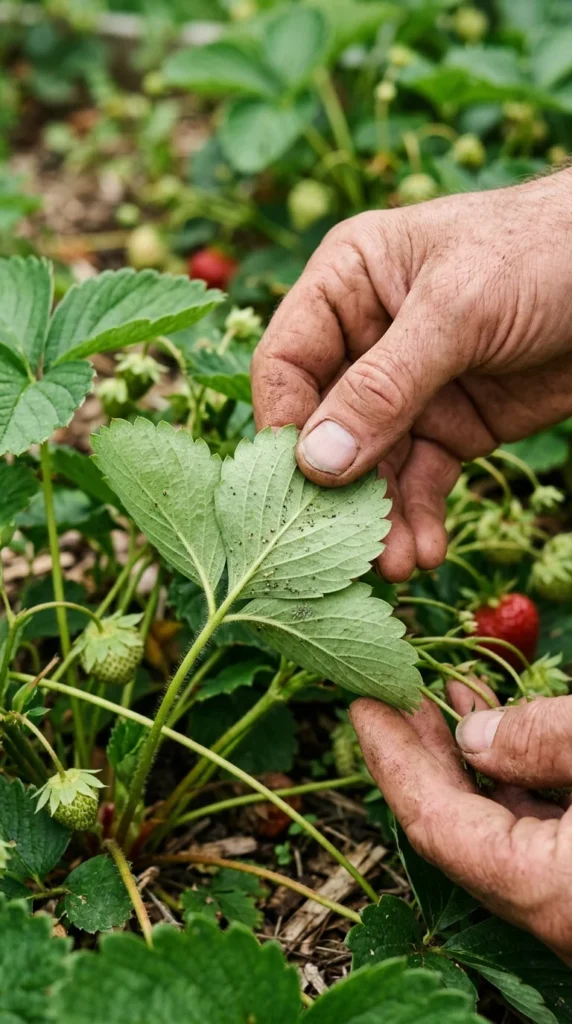
Pests and diseases often start on the underside of the leaves. Regularly inspect your plants for signs of spider mites (fine webbing), aphids, or leaf spots. Catching an infestation early allows you to treat it with neem oil or insecticidal soap before it ruins the fruit.
26. Bare Root Prep
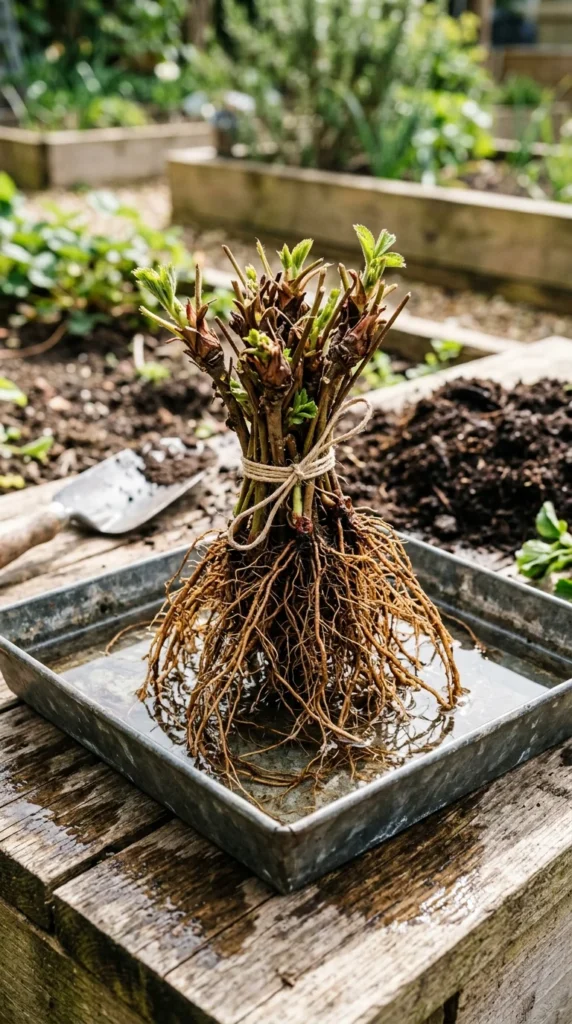
If you buy bare-root plants (which are often cheaper and easier to find online), soak the roots in a bucket of room-temperature water for 20 to 30 minutes before planting. This rehydrates the plant and gives it a head start as it transitions into the soil.
27. Liquid Kelp
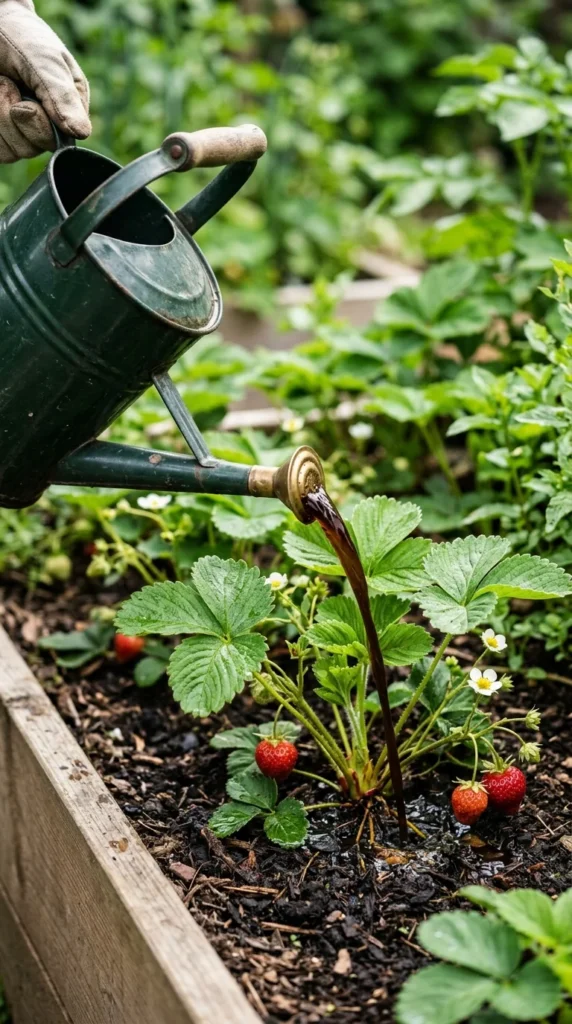
During the fruiting stage, strawberries benefit from a boost of micronutrients. A foliar spray or soil drench of liquid kelp or seaweed extract every two weeks provides potassium and trace minerals that improve the flavor and shelf life of the berries.
28. Prune Yellowing
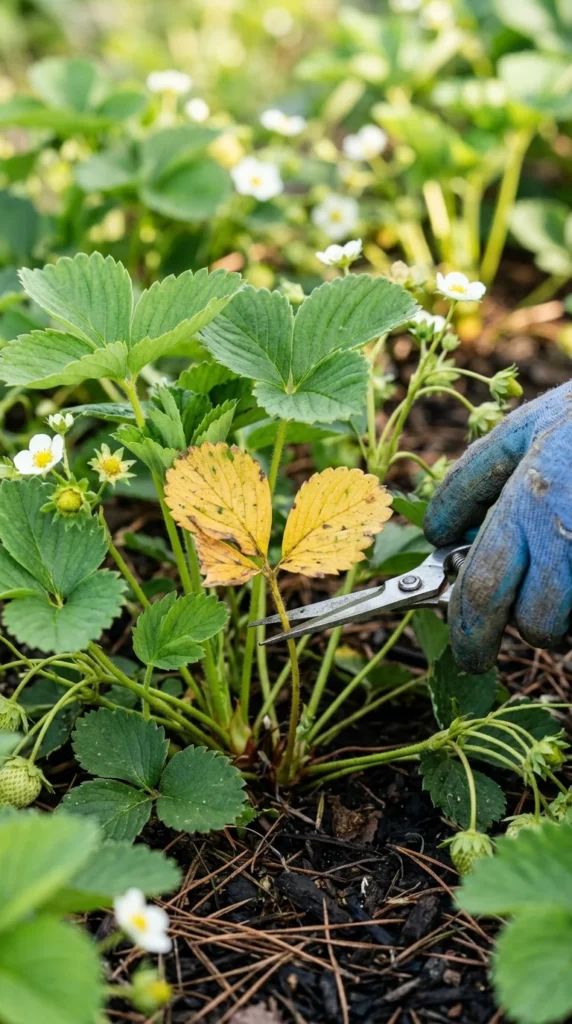
As the season progresses, older leaves will naturally turn yellow or brown. Prune these away regularly. Removing dead foliage improves airflow and prevents old leaves from becoming a breeding ground for fungal spores, keeping the plant focused on producing fruit.