
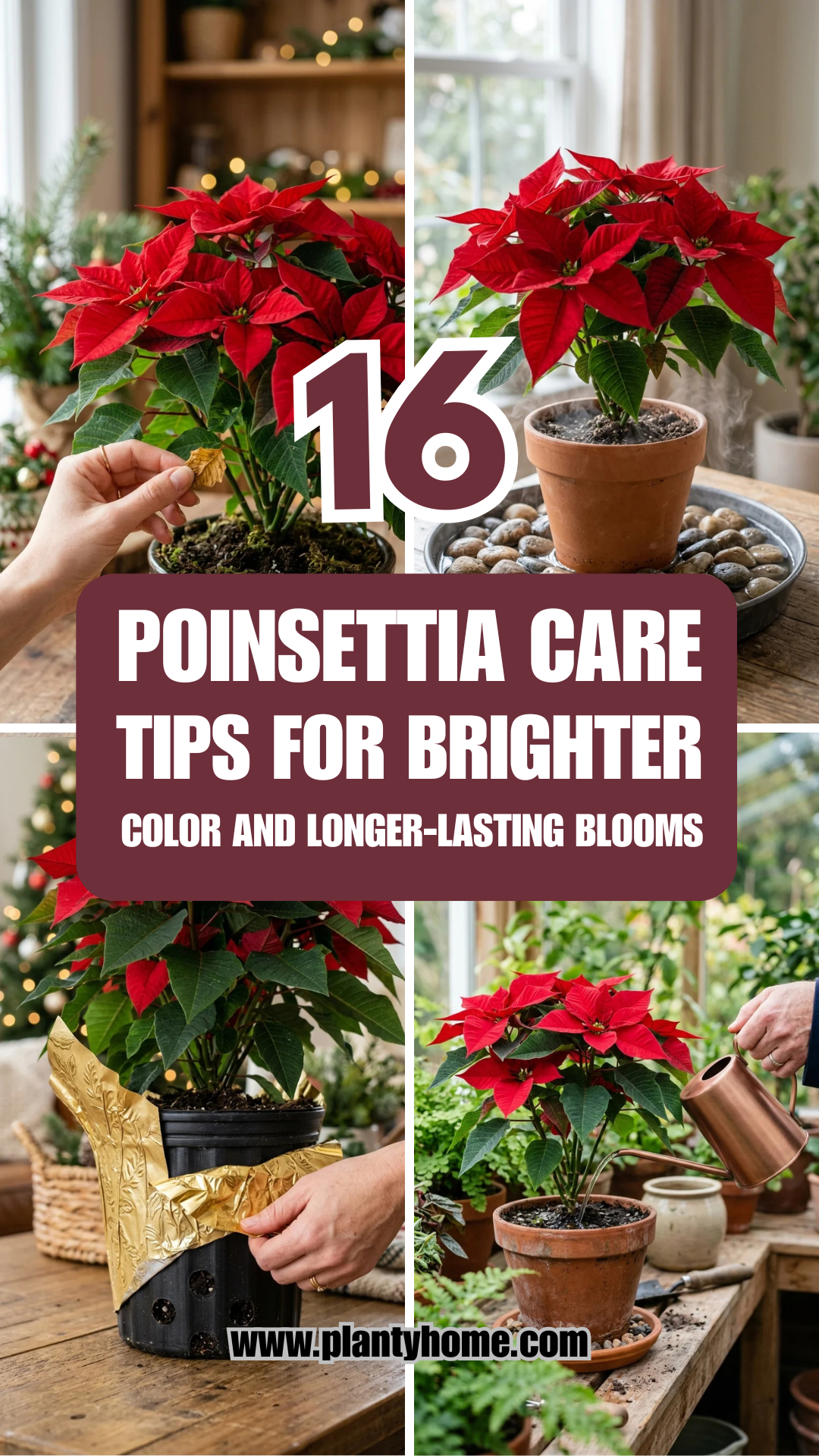
The poinsettia (Euphorbia pulcherrima) is the undisputed crown jewel of the holiday season. Known for its striking bracts—which are actually modified leaves, not petals—this Mexican native can maintain its brilliance long after the holiday decorations have been packed away if given the proper care. While many treat these plants as disposable decor, they are actually perennial shrubs that can thrive for years. To ensure your poinsettias stay vibrant, saturated in color, and healthy throughout the winter and beyond, follow these 16 expert care tips.
1. Selection
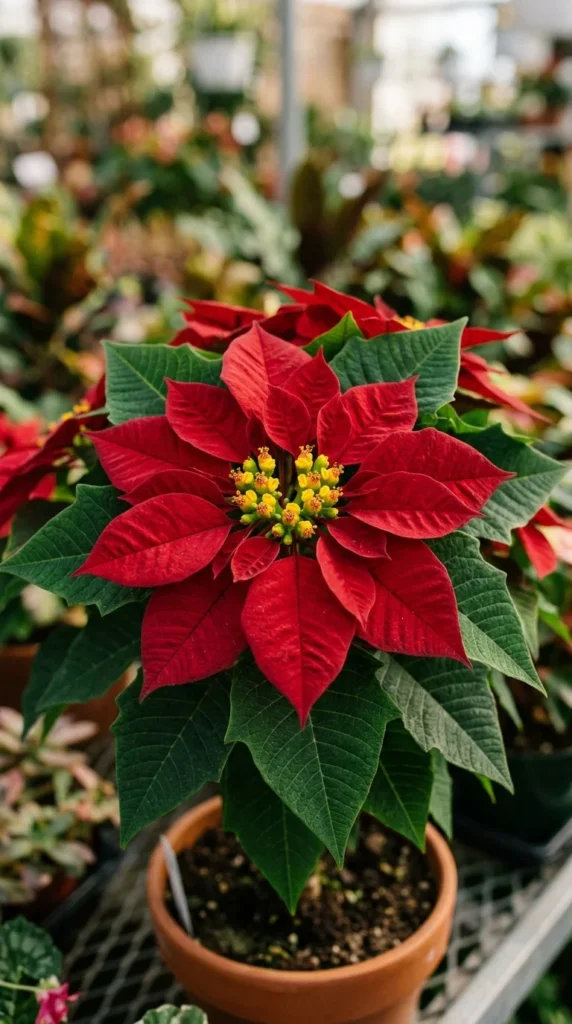
The secret to a long-lasting poinsettia starts at the store. When choosing a plant, look closely at the “cyathia.” These are the tiny, bud-like flowers located in the very center of the colored bracts. If the flowers are closed and green or red-tipped, the plant is fresh and will last much longer. If the flowers are open and shedding yellow pollen, the plant is past its prime and the bracts will likely drop sooner. Additionally, check for dense, dark green foliage that extends all the way down to the soil line; bare stems are a sign of stress or poor health.
2. Light
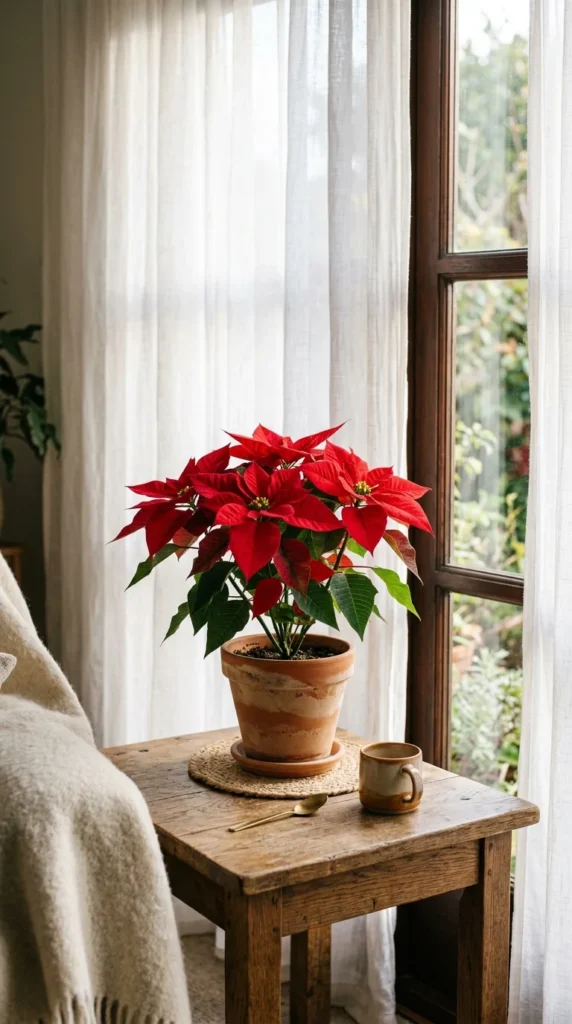
Poinsettias are tropical plants that crave light. To maintain their vivid colors, they require at least six hours of bright, indirect sunlight daily. A south, east, or west-facing window is ideal. However, be careful with direct, midday sun during the summer if you keep the plant year-round, as it can scorch the leaves. During the winter, the goal is to maximize light exposure to prevent the plant from becoming “leggy” and to keep the bracts from fading prematurely.
3. Temperature
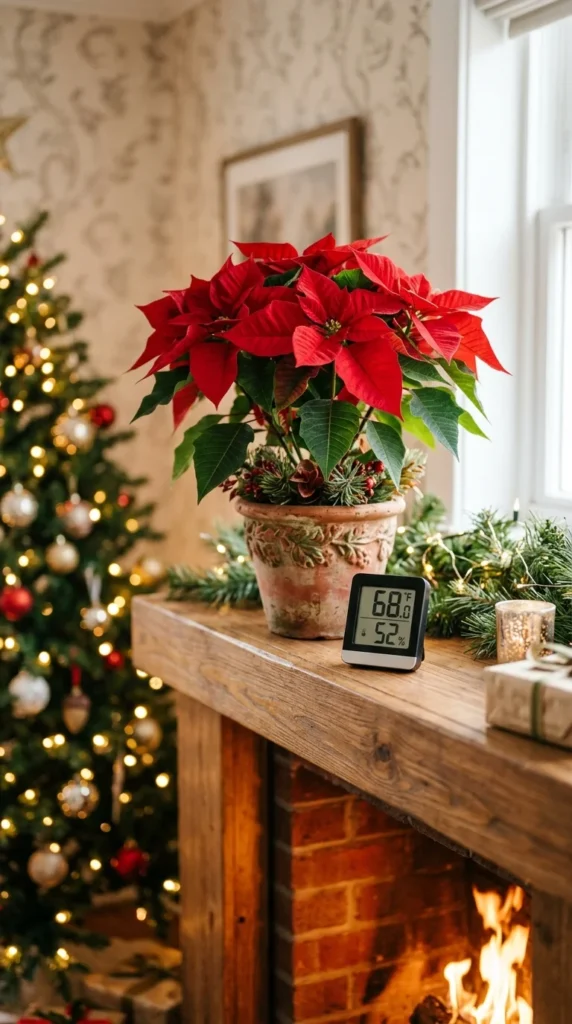
These plants are highly sensitive to temperature fluctuations. They thrive in environments where daytime temperatures stay between 65°F and 70°F (18°C to 21°C). At night, they prefer slightly cooler temperatures, around 60°F, which mimics their natural habitat and helps prolong the life of the bracts. Avoid placing your poinsettia in any area where temperatures consistently drop below 50°F, as this can lead to root rot and premature leaf drop.
4. Drafts
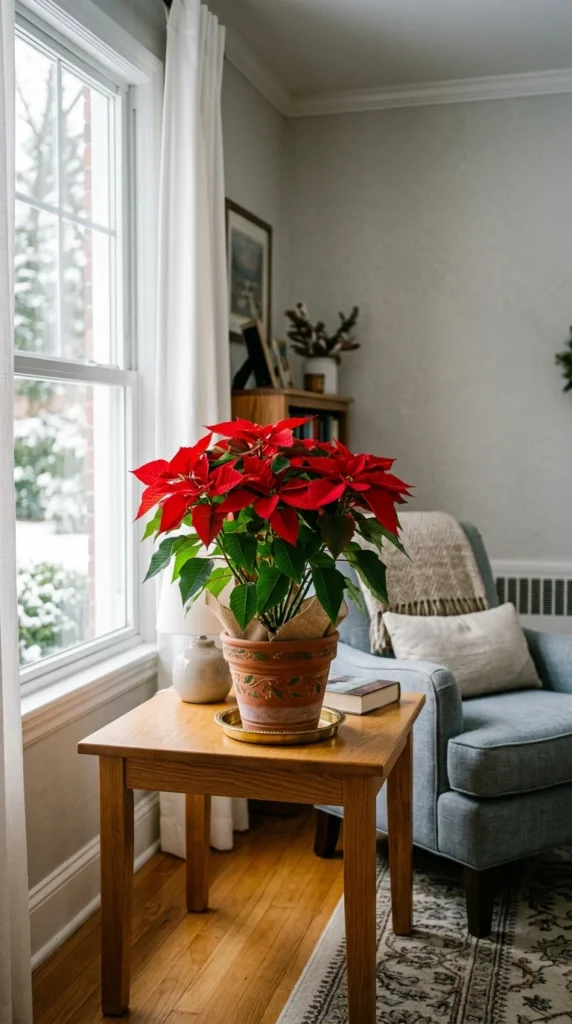
Drafts are the silent killers of poinsettias. Because they are native to the warm climates of Mexico, a sudden blast of cold air from an opening door or a chilly windowpane can cause the plant to go into shock, resulting in the sudden loss of leaves. Similarly, avoid placing them near heat sources like fireplaces, radiators, or forced-air vents. The dry heat from these sources will dehydrate the plant and cause the bracts to shrivel and turn brown.
5. Watering
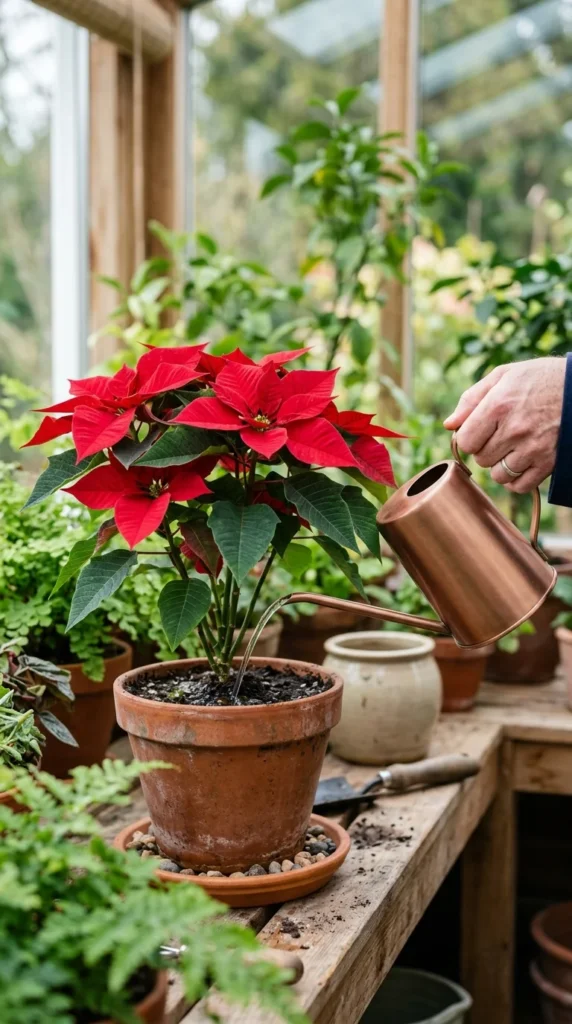
Proper watering is a balancing act. You should water your poinsettia only when the surface of the soil feels dry to the touch. When you water, do so thoroughly until water drains out of the bottom of the pot. However, never let the plant sit in standing water. Overwatering is the most common cause of poinsettia death, leading to root rot. If the plant wilts, it is likely too dry, but if the leaves turn yellow and drop while the soil is wet, you are likely overwatering.
6. Drainage
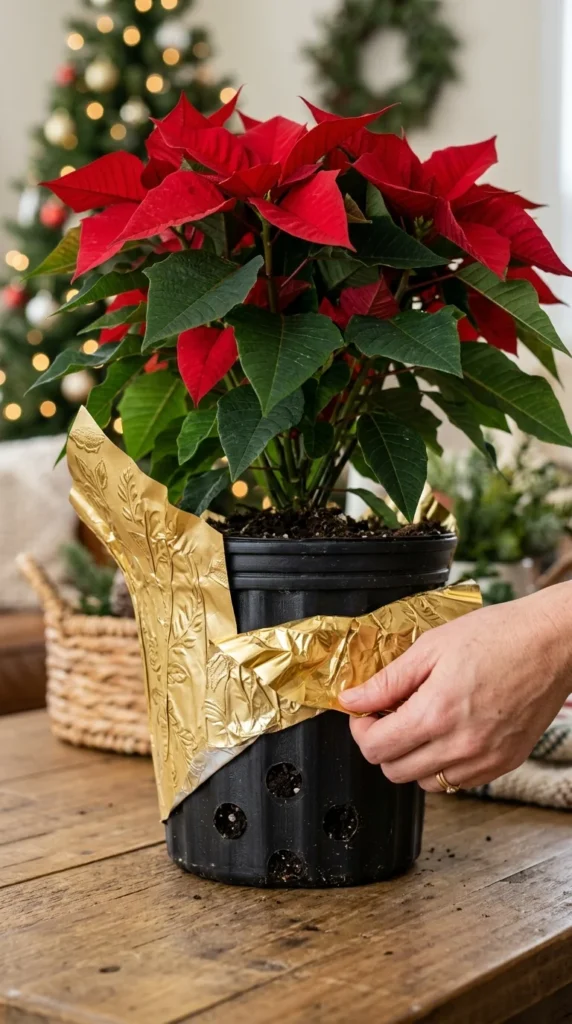
Most poinsettias come wrapped in decorative foil or plastic sleeves. While these look festive, they are notorious for trapping water. If you leave the foil on, ensure you poke holes in the bottom so excess water can escape into a saucer. Better yet, remove the foil during watering and only replace it once the pot has finished draining completely. Ensuring the roots have access to oxygen is vital for the plant’s longevity.
7. Humidity
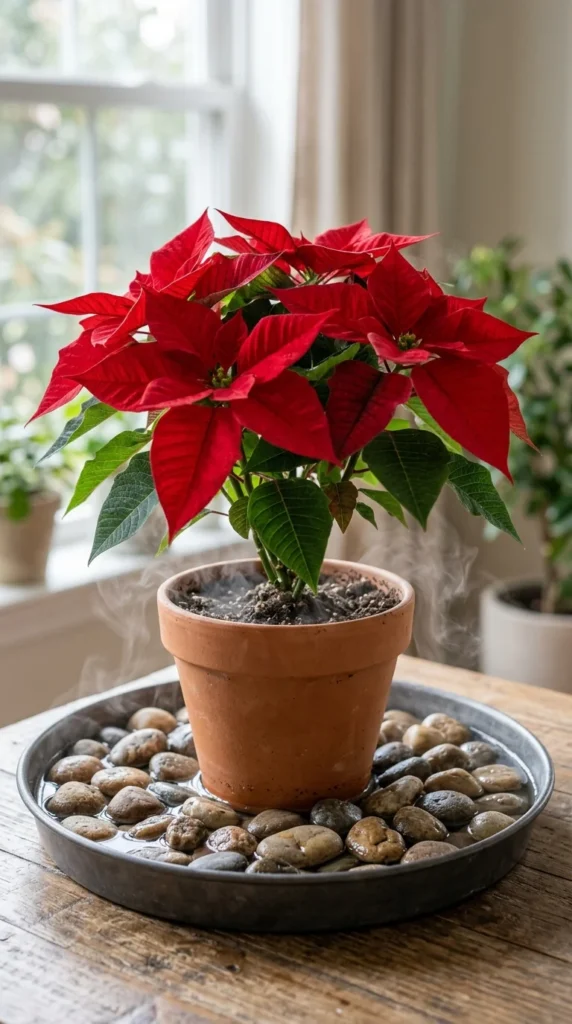
Winter air inside most homes is incredibly dry, which is the opposite of the humid tropical environment poinsettias prefer. To increase humidity, you can place the pot on a “humidity tray”—a shallow dish filled with pebbles and water. The pot sits on the pebbles, not in the water, and as the water evaporates, it creates a micro-climate of moisture around the leaves. Avoid misting the leaves directly, as trapped moisture on the bracts can encourage fungal growth.
8. Fertilization
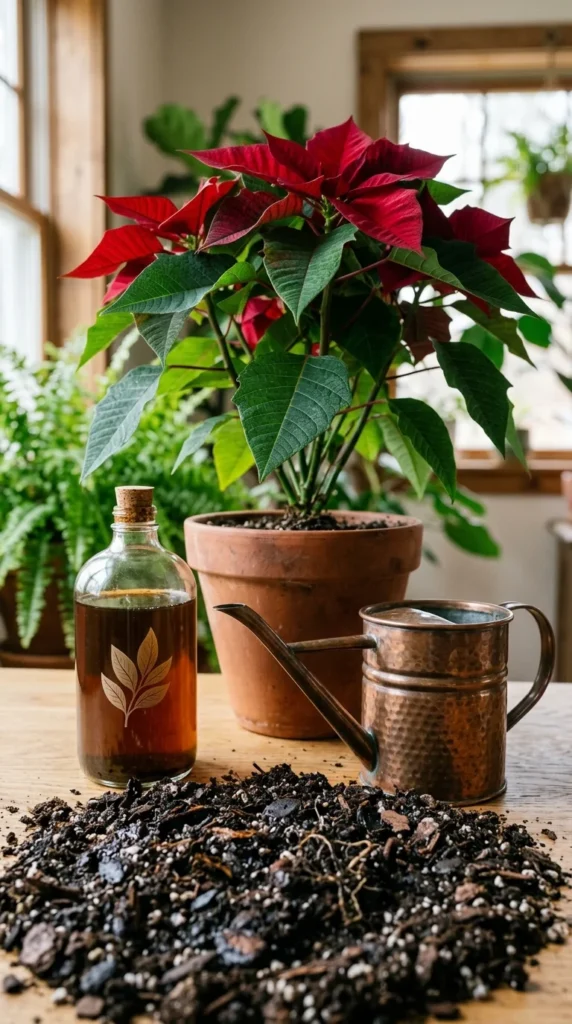
If you are only keeping the poinsettia for the duration of the holidays, there is no need to fertilize. The plant contains enough stored nutrients to last through the blooming phase. However, if you plan to keep the plant through the spring and summer, start applying a balanced, all-purpose liquid houseplant fertilizer once every 3 to 4 weeks starting in late March or April. This supports new green growth once the colorful bracts have faded.
9. Pruning
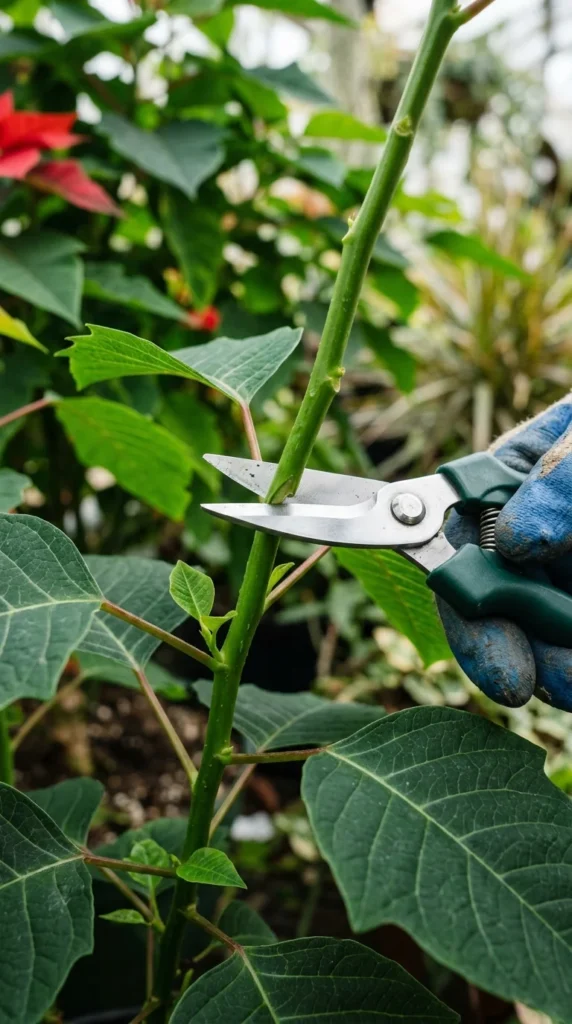
To encourage a bushier plant for the following year, pruning is essential. In late spring (around April), the bracts will likely have faded or fallen off. Cut the stems back to about 4 to 6 inches in height. This might seem drastic, but it stimulates new growth from the base. By mid-summer, you can “pinch” the tips of the new stems to encourage more branching, which ultimately leads to more flowers (bracts) in the winter.
10. Soil
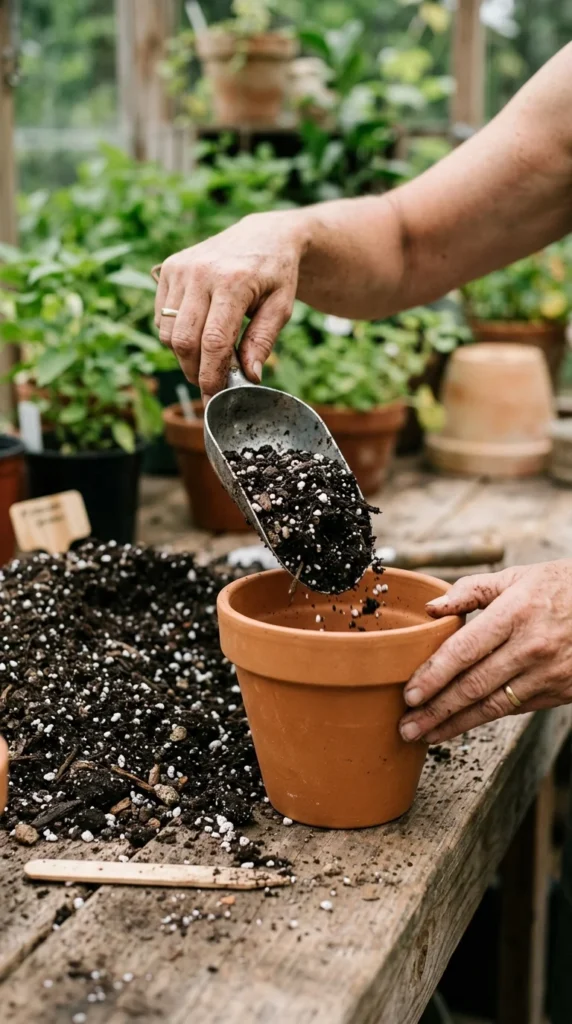
Poinsettias require well-draining soil to thrive. If you decide to repot your plant in the spring, use a high-quality, peat-based potting mix. The soil should be light and airy to allow for maximum drainage. Avoid heavy garden soil or mixes that contain too much clay, as these will retain too much moisture and suffocate the sensitive root system of the Euphorbia family.
11. Pests
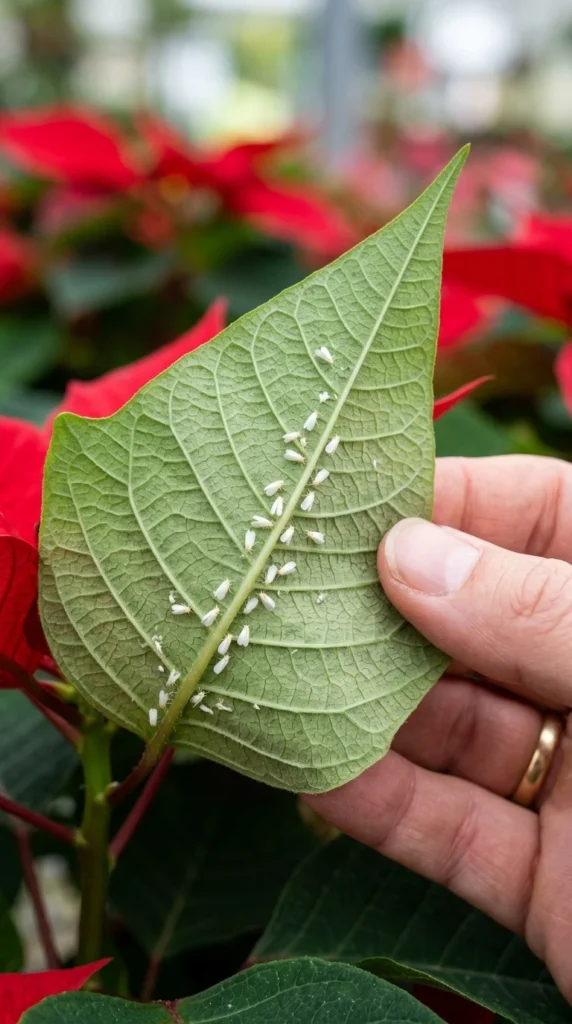
Check your plant regularly for common pests like whiteflies, fungus gnats, and spider mites. Whiteflies are particularly fond of poinsettias and look like tiny white moths that fly up when the plant is disturbed. If you spot an infestation, treat the plant with insecticidal soap or neem oil. Catching these pests early is crucial, as they can quickly sap the energy from the plant and cause the leaves to yellow and deform.
12. Reblooming
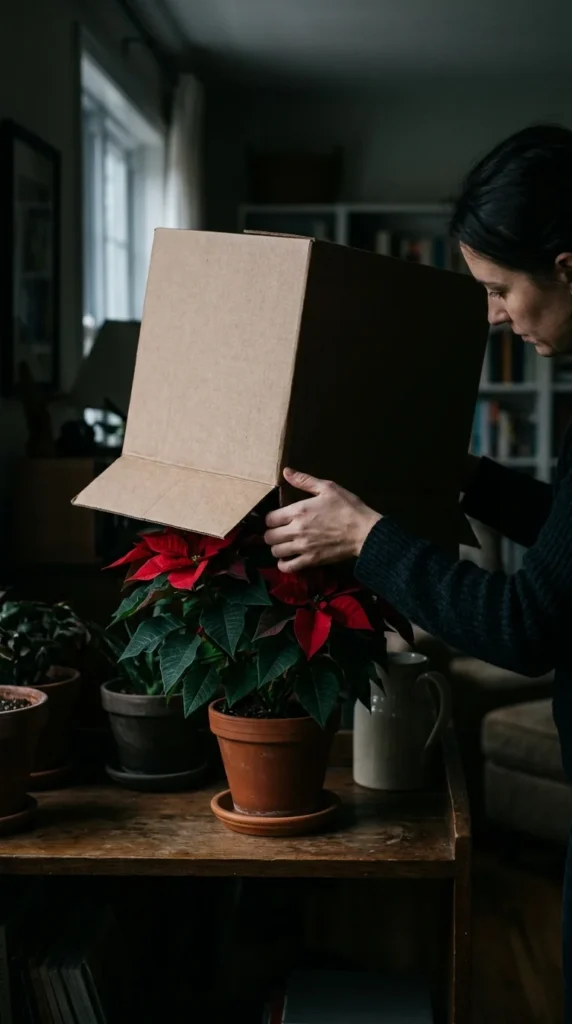
Getting a poinsettia to rebloom requires a strict light schedule starting in early October. To turn the leaves from green to red, the plant needs “short days.” For about 8 to 10 weeks, the plant must have 14 hours of total, uninterrupted darkness every night (from 5 PM to 8 AM) and 10 hours of bright light during the day. Even the smallest amount of light from a streetlamp or a hallway light during the dark period can disrupt the process and prevent the bracts from changing color.
13. Toxicity
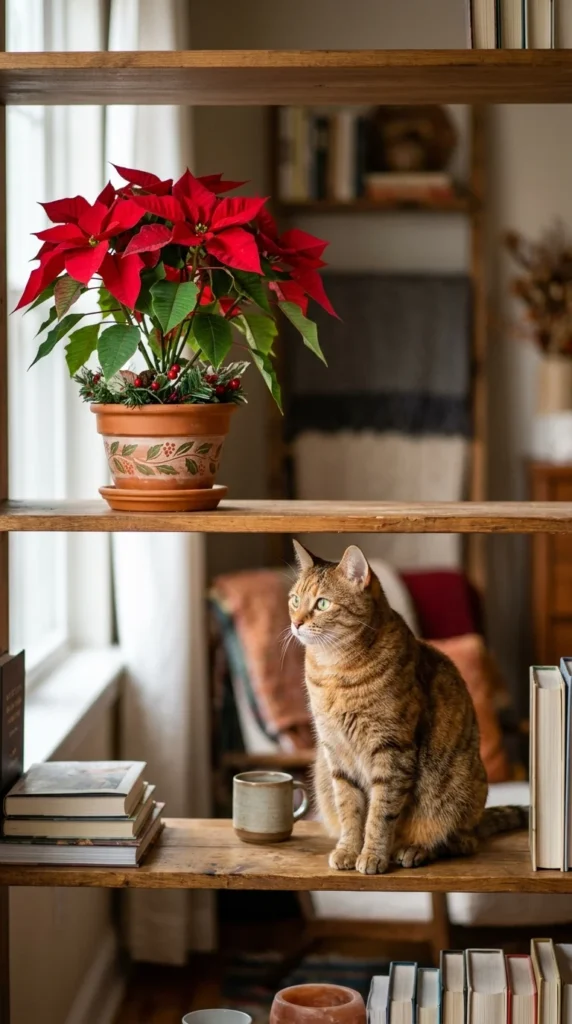
There is a common myth that poinsettias are deadly to pets and children. While they are not as lethal as often rumored, the milky white sap contains latex-like compounds that can cause skin irritation, and if ingested, can lead to mild stomach upset, drooling, or vomiting in cats and dogs. It is best to keep the plants on high shelves or mantles where pets and small children cannot reach them to avoid any unnecessary discomfort.
14. Transport

The most dangerous time for a poinsettia is the trip from the store to your home. Exposure to freezing temperatures for even a few minutes can cause the plant to wilt and die within days. Always ensure the plant is sleeved or wrapped in paper before leaving the store. Once you get to your car, don’t leave the plant in a cold vehicle while you run other errands; take it straight home to its permanent, warm location.
15. Sap
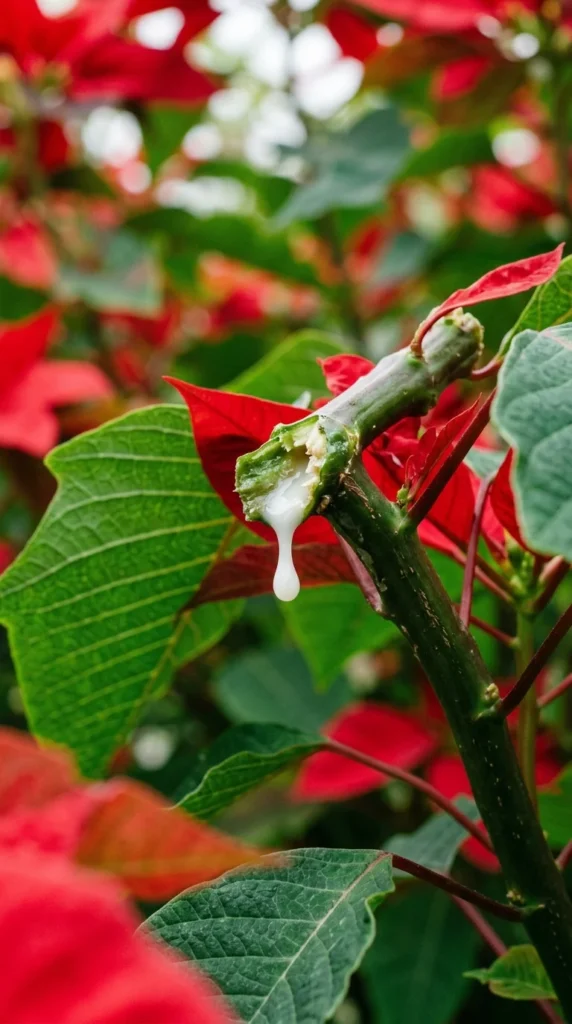
The milky sap of the poinsettia, common to many plants in the Euphorbia genus, can be a skin irritant. If you are pruning the plant or accidentally break a leaf, try to avoid getting the sap on your hands. If you do, wash it off immediately with soap and water. For those with a known latex allergy, it is highly recommended to wear gloves when handling or pruning poinsettias to prevent a potential allergic reaction.
16. Longevity
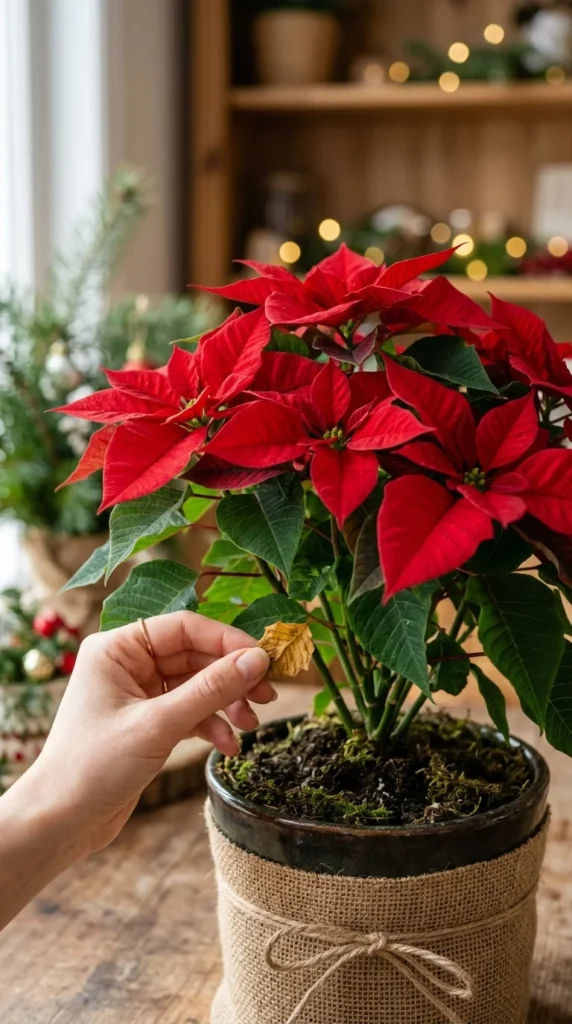
To keep your poinsettia looking its best throughout the season, practice regular maintenance. Remove any yellowed or dead leaves immediately to prevent the spread of mold or disease. If a bract begins to fade, you can carefully snip it off to keep the rest of the plant looking fresh. By maintaining a clean environment and following the light and water requirements, your poinsettia can remain a stunning centerpiece well into February or March.