
The String of Hearts (Ceropegia woodii) is a beloved succulent-like vine prized for its delicate, heart-shaped leaves and trailing habit. While generally considered easy-going, many indoor gardeners struggle with issues ranging from root rot to sparse growth. Mastering this plant requires understanding its unique semi-succulent nature. By avoiding these 27 common pitfalls, you can transform a struggling vine into a thriving, multi-foot curtain of foliage.
1. Overwatering
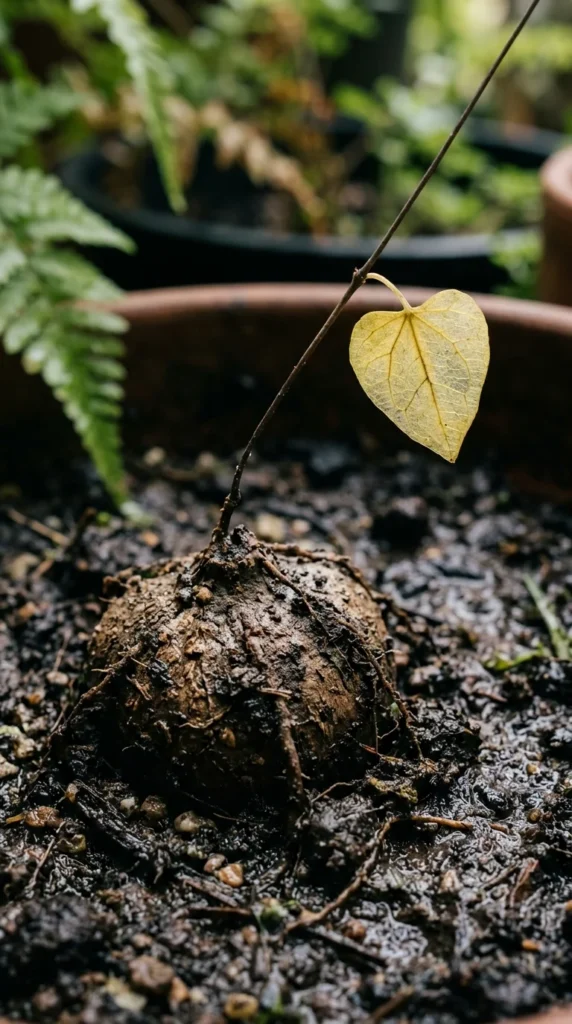
The most frequent killer of the String of Hearts is excessive moisture. Because these plants have tubers (small potato-like nodules) that store water, they are extremely drought-tolerant. Watering too often leads to root and tuber rot. You should only water when the soil is completely dry from top to bottom, or when the leaves feel slightly soft and pliable rather than firm.
2. Low Light
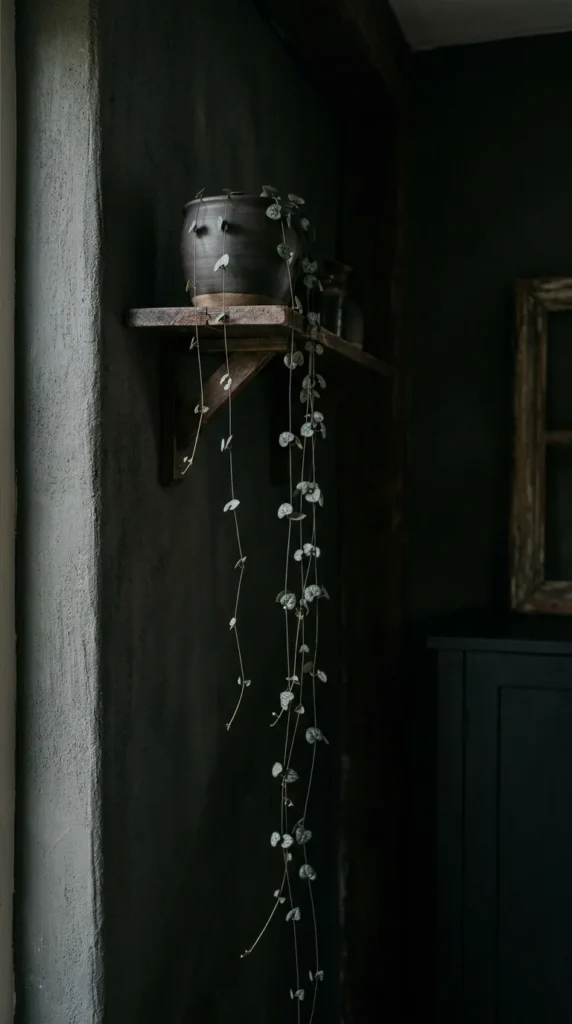
When a String of Hearts doesn’t get enough light, it becomes “leggy.” This means the space between the leaves (the internodes) becomes very long, and the plant loses its dense, lush appearance. To maintain a full look and vibrant color, place your plant in bright, indirect light. It can even handle a few hours of soft morning sun.
3. Heavy Soil
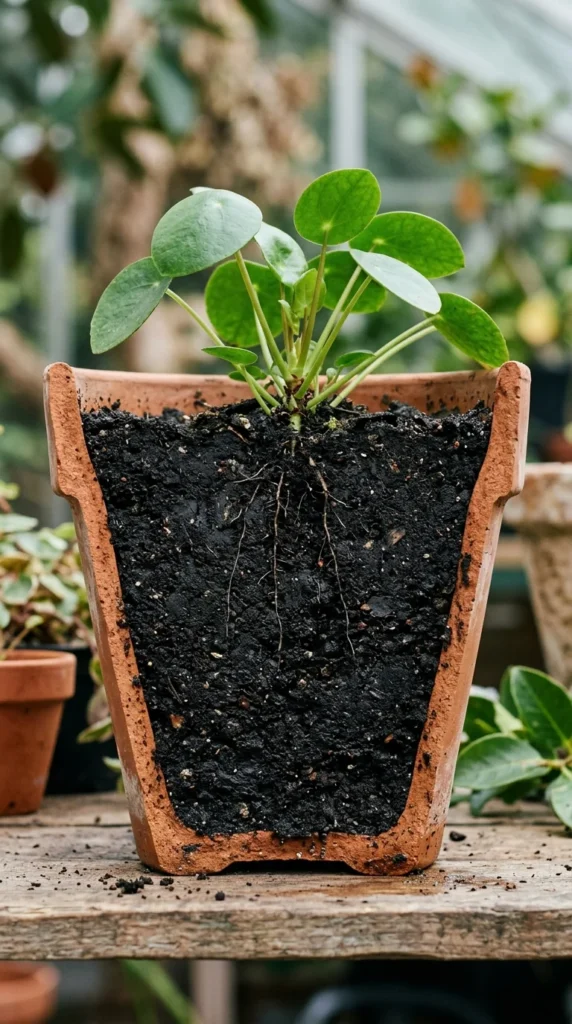
Using standard potting soil straight from the bag is often a mistake. String of Hearts requires a very well-draining medium. Heavy soil retains too much moisture around the tubers. A mix of succulent soil with added perlite, pumice, or coarse sand is ideal to ensure that water passes through quickly and air can reach the roots.
4. Oversized Pots
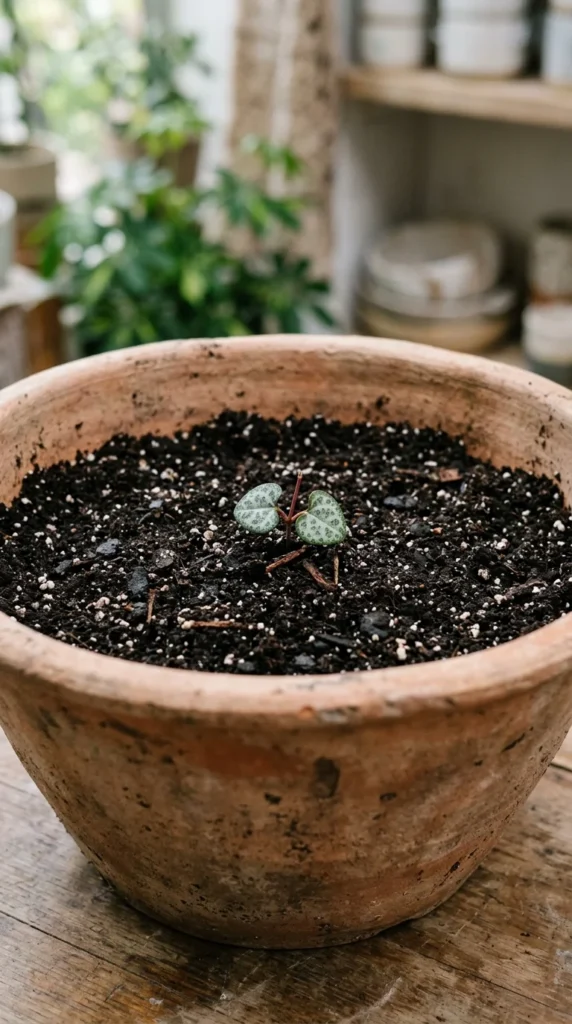
Placing a small String of Hearts in a large pot is a recipe for disaster. The excess soil holds onto moisture that the plant’s small root system cannot absorb, leading to “wet feet” and rot. Always choose a pot that is only an inch or two wider than the root ball.
5. No Drainage
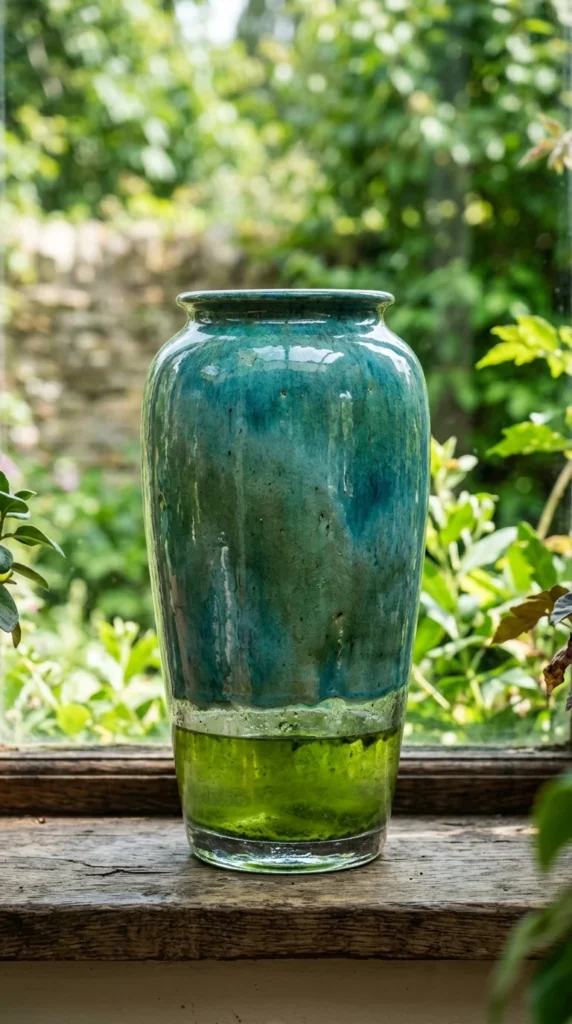
Never plant a String of Hearts in a container without drainage holes. Even if you are careful with watering, salts and minerals can build up in the bottom of the pot, and accidental overwatering has nowhere to escape. If you love a decorative pot without holes, use it as a cachepot and keep the plant in a plastic nursery liner inside it.
6. Cold Drafts
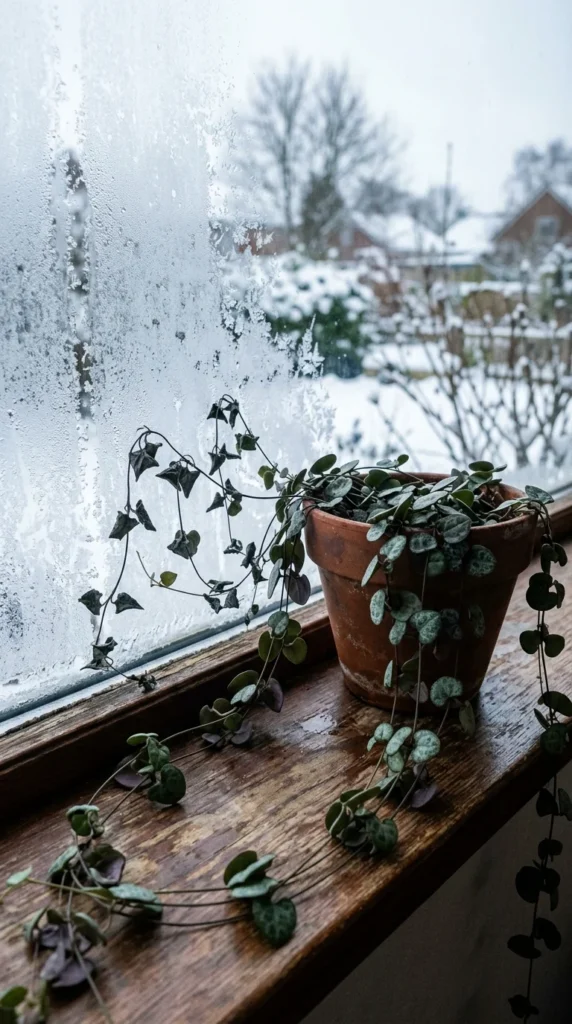
These plants are native to South Africa and prefer warm environments. Placing them near a drafty window in winter or directly in the path of an air conditioning vent can cause the leaves to drop or the plant to stop growing. Maintain a temperature between 65°F and 80°F (18°C–27°C) for optimal health.
7. Direct Scorch
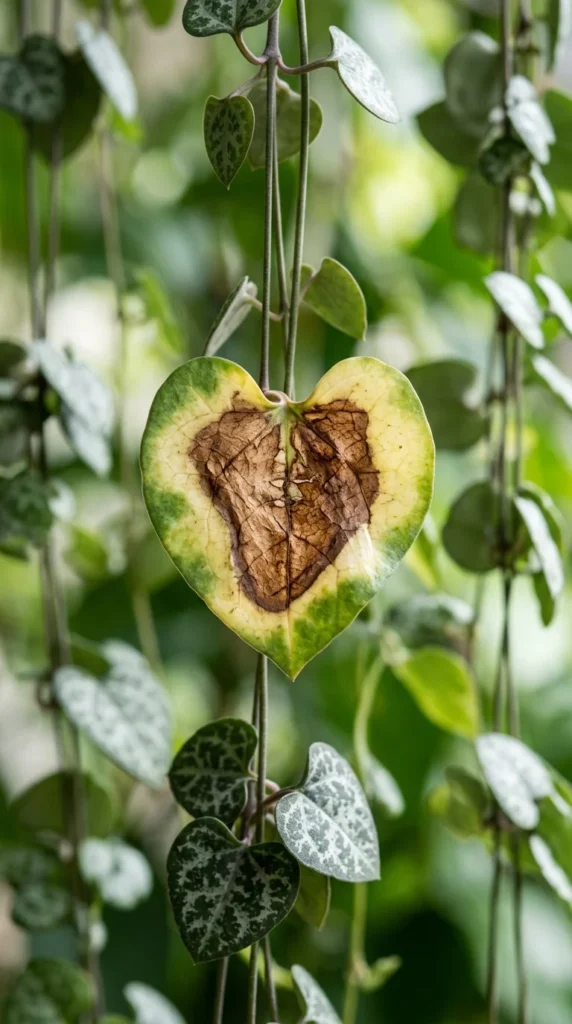
While they love light, the thin leaves of the String of Hearts can easily burn if exposed to harsh, direct afternoon sun, especially through a glass window which magnifies heat. If you notice bleached or brown crispy spots on the leaves, move the plant slightly back from the window or use a sheer curtain.
8. Dormancy Neglect
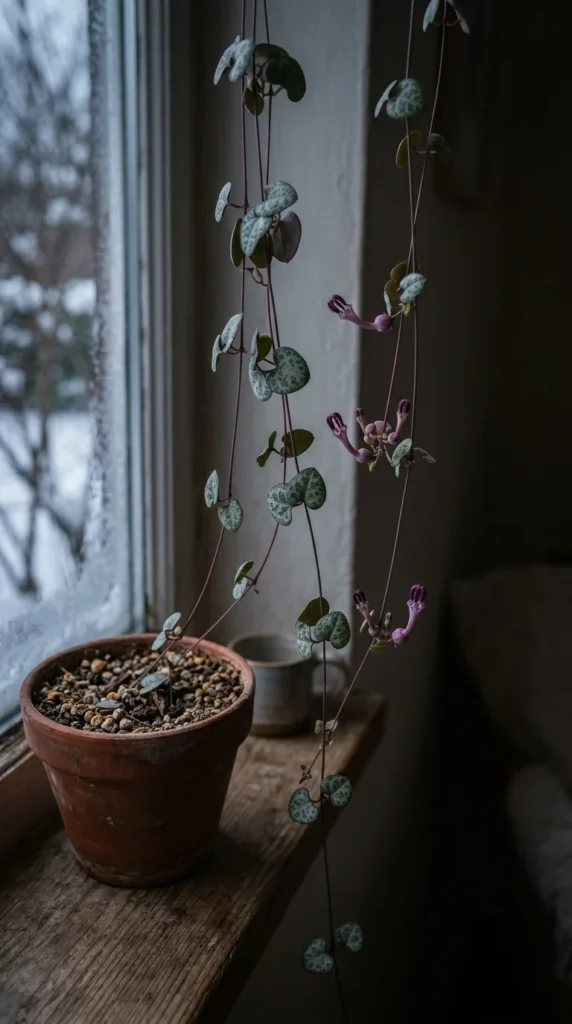
In the winter, String of Hearts enters a period of dormancy. Many growers continue to water and fertilize at the same rate as they do in summer. This is a mistake. During winter, you should significantly reduce watering frequency and stop fertilizing entirely until the growth picks back up in the spring.
9. Fertilizer Burn
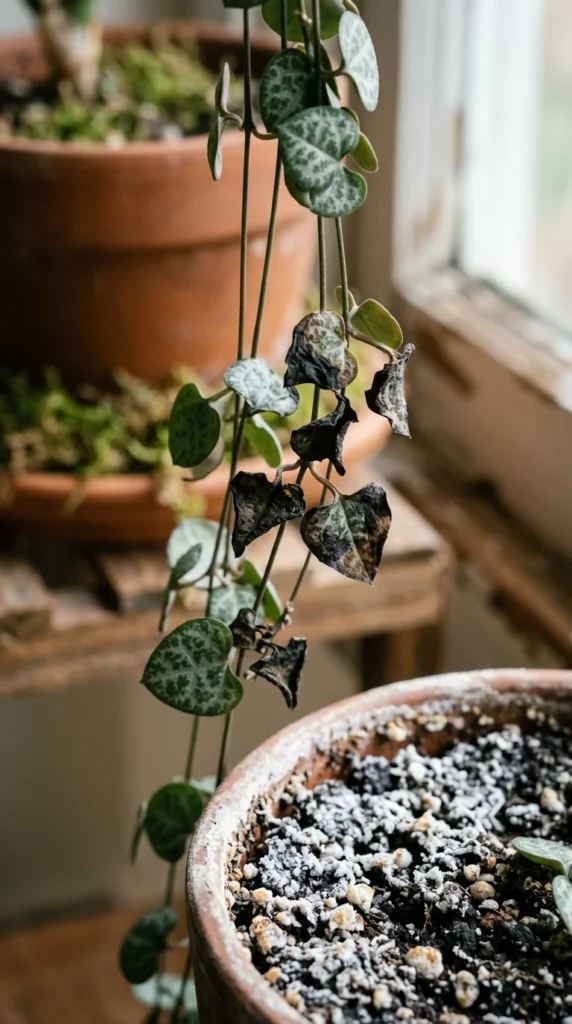
Because they are slow-growing compared to some tropicals, they don’t need much food. Over-fertilizing can lead to a buildup of salts that burns the delicate roots and tubers. Only fertilize during the growing season (spring and summer) using a balanced liquid fertilizer diluted to half-strength once a month.
10. Root Disturbance
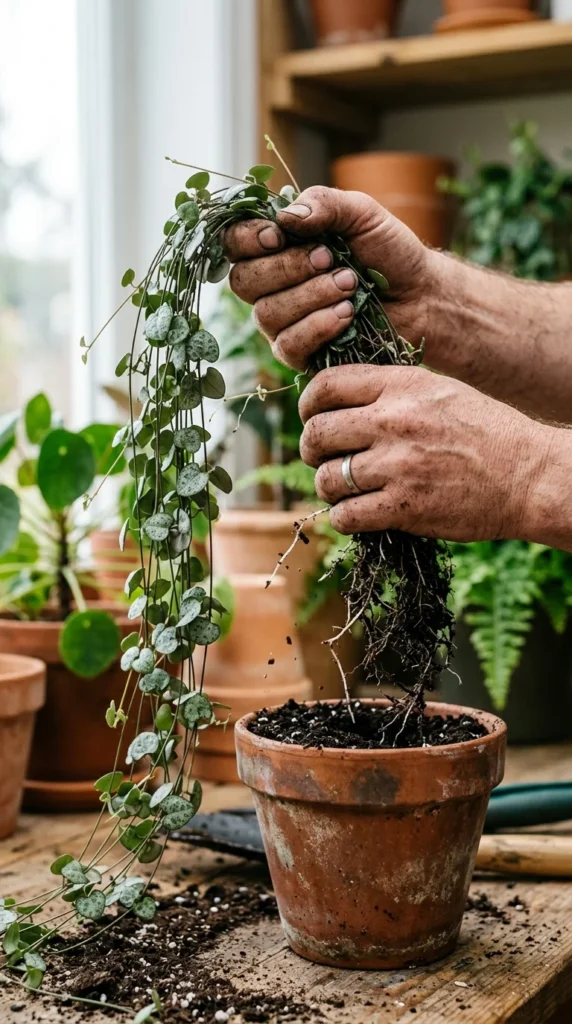
The roots of Ceropegia woodii are incredibly fine and fragile. Frequent repotting or roughly handling the plant during a move can cause significant stress. Only repot when the plant is truly root-bound, usually every 2–3 years, and be extremely gentle with the tuberous root system.
11. Top Baldness
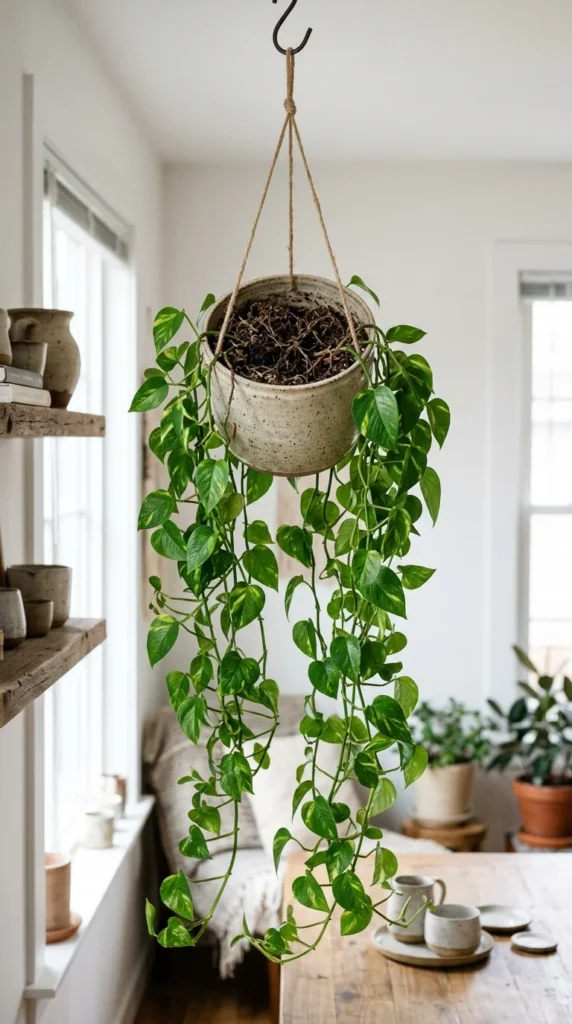
A common aesthetic mistake is allowing the top of the pot to go “bald.” This happens when the light only hits the trailing vines and not the top of the plant. To prevent this, ensure the top of the pot gets bright light. You can also coil some of the trailing vines back onto the soil and pin them down to encourage new roots and stems to fill in the top.
12. Dust Accumulation
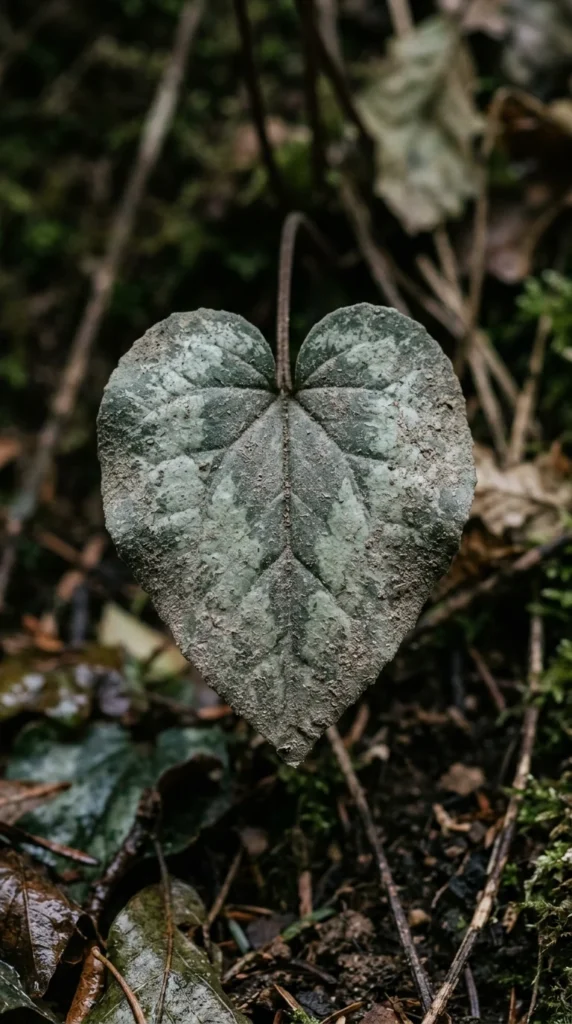
The small leaves of the String of Hearts can quickly collect dust, which blocks sunlight and hinders photosynthesis. Every few weeks, use a soft makeup brush to gently dust the leaves or give the plant a very light misting/shower to rinse them off, ensuring the soil doesn’t get waterlogged.
13. Ignoring Tubers
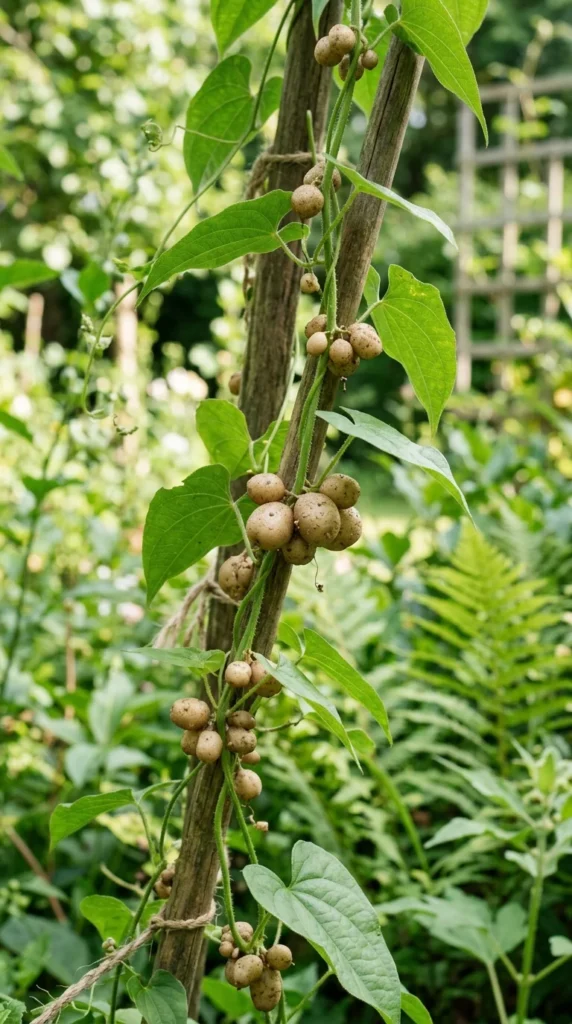
Sometimes, the plant grows “aerial tubers” along the vines. A mistake is thinking these are pests or growths that should be removed. These are actually a sign of a mature plant and can be used for very easy propagation. Simply press a vine with a tuber into the soil of a new pot to start a new plant.
14. Wet Foliage
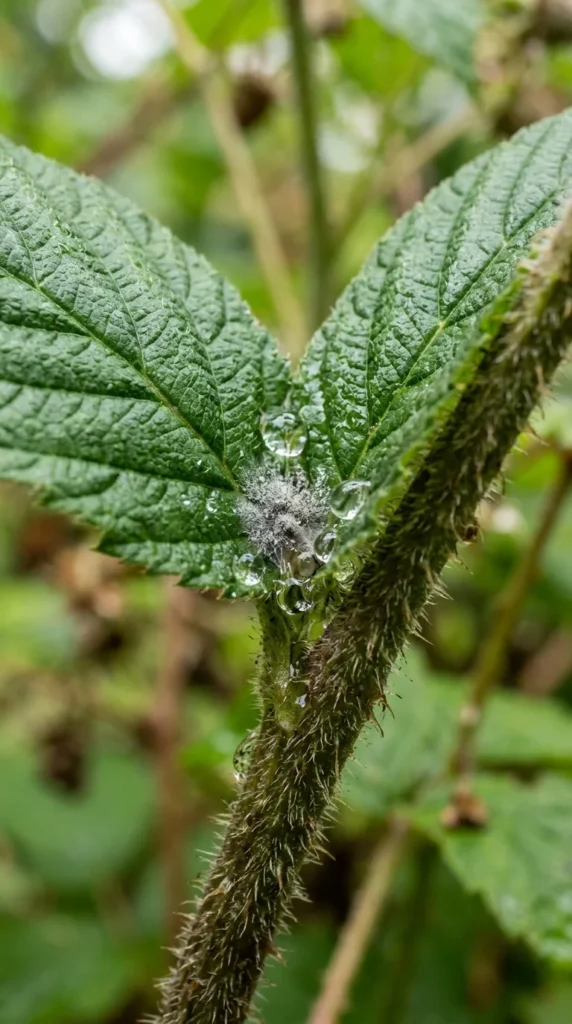
While a quick rinse to remove dust is okay, leaving water sitting on the foliage—especially at night or in low airflow—can lead to fungal issues or leaf rot. Always water at the base of the plant or bottom-water to keep the “hearts” dry.
15. Pest Ignorance
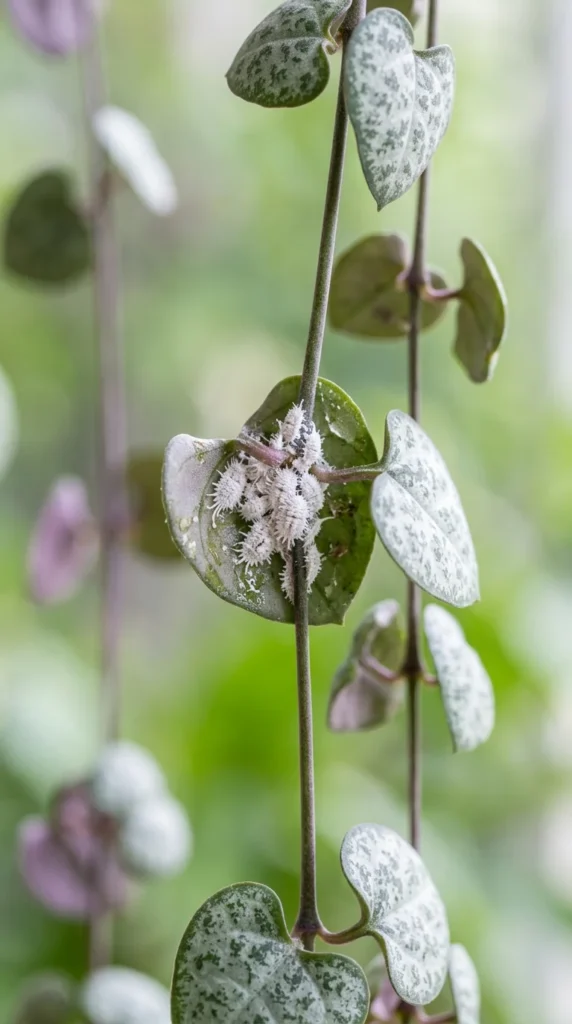
The most common pests for this plant are mealybugs and aphids. Because the leaves are small and grow in clusters, pests can hide easily. Check the “armpits” of the leaves regularly. If you see white cottony spots, treat them immediately with a cotton swab dipped in rubbing alcohol.
16. Hard Water
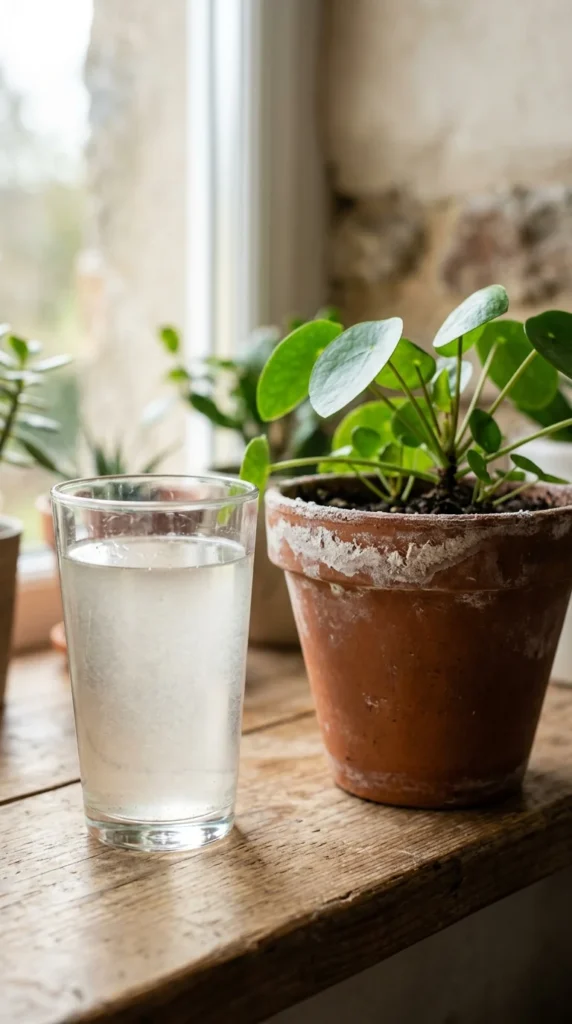
Using tap water that is very high in minerals (calcium and magnesium) can lead to mineral buildup on the leaves and in the soil. This can eventually interfere with nutrient uptake. If your tap water is hard, consider using distilled water, rainwater, or filtered water for your String of Hearts.
17. Drafty Spots
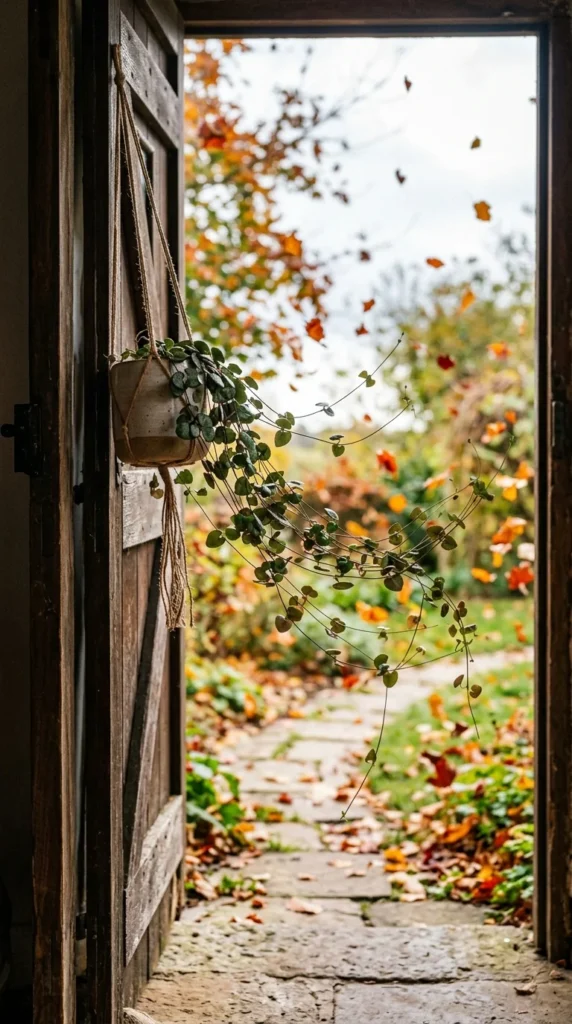
Beyond just temperature, physical drafts can dehydrate the thin vines very quickly. Avoid placing the plant near frequently opened exterior doors or high-traffic hallways where it will be constantly buffeted by moving air.
18. Improper Pruning
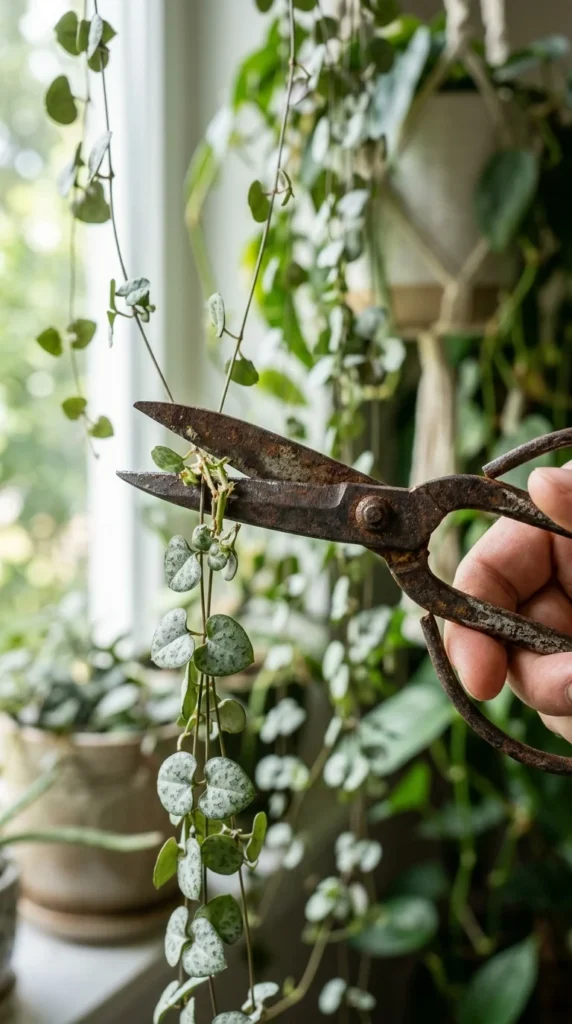
Pruning is great for encouraging a bushier plant, but using dull or dirty scissors can introduce bacteria or crush the delicate stems, leading to die-back. Always use sharp, sterilized snips and cut just above a leaf node to encourage new branching.
19. Shallow Watering
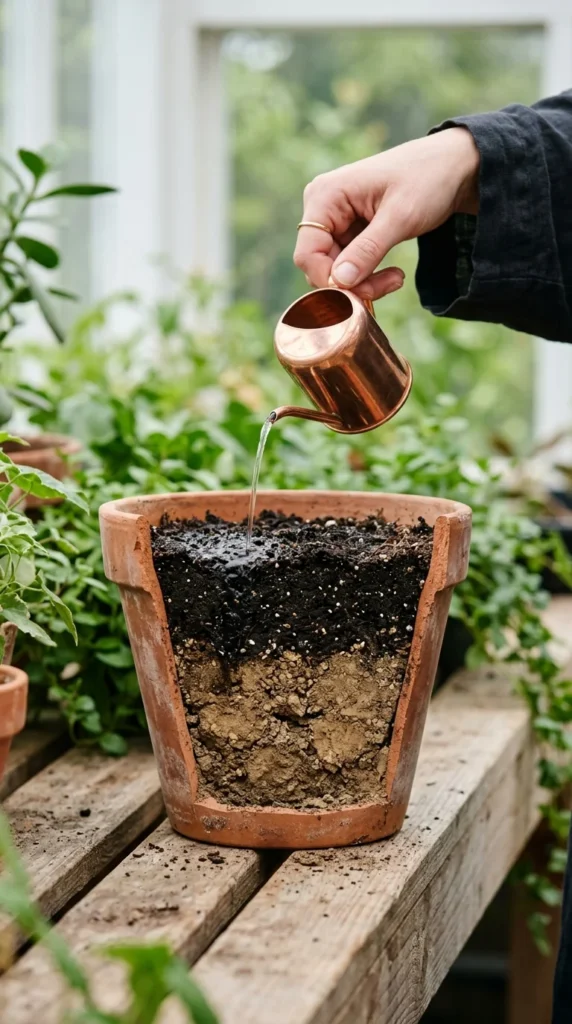
When it is time to water, “sips” are a mistake. Shallow watering encourages the roots to stay near the surface, making the plant less resilient. Instead, water thoroughly until it runs out of the drainage holes, then let it dry out completely again.
20. High Humidity
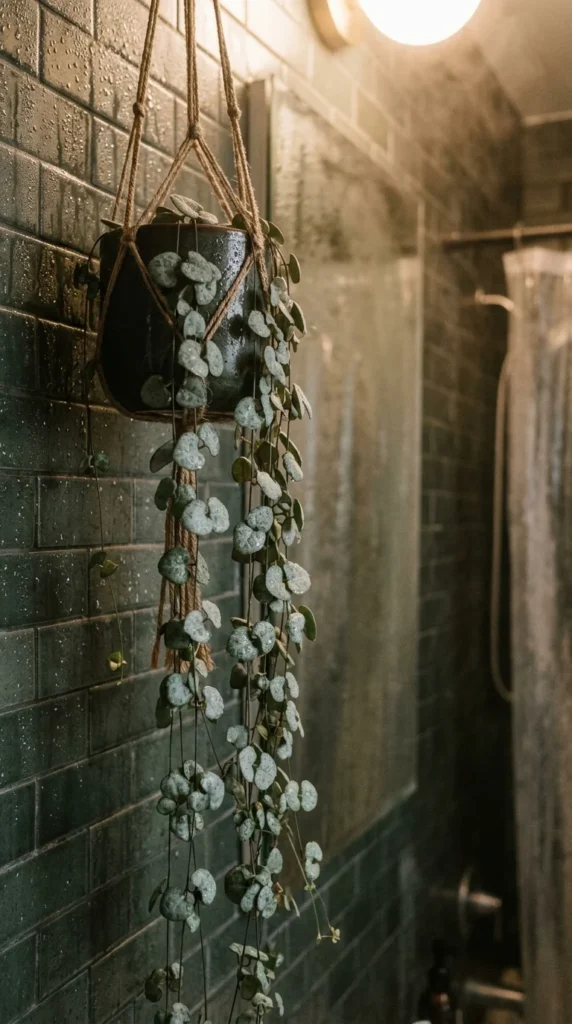
Unlike many tropical trailing plants, the String of Hearts does not require high humidity. In fact, keeping it in a very humid environment like a small bathroom without ventilation can lead to edema (water-filled blisters) on the leaves or fungal rot. Average household humidity is perfect.
21. Garden Soil
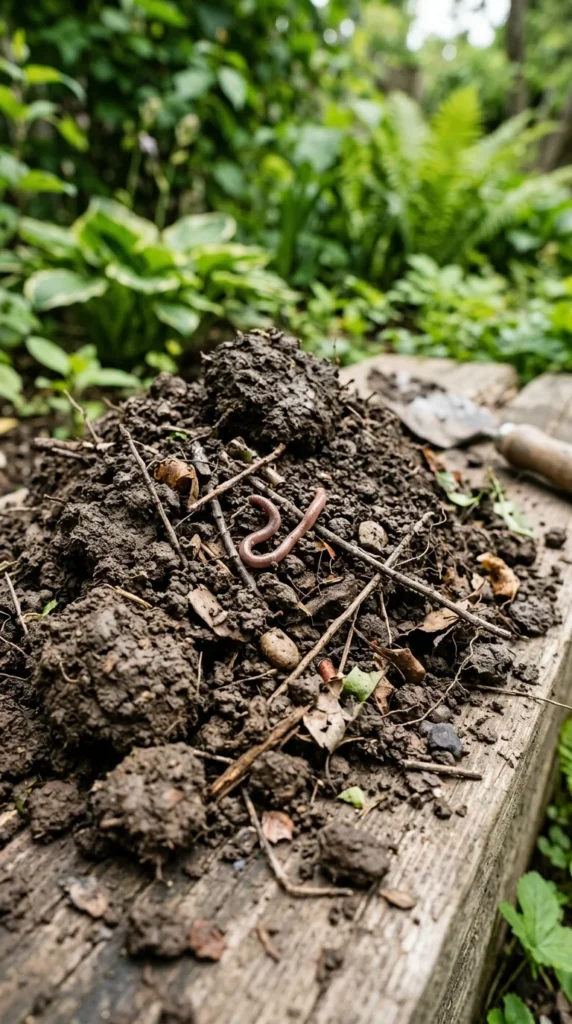
Never use soil from your outdoor garden for an indoor String of Hearts. Garden soil is too dense, lacks proper aeration for pots, and often contains pests, fungi, or bacteria that can quickly overwhelm a container-grown plant.
22. Tuber Depth
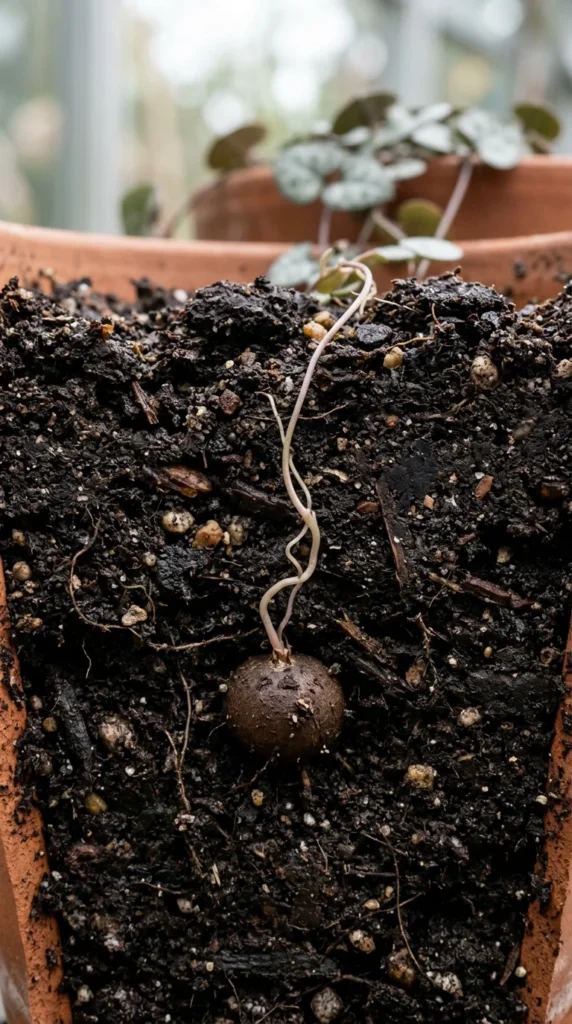
When planting or repotting, do not bury the tubers too deeply. They should sit just at or slightly below the soil surface. Burying them too deep can cause the emerging stems to rot before they even break the surface of the soil.
23. Repotting Frequency
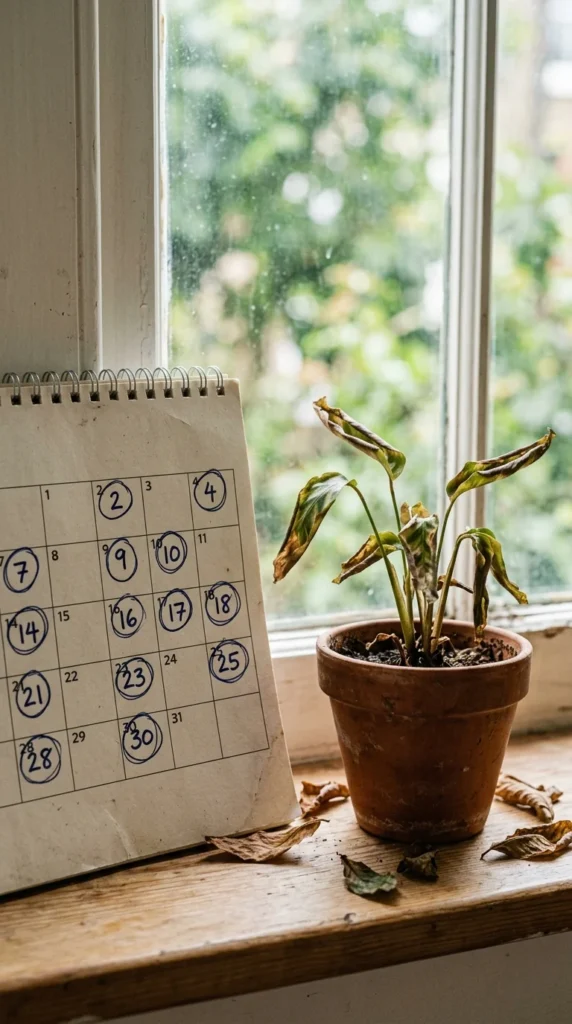
Some enthusiasts repot every time they see a new leaf. String of Hearts actually prefers to be slightly root-bound. Constant repotting causes “transplant shock,” which stops growth for weeks or months. Only repot when you see roots growing out of the drainage holes.
24. Air Circulation

While they don’t like cold drafts, they do need stagnant air to be avoided. Good air circulation helps the soil dry out after watering and prevents the growth of mold. Ensure there is some space around the pot for air to move freely.
25. Seasonal Changes
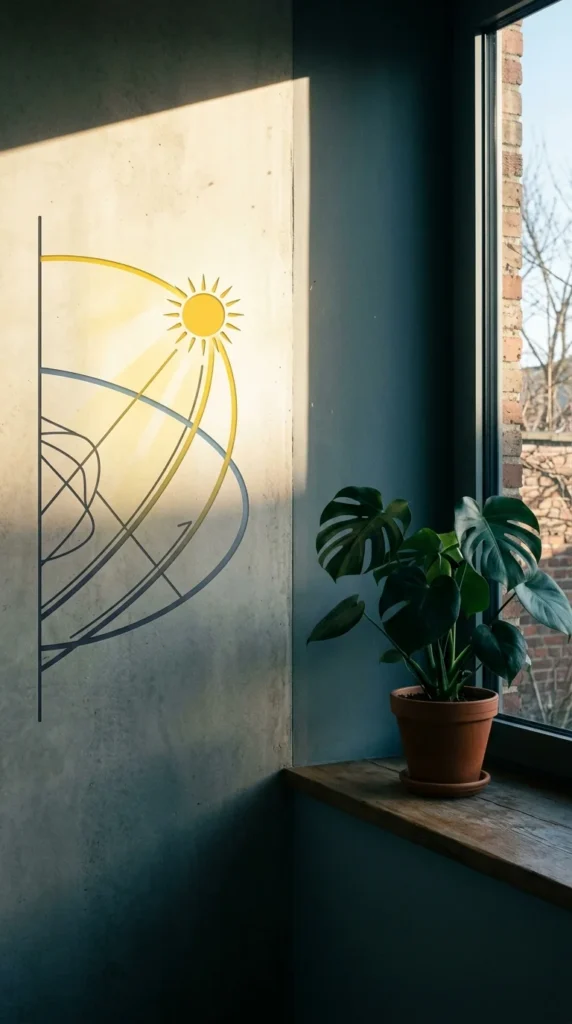
As the seasons change, the light in your home shifts. A spot that was perfect in the summer might be too dark in the winter. Mistakenly leaving your plant in the same spot year-round without observing these changes can lead to a slow decline. Be prepared to move your plant closer to the light in winter.
26. Moving Stress
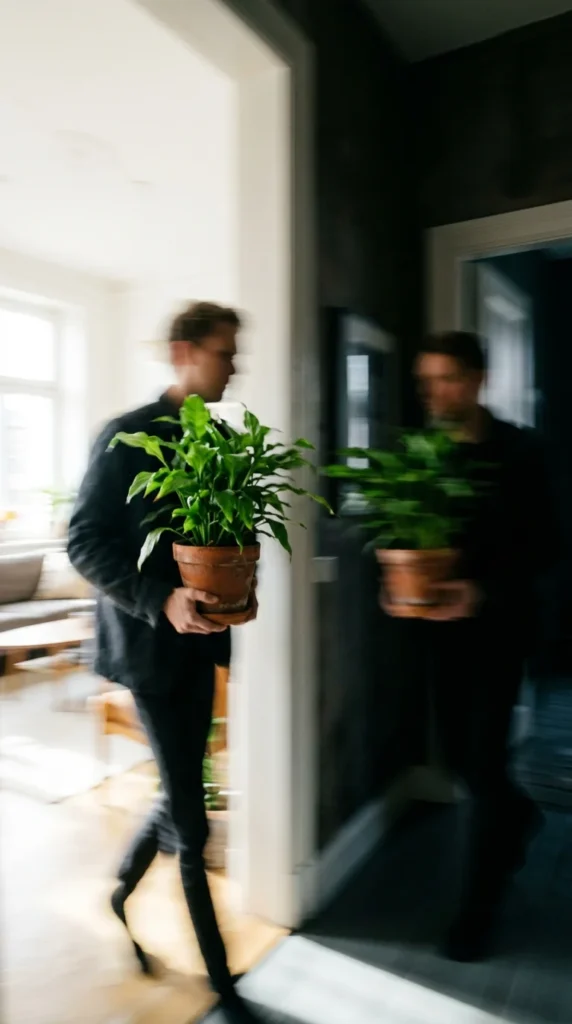
String of Hearts can be sensitive to sudden changes in its environment. While you should move it for seasonal light needs, moving it every few days for aesthetic reasons can stress the plant. Once you find a spot where it is thriving, leave it there.
27. Propagation Timing
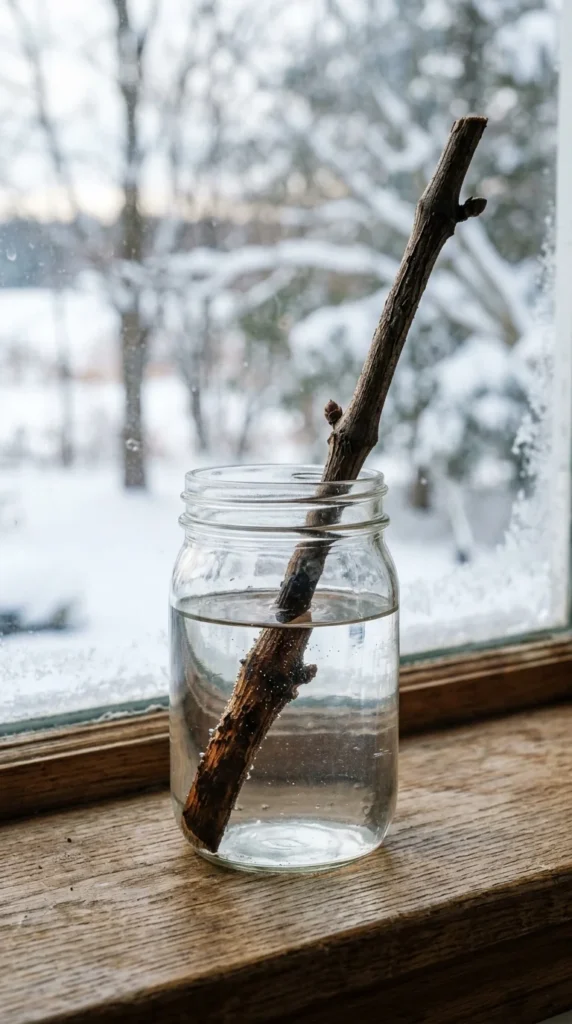
While you can technically propagate year-round, trying to start new plants in the middle of winter is much more difficult. The success rate is significantly higher in the spring and summer when the plant is naturally in its active growth phase. If you must propagate in winter, use a heat mat to encourage root development.