
The Jade plant (Crassula ovata), often called the Money Tree or Friendship Tree, is a staple in the world of houseplants. Known for its longevity and tree-like appearance, it is frequently passed down through generations. However, its reputation for being “indestructible” often leads to neglect or improper care. While these succulents are resilient, they have specific biological needs that, if ignored, can lead to stunted growth, leaf drop, or death. To ensure your Jade plant thrives for decades, avoid these 27 common care mistakes.
1. Overwatering
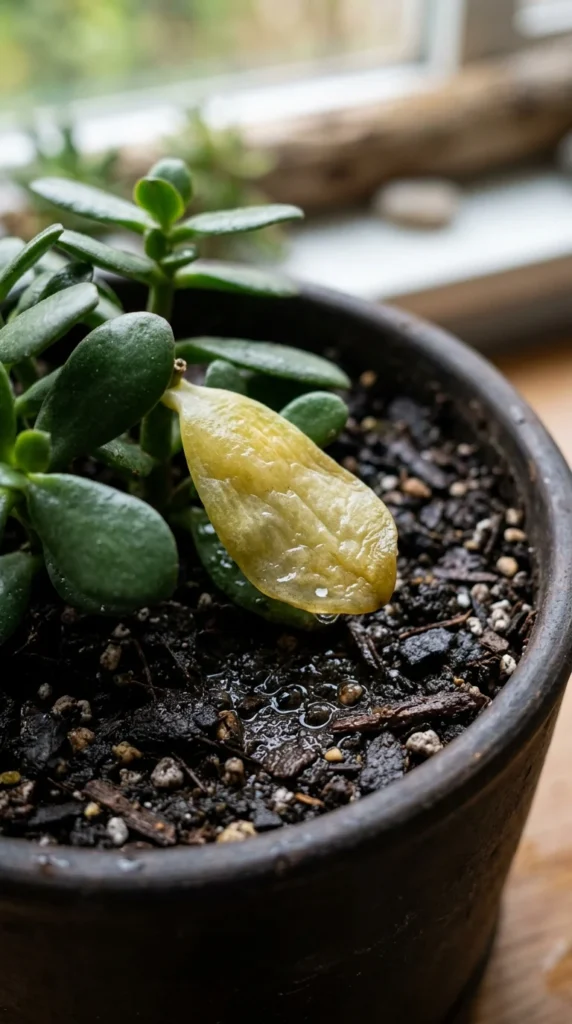
The most common killer of Jade plants is overwatering. As succulents, they store water in their fleshy leaves and stems. Keeping the soil constantly moist prevents the roots from breathing, leading to cellular collapse. You should only water when the top two inches of soil are bone dry. During winter, this might mean watering only once every four to six weeks.
2. Poor Drainage
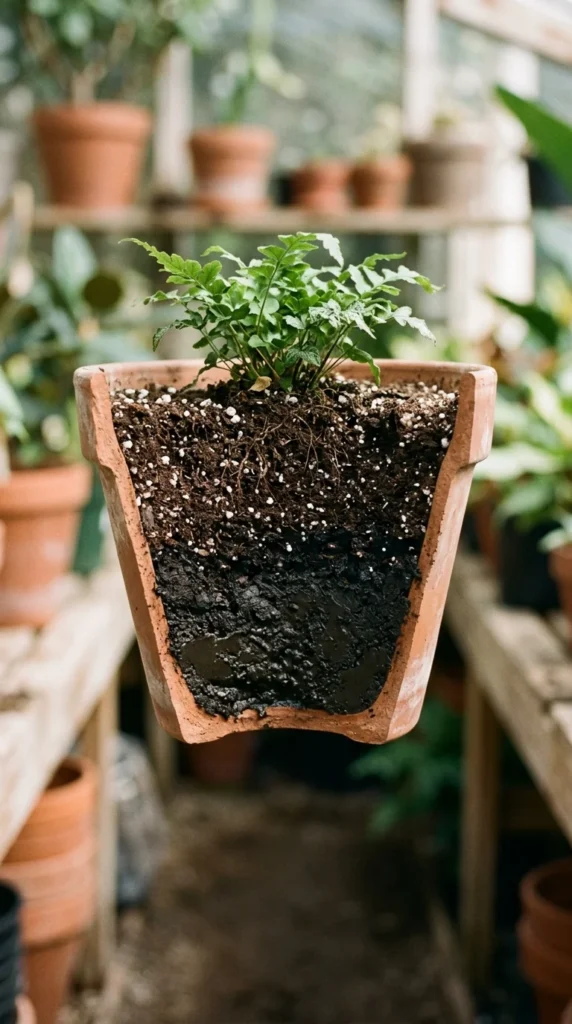
Even if you water infrequently, a pot without drainage holes will trap moisture at the bottom. This creates a “perched water table” where the roots sit in a stagnant pool. Always ensure your container has at least one large drainage hole. If you find a decorative pot you love that lacks drainage, use it as a cachepot by placing the Jade in a functional plastic nursery liner inside it.
3. Low Light
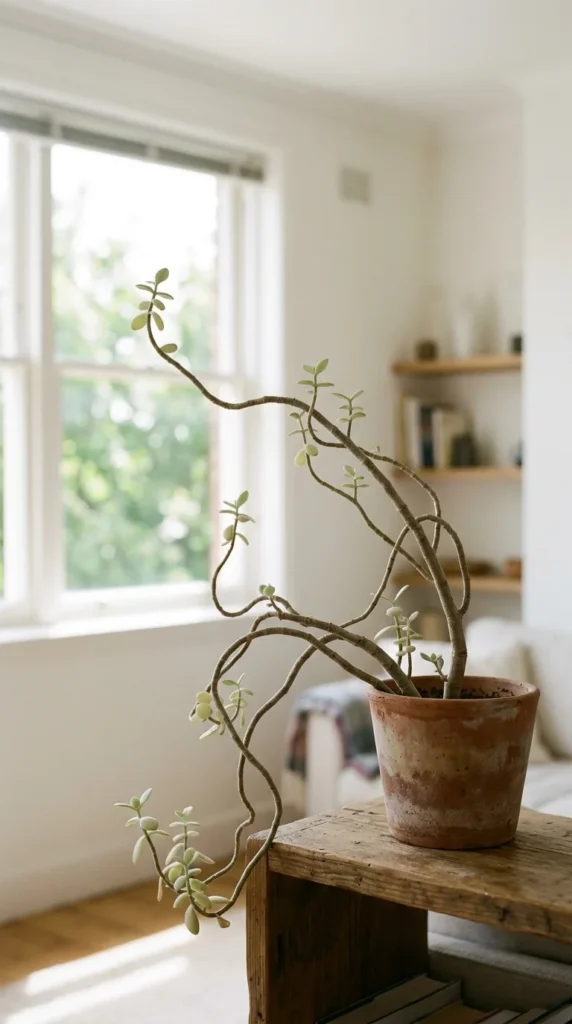
Jade plants are light-hungry. In their native South African habitat, they bask in full sun. Placing a Jade in a dark corner or a north-facing window causes “etiolation”—the plant stretches toward the light, becoming weak, leggy, and unable to support its own weight. Aim for at least four to six hours of bright, indirect sunlight or direct morning sun daily.
4. Incorrect Soil
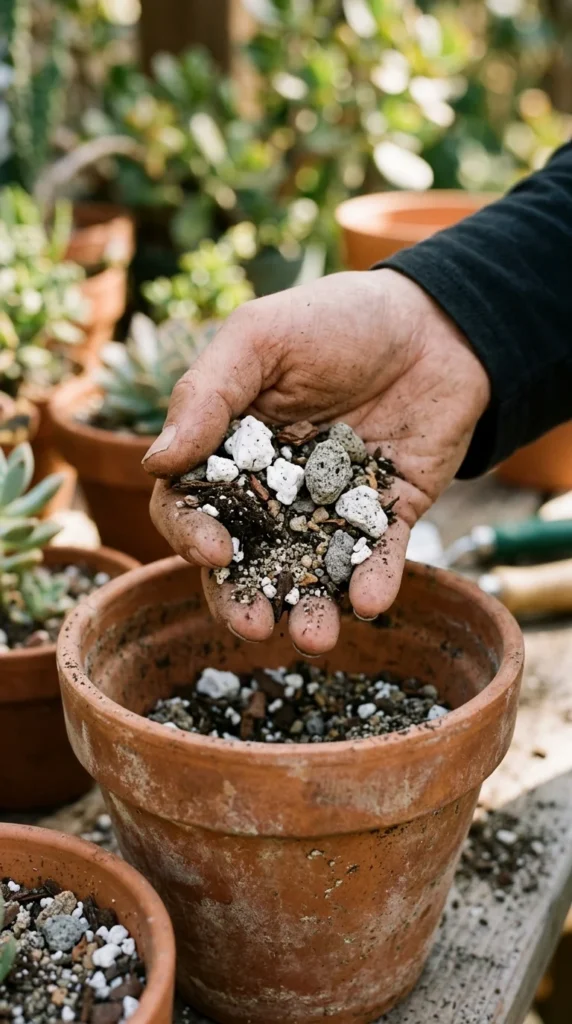
Using standard potting soil is a recipe for disaster. Regular garden soil or heavy peat-based mixes retain too much moisture for too long. Jade plants require a “gritty” mix. Use a dedicated cactus and succulent soil, or amend regular potting soil with 50% perlite, pumice, or coarse sand to ensure rapid drainage.
5. Fertilizer Overload
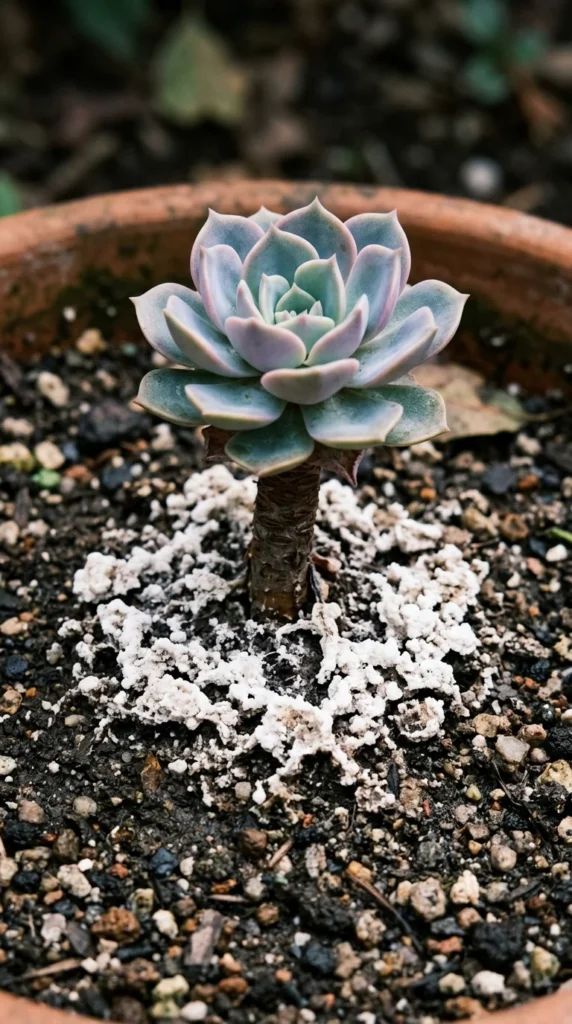
Jade plants are slow growers and do not require heavy feeding. Applying high-nitrogen fertilizer too often can burn the sensitive roots and lead to weak, spindly growth. Only fertilize during the active growing season (spring and summer) using a balanced, water-soluble fertilizer diluted to half-strength, no more than once every two months.
6. Plastic Pots
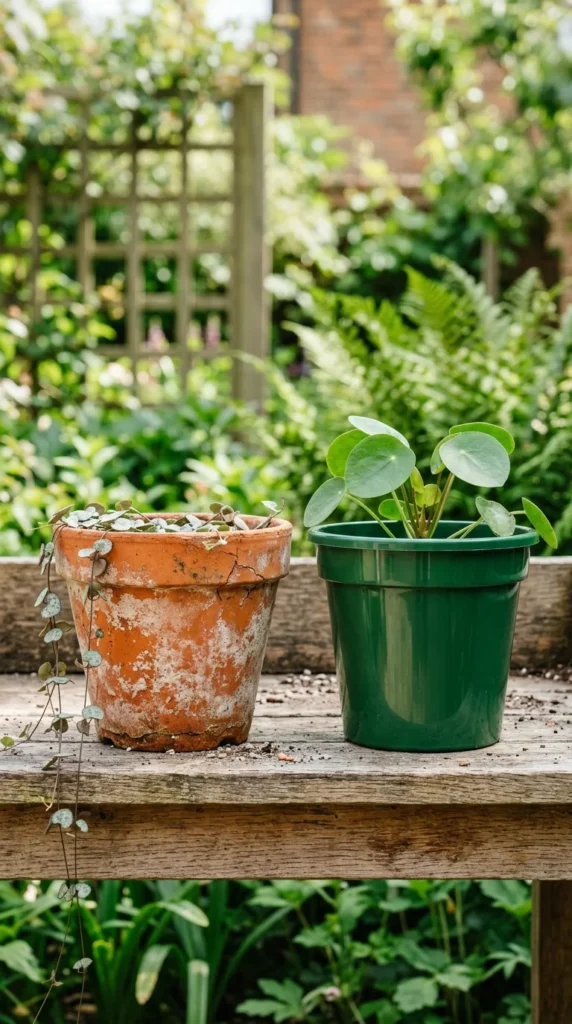
While Jade plants can live in plastic, terra cotta is far superior. Plastic and glazed ceramic trap moisture inside the root ball. Terra cotta is porous, allowing the soil to “breathe” and moisture to evaporate through the walls of the pot. This provides a crucial safety net against accidental overwatering.
7. Tap Water
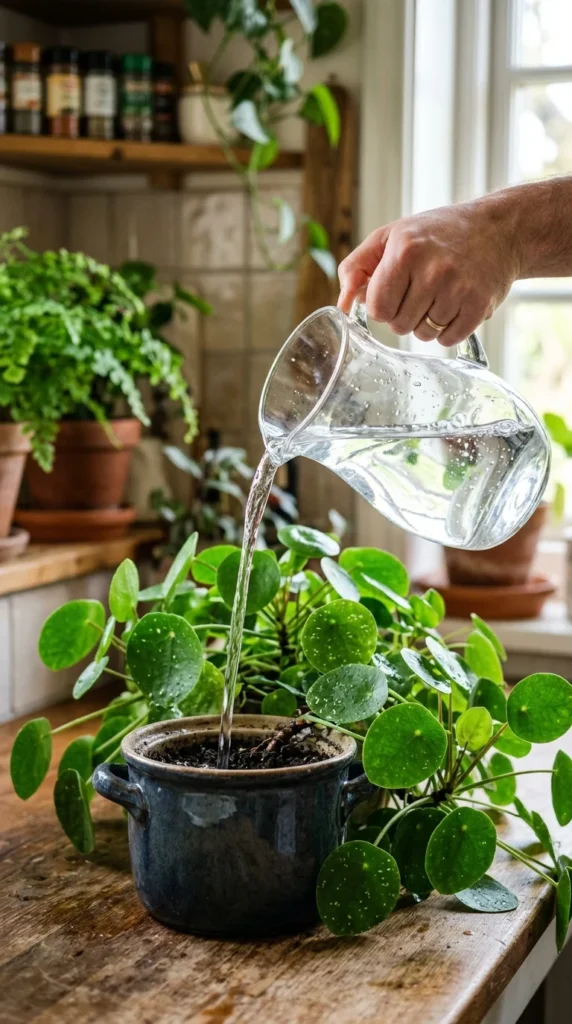
In some regions, tap water is heavy with salts, chlorine, and minerals. Over time, these build up in the soil and can appear as tiny white dots on the Jade’s leaves (which are actually mineral-excreting pores). If your tap water is hard, use filtered water or let tap water sit out for 24 hours before using it to allow chemicals to dissipate.
8. Pest Neglect
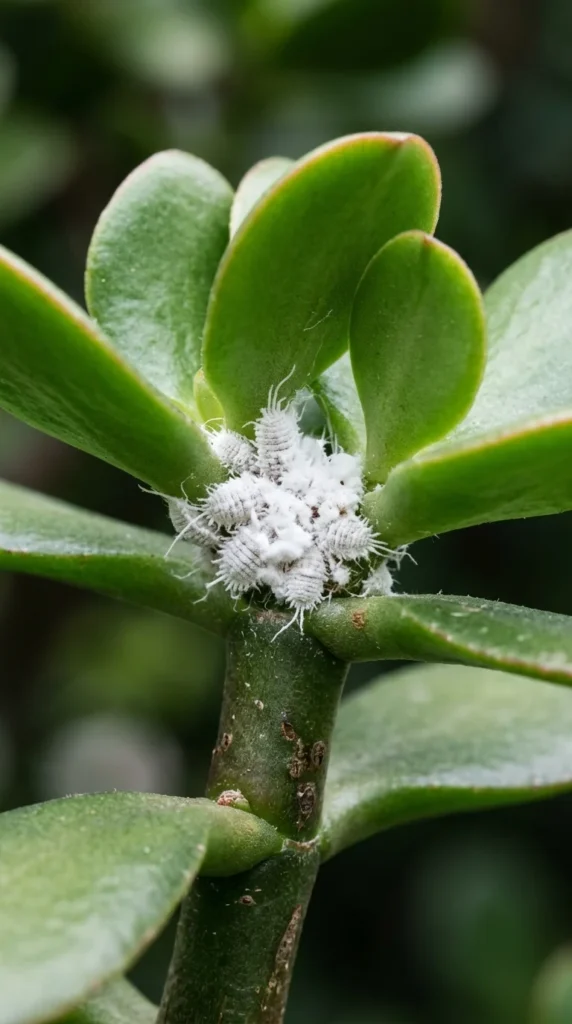
Mealybugs are the primary enemy of the Jade plant. They look like tiny bits of white cotton tucked into the leaf joints. If ignored, they suck the sap from the plant, causing leaf deformity. Check your plant weekly. If you see them, dabbing them with a cotton swab dipped in rubbing alcohol is an effective, immediate fix.
9. Temperature Shock
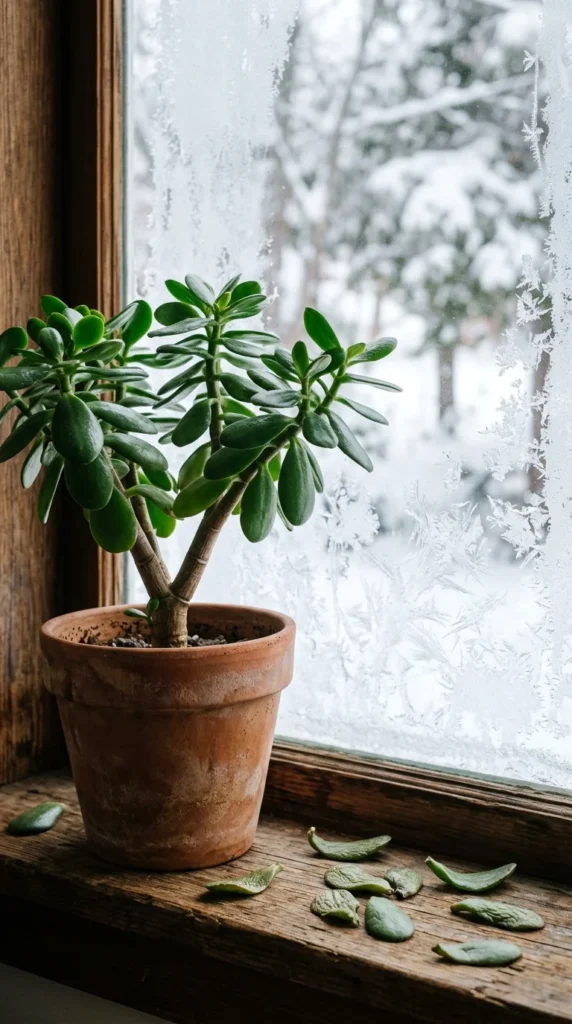
Jade plants prefer stable temperatures between 65°F and 75°F (18°C-24°C). While they can handle cooler nights, sudden drops or exposure to frost will turn the leaves to mush instantly. Keep them away from air conditioning vents in summer and drafty windows or doors in the winter.
10. Leaf Dust
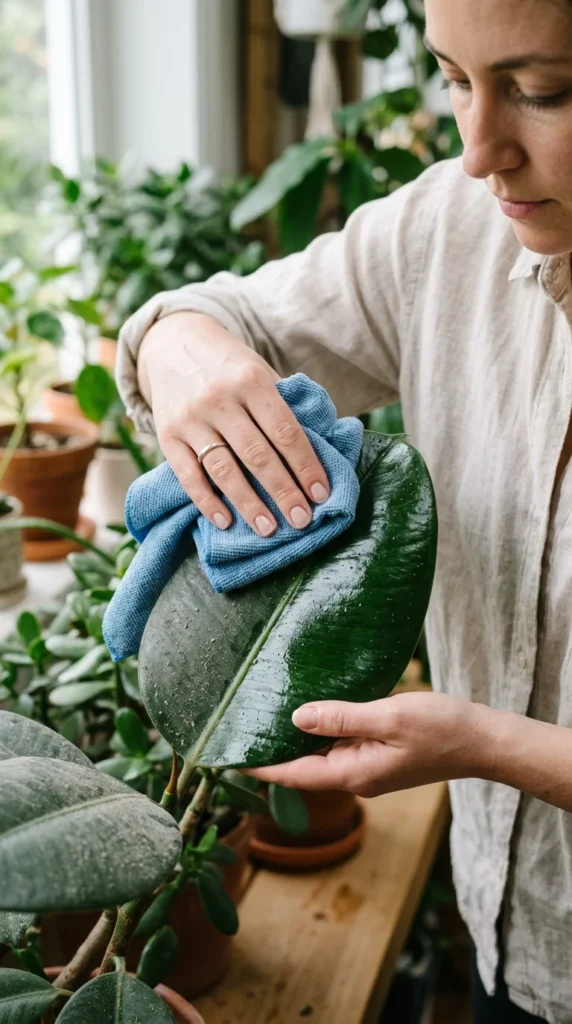
Because Jade leaves are wide and flat, they collect dust quickly. A thick layer of dust blocks sunlight and inhibits photosynthesis, effectively starving the plant. Gently wipe the leaves with a damp cloth every few weeks to keep the “solar panels” of the plant working efficiently.
11. Over-potting
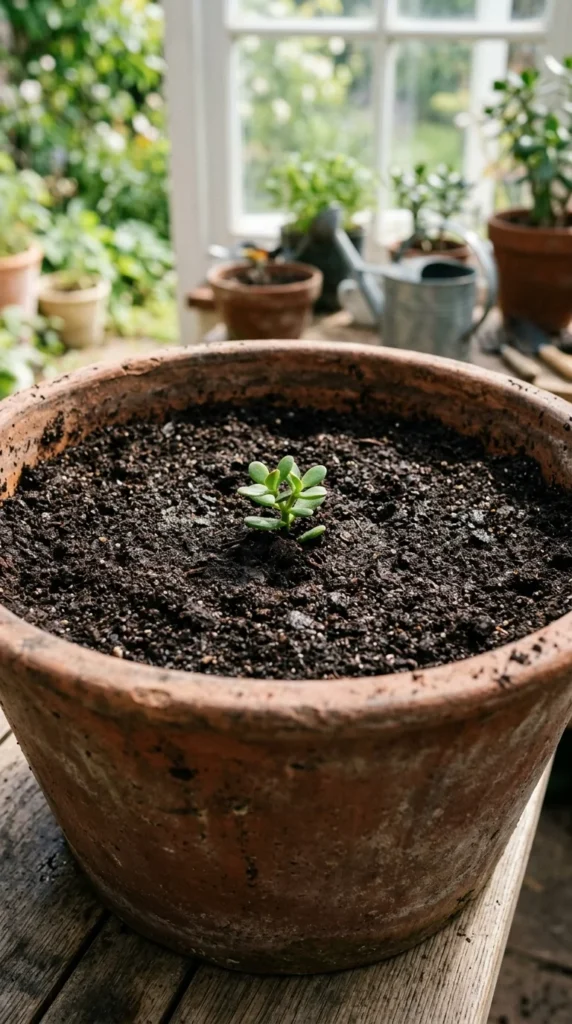
Putting a small Jade plant in a massive pot is a common mistake. More soil means more water retention. If the root system isn’t large enough to drink all that water, the soil stays wet for weeks, leading to rot. Jade plants actually prefer being slightly root-bound; choose a pot that is only about an inch wider than the root ball.
12. Frequent Repotting
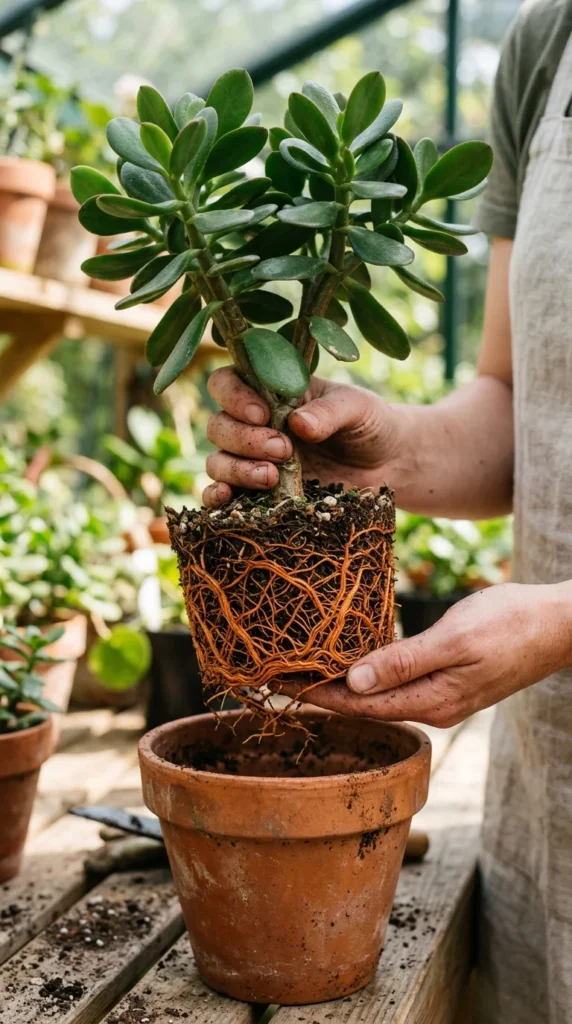
Unlike many tropical plants, Jades do not need to be repotted every year. They grow slowly and have relatively small root systems. Repotting too often stresses the plant and can interrupt its growth cycle. Generally, a Jade only needs a new home every 3 to 5 years, or when it becomes so top-heavy that the pot tips over.
13. Pruning Avoidance
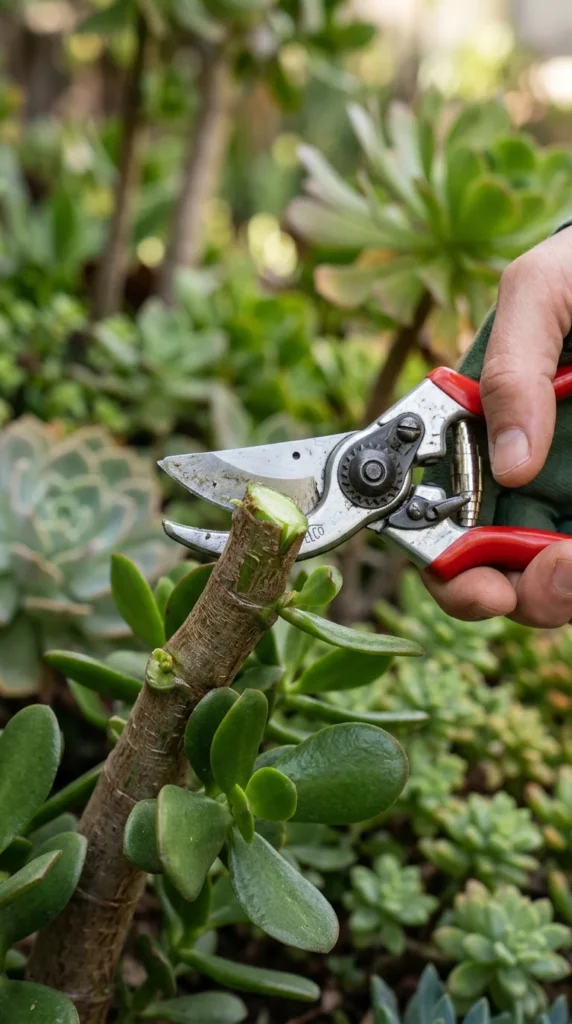
Many owners are afraid to cut their Jade plants, but pruning is essential for a bushy, tree-like shape. If you never prune, the branches will become long, heavy, and eventually snap. Pruning encourages “back-budding,” where two new branches grow from the site of the cut, creating a sturdier, more attractive plant.
14. Soil Compaction
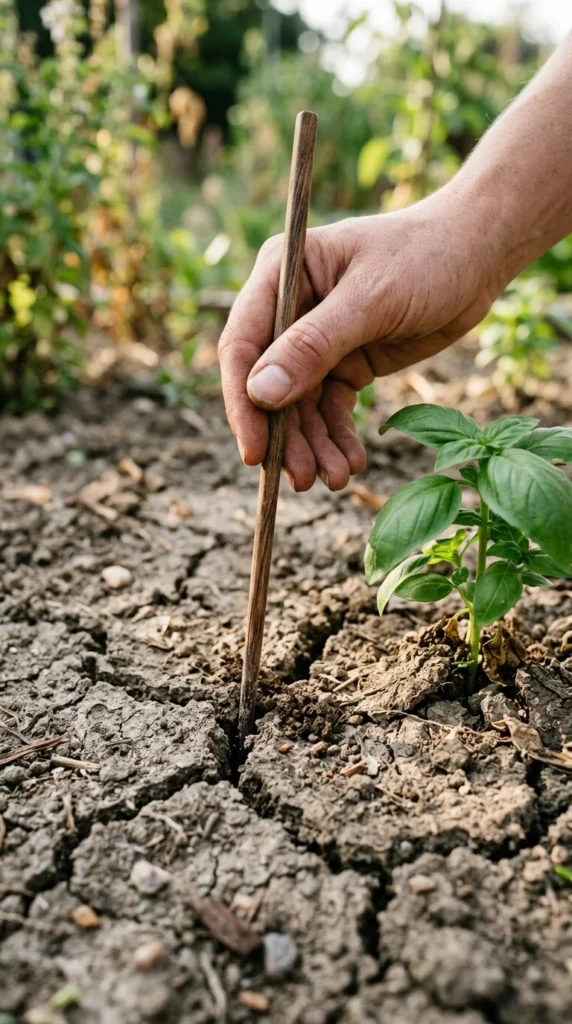
Over time, even good soil can become compacted, squeezing the air out and preventing water from reaching the roots. If water sits on top of the soil for a long time before draining, use a chopstick to gently aerate the soil. This allows oxygen to reach the roots and prevents “dry pockets” where the roots might wither.
15. High Humidity
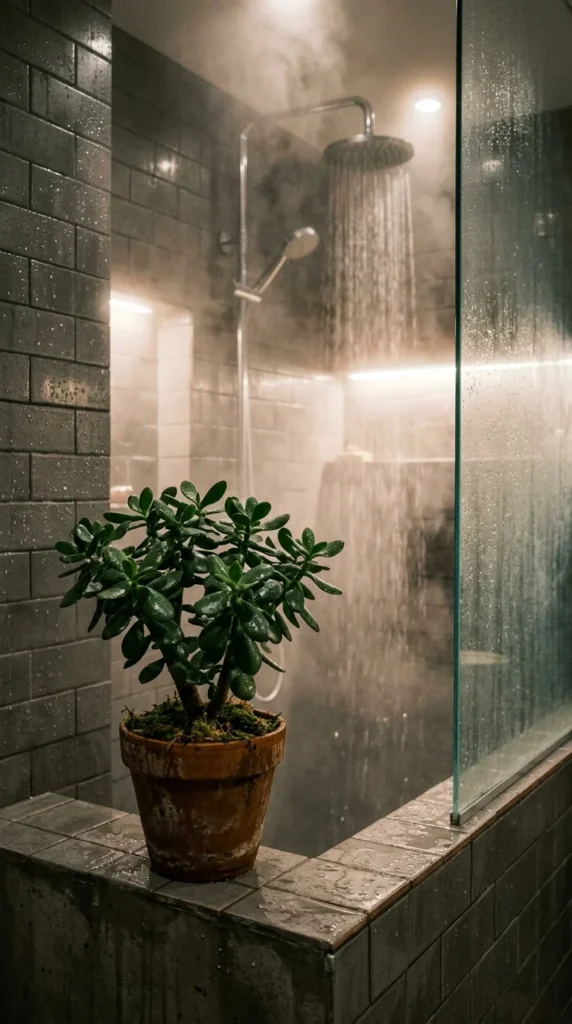
Jade plants are desert-dwellers. They thrive in dry air. Placing them in high-humidity environments like a small bathroom or near a humidifier can lead to fungal issues and powdery mildew. If you live in a very humid climate, ensure there is plenty of air circulation around the plant.
16. Cold Drafts
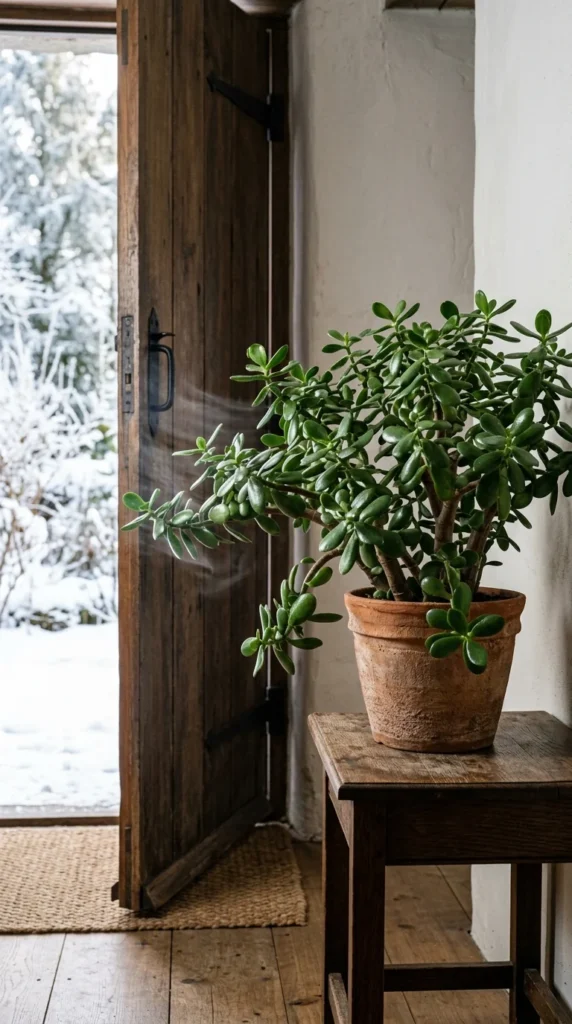
Winter drafts from poorly sealed windows or frequently opened doors can cause “chilling injury.” This manifests as leaves turning brown or black and dropping off while still relatively firm. In winter, move your Jade a few feet away from the glass to avoid the cold microclimate.