
The Jade plant (Crassula ovata), often called the “Money Tree” or “Friendship Tree,” is a staple in the world of indoor gardening. Known for its longevity and its symbolic association with prosperity, this succulent is a favorite for both beginners and seasoned green thumbs. However, while they are notoriously “hard to kill,” there is a significant difference between a Jade plant that is merely surviving and one that is thriving, bushy, and vibrant.
To achieve that sought-after tree-like structure and lush foliage, you need to master the nuances of succulent care. Here are 18 essential tips to help your Jade plant reach its full potential.
1. Sunlight
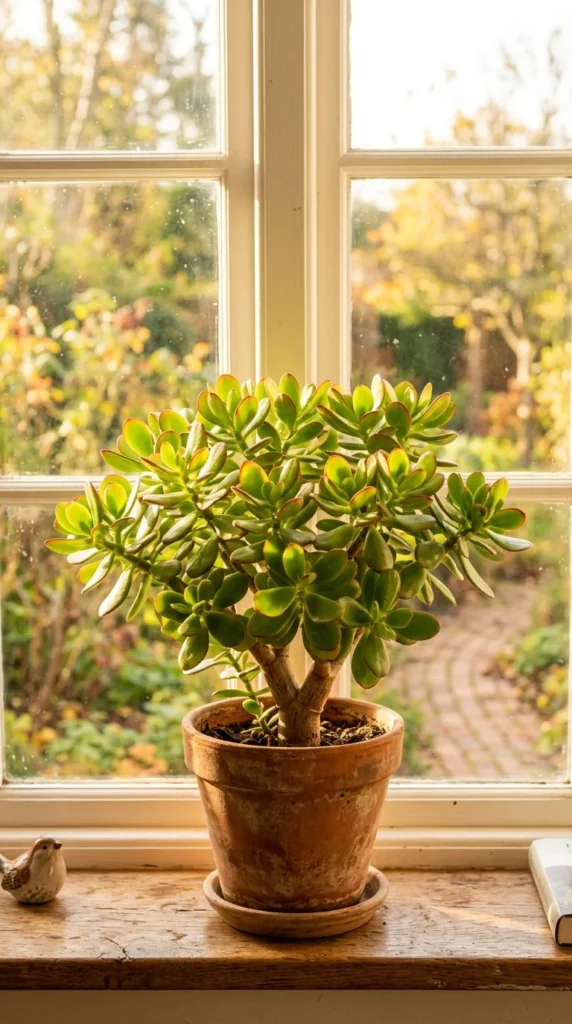
Sunlight is the single most important factor for a Jade plant’s growth. To keep it from becoming “leggy” (stretching toward the light), it needs at least four to six hours of bright, indirect sunlight every day. While older plants can handle direct midday sun, young plants may scorch. A south-facing window is usually the best spot in the house. If your plant starts to look thin or the spaces between leaves become long, it’s a cry for more light.
2. Watering
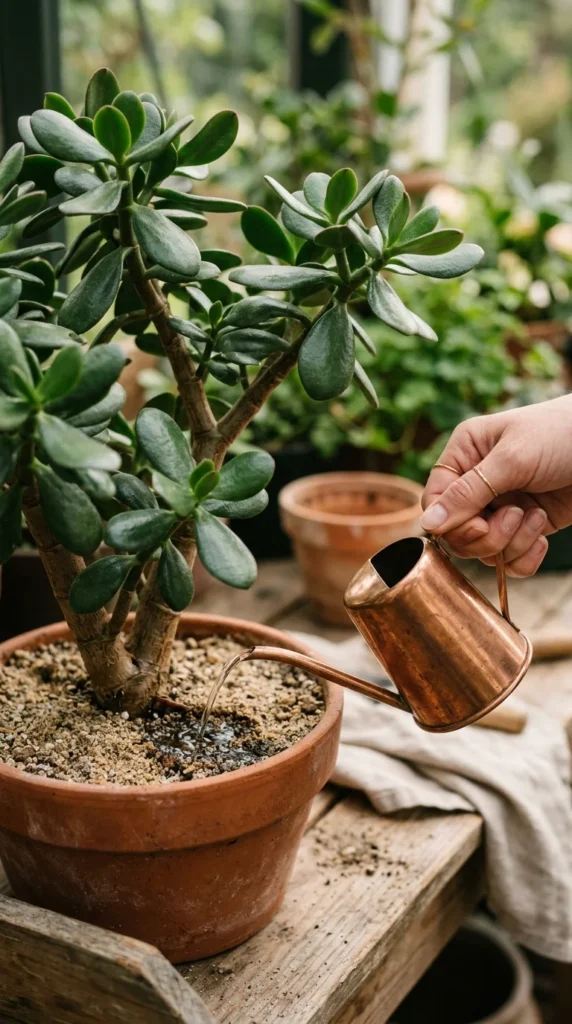
The “soak and dry” method is the golden rule for Jades. These plants store water in their fleshy leaves and stems, making them highly drought-tolerant. Wait until the soil is completely dry through the bottom of the pot before watering again. During the winter, you can cut back even further. Overwatering is the fastest way to kill a Jade, as it leads to root rot which is often irreversible.
3. Drainage
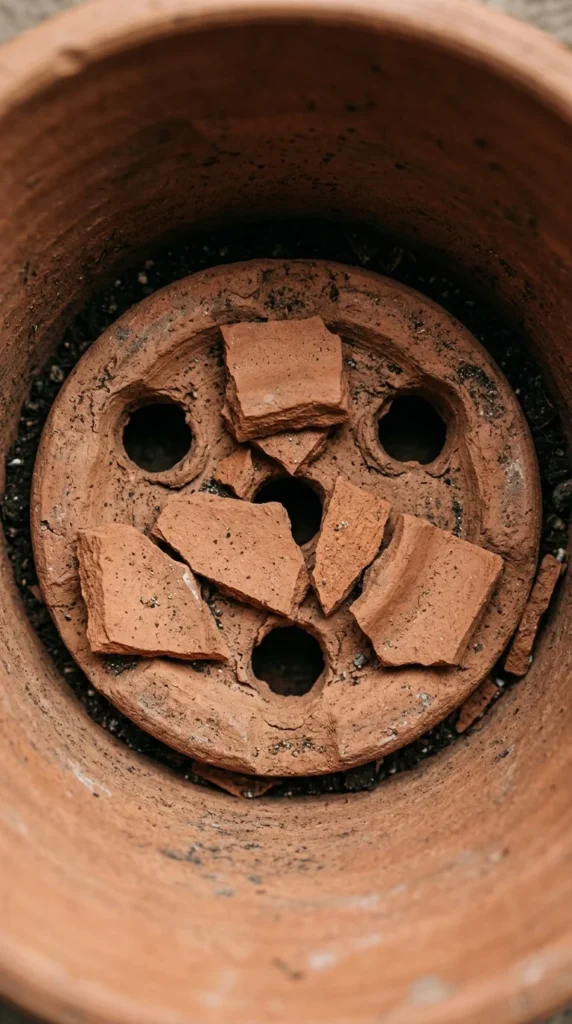
Jade plants hate “wet feet.” Ensuring your pot has ample drainage holes is non-negotiable. If water sits at the bottom of the container, the roots will suffocate and decay. Using a porous material like terracotta can also help, as it allows the soil to breathe and moisture to evaporate through the sides of the pot.
4. Soil
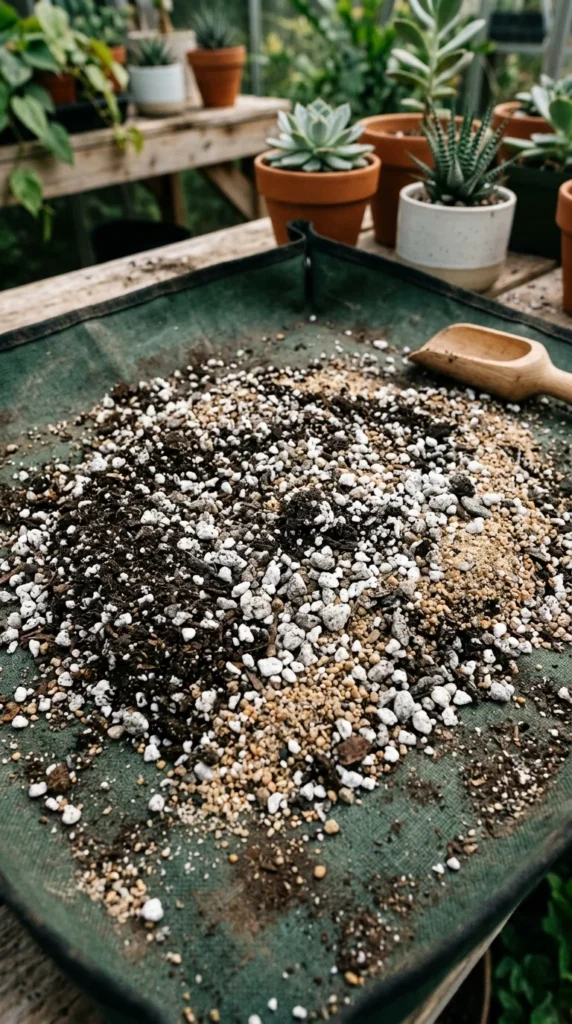
Never use standard potting soil alone for a Jade plant. It retains too much moisture. Instead, opt for a specialized succulent or cactus mix. If you want to make your own, mix two parts potting soil with one part coarse sand and one part perlite or pumice. This “gritty” mix ensures that water moves through the root zone quickly.
5. Temperature
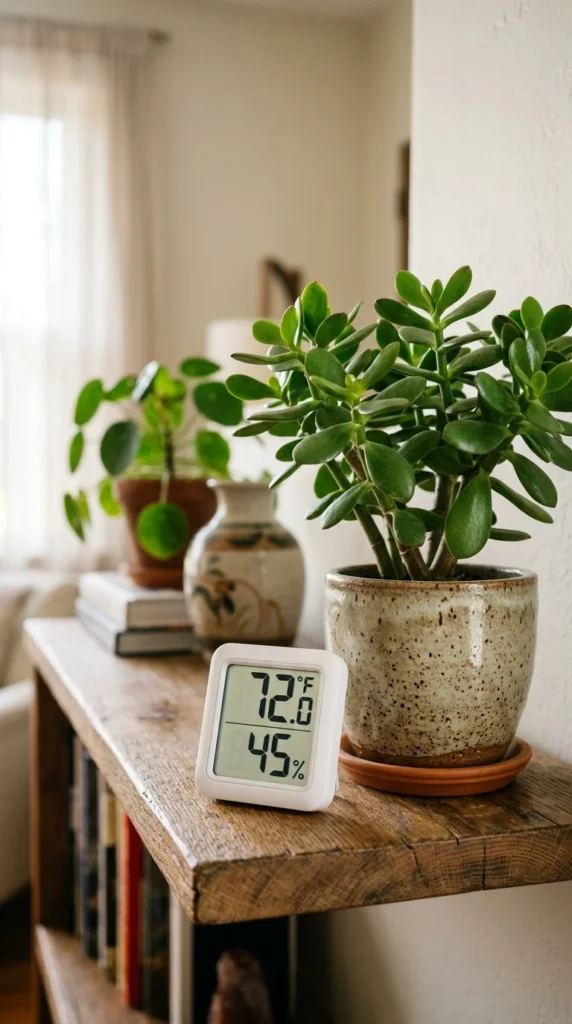
Jade plants thrive in temperatures between 65°F and 75°F (18°C–24°C). They enjoy the warmth of the day but prefer slightly cooler temperatures at night. However, they are not frost-tolerant. If you keep your Jade outside during the summer, make sure to bring it indoors before the first frost, as the water-filled leaves will freeze and turn to mush.
6. Pruning
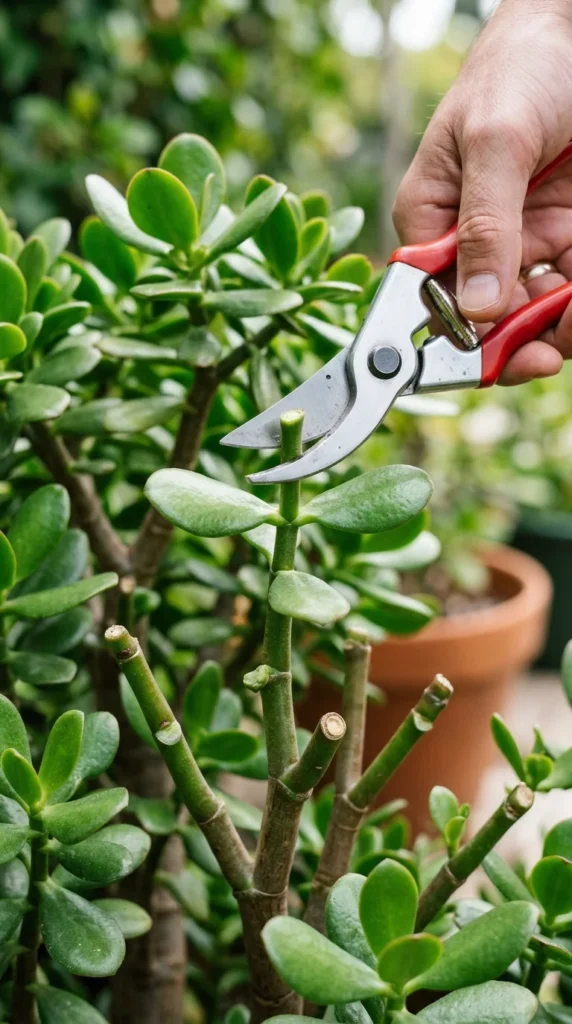
If you want a fuller, bushier plant, you must prune. Left to their own devices, Jades can become top-heavy and sparse. By snipping off the ends of branches, you encourage the plant to grow two new stems from the cut point. This “pinching” technique creates a dense canopy over time and helps develop a thick, sturdy trunk.
7. Fertilizing
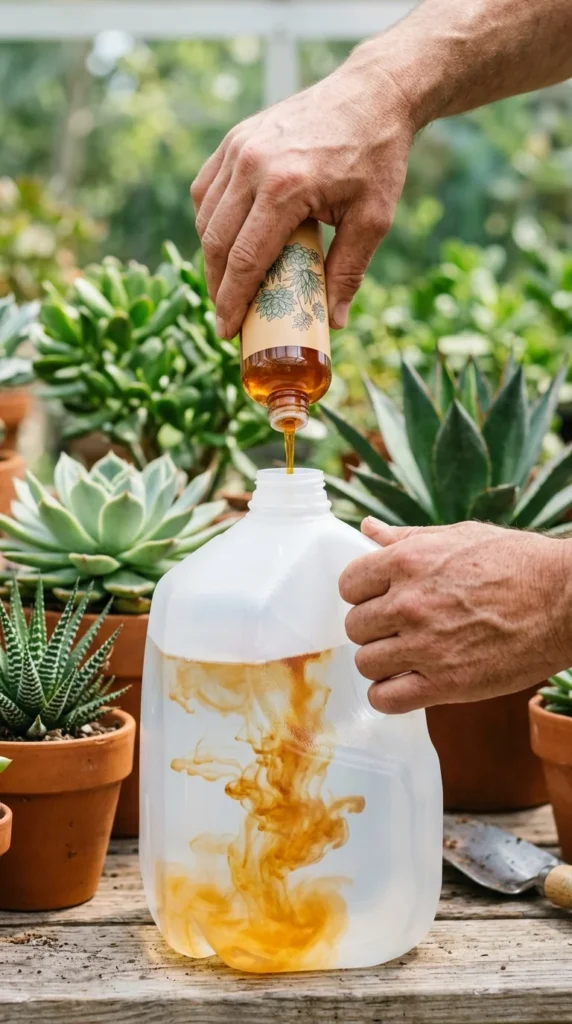
Jades aren’t heavy feeders, but a little boost during the growing season (spring and summer) goes a long way. Use a balanced, water-soluble fertilizer diluted to half-strength once every two months. Avoid fertilizing in the winter when the plant is in its dormant phase, as the excess nutrients can burn the roots if not being used for growth.
8. Potting
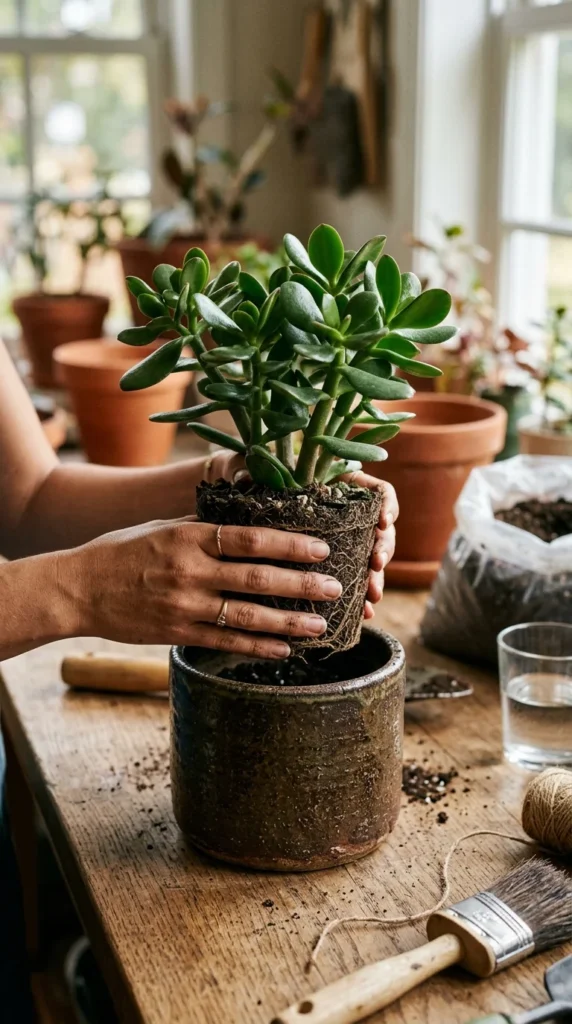
Interestingly, Jade plants don’t mind being slightly root-bound. In fact, keeping them in a smaller pot can help control their size and prevent the soil from staying wet for too long. Only repot when the plant becomes so top-heavy that it risks tipping over. When you do repot, choose a heavy container (like ceramic or clay) to provide a stable base for the dense foliage.
9. Humidity
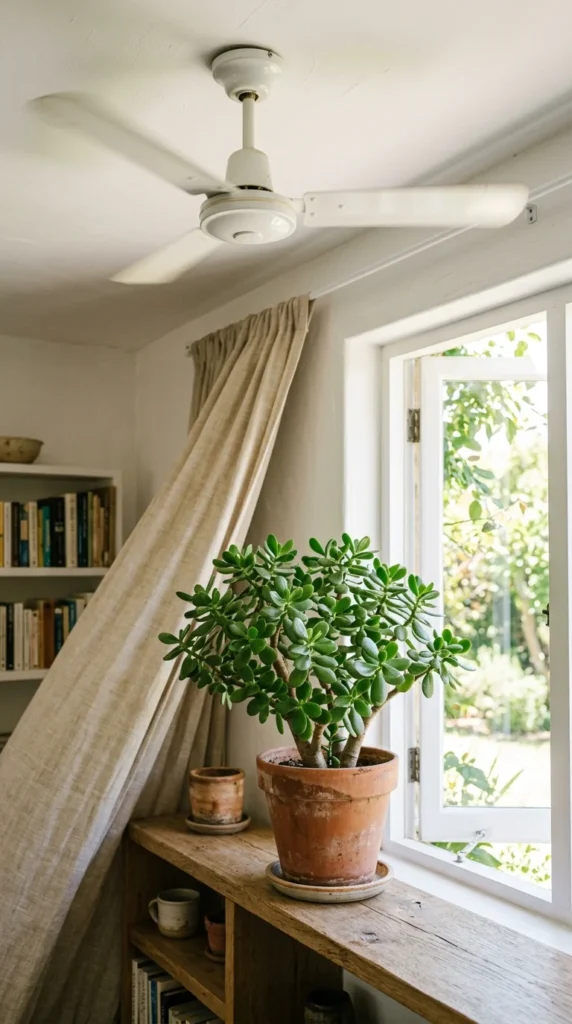
Unlike many tropical houseplants, Jade plants prefer low humidity. Average household humidity is usually perfect. High humidity combined with low light can lead to fungal issues or powdery mildew. If you live in an exceptionally humid climate, ensure there is plenty of air circulation around the plant to keep the leaves dry.
10. Cleaning
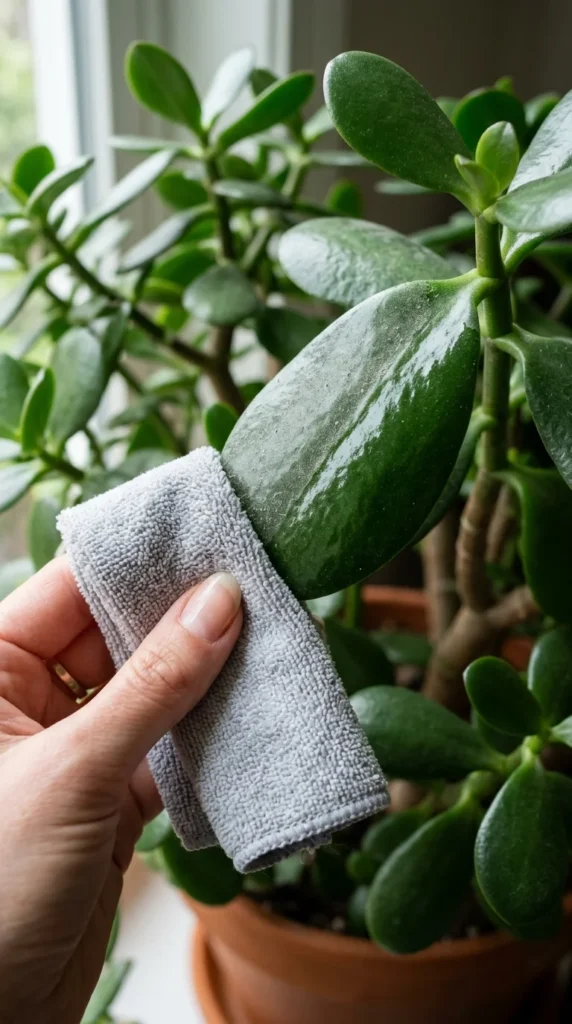
Dust can accumulate on the broad leaves of a Jade plant, blocking sunlight and reducing the plant’s ability to photosynthesize. Once a month, take a damp cloth and gently wipe the leaves. This not only keeps the plant healthy but also brings out the beautiful, waxy luster that makes Jades so attractive. Avoid using “leaf shine” products, as they can clog the plant’s pores.
11. Propagation
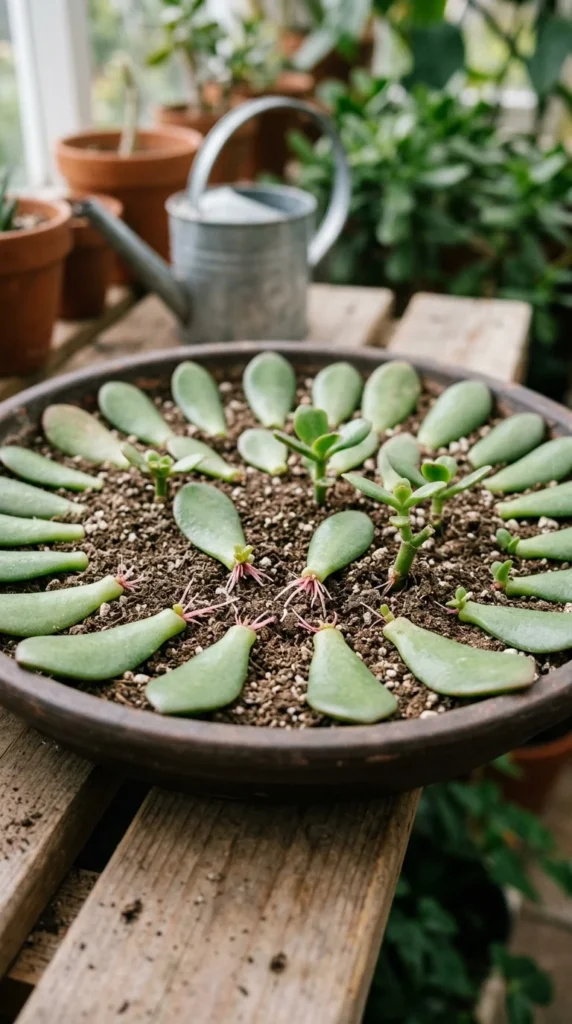
One of the joys of owning a Jade is how easy they are to multiply. If a leaf falls off, don’t throw it away! Simply lay it on top of dry soil, and within a few weeks, it will sprout tiny roots and a new baby plant. Stem cuttings are even faster. This is a great way to create new plants for friends or to fill out the base of your existing pot.
12. Pests
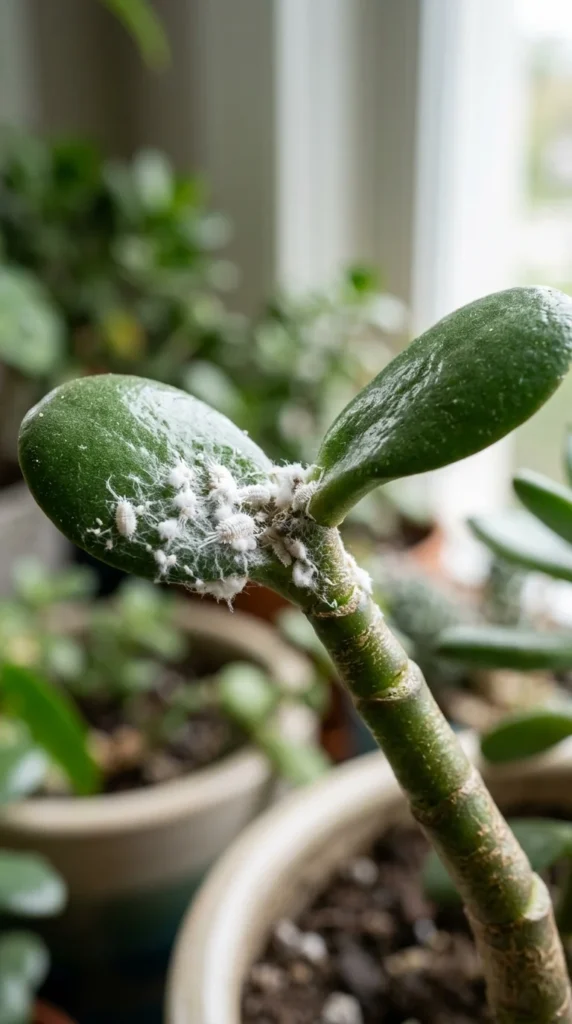
The most common enemy of the Jade plant is the mealybug. These tiny, white, cotton-like pests hide in the crevices where the leaves meet the stems and suck the sap from the plant. If you spot them, treat the area immediately with a cotton swab dipped in rubbing alcohol. Keeping the plant healthy and unstressed is the best way to prevent infestations.
13. Repotting
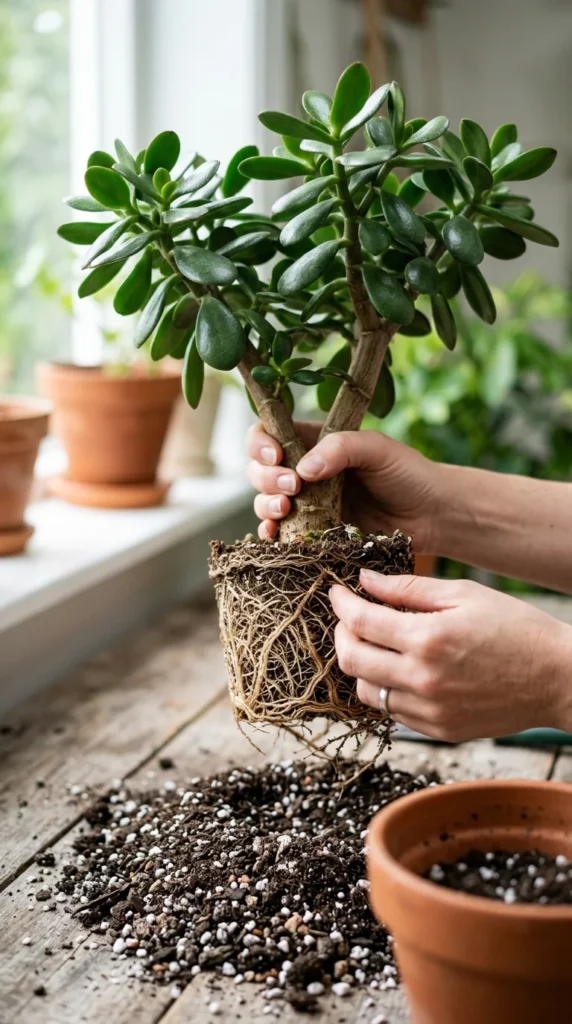
While they don’t need it often, repotting every 2 to 3 years can provide fresh nutrients and room for growth. The best time to repot is in the spring, just as the growing season begins. When moving the plant, wait a week before watering it to allow any roots that may have been damaged during the move to heal and callus over.
14. Dormancy
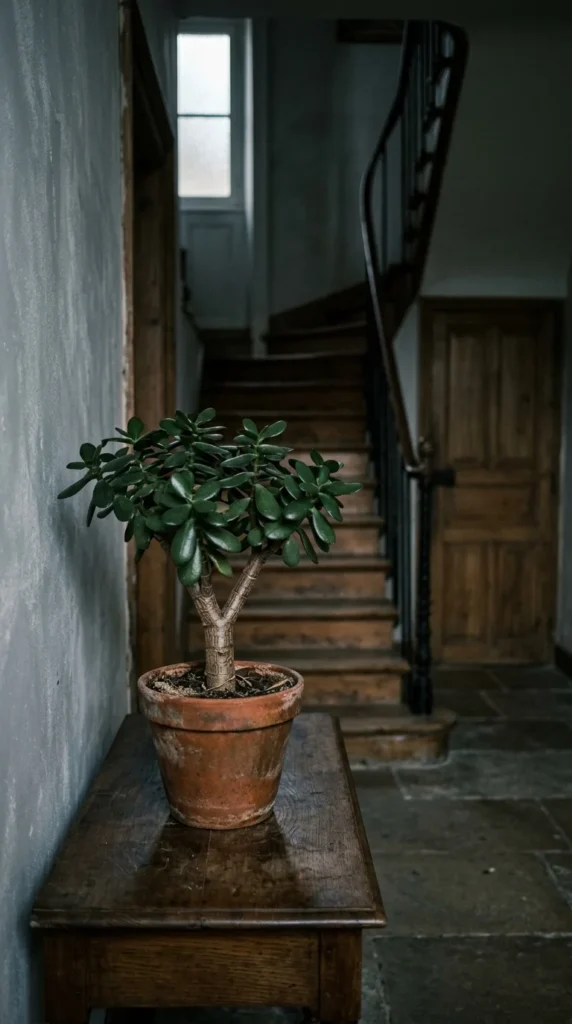
During the late autumn and winter, Jade plants enter a period of semi-dormancy. Their growth slows down significantly. During this time, you should reduce watering to the absolute minimum—only when the leaves start to look slightly wrinkled. They also appreciate cooler temperatures (around 55°F or 13°C) during this time, which can actually encourage them to bloom.
15. Airflow
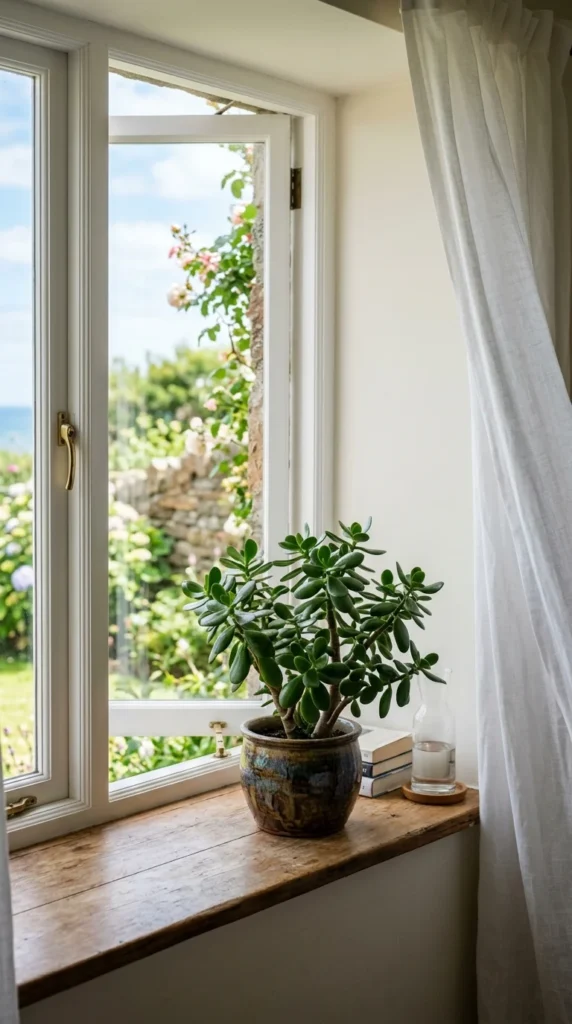
Good air circulation is vital for preventing “stale” air around the succulent, which can lead to pest outbreaks and fungal growth. If your Jade is tucked into a tight corner, try moving it to a more open area or occasionally running a small fan in the room. This helps the soil dry out more evenly and keeps the foliage tough.
16. Sun Stress
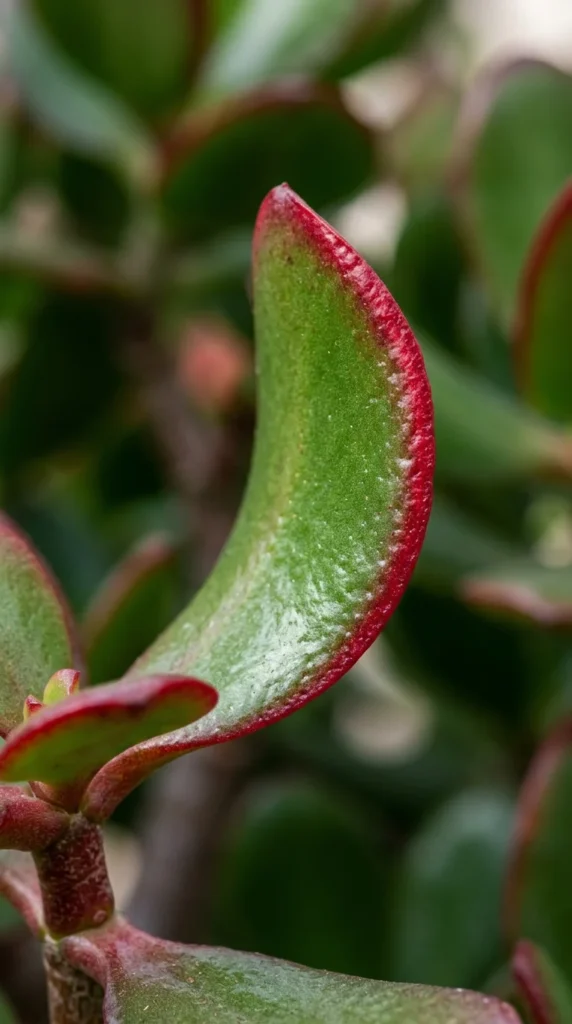
“Stress” sounds bad, but for succulents, a little “sun stress” is actually quite beautiful. When exposed to high amounts of sunlight, the edges of Jade leaves often turn a brilliant red or yellow. This is a natural defense mechanism and a sign that your plant is getting maximum light. As long as the leaves aren’t turning brown or crispy, these colors are a sign of a very happy plant.
17. Support
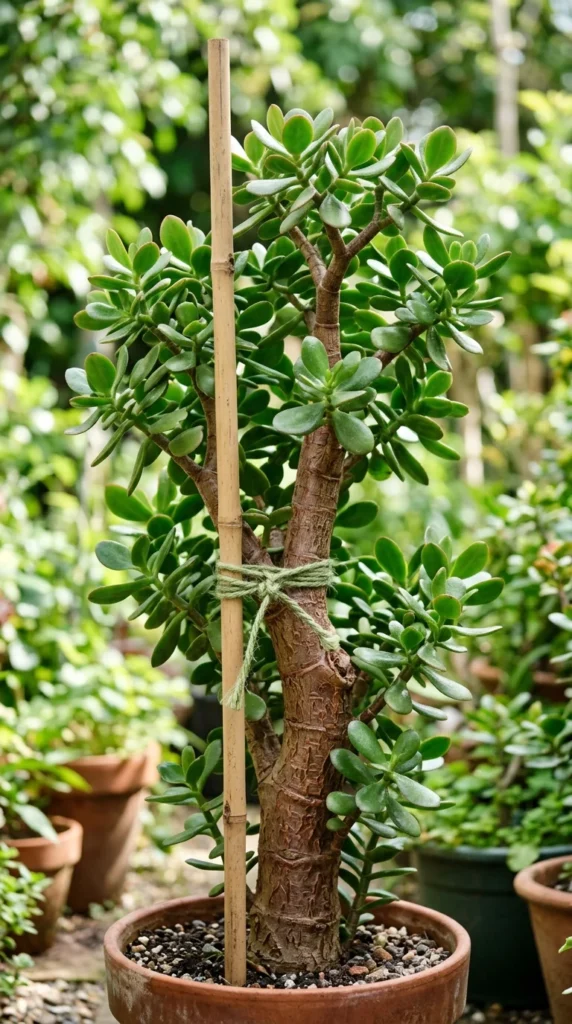
As Jade plants grow, they can become very heavy. If a branch is leaning too far or the trunk seems to be tilting, use a bamboo stake to provide support. This helps the plant grow upright and prevents branches from snapping under their own weight. Over time, as the trunk lignifies (turns woody), it will become strong enough to support itself.
18. Consistency
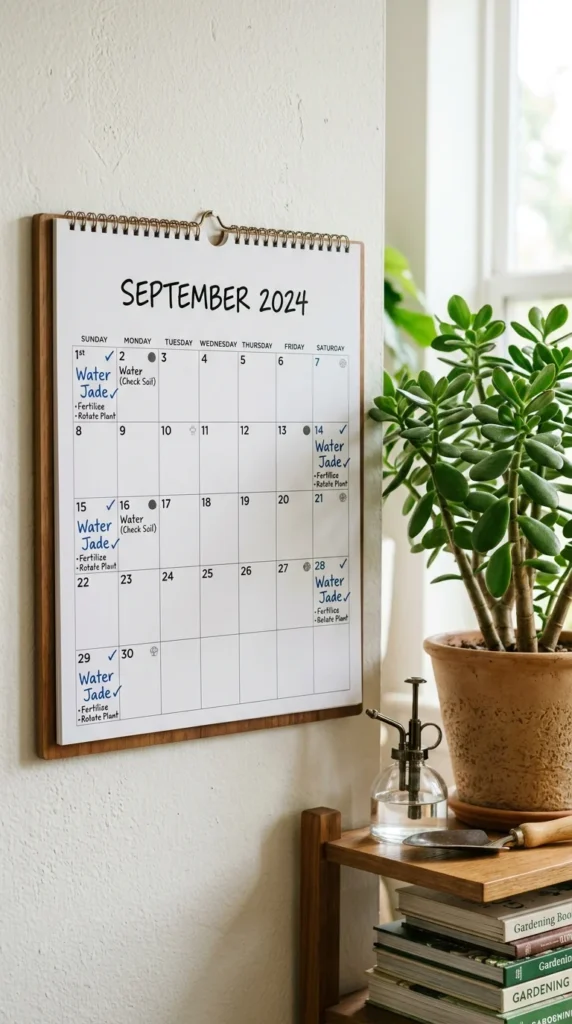
Jades are creatures of habit. They don’t react well to sudden, drastic changes in their environment. If you want to move your plant from a shady corner to a sunny patio, do it gradually over a week or two to avoid shocking the system. Consistent watering, consistent light, and a stable environment are the secrets to a Jade plant that lives for decades.