
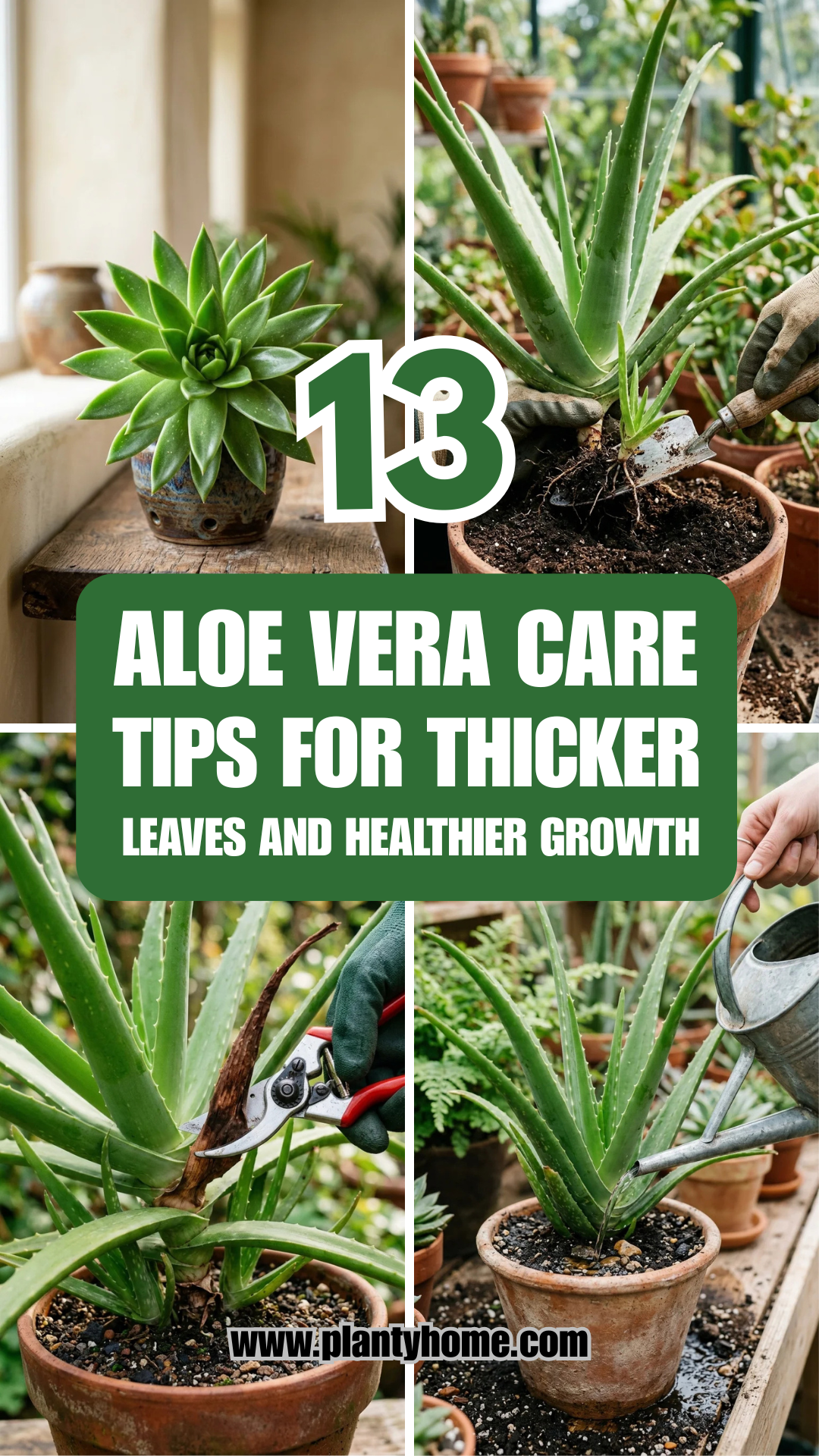
Aloe Vera is more than just a decorative succulent; it is a living medicine cabinet known for its soothing gel and air-purifying qualities. However, many indoor gardeners struggle with thin, spindly, or drooping leaves. To achieve those iconic, plump, and firm leaves, you must replicate the plant’s natural desert environment. Thicker leaves are a sign of a healthy Aloe that is successfully storing water and nutrients. By following these thirteen essential care tips, you can transform a struggling plant into a robust, thriving succulent.
1. Lighting
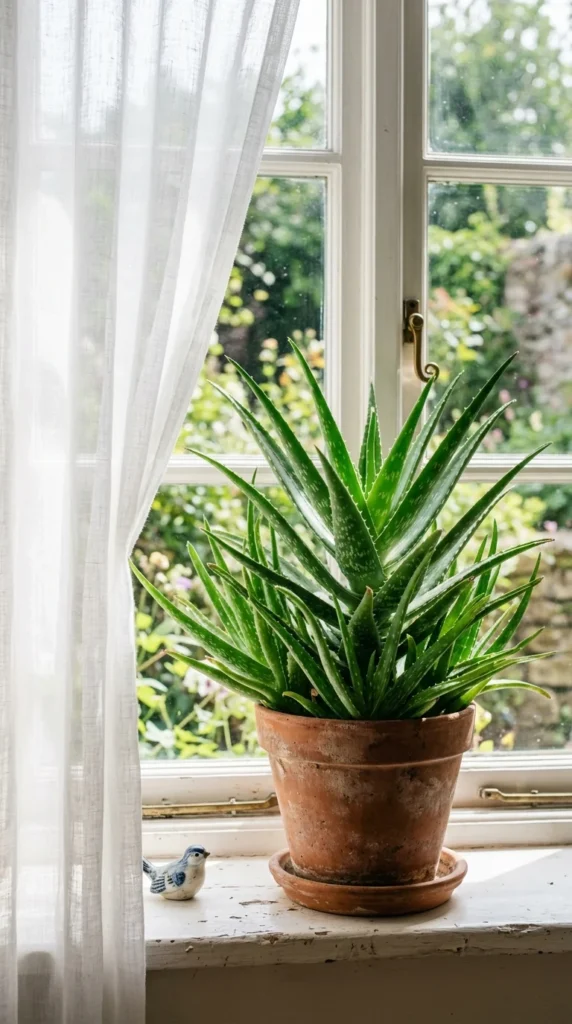
Lighting is the most critical factor in determining the thickness of Aloe Vera leaves. In the wild, these plants bask in intense sunlight. If your Aloe is kept in a dim corner, it will become “etiolated,” meaning it stretches toward the light, resulting in thin, weak leaves that cannot support their own weight.
- Indirect Sun: Aim for at least six to eight hours of bright, indirect sunlight daily. A south-facing window is usually the best spot in the Northern Hemisphere.
- Avoid Scorch: While they love light, direct, harsh afternoon sun through a glass pane can sometimes burn the leaves, causing them to turn orange or brown. If this happens, move the plant slightly back from the glass.
- Artificial Supplements: If you live in a low-light environment, use a full-spectrum LED grow light to provide the necessary energy for photosynthesis.
2. Soil
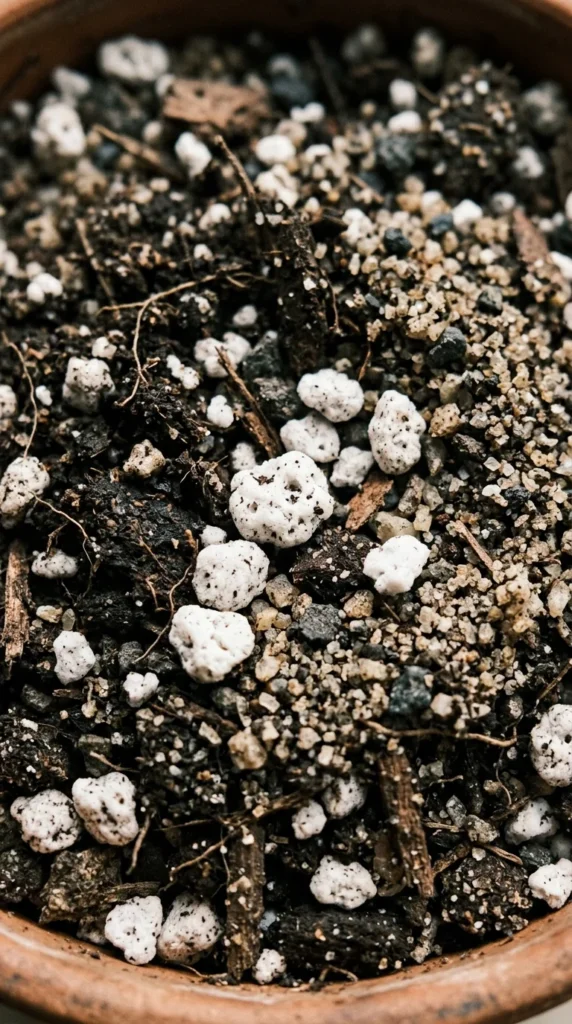
The secret to a healthy root system—which translates to thick leaves—lies in the soil. Aloe Vera plants are prone to root rot if their feet stay wet. Standard potting soil holds too much moisture for these desert dwellers.
- Cactus Mix: Use a commercial cactus or succulent potting mix. These blends are specifically designed to drain quickly.
- DIY Blend: You can create your own by mixing equal parts regular potting soil, coarse sand, and perlite or pumice.
- Aeration: Ensure the soil is airy. Compressed soil prevents oxygen from reaching the roots, leading to stunted growth.
3. Watering
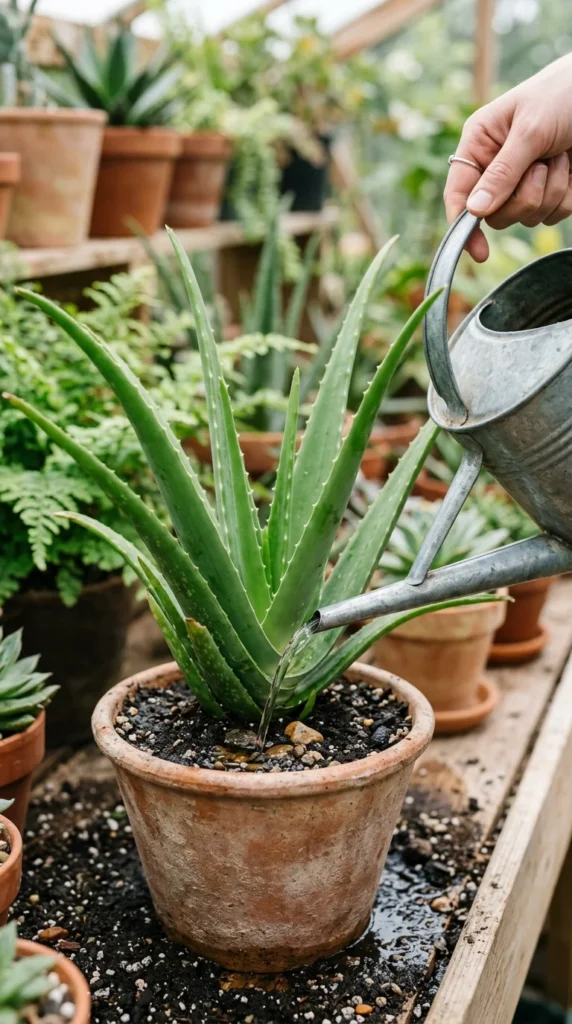
Watering is where most enthusiasts go wrong. To get thick leaves, you must practice the “soak and dry” method. Aloe leaves are essentially water storage tanks; they need a deep drink, but then they need time to process that water.
- Deep Watering: Water the plant until liquid runs out of the drainage holes at the bottom of the pot.
- Complete Drying: Do not water again until the soil is dry at least 2 to 3 inches deep. You can test this by sticking your finger into the soil.
- Signs of Thirst: If the leaves start to thin out or curl inward, the plant is using up its stored water and needs a drink.
4. Temperature
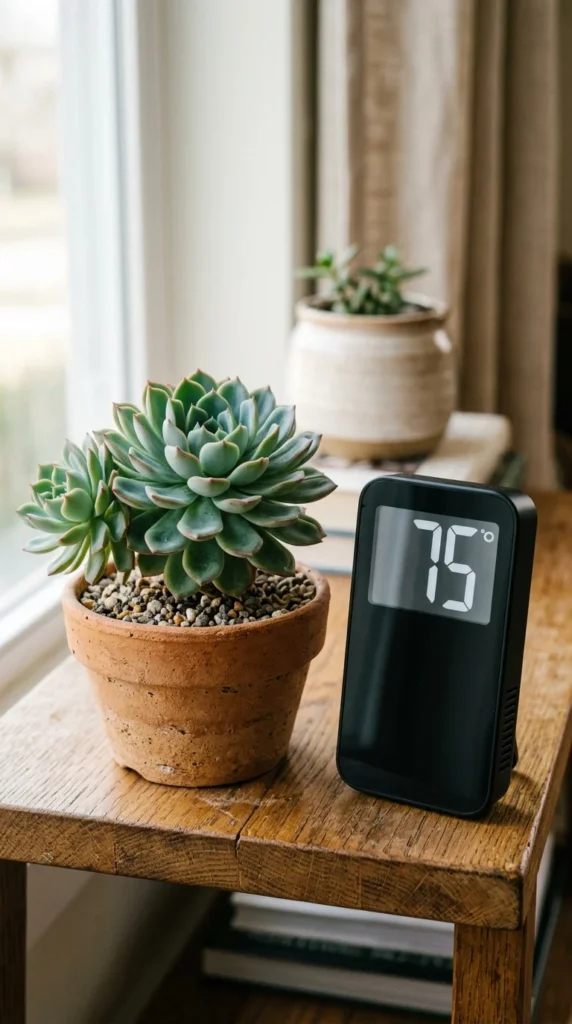
Aloe Vera thrives in temperatures that humans generally find comfortable, but they are sensitive to extreme cold. Maintaining a stable temperature is key to consistent growth.
- The Sweet Spot: Maintain temperatures between 55°F and 80°F (13°C to 27°C).
- Avoid Drafts: Keep your plant away from air conditioning vents in the summer and drafty windows or doors in the winter. Sudden temperature fluctuations can stress the plant and cause leaf drop.
- Winter Protection: If you keep your Aloe outside during the summer, bring it indoors before the first frost. Aloe is about 99% water, and freezing temperatures will turn the leaves to mush instantly.
5. Potting
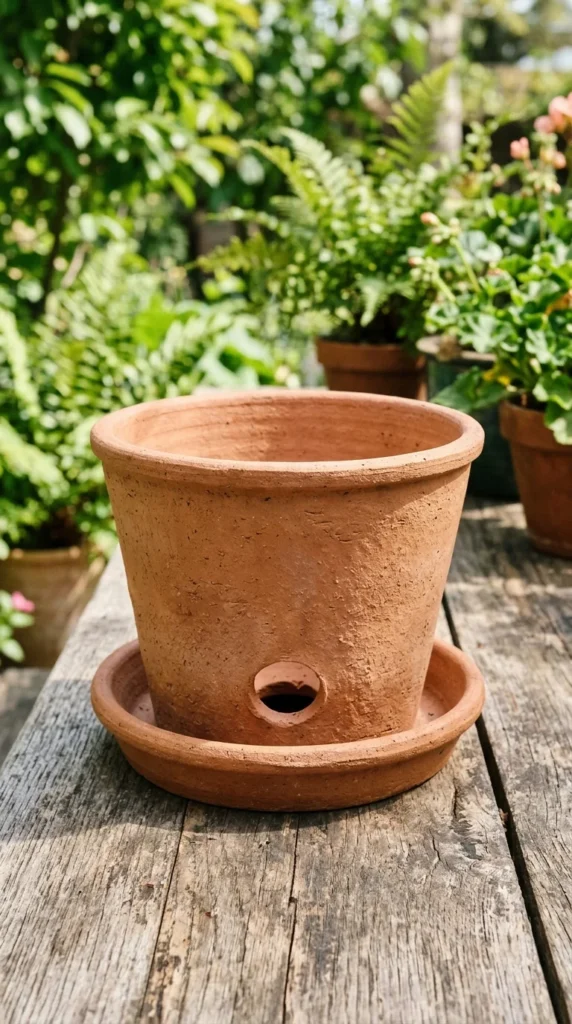
The container you choose is just as important as the soil inside it. For thicker leaves, the roots need an environment that breathes.
- Terracotta is Best: Unglazed clay or terracotta pots are porous. They allow moisture to evaporate through the walls of the pot, which prevents the soil from staying soggy.
- Drainage Holes: Never plant an Aloe in a pot without drainage holes. Without them, water collects at the bottom, leading to root rot.
- Size Matters: Don’t put a small Aloe in a massive pot. The excess soil will hold onto moisture longer than the plant can absorb, increasing the risk of rot.
6. Fertilizing
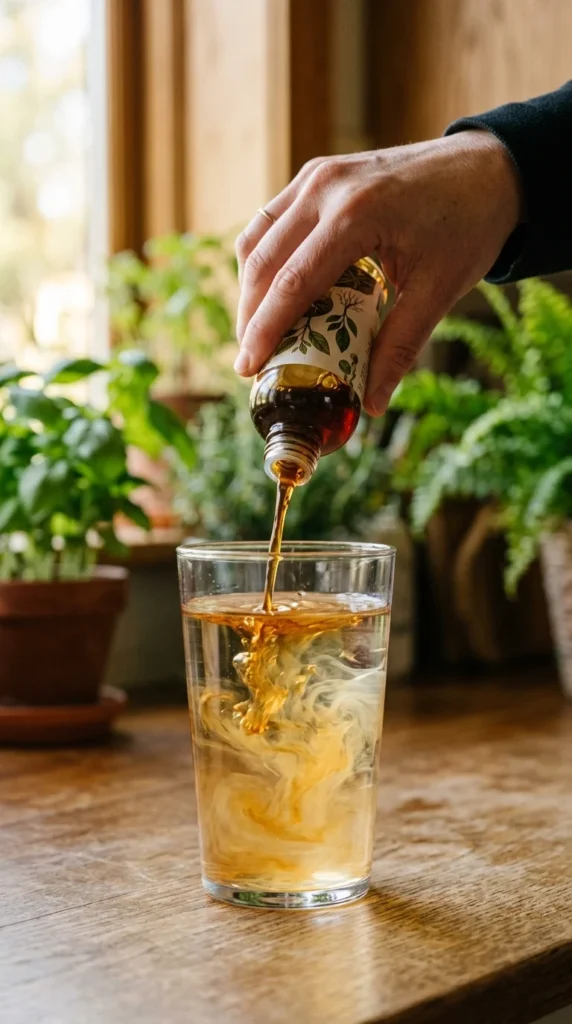
While Aloe Vera doesn’t require much feeding, a little boost during the growing season can lead to significantly thicker and more lush leaves.
- Balanced Nutrition: Use a balanced 10-10-10 liquid fertilizer or a specialized succulent fertilizer.
- Dilution: Always dilute the fertilizer to half-strength. Succulents are sensitive to salt buildup from fertilizers.
- Timing: Fertilize only once a month during the spring and summer. Stop fertilizing entirely during the fall and winter when the plant’s growth slows down.
7. Repotting
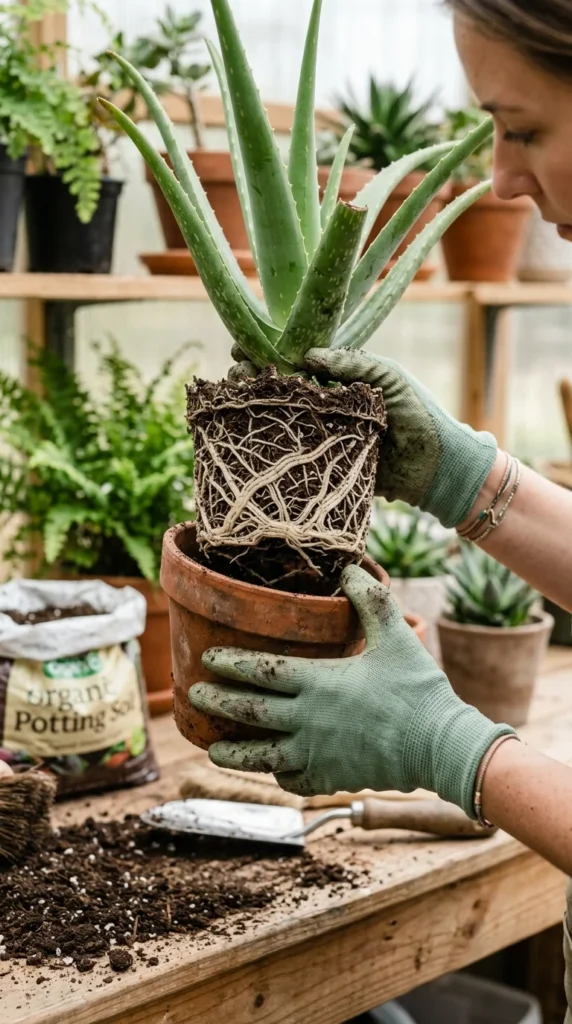
As your Aloe grows, it will eventually outgrow its container. A root-bound Aloe cannot absorb nutrients efficiently, which leads to thin, stunted leaves.
- Frequency: Generally, you should repot every two to three years.
- Signs: Look for roots growing out of the drainage holes or the plant becoming “top-heavy” and tipping over.
- The Process: When repotting, choose a pot that is only 1-2 inches wider than the current one. Gently shake off old soil and trim any mushy or dead roots before placing it in fresh mix.
8. Pests
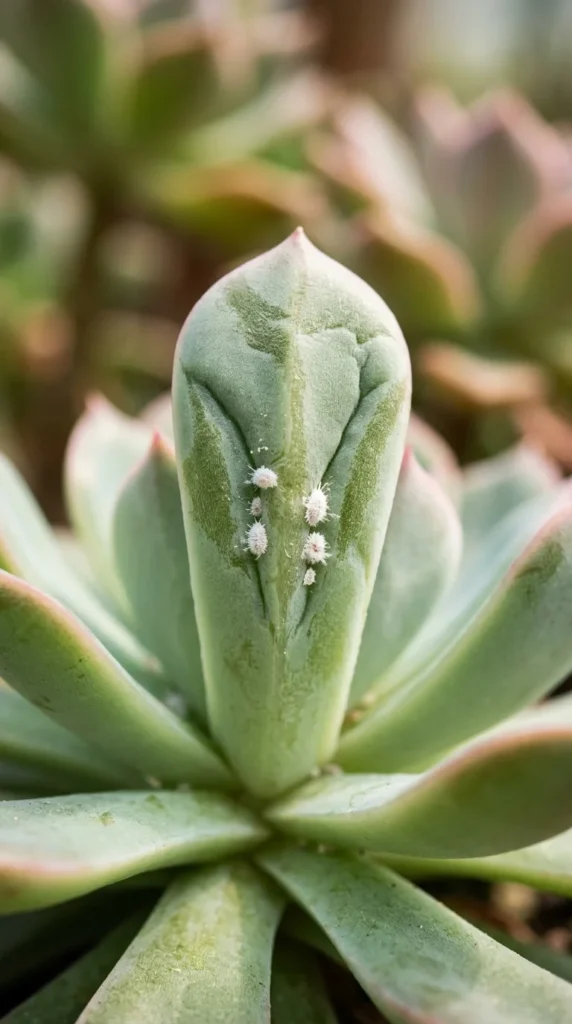
Pests can literally suck the life—and the thickness—out of your Aloe leaves. While Aloe is relatively hardy, it is not immune to invaders.
- Common Culprits: Mealybugs (which look like white cottony bits) and scale (small brown bumps) are the most common pests.
- Treatment: If you spot pests, wipe them off with a cotton swab dipped in rubbing alcohol. For larger infestations, use insecticidal soap or neem oil.
- Prevention: Keep the leaves clean by wiping them with a damp cloth occasionally to prevent dust buildup, which can attract pests.
9. Pruning
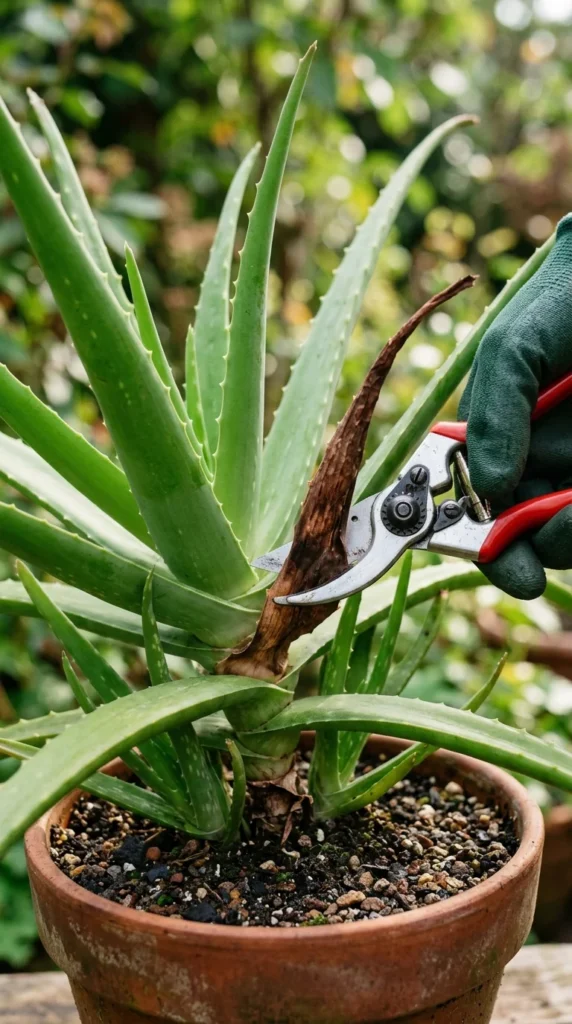
Pruning is essential for redirecting the plant’s energy. If the plant is trying to sustain dying or damaged leaves, it has less energy to put into new, thick growth.
- Remove Spent Leaves: Use a sharp, sterilized knife or shears to remove any leaves that are shriveled, brown, or damaged.
- Base Cut: Always cut as close to the main stem as possible.
- Safety First: Aloe Vera “bleeds” a yellowish sap (latex) when cut. This is normal, but avoid getting it on your skin if you have a latex allergy, as it can be an irritant.
10. Airflow
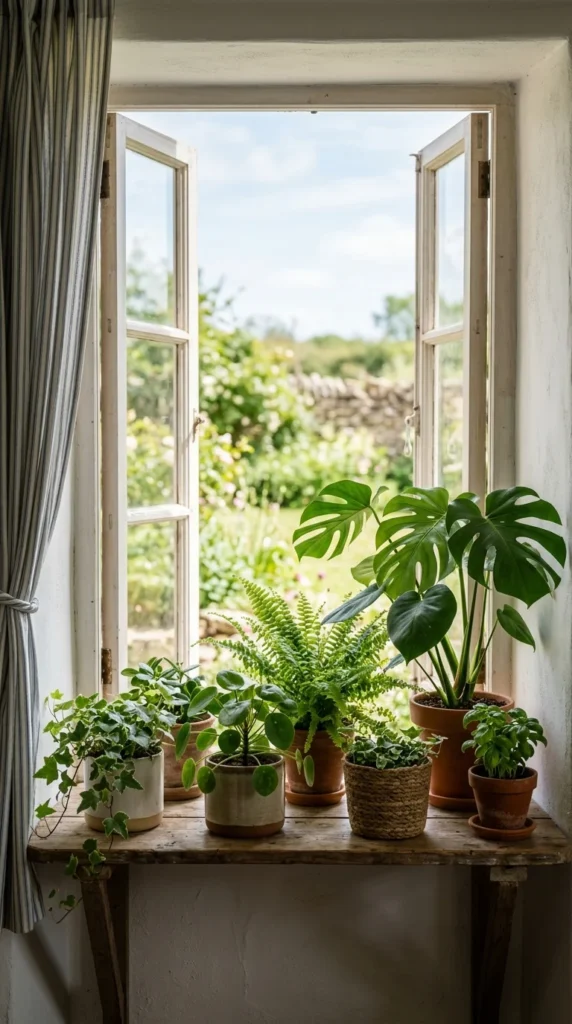
In their natural habitat, Aloe plants are exposed to constant wind and air movement. In a stagnant indoor environment, humidity can build up around the leaves, leading to fungal issues and weak structural integrity.
- Ventilation: Ensure there is good air circulation around your plant. A small fan or an open window during mild weather can work wonders.
- Spacing: Don’t crowd your Aloe too closely with other plants. Give it enough “breathing room” so that air can reach the base of the plant.
- Structural Strength: Gentle air movement actually encourages the plant to grow stronger, thicker cell walls in its leaves to resist the “wind.”
11. Offsets
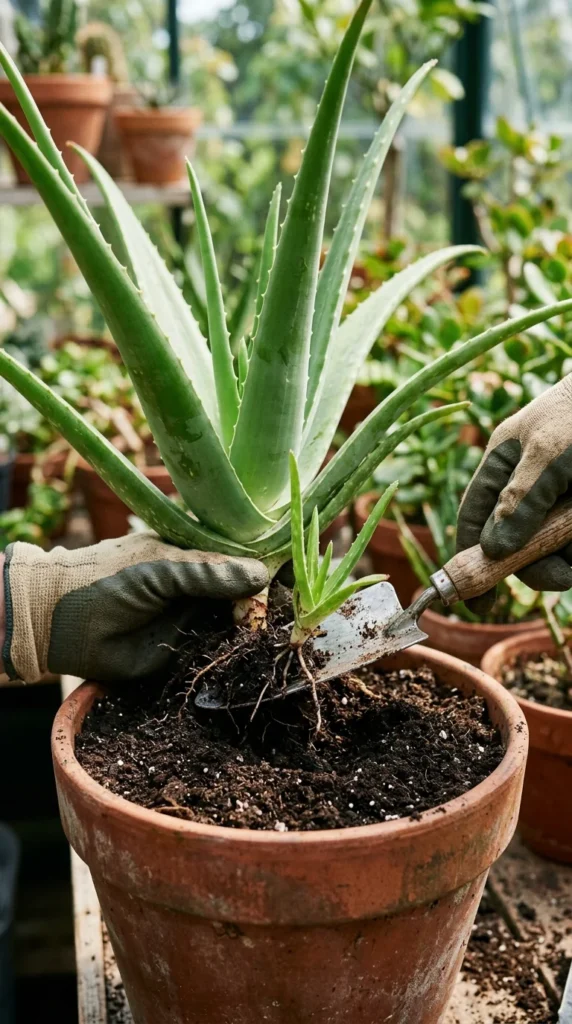
Aloe Vera is a prolific producer of “pups”—small baby plants that grow from the base of the mother plant. While they are great for propagation, they can drain the mother plant’s resources.
- Resource Competition: If you leave too many pups in the pot, they will compete with the mother plant for water and nutrients, resulting in thinner leaves for everyone.
- Removal: Once a pup is about 3-4 inches tall and has its own roots, gently tease it away from the mother plant.
- New Life: Pot the pups in their own small containers to grow a whole new collection of Aloe plants.
12. Dormancy
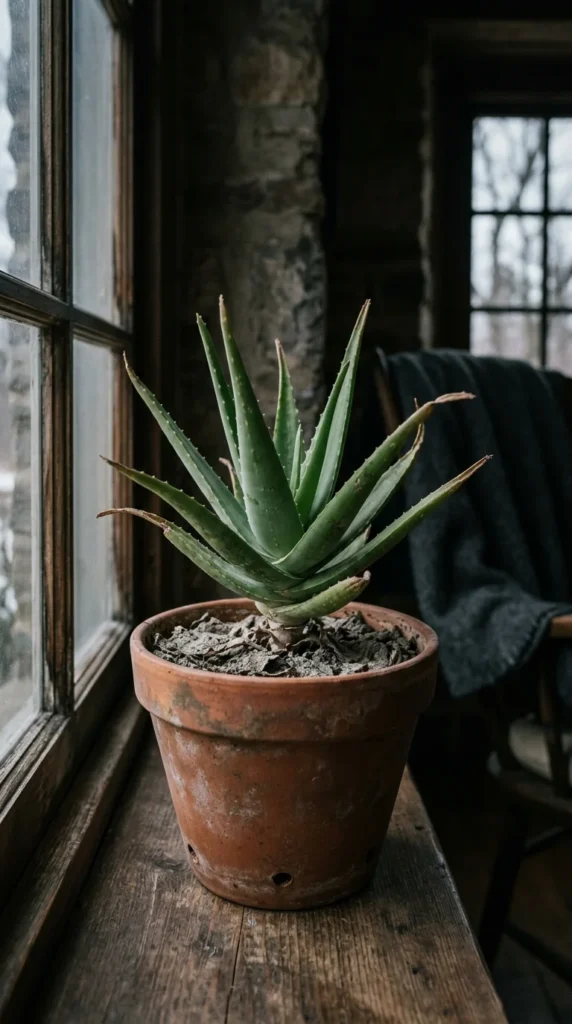
Aloe Vera undergoes a period of slowed growth or “dormancy” during the winter months. Forcing growth during this time often results in weak, thin leaves.
- Reduce Water: During winter, you may only need to water your Aloe once every 4 to 6 weeks.
- No Food: Stop fertilizing completely during this period.
- Temperature Drop: A slightly cooler environment (around 55°F to 60°F) during the winter can actually help the plant “rest” so it can explode with thick new growth in the spring.
13. Stability
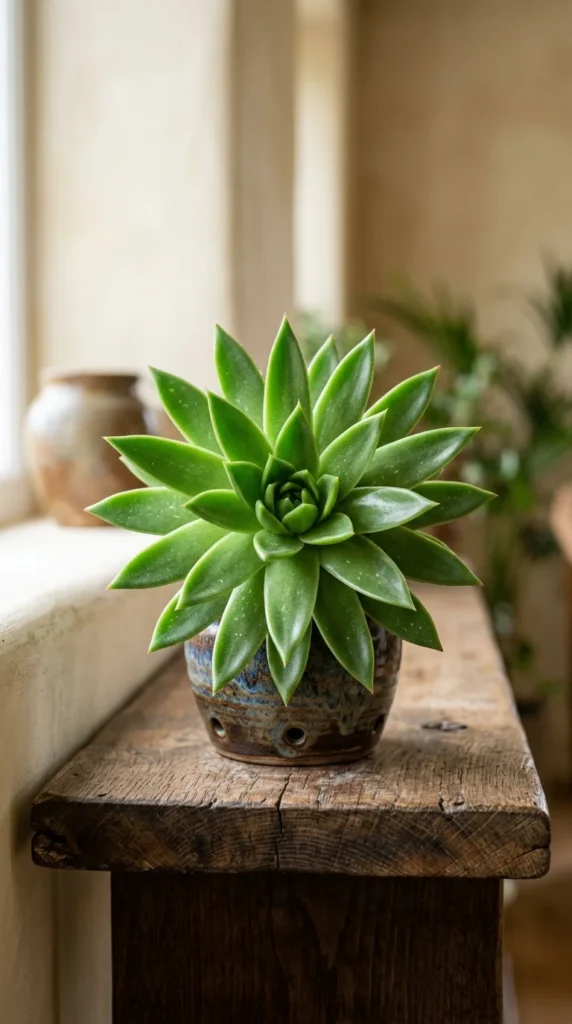
Succulents like Aloe Vera are creatures of habit. They adapt their leaf structure and orientation based on their specific environment.
- Avoid Moving: Once you find a spot where your Aloe is happy, try not to move it frequently. Every time you move the plant to a new location with different light or temperature, it has to expend energy to adapt.
- Rotational Growth: You should, however, rotate the pot 90 degrees every week. This ensures that all sides of the plant receive equal sunlight, preventing the plant from leaning and ensuring that all leaves grow to a uniform thickness.
- Patience: Aloe is a relatively slow-growing plant. You won’t see thick, massive leaves overnight. Consistent care over several months is the only way to achieve the best results.