
Maintaining a pristine outdoor space often feels like a full-time job. Between the endless cycle of mowing, weeding, watering, and fertilizing, the “relaxing” backyard can quickly become a source of weekend stress. However, achieving a stunning curb appeal or a backyard sanctuary doesn’t have to mean tethering yourself to a lawnmower. By shifting your strategy from high-maintenance turf to smarter, more resilient alternatives, you can enjoy a lush environment that practically takes care of itself.
1. Native Plants
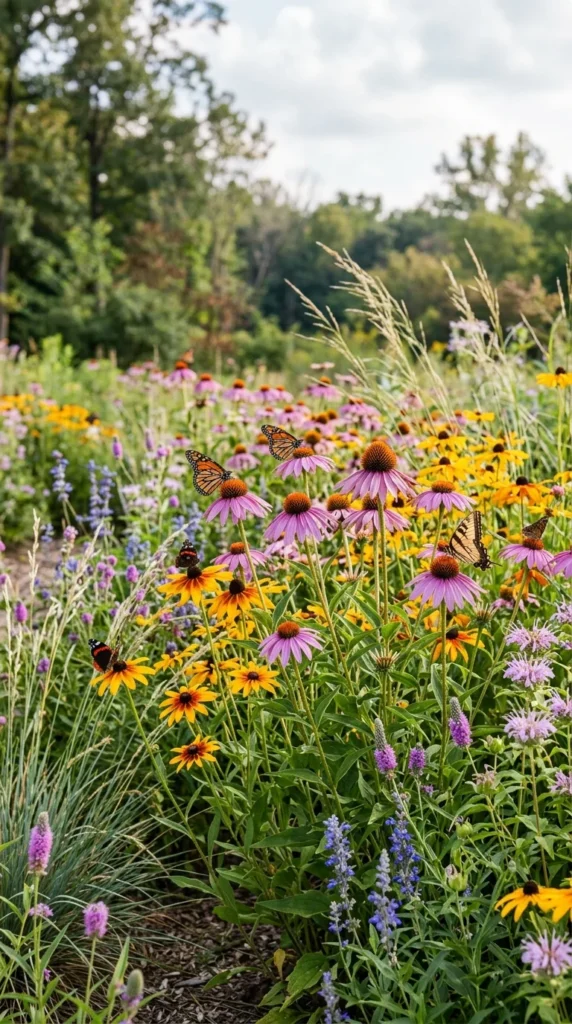
The single most effective way to reduce yard work is to work with nature rather than against it. Native plants are species that have evolved over thousands of years to thrive in your specific geography and climate. Because they are adapted to local rainfall patterns and soil conditions, they rarely require supplemental watering once established. They also possess natural defenses against local pests and diseases, meaning you can retire the chemical spray bottles. Beyond the lack of maintenance, native plants support local pollinators, bringing bees, butterflies, and birds to your garden.
2. Mulch Beds
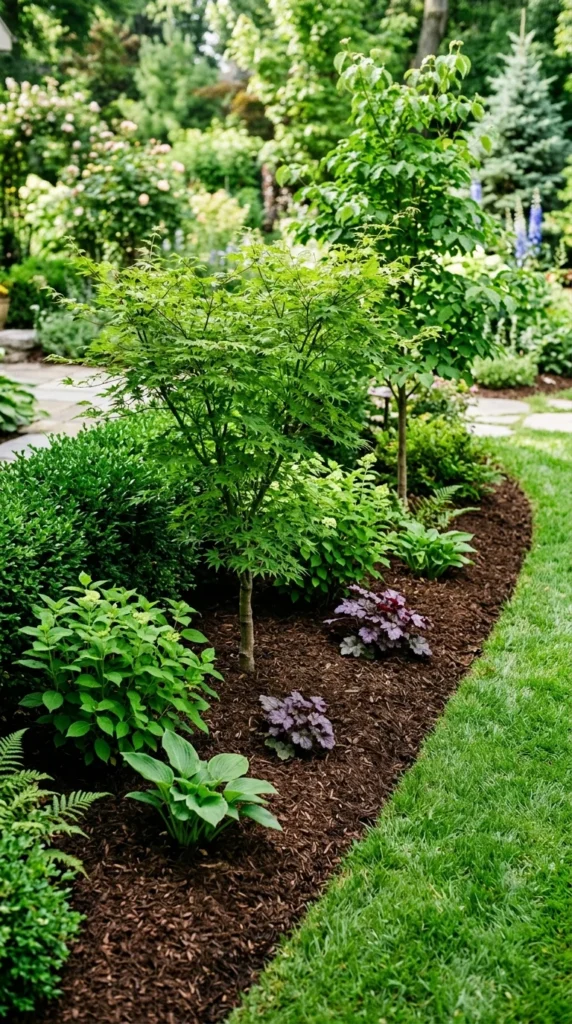
Mulch is the “secret weapon” of the low-maintenance gardener. By replacing large patches of grass with deep mulch beds, you significantly reduce the area that needs mowing. Mulch performs three critical tasks: it suppresses weed growth by blocking sunlight, it retains soil moisture to reduce the need for watering, and it slowly decomposes to provide nutrients back into the earth. For the lowest maintenance, choose organic options like bark nuggets or pine needles, or long-lasting inorganic options like crushed stone.
3. Xeriscaping
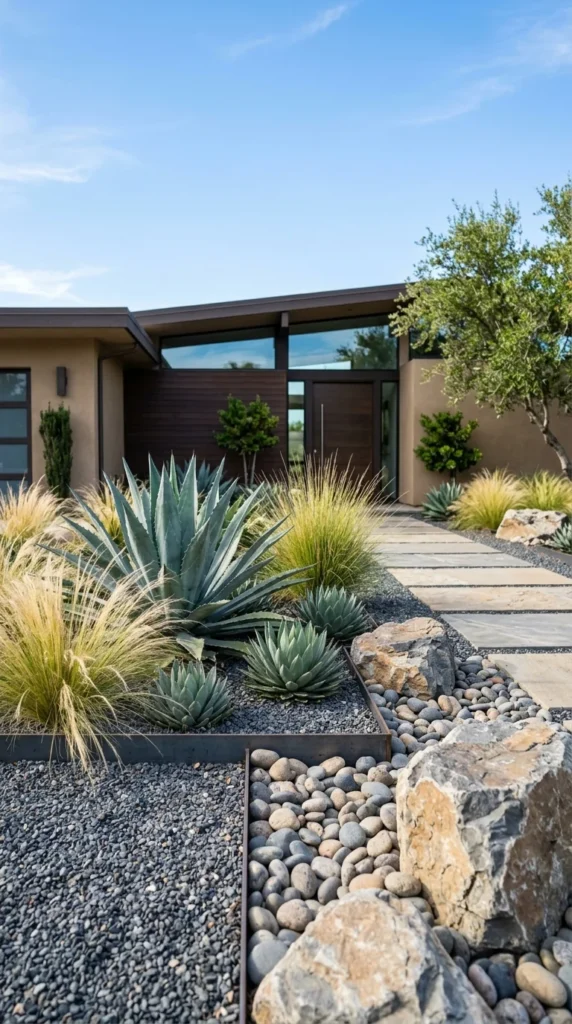
Originally popular in arid climates, xeriscaping has become a global trend for those looking to save water and time. This landscaping philosophy focuses on using slow-growing, drought-tolerant plants and clever irrigation techniques. By utilizing decorative gravel, boulders, and hardy plants like yucca or lavender, you create a structured, “architectural” look that requires almost zero pruning and no weekly watering. It transforms a thirsty lawn into a sophisticated, water-wise masterpiece.
4. Artificial Turf
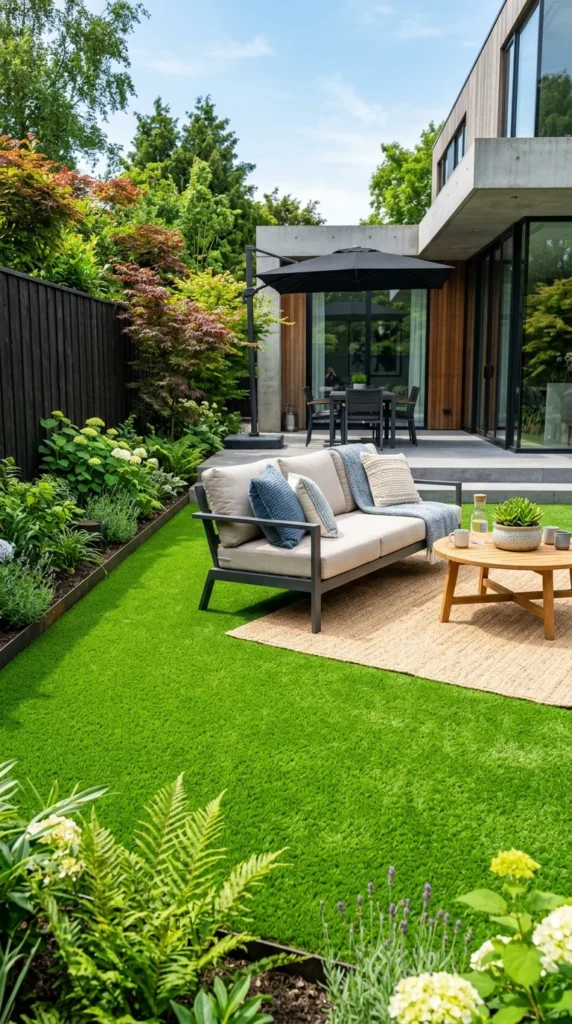
If you love the look of a green lawn but hate the effort, artificial turf is the ultimate solution. Modern synthetic grass has come a long way from the plastic-looking mats of the past; today’s versions feature varied blade heights and colors that mimic real fescue or bermuda grass. With artificial turf, you eliminate mowing, fertilizing, aerating, and watering entirely. It’s particularly useful for high-traffic areas where real grass might die, or for shaded spots where nothing seems to grow.
5. Perennial Flowers
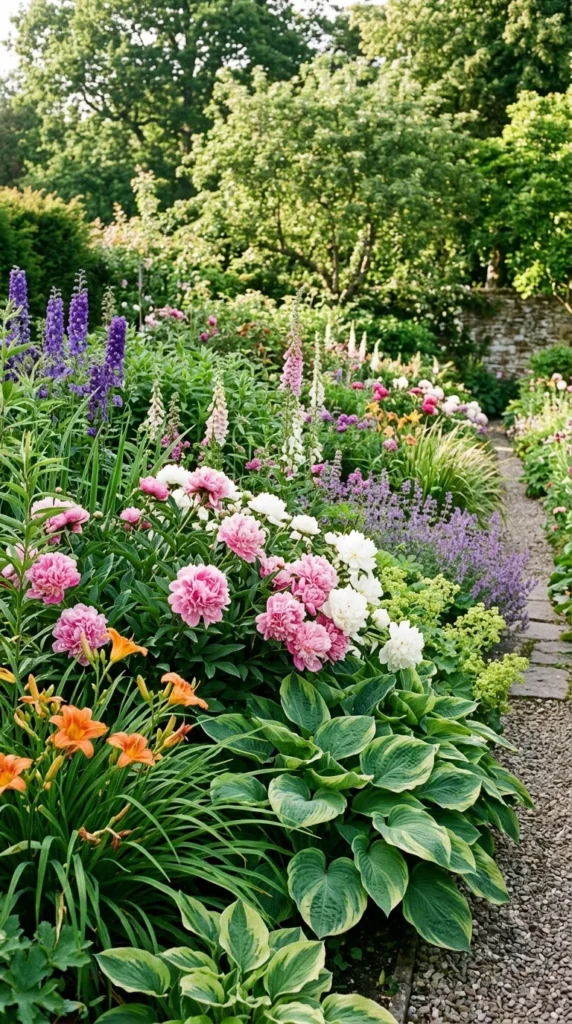
Unlike annuals, which must be replanted every single year, perennials are the gift that keeps on giving. Once planted, these hardy survivors go dormant in the winter and return bigger and stronger the following spring. To keep maintenance at a minimum, choose “set it and forget it” varieties like Hostas (for shade) or Daylilies (for sun). Over time, many perennials will spread, filling in gaps in your garden beds and further crowding out potential weeds.
6. Rock Gardens
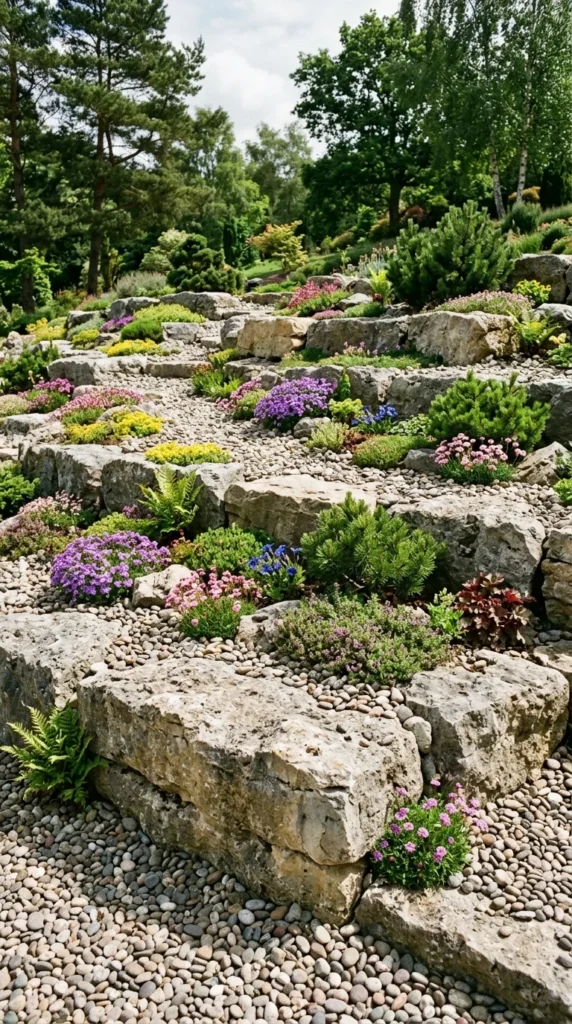
Rock gardens use the natural beauty of geological formations to create visual interest without the need for biological upkeep. By arranging different sizes, shapes, and colors of stones, you create a permanent landscape feature that doesn’t grow, wilt, or die. You can tuck low-maintenance plants like creeping phlox or hens-and-chicks into the crevices for a pop of color. A well-designed rock garden offers a rugged, timeless appeal that looks better as the stones weather over the years.
7. Ground Covers
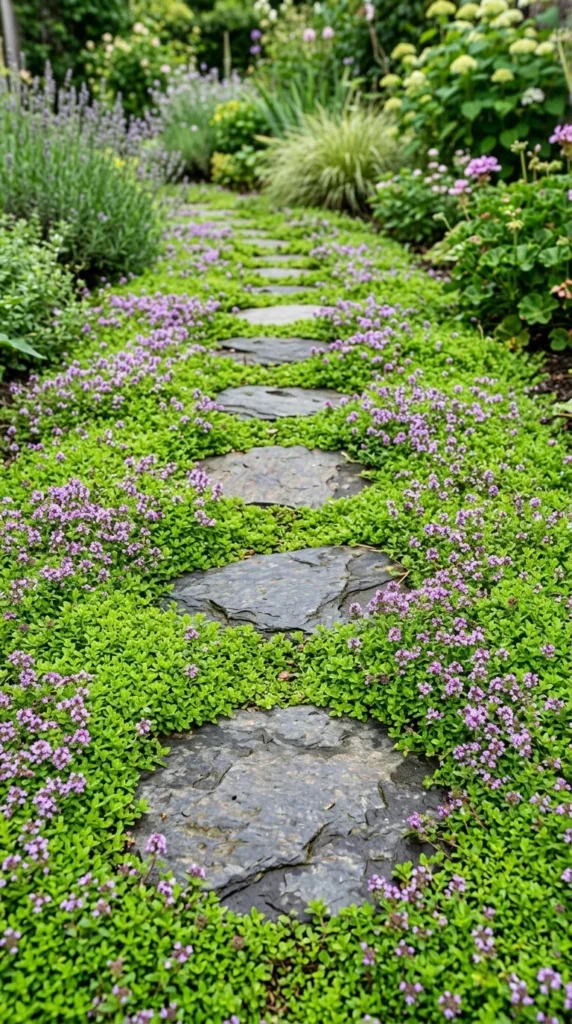
If you have a slope that is dangerous to mow or a shady patch where grass refuses to grow, ground covers are your best friend. Plants like Creeping Thyme, Pachysandra, or Clover create a dense, low-growing mat that acts as a “living mulch.” Most ground covers never need to be mowed and are extremely efficient at choking out weeds. Many varieties even offer seasonal flowers or pleasant fragrances when stepped upon, providing a sensory experience that standard grass cannot match.
8. Potted Plants
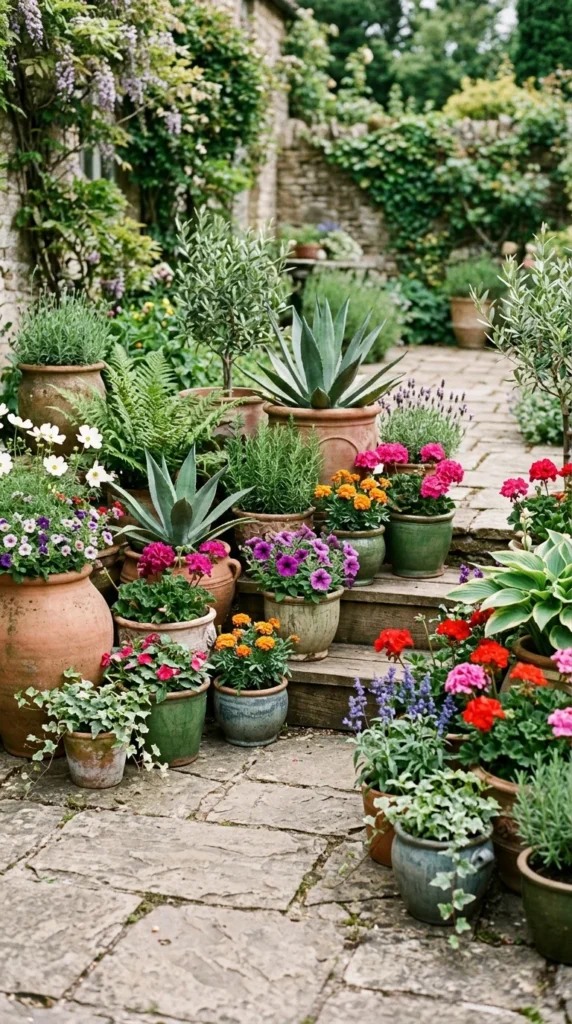
Container gardening allows you to control the environment perfectly. By keeping your greenery in pots, you eliminate the back-breaking work of digging in heavy soil and the constant battle against invasive garden weeds. Pots also allow you to move your “garden” to follow the sun or to protect plants from harsh weather. For the lowest maintenance, use large pots—they hold more soil and moisture, meaning they don’t need to be watered as frequently as small containers.
9. Automated Irrigation
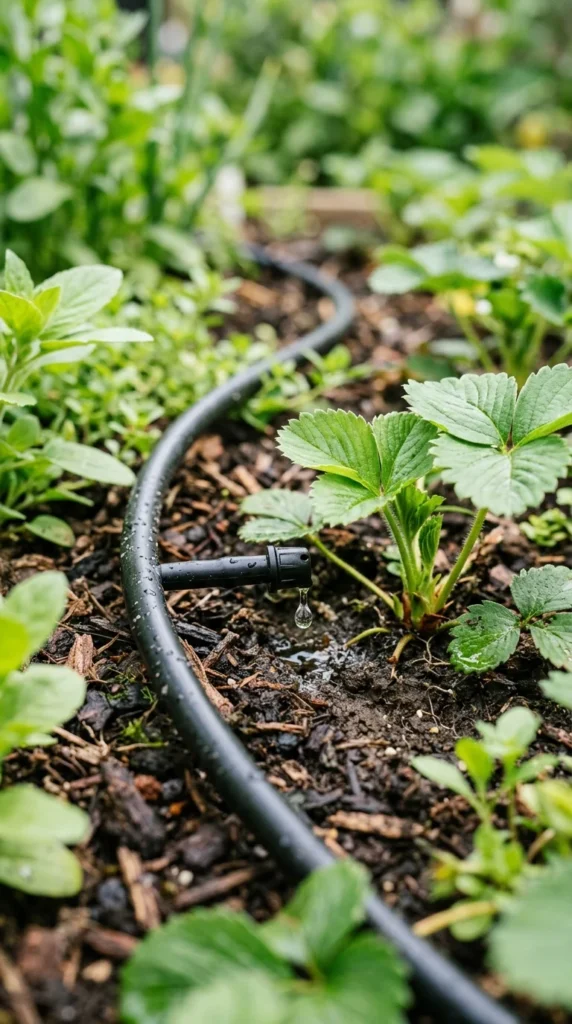
The most time-consuming part of summer landscaping is watering. Installing an automated drip irrigation system or a smart sprinkler controller removes this chore from your to-do list entirely. Drip systems are particularly effective because they deliver water directly to the roots, minimizing evaporation and preventing the foliage diseases that occur with overhead watering. Modern smart controllers even sync with local weather forecasts to skip watering cycles when rain is predicted.
10. Pea Gravel
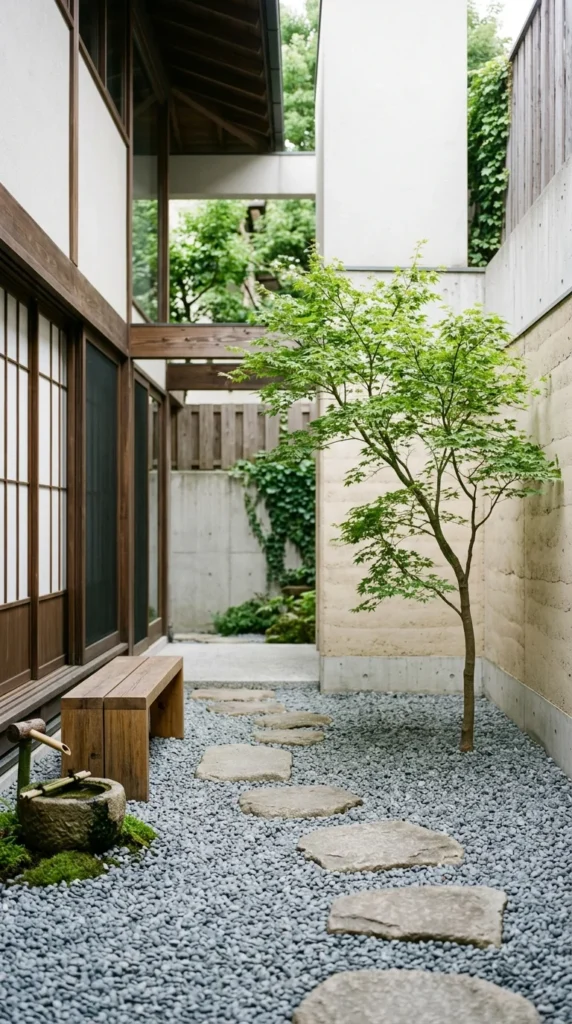
Pea gravel is a versatile, inexpensive material that provides an instantly “finished” look to any yard. It’s perfect for creating pathways, fire pit areas, or even entire courtyards. Unlike pavers, which can shift and require leveling, gravel is self-leveling and offers excellent drainage. It provides a satisfying crunch underfoot and creates a Mediterranean or Zen-like atmosphere that requires only an occasional rake to keep looking fresh.
11. Evergreens
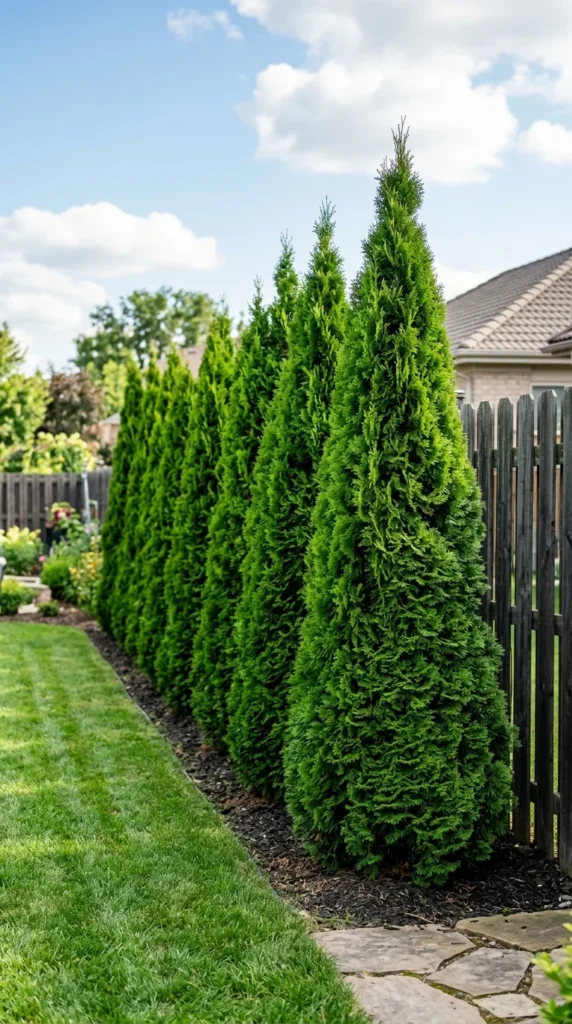
Deciduous trees can be a headache when autumn arrives and the leaves need raking. Evergreens, on the other hand, provide year-round color and structure with very little mess. From tall privacy hedges like Arborvitae to low-growing spreading junipers, evergreens provide the “bones” of a landscape. They require minimal pruning to maintain their shape and look just as good in the dead of winter as they do in the height of summer.
12. Hardscaping
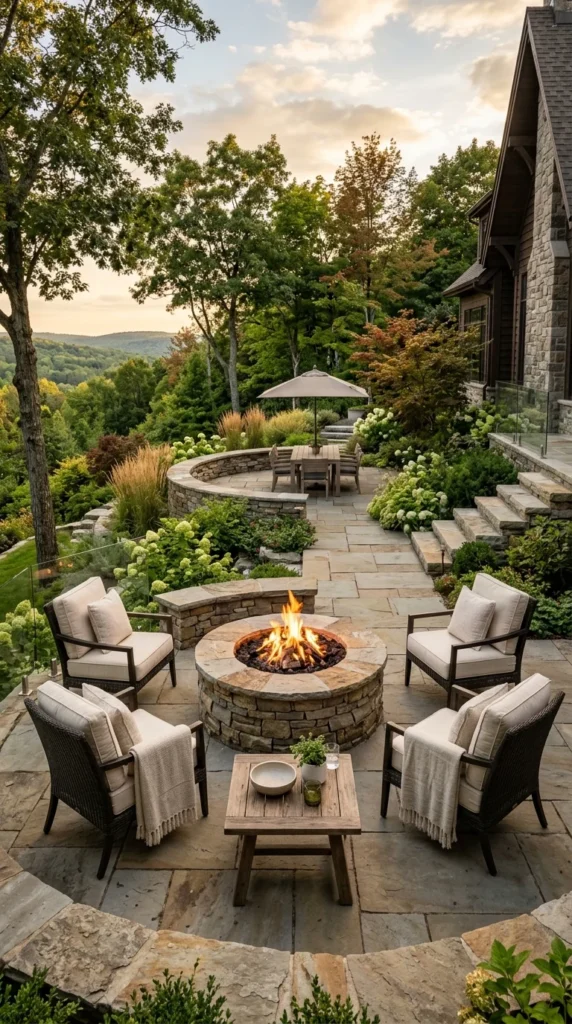
The most effective way to eliminate yard work is to eliminate the “yard” itself. Hardscaping—the use of non-living elements like patios, decks, and stone walls—creates functional living space that requires almost zero maintenance. A well-laid stone patio provides a place for dining and entertaining while reducing the footprint of your lawn. While the initial investment is higher, the long-term savings in time, water, and fertilizer make hardscaping a highly cost-effective choice.
13. Clover Lawn
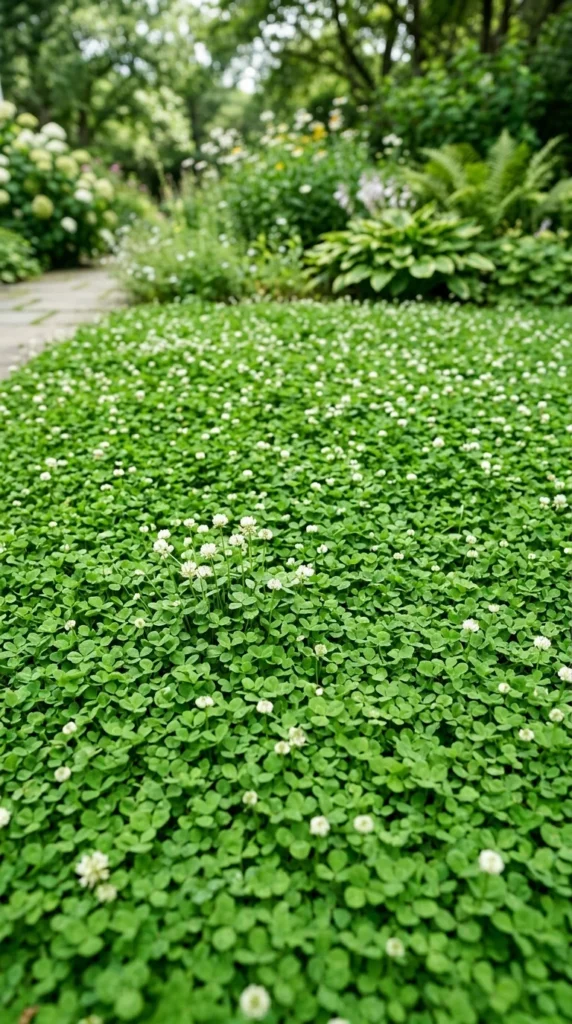
For those who aren’t ready to give up the look of a lawn but hate the maintenance of traditional grass, clover is a revolutionary alternative. Clover stays green even in the heat of summer, requires far less water than grass, and rarely needs mowing because it grows low to the ground. Perhaps most impressively, clover is a nitrogen-fixer, meaning it actually pulls fertilizer out of the air and puts it into the soil, feeding itself and any surrounding plants naturally.
14. Rain Gardens
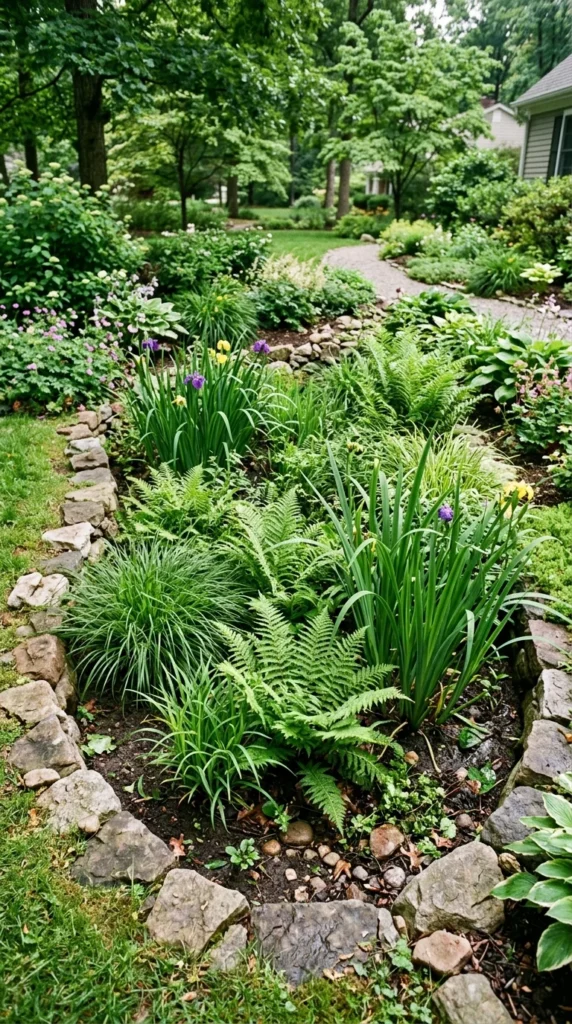
If you have a soggy spot in your yard where grass always dies, stop trying to fight the water and embrace it with a rain garden. A rain garden is a shallow depression planted with deep-rooted species that enjoy “wet feet.” These gardens are designed to capture and soak up rainwater runoff from roofs and driveways. Once the plants are established, they require almost no care, as the natural rainfall provides all the hydration they need. It’s a functional, eco-friendly solution to a common landscaping problem.
15. Succulents
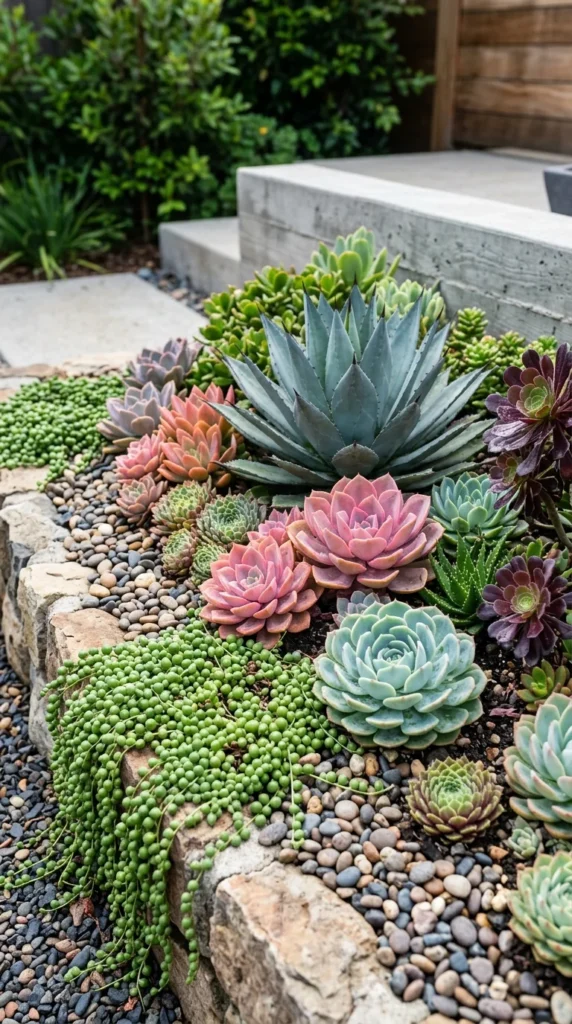
In many regions, succulents are the ultimate “low-maintenance” plants. Their thick, fleshy leaves are designed to store water, allowing them to survive for long periods without a drop of rain. They come in an incredible array of geometric shapes and colors, from neon pinks to icy blues. Because they grow slowly, they rarely need pruning or repotting. In warmer climates, they can live in the ground year-round; in cooler climates, they make excellent container plants that can be brought indoors for the winter.