
Creating a beautiful outdoor space doesn’t have to mean spending every weekend weeding, mowing, and pruning. The modern homeowner is increasingly looking for “set it and forget it” solutions that offer aesthetic appeal without the heavy labor. By focusing on hardy plants, strategic hardscaping, and smart design choices, you can create a landscape that thrives in every season. Here are 26 low-maintenance landscaping ideas to transform your yard into a year-round sanctuary.
1. Native Plants
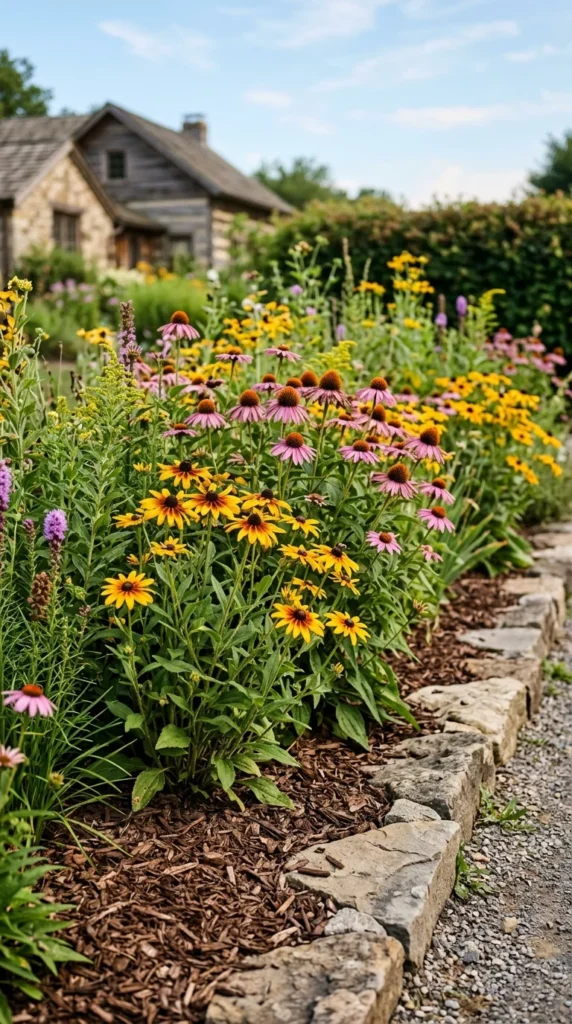
Native plants are the backbone of any low-maintenance yard. Because they evolved to thrive in your specific climate and soil conditions, they require significantly less water and fertilizer than exotic species. They are also naturally resistant to local pests and diseases, reducing the need for chemical interventions. Once established, native plants create a self-sustaining ecosystem that supports local pollinators.
2. Perennial Flowers
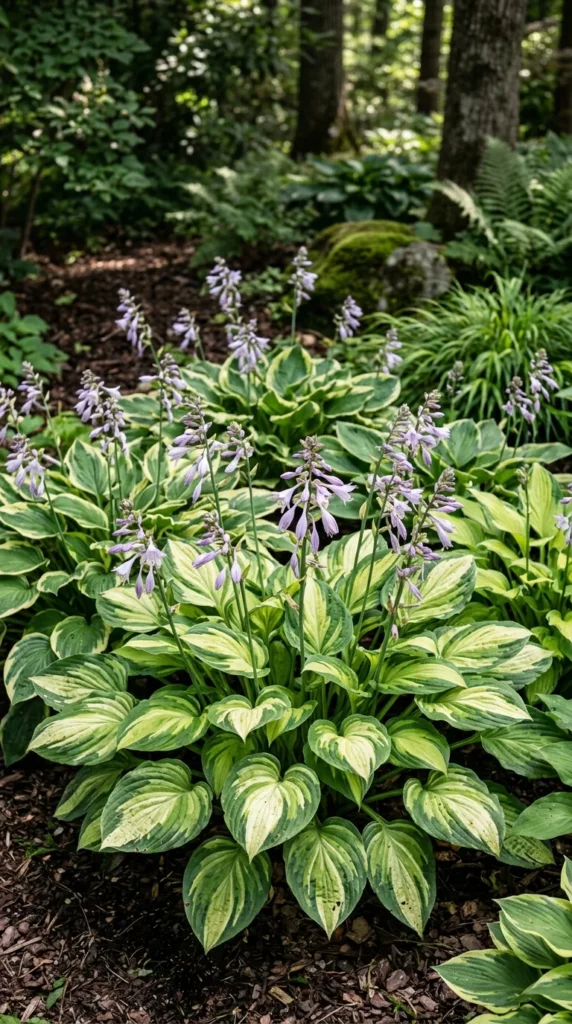
Unlike annuals, which must be replanted every spring, perennials come back year after year. Choices like Lavender, Daylilies, and Peonies provide reliable color and texture. By selecting a variety of perennials with staggered bloom times, you can ensure your garden looks lively from early spring through late autumn with minimal effort beyond occasional deadheading.
3. Stone Paths
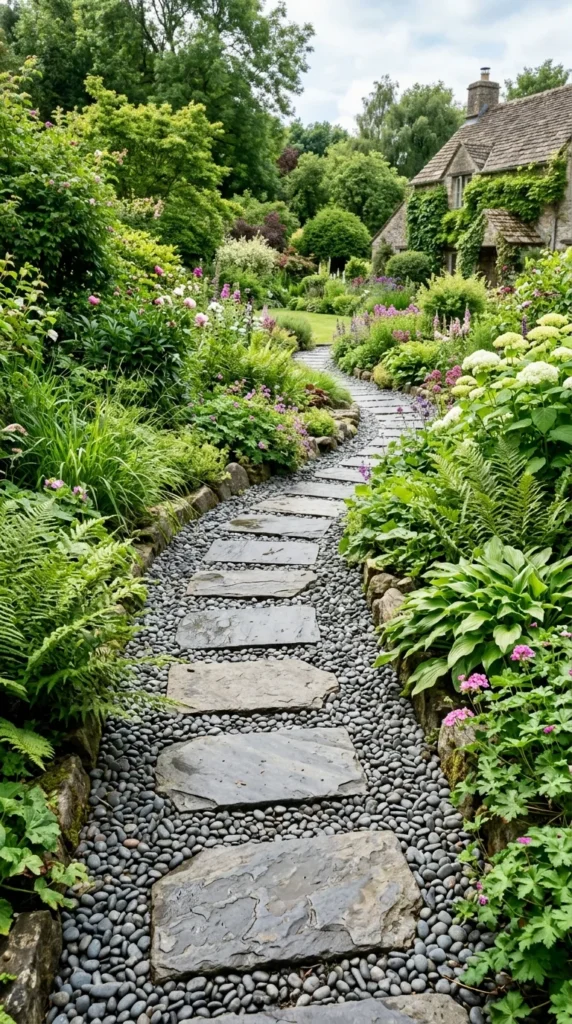
Mowing grass is one of the most time-consuming chores. Replacing high-traffic turf areas with stone paths not only adds structural beauty but also eliminates the need for maintenance. Use flagstone, slate, or pavers to create a permanent walkway that prevents soil compaction and keeps your feet dry during rainy seasons.
4. Mulch Beds
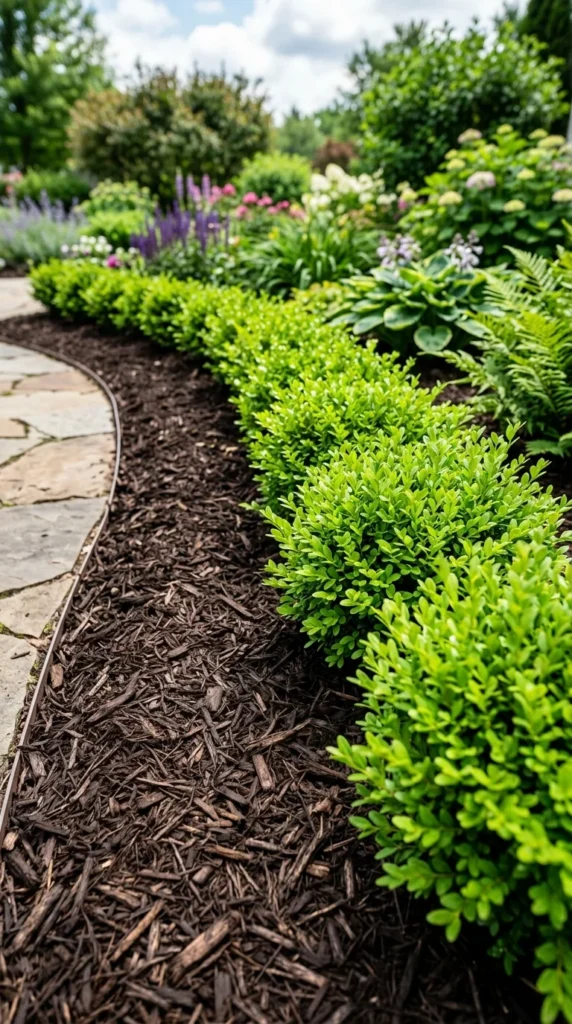
Mulch is a secret weapon for low-maintenance gardening. A thick layer of organic mulch (like wood chips or bark) suppresses weed growth by blocking sunlight. It also retains soil moisture, meaning you’ll spend less time watering your plants. As it breaks down, it enriches the soil with nutrients, improving plant health over time.
5. Rock Gardens
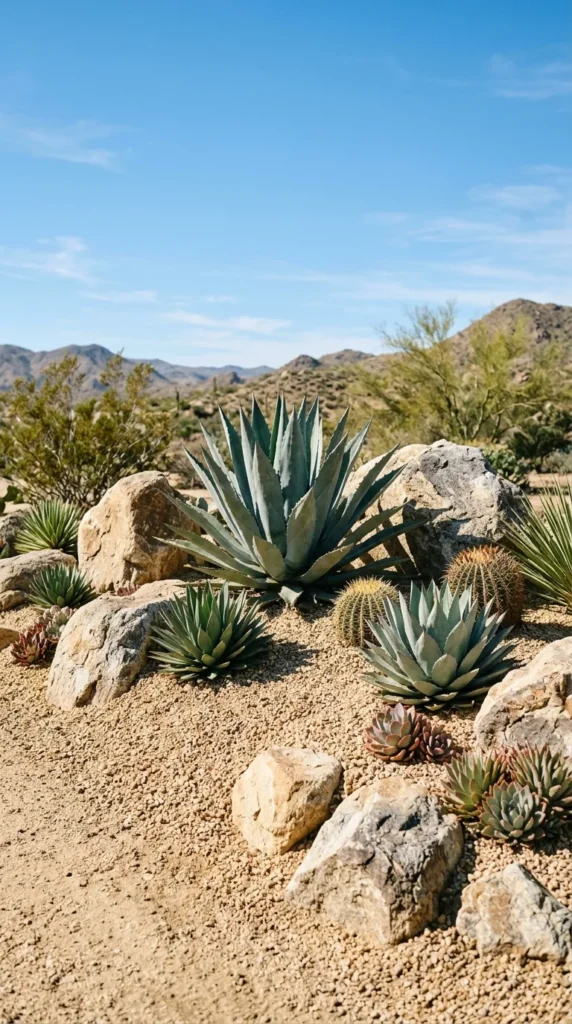
If you live in a dry climate or have a steep slope where grass won’t grow, a rock garden is an ideal solution. By combining various sizes of stones, boulders, and gravel with hardy alpine plants or succulents, you create a high-contrast landscape that requires virtually zero water and no mowing.
6. Artificial Turf
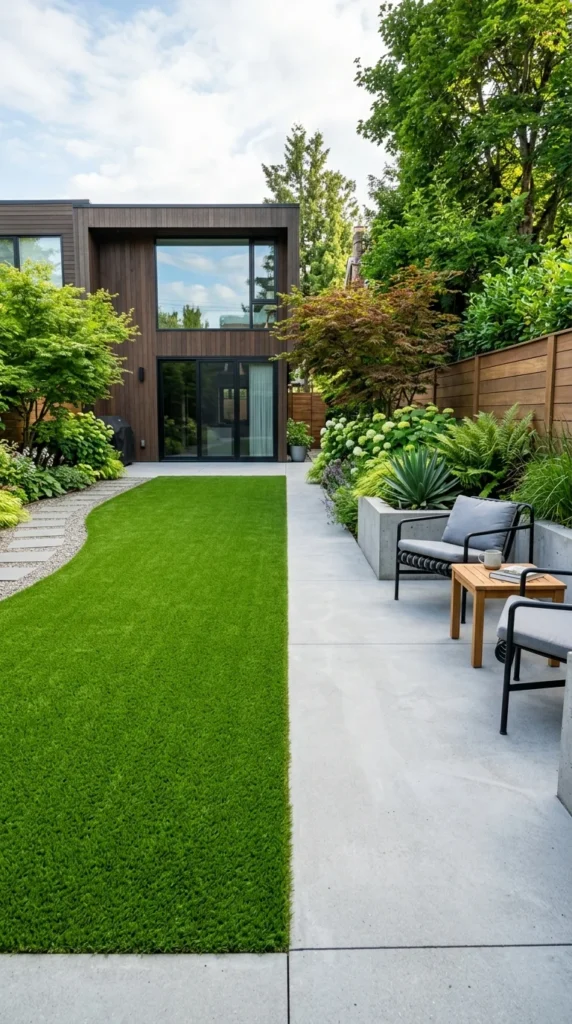
For those who love the look of a perfectly manicured lawn but hate the upkeep, artificial turf has come a long way. Modern synthetic grass looks and feels remarkably real. It requires no water, no fertilizer, and no mowing, staying vibrant and green even in the middle of a drought or the dead of winter.
7. Succulents
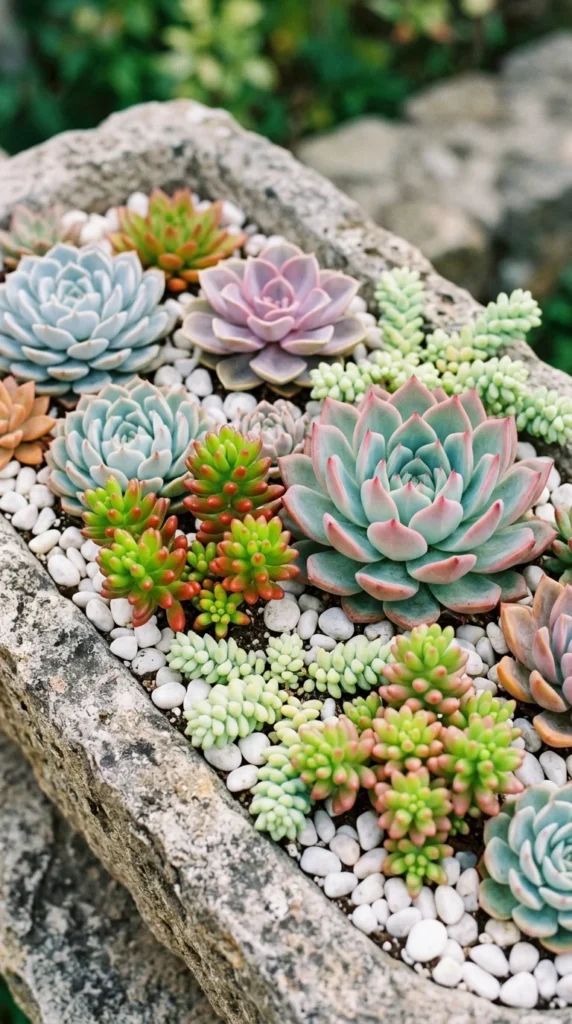
Succulents are the ultimate “drought-warriors.” These plants store water in their thick leaves, allowing them to survive long periods of neglect. They come in an incredible array of shapes, colors, and textures, making them perfect for rockeries, containers, or ground cover in warmer climates.
8. Evergreen Shrubs
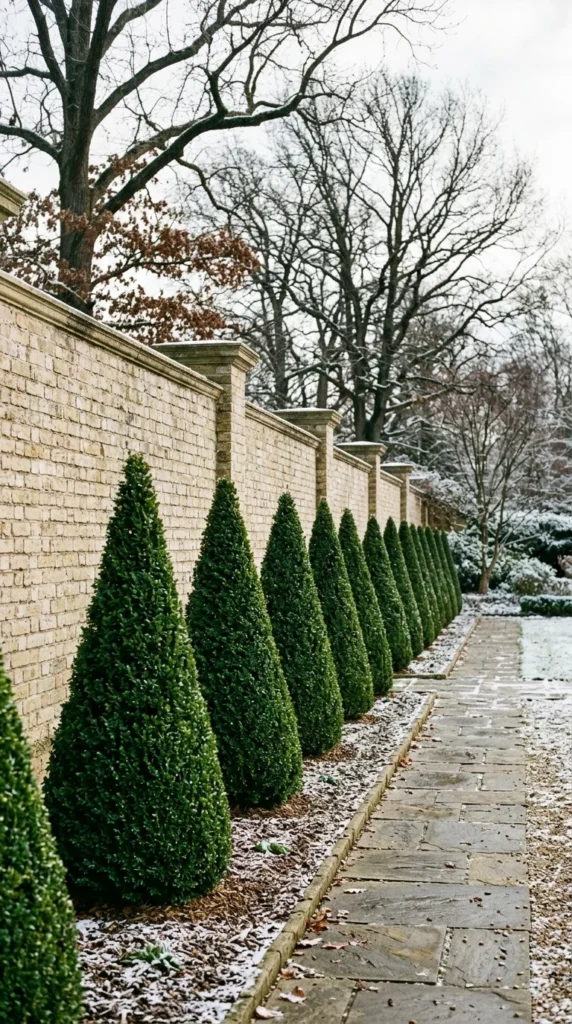
Evergreens provide the “bones” of your landscape. While deciduous trees lose their leaves and look bare in winter, evergreens like Boxwood, Juniper, and Yew remain green and full all year. They offer privacy, wind protection, and a constant splash of color, requiring only a light pruning once or twice a year to maintain their shape.
9. Xeriscaping
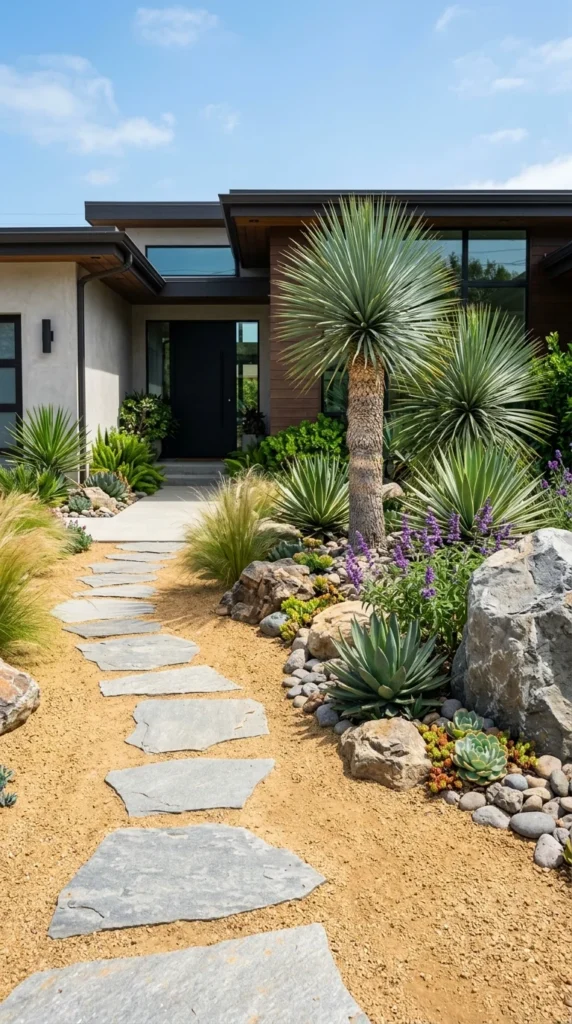
Xeriscaping is a landscaping philosophy focused on water conservation. It involves grouping plants with similar water needs and using drought-tolerant species. By reducing or eliminating the need for supplemental irrigation, xeriscaping saves money on water bills and drastically cuts down on maintenance tasks.
10. Ground Covers
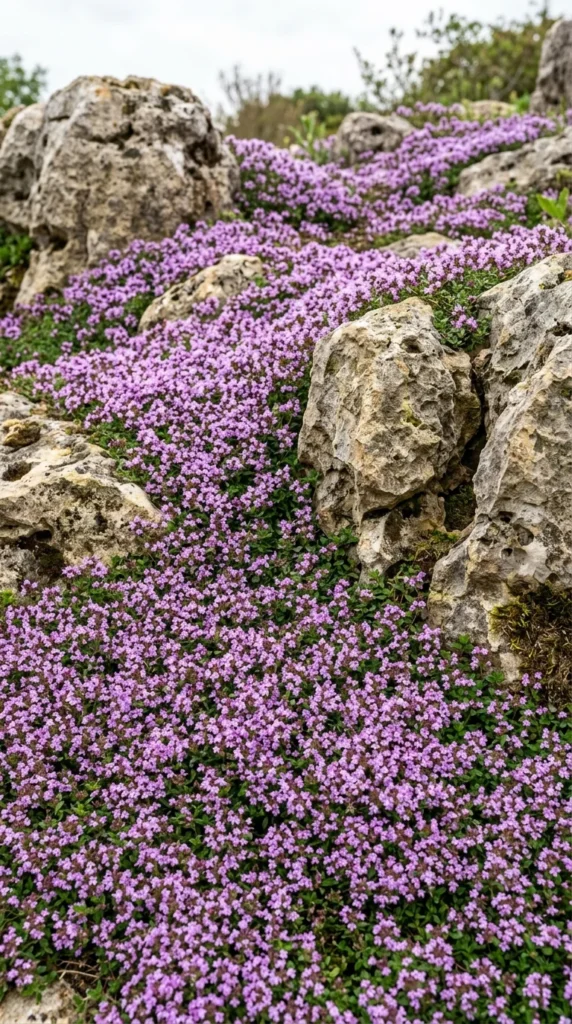
Instead of grass, consider “living mulch” in the form of ground covers. Plants like Creeping Thyme, Pachysandra, or Clover spread horizontally to create a dense mat. They choke out weeds and require no mowing. Many ground covers also produce beautiful flowers, adding an extra layer of visual interest to your yard.
11. Automated Irrigation
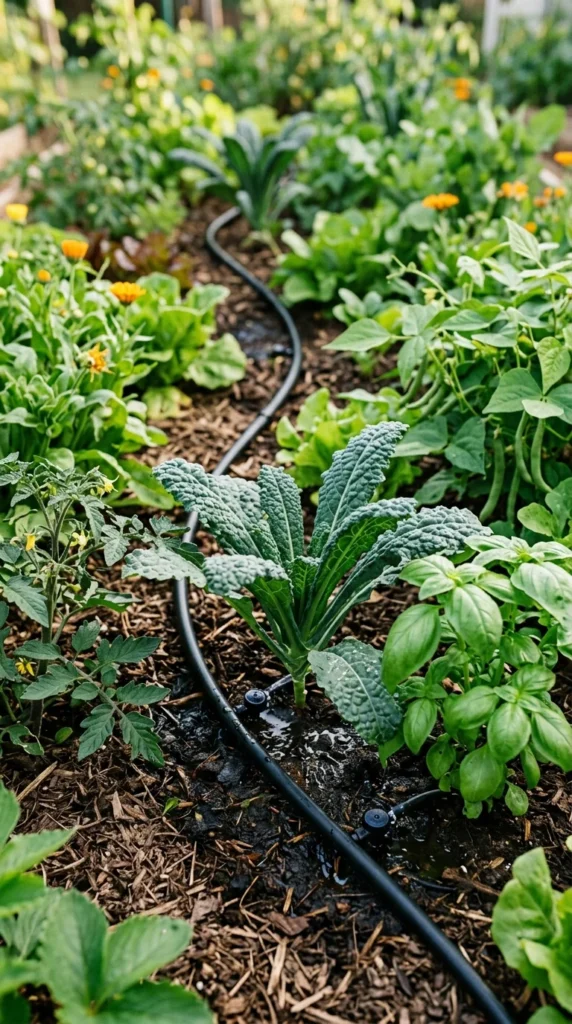
Technology is a friend to the low-maintenance gardener. Installing a drip irrigation system with a programmable timer ensures your plants get exactly the amount of water they need at the right time of day. This prevents overwatering, underwatering, and the tedious task of hauling a hose around every evening.
12. Raised Beds
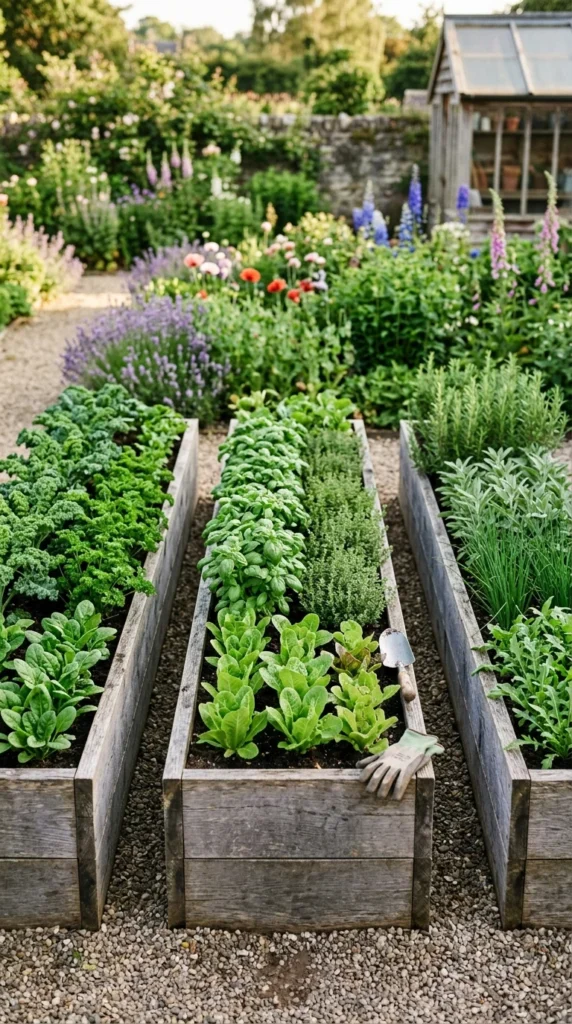
Raised beds offer several advantages: they provide better drainage, prevent soil compaction, and act as a physical barrier against some pests. Most importantly, they define the gardening space, making it easier to manage weeds and preventing the garden from “creeping” into the rest of the yard.
13. Pea Gravel
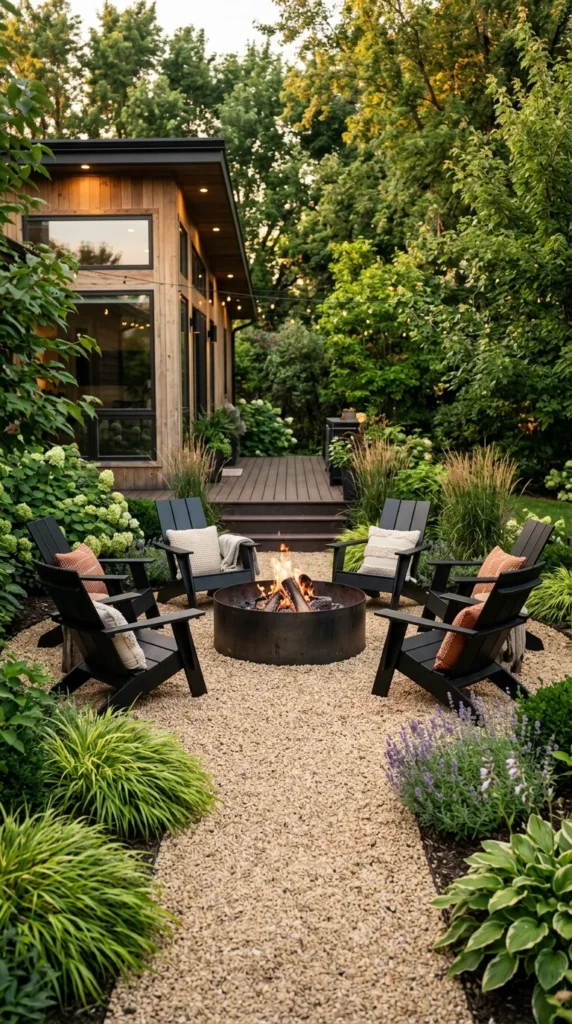
Pea gravel is an affordable and versatile hardscaping material. It provides a soft, crunching texture underfoot and excellent drainage. Use it for patios, play areas, or as a mulch substitute. Unlike wood mulch, pea gravel doesn’t decompose, so you won’t need to replace it every year.
14. Ornamental Grasses
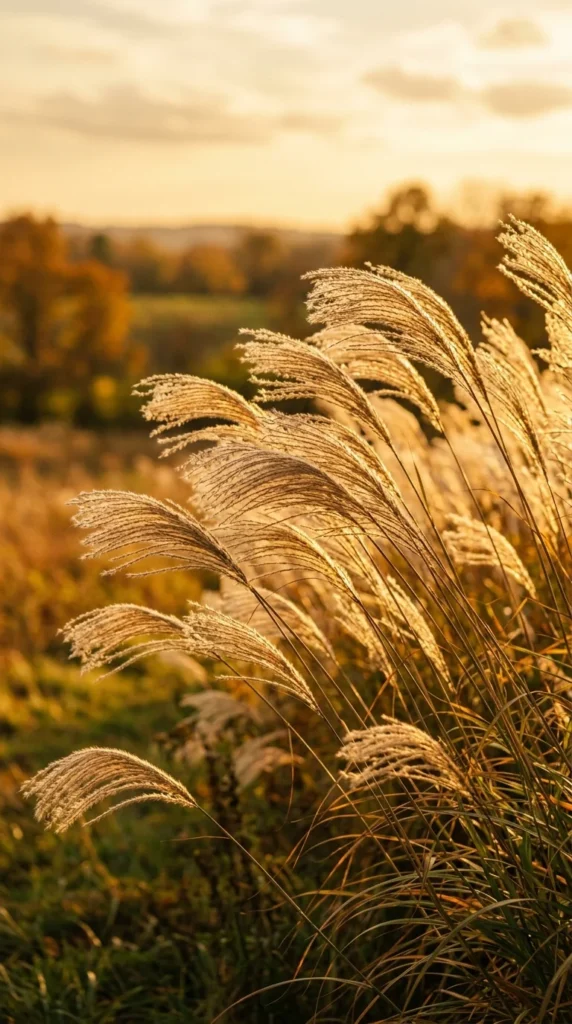
Ornamental grasses like Miscanthus or Blue Fescue add movement and height to a garden. They are incredibly hardy, requiring only one haircut per year (usually in late winter). Throughout the rest of the year, they provide texture, sound, and visual interest, even when they turn golden in the winter months.
15. Hardscaping
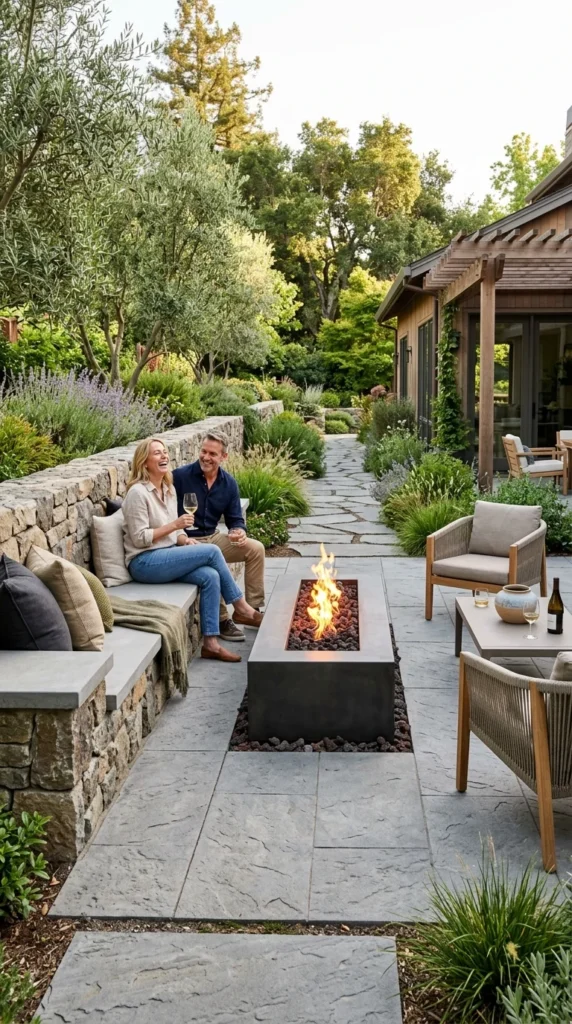
The more “hardscape” you have—patios, decks, and walls—the less “softscape” you have to maintain. A well-designed patio creates an outdoor room for entertaining while significantly reducing the amount of square footage that needs planting, watering, or weeding.
16. Potted Plants
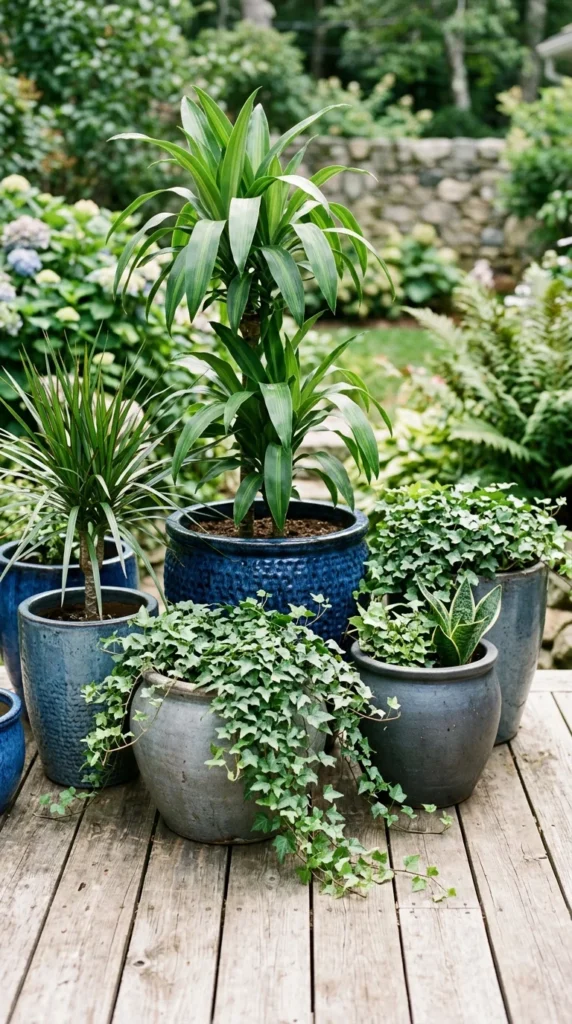
Container gardening allows you to control the environment perfectly. You can choose the best soil, move the plants to follow the sun, and easily swap them out if they start to look tired. Pots also prevent invasive species from spreading into your main garden beds.
17. Drought-Tolerant Shrubs
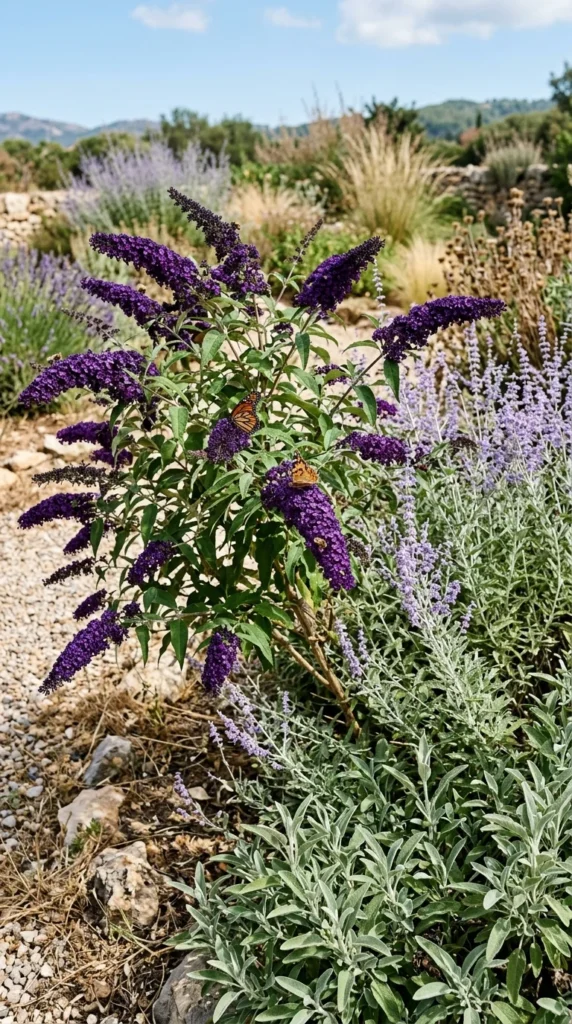
Shrubs like Spirea, Potentilla, and various sages are “tough as nails.” Once their root systems are established, they can survive through heatwaves and dry spells with very little help. They provide a lot of “green volume” for very little effort, filling up large spaces in the yard beautifully.
18. Composite Decking
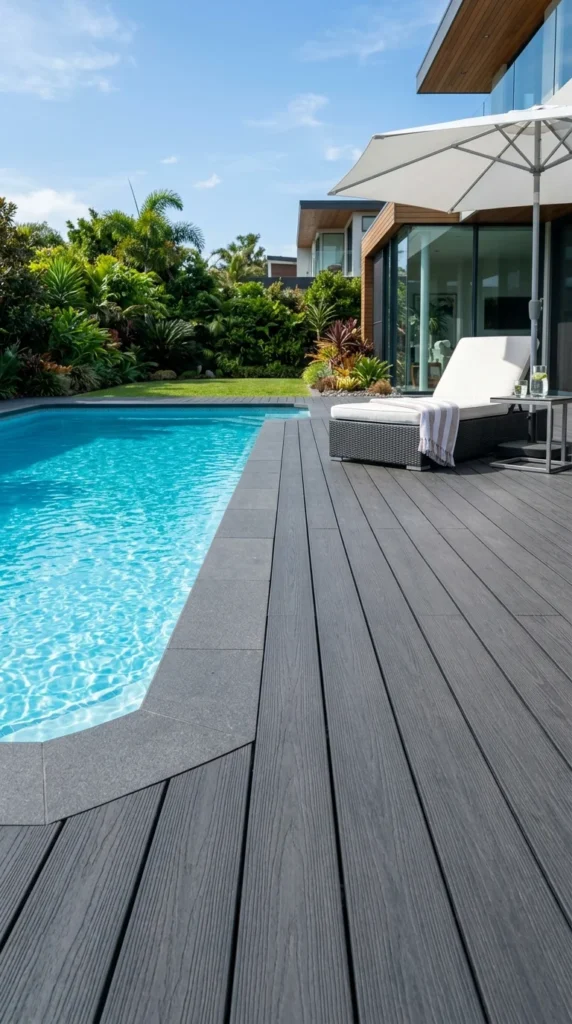
While traditional wood decks require regular staining, sealing, and sanding, composite decking is virtually maintenance-free. Made from a blend of wood fibers and plastic, it won’t rot, warp, or splinter. A simple wash with soap and water once a year is usually all it takes to keep it looking brand new.
19. Vertical Gardens
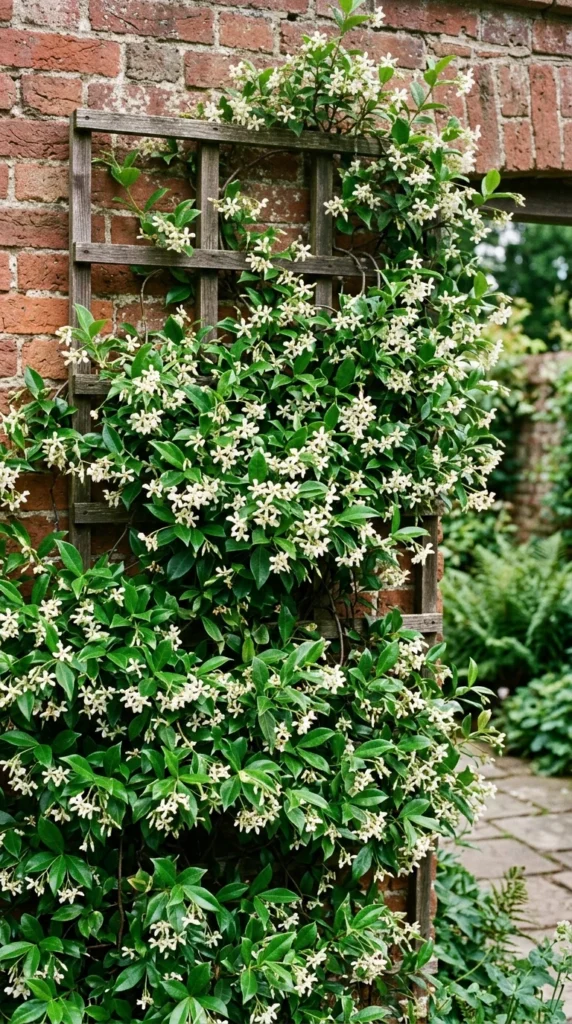
When you grow “up” instead of “out,” you save ground space and often reduce weed pressure. Using trellises, wall-mounted planters, or climbing vines allows you to add greenery to small spaces without the need for extensive bed preparation. Vines like Clematis or Ivy can hide ugly fences with very little intervention.
20. River Rocks
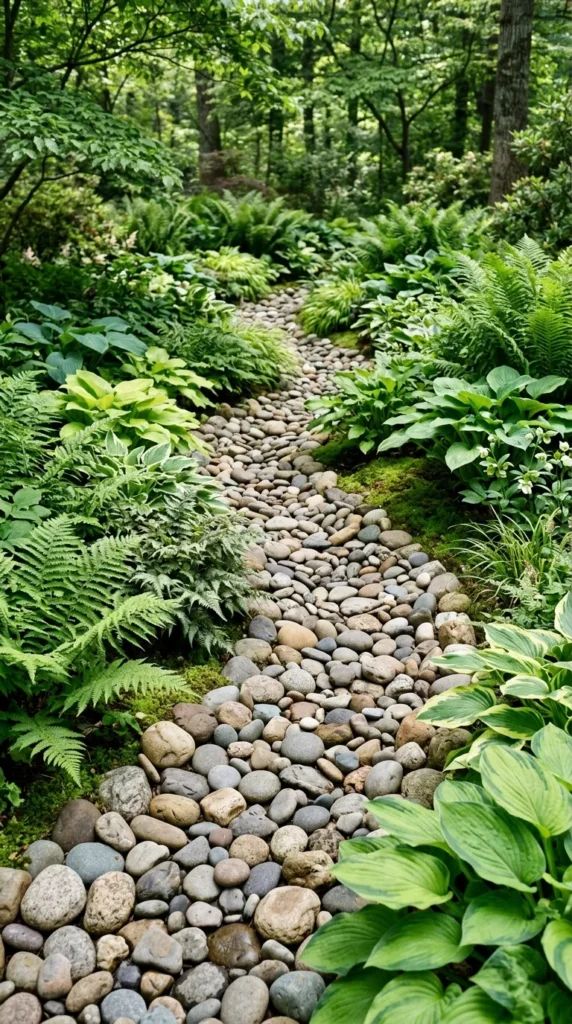
River rocks are larger than gravel and offer a more substantial, natural look. They are perfect for creating “dry creek beds” that manage runoff during heavy rains. Because they are heavy, they stay in place and provide a permanent, weed-resistant surface that looks great rain or shine.
21. Slow-Growing Trees
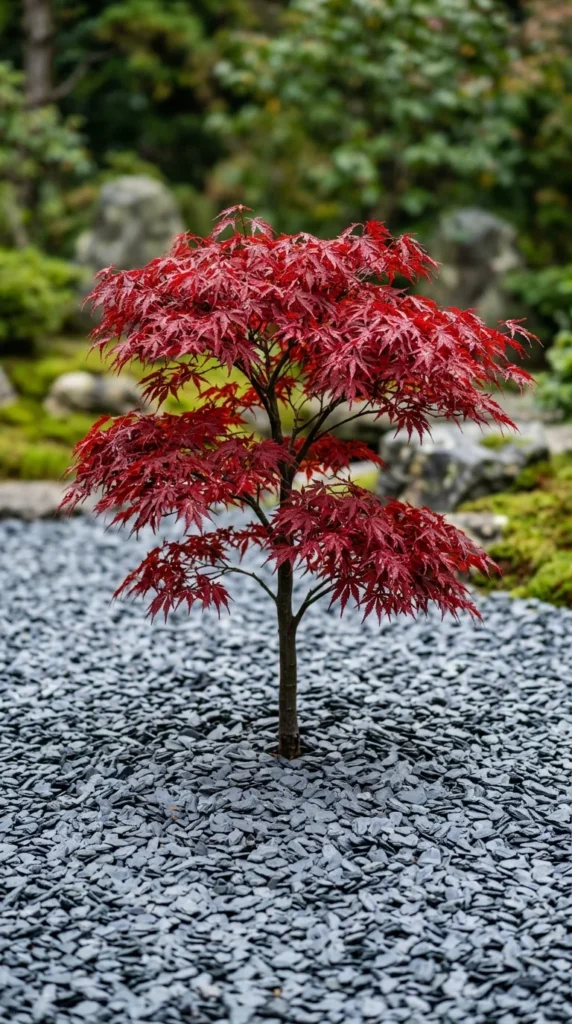
The key to a low-maintenance tree is its growth rate. Fast-growing trees often have weak wood and require frequent pruning. Slow-growing specimens, like Japanese Maples or certain Oaks, maintain their shape for years and produce less leaf litter, meaning less raking for you in the autumn.
22. Rain Gardens
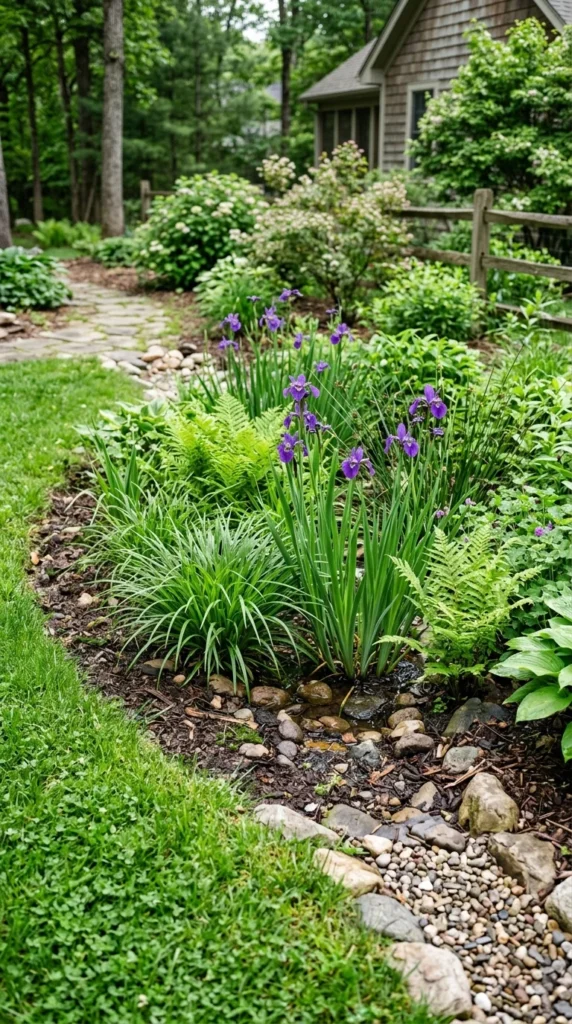
A rain garden is a functional landscape feature designed to collect and soak up runoff from roofs and driveways. By planting species that enjoy “wet feet,” you create a self-watering garden that solves drainage issues while providing a beautiful, lush habitat for birds and butterflies.
23. Bark Chips
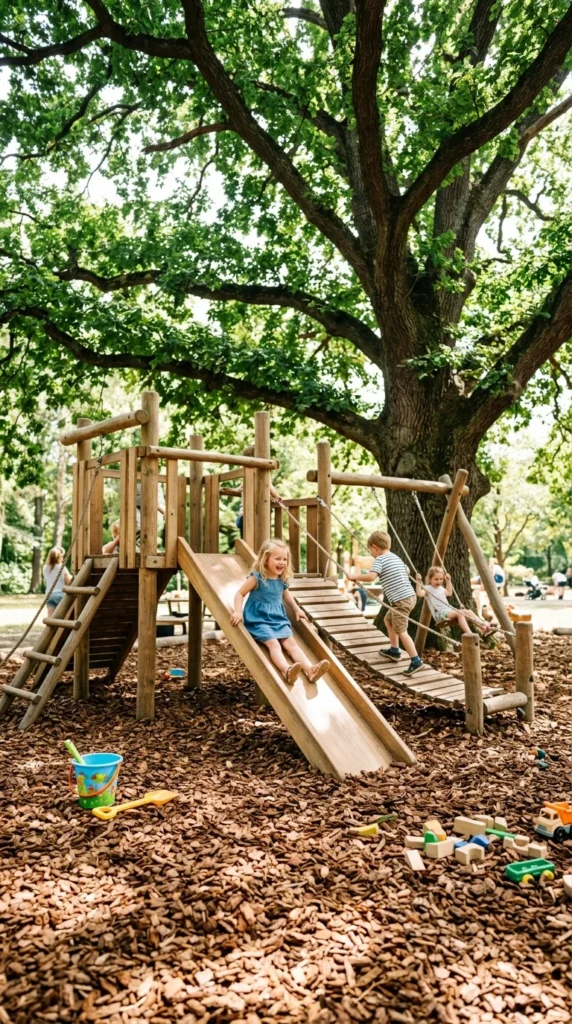
For a natural, forest-floor aesthetic, bark chips are an excellent choice. They are larger and more rugged than standard mulch, making them ideal for woodland paths or under large trees where grass struggles to grow. They provide a soft walking surface and a pleasant, earthy aroma.
24. Lavender Borders
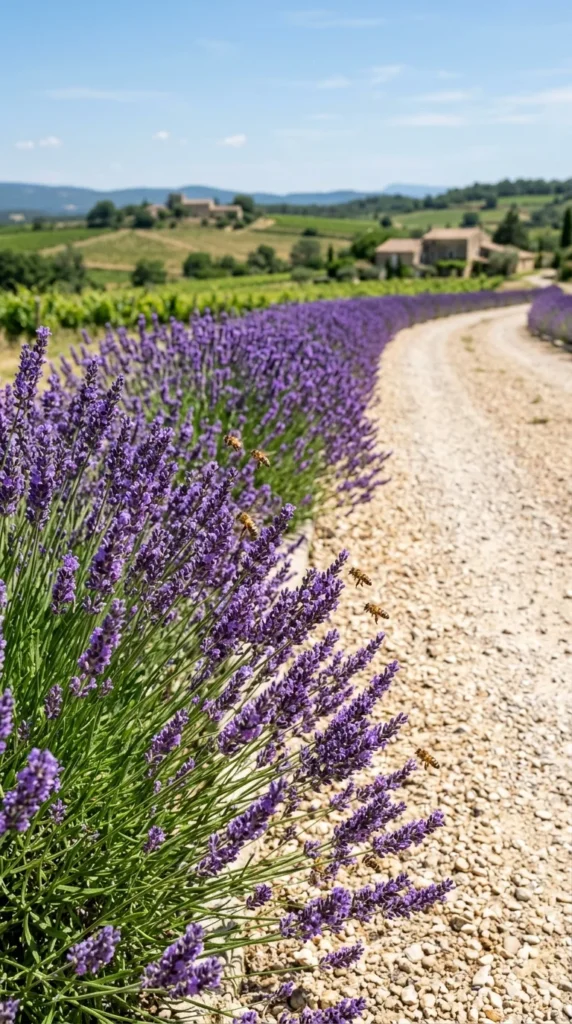
Lavender is a triple-threat plant: it’s drought-tolerant, deer-resistant, and incredibly fragrant. Using it as a border plant creates a clean, organized look. Once established, it requires almost no water and only needs a quick trim after it finishes blooming to stay tidy.
25. Wildflower Meadows
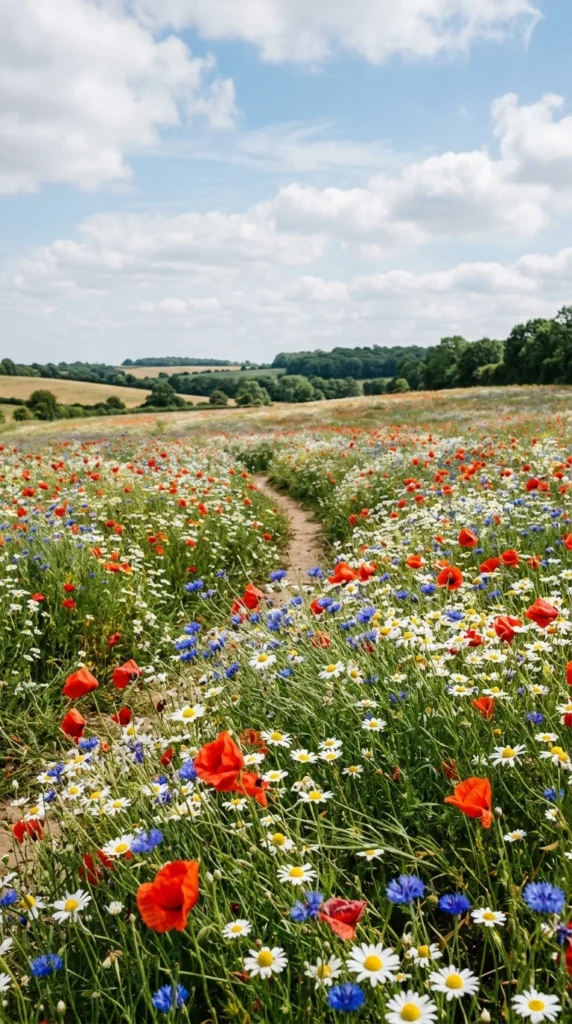
If you have a large, unused area of your property, stop mowing it and turn it into a wildflower meadow. After the initial sowing, these areas require very little care. They provide a changing tapestry of color throughout the seasons and create a vital sanctuary for local wildlife.
26. Minimalist Design
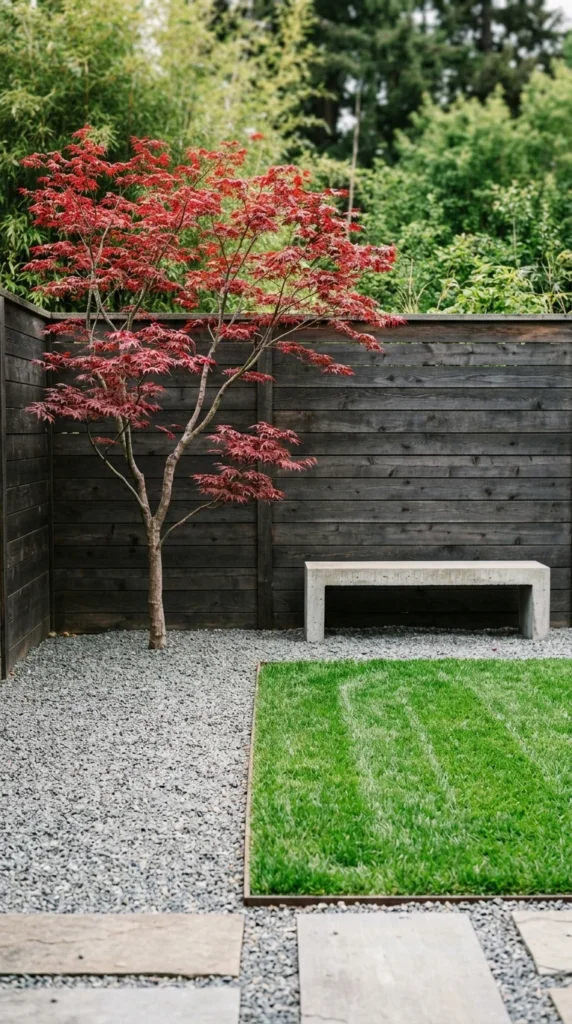
Sometimes, less is truly more. A minimalist landscape focuses on a few high-impact elements—perhaps one striking tree, a clean-lined patio, and a simple palette of green and grey. By limiting the number of different plant species and features, you naturally reduce the amount of care the yard requires while achieving a sophisticated, modern look.