
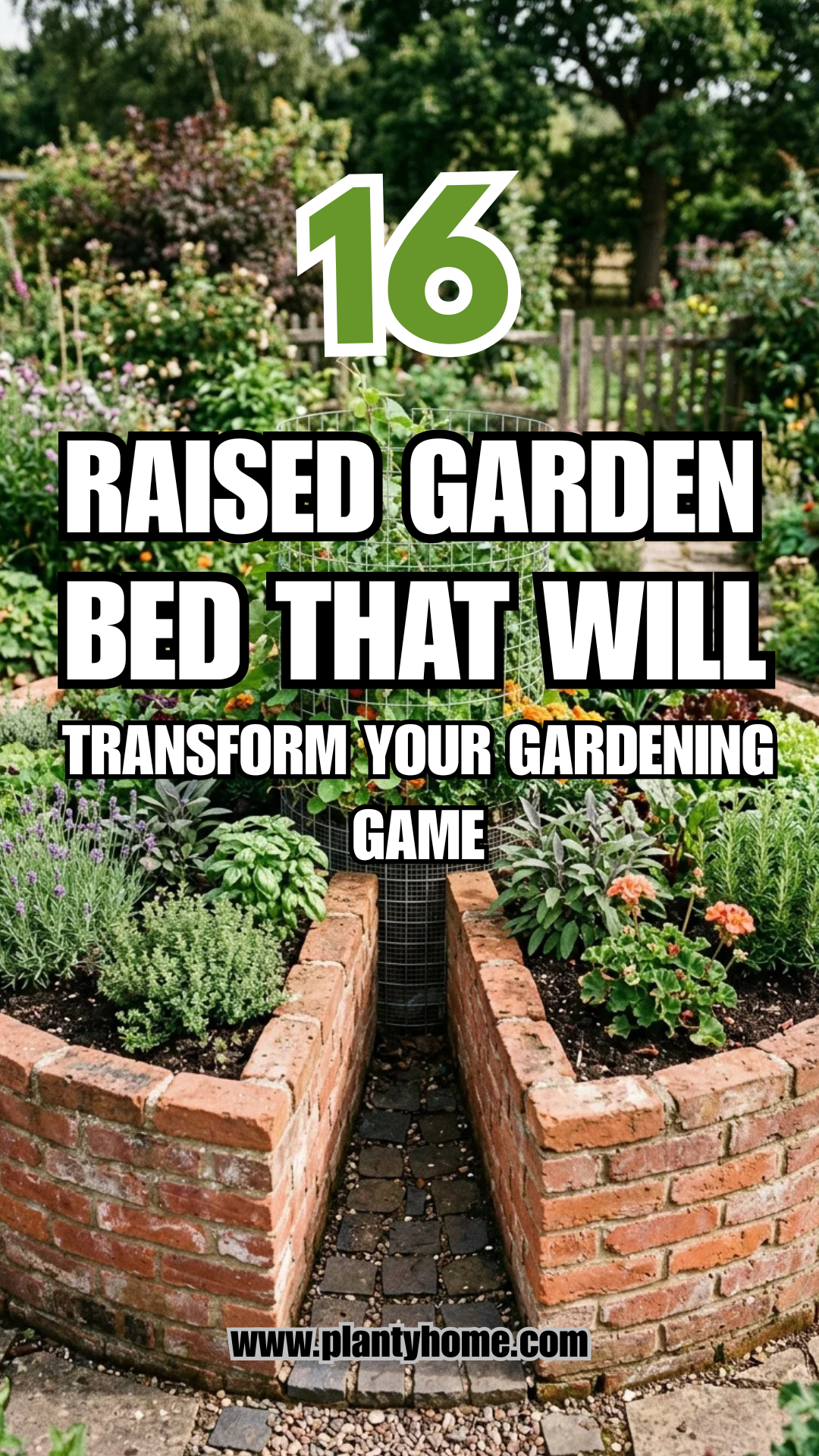
Raised bed gardening has revolutionized the way both urban and rural enthusiasts approach cultivation. By lifting the growing area above the natural ground level, gardeners gain unprecedented control over soil quality, drainage, and pest management. Whether you are dealing with rocky soil, limited space, or physical constraints that make bending down difficult, a raised bed offers a tailored solution. Beyond the practical benefits, these structures serve as architectural focal points that define the landscape of a backyard.
Choosing the right style depends on your aesthetic preferences, budget, and the specific needs of your plants. From the rustic charm of woven willow to the industrial durability of galvanized steel, the options are as varied as the crops you can grow. This guide explores sixteen transformative raised garden bed designs to help you elevate your horticultural practice.
1. Cedar Wood
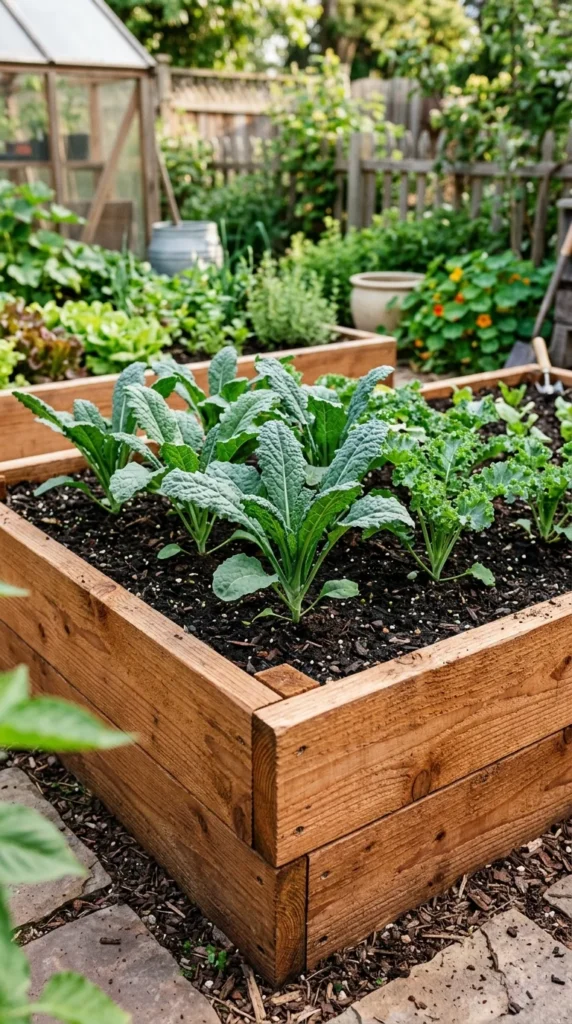
Cedar remains the gold standard for wooden raised beds. Naturally resistant to rot, decay, and insect infestation, cedar does not require chemical treatments to survive the elements, making it safe for organic vegetable gardening. Over time, the vibrant reddish tones of the wood weather into a graceful silvery-grey patina.
When constructing a cedar bed, aim for planks at least two inches thick to prevent bowing under the weight of wet soil. Cedar’s thermal properties also help insulate plant roots from extreme temperature fluctuations, keeping soil cooler in the summer and warmer during chilly spring mornings.
2. Corrugated Metal
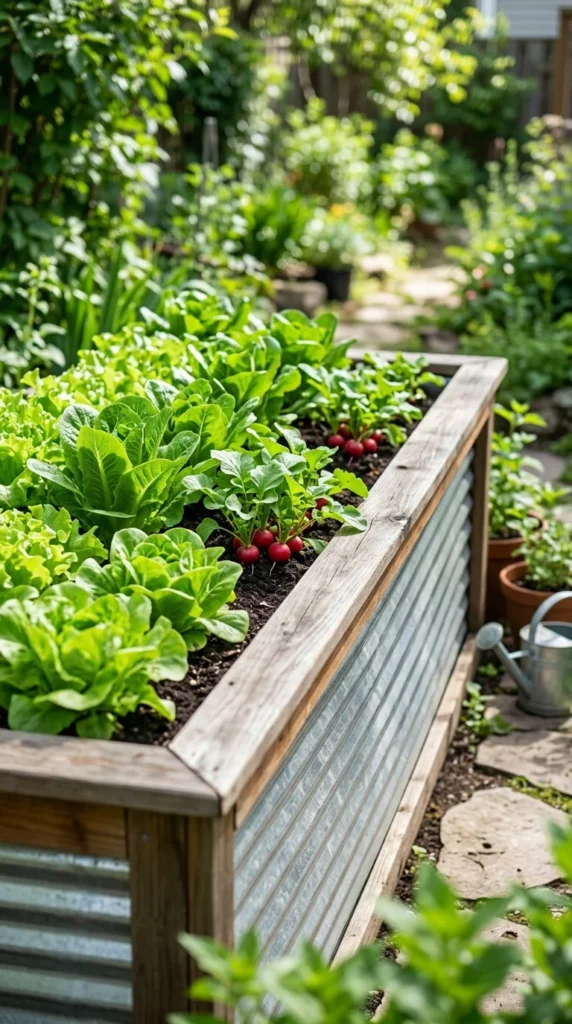
Corrugated metal beds offer a sleek, contemporary look that fits perfectly in modern landscapes. These beds are incredibly durable and can last for decades without the risk of rotting. Typically constructed with galvanized steel or Aluzinc, they reflect sunlight, which helps prevent the soil from overheating—a common misconception about metal containers.
The lightweight nature of the panels makes them easy to transport and assemble. For safety and comfort, many gardeners add a wooden “cap” or trim along the top edge to provide a comfortable place to sit or lean while tending to the plants.
3. Concrete Blocks
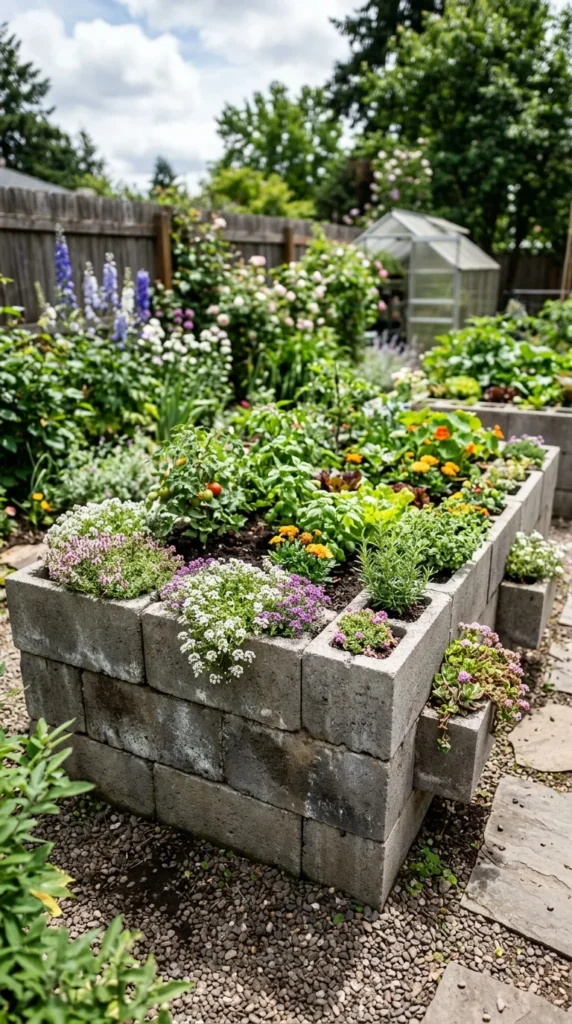
Concrete blocks, or cinder blocks, are a favorite for DIY enthusiasts looking for a permanent and cost-effective solution. They are exceptionally stable and allow for a “modular” design where you can easily adjust the height or shape of the bed.
One unique advantage of concrete blocks is the ability to utilize the hollow cores. These small pockets can be filled with soil to grow “bonus” plants like strawberries, herbs, or pollinator-friendly flowers, effectively maximizing your vertical growing space. To ensure safety, look for “plain” concrete blocks rather than those made with fly ash.
4. Tiered Vertical
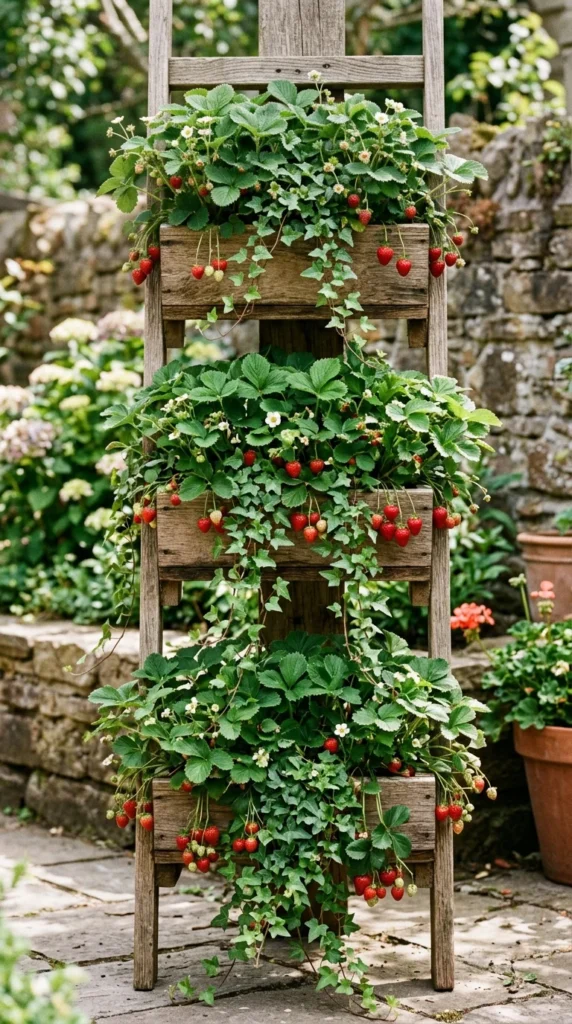
For those with limited square footage, tiered vertical beds are a game-changer. By stacking planting areas upward rather than outward, you can grow a significant amount of food on a small patio or balcony. This design is particularly effective for shallow-rooted plants like greens, herbs, and strawberries.
Tiered designs also improve accessibility, as the higher levels require no bending at all. They create a beautiful “living wall” effect that can act as a privacy screen or a focal point against a dull fence or wall.
5. Galvanized Steel
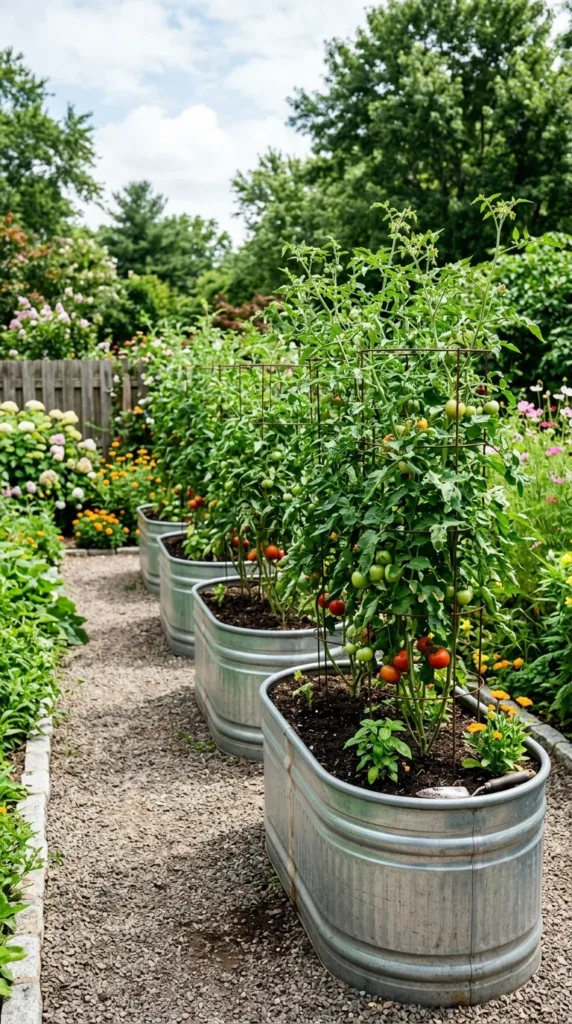
Repurposing galvanized steel stock tanks (originally intended for livestock water) has become a major trend in the gardening world. These “trough” gardens offer a deep growing environment that is excellent for root vegetables like carrots and parsnips.
Because they are self-contained units, they are highly portable (when empty) and require zero assembly. It is crucial to drill several drainage holes in the bottom before filling them with soil to ensure the roots do not become waterlogged. Their height makes them very comfortable for gardeners who prefer to work while standing or sitting on a stool.
6. Woven Willow
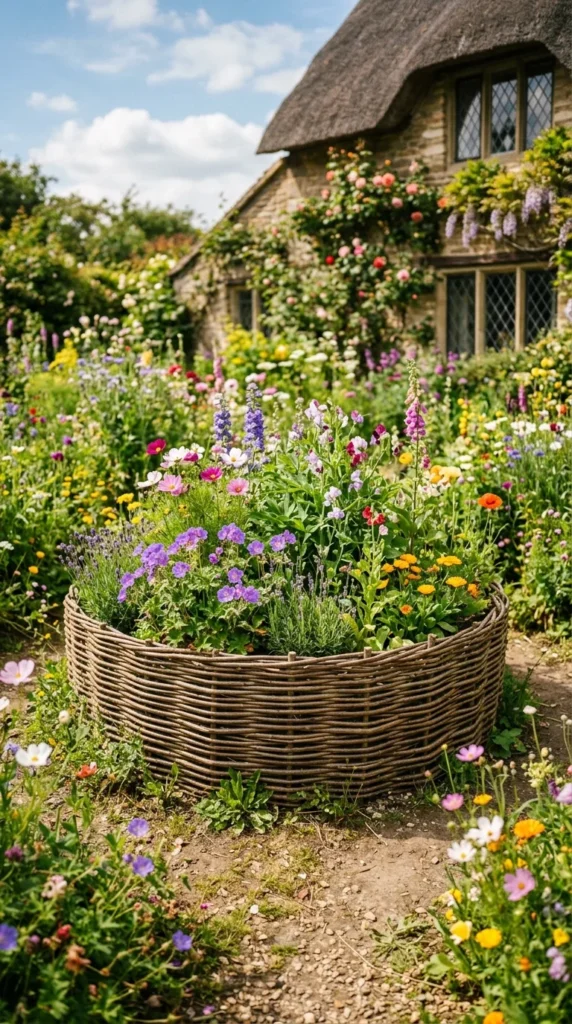
Woven willow, also known as wattle, brings a traditional, European cottage aesthetic to the garden. This method involves weaving flexible willow or hazel branches around upright stakes driven into the ground. It is an eco-friendly option that uses natural, biodegradable materials.
While wattle beds have a shorter lifespan than stone or metal—typically lasting 5 to 7 years—they are incredibly charming and provide excellent aeration for the soil. They are best suited for ornamental gardens or for gardeners who enjoy the process of natural construction and renewal.
7. Self-Watering
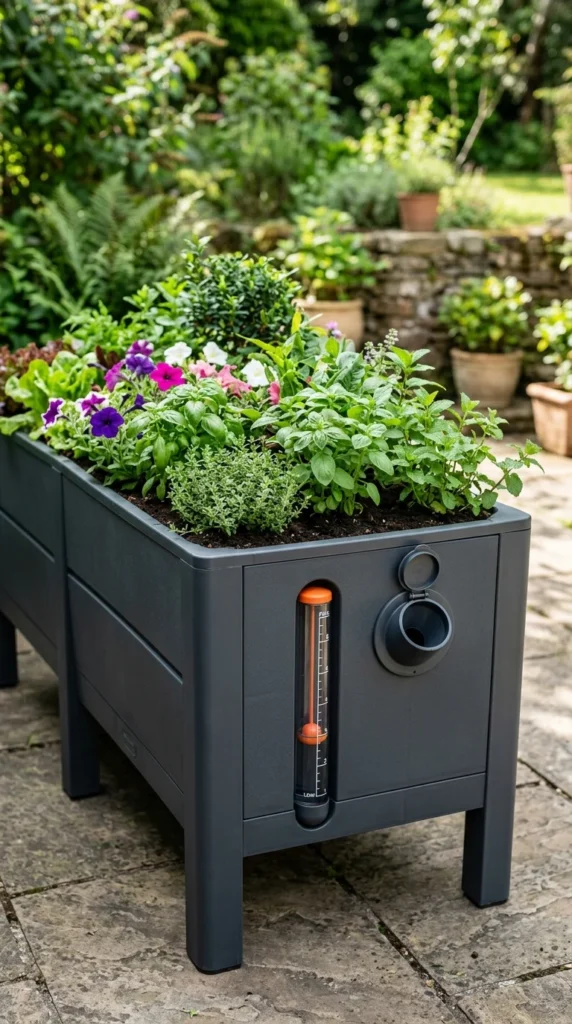
Self-watering raised beds are the ultimate solution for busy gardeners or those living in arid climates. These beds feature a built-in reservoir at the base that delivers water directly to the roots via capillary action. This reduces water waste from evaporation and ensures plants receive a consistent level of moisture.
These systems often come in kit forms made from high-density polyethylene, which is UV-protected and food-safe. The “wicking” action prevents the common cycle of drying out and over-saturation, leading to healthier, more productive plants.
8. Composite Timber
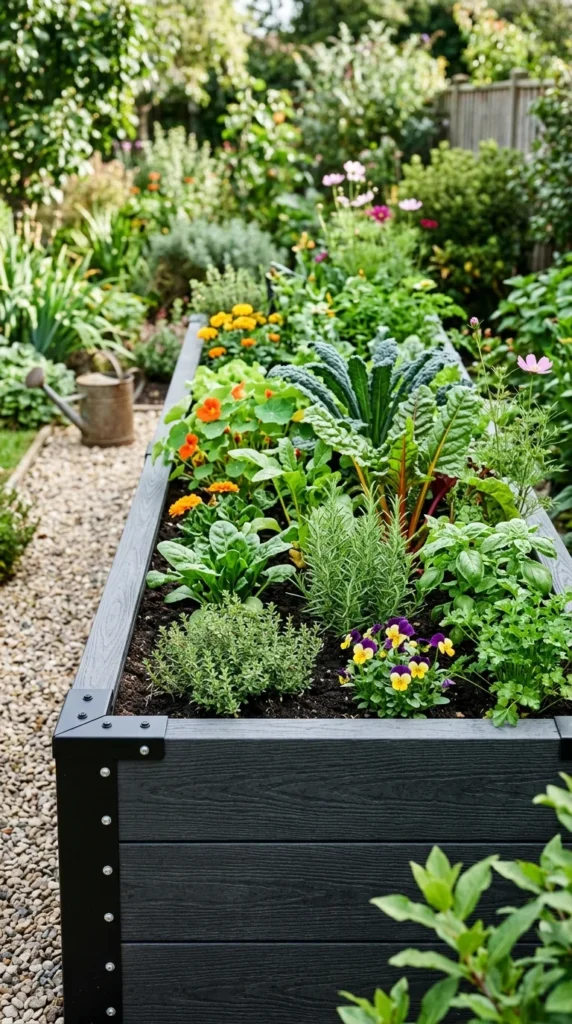
Composite timber is made from a blend of wood fibers and recycled plastic. It offers the aesthetic appeal of wood without any of the maintenance. Composite beds will never rot, warp, or splinter, and they never require staining or sealing.
For the environmentally conscious, many composite options are made from 90% recycled materials. They are available in various colors, from deep chocolate brown to modern slate grey, allowing you to match the beds to your home’s exterior or decking.
9. Stone Masonry
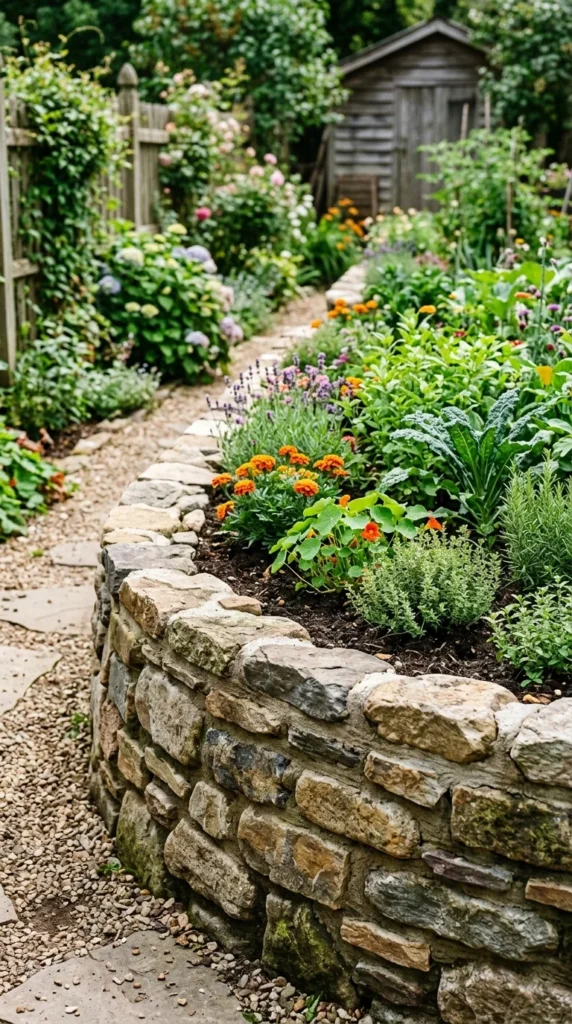
Stone masonry beds are a permanent investment that adds significant value and timeless beauty to a property. Whether using stacked flagstone, fieldstone, or cut limestone, stone beds offer incredible thermal mass. They soak up the sun’s heat during the day and slowly release it at night, extending the growing season in colder climates.
Because stone is heavy and permanent, these beds require careful planning regarding placement. Once built, they are virtually indestructible and can withstand even the harshest weather conditions for generations.
10. U-Shaped
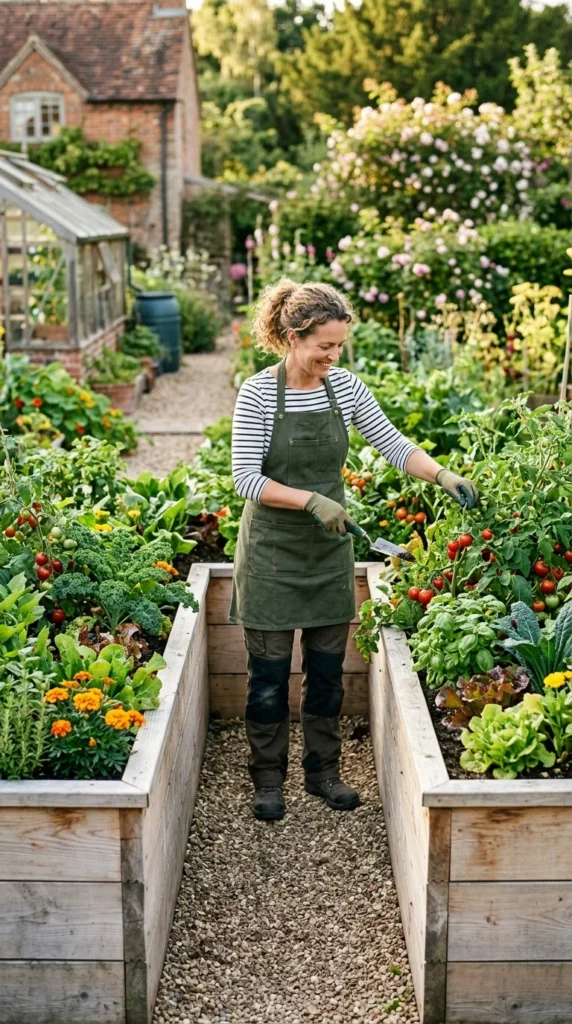
The U-shaped design is a masterclass in ergonomics. By creating a central “aisle” or cutout, the gardener can reach every square inch of a large planting area without ever having to step into the bed and compact the soil.
This layout is ideal for dedicated vegetable growers who want to maximize their yield in a concentrated space. The interior of the “U” can even be fitted with a small bench or a tool station, making it a complete outdoor workstation.
11. Elevated Legs
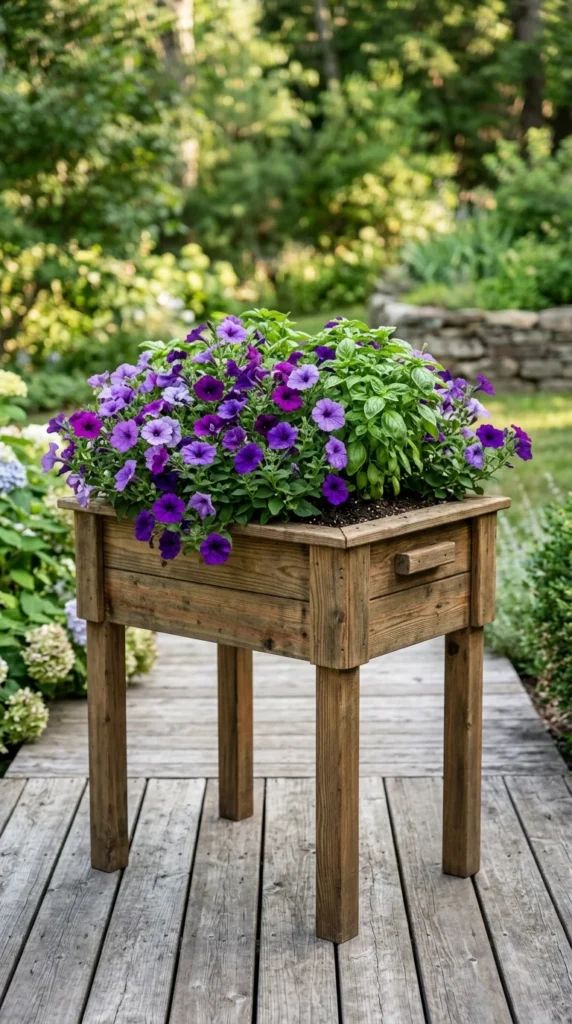
Elevated beds (often called garden tables) are raised on legs, leaving a space between the bottom of the container and the ground. These are perfect for patios, balconies, or decks where a traditional bed cannot be placed.
The primary advantage of elevated beds is total accessibility; they are ideal for wheelchair users or anyone with back issues. They also serve as a natural barrier against ground-dwelling pests like slugs, snails, and rabbits. Because they have a limited depth, they are best suited for herbs, greens, and shallow-root vegetables.
12. Keyhole Garden
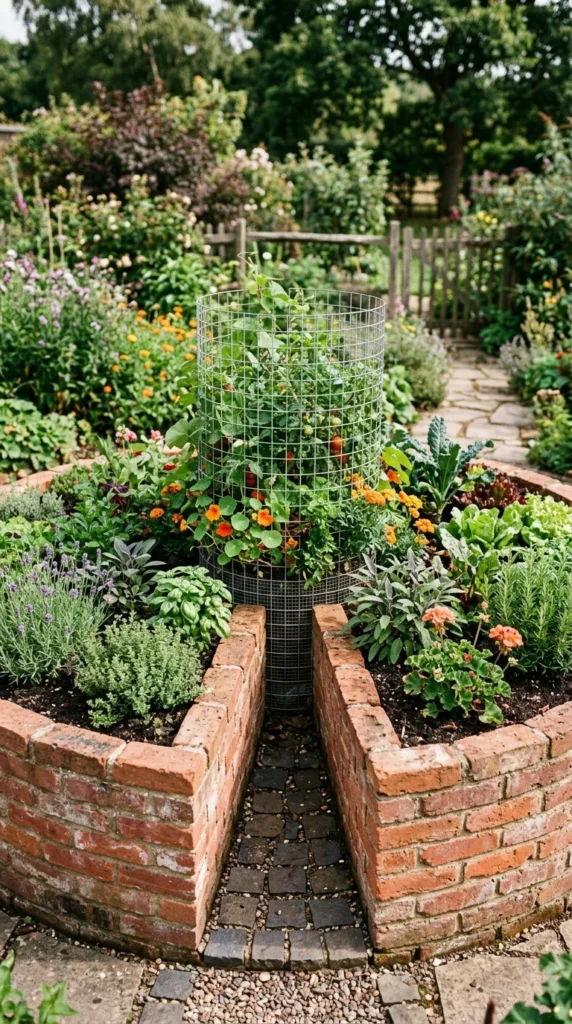
Originating in Africa, the keyhole garden is a sustainable, circular raised bed that includes a central composting basket. Kitchen scraps and greywater are placed into the center basket, where they decompose and leach nutrients directly into the surrounding soil.
The design is incredibly efficient, requiring less water and no external fertilizers. The “keyhole” notch provides easy access to the center for depositing compost. It is a beautiful, functional design that teaches the principles of circular ecology.
13. Reclaimed Pallet
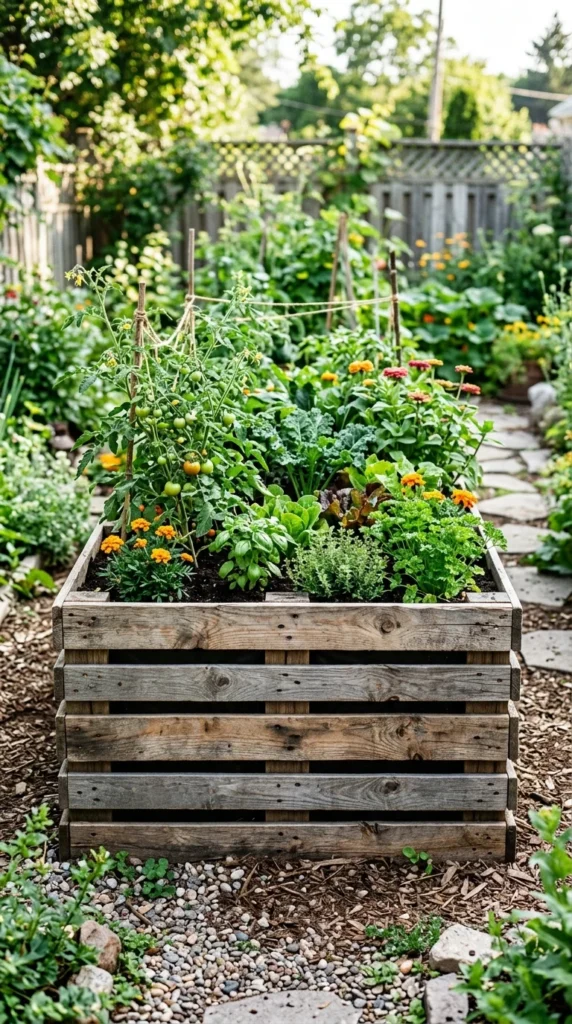
For the budget-conscious gardener, reclaimed pallets offer a wealth of free building material. By taking apart pallets and reassembling the slats, you can create rustic, charming beds for the cost of a few screws.
When using pallets, it is essential to look for the “HT” (Heat Treated) stamp. Avoid pallets marked with “MB” (Methyl Bromide), as this indicates they were treated with a toxic pesticide. Sanding the wood and applying a food-safe oil can help prolong the life of the pallet bed and protect your hands from splinters.
14. Brick Border
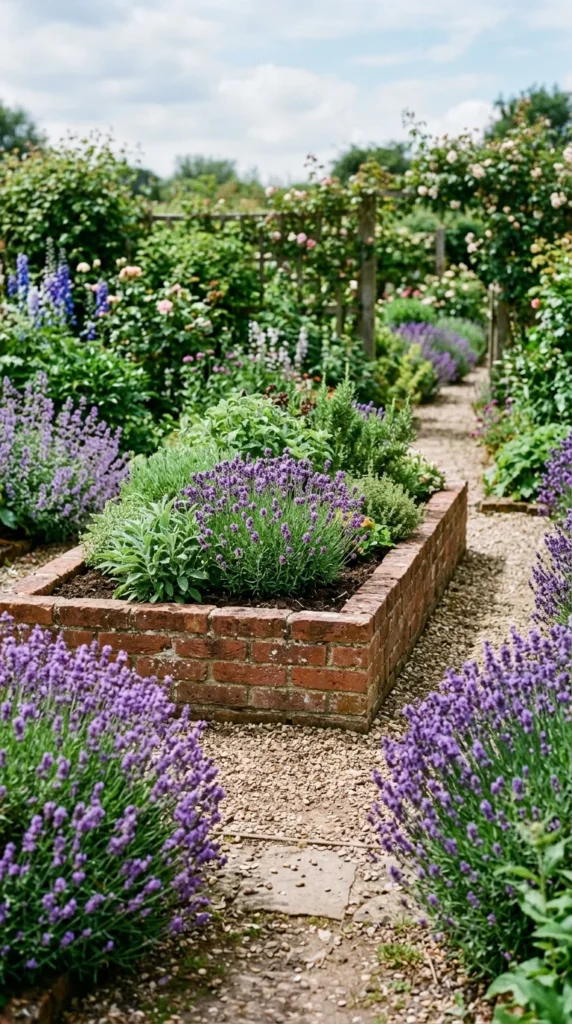
Brick beds offer a classic, formal look that pairs well with traditional architecture. Bricks are highly durable and, like stone, provide excellent thermal mass to regulate soil temperature.
A brick raised bed can be built with or without mortar. “Dry-stacking” bricks allows for easy drainage through the gaps, while mortared bricks provide a more finished, permanent structure. The narrow top of a brick wall also provides a clean edge for string trimming or mowing around the garden.
15. Vinyl/PVC
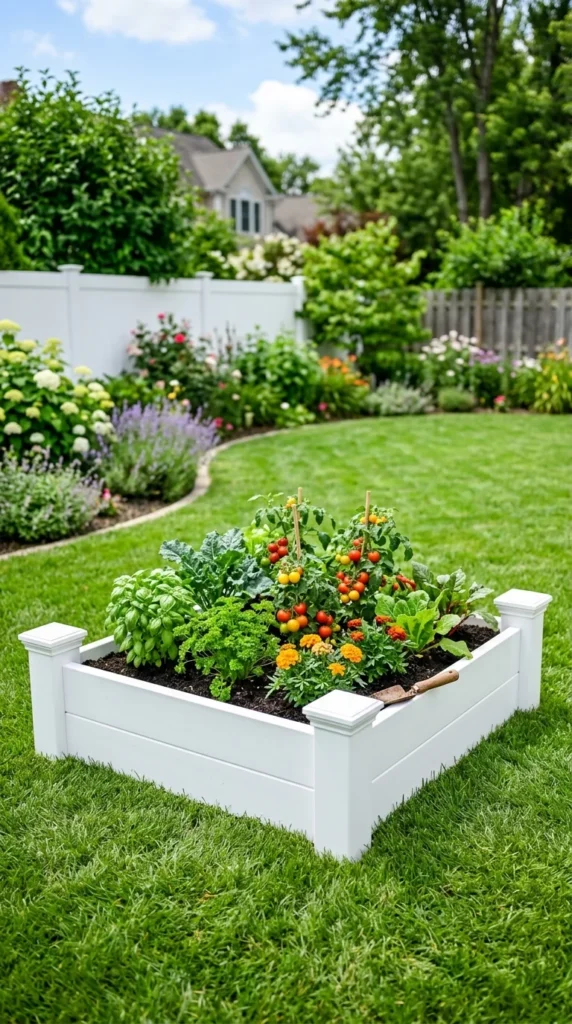
Vinyl raised beds are perfect for those who want a “set it and forget it” solution. They are made from high-grade, food-safe PVC that is resistant to UV rays, meaning they won’t yellow or become brittle in the sun.
The primary appeal of vinyl is its cleanliness. It never requires painting, and a quick spray with a garden hose is all it takes to keep it looking new. Many vinyl kits feature “no-tool” assembly, with pieces that slide and lock together in minutes.
16. Gabion Cages
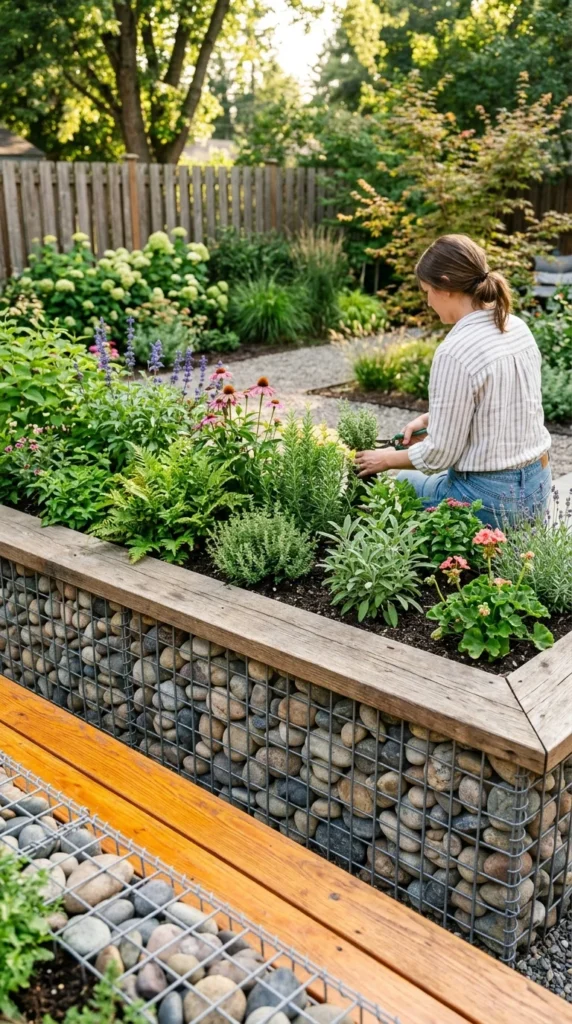
Gabion beds are a striking blend of industrial design and natural materials. They consist of wire mesh baskets (cages) filled with rocks, stones, or even recycled concrete. These structures are heavy, stable, and provide excellent drainage.
The spaces between the rocks can also serve as a habitat for beneficial insects. By capping the top of the gabion with a wooden plank, you can create a built-in bench that surrounds your garden, making it the perfect spot to sit and enjoy the fruits of your labor.