
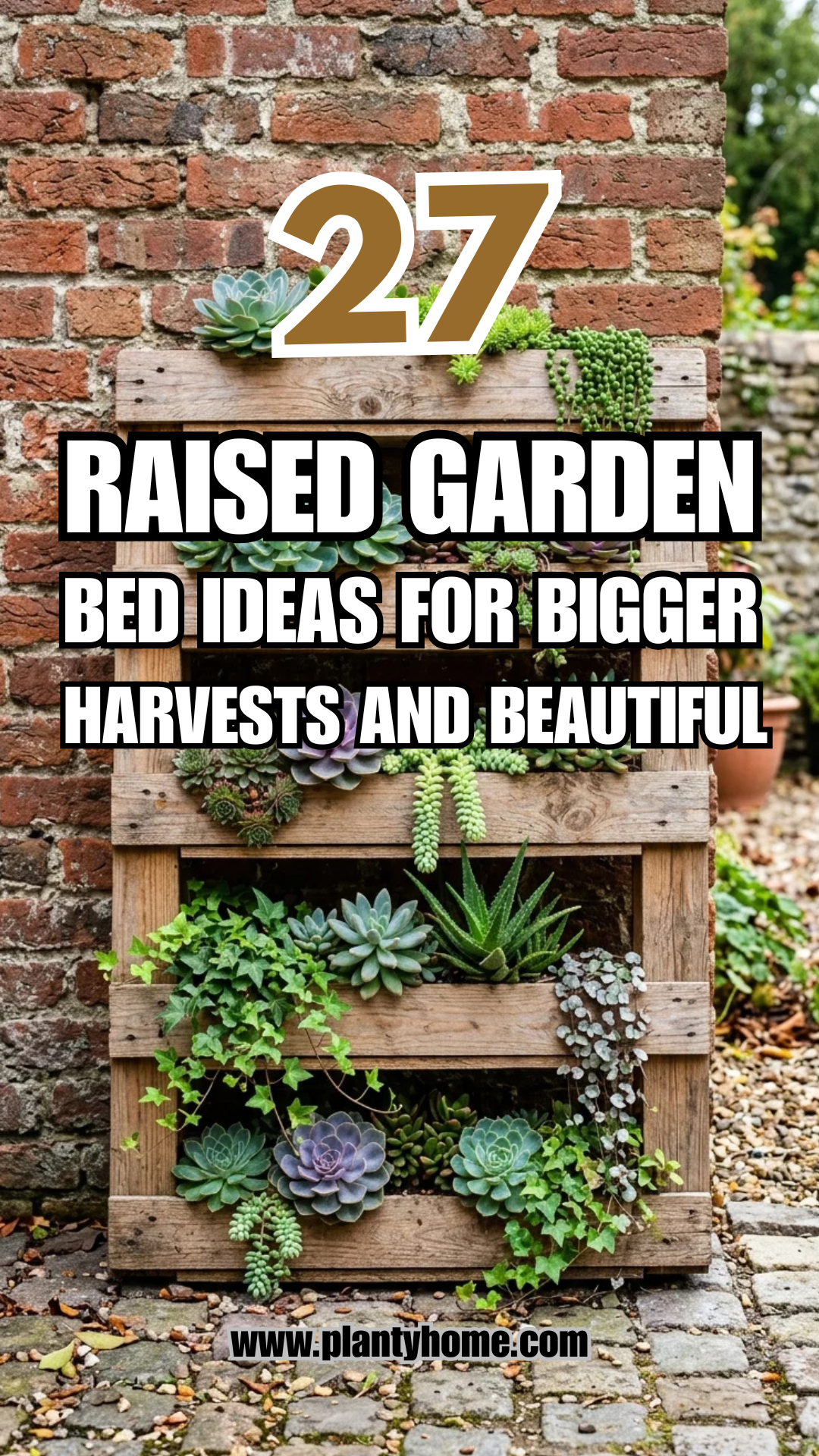
Raised garden beds are more than just a trend; they are a fundamental shift in how homeowners approach cultivation. By lifting your plants above the natural ground level, you gain absolute control over soil quality, drainage, and temperature. Whether you are dealing with rocky soil, a small urban patio, or a desire to save your back from excessive bending, raised beds provide a versatile solution. This guide explores 27 innovative ideas to help you maximize your harvest while creating an aesthetic masterpiece in your outdoor space.
1. Cedar Planks
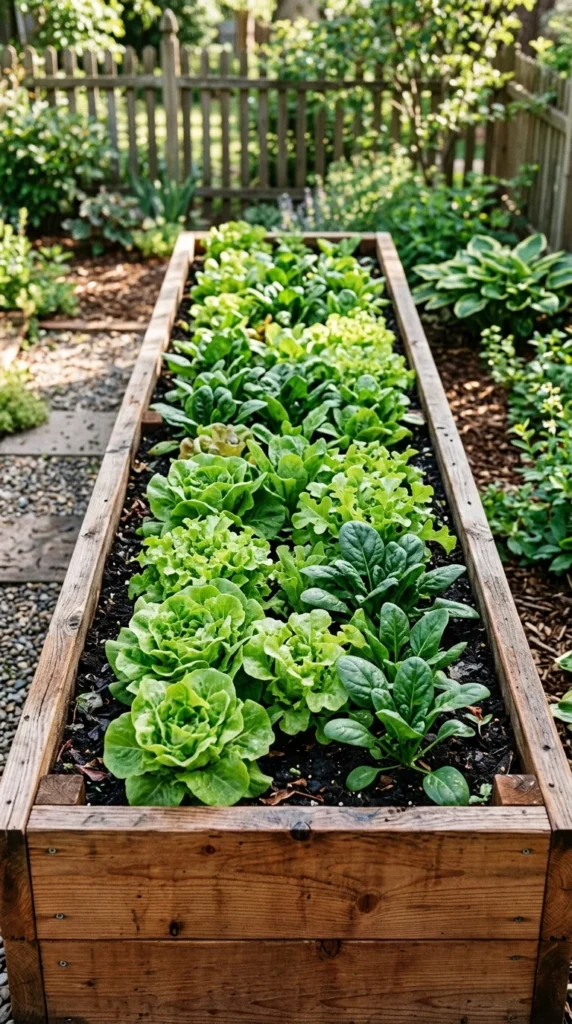
Cedar is the gold standard for wooden raised beds. Its natural oils make it resistant to rot, decay, and insects without the need for chemical treatments. These beds age beautifully into a silver-grey patina if left untreated, or they can be sealed to maintain their warm, woody glow. They are sturdy, easy to assemble, and provide a classic look that fits any garden style.
2. Corrugated Metal
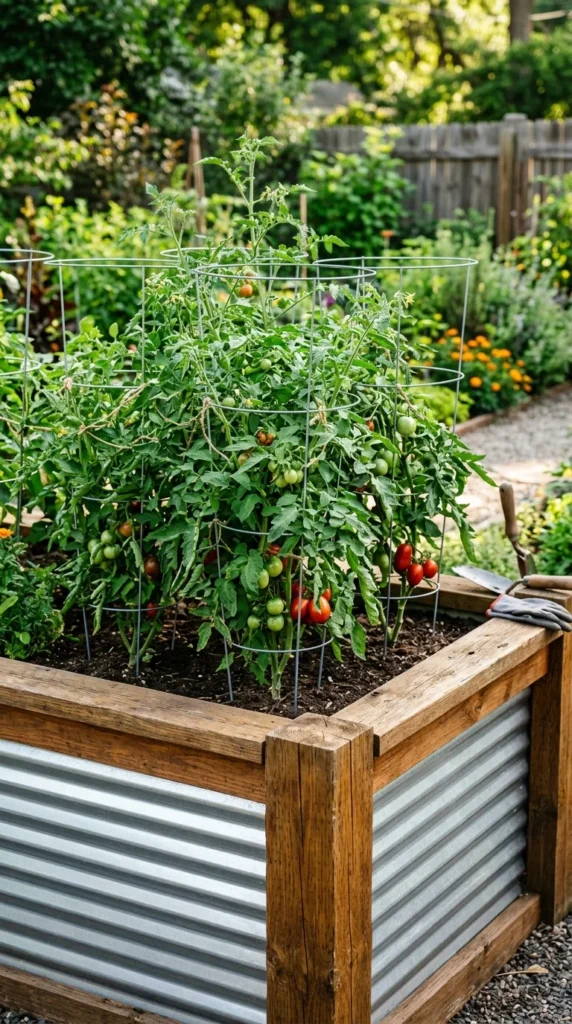
For a modern or industrial aesthetic, corrugated metal is an excellent choice. It is incredibly durable and reflects light, which can help warm the soil earlier in the spring. When framed with wood, these beds provide a striking contrast of textures. They are also relatively lightweight to transport and can be cut to various heights.
3. Natural Stone
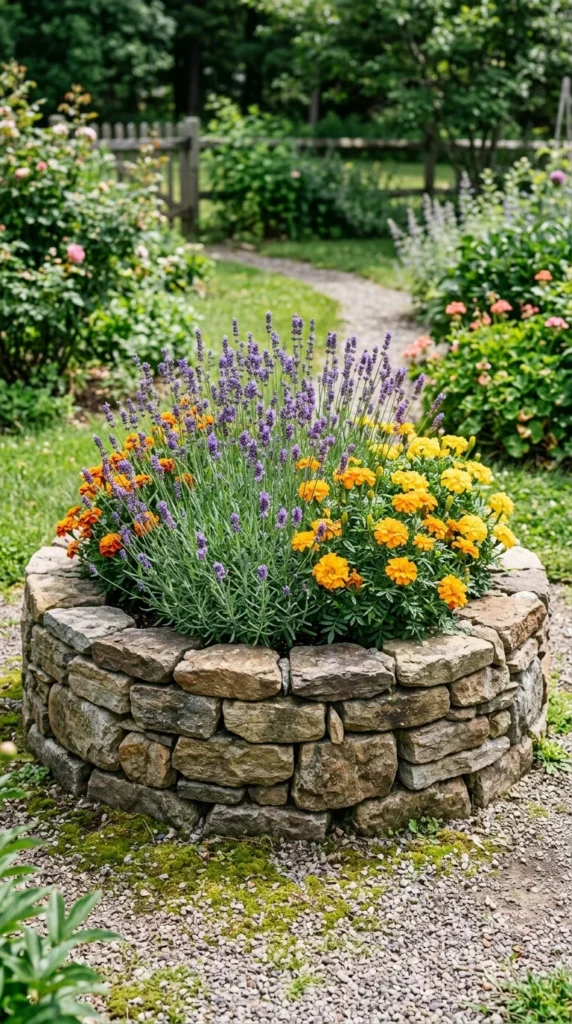
Stone beds offer a permanent, timeless feel. Using fieldstone, flagstone, or even river rocks allows you to create organic shapes that blend seamlessly into the landscape. Stone has excellent thermal mass, absorbing heat during the day and releasing it slowly at night, which is beneficial for extending the growing season of heat-loving crops.
4. Concrete Blocks
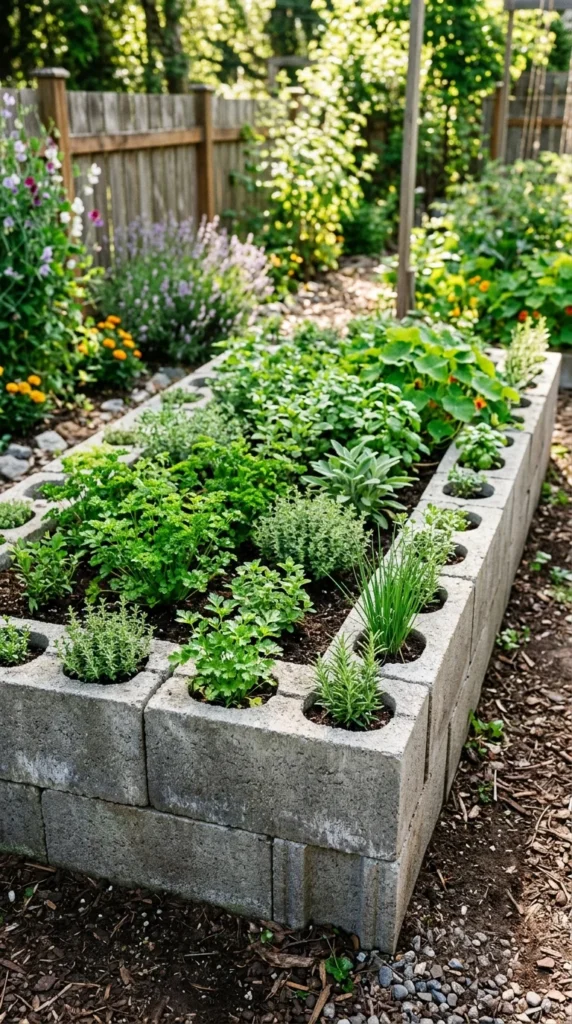
Cinder blocks or concrete blocks are perhaps the most affordable and modular option. They are easy to stack and require no hardware. A unique benefit of using blocks is the ability to use the hollow “cells” as mini-planters for smaller herbs or flowers, effectively doubling your planting surface area.
5. Woven Willow
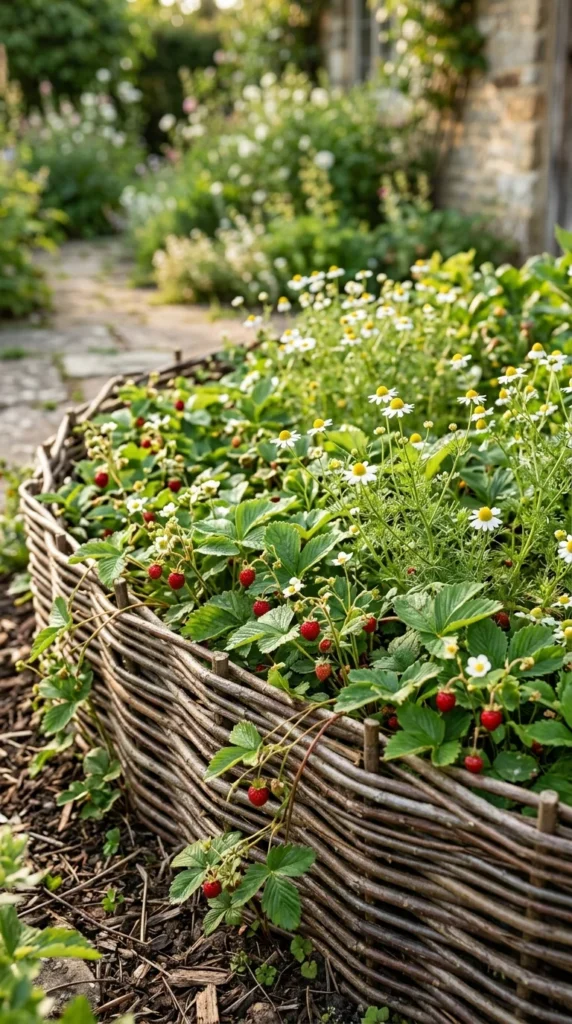
Known as wattle fencing, woven willow or hazel branches create a fairytale-like, rustic appearance. This technique has been used for centuries and is perfect for cottage gardens. While not as long-lasting as stone or cedar, wattle beds are eco-friendly and can be easily repaired or composted at the end of their life cycle.
6. Stock Tanks
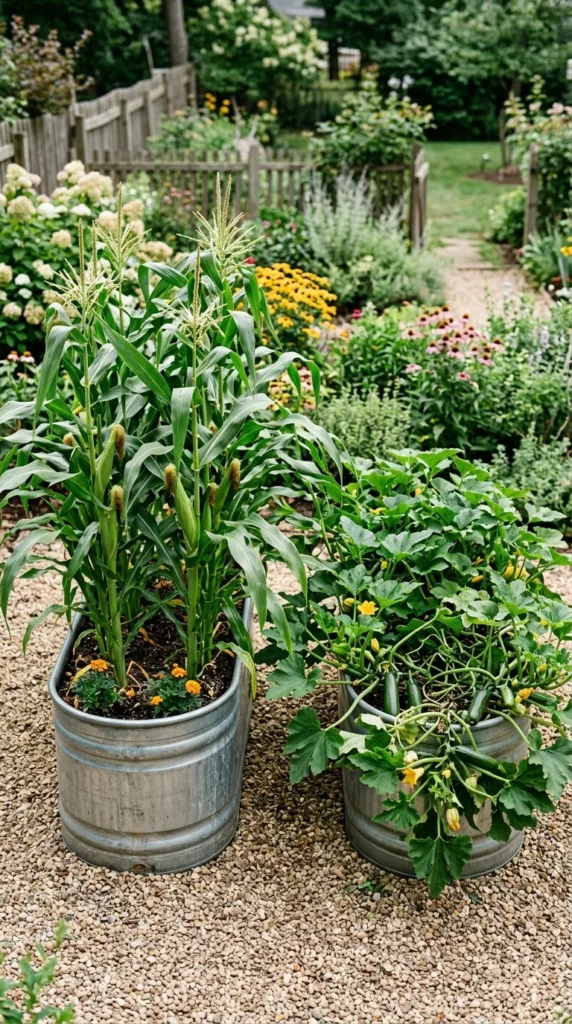
Galvanized stock tanks are a favorite for “instant” gardening. They require no assembly and come with pre-drilled drainage holes (or you can easily add them). Their height makes them very accessible, and their metallic finish adds a clean, farmhouse-chic look to the backyard.
7. Tiered Steps
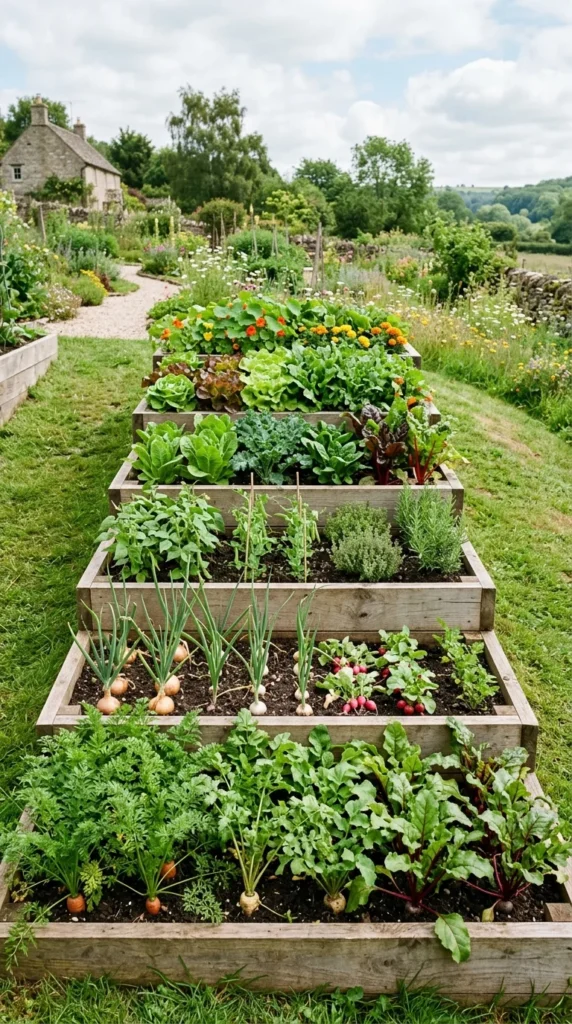
Tiered beds are the ultimate solution for sloped yards. By terracing the land, you prevent erosion and turn unusable inclines into productive growing spaces. This design also allows for better light exposure for every plant, as the taller plants in the back don’t shade out the shorter ones in the front.
8. Keyhole Garden
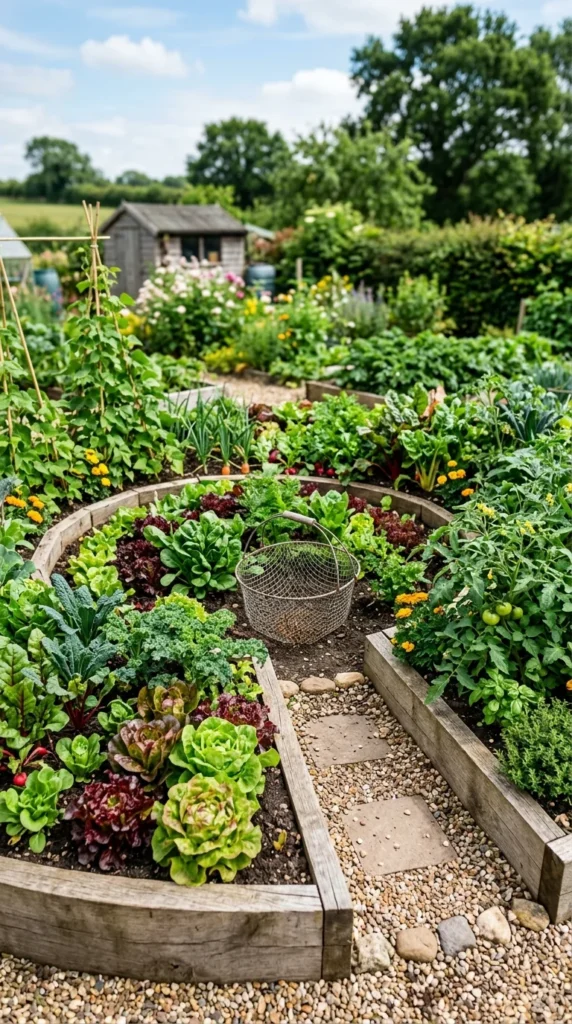
The keyhole garden is a sustainable design originating from dry climates. It features a circular bed with a “keyhole” path for access and a central composting basket. You place kitchen scraps directly into the center, and the nutrients filter out into the surrounding soil as they decompose, creating a self-fertilizing system.
9. U-Shaped Beds
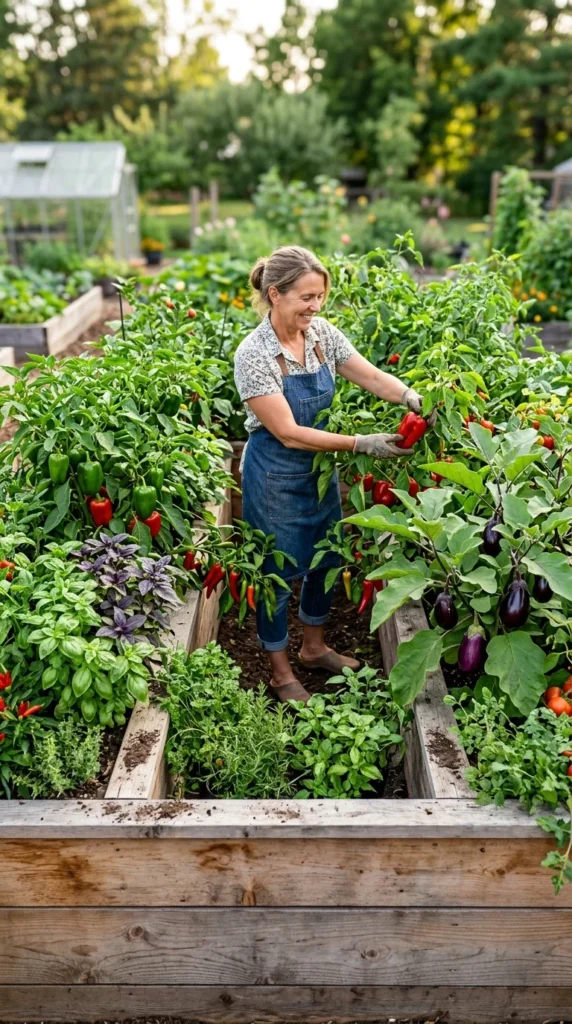
U-shaped designs are perfect for large-scale gardening. They maximize the planting area while minimizing the amount of path space needed. By standing in the center of the “U,” you can reach almost every plant without ever stepping on the soil, preventing compaction and maintaining excellent aeration.
10. Vertical Pallets
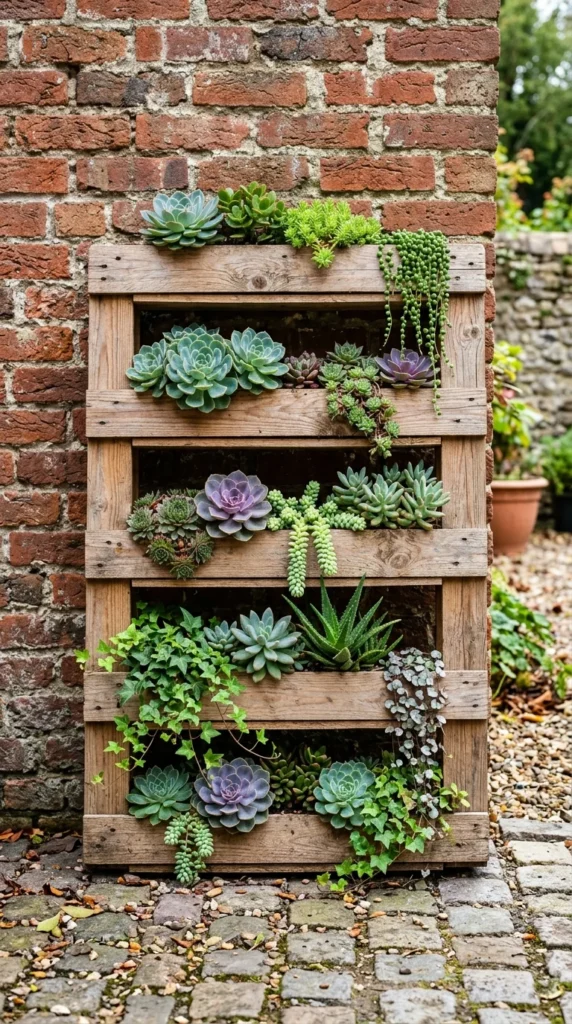
If ground space is at a premium, go vertical. Upcycled pallets can be turned into living walls. By securing landscape fabric to the back and bottom of the slats, you create pockets for soil. This is an ideal setup for shallow-rooted plants like lettuce, strawberries, and herbs.
11. Brick Masonry
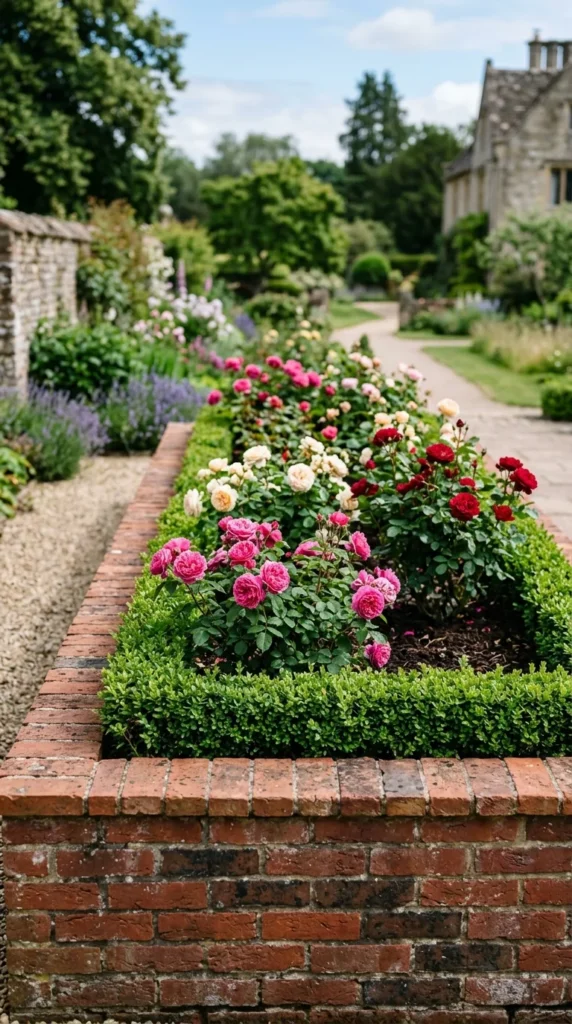
For a formal and permanent garden structure, brick masonry is unmatched. It complements traditional home architecture and provides a very stable environment for perennials. Bricks are also excellent at retaining moisture compared to some porous woods, keeping your soil hydrated longer.
12. Log Cabin Style
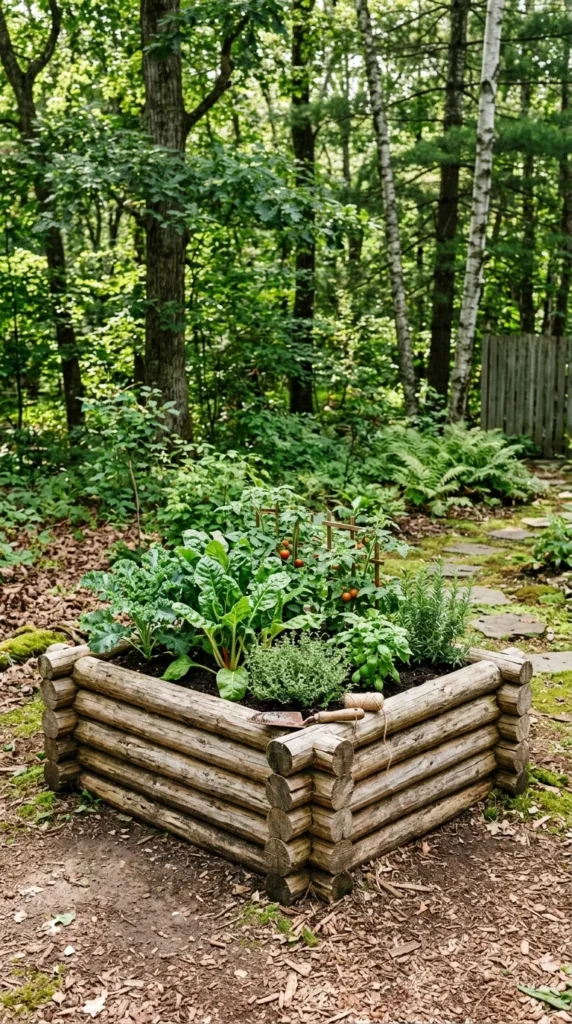
Perfect for a cabin or a wooded property, this style uses small logs or thick branches stacked horizontally. It’s a great way to use fallen timber from your own land. The thick walls provide excellent insulation for the soil, protecting roots from extreme temperature swings.
13. Tiered Pyramid
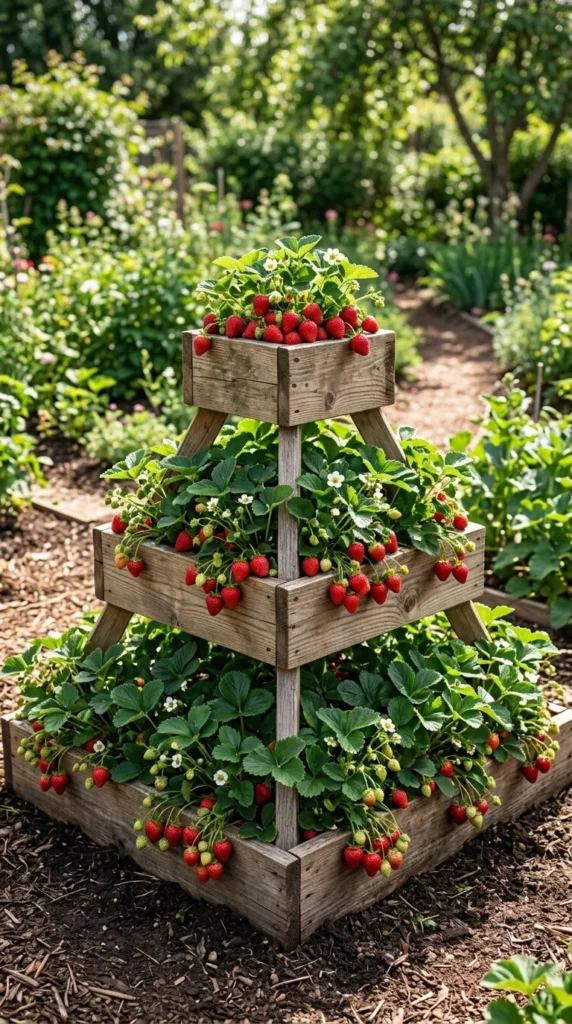
The pyramid bed is a space-saving marvel. By stacking smaller boxes on top of larger ones, you create a vertical focal point. This design is particularly popular for strawberry patches, as it keeps the fruit off the ground and makes harvesting incredibly easy.
14. Waist-High Tables
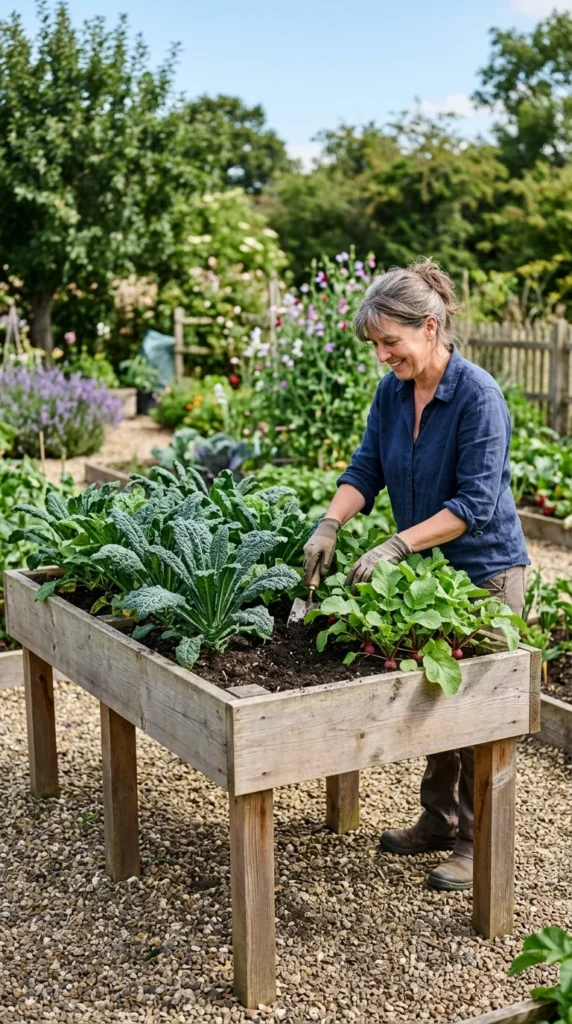
Accessibility is key for many gardeners. Elevated table beds bring the soil up to you, eliminating the need to kneel or bend. These are perfect for patios or for gardeners with mobility issues. They also keep your plants away from ground-dwelling pests like rabbits and slugs.
15. Staircase Planters
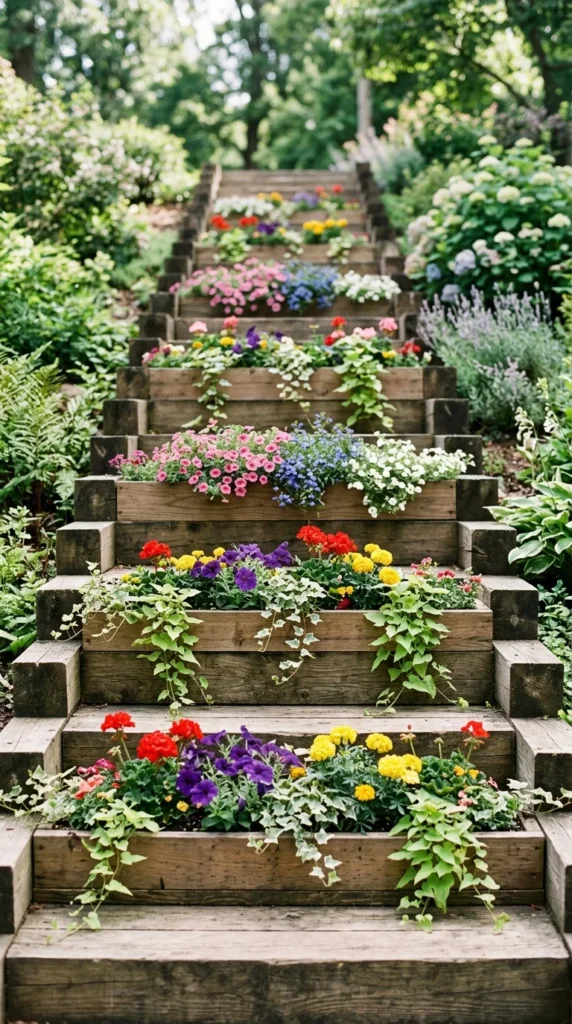
Utilize the often-wasted space alongside outdoor stairs by installing built-in planters. This adds a lush, green border to your walkways and utilizes vertical height in a way that feels integrated into the home’s architecture.
16. Gabion Cages
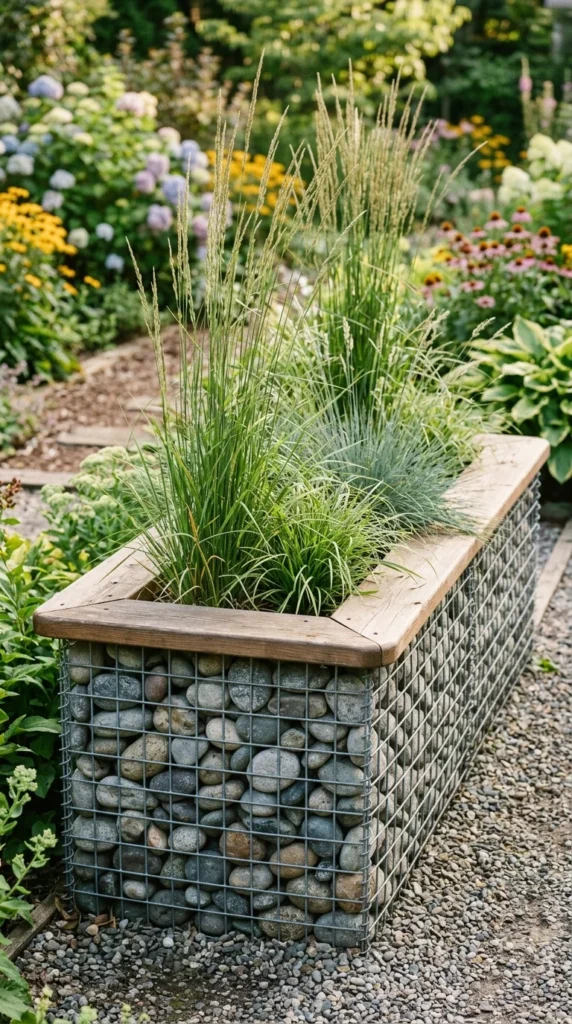
Gabion beds are a striking architectural choice. The wire cages filled with rock provide incredible drainage and a unique texture. They are heavy and durable, making them ideal for areas with high winds or as a decorative retaining wall that doubles as a garden.
17. Painted Wood
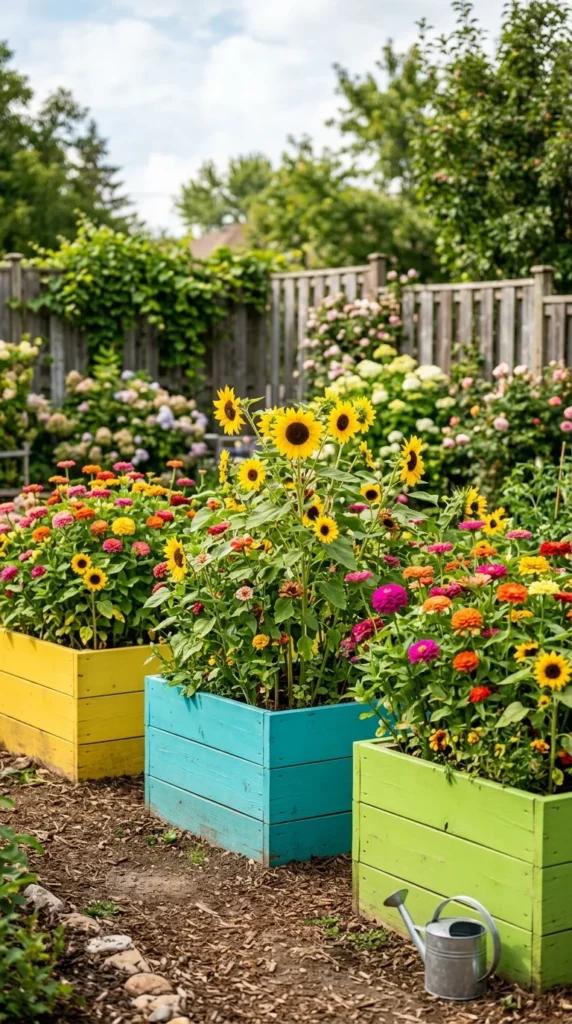
Raised beds don’t have to be brown. Painting your wooden beds with exterior-grade, non-toxic paint can add a pop of color to your yard even in the dead of winter. Use colors that complement your house or go for a rainbow effect to create a playful, energetic garden space.
18. Recycled Tires
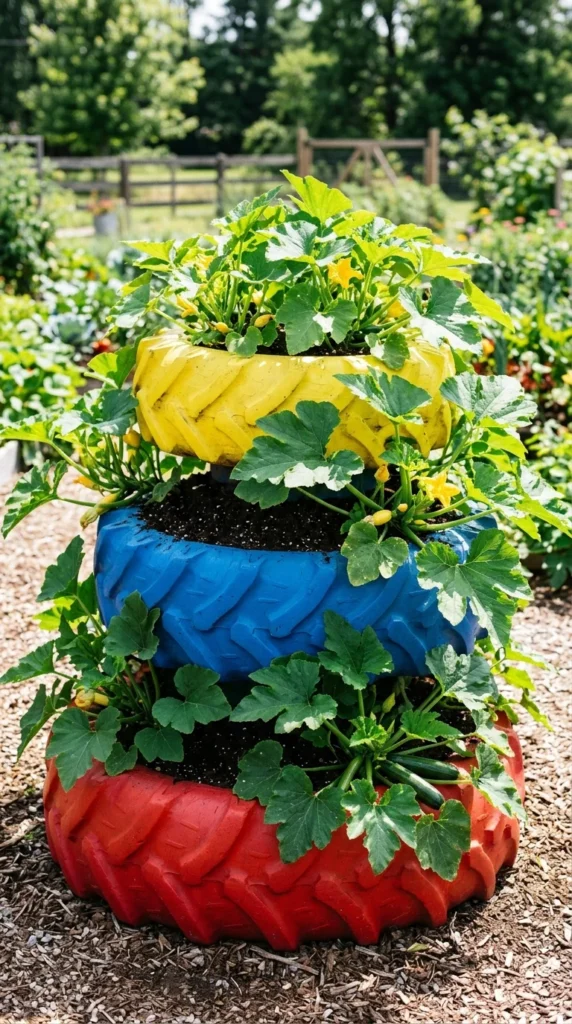
For a budget-friendly and eco-conscious option, recycled tires can be transformed into quirky planters. When painted, they lose their industrial look and become fun garden accents. Their rubber walls are excellent at absorbing heat, making them perfect for growing peppers and melons in cooler climates.
19. Plastic Composites
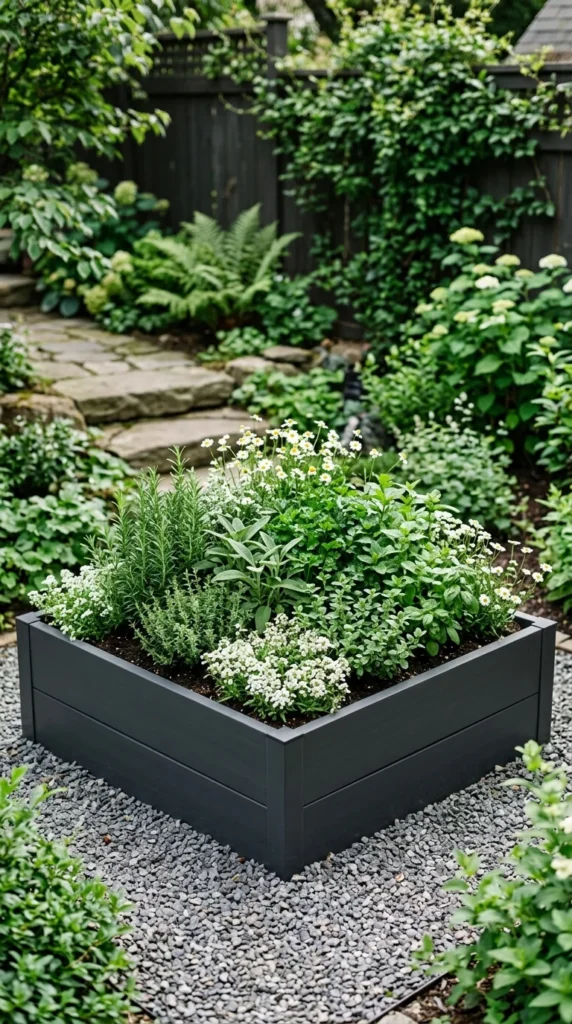
Composite materials made from recycled plastics and wood fibers offer the look of wood with zero maintenance. They won’t rot, splinter, or fade in the sun. These are ideal for gardeners who want a “set it and forget it” solution that looks brand new for decades.
20. Wine Barrels
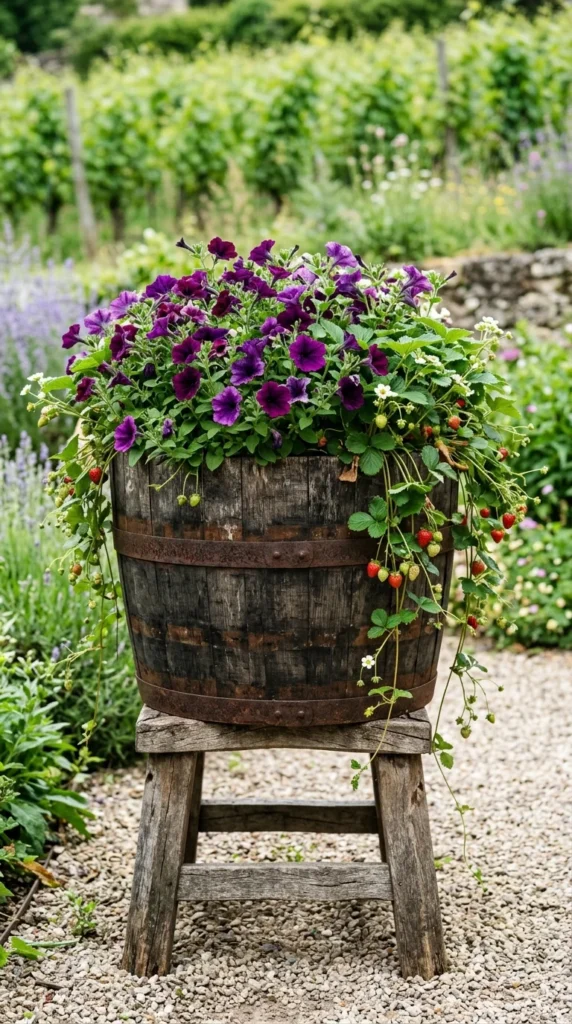
Half-barrels provide a deep growing space suitable for plants with larger root systems, like blueberries or small fruit trees. They offer a rustic, vineyard aesthetic and are very easy to move around if you decide to change your garden layout.
21. Trellised Beds
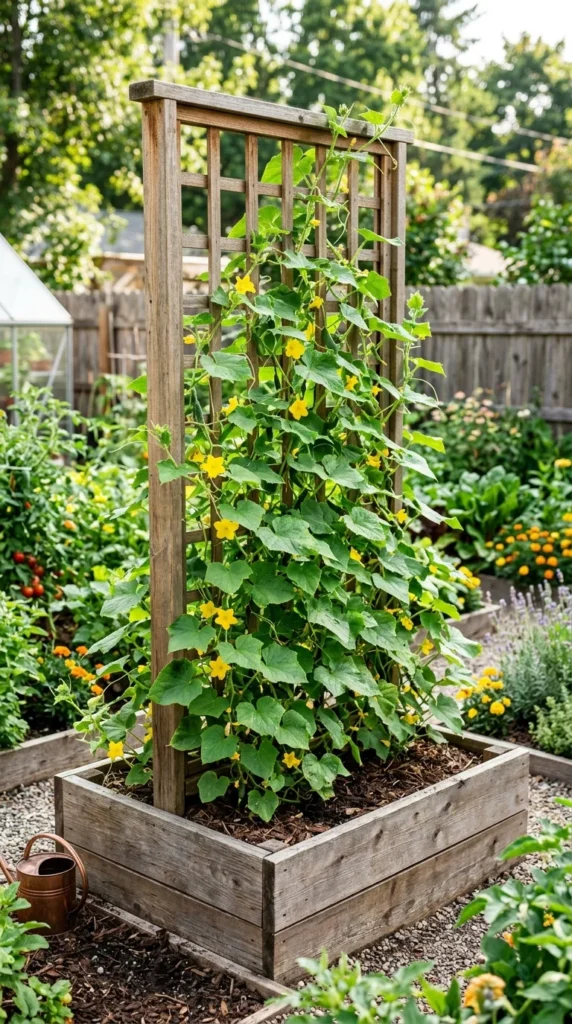
Vertical gardening is a game-changer for small yields. By attaching a trellis directly to the back of your raised bed, you can grow climbing plants like peas, beans, and cucumbers upwards. This saves ground space and keeps the fruit off the soil, reducing rot and pest damage.
22. Self-Watering Beds
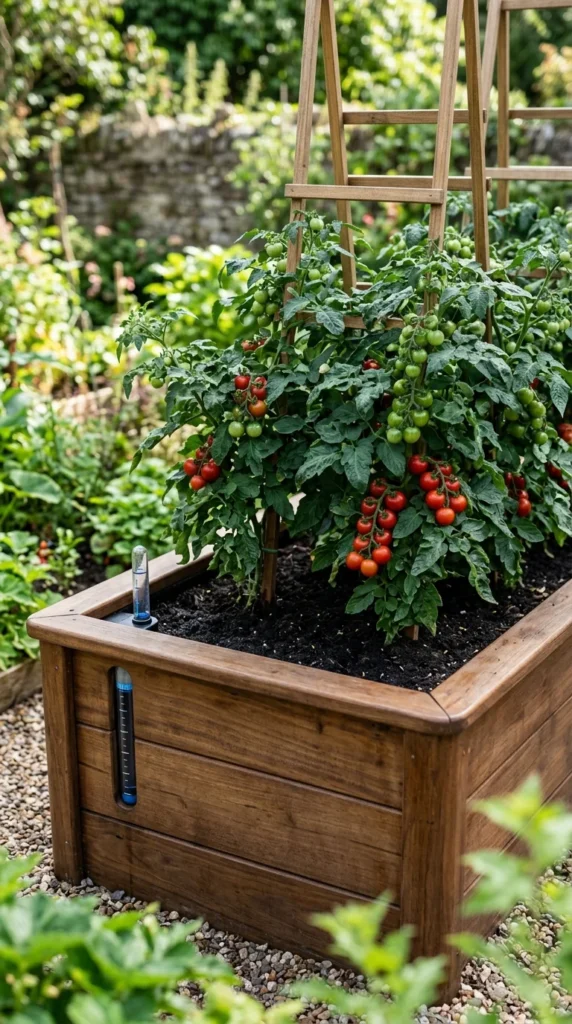
Self-watering raised beds feature a reservoir at the bottom that provides consistent moisture to the roots through capillary action. This is perfect for busy gardeners or those in hot climates, as it prevents the “feast or famine” watering cycle that can cause tomatoes to crack or blossom end rot.
23. Greenhouse Topped
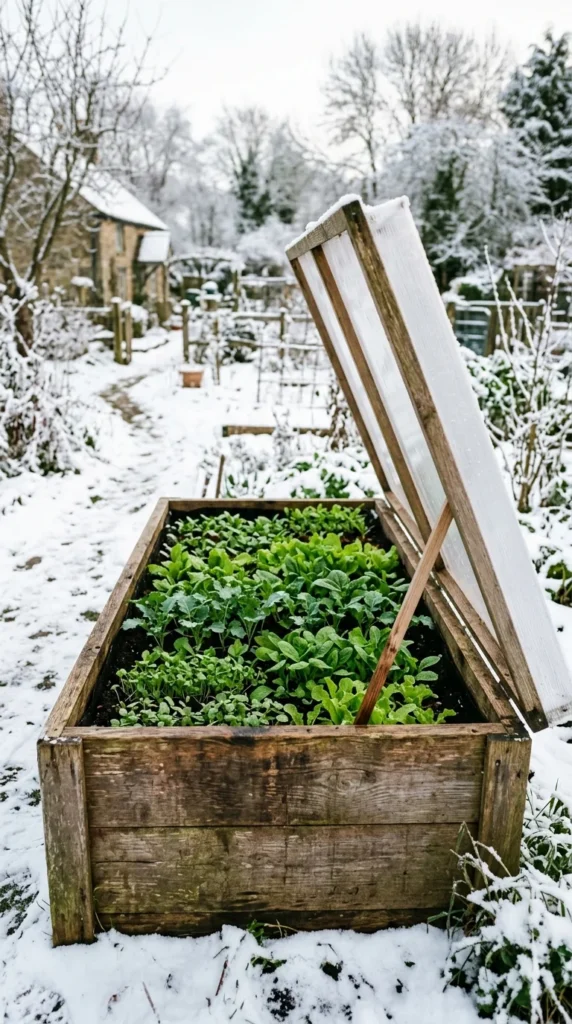
Adding a “cold frame” or greenhouse top to your raised bed allows you to start gardening weeks before the last frost. In the winter, it can be used to grow hardy greens like kale and leeks, effectively turning your raised bed into a year-round production center.
24. Bordered Pathways
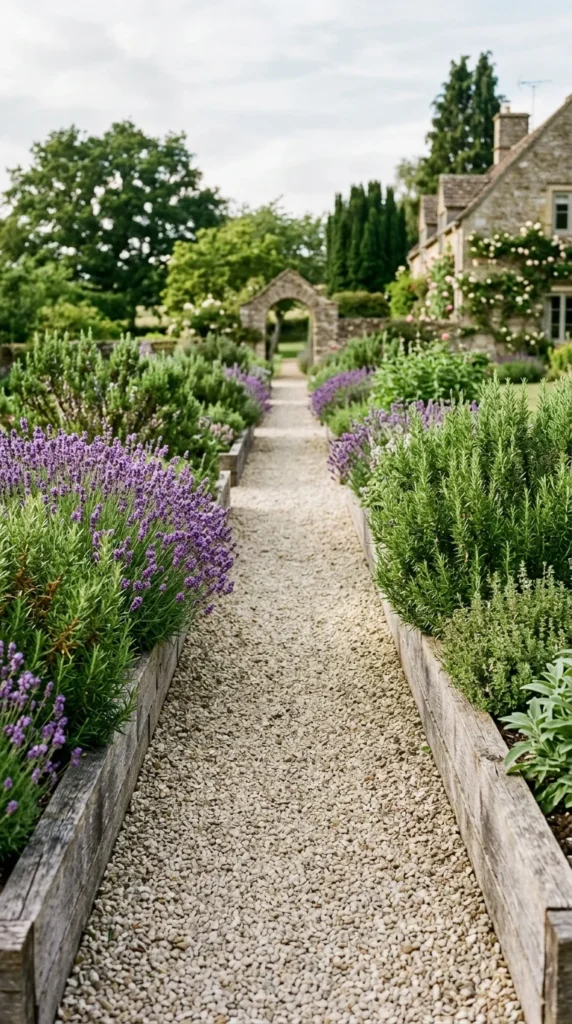
Instead of one large block, use long, narrow beds to define the edges of your garden paths. This creates a structured, formal look and allows you to enjoy the scents of herbs as you walk through your garden. It also makes every plant easily accessible from the path.
25. Spiral Herb Garden
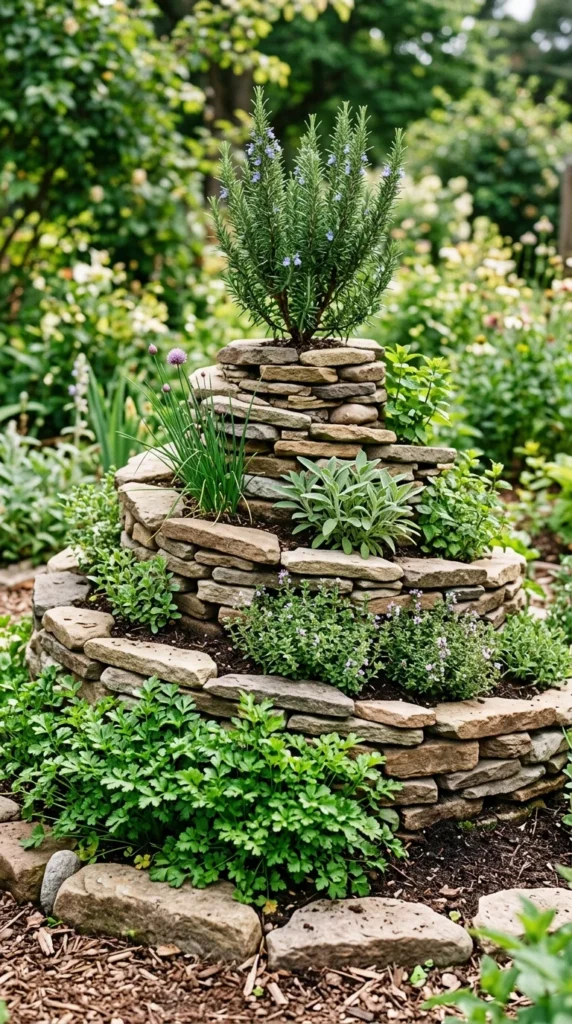
The herb spiral is a permaculture classic. It creates various microclimates in a very small footprint. The top is sunnier and drier (perfect for rosemary and thyme), while the bottom is shadier and moister (perfect for mint and parsley).
26. Tree Ring Beds
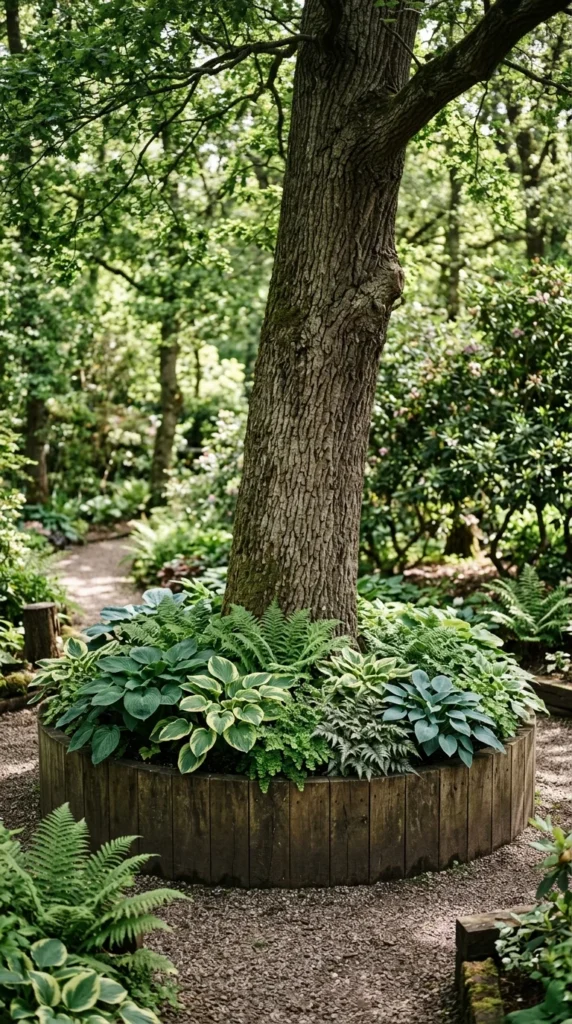
Turn the base of a tree into a focal point by building a raised bed around it. This is a great way to grow plants in areas where tree roots make digging impossible. Just be sure to leave space around the trunk to ensure the tree remains healthy and has room to grow.
27. Integrated Seating
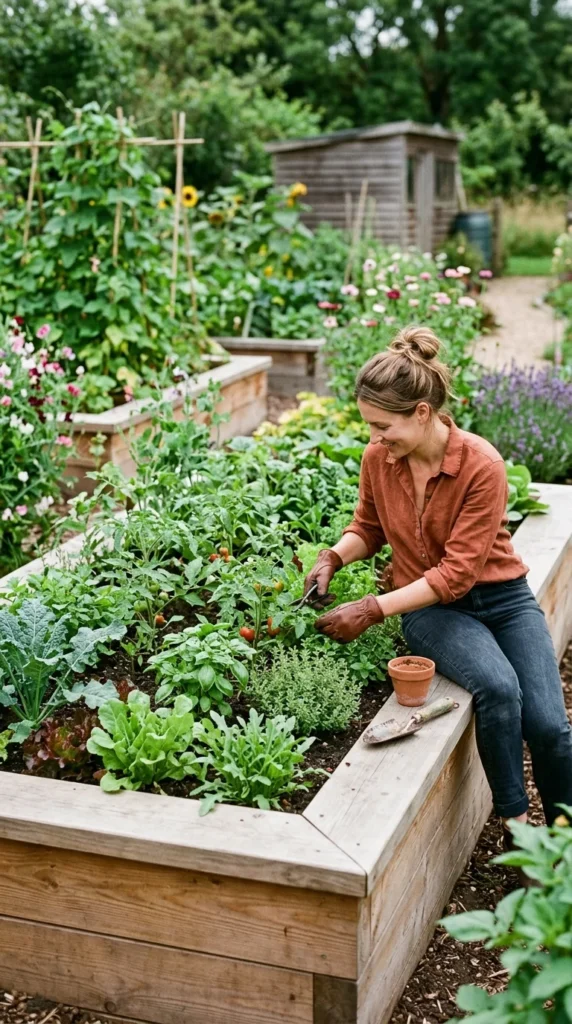
Why stand when you can sit? Building a wide cap or ledge around the top of your raised bed turns the garden into a seating area. This is perfect for socializing in the garden or simply taking a break to admire your hard work while being close to the plants.