
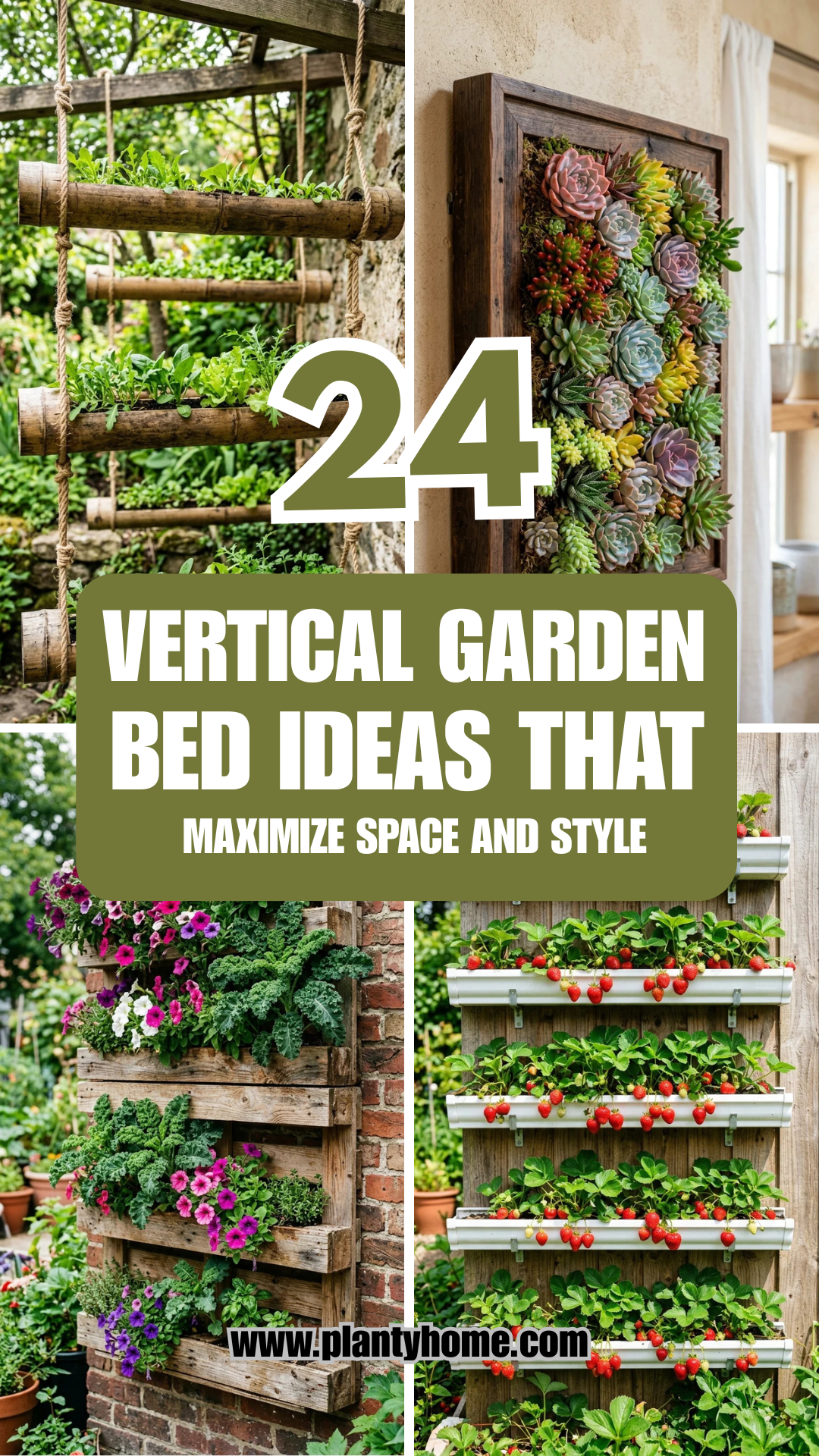
Vertical gardening is more than just a trend; it is a revolutionary approach to urban horticulture and small-space landscaping. By shifting the perspective from horizontal rows to vertical layers, gardeners can cultivate a massive variety of plants regardless of their square footage. Whether you have a sprawling backyard or a tiny apartment balcony, vertical garden beds allow you to maximize your growing potential while adding a stunning architectural element to your home.
This comprehensive guide explores 24 innovative vertical garden bed ideas that combine functionality with high-end style.
1. Pallet Planters
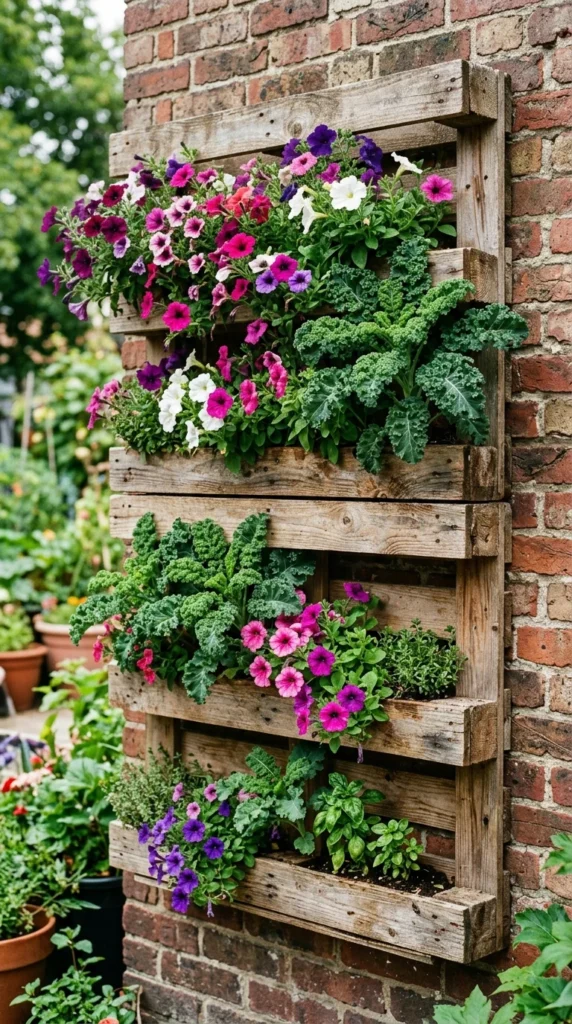
Recycled wooden pallets are a staple of the DIY gardening world. By securing landscaping fabric to the back and bottom of the pallet’s internal slats, you create shallow troughs perfect for herbs and shallow-rooted succulents. The natural wood grain provides a rustic, organic aesthetic that complements outdoor patios and adds a touch of industrial charm.
2. Hanging Pockets
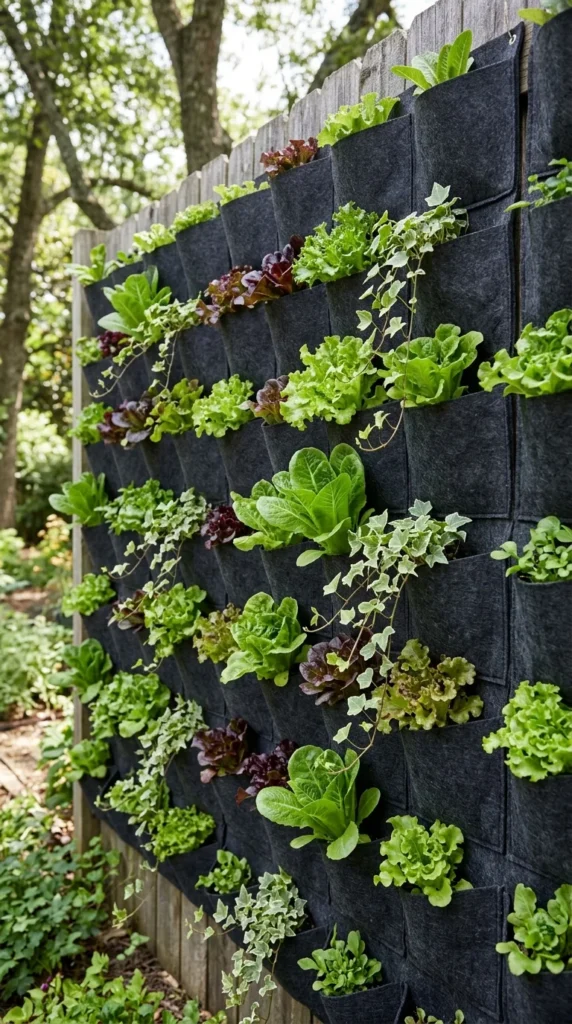
Felt or canvas pocket systems are lightweight and highly breathable. These “living walls” are easy to mount on fences or exterior walls. The breathable fabric ensures that roots remain aerated while preventing waterlogged soil. They are particularly effective for growing culinary herbs right outside a kitchen door for easy access.
3. Ladder Shelving
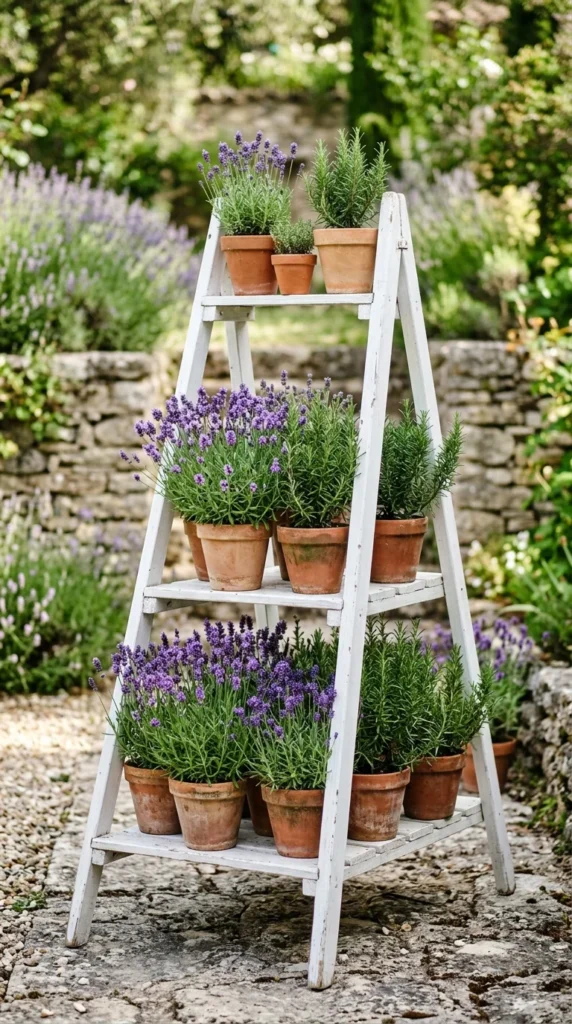
A ladder garden is one of the most versatile ways to display plants. It utilizes vertical space without requiring permanent installation. You can repurpose an old wooden ladder or build a custom A-frame structure. This design allows for varying sunlight exposure; sun-loving plants can sit at the top, while those preferring partial shade can nestle on the lower rungs.
4. Gutter Systems
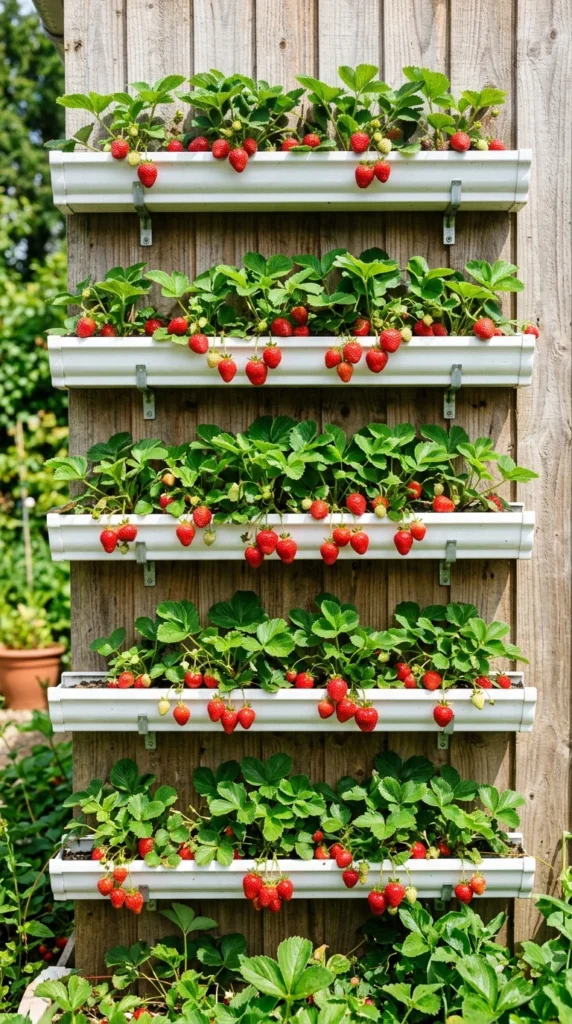
Repurposing rain gutters is a clever way to create long, narrow planting beds. When mounted in a series on a wall or fence, they provide the perfect depth for shallow-rooted vegetables like spinach, lettuce, and strawberries. They are cost-effective, easy to clean, and offer a sleek, modern look.
5. Tower Gardens
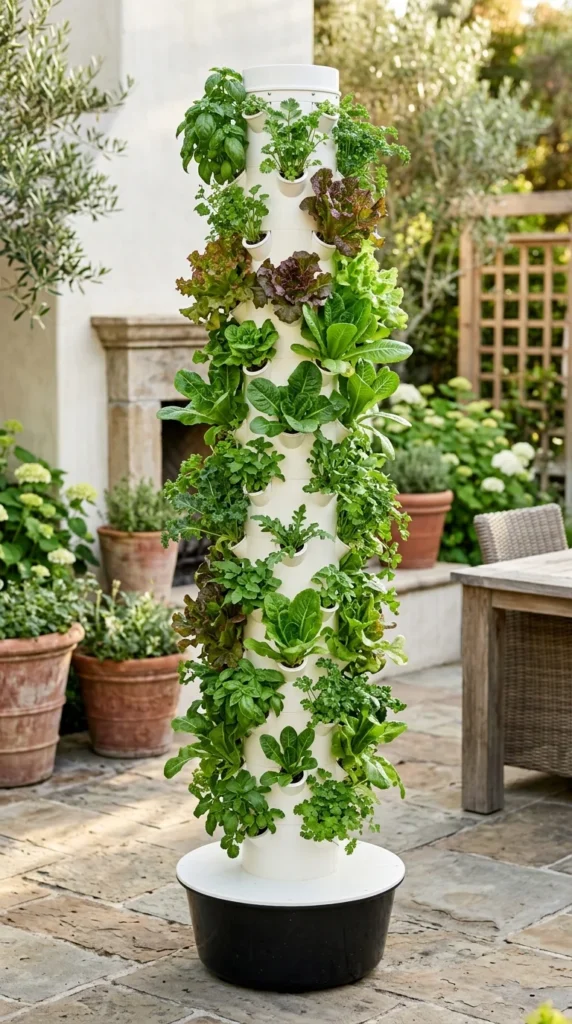
Vertical towers utilize a footprint of just a few square feet to grow dozens of plants. Some models are hydroponic or aeroponic, meaning they use nutrient-rich water instead of soil. These are ideal for high-yield food production in small areas and create a futuristic, clean visual in a garden or sunroom.
6. Trellis Walls
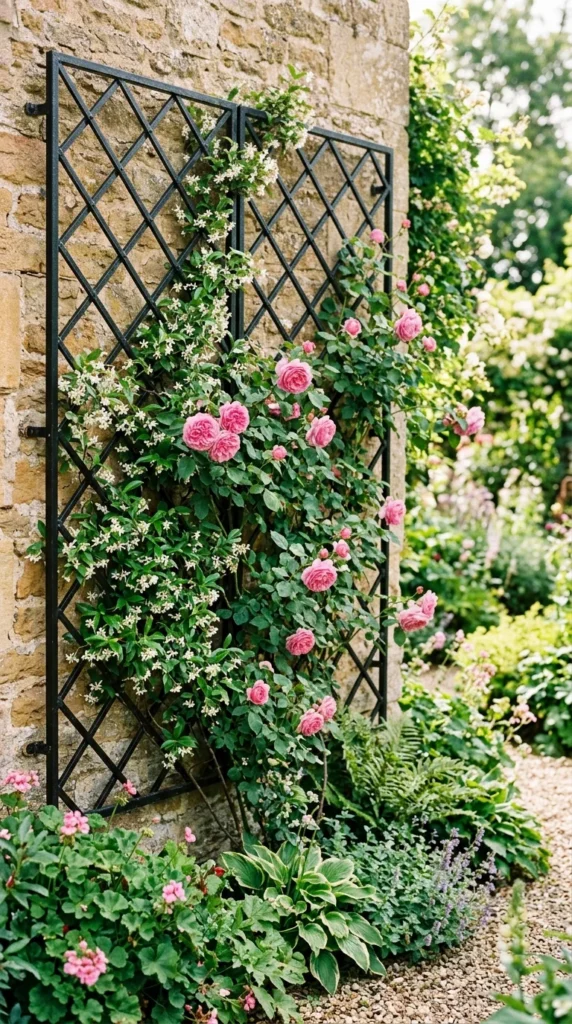
A classic trellis is the original vertical garden. It provides structural support for climbing plants and vining vegetables like cucumbers, peas, and pole beans. Beyond its utility, a well-placed trellis can serve as a privacy screen or a decorative backdrop for an outdoor seating area.
7. Stacked Crates
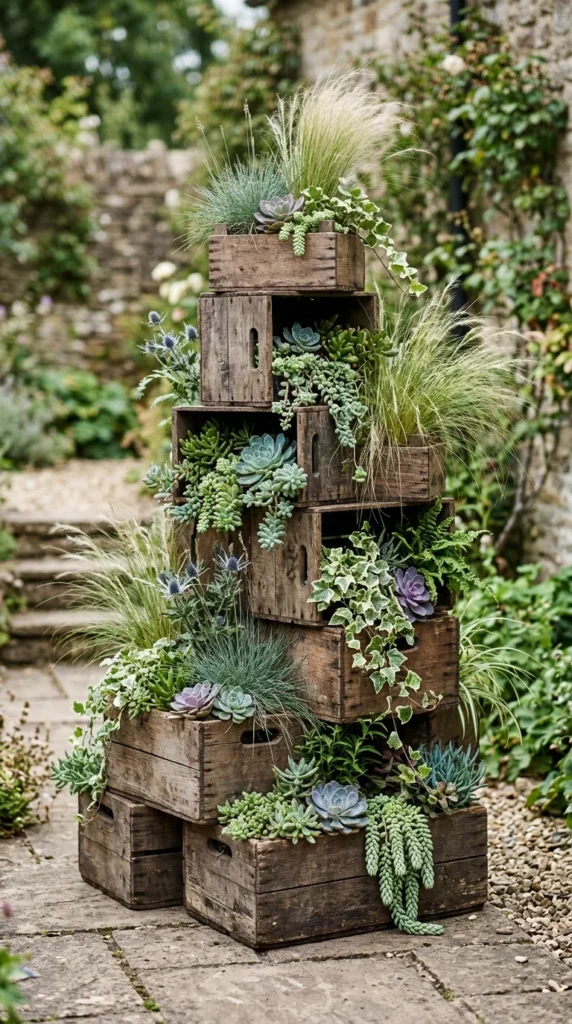
Using vintage or new wooden crates allows for a modular gardening experience. By stacking them at different angles, you create a dynamic, sculptural garden bed. This method provides deep soil pockets, making it suitable for larger plants or flowers that require more root space than a typical pocket planter.
8. Mason Jar Arrays
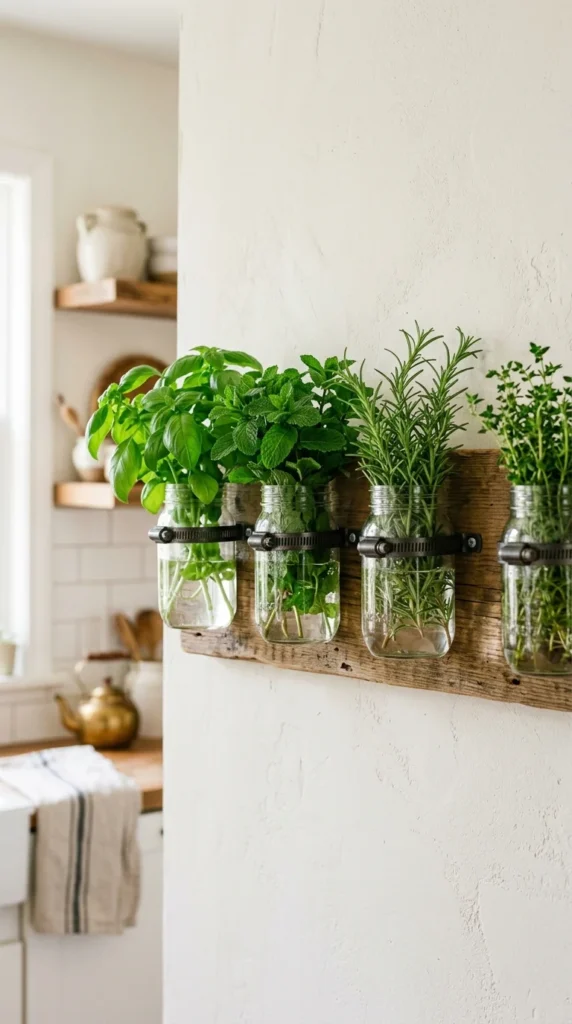
For indoor enthusiasts, a mason jar vertical garden is both functional and decorative. Mounted on a stained wood board, these jars create a beautiful herb station. It is essential to include a layer of pebbles at the bottom for drainage since these jars do not have holes, ensuring the roots do not rot.
9. PVC Pipe Planters
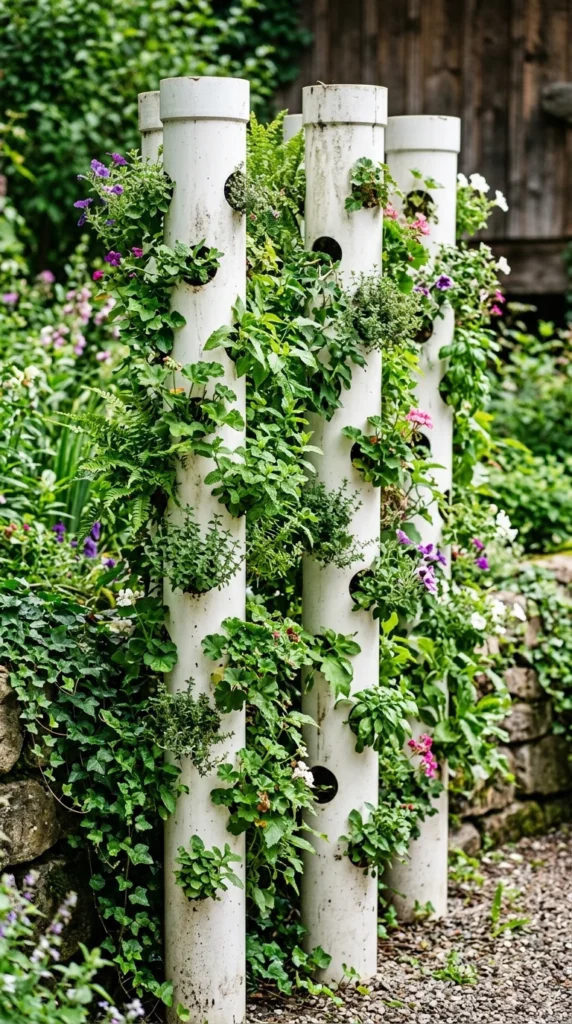
PVC pipes can be transformed into high-efficiency vertical planters. By cutting holes at intervals along the pipe and filling it with soil, you can grow a “pillar” of greens. These are often used in “gravity-fed” irrigation systems where water is poured in at the top and trickles down to every plant.
10. Living Walls
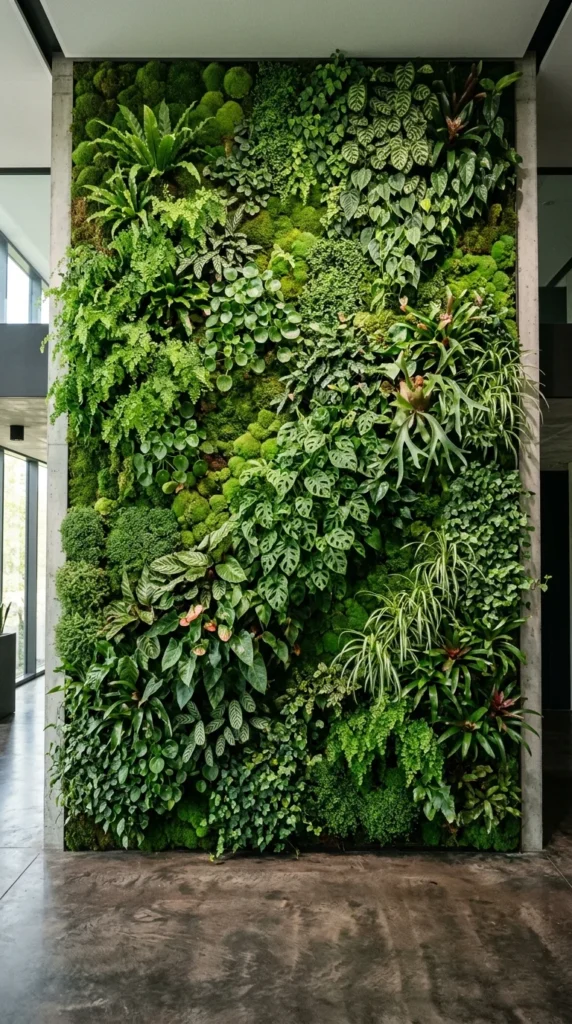
A professional-grade living wall uses a sophisticated irrigation system and a structural frame to create a carpet of plants. This is the ultimate statement piece for modern homes. It improves air quality and provides acoustic insulation while looking like a piece of living art.
11. Tiered Raised Beds
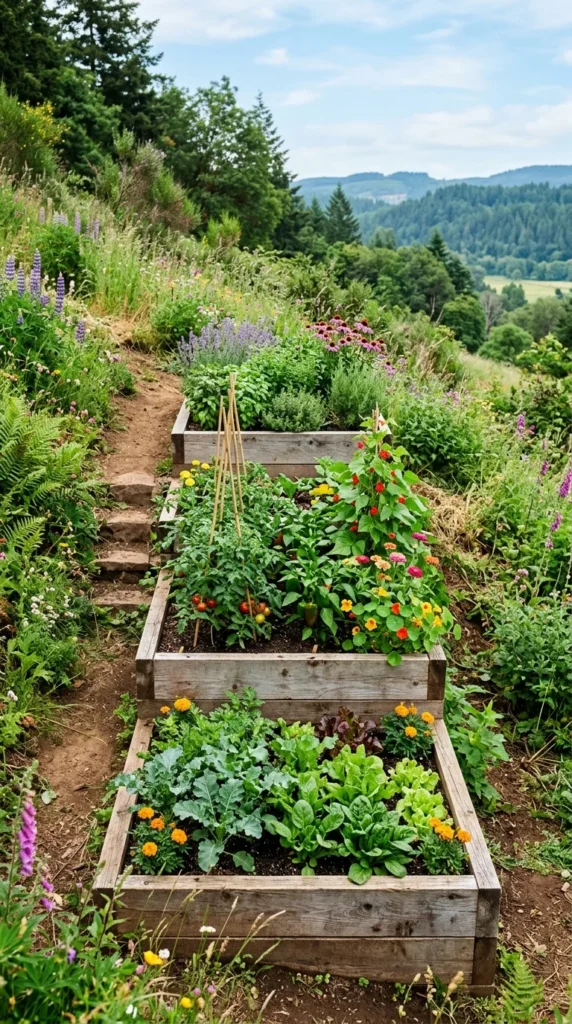
Tiered raised beds are perfect for sloping yards. They create a “staircase” effect that prevents soil erosion while providing easy access to different planting zones. This design is highly ergonomic, as it reduces the need for bending and kneeling.
12. Picture Frame Succulents
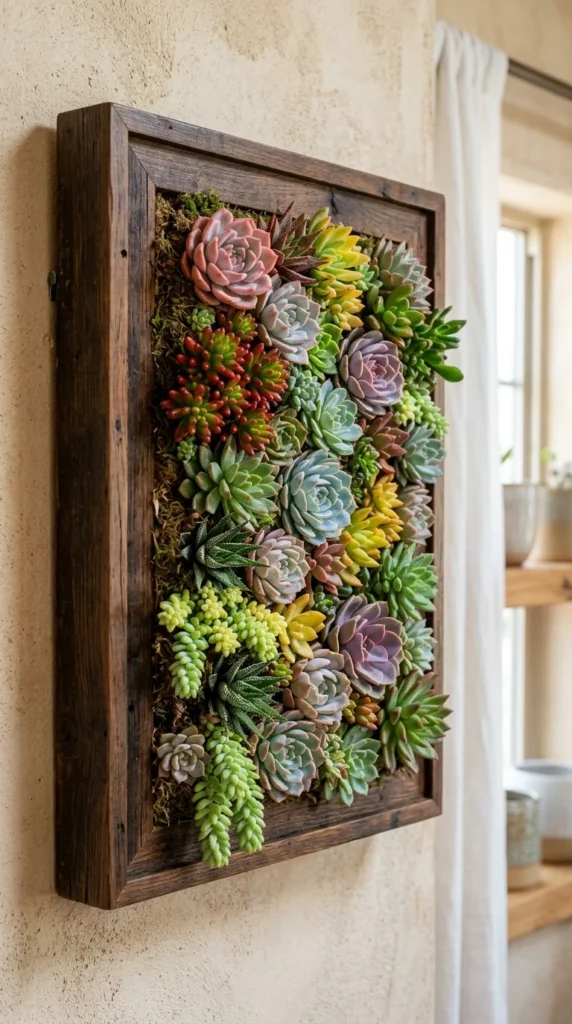
Succulents are ideal for vertical “paintings” because they require very little water and have shallow roots. A shadow box frame filled with a wire mesh and succulent soil allows you to create a living tapestry. As the plants grow, they fill the frame completely, hiding the soil and creating a lush, textured surface.
13. Vertical Strawberry Tubes
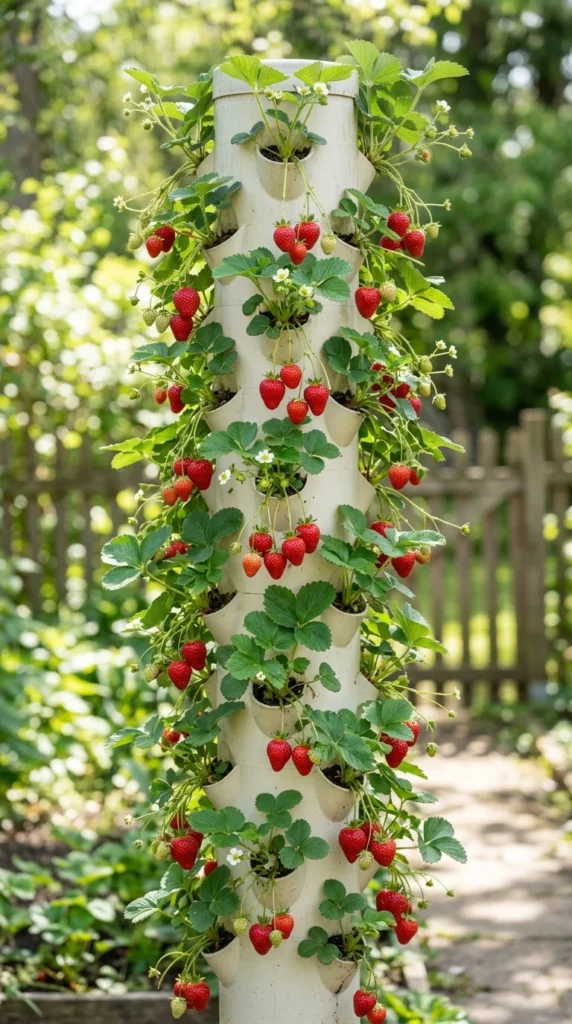
Strawberry tubes are specifically designed to keep the fruit off the ground, preventing rot and pest damage. These vertical towers maximize the harvest per square foot and make picking the fruit much easier than traditional ground-level patches.
14. Repurposed Shutters
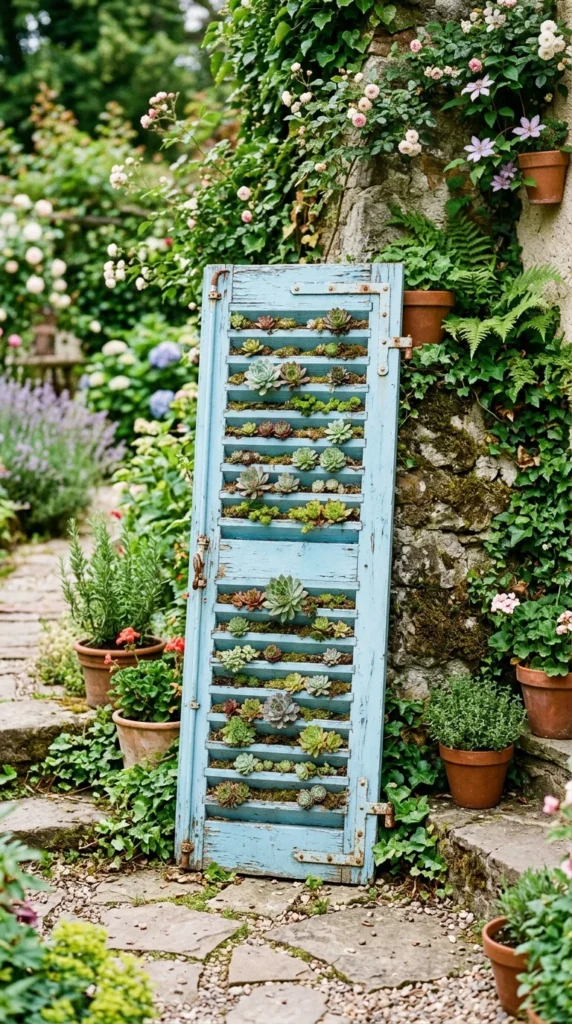
Old window shutters have built-in “shelves” thanks to their louvers. By angling the shutter and securing small plants behind the slats, you can create a charming, cottage-style vertical garden. This is a great way to breathe new life into architectural salvage.
15. Metal Grid Panels
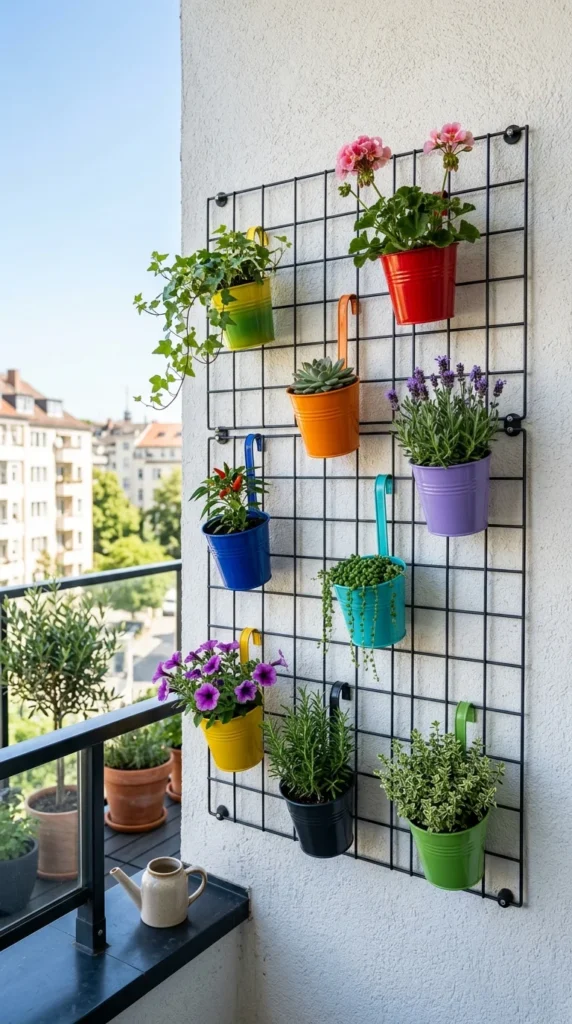
Industrial wire grids offer a minimalist and highly customizable vertical garden solution. You can use S-hooks to hang pots of different sizes and styles. This allows you to rearrange your garden easily as plants grow or as the seasons change.
16. Concrete Block Towers
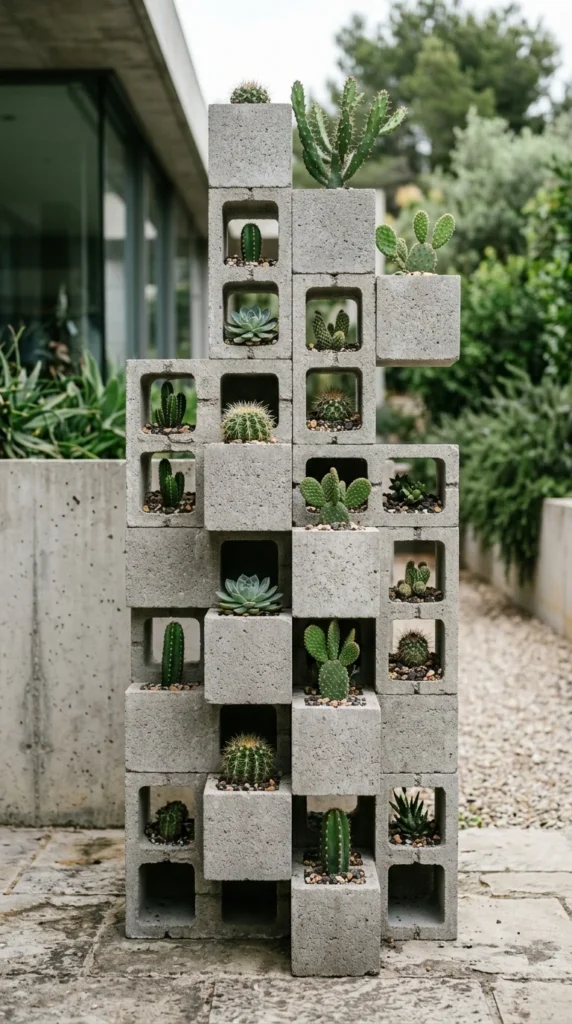
Concrete blocks are an affordable and durable material for vertical gardening. By staggering the blocks, the “holes” become individual planting pockets. This creates a brutalist, modern aesthetic that is incredibly sturdy and heat-retentive, which certain plants like peppers and succulents love.
17. Birdcage Planters
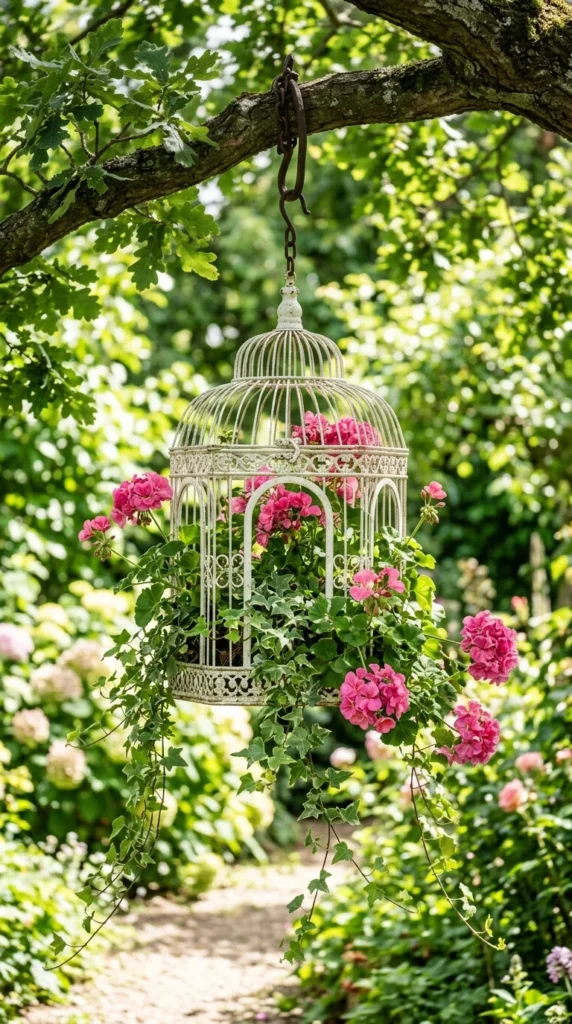
Repurposing a vintage birdcage is a whimsical way to add verticality to your garden. These work best for “spiller” plants—those that naturally trail and vine. The cage provides a unique frame that supports the plants while adding a touch of Victorian elegance to the landscape.
18. Floating Shelves
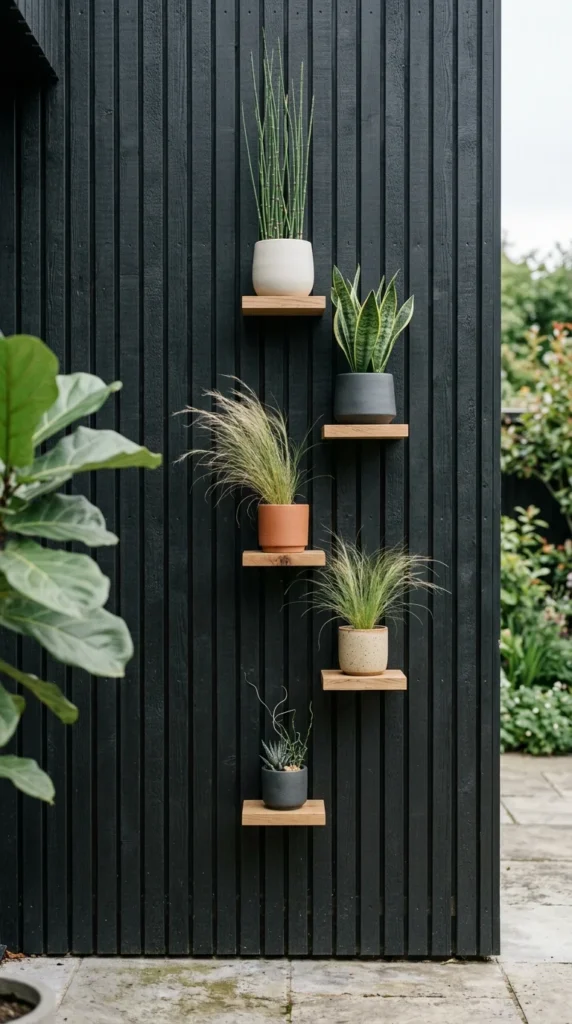
Floating shelves are a great way to use vertical wall space without the bulk of a full ladder or trellis. By using high-quality materials like cedar or treated pine, these shelves can withstand the elements while providing a clean, contemporary look for displaying prize specimens.
19. Herb Spirals
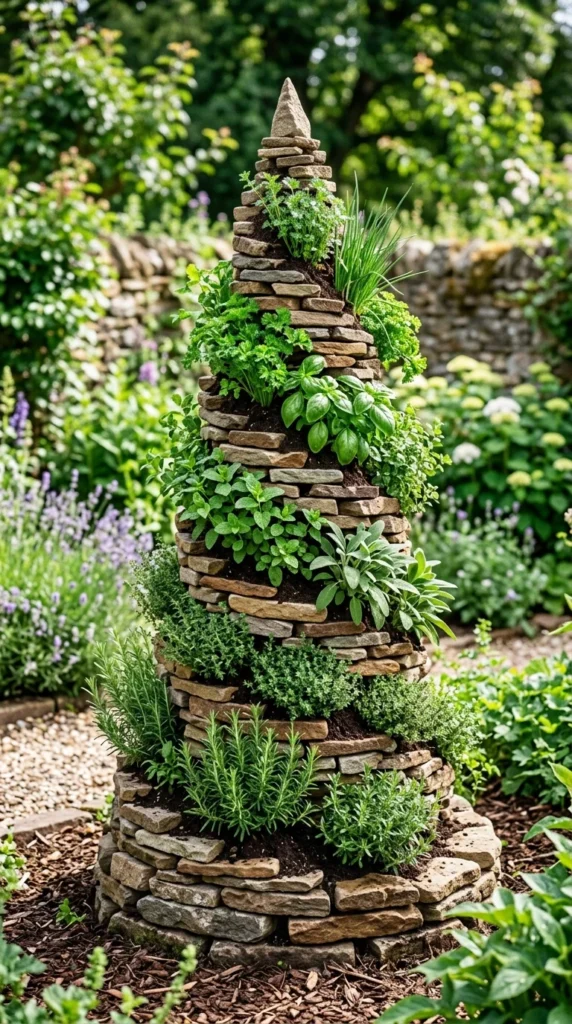
While partially horizontal, the herb spiral uses height to create different microclimates. The top is dryer and sunnier (ideal for rosemary and thyme), while the bottom remains cooler and more moist (ideal for mint and parsley). It is a masterpiece of permaculture design that packs a lot of growth into a small diameter.
20. Bamboo Pipelines
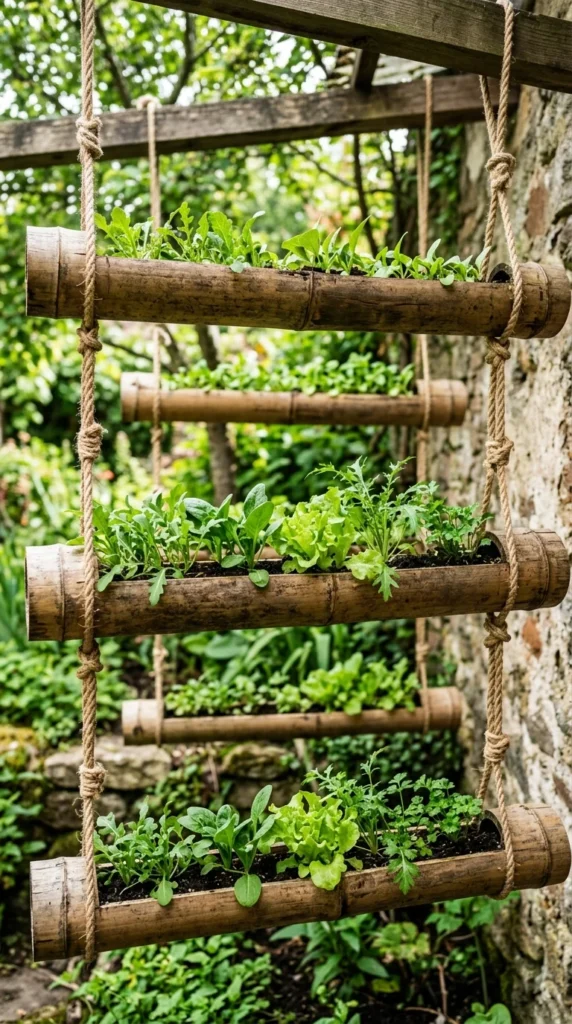
Bamboo is a sustainable and naturally water-resistant material. Halved bamboo stalks can be hung in a series using rope or wire, creating a Zen-like vertical garden. This look is particularly effective in tropical or minimalist garden designs.
21. Window Box Stacks
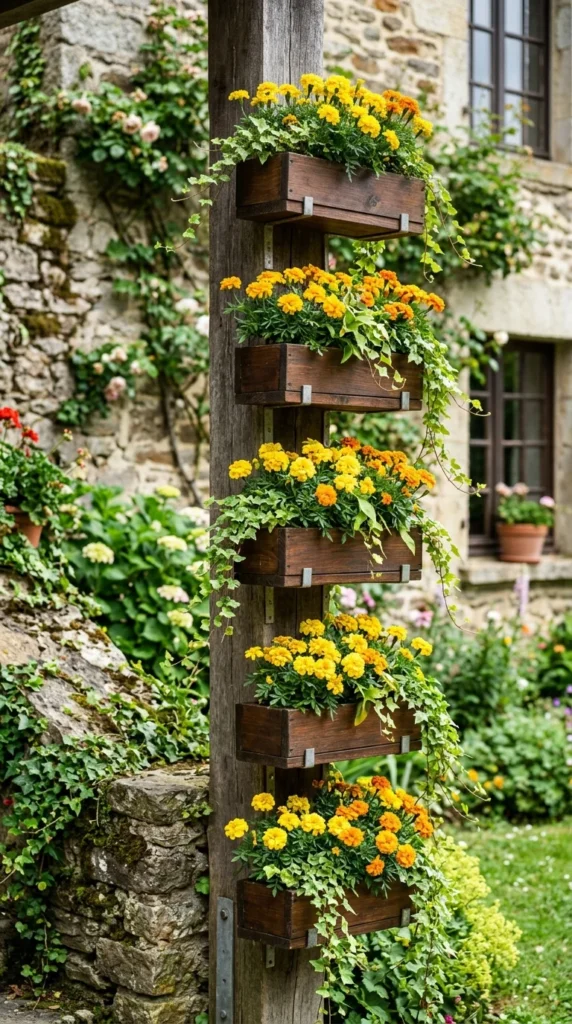
Instead of placing window boxes only under windows, you can stack them on a dedicated vertical post or a blank wall. This creates deep, sturdy planting beds that can accommodate larger flowers and even small root vegetables like radishes or carrots.
22. Copper Pipe Trellis
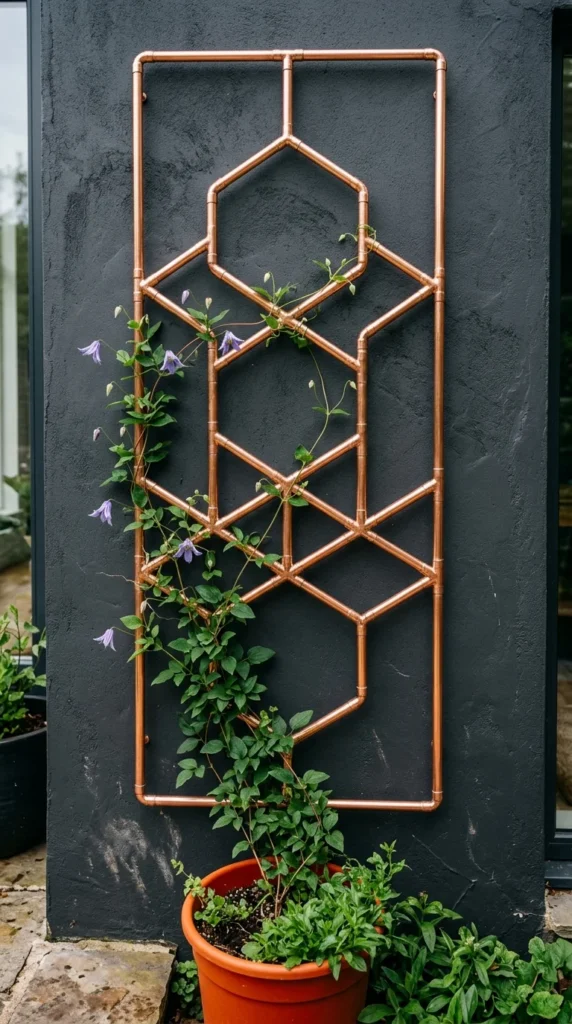
Copper piping isn’t just for plumbing; it can be used to create high-end, custom trellises. Over time, the copper will develop a beautiful green patina, or it can be polished to keep its metallic shine. This is a perfect choice for modern or industrial-themed outdoor spaces.
23. Felt Pouch Systems
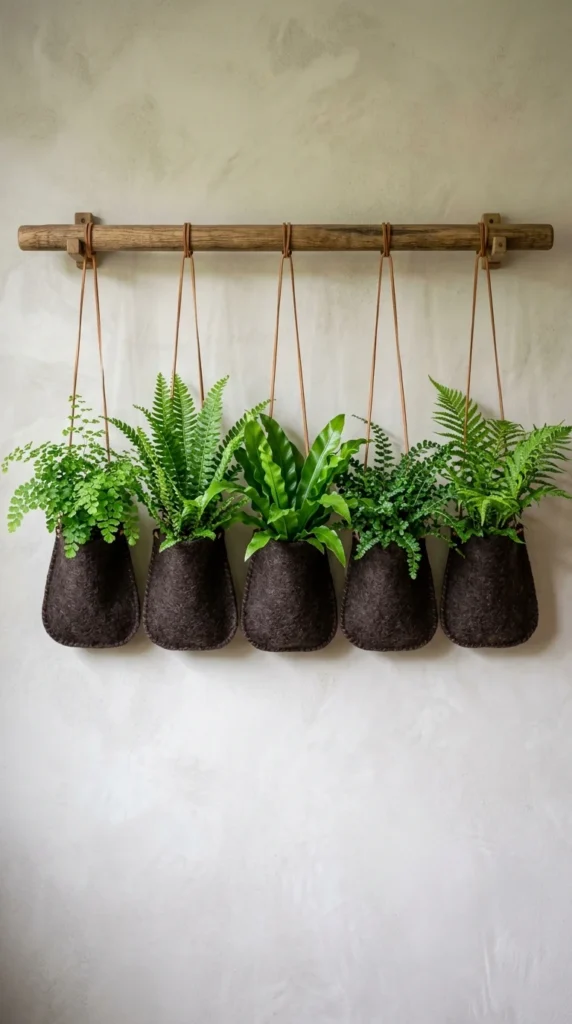
Unlike the large wall-covering pocket systems, individual felt pouches allow for more modularity. You can hang them at different heights or move them around to follow the sun. The soft texture of the felt adds a cozy, tactile element to the garden.
24. Obelisk Planters
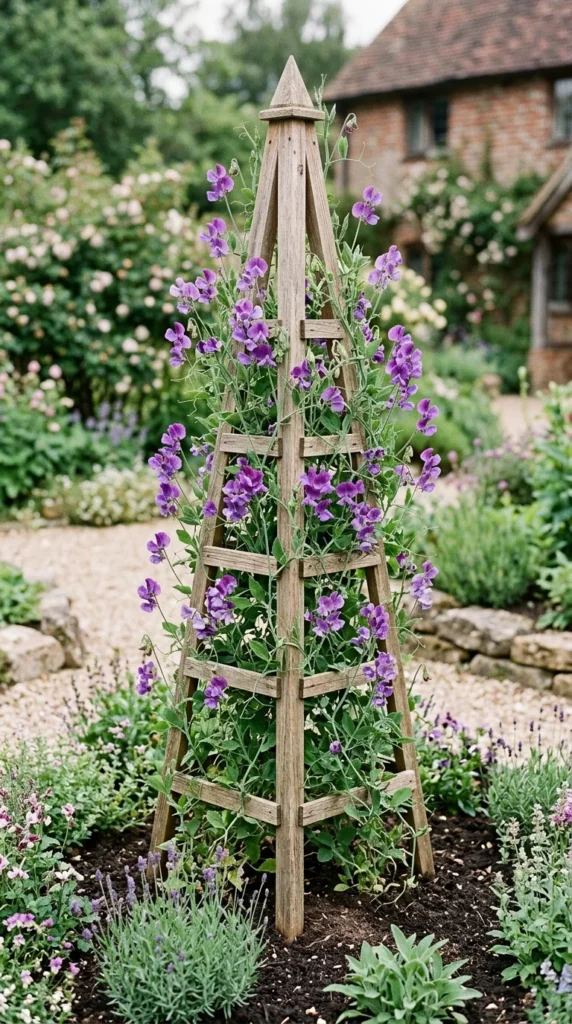
Obelisks provide a strong vertical focal point in any garden. They are traditionally used in English cottage gardens to support heavy climbers like roses or honeysuckle. Placing an obelisk inside a large pot or a raised bed adds instant height and architectural interest.
Selecting the Right Plants for Your Vertical Garden
The success of a vertical garden depends heavily on choosing plants that thrive in their specific environment.
- For Sun: Strawberries, cherry tomatoes, peppers, basil, and succulents.
- For Shade: Ferns, hostas, ivy, lettuce, and spinach.
- For Aesthetics: Creeping Jenny, petunias, fuchsia, and lobelia for that beautiful “spilling” effect.
Maintenance Tips for Vertical Success
Vertical gardens have unique needs compared to traditional ground gardening:
- Watering: Vertical gardens dry out faster. Consider an automated drip irrigation system or choose moisture-retentive soil mixes.
- Nutrients: Because soil volume is often limited, plants will deplete nutrients quickly. Regular fertilization with a liquid seaweed or compost tea is recommended.
- Weight: Soil and water are heavy. Ensure your walls, fences, or freestanding structures are sturdy enough to support the weight of the garden when fully saturated.
- Light: The top of a vertical garden often gets significantly more light than the bottom. Group your plants according to their light requirements.
By implementing these vertical garden bed ideas, you can transform any dull wall or cramped corner into a flourishing oasis. Whether you choose the rustic charm of pallets or the sleek look of a hydroponic tower, vertical gardening is the ultimate way to elevate your green space.