

Few things are as disheartening to a succulent lover as spotting that tell-tale white, flour-like dusting on a prized plant. Powdery mildew is a fungal disease caused by various species of fungi that thrive in humid, stagnant conditions. Unlike many other pests, it doesn’t just sit on the surface; it saps the energy from your succulent, eventually causing leaves to yellow, shrivel, and drop. If left unchecked, it can spread through your entire collection like wildfire.
The good news? Succulents are resilient, and with the right intervention, you can stop this fungus in its tracks. Here are 19 proven methods to eliminate powdery mildew and restore your plants to their former glory.
1. Isolation

The very first step in any plant surgery is quarantine. Powdery mildew produces microscopic spores that travel through the air with the slightest breeze. If you spot a white patch on one plant, move it immediately to a different room or a separate area of the garden. This prevents the “spore cloud” from settling on your healthy succulents. Keep the infected plant isolated for at least two weeks after the last sign of mildew has disappeared.
2. Neem Oil
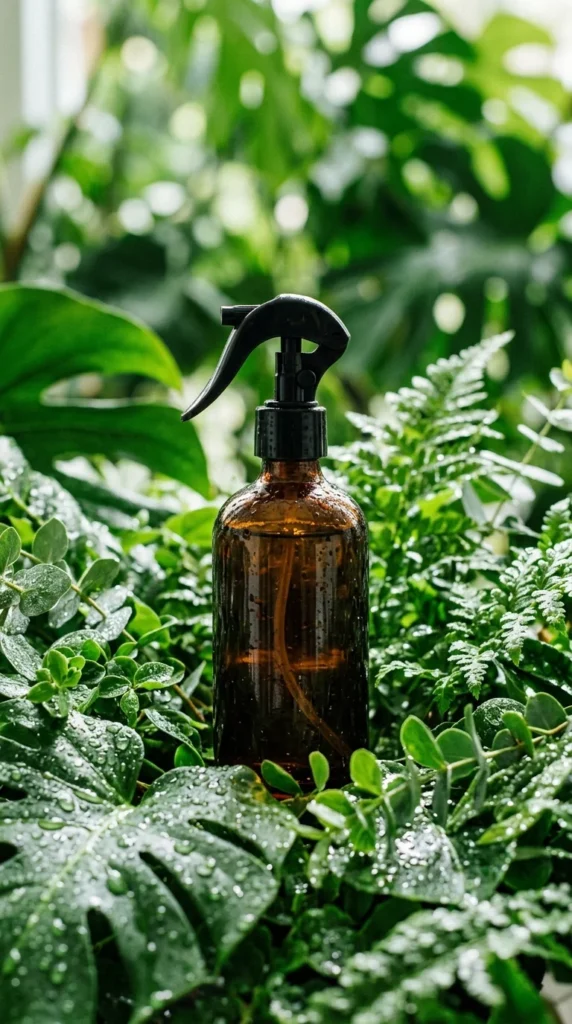
Neem oil is the gold standard for organic pest and fungus control. Extracted from the seeds of the neem tree, it contains compounds that disrupt the life cycle of the fungus and act as a natural fungicide. To use, mix one teaspoon of pure, cold-pressed neem oil with a half-teaspoon of mild dish soap and a quart of warm water. Spray the succulent thoroughly, ensuring you hit the undersides of the leaves. Avoid placing the plant in direct sunlight immediately after application, as the oil can cause the leaves to sunburn.
3. Baking Soda
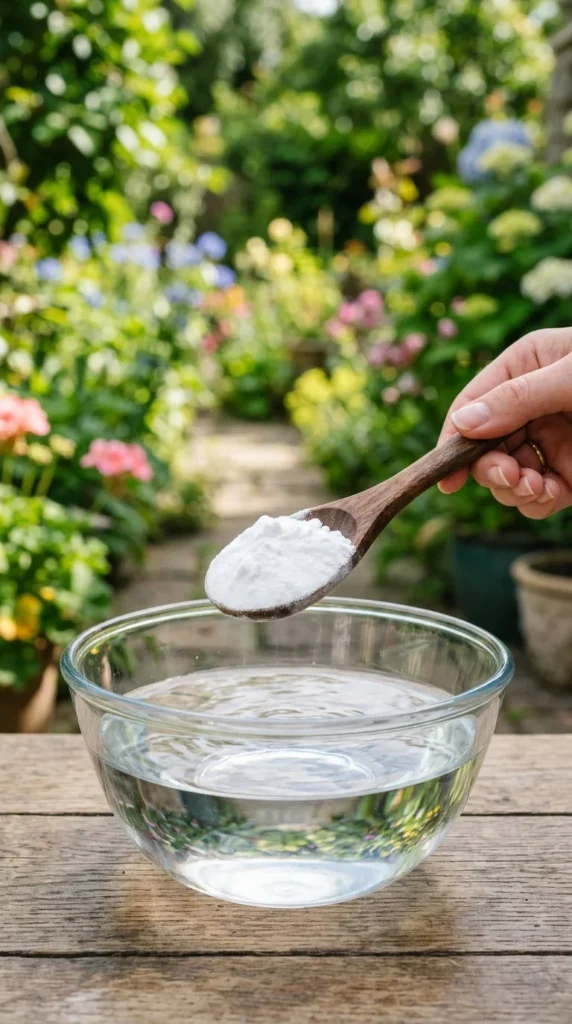
Baking soda (sodium bicarbonate) is a classic home remedy that alters the pH level on the leaf surface, making it an inhospitable environment for fungal spores. The recipe is simple: mix one tablespoon of baking soda and a half-teaspoon of liquid soap into a gallon of water. The soap helps the solution stick to the waxy surface of the succulent. Apply this every few days until the mildew is gone. Note: Always test a small leaf first, as some sensitive succulents can react poorly to the alkalinity.
4. Milk Spray
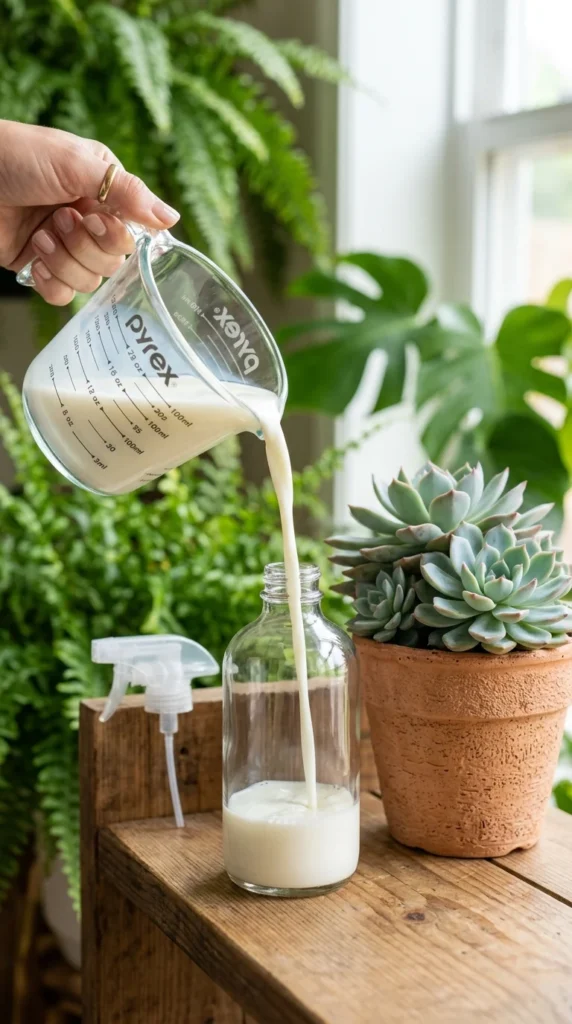
It might sound like an old wives’ tale, but science backs this up. The proteins in milk, when exposed to sunlight, produce a brief antiseptic effect that kills fungi. Mix a solution of 40% milk and 60% water. Spray your succulents in the bright morning light so the sun can activate the proteins. This method is surprisingly effective and completely non-toxic for indoor environments.
5. Vinegar

Acetic acid, found in vinegar, is a potent fungus killer. However, you must be very careful with the concentration, as vinegar is also a natural herbicide. Mix two to three tablespoons of apple cider vinegar into a gallon of water. Use a fine mist to coat the affected areas. This is best used for stubborn cases where other organic methods have failed.
6. Hydrogen Peroxide
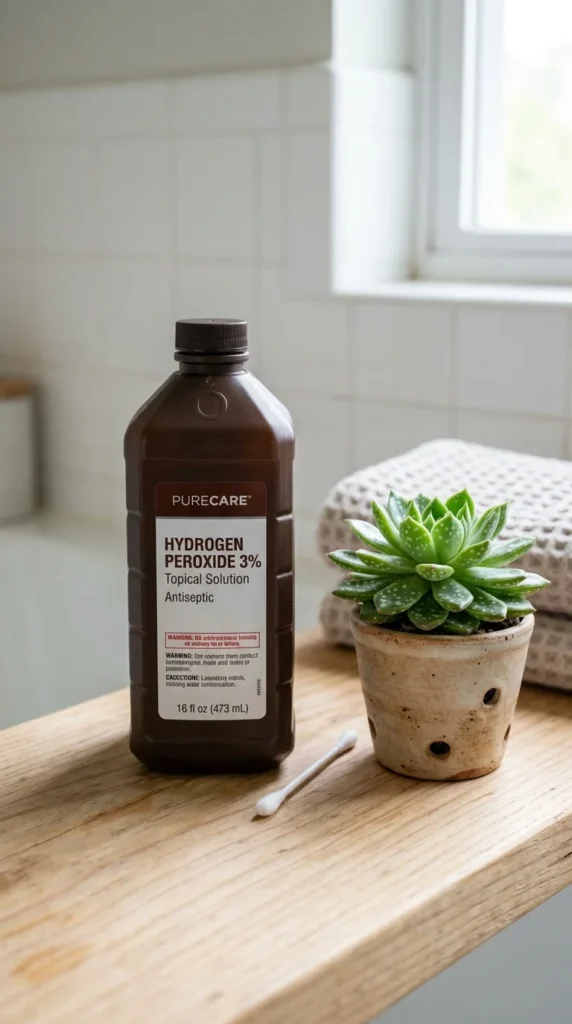
Hydrogen peroxide works by oxidizing the fungal cell walls on contact. Use a 3% solution (the standard strength found in pharmacies) and mix one part peroxide with nine parts water. This solution is excellent because it breaks down into water and oxygen, leaving no harmful residue behind. It’s particularly effective for localized spots; you can even dab it directly onto the mildew with a cotton swab for a targeted strike.
7. Mouthwash
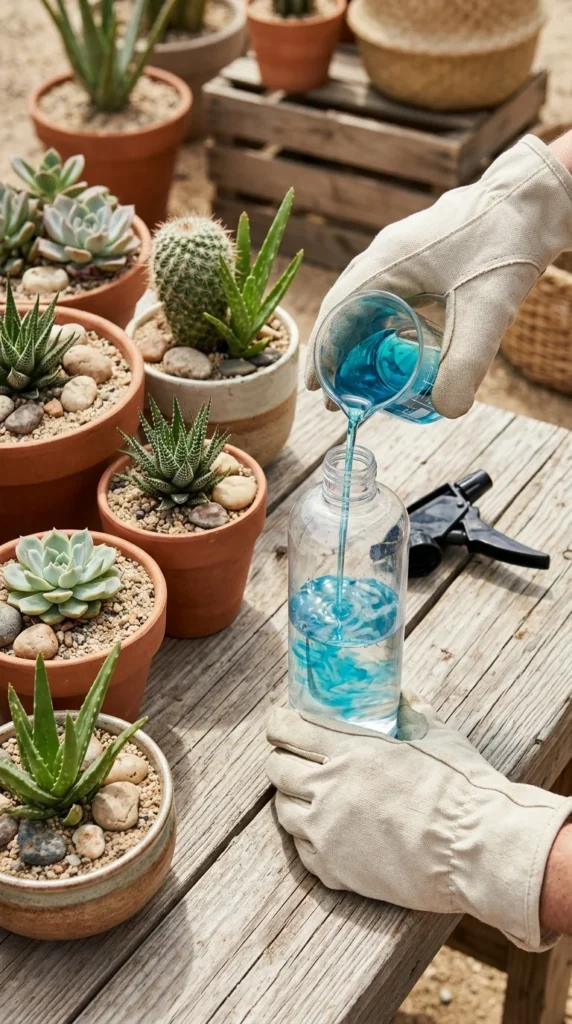
Ethanol-based mouthwash is designed to kill germs, and it’s just as effective against powdery mildew spores. Use a generic, alcohol-based mouthwash and mix one part mouthwash with three parts water. The alcohol dries out the fungus quickly. Be sure to use a clear or lightly colored mouthwash to avoid staining your succulent’s leaves.
8. Potassium Bicarbonate
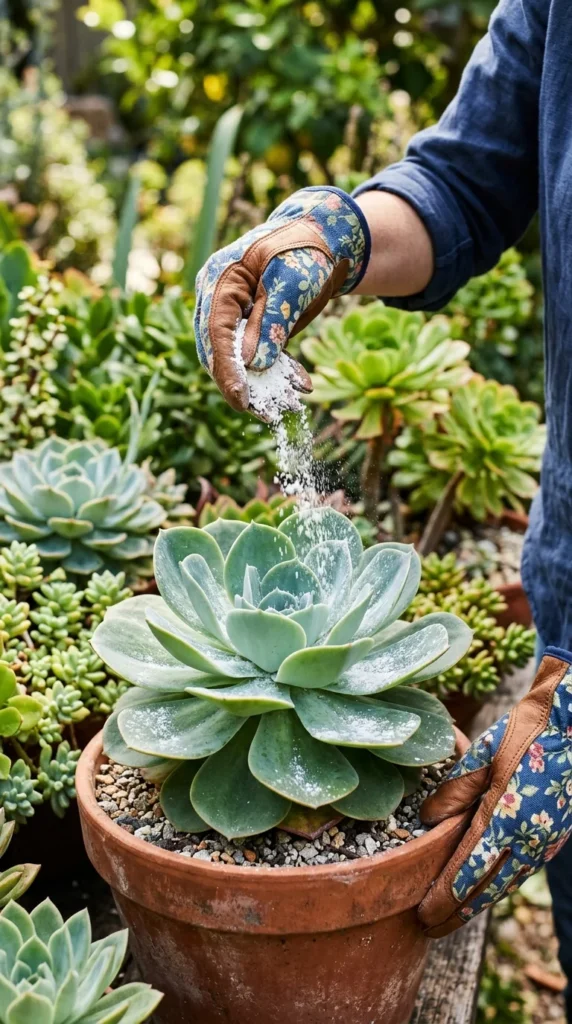
If baking soda isn’t doing the trick, potassium bicarbonate is its more powerful cousin. It is a contact fungicide that kills powdery mildew spores rapidly. It is often found in commercial organic fungicides but can be bought as a standalone powder. Mix it with water according to the package directions (usually about a tablespoon per gallon) and add a dash of horticultural soap to ensure even coverage.
9. Sulfur
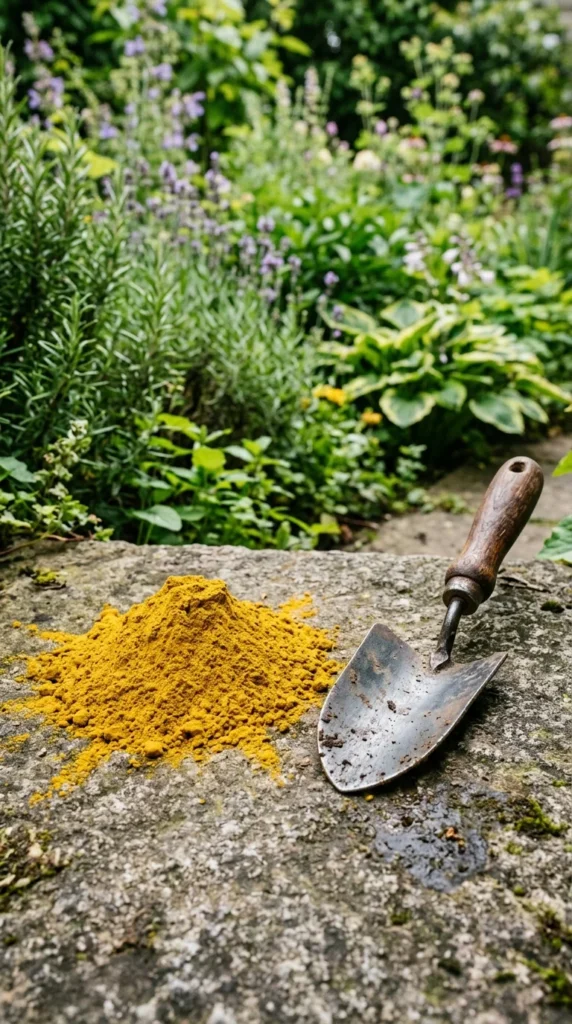
Sulfur has been used for centuries to combat fungal diseases. You can find it as a “wettable powder” or a dust. It works by preventing the spores from germinating. For succulents, a light dusting of sulfur powder over the infected areas is often the fastest way to stop an outbreak. Be careful not to inhale the dust, and avoid using it when temperatures exceed 80°F (27°C), as it can burn the plant tissue.
10. Rubbing Alcohol
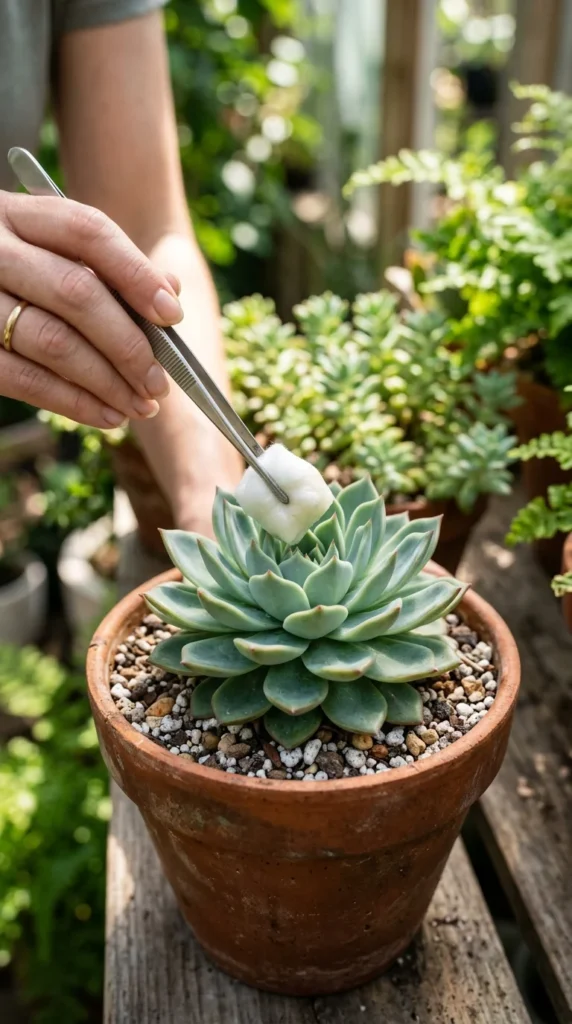
For small, localized patches of mildew, isopropyl (rubbing) alcohol is a quick fix. Dip a cotton swab or a soft brush in 70% rubbing alcohol and gently wipe away the white fuzz. The alcohol evaporates quickly, killing the fungus without over-saturating the plant. This is also a great way to check if the “white stuff” is actually powdery mildew or mealybugs, as alcohol kills both.
11. Garlic Mist
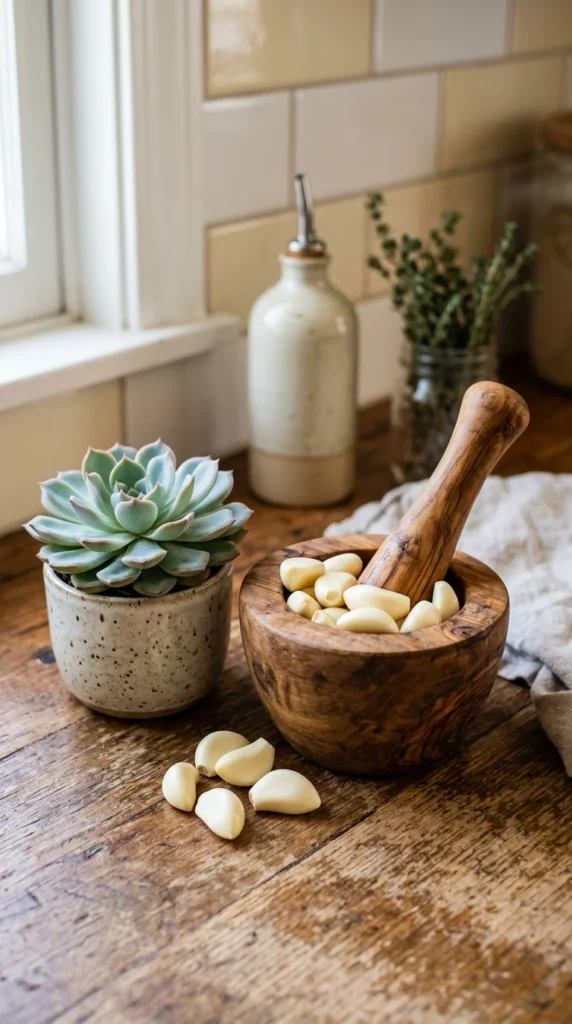
Garlic contains high levels of sulfur and has natural antifungal properties. To make a garlic spray, crush two entire bulbs of garlic and steep them in a quart of water overnight. Strain the liquid and use it as a spray. While the smell is pungent, it is an incredibly effective and natural way to keep fungi at bay.
12. Cinnamon
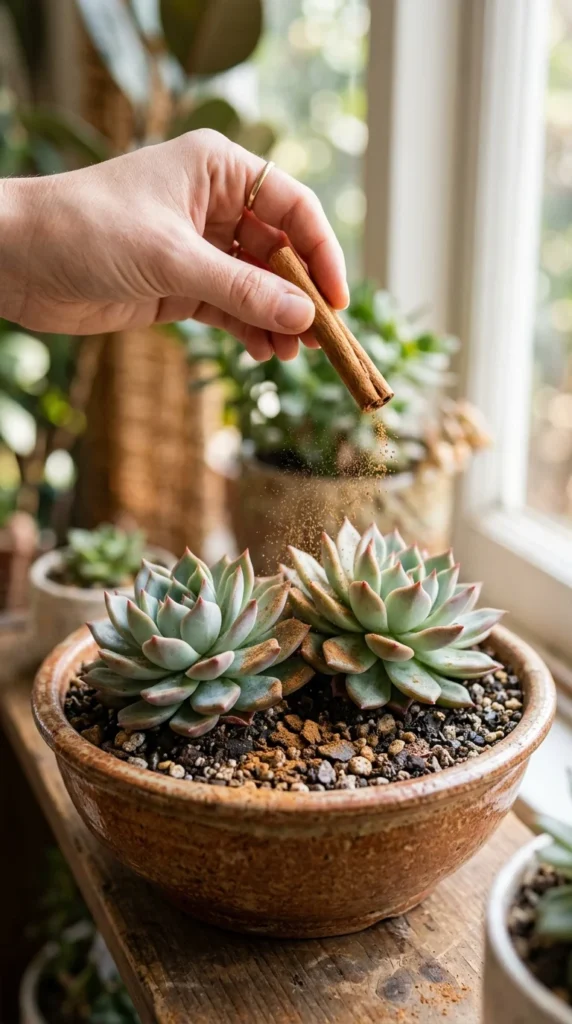
Cinnamon is a natural fungicide often used to prevent “damping off” in seedlings, but it works for succulents too. While it won’t necessarily cure a massive systemic infection, sprinkling cinnamon powder on the leaves and soil surface can inhibit fungal growth. It’s also excellent for treating the “wounds” left behind if you have to scrape mildew off a leaf.
13. Ventilation

Powdery mildew thrives in “dead air.” If your succulents are crowded together in a corner, the humidity levels around the leaves rise, creating a fungal playground. Increasing airflow is a preventative measure that also helps current treatments work faster. Place a small fan near your plants to keep the air moving, or ensure windows are cracked to provide a cross-breeze.
14. Watering Habits

Watering from above is the number one cause of powdery mildew. When water sits on the leaves, especially in the evening, it provides the moisture spores need to take root. Switch to bottom-watering or use a narrow-spout watering can to apply water directly to the soil. Always water in the morning so that any accidental splashes can evaporate during the heat of the day.
15. Sunlight
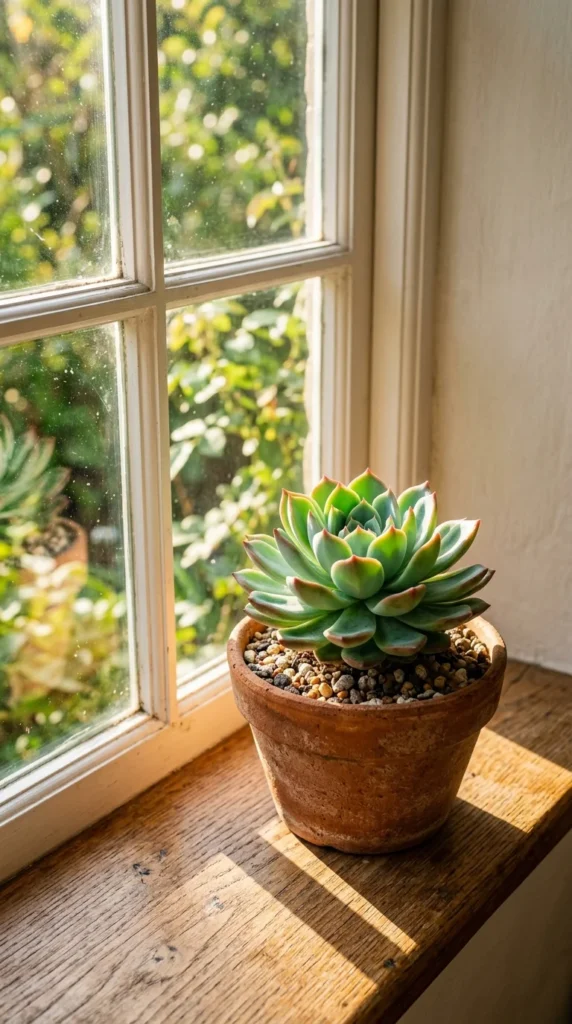
Powdery mildew prefers shaded, damp spots. Succulents are sun-lovers by nature, and the UV rays from direct sunlight are a natural disinfectant. If your plant is suffering, gradually move it into a brighter spot. The increased light intensity will help dry out the fungal colonies and strengthen the plant’s natural immune system. Just be careful to acclimate it slowly to avoid sunburn.
16. Pruning
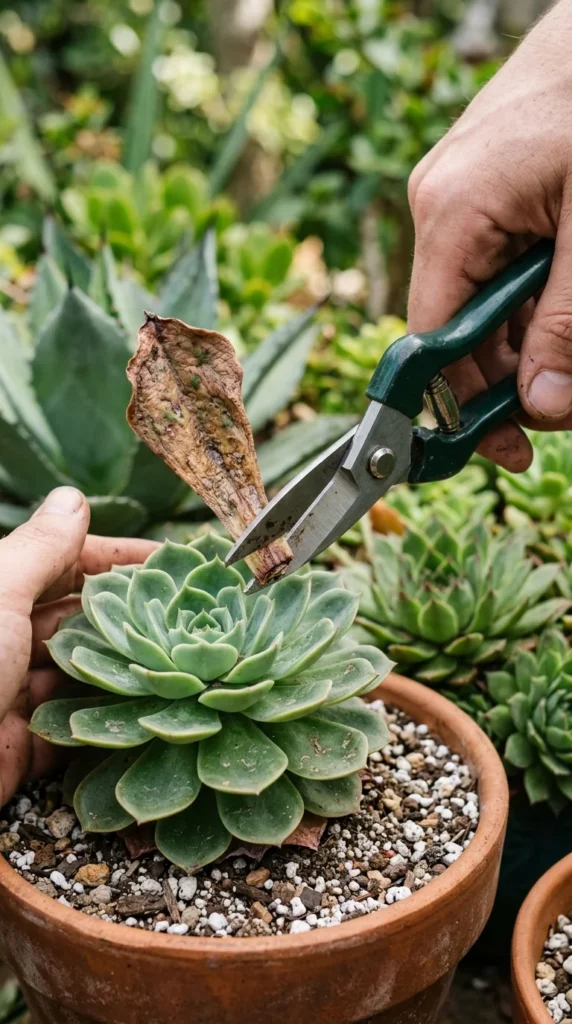
Sometimes, a leaf is too far gone to save. If a leaf is completely covered in mildew and starting to soften, the best course of action is to remove it. Use a sterilized blade to cut the leaf at the base. This removes a major source of spores and allows the plant to focus its energy on new, healthy growth. Always dip your shears in alcohol between cuts to avoid spreading the fungus.
17. Copper Fungicide
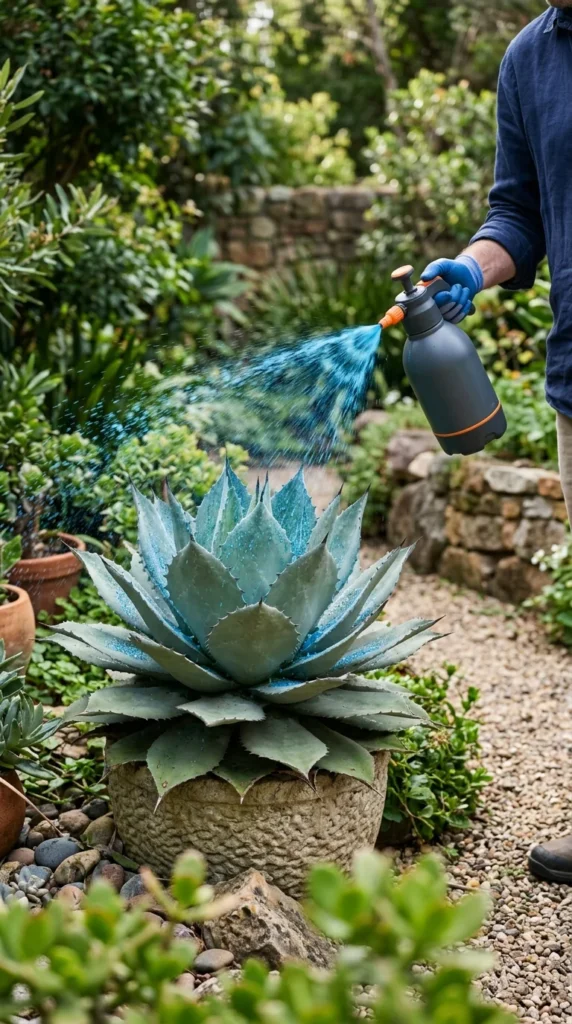
For severe or recurring infections, a copper-based fungicide is a powerful tool. Copper is toxic to many types of fungi and provides a protective barrier on the leaf surface. Follow the manufacturer’s instructions closely, as copper can accumulate in the soil over time. This is often the best choice for large outdoor succulent gardens where home remedies might be impractical.
18. Chemical Treatment
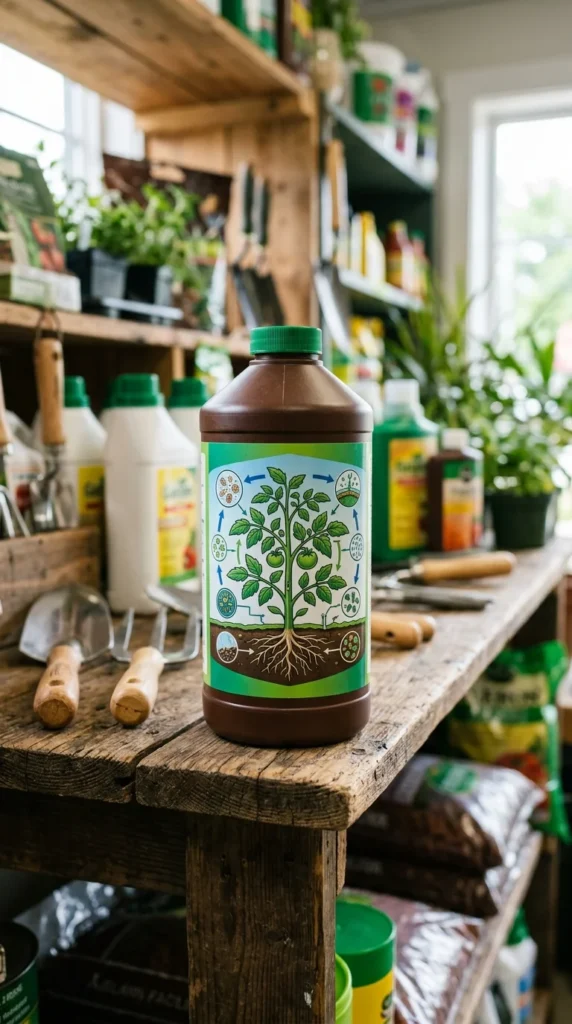
If organic methods fail, don’t be afraid to use a commercial fungicide specifically labeled for “ornamentals” or succulents. Look for active ingredients like myclobutanil or trifloxystrobin. These systemic treatments are absorbed by the plant and provide long-lasting protection from the inside out. Always use these in a well-ventilated area and wear protective gear.
19. Repotting
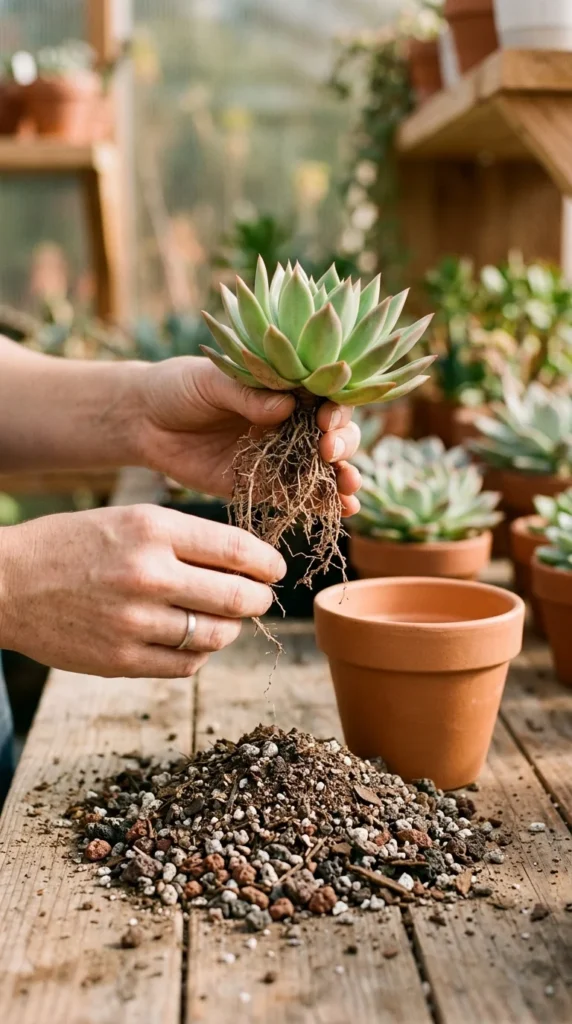
Sometimes the spores linger in the top layer of the soil. If you’ve treated the leaves but the mildew keeps coming back, it’s time for a fresh start. Remove the succulent from its pot, shake off all the old soil, and treat the roots with a diluted hydrogen peroxide solution. Repot the plant in a clean container with fresh, well-draining cactus mix. This removes the reservoir of spores and gives your succulent a clean slate.